Art07 mins. read
On presence in absence: Chiharu Shiota at the Grand Palais in Paris
by Giulia ZappaJan 06, 2025



by Chahna TankPublished on : May 11, 2026
Soup is simple; it is elemental. Little else is as soulful, as umami, as fulfilling as a warm bowl of soup. It asks for little—just water, heat, a handful of ingredients—and offers something far greater in return. It nourishes and holds within it history, memory, geography and care; each bowl shaped by its own recipe, its own ingredients, its own context—varying across regions, cultures and conditions. And yet, something essential remains constant—in every soup is the same capacity of sustaining the body while enveloping it from within, just as clothing and shelter hold and protect us from the outside.
It is precisely this dual quality—soup as nourishment and envelopment—that forms the conceptual basis of the exhibition Soup as Life, on view at 21_21 DESIGN SIGHT, Tokyo, from March 27 – August 9, 2026. Conceived by Japanese designer and exhibition director Natsumi Toyama, the exhibition uses the humble soup as a lens to reconsider the origins of food, clothing and shelter, tracing them back to the womb. She extends this thinking by framing the amniotic fluid as the ‘first soup’. With a salinity close to what we perceive as palatable and rich in umami, it offers a way of understanding how nourishment begins even before birth. “If we consider the maternal body as shelter, the placenta as clothing and amniotic fluid as food, then even before birth, humans already exist within a primordial form of food, clothing and shelter. If the first substance we take into our bodies is amniotic fluid, it could be said that we are already enveloped in soup before we are born,” Toyama tells STIR.
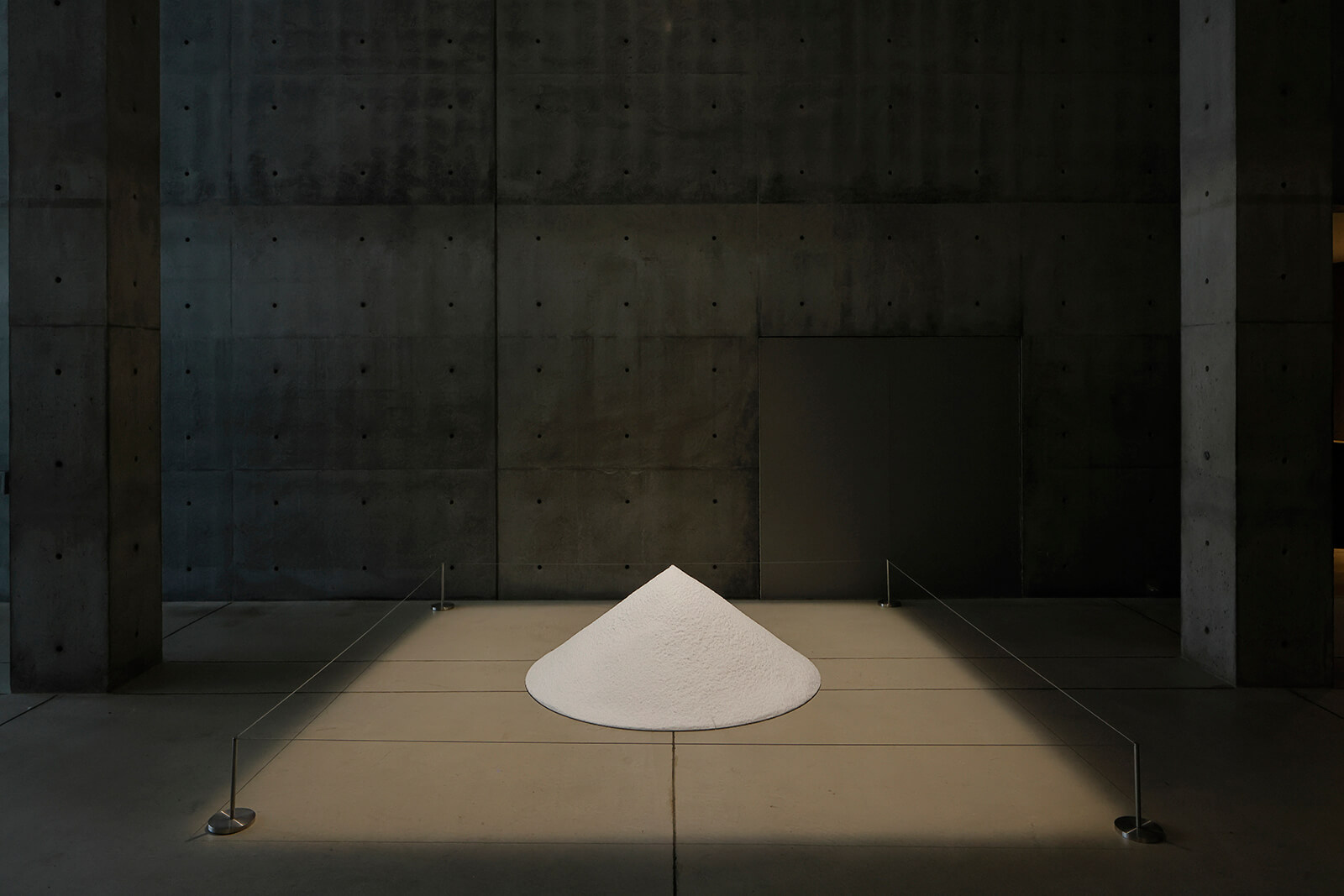
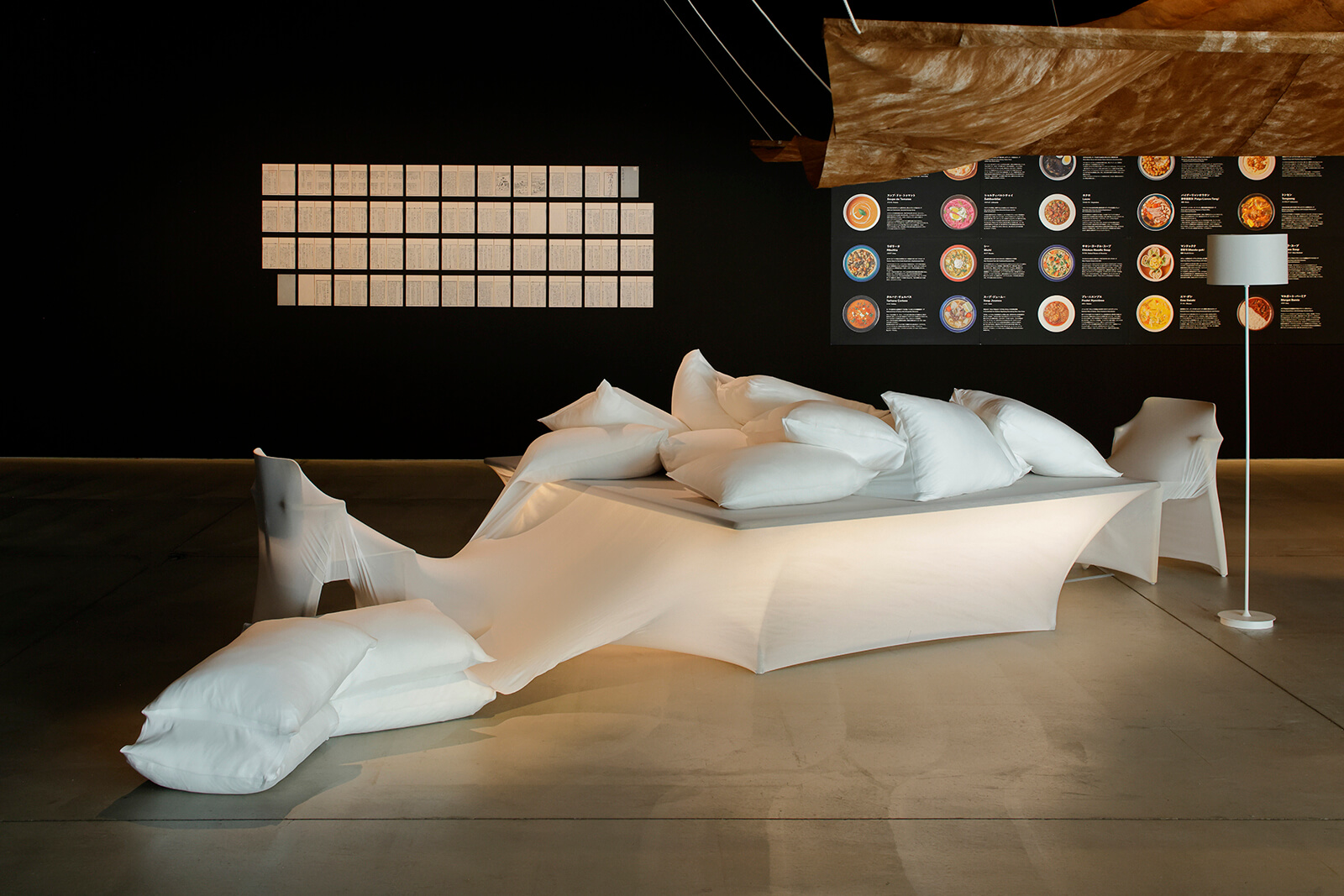
To translate this concept into the spatial design of the exhibition, or what Toyama describes as ‘body space’, she constructs an environment with immaterial elements such as light, sound and temperature to gently activate memory and emotion.
“It was essential to heighten the senses. However, visitors cannot actually eat. So instead, the focus shifts to amplifying the non-gustatory senses in order to awaken internal perception. The experience is composed through an interplay between external elements that envelop the body—and internal senses such as smell and hearing that arise from within,” Toyama explains.
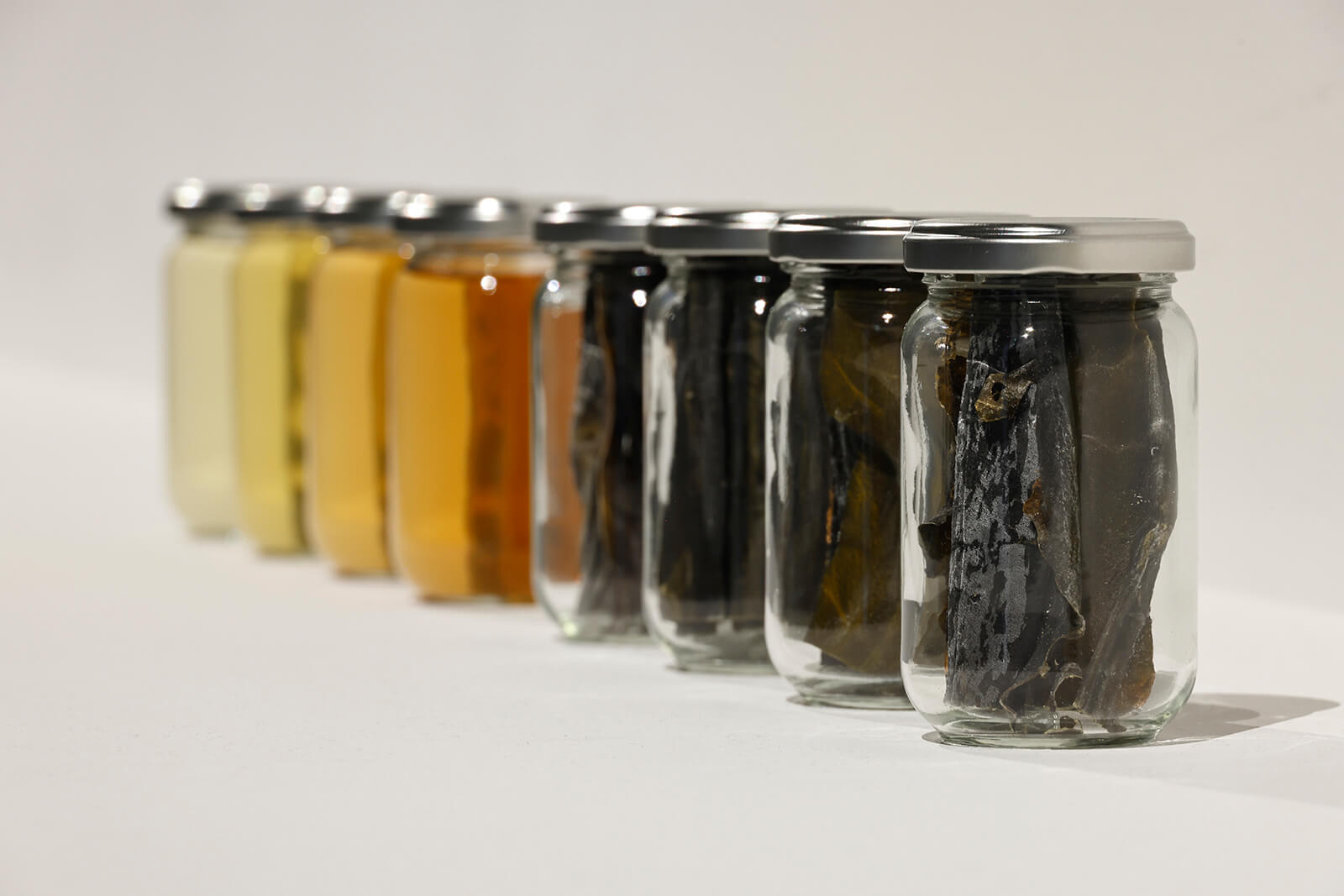
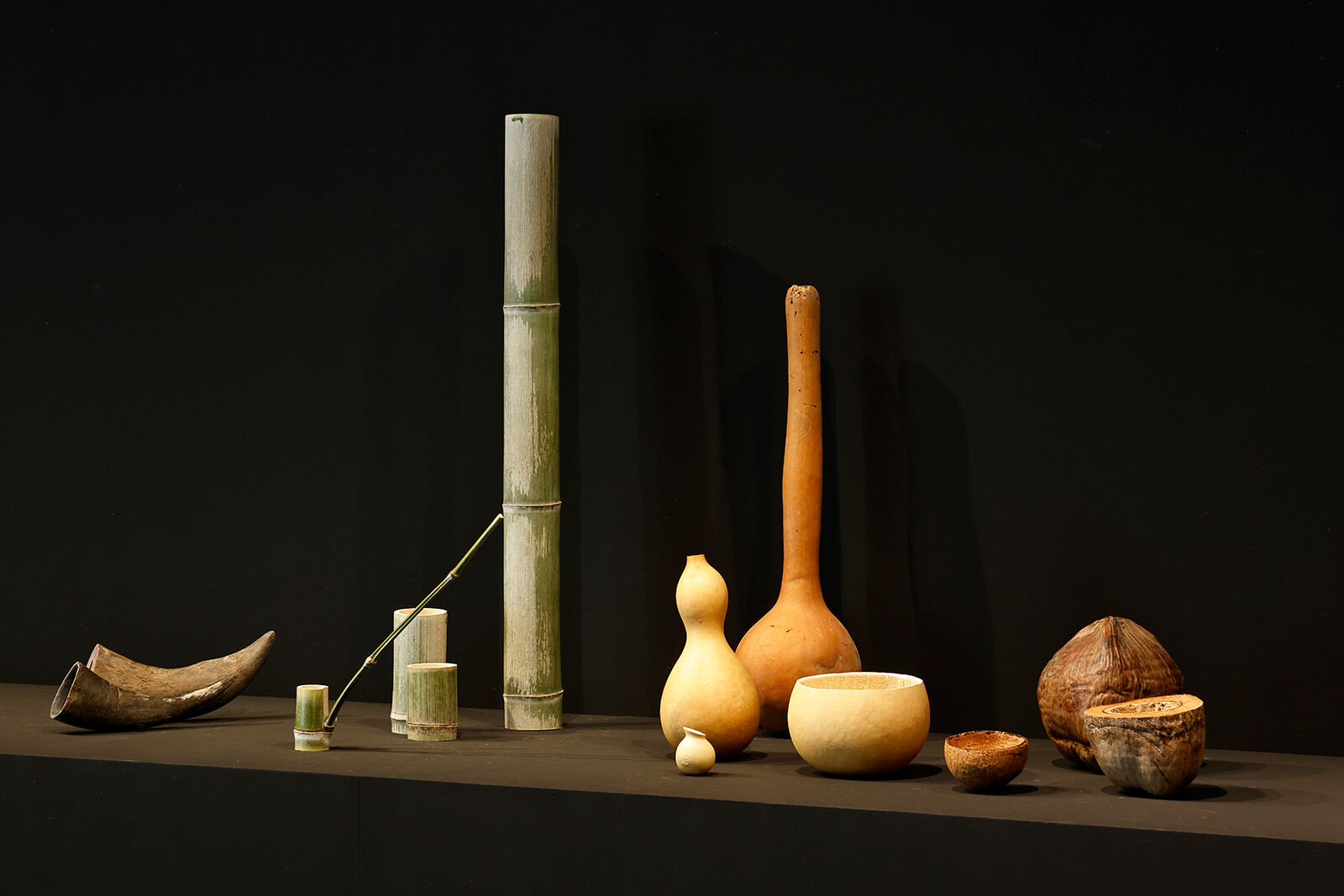
The exhibition is structured around twelve verbs that serve as guiding markers for visitors, prompting them to engage with spatial and bodily cues. Together, they form a cyclical journey that traces life from its origins to its dissolution and regeneration, allowing things to be experienced physically rather than understood abstractly. Across these verbs or stages—To Dwell, To Drip, To be Wrapped, To Connect, To Gather, To Taste, To Play, To Fulfil, To Wrap, To be Born, To Share, and To Illuminate—the exhibition features multidicliplinary art—including installations, paintings, photography, video, textile and sound art—that engage all five senses, each offering different material and sensory interpretations of the theme of ‘soup’.
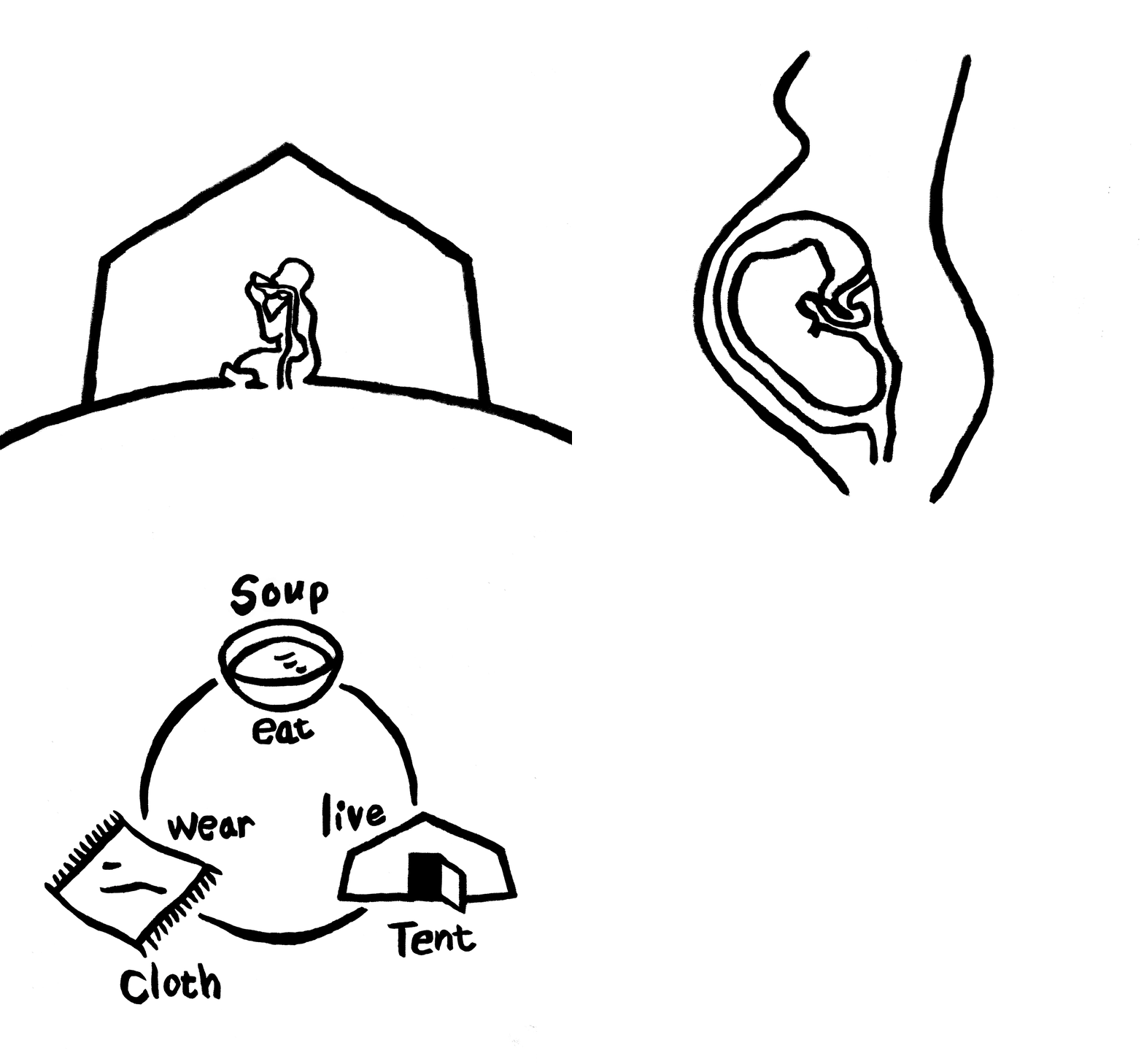
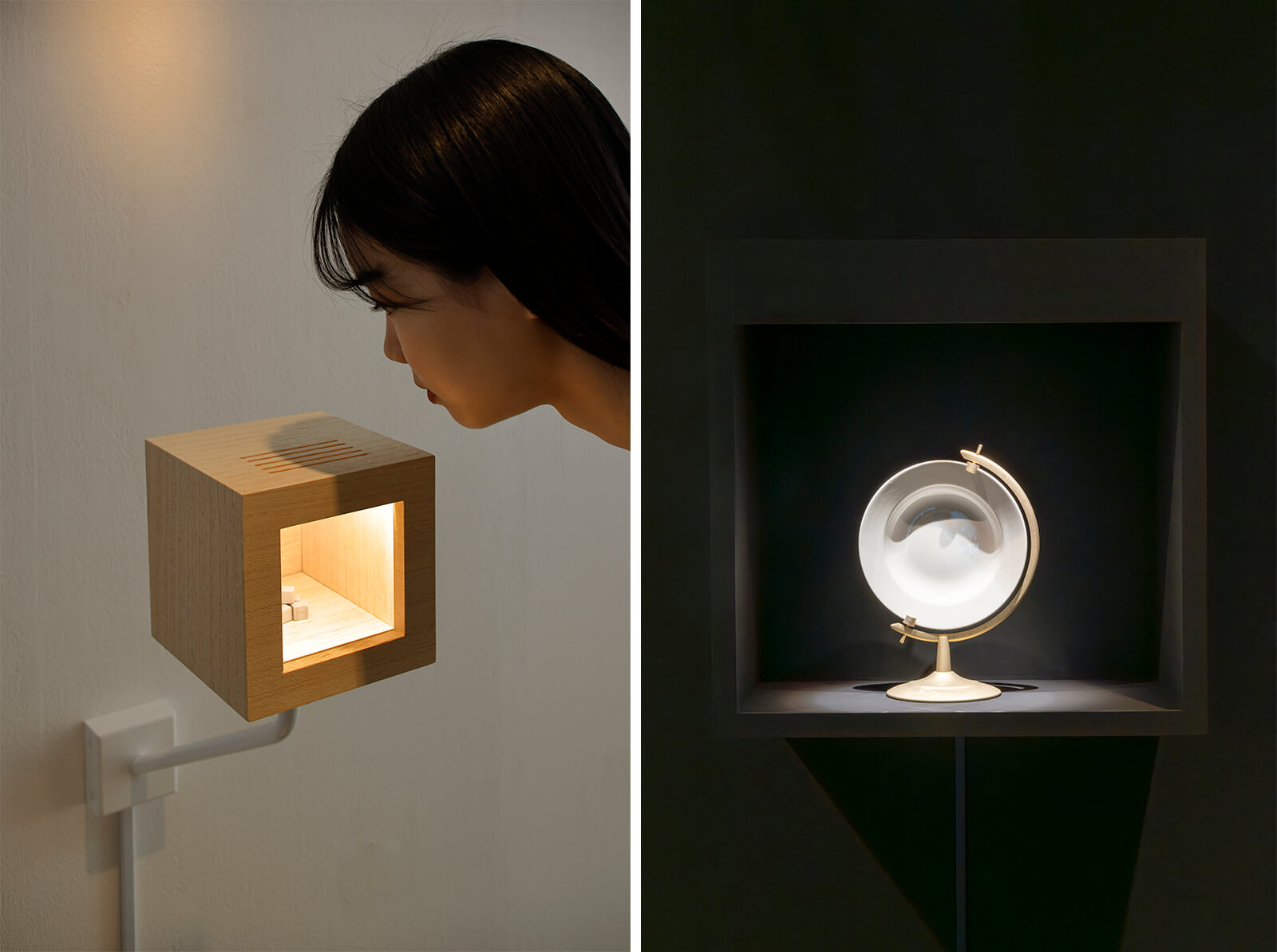
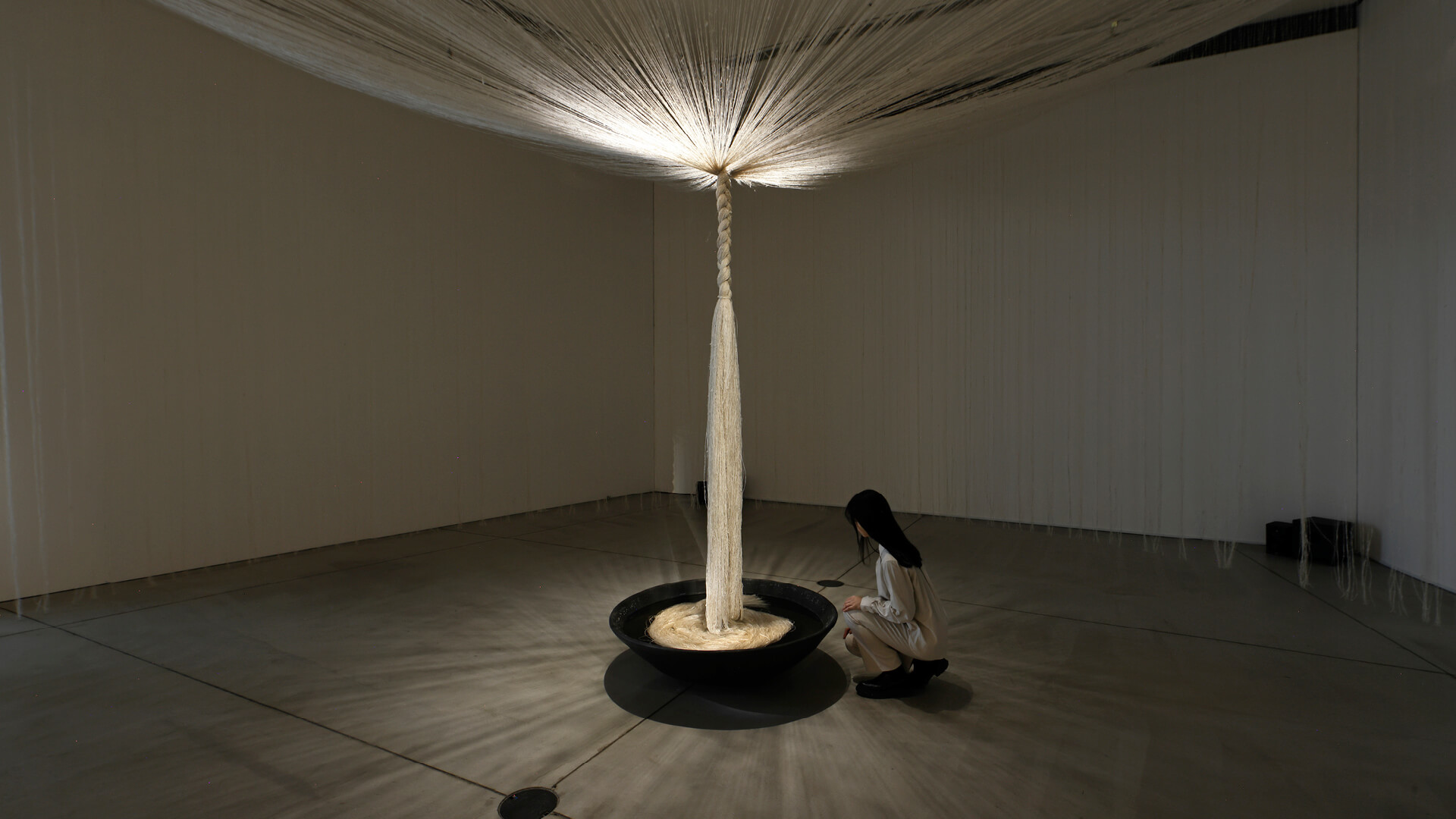
One of the central spatial experiences of the exhibition is The First Soup, an immersive installation in Gallery 1 that explores the idea of being enveloped at its most elemental level. At its core is a vessel of saline solution corresponding to the salinity of amniotic fluid, with fibrous strands extending inward into it—as if noodles in a soup bowl—drawing attention to processes of formation and life. The large-scale installation places visitors within a condition of dependency and containment. “The fibres that envelop the space are made of kibiso. Kibiso is the very first, most raw thread that a silkworm produces when it begins to spin its cocoon. Gathered toward the centre, these threads evoke the image of an umbilical cord—where one vein and two arteries intertwine. At the centre, a vessel holds salt water, and moisture slowly travels along the conical strands of kibiso. Over time, the crystallisation of salt becomes visible, tracing the path of life itself,” Toyama explains.
The space is also infused with layered sound, including a slow, rhythmic pulse reminiscent of a heartbeat, as well as ambient sounds of the city—suggesting the ‘outside world’ as heard from within the womb. These elements help construct an immersive experience where visitors do not observe envelopment from the outside, but experience it directly, as a state of being held within the space itself. “This is the only space in the exhibition where the body is enveloped in a fully passive way. While other works are structured around verbs that imply action, here the body itself is entrusted to the environment,” Toyama tells STIR.
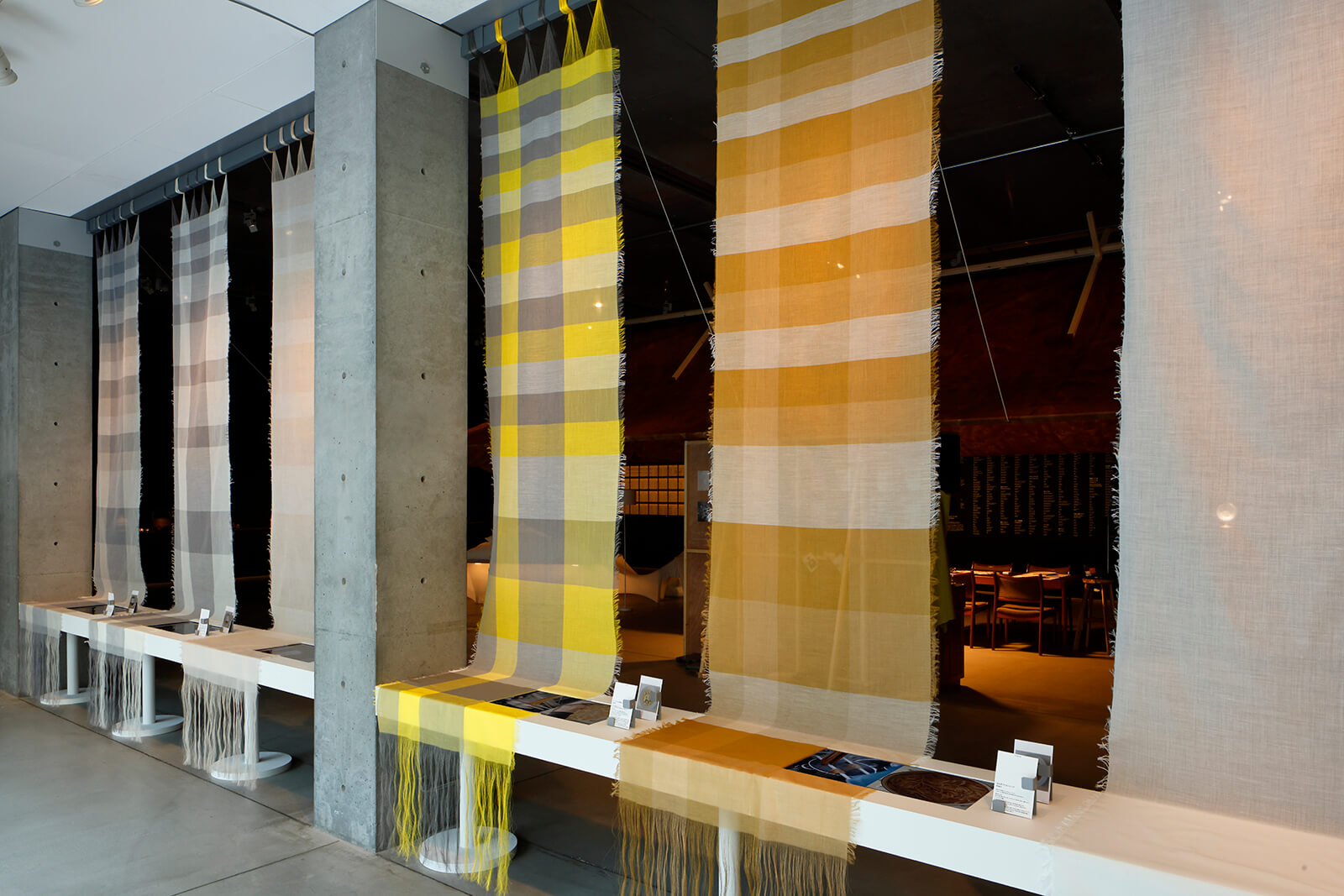
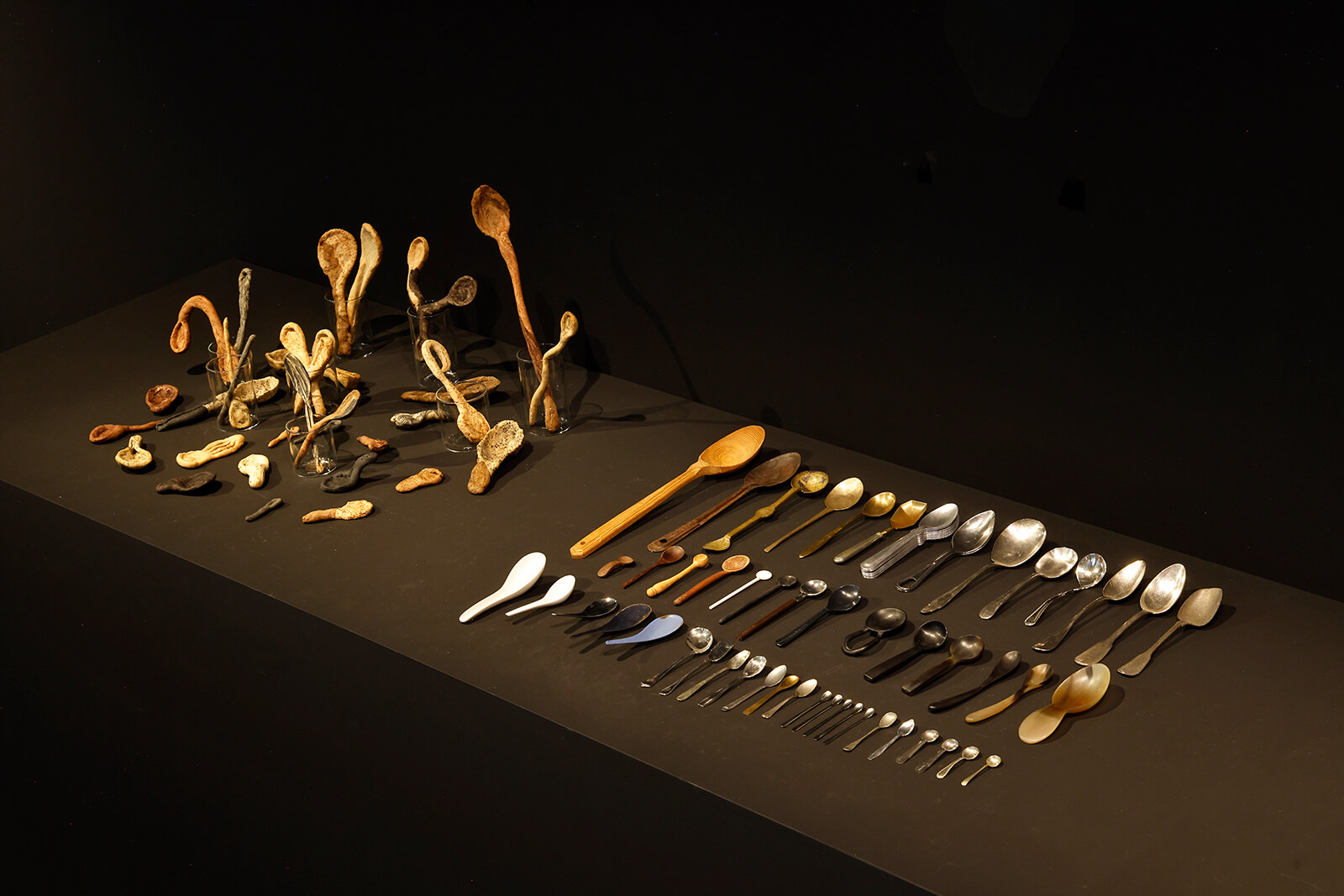
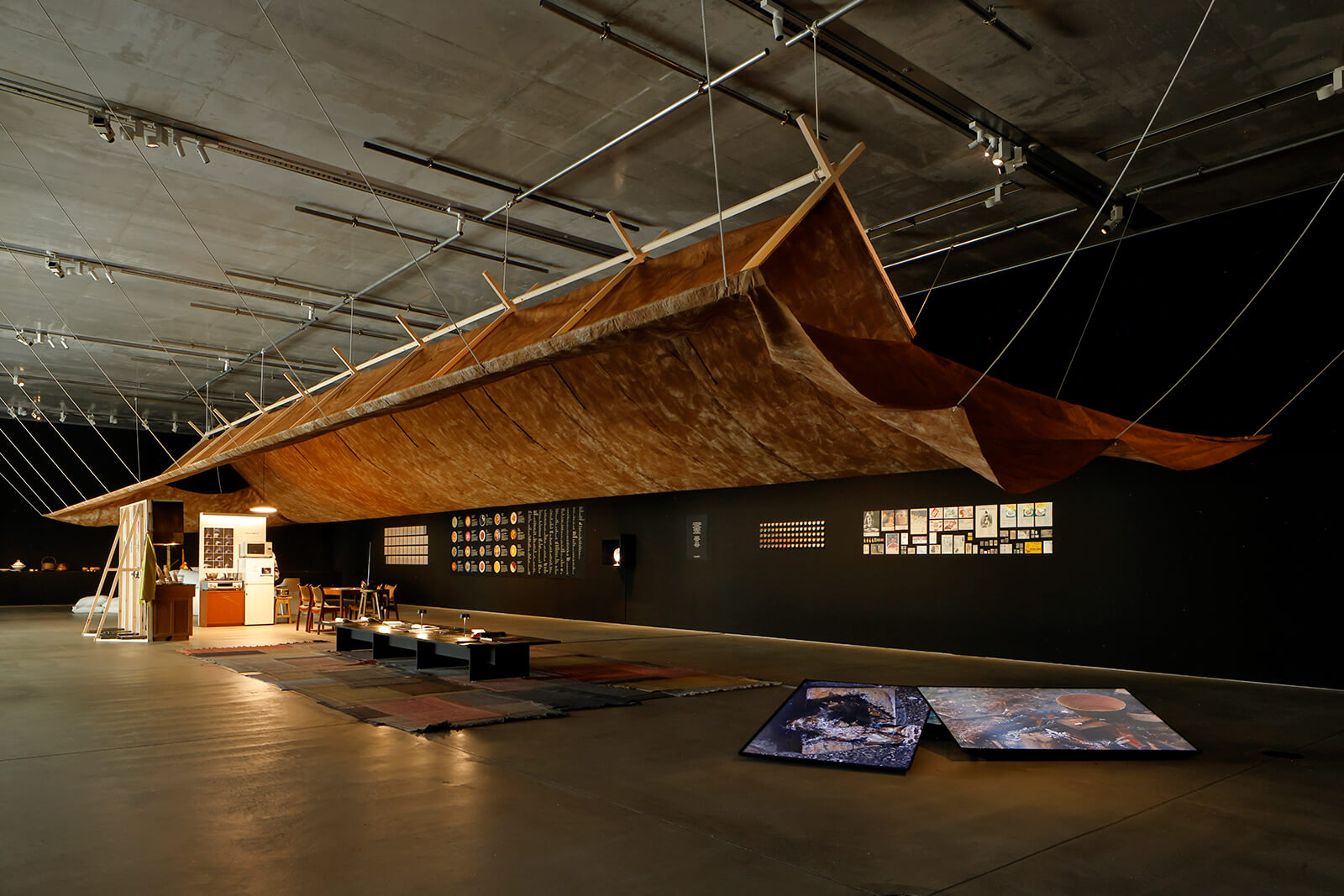
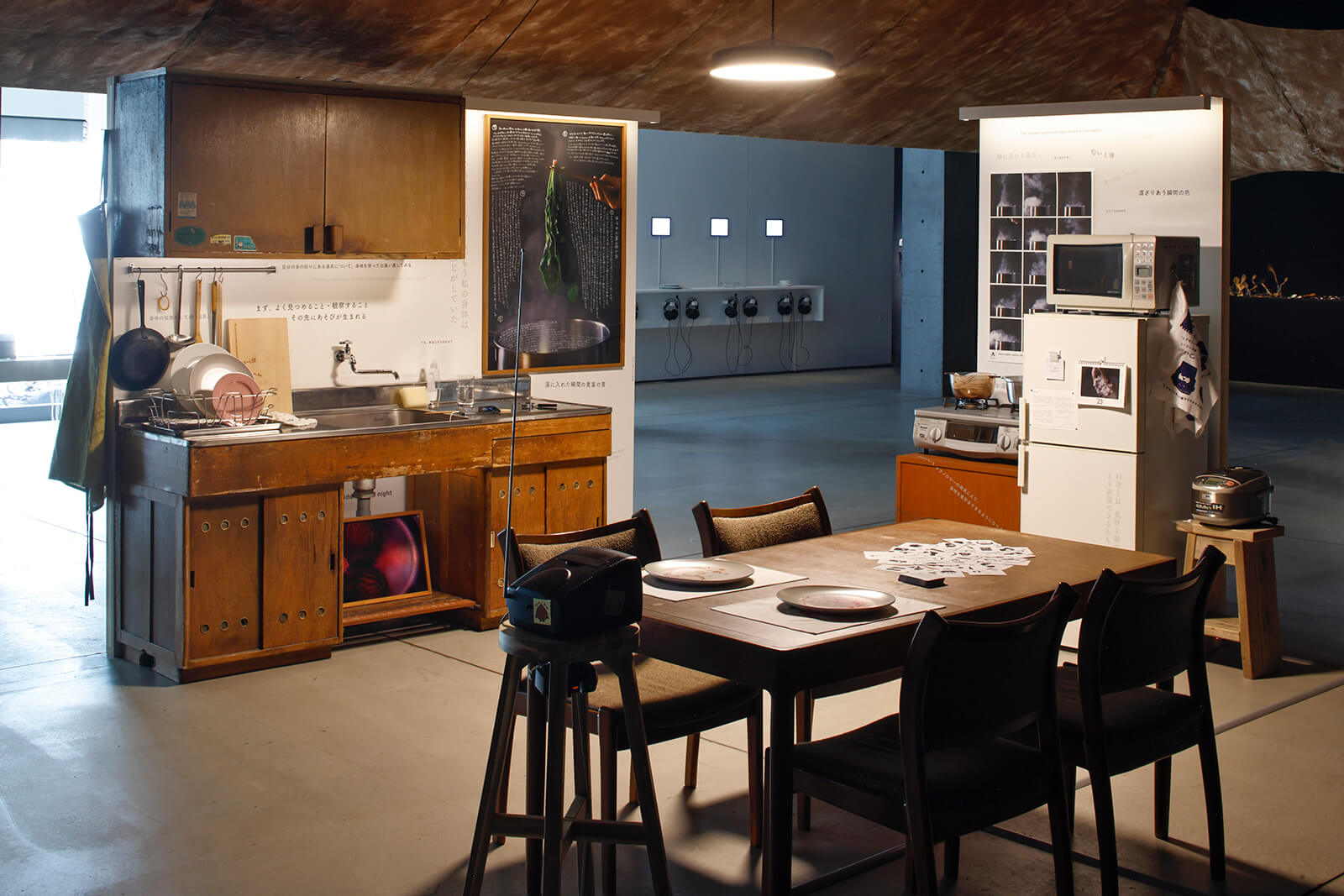
Soup as Life also expands into material and environmental installations, such as a large roof structure made from Tsuchigami, the soil-infused handmade paper, creating a space akin to a kitchen and an ancient fireside cooking environment where visitors can engage in activities related to food, clothing and shelter.
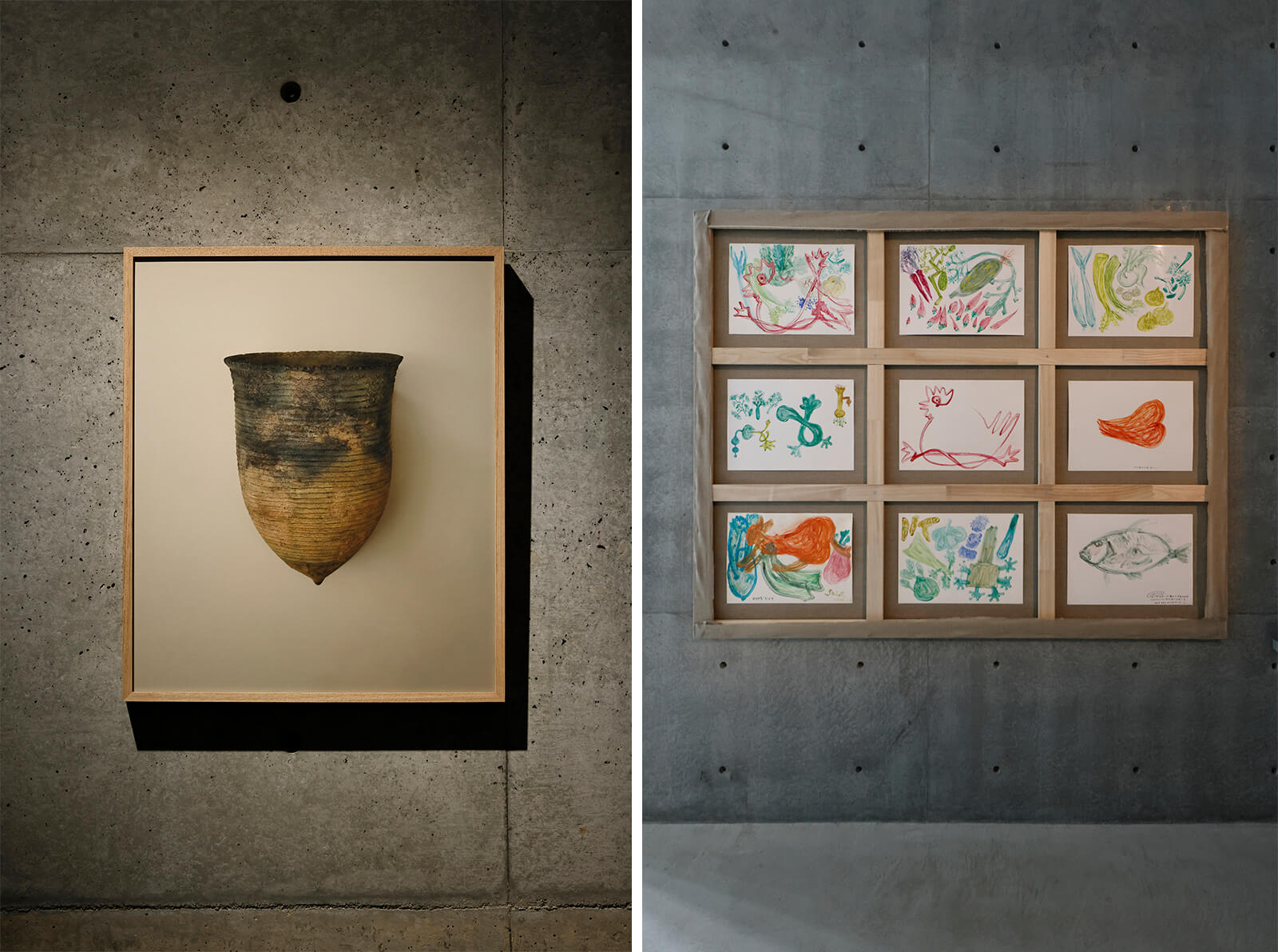
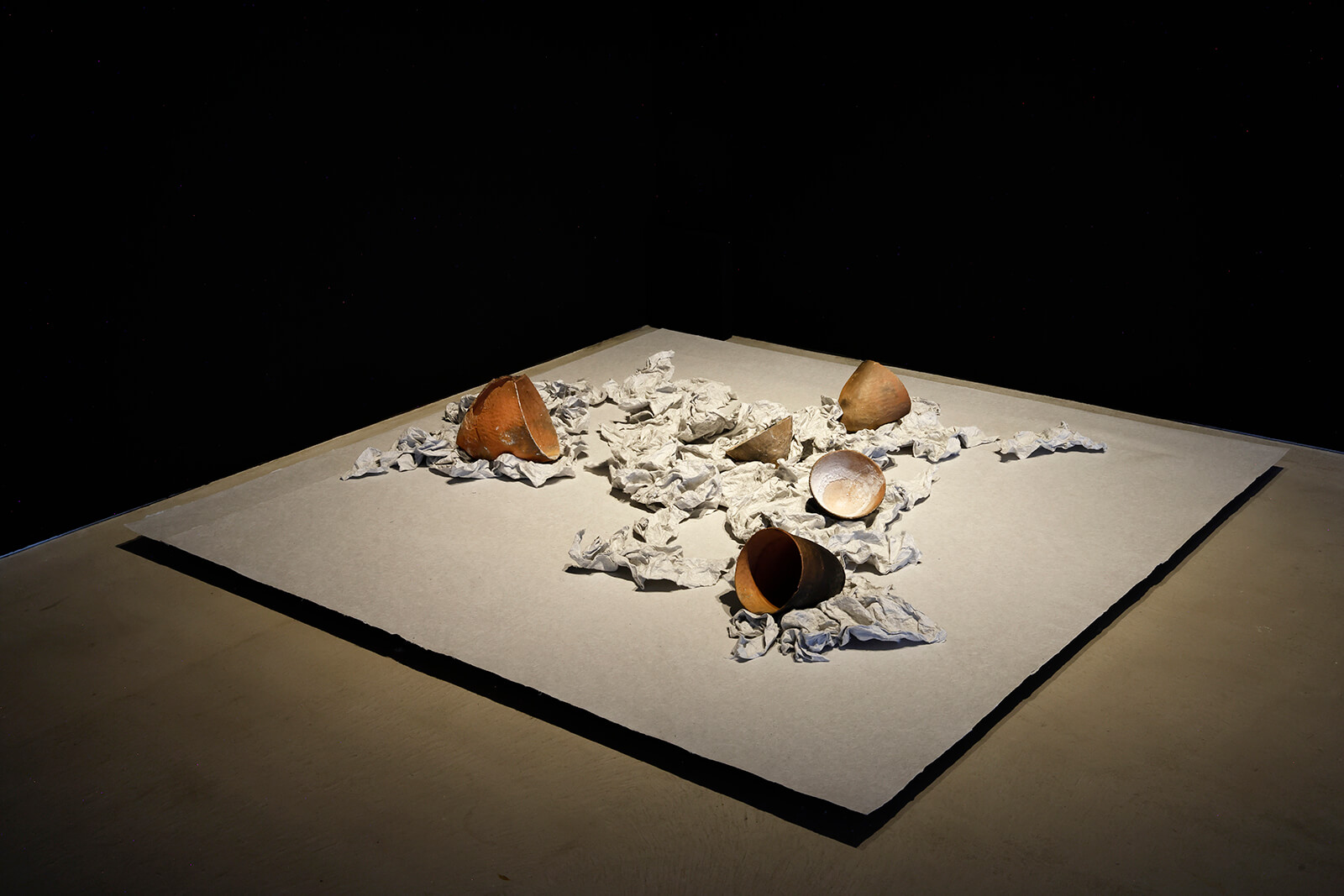
In the surrounding video works, three artists explore different relationships between people and soup. Japanese artist Noriaki Okamoto presents reconstructed primordial scenes of soup-making using ceramicist Akihiro Nikaido’s noyaki (open-fire) vessels, which he created for the exhibition to emphasise a physical encounter with his ceramic practice. Kyotaro Hayashi contributes a work examining how vegetables can shift between nourishment and materiality, being used to craft both food and textiles. Meanwhile, filmmaker Tokuro Oka focuses on the idea of care and recovery through omoyu, the rice water traditionally consumed during illness, presented in earthenware vessels by Hajime Kimura, framing it as a ritual substance tied to everyday healing and sustenance.
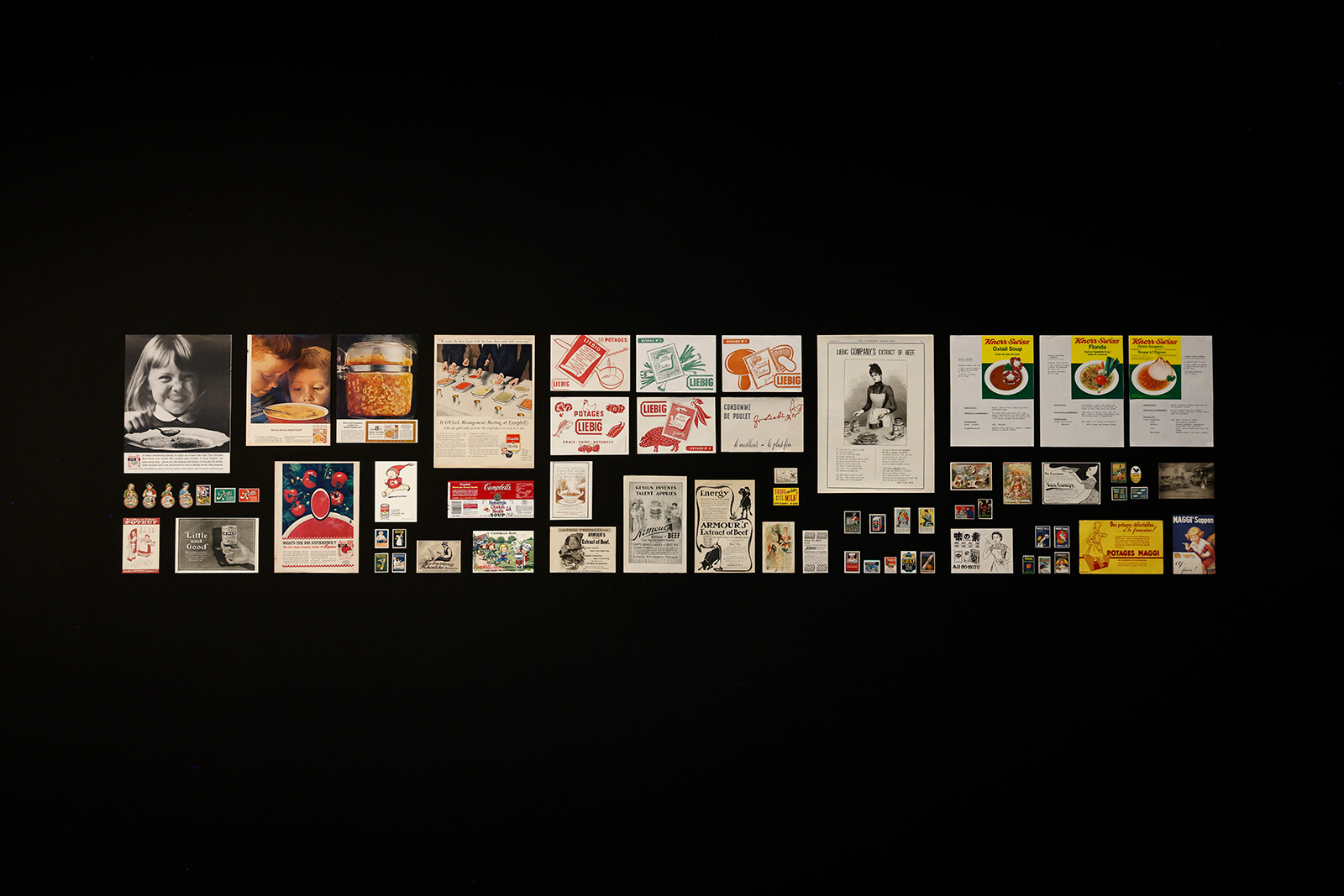
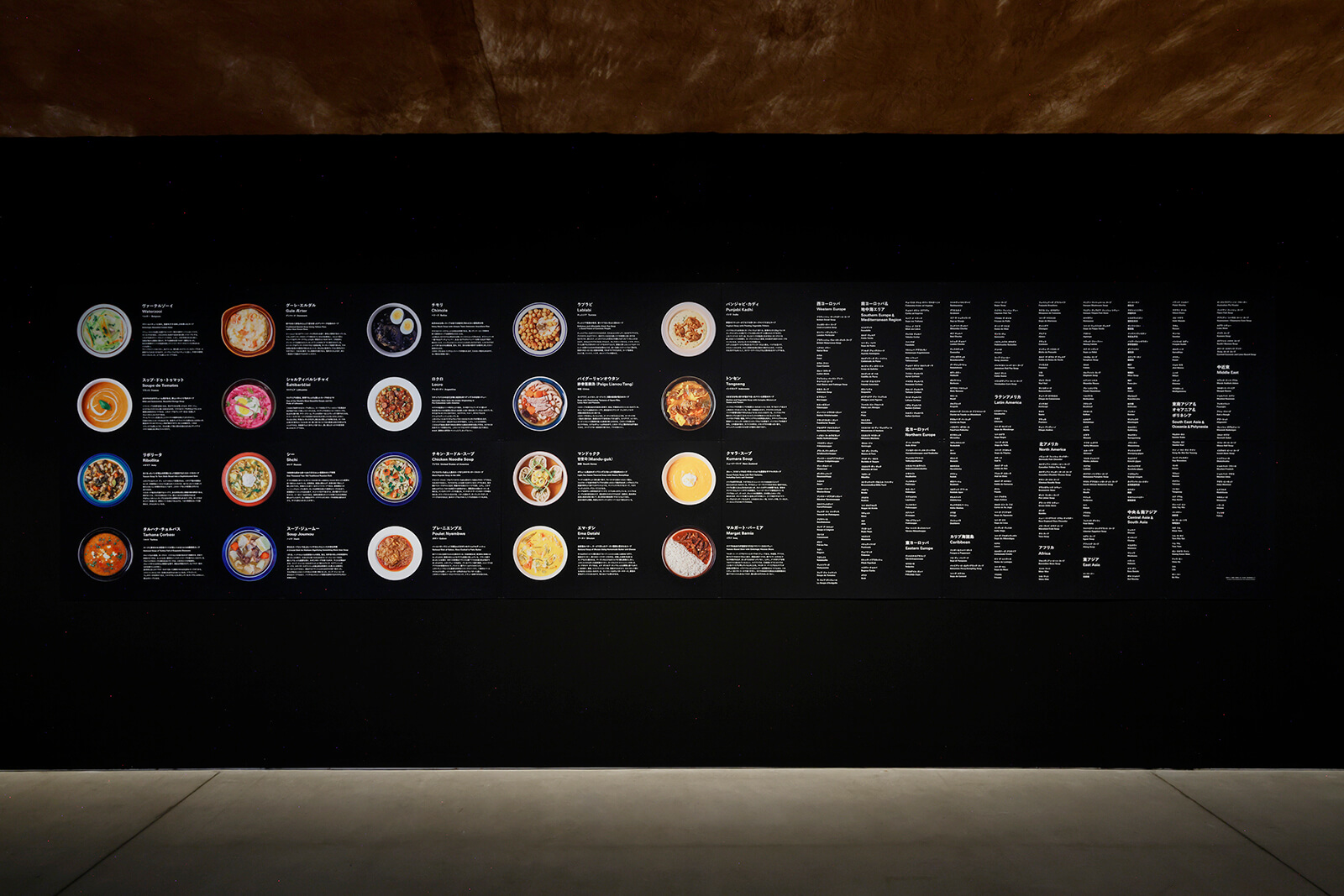
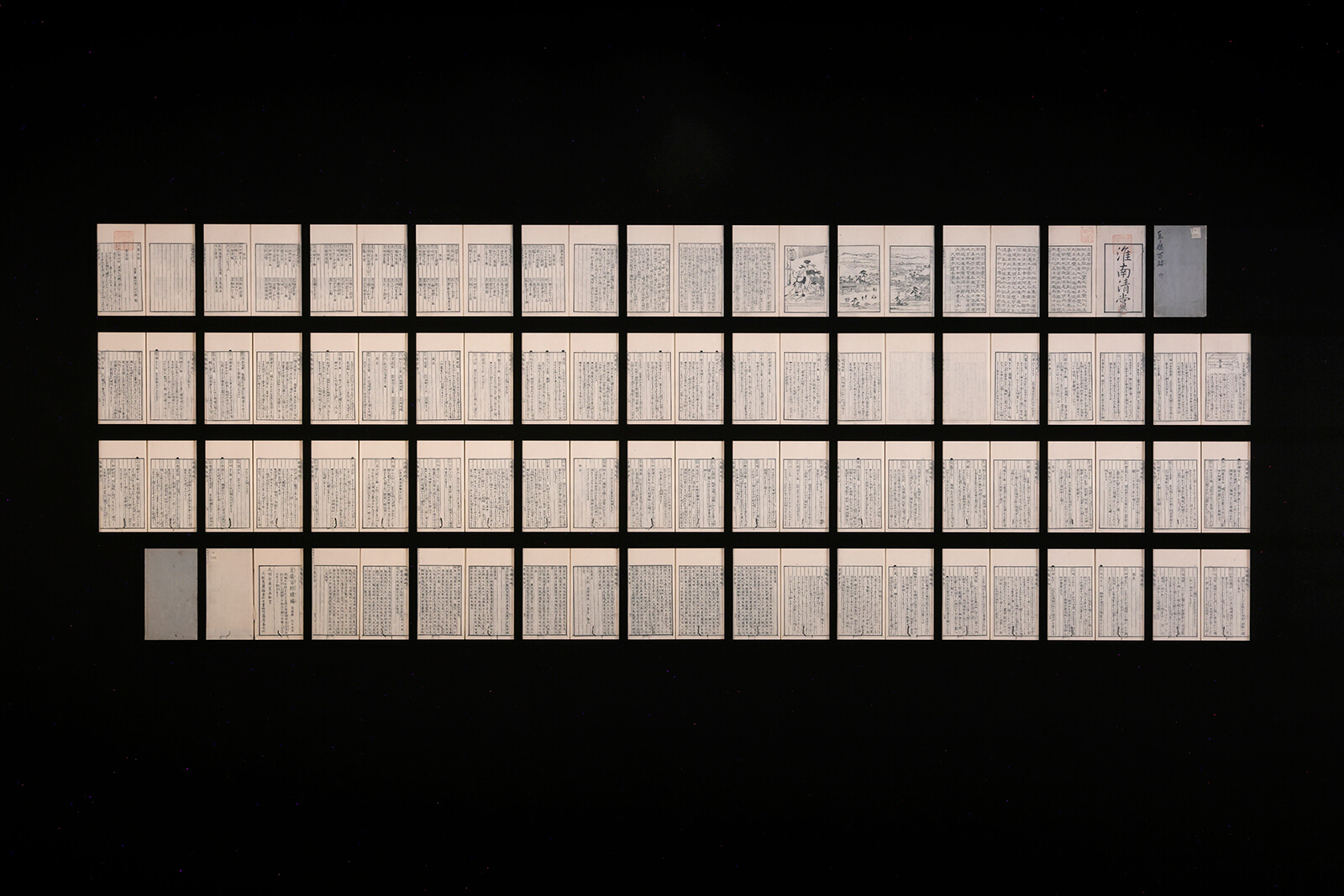
Alongside these spatial works, original drawings by the Japanese artist Seizo Tashima—used in the exhibition’s visual identity—are also on view alongside several paintings related to soup. Visitors are also invited to actively participate in the presentation through an envelope-based system of collecting recipes. At the entrance, each visitor receives an envelope containing a venue map, which serves as a personal archive for gathering soup recipes contributed by participating culinary practitioners and encountered throughout the exhibition. These recipes are gradually collected and tucked away like letters, extending the experience beyond the gallery space into the act of cooking and sharing in everyday life.
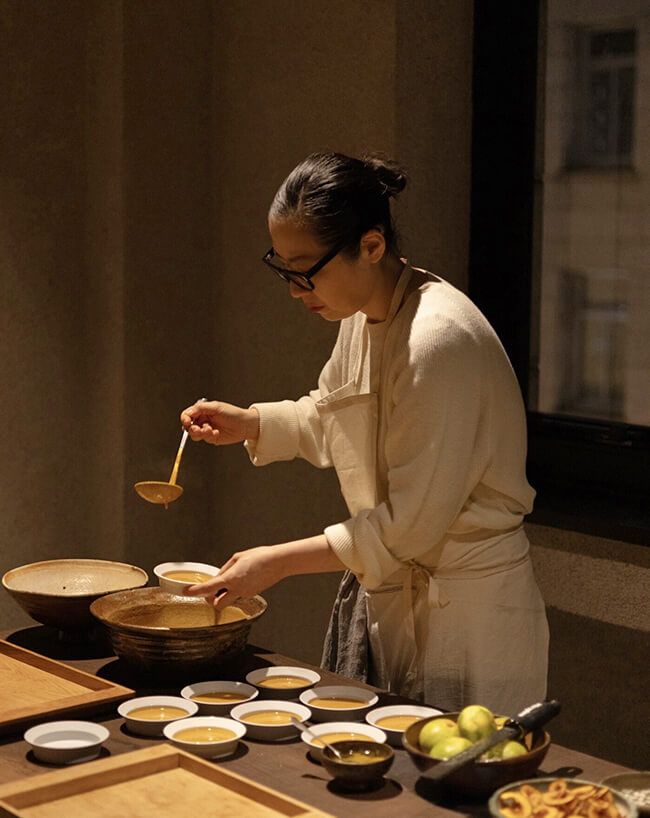
Rather than treating food, clothing and shelter as separate categories of human need, Soup as Life understands them as continuous ways of holding and sustaining the body.
Throughout the exhibition, soup emerges as far more than a culinary object; it carries memory, care, nourishment and intimacy. While some of the exhibition’s philosophical gestures lean toward abstraction, its multisensory approach attempts to translate these intimate and often invisible experiences into spatial form—asking visitors not simply to observe but to feel their way through the act of being nourished—as if sipping on a bowl of warm soup.
‘Soup as Life’ is on view from March 27 – August 9, 2026, at 21_21 DESIGN SIGHT, Tokyo, Japan.

by Srishti Ojha Oct 21, 2026
Increasingly, artists, filmmakers and activists are turning to VR to create more personal, tangible accounts of the climate emergency and its impact on vulnerable communities.
by Mirra Lynn Oct 20, 2026
The Indian artist paints the old wadas of central Pune, capturing the traces of everyday life that cling to these structures, battered by time but unbowed.
by Anmol Ahuja Oct 15, 2026
How do heaps of souvenirs and relics with racist Aboriginal motifs and features become art? MCA Sydney’s winter showcase—the artist’s largest to date—beckons a possibility.
by Vandana Kalra Oct 14, 2026
With his latest exhibition as a point of departure, the modernist discusses his decades-long practice, the spontaneity of drawing and the social responsibility of artists.

make your fridays matter with a well-read weekend
Enter your details to sign in
Don’t have an account?
Sign upOr you can sign in with
a single account for all
STIR platforms
All your bookmarks will be available across all your devices.
Stay STIRred
Already have an account?
Sign inOr you can sign up with
Verification link sent to check your inbox or spam folder to complete sign up process
Tap on things that interests you.
Select the Conversation Category you would like to watch
Please enter your details and click submit.
Enter the 6-digit code sent at


Soup as Life at 21_21 DESIGN SIGHT positions soup as nourishment and envelopment
by Chahna Tank | Published on : May 11, 2026


 Sign in with Google
 Sign in with email
What do you think?