Design16 mins. read
Fuorisalone calls for process-centric design thinking at Milan Design Week 2026
by Almas SadiqueApr 11, 2026



by Chahna TankPublished on : Apr 14, 2026
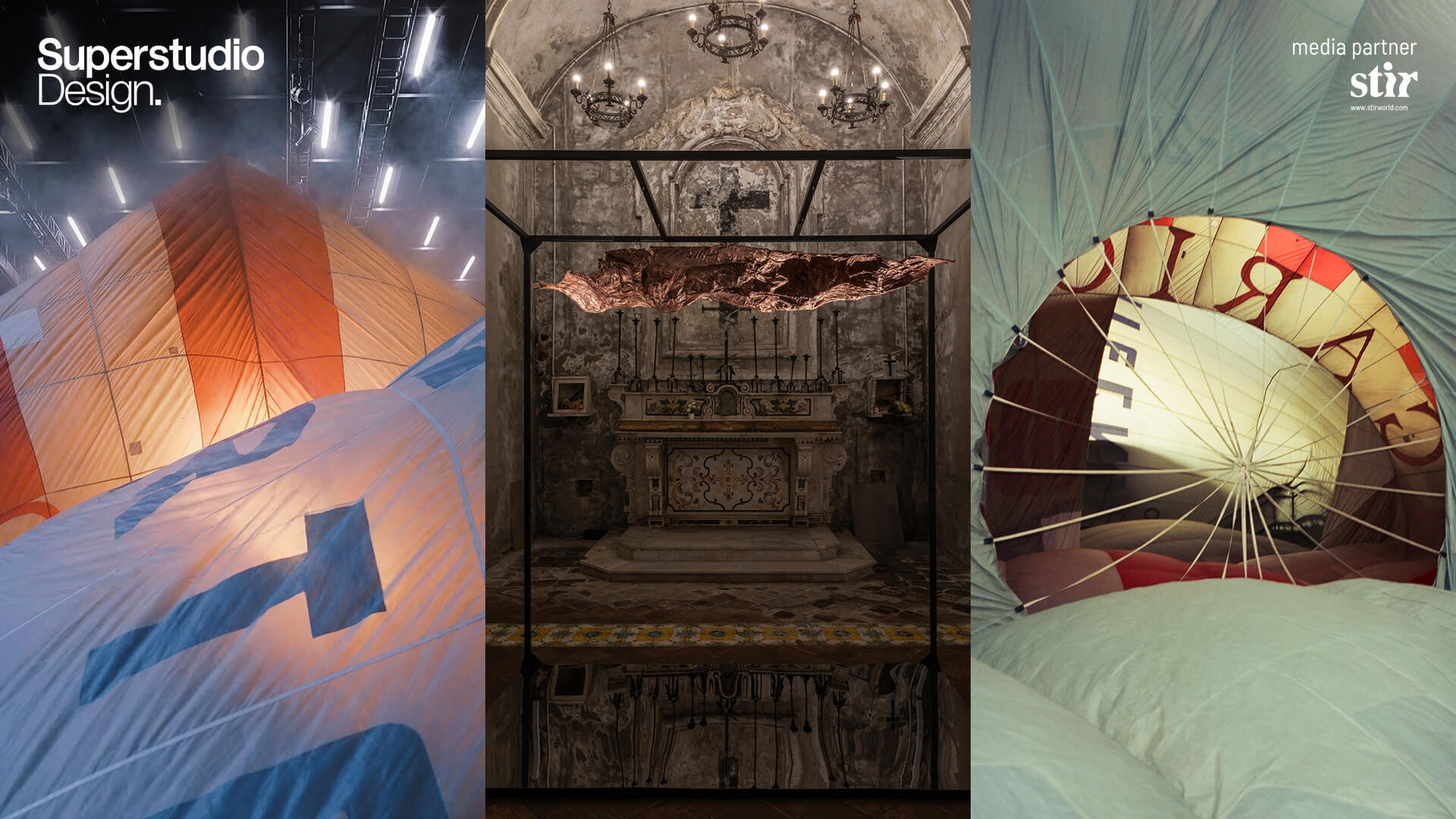
At Milan Design Week, where the city transforms into a global stage for design experimentation and exchange, Superstudio Design has long been a defining presence within the Fuorisalone programme. Traditionally anchored at the Superstudio Più venue at Via Tortona through the well-established Superdesign Show format, the platform, since its inception in 2000, has brought together international brands, designers and large-scale installations under a unifying annual theme—such as Happiness in 2025, which explored how happiness transforms design into an agent of hope and connection.
For its 26th edition this year, Superstudio Design marks a decisive departure from a single-theme format. The platform moves beyond its long-standing base in Tortona to adopt a ‘diffused map’ model, expanding across three locations—Tortona, Barona and Bovisa. In doing so, it reimagines the exhibition not as a single destination but as a network of experiences distributed across the urban fabric of Milan. From April 20 – 26, 2026, the design event will unfold across a total area of 30,000 sq m, showcasing over 70 projects, 91 participating brands and 88 designers from 19 countries across four continents.
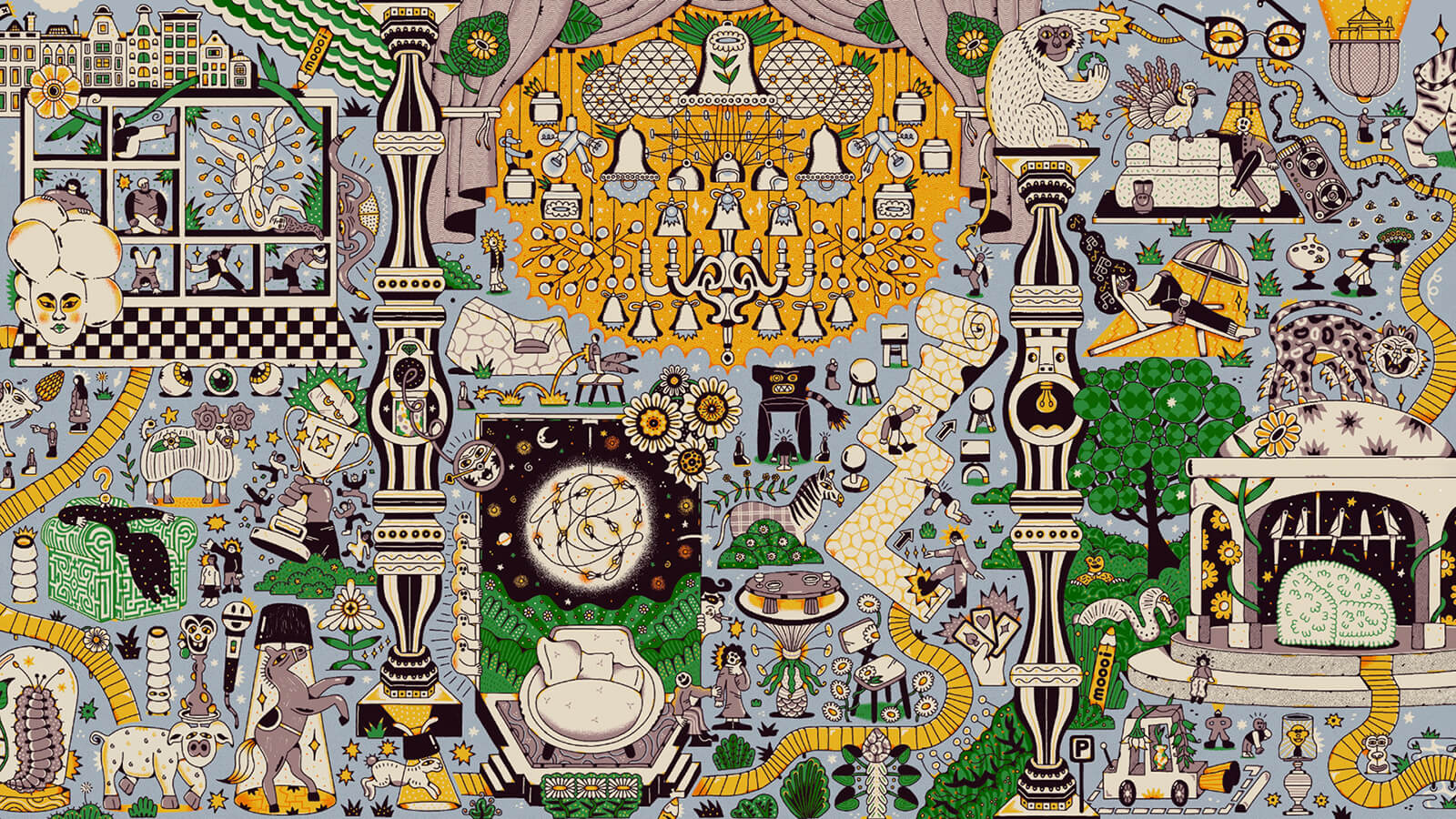
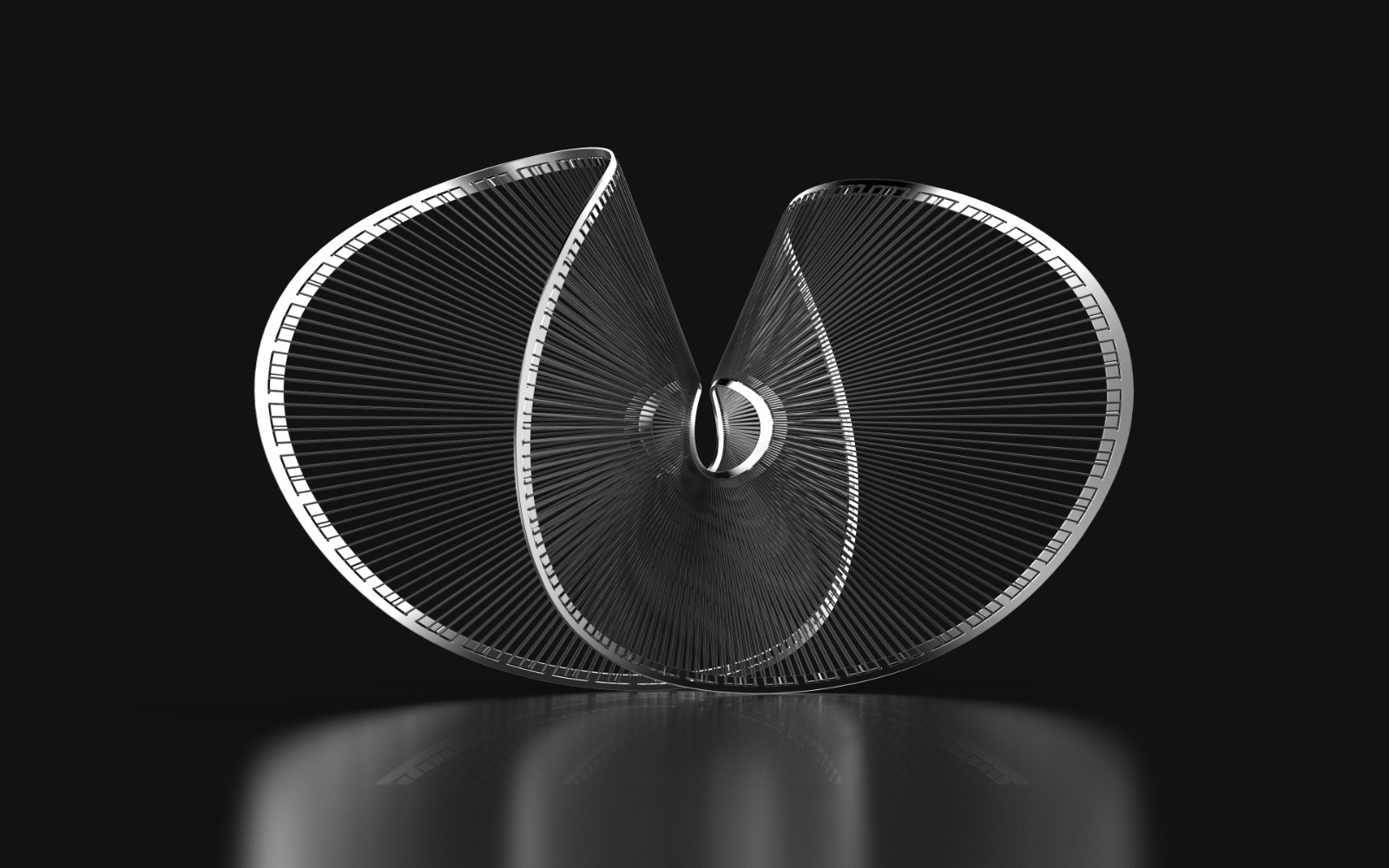
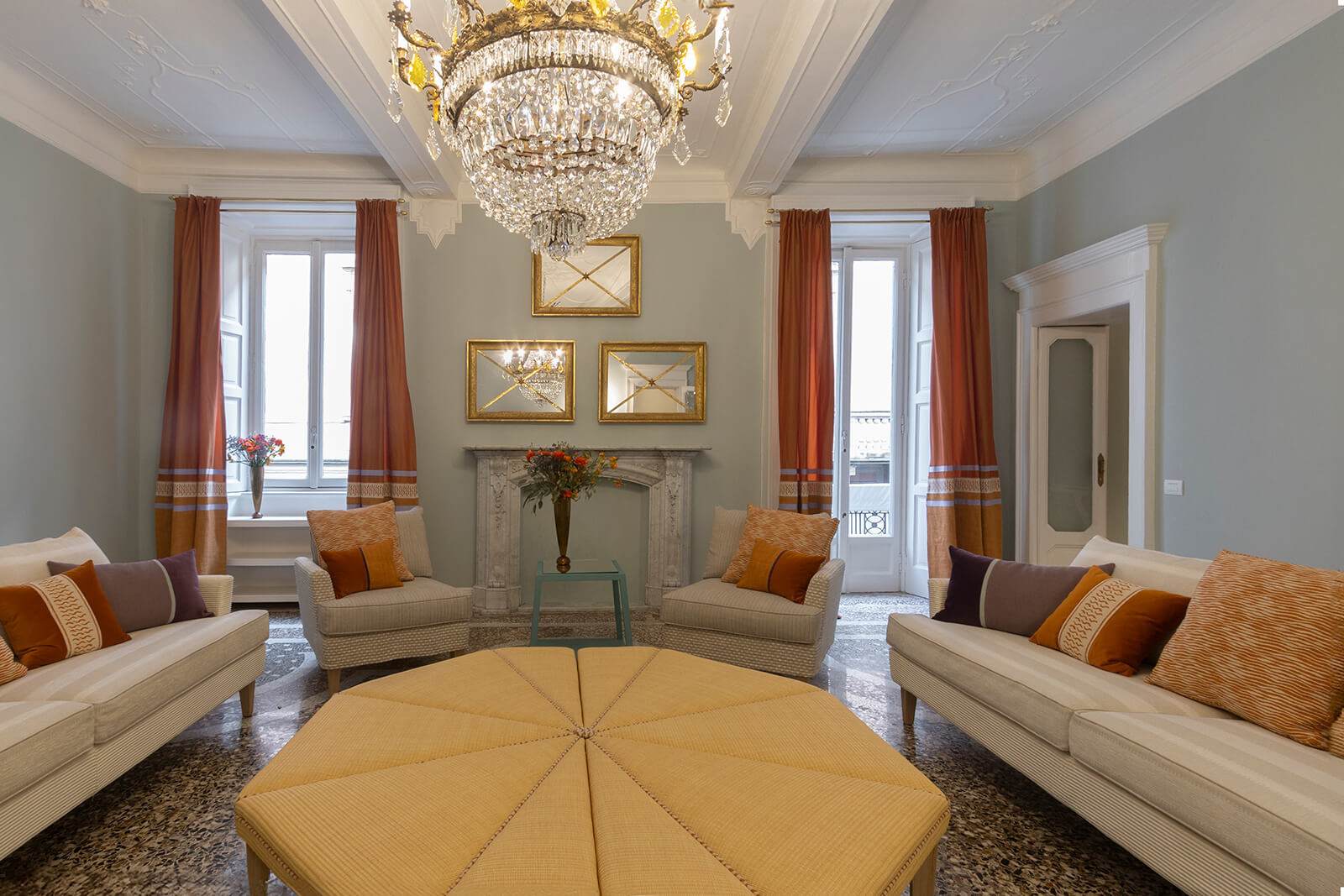
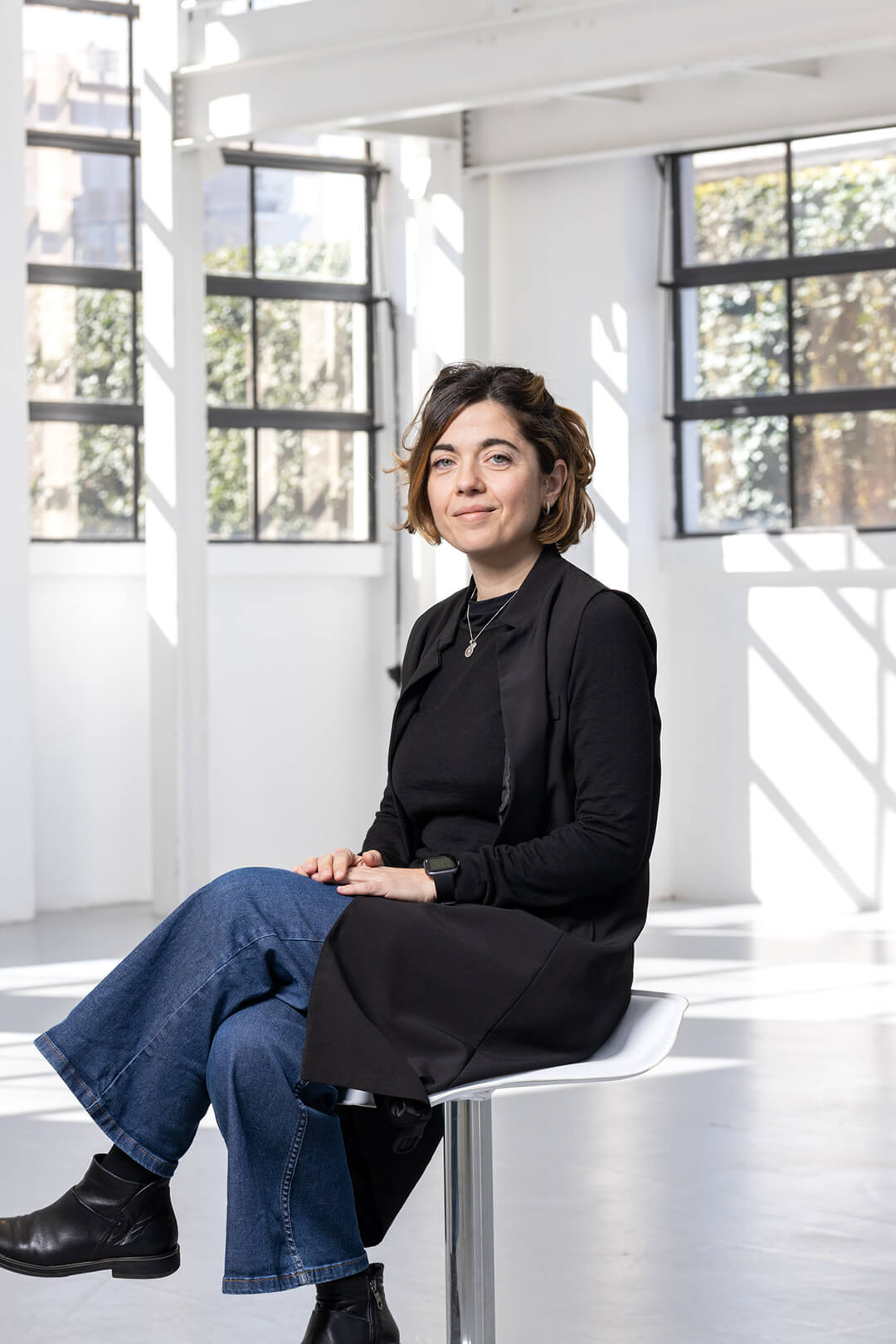
Structured around three distinct curatorial frameworks—SuperNova, SuperCity and SuperPlayground—the 2026 edition unfolds as a multi-layered exploration of contemporary design. Together, the three strands articulate a shared ambition: to foster a more interconnected design landscape while reinforcing Milan’s position within the global discourse. “The idea was to offer tailor-made contexts for different exhibitor profiles—companies as well as designers—with the aim of creating the right environment in which brands and projects can be positioned coherently,” Laura Vella, architect and head of Superstudio Design, tells STIR. “It is not a simple task—we know this very well—and the credibility of a format like Superstudio Design depends on it. It is a platform that brings together diverse projects under a shared narrative, guided by specific curatorial principles focused on quality—open, yet always coherent. With this premise, the curatorial themes naturally followed—and, I would say, respected—the identity of each space.”
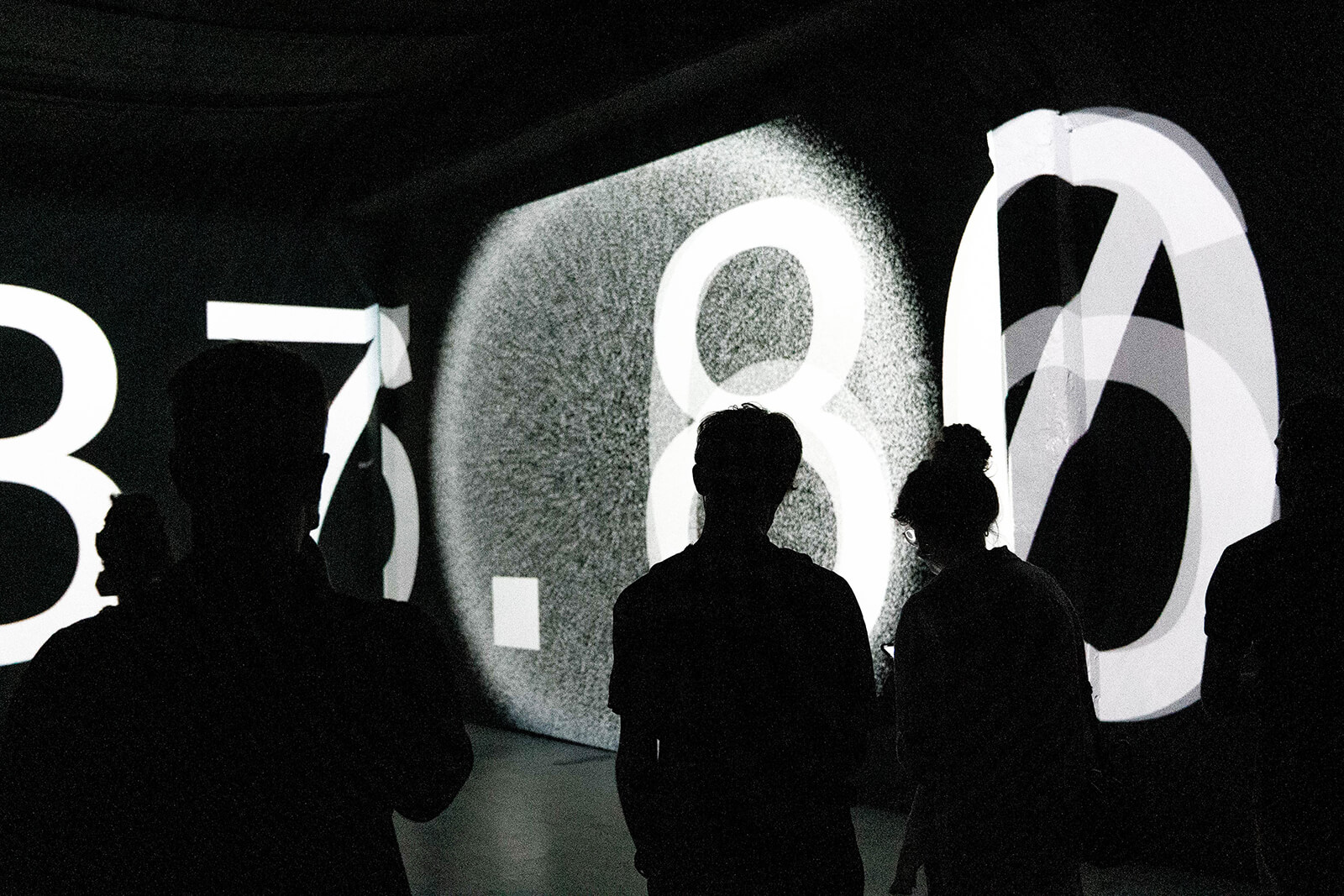
SuperNova, located at Superstudio Più in the Tortona district, serves as the project’s international hub, bringing together leading brands and large-scale, immersive installations across 14 projects and five artistic exhibitions. In Barona, SuperCity—curated by Giulio Cappellini—reimagines the exhibition as an open, scenographic ‘ideal city’, unfolding through 15 interventions within the main hall of Superstudio Maxi, including two exhibitions dedicated to the dialogue between art and design. Completing the triad is SuperPlayground in Superstudio Village, Bovisa, a newly introduced venue dedicated to emerging designers and experimental practices, featuring three projects and 33 designers selected through an international open call.
As a media partner, STIR speaks with Vella about the transformation of Superstudio Design this year, the curatorial thinking shaping the three venues and the key highlights across the programme. The following are edited excerpts from the conversation.
Chahna Tank: Superstudio Design 2026 is set to witness a significant transformation this year, both in its structure and curatorial approach. Could you elaborate on what prompted this decision?
Laura Vella: Transformation has always been an integral part of growth. At the close of the 2025 edition, we began shaping future scenarios, starting from a key reflection: after so many years, the format needed a renewed twist. It quickly became clear that the next decisive step would be to activate a new network—the Superstudio network—building on what Superstudio does best: offering spaces for high-quality content. And we could do it within districts that are not yet fully consolidated within the Milan Design Week circuit. In essence, this translates into an expanded project across multiple venues, located in different neighbourhoods, each developing distinct and vertically focused curatorial themes.
The idea is to build an organic system—one that can expand and contract as needed, yet always push slightly beyond its boundaries. – Laura Vella, head of Superstudio Design
Chahna: This edition moves beyond the traditional ‘district’ concept to create new itineraries across the city—introducing a ‘diffused map’ format that spans multiple urban zones. How do you envision this reshaping the visitor experience and the cultural geography of Milan during the design week?
Laura: There is an established map of design destinations in Milan, one that audiences now navigate with great familiarity. Superstudio acts as a catalyst for urban transformation, drawing diverse audiences into its spaces—a dynamic that extends well beyond the timeframe of the design week itself. It is difficult to predict exactly how the visitor experience will evolve, but one can imagine new hubs gradually entering the collective imagination of Milan Design Week and, year after year, redefining the city’s cultural and social geography, in which its neighbourhoods and architectures become the true protagonists: from Barona to the Bovisa district.
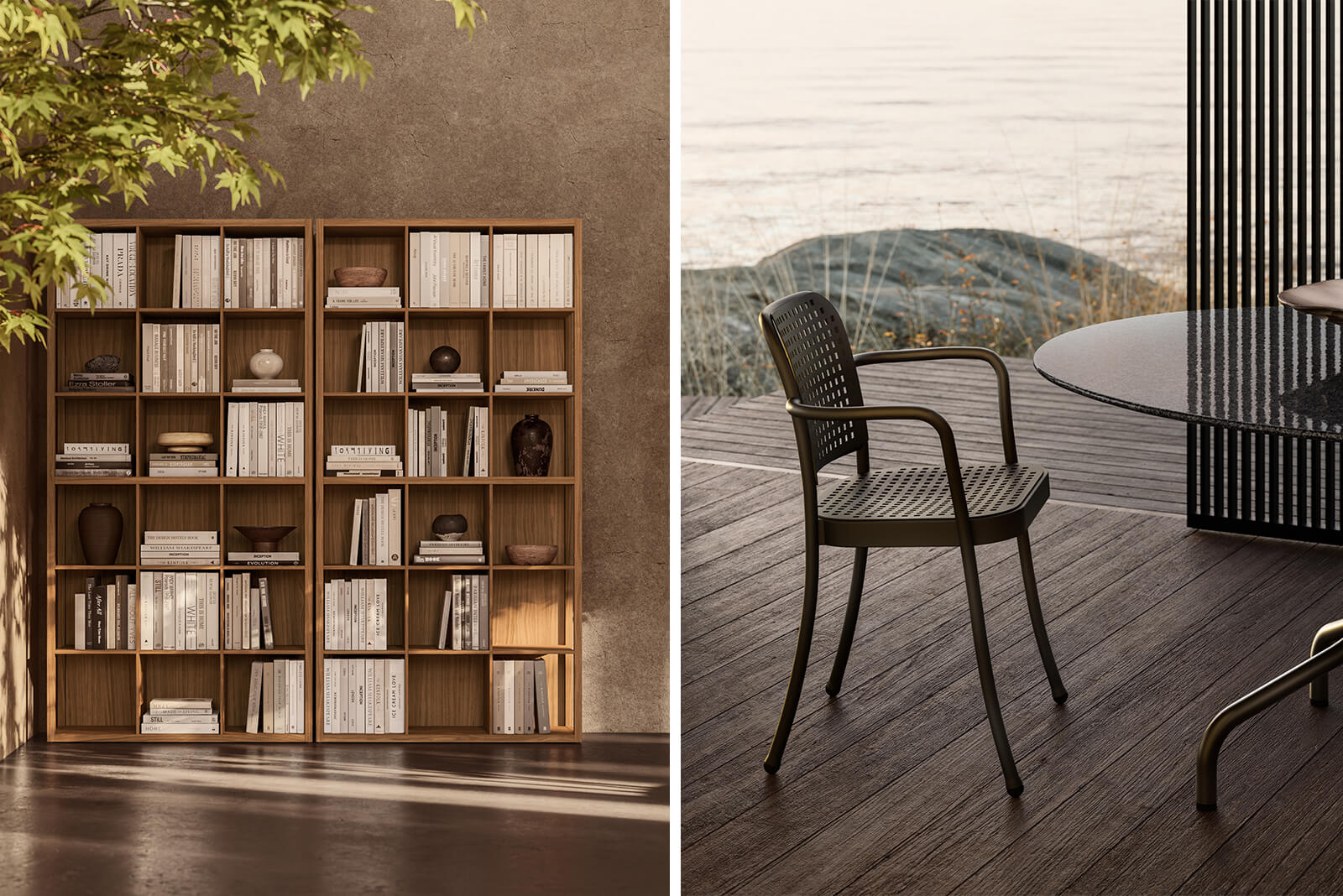
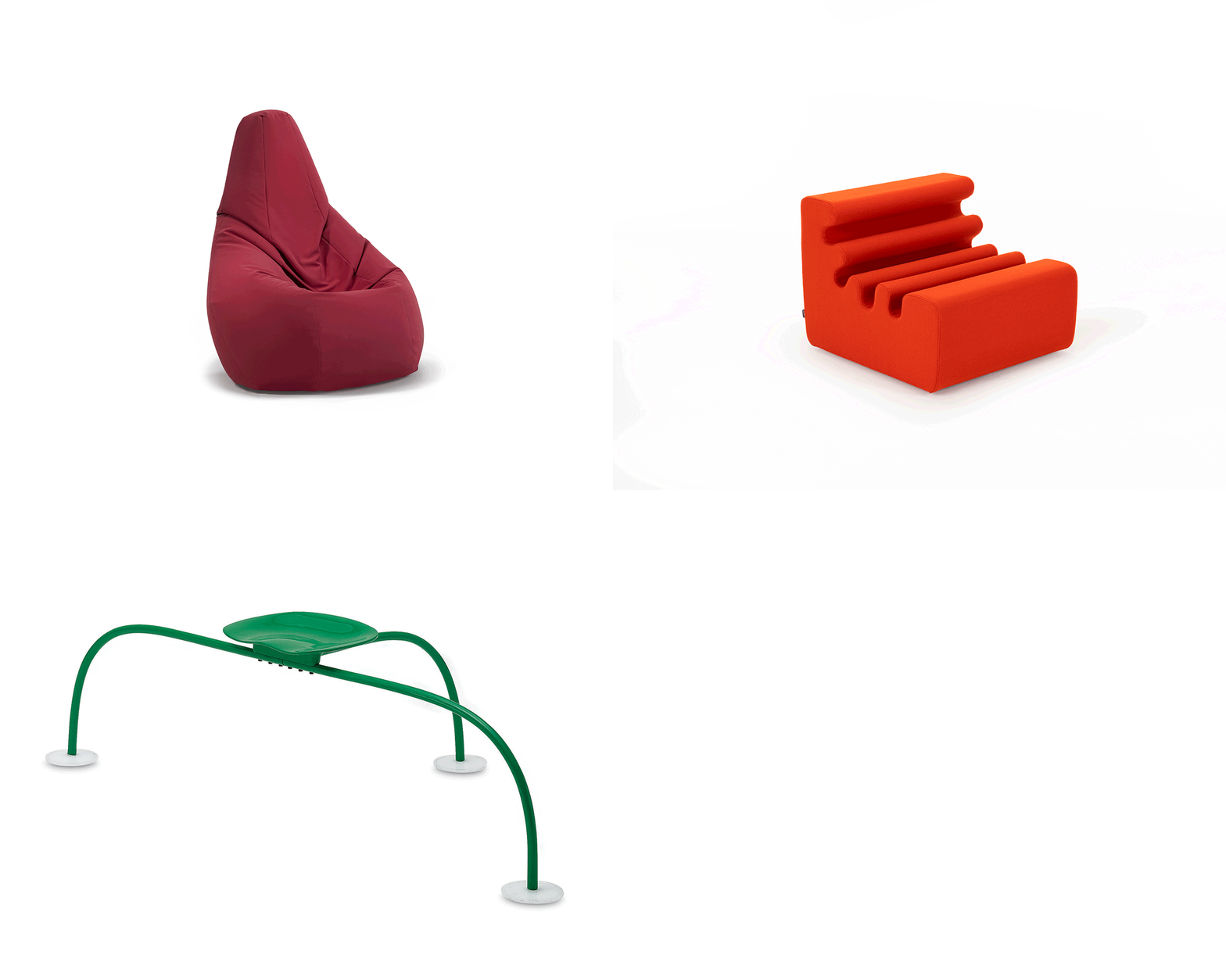
Chahna: Looking across the themes, which projects best capture the curatorial intentions behind each venue, and how do they collectively define the identity of this year’s edition?
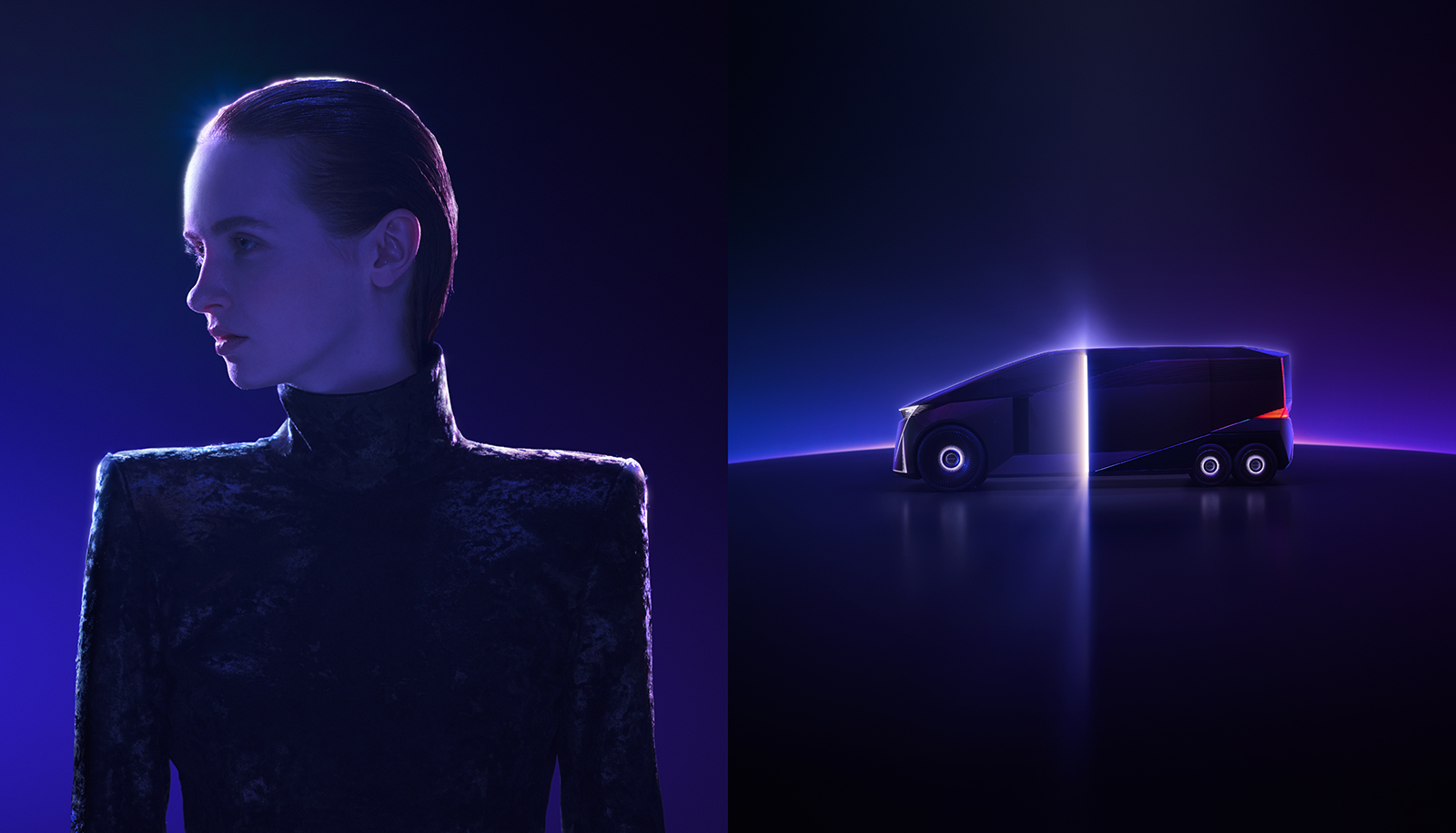
Laura: The SuperNova concept reaffirms the Tortona district as the destination for large-scale projects and site-specific installations, all driven by a narrative centred on the quality of leading names. Among these are Moooi, with Marcel Wanders’ project, the large-scale installation by Lexus and Ankon Mitra’s Oritecture for next125.
It is, however, with SuperCity and SuperPlayground that the curatorial approach is expressed most explicitly. At Superstudio Maxi, Giulio Cappellini has curated an exhibition-event that reconstructs an urban scenario, where design, architecture and art merge seamlessly through a selection of fully developed artistic interventions and almost museum-like sections. All of this is orchestrated within a cohesive vision, in which major names in Italian design are guided by Cappellini’s curatorial direction.
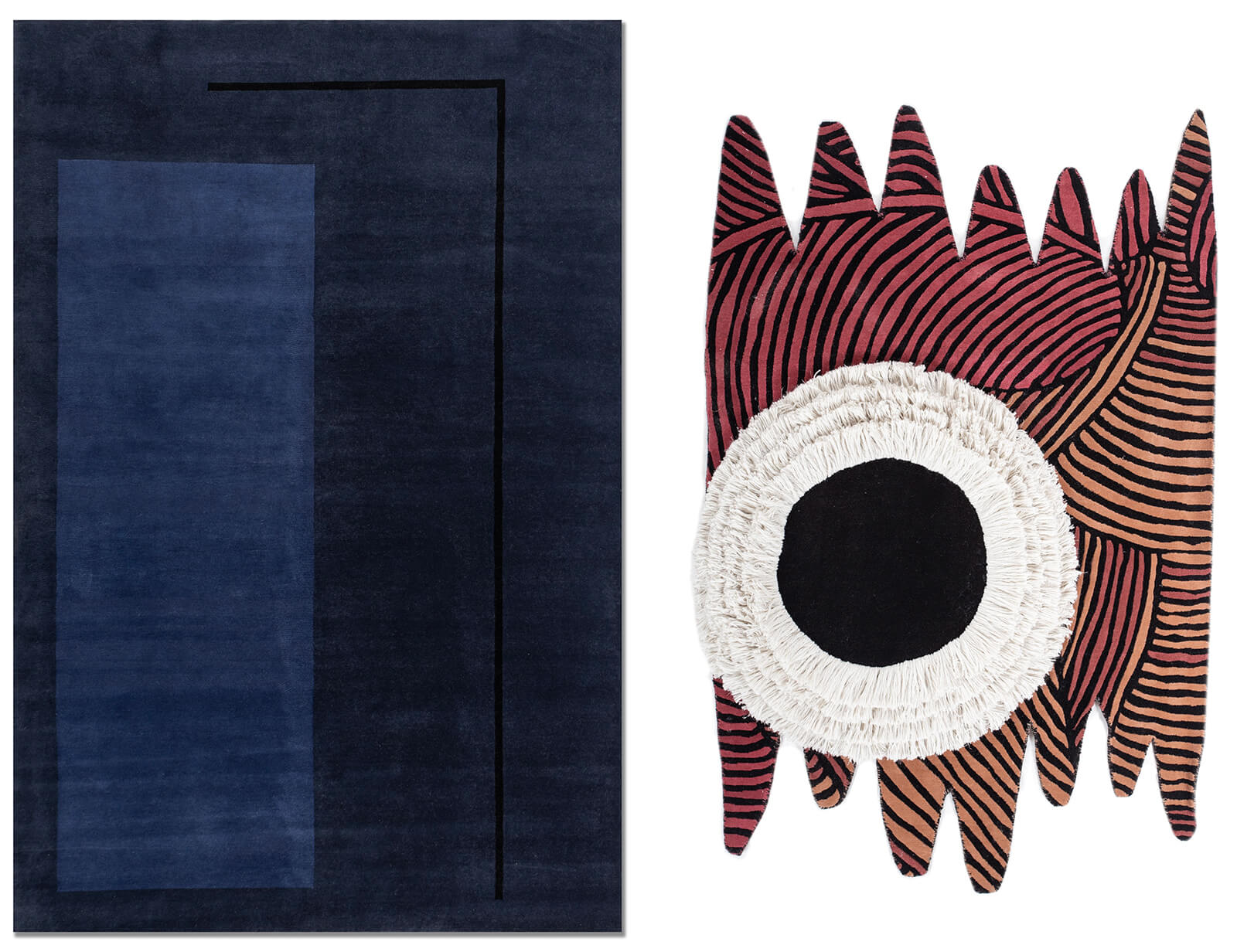
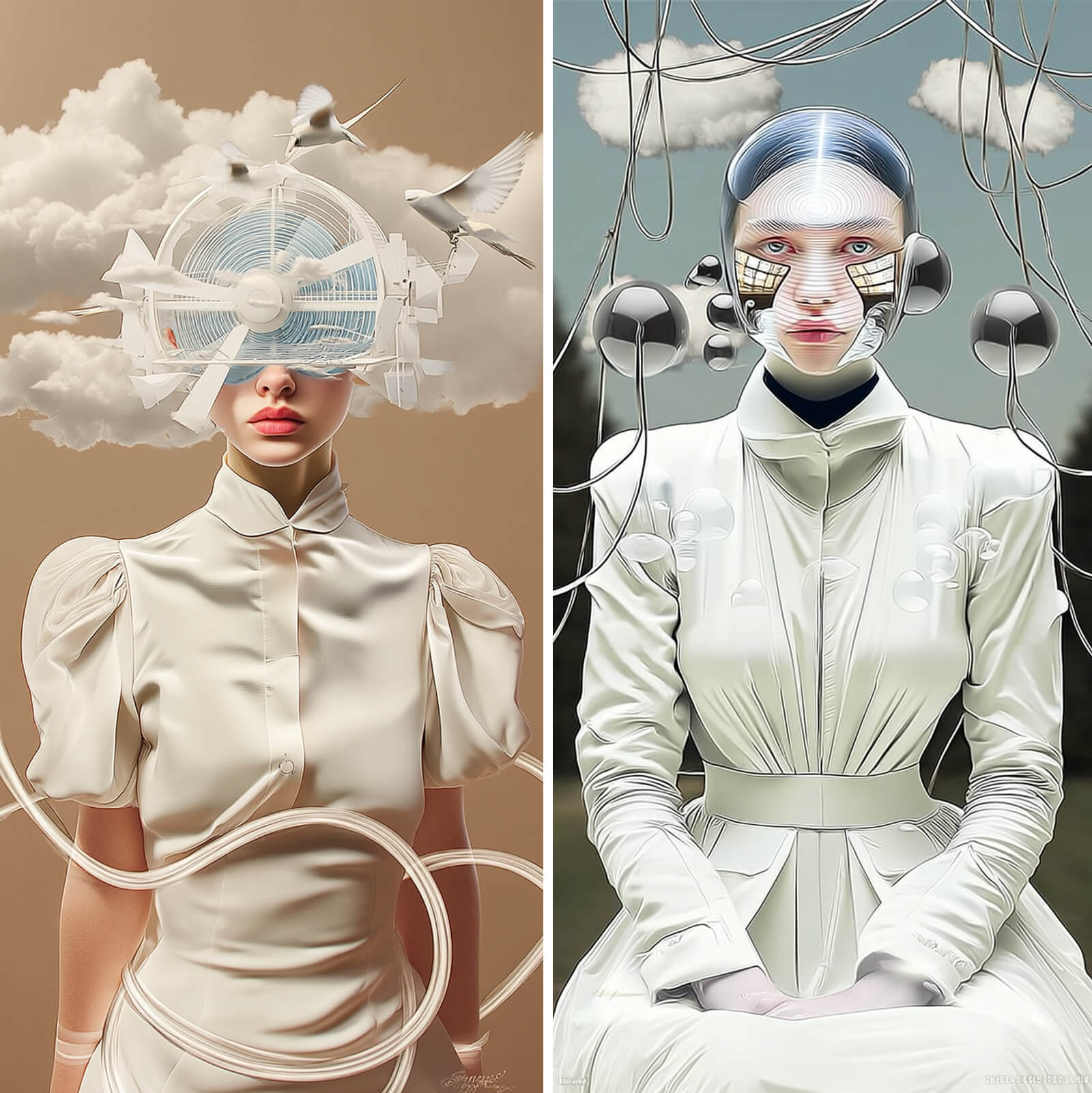
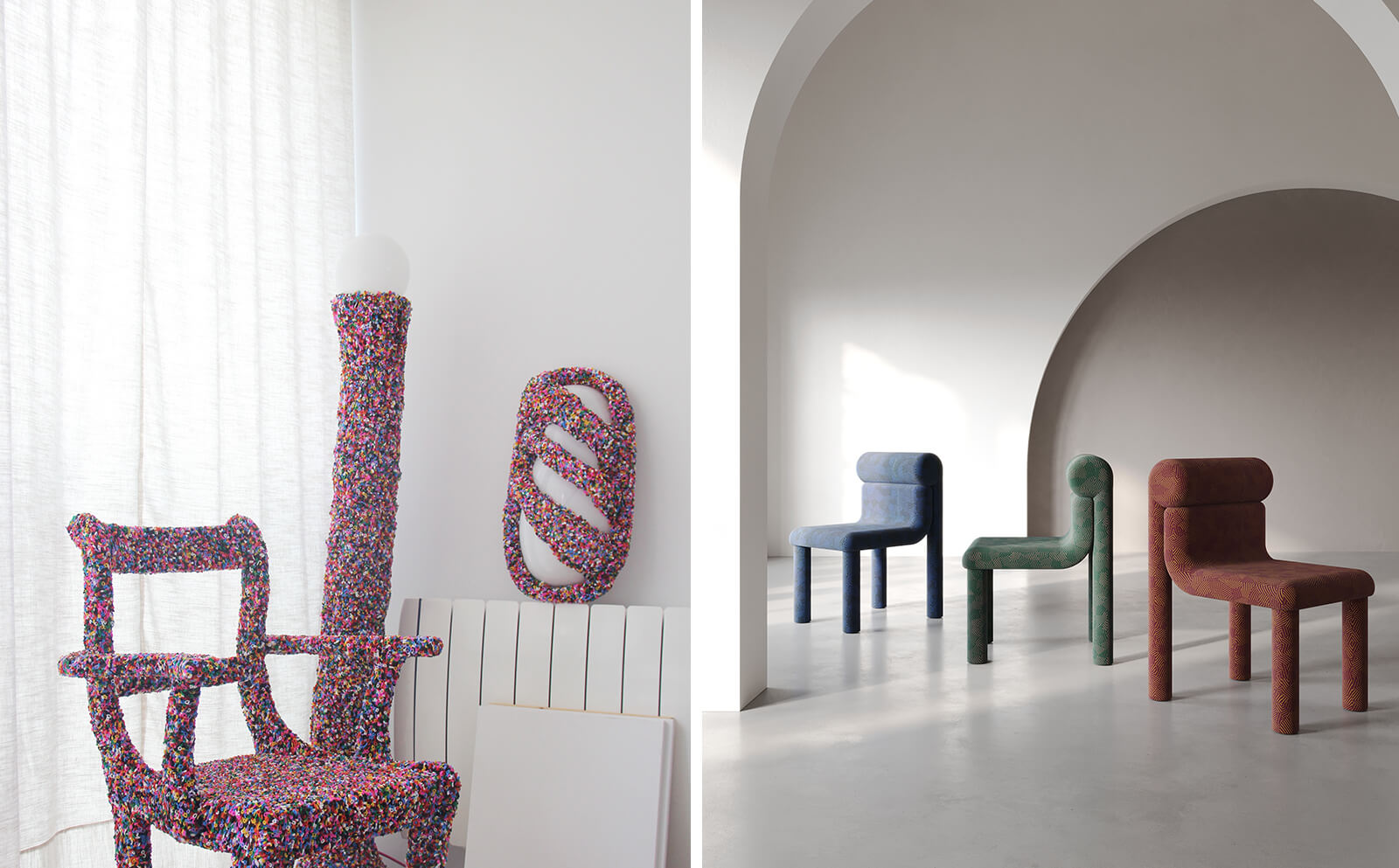
SuperPlayground is the direct outcome of a careful and rigorous selection process. The international open call delivered outstanding results, with over 200 applications. We ultimately selected around 30 exhibitors from across the globe, working closely with each of them in a bespoke way to refine their products and proposals. The resulting landscape is highly multifaceted: from Riccardo Toldo’s sculptural and luminous installation, to the aluminium collection by Yield Studio, to the vibrant and colourful pieces by Rowena Liangru Lu and the playful designs of Pepita Design. This extends to Lousy Auber’s installation, featuring a tunnel of hot air balloons reaching up to 15 metres in height, as well as the vertically oriented approach to social design presented by Graphic Days.
The common thread across all these approaches is a renewed commitment to quality—one that takes on a new dimension this year, positioning Superstudio not only as a platform, but as an active producer of content.
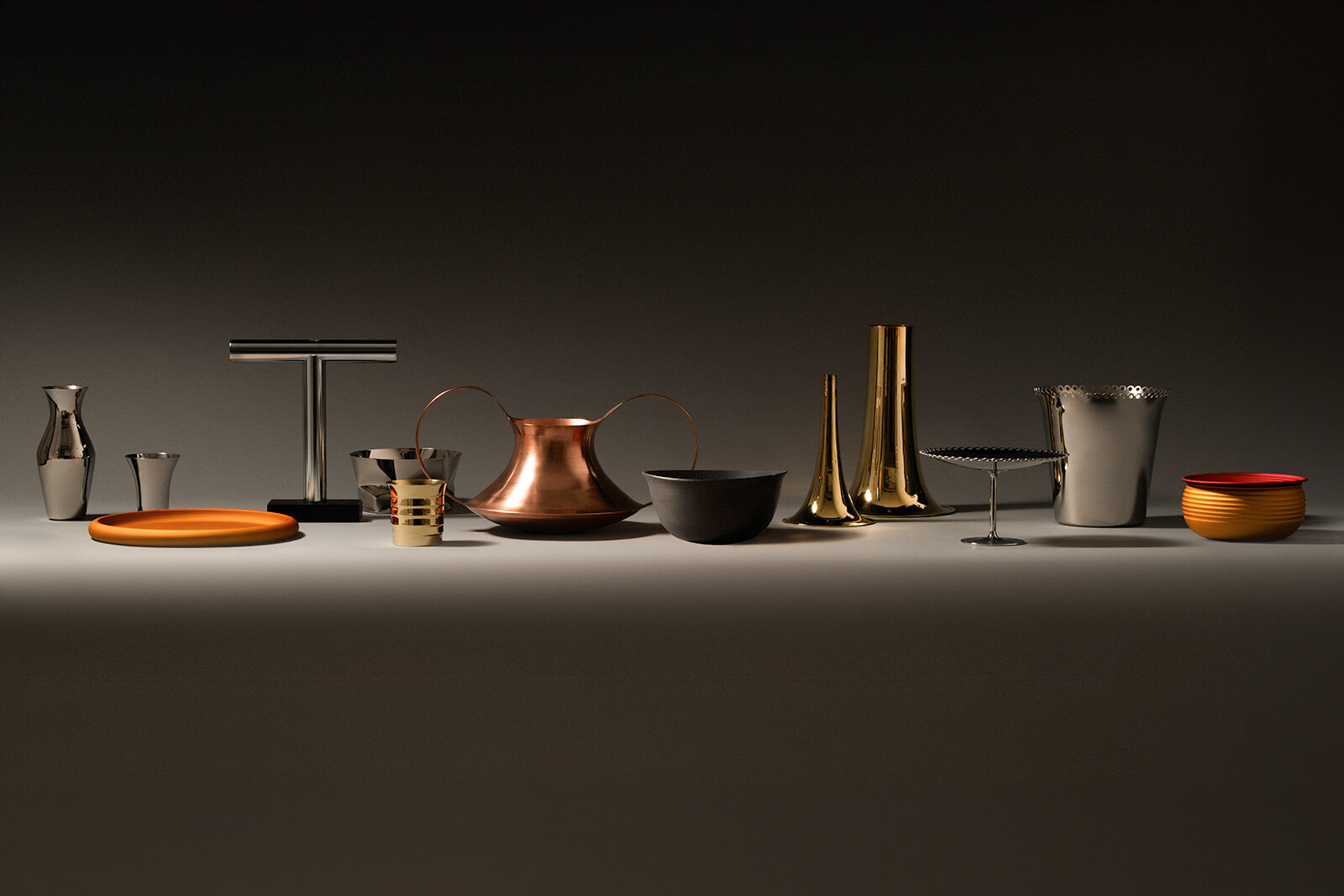
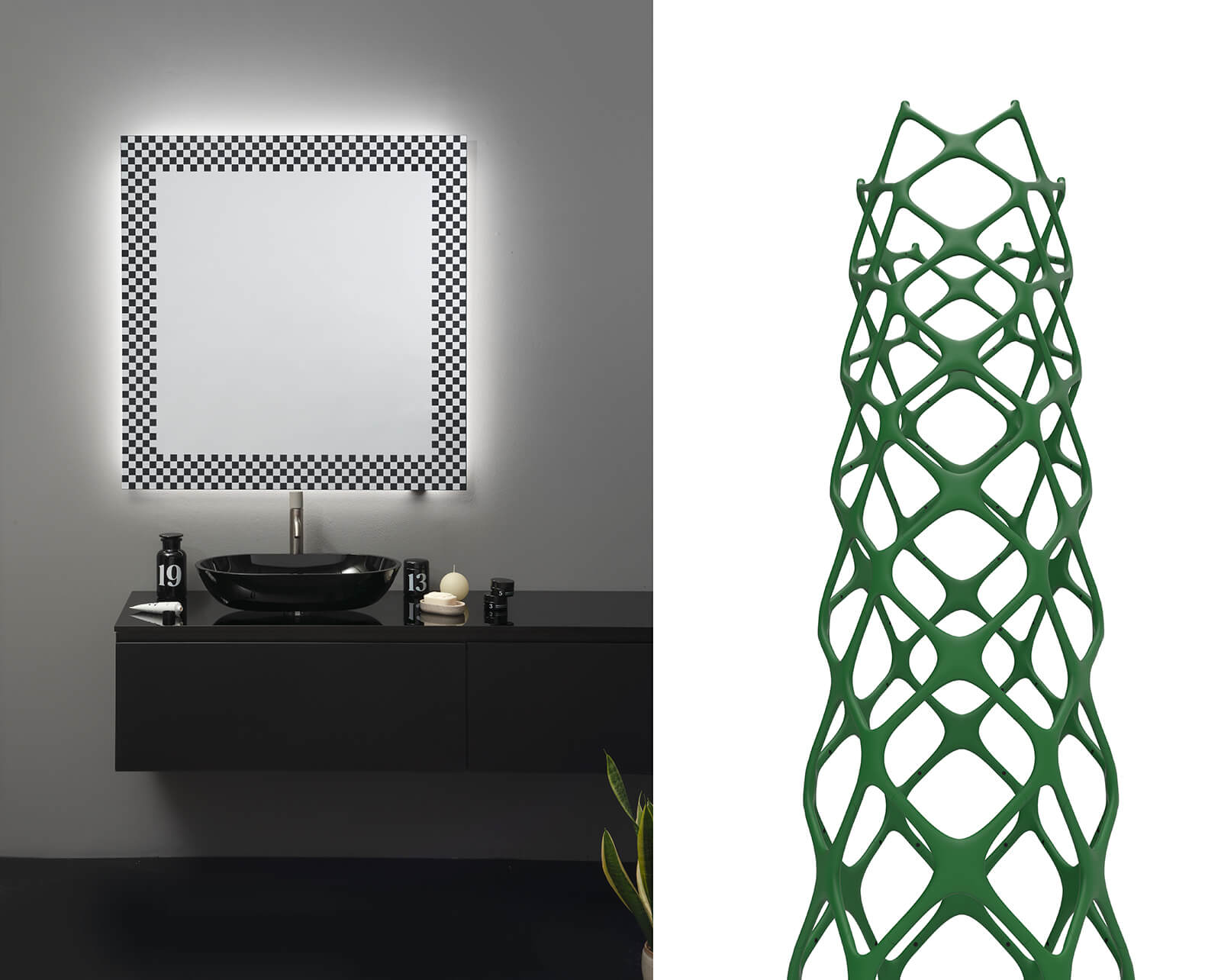
Chahna: Across the programme, is there a recurring theme or set of concerns—material, technological or social?
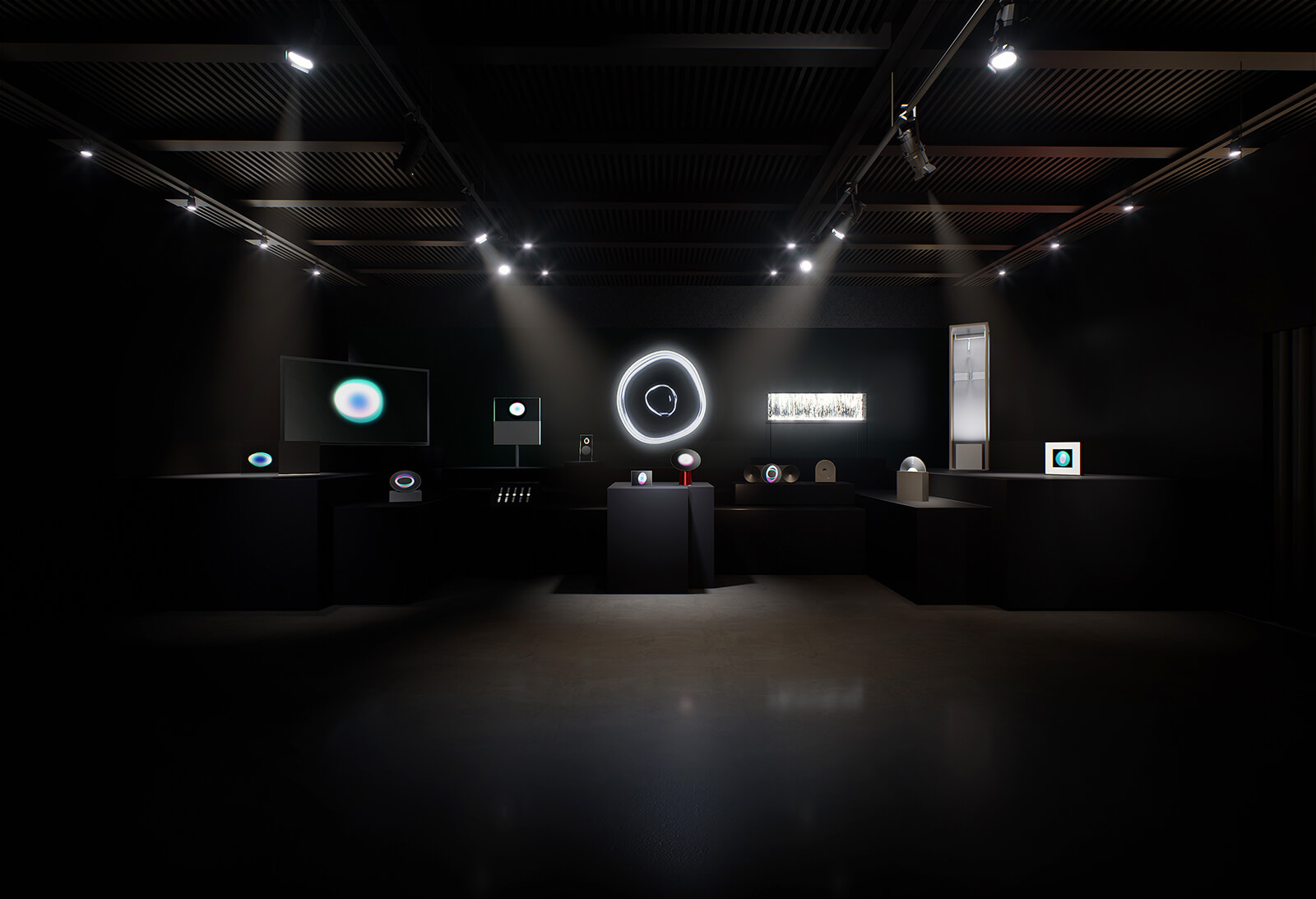
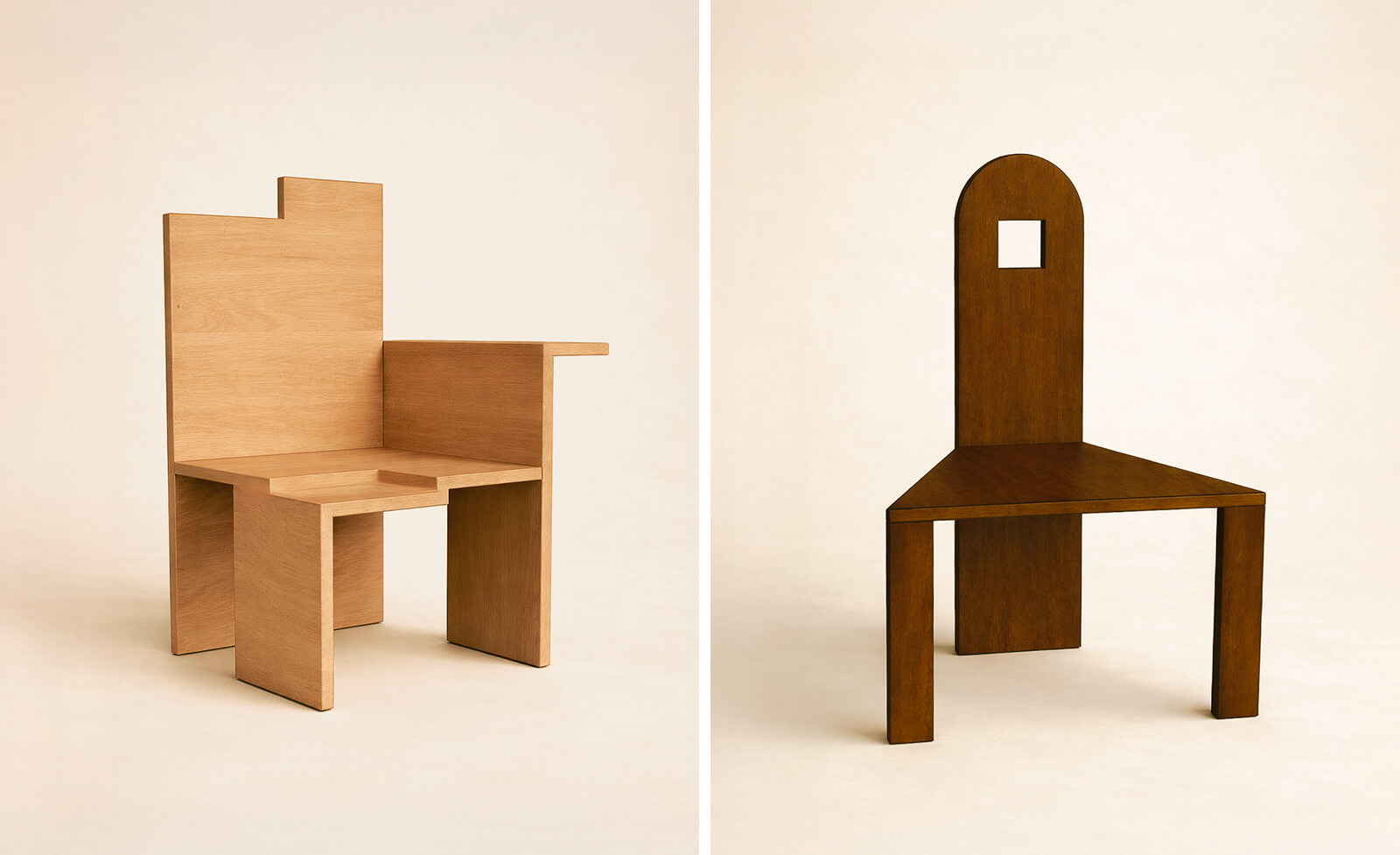
Laura: Yes, it seems to me that in this time of extraordinary technological leaps, the human being—with both material and intellectual needs—is at the centre of many reflections. This is evident, for example, in the work of Samsung Electronics, which explores the human side of technology, or Lexus, which presents a vision where mobility is no longer just about movement, but becomes a more meaningful and experiential dimension. I am also reminded of some of the proposals featured in SuperPlayground, such as Mara Bragagnolo’s Bad Posture chairs— a collection that challenges the relationship between body and object. Here, it is the furniture that adapts to the individual, responding to their specific and often overlooked needs.
Chahna: SuperPlayground represents a significant new addition to this year’s programme, with a clear focus on emerging designers and experimental practices. Why was it important to create a dedicated platform for this, rather than integrating these practices within the existing framework of the event?
Laura: Superstudio has always paid close attention to emerging talents. It has consistently dedicated spaces to the development of collective exhibitions, carefully finding the right balance between this more experimental approach and the institutional character of presentations by major brands. With SuperPlayground, however, the paradigm shifts—hierarchies are overturned. The Bovisa venue is entirely dedicated to new proposals, spanning from design to graphic practices, and including a fully immersive installation. It represents a compelling starting point from which to explore where design is heading and what the new generations are thinking. This becomes the very core of the project, driven by an open approach. The entire project revolves around this premise, extending opening hours and activating a daily program of workshops and talks. SuperPlayground is not just a space to visit, but a place to linger—with curiosity and delight.
Chahna: Superstudio Design 2026 positions itself not only as an exhibition but as a contribution to the future of the city and its creative networks. How do you envision this edition contributing to that future?
Laura: This edition can first and foremost act as a platform for connection, capable of bringing together stakeholders who do not always engage in a structured dialogue: major brands, emerging designers, institutions, universities and local stakeholders—creating the conditions for long-term collaborations. It can also offer a tangible contribution to the future of the city by proposing new models for activating spaces: temporary yet replicable, experimental yet rooted in their context. There is also a crucial theme of talent and new generations: giving space and visibility to emerging designers means investing directly in the future of Milan’s creative networks, making the city increasingly attractive and internationally competitive. Finally, Superstudio can contribute by shaping a more evolved narrative of design—less self-referential and more open to cross-disciplinary influences, from technology to social sciences and culture—strengthening Milan not only as a design capital, but as a contemporary cultural platform. In this sense, the contribution is not limited to what is visible during the event, but extends to what remains: activated relationships, tested models and shared visions that continue to generate value well beyond the duration of design week.
Chahna: Looking ahead, do you see this multi-layered model as a one-time evolution, or as a prototype for how Superstudio Design might develop in the future?
Laura: The idea is to build an organic system—one that can expand and contract as needed, yet always push slightly beyond its boundaries. We see this as the first of many editions, certainly not a one-off, but rather as the beginning of a trajectory whose outlines we can already envision—ready to evolve and expand when the time comes.
Stay tuned for exclusive coverage and highlights of Milan Design Week 2026 and Salone del Mobile.Milano 2026 on STIR. Tap here for regular updates on all design districts, including Fuorisalone, Brera, 5vie, Isola and beyond.

by Jincy Iype Oct 15, 2026
STIR explores craft, material intelligence and people shaping Indian design through dialogues with Design Democracy’s co-founders and the curators of its special exhibitions.
by Pranjal Maheshwari Oct 13, 2026
Through furniture, art and films, the showcase at the Ian Potter Centre in Melbourne advocates for biophilic material cultures as an antidote to planetary degradation.
by Pranjal Maheshwari Oct 12, 2026
The exhibition reimagines the 20th-century Scottsville residence of the American sculptor and his partner, ceramicist Nancy Jurs, curated by their daughter Alison Castle.
by Chahna Tank Oct 08, 2026
Javier Guzman Cervantes and Ulises Morin Arzola tell STIR about their ‘open code’ approach to design, working through a process of stockpiling and the idea of ‘queering’ materials.

make your fridays matter with a well-read weekend
Enter your details to sign in
Don’t have an account?
Sign upOr you can sign in with
a single account for all
STIR platforms
All your bookmarks will be available across all your devices.
Stay STIRred
Already have an account?
Sign inOr you can sign up with
Verification link sent to check your inbox or spam folder to complete sign up process
Tap on things that interests you.
Select the Conversation Category you would like to watch
Please enter your details and click submit.
Enter the 6-digit code sent at


Superstudio Design adopts a 'diffused maps' format at Milan Design Week 2026
by Chahna Tank | Published on : Apr 14, 2026


 Sign in with Google
 Sign in with email
What do you think?