Architecture09 mins. read
Just another brick in the wall: The search for a radical architecture
by Mrinmayee BhootMay 20, 2026



by Anushka SharmaPublished on : Nov 24, 2025
With their bright displays, orderly shelves and streamlined circulation, most retail spaces are designed with one primary goal in mind: to sell and cater to the impulses of consumption, often rendering their conception contrived. This long-standing model, however, is now increasingly being questioned and rethought by brands imagining a more immersive, communal and meaningful archetype for retail design. Can stores evolve into cultural hubs, or even places of rituals as opposed to being transactional pit stops? Can they facilitate community interactions without their key activations being contingent upon the goods being sold? These questions frame The Future Ruin—a flagship store for AITASHOP Beijing by Helsinki and Shanghai-based Yatofu Creatives—which seeks to transform the traditional retail model into an experience that harkens to connection, heritage and ceaseless motion.
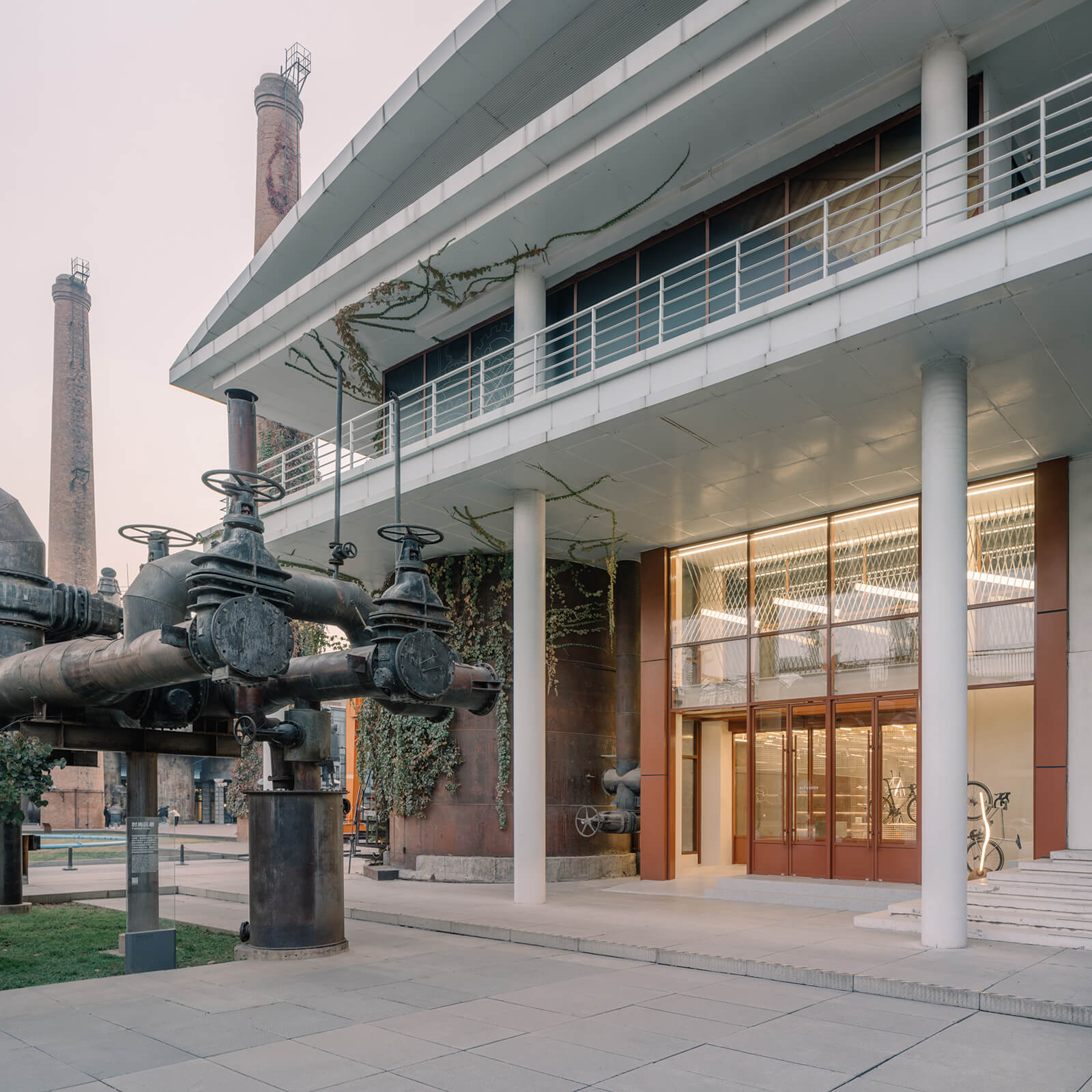
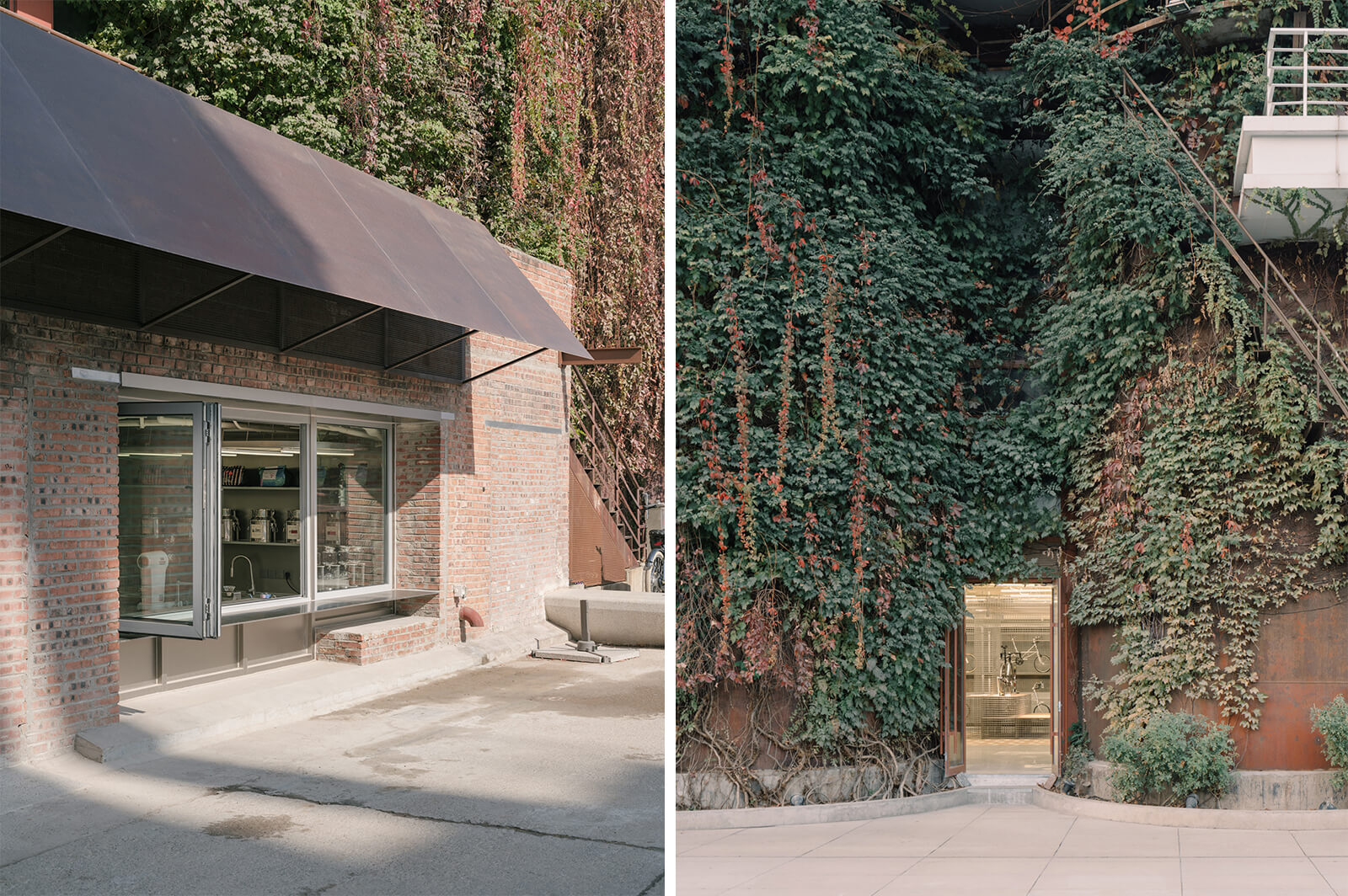
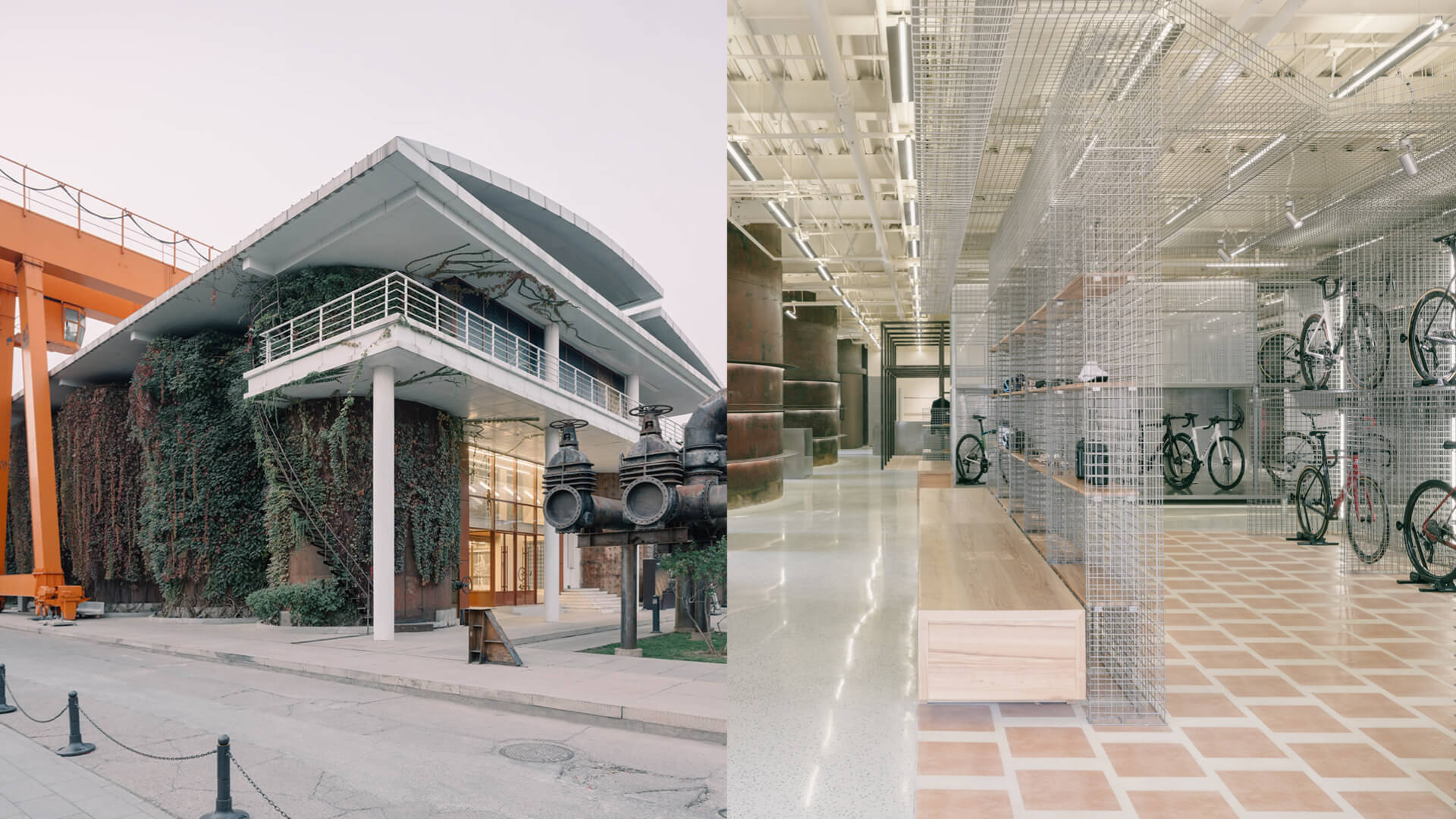
AITASHOP, an influential premium bicycle brand, sought more than a conventional experience for its flagship store, hoping instead for a destination where enthusiasts could gather and learn. The retail store design, spanning over 1000 square metres, inhabits Beijing’s 751 D·PARK, the site of the former 751 Chemical Plant. The new space, reflecting these deep industrial roots, echoes both the legacy of its setting and the refinement of high-end cycling culture and apparel.
In this way, inspiration for the architects came embedded in the site. The building and its industrial history’s striking relics—including 10-metre-tall desulfurisation tanks, exposed concrete, brick walls and weathered steel—weren’t masked or concealed. Instead, Yatofu Creatives embraced them as sculptural anchors, treating them as essential characters in the story.
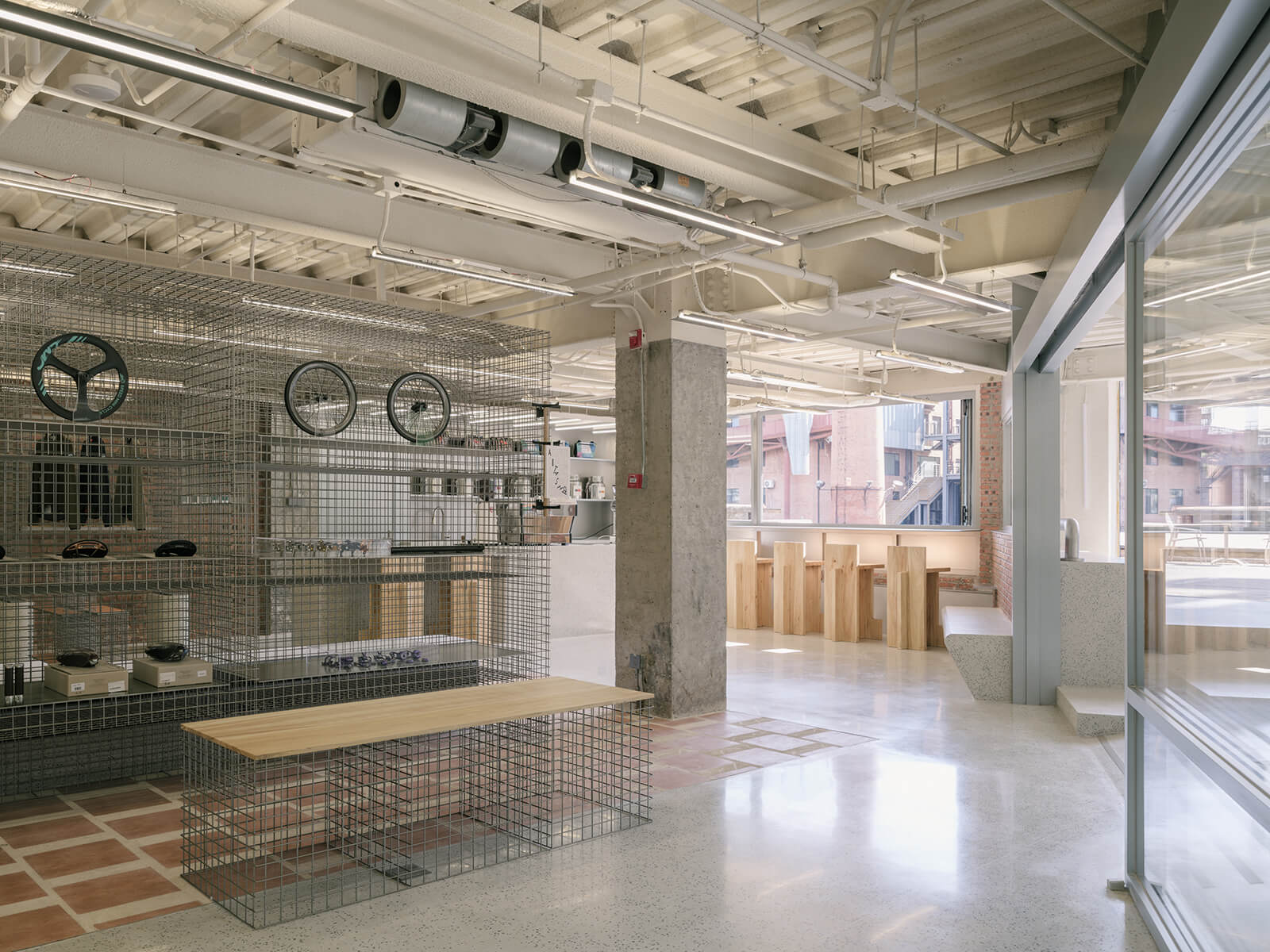
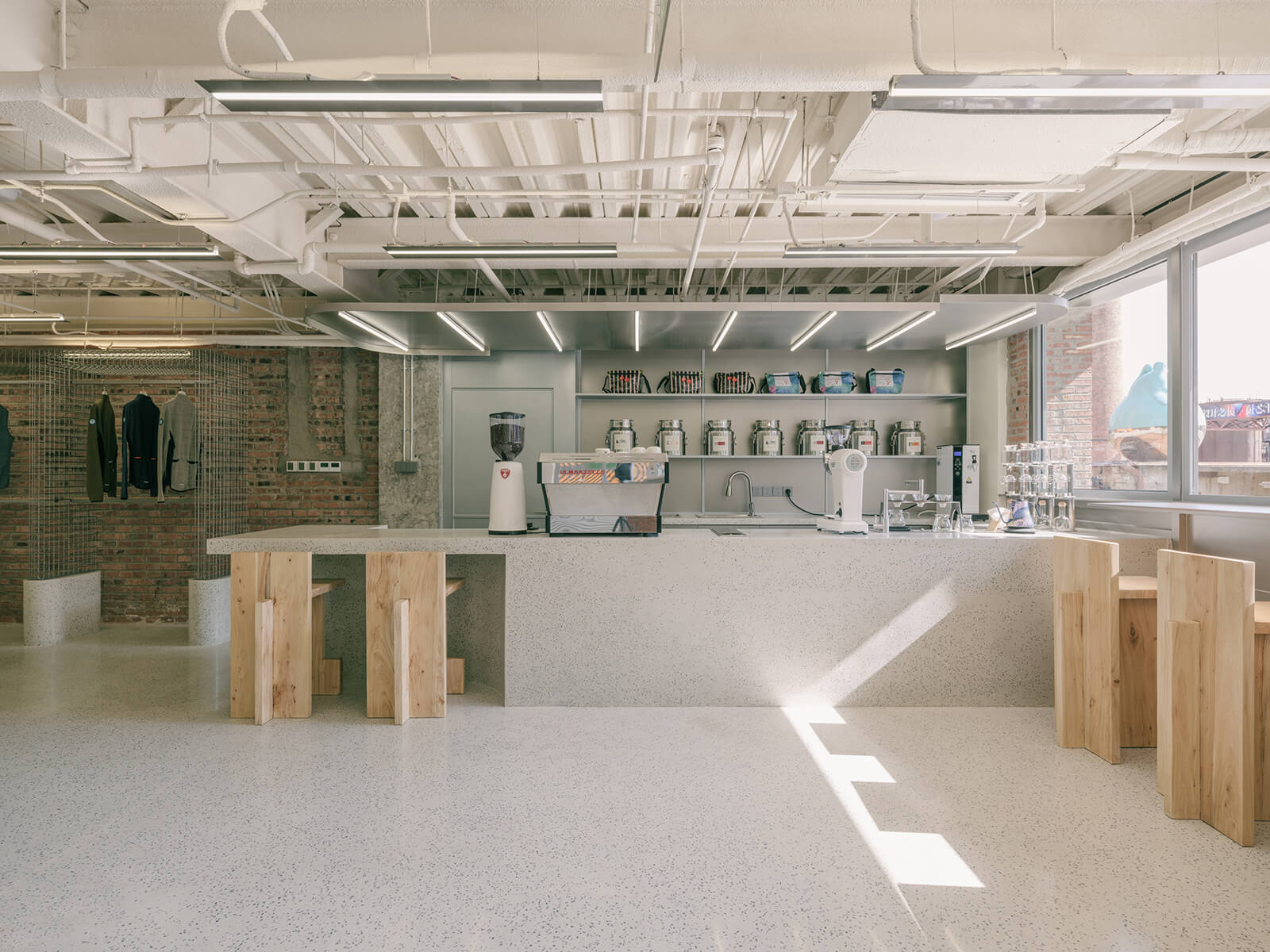
“We have always designed with an eye to both history and possibility—reflecting the story of a place while also guiding it toward what it could become”, Yihan Xiang and Sheen Tao, Co-Founders and Partners at Yatofu Creatives, tell STIR. “With AITASHOP, we saw the opportunity to connect visitors’ curiosity about the site’s industrial history with their passion for cycling and community life,” they add.
“This duality of expression led us to the idea of contrast”, Xiang explains. “This tension and drama became the foundation of the design, allowing the space to cohesively tell a story that bridges past, present and future,” the Chinese architect adds, on conceiving a spatial narrative where raw industrial remnants could meet the precision associated with cycling craft.
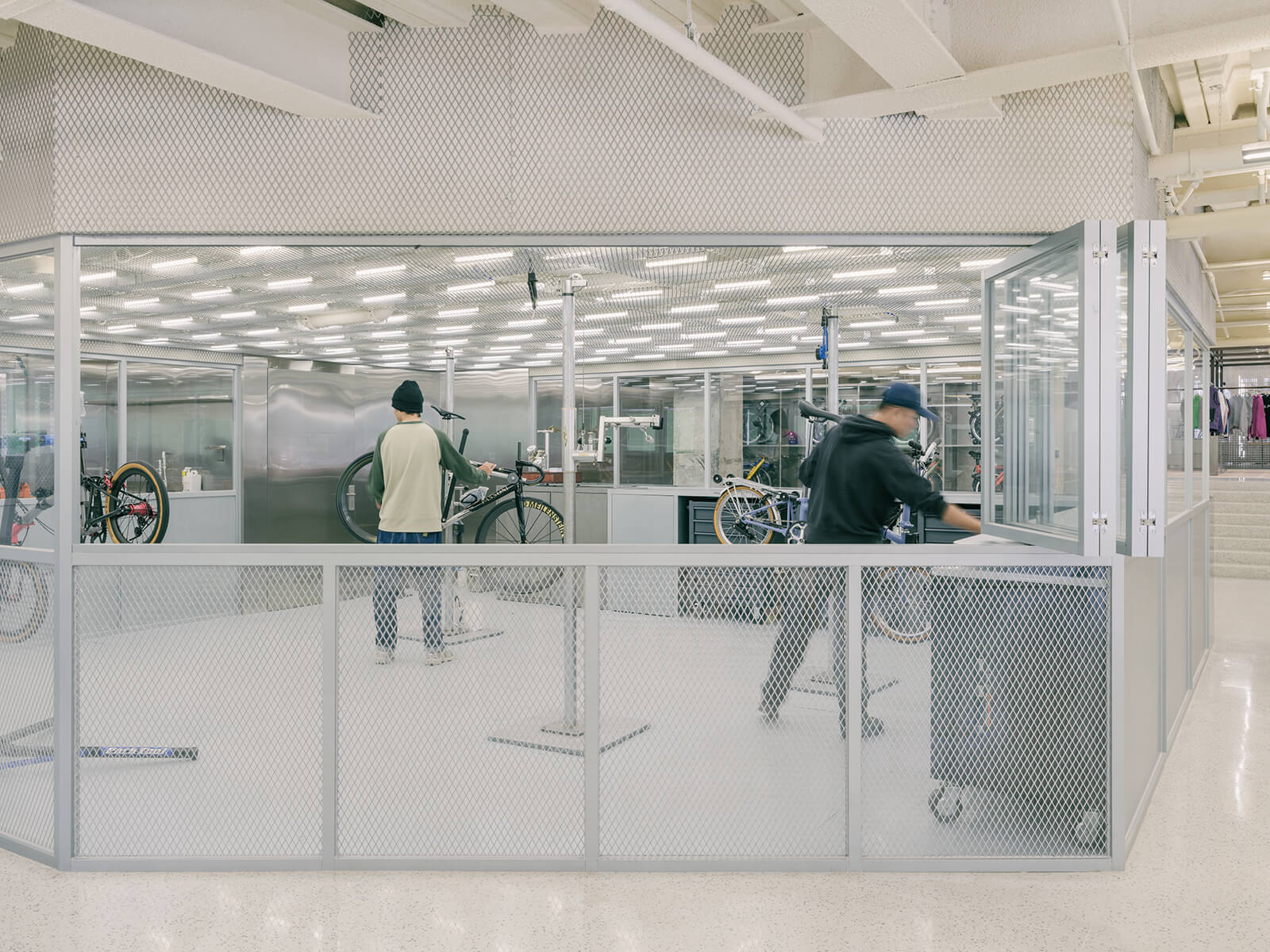
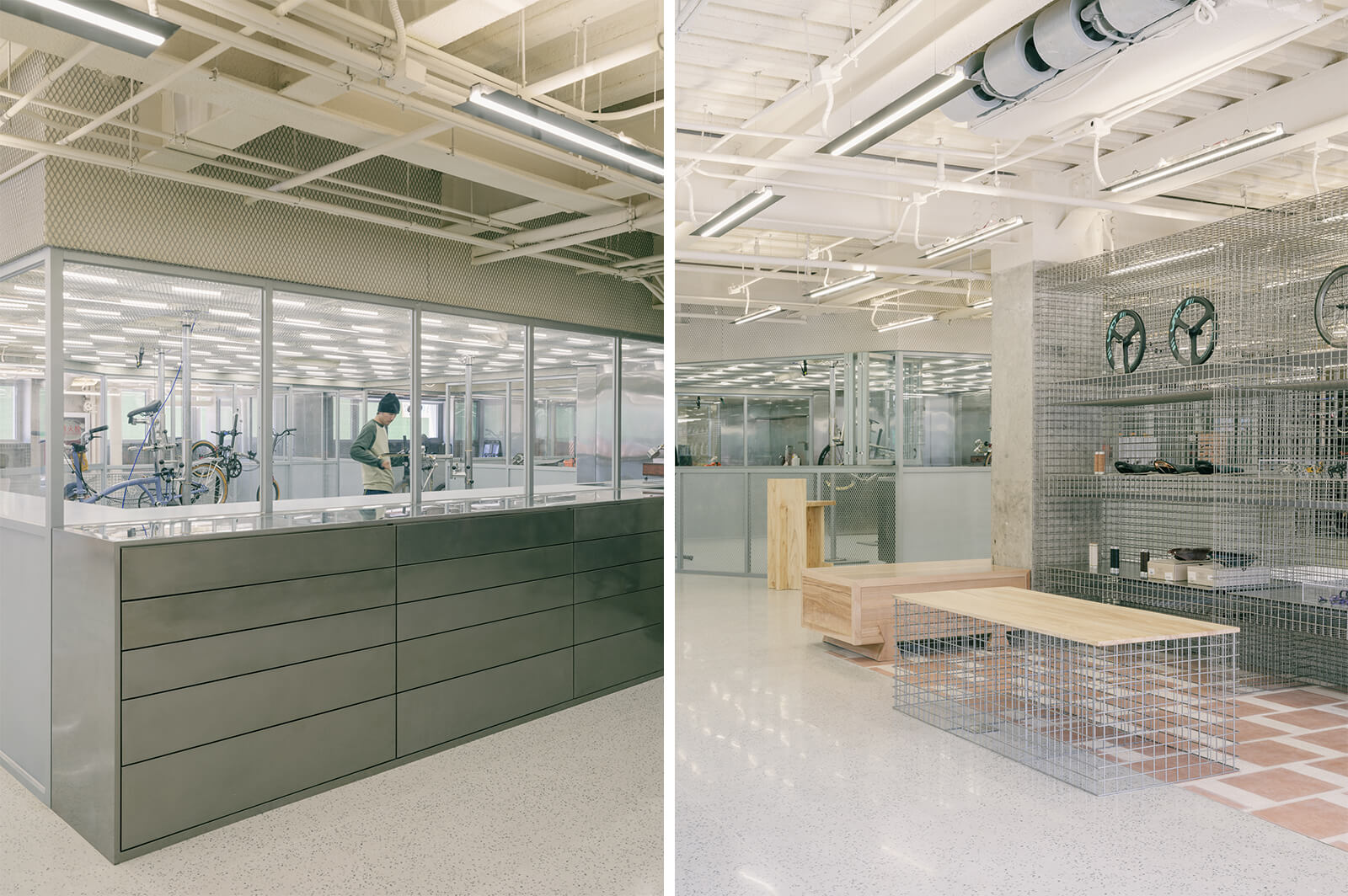
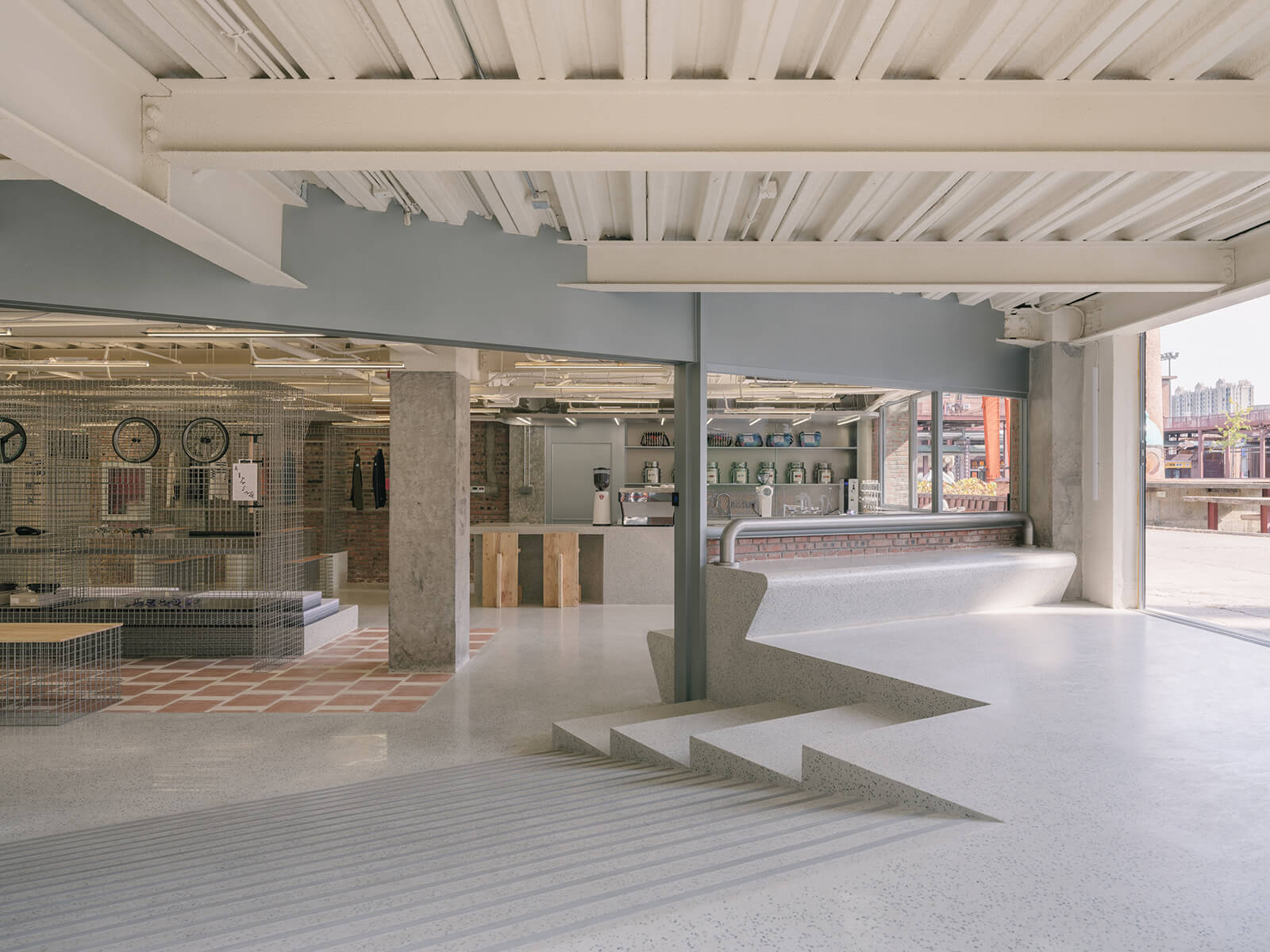
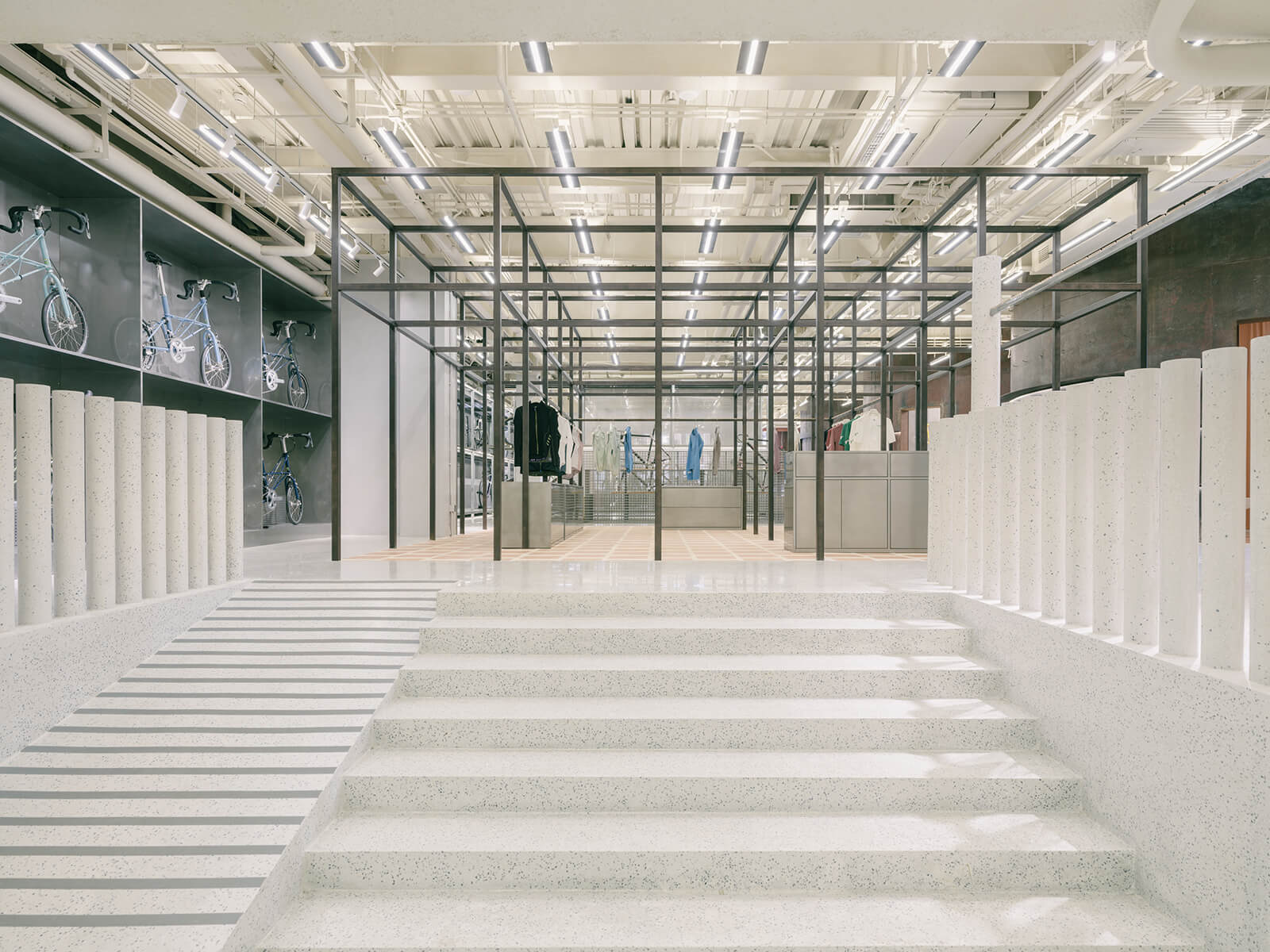
The interiors unfold in two distinct zones: The Garage and The Experience Hub. The former is conceived as a relaxed, expansive environment, where cyclists can wheel in freely, have their bikes serviced, or chat with mechanics, carved out as a triangular, semi-open space on the building’s west through incisions in the façade design. The maintenance area, often tucked away in the background in conventional shops, takes centre stage in the showroom; the act of repair itself morphs into a shared and transparent experience. By doing so, Yatofu Creatives reframes a functional necessity as a social exchange, underscoring the community-first ethos of both the brand and the design.
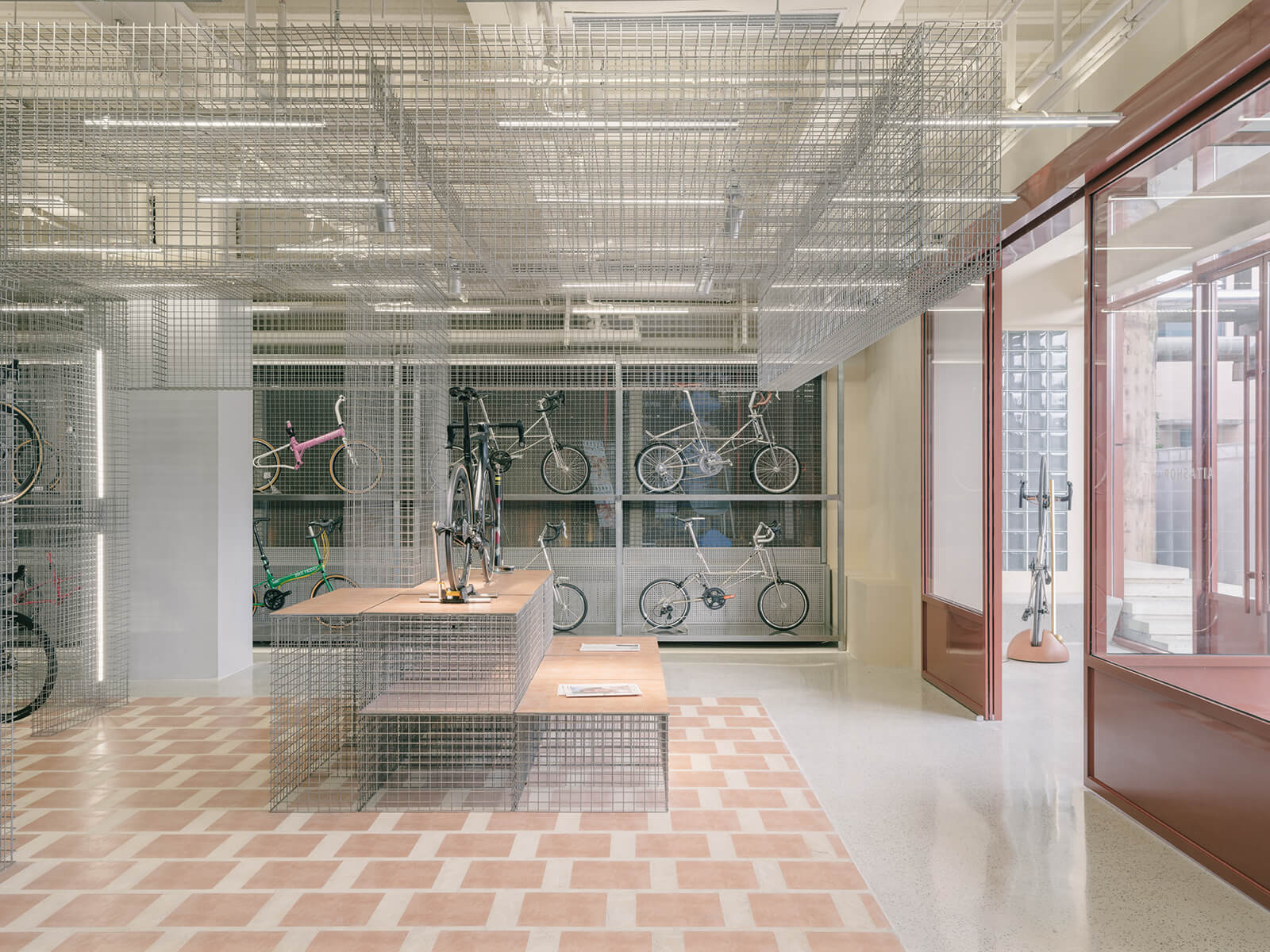
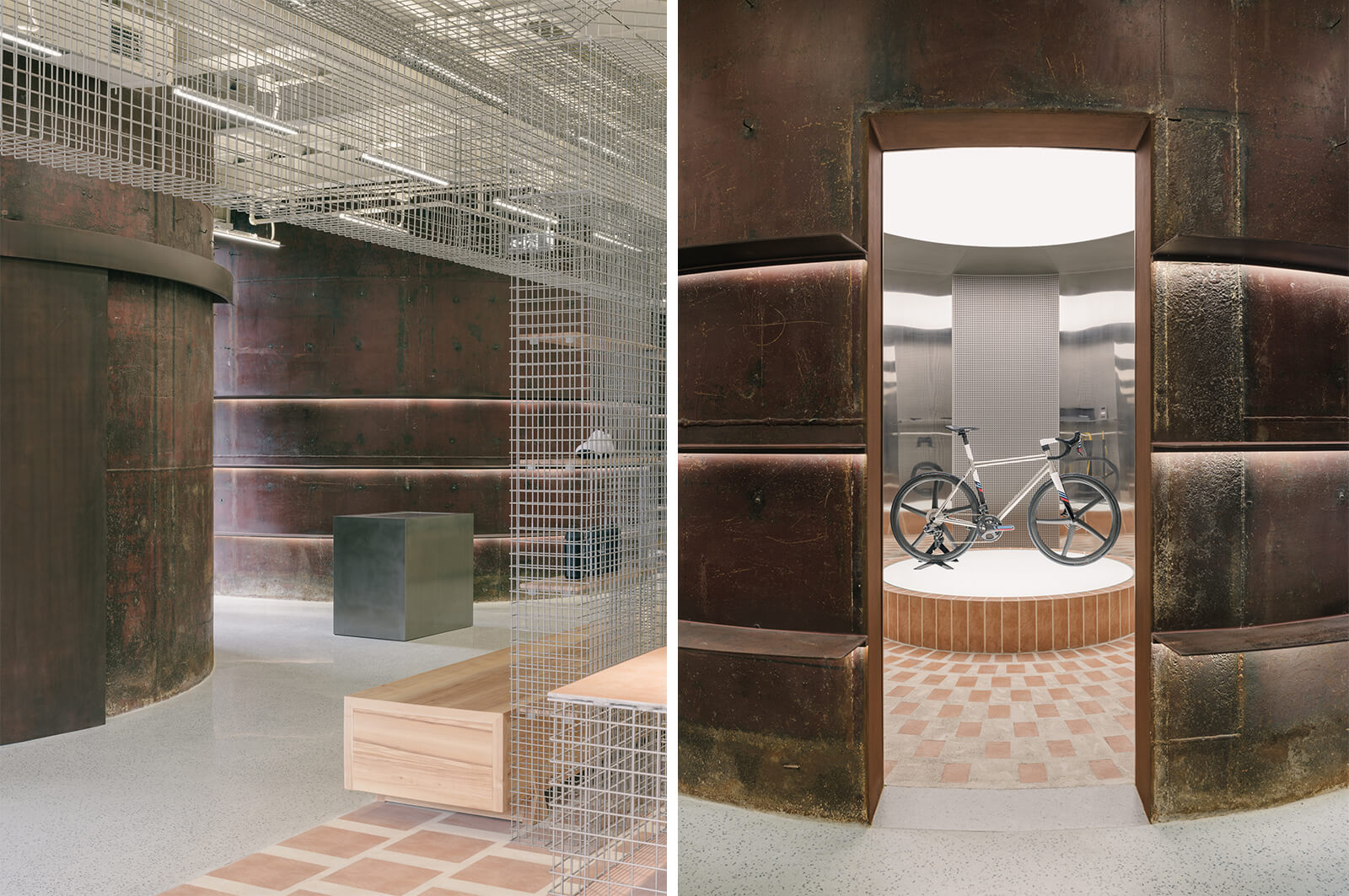
Moving deeper inside, visitors encounter The Experience Hub—a dramatic retail arena shaped by the towering industrial tanks. Yatofu Creatives' design celebrates these artefacts by framing new spatial pathways around them, creating moments of compression and expansion that heighten the sense of discovery. Here, product design displays are woven into a modular ‘accessory library’, a system that adapts with seasonal changes and evolving merchandise. More than a backdrop for products, the Hub acts as an event-ready venue, hosting workshops, talks and cultural activations that stretch the definition of retail into that of lifestyle programming.
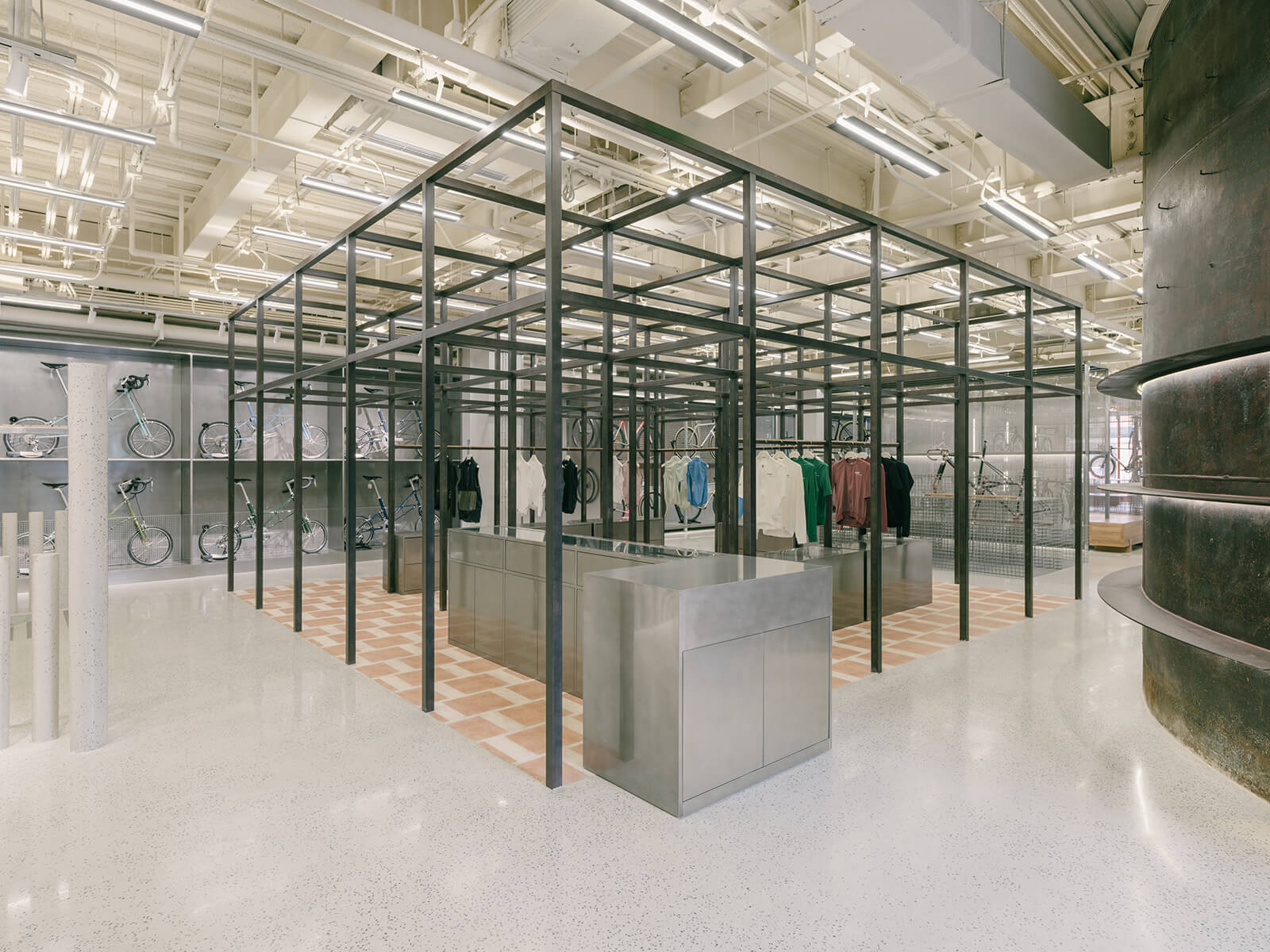
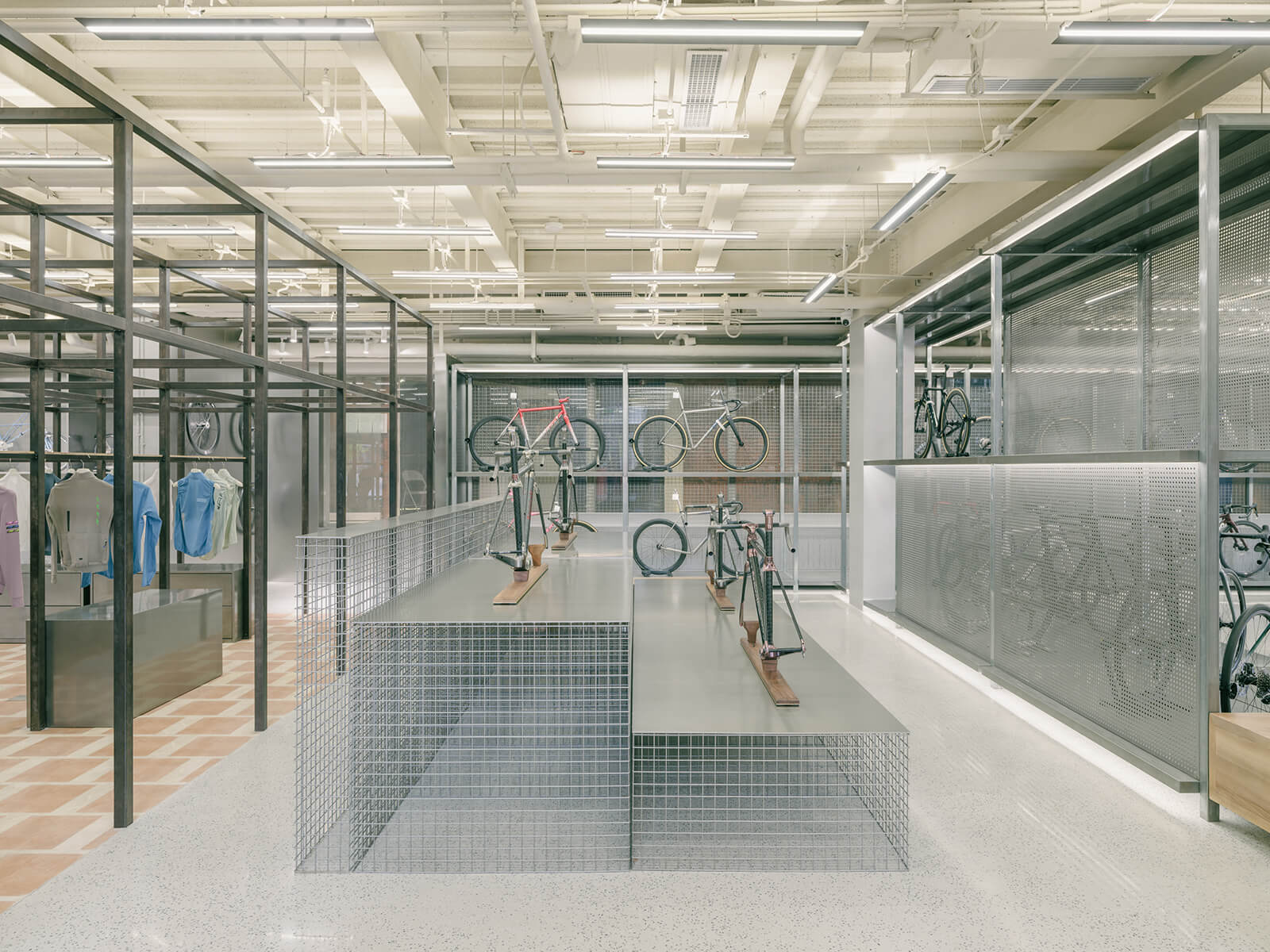
A thoughtfully curated material palette binds the narrative together. A spectrum of industrial-grade elements—including stainless steel, galvanised mesh, perforated panels and pre-rusted steel plates—is layered against the ‘rough’ surfaces of the original structure. This tactile dialogue dominating the space elicits a deliberate tension marking the coexistence of the ‘ruins’ and a ‘future’ within these. The interior design is completed with softer interventions, including Finnish Artek seating, custom wood bar stools and recycled wool felt, meant to further temper the hardness of the ambience and encourage visitors to linger. “We wanted to introduce new materials into the architecture and interiors to create contrast, yet also to achieve balance so that visitors would feel the space and their experience as natural and authentic,” Xiang and Tao note.
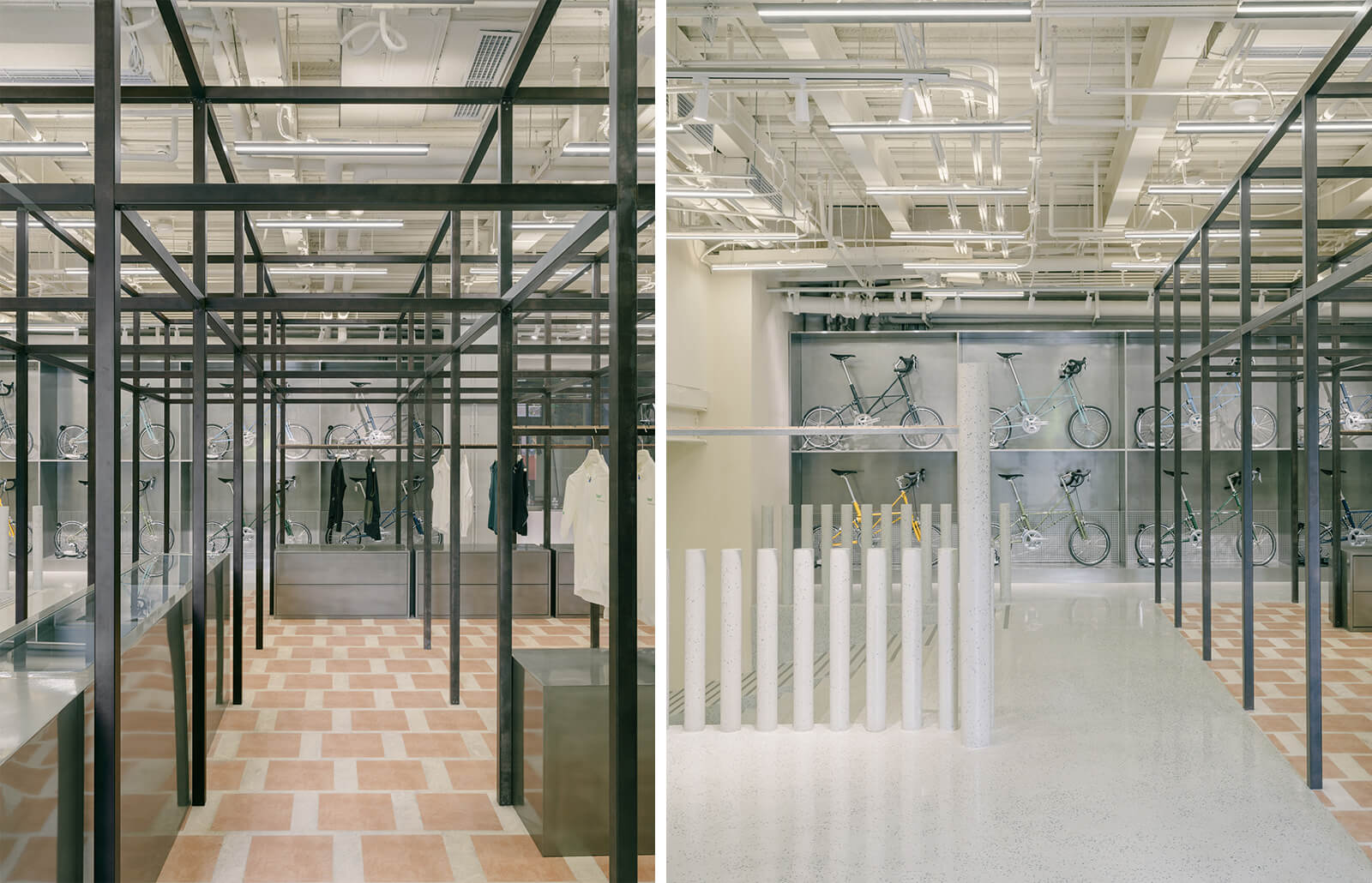
Achieving this equilibrium demanded a strong understanding of the site’s complexity; its low ceilings, exposed pipes and decades of layered renovations posed major challenges. Yatofu Creatives navigated these by reinforcing the structure, reorganising circulation and introducing new frameworks to accommodate the brand’s wide functional needs. The architects used more than eight different types of metal materials and treatments, each reflecting aspects of the site’s history and the brand’s forward-looking spirit. From bigger interventions to the smallest details, all contribute to the project’s broader sense of authenticity.
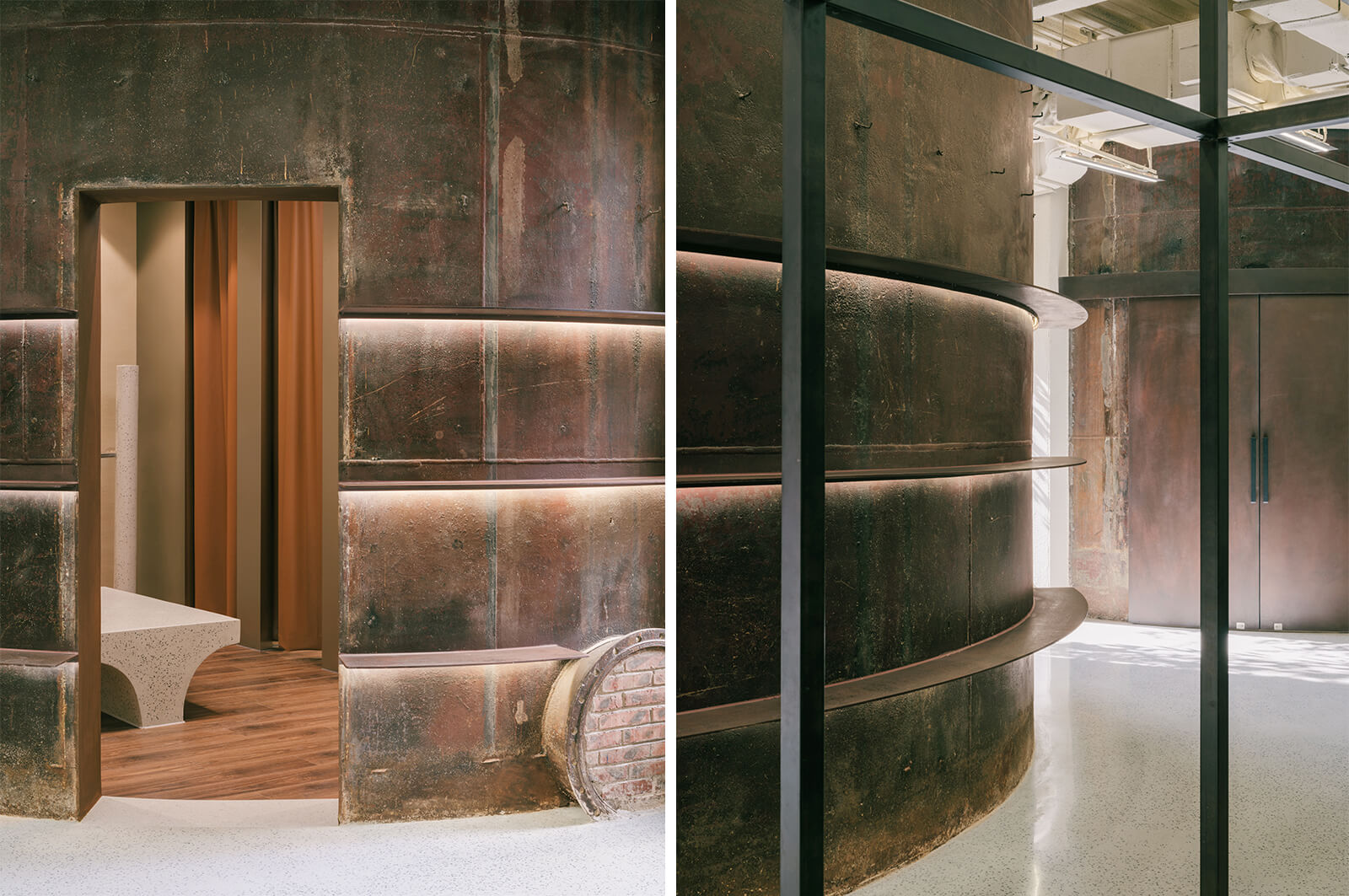
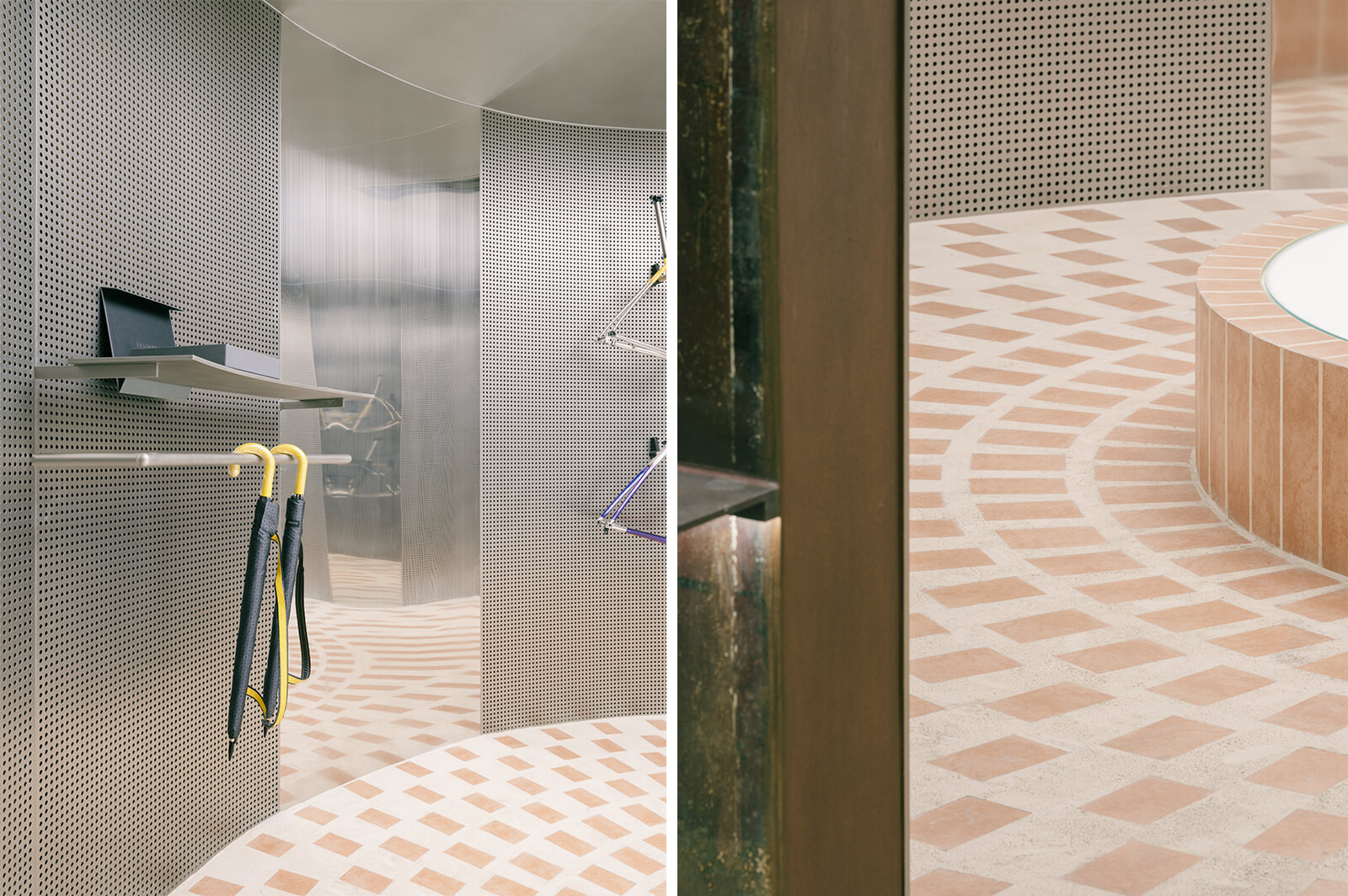
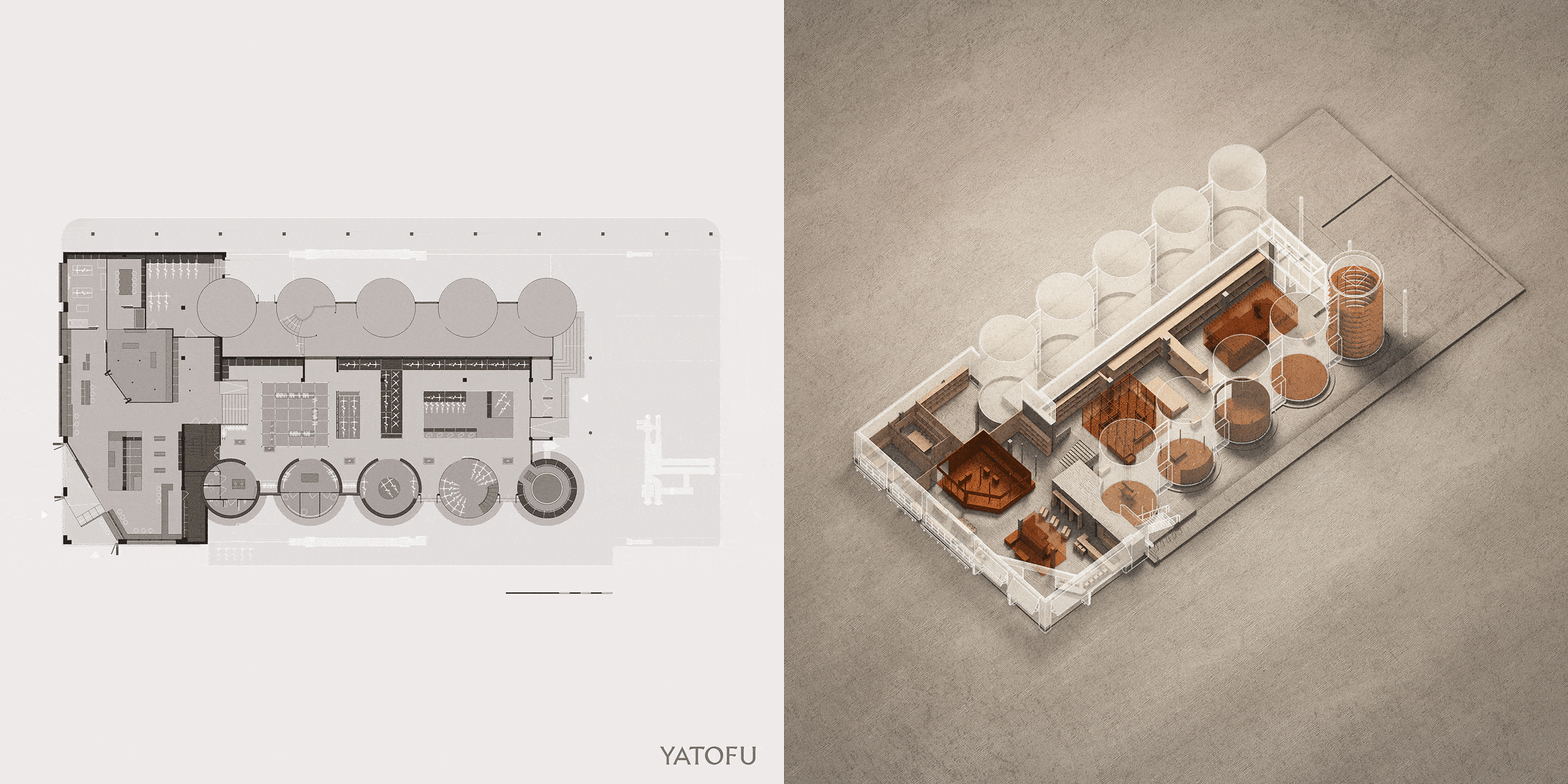
With The Future Ruin, Yatofu Creatives sought to achieve an animated community hub where cycling, design and heritage intersect. The vestiges of industrial history are carefully preserved and reinterpreted through a contemporary lens; visitors can service their bikes, join an event, or simply explore the layered narratives embedded in the site’s concrete and steel. AITASHOP Beijing then serves as a new archetype for retail—one that seeks to reframe the relationship between commerce and culture, activity and community.

by Pranjal Maheshwari Oct 24, 2026
A consortium of Copenhagen’s 3XN, Toronto’s B+H Architects and Shenzhen’s Zhubo Design has designed the museum to mimic the surrounding riverscape, topped with a public park.
by Pranjal Maheshwari Oct 19, 2026
The Mumbai-based architects integrate courtyards, mesh screens and north light trusses to create a dining space that doubles up as a community hub at SR University, Warangal.
by Mrinmayee Bhoot Oct 17, 2026
The Rotterdam-based institute centres the Indian Ocean as a network for exploring material histories and transnational links shaping coastal cultures, positing them as future models.
by Pranjal Maheshwari Oct 16, 2026
At the 2026 Stirling Prize ceremony, Mary Duggan with RUFF Architects, MAKER Architecten and Nakshabid Architects were felicitated for proffering quality housing and social equity.

make your fridays matter with a well-read weekend
Enter your details to sign in
Don’t have an account?
Sign upOr you can sign in with
a single account for all
STIR platforms
All your bookmarks will be available across all your devices.
Stay STIRred
Already have an account?
Sign inOr you can sign up with
Verification link sent to check your inbox or spam folder to complete sign up process
Tap on things that interests you.
Select the Conversation Category you would like to watch
Please enter your details and click submit.
Enter the 6-digit code sent at


The Future Ruin: AITASHOP Beijing by Yatofu Creatives is a confluence of contrasts
by Anushka Sharma | Published on : Nov 24, 2025


 Sign in with Google
 Sign in with email
What do you think?