Architecture13 mins. read
American architect Michael Maltzan on breathing new life into stereotypes
by Vladimir BelogolovskySep 30, 2024



by Sunena V MajuPublished on : Dec 06, 2025
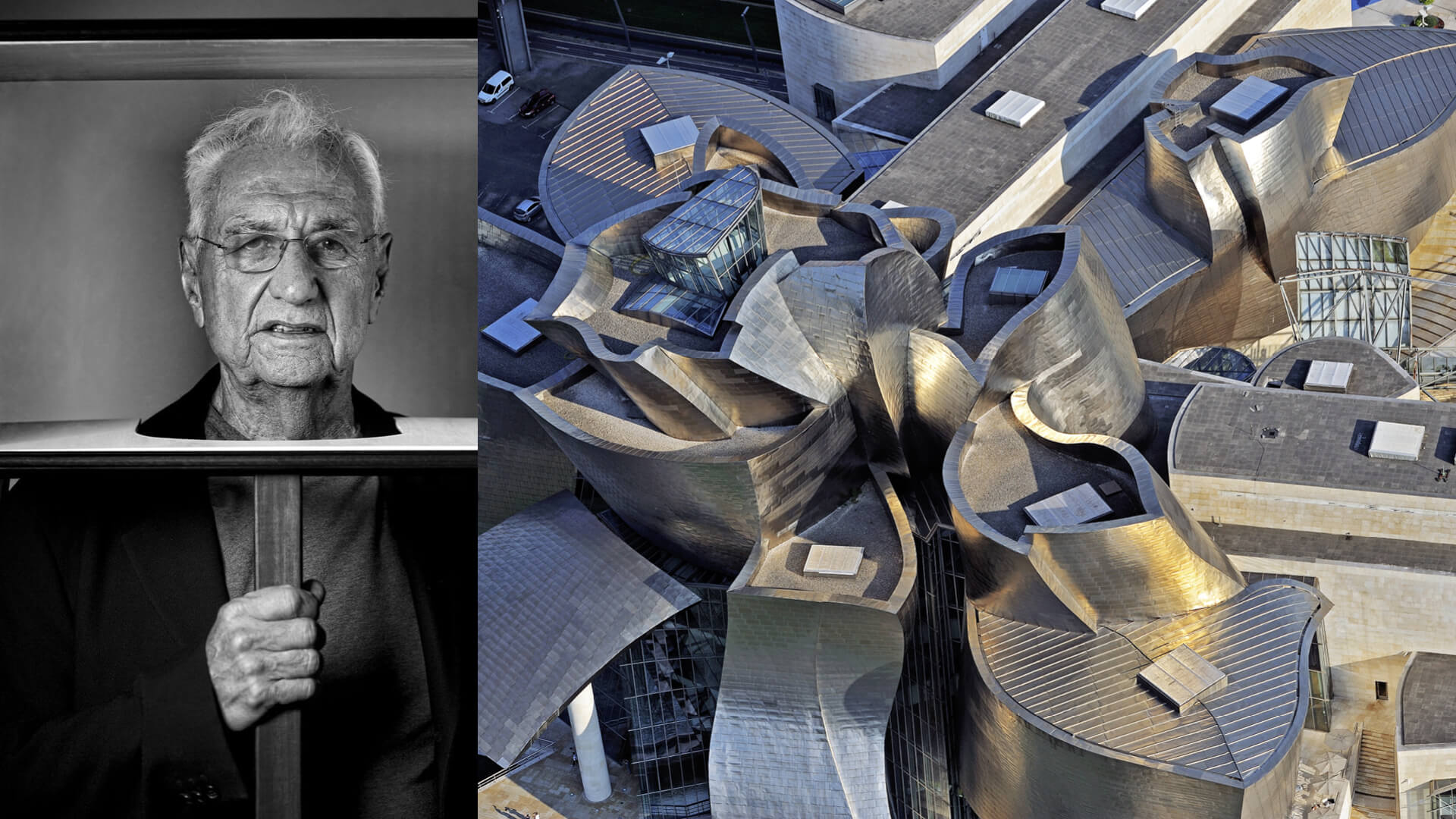
Frank Gehry, one of the most influential architects of the 20th and 21st centuries, passed away on December 5, 2025, leaving behind a body of work that not only reshaped skylines, but also expanded the possibilities of contemporary architecture. Even at 96, his presence in the architectural world felt enduring, almost permanent. For architects across generations, he remained a figure both deeply revered and permanently situated in discourse. Regardless of where one studied architecture, the Guggenheim Museum in Bilbao was a near-universal reference point: a building that taught students to see possibility in a crushed piece of paper, a sheet of aluminium foil, or any gesture of form that defied conventional logic.
One always think there is more time, another year, another project, another chance to witness a mind like Gehry’s at work. So when news of his passing broke on December 5, 2025, it momentarily stilled the global creative community. Even those outside architecture paused—proof of Gehry’s rare cultural reach. Recognised widely for landmarks including Guggenheim Bilbao, the Dancing House in Prague (the Nationale-Nederlanden building, nicknamed as such), the Walt Disney Concert Hall in LA, and numerous others, Gehry’s death is bound to leave a significant void, not only for architects, but for anyone who has encountered his work’s simultaneous audacity and humanity.
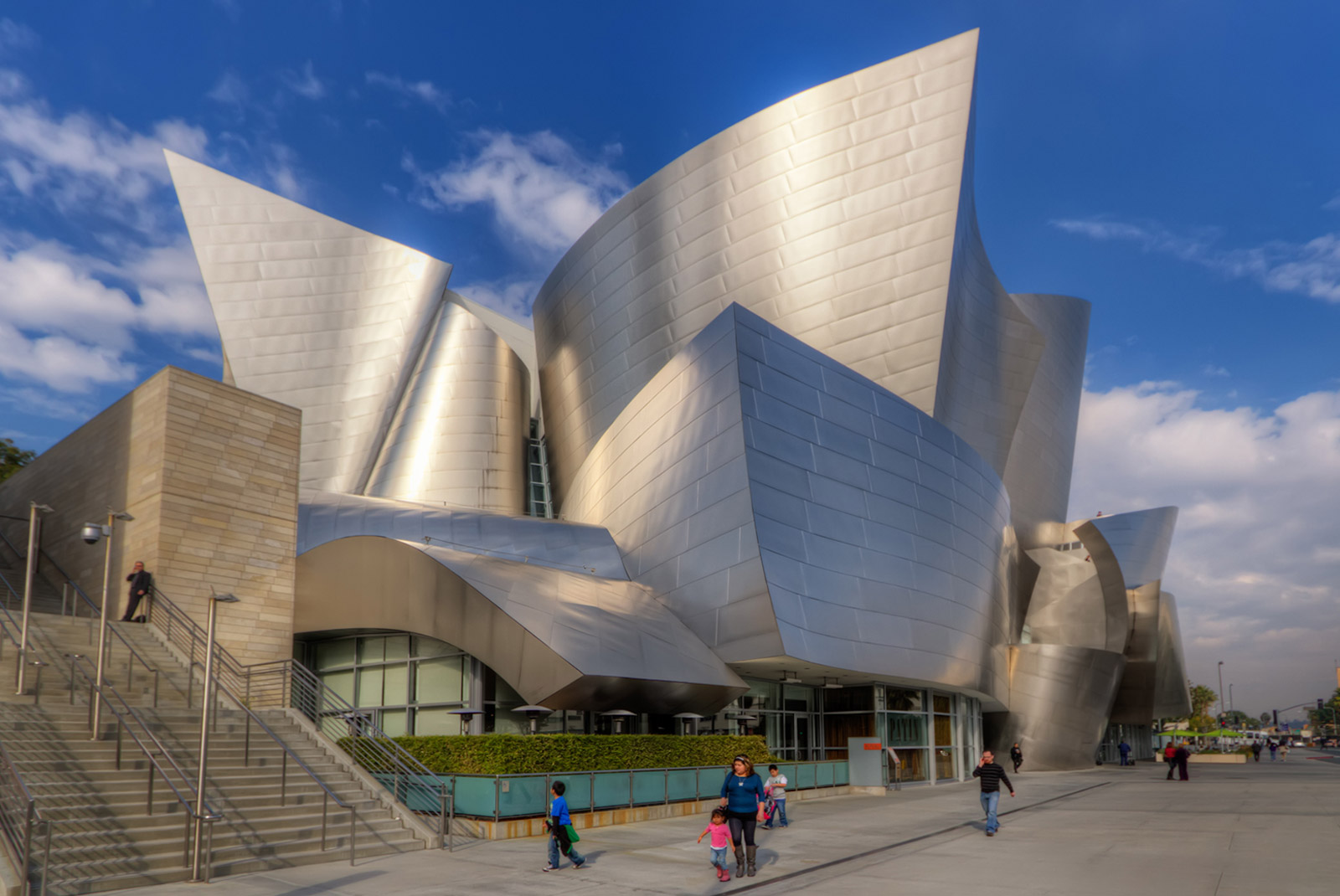
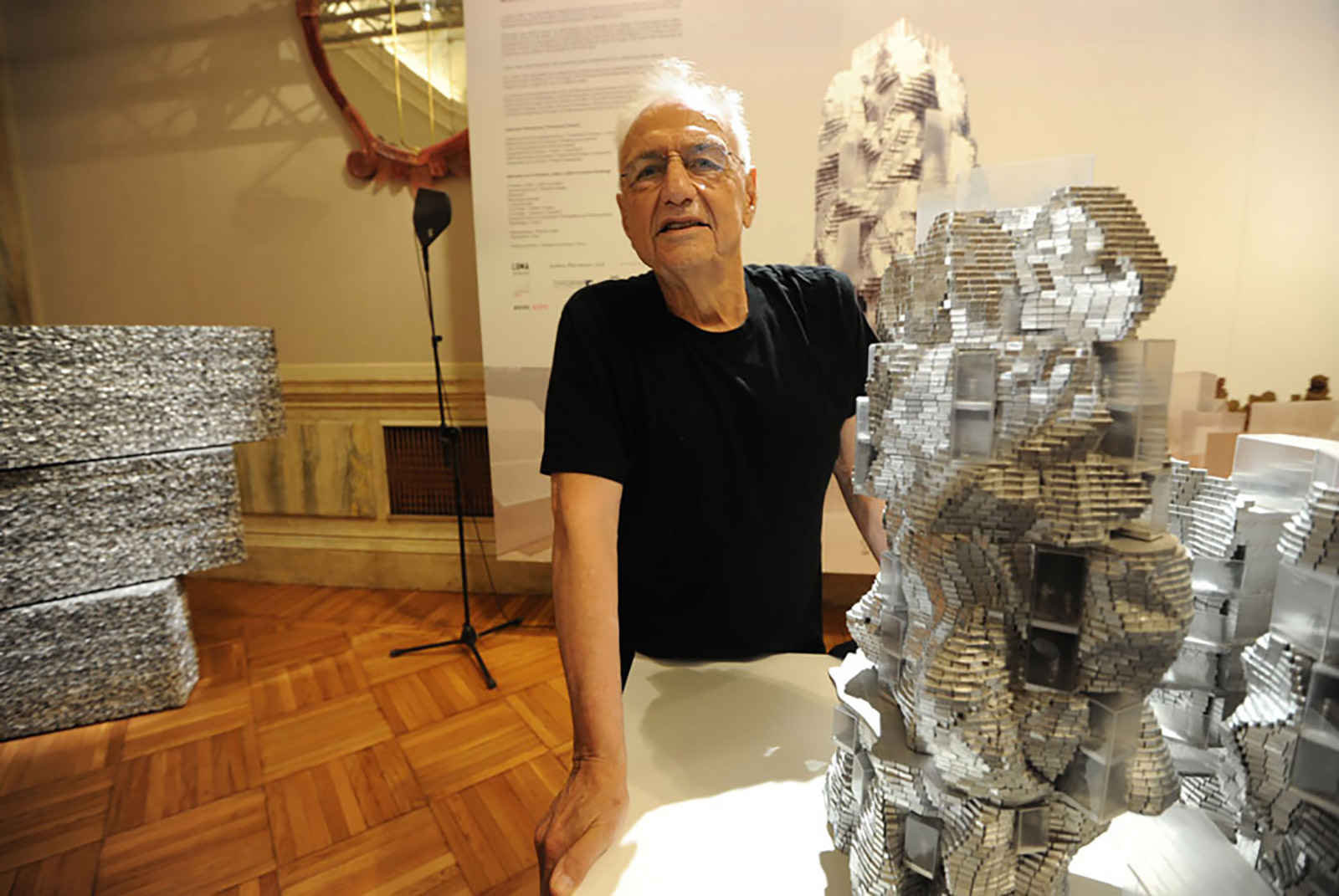
Gehry’s own explanation for this creative intensity came early in his career. "I am obsessed with architecture”, he said in his 1989 Pritzker Prize acceptance speech. He believed in the discipline’s ability “to enlighten and to enrich the human experience”, and he spent his life testing that belief. He pushed at the edges of deconstructive form-making with projects like the Lou Ruvo Center for Brain Health in Las Vegas. He challenged assumptions about the relationship between form and function long before it became fashionable, beginning with his 1978 renovation of his own home in Santa Monica, an early manifesto of material experimentation and spatial disruption.

Gehry continued to defy expectations throughout his career. Critics often questioned whether his sculptural architecture might overpower the art it housed. Gehry answered those doubts with the Fondation Louis Vuitton in Paris, wherein he created not a spectacle for its own sake, but a centre intended as a poetic vessel for cultural experience. With the Dancing House, he proved that even a quirky, almost whimsical structure could bring new energy to the urban fabric. He was equally influential in the world of design objects: his Wiggle Side Chair & Wiggle Stool and later the Cross Check chairs for Knoll demonstrated how ordinary materials like corrugated cardboard and laminated wood could be transformed into structurally resilient forms and objects.

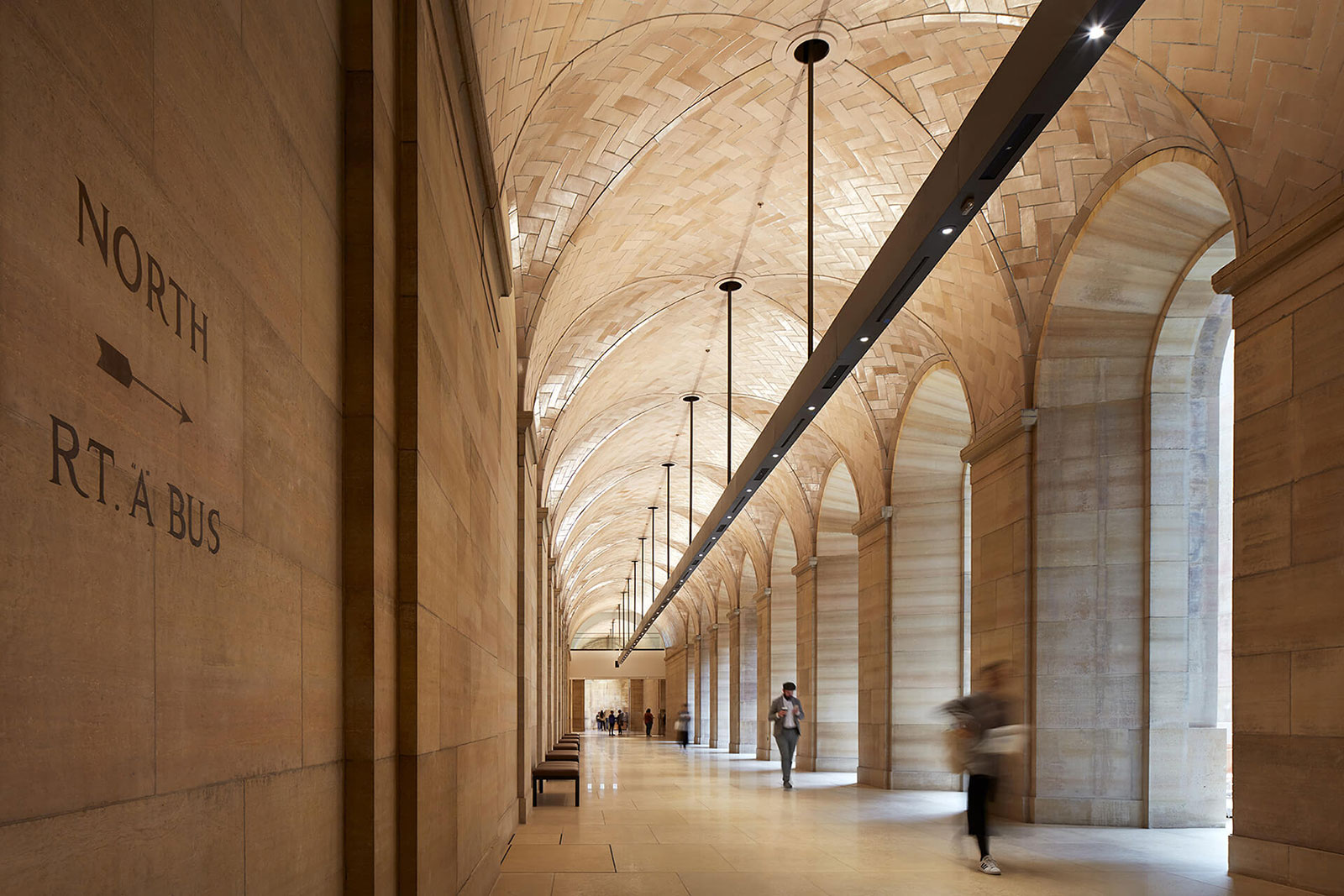
My own encounters with Gehry’s work have shaped how I understand his legacy. The first Gehry building I experienced in person was the Ray and Maria Stata Center at MIT in Massachusetts, a building the MIT List Center once described as “audacious” and “iconic,” and rightly so. A cacophony of tilted surfaces, leaning towers, and fused forms, it embodies the kinetic quality of Gehry’s architectural imagination in full force. Yet it was in Philadelphia, at the Philadelphia Museum of Art, that I understood the full breadth of his practice. Walking through the renovated Beaux-Arts galleries—understated, harmonious, and deeply respectful of the building’s original language—I saw a different Gehry. No titanium skins, no sweeping curves, no dramatic silhouettes. Instead, a quiet, confident intervention by an architect who understood when to step forward and when to recede. It revealed a mastery of form through restraint.
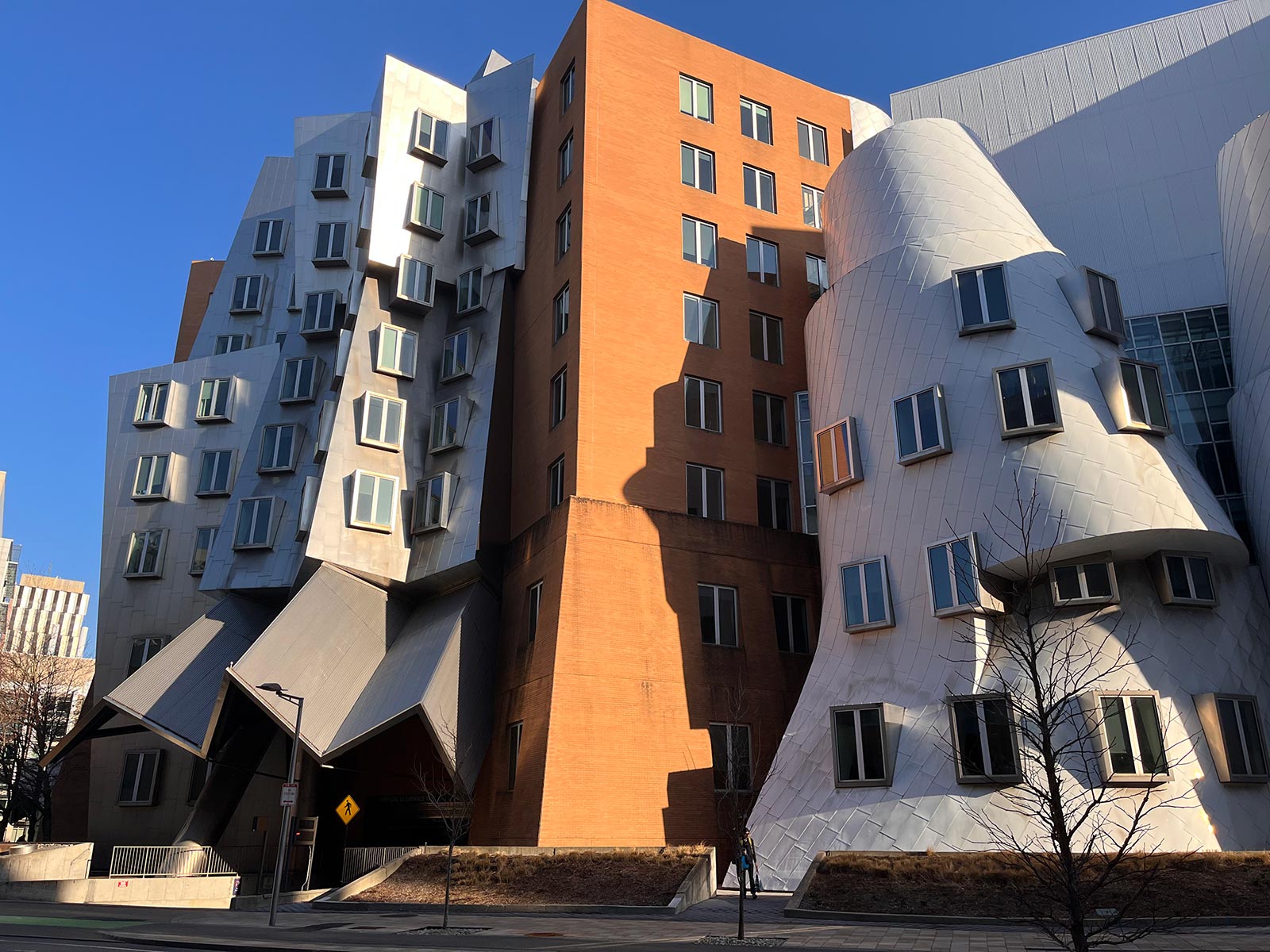
Gehry’s ability to shift so fluidly between exuberance and restraint is rooted in the trajectory of his own life and work. Born Frank Owen Goldberg in Toronto in 1929 and raised partly in his grandmother’s hardware store, he grew up surrounded by materials that would later resurface in his architecture, such as wood scraps, metal fragments, and everyday objects that invited improvisation. After moving to Los Angeles in his teens, he absorbed the city’s eclectic cultural landscape and began experimenting with affordable, unconventional materials long before they entered mainstream design discourse. Over six decades, his practice evolved from early explorations in deconstructivism and postmodern forms to groundbreaking computational experimentation, culminating in a body of work that spanned museums, houses, masterplans, performance spaces, furniture, and even a foray into product design. The diversity of his career explains why the Philadelphia project felt so revelatory: it captured the full spectrum of Gehry’s architectural intelligence as the provocateur and the preservationist, as the sculptor and the strategist, coexisting within a single, measured gesture.
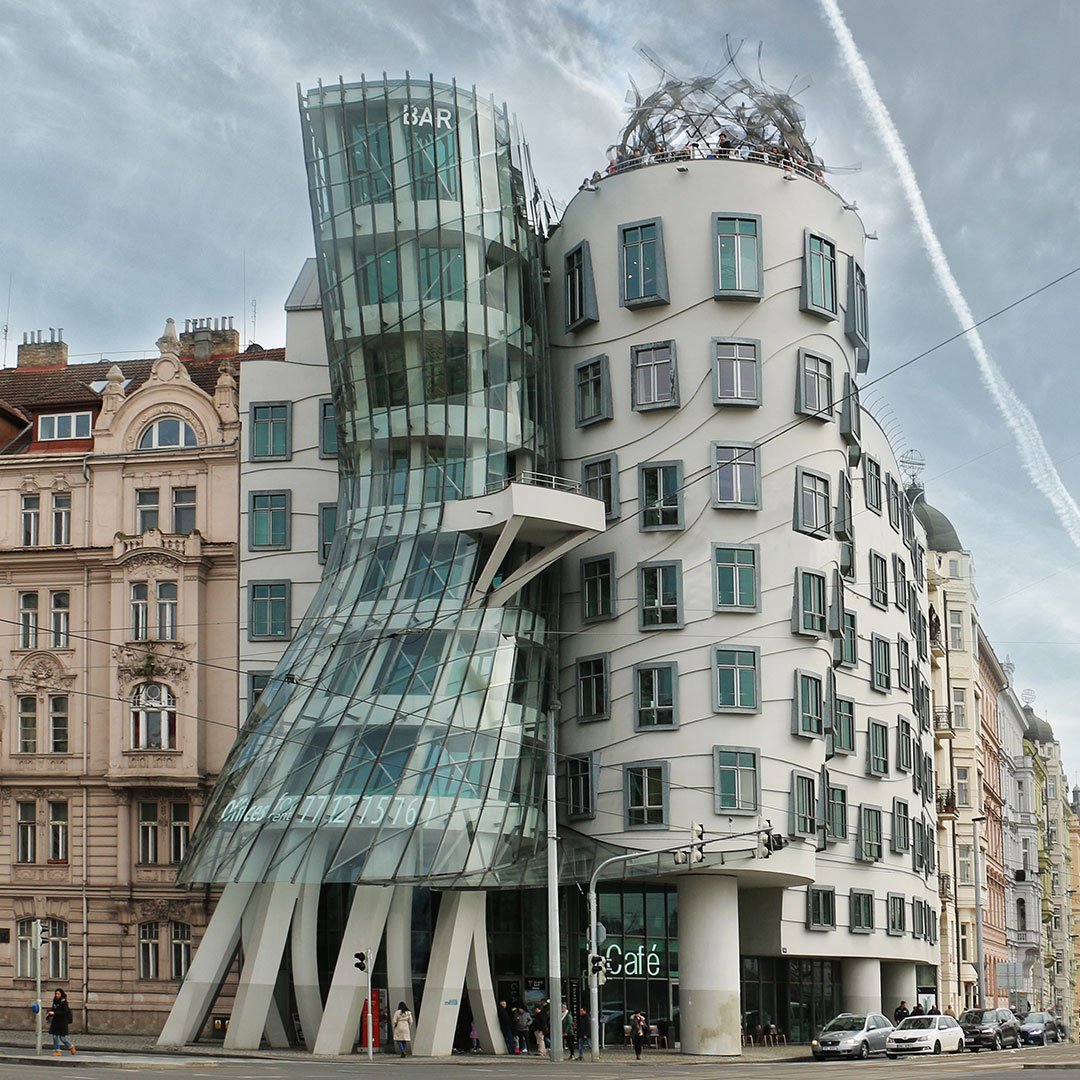
As tributes circulated online, an architecture meme page called him "the GOAT” (acronym for the greatest of all time). For once, internet hyperbole felt accurate. Gehry fundamentally altered the expectations of what architecture could look like, feel like, and mean to cities, to institutions, and to the imagination of young designers who grew up studying his work. No crumpled paper will ever be thrown away again without someone, somewhere, thinking of Frank Gehry.

by Pranjal Maheshwari Oct 06, 2026
With a programme focused on biodiversity, accessibility and safety, the Rotterdam-based architects help the neighbourhood reclaim a barren landscape as an integral social node.
by Pia Bhatia Oct 02, 2026
Located in the Al Bridi Reserve in Sharjah, the project didactically projects its purpose of studying African ecosystems through local structures marked as ‘sculptural presences’.
by Pranjal Maheshwari Sep 30, 2026
The new cultural centre by Blight Rayner Architecture and Snøhetta envelopes world-class facilities in a sinuous glass facade, alluding to the theatrical rhythms of the performing arts.
by Pranjal Maheshwari Sep 29, 2026
The one-of-its-kind music centre in Apple’s six-storey Battersea Station space in London houses world-class facilities for live performance and worldwide broadcast.

make your fridays matter with a well-read weekend
Enter your details to sign in
Don’t have an account?
Sign upOr you can sign in with
a single account for all
STIR platforms
All your bookmarks will be available across all your devices.
Stay STIRred
Already have an account?
Sign inOr you can sign up with
Verification link sent to check your inbox or spam folder to complete sign up process
Tap on things that interests you.
Select the Conversation Category you would like to watch
Please enter your details and click submit.
Enter the 6-digit code sent at


Bilbao, LA and beyond: Frank Gehry, the visionary behind defiant landmarks
by Sunena V Maju | Published on : Dec 06, 2025


 Sign in with Google
 Sign in with email
What do you think?