Art10 mins. read
Experimenter Curators’ Hub and the new, rhizomatic structures of the art world
by Srishti OjhaJul 10, 2026



by Pranjal MaheshwariPublished on : May 14, 2026
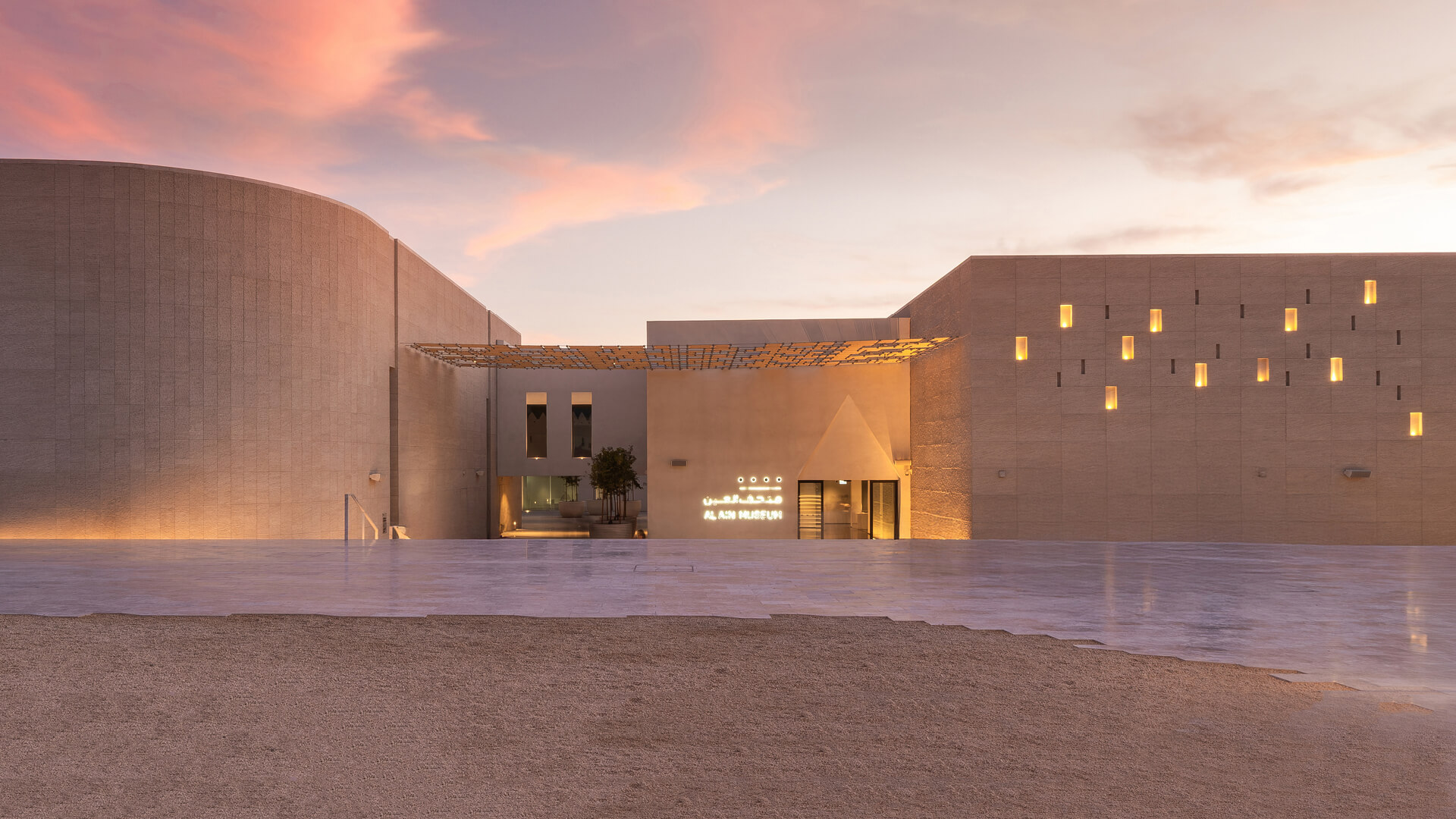
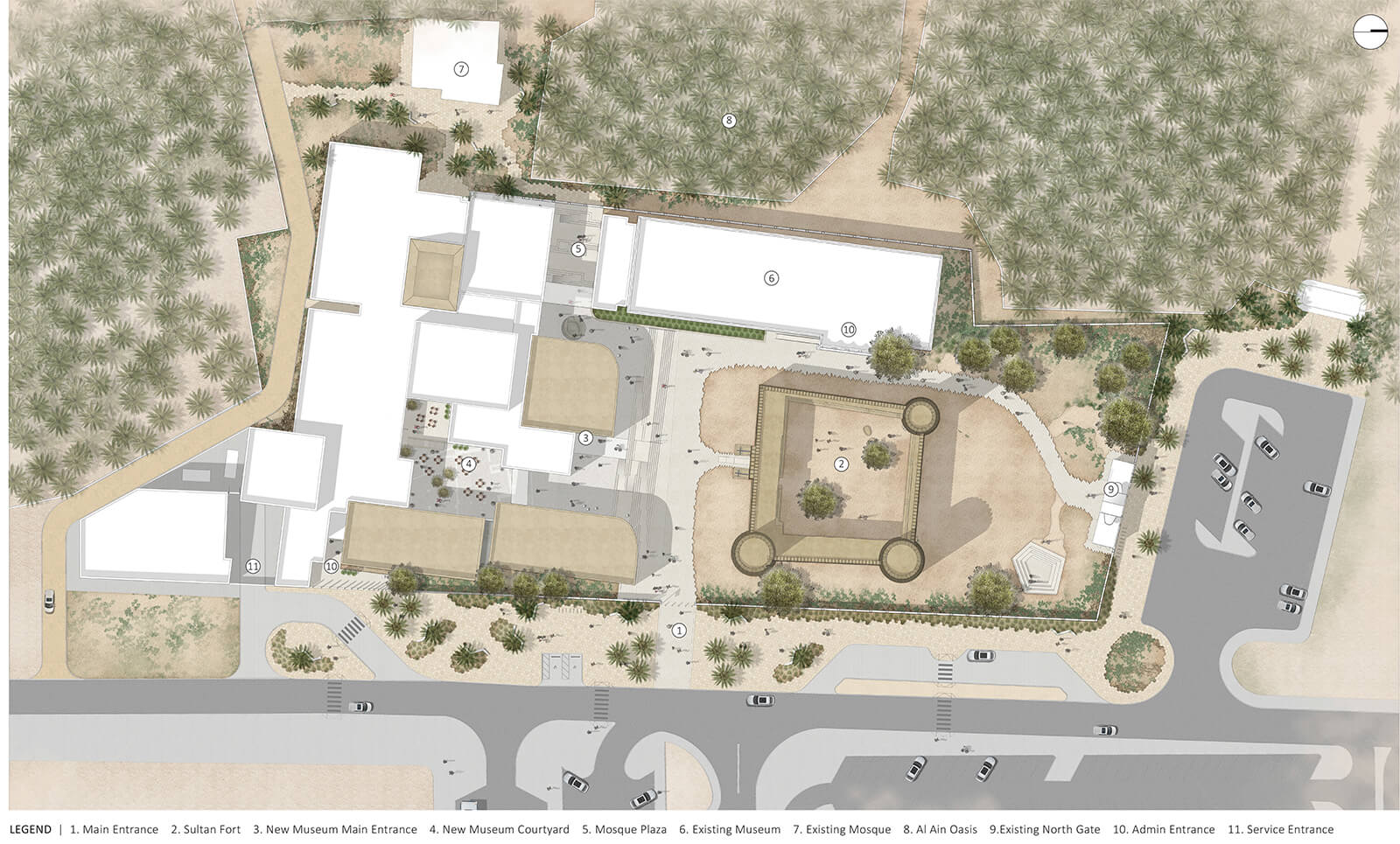
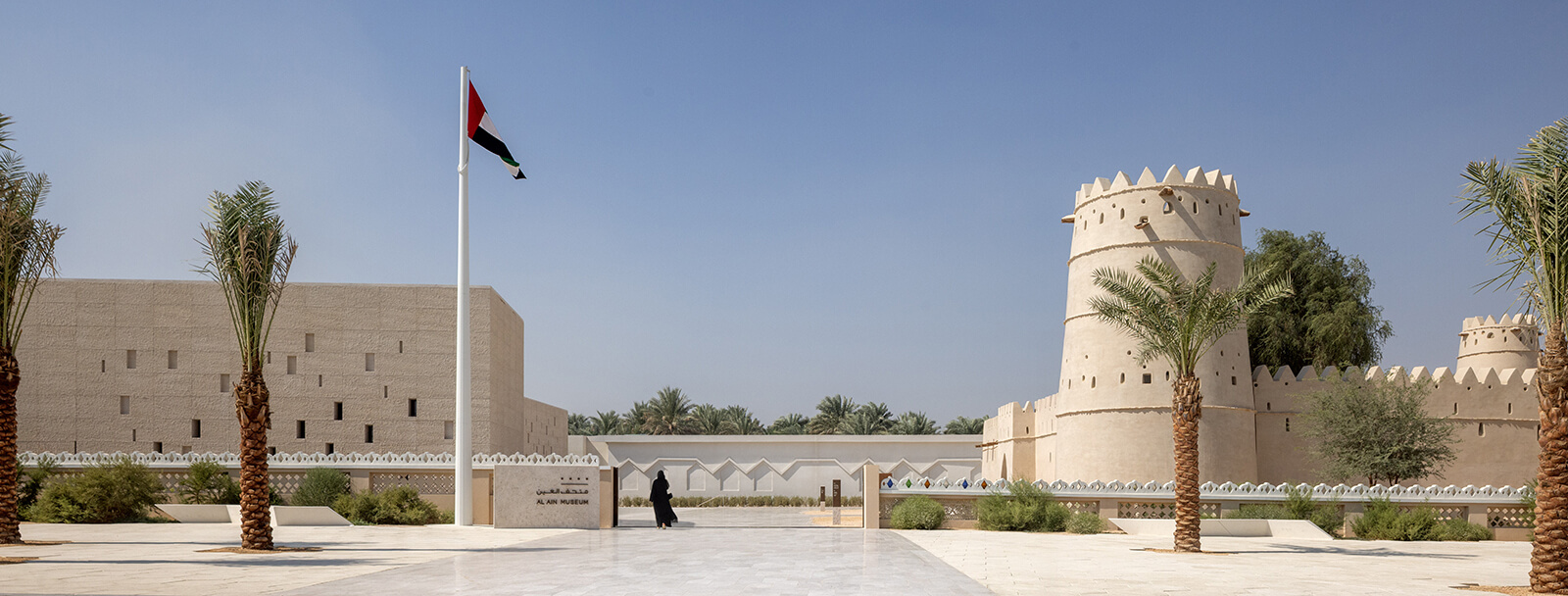
For a museum based on history and civilisation, coalescing time itself—mostly in digestible forms—is a deceptively simple task. Standing in the forecourt of the new Al Ain Museum complex in the UAE is a testament to that challenge as well as opportunity. Flanked by different phases of time—all definitive, all at once—the new museum building, housing the archaeological remains recently unearthed from the site itself, is set opposite the monumental Sultan Fort, a specimen of the region’s 20th-century architecture and the Haret Al Hosn (‘the fortified city’). The historic Al Ain Museum, in addition to the above, is also tasked with moderating these distinct phases and histories, being the first museum of the United Arab Emirates.
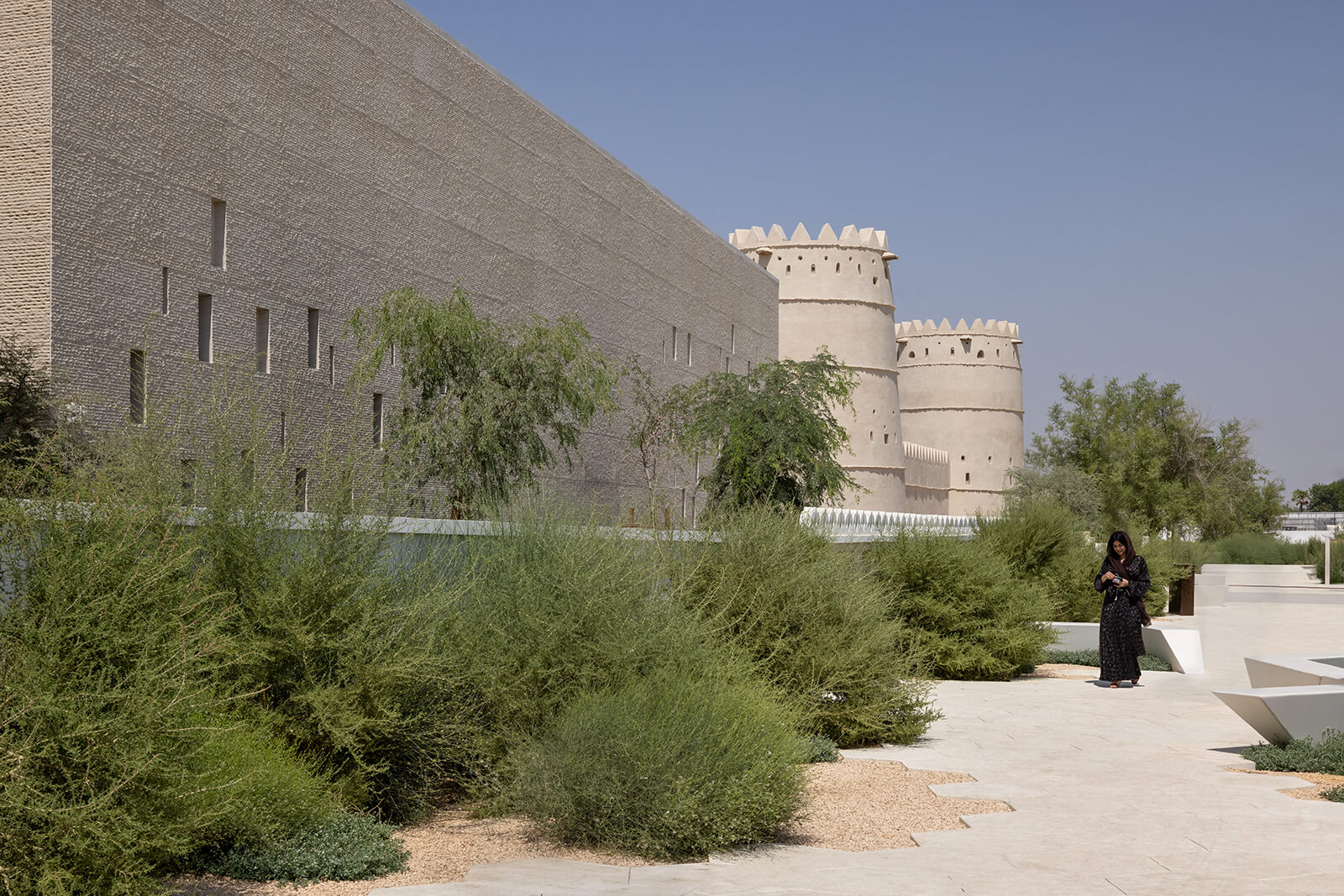
At first glance, the buildings might all appear to blend into the sandy landscape with their muted tones. Upon discerning the architecture in the glaring sunlight and desert context, the three landmark buildings distinguish themselves. The fort displays its mud-brick architecture across the walls and three bastions; the 1971 museum features simplified geometric mouldings that add depth to its plain, white facade; and the new museum, perhaps in a well-placed attempt to resonate with its neighbours, reflects a likeness of both. By cladding parts of the structure with sand-textured chiselled limestone, paired with filleted corners emulating the soft edges of the bastions, the museum architecture is offset by a smooth, ‘modern’ finish in other parts.
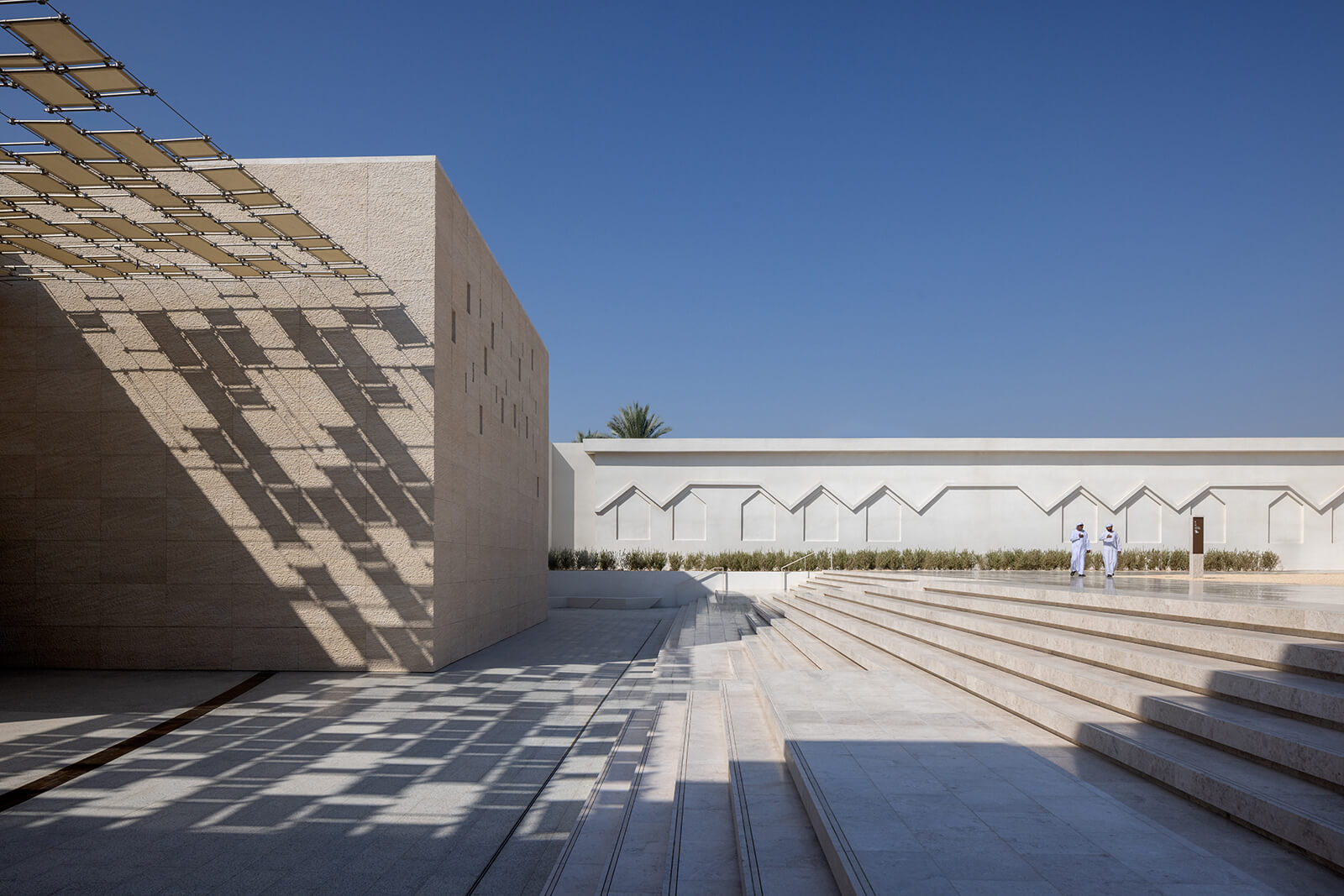
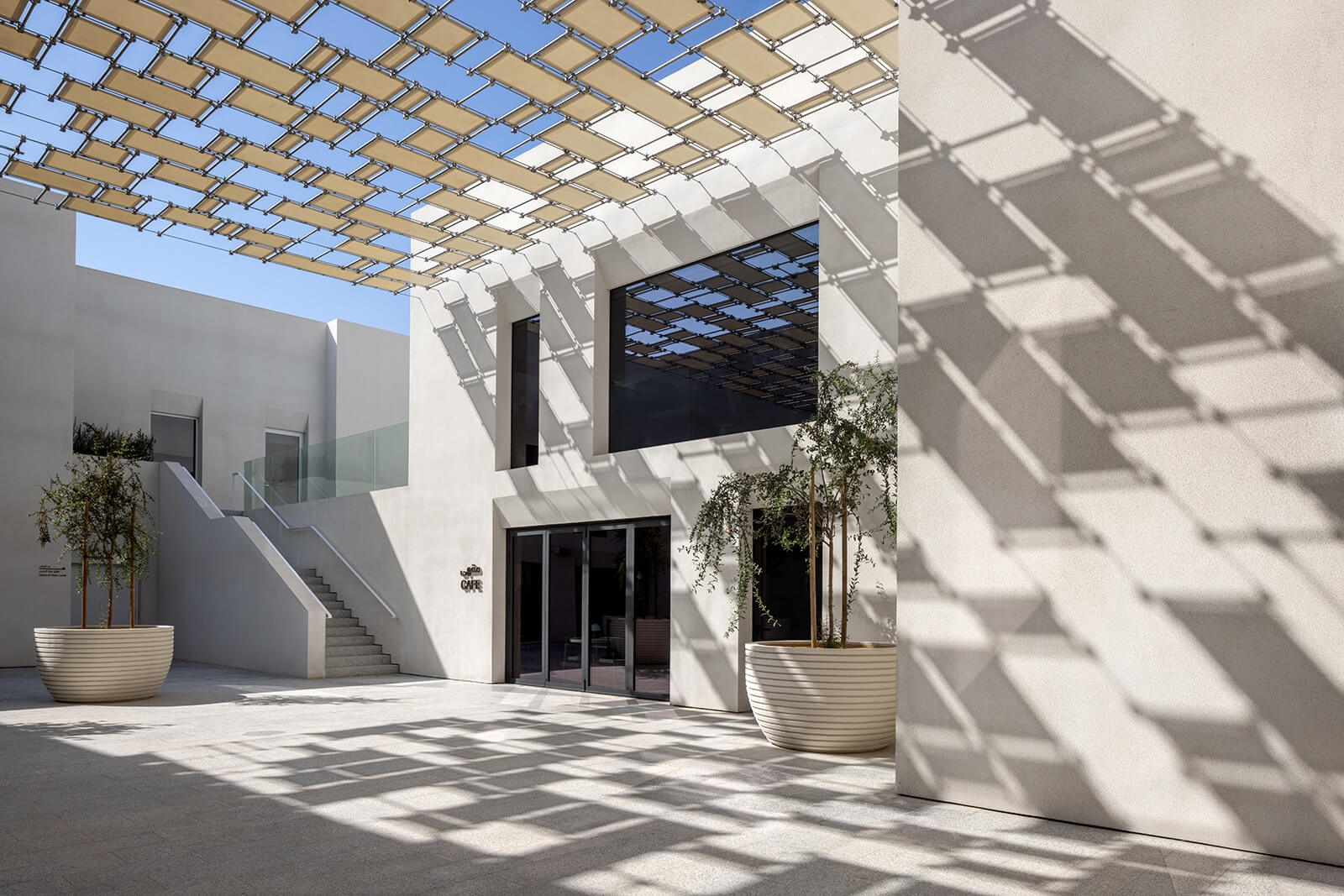
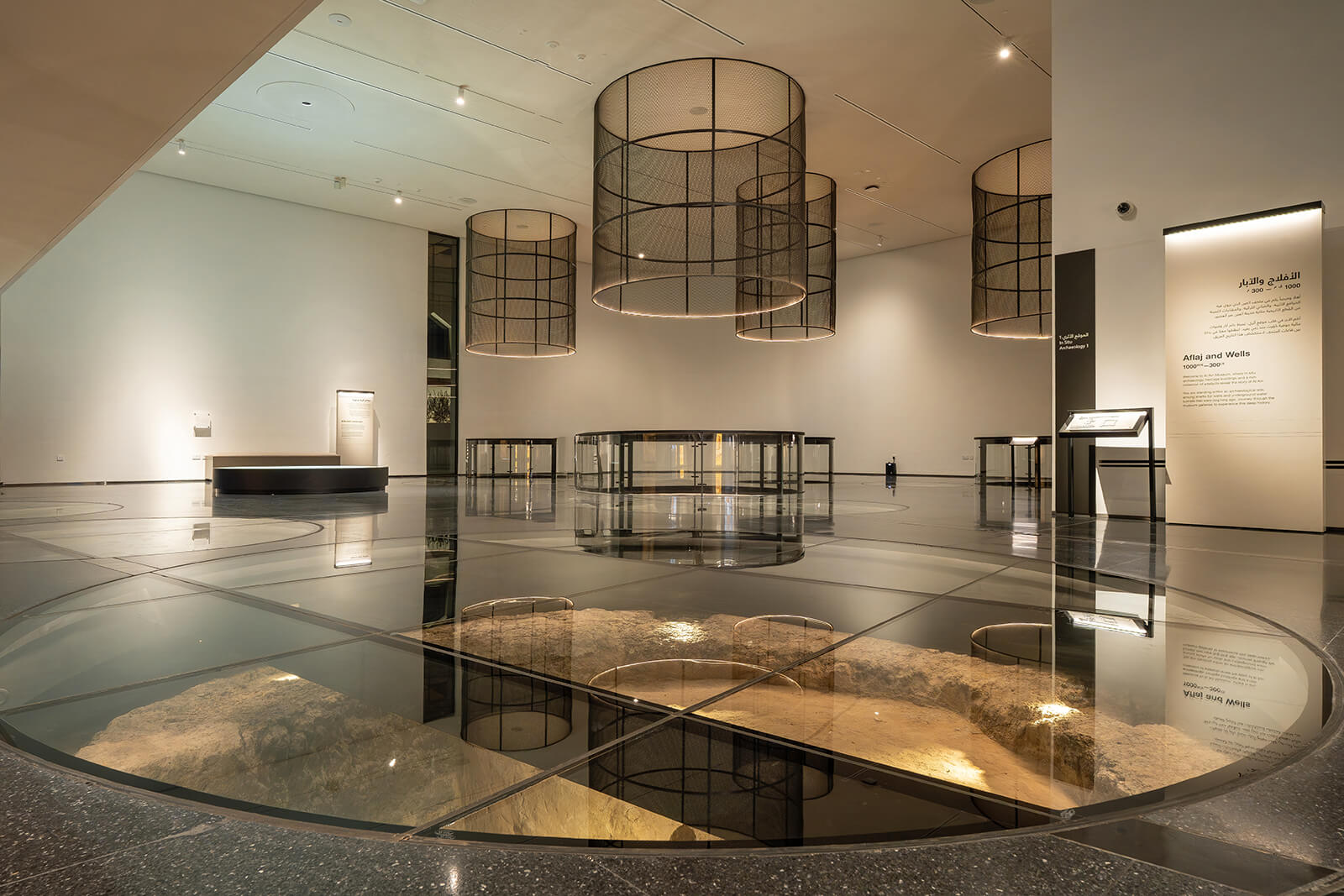
Walking down the steps from the forecourt into the courtyard of the new museum—designed by Dubai-based Dabbagh Architects as part of the redevelopment project commissioned by the Culture and Tourism Department of Abu Dhabi—the heat is softened by chequered shaded patterns from the structure above. Assembled on a series of tension cables, the alternating grid of canvases and steel rods appears as a set of scrolls floating in the air, turning the otherwise open space into a buffer between the exposed entrance plaza and the interiors of the museum. This courtyard leads into the archaeological park, housed on the lower ground floor of the museum. The artefacts and relics on display here are, in fact, quite critical to defining the new museum’s programme. Their accidental discovery in 2019 during the construction of the redevelopment plan, conceived the year before, prompted the architects and the clients to pause and reconsider the entire scheme for the redevelopment project.
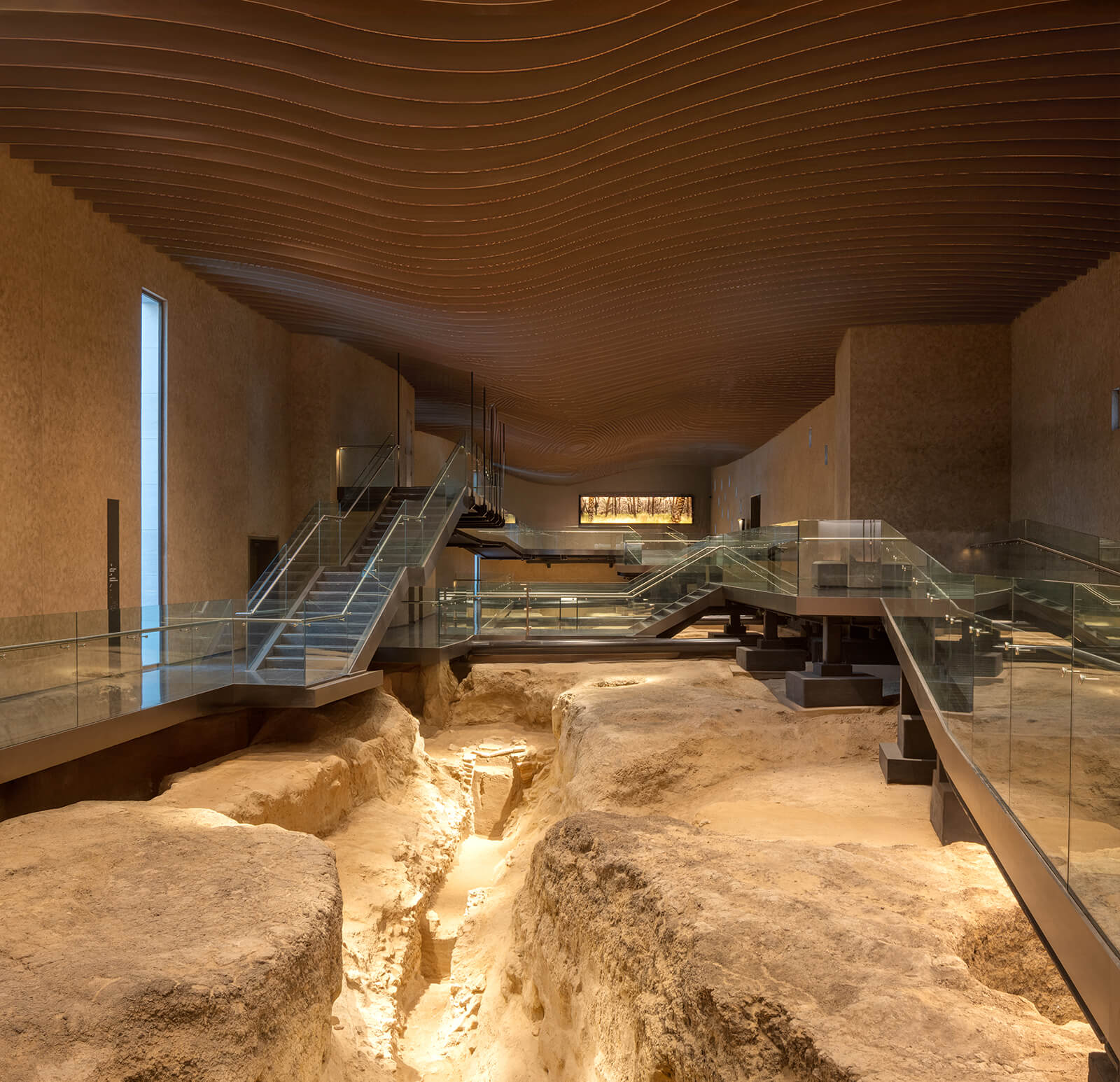
The excavation revealed vestiges of tools, systems and infrastructure that were characteristic of the ancient desert civilisations: wells, tombs and Aflaj networks—a sophisticated ancient water management system that channels groundwater from the surrounding mountains to the otherwise arid region of Al Ain. After a thorough archaeological analysis of the findings, a redefined, elaborated redevelopment scheme was prepared and launched in 2020, encompassing the revitalisation of the Sultan Fort, the restoration of the old museum and the construction of new galleries around the in-situ remains: the archaeological park.
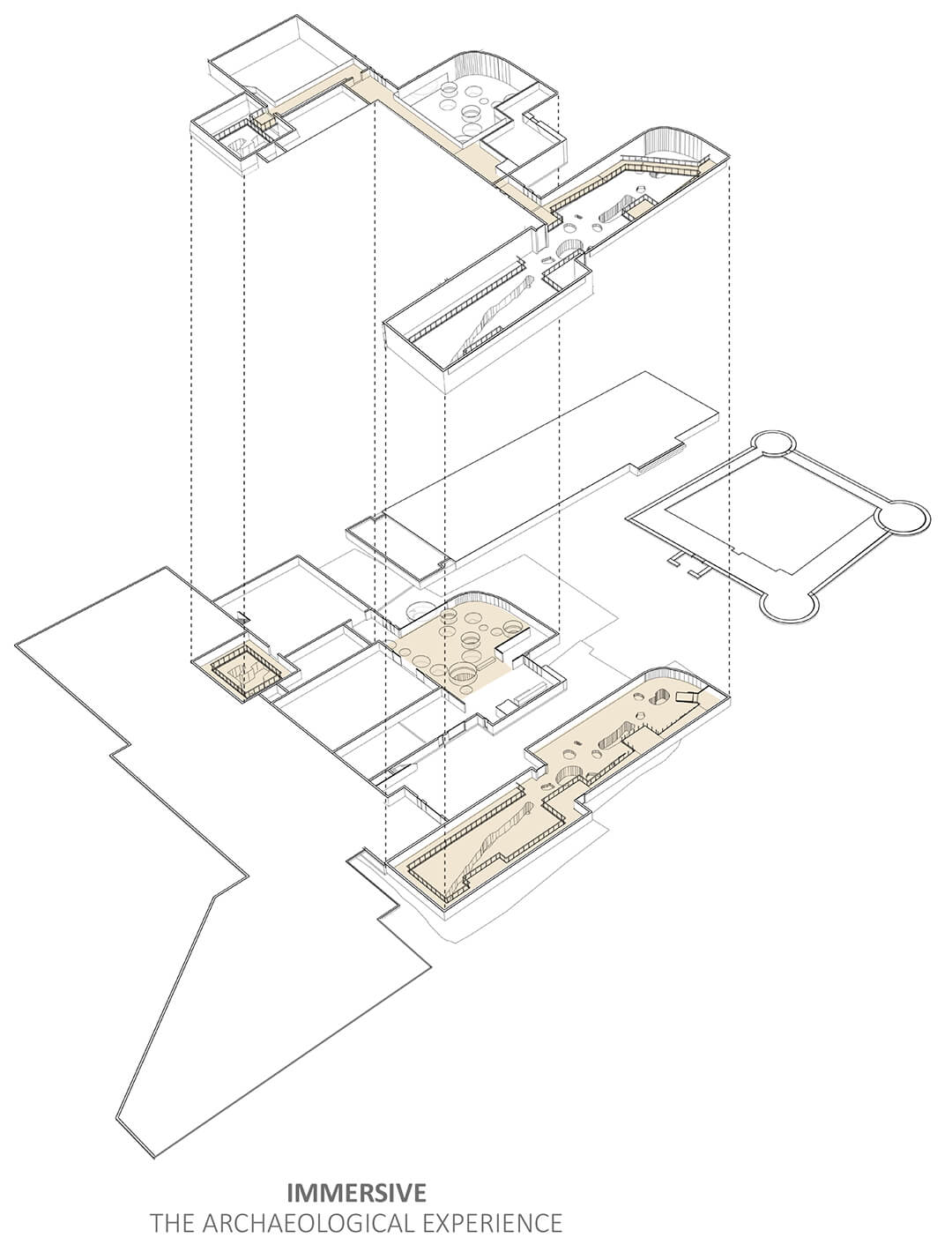
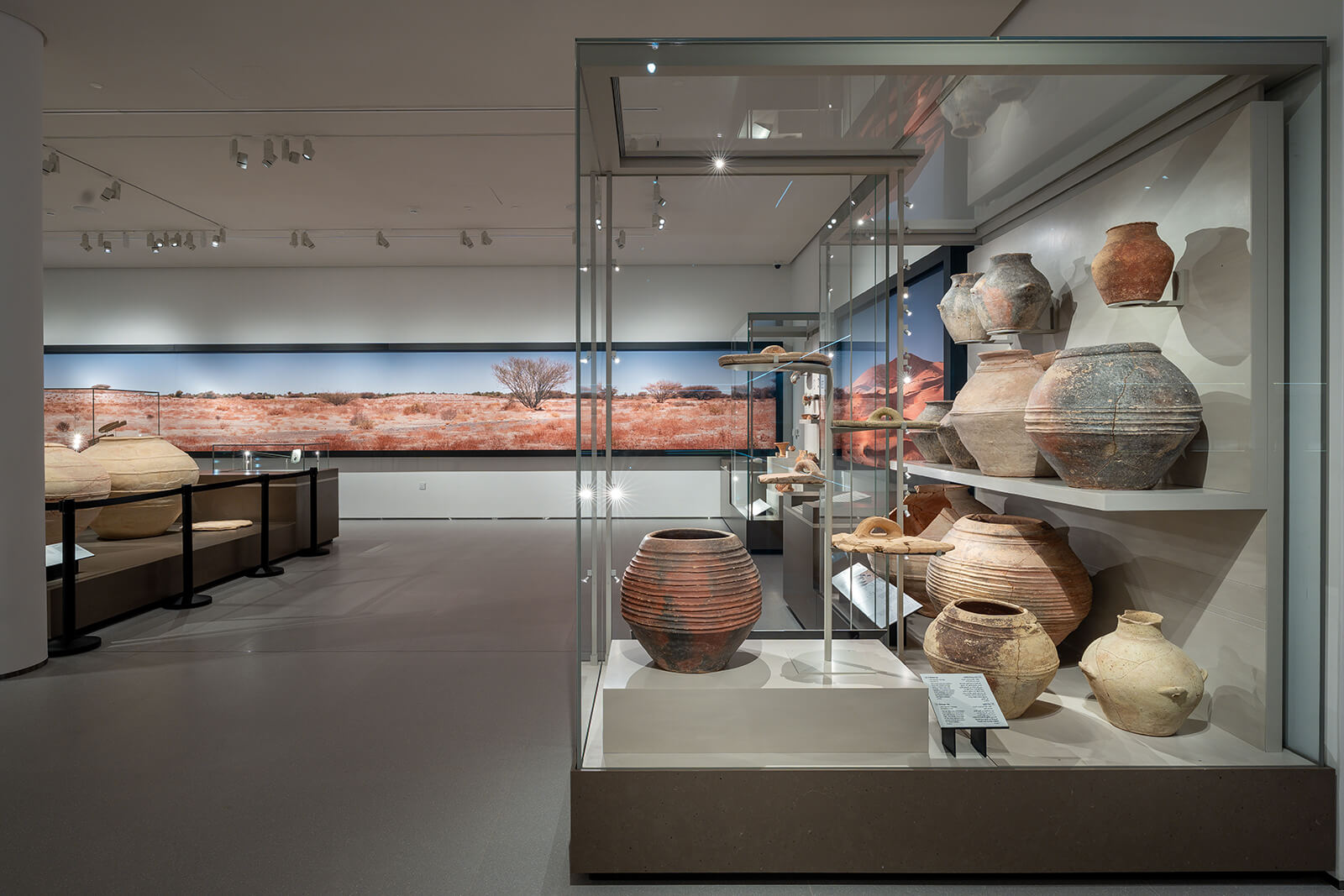
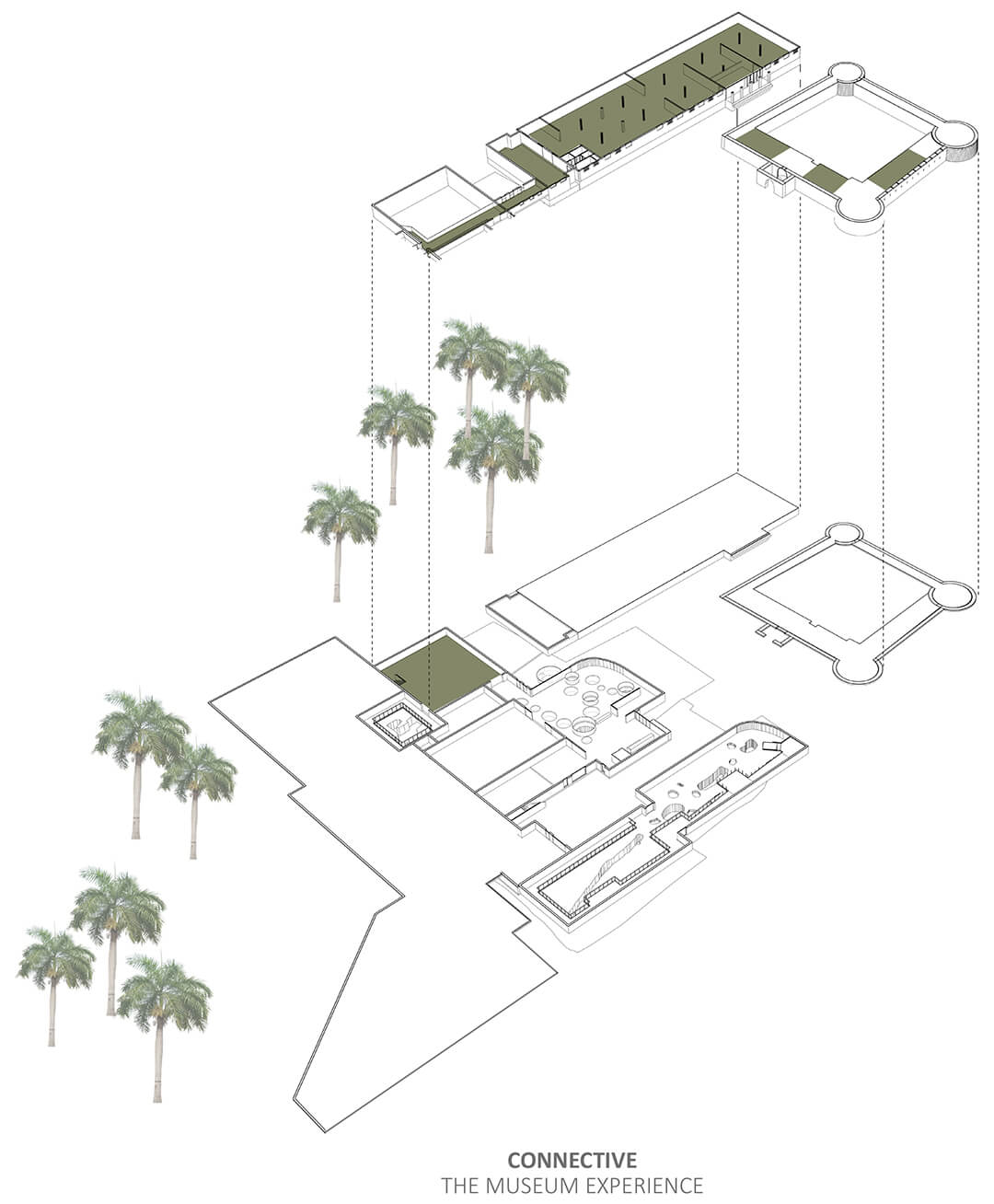
The park is designed as an immersive experience, employing material and spatial configurations that accentuate the antiquity and historic prominence of the displays. All other ancillary functions in the museum—café, shop, administrative spaces and state-of-the-art research facilities, including a library, collection storage and conservation laboratories—are dispersed around the sequential archaeological galleries, marking them as the core of the public circulation.
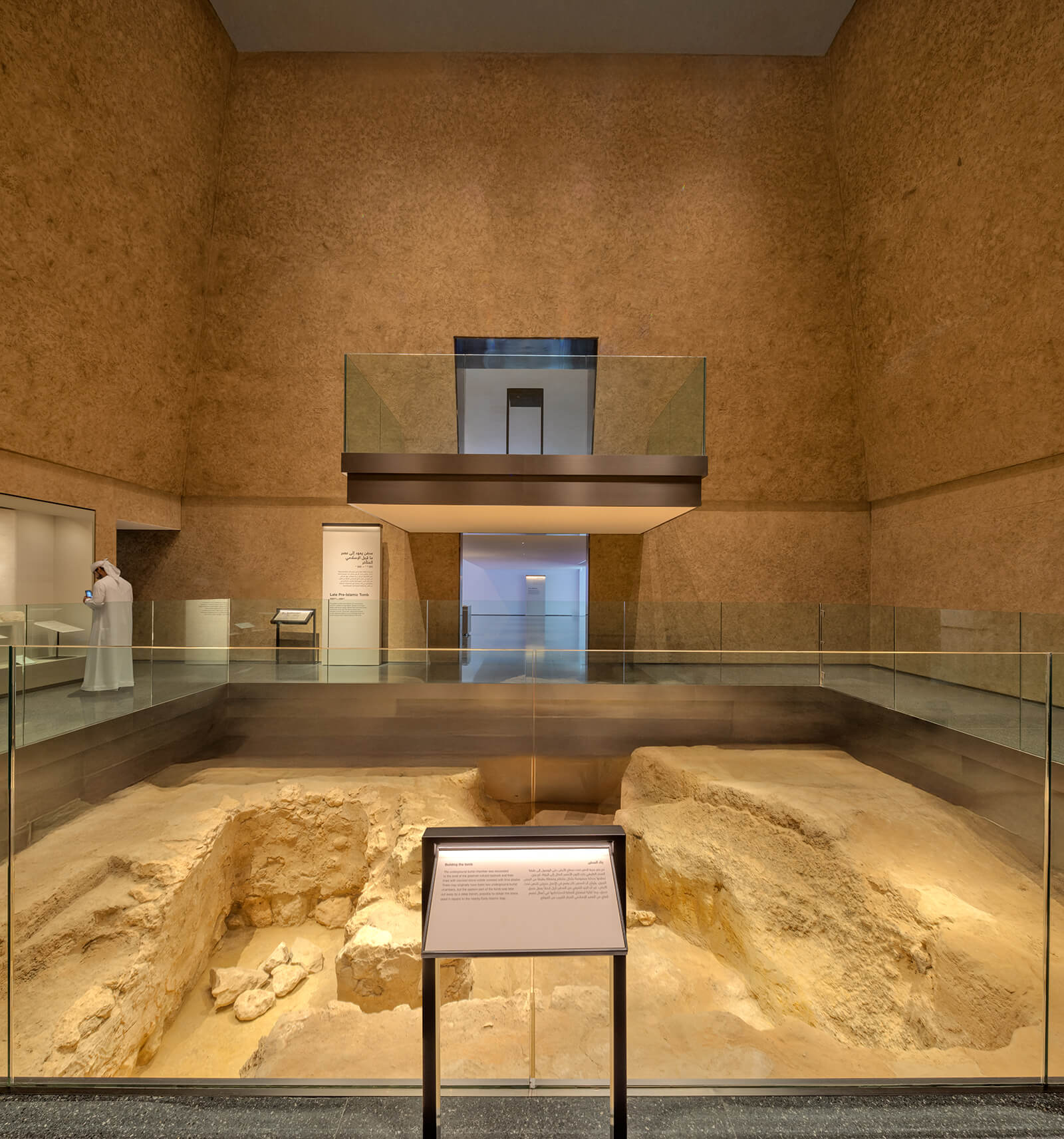
The upper level of the museum offers a broader, panoramic overview of the relics. Following an immersive dive into the region’s ancient history, the architecture brings the visitors back to the present day and puts them in a position to reflect on their previous experience. The exhibits on the upper level subsequently link to the permanent galleries at the old museum, originally curated by Sheikh Zayed bin Sultan Al Nahyan to commemorate the pivotal moment of the union of the emirates to form a single nation. For its first two years, the curation was housed in the Sultan Fort before being moved into the AI Ain National Museum building in 1971. These displays were intended to document, showcase and celebrate the region’s deep-rooted knowledge systems, with the broader aim of educating the public on the ways of developing human settlements in arid environments. The recent additions have further enriched the chronicle of the region’s historical evolution spanning 8000 years, from the Palaeolithic Age, all the way to the establishment of the UAE in 1971.
After a reflection on history, the museum architecture offers a contemplative view of the entire experience as one emerges from the museum back into the open plaza. This single vantage point beholds the city of Al Ain as a beacon of knowledge, preserved by its patrons across its past, fetching the city its distinction as a World Heritage Site by UNESCO in 2011.
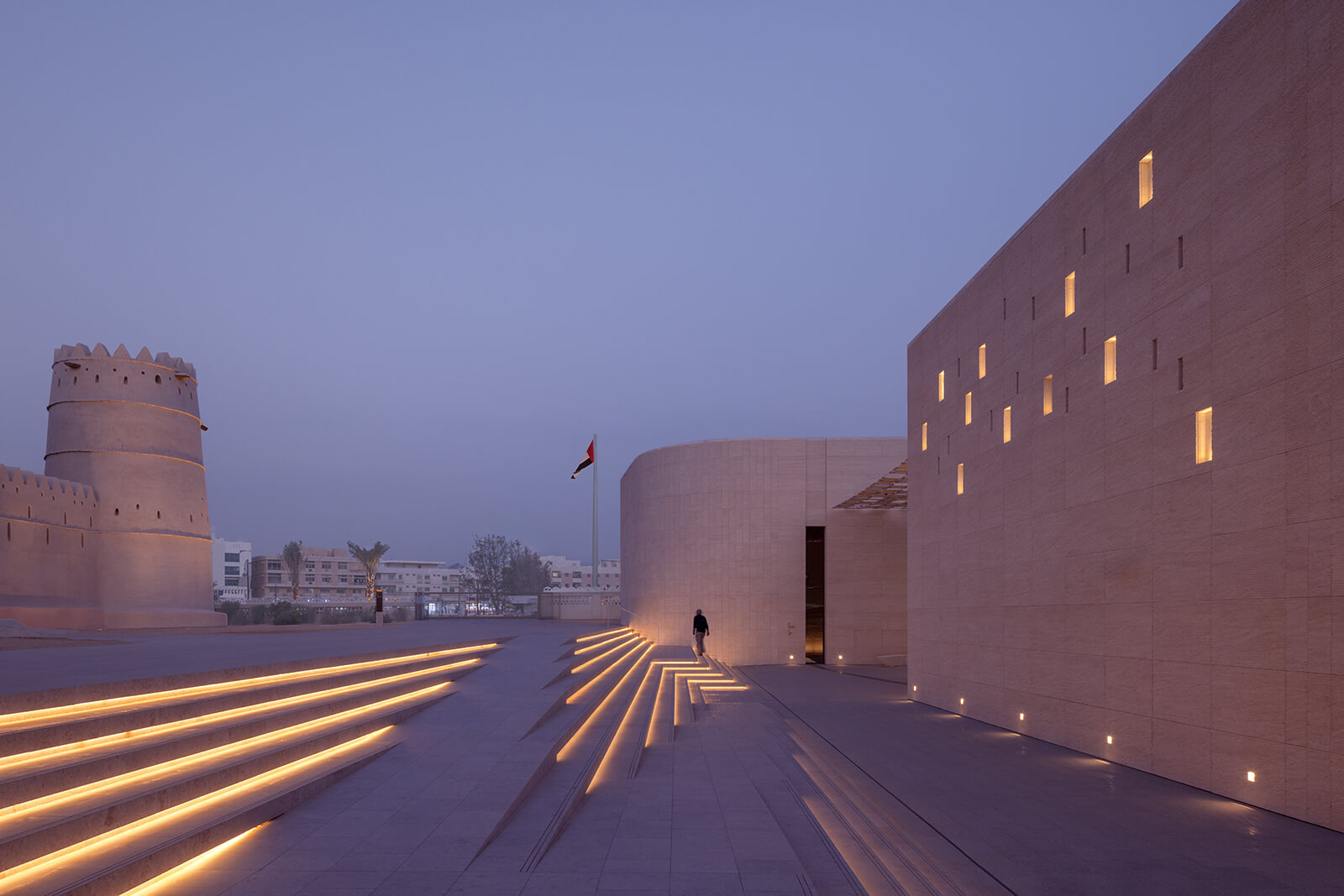
The site for the museum complex lies to the east of the Al Ain Oasis: the cradle of one of the most prominent settlements in the Emirates region. It is nourished by the Aflaj system to this day, standing as a testimony to the ingenious resource management and the development of a sustainable desert habitat. The new design of the Al Ain Museum honours the rich legacy offered by its context, leveraging its unique disposition, offering a contemporary experience of history where it was lived. Architecture here functions as a sieve meant to filter through but hold the granular. More importantly, it is a medium to help preserve and present what once was as a didacticism.
Name: Al Ain Museum
Location: Al Ain, United Arab Emirates
Typology: Cultural
Client: Department of Culture and Tourism Abu Dhabi
Architect: Dabbagh Architects
Principal: Sumaya Dabbagh
Design Lead: Hala Nahas
Design Team: Hana Younes, William Java, Tala Al Shukairy
Site Supervision Team: Mamdouh el Fallal, Sherif Touma, Faustino Alimodian, Myrto Tsitsinaki, Burak Dolu (Conservation)
Collaborators: Buro Happold (Engineering), WAHO Landscape Architects (Landscape), SeARCCH (Conservation), Nulty (Lighting), Matthews Southwest (Cost Consultants)
Area: 8000 sq m
Year of Completion: 2025

by Pranjal Maheshwari Oct 24, 2026
A consortium of Copenhagen’s 3XN, Toronto’s B+H Architects and Shenzhen’s Zhubo Design has designed the museum to mimic the surrounding riverscape, topped with a public park.
by Pranjal Maheshwari Oct 19, 2026
The Mumbai-based architects integrate courtyards, mesh screens and north light trusses to create a dining space that doubles up as a community hub at SR University, Warangal.
by Mrinmayee Bhoot Oct 17, 2026
The Rotterdam-based institute centres the Indian Ocean as a network for exploring material histories and transnational links shaping coastal cultures, positing them as future models.
by Pranjal Maheshwari Oct 16, 2026
At the 2026 Stirling Prize ceremony, Mary Duggan with RUFF Architects, MAKER Architecten and Nakshabid Architects were felicitated for proffering quality housing and social equity.

make your fridays matter with a well-read weekend
Enter your details to sign in
Don’t have an account?
Sign upOr you can sign in with
a single account for all
STIR platforms
All your bookmarks will be available across all your devices.
Stay STIRred
Already have an account?
Sign inOr you can sign up with
Verification link sent to check your inbox or spam folder to complete sign up process
Tap on things that interests you.
Select the Conversation Category you would like to watch
Please enter your details and click submit.
Enter the 6-digit code sent at


Dabbagh Architects wrap lessons from Al Ain’s ancient history in chiselled limestone
by Pranjal Maheshwari | Published on : May 14, 2026


 Sign in with Google
 Sign in with email
What do you think?