Design12 mins. read
The Milan Edit by STIR x The Third Space: Design and people beyond the Milanese fair
by Jincy IypeJun 19, 2026



by Zohra KhanPublished on : Feb 20, 2026
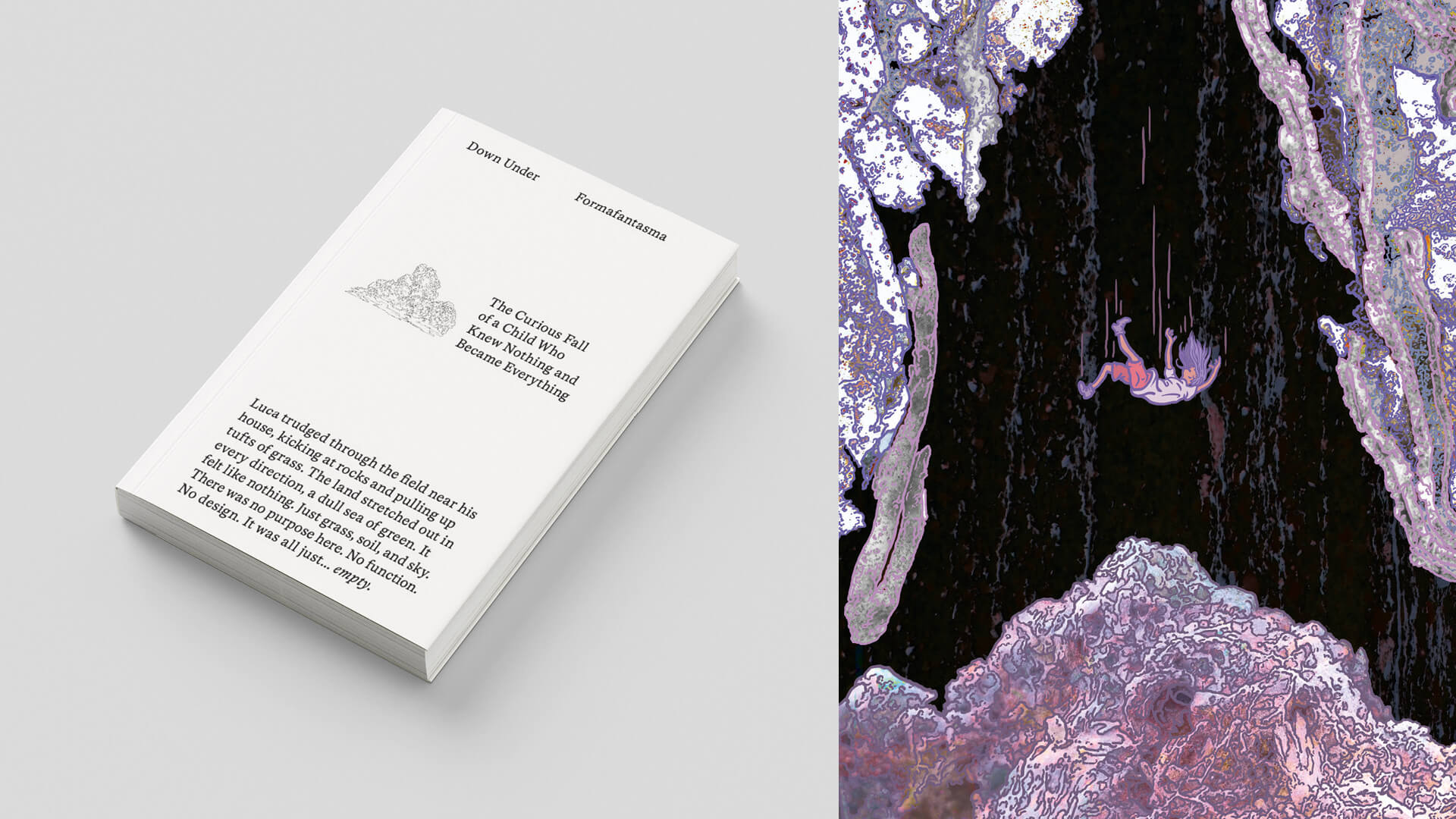
Down Under: The Curious Fall of a Child Who Knew Nothing and Became Everything is a rare and resonant book—at once a fable, a field guide and a gentle provocation that invites readers to rethink their relationship with the world beneath their feet. Conceived by Formafantasma and published in collaboration with C‑mine, this illustrated monograph unfolds like a reciprocal dialogue between imagination and ecology, storytelling and scientific inquiry.
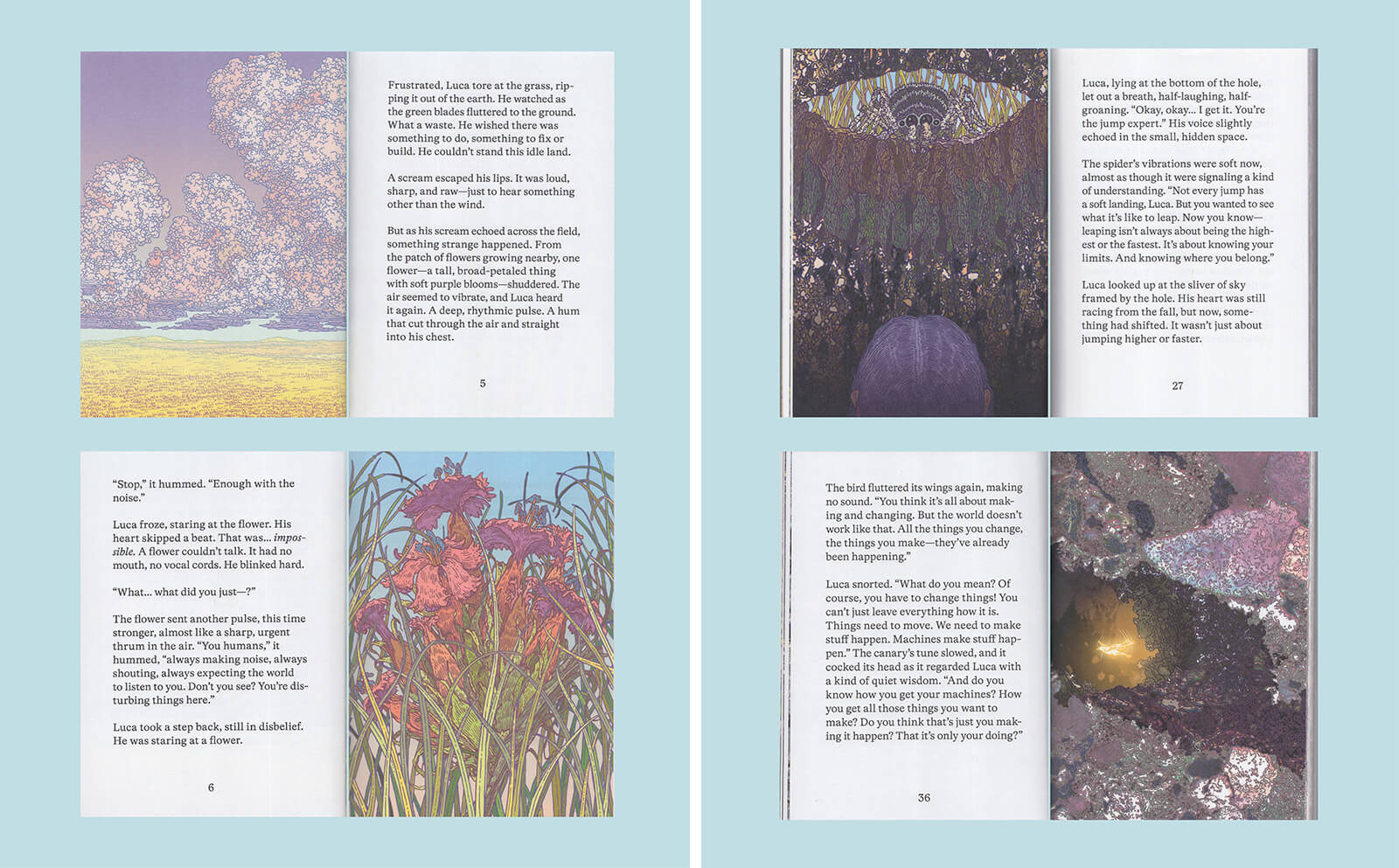
The lyrical tale, rendered in a childlike tone, follows the story of a boy named Luca as he strolls through fields near his home. The story begins on a sunlit day tinged with boredom and irreverence; distant grasses and idle landscapes that hold little interest for him. “To him”, the text observes, “nature was just an inconvenience, a mess of randomness and chaos, full of things that didn’t make sense.” From this moment, Luca encounters the hidden lives of tiny subterranean creatures, who communicate with him through subtle vibrations. Each encounter becomes a gentle lesson in listening, noticing and understanding a world shared with the more-than-human.
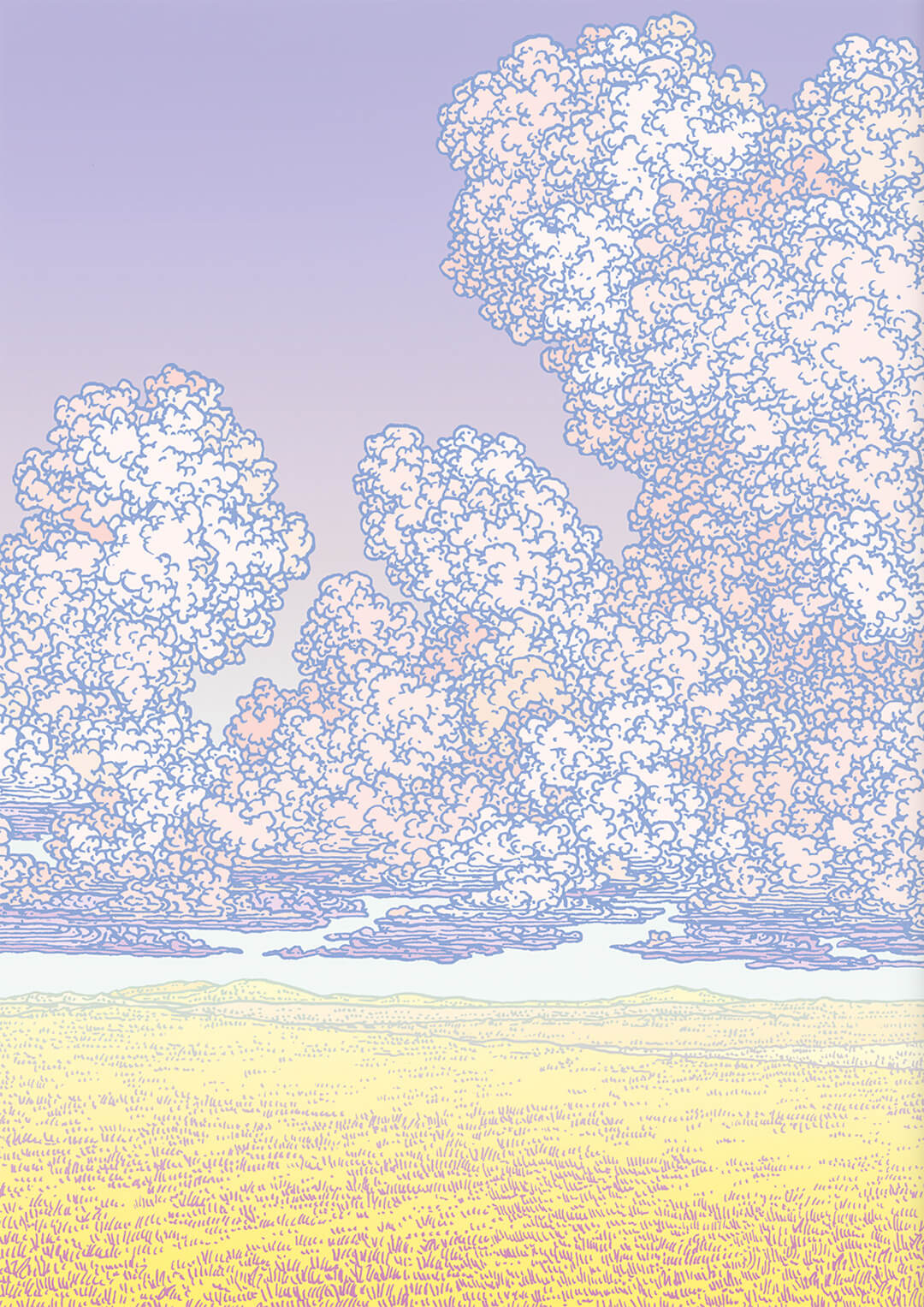
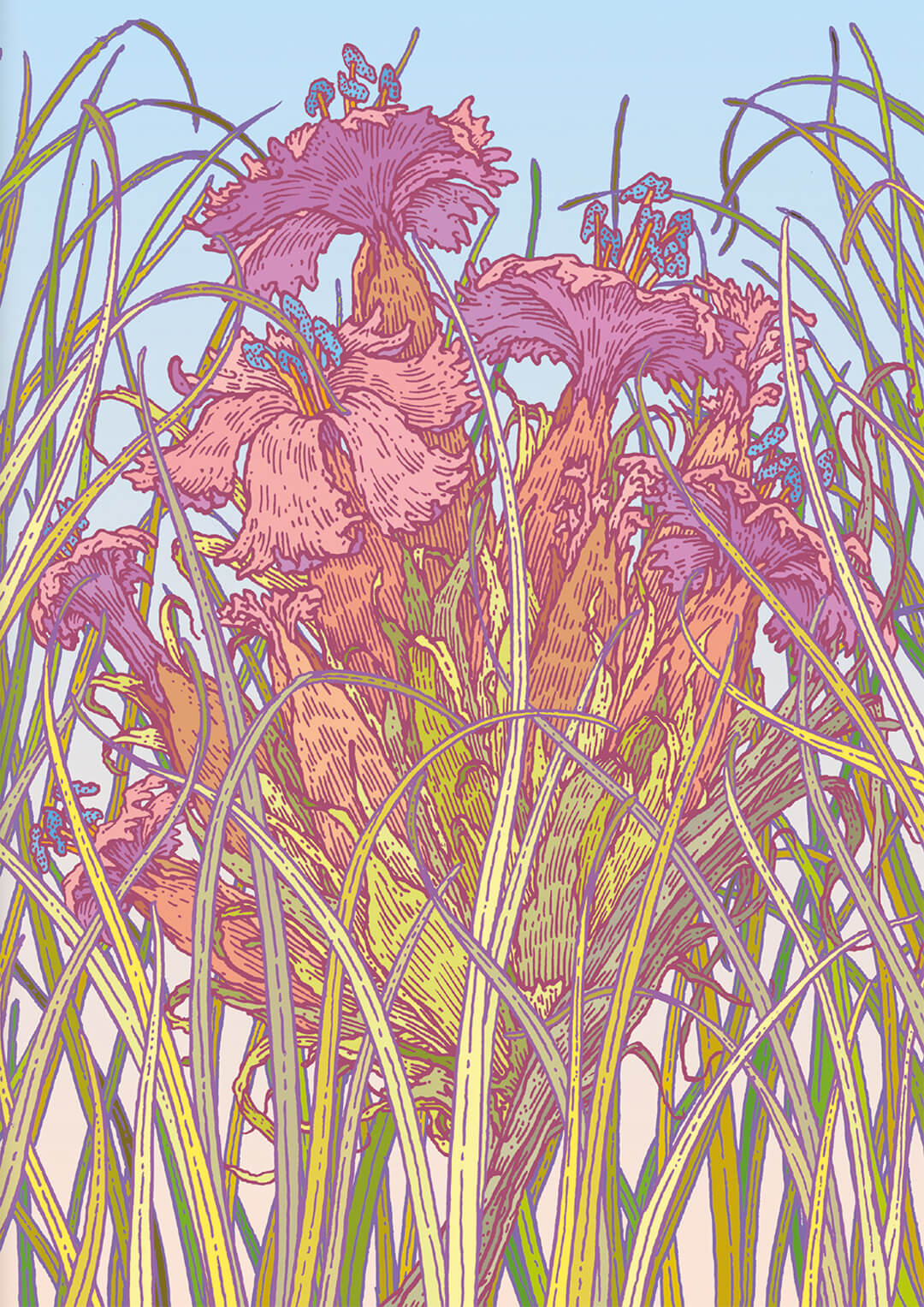
For this son of an architect, everything in the world only had value if it served a purpose. For him, “big cities full of noise and trains and candy, and everyone doing stuff every day, making more new things, without getting bored” was favoured over a slow and observant life. His first encounter that challenged his worldview was with a tall, broad-petalled flower with soft purple blooms. Luca watched in disbelief as the seemingly inanimate plant spoke in sharp, urgent thrums. Their conversation unfolded around the agency of the land and its creatures, and the presence of the unseen—challenging the boy’s perception of a field being equal to an empty space.
“This land was once torn apart. Not by us, but your kind. A coal mine. The soil was dark, poisoned. But even then, life didn’t stop. The moss came first, then the grasses, then the flowers like me,” the flower explained in a soft hum. For the first time, Luca felt something shift.
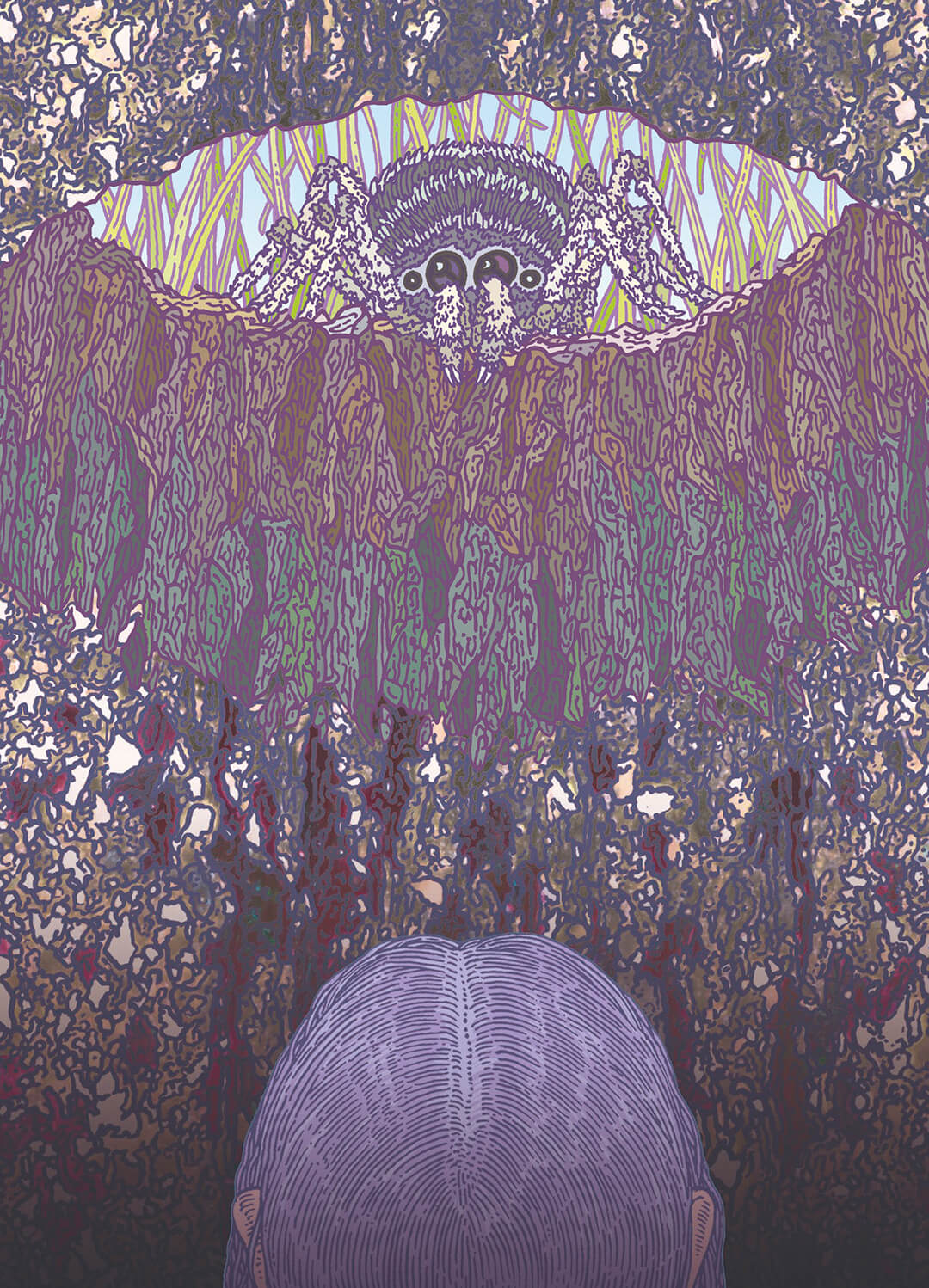
Subsequent encounters, rendered with striking visuals by visual artist Clément Vuillier, are more than flights of fantasy—they are poetic invitations to reconsider how life persists, adapts and thrives beyond human expectation. The earth is not inert, nor is life solely anthropocentric; instead, it is exuberant, plural. From the flower, Luca meets a zebra jumping spider, making soft hums in the dry soil. The spider challenges preconceptions: “I don’t need webs. I need space to jump,” it declares, showing Luca how it can leap ten times its body length to catch prey. Playfully, the boy accepts the challenge, only to land on uneven ground and tumble into a dark hole. From this fall, he learns to think like the land itself. “The cracks, the dust—the spaces that seem forgotten or broken to you—are exactly where we thrive,” the creature concludes.
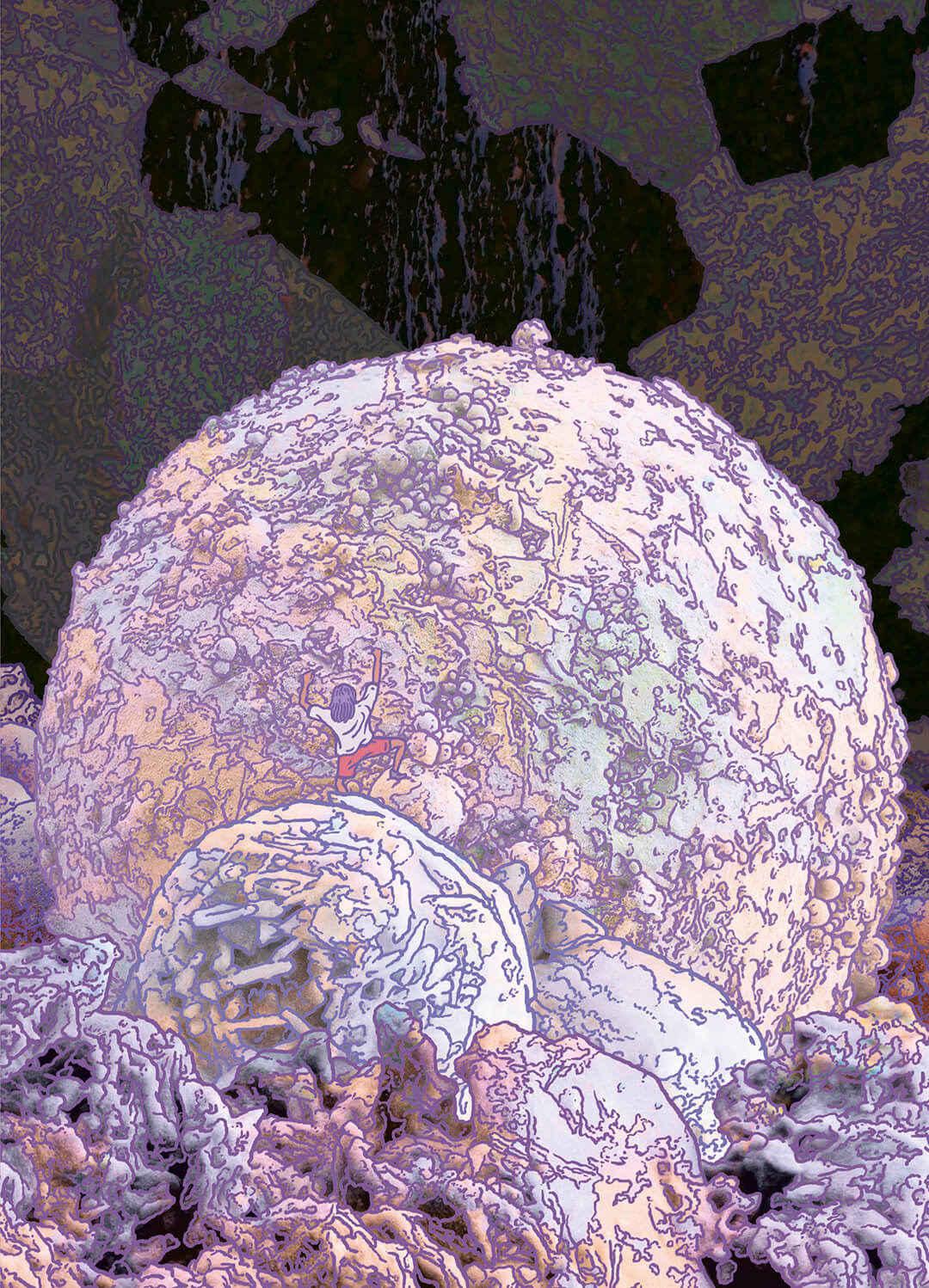
Amidst feelings of terror and curiosity, Luca’s time in the hole—a place he felt where the earth swallowed him up and left him to sit in the dark—brought new visitors, new lessons. It was a tunnel with its walls still bearing traces of coal, a reminder of the land’s industrial past. Thoughts of shining trains and silver gears flickered in the boy’s mind, a fleeting connection to how coal had enabled development. His time further in the tunnel follows encounters with a tiny canary and springtales that introduced the boy to the collective nature of life and the rituals of transformation that sustain everything that takes up space on and within the earth. “To him, time was something he could measure, something that ticked away like a clock. But here, in this hole, in this dark, quiet space, beneath the surface of the earth, he could feel something else. A slow, rhythmic flow that stretched beyond his human understanding,” the book observes. In the depths of the earth’s inner world, amid mountains of rocks and the tiniest of stones, the young boy sought a comforting refuge—one that spoke of our interdependence on other life forms and ways we might learn to connect with them.
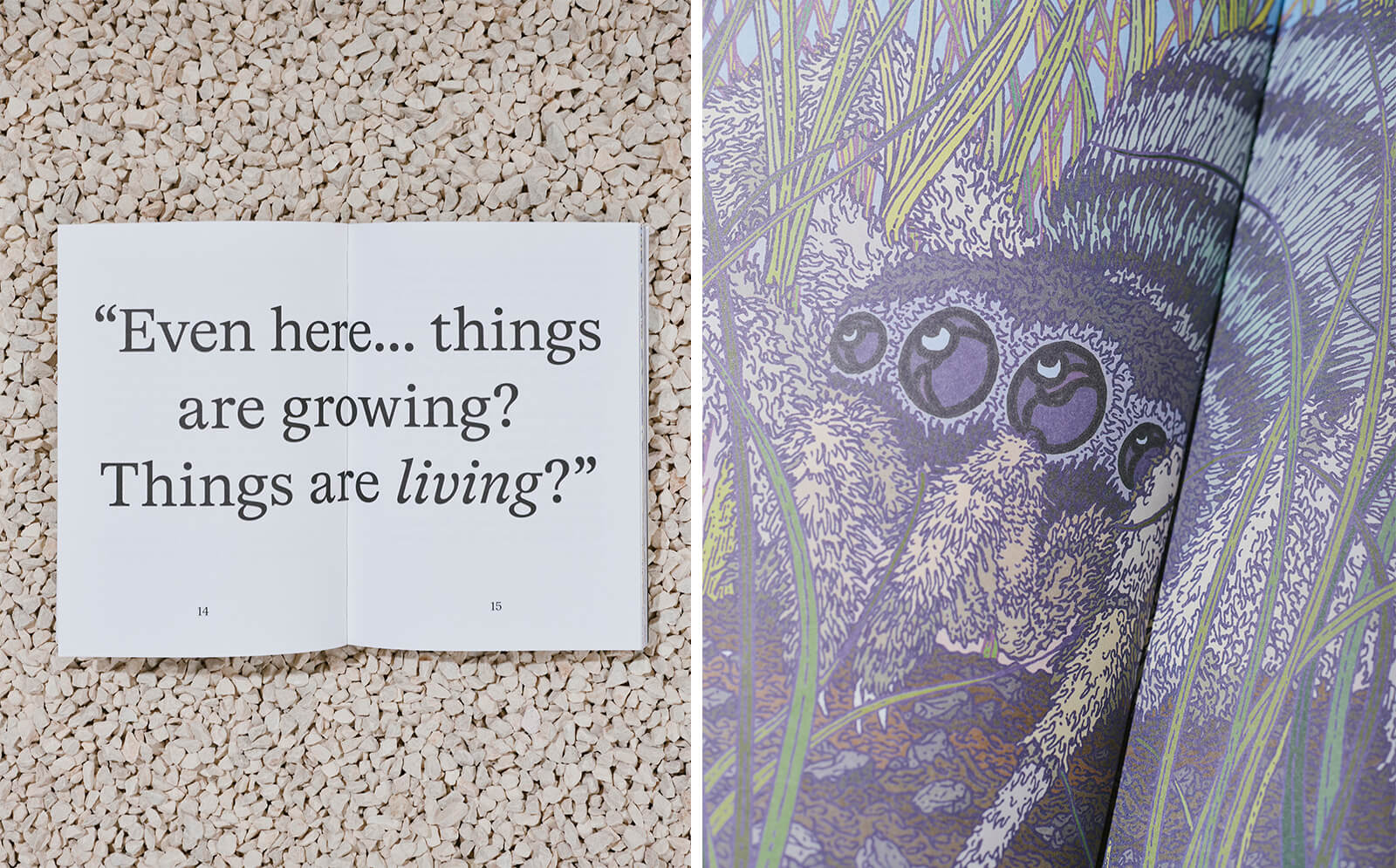
What makes Down Under particularly compelling is how this fable seamlessly opens into a second, more contemplative part. Scientific voices—from geologists to biologists—punctuate the narrative with essays and interviews that anchor wonder in empirical insight. These contributions do not diminish the mythic quality of Luca’s journey; rather, they extend it, urging readers to recognise that storytelling and science are not parallel tracks but complementary ways of attending to the world’s intricacies.
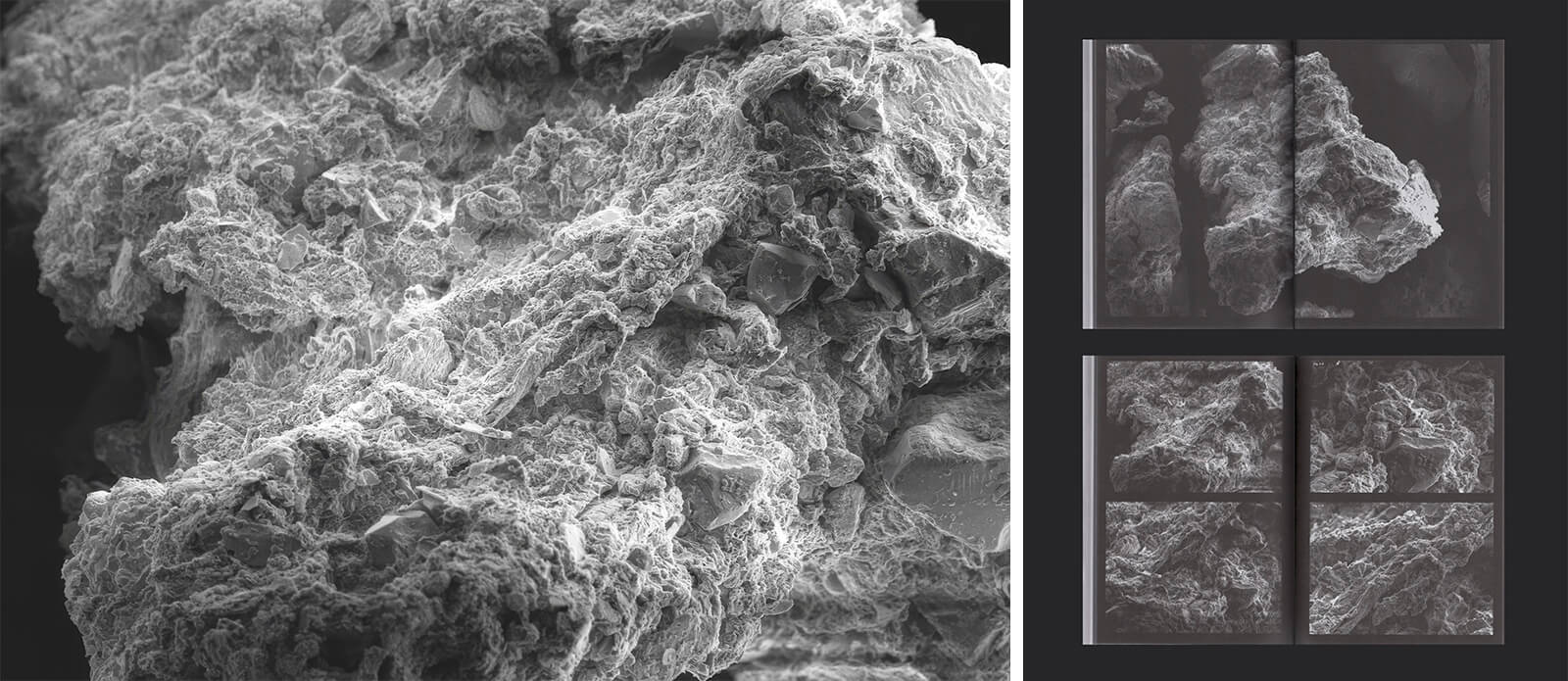
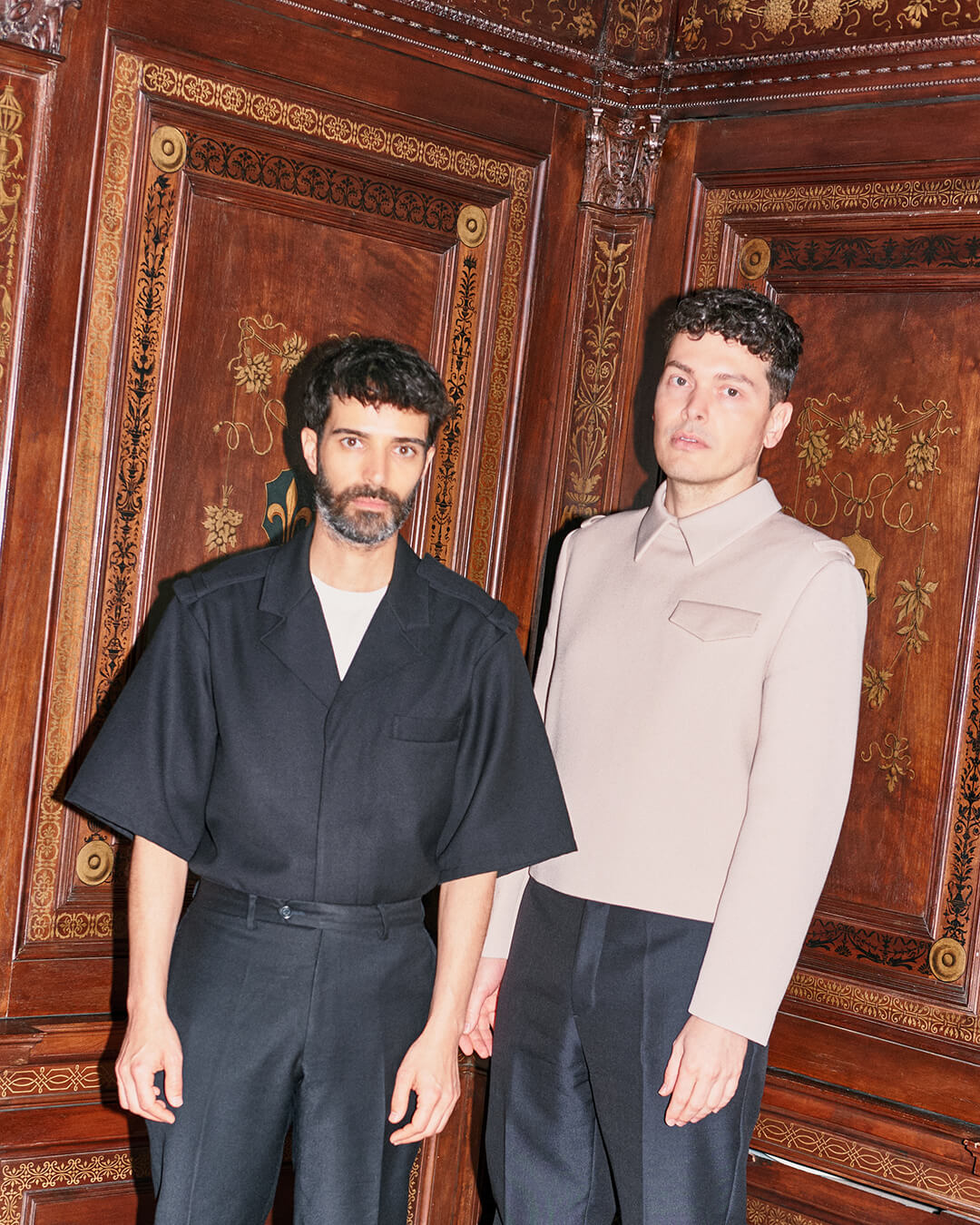
The blending of imaginative narrative with rigorous reflection in the book reflects core tenets of Formafantasma’s practice. The design duo Andrea Trimarchi and Simone Farresin have long worked at the intersections of material histories, ecological awareness and cultural context—challenging extractivist logics and centring interdependence over dominance. In Down Under, that ethos bears fruit in a form that respects its audiences’ intelligence: it neither explains everything nor demands prior expertise. Instead, it invites curiosity, making room for wonder without abandoning depth.

by Pranjal Maheshwari Oct 23, 2026
Co-authored by Jareh Das, Chairman traces the British designer’s fixation on chairs as symbols of power and identity and as mediums of expression and community building.
by Mirra Lynn Oct 22, 2026
The curators behind Palestine Design Week 2026 reflect on its intent, considering how design holds memory, makes space for loss and imagines a future in Palestine.
by Chahna Tank Oct 22, 2026
STIR speaks with the Mumbai-based type designer about her practice, type walks and why she wants more people to have stronger opinions about Indian-script fonts.
by Jincy Iype Oct 15, 2026
STIR explores craft, material intelligence and people shaping Indian design through dialogues with Design Democracy’s co-founders and the curators of its special exhibitions.

make your fridays matter with a well-read weekend
Enter your details to sign in
Don’t have an account?
Sign upOr you can sign in with
a single account for all
STIR platforms
All your bookmarks will be available across all your devices.
Stay STIRred
Already have an account?
Sign inOr you can sign up with
Verification link sent to check your inbox or spam folder to complete sign up process
Tap on things that interests you.
Select the Conversation Category you would like to watch
Please enter your details and click submit.
Enter the 6-digit code sent at


Defying the visible: How Down Under gives voice to the more‑than-human
by Zohra Khan | Published on : Feb 20, 2026


 Sign in with Google
 Sign in with email
What do you think?