Design04 mins. read
ADFF:STIR's London Curtain Raiser sets the stage for 2026 with dialogue and community
by Jincy IypeOct 01, 2025



by Mrinmayee BhootPublished on : Mar 27, 2026
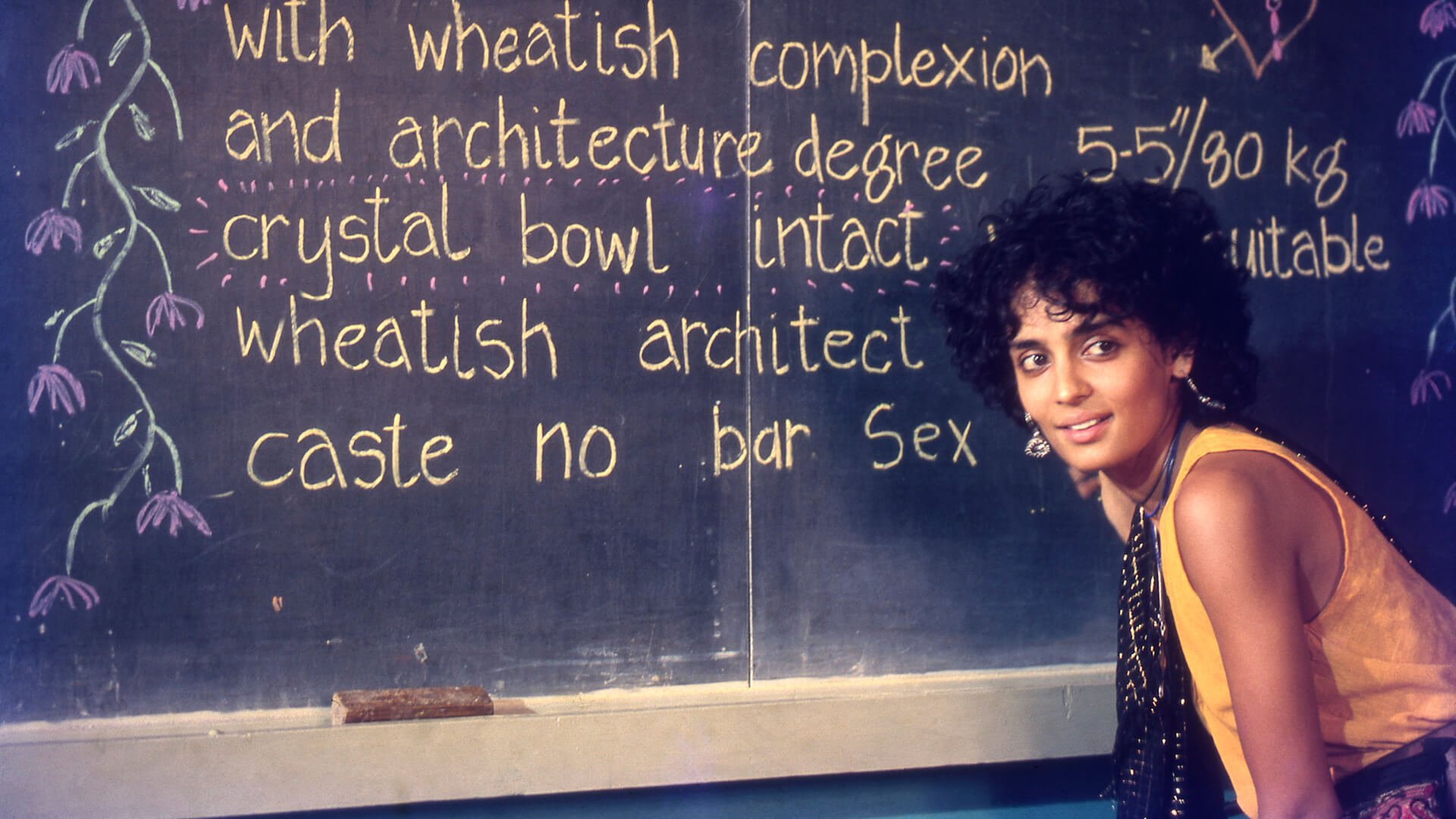
The cult classic In Which Annie Gives It Those Ones (1989), henceforth referred to as Those Ones or even Do Jawan for convenience, is easily recognised by most of us hapless souls who spent five tedious years in architecture school in India. Shown to first-year students to fill in empty studio hours, you could think of it as an initiation ritual of sorts; a peek into the lives we signed up for. It aptly portrays the caffeine-addled, frantically carefree lifestyles of fifth-year architecture students, on the verge of being unleashed into professional life. The film, commissioned by Doordarshan (India's autonomous public service broadcaster) and directed by naturalist and filmmaker Pradip Krishen with a screenplay and production design by Booker Prize-winning author-activist (a variation of a sofa-cum-bed in her words), Arundhati Roy, would only ever screen on television once, late at night. Circulated and watched on renegade tapes saved from that one night, the film is recognised as a cult classic today, precisely for how accurately it depicts the student culture of the time, along with the overblown anxieties and confident posturings of young citizens who were part of a country coming of age with them.
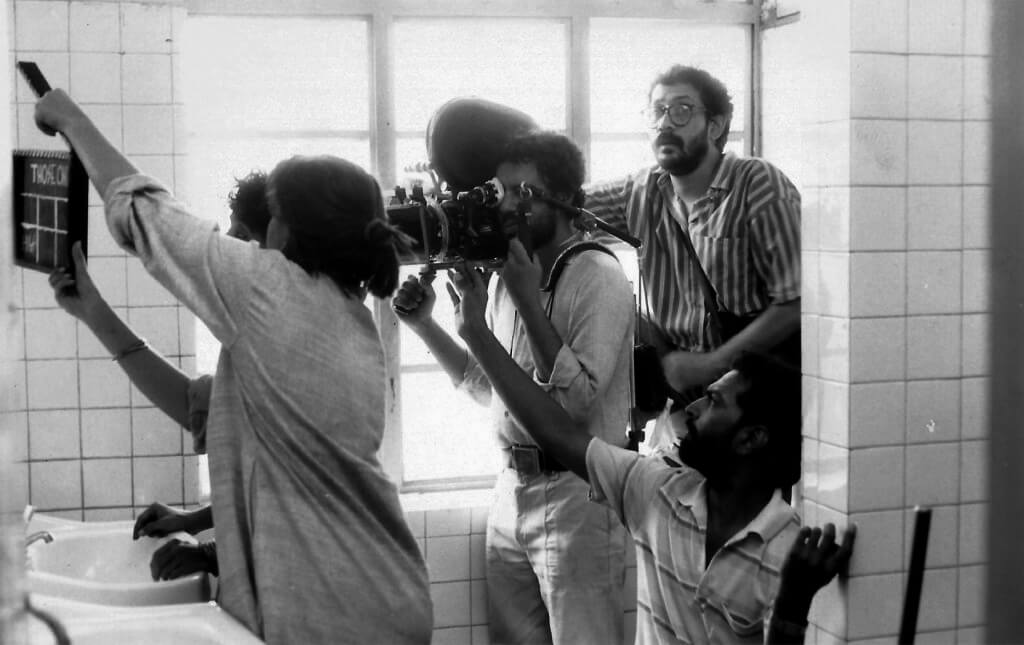
There are many who only recognise Those Ones because it's the first screenplay Roy ever wrote, taking inspiration from her time at the School of Planning and Architecture in New Delhi. A friend, who has very little to do with architecture or cult film culture, knows it as the film in which Shahrukh Khan played a small—his very first—role. From the surreptitious ways in which the film has managed to survive thus far, last month, the Mumbai-based Film Heritage Foundation unveiled a restored version of it. This version premiered at the Berlinale and was recently released in select theatres across the country. Of this resurgence, one might ask, why the restoration now, and why does it matter? To the question of why it matters, we will return, but the restoration was only possible because of Krishen’s massive archive of film material from the time that he was about to discard in the process of moving houses. Instead, a friend alerted Shivendra Singh Dungarpur, filmmaker and director of the Film Heritage Foundation, to Krishen’s archive who decided to embark on its restoration, noting its value in terms of storytelling and cinematic form.
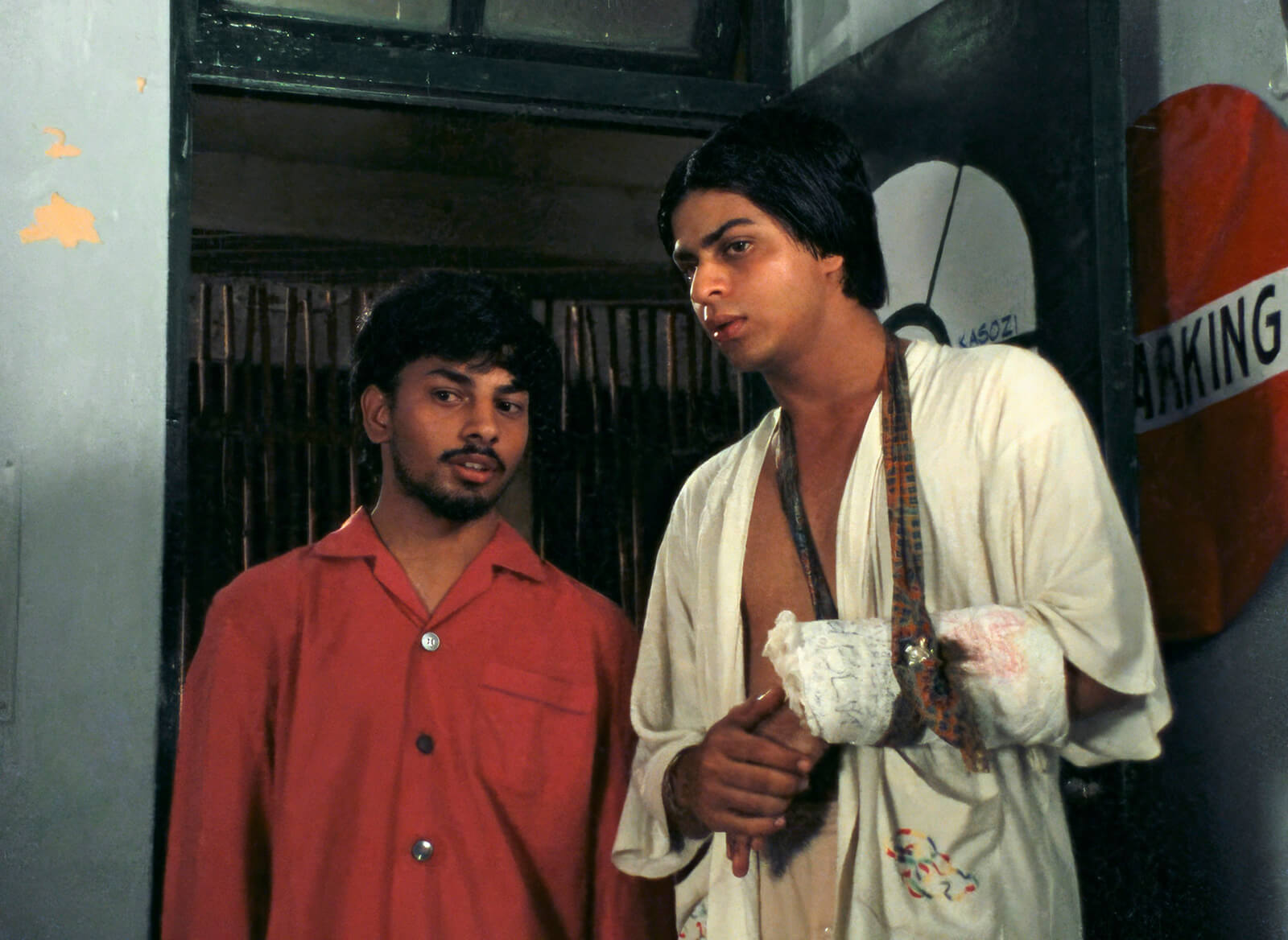
Almost everyone who has watched the film (thanks to the restoration, first-year studios, or YouTube) recognises the inconsequentially significant moment the story follows, the impending thesis defence and graduation of the class of ‘74 from the fictional National School of Architecture. For many, it brings back the bleary-eyed, sleepless nights spent drafting sheets in almost a catatonic state: burning the midnight oil, then drafting them again for another; the actual bloodshed while building models, the smell of sweat synonymous with panic, the good old no-good days. And I wonder what the purpose of showing the film to naïve first-years could be? A warning against the idealism the gently radical characters in it so effortlessly embody, or an aspiration towards it? A lesson in understanding how architectural education informs the ways in which (eventual) architects shape the world, or a reprimand to be practical? Leave the ideas of grandeur behind, stick to the plan (literally). It’s the ‘or’ in the questions that gives me pause. If a college setting provides the separation between our defiant optimism about being able to change the world and the machinations of the world against any effort that unsettles the status quo, then architecture schools feel doubly charged.
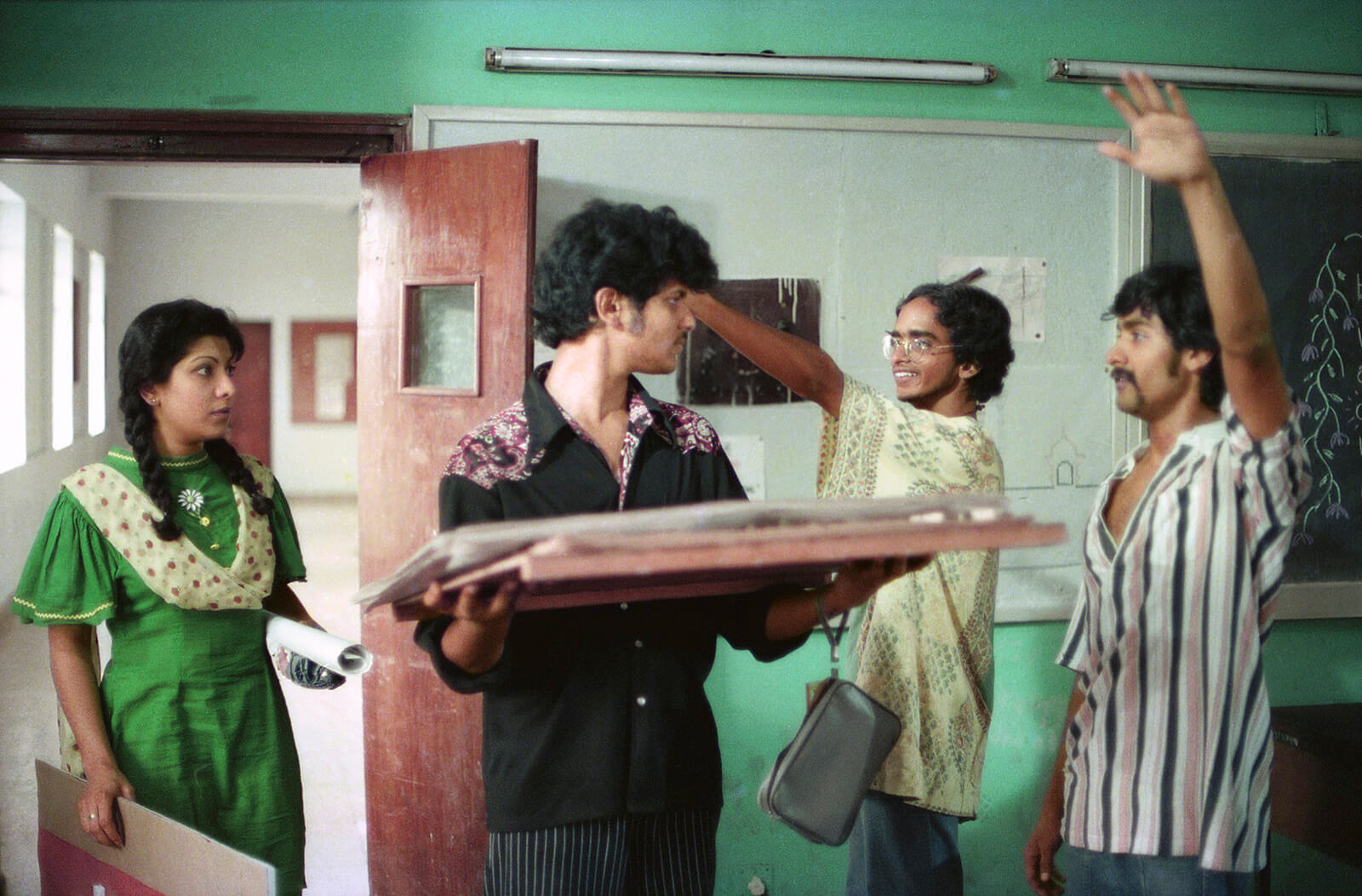
We’re taught by our very profession, however we understand it, to be dreamers, the creators of a utopia, so to speak. But that’s only the myth. As far as those majestically mediocre teachers (in Roy’s own words on a separate occasion) who showed us the film in the first place were concerned, we could only shape the world if we were practical, if we could fit its ills into some grand solution. Which is why the perspective through which we follow the story—the eyes of the titular Annie or Anand Grover, a student repeating his fifth year for the fourth year in a row—that of a dogged hope in change feels endearing. Grover’s thesis subject is depicted as a little bit kooky, just like him. His assertion that planting trees along railway lines, which will be fertilised by waste from passing trains, feels ingenious to that very particular microcosm that is architecture school, but also simplistic and dismissed by professors as wholly impractical. Yet, he confidently spews phrases like the ‘rural urban nexus’ in an effort to sound like he knows what he is doing. We all are.
It’s this ragtag, restless and clueless group of rebels who are the protagonists in the film. They converse readily in a mix of Hindi and English, using slang all of their own creation (grotesque becomes groats, for instance); they discuss, and in the same breath dismiss, Marx and Corbusier, Lenin and Mies. They openly mock and flout authority; their rooms are as messy as their knowledge of what comes next. The other students, the more practical bunch—who are looked down on by those too cool to care about school—are the foil, the ones destined to succeed because they conform to the whims of the institution. Because that’s what a systemic indoctrination towards bending to the power of ‘Authority’ has taught them. The spirit of the movie and by extension the India it portrayed, as Roy mentions in a Hollywood Reporter India article1, was one that showed “a lack of ambition combined with a deep concern, in a very young and unfocused way”. The characters’ dissent was hopeful, charged with a sense of collective edification. In this, it indicated Roy’s own career of political writing, though here anger is replaced with tenderness. There is, as she goes on, “a kind of freedom there”. After all, this is college. The real world can wait.
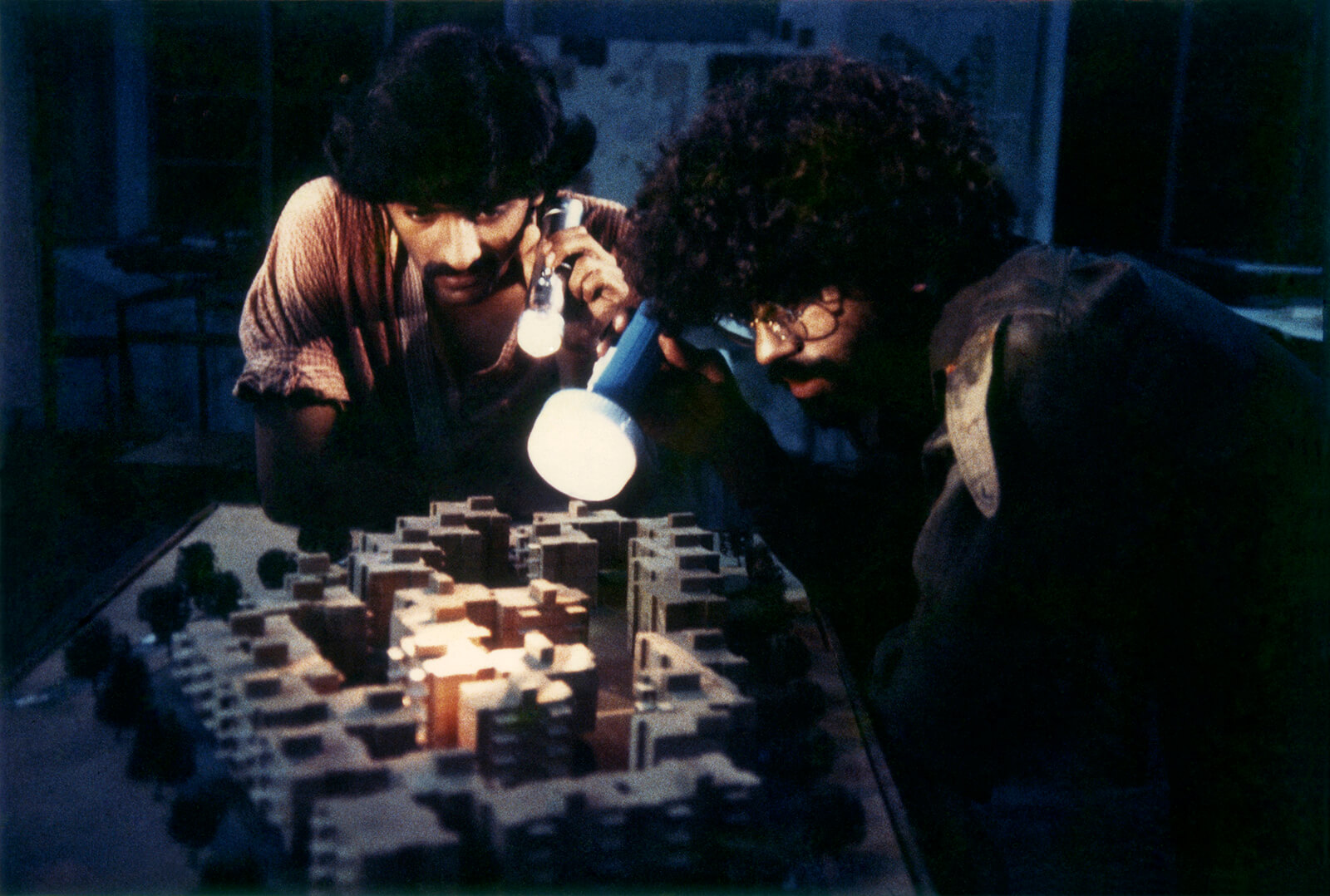
There isn’t much I can tell you about the film itself that you won’t recognise in some form. We all know an Annie—who believes that his madcap ways are the road to salvation, who is hopeful and good-hearted but not quite there yet. We all know a Lakes—who does things by the book and is still admonished for everything they didn’t do. Perhaps we all know a Radha—the wilfully contradictory and enigmatic, who feels angst at the state of everything, who is self-possessed but still unsure of her place in the world. The fact that Roy chose to kill off her character in the end credits sequence—a classic college film trope—will always be part of the character’s appeal. I relate to the sentiment. Radhas are not made for this world.
Still, the era the film is set in, the mid-70s, is certainly significant. A time with India on the cusp of economic liberalisation, a year and a half before the Emergency. It was a period of fervent institution-building; a time when the establishment set store by the power of architecture to mould a publics. Practicality was expected, yes, but radicality wasn’t punished. It was merely transformed into something digestible. Just ‘giving it those ones’—Delhi University slang for one’s usual act. If we look at some of the modernist architecture of the time, that sentiment is reflected—one of staunch practicality but also one invested in the interests and collective advancement of its people. It’s a mood I hardly recognise today. If the film was lauded for its language, so much of that language would be censored today. If the film’s characters embody resistance to the systems in their blaseness towards anything that doesn’t concern their lives, that same comfort is not afforded to us. It cannot be.
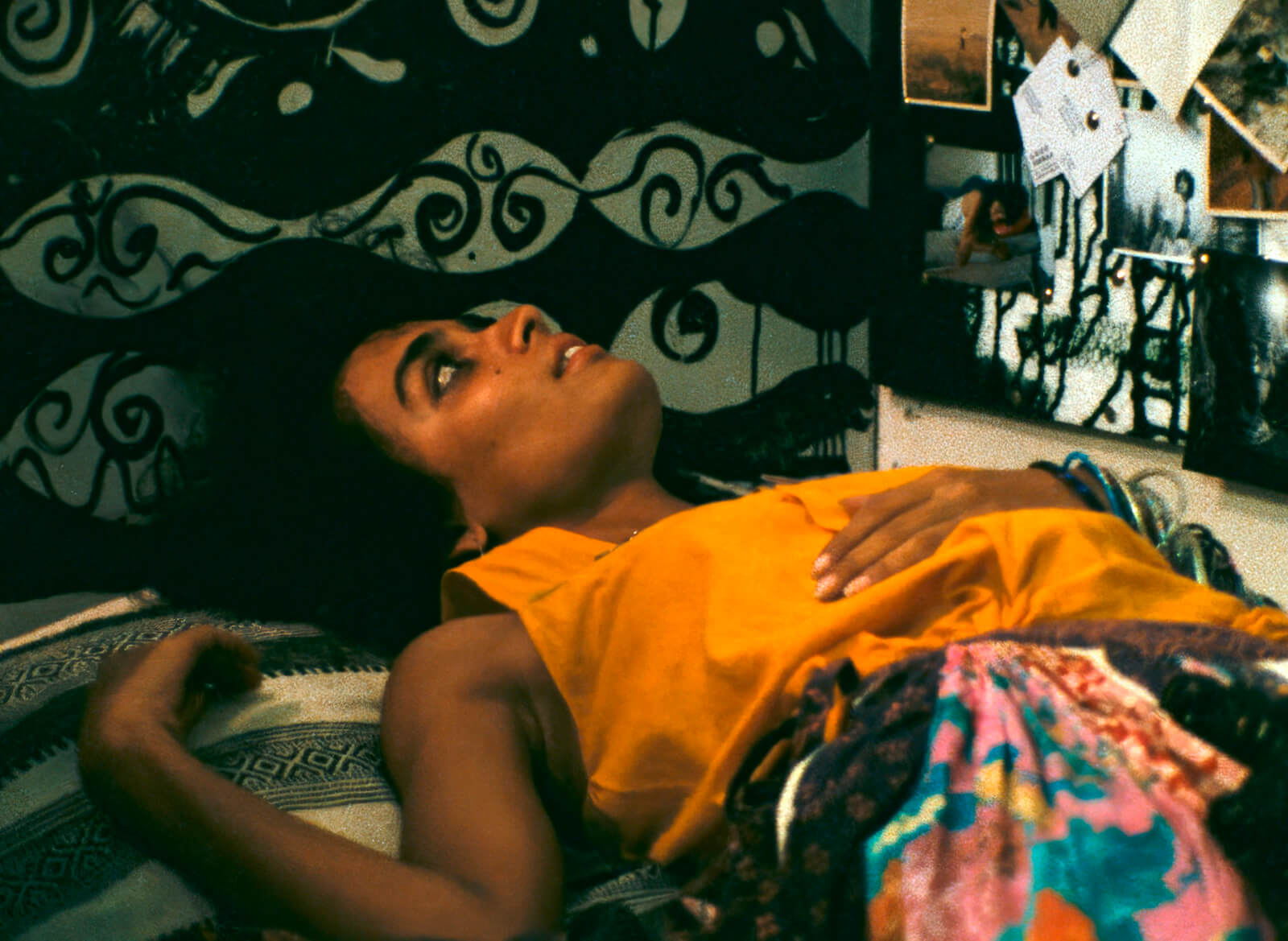
Returning to the question posed at the very beginning: why does it matter in the first place? The best stories are the ones we keep retelling. The best films, novels, TV shows are those that stand the test of time, that are particular and universal all at once. The Beatles-listening, bell bottoms-wearing youth of the film might inhabit a world frozen in time, but so little and so much of that world has changed in nearly 50 years. And it breaks my heart. To think that the monuments to education remain mostly the same, that they’ve simply privatised and metastasised, like an incurable cancer. The same tang of sweat permeates the same damp paper, the same taunts are called out by jurors who can't seem to let go of the indication of north on presentation sheets—some sort of trite metaphor for adult anguish over youth’s lack of direction. The same thesis projects even prevail, resorts in ecologically fragile settings preferred over a written dissertation about the imminent worthlessness of the profession and its corruption.
Those Ones and its portrayal of freedom to be whatever one wants to be, while still bracketing that freedom and anarchic mood with the terms and conditions of the real world, presents a cruel optimism. I call it a cruel optimism after Lauren Berlant, who argues that the fantasies of a good life are no longer sustainable in the present, but that we stick with them, like Annie’s insistence on repairing the rural-urban nexus by continuing to pursue an architectural education.
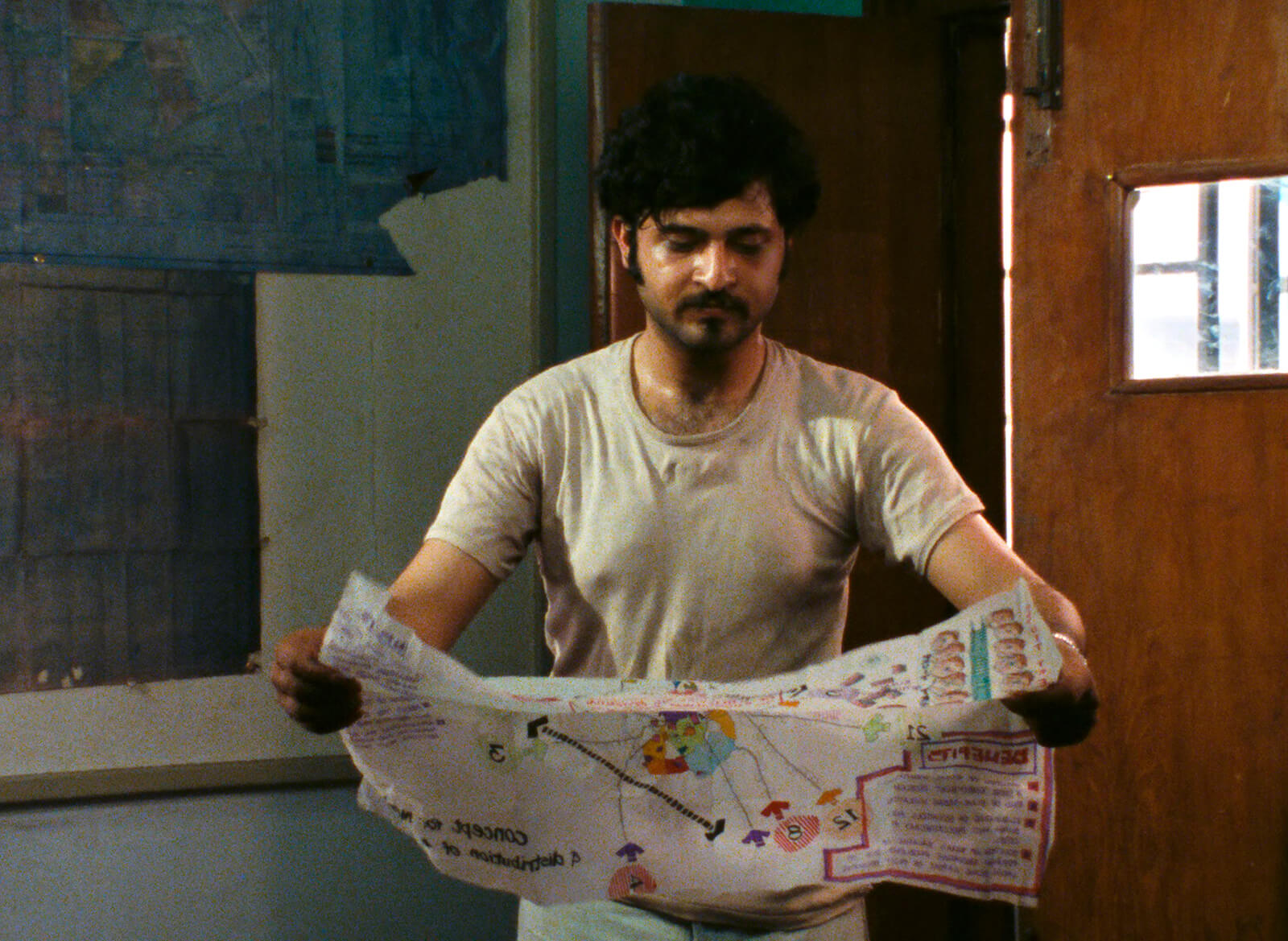
Those Ones will continue to be, thanks in part to its restoration. It will stick around in the news for a while more before retreating into obscure cult status. It will continue to be shown in first-year studios, inspiring some and maybe terrifying others. There are those who will now know this wacky, joyful story because of the fleeting furore the Berlinale premier of its restored version caused, especially when Roy backed out of the festival in protest against the organisation’s fixation on distancing themselves from ‘politics’ and the role cinema can play in bringing our political realities to the stage of public conscience. All for distancing themselves from acknowledging the realities of ongoing annihilation in the Middle East and Palestine, all for continuing to reiterate histories that suit them. There must be some twisted logic in stating what Wim Wenders, head of the jury for the festival, did, “we are the opposite of politics. We have to do the work of people, not the work of politicians”. Since when did politics only concern politicians?
I am angry not only at these systems that endure but at exactly this privileged willingness to turn a blind eye. Or perhaps, a fear of what awaits if we don't conform. It's that bittersweet taste I take away as I laugh nonchalantly at the antics of Those Ones. “I don’t want to write about it. I don’t want to talk about it. I don’t want to go to seminars about it. I definitely don’t want to build,” Radha says in one of the final scenes from Those Ones. It feels like the cool dismissal of youth, but this uncertainty leaves the possibility for something else to germinate. We can only deal with it through that air of revolutionarily everyday defiance, give it those ones.
References
1.https://www.hollywoodreporterindia.com/features/insight/berlinale-2026-arundhati-roy-and-pradip-krishen-on-taking-in-which-annie-gives-it-to-those-ones-to-the-festival

by Pranjal Maheshwari Oct 19, 2026
The Mumbai-based architects integrate courtyards, mesh screens and north light trusses to create a dining space that doubles up as a community hub at SR University, Warangal.
by Mrinmayee Bhoot Oct 17, 2026
The Rotterdam-based institute centres the Indian Ocean as a network for exploring material histories and transnational links shaping coastal cultures, positing them as future models.
by Pranjal Maheshwari Oct 16, 2026
At the 2026 Stirling Prize ceremony, Mary Duggan with RUFF Architects, MAKER Architecten and Nakshabid Architects were felicitated for proffering quality housing and social equity.
by Mrinmayee Bhoot Oct 12, 2026
The new Centre for Contemporary Arts, fostering public engagement with art in Uzbekistan, is housed in a tram depot refurbished by the French studio, emulating local craftsmanship.

make your fridays matter with a well-read weekend
Enter your details to sign in
Don’t have an account?
Sign upOr you can sign in with
a single account for all
STIR platforms
All your bookmarks will be available across all your devices.
Stay STIRred
Already have an account?
Sign inOr you can sign up with
Verification link sent to check your inbox or spam folder to complete sign up process
Tap on things that interests you.
Select the Conversation Category you would like to watch
Please enter your details and click submit.
Enter the 6-digit code sent at


In which ‘those ones’ don’t cut it anymore: Reflections on Pradip Krishen’s 1989 film
by Mrinmayee Bhoot | Published on : Mar 27, 2026


 Sign in with Google
 Sign in with email
What do you think?