Design08 mins. read
Euroluce 2025 powers Milan with a variety of luminary art, design and symposiums
by Almas SadiqueApr 11, 2025



by Aarthi MohanPublished on : Nov 21, 2025
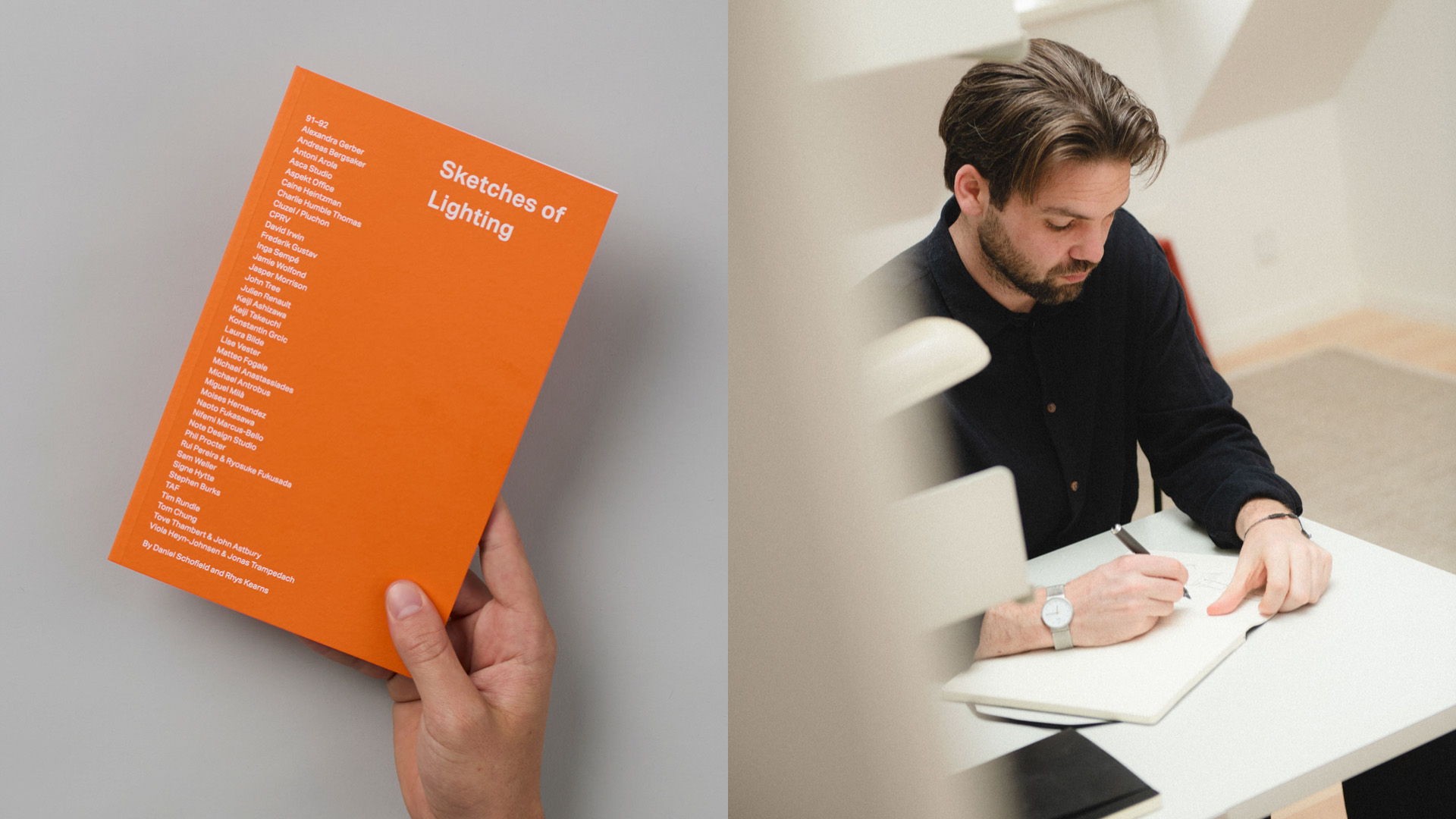
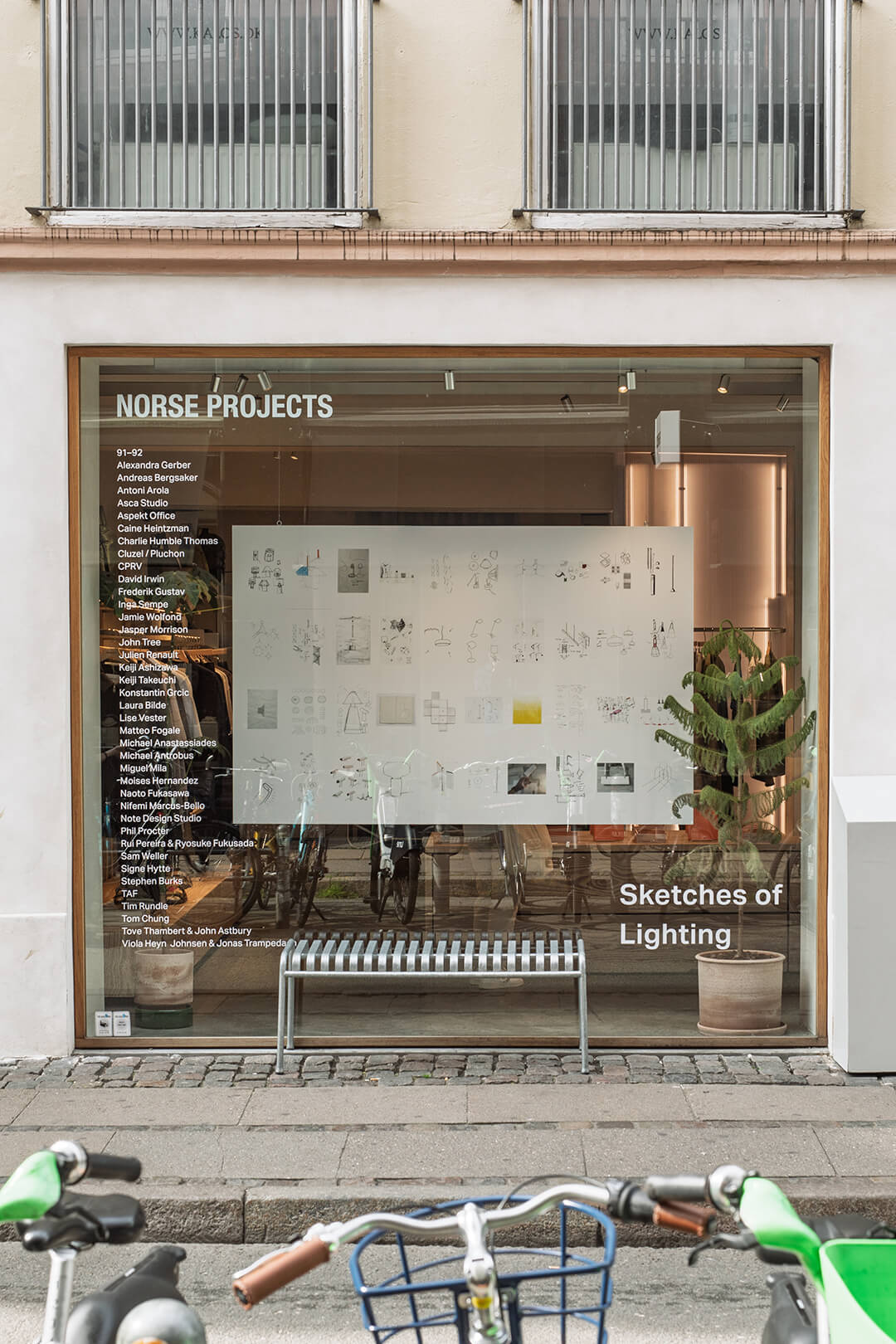
A sketch rarely looks like the start of something substantive, something tangible. It often appears uncertain, even rushed or carefree. Yet, for many creatives, that rough mark is the first moment an idea steps from thought into the world. Sketches of Lighting, a new book by British designer Daniel Schofield and Rhys Kearns, focuses on precisely that elusive but liminal moment between conception and creation. Bringing together early drawings from 40 international designers, the book reveals the private, often unguarded traces of how light is imagined through a fixture. With a foreword by Denmark-based designer Sam Weller, the book connects these contemporary beginnings to a long lineage of people who shaped artificial light, like Alessandro Volta's illumination experimenting with electrical currents, Humphry Davy creating the earliest arc lamp and Joseph Swan and Thomas Edison transforming electricity into usable bulbs that changed how the world lived after dark. Their breakthroughs form the invisible backdrop to the sketches that fill the book, each one a reminder that every lamp—today or from a century ago—starts as a tentative line.
Weller’s foreword eases the reader into this history with a certain softness that is indicative of someone who has spent years thinking about light. He reaches back to early cave drawings lit by fire, then follows this illuminated trail through the Egyptians and Romans, past the invention of oil lanterns, into the industrial refinement of brighter, whiter flames. From there, he moves toward electricity and the revolution it brought, with portable, safe illumination that could be shaped, directed, softened or amplified. He positions the 'sketch' as the common thread through these eras. Whether on a cave wall or a scrap of paper in a maker’s pocket, the sketch is the earliest record of an intention. His reflection deepens when he writes about Poul Henningsen, the Danish thinker whose glare-free lighting designs emerged from tracing rays of reflected light in two-dimensional scale drawings. Henningsen’s method, using sketches to understand not only form but behaviour, captures the essence of what this book quietly celebrates: the sketch as a tool for making sense of light long before prototypes come into being.
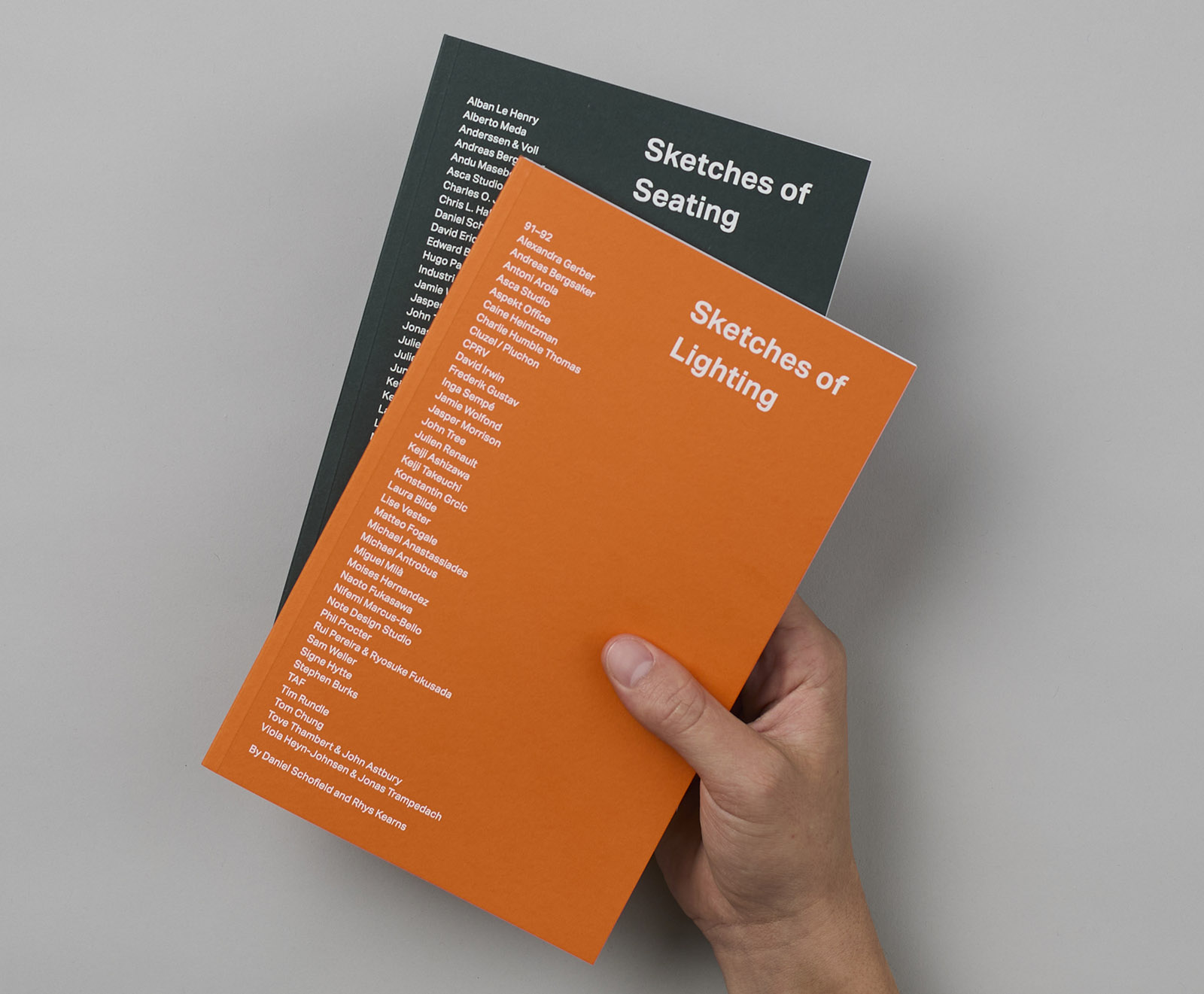
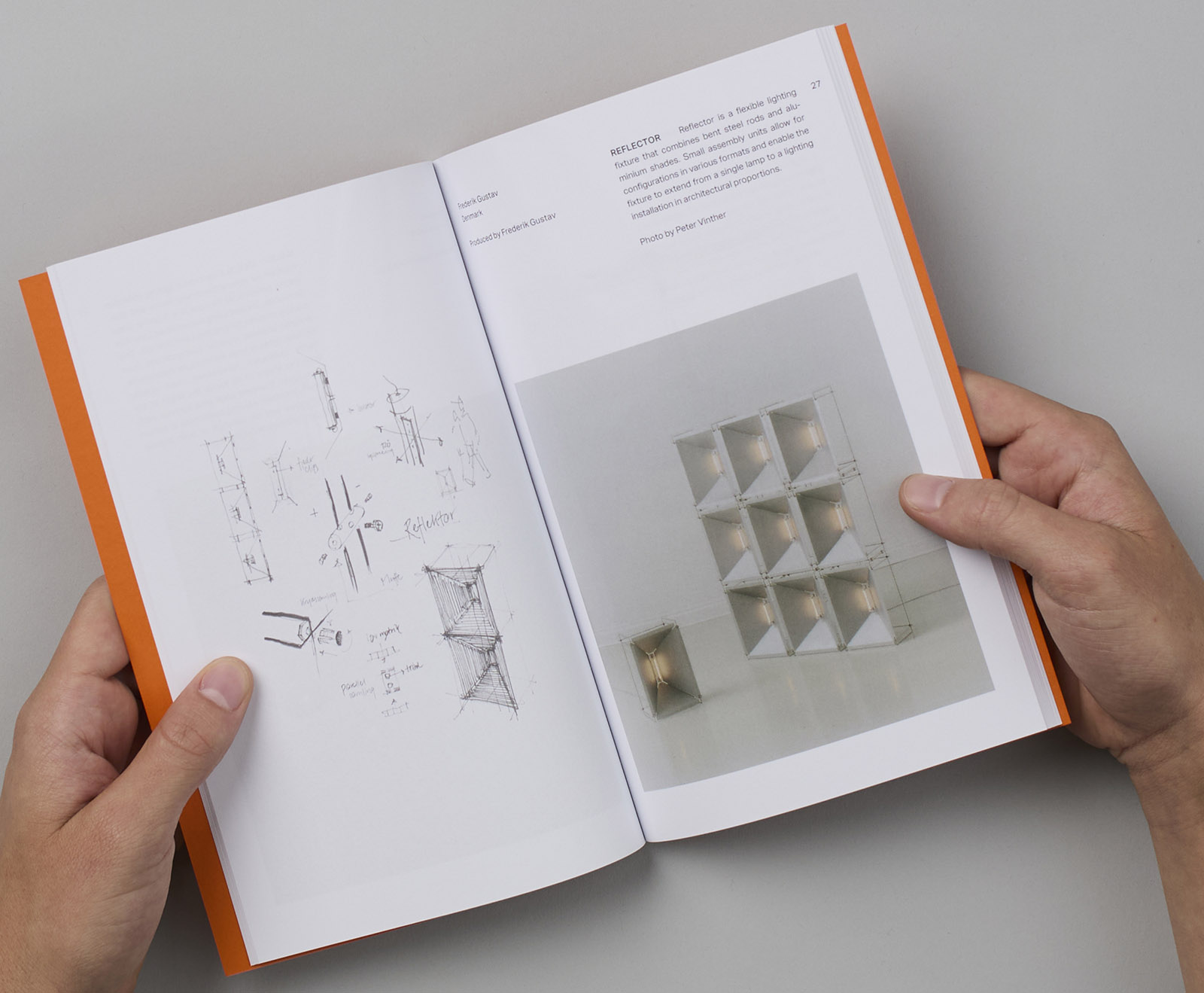
The book continues the authors’ earlier project, Sketches of Seating, which paired an early drawing of a chair design with its final form. The new book follows the same simple structure – a preliminary sketch on one page, the completed lamp on the opposite page. The restraint of the format creates an intimacy that doesn’t need explanation. It feels like being invited into someone’s notebook. Kearns’ eye for clarity and balance shapes the design of the book, giving each image room to breathe, while Schofield’s sensitivity to the creative process anchors the concept.
For Schofield, the idea had been simmering for years. “Whenever I went to an exhibition or opening, if there was a sketch of the project, I always found myself really drawn to that as much as the finished thing”, he tells STIR. “I think it’s really valuable as you can get a small insight into the thought process.” That instinct eventually turned into a simple request to designers: send the very first sketch of a lamp that made it into production, no matter how crude, abstract, or fragmented. Some responded with quick pen marks, others with folded paper models or wire shapes. The variety became part of the pleasure—evidence that a design vocabulary began well before a product did.
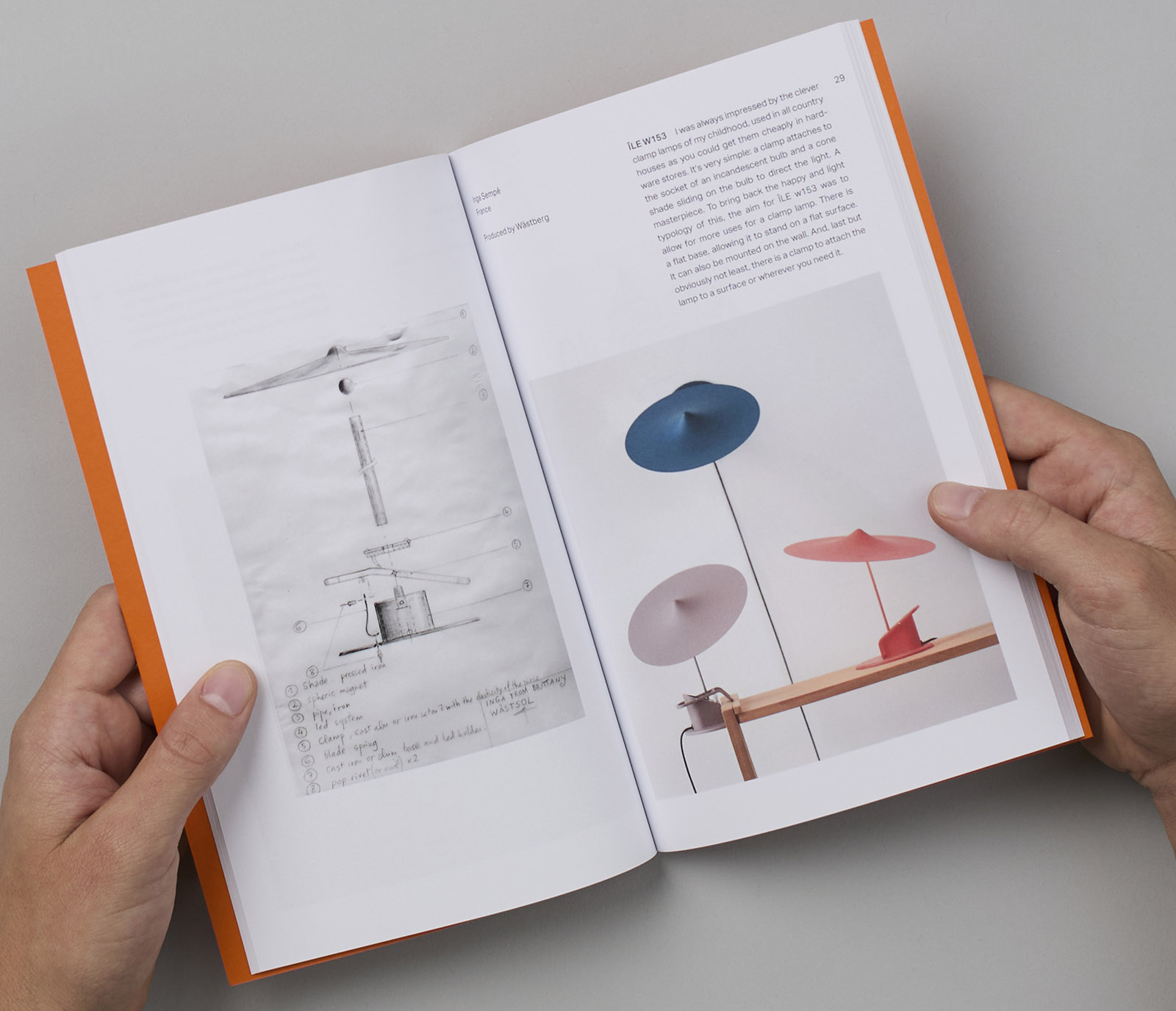
In collecting the sketches, Schofield noticed the vulnerability that comes with showing early ideas. Many designers, he suggests, hesitated before sending theirs. A sketch, after all, is rarely intended for public view. Yet that honesty is exactly what makes the book compelling. “You are slightly exposing yourself by showing an early sketch. It wasn’t created to be pretty. But that is the beauty of it”, he says. Across the pages, one can sense this ‘beauty’ through smudges, unfinished lines and awkward proportions; but also, unmistakably, the beginnings of something resolved.
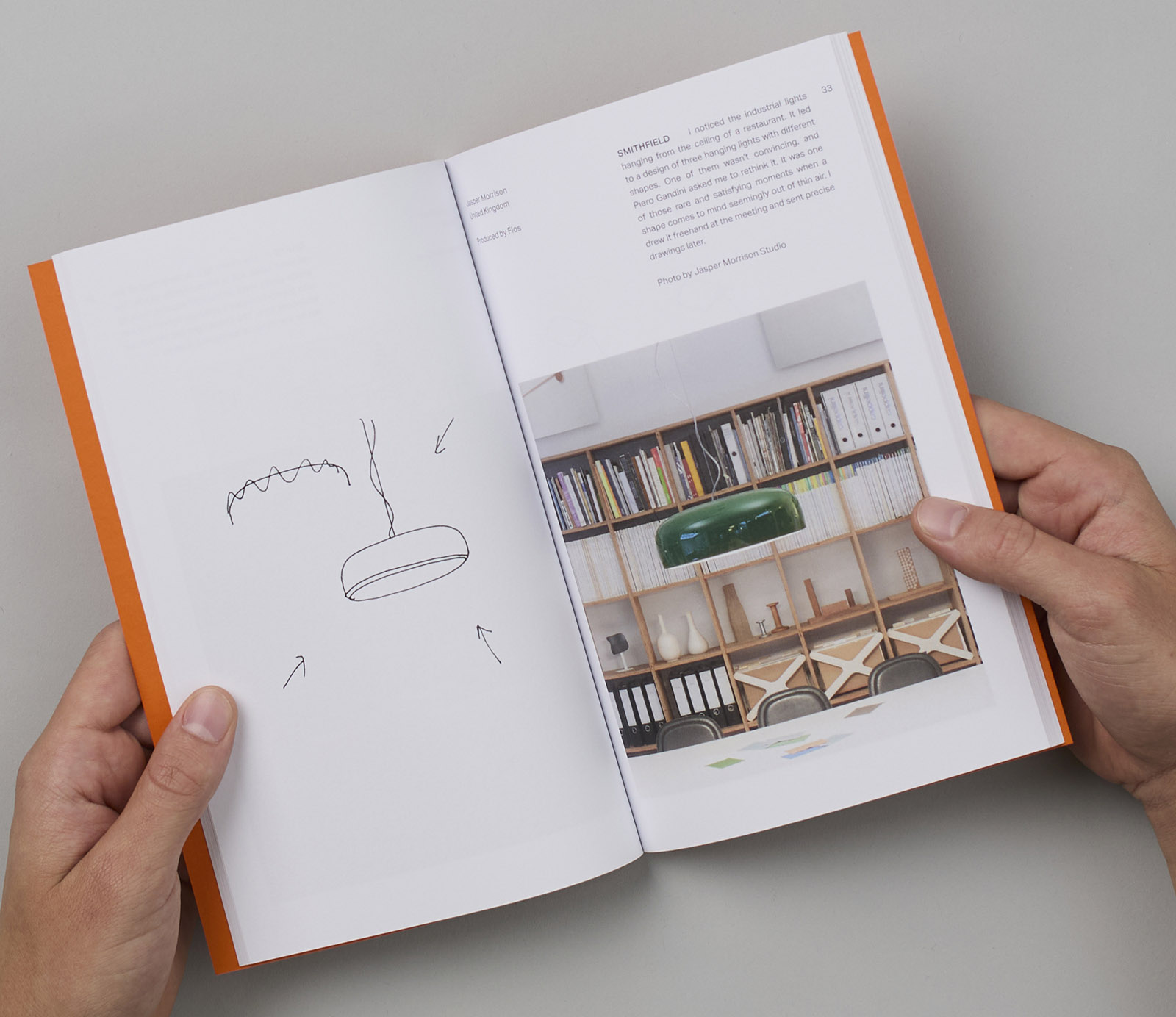
Lighting sketches differ from seating or table designs in subtle ways. Because lamps must negotiate wiring, heat, safety standards and the behaviour of light itself, the earliest drawings often test paths of illumination rather than pure form. This is where Weller’s mention of Henningsen becomes more than historical colour; it frames the entire book. Henningsen believed light had to be shaped with intention, and that understanding its movement began with drawings. Many designers in the book seem to echo that instinct naturally, even if unknowingly.
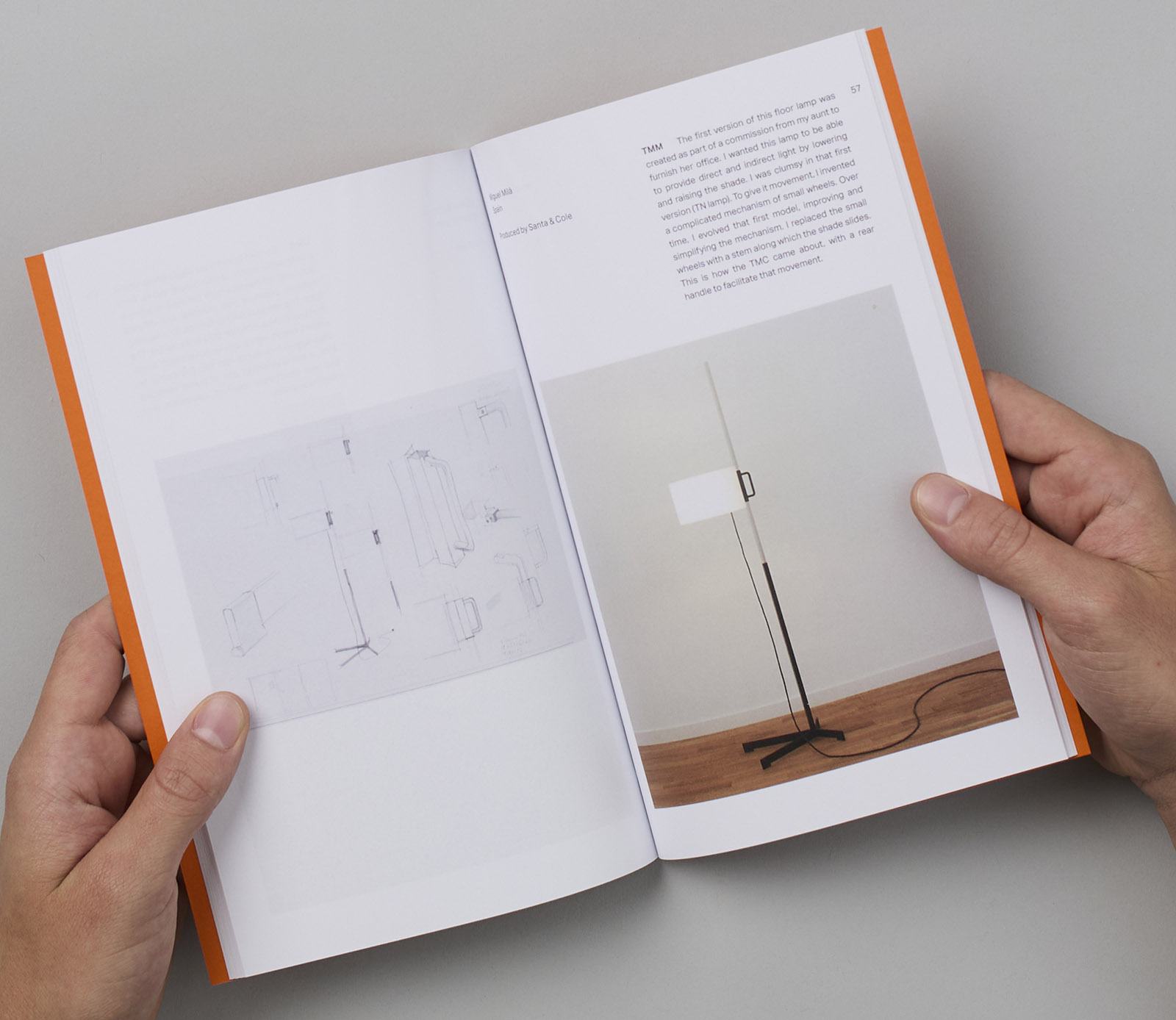
For Miguel Milá’, a key figure in modern Spanish design, the early sketch for the TMM floor lamp reveals the first idea for a mechanism that could raise and lower the shade. In the accompanying text, he describes the evolution from a fussy system of wheels to a slender stem that allowed the shade to slide with elegance. The drawing captures the tension between invention and refinement, like the clumsy beginning of an idea becoming a graceful solution.
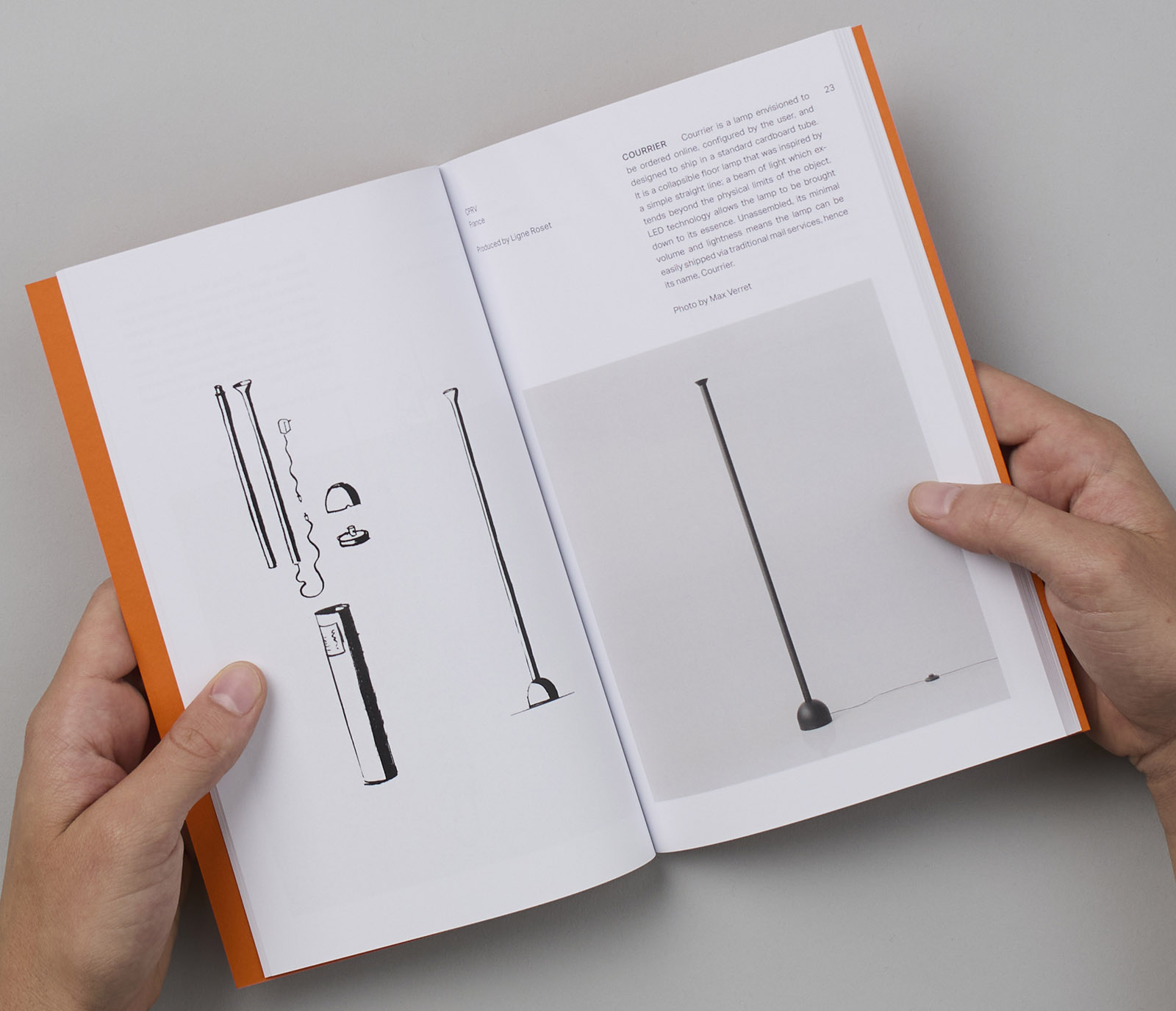
The French studio CPRV offers a very different sensibility. Their Courrier lamp began as a straight, almost weightless beam of light designed to be shipped in a cardboard tube. The sketch reflects their interest in reduction and modularity: the lamp, stripped to its thinnest expression, becomes a line that users complete themselves through configuration. LED technology made this possible, and their drawing reads like an attempt to capture that idea before it evaporated.
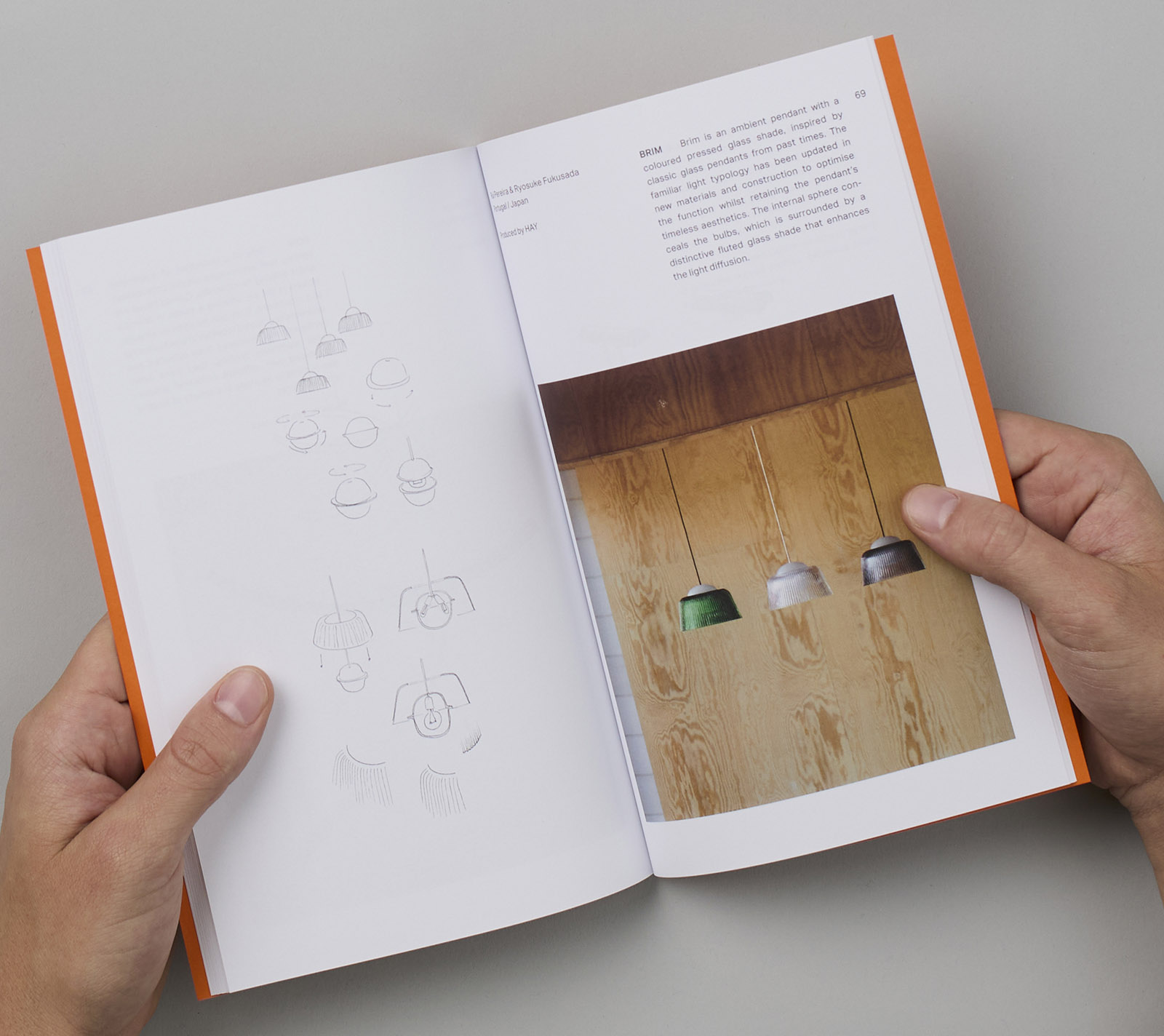
Portuguese designer Rui Pereira and Japanese designer Ryosuke Fukusada take a more atmospheric approach. Their Brim pendant, with its pressed-glass shade and concealed inner sphere, hints at a blending of Portuguese glass traditions and Japanese clarity of form. The sketch outlines a shape that feels familiar at first glance, yet the final lamp reveals how much of its sensibility lies in details—like how glass diffuses light or how a sphere can hide a bulb without muting its glow.
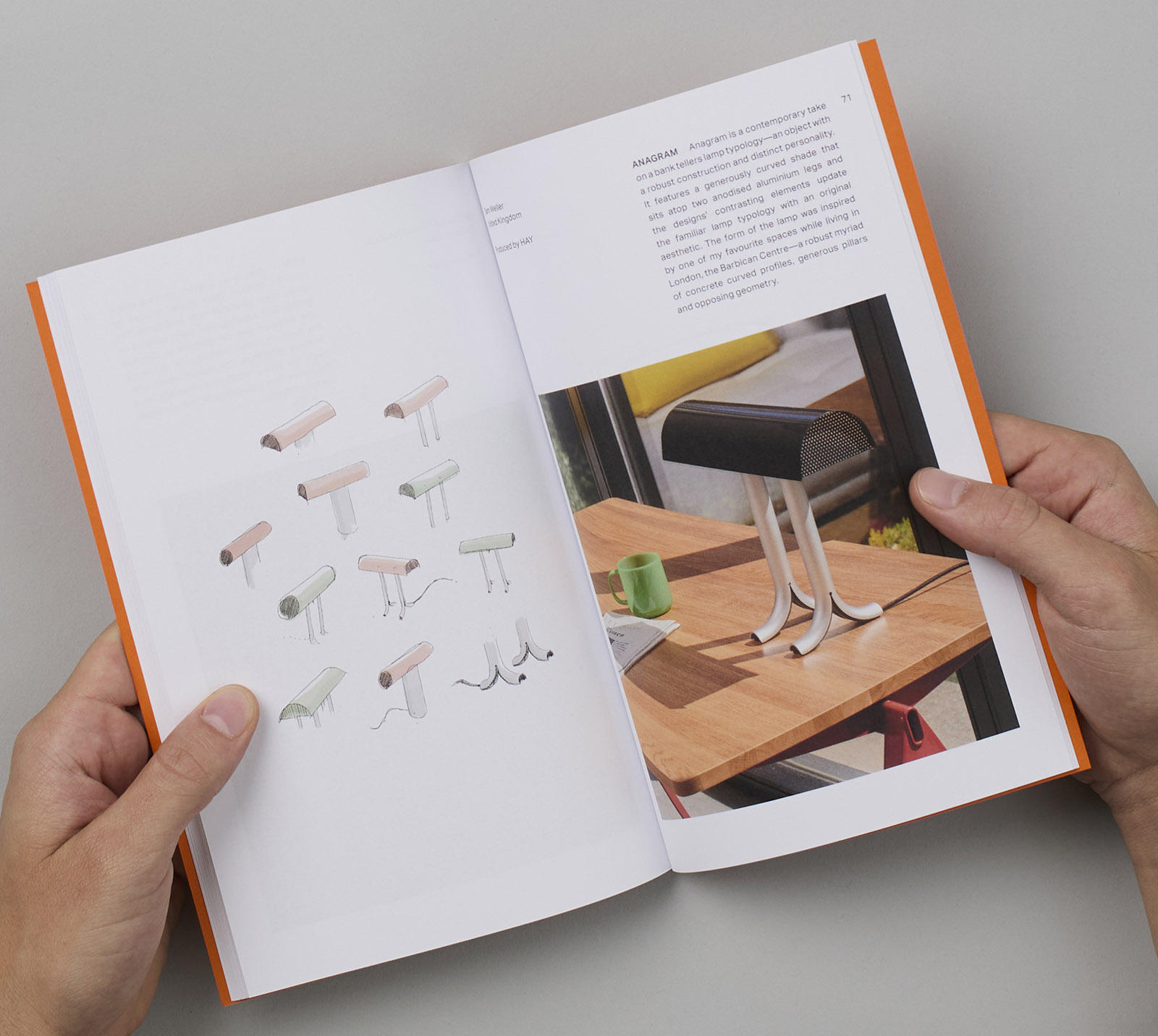
Weller contributes more than the foreword; his lamp, Anagram, appears in the book as well. The sketch shows the beginnings of a curved shade supported by two upright legs, a form that recalls the robust geometries of London’s Barbican Centre, a place he often visited while living in the city. The Barbican’s heavy concrete arcs and intersecting planes emerge in the lamp not as imitation but as memory, like a softened echo of a place that shaped his eye.
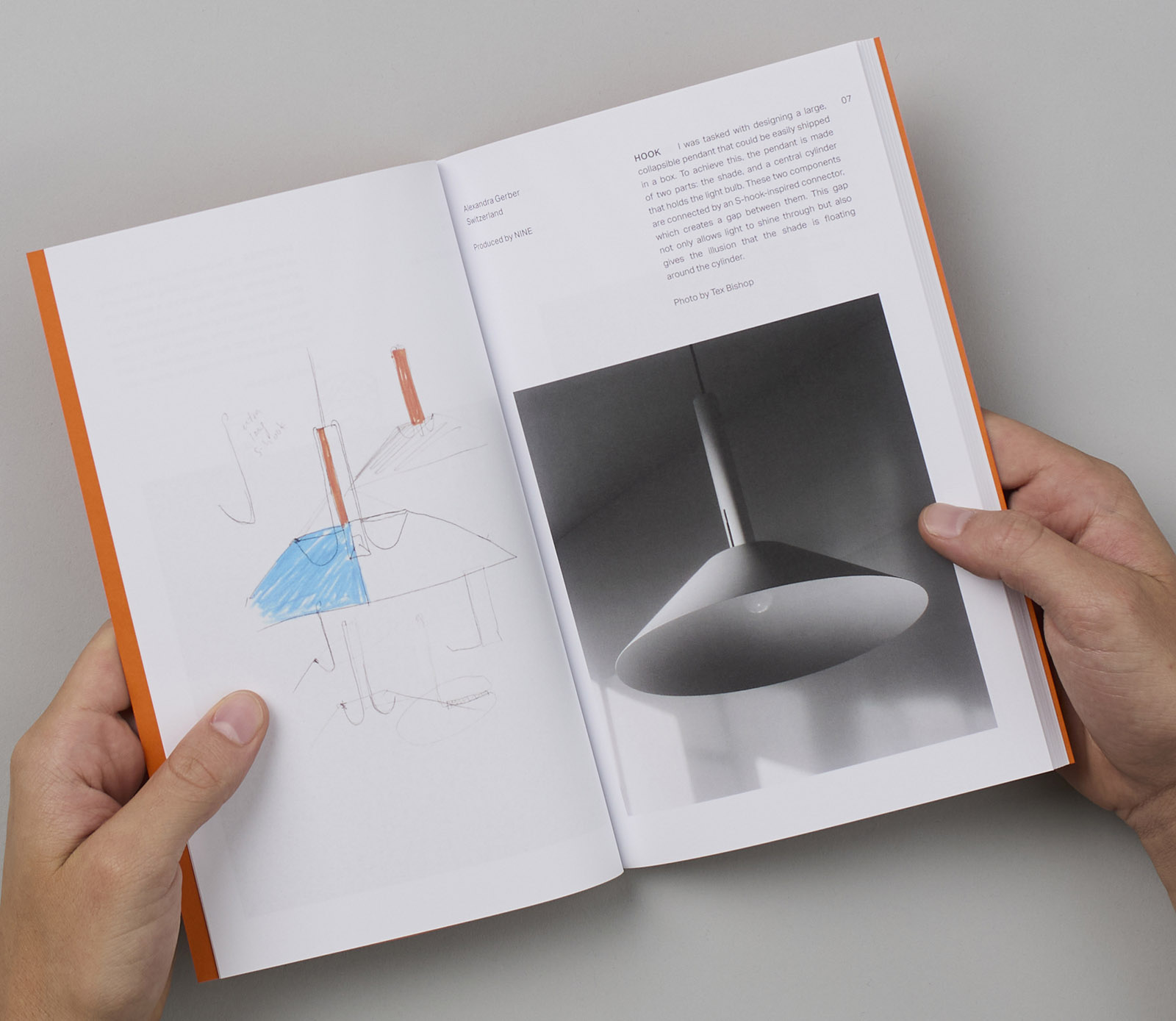
Through these glimpses, the book conveys something Schofield has always felt: “For me, a sketch is like a conversation between my head and the paper”, he shares with STIR. “I’m usually thinking about an idea and questioning it as I am drawing it. It’s making a visual log of an idea I might have.” In the context of lighting, that conversation becomes partly about illumination; how it bends, reflects, scatters or settles.
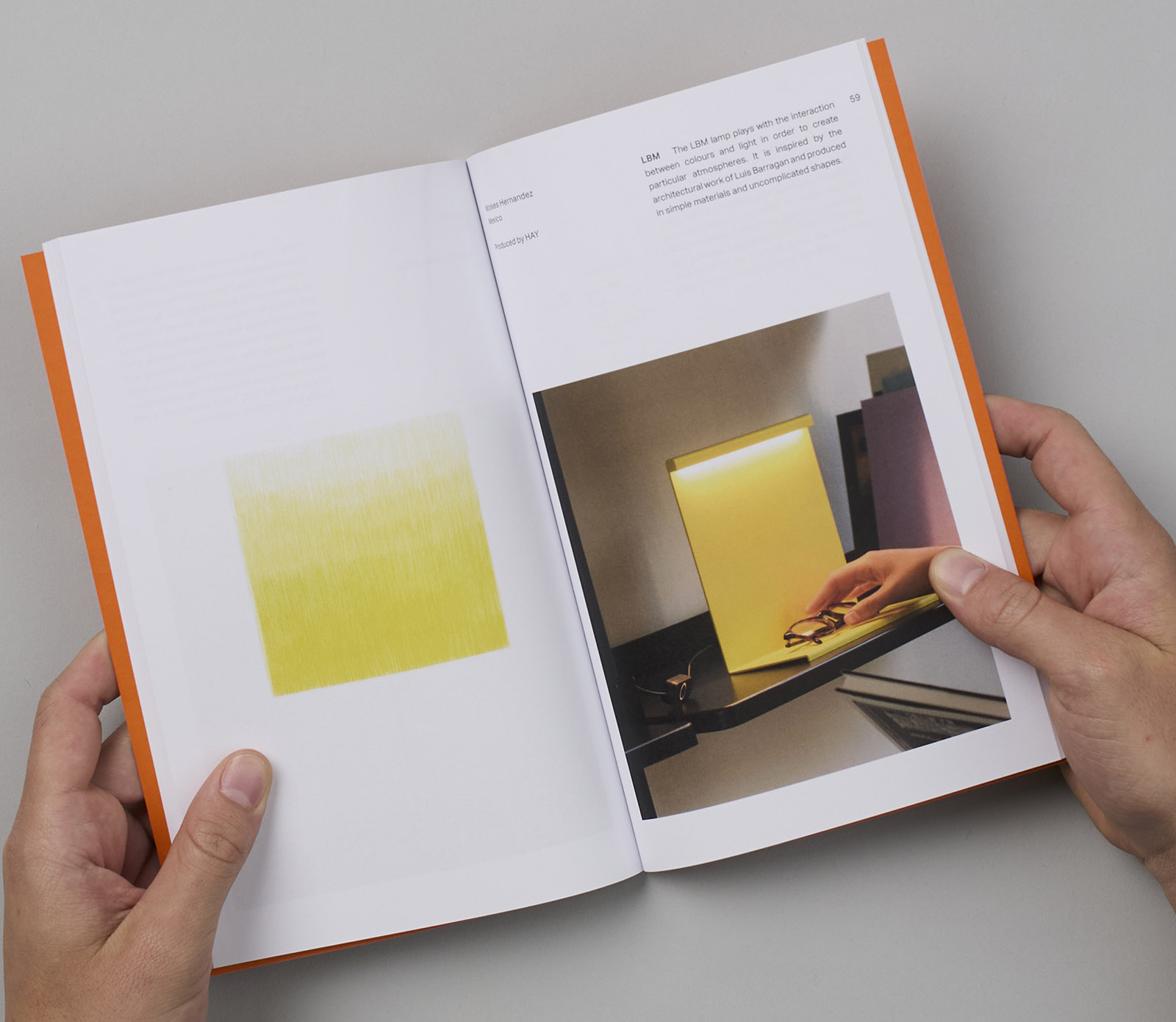
What sets Sketches of Lighting apart is its willingness to remain silent. It doesn’t analyse, instruct or categorise. It simply shows the earliest marks of lamps we may know, or may discover for the first time. Paired with its companion Sketches of Seating, it forms a small but thoughtful record of beginnings in design, reminding us that behind every refined object we see is a moment that looks nothing like the final outcome, drawn quickly in the glow of another lamp.
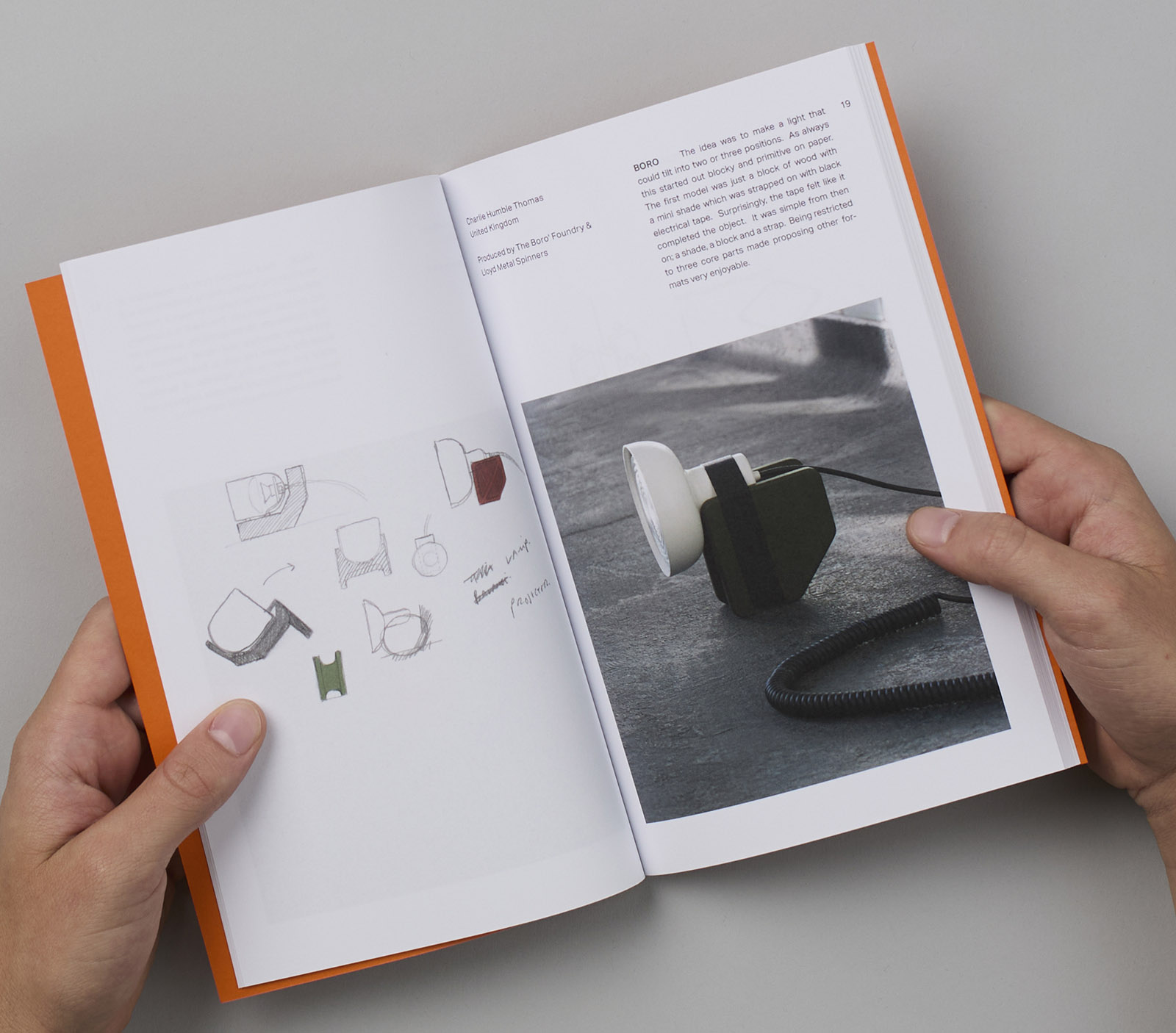
Looking ahead, Schofield hints at future possibilities with architecture, typography and fashion. But for now, he allows the series to rest. After two books in quick succession, he is content to let the idea breathe. What keeps the project engaging, he says, is how inherently human the sketch is. It sits at the intersection of instinct and intention, revealing the quiet moments in design that people rarely get to see.

by Pranjal Maheshwari Oct 23, 2026
Co-authored by Jareh Das, Chairman traces the British designer’s fixation on chairs as symbols of power and identity and as mediums of expression and community building.
by Chahna Tank Oct 22, 2026
STIR speaks with the Mumbai-based type designer about her practice, type walks and why she wants more people to have stronger opinions about Indian-script fonts.
by Mirra Lynn Oct 22, 2026
The curators behind Palestine Design Week 2026 reflect on its intent, considering how design holds memory, makes space for loss and imagines a future in Palestine.
by Jincy Iype Oct 15, 2026
STIR explores craft, material intelligence and people shaping Indian design through dialogues with Design Democracy’s co-founders and the curators of its special exhibitions.

make your fridays matter with a well-read weekend
Enter your details to sign in
Don’t have an account?
Sign upOr you can sign in with
a single account for all
STIR platforms
All your bookmarks will be available across all your devices.
Stay STIRred
Already have an account?
Sign inOr you can sign up with
Verification link sent to check your inbox or spam folder to complete sign up process
Tap on things that interests you.
Select the Conversation Category you would like to watch
Please enter your details and click submit.
Enter the 6-digit code sent at


Lines as light: What Sketches of Lighting reveals about seeing through drawing
by Aarthi Mohan | Published on : Nov 21, 2025


 Sign in with Google
 Sign in with email
What do you think?