Art07 mins. read
Delhi delivers on art: The India Art Fair 2025 Parallel Programme and more
by Manu SharmaJan 30, 2025



by Bansari Paghdar, Anmol AhujaPublished on : May 28, 2026
For artist and BAFTA-nominated filmmaker Liam Young, the future is an act of creation through collective imagination. His solo exhibition, In Other Worlds, at the Barbican Centre in London, extends this perspective into an immersive experience, urging visitors to dream in ‘grand, planetary visions.’ Amid the socio-political and environmental urgencies we face today, these fictional worlds have become rehearsals according to Young, allowing the world to expand its cultural capacity to keep up with drastic changes, and at the same time, gauge their implications. In this light, science fiction becomes a shared cultural infrastructure that allows society to situate not just its dreams and fears but the very relationship it has with the planet. Before these intangible conditions are materialised, Young’s films reflect possible versions of them in their own ways, both abstract and legible, laden with Young's distinct visual style.
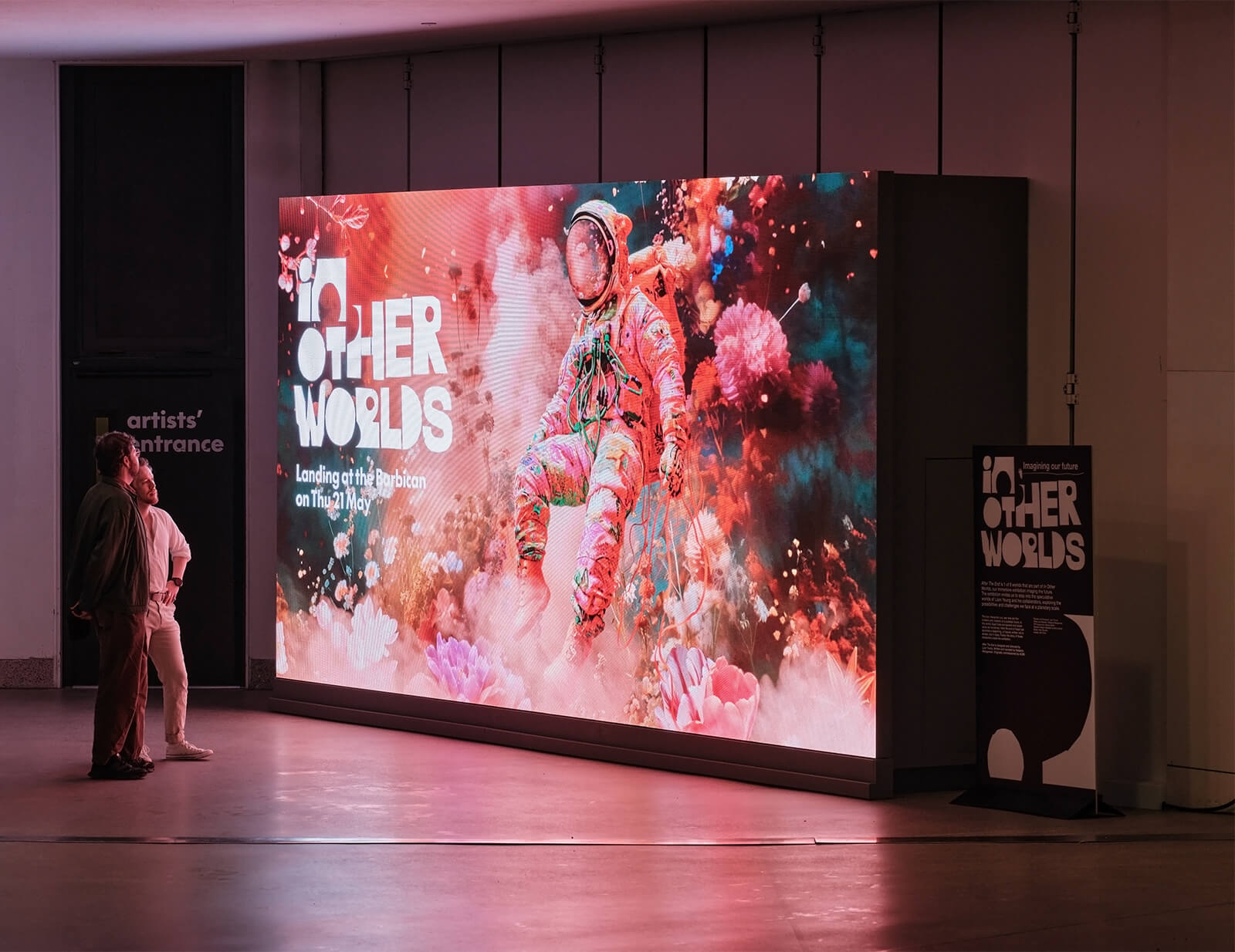
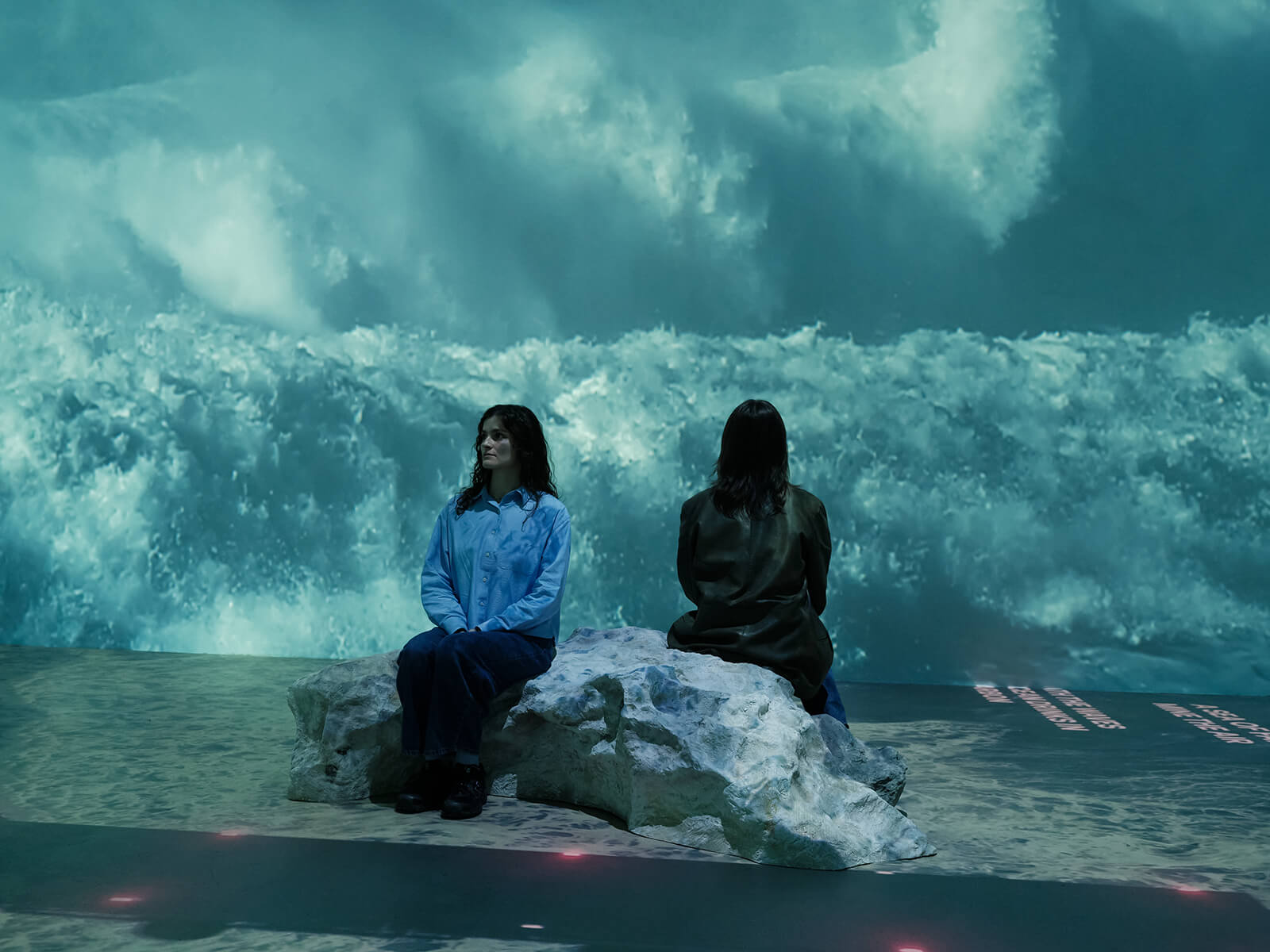
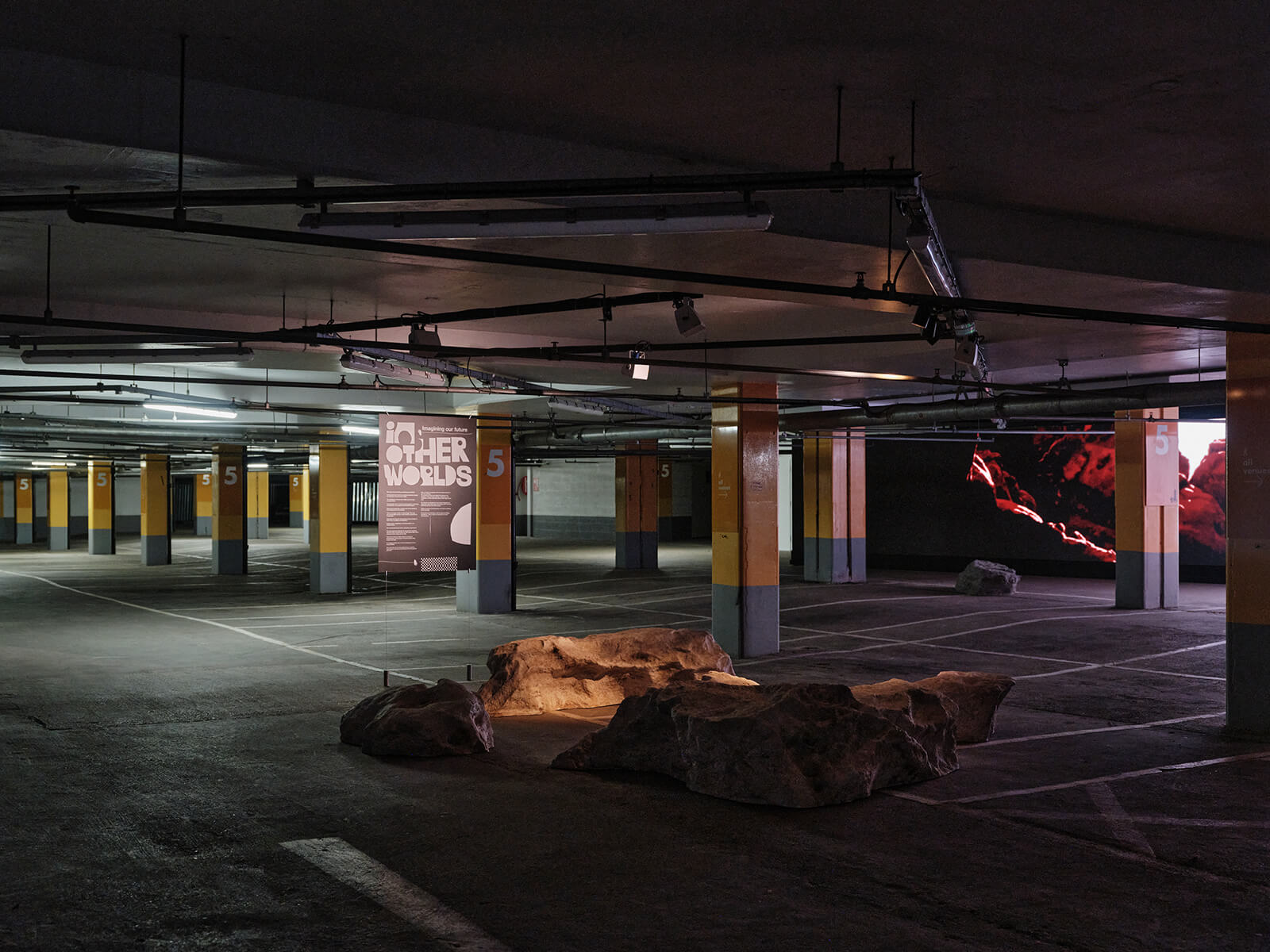
While the films are sequentially presented through LED panels and projections, the complex and expansive themes portrayed in them cannot possibly be discussed and expanded upon only through this originally intended medium. Extending these concepts into the physical world, the exhibition also presents audio stories, sets, costumes, miniature models, graphic narratives and artefacts—made in collaboration with several professionals, including writers, directors, scientists, costume designers and music artists—that compel the visitors to respond to the speculated conditions and consider their choices in the present. Through this multidisciplinary convergence of design, fiction, worldbuilding and climate science, the exhibition spaces at the Barbican, comprising the Silk Street Entrance, The Curve and even Car Park 5 within the Centre, become sites of provocations and collective imagination (or re-imagination).
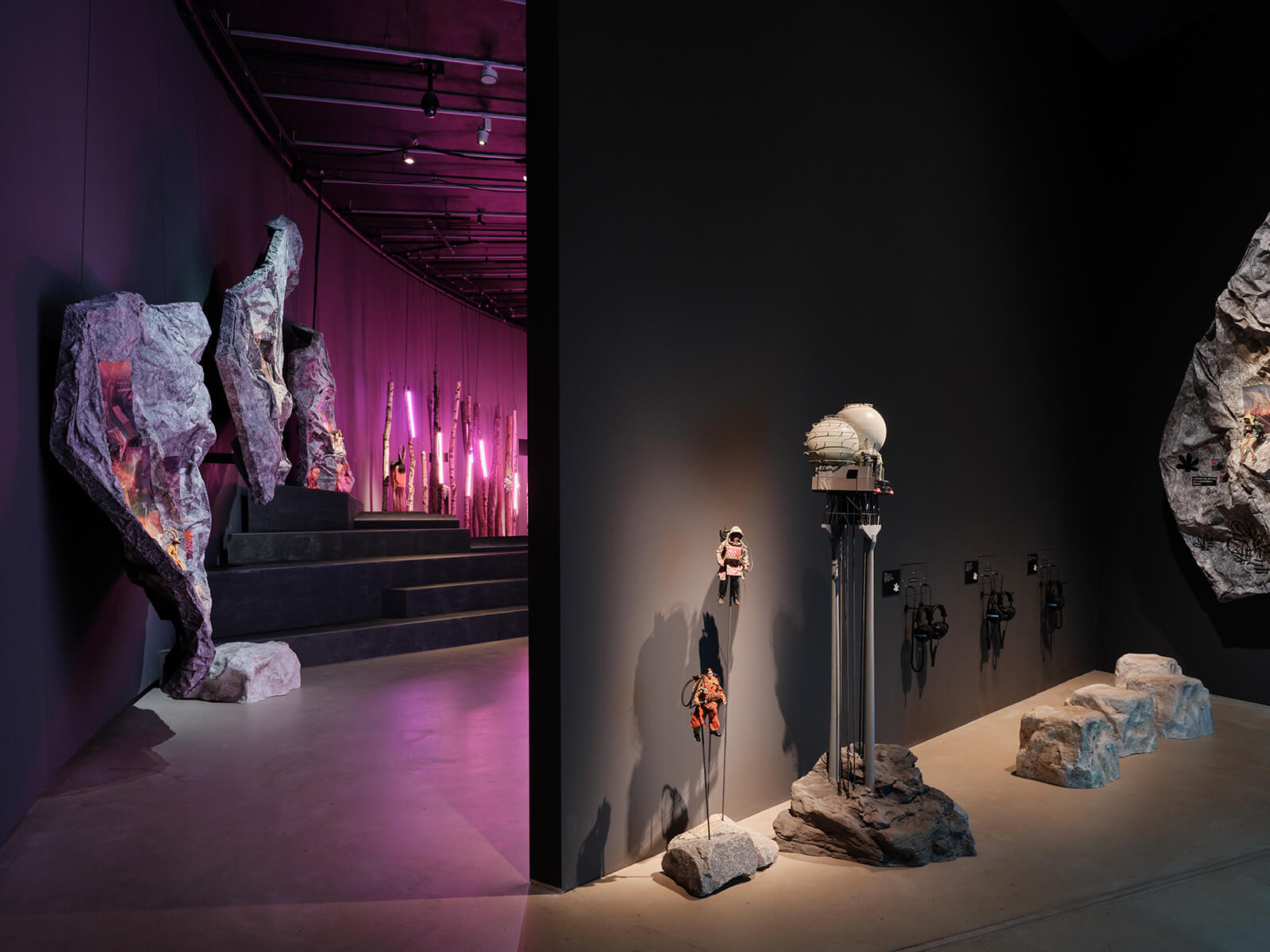
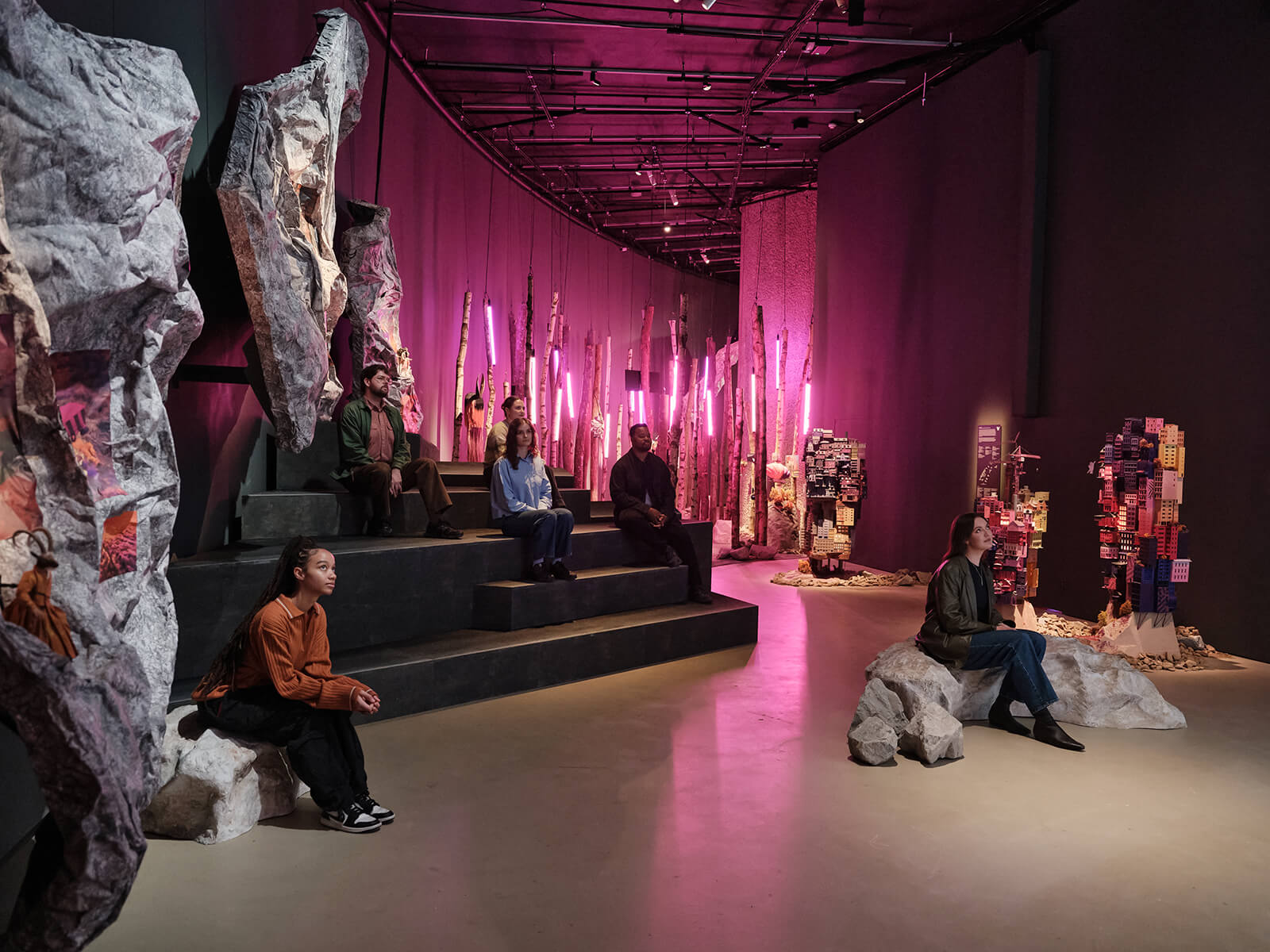
The exhibition begins with an LED installation at the Silk Street Entrance, featuring animated portraits of four workers inhabiting a speculative world that reflects a new, hopeful future presented further on in the exhibition. Setting the tone for the exhibition to a certain extent, it does well to position a proletarian human figure in the middle of Young's often gargantuan worldbuilding. A near-surreal induction to the exhibition is delivered in Diego Luna's voice in the exhibition's 'introductory room', requiring visitors to perch on rock-like seating formations and absorb the tales of an uncertain future hinging on a precarious present. The moment feels engineered to recall folklore and nomadic recitations around the fire, before an inevitable future dawns.
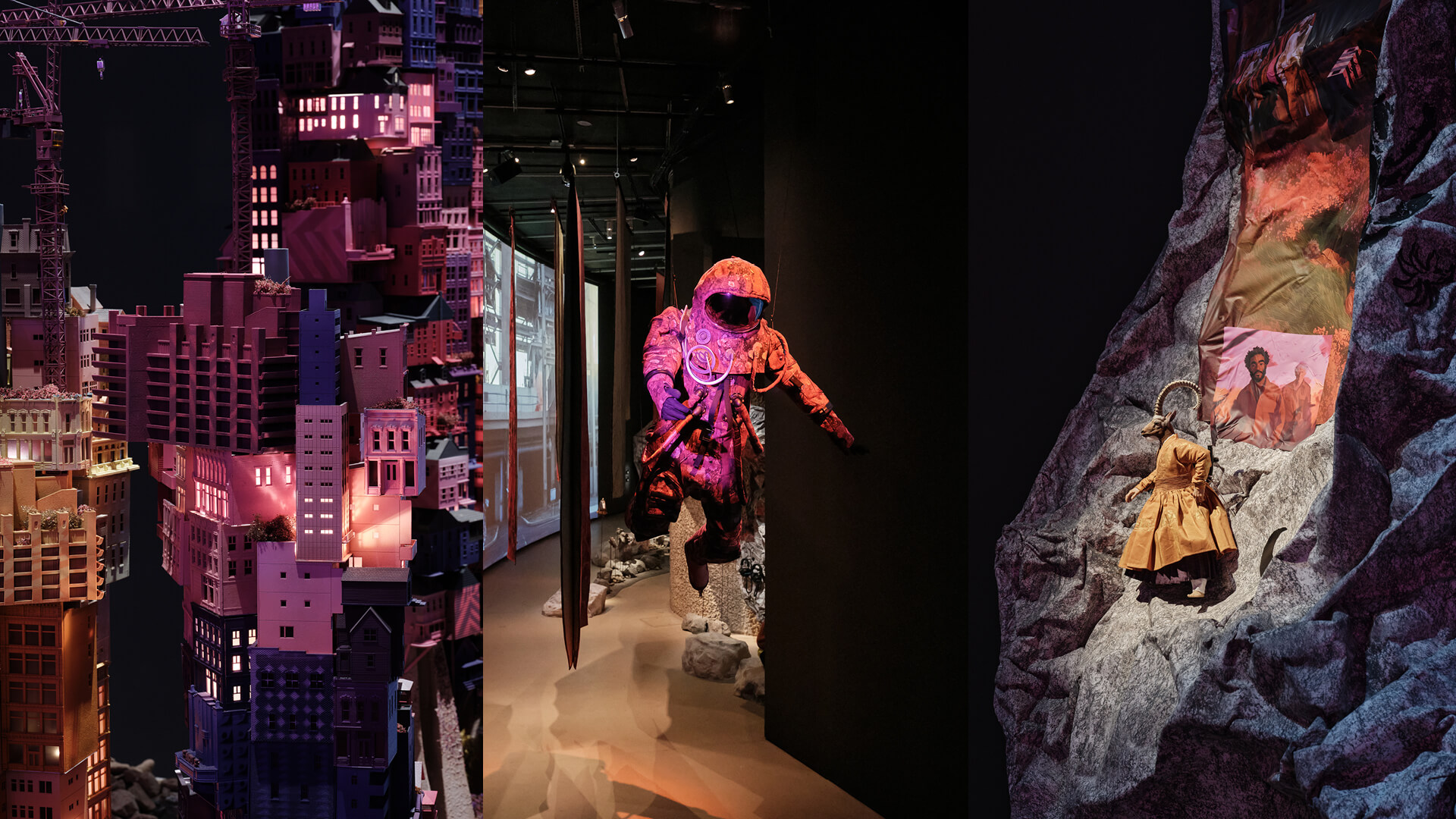
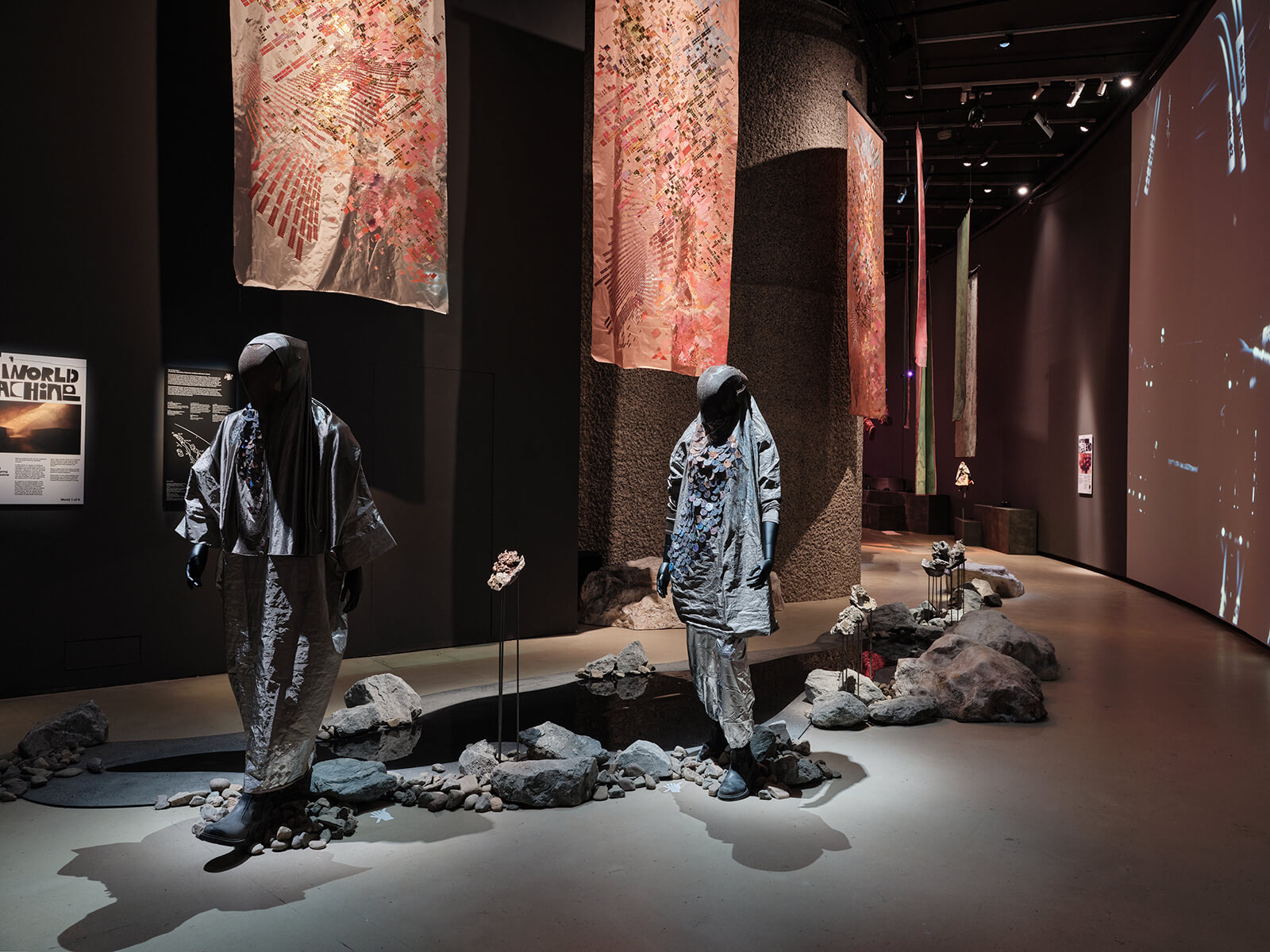
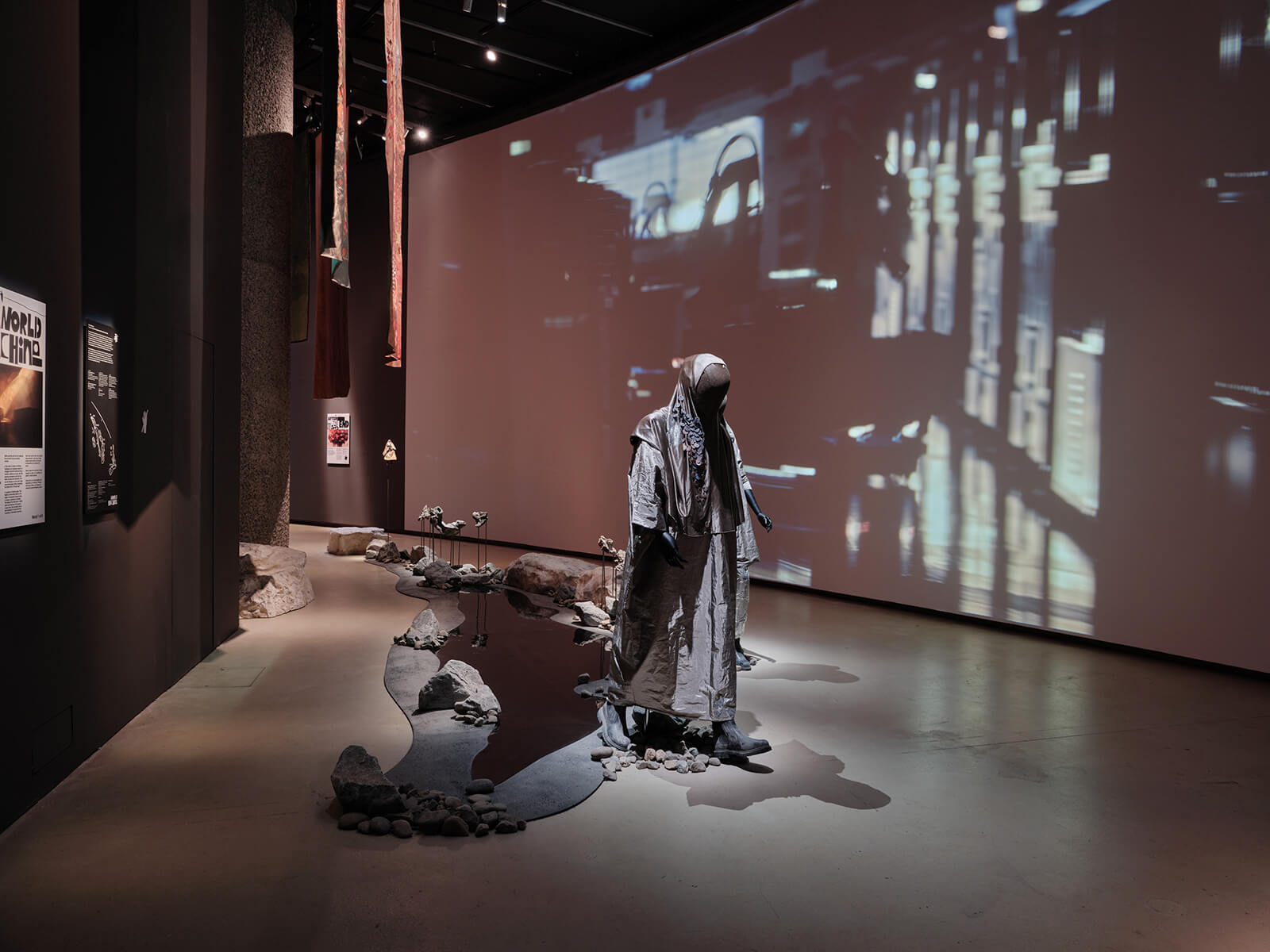
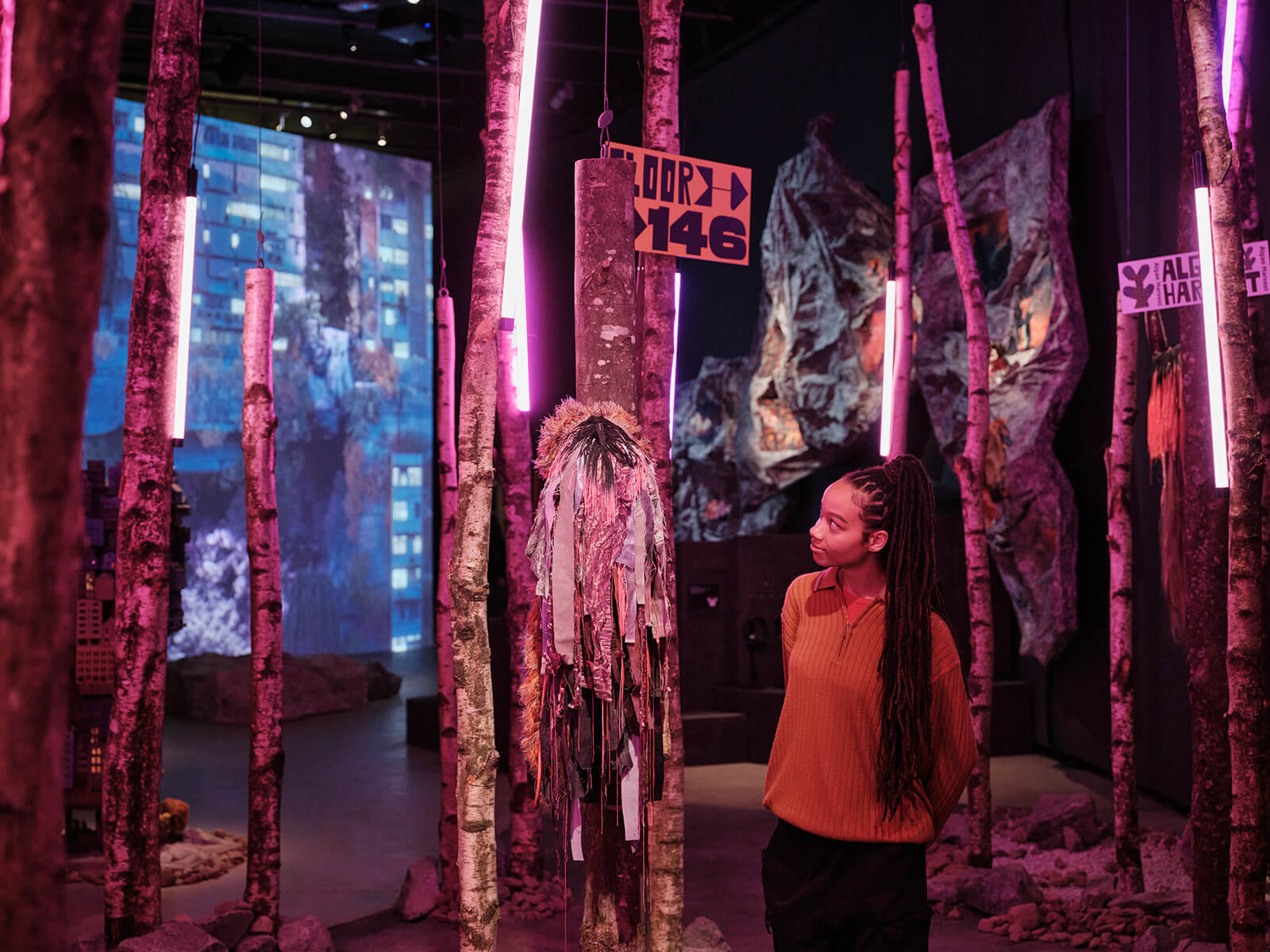
Visitors then arrive at a draped antechamber space within The Curve, its immersive atmosphere rendered so by a mix of audiovisual art, dramatic narration and artefacts including immaculately detailed costumes, fragments from graphic novels, geodes presented as mining spoils of the future and miniature movie models and figures. The first among the films on display is the Barbican-commissioned World Machine (2026), which employs a mix of real footage and CGI to depict the emergence of a planetary supercomputer. It envisions expansive wind and solar farms to power AI data centres, harbouring the nascent hope of the technologies coexisting, commenting upon the fragile balance between technology-driven progress and environmental stewardship.
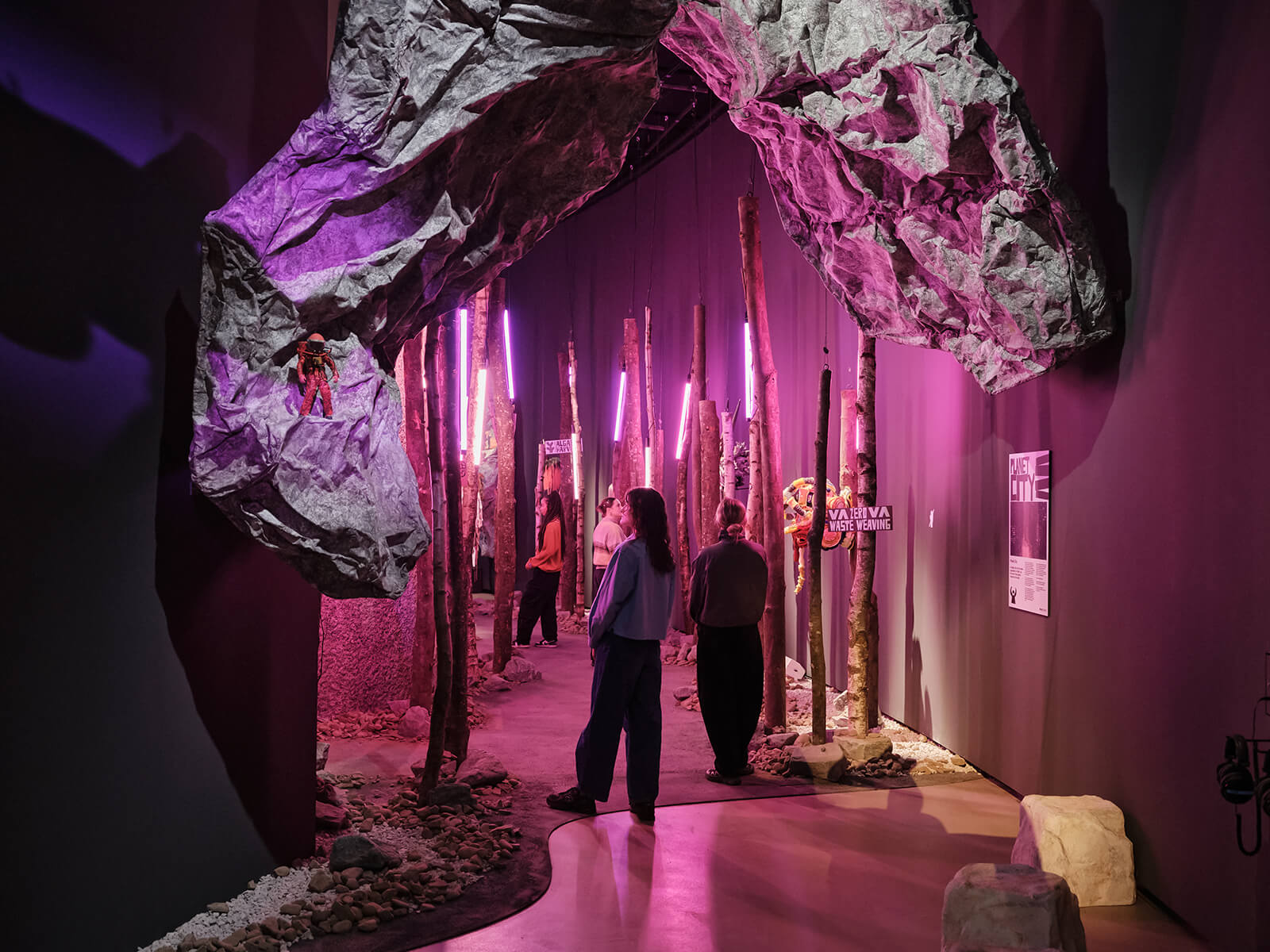
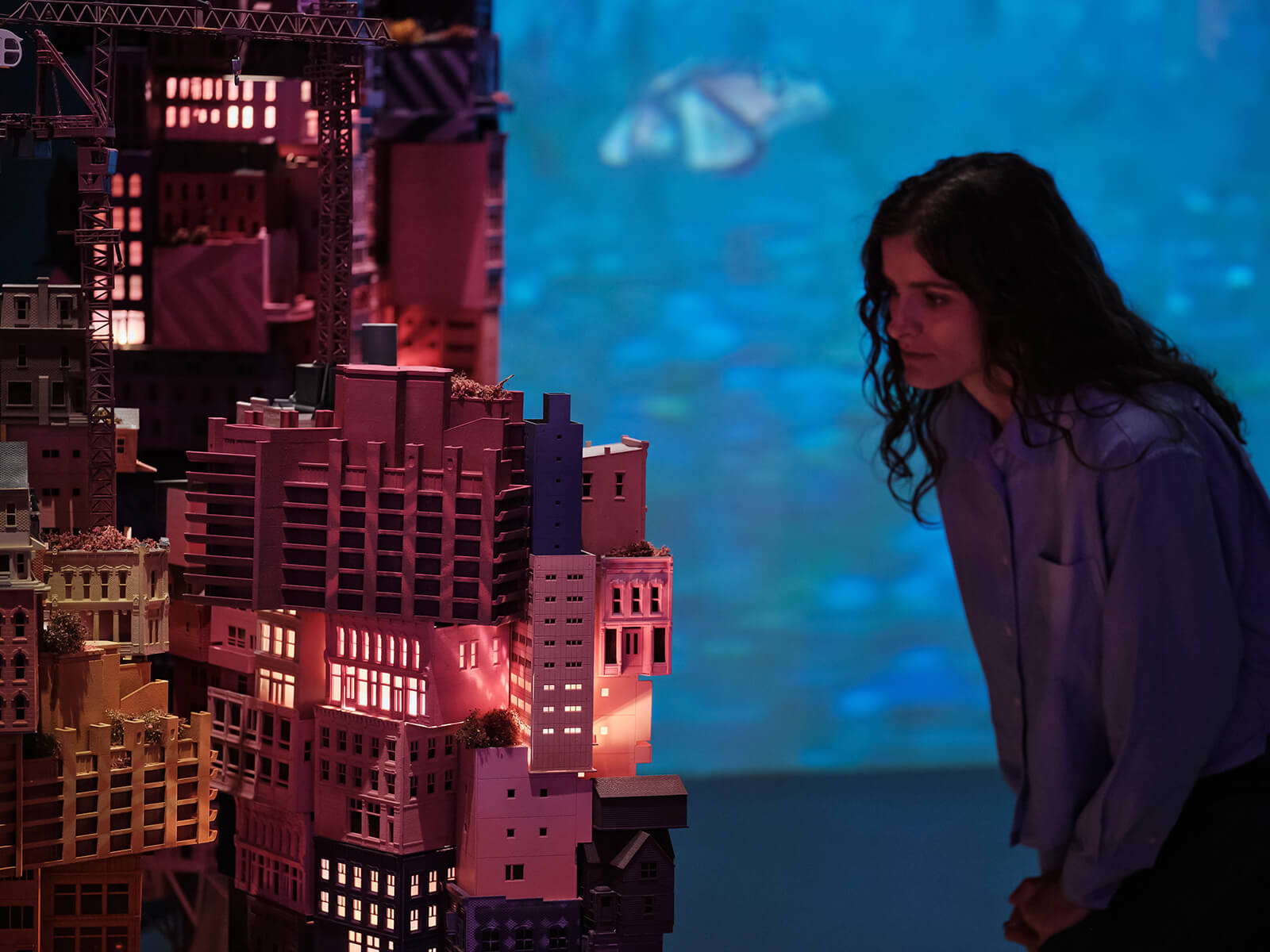
Further along, The Curve houses After The End (2024), the second 'alternative future' presented as a time-lapse of 50,000 years centring Australia, co-authored with Aboriginal actor and activist Natasha Wanganeen. The film speculates the continent nation being reoccupied by displaced aboriginal peoples following centuries of disenfranchisement and resource extraction. The third such vision, Planet City (2021), envisions a hyper-dense megalopolis housing most of the planet's population, while the rest of Earth's terrain is left for natural rewilding. The film is presented at The Barbican with 3D-printed models of these imagined city blocks, manifesting as a bricolage of vernacular, traditional, contemporary and futuristic architecture, placed aside and atop each other. The fourth vision, The Great Endeavour (2023), attempts to stave off human extinction through a massive infrastructural project of unprecedented scale that seeks to unite earthlings for a Hail Mary.
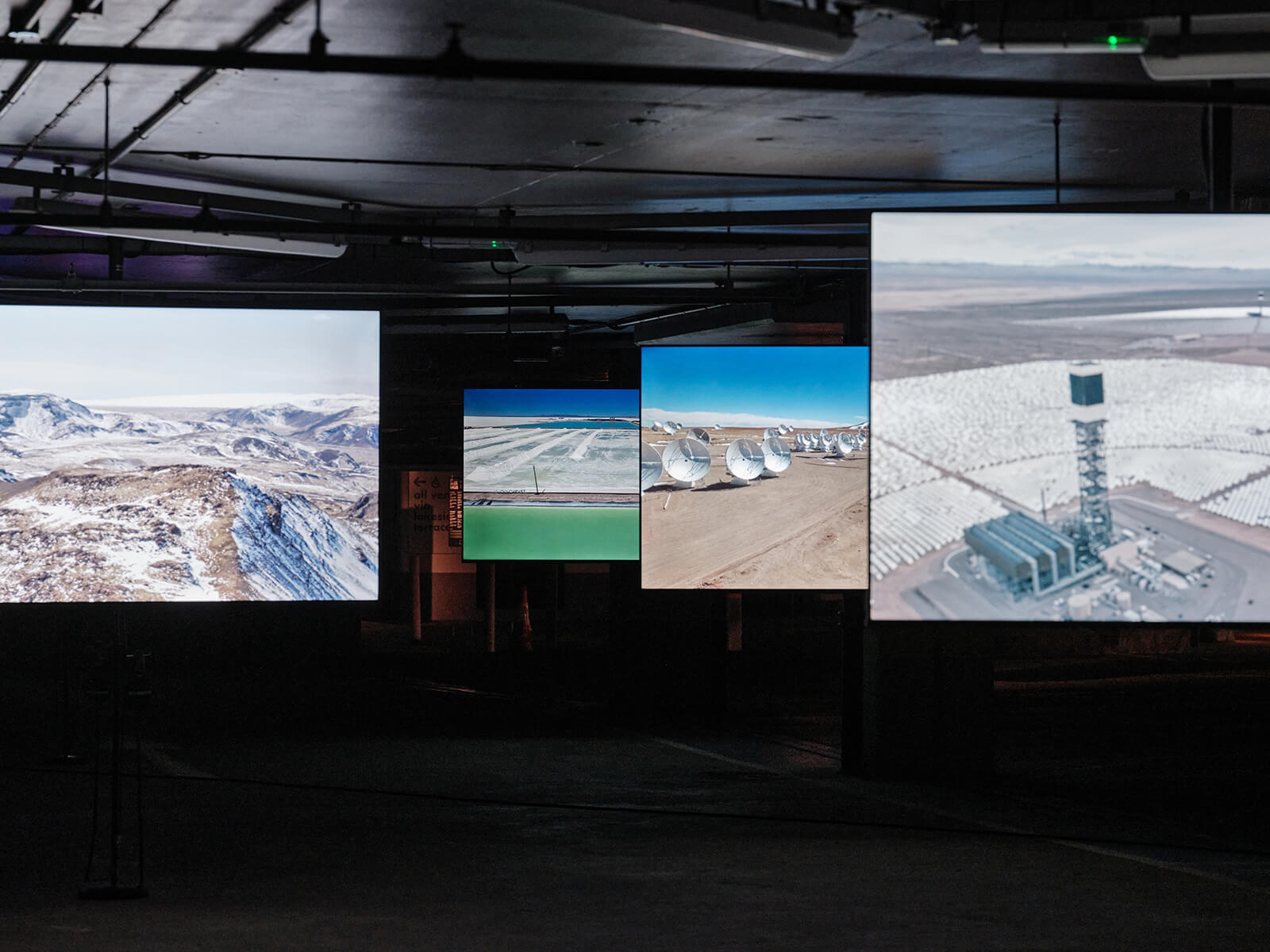
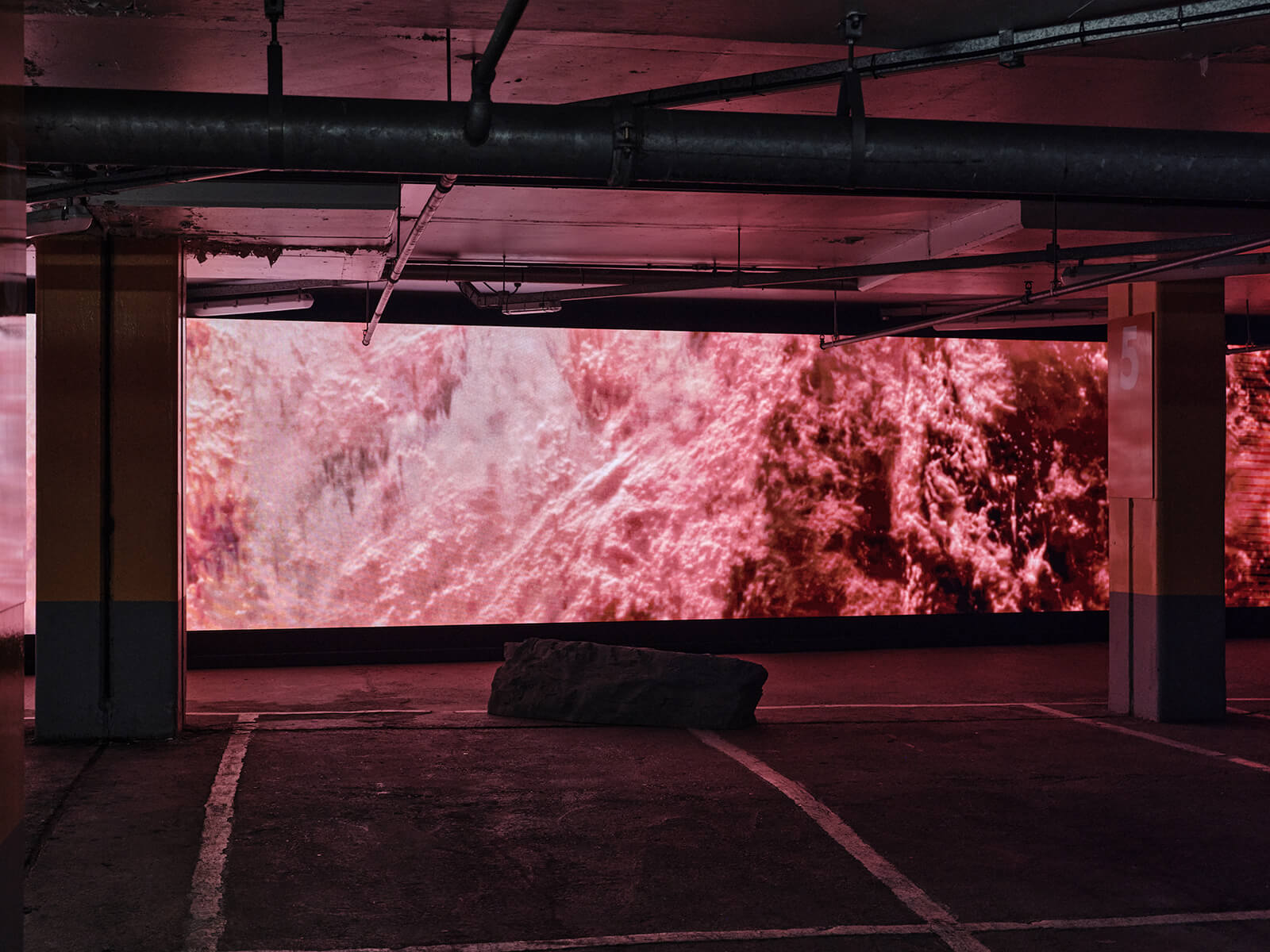
The exhibition concludes at the Barbican Car Park with The Future Present, a series of short documentaries presented on seven LED screens. Created in collaboration with artist and architect Kate Davies, it spotlights existing renewable energy and agricultural sites across the world. Young hopes to present these as evidence that the technologies required to imagine these different worlds may already be available to us. On a slightly parallel hopeful note, the final showcase, Emissary (2024), made in collaboration with NASA Jet Propulsion Lab engineers, imagines the last human-made object on a spacecraft carrying all that humanity has achieved.
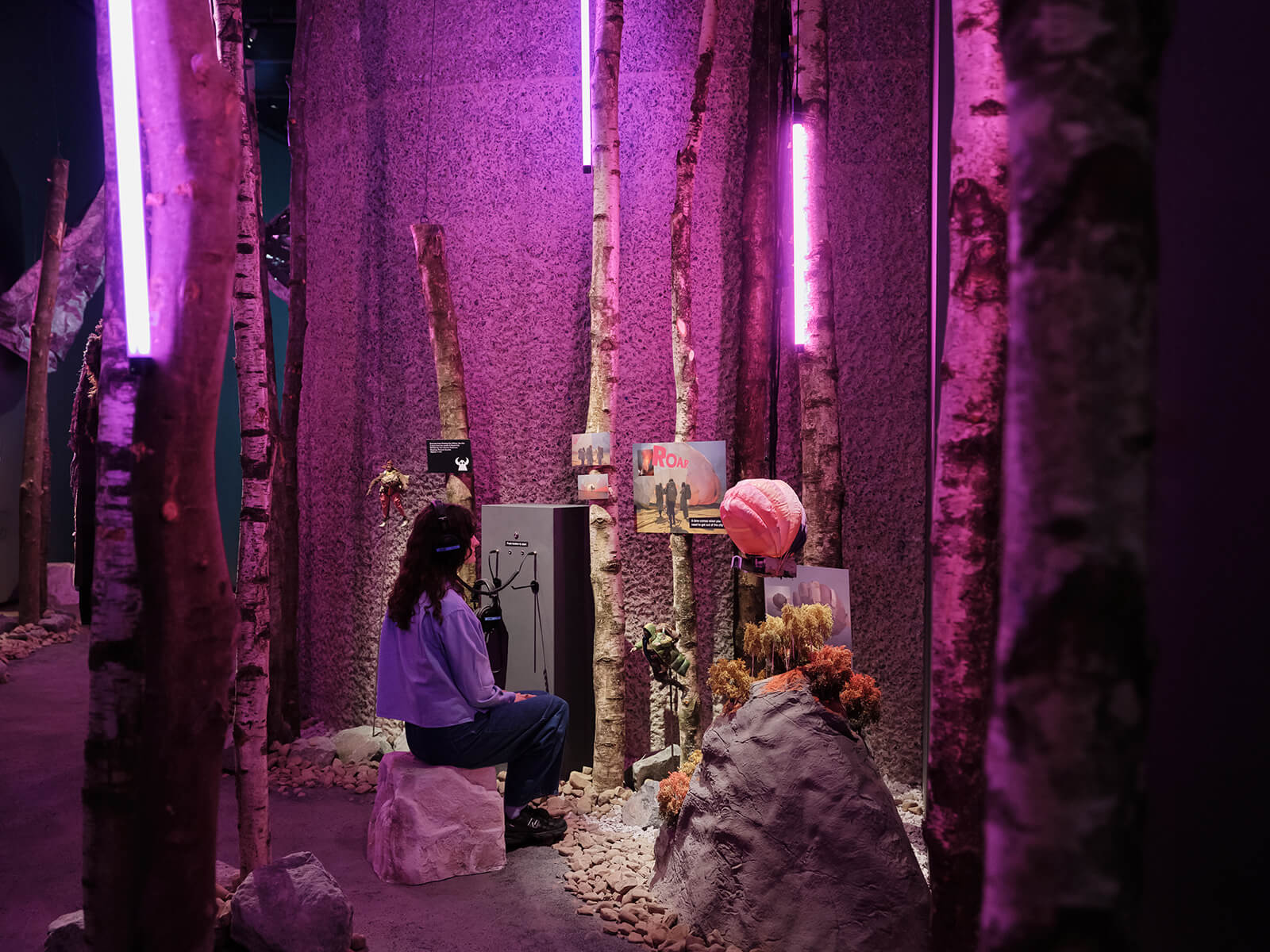
In a conversation with STIR, Young expands upon not only what meanings and interpretations the immersive exhibition carries but how it carries them in the first place, along with how they may propagate beyond affect and into consequence.
Bansari Paghdar: In a cultural moment saturated with future imaginaries—admittedly including those shaped by AI as well as climate discourse—how or where do you position In Other Worlds? What does it mean to produce speculative work today without simply adding to that noise?
Liam Young: We have always learned the future through stories. We have immersed ourselves in the imaginary worlds of science fiction to wrestle with the unbearable questions of our own making, to carry thoughts too heavy to hold alone. These worlds hold both our brightest hopes and our darkest fears. In this way, science fiction acts as a kind of cultural seismograph and its genres, the many ‘punks’ that have emerged over the last century, are its fault lines. Each punk marks a pressure point, a moment when technological change, economic upheaval or ecological fear collided and demanded a new speculative language. The futures we see in In Other Worlds are an attempt to move beyond the inherited tropes such as cyberpunk, steampunk, solarpunk and so on and craft new fictions that are neither naive nor nihilist but instead are both vast and communal, that propose visions of sustainability not as retreat, but as a collective, multispecies endeavour. In the exhibition, I make a call for a ‘Planetary Punk’—a mythology of immense undertakings and seemingly impossible repairs, of geoengineered skies, restless global infrastructures and reimagined worlds, where humanity grapples with the terrible beauty of its own making.
Planetary Punk is science fiction at the scale of the Earth. It is stories that take the planet as its primary unit of analysis and imagination. It looks directly at planetary infrastructure, hyper-scaled renewable energy systems, global logistics, data centres the size of cities, mines that reshape continents, geoengineering projects that work on skies rather than soil. Planetary punk is not about retreat or nostalgia; it does not promise salvation. Instead it insists on confrontation. It looks directly at the systems we have built and must now transform, without the comfort of denial. This is the science fiction punk our moment demands. Not because it offers answers, but because it dares to imagine at the scale of the problem. We are already living inside a planetary experiment, conducted without consent and without a control group. The question is not whether we will shape the future, but whether we will do so consciously.
We are already living inside a planetary experiment, conducted without consent and without a control group. The question is not whether we will shape the future, but whether we will do so consciously. – Liam Young
Bansari: You’ve positioned your work as 'rehearsals' rather than predictions. Could you unpack what that shift enables? How does thinking through rehearsal change how these worlds are constructed or experienced?
Liam: Once, science fiction was a story space where we imagined wild and impossible technologies that might exist in a distant future we would never live to see. But now, the future has arrived before we have learned how to understand it. Artificial intelligence, planetary computation, geoengineering, synthetic biology: these technologies already exist, moving faster than our cultural capacity to grasp their consequences. Science fiction’s role is no longer simply to imagine the impossible, but to rehearse the meanings, ethics and futures of technologies already reshaping the Earth beneath our feet.
Science fiction is often mistaken for prophecy. It is not a crystal ball; it is a rehearsal room. It does not predict the future, it prepares us for it—a place where we practice becoming something else. Within its imagined streets and speculative landscapes, we test new ways of living, new relationships between humans and machines, between cities and the living Earth, between extinction and survival.
Bansari: You frequently invoke collective imagination, yet these worlds are realised with a certain authorial agency. Where do you place authorship and perception within In Other Worlds?’
Liam: These worlds cannot be imagined alone. Worldbuilding at a planetary scale is too vast, too entangled to emerge from a single voice speaking outward. There is a fraught history of futures imposed from above; Modernism itself was often the story of one author’s vision pressed onto an unsuspecting public—universal dreams rendered in concrete and steel. But the future is not singular. It is contested, collective, polyphonic. Science fiction becomes most powerful when it is collaborative: when many voices, histories and cosmologies collide inside the same imagined world. Only then can these futures become spacious enough to hold the complexity of the planet and the people who inhabit it. In the exhibition, we invite an amazing cast of writers drawn from literature, music, poetry, science, technology, film and TV to inhabit each of the worlds we have created and find their own stories within them. It is through these multiple lenses that the audience will experience these futures.
Science fiction’s role is no longer simply to imagine the impossible, but to rehearse the meanings, ethics and futures of technologies already reshaping the Earth beneath our feet. – Liam Young
Bansari: Across works like Planet City or World Machine, your worlds envision large-scale, systemic transformations. What governs the internal logic of these futures? Are they designed as provocations, plausible scenarios or something else?
Liam: These futures are not waiting in distant decades; they are not conjured from fantasies or impossible dreams. None of the technologies or systems seen in the worlds of the exhibition is a fiction. Instead, they are all already here, speaking in the present tense, humming in the industrial periphery of our world. A section of the exhibition catalogues all these sites, such as the world's tallest vertical farm, the world's largest thermal solar field and wind farm and the world's most productive carbon removal system. Every imagery the audience will encounter in the exhibition is grounded in this real science, their foundations forged alongside researchers and engineers drawn from across the globe. In this sense, our design process is just one of exaggeration and extrapolation, where these infrastructures are just scaled, amplified, pushed to their planetary limits.
All this means that we are no longer in a crisis of technology; the tools and knowledge are here. What remains unresolved is imagination, the limits we face are not physical, they are limits of habit, of fear, of politics and prejudice, and of inherited stories too small for the scale of the moment.
Bansari: Your visual language is often strikingly hyper-real and cinematic. How do you negotiate between this aesthetic allure and the ethical weight of the crises you’re depicting? Does this beauty ever risk neutralising urgency?
Liam: At the heart of the Planetary Punk that I am creating is the imagery of the technological sublime. I am trying to create an aesthetic of awe and dread that emerges when human-made systems exceed human scale. Endless wind fields, solar deserts stretching beyond the horizon, carbon capture plants rising like new mountains. These infrastructures are daunting, beautiful, terrifying and unavoidable. They demand new myths, new ethics, new forms of belonging. The cinematic imagery we create is an attempt to draw audiences toward the vast systems and infrastructures that usually sit beyond cultural consciousness, industries deliberately rendered invisible by dominant media narratives, kept out of sight and out of mind even as they shape our lives and determine our futures. We can mobilise aesthetic practice to make these hidden worlds emotionally legible, reconnecting culture to the infrastructures upon which it now depends.
Science fiction becomes most powerful when it is collaborative: when many voices, histories and cosmologies collide inside the same imagined world. Only then can these futures become spacious enough to hold the complexity of the planet and the people who inhabit it. – Liam Young
Bansari: How would you say your practice evolves when translated into an exhibition format? Does the context of display/ exhibition spaces have any bearing on it?
Liam: The futures of In Other Worlds are imagined not only as images or narratives, but as immersive worlds that audiences can inhabit bodily, because these futures must be felt as lived experience rather than consumed as passive spectacle. Immersive media collapses the safe distance between observer and artwork, making audiences complicit within these speculative worlds, no longer outside them looking in, but embedded within the systems, infrastructures and consequences that shape planetary life.
Bansari: What do you hope is the takeaway from In Other Worlds?’ How do you think about the capacity of these speculative worlds to move beyond affect and into something more materially or politically consequential?
Liam: We built our ideas within the scaffolds of these stories. In this way, fiction is not decoration or recreation; it is infrastructure. It is how meaning survives time, how it moves across centuries and cultures, how it speaks what cannot be drawn or measured. Story is the literacy of us all, learned early, in the glow of a screen or between the covers of a book, dreaming the world before we ever try to build it. All these worlds hold both our brightest hopes and our darkest fears. They are not escapes, they are confrontations that allow us to feel the weight of choices not yet made and think out loud about who we are, what we fear and what we might yet become.
In this sense, science fiction is both born from culture and yet also gives birth to it. It absorbs the anxieties, desires and material conditions of its time and then feeds them back to us in heightened, distorted, often beautiful forms. The futures it imagines do not stay on the page or the screen—they leak outward, into design studios, policy documents, engineering labs and political dreams. The futures we imagine really does end up becoming the futures we live in.

by Pranjal Maheshwari Oct 16, 2026
At the 2026 Stirling Prize ceremony, Mary Duggan with RUFF Architects, MAKER Architecten and Nakshabid Architects were felicitated for proffering quality housing and social equity.
by Mrinmayee Bhoot Oct 12, 2026
The new Centre for Contemporary Arts, fostering public engagement with art in Uzbekistan, is housed in a tram depot refurbished by the French studio, emulating local craftsmanship.
by Mirra Lynn Oct 10, 2026
The Shanghai-based architecture practice’s intervention in Suzhou transforms three abandoned houses into a bookstore, café, library and homestay.
by Pranjal Maheshwari Oct 09, 2026
The eighth edition of the international architecture and urban design showcase, themed How Much?, explores diverse implications of social, ecological and economic ‘cheapness’.

make your fridays matter with a well-read weekend
Enter your details to sign in
Don’t have an account?
Sign upOr you can sign in with
a single account for all
STIR platforms
All your bookmarks will be available across all your devices.
Stay STIRred
Already have an account?
Sign inOr you can sign up with
Verification link sent to check your inbox or spam folder to complete sign up process
Tap on things that interests you.
Select the Conversation Category you would like to watch
Please enter your details and click submit.
Enter the 6-digit code sent at


On planetary speculation as shared cultural infrastructure: Liam Young's In Other Worlds
by Bansari Paghdar, Anmol Ahuja | Published on : May 28, 2026


 Sign in with Google
 Sign in with email
What do you think?