Architecture12 mins. read
STIR at UIA World Congress: Can Becoming planetary address our uncertain present?
by Mrinmayee BhootJul 17, 2026



by Pranjal MaheshwariPublished on : Aug 14, 2026
The facilities of global exchange that drive discussions on material and cultural homogenisation, alongside multifarious socio-eco-political crises, have indeed conversely emerged from the global avenues of industrialisation, modernisation and globalisation. As one of the oldest and most remarkable such facilities for the built environment, the UIA World Congress of Architects convened this year in Barcelona under the theme Becoming. Architectures for a Planet in Transition.
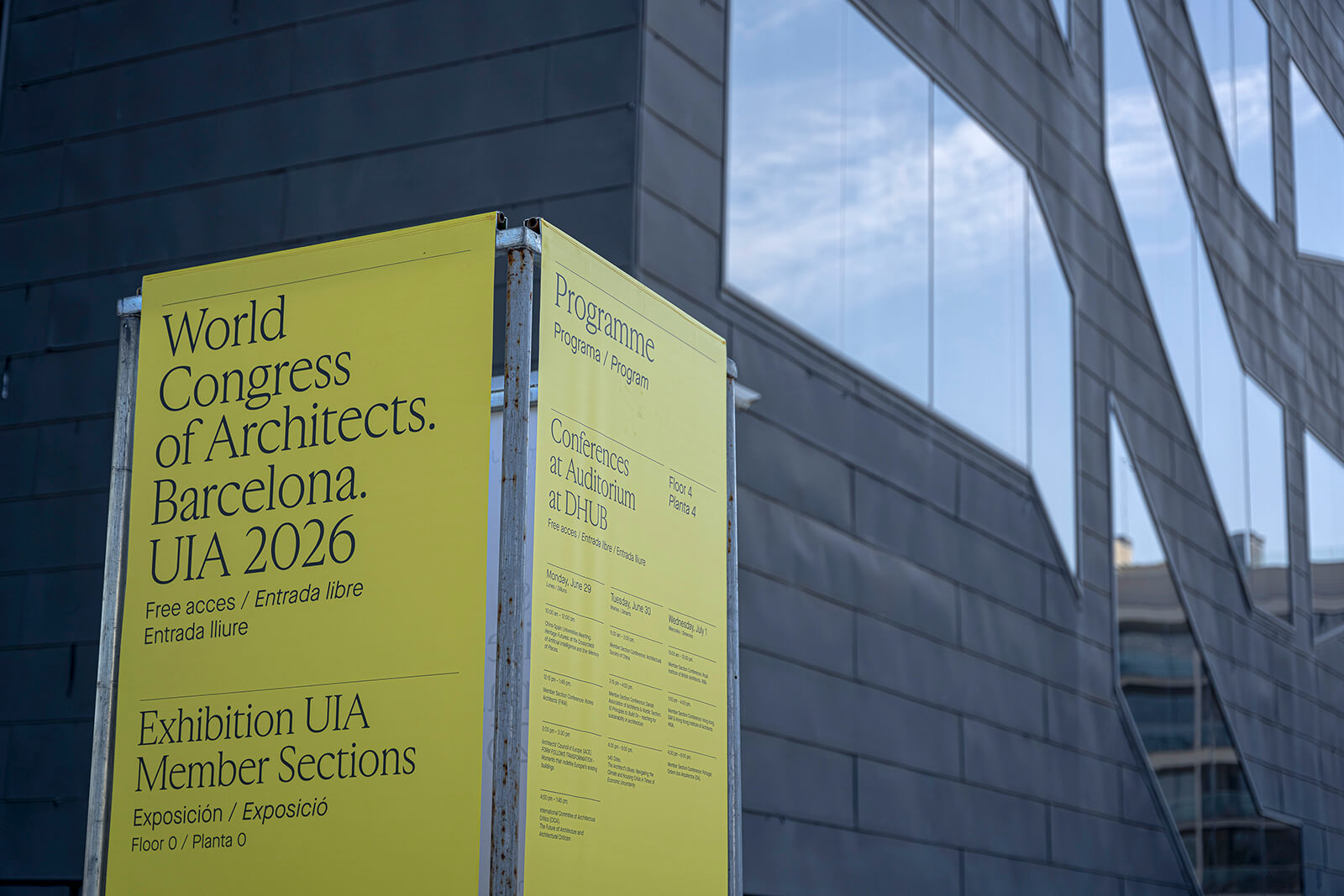
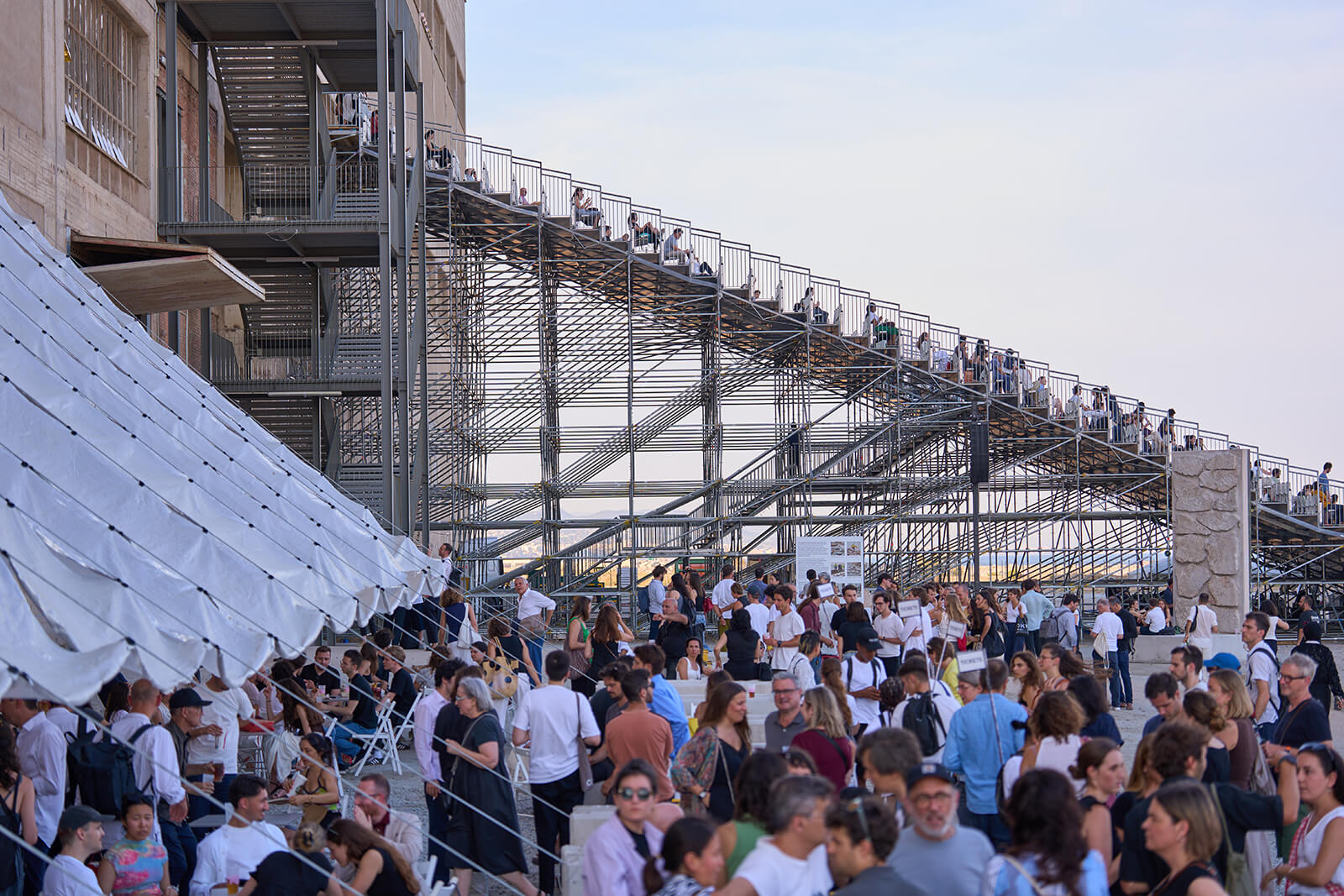
Much like its key probe, the theme itself did not impose any rigid or absolute definitions upon the participants—hailing from different geographic, ethnic, cultural and socio-political contexts around the world—but rather invited a multitude of understandings to collude under one roof; 'Becoming', as a verb, as a state, but also as any intermediate point towards that state.
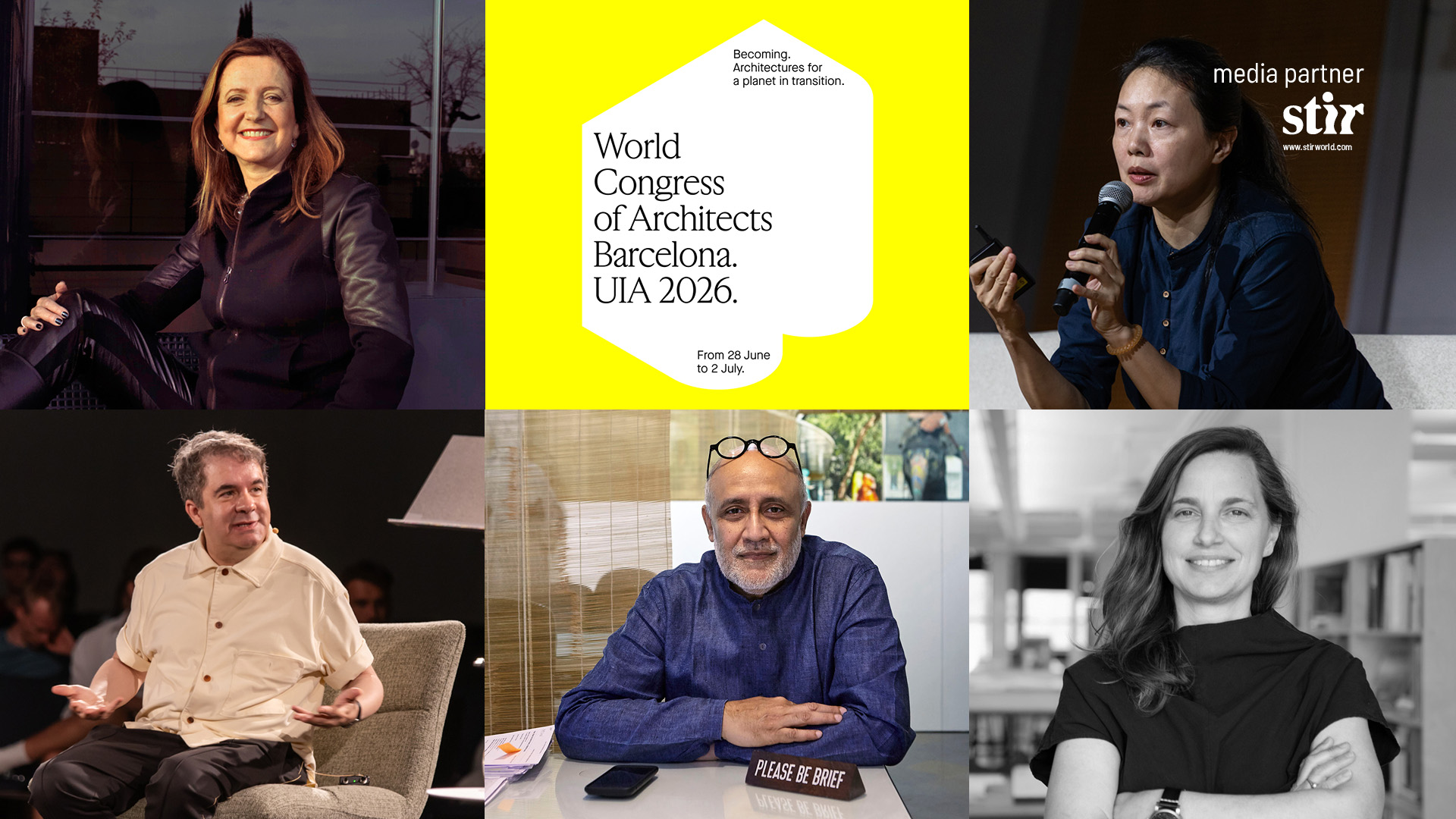
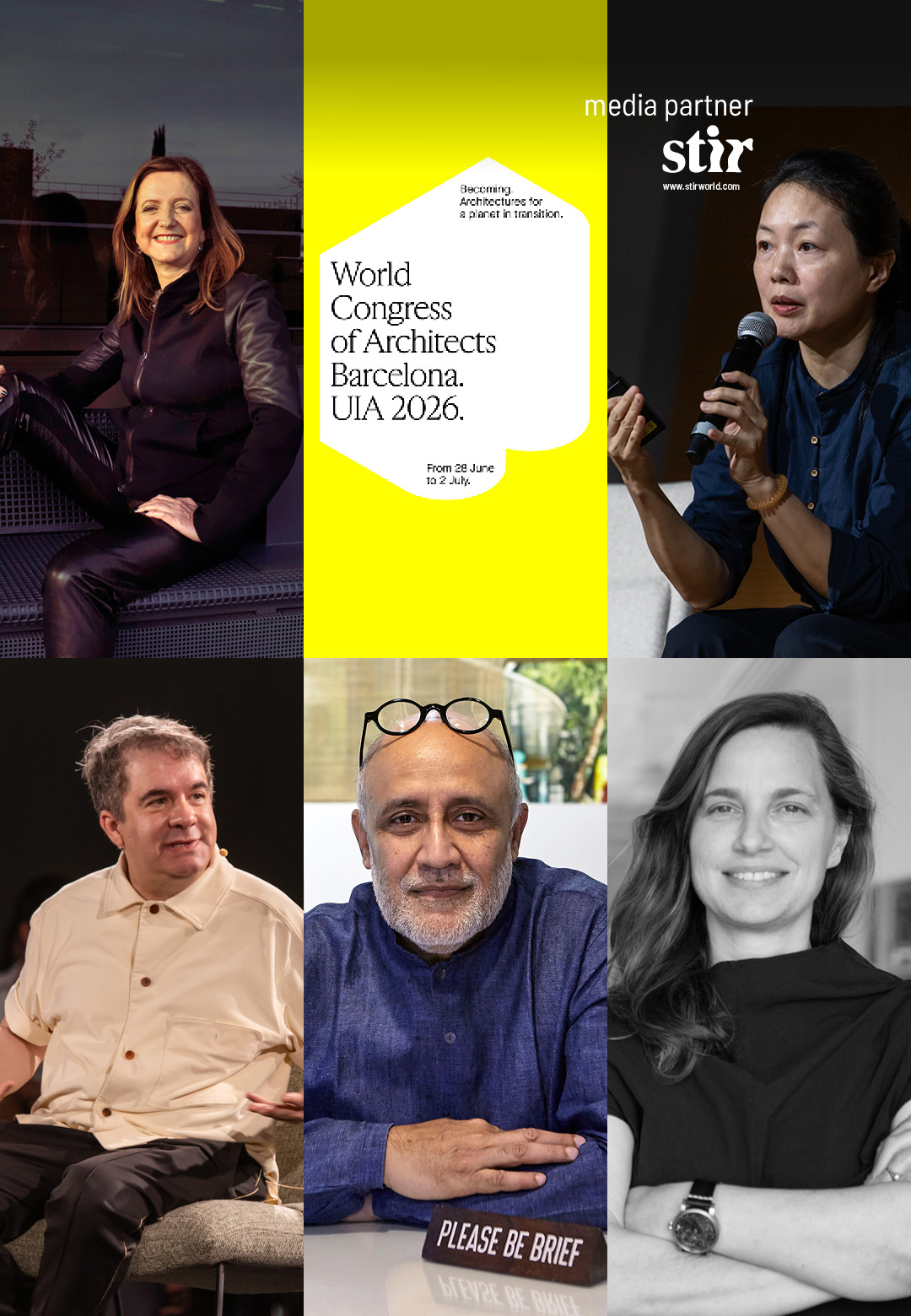
STIR interacted with some of these voices, including Spanish architect Andrés Jaque, landscape architect Kate Orff from the United States, Chinese architect Xu Tiantian, Spanish-American architectural historian Beatriz Colomina and Indian architect Rahul Mehrotra, to understand their interpretations of the symposium’s theme and its implications for the discipline, theory, practice and workflows in architecture.
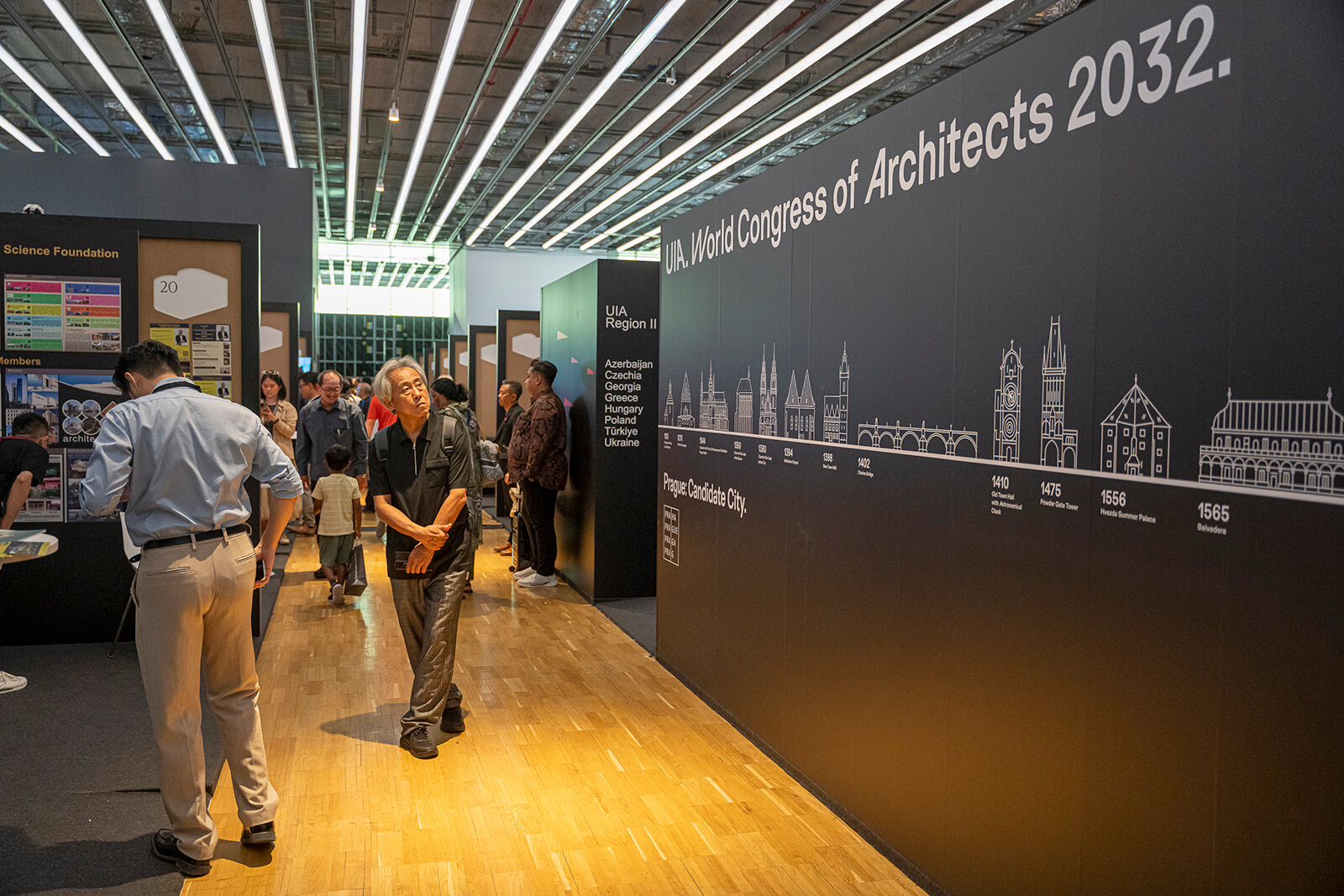
Architect, urbanist and educator Rahul Mehrotra, founder of the Mumbai- and Boston-based RMA Architects, understands the notion of Becoming as a warranted shift in the global architecture and design community towards a sustained condition of transience instead of thinking of permanent, absolute solutions—as is a proclivity for architecture. For Mehrotra, this transition is rooted in our understanding of the value systems inherent to societies and their relationship with architecture.
If architecture is considered as an armature that contains life, that allows forms of inhabitation, is it robust and resilient enough to allow changing values to operate as comfortably? – Rahul Mehrotra
American landscape architect, urban designer and founder of New York-based architectural practice SCAPE, Kate Orff, shares her experience of harnessing the dynamism of nature—particularly water commons—as fundamental to her work. Through numerous projects such as Living Breakwaters along New York’s waterways, her practice demonstrates how the integration of biodiversity can equip infrastructural solutions to cater to climate adaptation and resilience in urban environments. Orff considers the act of Becoming in architecture by expanding landscape design beyond the 'natural' while utilising its inherent capacity to accommodate ever-changing systems.
Although we've done a pretty, sadly, efficient job in eliminating these [critical] species from our urban centres, we can, through thoughtful design, at least give them a boost to persist through fossil fuel-driven landscapes. – Kate Orff
For internationally renowned architectural historian and theorist Beatriz Colomina, the implication of biodiversity reaches for a much more immediate and alarming crisis—even more so than climate change—the silent extinction of microbes. Becoming, for Colomina, exists in an expansive understanding of habitation in built environments, including the sustenance of ‘curated’ microbiomes comprising varied bacteria and other forms of biotic diversity, all forming a critical part of architectural discourse.
We have to think about the health of the planet and other species, creating a more biotic, more porous architecture that is more open to the outside and allows us to survive. – Beatriz Colomina
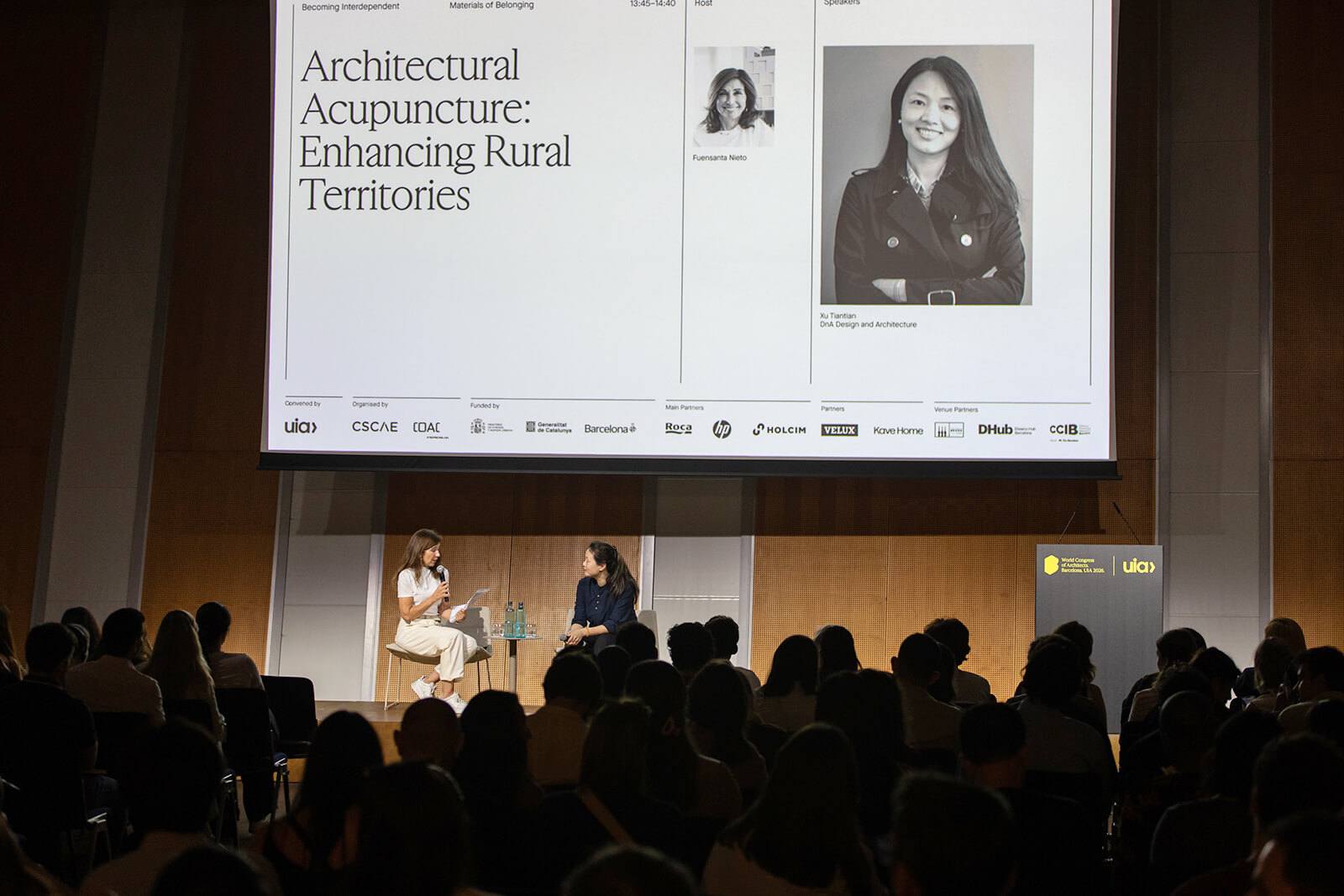
For Xu Tiantian, Beijing-based architect and founder of DnA Design and Architecture, these redefined value systems are informed by the ‘need of the hour’ and other contemporary but definitive planetary urgencies. Her studio leverages the healing qualities of architectural interventions to interject in socio-cultural matters, with a pointed research interest in harnessing rural built environments—something Tiantian believes is equally relevant to urban populations around the world.
In the concept of Chinese landscape gardens, nature is not separate, but is integrated with humans as an organic part along with other species. Maybe this concept was less discussed in the modernisation process, but with climate change, the awareness of the entire ecosystem and organicity of humans will be a prevailing concept in our daily life. – Xu Tiantian
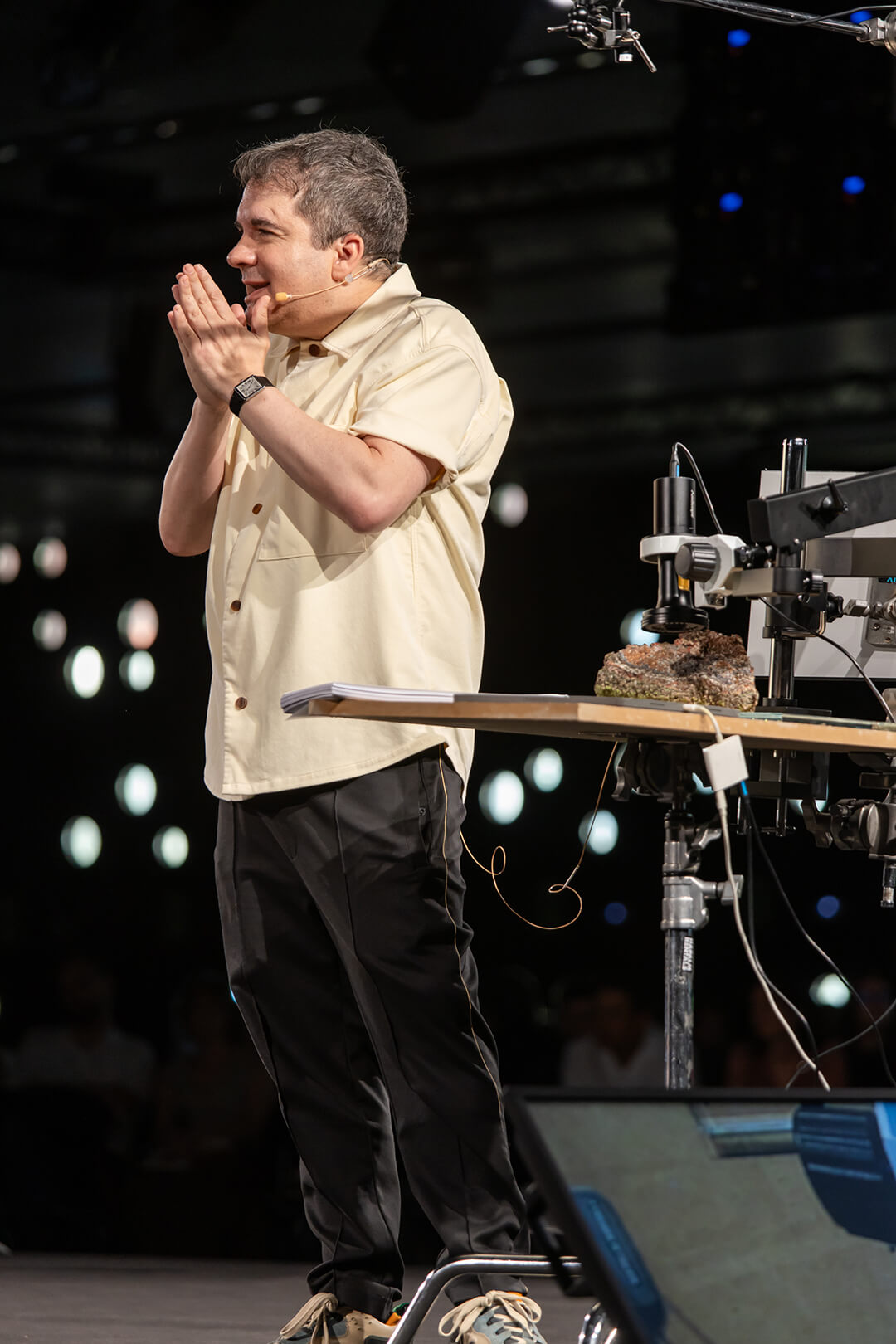
This notion of employing the socio-cultural to calibrate prevailing discourse(s), such as that of sustainability, can be observed prominently in the works of architect Andrés Jaque. His Madrid- and New York-based practice, Office for Political Innovation, emphasises a redefinition of global crises by breaking away from predominantly modern frameworks of understanding, towards a new, ecological paradigm. For Jaque, Becoming is the acknowledgement of what has fostered in the cracks of the failing systems of the past.
We have inherited a world shaped by the intersection of coloniality, carbonisation, racialisation, extractivism, ableism, technocracy and anthropocentrism. But these systems are cracking. They are failing. And what I see is different worldlings, different ways of constructing the world growing in the cracks of these systems of control and segregation. – Andrés Jaque
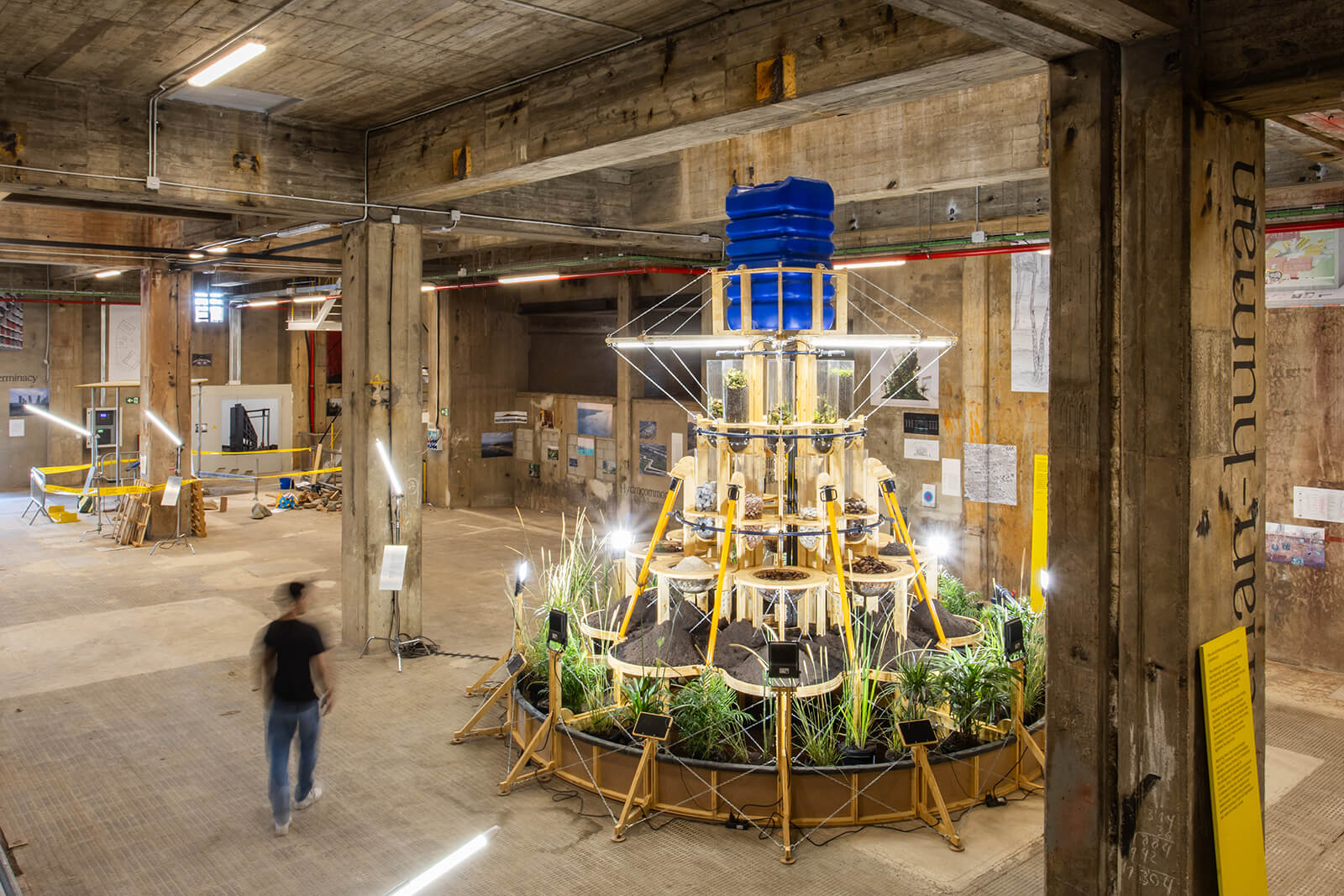
The notion of Becoming instigated a multitude of practices that emerge out of and are embodied in architecture at the Congress. What continues to be seen is the application of these notions and practices, moving beyond individualistic pockets into perhaps a new global movement: How does being transitional, considering the state of change as a state in itself, break away from its paradoxical existence into a paradigm of global change? And hopefully, for the better this time around?
by Mrinmayee Bhoot Oct 12, 2026
The new Centre for Contemporary Arts, fostering public engagement with art in Uzbekistan, is housed in a tram depot refurbished by the French studio, emulating local craftsmanship.
by Mirra Lynn Oct 10, 2026
The Shanghai-based architecture practice’s intervention in Suzhou transforms three abandoned houses into a bookstore, café, library and homestay.
by Pranjal Maheshwari Oct 09, 2026
The eighth edition of the international architecture and urban design showcase, themed How Much?, explores diverse implications of social, ecological and economic ‘cheapness’.
by Pranjal Maheshwari Oct 06, 2026
With a programme focused on biodiversity, accessibility and safety, the Rotterdam-based architects help the neighbourhood reclaim a barren landscape as an integral social node.

make your fridays matter with a well-read weekend
Enter your details to sign in
Don’t have an account?
Sign upOr you can sign in with
a single account for all
STIR platforms
All your bookmarks will be available across all your devices.
Stay STIRred
Already have an account?
Sign inOr you can sign up with
Verification link sent to check your inbox or spam folder to complete sign up process
Tap on things that interests you.
Select the Conversation Category you would like to watch
Please enter your details and click submit.
Enter the 6-digit code sent at


Speakers at UIA 2026 dwell on the nuances and multitudes of Becoming in architecture
by Pranjal Maheshwari | Published on : Aug 14, 2026


 Sign in with Google
 Sign in with email
What do you think?