Architecture07 mins. read
The inimitable compositions and details of 'Carlo Scarpa: The Complete Buildings'
by STIRworldDec 13, 2024



by Bansari PaghdarPublished on : Jul 09, 2026
Modernism as a movement and modernity as an all-consuming idea—a concept of living wrought upon the world in the 19th and 20th centuries—had, broadly speaking, different interpretations in the western and eastern halves of the globe. At their core, though, they were bolstered by the idea of unmitigated progress driven by scientific endeavour. The idea of ‘taming’—nature, space, the atom itself—became apparently central to the belief, with the machinic taking over a big part of people’s daily lives. The architectural ramifications of this period—what we collectively, and largely, construe as an umbrella with modernist architecture—were profound, even if differentiated across the world by prevalent socio-political conditions. That polarisation was especially significant in the case of the two Cold War factions, and the Soviet faction—beginning from around the USSR’s founding in 1922, its rise to a scientific and intellectual superpower buttressed by Communism around the close of the Second World War, up until the dissolution of the union in 1991—offers a fascinating case study.
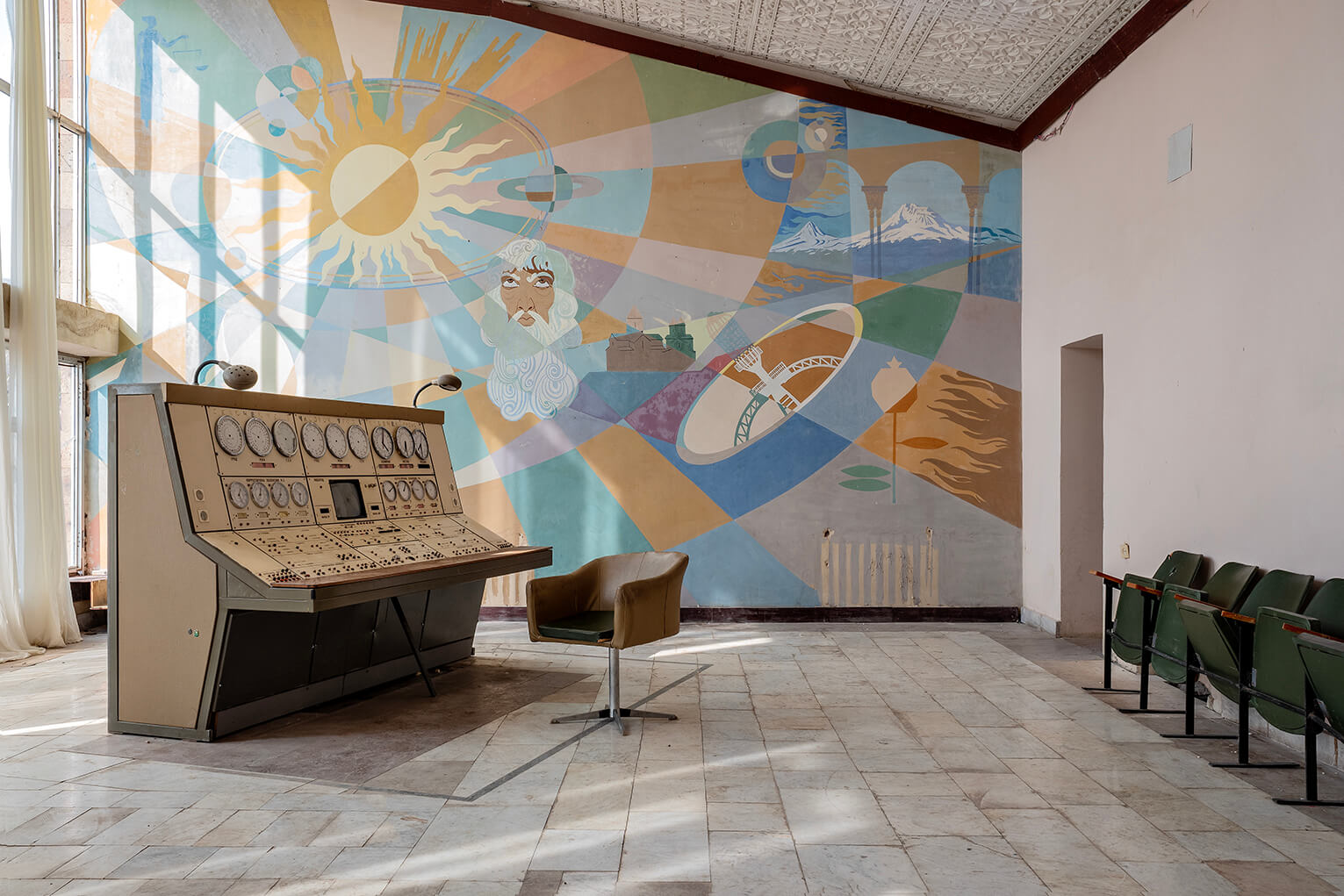
Massive tile murals—such as Masters of Time (1975) by artists Halyna Zubchenko and Hryhoriy Prysheddko at the Institute of Cybernetics in Kyiv, Ukraine—were a common sight in the disparate scientific institutions built by the USSR. Another mural at the Institute of Radio Astronomy’s Braude Observatory depicts a man at the centre of 12 zodiac signs and several mathematical formulae, listening to signals from space. Between man harnessing the power of the atom to the secrets of outer space, portrayals such as these cast the envisioned scientific progress as inevitable. As these facilities forwarded the state’s collective socio-cultural ideology, their architecture too came to symbolise Soviet ambitions and reflect the futures they sought to realise.
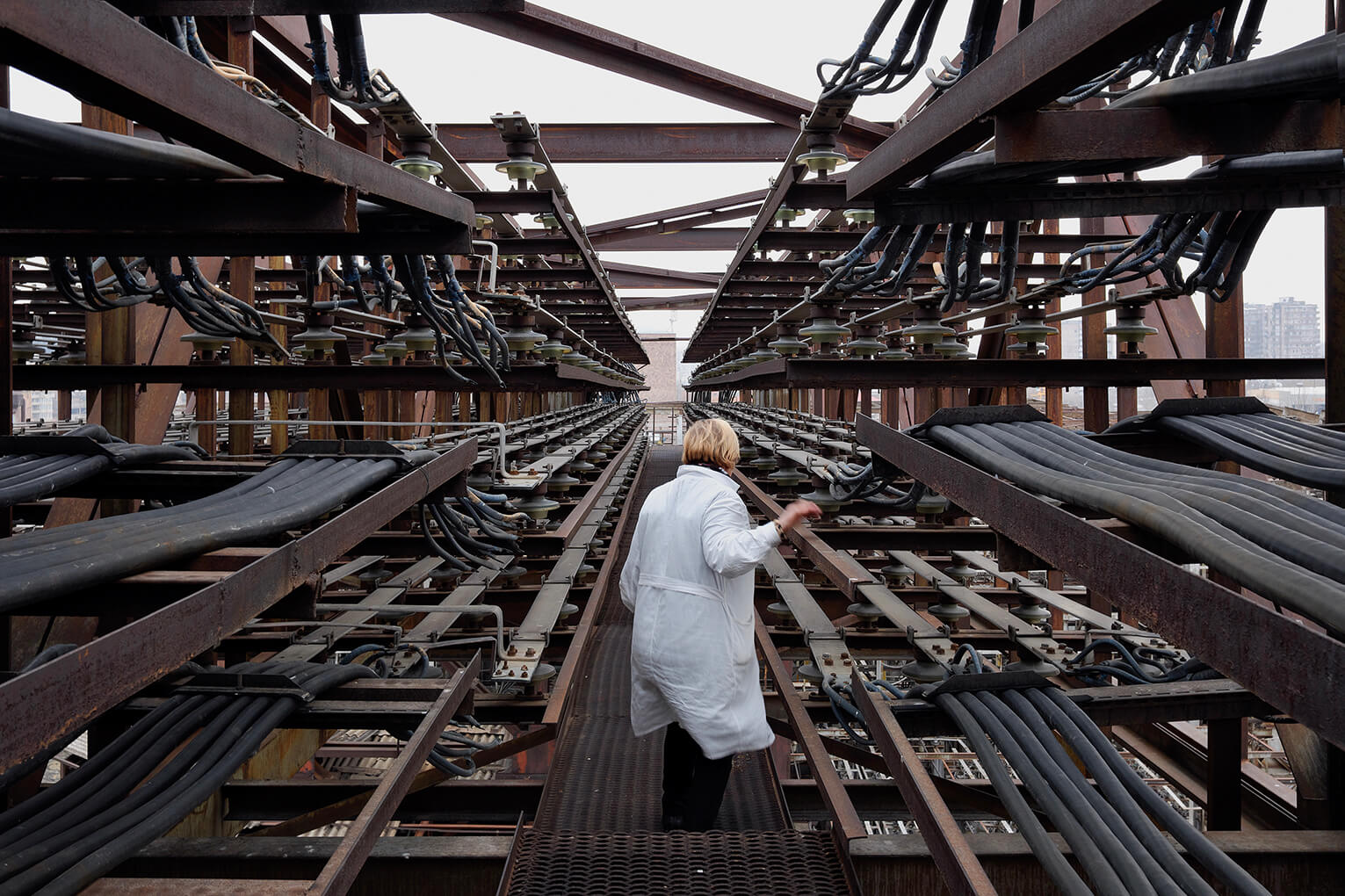
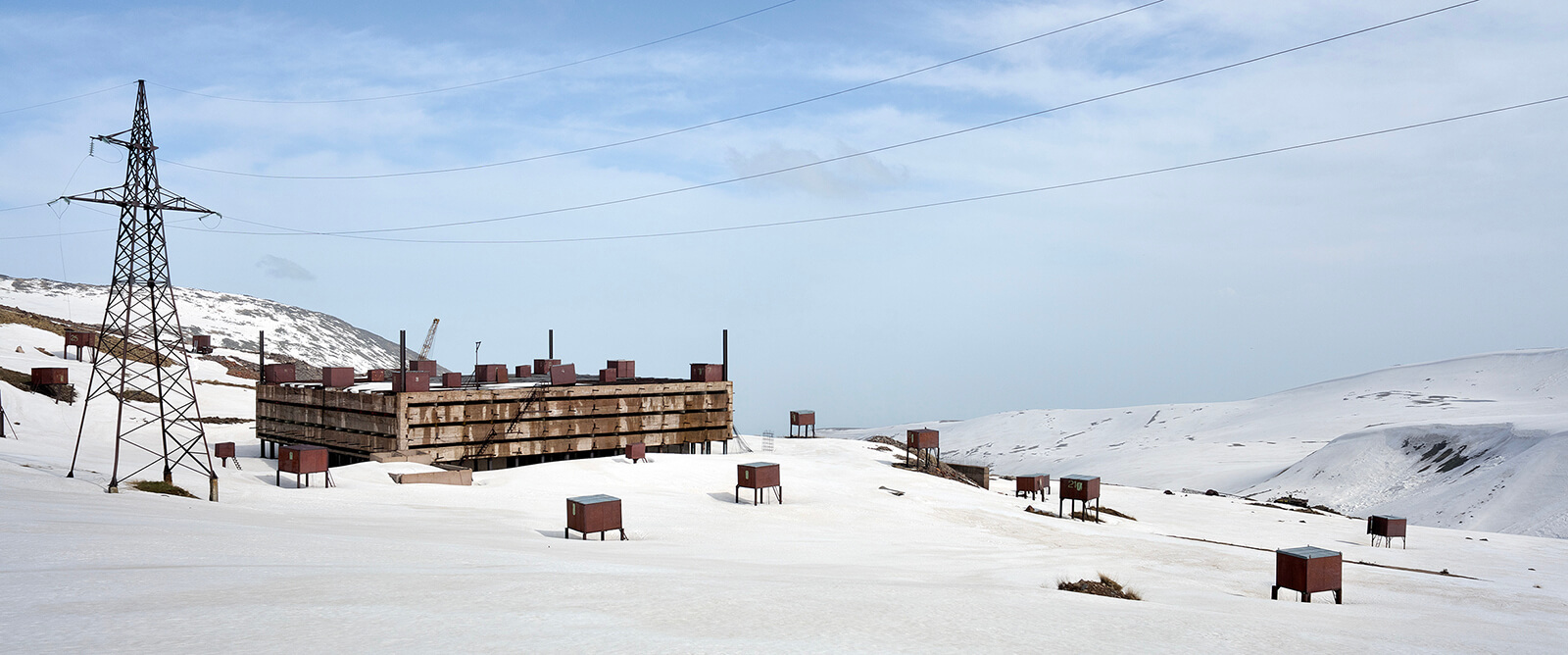
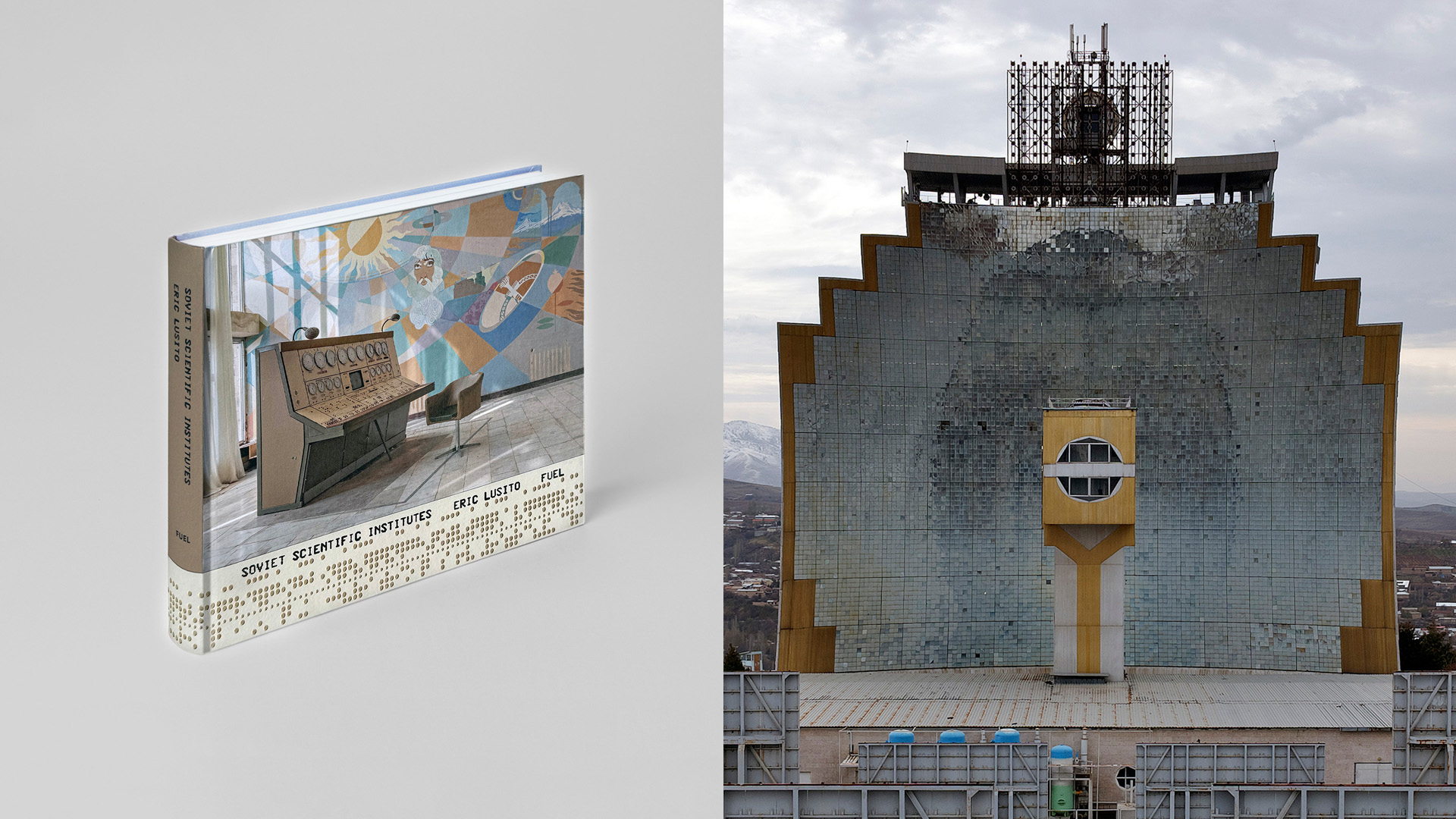
This intersection of Soviet architecture, science and ideology is at the heart of photographer Eric Lusito’s book Soviet Scientific Institutes, published by FUEL. Spanning observatories, nuclear reactors, radio telescopes, laboratories and more across the former USSR, the book features an introduction by science historian Paul Josephson. Positioning the institutes and Soviet science itself in parallel with scientific colonialism and military conquest, Josephson unpacks layers of Soviet history with context and complexity, setting the tone for the book.
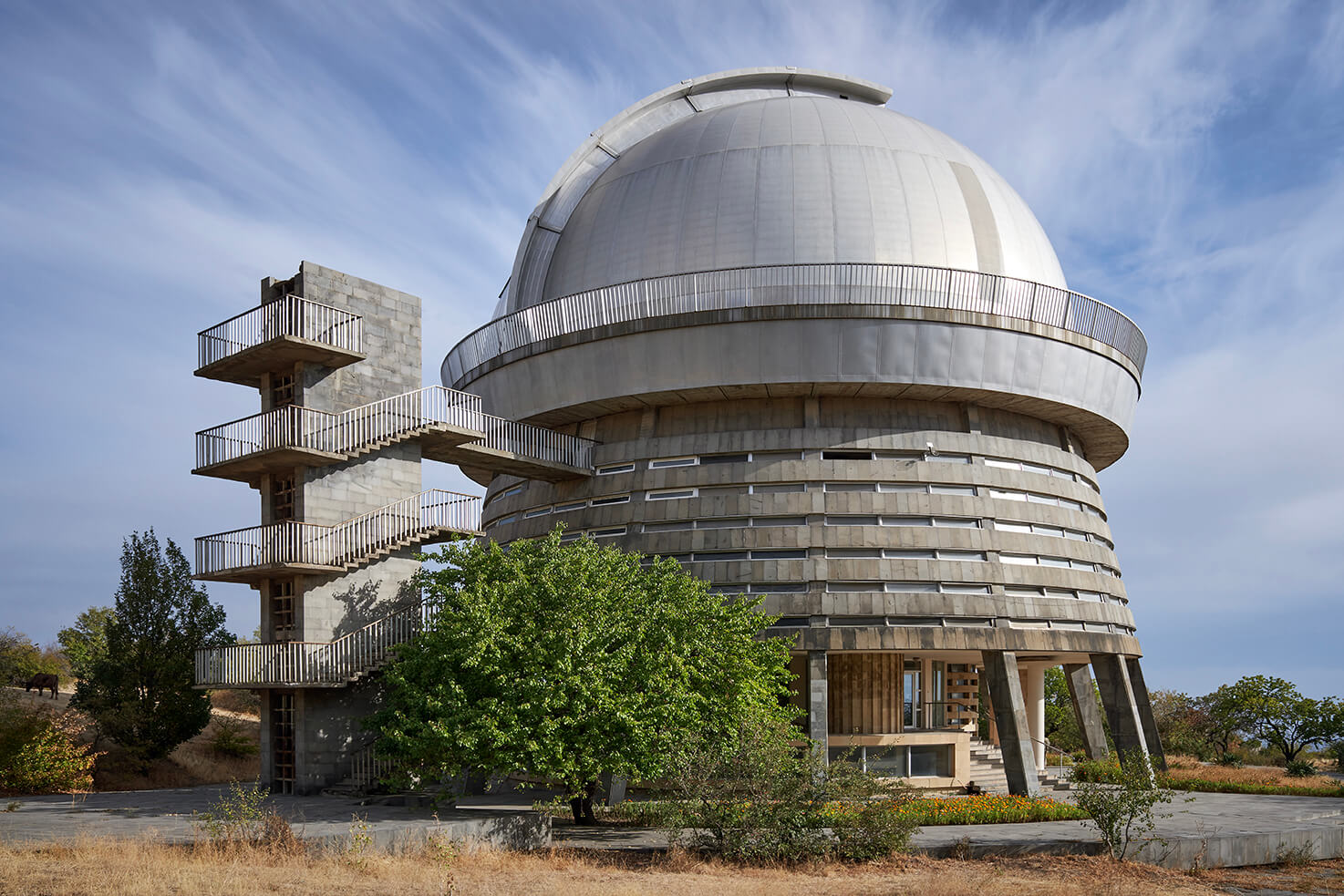
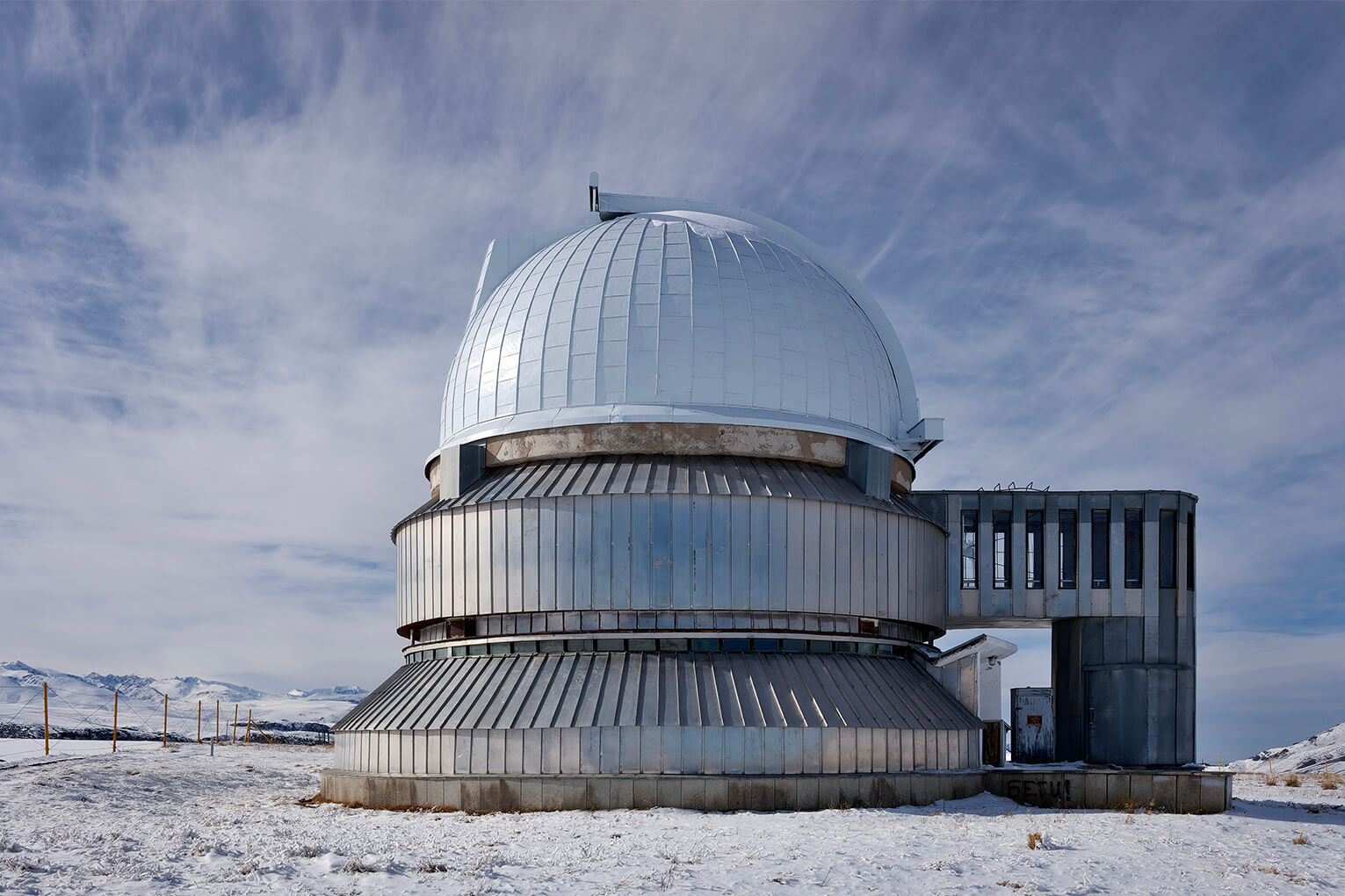
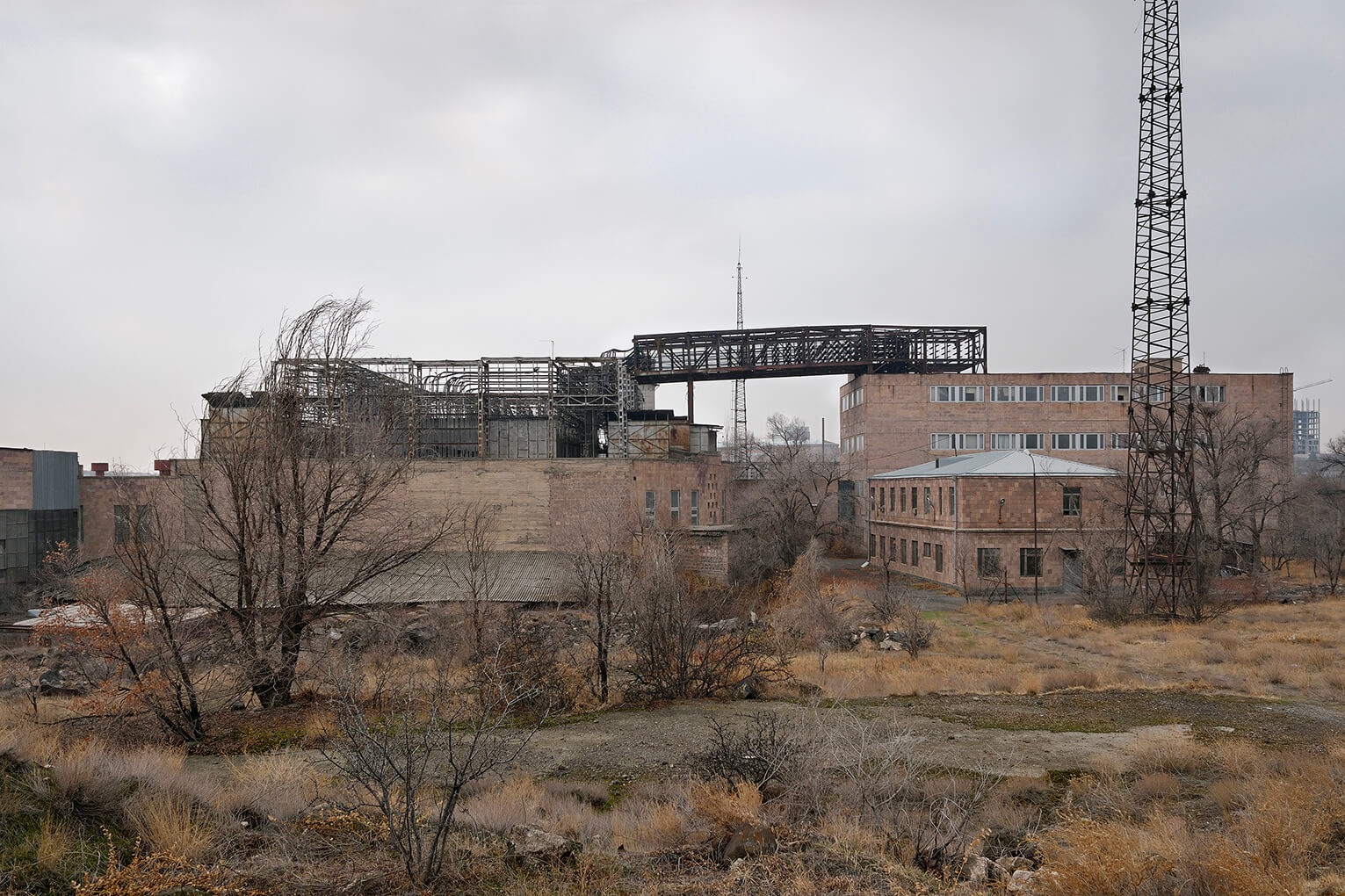
The architectural photographer carries this approach forward in his documentation of the buildings, each accompanied by a text that elaborates on how they were conceived, along with some noteworthy events that changed the trajectory of these institutions, only some of which are still operational today. Lusito’s collection of photographs is especially keen on capturing the sense of abandonment following the bureaucratic, financial and mostly political fallout of most of these institutions, as concurrently as the hope they initially offered.
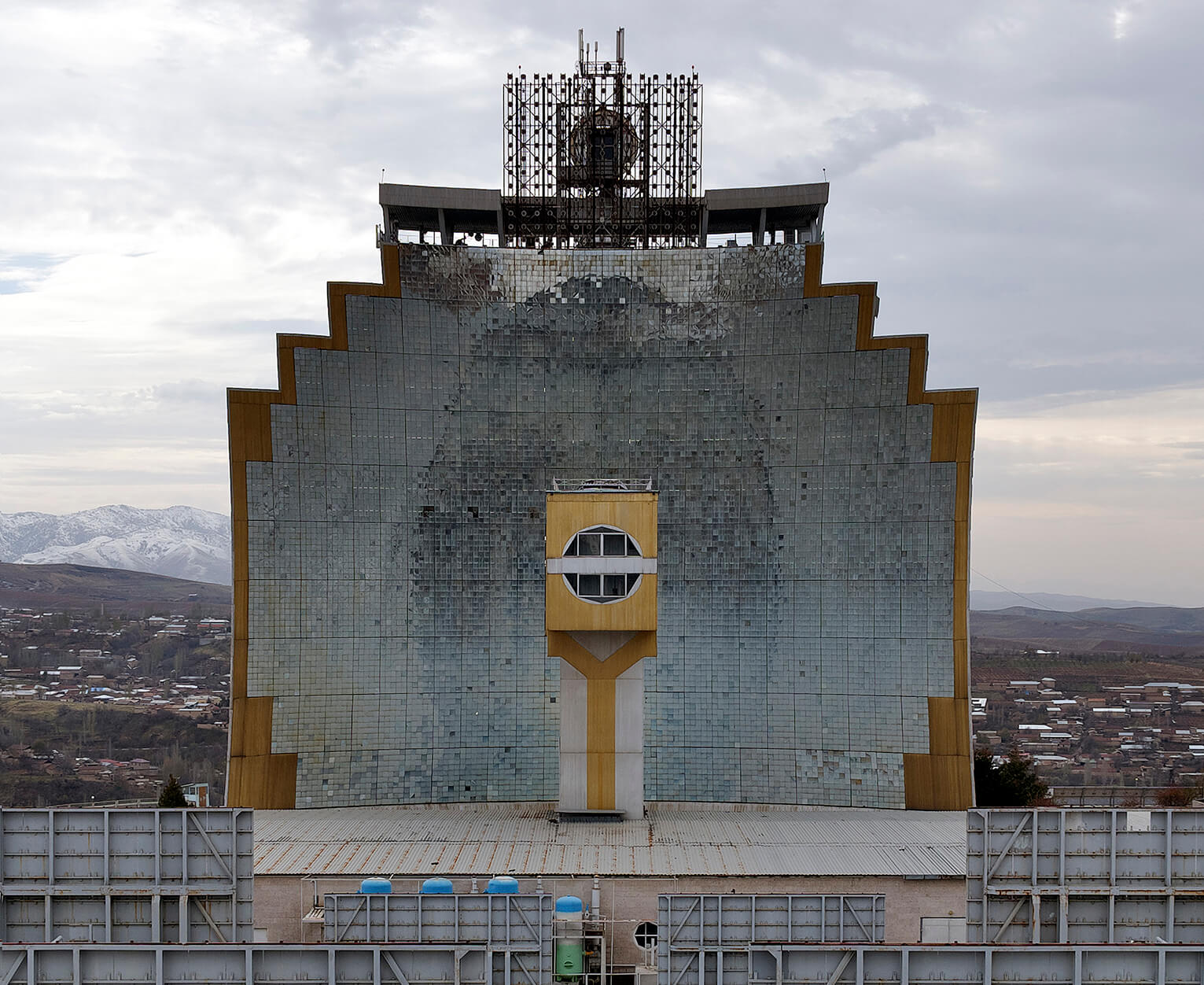
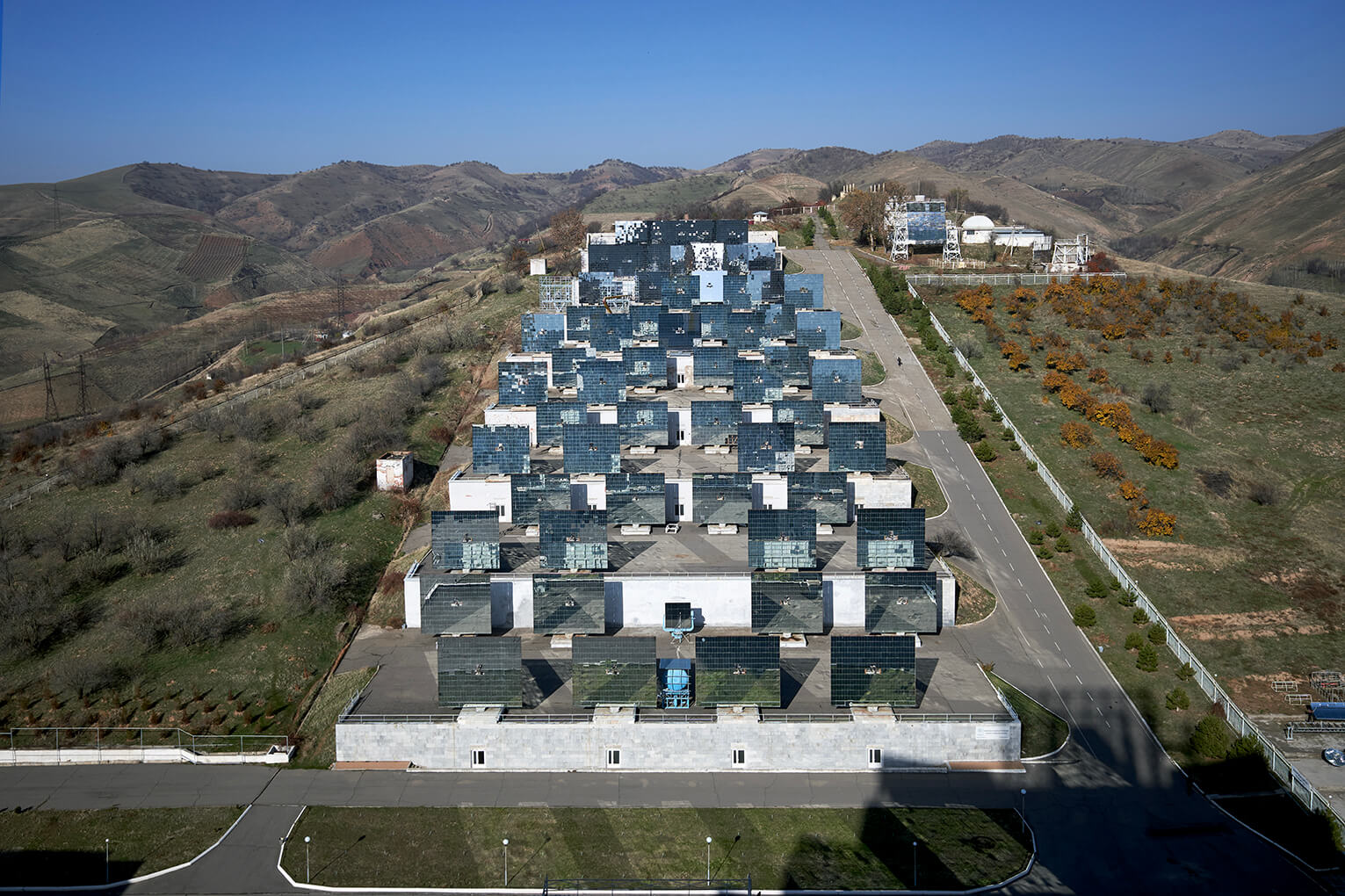
Even within the Union, these institutional architectures and infrastructures exist across vastly different climates and geographies, varying in their form and materiality, along with the ways in which they occupy their contexts. For instance, the Aragats Cosmic Ray Research Station in the remote region of Mount Aragats, Armenia, is functionally designed to be self-reliant and appears to be a classic example of brutalist Soviet architecture, stripped not just of ornamentation but also of expressionism. On the other hand, the Fesenkov Astrophysical Institute in Kazakhstan appears to be a scaled-up version of the apparatus housed within, proudly hinting at its purpose. Featuring structures such as the Carl Zeiss telescope and the 45-metre-high tower with AZT-20 telescope, the institute blurs the distinction between architecture and machine.
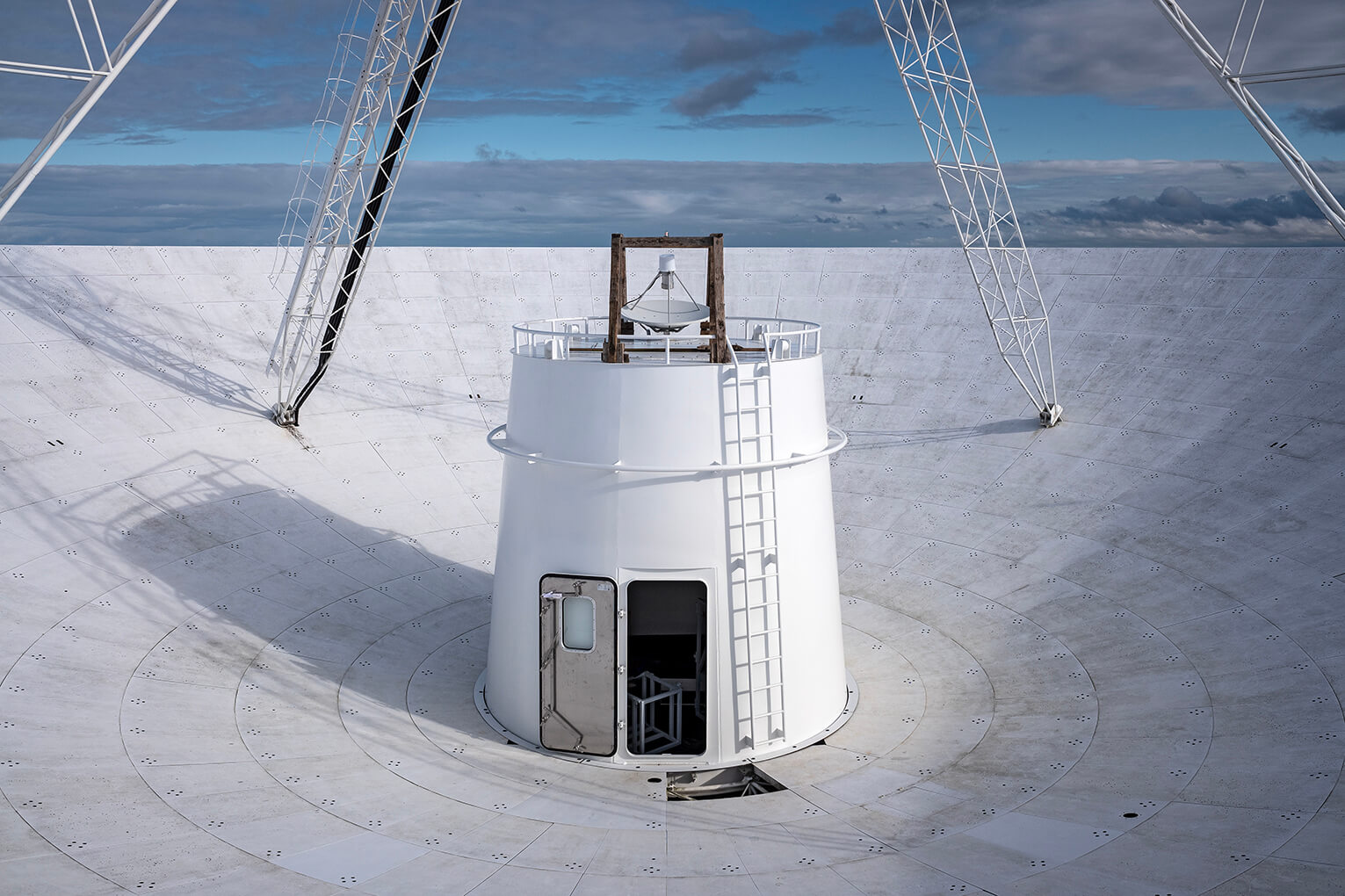
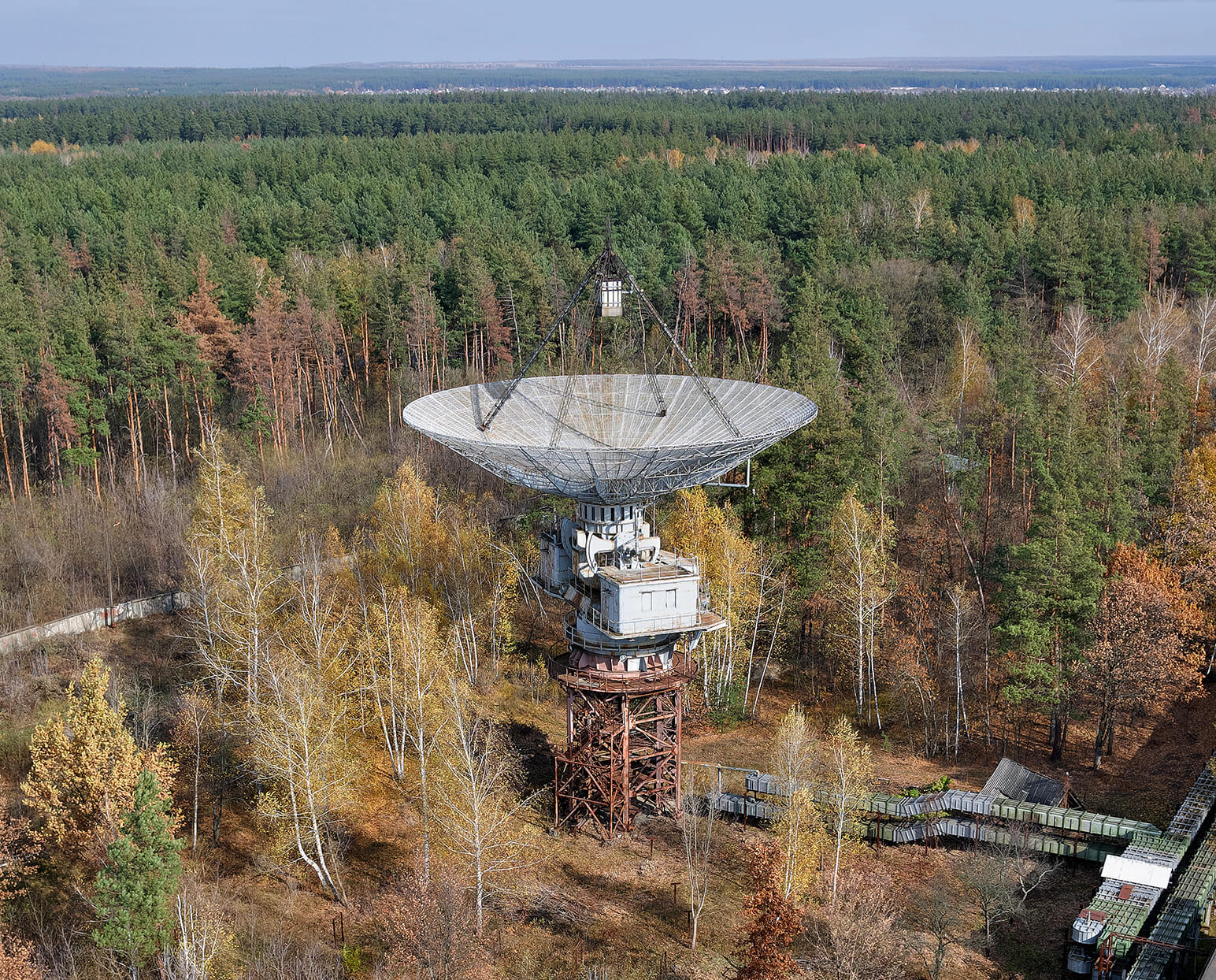
Institutions such as the Institute of Ionosphere in Kharkiv and the Ventspils International Radio Astronomy Centre in Latvia posed architecture as almost secondary to instrumentation. Radio telescopes, often considerably larger than their actual workplace footprint, required expensive, heavy-duty supporting structures such as towers to be lifted to an optimal height for operation. This led to a simpler, more modest style of modernist building that steered away from any aesthetic or formal leanings towards its institutional counterparts. The extraordinary utilitarian demands of scientific research framed the architecture.
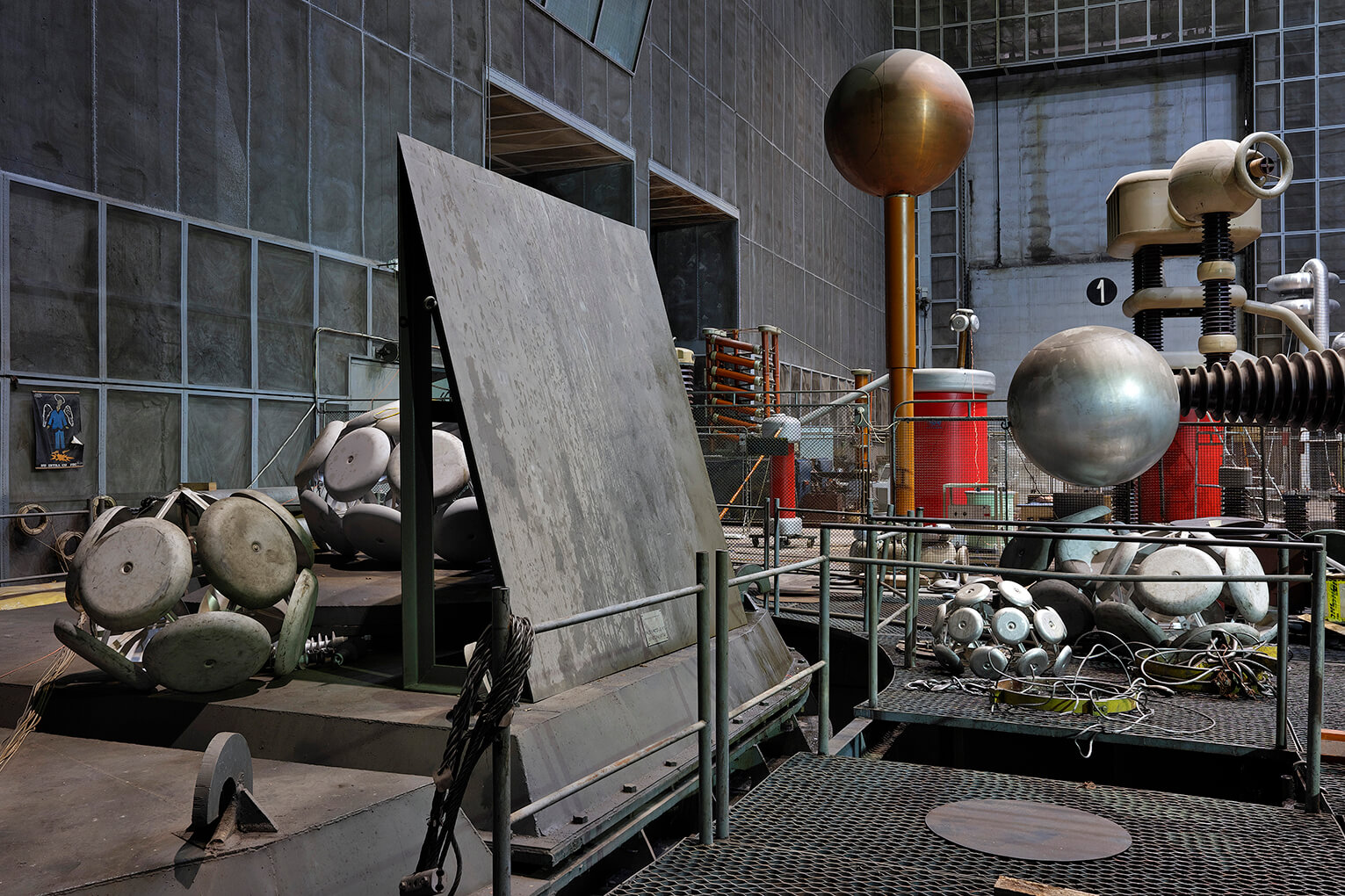
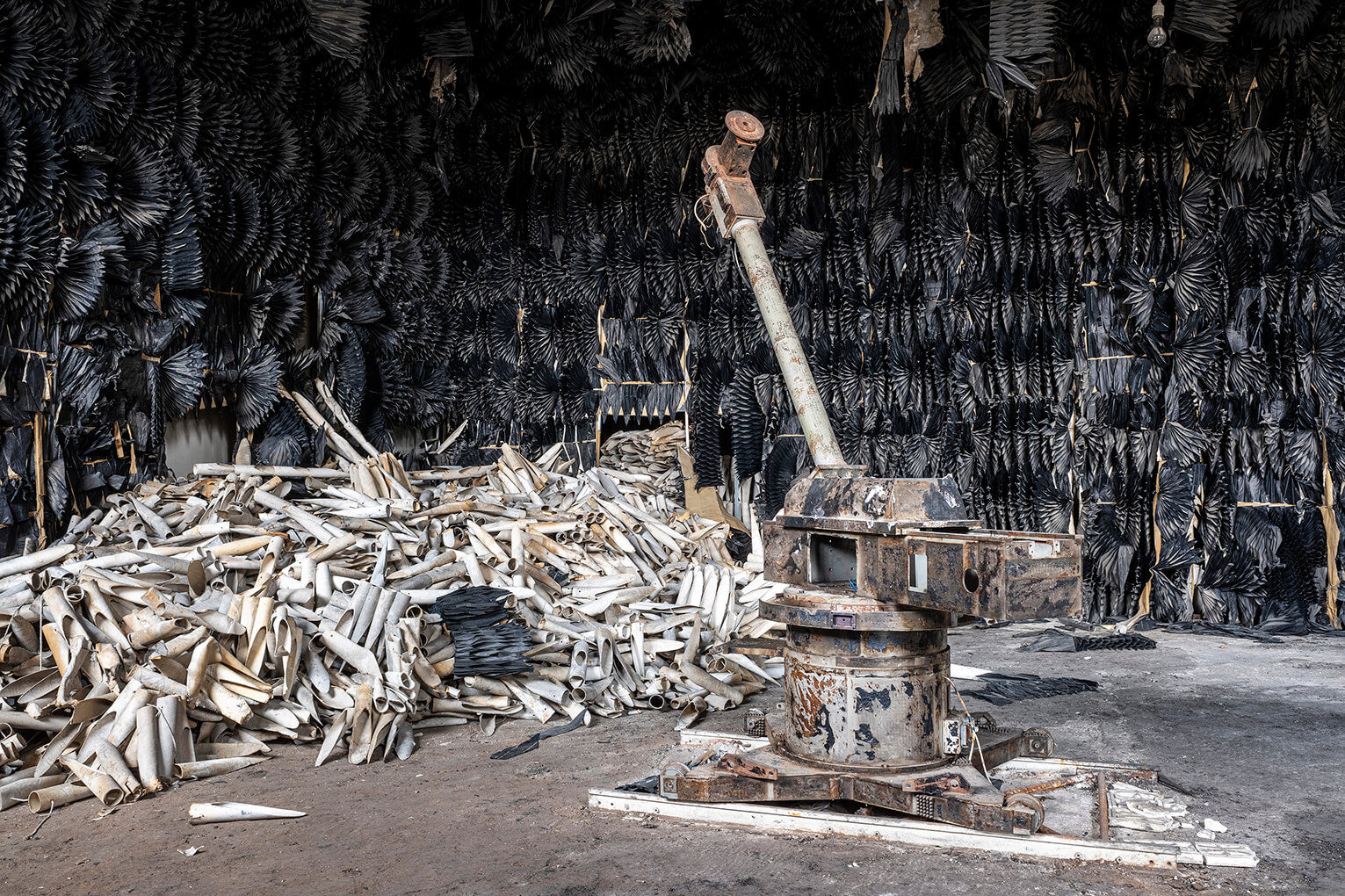
Lusito makes a point of capturing almost all of these institutions from within, regardless of whether they were operational, shedding light on the machines and the scientists who have inhabited them. Romania’s National Institute for Research, Development and Testing in Electrical Engineering, though unassuming from the outside, evokes the drama of mid-century science fiction through precisely those means. Enormous equipment, such as an impulse generator and an artificial rain device, takes the spotlight against a dark, bare and neutral backdrop, bringing out the inherent architectural qualities of these assemblies.
In contrast, the Kharkiv Institute of Physics and Technology in Ukraine is seen honouring Kharkiv’s renowned scientists in each employee entrance pass, highlighting the individual contributions and achievements of these professionals. Several photographs capture the desks, service and utility areas within the buildings, showing operations at a more human scale, placing the scientists at the centre of the institute’s continued relevance.
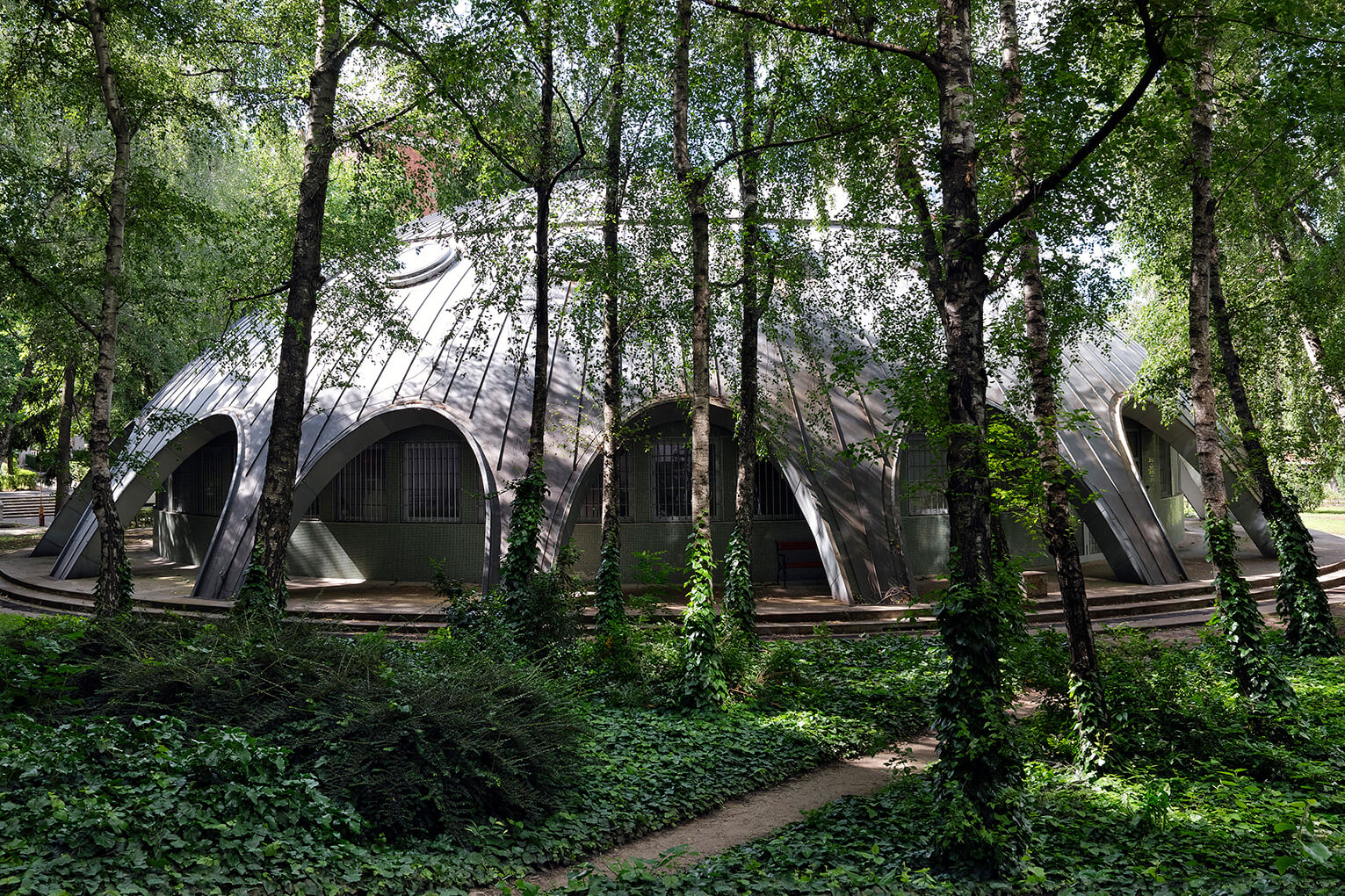
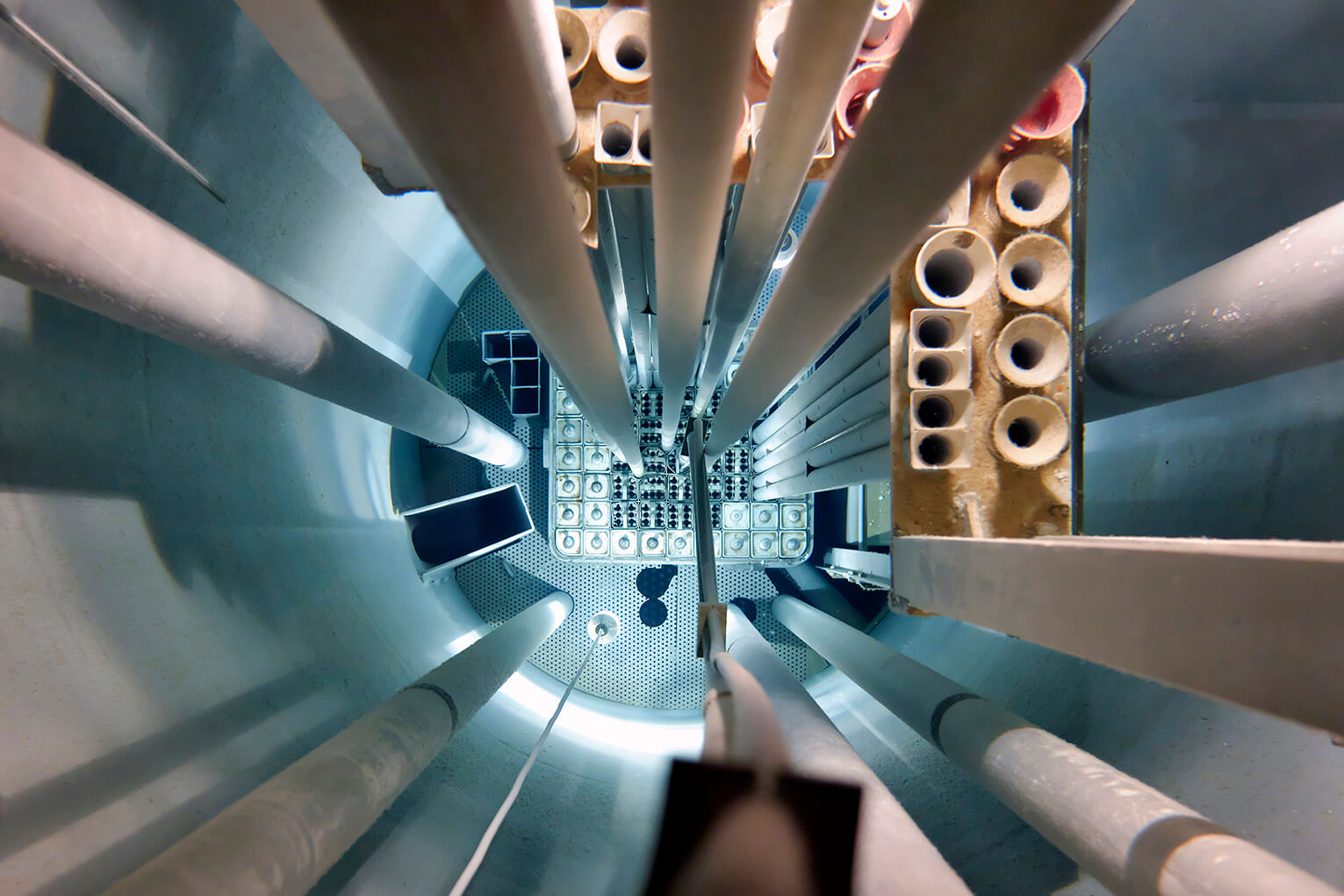
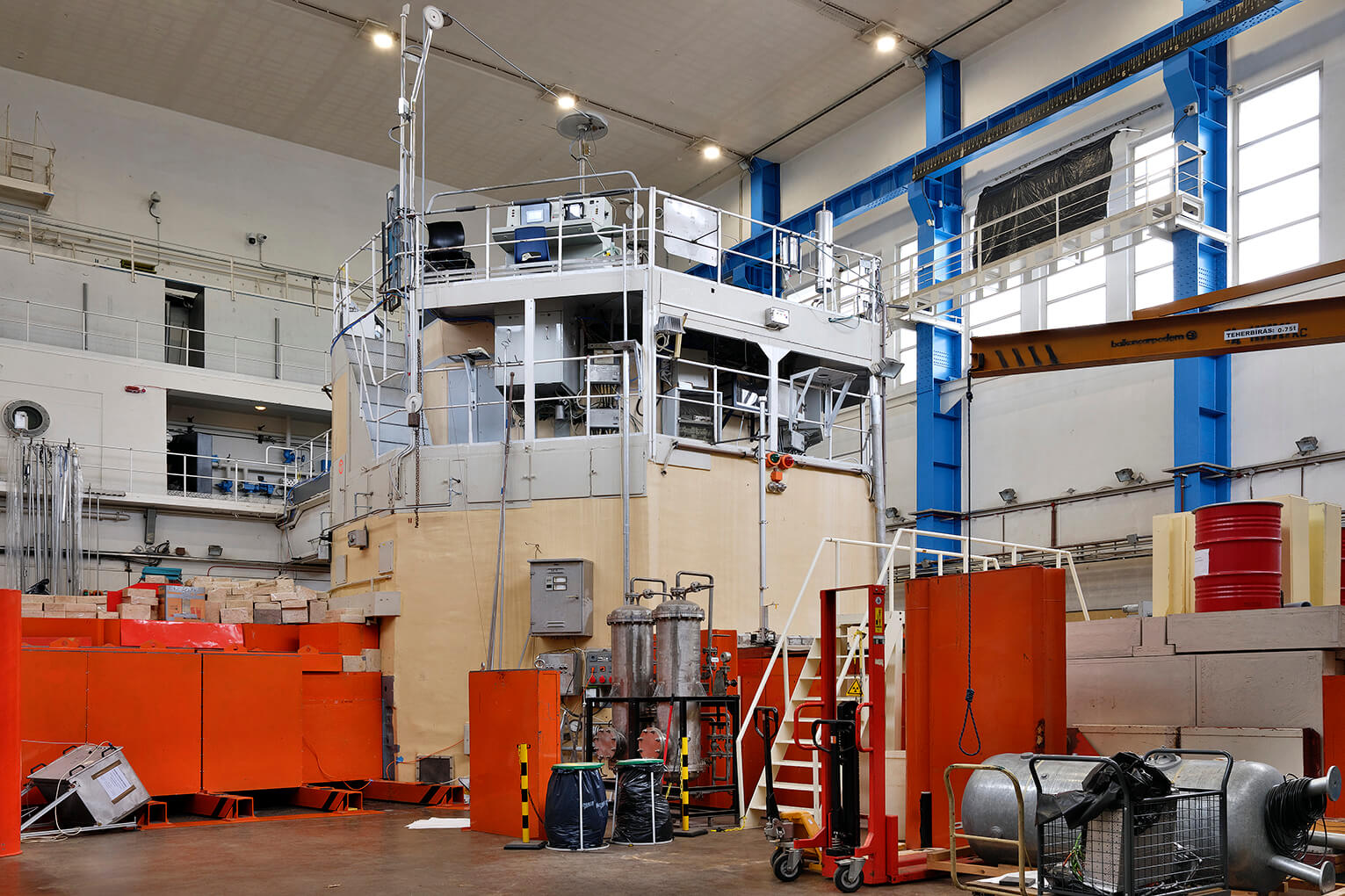
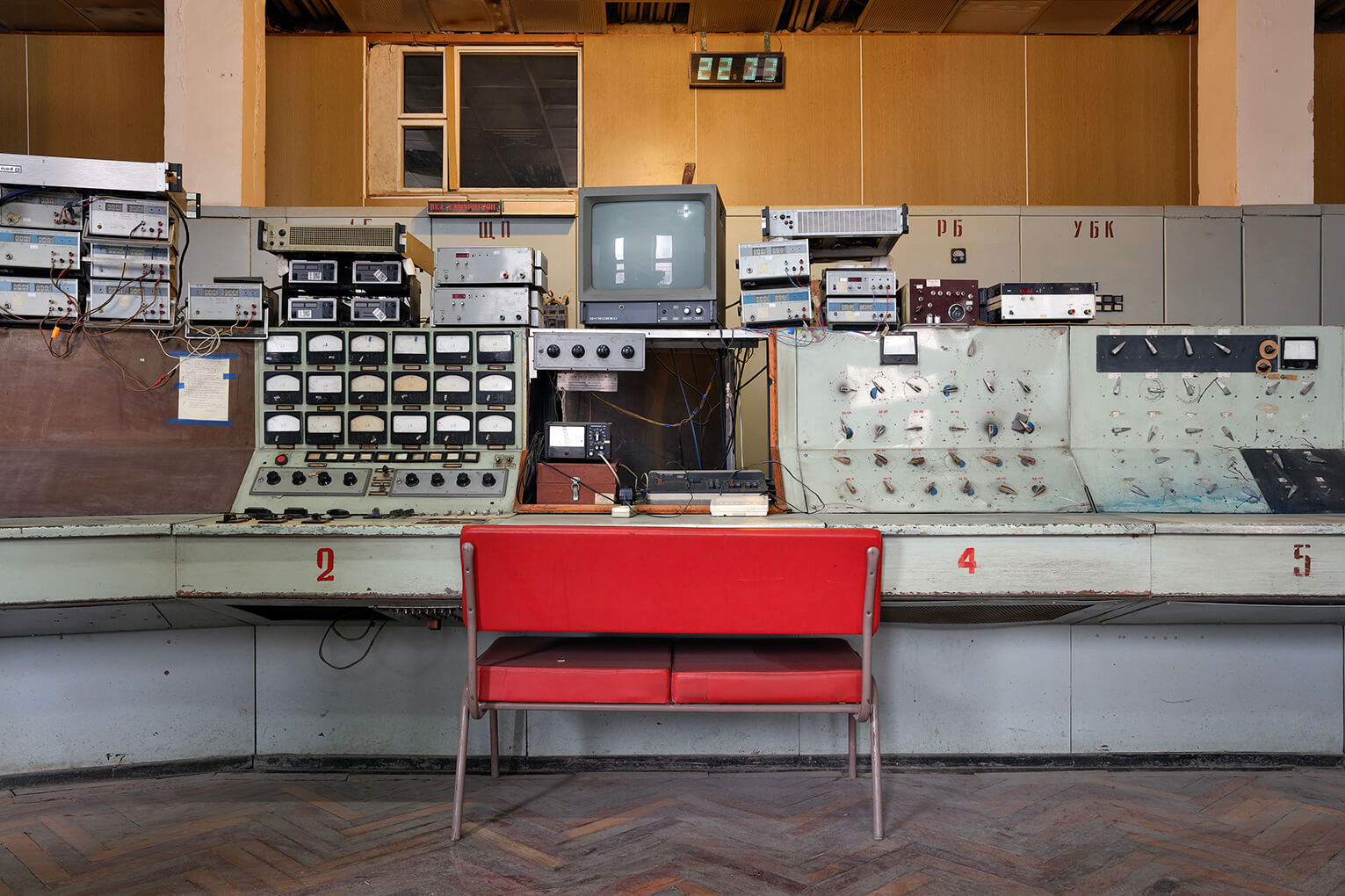
Ageing control panels, receivers’ rooms, telephones, attendance boards and posters are intentionally captured, revealing Lusito’s fascination with analogue scientific culture as much as the buildings’ architecture. Rather than aestheticising the considerable decay or disrepair some of the institutes are under, his architectural photography occasionally turns to the people and machines that continue to animate the halls as they look towards the future. “From the grip of the Soviet totalitarian regime to its collapse, and the aftermath that still reverberates today, their motivation to pursue their research—even during a time of war—is truly heroic,” writes Lusito in the afterword.
‘Soviet Scientific Institutes’ is published by FUEL and can be purchased here.

by Mrinmayee Bhoot Oct 17, 2026
The Rotterdam-based institute centres the Indian Ocean as a network for exploring material histories and transnational links shaping coastal cultures, positing them as future models.
by Pranjal Maheshwari Oct 16, 2026
At the 2026 Stirling Prize ceremony, Mary Duggan with RUFF Architects, MAKER Architecten and Nakshabid Architects were felicitated for proffering quality housing and social equity.
by Mrinmayee Bhoot Oct 12, 2026
The new Centre for Contemporary Arts, fostering public engagement with art in Uzbekistan, is housed in a tram depot refurbished by the French studio, emulating local craftsmanship.
by Mirra Lynn Oct 10, 2026
The Shanghai-based architecture practice’s intervention in Suzhou transforms three abandoned houses into a bookstore, café, library and homestay.

make your fridays matter with a well-read weekend
Enter your details to sign in
Don’t have an account?
Sign upOr you can sign in with
a single account for all
STIR platforms
All your bookmarks will be available across all your devices.
Stay STIRred
Already have an account?
Sign inOr you can sign up with
Verification link sent to check your inbox or spam folder to complete sign up process
Tap on things that interests you.
Select the Conversation Category you would like to watch
Please enter your details and click submit.
Enter the 6-digit code sent at


The architecture of socialist science and ambitions in Soviet Scientific Institutes
by Bansari Paghdar | Published on : Jul 09, 2026


 Sign in with Google
 Sign in with email
What do you think?