Architecture07 mins. read
New Currents: probing collaborative oceanic futures with Nieuwe Instituut’s symposium
by Mrinmayee BhootOct 17, 2026


by Zohra KhanPublished on : Apr 17, 2026
Design speaks long before it is named, and much of what it says is systematically ignored. Forms of knowing move between hands, across generations, without ever passing through text, yet design discourse continues to privilege what can be written, archived and circulated. What cannot be easily translated is often treated as an absence, rather than an excess.
When Samta Nadeem (Curatorial Director, STIR) and I sat down to brainstorm the theme for the fourth edition of Design Drafts, a writing project by the Nieuwe Instituut that collaborates with different magazines and publishing platforms to investigate what it means to write design today, these observations didn’t arrive fully formed. A few strong threads emerged (among others that we know will find their right time to rise from the catacombs of our shared consciousness) that both of us felt compelled to weave into our line of inquiry.
What became clear, however, was the need for a voice that does not flatten difference into legibility. STIR’s position in this collaboration called for a strong, globally resonant voice rooted in worlds the platform operates (and thrives) in: plural, diasporic, open-ended, digitally accessed, from the Global South that we know not simply as a place but a condition, and essentially unbuilt, locating meaning and knowledge in grammars that haven’t yet found home in the global discourse. It was within this search that the idea of dialect began to hold weight. Not simply as a linguistic variation, but as a way of inhabiting the world. A dialect is a window into how people take their place in the world—how they joke, argue, remember and relate to one another. As much as we liked the idea, we refused to make it relevant to design in diverse forms, mediums and interpretations, instead of solely looking at dialects through the lens of language.
This edition begins with a refusal: to treat design as a universal language. Instead, we insist on reading it as a constellation of dialects: partial, situated and irreducible. Dialects are not deviations from a standard; they are worlds in themselves.
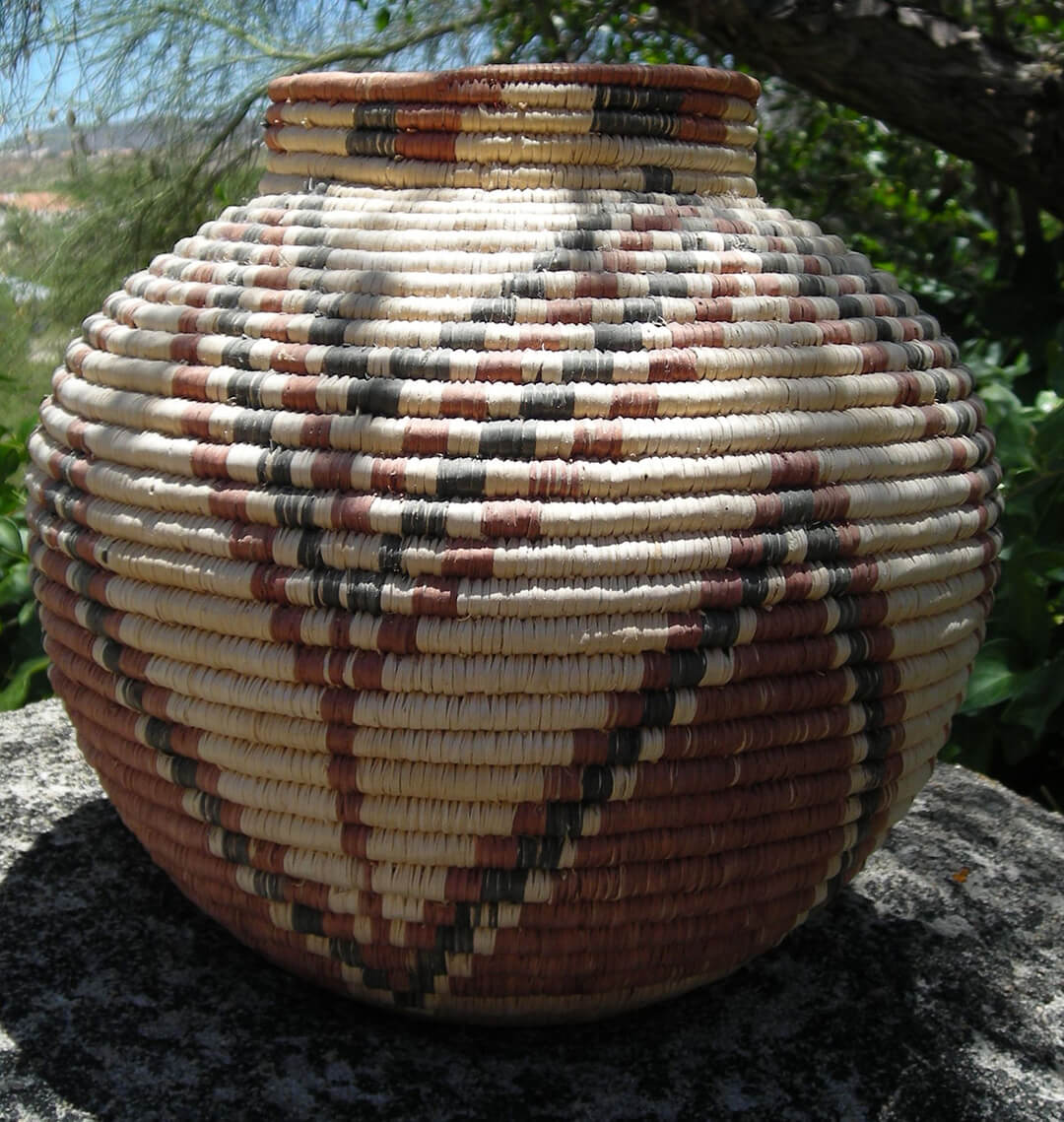
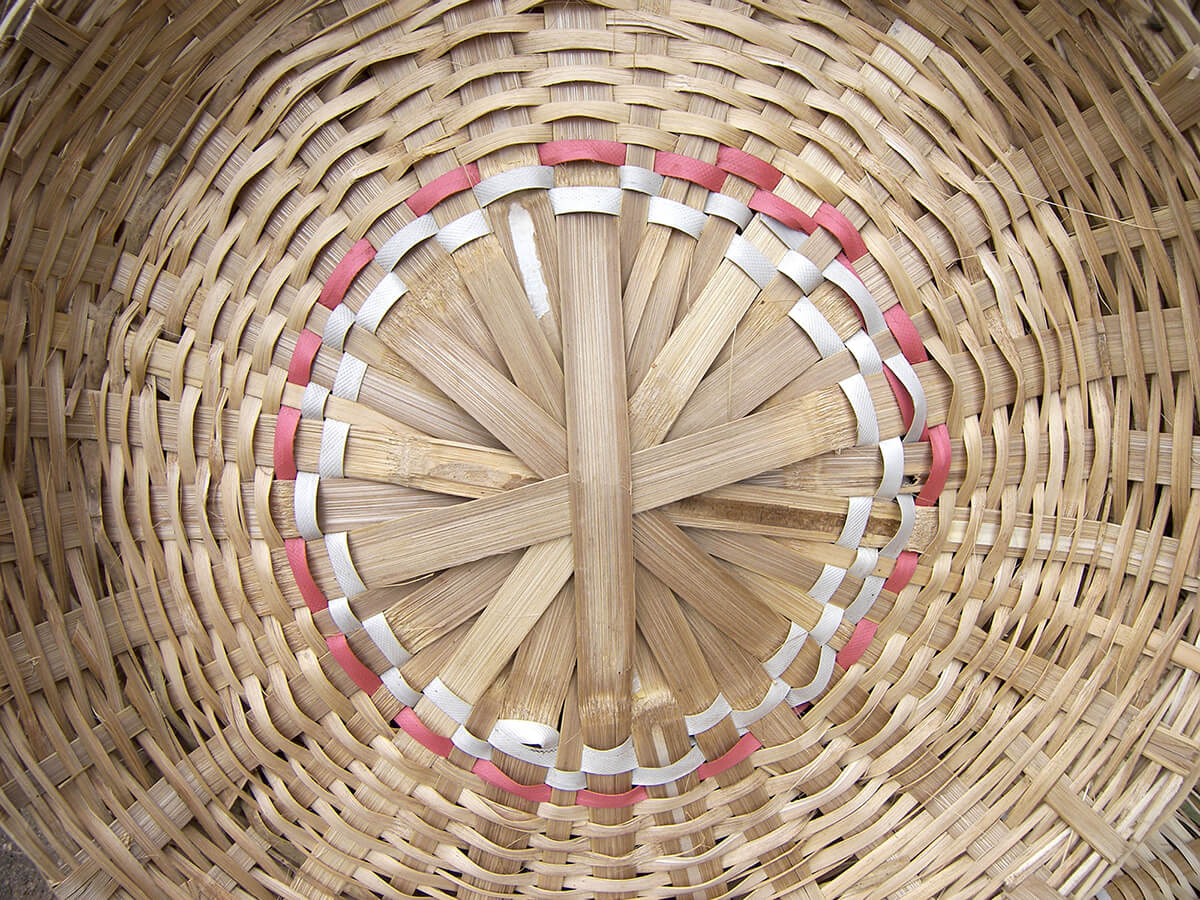
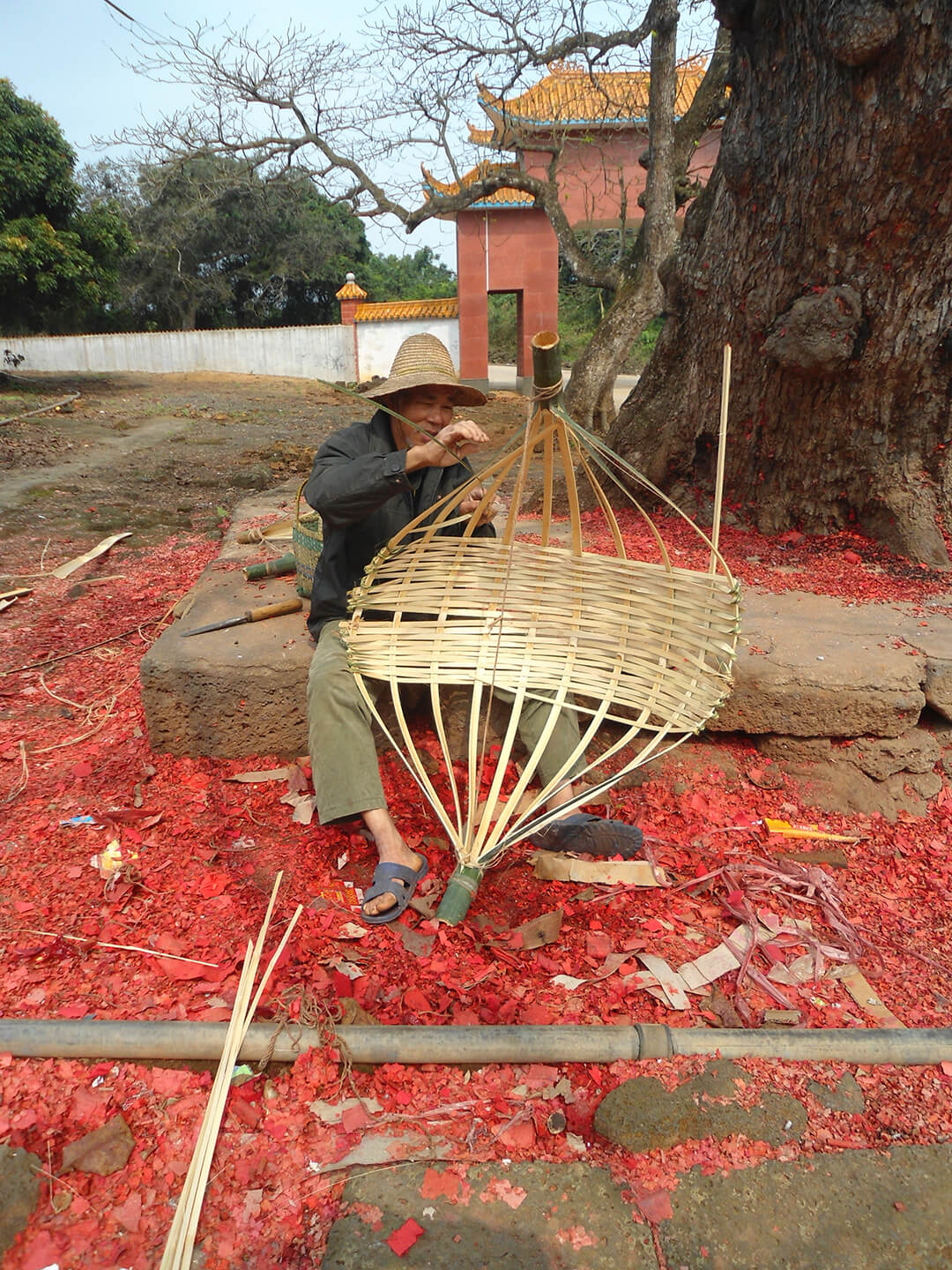
Nadeem had a picture in mind that oriented our approach. The image was deceptively simple—it was of a handwoven bamboo basket. An everyday object, shaped by the knowledge of its maker, the ecology of its material and the rhythms of a place. The basket is not a humble object—it is evidence. Evidence of a design intelligence that operates without permission from institutional frameworks and without the need to be named as such. And yet, across regions, that same basket transforms. Its weave tightens or loosens, its form expands or narrows, its patterns encode different stories. Each iteration speaks a dialect—not just of making, but of living. With that basket as the starting point, we arrived at reading our theme around dialects as the language of design. A gaze more relational in nature, one that migrates and is inhabited, expressed and embodied as a site of transformation. A gaze that this edition’s theme of Design Drafts calls, Design Dialects. A theme envisioned not as an expansion of existing discourse, but as a refusal of its terms.
Consider, for instance, the informal modifications of urban street vendors who retrofit carts in response to hyper-local needs, adding shade where the sun is harshest, wheels that navigate uneven terrain and storage that anticipates both scarcity and excess. Or the evolving visual languages of protest signage, where typography, colour and material urgency shift across contexts while retaining a shared political pulse. Designs that are intuitive within one context but illegible in another. These are not anomalies. These are designed misfits that develop their own grammars of existence. They are dialects—fluent, adaptive and deeply situated. A spirit we seek to find more of as we develop the project.
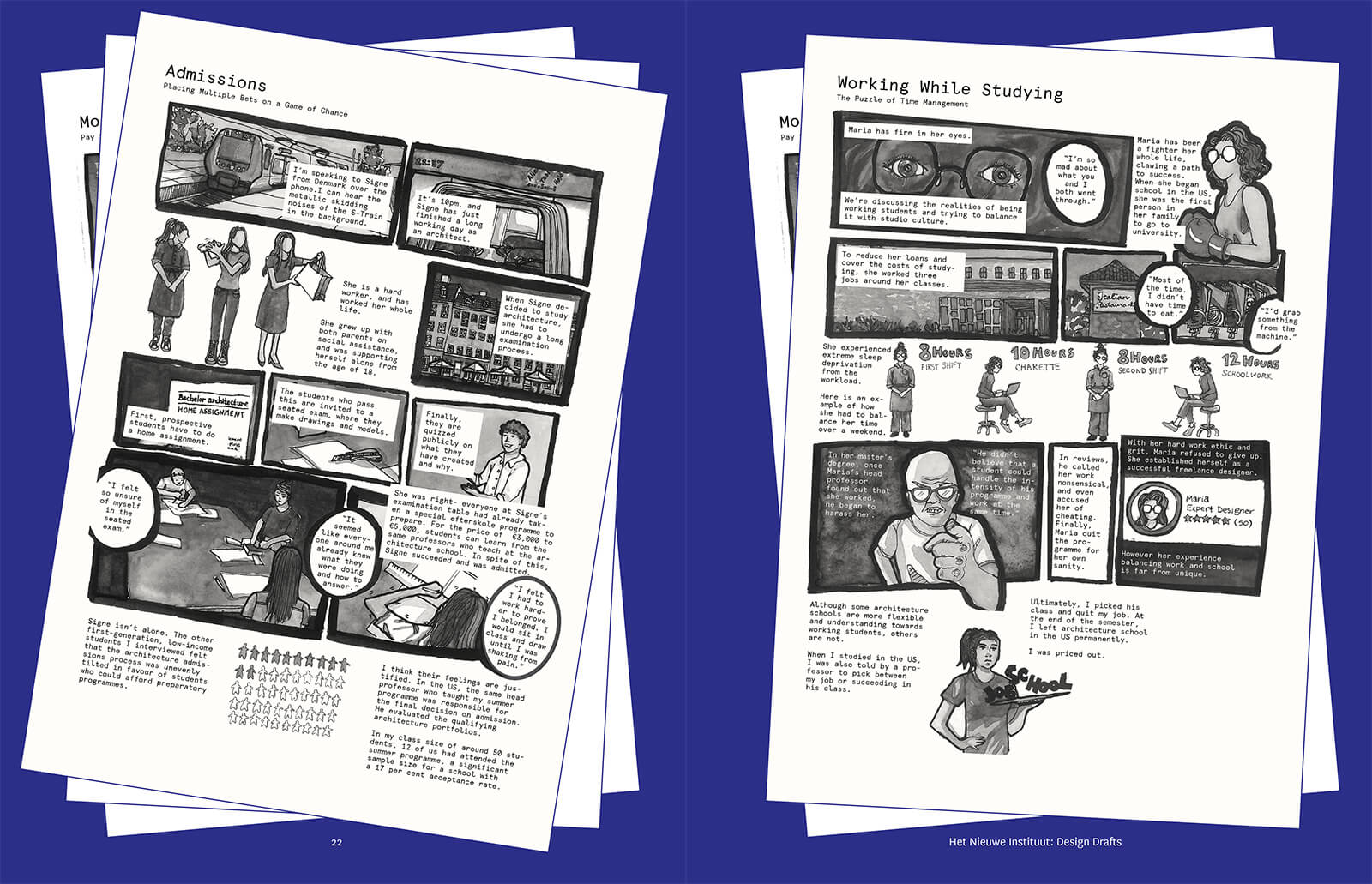
Design Dialects expands on the intent of previous editions, calling for a collective search of languages to write design in. This iteration supports that inquiry by embracing a wider range of formats and modes of expression—shaped in part by it being the first edition developed in collaboration with a digital publication, STIRworld.com. The open call invites writers, practitioners, critics and researchers to submit proposals that may take the form of essays, written design experiments, speculative propositions, fiction, visual arguments, love letters, poems or other hybrid formats.
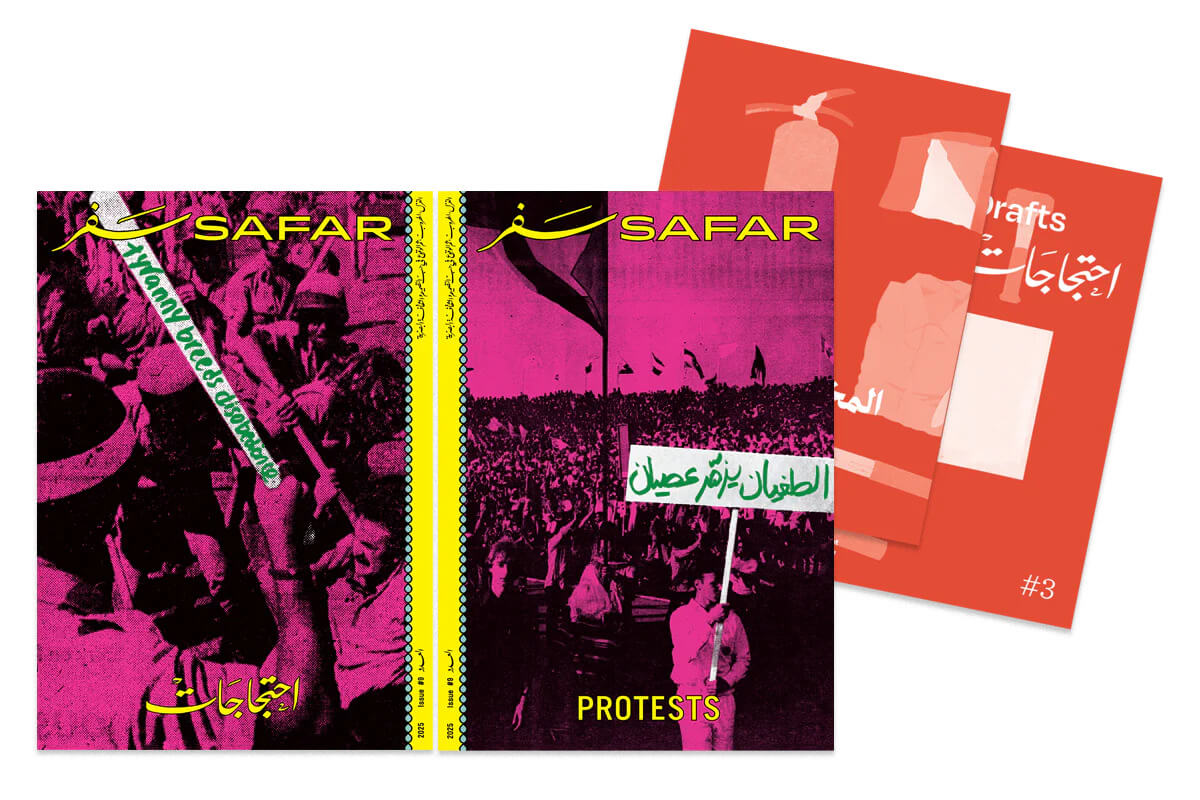
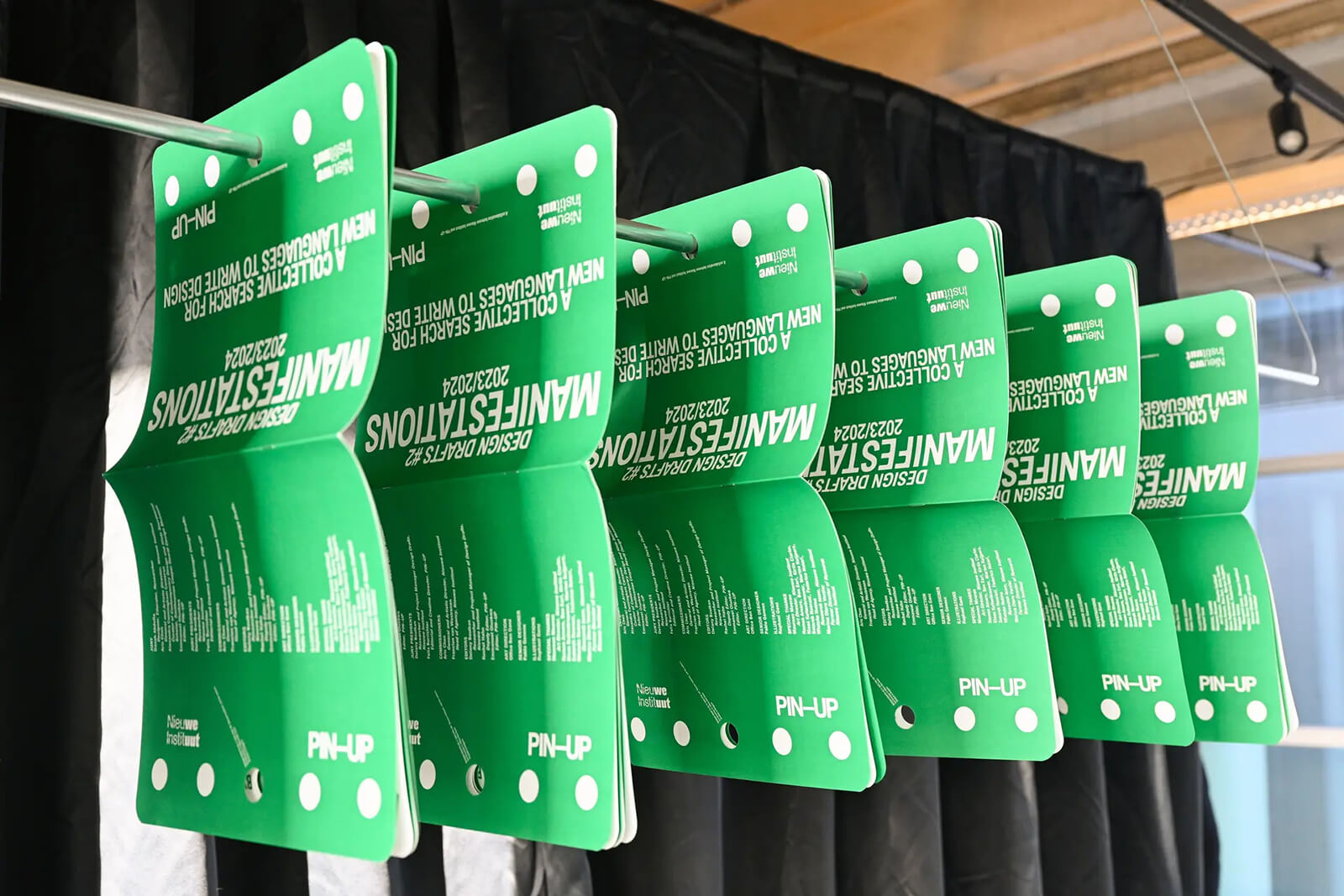
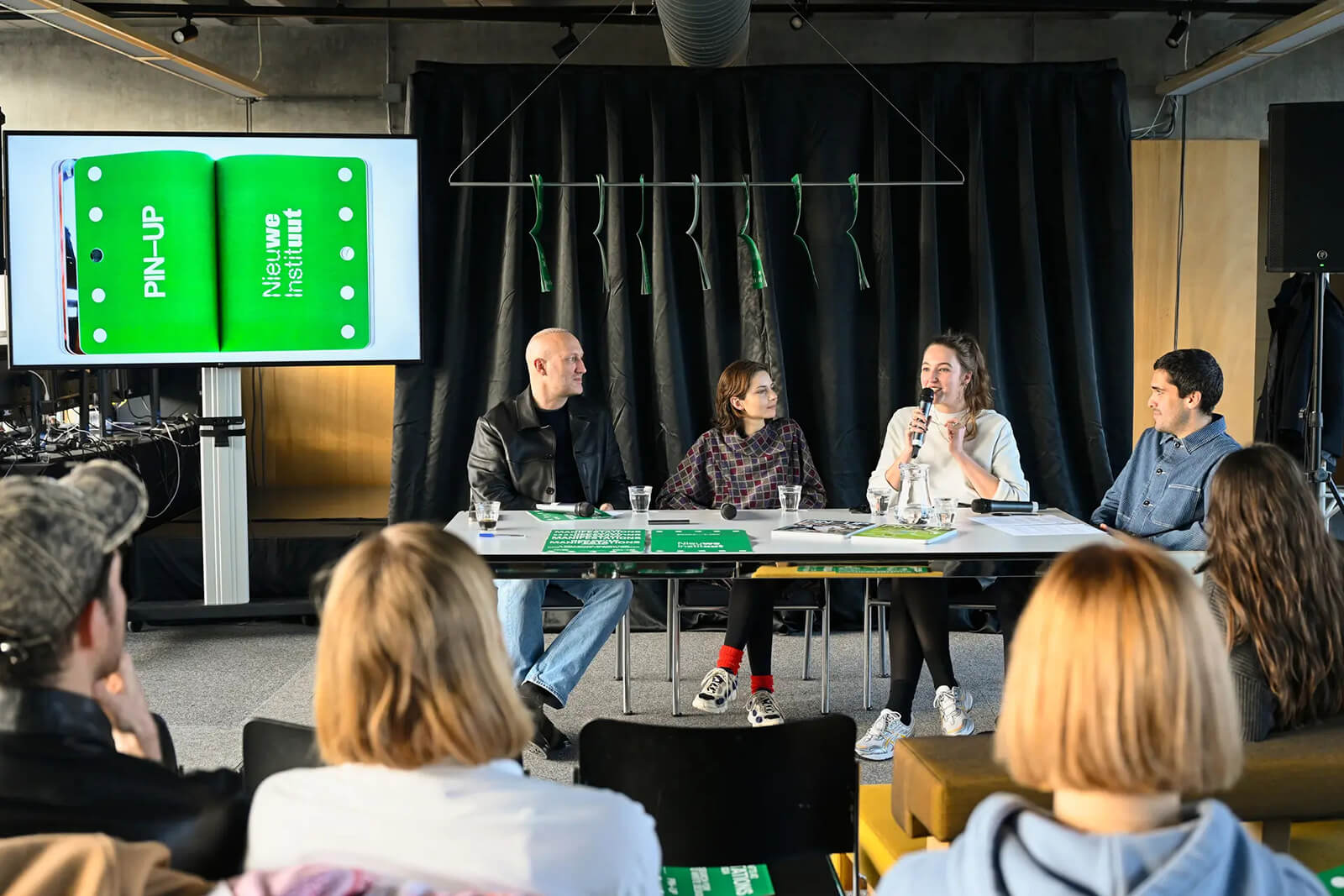
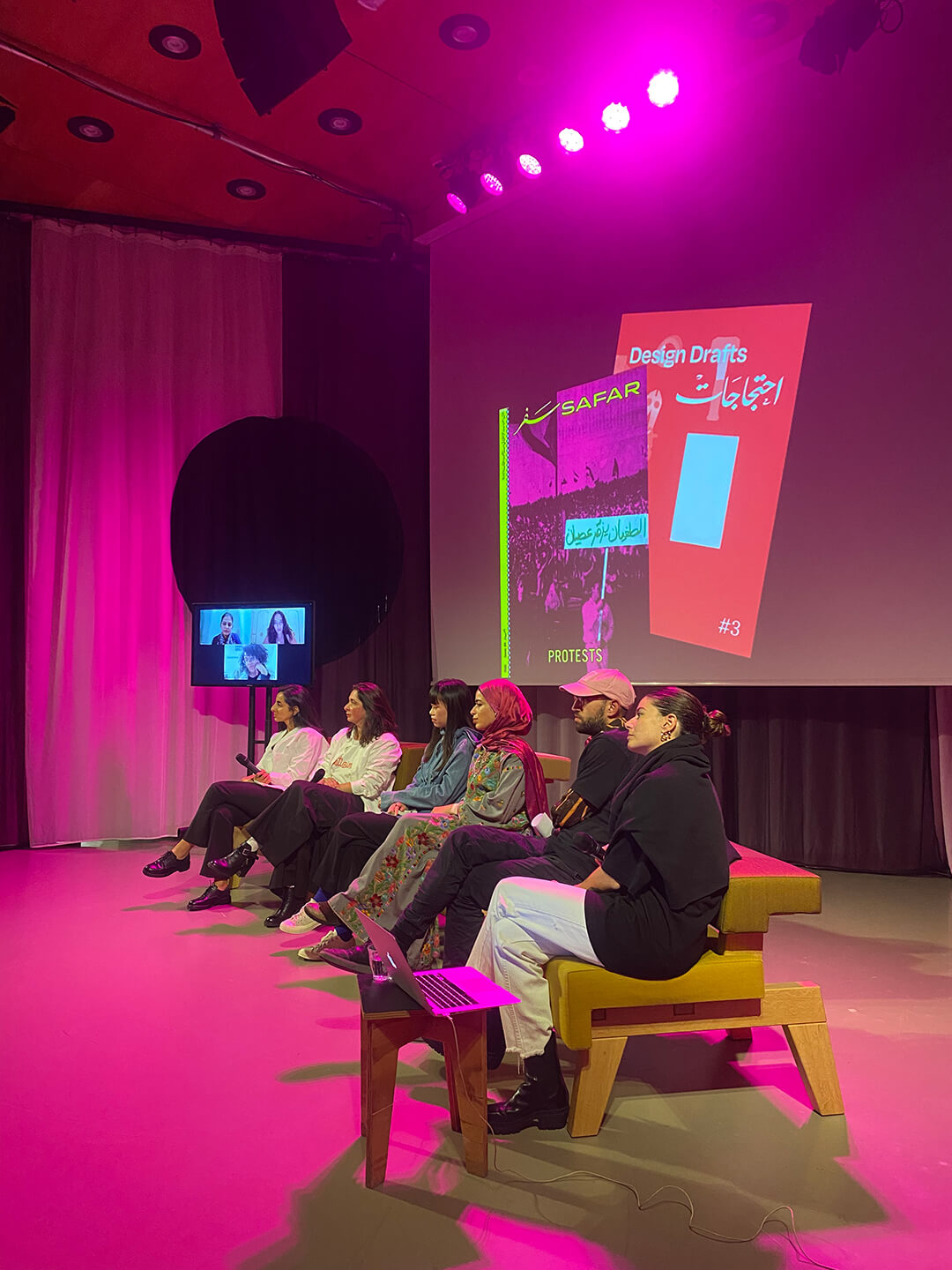
Earlier editions of Design Drafts unfolded through distinct collaborations: with London-based Disegno Journal (Design Drafts #1: Is Design Just a Game?), New York-based PIN–UP (Design Drafts #2: Manifestations) and Beirut-based Journal Safar (Design Drafts #3: Protest). Each iteration has reoriented the project’s inquiry—Design Dialects continues this trajectory while opening it further, both in form and in voice.
At its core, this edition resists an end goal. It leans into incompleteness, into the draft as a living state. A draft that remains porous and invites reflection rather than resolution. A draft formed with a designed semi-lack of predefined structure. A draft refusing a full stop. Resistance always finds its power in solidarity and that for this project comes from Delany Boutkan (Researcher, Nieuwe Instituut), whose engagement has been instrumental in bringing this edition and what it does to design thinking within STIR, into being.
What lies ahead is an invitation—not just to contribute, but to shift how we read, write and recognise design. To move closer to its dialects. To listen to where we have previously translated. And perhaps, to begin writing from within those spaces that have long remained unwritten. From this open call, five selected applicants will be invited into a series of writing, editing and development sessions with the editorial team, with their contributions published on STIRworld.com in early 2027.
I pause here anticipating the unfolding of this project over the next months; like within a longer sentence. One that continues elsewhere—in other hands, other materials, other ways of knowing, other ways of being. Still unfinished. Still becoming. Let's find out.
The jury for Design Dialects is currently being finalised and will be announced soon. To send in your entries for the open call or to know/learn more about the fourth edition, click here.

by Pranjal Maheshwari Oct 23, 2026
Co-authored by Jareh Das, Chairman traces the British designer’s fixation on chairs as symbols of power and identity and as mediums of expression and community building.
by Mirra Lynn Oct 22, 2026
The curators behind Palestine Design Week 2026 reflect on its intent, considering how design holds memory, makes space for loss and imagines a future in Palestine.
by Chahna Tank Oct 22, 2026
STIR speaks with the Mumbai-based type designer about her practice, type walks and why she wants more people to have stronger opinions about Indian-script fonts.
by Jincy Iype Oct 15, 2026
STIR explores craft, material intelligence and people shaping Indian design through dialogues with Design Democracy’s co-founders and the curators of its special exhibitions.

make your fridays matter with a well-read weekend
Enter your details to sign in
Don’t have an account?
Sign upOr you can sign in with
a single account for all
STIR platforms
All your bookmarks will be available across all your devices.
Stay STIRred
Already have an account?
Sign inOr you can sign up with
Verification link sent to check your inbox or spam folder to complete sign up process
Tap on things that interests you.
Select the Conversation Category you would like to watch
Please enter your details and click submit.
Enter the 6-digit code sent at


Nieuwe Instituut x STIR explore dialects as the language of design in Design Drafts 4
by Zohra Khan | Published on : Apr 17, 2026


 Sign in with Google
 Sign in with email
What do you think?