Art12 mins. read
KNMA's The Meeting Ground brings diverse art histories into conversation
by Vandana KalraAug 17, 2026



by Vamika SinhaPublished on : Oct 20, 2025
Art institutions, particularly in the West, have been paying more attention to South Asian and Middle Eastern art in the global art scene in recent years. Works by women artists from these regions are especially drawing focus as sites and narratives of postcolonial or Global South feminisms. Over the past year in London alone, the Barbican’s The Imaginary Institution of India: Art 1975–1998 depicted a variety of Indian women artists discussing significant gender-based issues in this period; the Serpentine held a stunning institutional solo debut by Arpita Singh, manifold with strong female gazes; and the Royal Academy is opening Mrinalini Mukherjee and Her Circle later this month. That’s just the Indian canon. Included in this wave is (Un)Layering the future past of South Asia: Young artists’ voices at SOAS Gallery earlier this year, curated by Salima Hashmi and Manmeet K Walia, which showed rising artists based throughout the subcontinent, like Ashfika Rahman and Varunika Saraf.
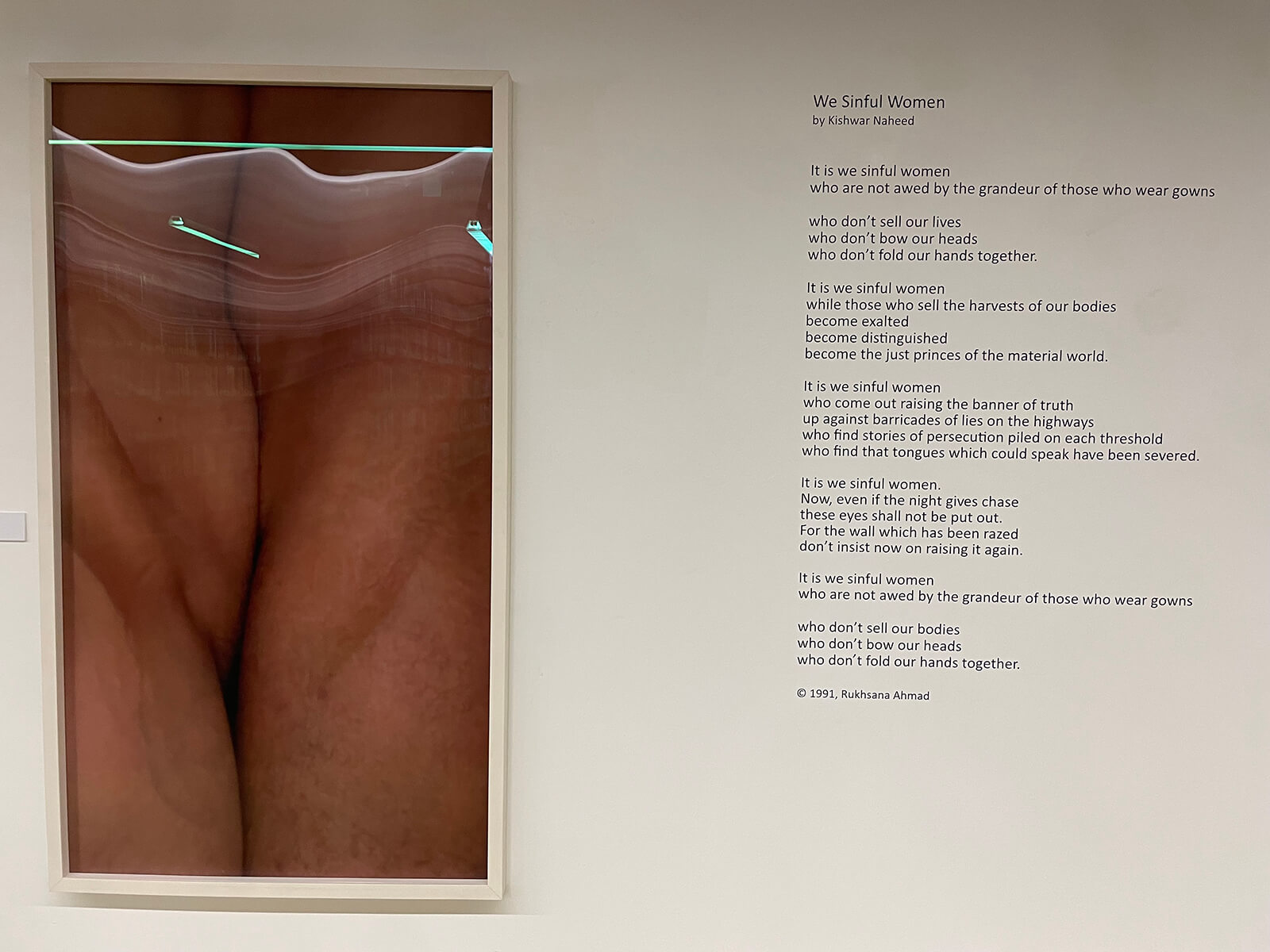
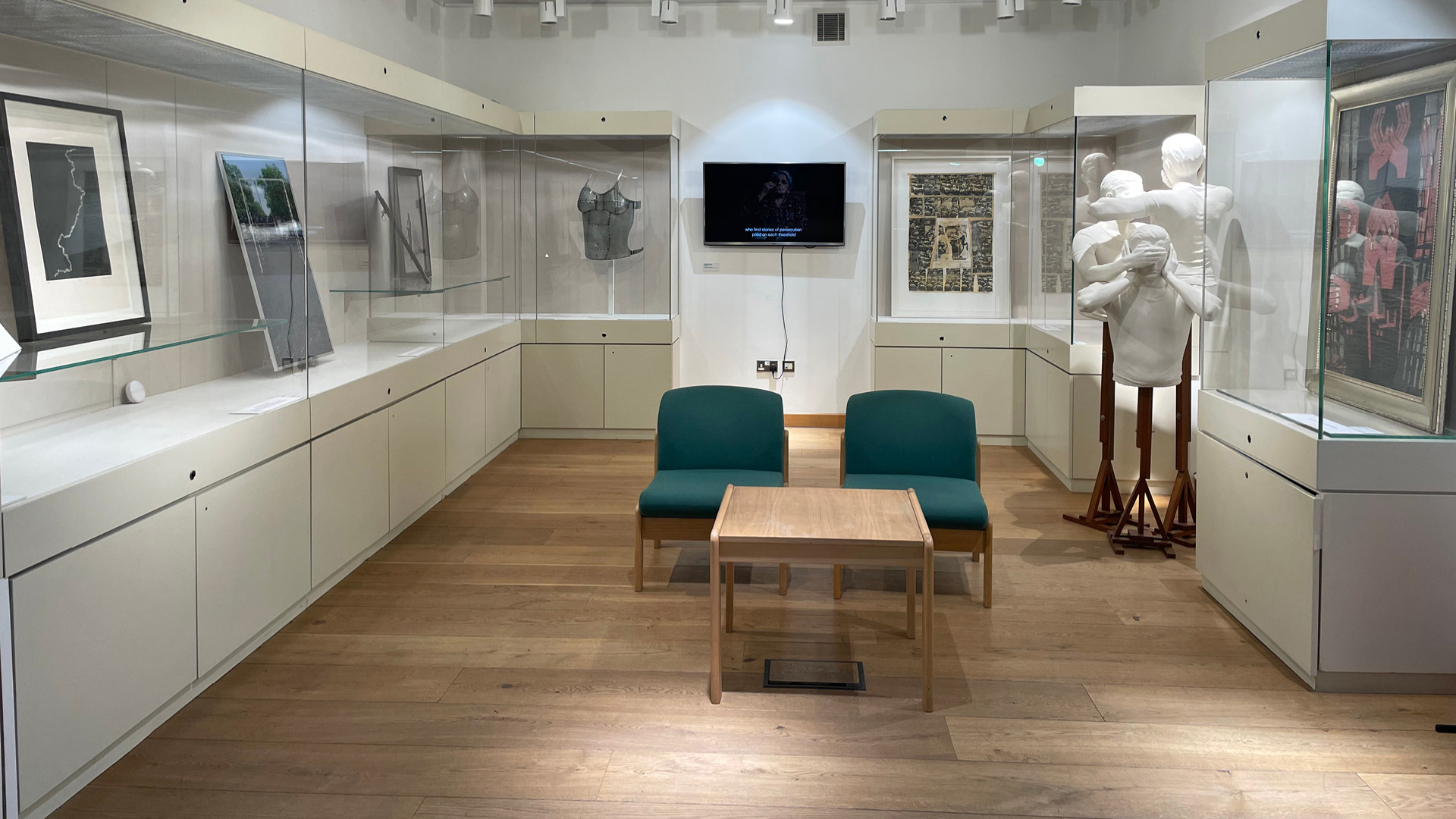
Partially off this show’s success, a new exhibition titled We Sinful Women: The Library Project, curated by Hashmi and Manmeet K. Walia, has opened at SOAS Library until December 7, 2025, cramming cross-border feminist solidarities into narrow glass displays and building walls. Taken from Taimur Hassan’s private collection, the artworks are all by women artists from South Asia and the Middle East, cohering around a famed poem by Pakistani writer Kishwar Naheed called Yeh Hum Gunahgar Aurtain Hain. This is translated from Urdu to We Sinful Women in Rukhsana Ahmad’s 1991 English translation, placed alongside the wall text. The poem is rousing – “it is we sinful women/who come out raising the banner of truth”, “who don’t sell our lives/who don’t bow our heads/who don’t fold our hands together”.
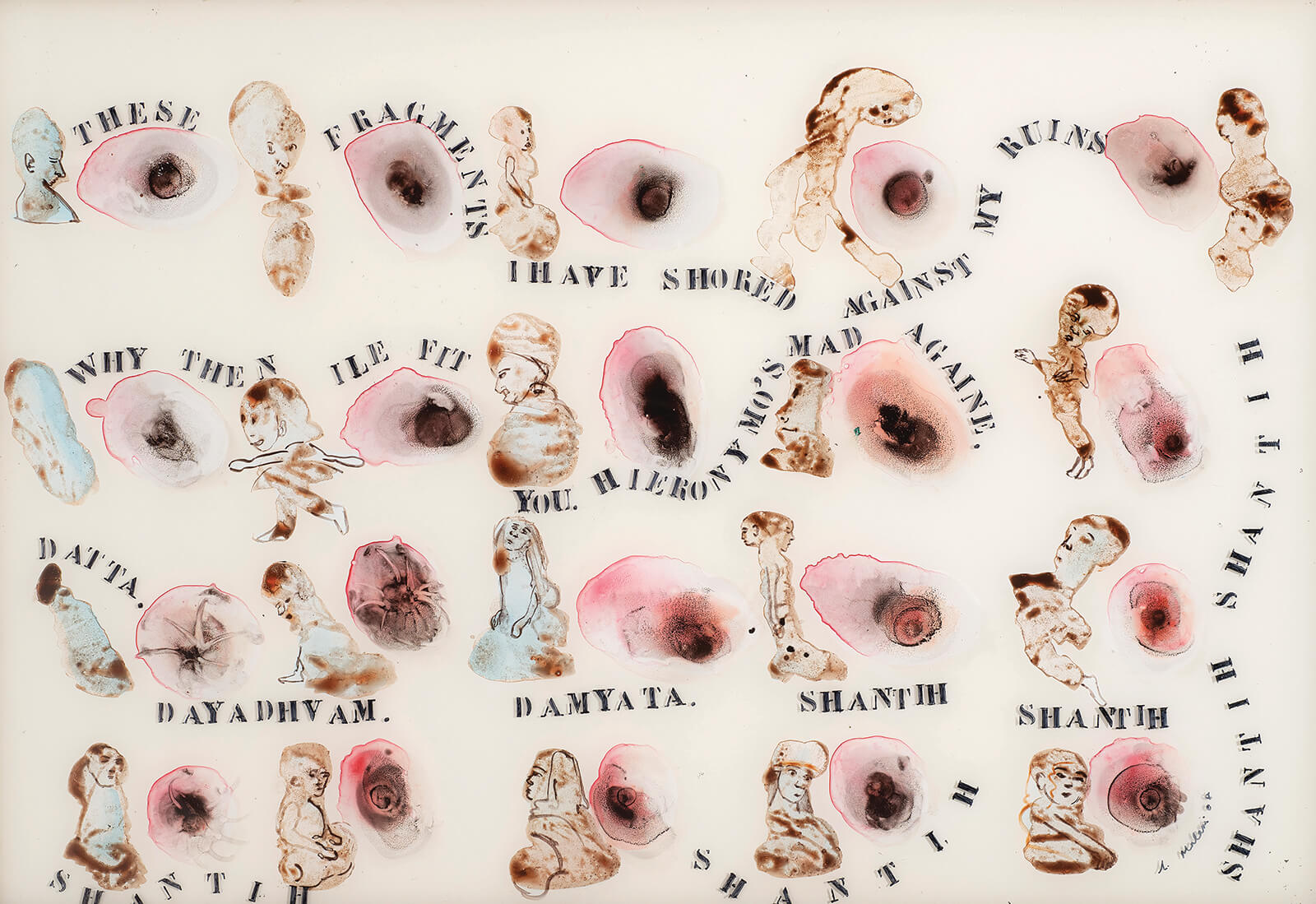
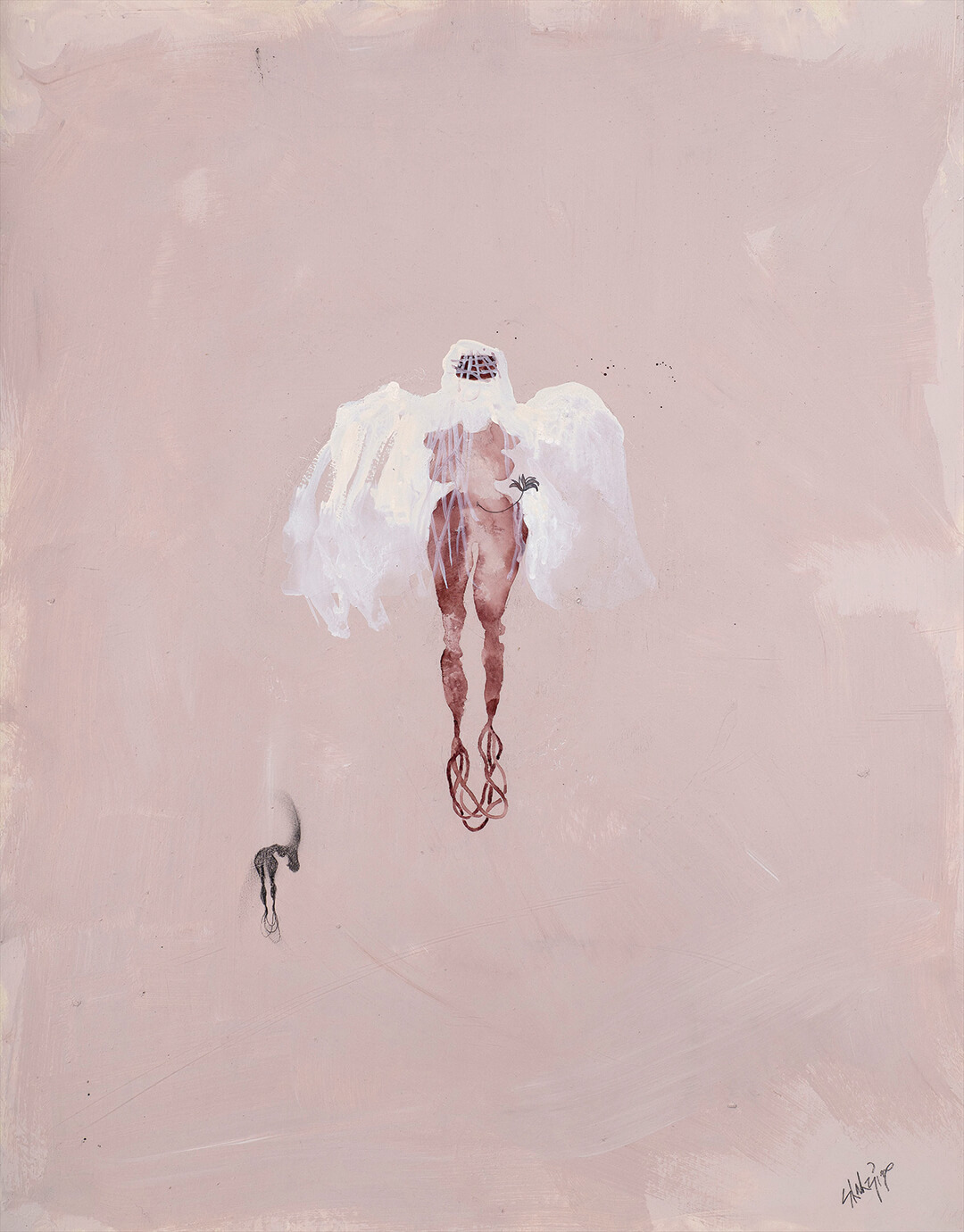
Acting as curatorial markers, certain lines are pasted below the works, which are mostly by well-established names like Nalini Malani, Gauri Gill, Shahzia Sikander, Dayanita Singh and Mounira Al Solh, making for a truly exciting lineup. That they span contemporary, modern and postmodern perspectives is one of the show’s finer points, tracing how feminist resistance within visual art travels across the ravines of languages, mediums and borders. Because of this, some harmonic moments of resonance emerge between artists who may not be able to exhibit together in their countries of origin, yoked by nasty politics – its own kind of ‘sin’.
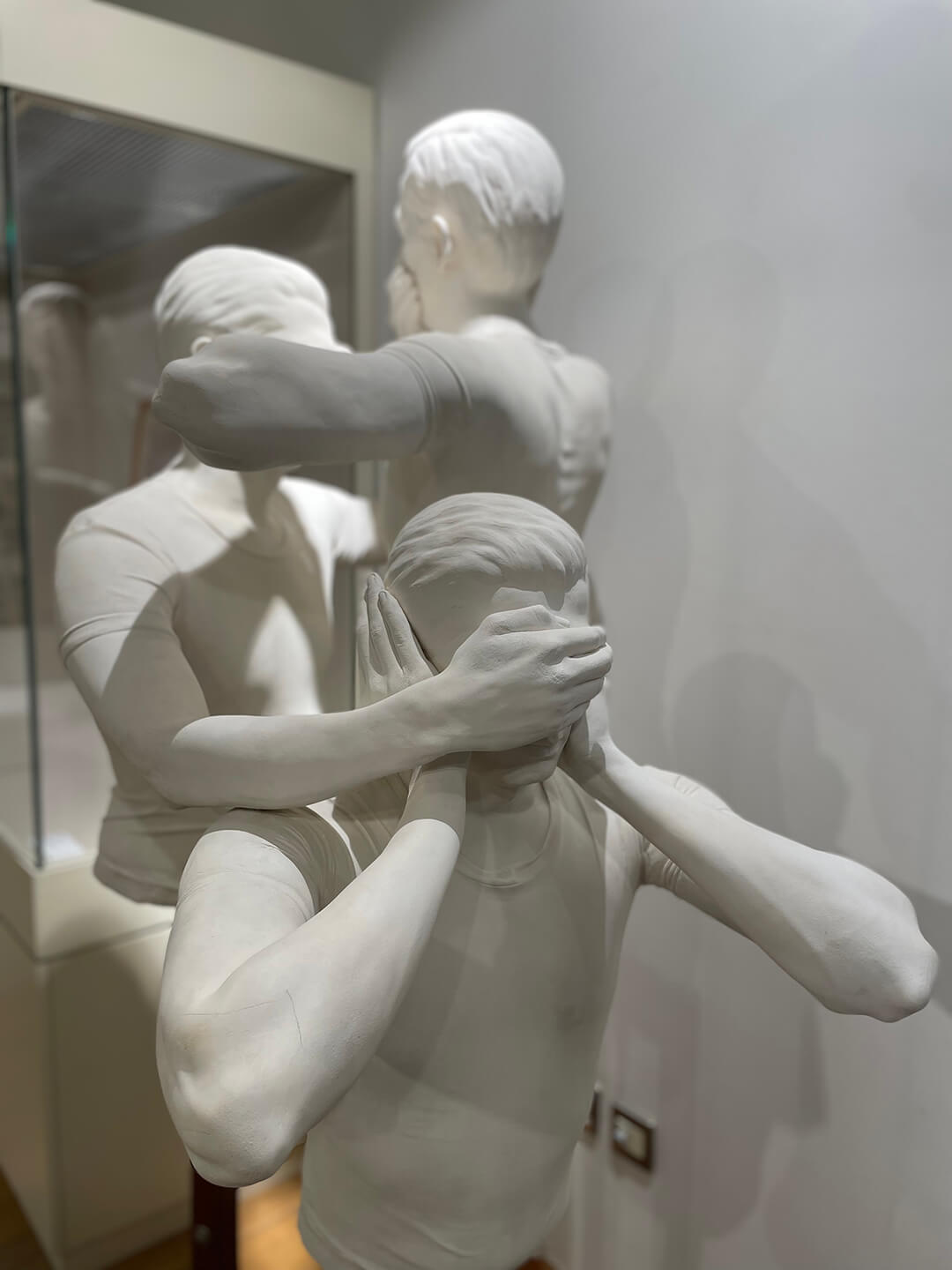
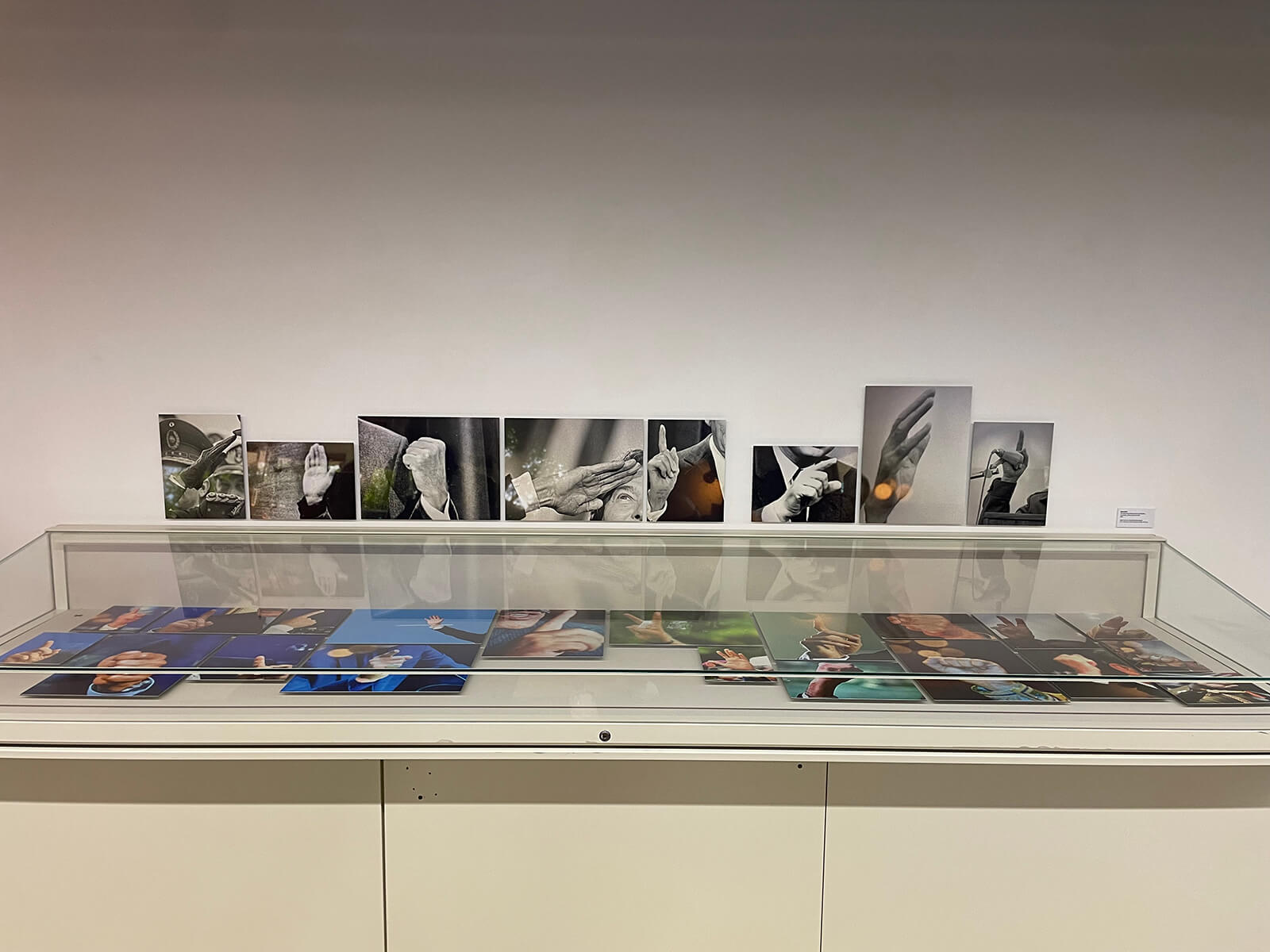
For instance, Indian artist Shilpa Gupta’s Untitled (2021) is a trio of white sculptures of interlinked, identical, unidentifiable men, covering each other’s mouths, ears and eyes (a comment on censorship and repression). This is in tune with Pakistani artist Bani Abidi’s utterly wonderful The Reassuring Hand Gestures of Big Men, Small Men, All Men (2021), 69 photographic prints zoomed in on men’s hand gestures as they’ve given speeches, lectures, orders and commands that have likely dictated many lives’ outcomes. That ‘hand’ always falls differently – at varied strengths – depending on the body it touches. But in Abidi’s work especially, you feel an element of cathartic striking back; the hand is cut off from its body, stripped of its central power, flattened.
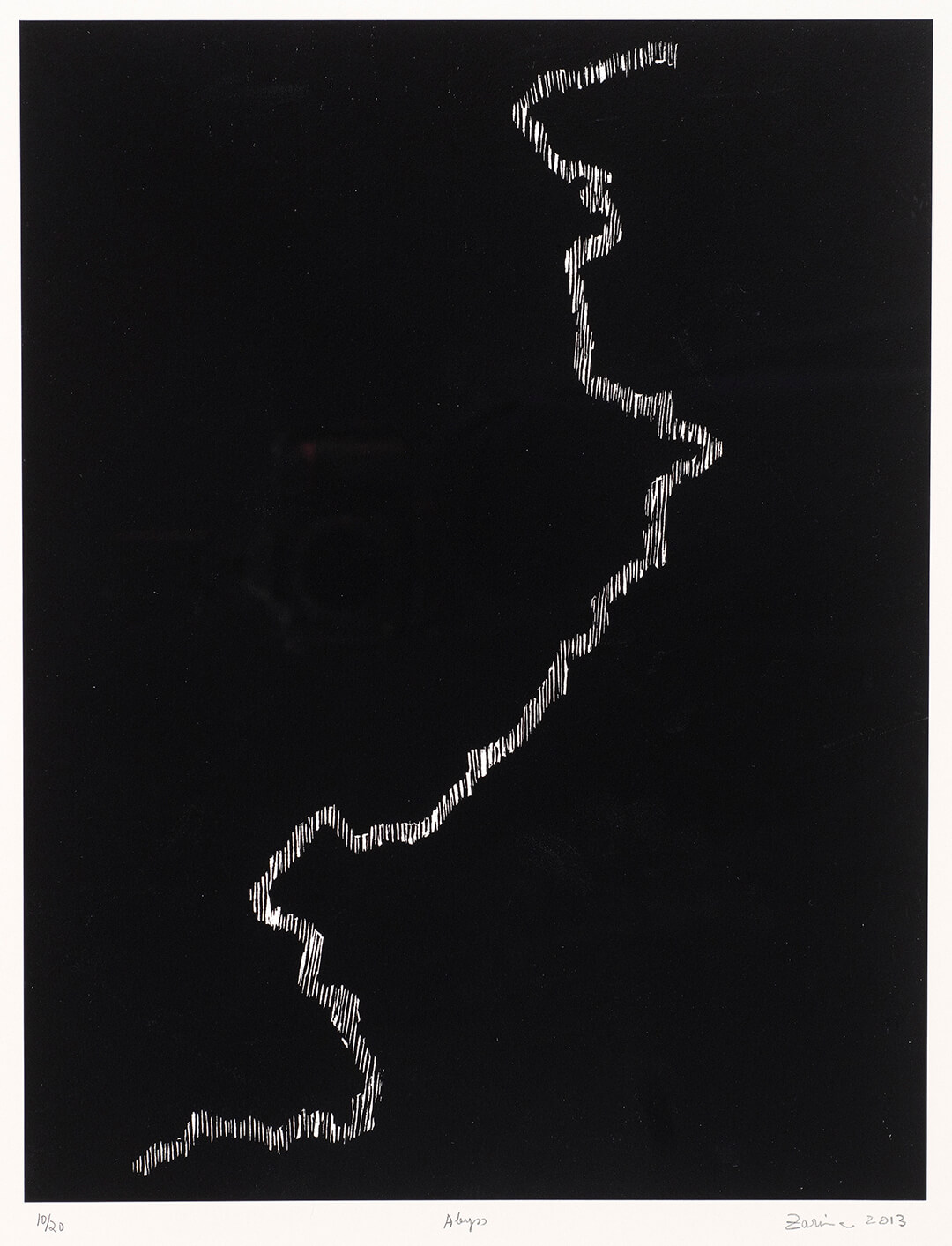
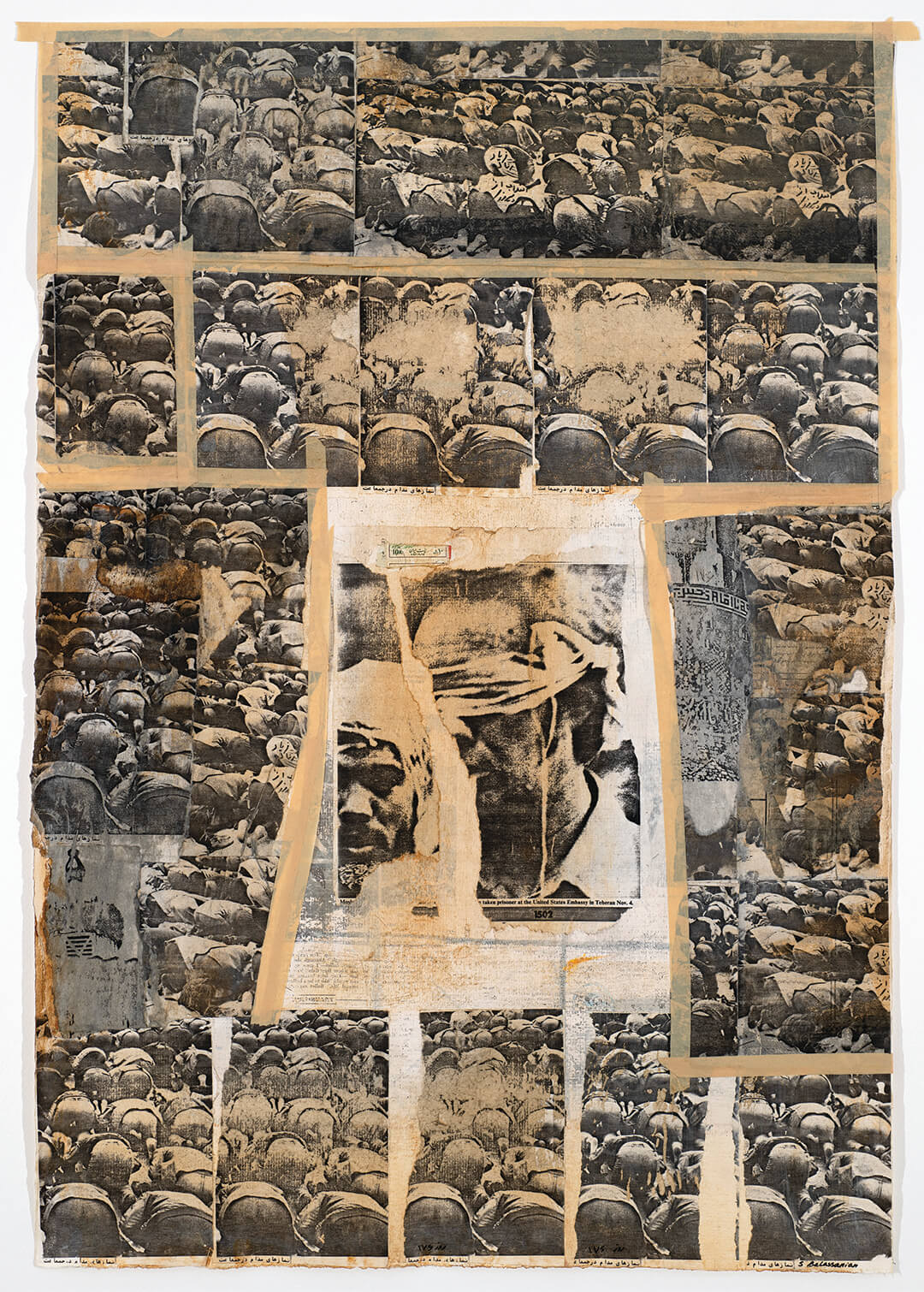
Gupta’s and Abidi’s are two great works, both ‘sticking it to the man’, as well as the ‘nation state’, an entity that is masculinised when asserting force, but feminised when in distress. Similarly, Zarina’s 2013 woodcut Abyss depicts the Radcliffe Line, the border splitting India and Pakistan, in silver on black – an uncertain, jagged cut illuminated in the dark – poignantly asking: why did this have to happen? Meanwhile, Sonia Balassanian’s Hostages explores the Iranian revolution and the 1979 crisis, where 69 Americans were taken hostage at Tehran’s US Embassy. In this mixed media collage series, Balassanian imagines herself as the hostage. Art historian Robert C Hobbs – in an essay on the artist’s website – has written how she processes revolution here as a force that “affects everyone coming in contact with it”, regardless of what side they are on.
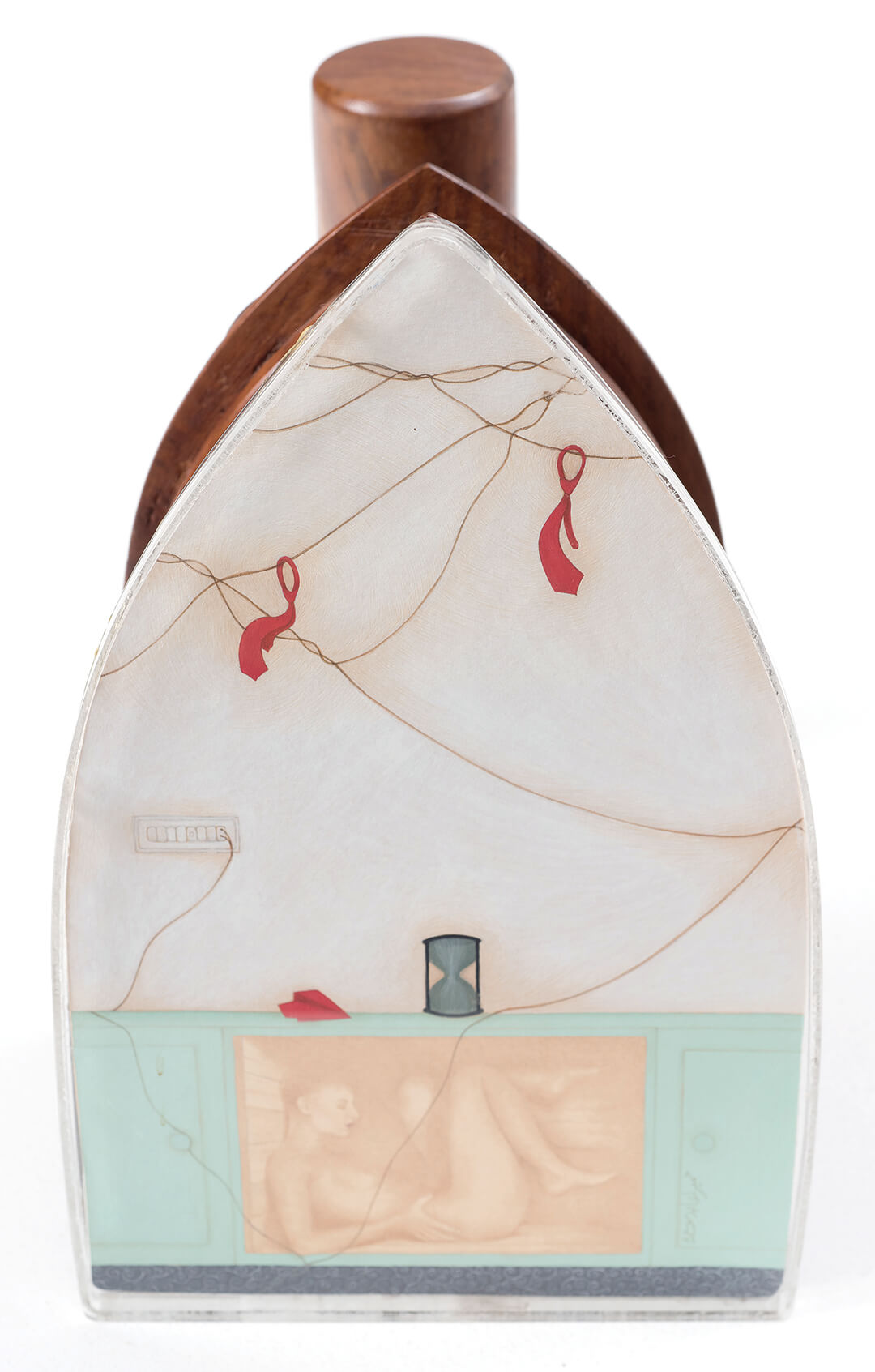
Other works look more inward at the body, domesticity and patriarchal interior spaces. Humaira Abid’s delightful gouache wooden iron Love Games I (2011) and Noorain Inam’s (the show’s youngest artist) A whole lot of nothingness, comprising acrylic painting on carved Indian rosewood, are introspective and abstract. Yet they share the grounding of wood, as well as a certain transformed pain. Black and white photography punctuates these more material pieces – an arresting Shirin Neshat shot; Shadi Ghadirian’s iconic Qajar series; Naiza Khan’s New Clothes for the Emperor II (2009), accompanied by her Bullet-proof vest I (2007), a galvanised steel sculpture of a woman’s body armour.
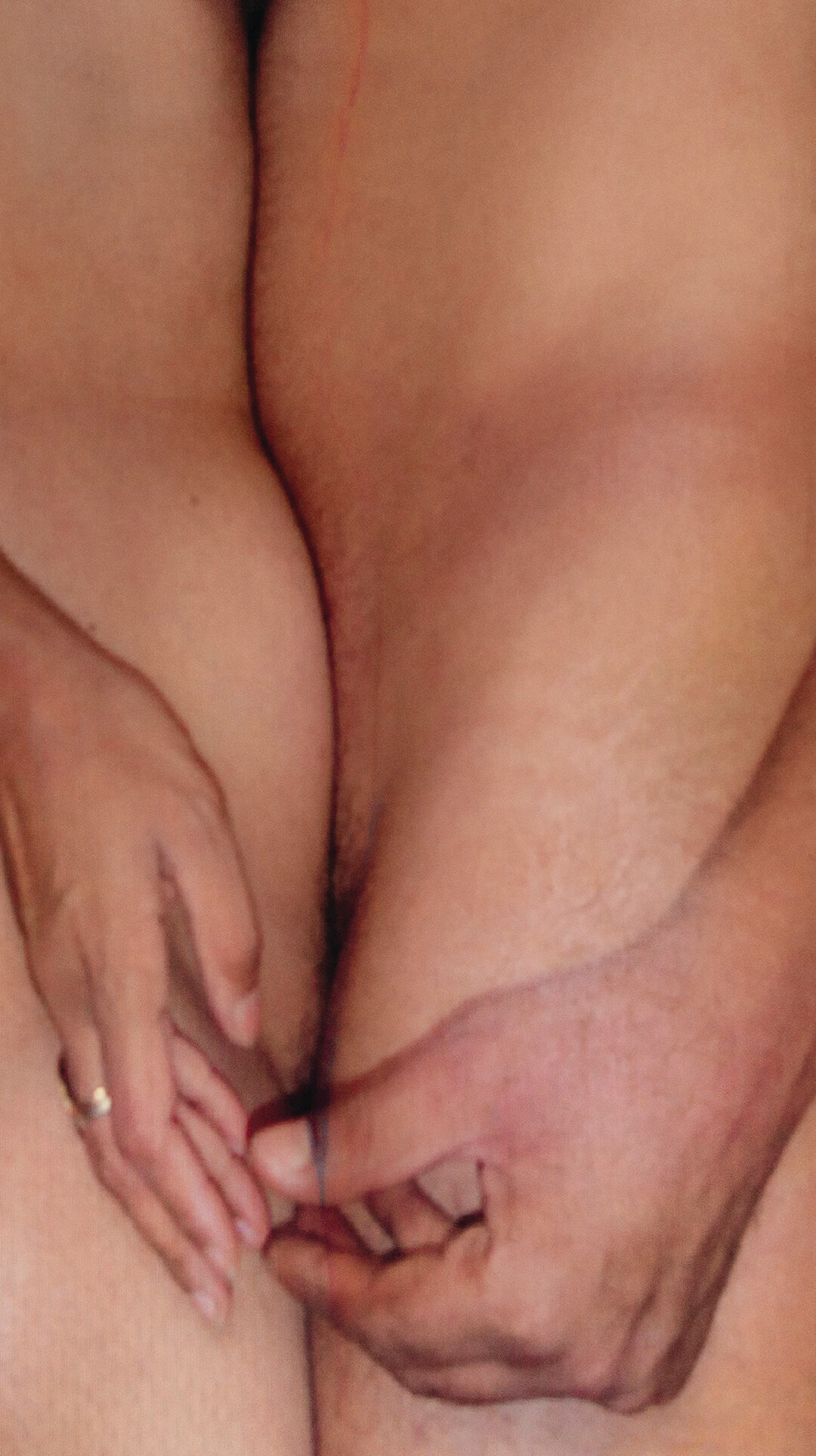
Farida Batool’s 2004 lenticular print (a shifting image with the illusion of depth or multidimensionality), Line of Control, is a tender close-up of two naked bodies pressed together at the hip, one’s fingers gently approaching the other’s. This is the only work explicitly about sexuality and eroticism, a relatively quieter theme. This is despite how calling South Asian, Iranian, or Arab women ‘sinful’ often first connotes that they have sexually transgressed in some way. Perhaps this is why the print appears at the show’s start, as if to signify that that first “line of control” between bodies keeps coagulating into harder, more dangerous lines we cannot touch; where, more than love or pleasure, there is a greater possibility of violence and where protest itself becomes sin. Batool’s own brilliantly-titled Thandi Sarak (2008-9), translating to ‘cold’ or ‘icy street’, embodies this. A nostalgic memory of innocent, free children’s play is juxtaposed with a thick cordon of riot police cutting across the print.
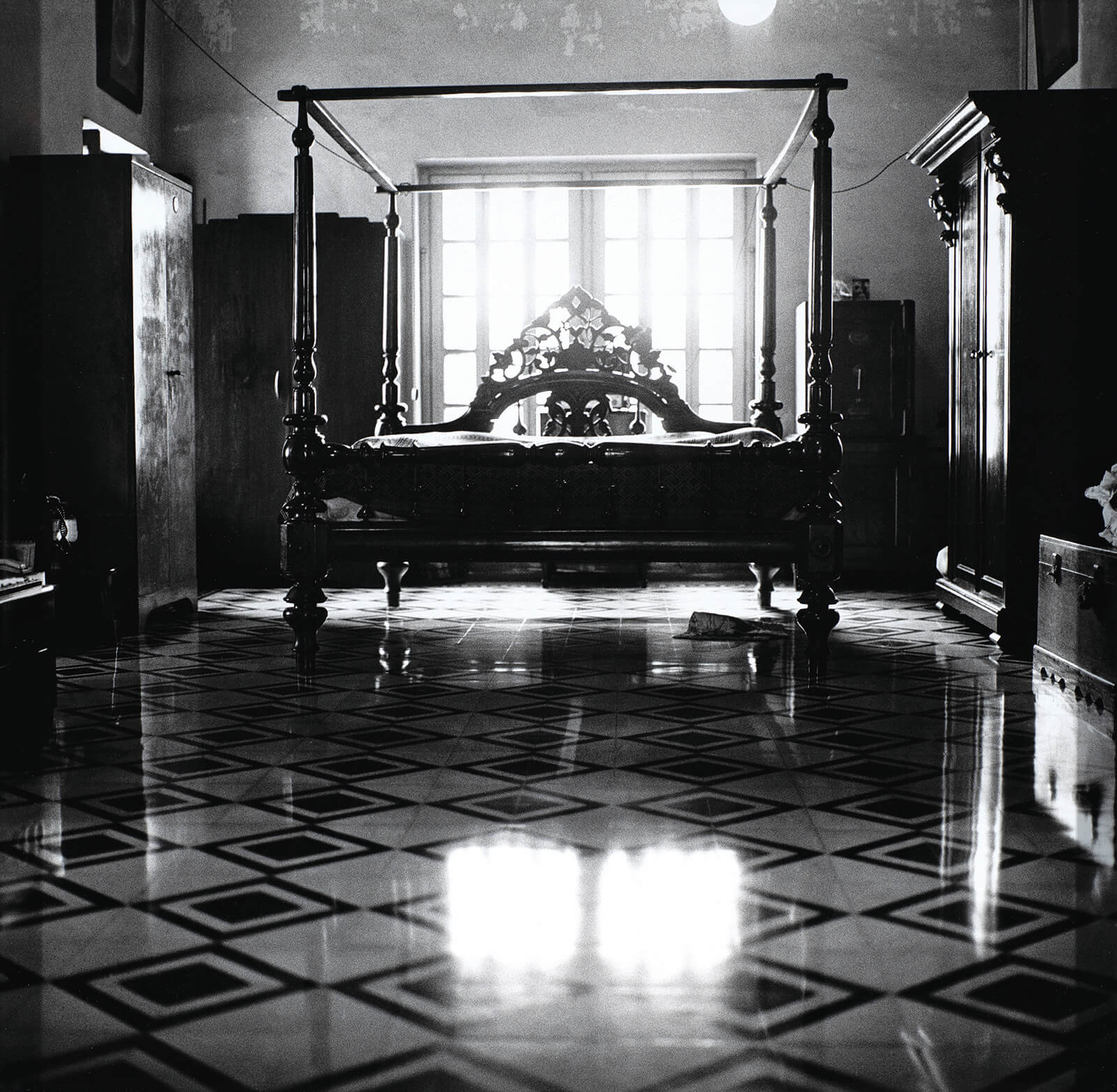
This is an independent show located fittingly in the library – one of the world’s most important for the study of Asia, Africa and the Middle East – of a university known for its postcolonially-oriented pedagogies and curricula. Fitting this amount and depth of work within a strip of a library is not an easy task and one does wish there was more breathing room. While the curatorial statement can seem generalised, it does open up a conversation on the potential efficacy of the library as a more grounded, accessible, in-depth subversive space, where art, research, archives and literature can be in dialogue. This, in a time where economic hardships and political fear have been stoked further by hardline governments worldwide, women’s rights have been rolled back and diverse academic and historical reading is being increasingly censored.
We Sinful Women makes you want to see what more can be done with its curatorial format. And how, too, could it be progressed beyond framing the marginalised (whether by race, region, gender, sexuality, etc.) through their refusal or transgression alone?
‘We Sinful Women: The Library Project’ is on view from September 18 – December 7, 2025, at the SOAS Library.
The views and opinions expressed here are those of the author(s) and do not necessarily reflect the official position of STIR or its editors.
by Srishti Ojha Oct 21, 2026
Increasingly, artists, filmmakers and activists are turning to VR to create more personal, tangible accounts of the climate emergency and its impact on vulnerable communities.
by Mirra Lynn Oct 20, 2026
The Indian artist paints the old wadas of central Pune, capturing the traces of everyday life that cling to these structures, battered by time but unbowed.
by Anmol Ahuja Oct 15, 2026
How do heaps of souvenirs and relics with racist Aboriginal motifs and features become art? MCA Sydney’s winter showcase—the artist’s largest to date—beckons a possibility.
by Vandana Kalra Oct 14, 2026
With his latest exhibition as a point of departure, the modernist discusses his decades-long practice, the spontaneity of drawing and the social responsibility of artists.

make your fridays matter with a well-read weekend
Enter your details to sign in
Don’t have an account?
Sign upOr you can sign in with
a single account for all
STIR platforms
All your bookmarks will be available across all your devices.
Stay STIRred
Already have an account?
Sign inOr you can sign up with
Verification link sent to check your inbox or spam folder to complete sign up process
Tap on things that interests you.
Select the Conversation Category you would like to watch
Please enter your details and click submit.
Enter the 6-digit code sent at


We sinful women have always been here
by Vamika Sinha | Published on : Oct 20, 2025


 Sign in with Google
 Sign in with email
What do you think?