Art09 mins. read
Wedding photos, 'boterismo' and Korean film stars: Your guide to Art Basel Hong Kong
by STIRworldMar 24, 2025


by Emma DroccoPublished on : Jul 15, 2026
How do materials carry memory? How does the body store knowledge? How does labour shape perception? These are the questions that curators Clément Dirié, Liu Xiao and Chen Yangyi, in conversation with STIR, recognise as central to the exhibition Material Matters, on view at the West Bund Museum in Shanghai, and more broadly, to contemporary artistic discourse.
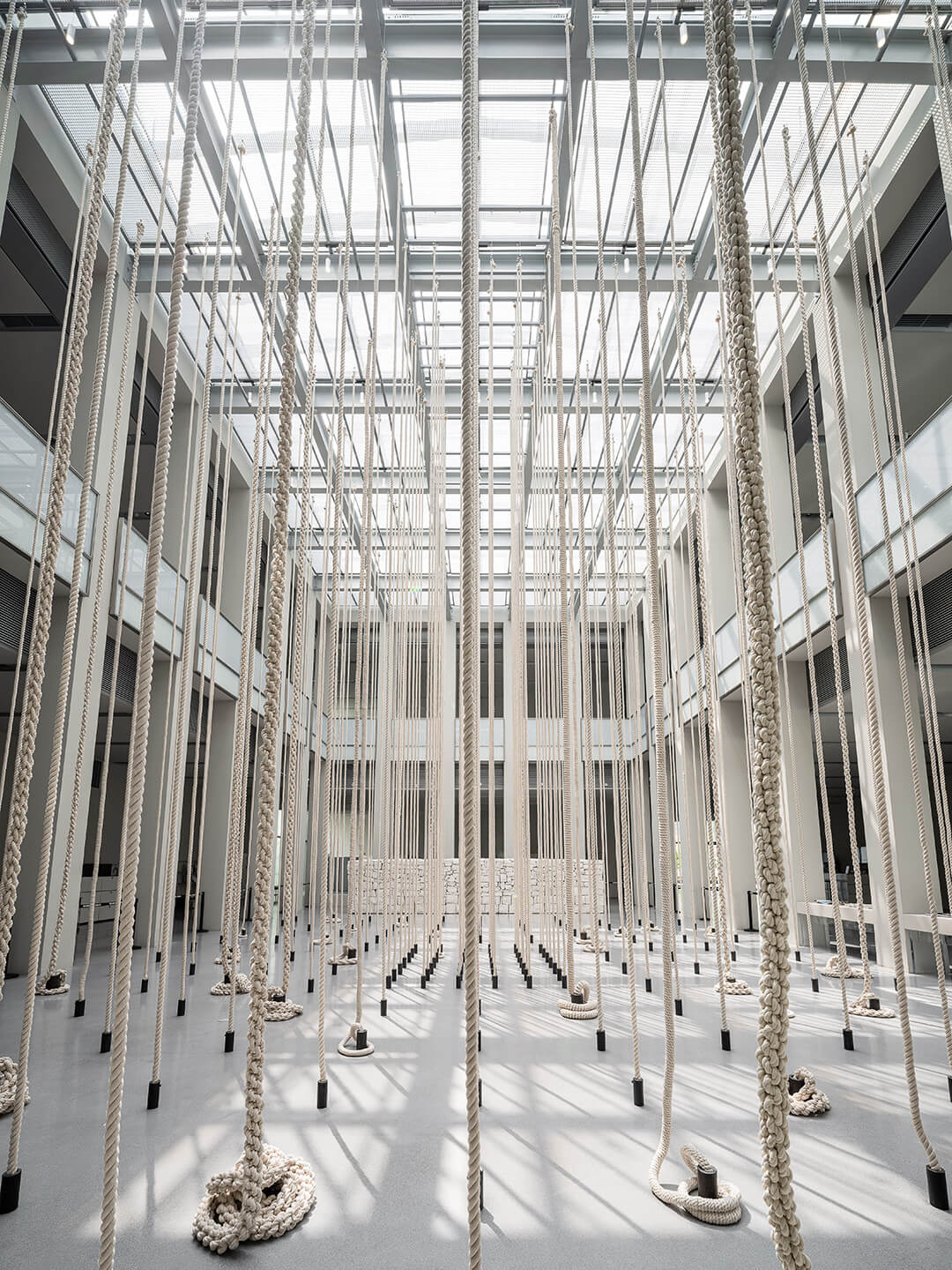
There is no fixed route through the exhibition. Walking through the galleries, the idea of ‘material thinking’ by Paul Carter comes to mind, reminding us that materials and manual processes possess their own inherent intelligence, and that true creative invention occurs through the physical, collaborative joining of hand, eye and mind.
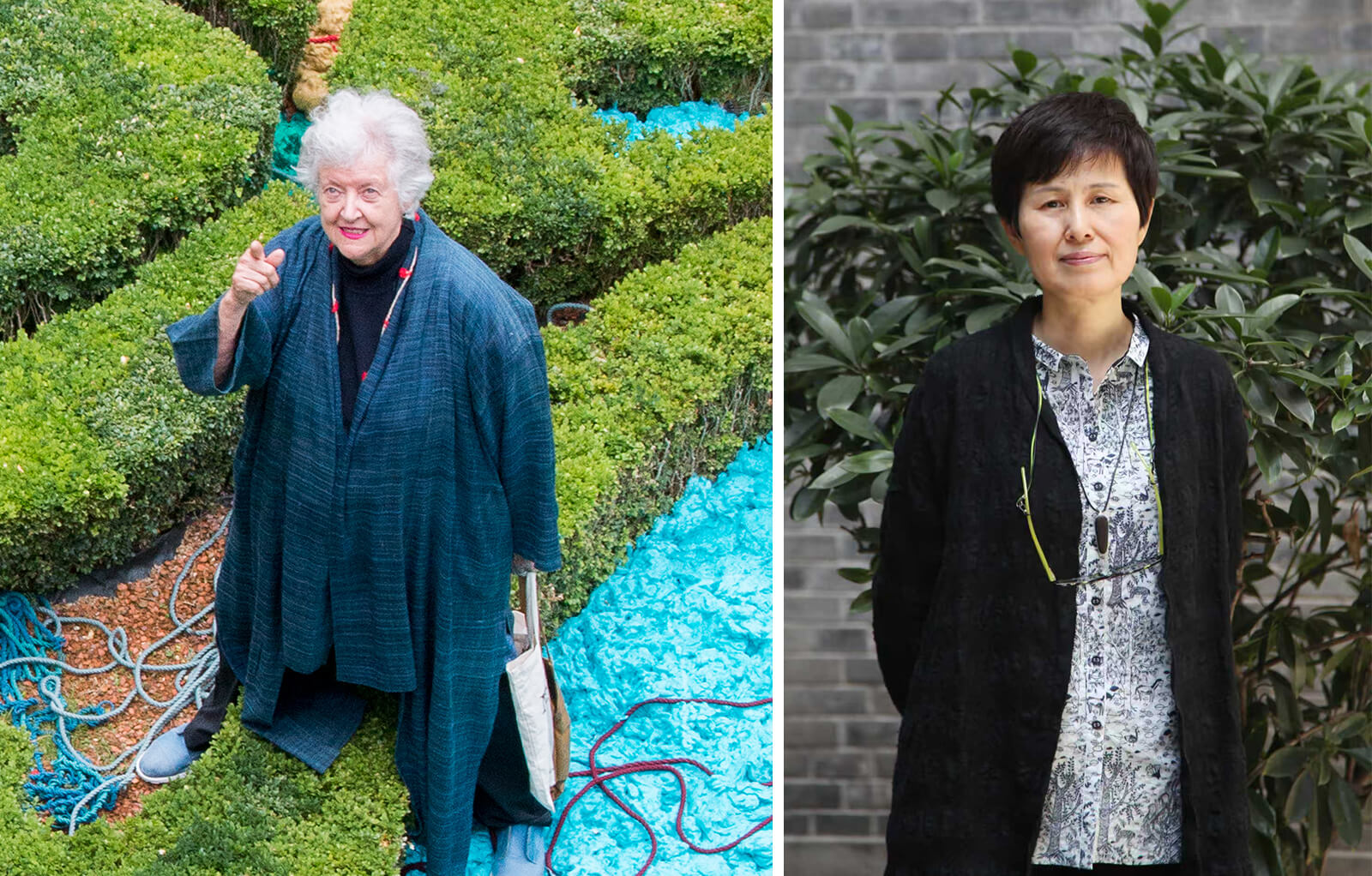
The curators' decision to present the exhibition without artwork labels allows us to enter the works first through bodily and sensory experience, before any textual framework arrives. Two independent artistic worlds occupy the galleries. Sheila Hicks' expands outward through scale, colour and soft architecture while Shi Hui turns inward through material memory, calligraphic spirit and paper pulp. One, out of Paris via pre-Columbian and South Asian textile traditions; the other, from Hangzhou via calligraphy and xuan paper—and yet, together, they propose a picture of what fibre art can be and can do that neither could offer alone.
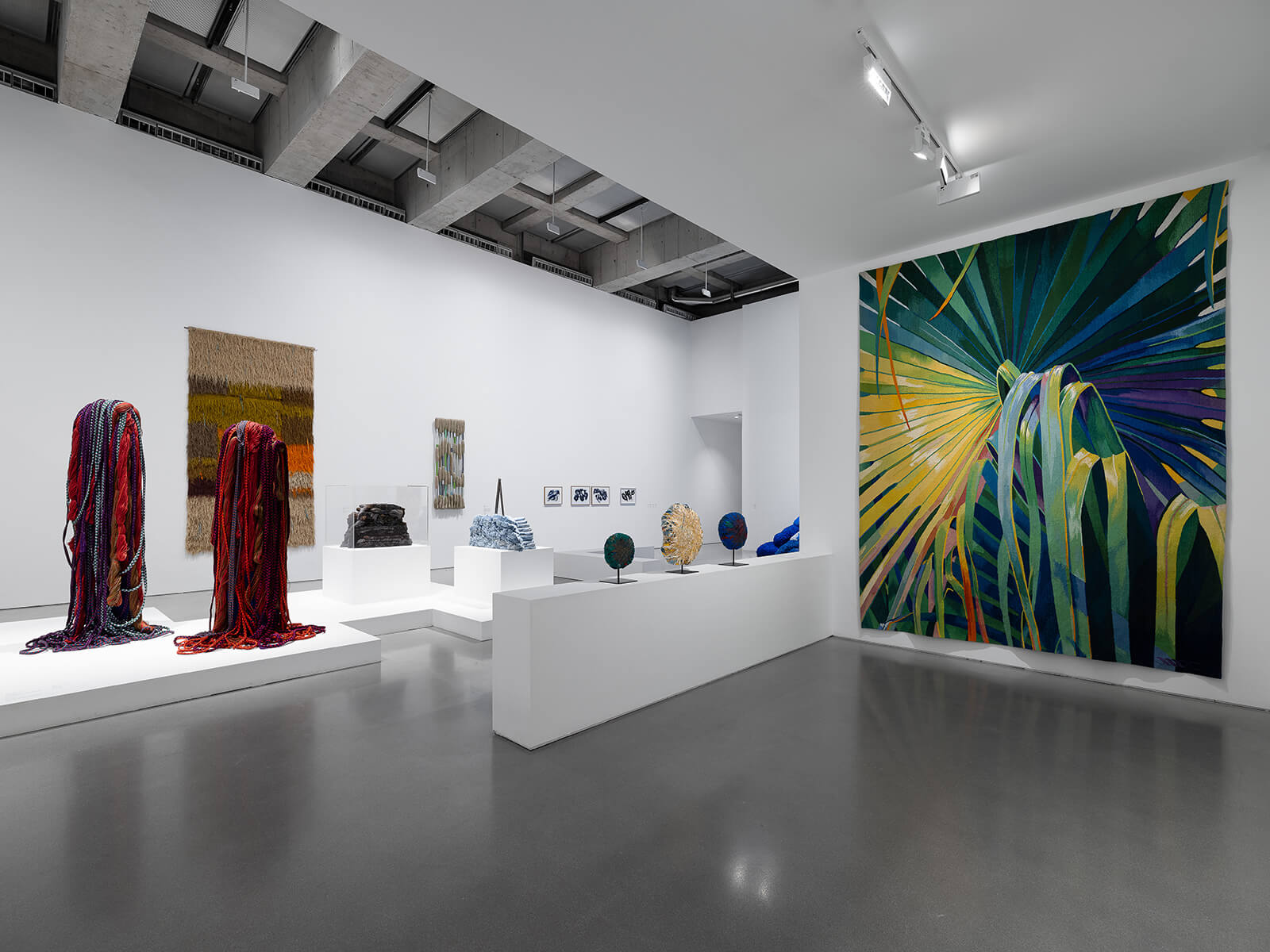
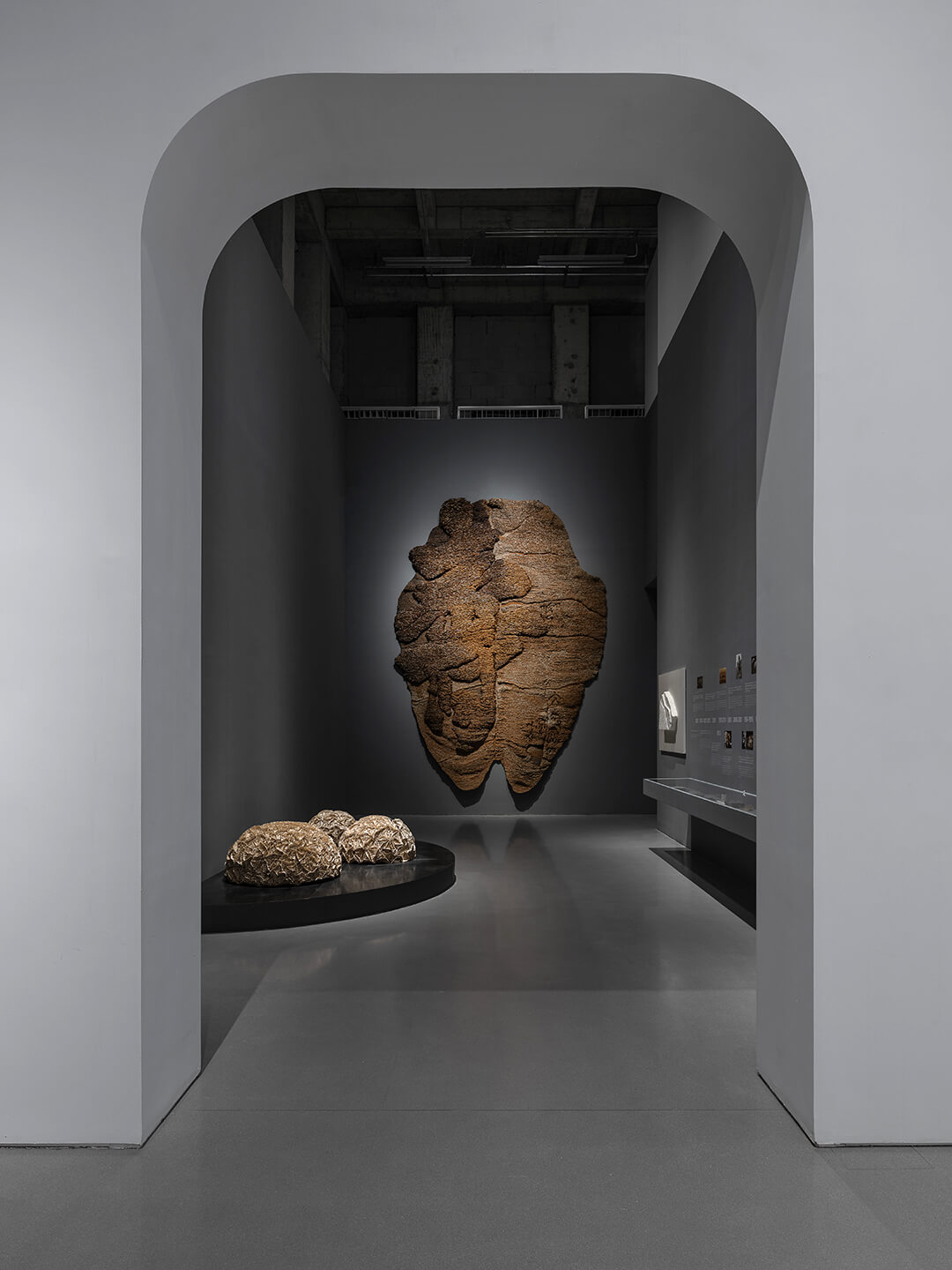
The strong connection between the two artists is rooted in their long-term commitment to material. In the exhibition, this becomes visible as an encounter between two life practices, understood through the lens of the show itself, rather than a comparison between different forms of fibre art. By choosing not to add labels or a defined theoretical framework, the curators leave visitors free to discover commonalities in material practices on their own, while also becoming aware of differences in scale, temporality, bodily experience and cultural logic. This openness reflects the perspective the curators chose to adopt, stating it as the "broader geographical and cultural coordinates that extend beyond conventional distinctions of East and West".
Juxtaposition, rather than comparison, is the exhibition's guiding strategy, and it can be felt from the very first steps set into the galleries, where a dual structure presents in parallel: Sheila Hicks: Rivers Near and Far, bringing together diverse bodies of work shaped by her travels across South and Latin America, India and China, and Shi Hui: A Song of Paper and Stones, which shows how she has continuously built connections between material and spirit, the visible and the invisible. Rather than channelling the viewer towards a predetermined conclusion, the exhibition creates breathing space for the tensions that naturally emerge from the two practices. "Juxtaposition preserves greater openness,” the curators told STIR. "It allows the exhibition to become a site where knowledge is produced, rather than a site where conclusions are presented."
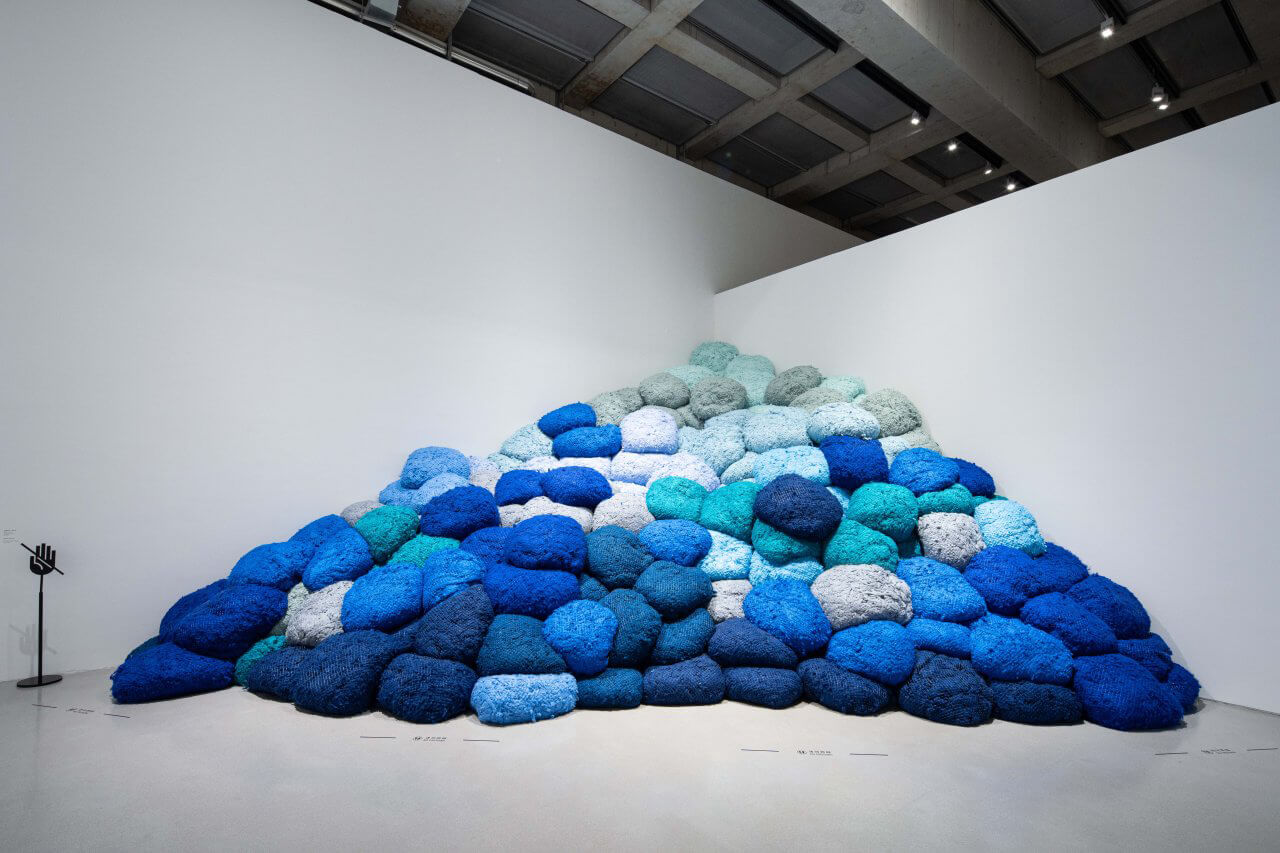
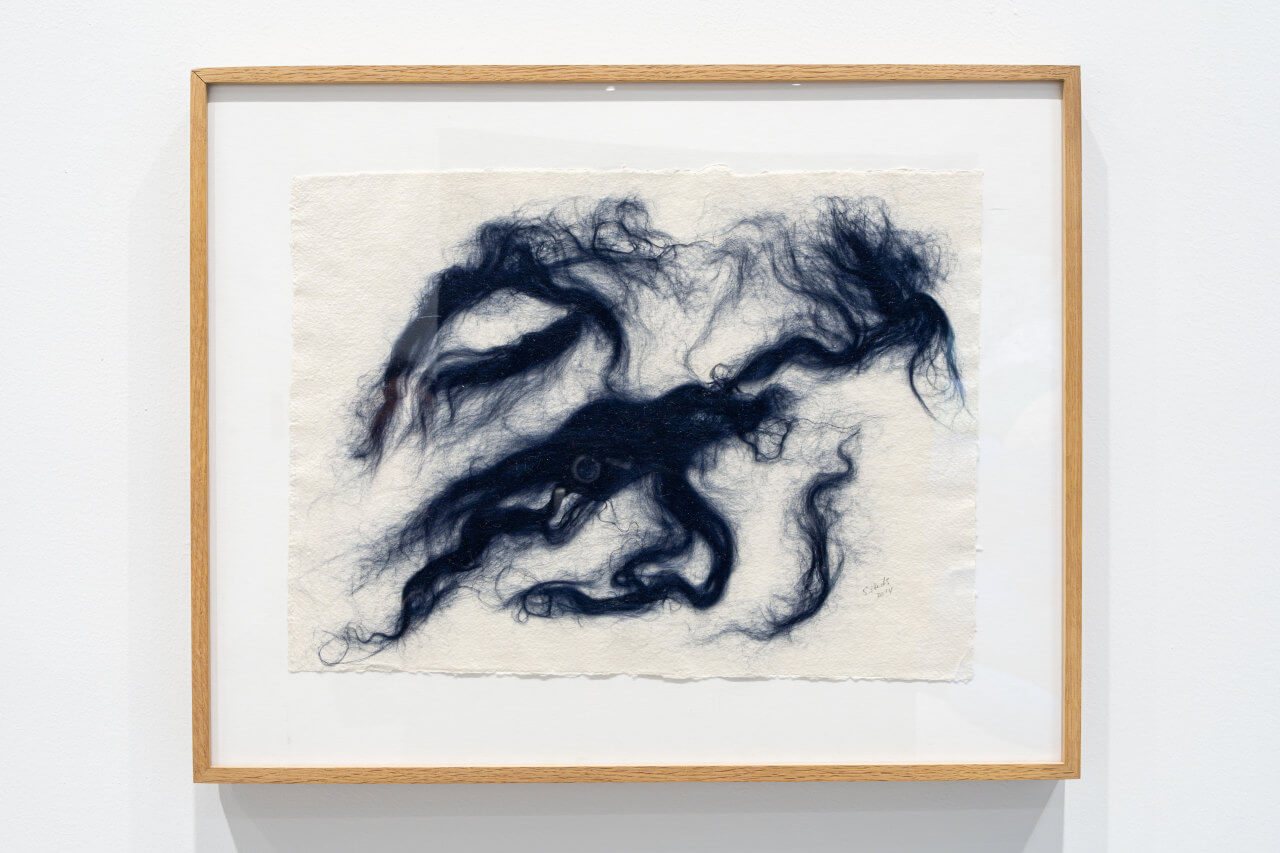
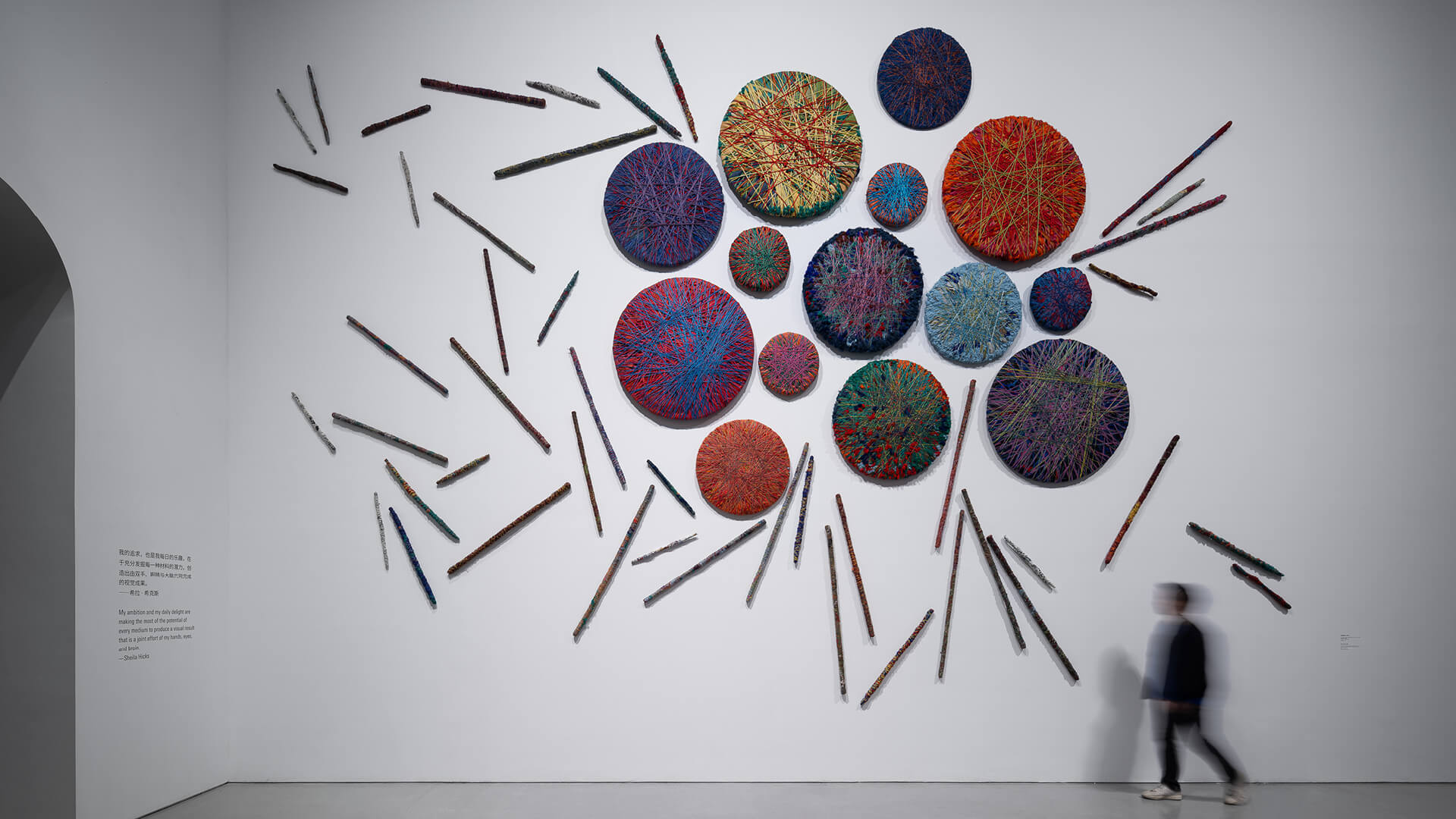
The visitors first enter Hicks' vast, formal, visual and chromatic repertoire, shaken by an outward-expanding energy. Standing before these works, one is met by a wave of colour that never quite settles. The eye lingers on texture, loses itself in details and is pulled between scales before the mind has time to organise what the body is already feeling. Works such as La Gardienne (2018) or Peaceful Forest (2026), inspired by pre-Columbian textile techniques Hicks discovered during her formative sojourns in South America, make colour itself feel structural. The dialogue between the monumental Nowhere to Go and Drawing of Fiber Ⅲ, a series of delicate mohair drawings, is where this range becomes most legible: the same material thinking that produces overwhelming presence produces the most intimate whisper, and moving between the two reveals fibre's full potential, in form, colour and texture simultaneously.
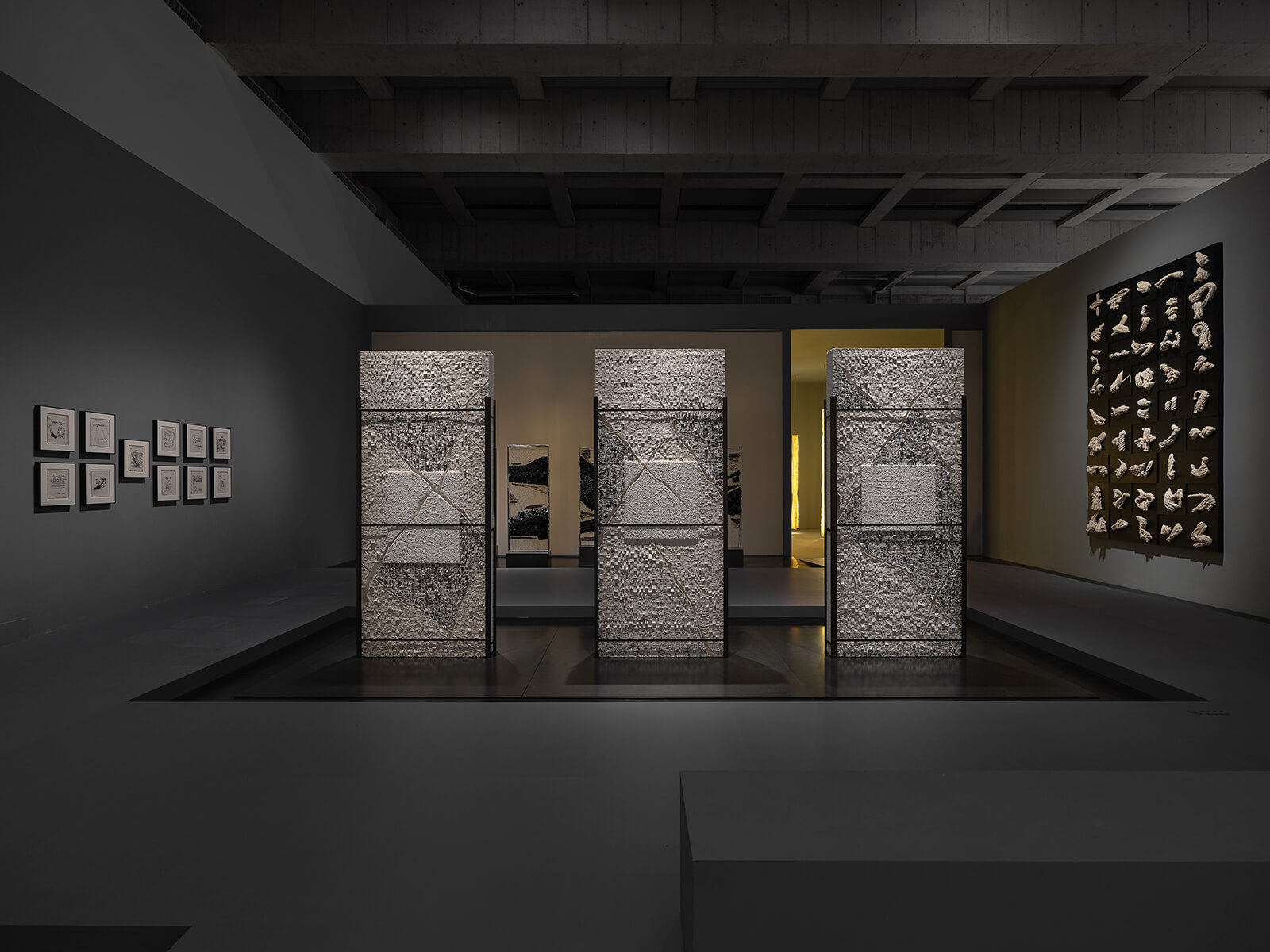
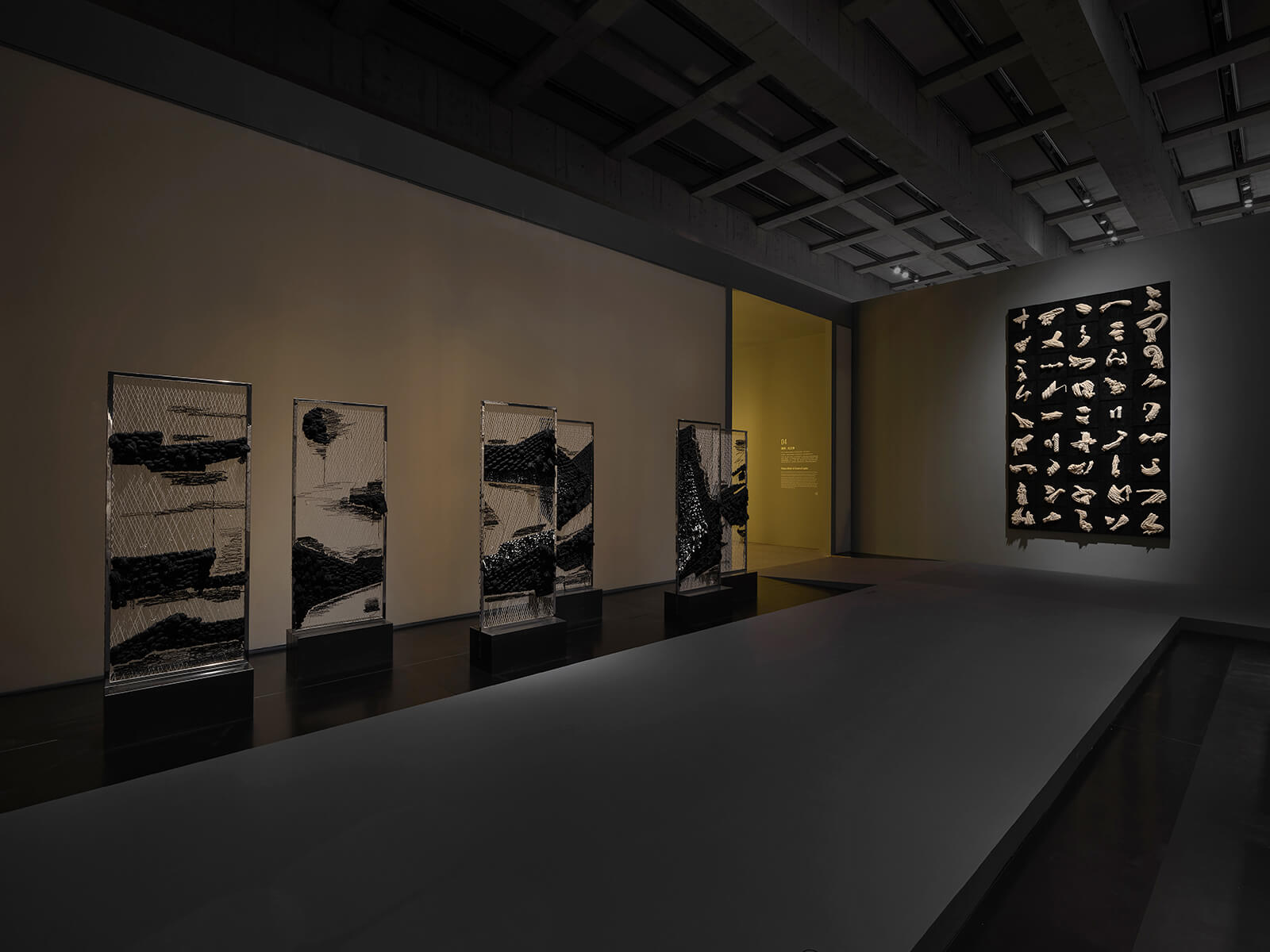
Upon entering Shi Hui's galleries, the rhythm slows, not as a curatorial instruction but as a physical fact. The lights dim, and the pace follows, eyes adjusting to a darkness that first unsettles before it reveals itself as necessary. This is where Carter's material thinking stops being a concept and becomes an experience, the hand's knowledge asking the eye to slow down, to look longer, to resist the impulse to name before feeling. What surrounds you here is not absence but precision, quiet particulars that the darkness holds rather than obscures, details that only become legible once the eye has learned to rest. The bridge Hui constructs between fragility and eternity, material and immaterial, accompanies us through the discovery of her works, through the ‘garden’ that can be both seen and read, in a cultural and spiritual experience. In Echoes of the Epigraph (2023), she constructs stele-like forms that carry a strong sense of history and monumentality. In Writing-Non-Writing, the boundary between writing and weaving is deliberately dissolved. This is the exhibition's most direct answer to the question of how the body stores knowledge, not in language, not in image, but in the repeated gesture that makes both writing and weaving possible, the stroke that is simultaneously a mark and a thread.
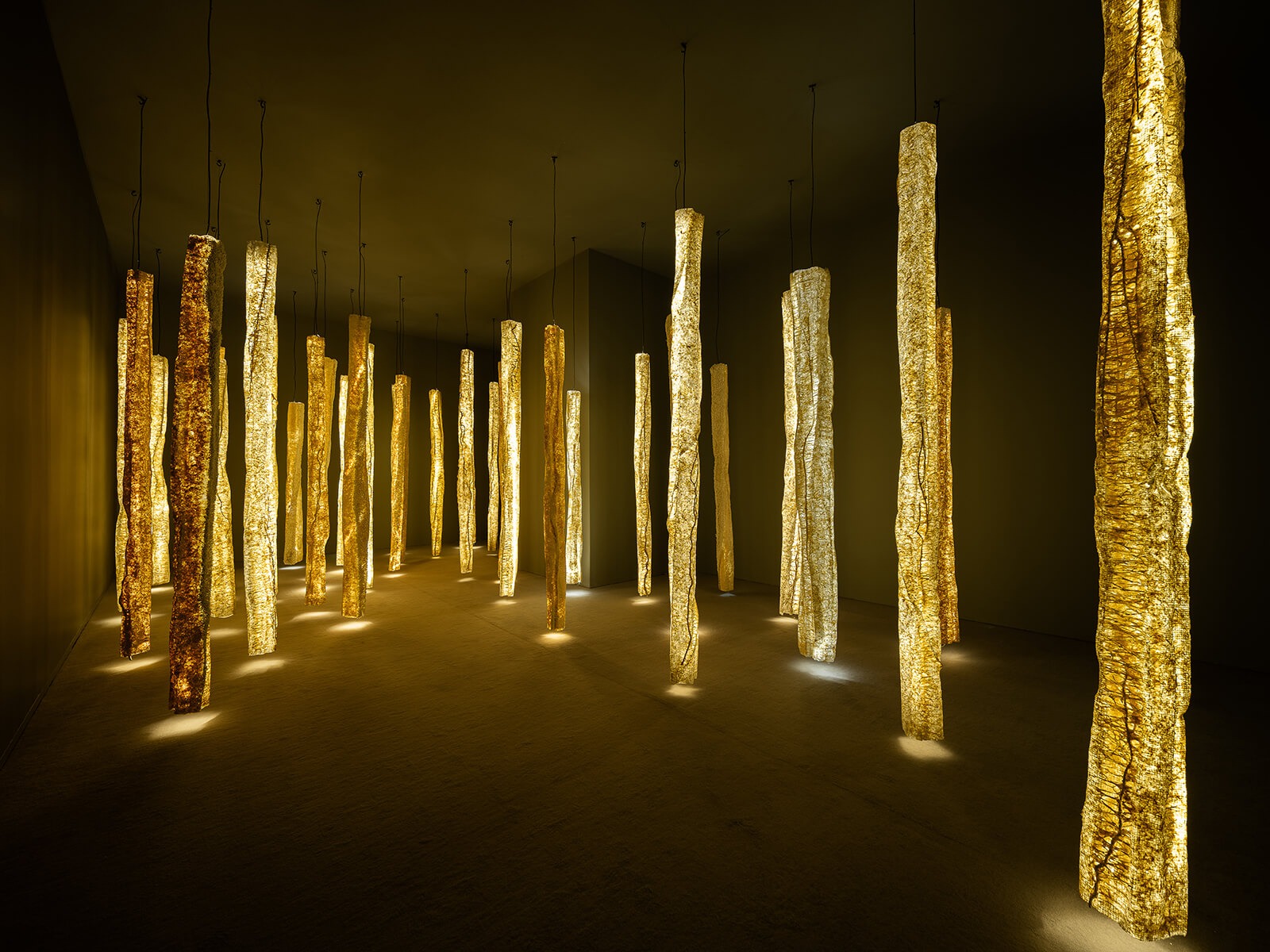
Walking out of these galleries, what stays with one is not only the historical weight of the contributions of these two artists, whose roles in transforming fibre from a marginal material into an independent artistic language are now recognised by major museum and gallery collections worldwide, but rather how the show shifts our perspective on art itself. "Whether in Paris or Shanghai", as the curators put it, "fibre practices have become increasingly important within broader conversations about the relationship between craft and art, and about how material knowledge, manual labour and slower forms of production can regain value in an era defined by technological acceleration and digitisation." What the artists make undeniable is that labour shapes perception by slowing it down, by insisting on duration in an era that systematically eliminates it. What the hand makes over time, the eye learns to read differently.
For the curators, the question of fibre's legitimacy as art was settled decades ago, once the medium entered major museum collections and art-historical scholarship; there is little left to defend on that front. The exhibition, as they told STIR, is not staged to secure fibre art a place within art history; it uses fibre instead as a means of reopening that history, moving beyond narratives built primarily around style and medium, toward the value of a particular way of knowing.
That is a crucial observation: in a system that tends to associate contemporary art with evolution, technology and new media, it is necessary to pause and look for questions and answers somewhere else—in practices that have long been labelled traditional and, because of that label, considered peripheral.
This is a conversation in which Asian, and particularly Chinese, institutions have a great deal to say. Unlike Western modernism, the boundary here between art and craft, concept and making, has never been sharply drawn. The future of contemporary art, as this exhibition argues, will emerge not only through new technologies, but through renewed attention to embodied experience, material knowledge and the value of sustained labour.
What our conversation with Dirié, Xiao and Yangyi brought into focus is ultimately simple, even if the art world has been slow to admit it: materials matter, and hands know.
‘Material Matters: Sheila Hicks & Shi Hui’ is on view from April 17 – August 2, 2026, at Gallery 3 in West Bund Museum, Shanghai.
by Srishti Ojha Oct 21, 2026
Increasingly, artists, filmmakers and activists are turning to VR to create more personal, tangible accounts of the climate emergency and its impact on vulnerable communities.
by Mirra Lynn Oct 20, 2026
The Indian artist paints the old wadas of central Pune, capturing the traces of everyday life that cling to these structures, battered by time but unbowed.
by Anmol Ahuja Oct 15, 2026
How do heaps of souvenirs and relics with racist Aboriginal motifs and features become art? MCA Sydney’s winter showcase—the artist’s largest to date—beckons a possibility.
by Srishti Ojha Oct 14, 2026
The first Dutch publication on the Turkish artist, the eponymous book centres on Refik Anadol: Latent City, his living data sculpture of Bruges, exhibited at BRUSK gallery.

make your fridays matter with a well-read weekend
Enter your details to sign in
Don’t have an account?
Sign upOr you can sign in with
a single account for all
STIR platforms
All your bookmarks will be available across all your devices.
Stay STIRred
Already have an account?
Sign inOr you can sign up with
Verification link sent to check your inbox or spam folder to complete sign up process
Tap on things that interests you.
Select the Conversation Category you would like to watch
Please enter your details and click submit.
Enter the 6-digit code sent at


West Bund Museum's Material Matters on learning through the hands and the eyes
by Emma Drocco | Published on : Jul 15, 2026


 Sign in with Google
 Sign in with email
What do you think?