Design08 mins. read
From forest to furniture: six designers, six unique transformations of A Tree
by Pranjal MaheshwariAug 22, 2026



by Chahna TankPublished on : Mar 09, 2026
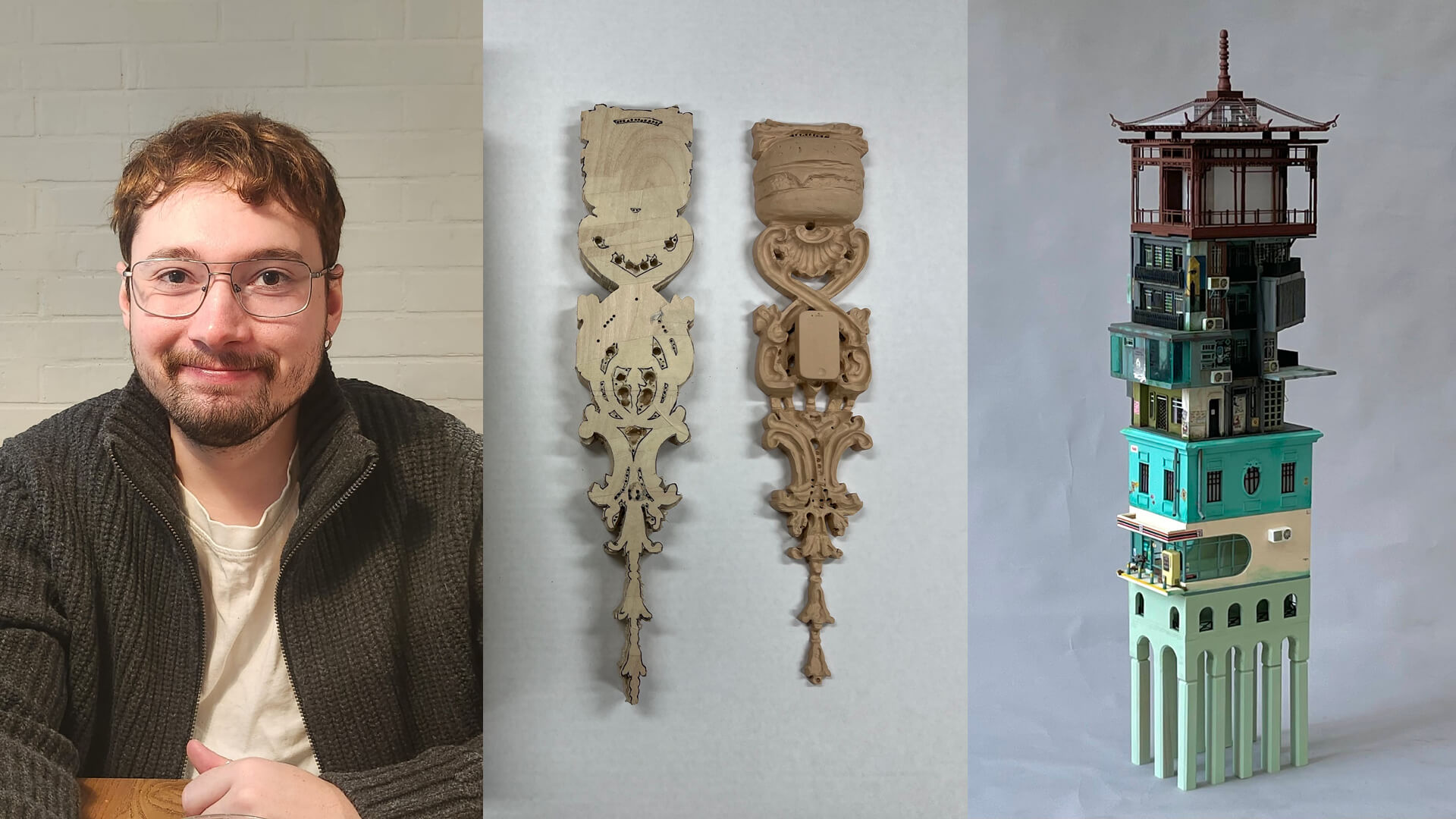
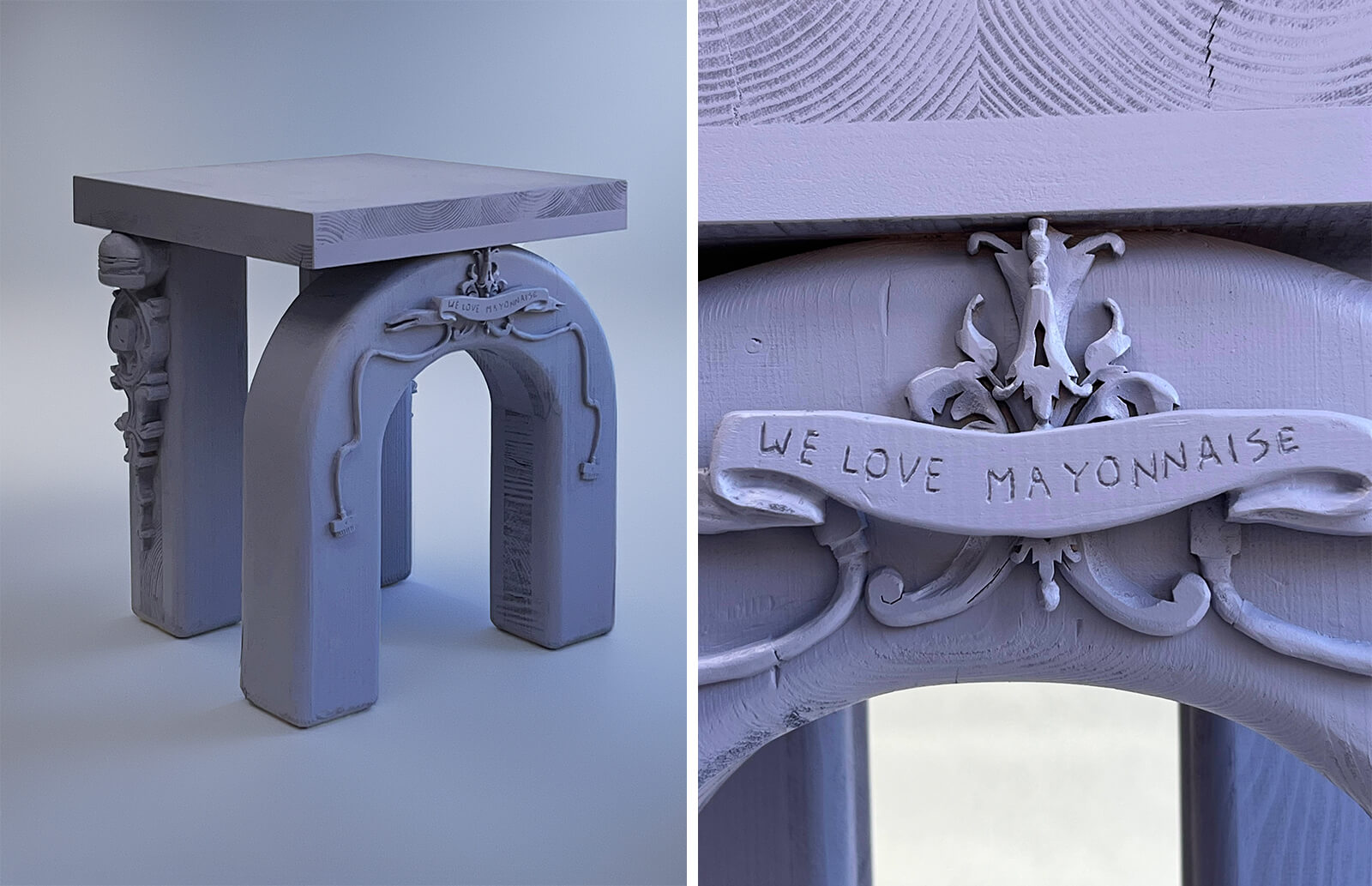
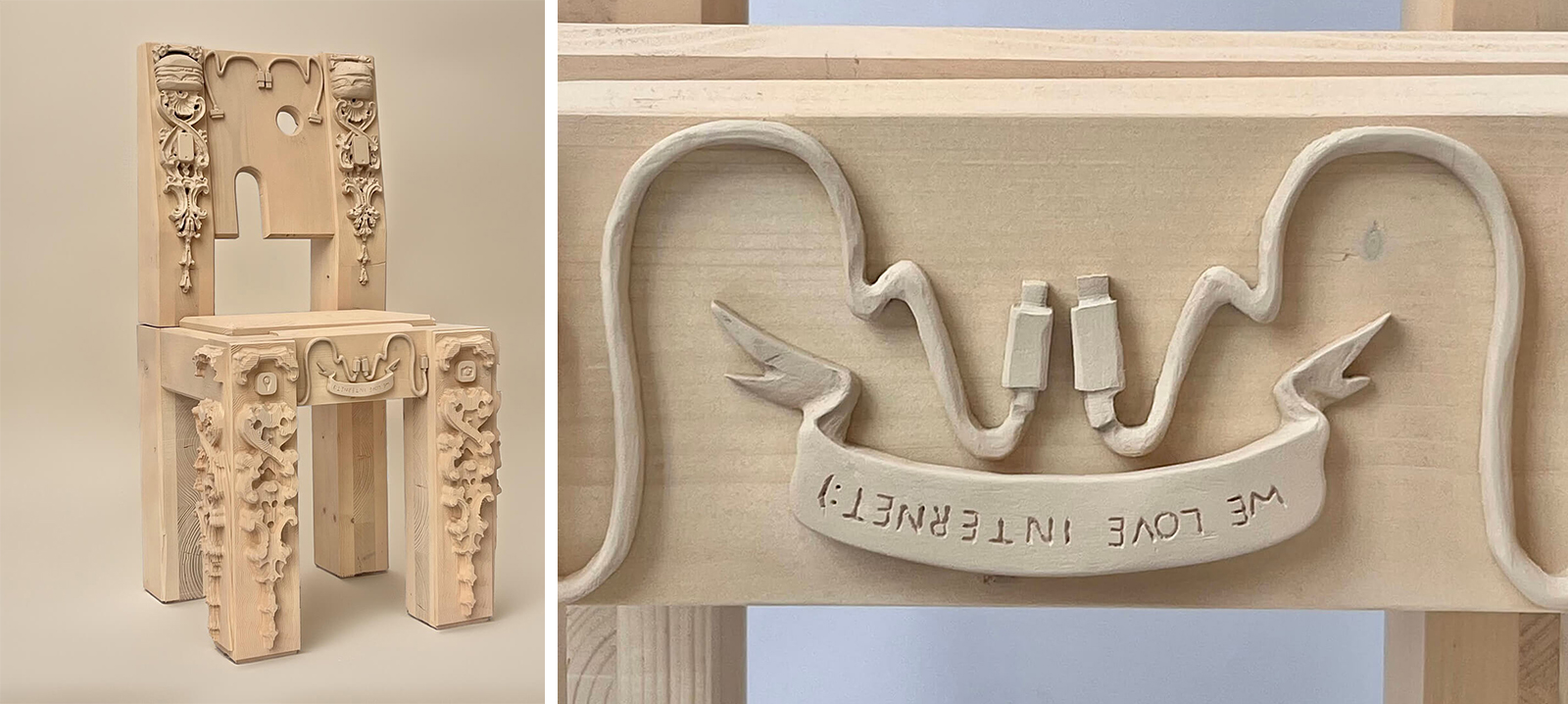
'We Love Internet :)' reads a chair. Another piece: 'We Love Mayonnaise'. A bow detail turns out to be a charging cable. At first glance, Andrejs Sosenko’s furniture appears to be full of ornaments—elegant silhouettes, decorative flourishes and forms that seem traditional. But zoom in, and the details begin to morph. The decorative motifs are tiny oddities proffering our digital world. Chair legs are insect-like forms or improbably balancing on an eyeball. Tiny buildings perch on surfaces like stuck Lego fragments. Look closer still, and you might just notice tiny figures using chair legs as archways. It is precisely this invitation to look again—and then look closer yet—that makes the work of the Latvia-based furniture designer so compelling. In a contemporary design landscape that increasingly leans towards minimalism, there is something refreshing about seeing a young designer embrace such eccentricity.
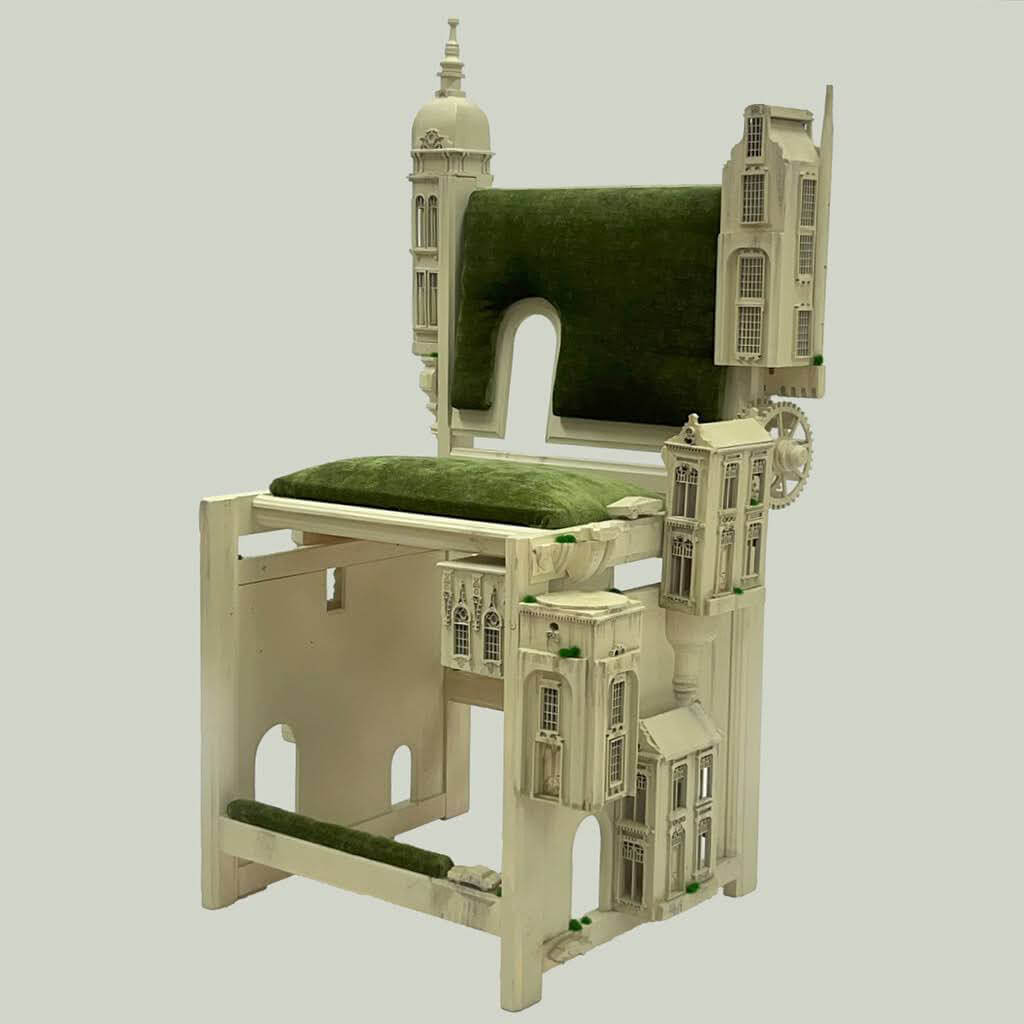
Having first studied product design and technology in Manchester, UK, and later, wood-oriented furniture design at the University of Gothenburg in Sweden, the product designer describes his work as functional art—furniture that operates as both a utilitarian object and a sculptural and cultural artefact. Much of Sosenko’s young practice begins with questioning what he calls ‘modernism’s monopoly’ on contemporary design. While modernism continues to shape much of today’s design landscape, Sosenko questions whether its dominance still serves contemporary culture.
He is interested in reopening the door to decoration as a way of capturing the peculiar and particular rhythms of contemporary life. In his product designs, the iconography of the digital age—phones, cables, apps and digital icons—becomes ornaments that tell the stories of our time. “My projects sit within the field of furniture design, but with a focus on meaningful ornamentation. We live in an era where ornamentation can be easily produced with modern techniques, but in almost all cases, we settle for minimalism in design. What fascinates me is the shift from ornate styles to minimalist ones and what that change says about us,” Soskenko tells STIR.
Minimalism can co-exist; I love it, and it should be present, but overshadowing every design with modernism-inspired movements feels wrong to me. – Andrejs Sosenko
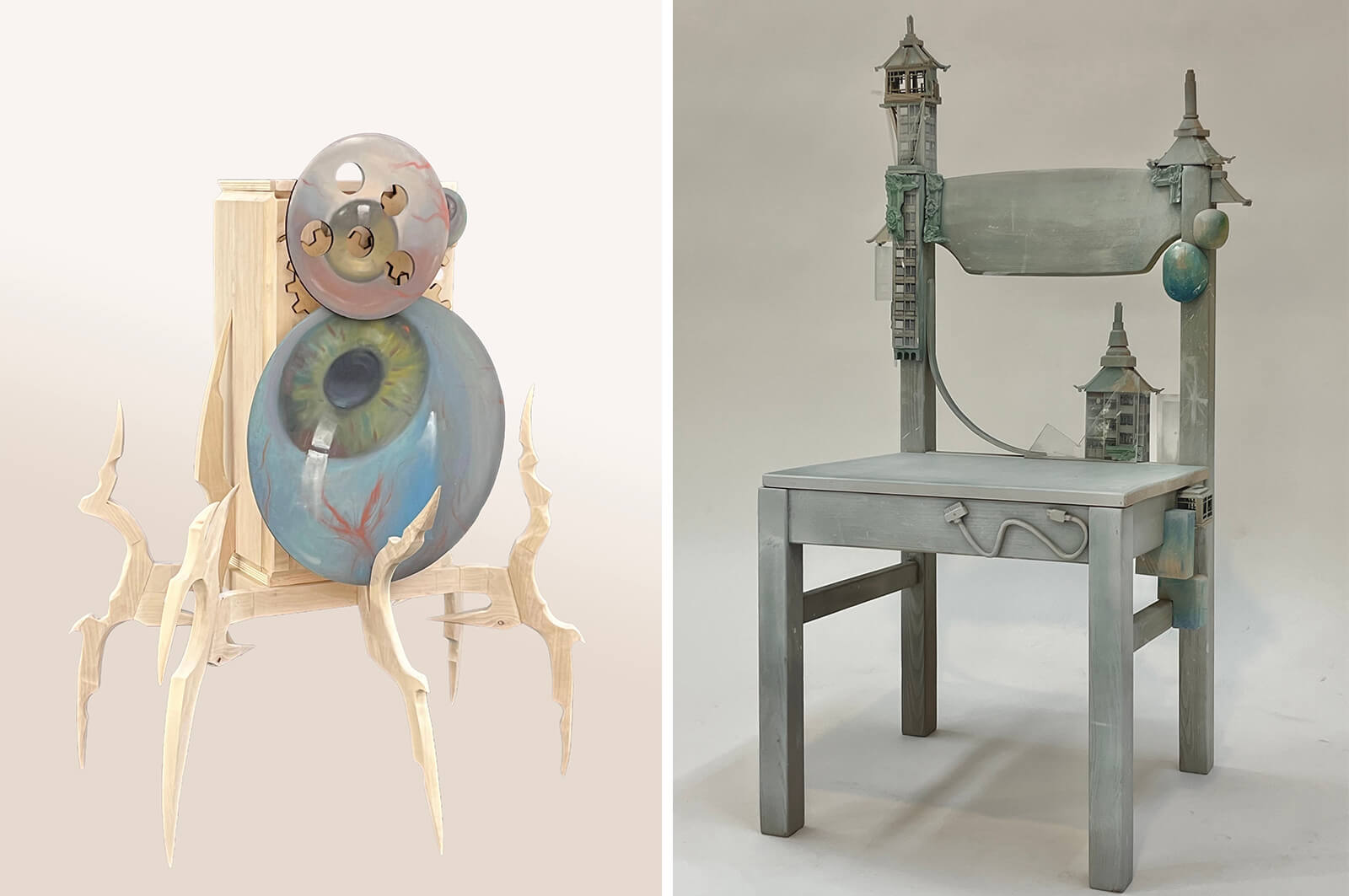
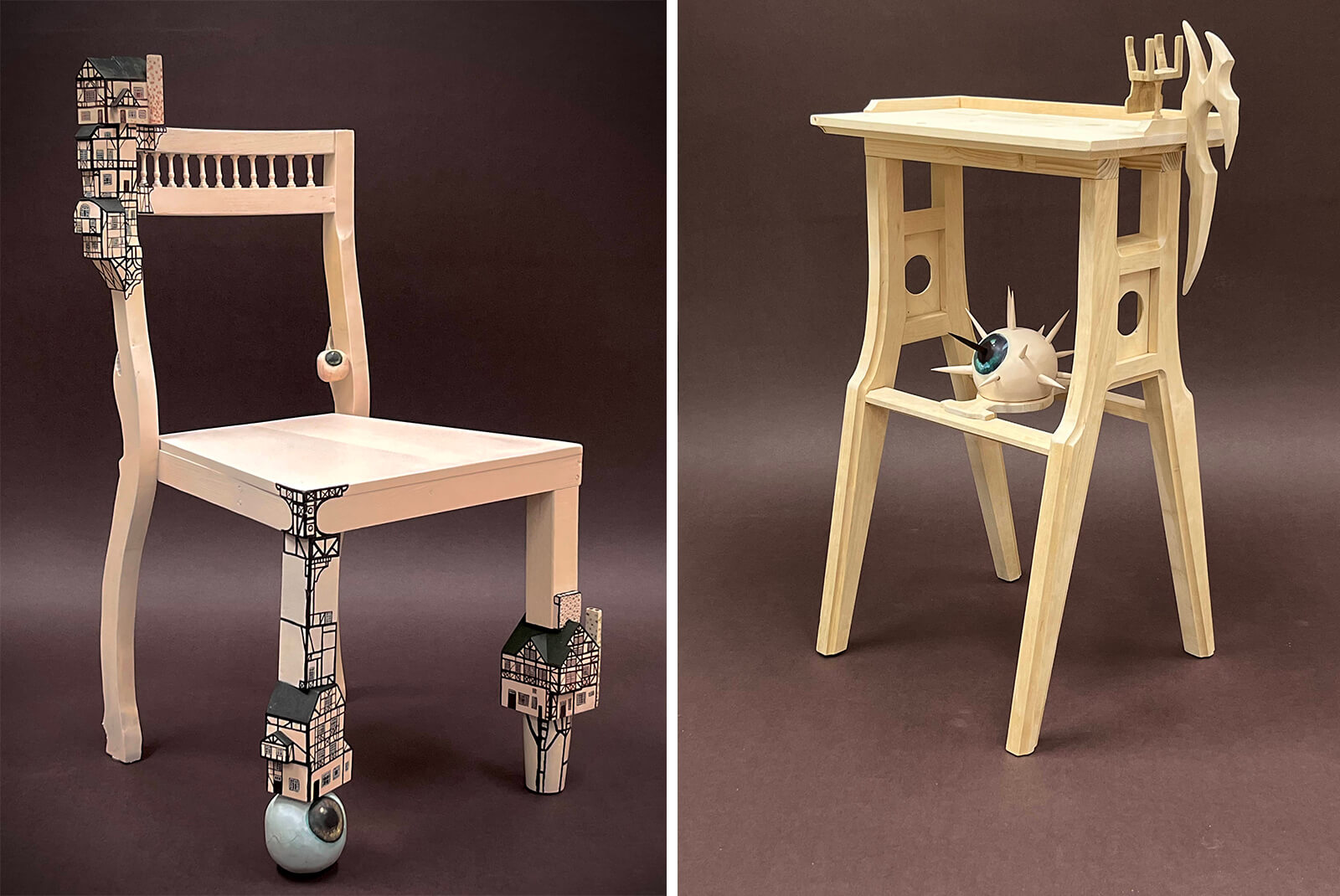
Chahna Tank: After studying product design and technology, how did you find your way specifically into wood-oriented furniture design? How would you describe your practice and creative ethos?
Andrejs Sosenko: I was working on a micro hotel room project for which I had to design a cabinet hinge to see how it works. I had to design the cabinet as well, which I hadn’t done before. And while designing it, I felt happier than usual; it was that easy. Since then, I have mainly been designing furniture. I have also been a painter for as long as I can remember, so in the end, my two passions met, and now I'm doing what I'm doing. Artistic furniture.
In terms of design, I'm looking back a lot. I'm tired of hiding that the elegance and beauty of the past do not fascinate me as much as they do. For some reason, we decided that it should be left in the past. It's not in the past, though; it's still here: people are travelling to different countries to see buildings or churches, and let me tell you, it's usually not a contemporary one. I'm trying to act on a feeling that we shouldn’t have discarded the designs of the past completely. Instead, we should have kept evolving those designs. Minimalism can co-exist; I love it, and it should be present, but overshadowing every design with modernism-inspired movements feels wrong to me.
Chahna: What draws you to wood as your primary material, and how much of your work is digitally modelled versus hand-developed in the workshop? How does this shape the way you approach these objects?
Andrejs: I have always been drawn to wood; it feels human. It feels cosy, it grows, ages and it reacts to tools. It is the only durable material that is organic and relatively easy to shape, and not scary to me, unlike metals or mushrooms (after I watched The Last of Us, of course!) I also don’t think plastic could carry the same emotional weight for what I’m exploring. I like textiles as well; however, I'm not interested in designing them, but I love incorporating them into my designs.
In terms of working with wood, I’m mostly using machinery to shape wood, and hand carving, dremeling and sawing. Another big part is laser cutting. I am also exploring CNC machines—that’s definitely something I'll be doing more of in the future. However, I'm still figuring out which techniques work best for what, and there are many I haven't explored yet.
To complement acanthus leaves, we get charging cables. Instead of mythological scenes, we get app icons. These aren’t random jokes. They’re documentation. – Andrejs Sosenko
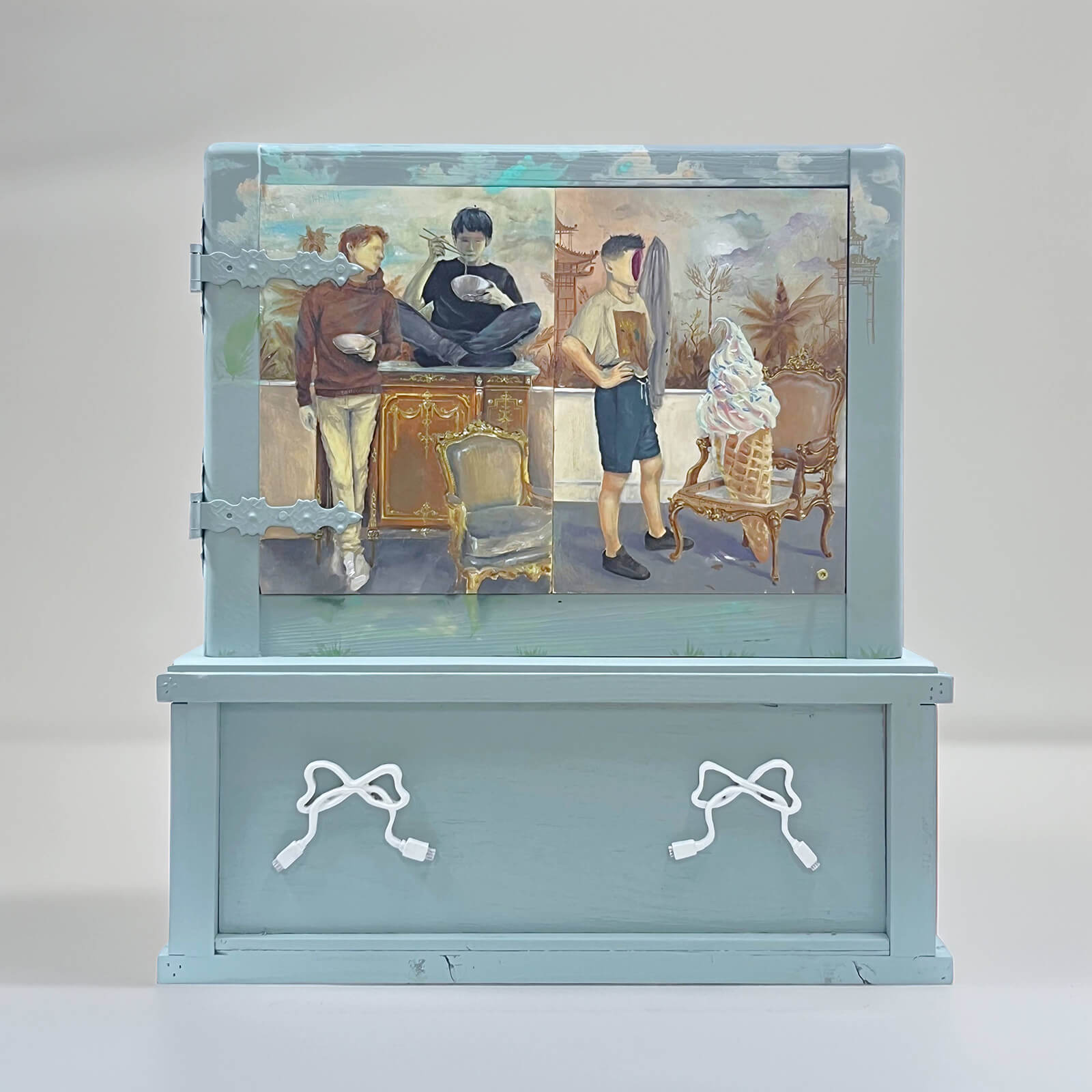
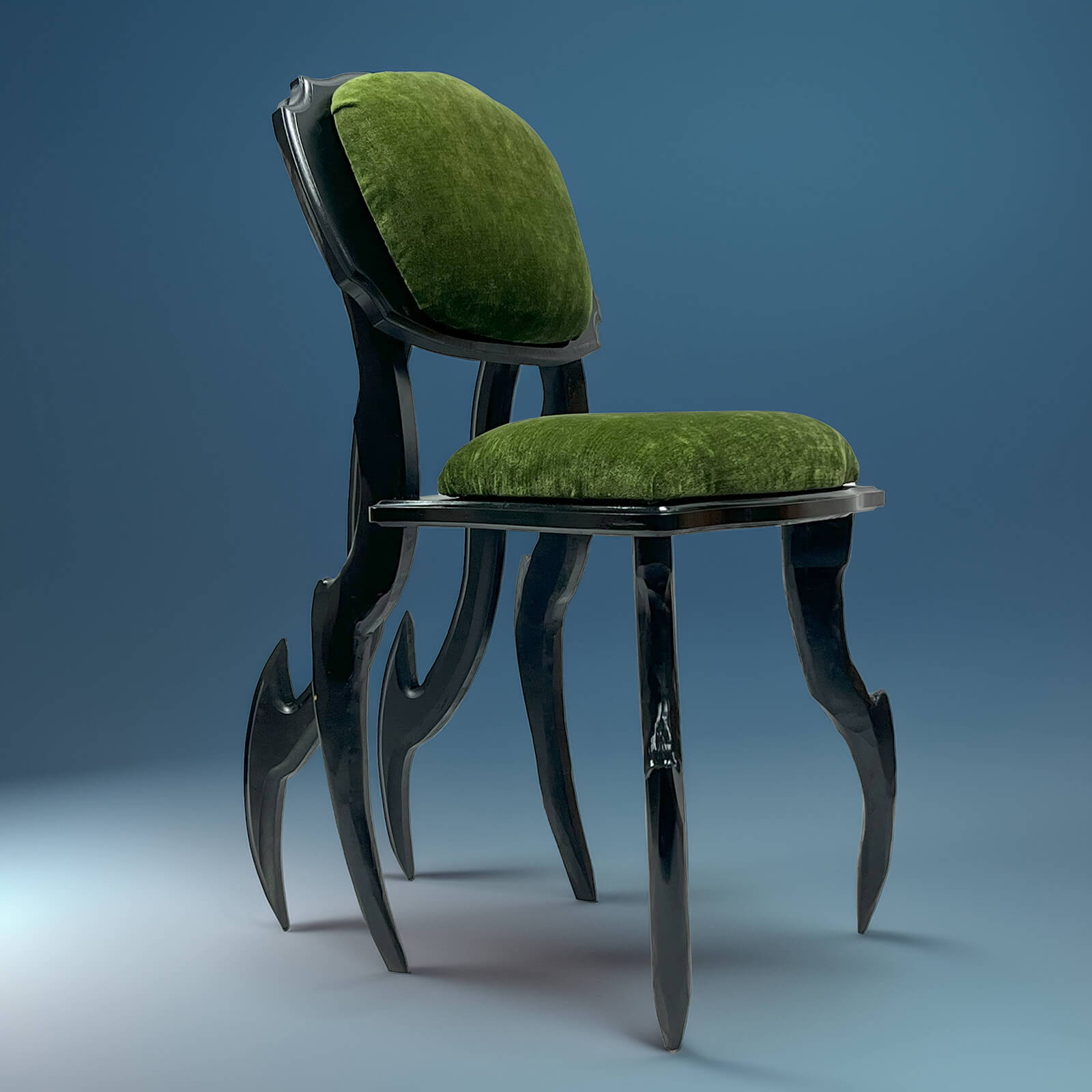
Chahna: How do you usually begin a design—with a philosophical question, a visual sketch, a material experiment or something else?
Andrejs: Every project is different. More often than not, it starts with a vision I have in my head. I know exactly what I want to make, and I try to make it as accurately as I can. I have this imaginary CAD program in my head where I spin a piece around, make adjustments, change it and then I either do a quick pencil sketch or an actual computer model that I use to base my design on. I jump into building it almost as soon as an idea is formed. Sometimes I use my oil paintings as references, or sometimes it's a brief from a company, and I'm not following my artistic vision much.
Usually, I’m not a perfectionist, and my furniture pieces are conceptual rather than production-ready designs. After the concept is made, I test it and see what I can fix. I either fix it in a computer and move on to the next idea or build a second version of a product. Sometimes it looks good visually but isn't functional, so I take some elements from the project and incorporate them into the next project. Sometimes I exhibit my pieces afterwards and sell them. I am still new to the field and am not a good carpenter, so I am constantly learning as I build. Therefore, much of my early work has been either given away or the wood has been repurposed for newer projects.
Chahna: Where do you see your work positioned in relation to what you call ‘modernism’s monopoly’ on contemporary design?
Andrejs: When I started furniture design education, in the first year, I was building modernist-inspired furniture—functional, with clean lines and ornament-free (it was still pretty unique, but modernist-inspired)—because that is what everyone else was doing. Could be because it was Sweden, and Scandinavian designs are pretty conservative. Could be because international design tendencies lean towards minimalism and efficiency.
I didn’t even know I could create something that wasn't 100 per cent efficient for it to be viable in the market. I soon realised I wasn't having fun and that maybe the market itself wasn’t efficient or human-friendly. So I decided to have fun—make something that comes from emotion, not efficiency in production. And it felt right. For the first time in my design practice, things felt absolutely right. The most surprising thing was that many others liked it too! Because no matter how different everyone is, we are all human and we all function by the same psychological principles.
If you take emotions out of design, you risk conveying that emotions are optional. They aren’t. So, going back to your question, Modernist furniture/design ideology is about providing clutter-free (story-free) spaces and objects for the user to fill with their own stories/lives. That has become the standard in the industry. Only in the last few years have we seen some small-scale production of objects that contain stories. What I'm trying to contribute with my designs is to inspire other designers to incorporate storytelling into their furniture and show users that it could potentially be what they want (sometimes you don’t know what you want until you see it). Modernism is great, and story-free objects/interiors/exteriors have to exist; it's great that they do. However, I believe that the ratio of them to designs containing stories is what we have to work on. Provide the user with at least one other option to choose from.
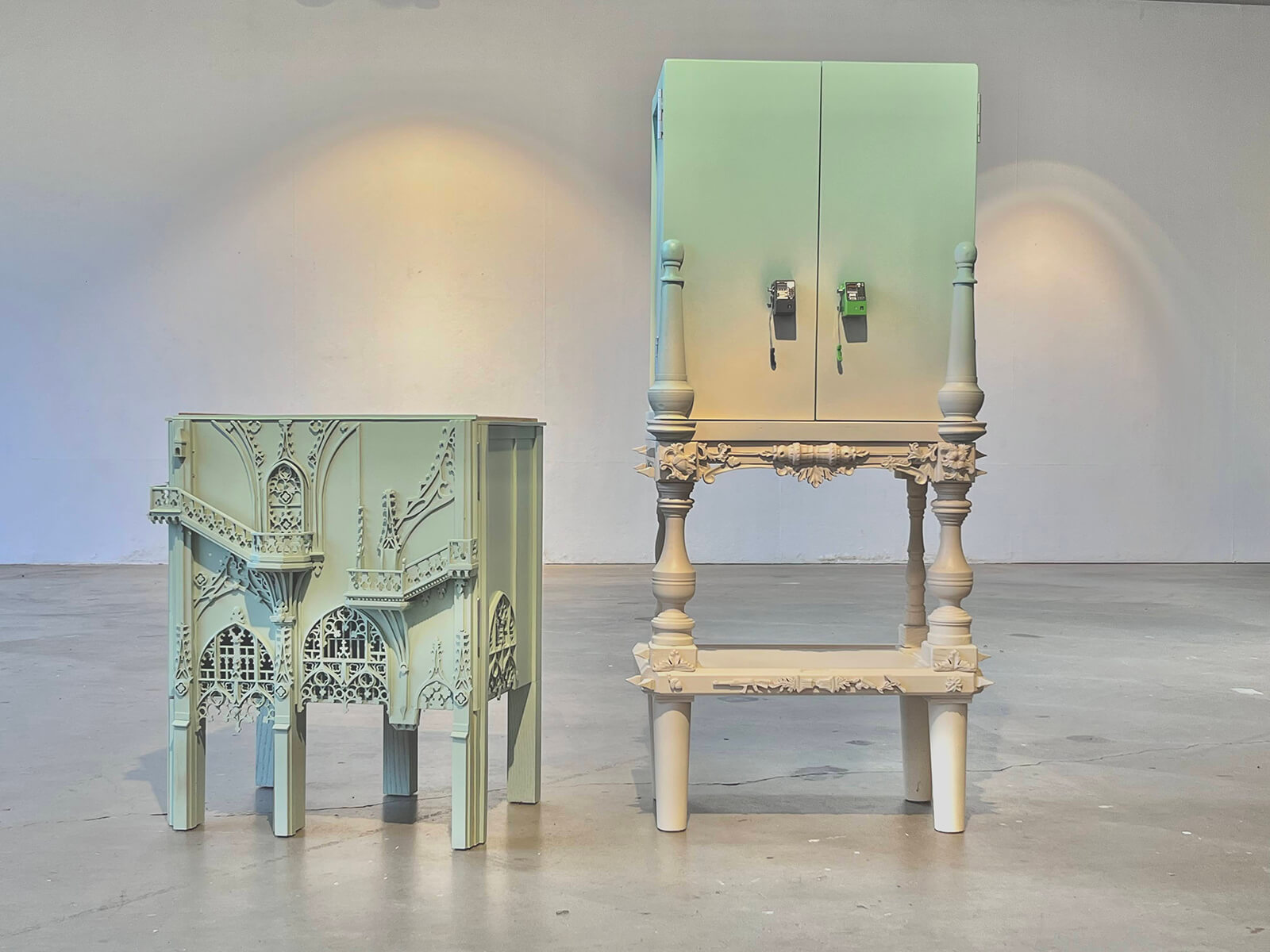
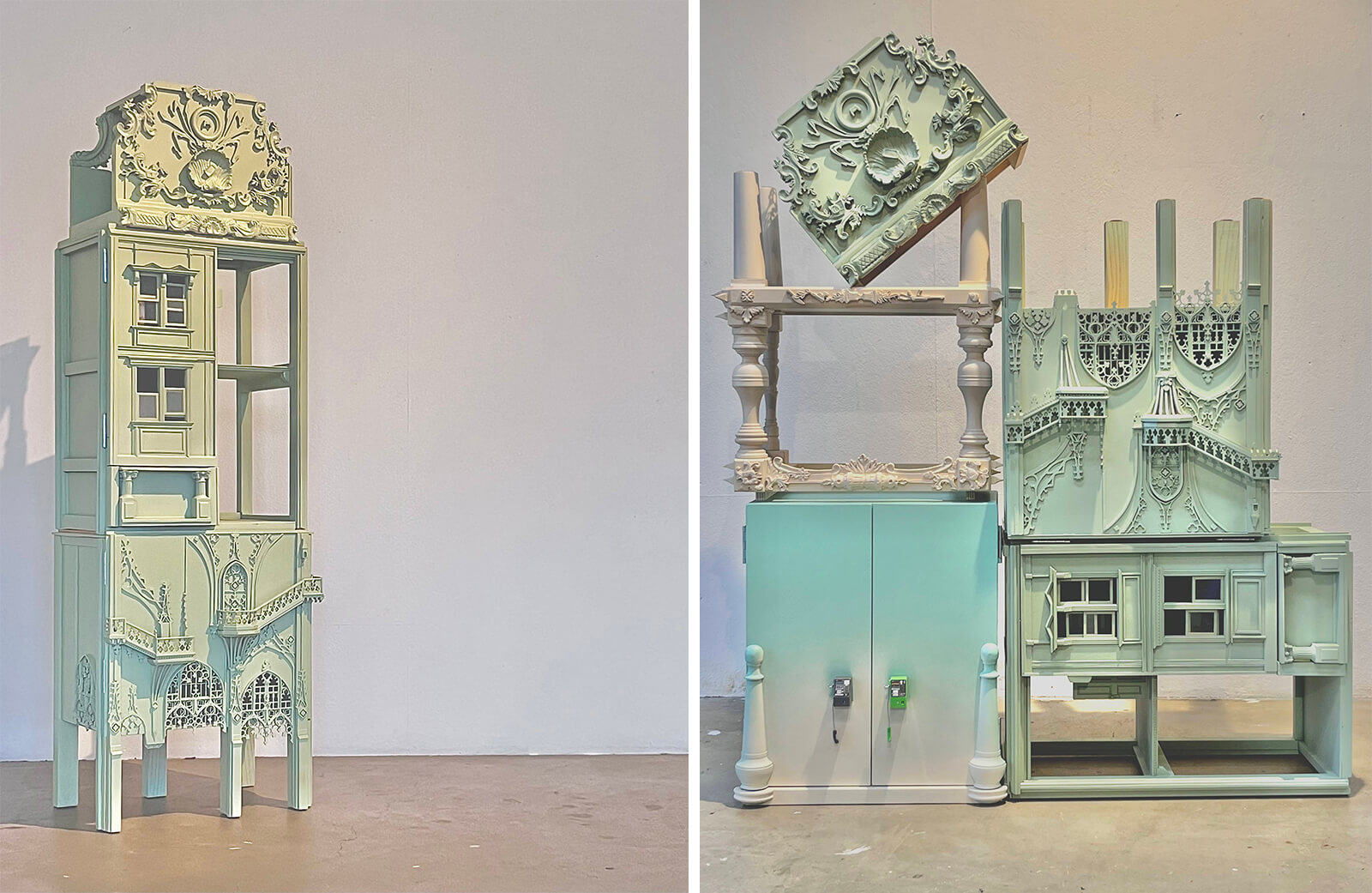
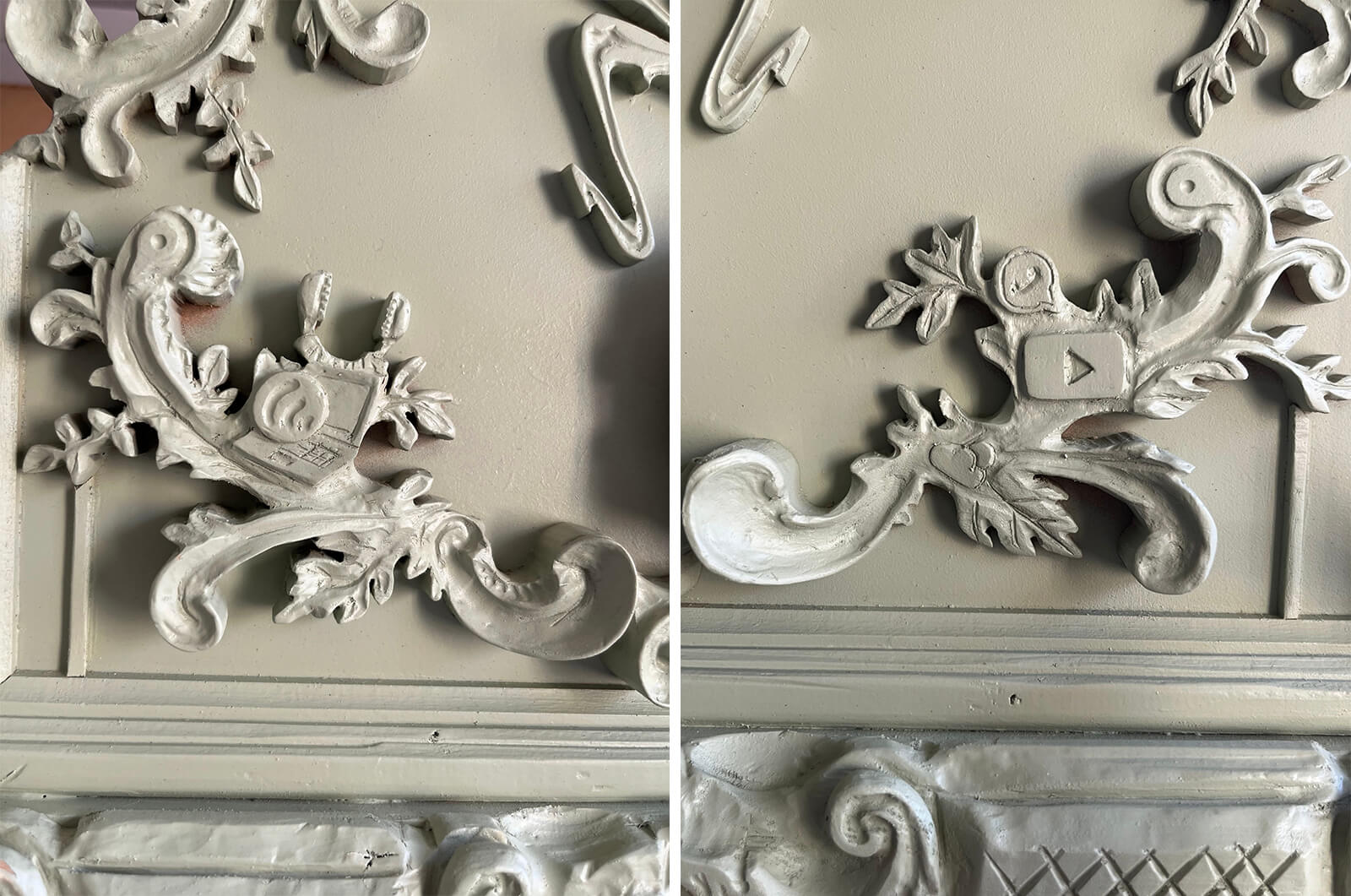
Chahna: Ornamentation plays a central role in your practice. You’ve said it doesn’t need to be used in the same way it was historically. What does ‘contemporary ornament’ mean to you, and in what ways does it become a form of storytelling in your furniture?
Andrejs: Contemporary ornament, for me, isn’t copying baroque scrolls. It’s keeping the qualities of historical ornament—balance, elegance, proportion—but replacing the symbols. To complement acanthus leaves, we get charging cables. Instead of mythological scenes, we get app icons. These aren’t random jokes. They’re documentation. Ornament becomes storytelling because it captures what defines our era: internet culture, fast food and constant connectivity. It turns furniture into a cultural archive. Contemporary ornamentation, to me, is a means of emotional connection. People thrive on connection with other beings and objects. If they can ‘read’ an object and relate to it, that is a perfect ground for connection. Connection means they keep the product longer and enjoy it more. That is sustainability for me.
Chahna: One of the most striking aspects of your work is the use of symbols such as phones, charging cables, app icons, burgers and even a flag reading ‘we love internet’. What’s the intent behind bringing these everyday digital and cultural motifs into your designs?
Andrejs: I'm trying to separate ornamentation from the connotations of the past—wealth, power, class division and status symbol. I'm trying to show that ornamentation can mirror our current reality, yet take beauty and elegance from the ornamentation of the past, and we shouldn’t be afraid of it. We have enough techniques today to make ornaments available to every human, regardless of their wealth.
Another thing I'm trying to do is make a piece of furniture into an art piece, which is less likely to be destroyed or thrown away, and maybe it can even survive for a hundred years, let's say. When people see it in the future, they will not know our lifestyles, but the stories we left behind might give them better insight into what life was like. I'm not only talking about people today being attracted to small details just because they find it cool to relate to a piece of furniture and feel represented. Like when they see the ‘I love Mayonnaise’ sign, they turn to me and say: “I love mayo too!” with a smile on their face. That makes me happy to be a human sometimes.
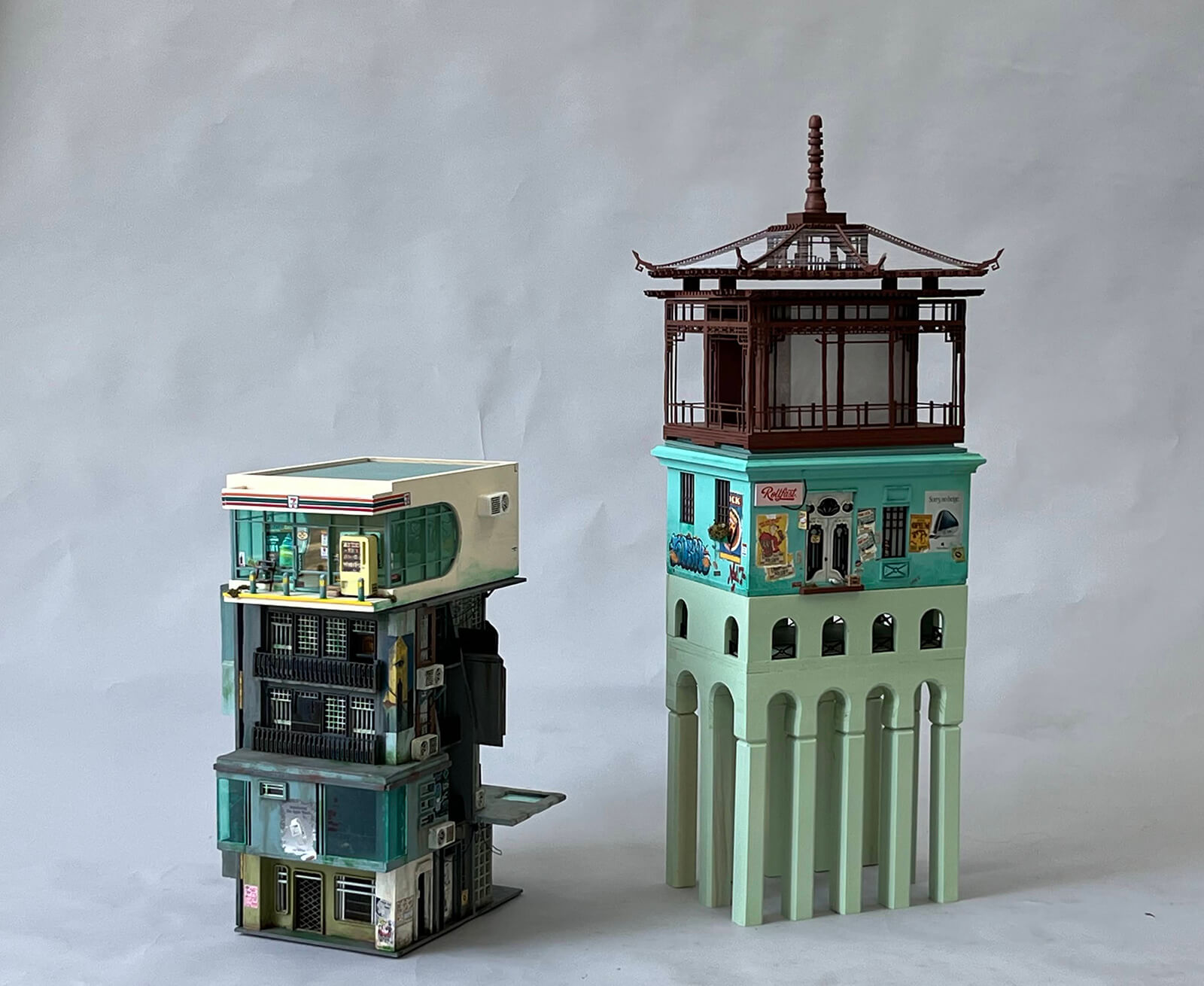
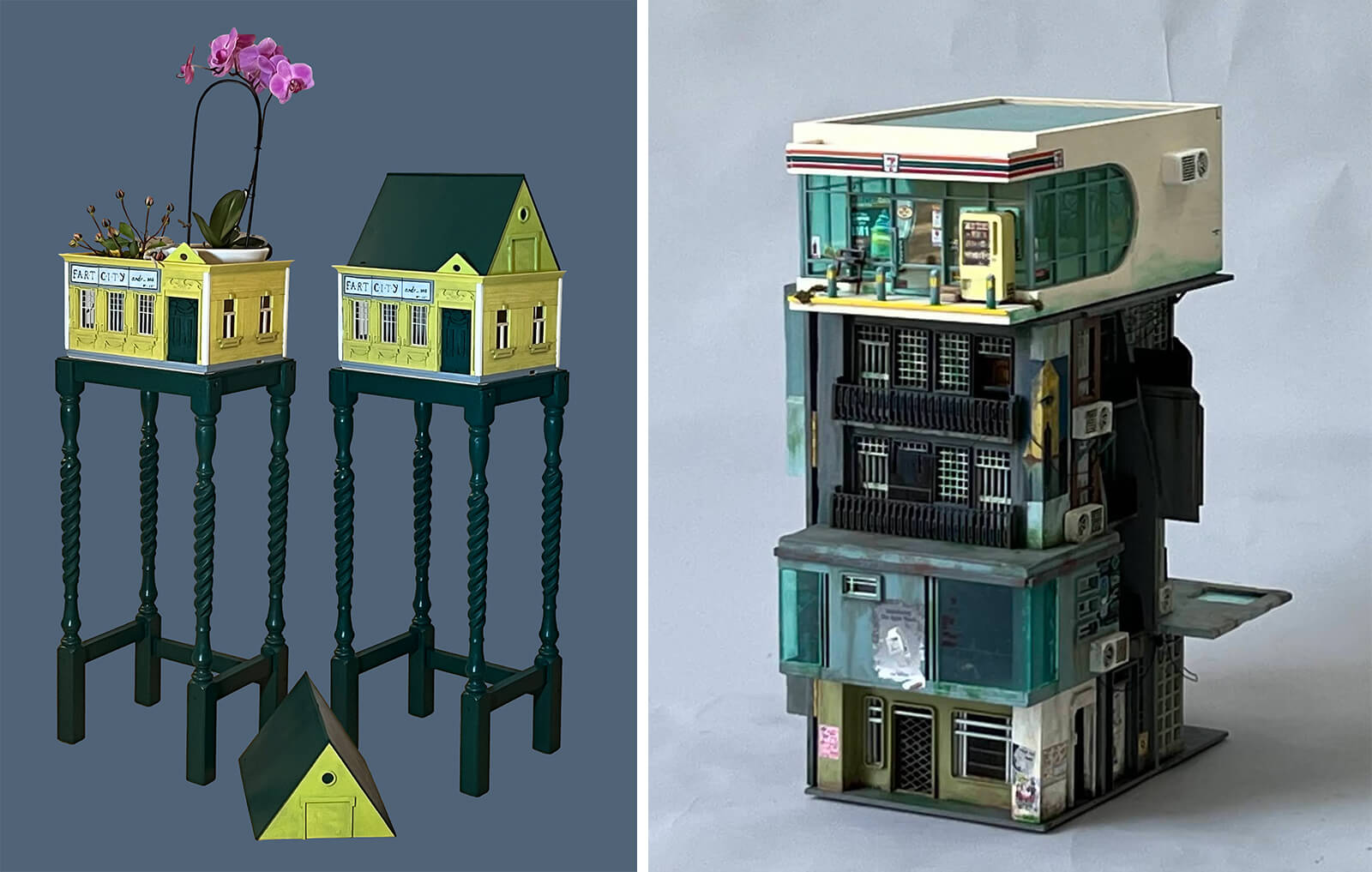
Chahna: As a young designer, what feels most compelling or important for you to explore right now? What is NEXT for you?
Andrejs: My current designs, unfortunately, are too experimental to be mass-produced. I will be trying to produce some of the pieces on a large scale. I'm working on finding a middle ground. I'm also currently looking into master's studies to gain some workshop privileges, as I don’t have a workshop at the time. Another path is making one-off pieces that stay more like a vision concept, in the hope that someone gets inspired. I have also been thinking of switching to a non-creative career that doesn’t require so much decision-making and creating, but we will see what happens. I'm staying open.

by Pranjal Maheshwari Oct 23, 2026
Co-authored by Jareh Das, Chairman traces the British designer’s fixation on chairs as symbols of power and identity and as mediums of expression and community building.
by Mirra Lynn Oct 22, 2026
The curators behind Palestine Design Week 2026 reflect on its intent, considering how design holds memory, makes space for loss and imagines a future in Palestine.
by Chahna Tank Oct 22, 2026
STIR speaks with the Mumbai-based type designer about her practice, type walks and why she wants more people to have stronger opinions about Indian-script fonts.
by Jincy Iype Oct 15, 2026
STIR explores craft, material intelligence and people shaping Indian design through dialogues with Design Democracy’s co-founders and the curators of its special exhibitions.

make your fridays matter with a well-read weekend
Enter your details to sign in
Don’t have an account?
Sign upOr you can sign in with
a single account for all
STIR platforms
All your bookmarks will be available across all your devices.
Stay STIRred
Already have an account?
Sign inOr you can sign up with
Verification link sent to check your inbox or spam folder to complete sign up process
Tap on things that interests you.
Select the Conversation Category you would like to watch
Please enter your details and click submit.
Enter the 6-digit code sent at


Andrejs Sosenko on using ornamentation to fight modernism’s monopoly on design
by Chahna Tank | Published on : Mar 09, 2026


 Sign in with Google
 Sign in with email
What do you think?