Architecture07 mins. read
BRICK AWARD 26 winners harken to the traditional brick as the material of the future
by STIRworldJun 12, 2026



by Mrinmayee BhootPublished on : Jun 01, 2026
A growing rancour among practising architects today is questioning the impetus of the industry to ceaselessly build, doing away with the existing in favour of the new: the energy-efficient, durable, streamlined and state-of-the-art. This idea of progress, heralded by incessant development, often becomes the metric for what is understood as ‘good’ architecture. If the discipline has conventionally looked to design awards for identifying what that goodness is, these institutions have often rewarded the industry’s outright innovation, recognising the desire to speak to the issues architecture is expected to address, including climate disasters, housing shortages, energy crises, etc. without fully addressing the consequences of new construction.
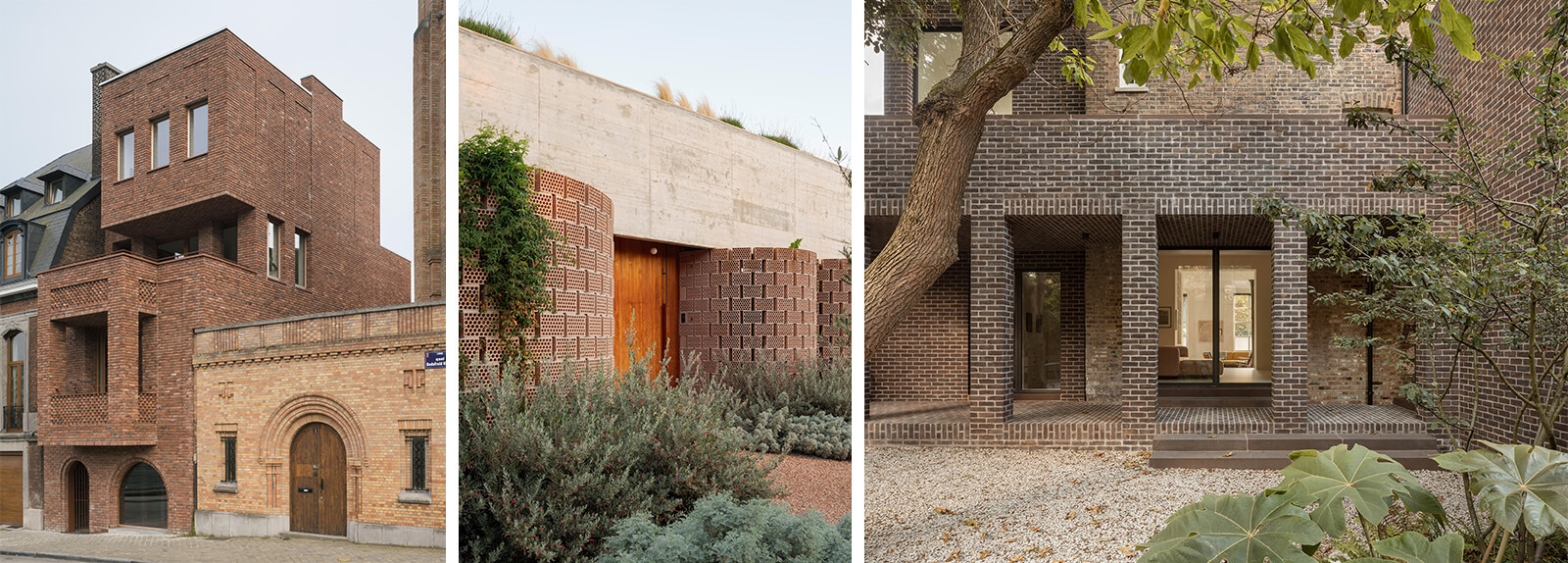
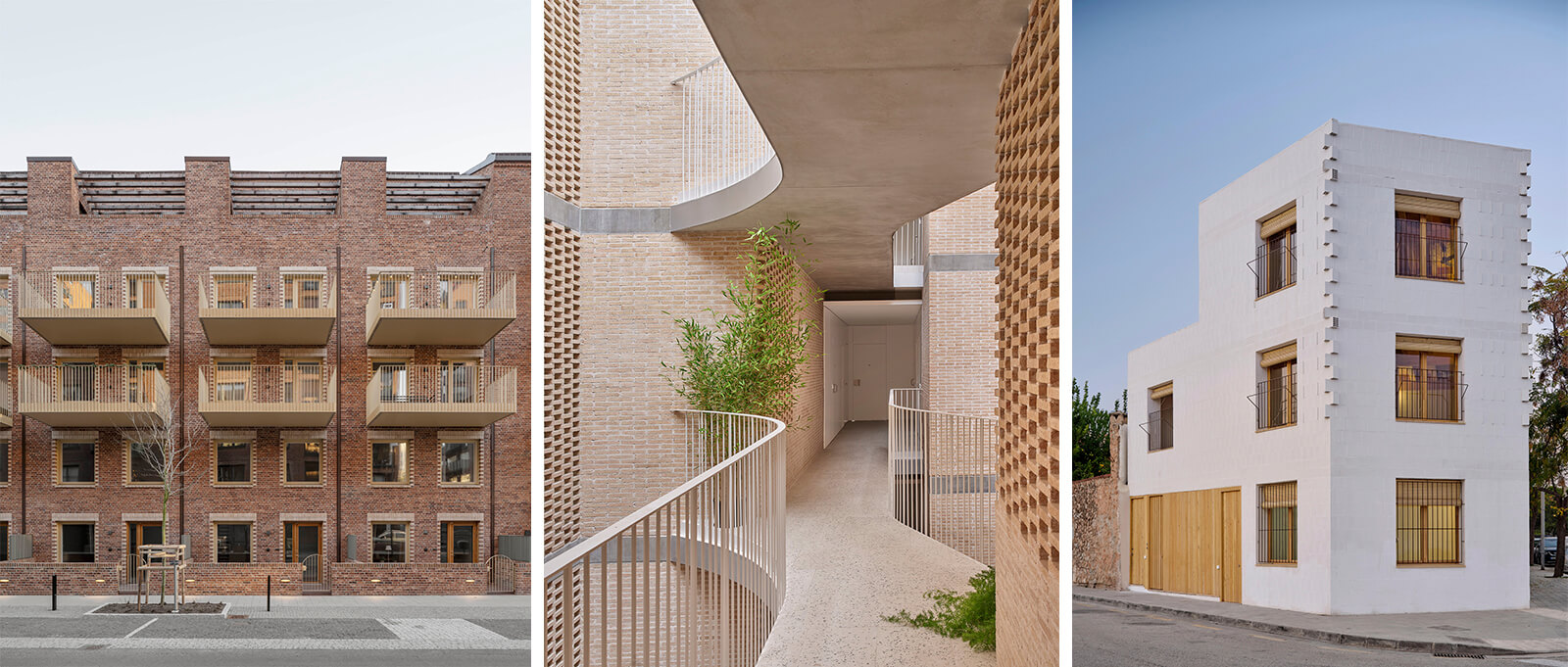
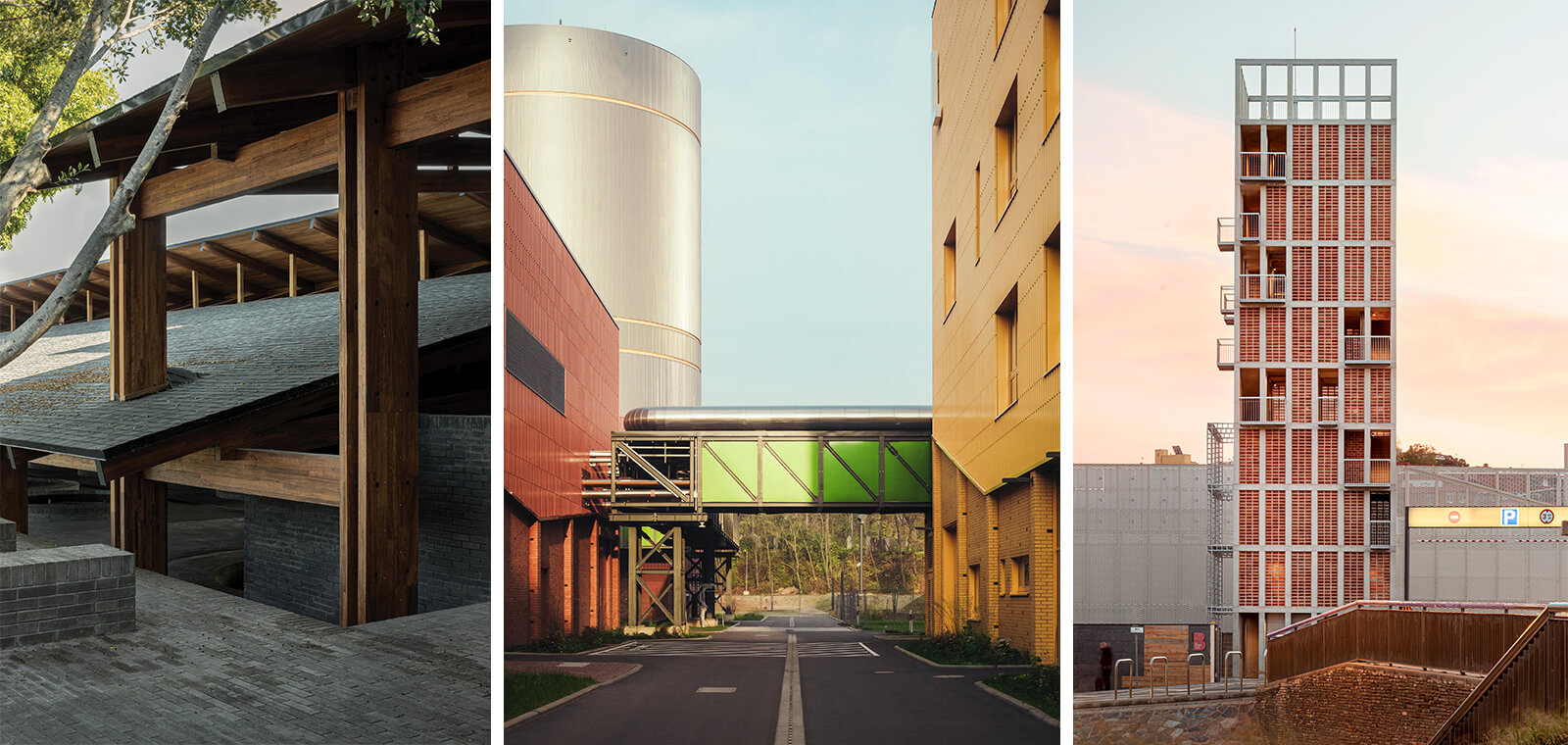
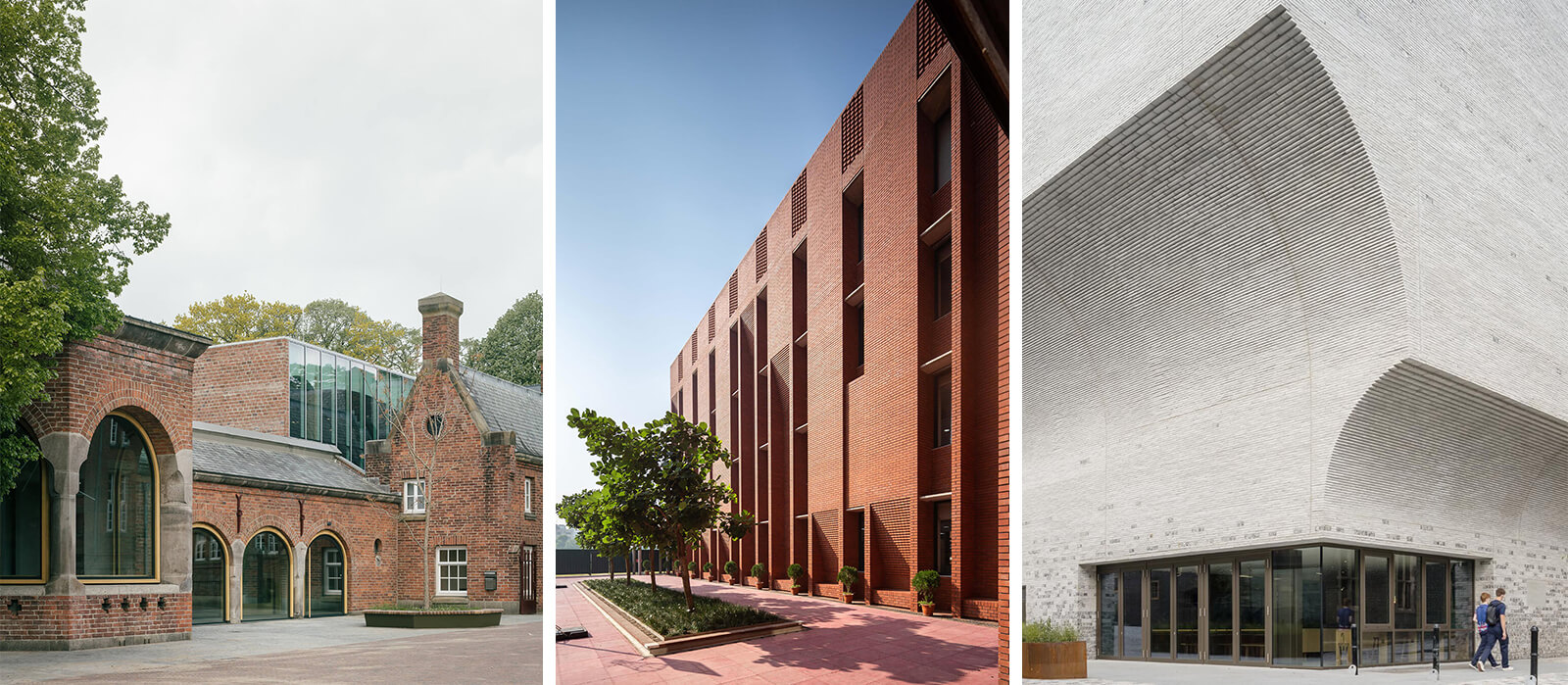
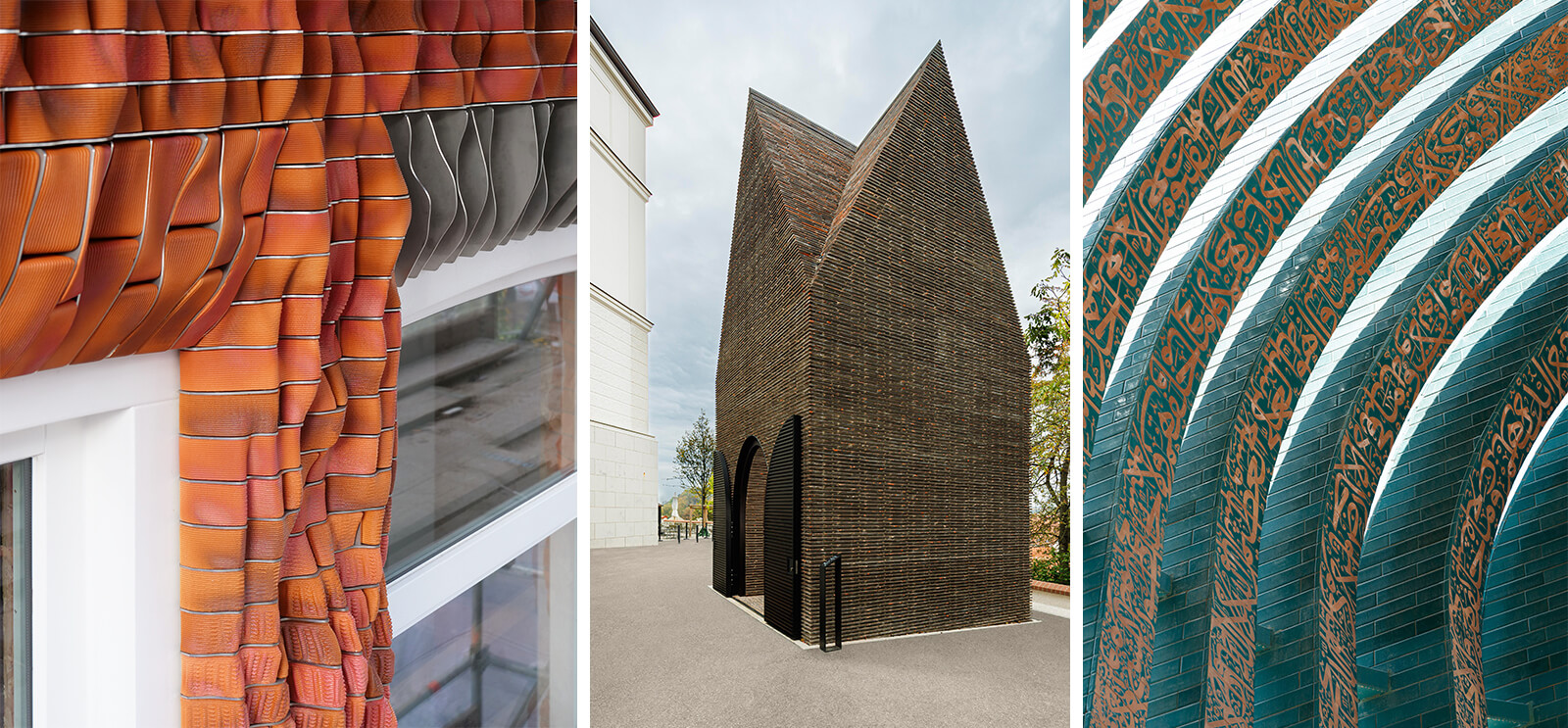
However, recently, an alternative direction has come to the fore, one that favours adaptive reuse even within the same metric of awards in the industry, consequently begging the question: If we do build, what do we champion? In response to the question, why build at all, the BRICK AWARD, initiated by Austrian materials company wienerberger, offers a uniquely material-led perspective. In this, as STIR has discussed by tracing this year’s shortlisted projects, is the search for a distinct contextuality—one where the architecture emerges from the land itself (literally and metaphorically). For this year’s shortlisted designs, the continued relevance of brick lies precisely in its adaptable nature: whether that has ensured a sense of legibility and historical continuity in public spaces, or a sense of cohesiveness and community in housing projects and workspaces alike. In working with brick, shortlisted designers have demonstrated the material’s proclivity for precision while maintaining the local traditions and artisanal skills of a region, thus denoting that the project of building need not rely on blind invention.
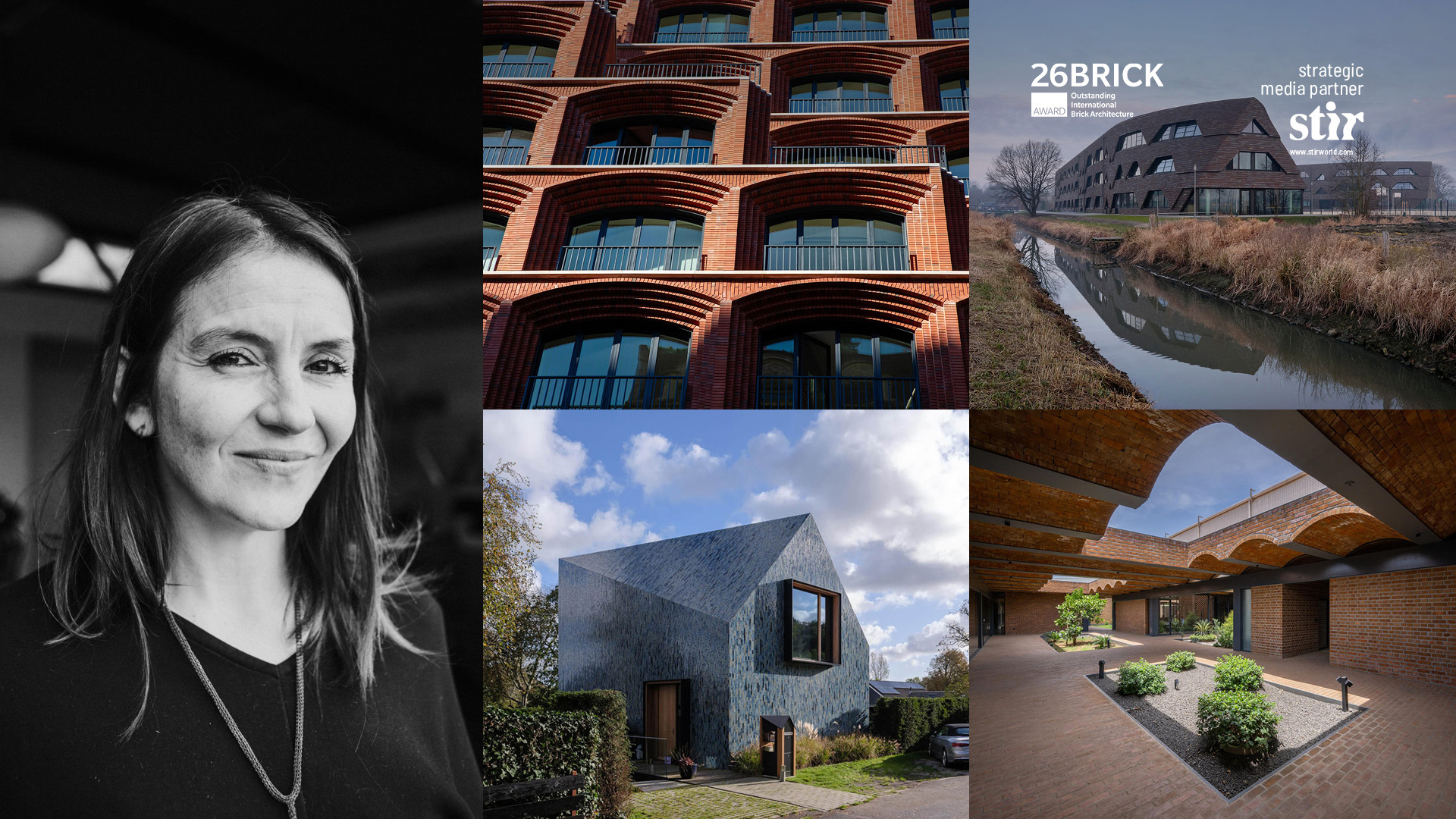
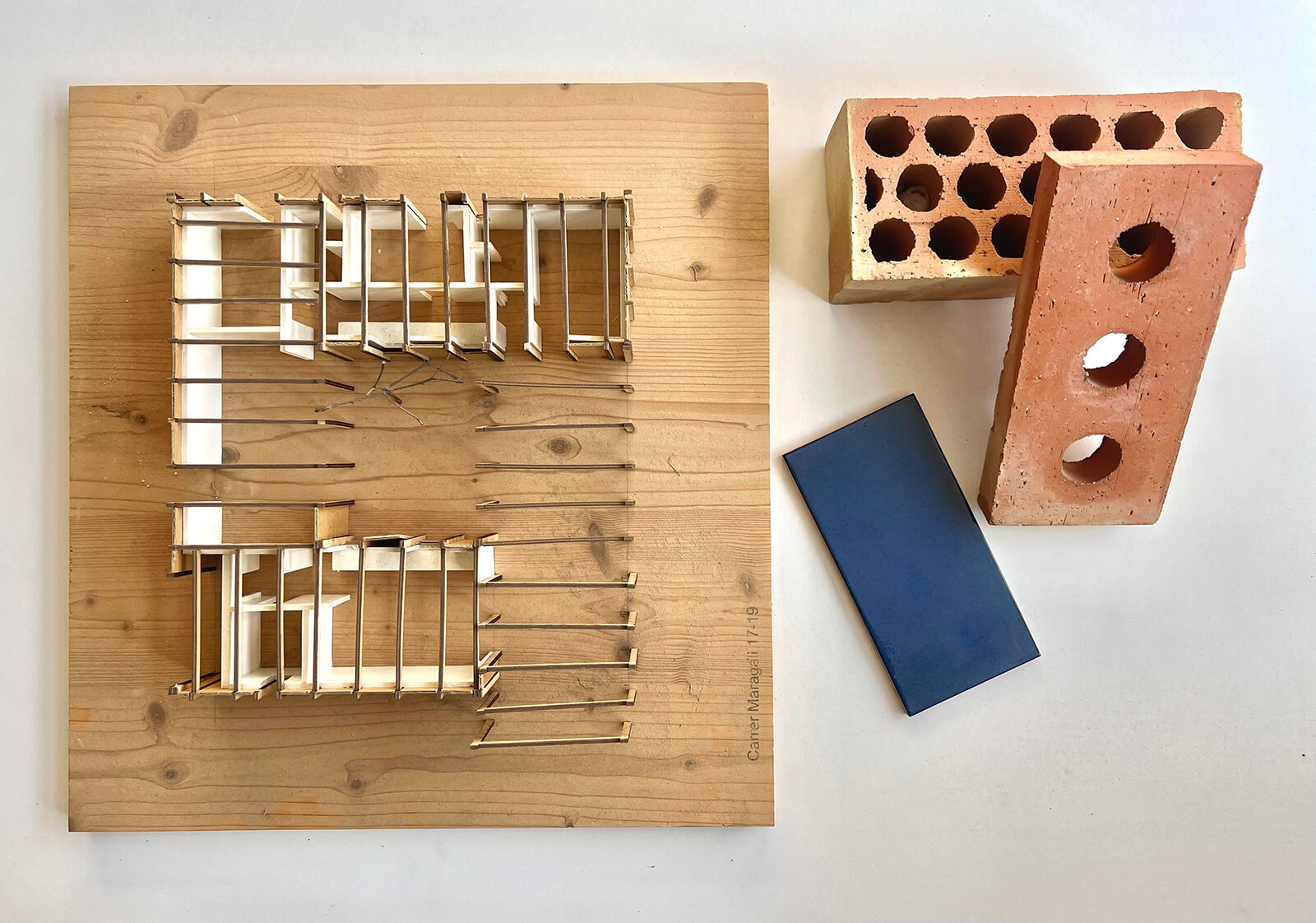
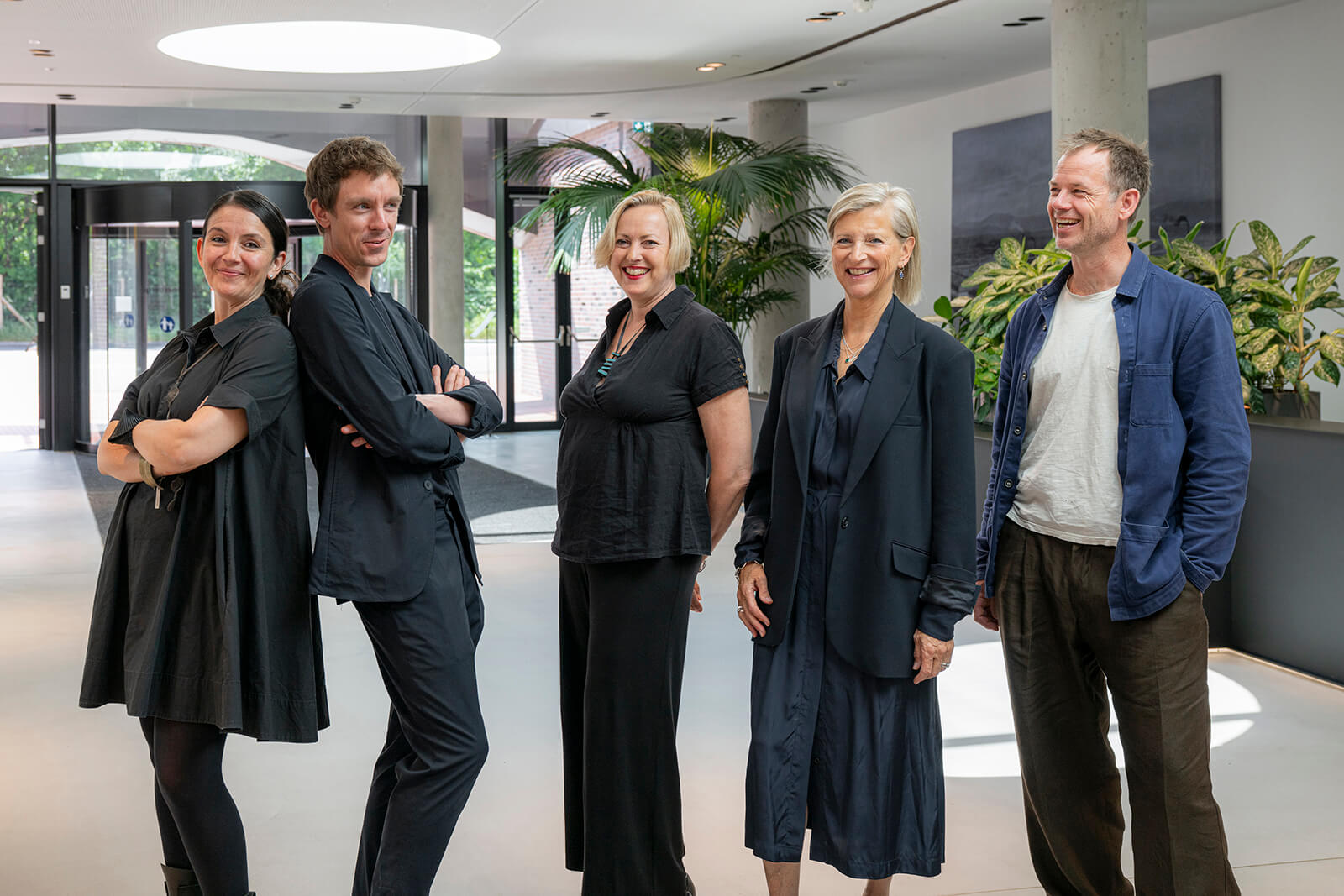
To further elucidate on the projects, the process of selection, the vitality of a material-focused architecture and the future of such an endeavour, STIR interviewed one of the jurors in this year’s jury, Gabriela Carrillo, founding member of the Mexico-based Colectivo C733. Carrillo’s work with Colectivo C733 encompasses four ethical strands: collectivity, logic, efficiency and economy (the four principles on which the studio is named). In a short span of time, the Mexican architects have completed over 35 small projects, including sports and education facilities, markets, community centres and cultural buildings, many of these in vulnerable areas of Mexico and for SEDATU, the Mexican Secretariat for Agrarian Land and Urban Development.
Their process, informed by a responsibility towards community, involves working with a specially devised low-cost modular design system that could be contextually optimised to different circumstances. What comes to the fore in conversation with Carrillo is the critical nature of material intelligence—that brick has an aliveness of its own, a will, as it were, that’s in dialogue with all other aspects of design. It’s through this lens that the relevance of materiality for architecture is understood as intrinsic to design. Carrillo also underscored how materiality is vital for a responsibly minded way of building today. Edited excerpts of the conversation follow.
Mrinmayee Bhoot: Could you begin by elaborating on the specific focus on brick (primarily) and ceramic—and subsequent material enquiries through those—for the BRICK AWARD 26?
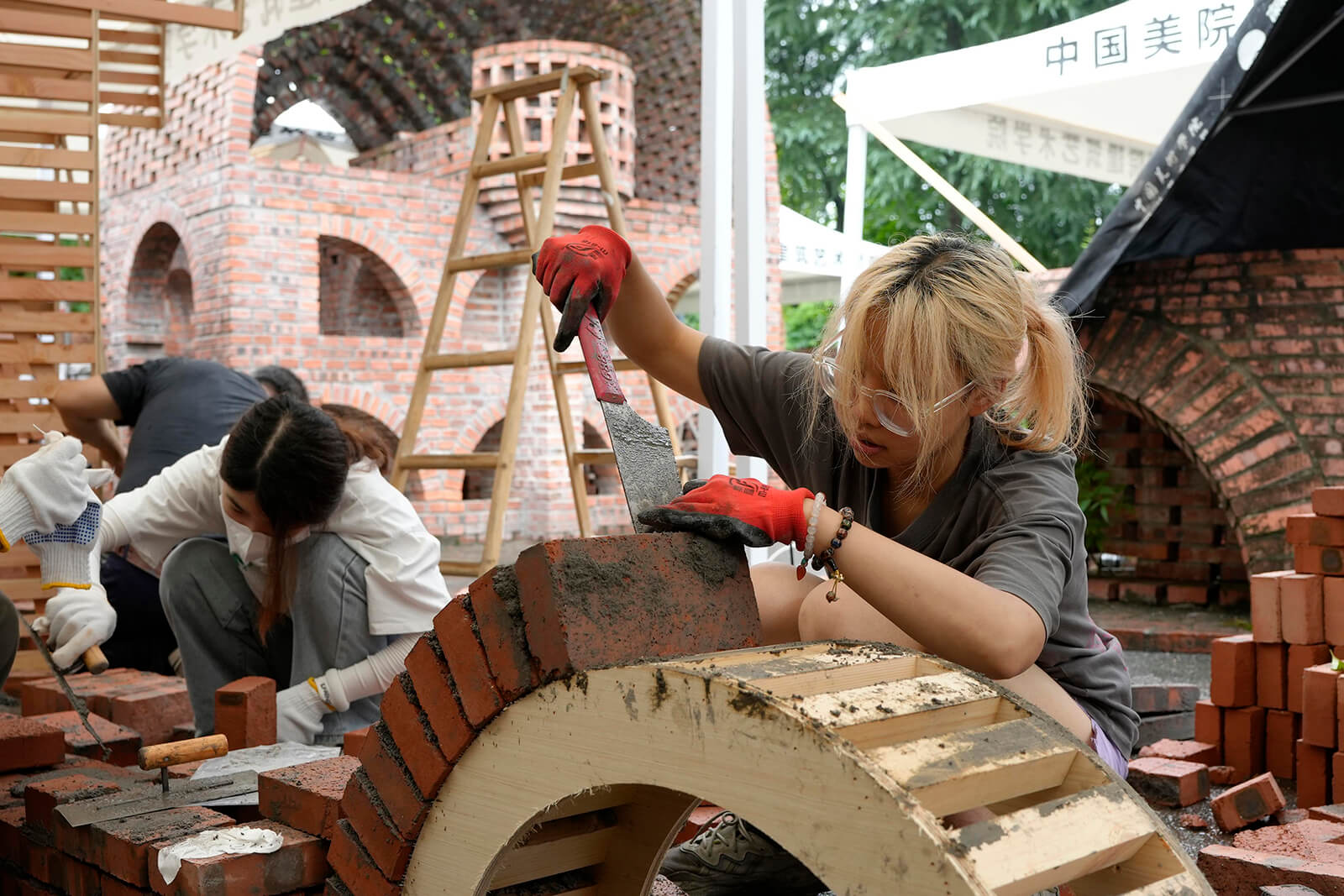
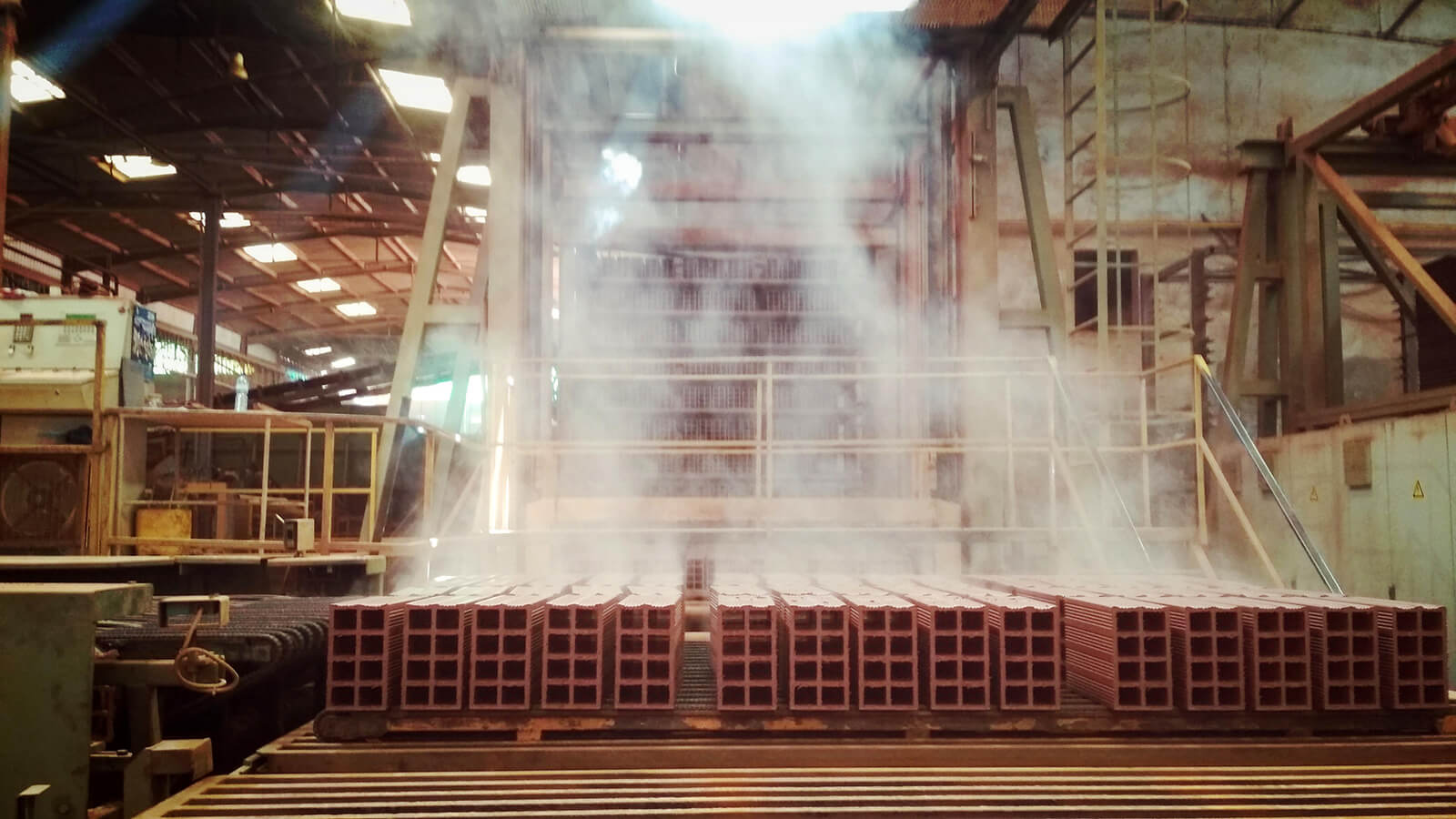
Gabriela Carrillo: I truly believe that bricks and ceramics are among the best materials to build with. They’re not only sustainable and sensitive to the planet, but they are also materials that allow many things to happen. You can build walls, you can build floors, you can build ceilings—with just one material. You can build with it everywhere because it's so easy to use, and it has been part of the traditional architecture of many civilisations. In that sense, I think having an award focused on brick and clay represents this possibility of humanity coming together through a specific material, in diverse ways. Not only in architectural ways, but also in representing a land through the earth that’s being used and the culture using it.
I think having an award focused on brick and clay represents this possibility of humanity coming together through a specific material, in diverse ways.
Mrinmayee: Speaking about bricks in particular, there is a certain ‘timelessness’, both in build and aesthetic, that is associated with the material. Would you say that is what warrants (or invites) pointed and sustained attention for the material within architectural discourse?
Gabriela: It's a material that is intelligent. And that is something that we have lost with modernity. We bring materials from all around the world to build, engendering a significant environmental footprint. On the other hand, brick is something that can be produced locally, in an industrial or artisanal way. It's also earthquake-resistant, and it’s easy to build with. We need to be intelligent in that sense, to build with responsibility. And I think that is what brick allows. In the past century, we wanted things to be more ‘modern’. But ‘timelessness’ has again become significant today.
Mrinmayee: On that note, adaptive reuse projects making the shortlist for the awards seem quite pertinent, especially today. Could you elaborate on some instances from this year and how they may perhaps be pointing to a trajectory for the industry that is oriented towards care and repair, facilitated by the material?
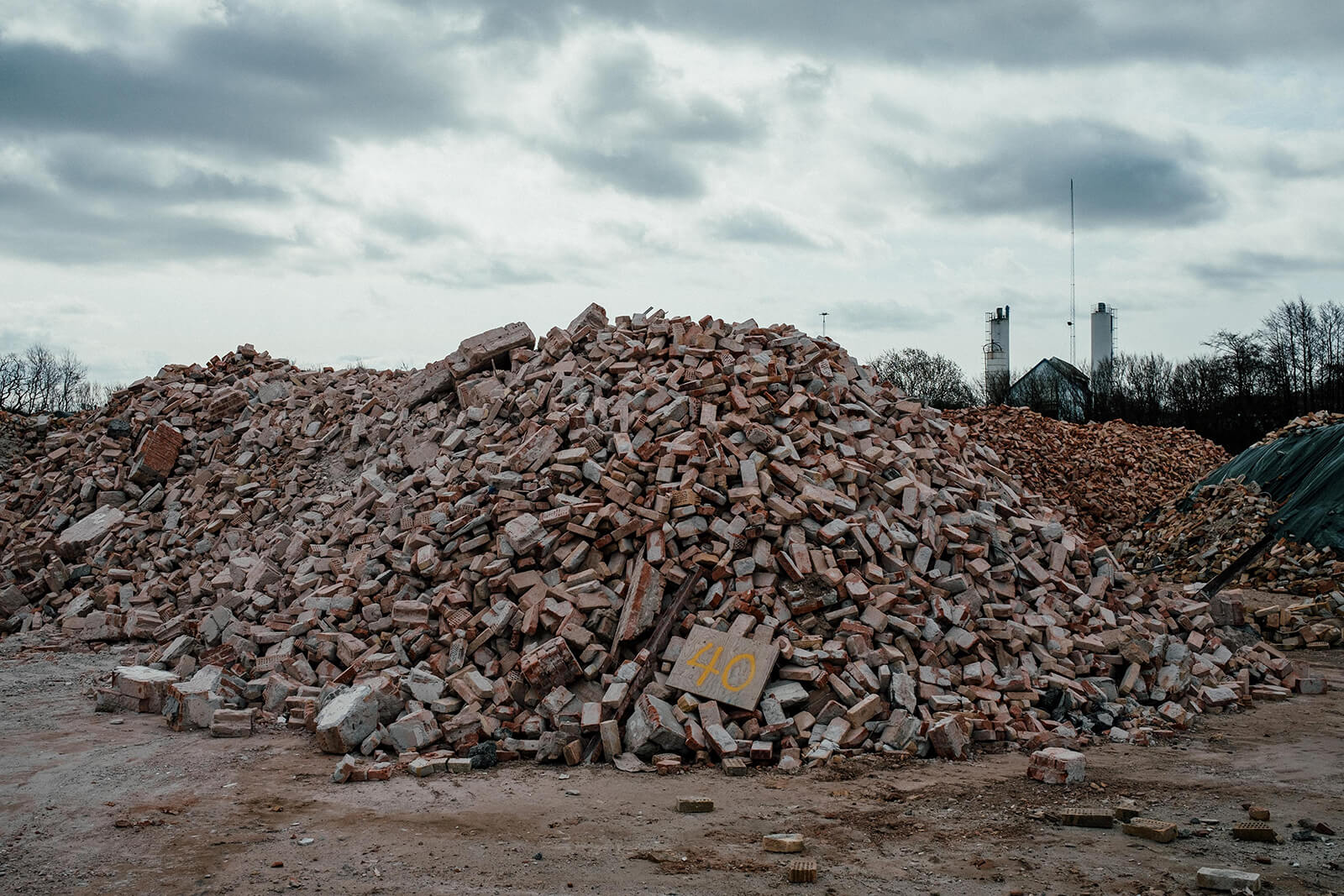
Gabriela: I believe that's part of this 21st-century position on building and construction—not recognising the importance of existing infrastructure. To me, the concept of a contemporary intervention within old structures was interesting. Old structures have qualities contemporary ones don’t, including, for example, the proportions and the sizes of the bricks or the way they are used.
This year, we had several submissions that have repurposed structures using other materials. What was really interesting was the way the materiality that existed there was an inspiration to develop another language for the project in terms of design and the tension that was created through that. That was part of a recognition, again, of being sensitive to the environment, while recognising that old structures have good ‘bones’. While judging, what became important was the intelligence, the way architects attached and created a dialogue, through the way the structure was repurposed.
Mrinmayee: What were the essential criteria for judgement for the awards—scale of the project, local context and responsiveness, sustainability metrics, use of brick in different typologies and capacities, time, costs or something else? How did that help you sift through the hundreds of entries you inevitably received?
Gabriela: We started first by looking at what had broadly made the short list. And what was important to each of us based on our individual approach. And then we started to choose. As to what we considered—originality and innovation—looking at how the schemes explore different possibilities in terms of the material and most importantly, how they answer the question of what contemporary architecture means. How, in their proposal, the material echoes, how it is used and how responsible it is to the context were also equally important considerations.
Mrinmayee: Would you say then that your own architectural practice will be informed by your time on the jury?
Gabriela: I believe that is so. It always happens because you end up learning a lot during the jury process. Understanding the projects from an architectural perspective, I believe, comes from deeply analysing them and the discussions we had while judging reflected that clearly. What became apparent was that the most beautiful projects were not always the most expensive. What good architecture does is that it can be both three-dimensional and immaterial. The best projects are not the biggest or the loudest. The best projects are voices that echo from the margins.
The best projects are not the biggest or the loudest. The best projects are voices that echo from the margins.
Mrinmayee: Within the structural setup of the awards and its various categories, how do you believe the BRICK AWARD is spotlighting the relevance of local craftsmanship and vernacular building within the industry, especially given the global purview and relevance of the awards?
Gabriela: You don't design projects to compete or to win prizes. You design architecture, and you want to do it the best way you can. But having these platforms is fantastic because the awards are free to enter. It gives the opportunity for anyone to participate, which means younger studios are allowed visibility. I hope the awards retain this democratic attitude. It’s especially important in the world we live in today, where we must reconcile with the fact that everything is political, and hearing from a diversity of voices and seeing different perspectives is crucial.
STIR is a strategic media partner for BRICK AWARD 26. Read more thought pieces on the shortlisted buildings, exclusive interviews with jury members and updates on the awards and winners here.

by Pranjal Maheshwari Oct 24, 2026
A consortium of Copenhagen’s 3XN, Toronto’s B+H Architects and Shenzhen’s Zhubo Design has designed the museum to mimic the surrounding riverscape, topped with a public park.
by Pranjal Maheshwari Oct 19, 2026
The Mumbai-based architects integrate courtyards, mesh screens and north light trusses to create a dining space that doubles up as a community hub at SR University, Warangal.
by Mrinmayee Bhoot Oct 17, 2026
The Rotterdam-based institute centres the Indian Ocean as a network for exploring material histories and transnational links shaping coastal cultures, positing them as future models.
by Pranjal Maheshwari Oct 16, 2026
At the 2026 Stirling Prize ceremony, Mary Duggan with RUFF Architects, MAKER Architecten and Nakshabid Architects were felicitated for proffering quality housing and social equity.

make your fridays matter with a well-read weekend
Enter your details to sign in
Don’t have an account?
Sign upOr you can sign in with
a single account for all
STIR platforms
All your bookmarks will be available across all your devices.
Stay STIRred
Already have an account?
Sign inOr you can sign up with
Verification link sent to check your inbox or spam folder to complete sign up process
Tap on things that interests you.
Select the Conversation Category you would like to watch
Please enter your details and click submit.
Enter the 6-digit code sent at


Gabriela Carrillo on the intuitiveness and vitality of brick in a precarious world
by Mrinmayee Bhoot | Published on : Jun 01, 2026


 Sign in with Google
 Sign in with email
What do you think?