Design07 mins. read
We Must Imagine It by Unfold Projects advocates for regenerative art and design
by Pranjal MaheshwariJul 14, 2026



by Aarthi MohanPublished on : Nov 28, 2025
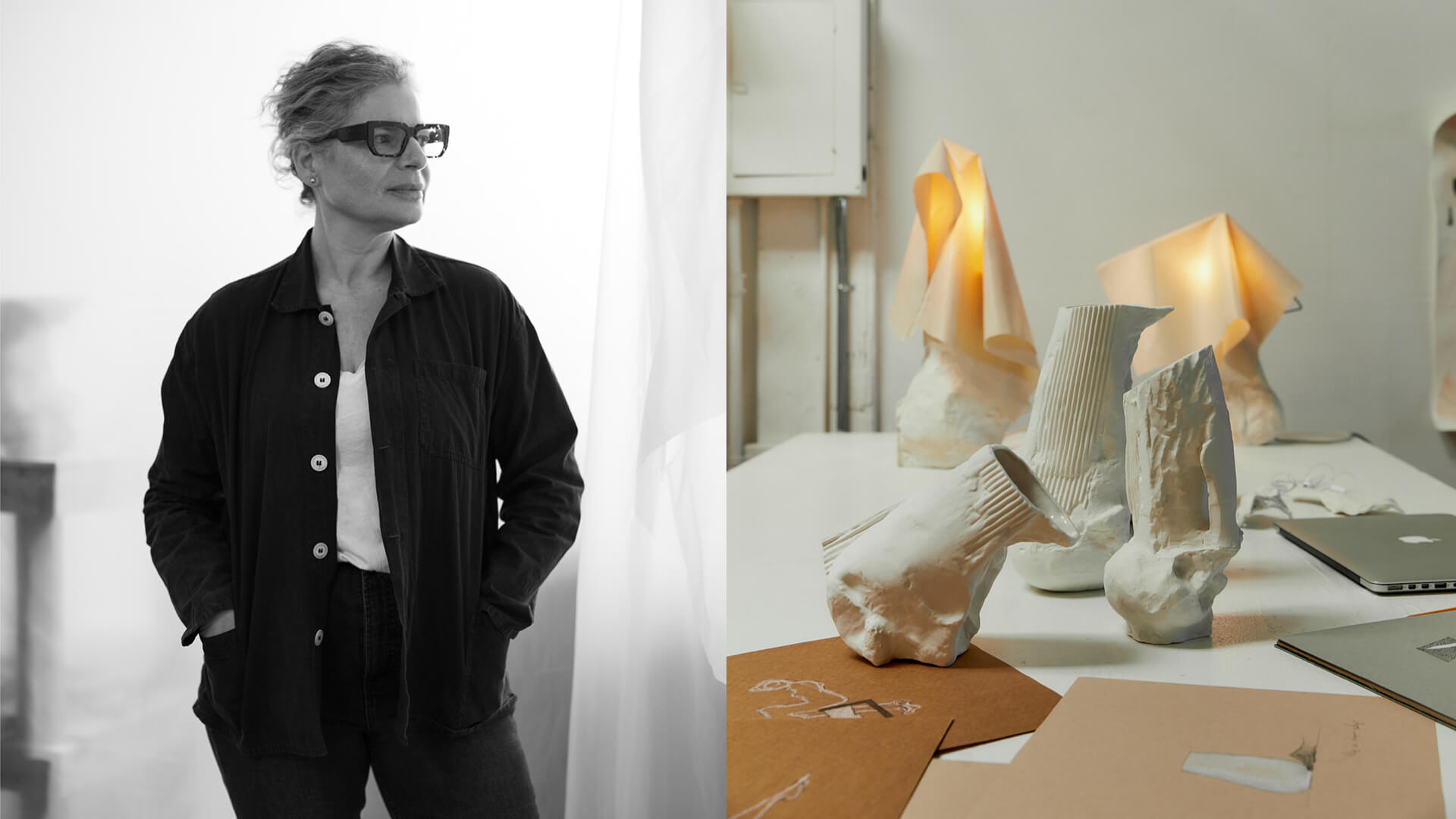
There is a point in Dana Harel’s practice where material seems to pause, open to interpretation, before settling into what it will eventually become. That pause, brief but revealing, guides much of her thinking. Harel, an artist and trained architect with two decades of experience across art and spatial disciplines, founded her San Francisco-based studio White Dirt in 2020. Her background informs a practice that moves confidently between sculpture, design and the domestic scale, yet resists fitting neatly into any single category.
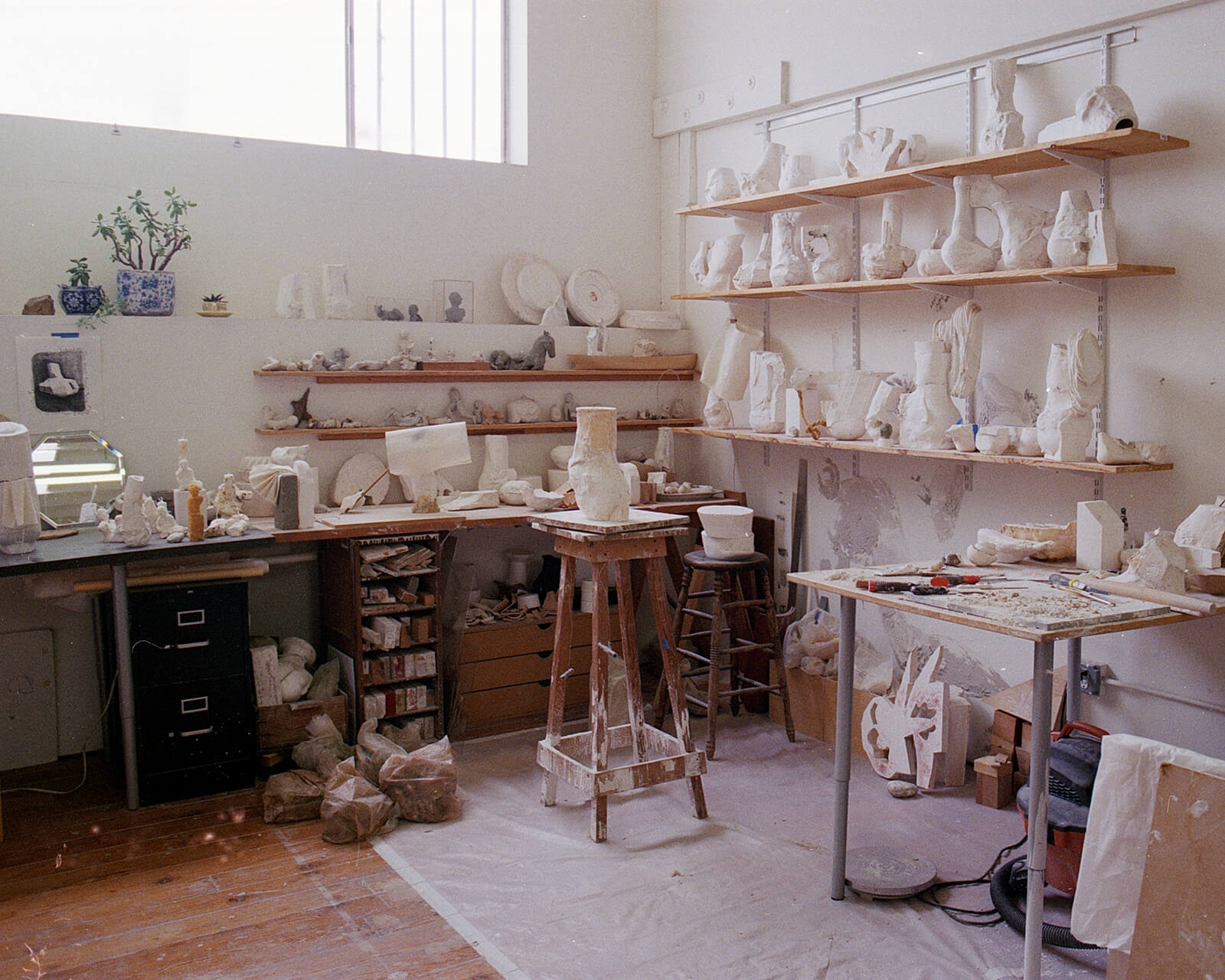
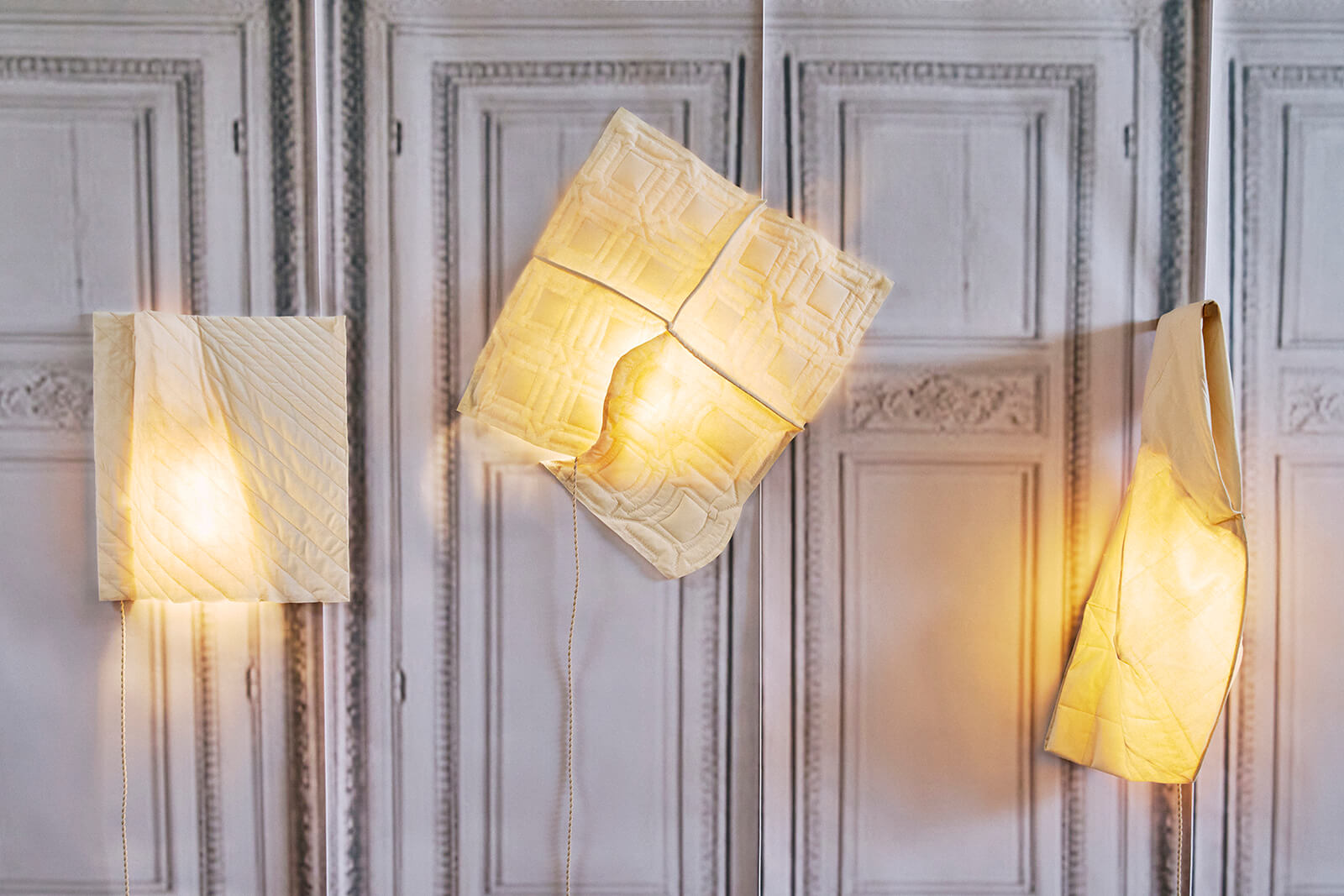
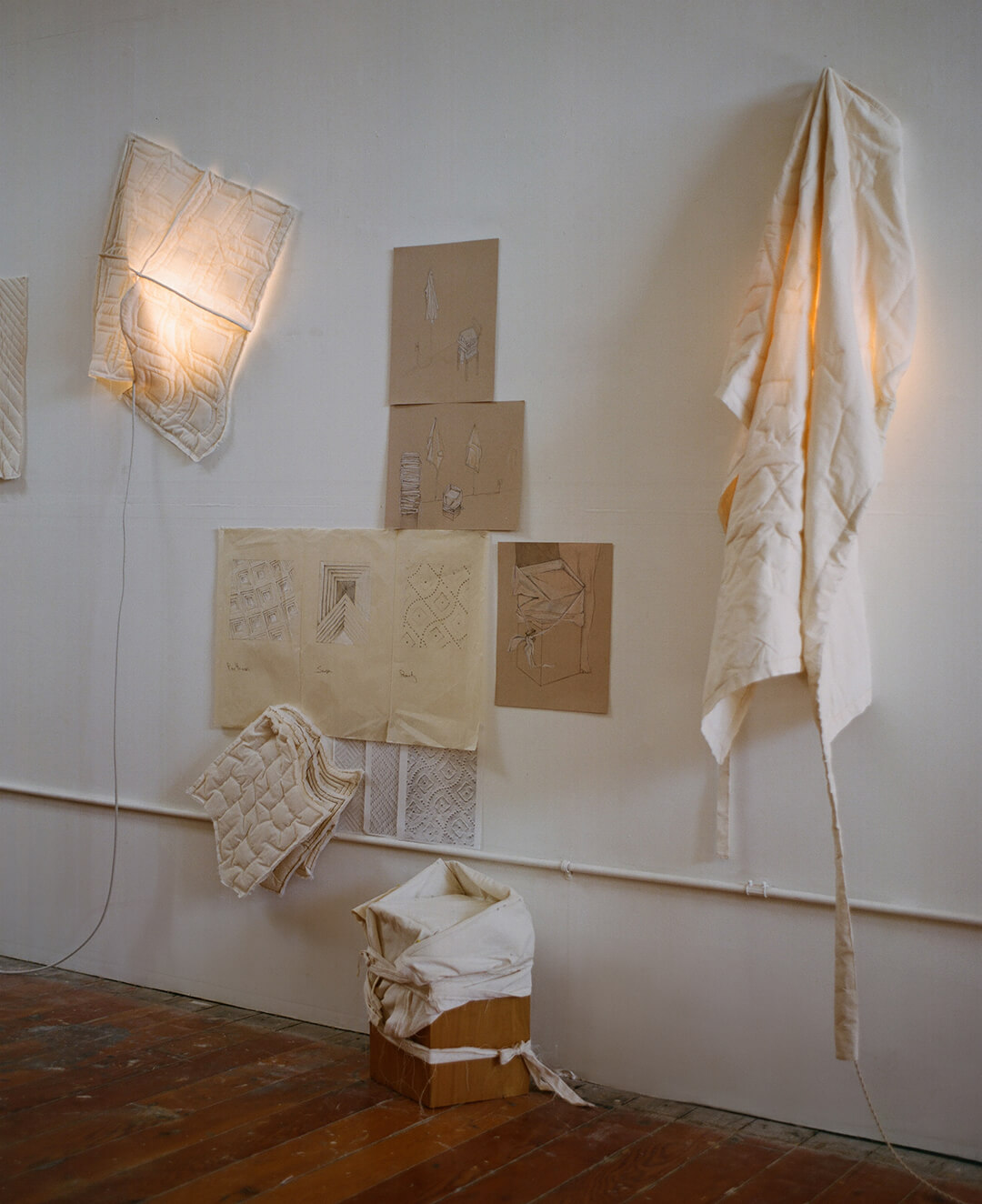
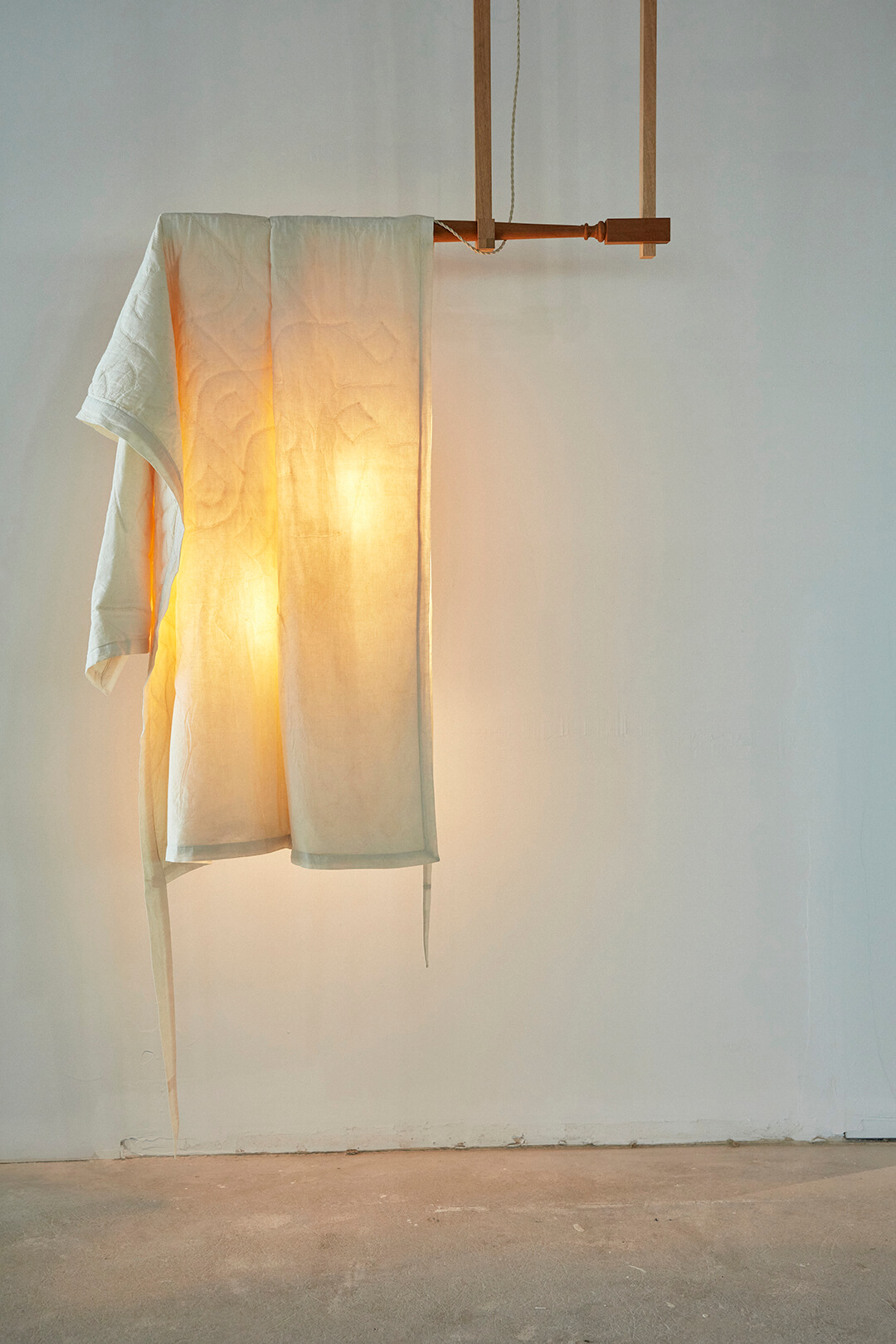
At White Dirt, Harel uses that early openness in a material’s behaviour to shape pieces that sit between sculpture and utility. Her lighting designs, vessels and furniture pieces carry this sensibility, shaped through touch, curiosity and a commitment to letting material behaviour influence direction. The studio’s recent works continue this exploration. QUILT, for instance, an illuminated sculpture draped in patterned cotton over a handcrafted wooden frame and inspired by childhood blanket fortresses, draws on both personal narrative and architectural references. New lighting design series such as SOFT LIGHTS and PAPER investigate folding, draping and textile-based structures that feel soft yet spatial. Alongside vessels, furniture and sculptural hardware, these pieces form a practice that moves across mediums but remains grounded in a clear material language.
In conversation with STIR, the American designer reflects on intimacy and structure, the pull of familiar typologies, the collaborative nature of her female-led studio and the challenges and freedoms of building a practice that evolves without strict boundaries.
Aarthi Mohan: White Dirt’s ethos of transforming ‘sculpture to utility’ frames much of your work. How do you decide when a sculptural idea should evolve into a functional object rather than remaining purely expressive?
Dana Harel: Function isn’t the starting point; form and curiosity are. And when utility does appear, it isn’t a compromise. It actually deepens my connection with the form and the material. Function becomes another layer of narrative rather than a limitation. My process always begins with an idea I want to explore, and then I let my hands lead. Often it feels like wrestling an unruly material, setting it aside, returning to it and letting intuition guide the next move.
There’s a vitality in the first gestures of my prototypes that I aim to carry through into the finished piece, so even functional objects maintain their expressive presence. In that sense, utility doesn’t limit the work; it expands its intimacy and meaning.
Central to the way I work is the attempt to carry the gestures of the first sketch, the quick prototype, the first touch, into the finished piece. There’s a kind of clarity in those early moments that can be hard to recreate, but I try to hold onto it.

Aarthi: Across your use of plaster, brass and linen as key materials, tactility seems central to how your pieces hold presence. How do you think through the ‘feel’ of a material before its final form emerges?
Dana: Central to the way I work is the attempt to carry the gestures of the first sketch, the quick prototype, the first touch, into the finished piece. There’s a kind of clarity in those early moments that can be hard to recreate, but I try to hold onto it. Even when I work with fabricators who bring their own expertise, we look for ways to preserve that immediacy. We try things differently by not polishing or smoothing, but letting the material keep its quirks. Imperfections become part of the story rather than something to erase. There’s always a tension between what I know and can control, and the moments when I surrender and let things get loose or even break. That negotiation between discipline and instinct is the part of the process that shapes everything I make.
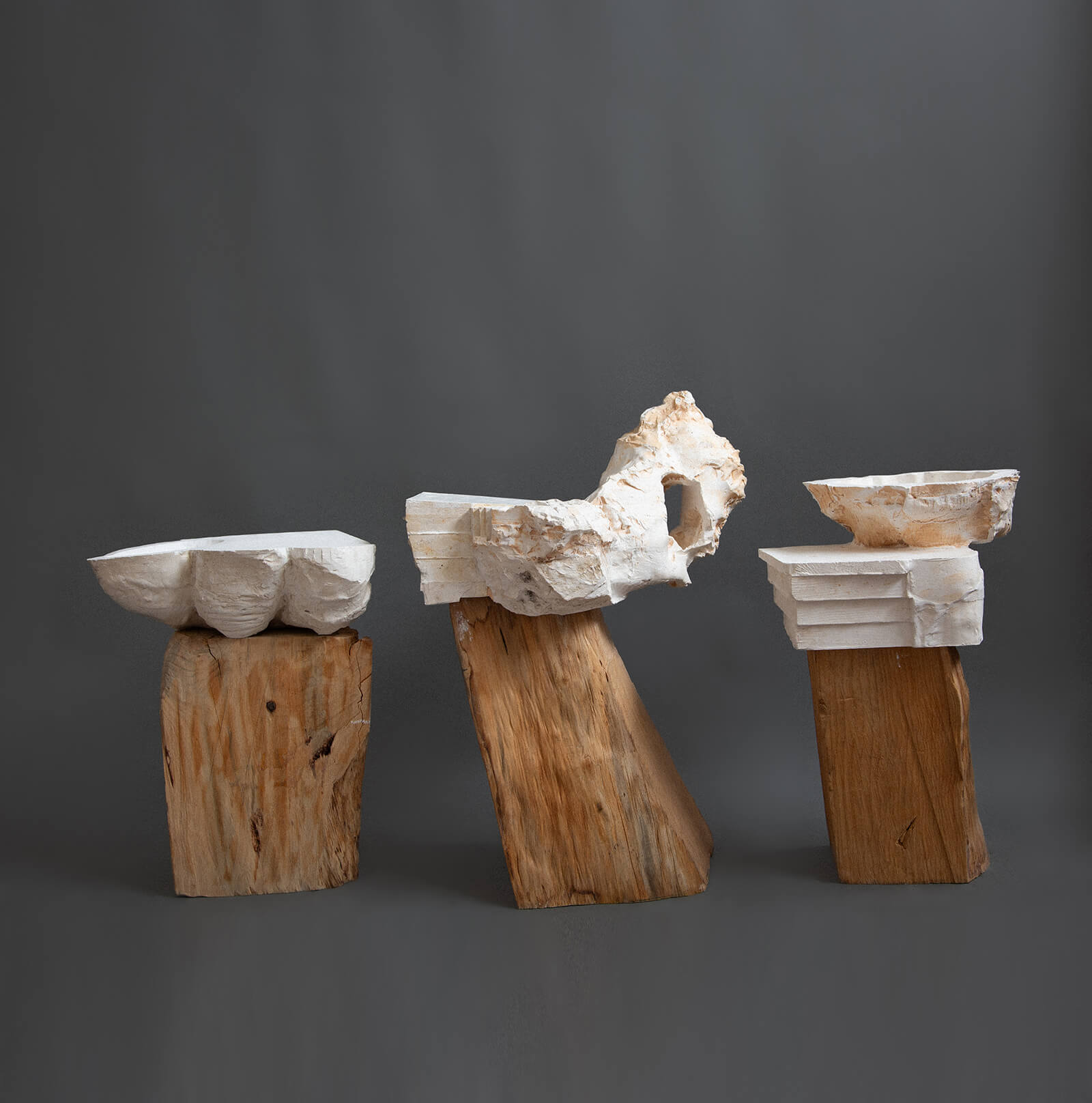
Aarthi: Your works, such as OFFERING and JUGS, treat vessels and surfaces as sites of ritual and generosity. What draws you to everyday typologies as carriers of meaning?
Dana: I’m drawn to familiar forms because they already carry a kind of instinctive understanding. A jug, a bowl, a vessel, they’re ordinary objects, but they hold centuries of use, care, survival and offering. For me, these objects are performative. They carry purpose with hidden meanings. Even when they’re not being used, they hold a kind of potential energy, as if they’re waiting for an interaction. Because they’re domestic and familiar, they invite us in; the body already knows how to be with them. That combination makes it easy to animate them, to project stories or rituals onto them without effort.
Working with these typologies lets me tap into universal gestures of ritual and care, while layering my own sensibility onto them. It becomes a way of getting closer to people, closer to the body, without needing to be literal.
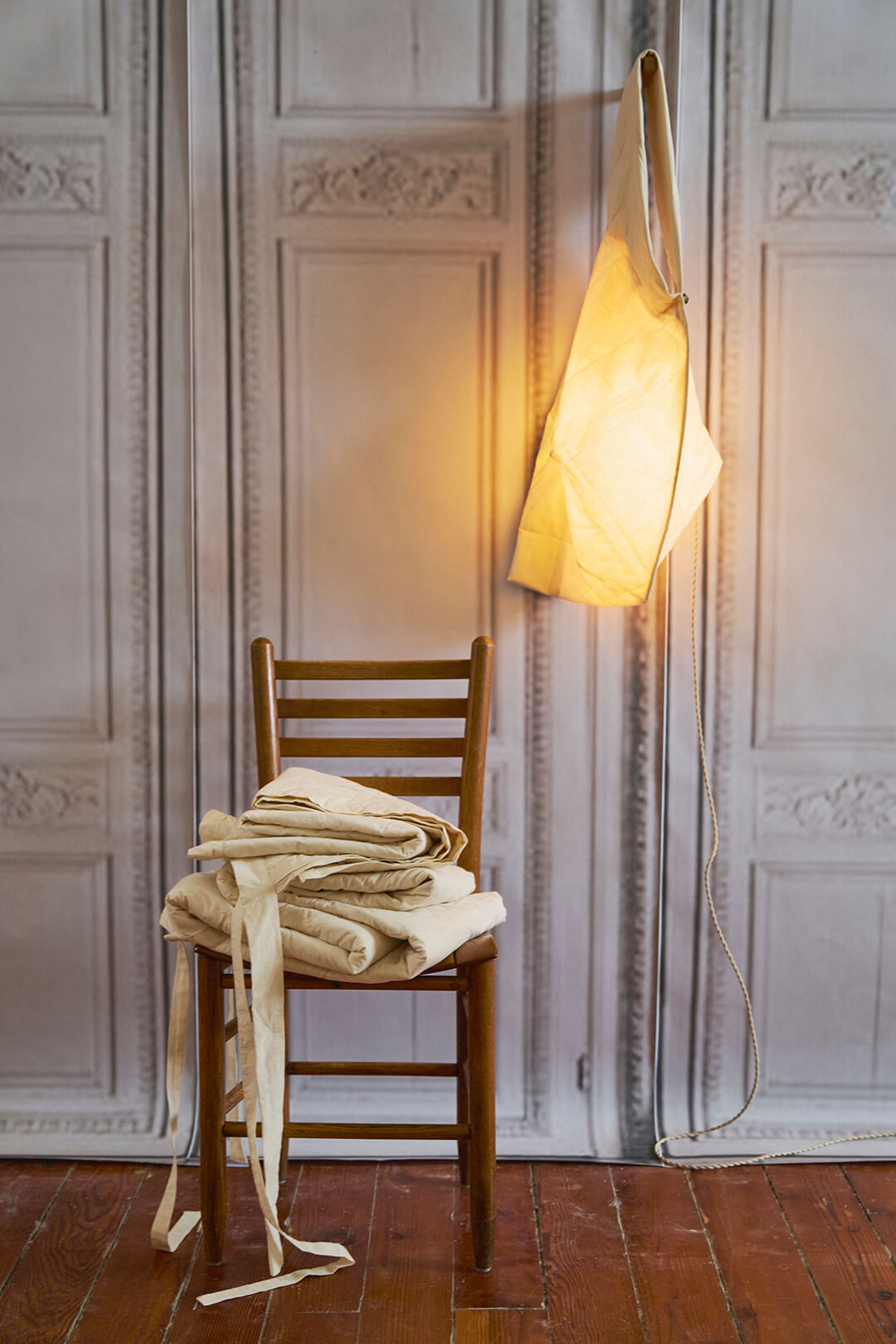
Aarthi: QUILT references both the intimacy of blanket forts and the monumentality of domes. What connects these two scales of comfort and architecture in your practice?
Dana: A blanket fort and a dome are both forms of shelter, spaces of protection and imagination. QUILT sits between monumentality and intimacy, which is a tension I’m always exploring.
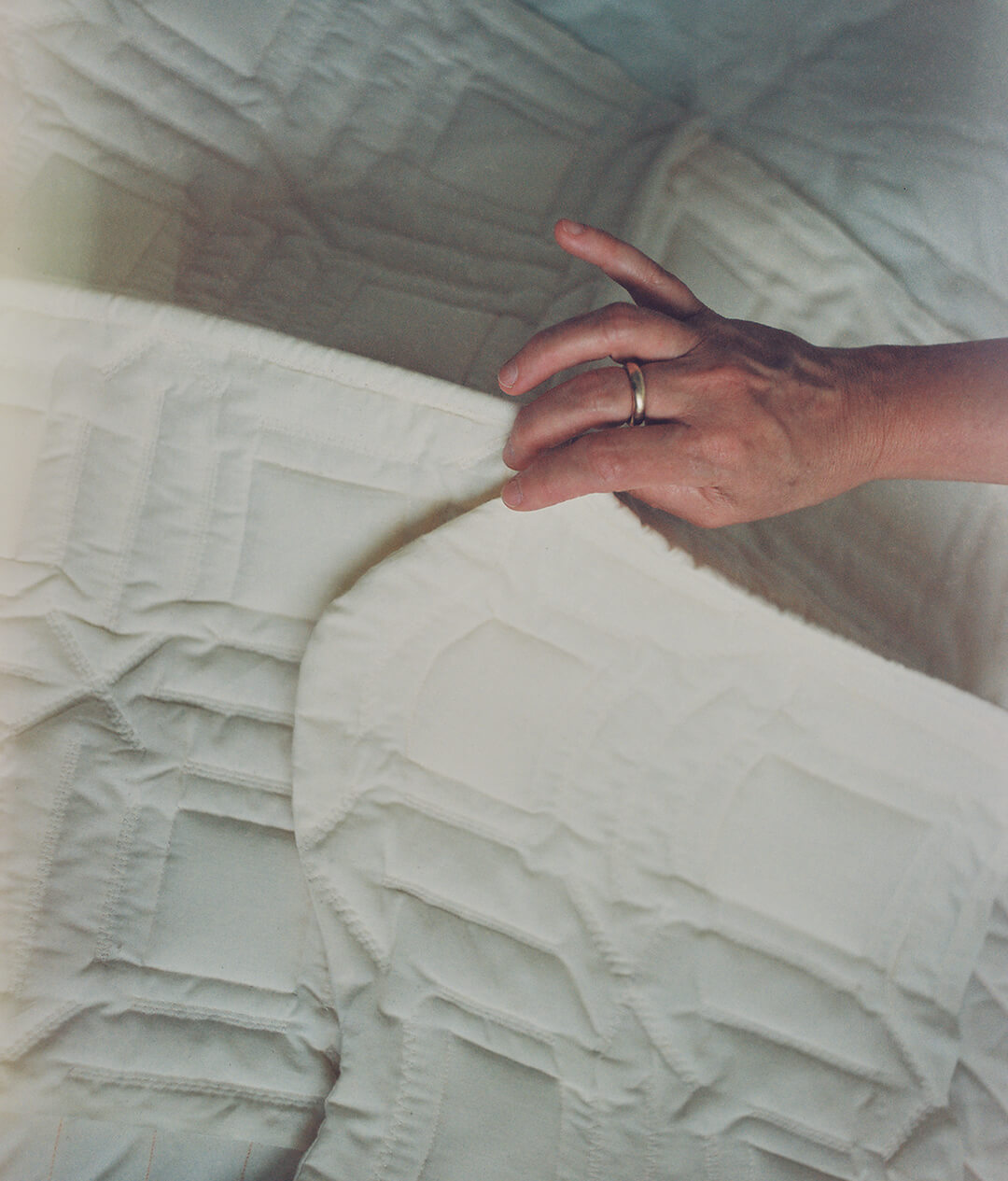
In my work, I often collapse geometries such as cubes, pyramids, and ideal forms and let them sag, drape or fall in on themselves. In collapsing these pure geometries, they lose their perfection and reveal a kind of vulnerability. The forms begin to feel bodily, softened by gravity and touch. QUILT takes those larger architectural stories and translates them into soft forms you can touch your way into.
Aarthi: You describe White Dirt as a ‘female-led, hand-forward practice’. How does collaboration take shape differently in your studio compared to your architectural background?
Dana: I try to cultivate a space where accidents matter, where the hand can interrupt the logic of the material and the material can push back on the hand. My studio is guided by intuition, curiosity, care and openness. In practice, these qualities show up as flexibility; the freedom to find our own way of creating and shaping our own processes. The work is rigorous, grounding and generative, and that approach extends to the people I work with. Interns, assistants and fabricators all become collaborators in this sense. Their instincts, expertise, and questions shift the work in ways I couldn’t arrive at alone. That openness creates real exchange, where different skills and perspectives reshape the piece as it comes into being.
Light, for me, exists between the magical and the mundane.
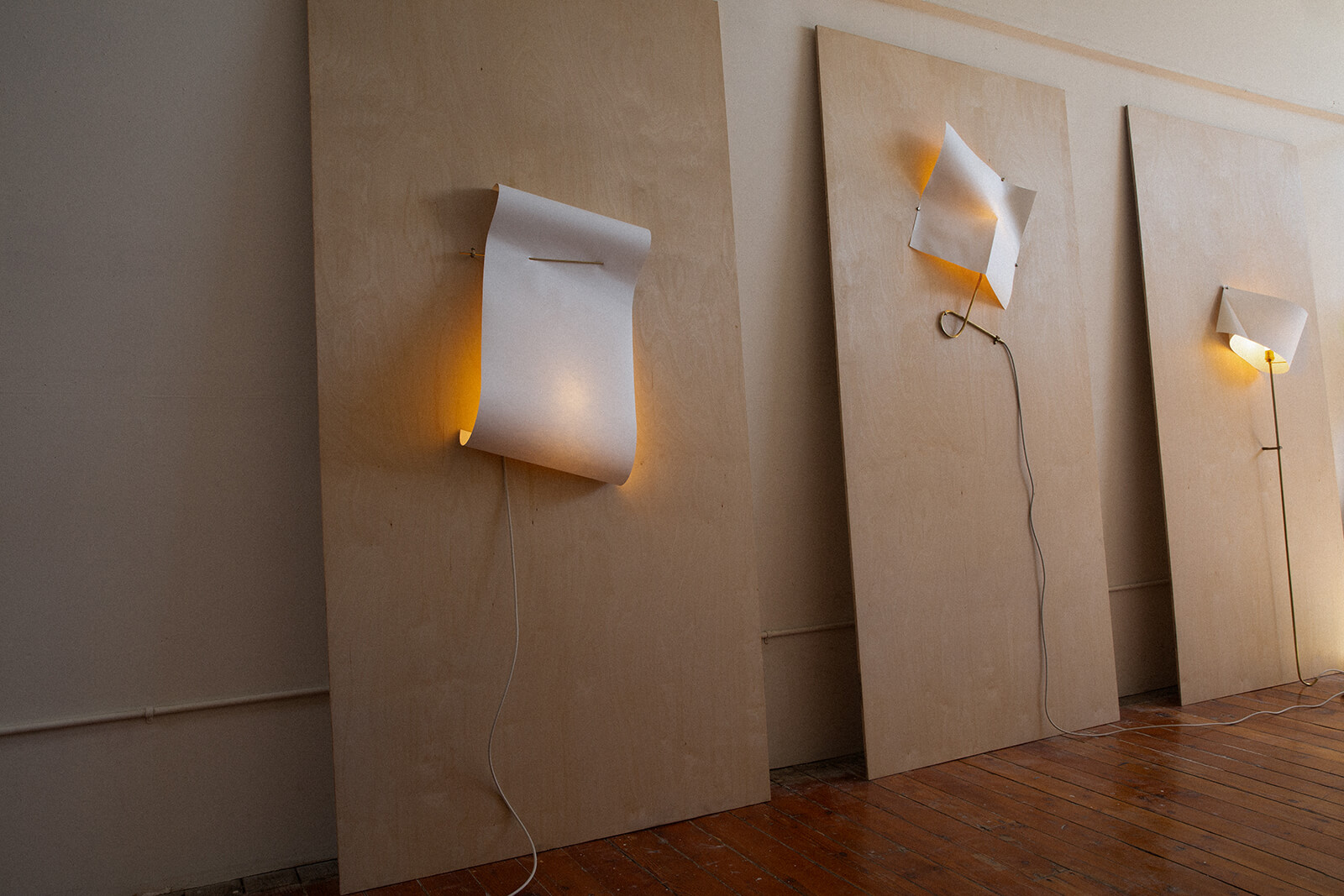
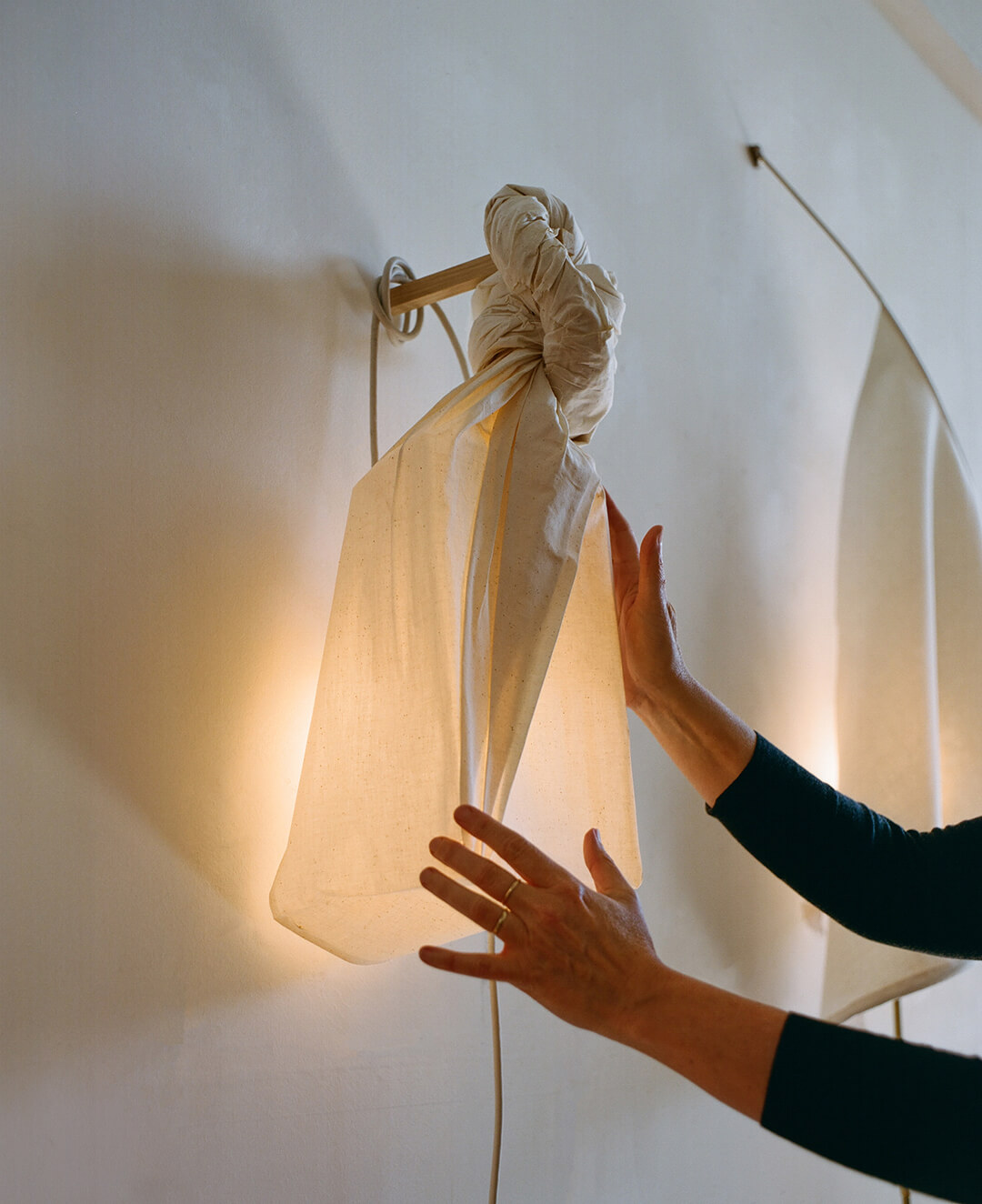
Aarthi: The new SOFT LIGHTS and PAPER wall lights translate textile and folding gestures into illumination. How do you see light functioning—as a structure, atmosphere or storytelling medium—in your work?
Dana: Light, for me, exists between the magical and the mundane. It’s never just functional; it shapes how we move through a space, how we feel in it, and how we engage with objects and each other.
With the SOFT LIGHTS and PAPER pieces, I use gestures like draping, folding, and collapsing, which is almost like clothing the light to create a kind of soft architecture. The hardware becomes a form of adornment, not just a functional element.

Aarthi: There’s an undercurrent of protection and sanctuary in your lighting pieces. Do you see light as something to reveal or to shield, and how does that paradox guide your design decisions?
Dana: That paradox resonates with me; the instinct to shine and the instinct to retreat. The balance between presence and restraint is where the work comes alive, creating a subtle push-and-pull that invites engagement, curiosity and hopefully closer interaction with the work. Some pieces filter, soften, or shield, offering protective intimacy while still allowing the space to be experienced.
I try to cultivate a space where accidents matter, where the hand can interrupt the logic of the material and the material can push back on the hand.
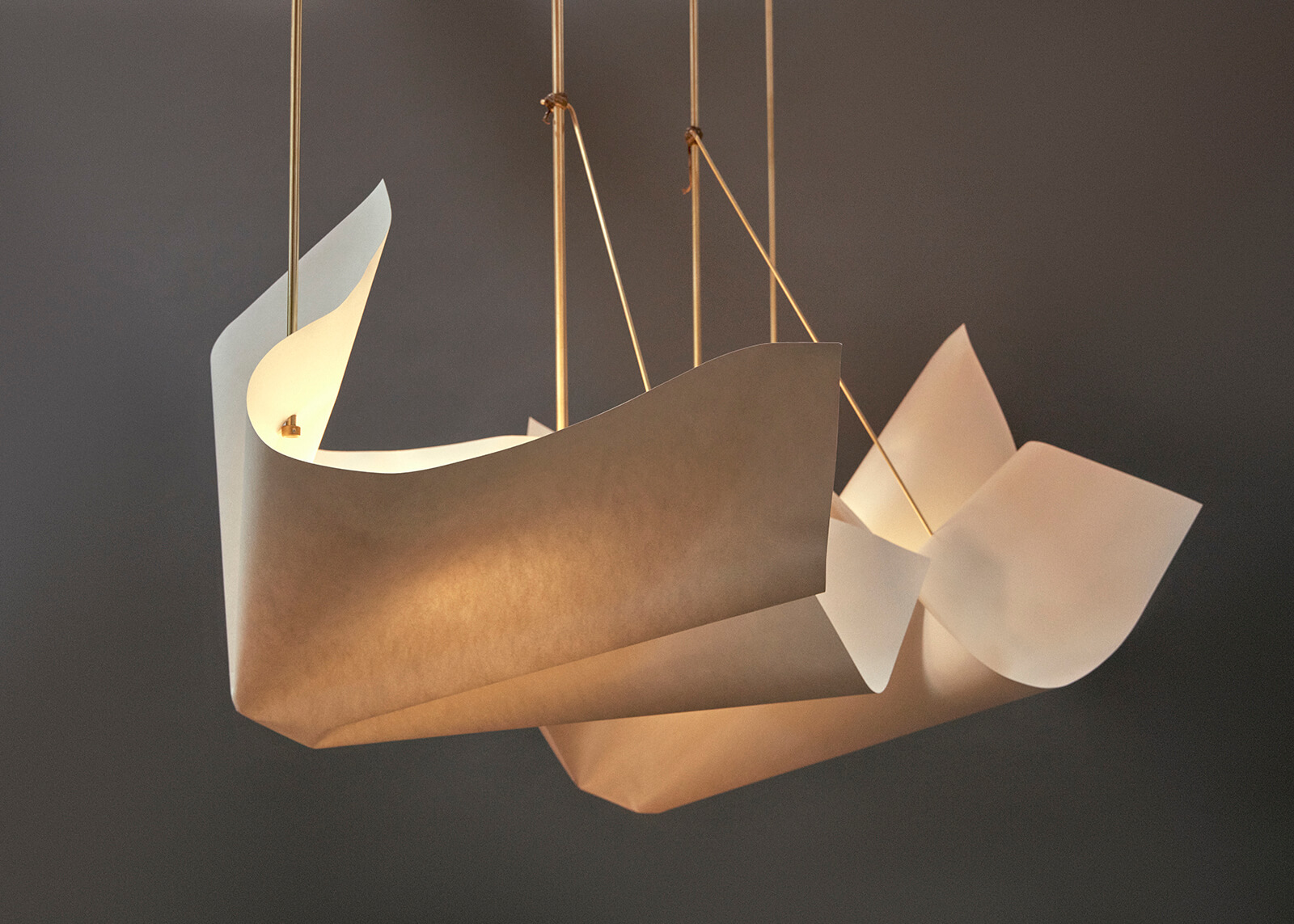
Aarthi: Working between sculpture, architecture and design, do you see your pieces as part of a single evolving language or as separate chapters that respond to different scales of living?
Dana: Everything I make feels part of one language, even when the materials or scales shift. I’m not practising architecture, but I do move between scales—from a small vessel to a larger product design—always thinking about how the work inhabits space and meets the body.
The thread that connects the work is both the way it’s physically activated, how we hold it or encounter it in passing, and my hand as the maker. Whether I’m making a jug, a light or a chair, it’s always about creating a feeling, a space for thinking, a moment of connection. Each piece responds to a different scale of living: the architectural, the domestic, the intimate, but it’s all part of the same ongoing exploration.
Aarthi: What do you find to be the most liberating aspect of your practice? And the most challenging?
Dana: The most liberating part is the freedom to move between mediums without needing to fit into a category. I’m not a ceramicist in the traditional sense, I’m not a lighting designer, I’m not strictly a sculptor, and that gives me room to invent my own world. The most challenging part is exactly the same: inventing a world means constantly negotiating chaos, accidents and change. Sometimes I get excited when a material resists me, or I feel unsure when a form refuses to settle. But it’s in that struggle that moments of discovery happen, opening unexpected and exciting paths in the work.
Aarthi: What is NEXT for you?
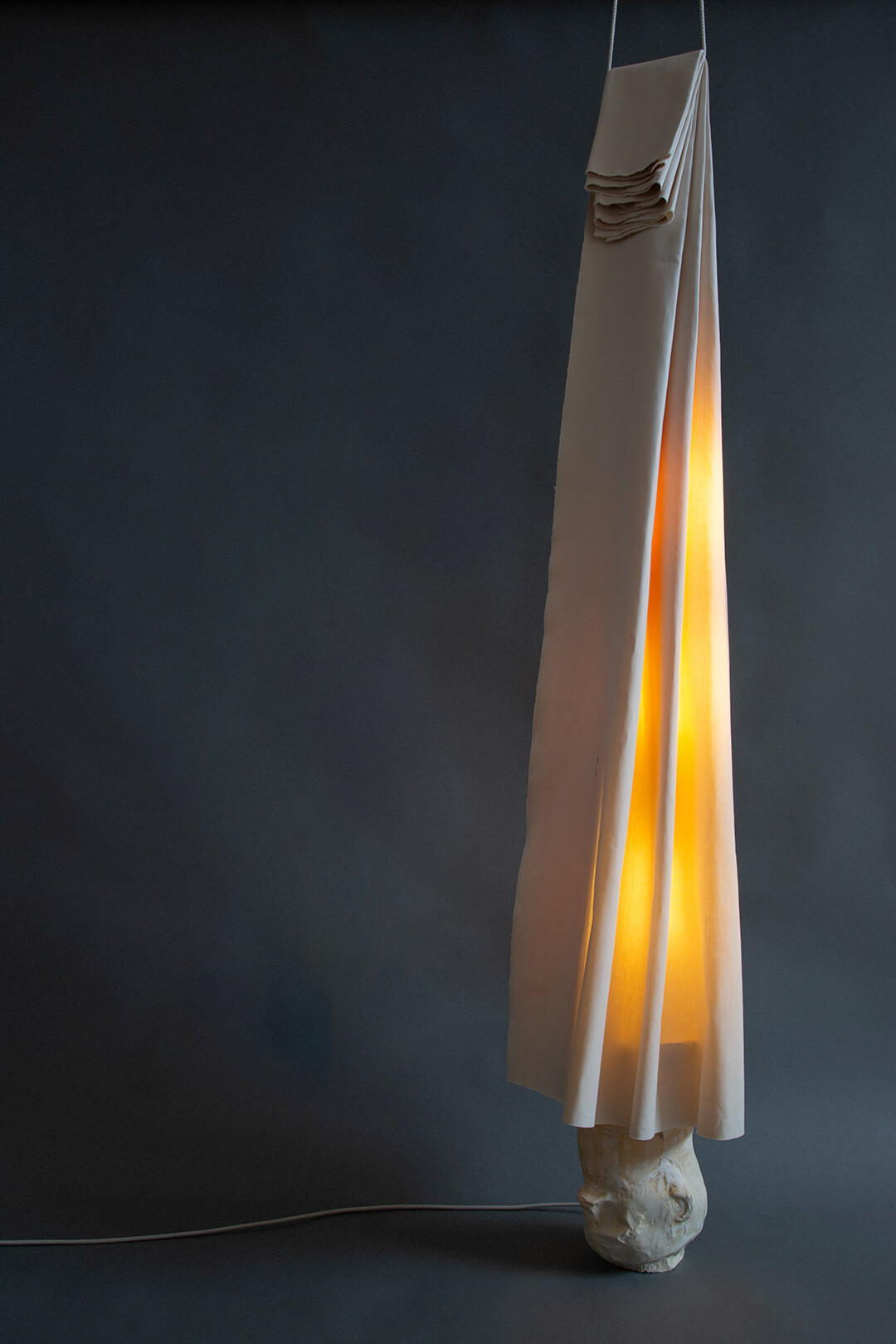
Dana: I’m deep in the lighting work, exploring new forms, materials and ways of letting fabric and geometry speak to each other. At the same time, I’m thinking about how my different bodies of work can come together in a more immersive presentation. I’m imagining a collaborative exhibition in 2026 that reveals my full vision as an artist. I’m drawn to creating site-specific experiences that combine art, design and architecture and spaces that invite engagement, curiosity and exploration.

by Pranjal Maheshwari Oct 23, 2026
Co-authored by Jareh Das, Chairman traces the British designer’s fixation on chairs as symbols of power and identity and as mediums of expression and community building.
by Mirra Lynn Oct 22, 2026
The curators behind Palestine Design Week 2026 reflect on its intent, considering how design holds memory, makes space for loss and imagines a future in Palestine.
by Chahna Tank Oct 22, 2026
STIR speaks with the Mumbai-based type designer about her practice, type walks and why she wants more people to have stronger opinions about Indian-script fonts.
by Jincy Iype Oct 15, 2026
STIR explores craft, material intelligence and people shaping Indian design through dialogues with Design Democracy’s co-founders and the curators of its special exhibitions.

make your fridays matter with a well-read weekend
Enter your details to sign in
Don’t have an account?
Sign upOr you can sign in with
a single account for all
STIR platforms
All your bookmarks will be available across all your devices.
Stay STIRred
Already have an account?
Sign inOr you can sign up with
Verification link sent to check your inbox or spam folder to complete sign up process
Tap on things that interests you.
Select the Conversation Category you would like to watch
Please enter your details and click submit.
Enter the 6-digit code sent at


Dana Harel on clothing the light to create a kind of soft architecture
by Aarthi Mohan | Published on : Nov 28, 2025


 Sign in with Google
 Sign in with email
What do you think?