Architecture06 mins. read
KCAP revamps the derelict Sibeliuspark in Oss into a bustling hub to skate and socialise
by Pranjal MaheshwariOct 06, 2026




by Aarthi MohanPublished on : Feb 19, 2026
There is a quiet confidence in Netherlands-based Studio Ossidiana’s work. It does not announce itself loudly or rush to explain what it is doing. Instead, it asks for time. Time to walk, to touch, to look again. Time to notice how materials weather, how plants grow, how people and non-human lives slowly take possession of a space. Founded by Alessandra Covini and Giovanni Bellotti, the practice moves fluidly between architecture, landscape, installation and exhibition-making, yet what holds it together is not a style or a discipline but an attitude of care.
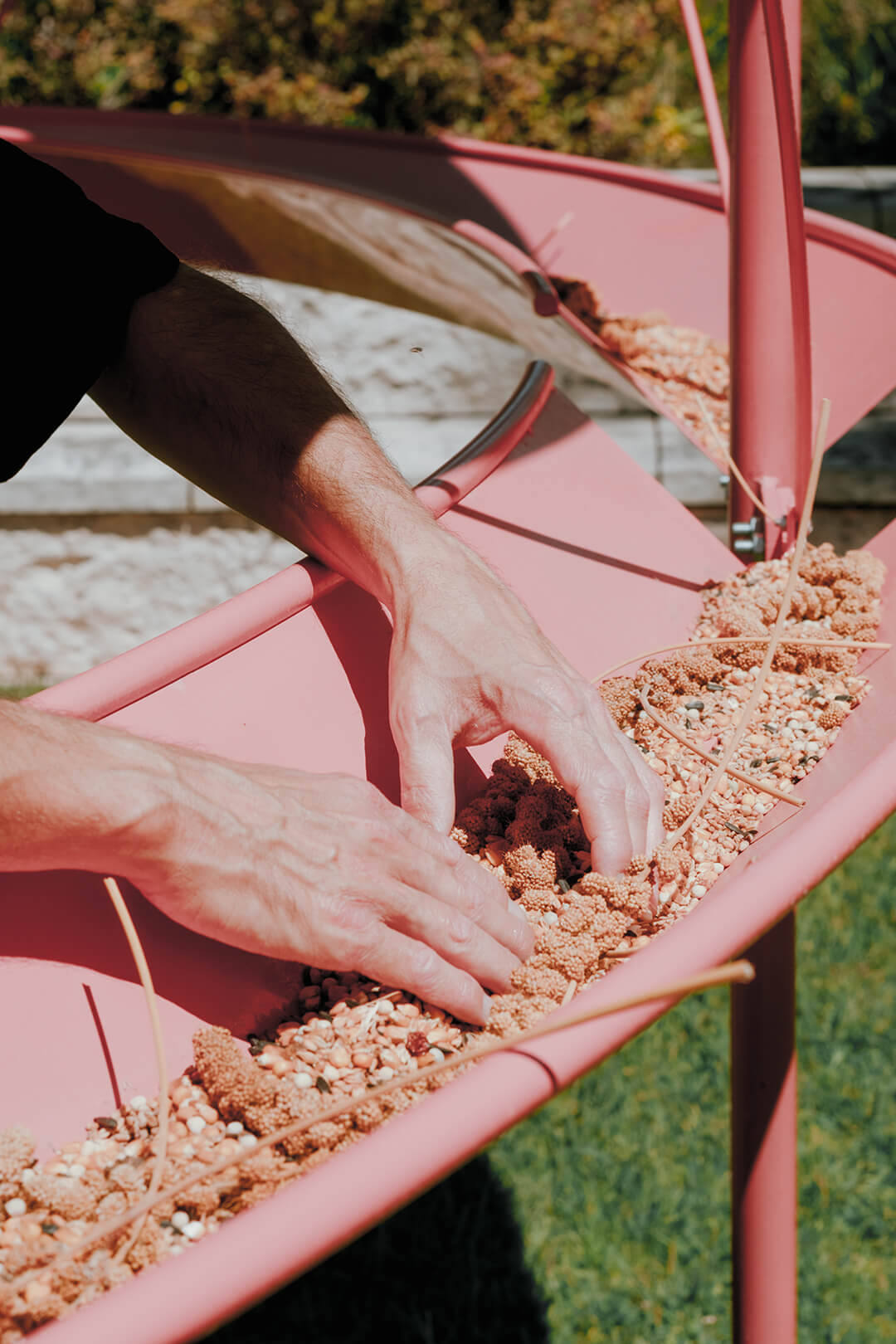
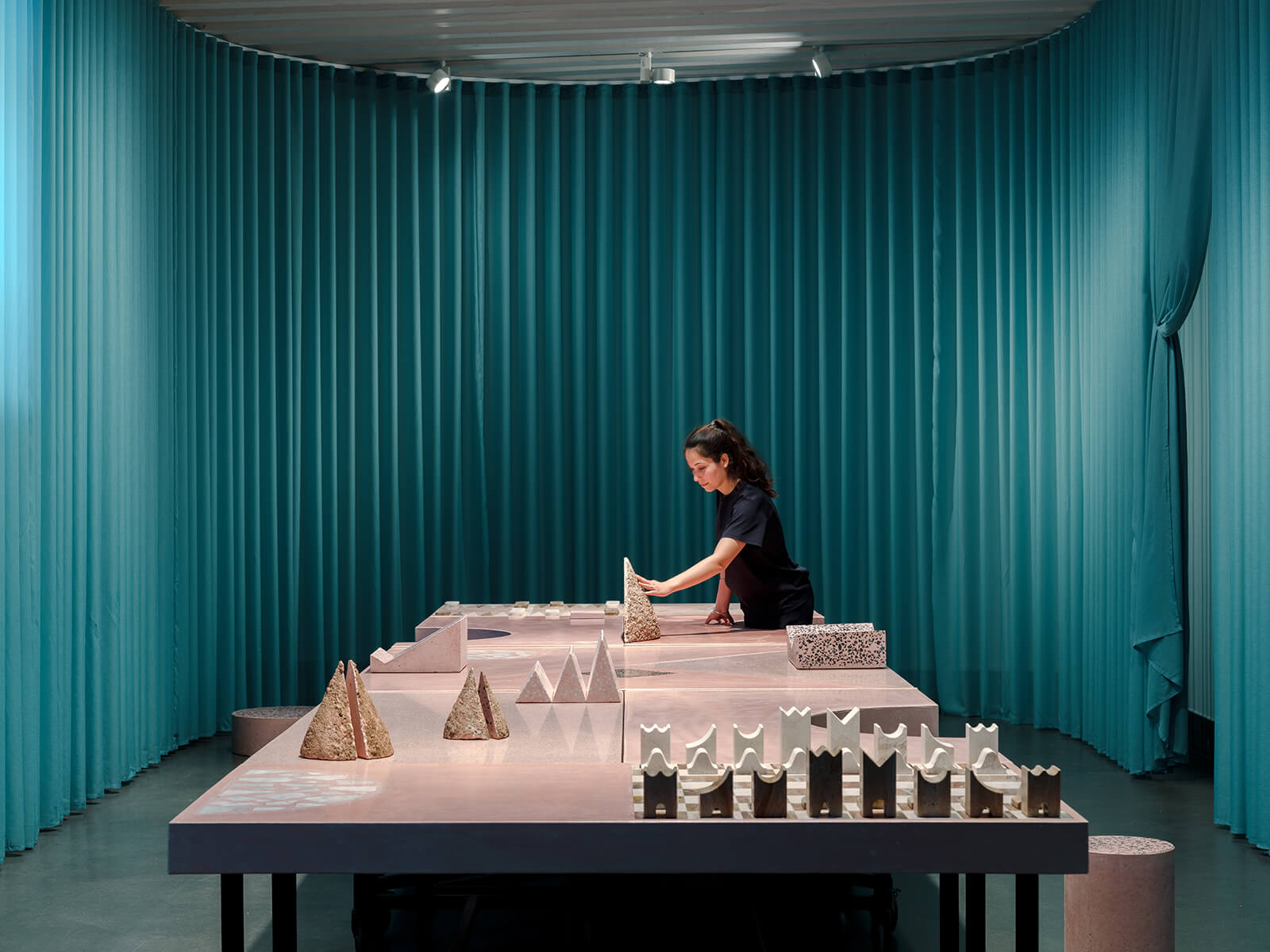
Their projects often feel deliberately unfinished. A pavilion might act like a landscape. A garden might double as an observatory. An artwork might ask you to get your shoes dirty or wait for something to grow. This openness is not about vagueness or aesthetic ambiguity. It is about allowing space for others to enter the work, whether they are visitors, gardeners, birds or microorganisms. The studio’s architecture is not complete at the moment of opening. It only comes into its own through use, attention and time.
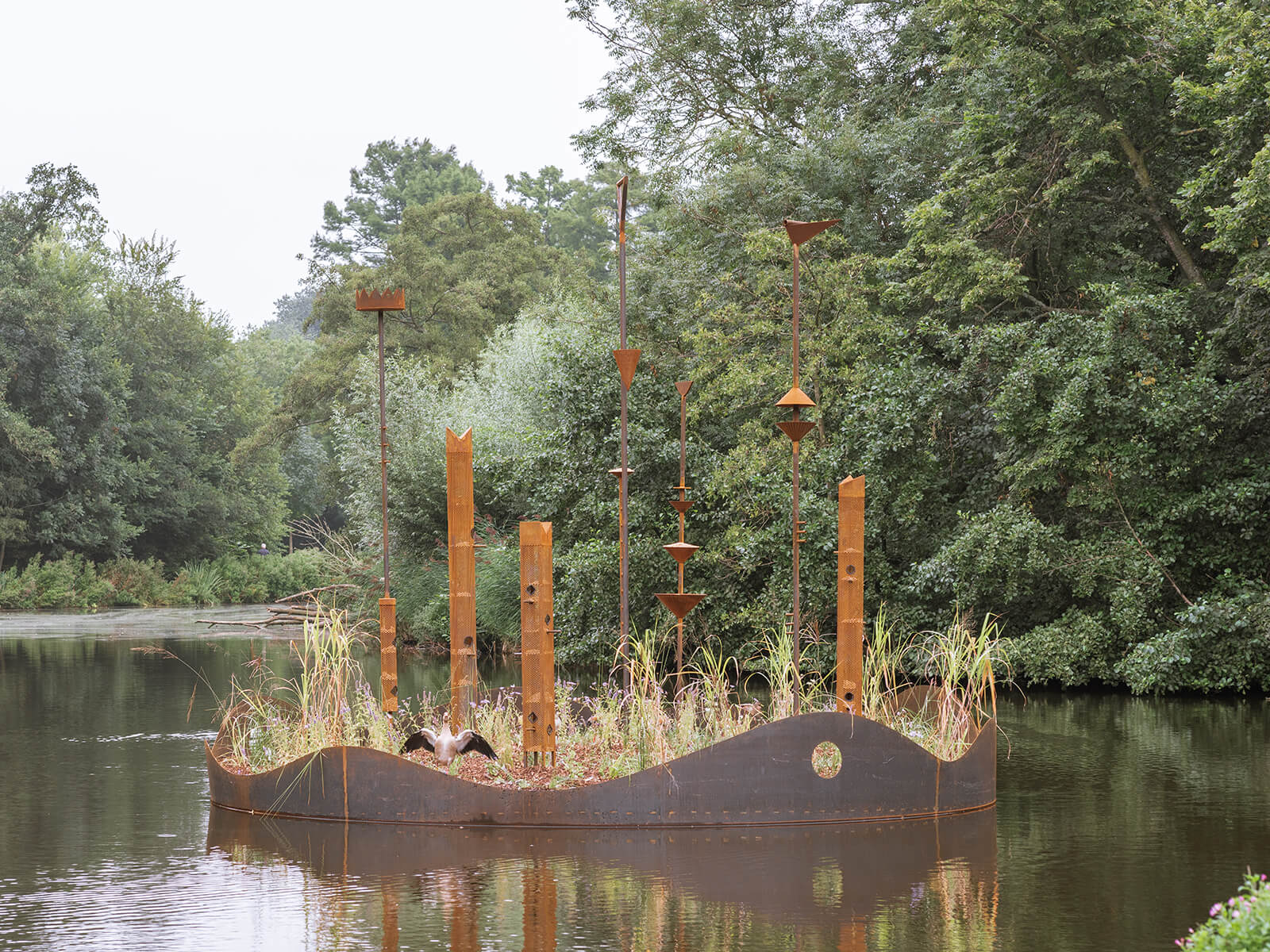
That sensibility is embedded even in the studio’s name. Ossidiana comes from obsidian, a volcanic glass formed through pressure and rapid change, a material that is both ancient and sharp, ornamental and utilitarian. Across projects such as the Earth Sea Pavilion, Birds' Palace, Horismos and NDSM Lusthof, the studio returns to questions of responsibility, authorship and coexistence. What does it mean to design something that will outlast its moment? Who really authors a space once life begins to inhabit it? And how can architecture create conditions for relationships rather than fixed outcomes?
In a conversation with STIR, the architects reflect on a practice that understands design not as control, but as the careful construction of conditions for coexistence and change.
Aarthi Mohan: When you coined the studio name, drawing it from a type of volcanic glass characterised by its transformative qualities, what was the metaphor you were trying to connect with the vision of the practice?
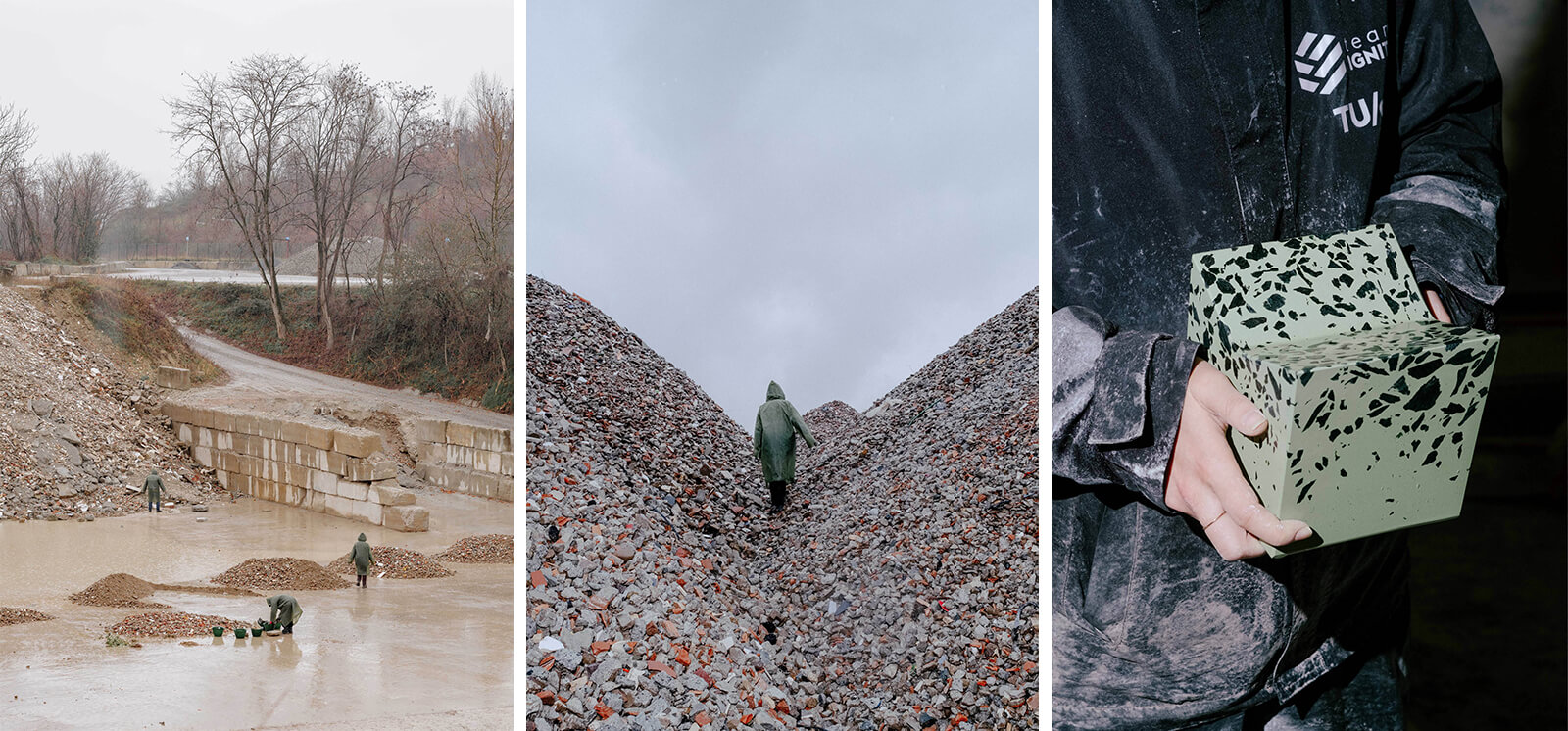
Alessandra Covini, Giovanni Bellotti: The name Studio Ossidiana comes from obsidian, a material formed through rapid transformation, pressure and cooling. It is lava that becomes a shiny black glass. For us, it represents material metamorphosis, but also something much older. Obsidian was used for humanity’s earliest artefacts, blades, jewels and mirrors. It carries memory and stories. We think of spaces and materials in a similar way, as things that change over time, remain open to future transformations and sit somewhere between ornament and function, nature and design.
Aarthi: Studio Ossidiana’s work often moves between architecture, landscape, exhibition and installation. When you look back at the practice now, how do you personally describe what you actually do, beyond disciplinary labels?
Alessandra, Giovanni: We started from a shared architectural education, but with different sensibilities. Early on, we realised that a conventional model of practice focused on scale and production was not fulfilling for us. Instead of seeing scale as success, we wanted every project to have a real capacity to act and affect its context. We work across fields without constantly questioning where one ends and another begins. What interests us are the emotional and relational dimensions of projects, and the processes through which they come into being. Beauty, for us, emerges from care, attention and labour.
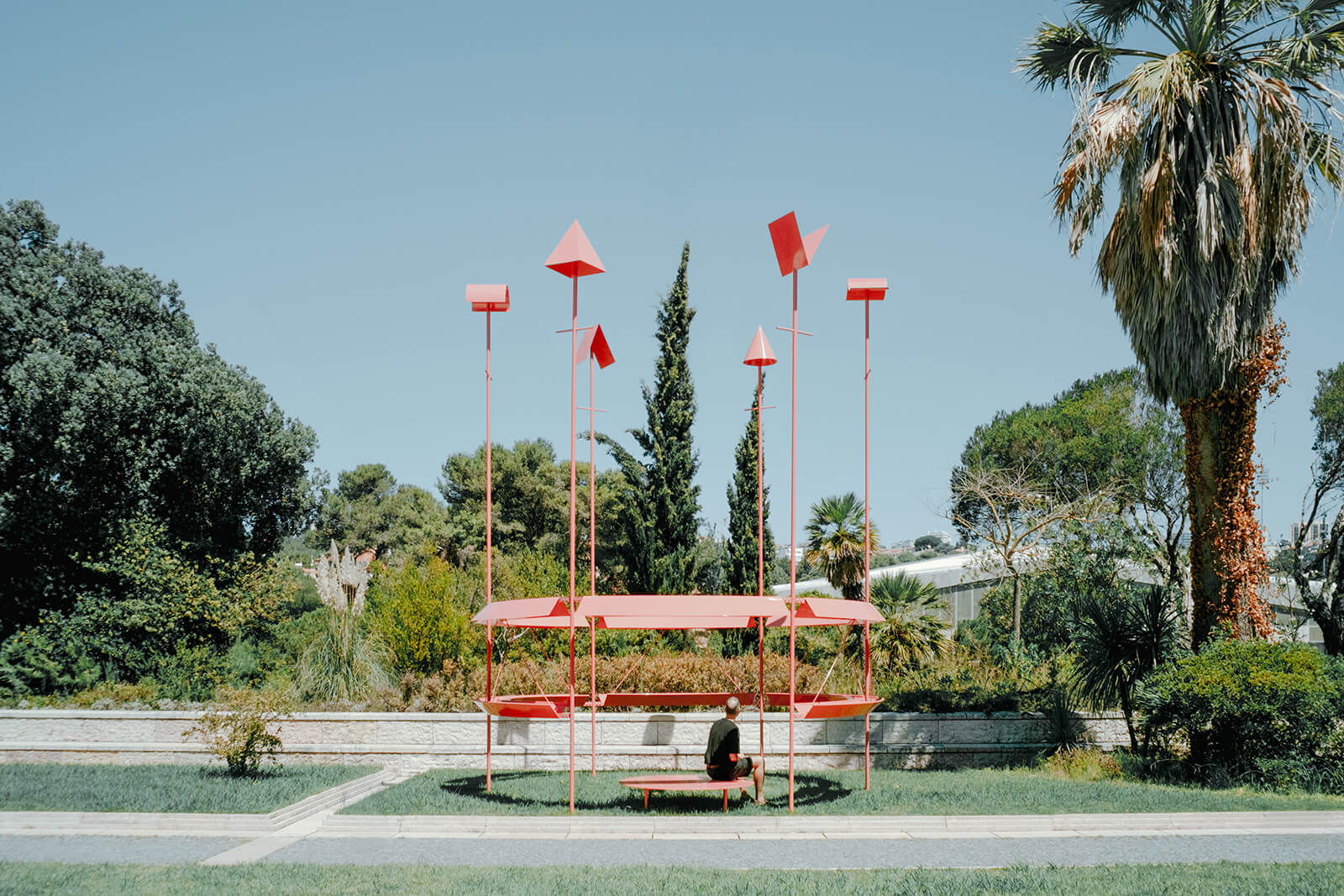
Aarthi: Many of your projects seem to resist a single reading. They are gardens that are also observatories, pavilions that behave like landscapes, architectures that feel alive or unfinished. How intentional is this openness, and what does ambiguity allow you to do that clarity does not?
Alessandra, Giovanni: We are drawn to projects with multiple layers and possibilities of interpretation. Openness is not indifference. It is about creating conditions for discovery, adaptation and shared authorship over time. Play has rules, but within them, many futures are possible. Many of our projects ask something of their visitors. You might have to climb, draw, garden or observe carefully. The openness is a kind of reward, a freedom that comes from engagement or commitment, from taking a step—from being a visitor to becoming an author, a gardener, an explorer.
Aarthi: When you begin a project, what is the first thing you try to understand? Has the starting point changed over time?
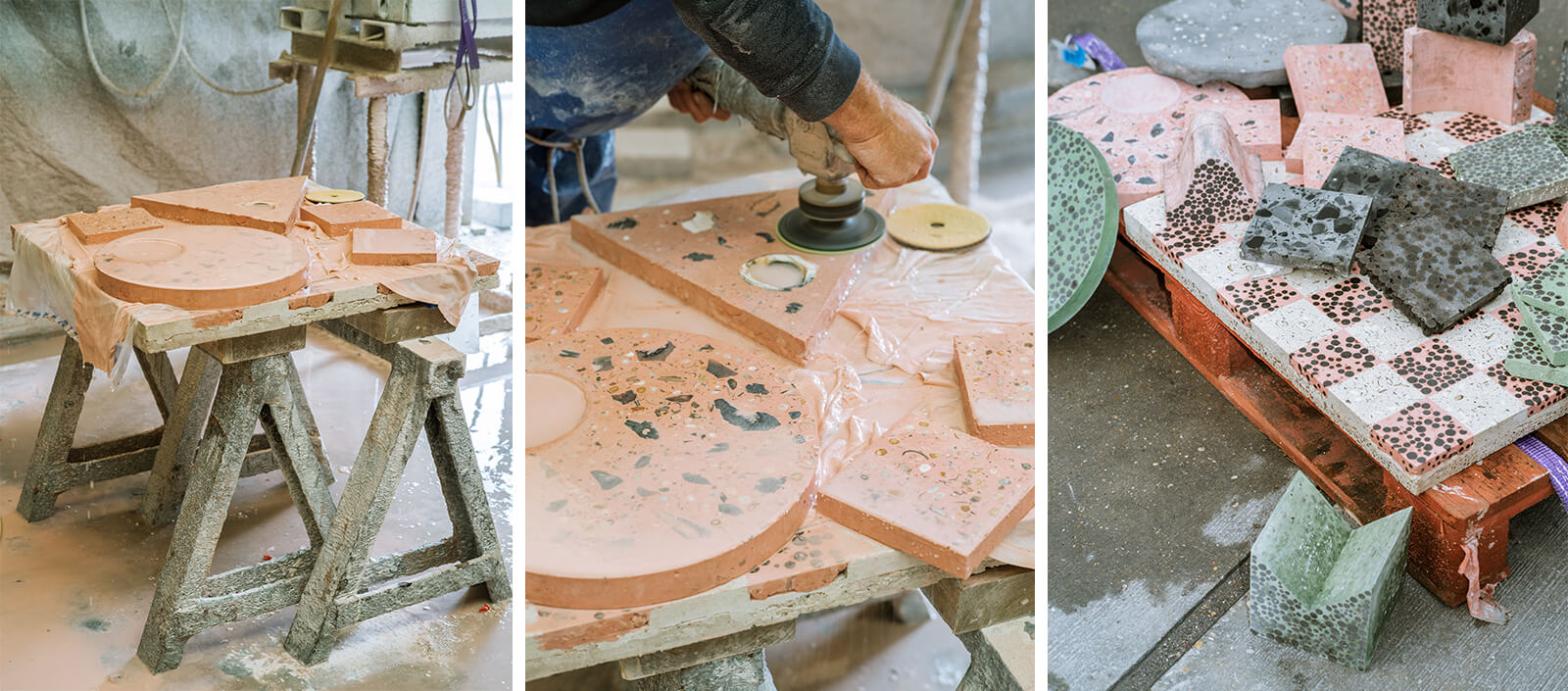
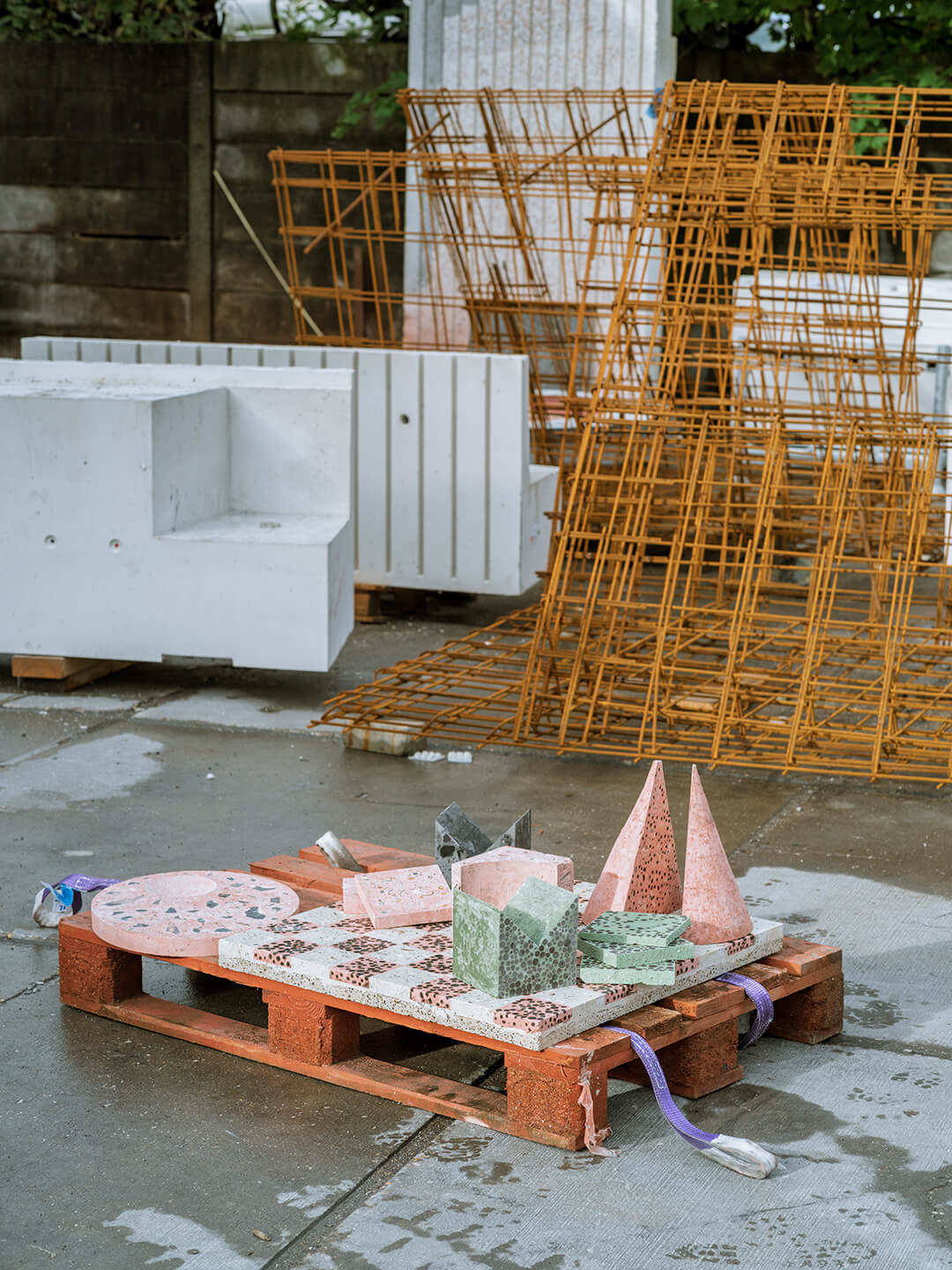
Alessandra, Giovanni: We usually start with a horizontal research process that looks at site, history, ecology, materials, references and typologies—all at once. This becomes a dense internal booklet that feeds into our shared book of references. From there, we produce a more synthetic atlas for the client, a sort of Mnemosyne which becomes a collective and shareable reference system for the client while also sketching diagrams, plans and sections. Even when a strong idea appears early, we keep questioning it. We develop models, beginning with quick paper or foam sketches that gradually evolve into more detailed studies using the same or scalable materials and processes as the final project, such as casting, woodworking or metalwork. Whenever possible, we also create small-scale prototypes and material tests to explore and refine these techniques. We want every project to allow something to happen that would not be possible without it. Over time, this process has become more efficient, but the beginning is still where we allow the most freedom.
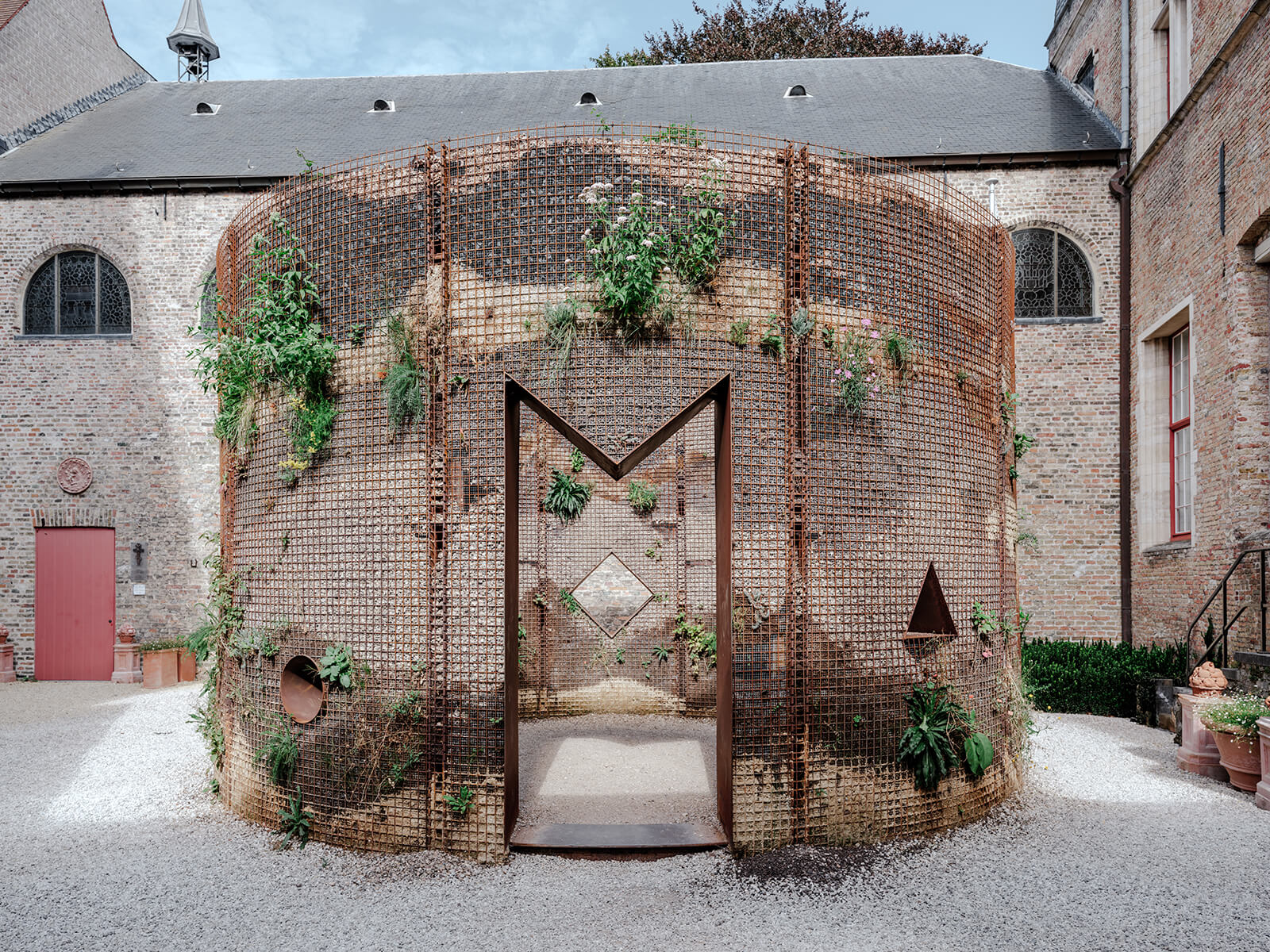
Aarthi: In projects like Earth Sea Pavilion, materials carry long histories while the structure itself is temporary and evolving. How do you think about responsibility when working with materials that pre-exist us and will likely outlast the project itself?
Alessandra, Giovanni: We work with the idea that even temporary works retain a form of permanence. Materials will stay somewhere, in soil, water or air. For this reason we try to use materials that can endure, be reused, returned to their source or decompose. Many of our works travel, are repaired or modified. Others are designed with a specific lifecycle in mind. Thinking about the afterlife of a project makes it better, not only environmentally but spatially and socially. There is no innocence in design, but there is responsibility, and we see that as something beautiful.
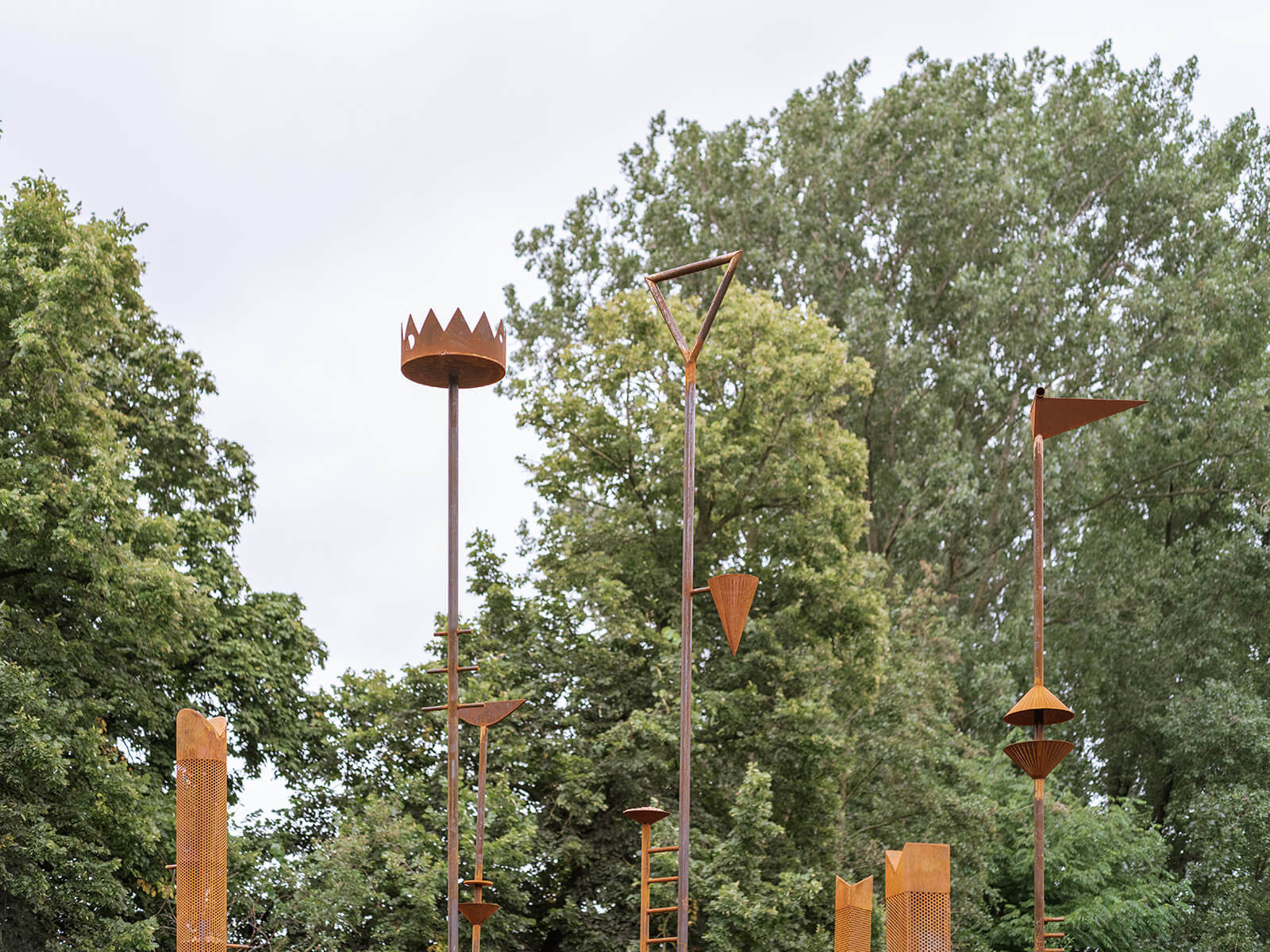
Aarthi: There is a recurring attention to non-human actors such as plants, soils, water, microorganisms and birds in your work. How has this focus shifted your understanding of authorship in architecture?
Alessandra, Giovanni: We see projects as tools that need to be used and transformed. Without life, they are incomplete. Whether it is birds in Vondelpark or children in a school playground, the project only becomes whole through use. Authorship becomes distributed and provisional. Working with non-humans also means engaging with contradictions and imbalances, but it allows us to think of architecture as a framework for coexistence rather than a fixed statement.
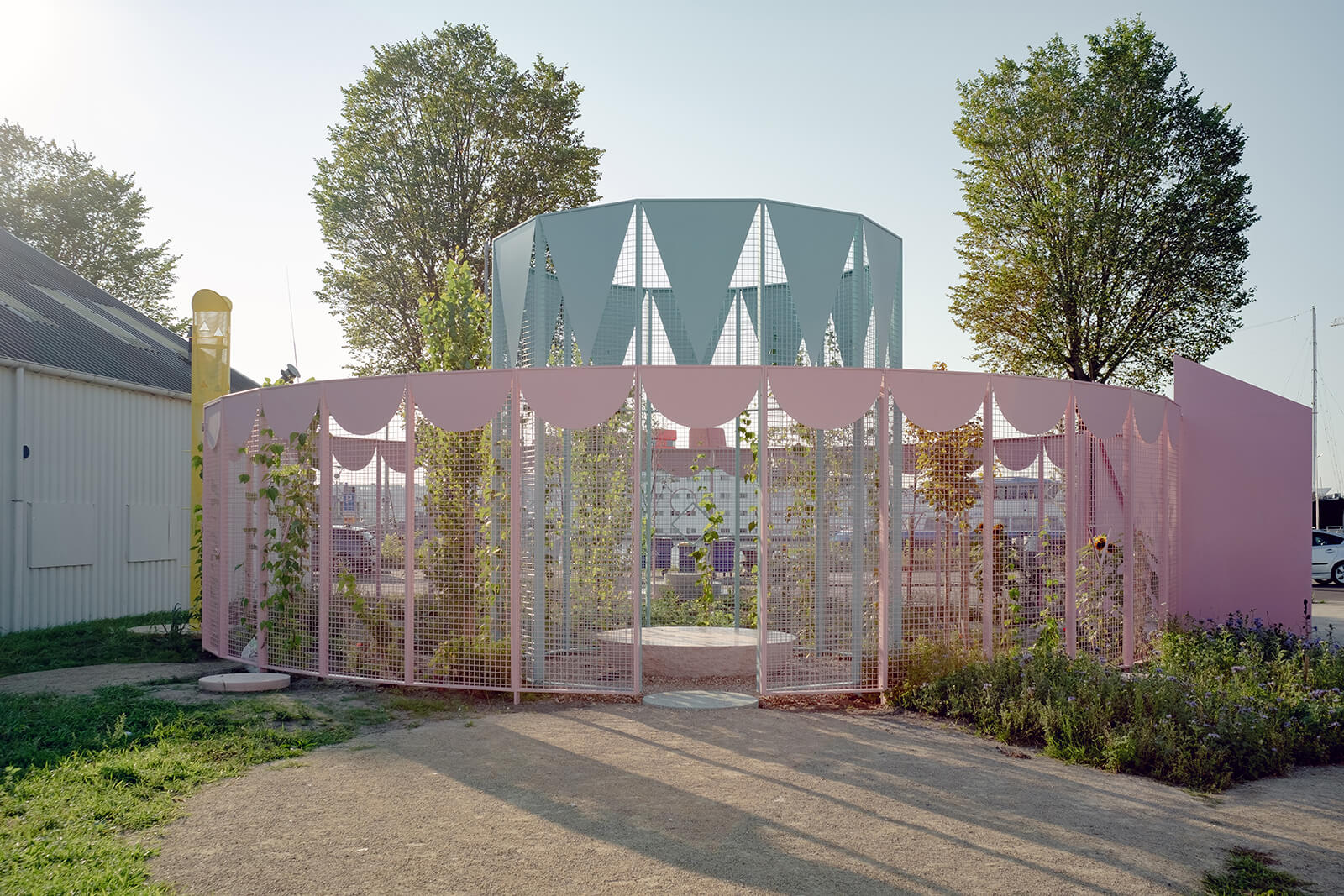
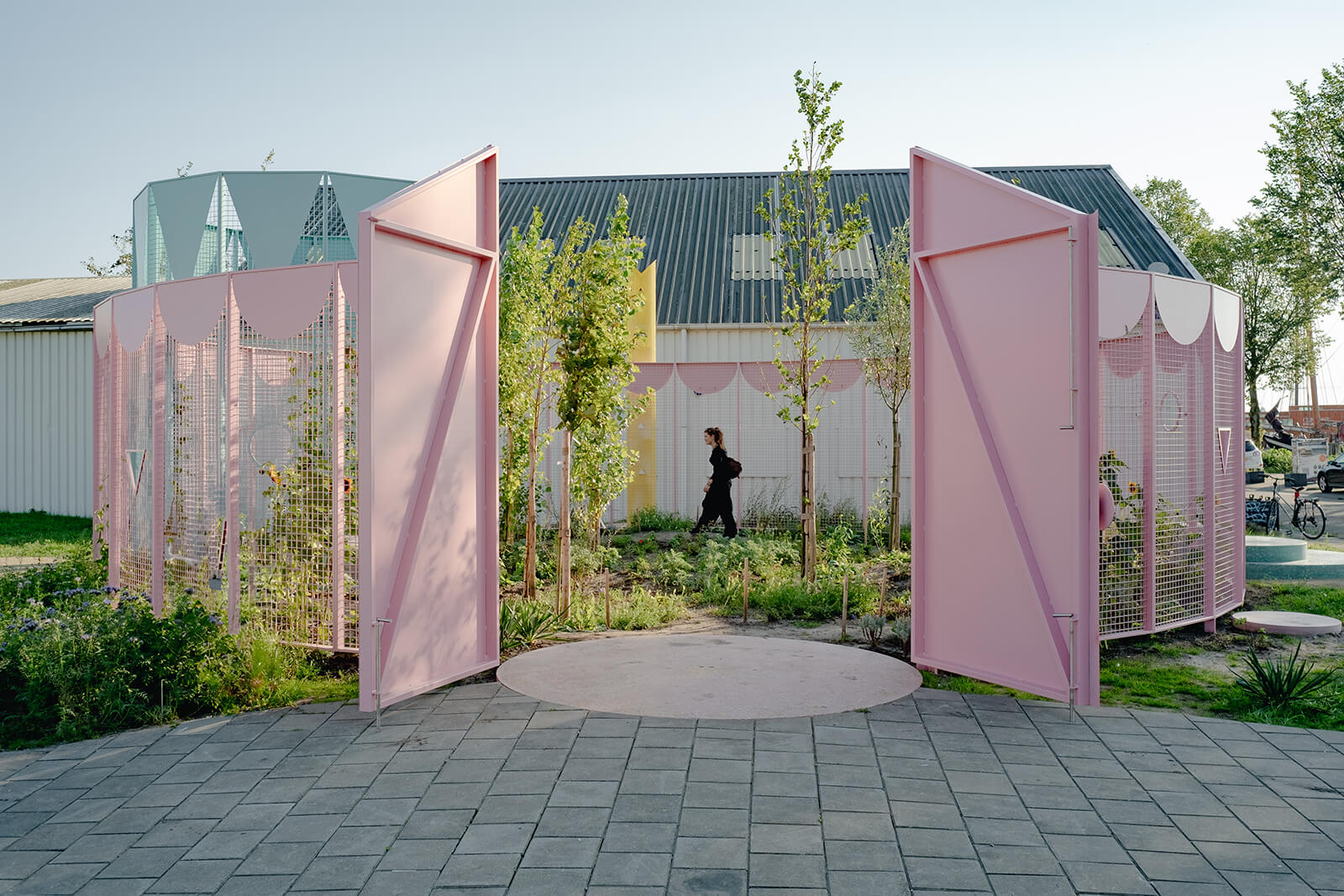
Aarthi: With NDSM Lusthof, you reframe a former industrial site as a cultivated garden and spatial instrument rather than a finished park. What did the idea of the 'lusthof' allow you to question about contemporary public space?
Alessandra, Giovanni: The idea of the lusthof at NSDM in Amsterdam allowed us to question the expectation of public space as stable and immediately consumable. We wanted to imagine a pleasure garden where value comes from commitment rather than ownership. It is run by an association and asks people to give their time and care. There are ways to 'access' it without entering, one can peek through openings, there is a room with a platform where to be immersed in the garden, without crossing its gate, but it was meant to be an address to a community, designed to protect and give value to the plants and to the work of the people caring for them, like a frame for a painting. The space protects the plants and the labour of those who look after them. It is not about access alone, but about belonging.
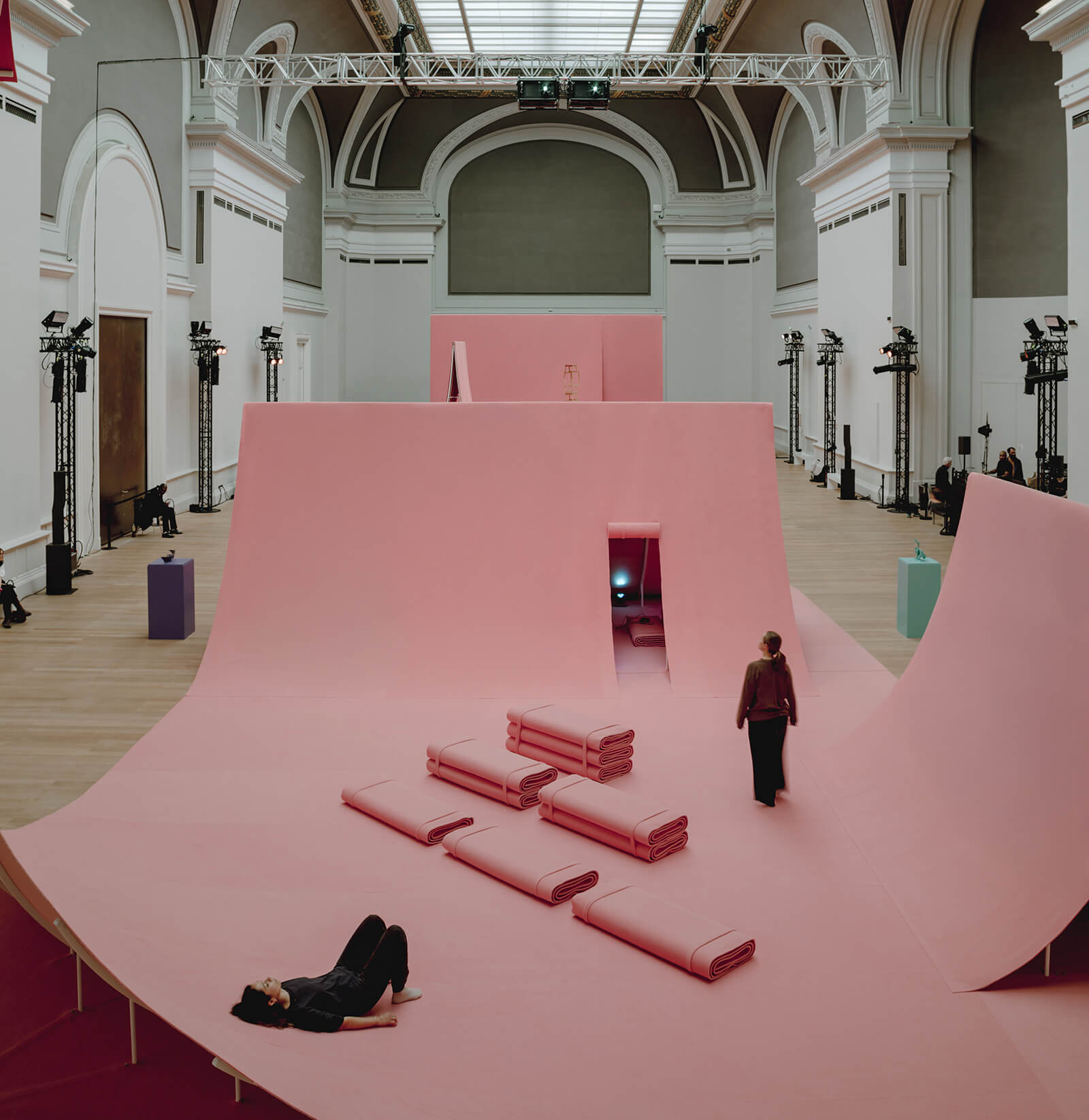
Aarthi: Your projects are deeply researched but never overly explanatory. How do you decide what knowledge should be embedded in the work, and what if anything should be made explicit to the visitor?
Alessandra, Giovanni: We trust people’s intelligence and curiosity. If a space is designed with care, it invites attention and gives something back. If some effort is required to enter a project, the reward and pleasure are often greater. We prefer projects that are not explanations of ideas, but means through which ideas gain agency. Seduction, curiosity and discovery are important tools. Architecture can provoke emotion and connection across different scales and times.
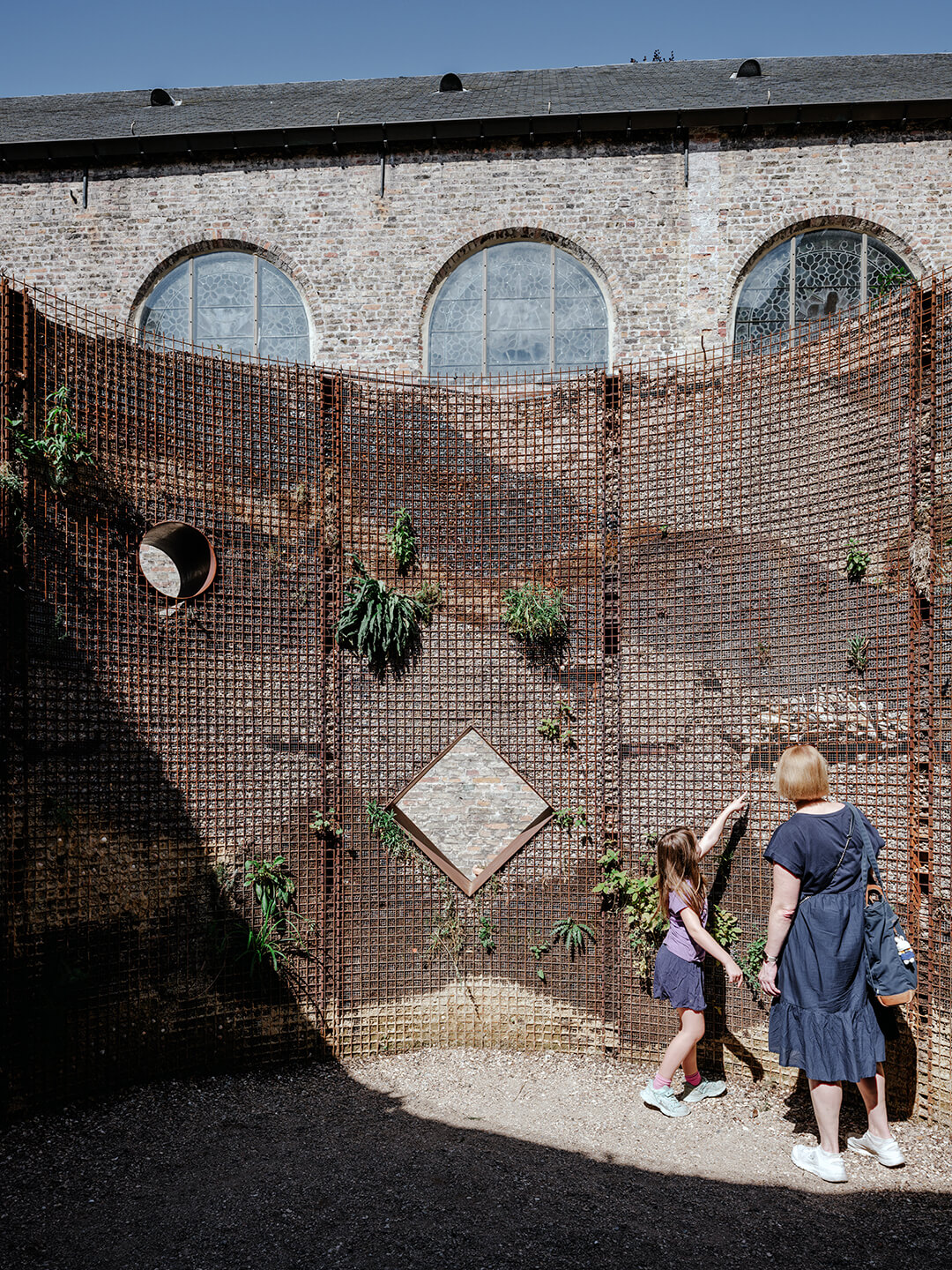
Aarthi: Installation and exhibition work play a significant role in your practice. What do these formats allow you to test that would be much harder to explore through conventional building commissions?
Alessandra, Giovanni: Architectural installations and exhibition projects allow us to treat design as a laboratory. Their temporary nature makes it possible to take risks, test ideas and work more directly with materials in ways that are often difficult within conventional building commissions shaped by market logics and complex stakeholder structures. With fewer layers of mediation, ideas can move faster into material form, and the exchange between concept and making becomes more immediate.
These formats also allow us to rethink the role of drawings and models, and sometimes to reinvent how a project is made altogether. Installations reduce the distance between thinking and building, letting us explore processes, techniques and spatial ideas that often later feed into longer-term architectural or landscape work.
Aarthi: As ecological and social urgencies increasingly shape architectural discourse, how do you avoid turning ecology into a theme or aesthetic rather than a real working condition?
Alessandra, Giovanni: If ecology is about relations, then every project is ecological. We prefer to think of our approach as horticultural, designing spaces that require work and intention over time. At the same time, we remain architects. We continue to focus on spatial discourse, typologies and materiality, regardless of scale.
Aarthi: Looking ahead, what feels most urgent or unresolved for Studio Ossidiana right now in terms of scale, typology or ways of working? What are you hoping to get into next that you haven’t yet?
Alessandra, Giovanni: We want to work across different timelines at once. Installations, buildings and long-term landscape projects. We are also aware that much of our past work is still with us, physically and conceptually. There is potential to work not only as designers, but as caretakers, guiding and transforming the things we have already made, while introducing new ones.

by Pranjal Maheshwari Oct 19, 2026
The Mumbai-based architects integrate courtyards, mesh screens and north light trusses to create a dining space that doubles up as a community hub at SR University, Warangal.
by Mrinmayee Bhoot Oct 17, 2026
The Rotterdam-based institute centres the Indian Ocean as a network for exploring material histories and transnational links shaping coastal cultures, positing them as future models.
by Pranjal Maheshwari Oct 16, 2026
At the 2026 Stirling Prize ceremony, Mary Duggan with RUFF Architects, MAKER Architecten and Nakshabid Architects were felicitated for proffering quality housing and social equity.
by Mrinmayee Bhoot Oct 12, 2026
The new Centre for Contemporary Arts, fostering public engagement with art in Uzbekistan, is housed in a tram depot refurbished by the French studio, emulating local craftsmanship.

make your fridays matter with a well-read weekend
Enter your details to sign in
Don’t have an account?
Sign upOr you can sign in with
a single account for all
STIR platforms
All your bookmarks will be available across all your devices.
Stay STIRred
Already have an account?
Sign inOr you can sign up with
Verification link sent to check your inbox or spam folder to complete sign up process
Tap on things that interests you.
Select the Conversation Category you would like to watch
Please enter your details and click submit.
Enter the 6-digit code sent at


From obsidian to architecture: Studio Ossidiana on transformation and memory
by Aarthi Mohan | Published on : Feb 19, 2026


 Sign in with Google
 Sign in with email
What do you think?