Art08 mins. read
A diverse and inclusive art world in the making
by Vatsala SethiDec 26, 2022


by Srishti OjhaPublished on : Mar 06, 2026
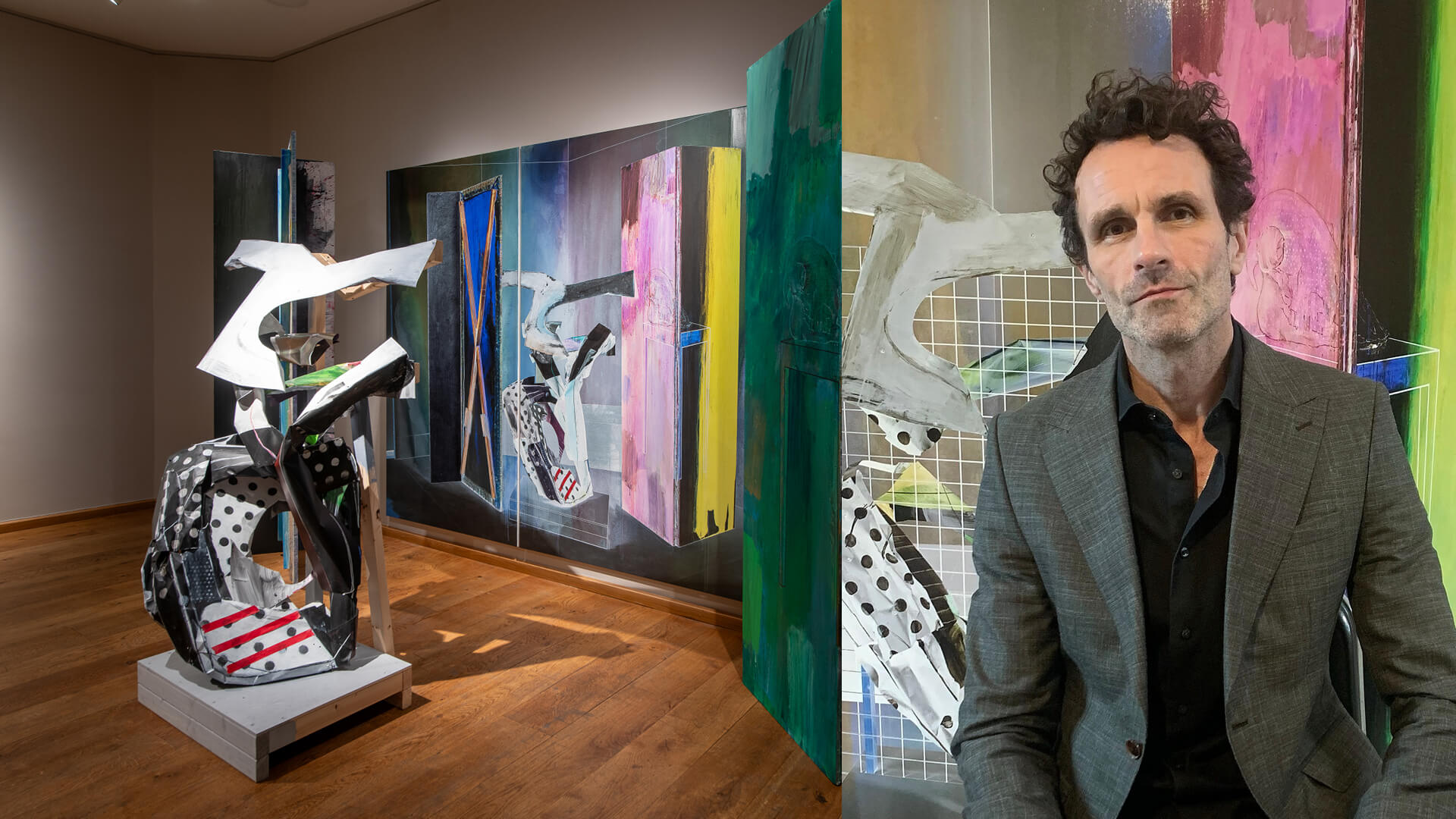
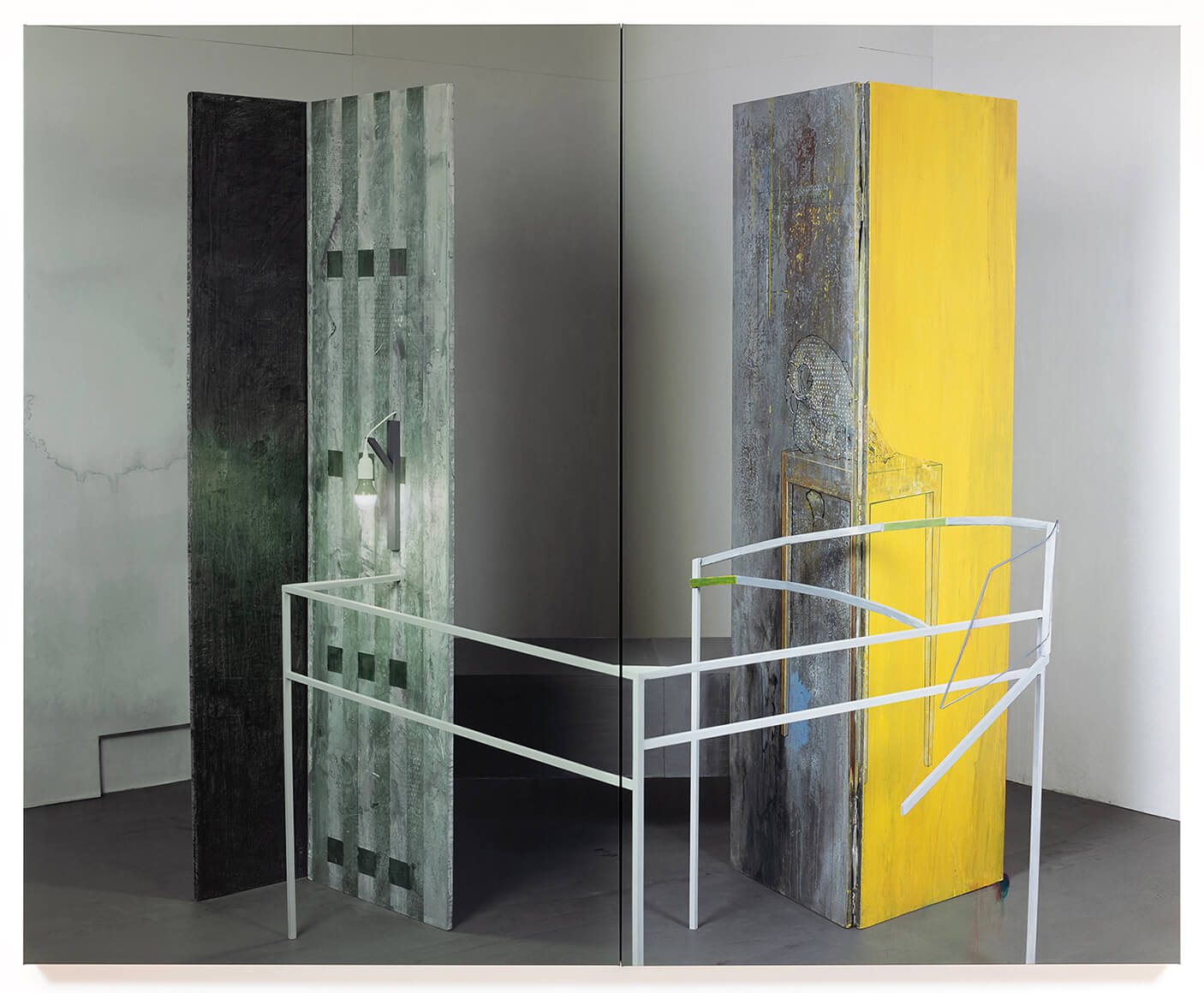
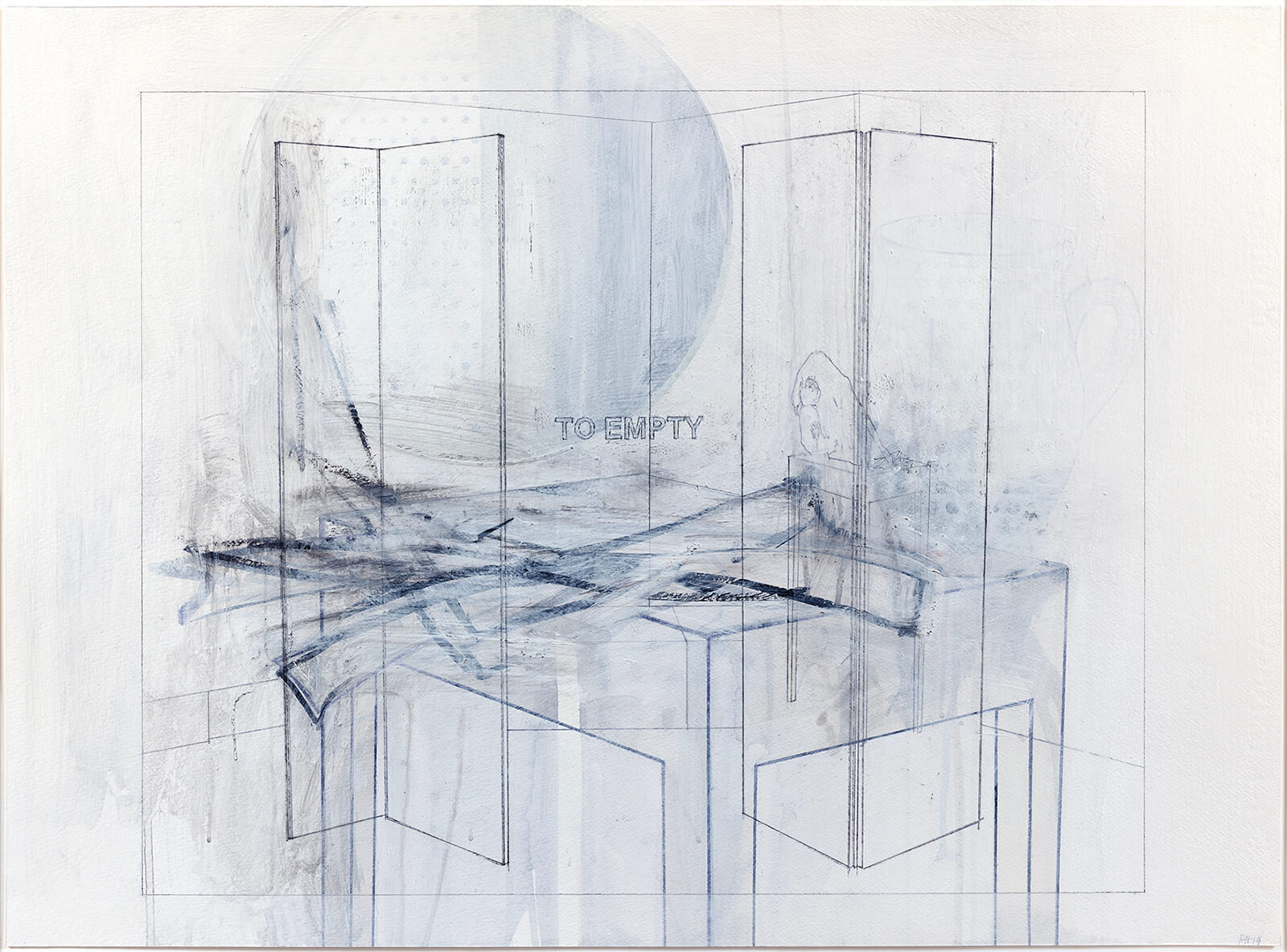
Varvara Roza Galleries in London is presenting ZOT (a Dutch word for ‘fool’), British artist Paul Hodgson’s debut solo exhibition with the gallery, curated by independent curator Vassiliki Tzanakou. In the exhibition, Hodgson expands his exploration into the ‘verb-based’ processes of art-making and turns to the artist’s studio as both a laboratory for these actions and a symbol for the creative process. Although Hodgson consistently draws on iconic artworks in his practice, such as abstract expressionist painter Willem de Kooning’s monochromatic postwar works, he is far more interested in the actions, decisions, errors and potentialities that are obscured when a work is finished and fixed.
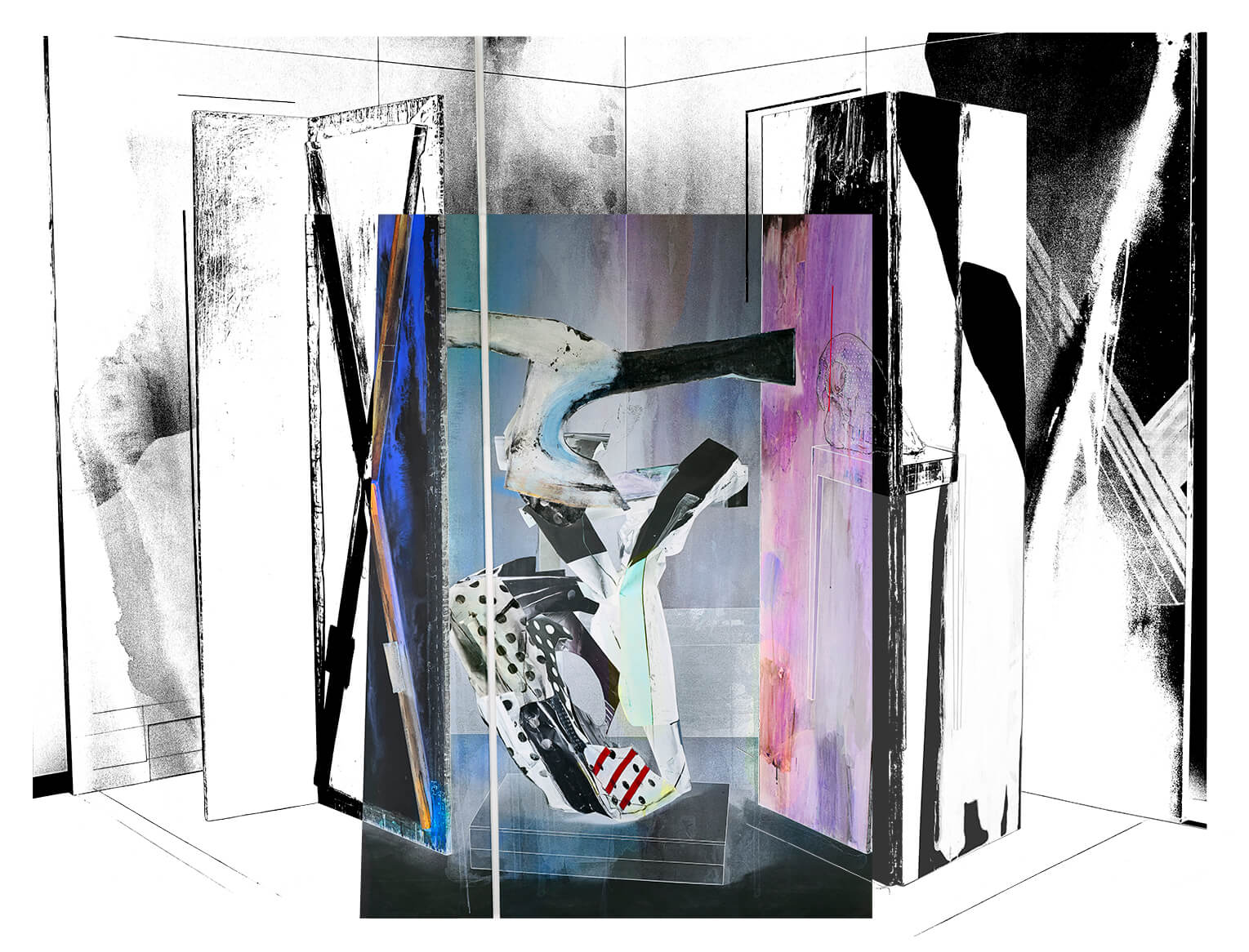
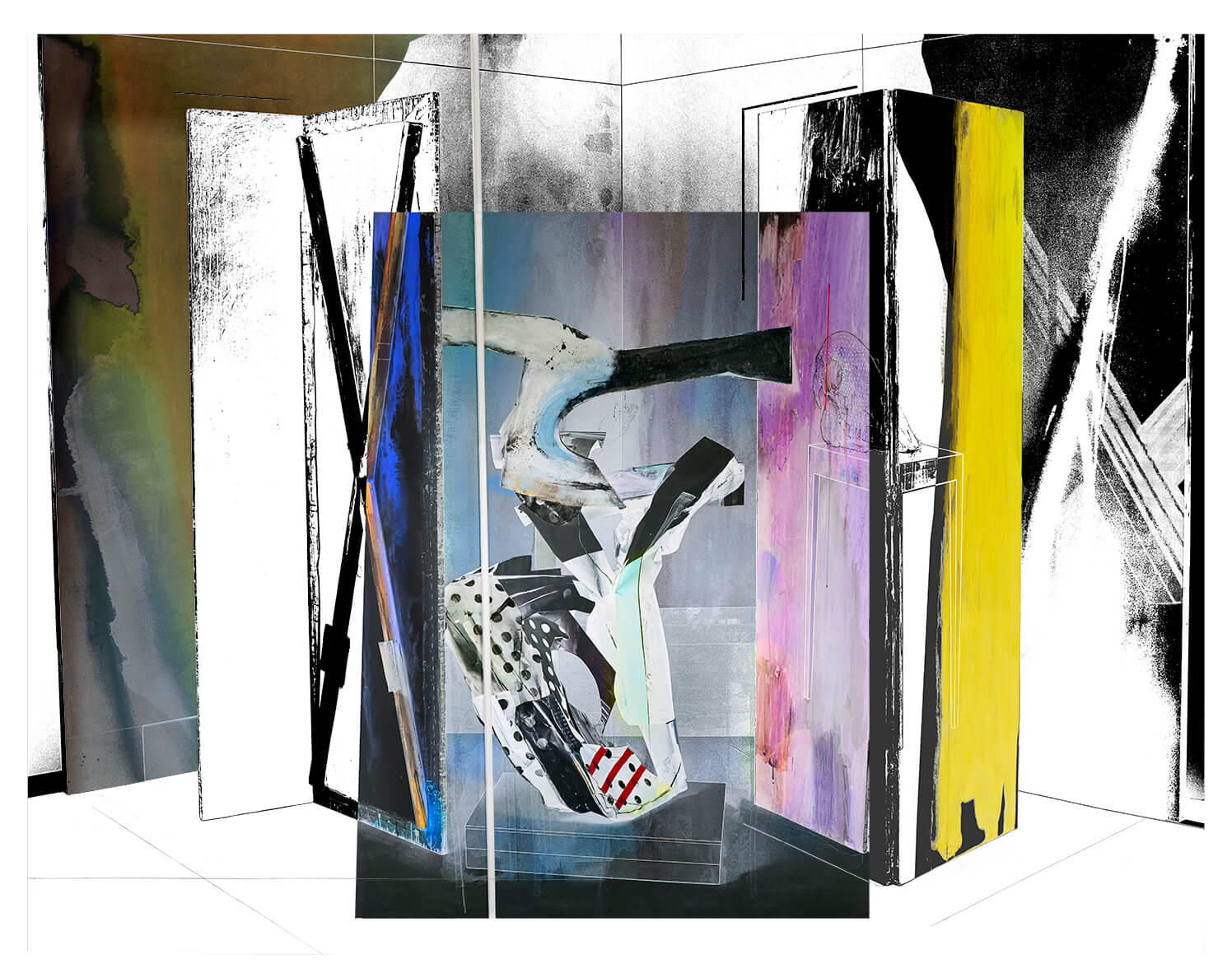
The contemporary artist’s multimedia works reflect this interest, refusing to let an artwork stand alone or complete—a painting displayed on one wall is incorporated elsewhere into a three-dimensional recreation of the studio where it was created, with the same painting seen in its unfinished form on the fabricated walls. Hodgson’s work plays with temporality across decades through referencing and, in a narrower sense, through his intervention in what may have presented as a static, fixed artwork, both compressing and narrowing timescales. His deconstructionist approach to art and art history leads to a practice and ethos that seem to be best defined by the literary technique, ‘in medias res’, beginning in the middle of the action.
STIR spoke with Hodgson about the subjective decision-making that underlies the creative act and how his works speak to the present political moment. Edited excerpts of the interview follow:
Srishti Ojha: What does the studio as a trope, space and subject represent to you?
Paul Hodgson: If an artwork operates on us in a certain way, we are mesmerised by that artwork, which is stable and unlikely to be altered now. But the workings that lead to that fixedness are a group of contingent events that could have gone any number of ways. Almost all of that happens in the studio; that’s where the nature of subjective decision-making is played out over and over. It's almost as if we're taking steps back to get to the core of the work, and the sculptor’s studio is a representation of, or a site for, the action that leads to the work, but it’s also a representation of its own origin; it is reflexive in that way.
Srishti: What is it about this present moment that made you look to William de Kooning's paintings of the 1940s for inspiration?
Paul: There is a historiographical component in my practice, and I’m interested in the shift between analogue, temporal and spatial relations postwar. De Kooning’s black and white paintings fall into that time period, when he immigrated to New York and was working with his newfound American identity and what would come to be called abstract expressionism, but also harking back to his Dutch origins, specifically through the word ‘zot’, which in Dutch means ‘fool’ or ‘crazy’.
The term ‘zot’, the fool, seems fitting for our situation globally, where subjective opinion is presented as in dispute with fact. I’m interested in using these tropes of fixedness to deconstruct and destabilise what we think we’re experiencing.
Srishti: You work through many mediums. What necessitates this expansiveness in your approach?
Paul: When I was younger, I became interested in the philosophical debate over the self and the extent to which we can validate it and where that would lead us. That made me realise that taking apart a painting was what really fascinated me. I wanted to be a painter who was reflexive enough to approach painting through other media.
In this exhibition, for example, there are sculptures which are quite provisional. They’re good enough to play their part in the two-dimensional works, but they’re almost an illusion of themselves. They add a layer of language which is then reinterpreted and reiterated in the two-dimensional world.
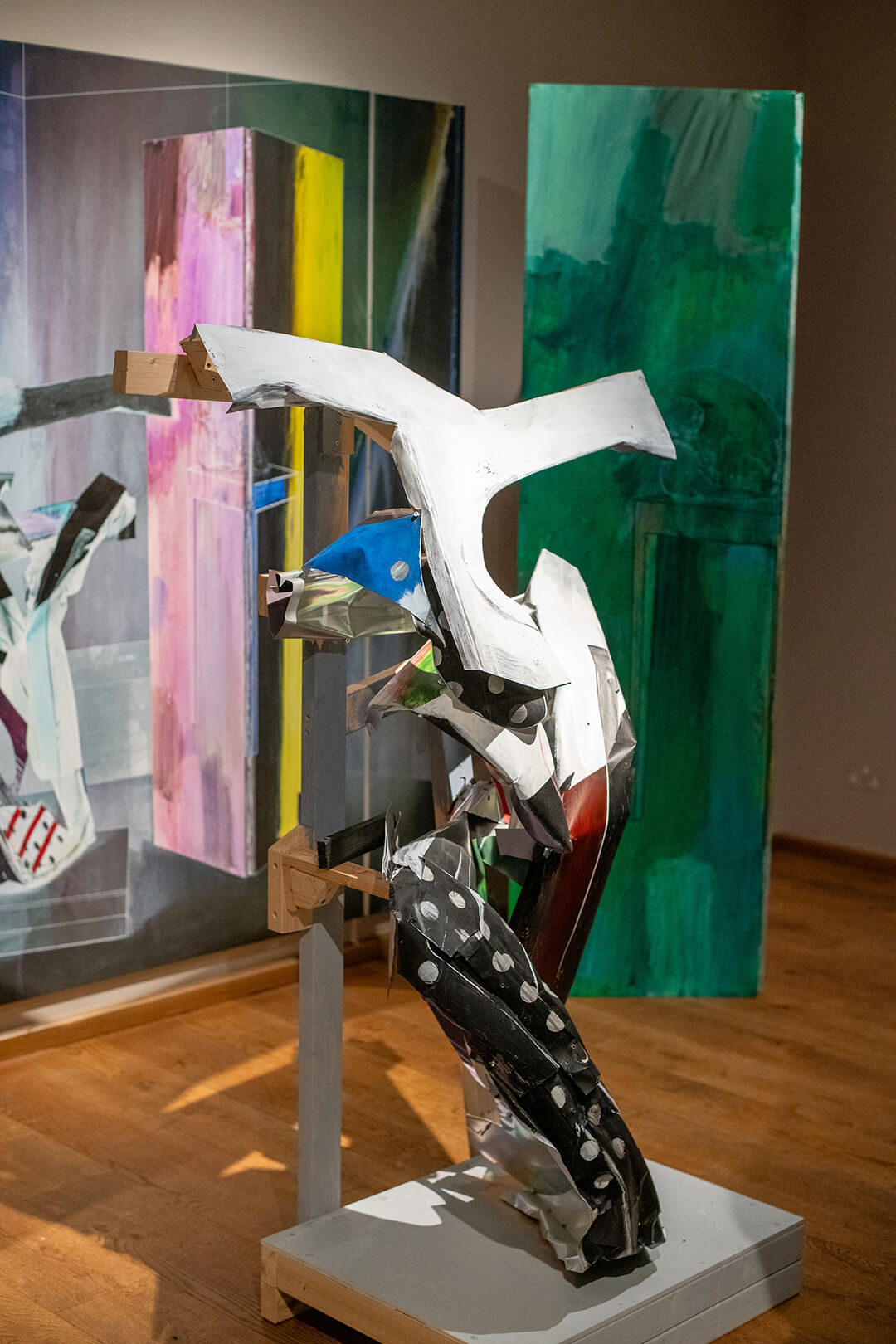
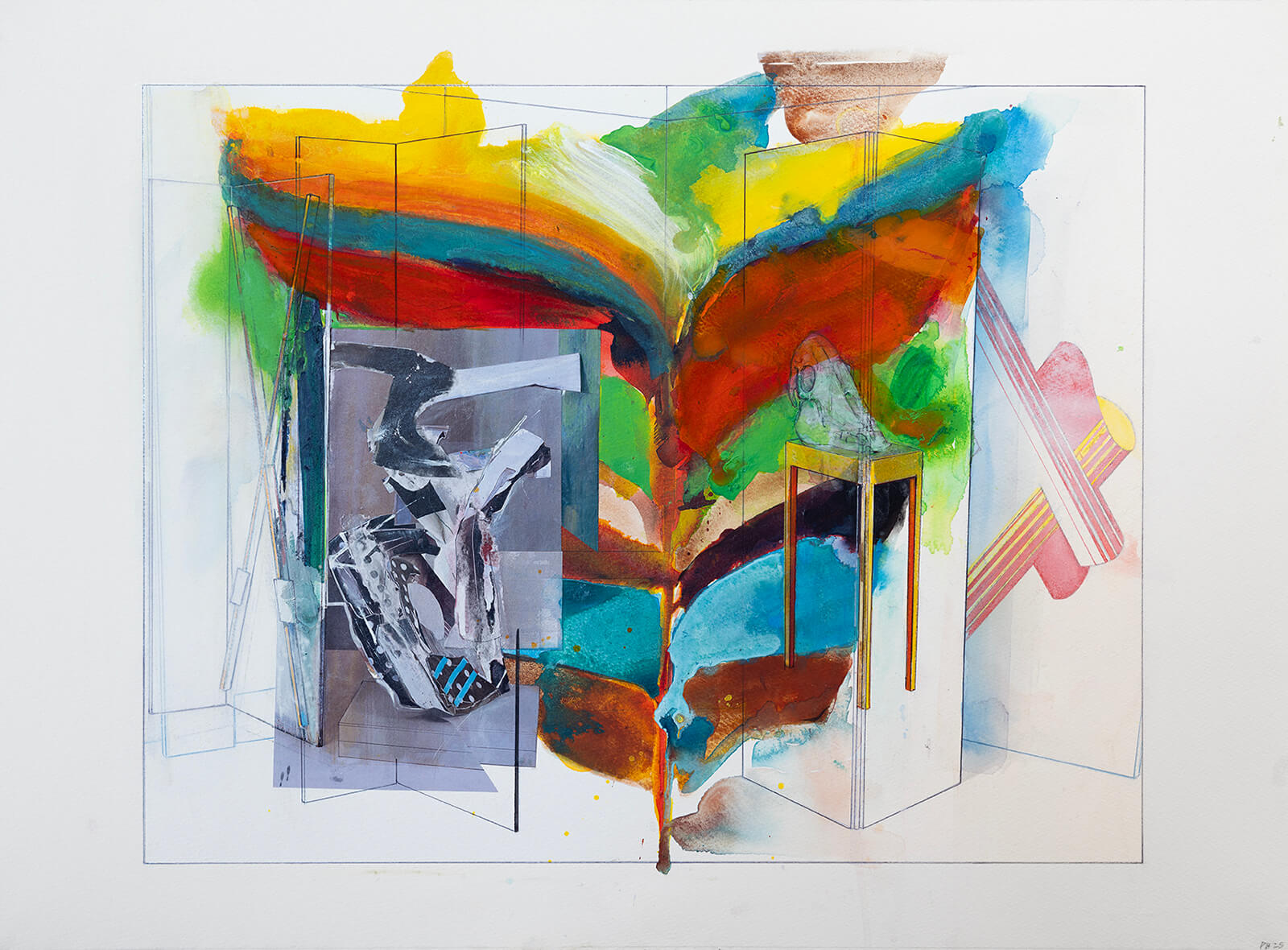
I move between photographically recorded information based upon three-dimensional architectural setups that are recorded through digital means and brought together with hand-applied painted marks and screen printing. This allows me to move between the analogue, mechanical and digital, allowing me to reference layers of art history and temporal making.
The constant cutting between material reality and then to almost a virtual space where language, objects, motifs and actions can glide over each other is very postmodern. I’m looking at a way of creating my own angle upon that postmodern methodology.
Srishti: Could you talk more about this deconstructive approach?
Paul: [Marcel] Duchamp has this idea of the ‘infrathin’; he spoke about how art exists in the very thin space between intention and realisation. So it’s not so much about the artist’s intention or its final realisation, it’s what happens in between that triggers and alters our perception and creates a ripple into the wider world. This thinness is something that I take apart.
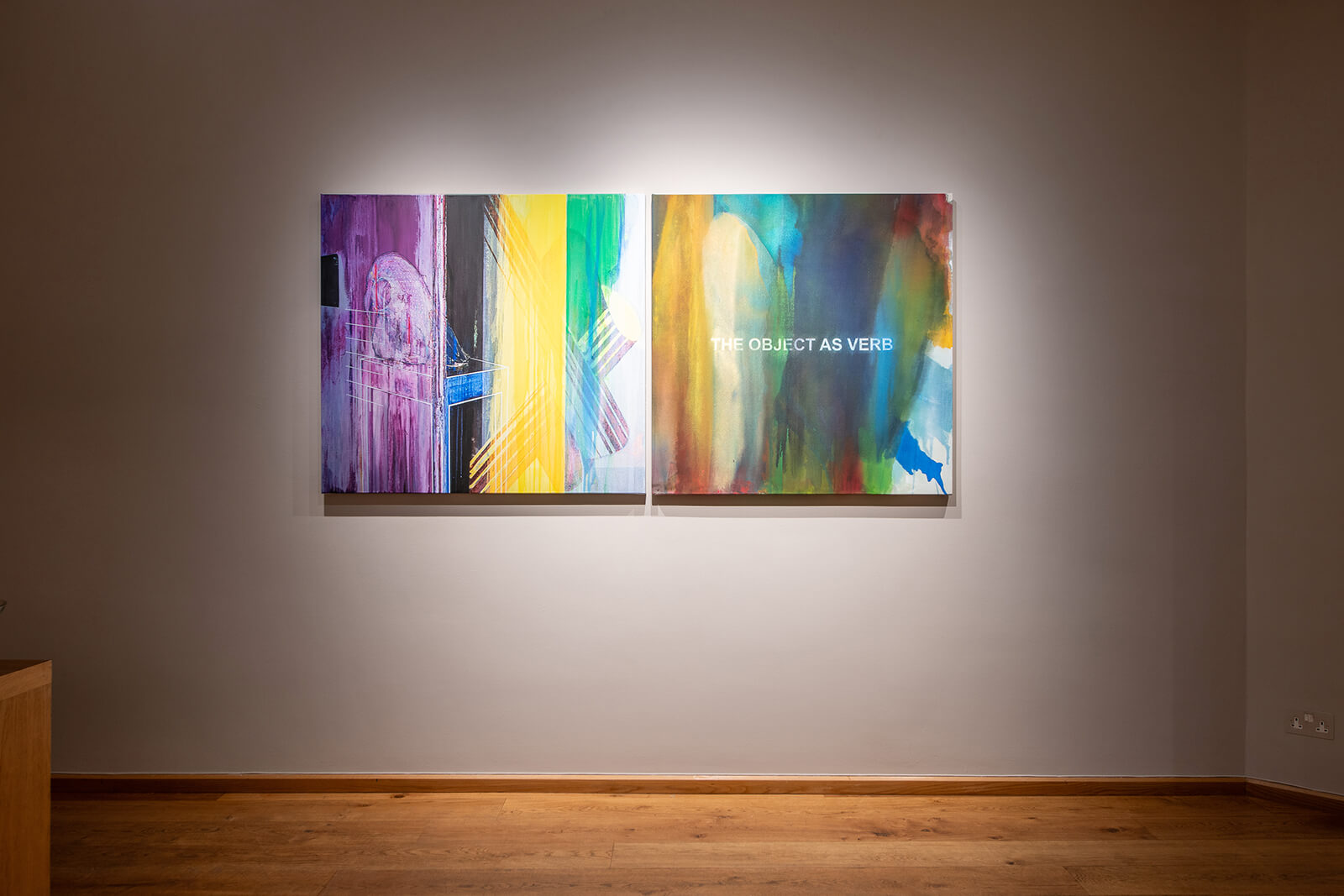
One of the key points in my work is to intervene in that space between subject and object—I’m interested in that space of physical action that verb-led processes create.
Srishti: While the exhibition deals with concerns surrounding contemporary digital technologies, digital art is one of the few mediums you don’t use. Why? What does examining this technology from the outside offer?
Paul: This is a question I ask myself every week, given that digital technology has played a very important part in my practice since the mid to late 90s. The digital aspect seems to be consumed, as well as constantly challenged by other media. So it becomes lost within other media and reemerges and nudges us towards seeing it as both technologically advanced, but also related to the millennia-old human history of imagery and mark-making.
I’m thinking much more about the way in which digital technology may need to come into the work in order to expand the time aspect with durational works, adding another level of undoing.
Srishti: How do the ideas of fragmentation and deconstruction in your work complicate or transform your artistic voice and ‘authorship’ or your conception of them?
Paul: Once we recognise that what we are experiencing is almost always a formulation of something, to then break it down and contextualise it seems perfectly natural to me.
I believe the truly enlightening and illuminating aspect of deconstruction is that it grants us license to apply a sense of doubtfulness to almost everything that we experience. Not in a nihilistic way, I would argue, but generative.
Srishti: As certainty, objectivity and ‘truth’ begin to break down in the face of digital discourse and technologies like AI, how does the parallel idea of ‘unfixing’ or deconstruction oppose or challenge the political effects of this breakdown?
Paul: At this moment, it seems perfectly clear that major decisions that have a global impact are being questioned…Not everybody has an equal voice. Not everybody's subjectivity is of equal importance. Rather than accepting that, if we can question and deconstruct what is presented to us as a given, I think that’s an advancement of human thinking. Within art-making, when you are presented with art objects that are fixed and have a cultural credence of belonging to an elite class of objects, if we do not question that, we’re giving away critical thinking.
‘ZOT’ will be on view from February 27 – March 27, 2026, at Varvara Roza Galleries in London.
by Srishti Ojha Oct 21, 2026
Increasingly, artists, filmmakers and activists are turning to VR to create more personal, tangible accounts of the climate emergency and its impact on vulnerable communities.
by Mirra Lynn Oct 20, 2026
The Indian artist paints the old wadas of central Pune, capturing the traces of everyday life that cling to these structures, battered by time but unbowed.
by Anmol Ahuja Oct 15, 2026
How do heaps of souvenirs and relics with racist Aboriginal motifs and features become art? MCA Sydney’s winter showcase—the artist’s largest to date—beckons a possibility.
by Vandana Kalra Oct 14, 2026
With his latest exhibition as a point of departure, the modernist discusses his decades-long practice, the spontaneity of drawing and the social responsibility of artists.

make your fridays matter with a well-read weekend
Enter your details to sign in
Don’t have an account?
Sign upOr you can sign in with
a single account for all
STIR platforms
All your bookmarks will be available across all your devices.
Stay STIRred
Already have an account?
Sign inOr you can sign up with
Verification link sent to check your inbox or spam folder to complete sign up process
Tap on things that interests you.
Select the Conversation Category you would like to watch
Please enter your details and click submit.
Enter the 6-digit code sent at


In medias res: Paul Hodgson on unfixing artworks and the creative process
by Srishti Ojha | Published on : Mar 06, 2026


 Sign in with Google
 Sign in with email
What do you think?