Art06 mins. read
How conceptual art is questioning the realities we take for granted
by Srishti OjhaSep 23, 2026



by Vandana KalraPublished on : Sep 16, 2026
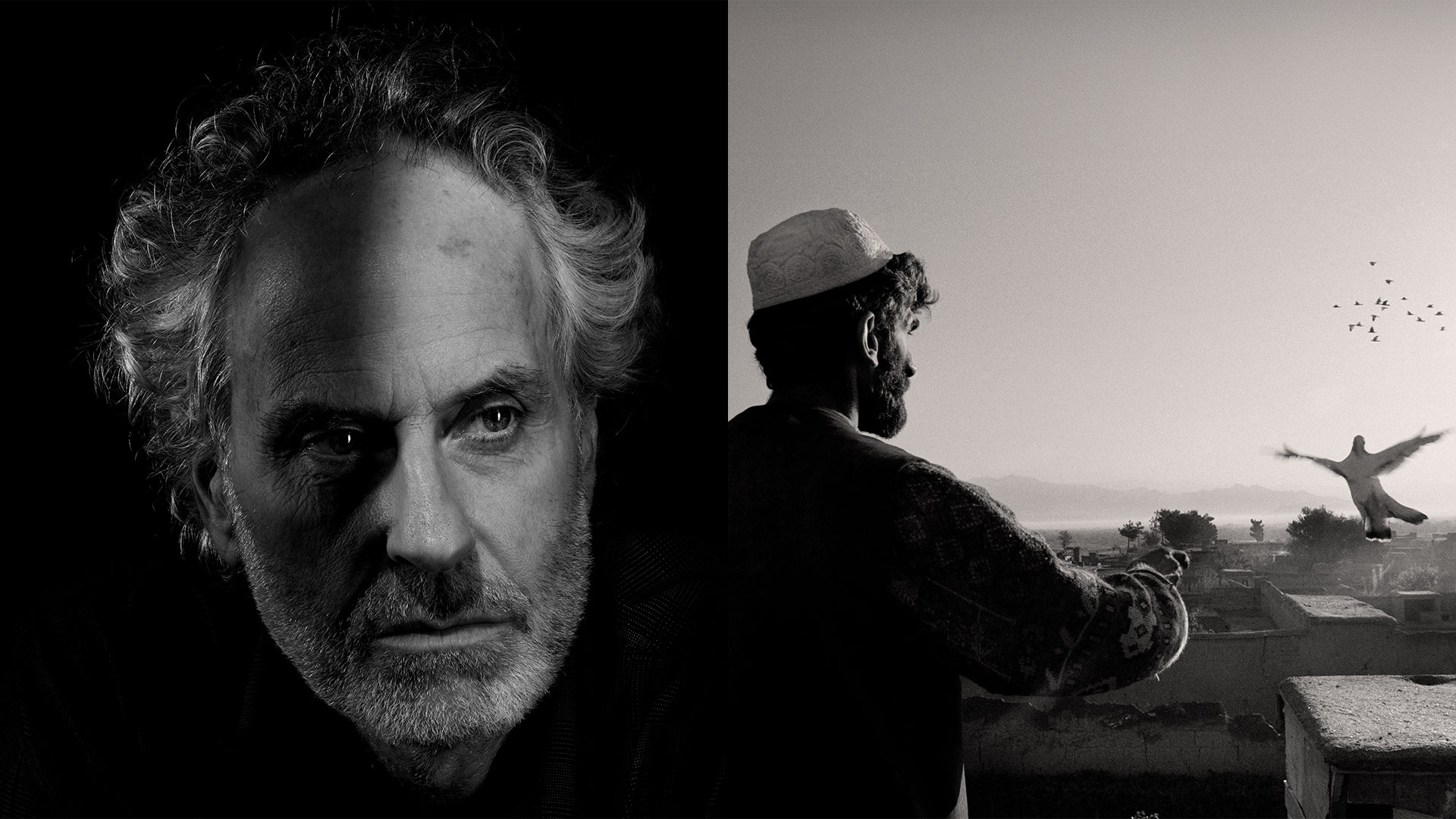
For over three decades, Irish photographer Seamus Murphy has documented war, upheaval, and moments of everyday life in regions across the world. Reflecting on his practice, an exhibition at Museo Camera in Gurugram, Life is in Many Days, now brings together several of his engagements from different geographies and histories—from Afghanistan to Ireland, Russia to the United States and, more recently, Kolkata, where he turned his gaze to the streets and people. In this email conversation with STIR, he reflected on photographing conflict and its aftermath and what time can reveal about the images we make. Edited excerpts follow.
Vandana Kalra: You have described your approach as striving for “intimacy and a certain kind of poetic realism”. What does poetic realism mean to you, and, if you could, also talk about it in relation to your photographs in the exhibition?
Seamus Murphy: The poetry comes from life itself, with the title of the show being part of a James Joyce quote: "Life is in many days...”. It's a way of looking at reality, with a personal slant, not interfering with its flow, and trying to capture what I am seeing in front of me. Looking at the work in the show, and all the work I have done from the countries it was drawn from, there should be a thread of continuity.
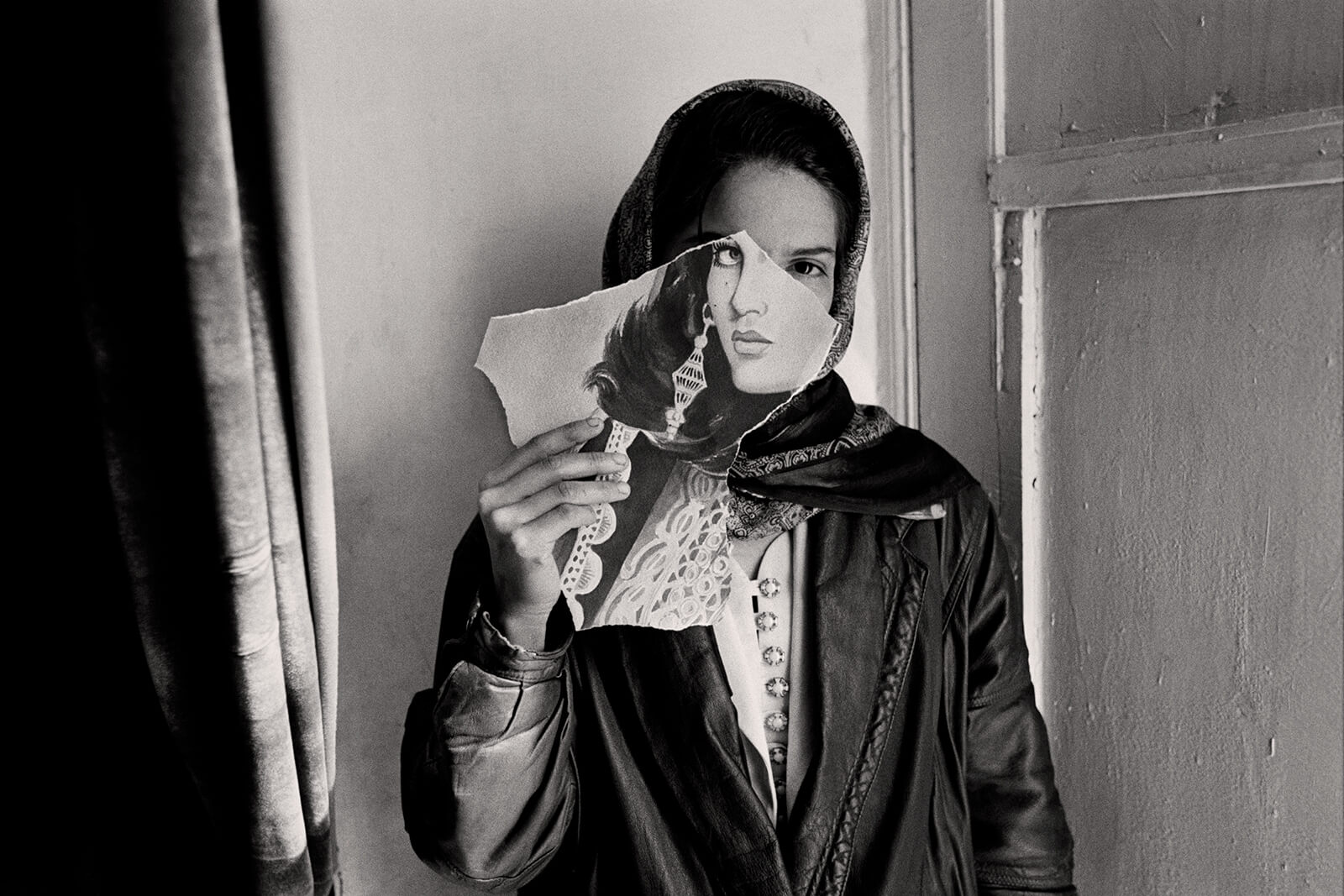
Vandana: You first photographed Afghanistan in 1994 and have returned to the country repeatedly since. Could you talk about your long relationship with the country and the changes you have noticed?
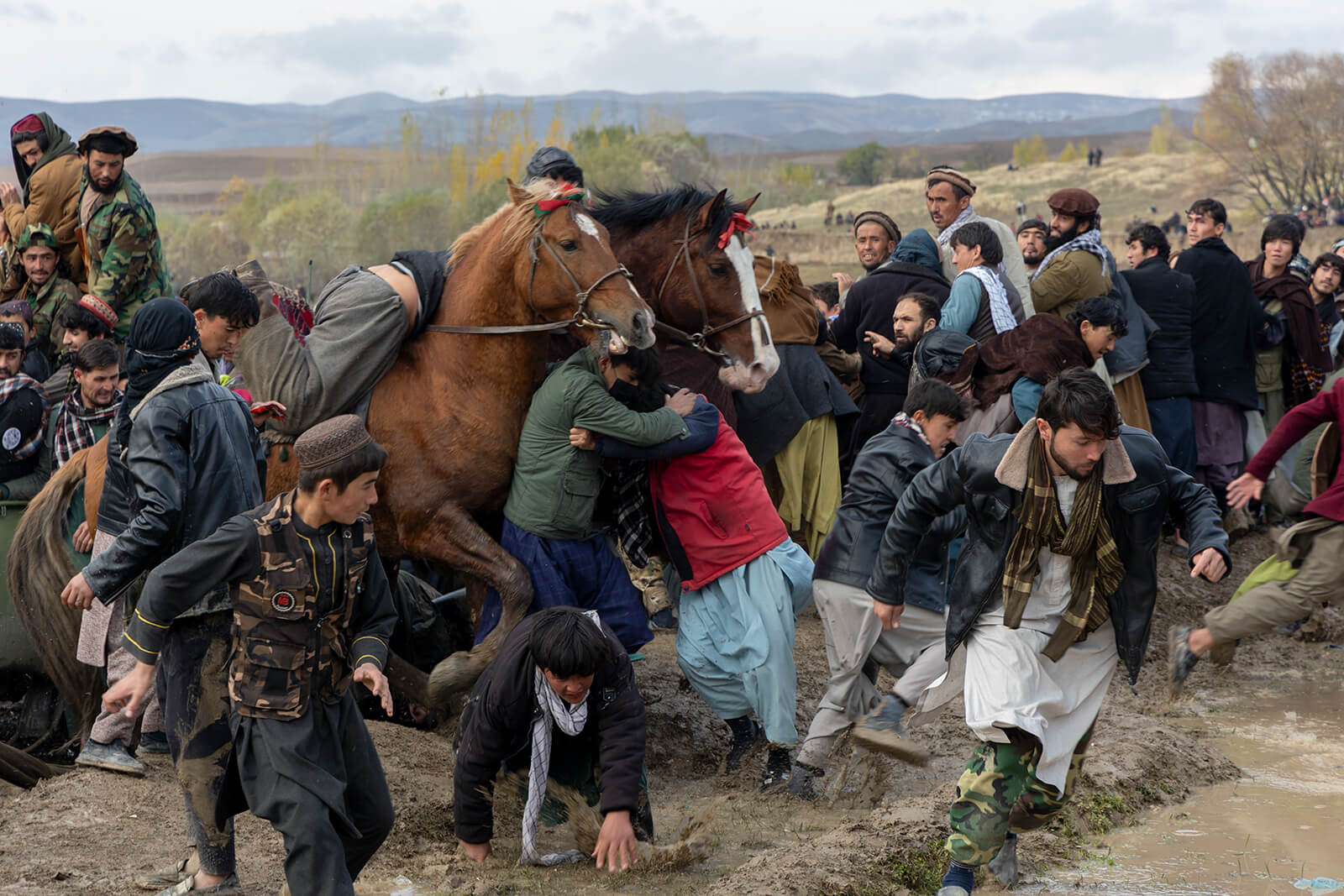
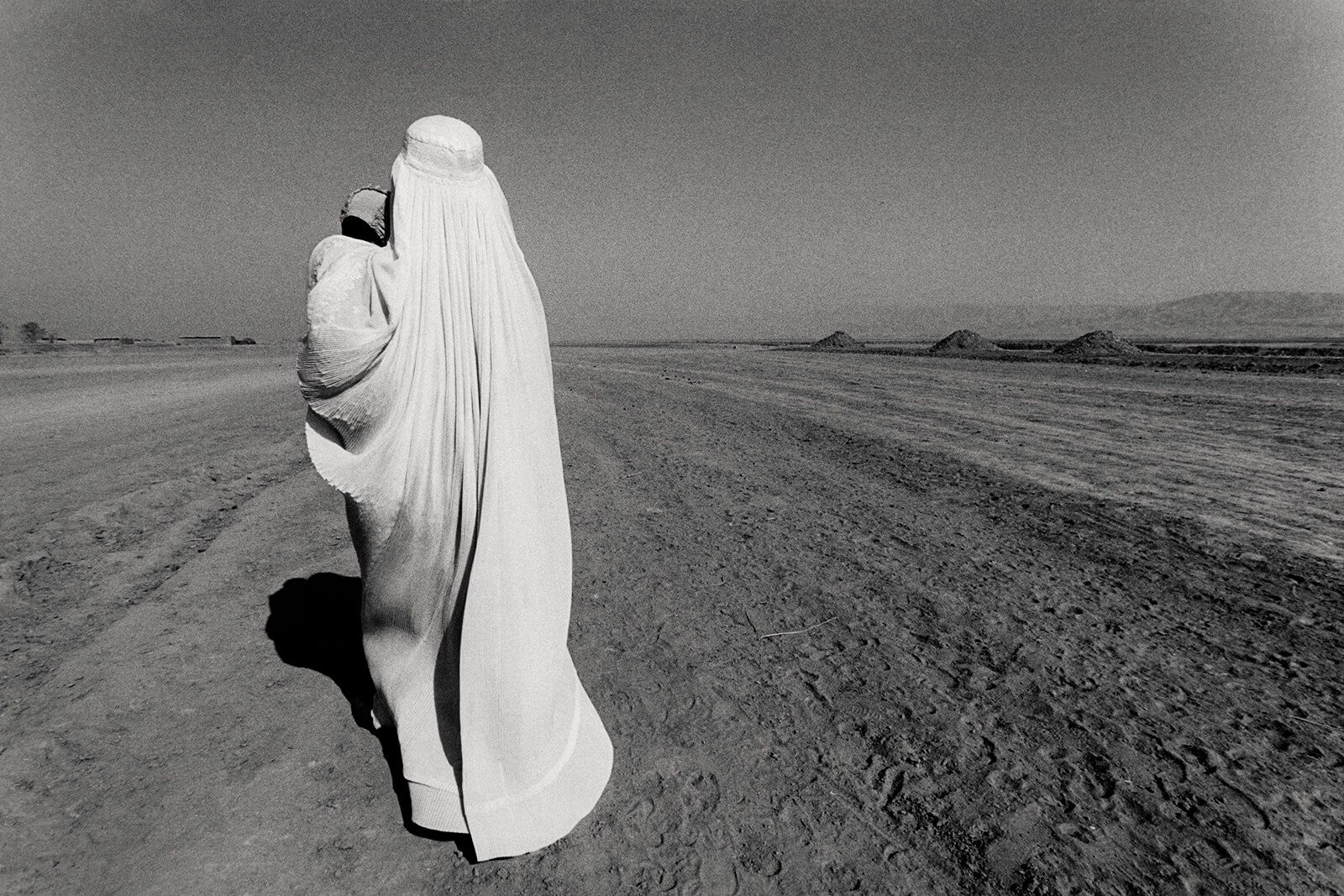
Seamus: I went there in November 1994 for the first time, and it was a bleak, tragic time, with a civil war raging, people starving and the rest of the world not paying it any attention. It was one of the world’s so-called Forgotten Wars. What has evolved in the meantime is beyond recognition or imagination. Who could have seen the coming to power of the Taliban in 1996, the arrival of bin Laden, the attacks of 9/11, the occupation of Afghanistan by NATO and its allies for 20 years—with all that it entailed, and the promises that were made? And then the arrival of Trump, the handing over of power to the Taliban almost overnight in a ‘peace deal’ which was actually a withdrawal deal. And the return of the Taliban to power, with women once again being denied education and basic human rights. I was in Afghanistan for much of this, with 20 visits to the country from 1994 – 2024.
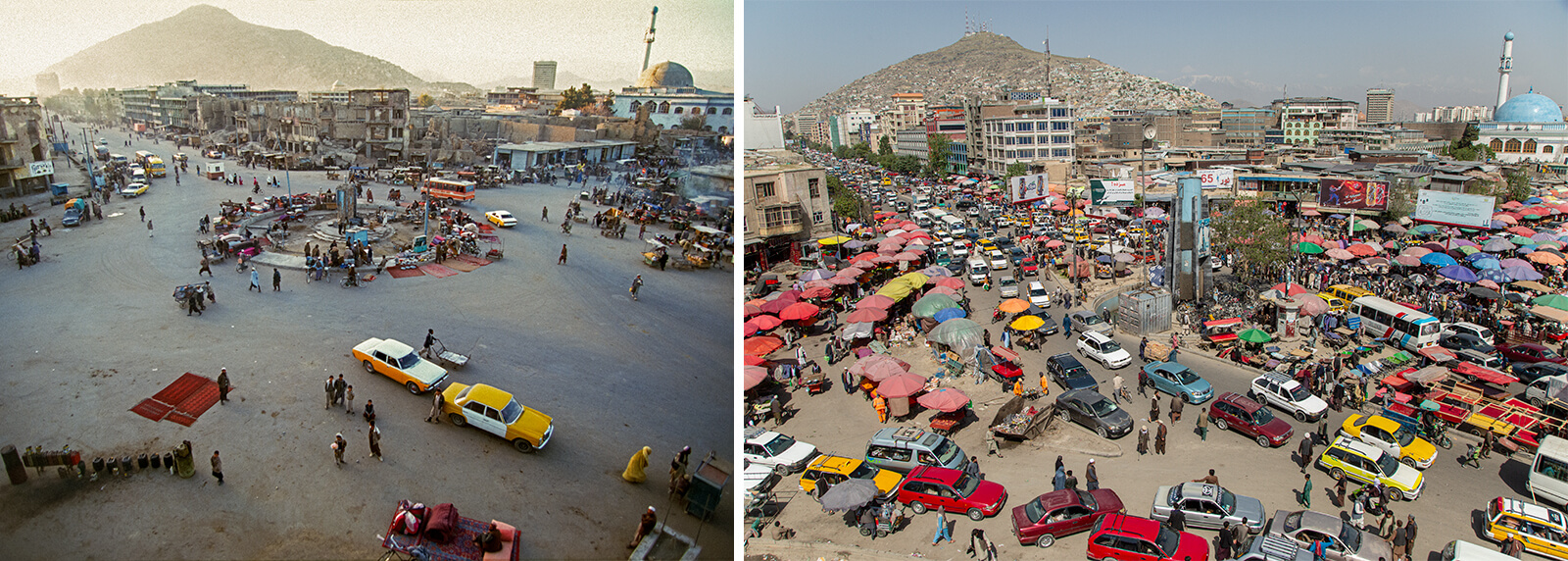
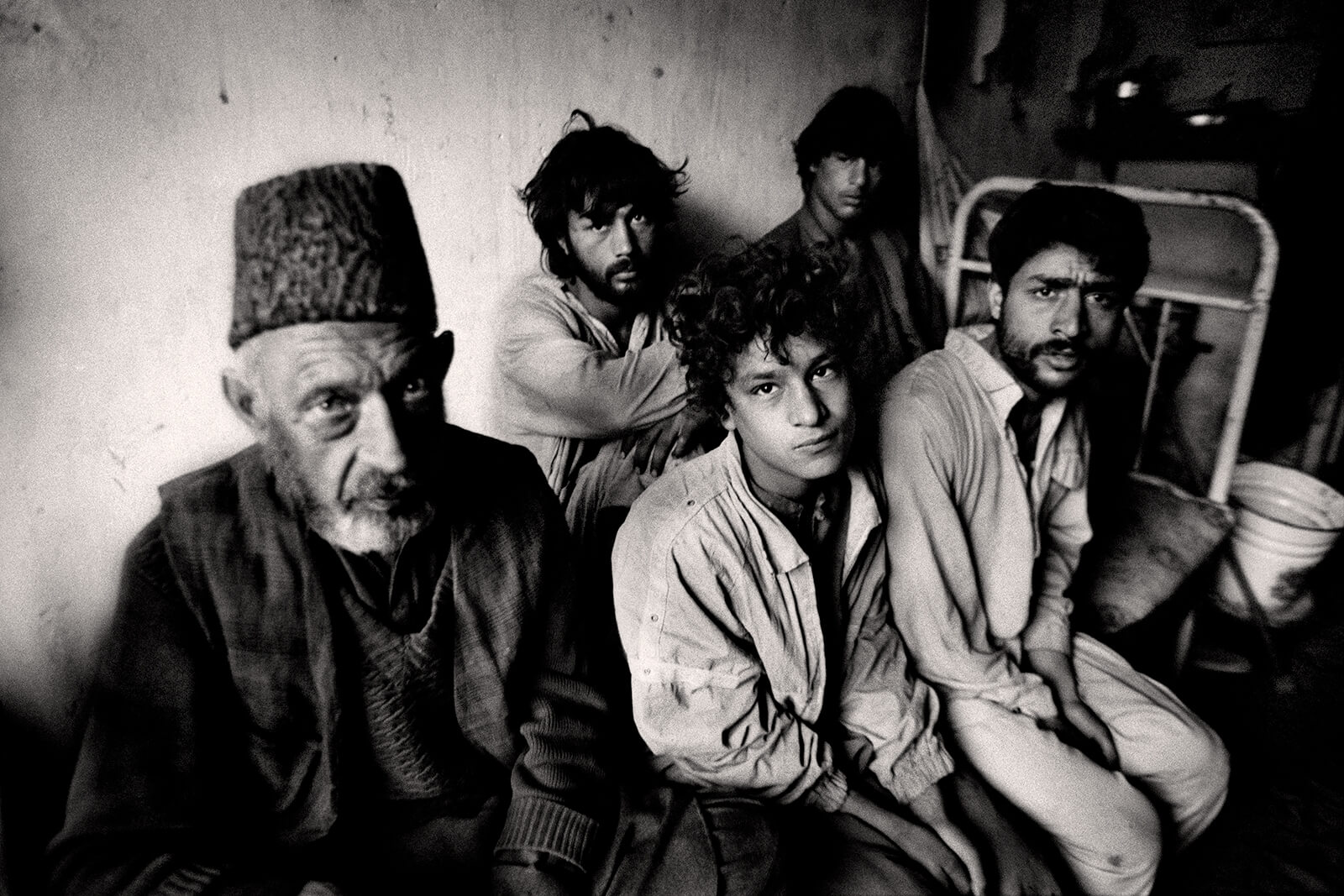
Vandana: Also in the context of Afghanistan, you have documented not just the conflict and its aftermath, but also the people, the landscape. There seems to be a deliberate attempt to resist the visual language of conventional war photography—if you could talk about this.
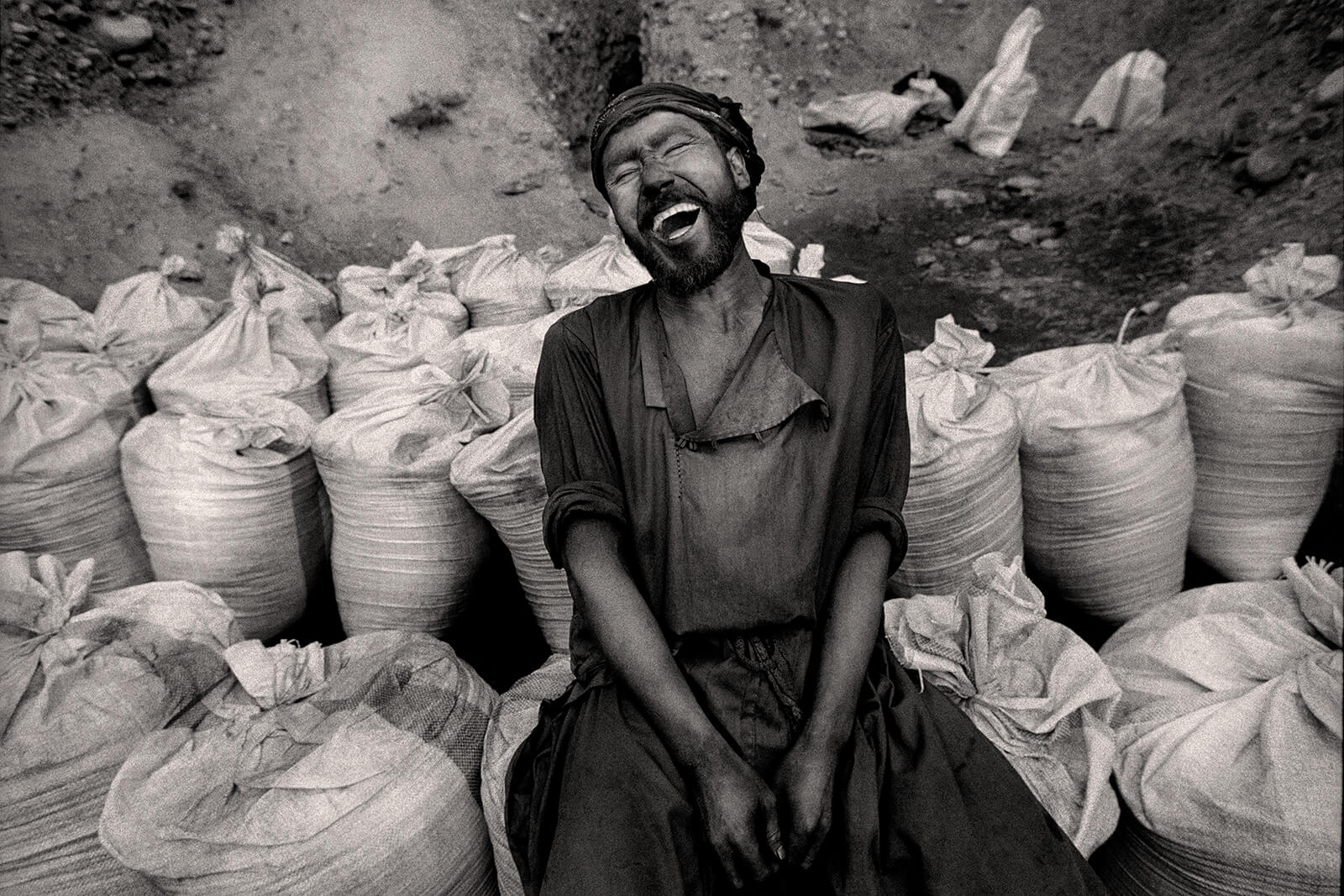
Seamus: I have photographs that might be termed conventional war photography, but in putting this show together, and in editing three books I have authored on Afghanistan, I try to give a deeper view of the country, beyond war. But war has been a large part of recent Afghan history, and permeates much of everyday life—whether it is with the casualties of war, the memories that have become embedded in people’s minds, the upheaval and loss of homes for millions of Afghans—it is unavoidable. However, as resilient, tolerant and generally life-affirming people, it is something they have dealt with in their inimitable way. There is always a lot of humour and laughter in Afghanistan, even in dark times, and I have captured that in the natural course of events. I approach Afghanistan photographically, as I approach anywhere else, with a sympathetic eye to people’s struggles, a respect for their dignity, and I try to bring as much honesty to my work as I can. They, like anyone else, deserve no less.
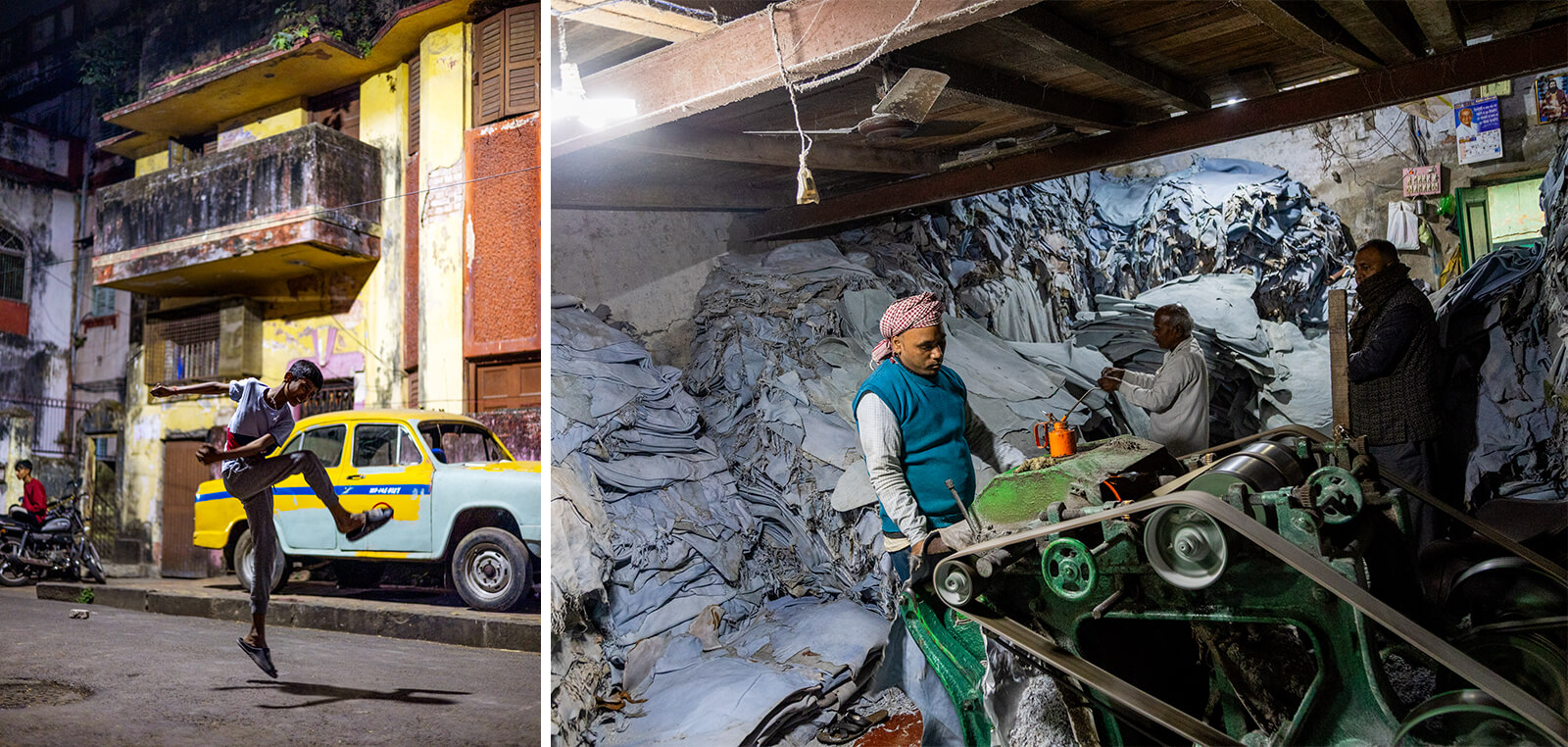
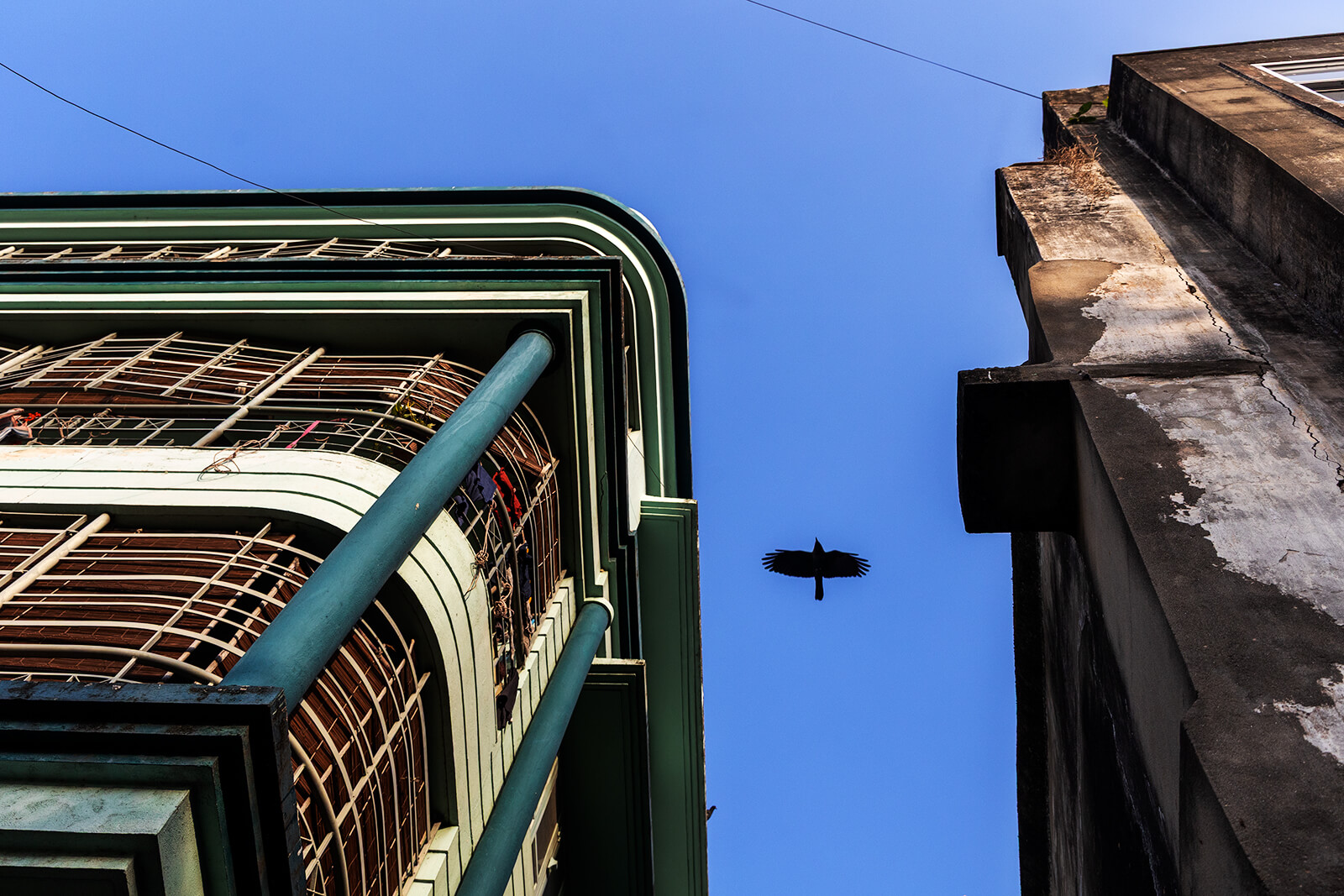
Vandana: Could you share your experience of photographing Kolkata recently? Several of the photographs document seemingly ordinary moments. Was this also a way to look beyond the familiar?
Seamus: This could be my definition of poetic realism—of finding the interesting in the mundane. But it's a thin line between the banal and the fascinating. As humans, we are all capable of great beauty in going about our daily lives, but it just goes unrecorded and unrecognised. These photographs are records of things visible to anyone; I just happen to be looking for such fugitive moments and devoting time and effort to capture them.
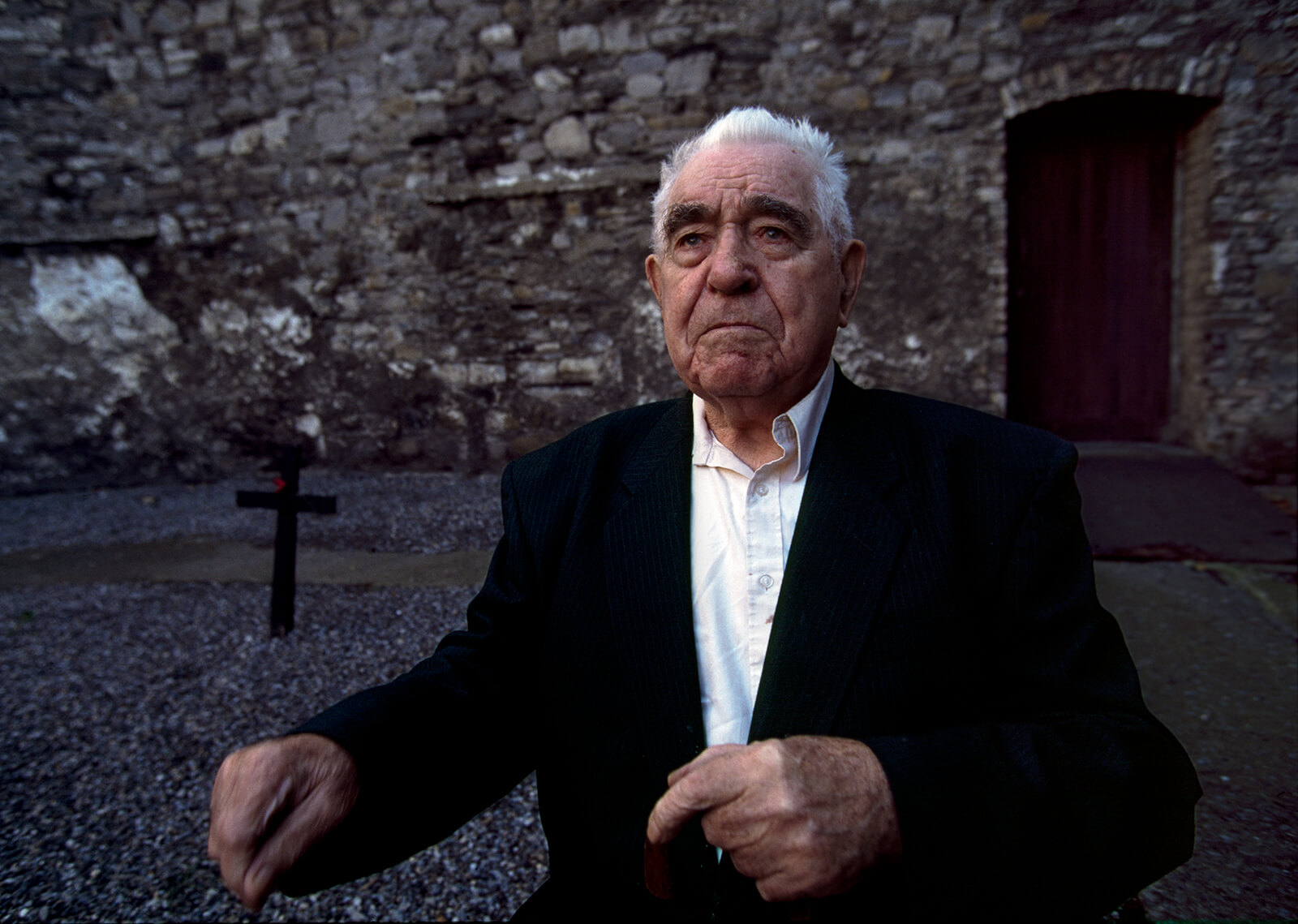
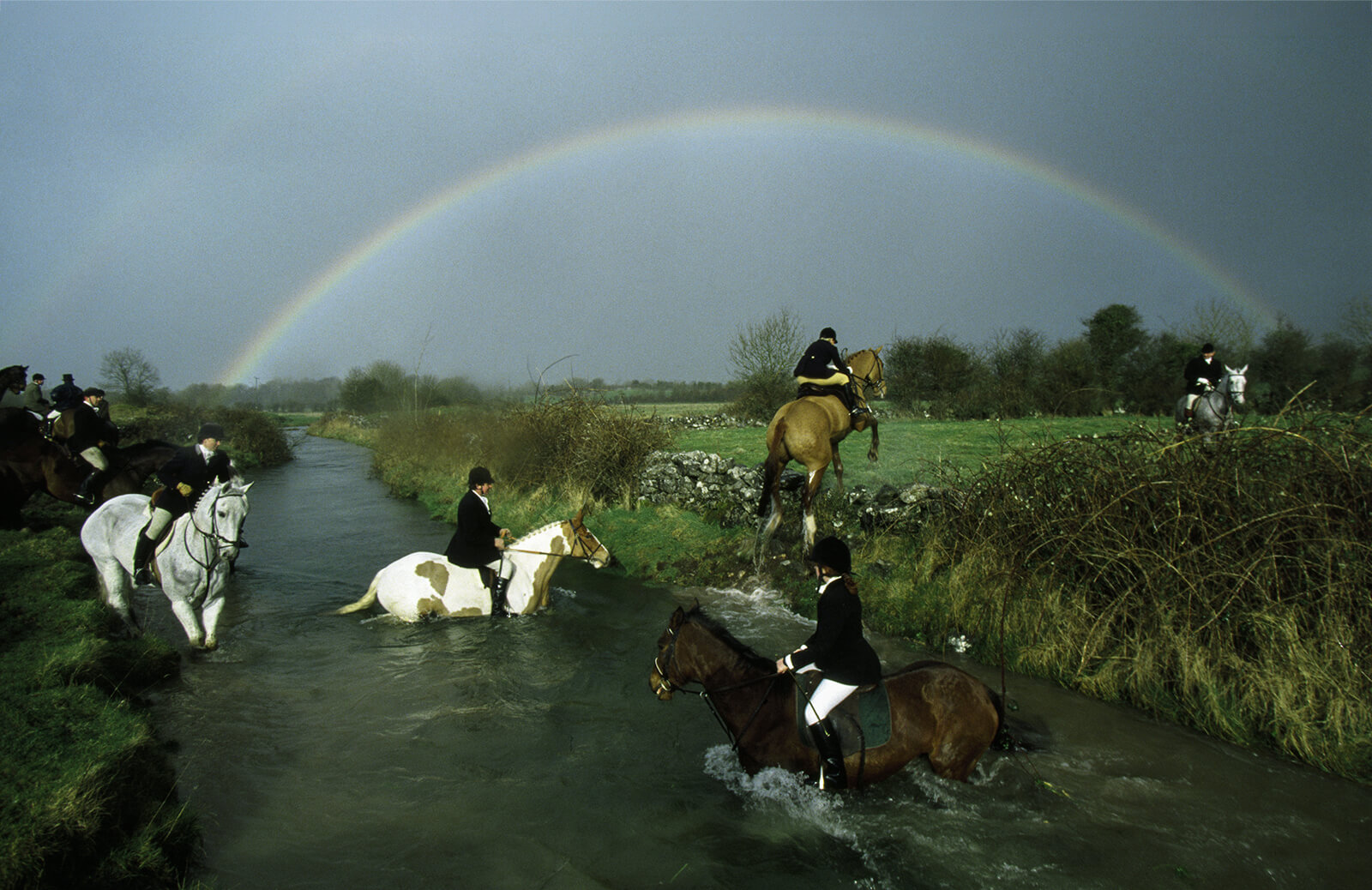
Vandana: You grew up in Ireland in the 1960s and '70s, and then after being away for decades, you returned to the country to photograph it. How did the distance as well as the emotional connection affect your photography?
Seamus: I needed to move away and live and work somewhere else to be able to see it with fresh eyes. When I started the project, I remembered so much that I didn’t know I knew. It wasn’t just the geography; it was mannerisms, movement and the moods that I picked up on and had been carrying around with me. The knowledge and understanding all came back and reappeared, unannounced, as I was going about my work. That was my being an insider. The outsider part came from living away for so long and returning. There were some things that had changed profoundly, and others that were almost exactly the same. All of this played into my photography.
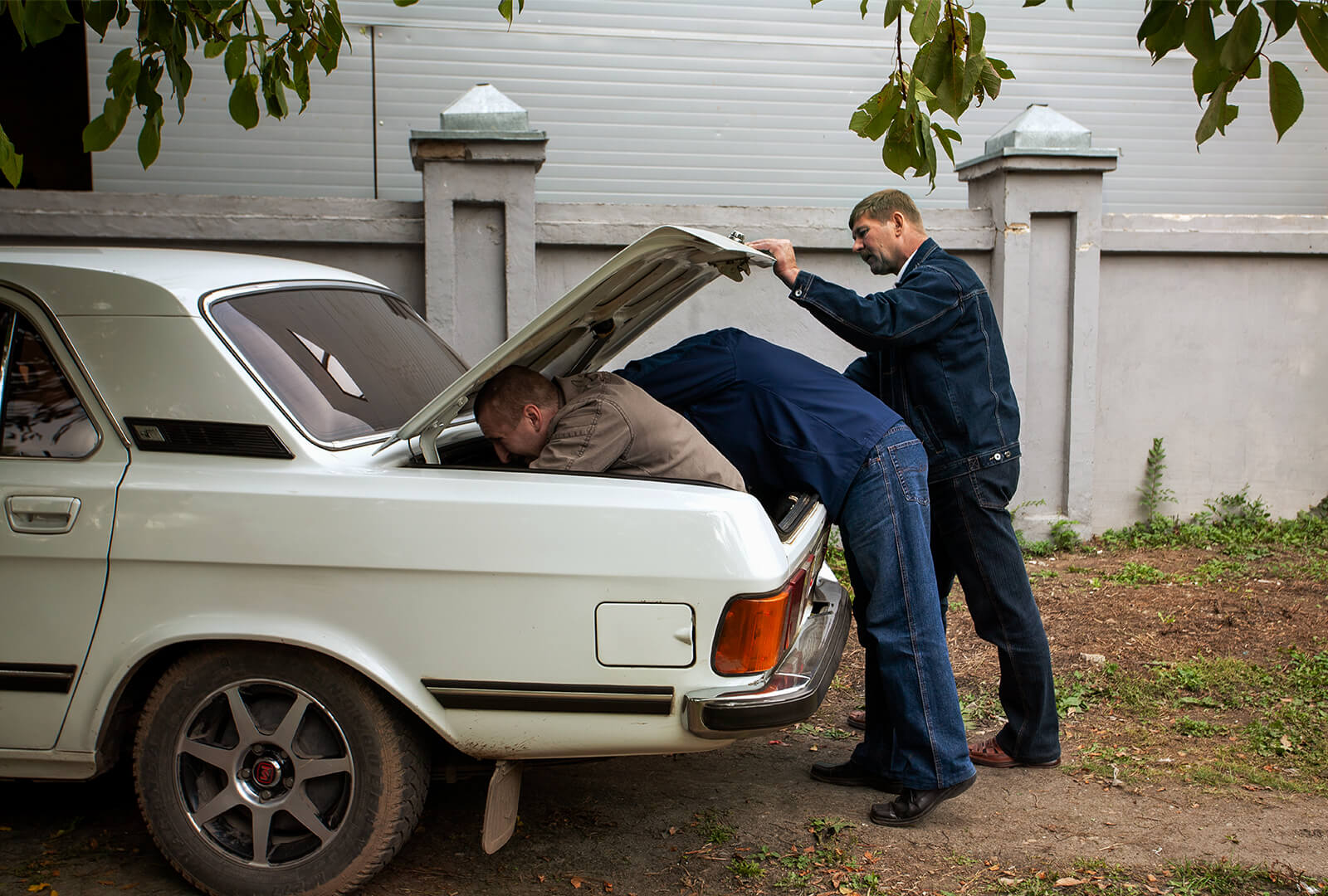
Vandana: In your recent book Strange Love, you draw parallels between Russia and the United States, two countries usually perceived as opposites in several aspects. What prompted you to juxtapose them in this manner?
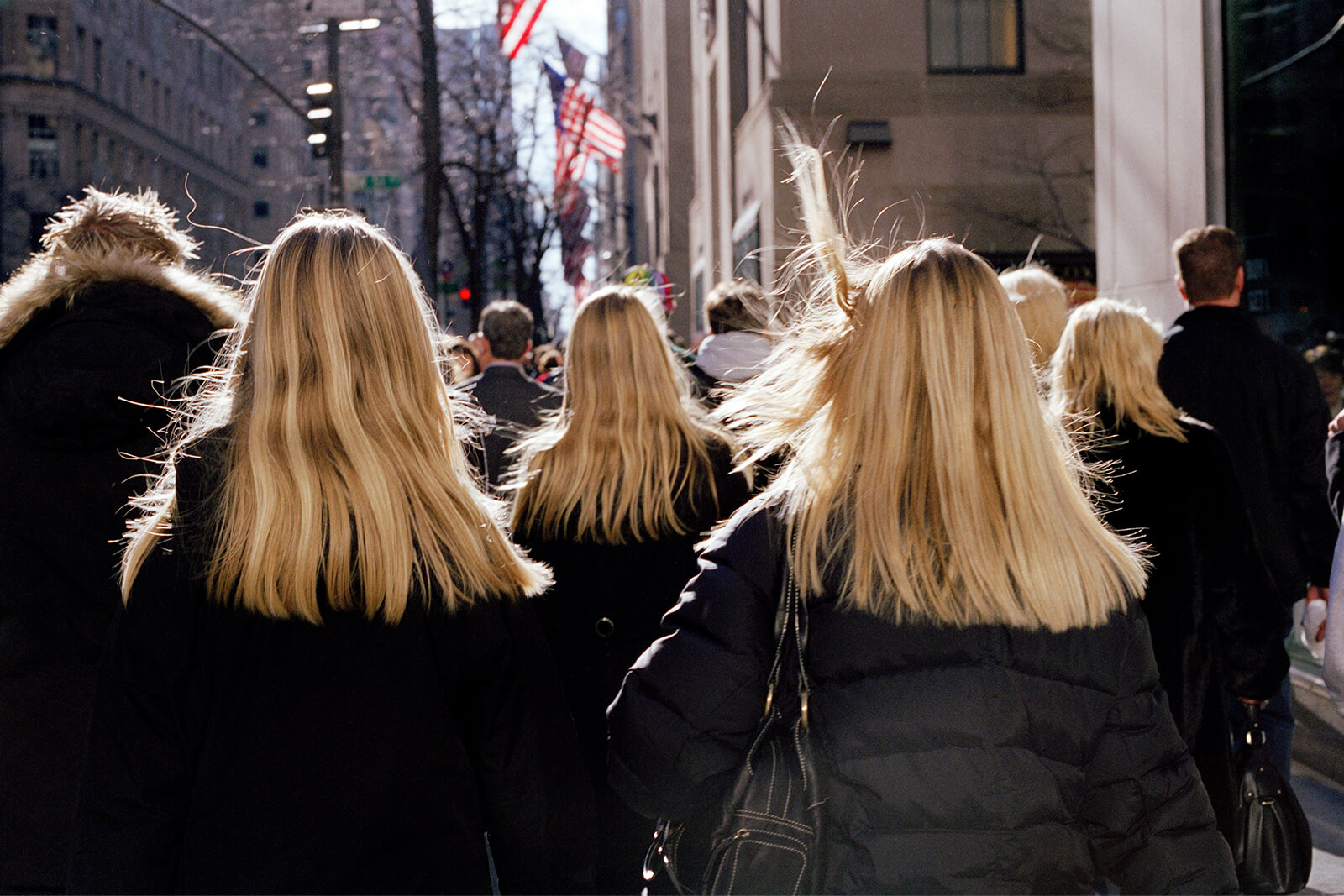
Seamus: I had already started a big project on the US when I received a magazine assignment to go to the Russian Far East, photograph that vast territory and show how life was behind the economic boom fuelled by the region's rich resources. But there were a lot of people who lived impoverished lives alongside the growing prosperity of the few. I had seen similar signs of this in the US and felt that life lived in the shadow of great power could be similar, and not so different from each other. Sometimes, looking at the images together, I would get them mixed up, wondering whether that was Russia or America. Surely with such deadly, mortal enemies, of such differing ideologies, who in the Cold War killed millions in defence of each’s principles, it should be obvious in photographs of the two places.
When Trump started his public bromance with Putin, it led to all sorts of rumours of Putin having some dirt on Trump, what the Russians call kompromat. I thought my theory had found solid footing. So I made two trips to Russia to shoot in places similar to those I had worked on in the US. I went to industrial areas in the Urals that had a demographic similar to parts of Pennsylvania where I had been. The inhabitants were working-class, factory workers, immigrant families who had histories of serving in the military, and were loyal to the` state, eager to hear of the glory of the past as spoken by Putin and Trump, as the future looked bleak. This became Strange Love, a book that asks you to take a journey through Russia and the US and see how often you get the country wrong.
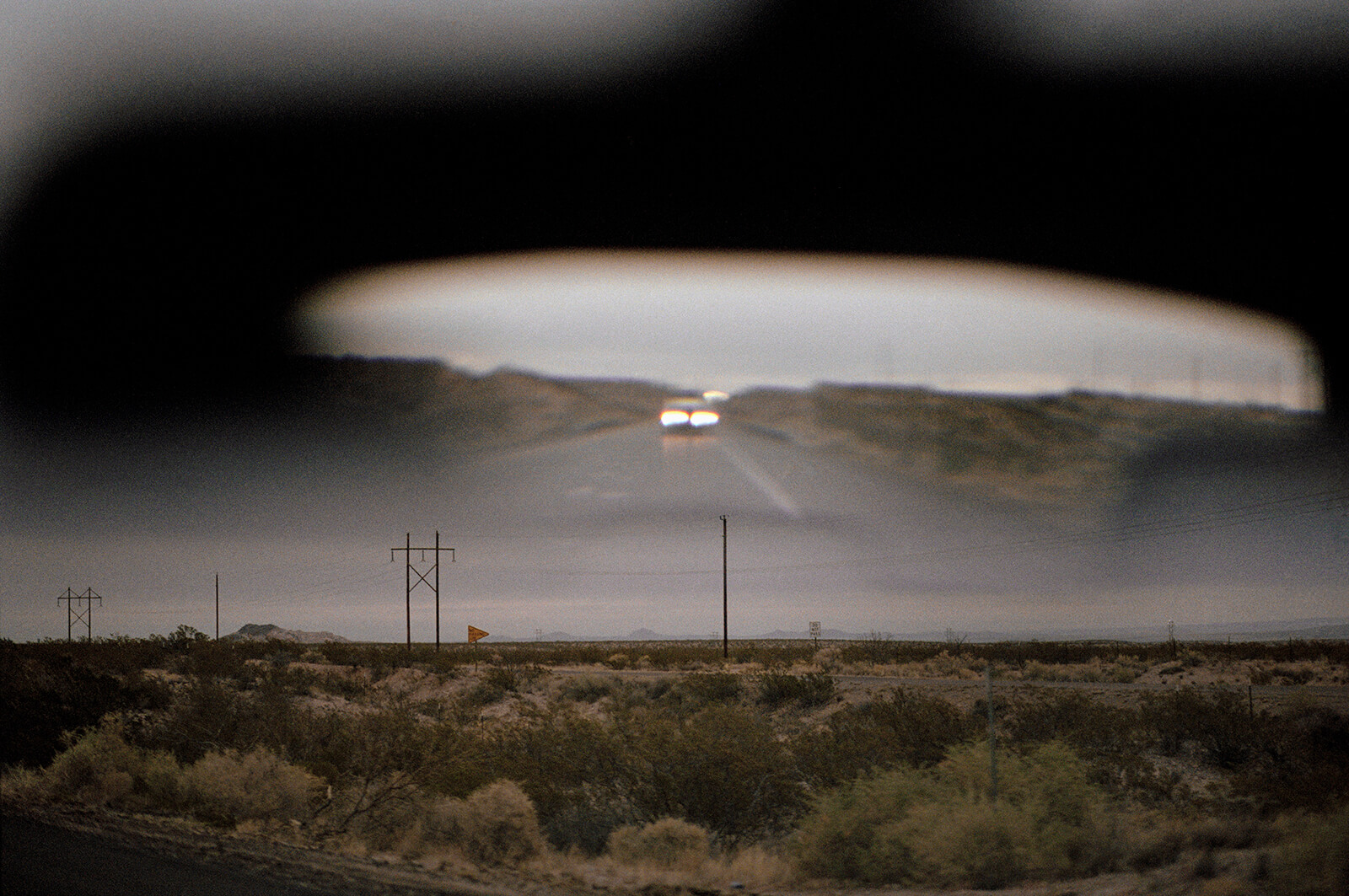
Vandana: If you could talk about choosing to photograph Los Alamos, a place associated with the birth of the atomic bomb, through a rear-view mirror. What made you adopt this approach?
Seamus: I wanted some classic New Mexico landscapes and had spent some time in the desert, photographing buttes, the elevated landmasses often associated with the American Southwest. As I was driving, I looked in the rear-view mirror and saw the interesting juxtaposition of the two planes of sight; of what was ahead through the windscreen and what I was seeing in the mirror. It looked like the mushroom cloud of a nuclear explosion, and the cars following me made me think of an American film-noir movie. And of course I was in Los Alamos, famous for the birth of the atomic bomb. As I drove, I shot, hoping I was capturing what I saw. I was shooting on film, so it took a few days to finally see the image.
Vandana: You have returned to several places over the years to photograph again. Could you talk about this experience of revisiting, photographing the change and the unchanged in the context of some of the places you have revisited?
Seamus: Whenever I leave places I have worked in, or photographed, I often feel there is so much more to see and say. So if the place is interesting enough and I can find a way to go back, I do. It's like the first trip is an introduction, and you build on what you have already learned on later visits. It means the unfamiliar things which might have struck you as important the first time you encounter them either remain interesting or you realise are only of shallow interest. You build up contacts and learn more about the people and start to become invested in people’s lives.
Vandana: When you look at your archive, are there photographs that you understand differently today than when you made them?
Seamus: There are many like that. If the project was an assignment, or I ended up editing it to make it available for a publication, I would choose images accordingly. So, that would make a later edit different in terms of what I was looking for. Or, as you get older, you change, your tastes change, and some of the preoccupations you harboured might have changed or left you, so your edit will be different. It's always exciting finding gems that you passed over in the past. In Strange Love, which was made over many years, I found some images for the final edit just days before the book went to press. I had promised myself I would comb through my archive of Russian and American images one last time and actually found new candidates at the last hour that found their way into the book.
‘Life is in Many Days’ by Seamus Murphy is on view until October 25, 2026, at Museo Camera, Gurugram.
by Srishti Ojha Oct 26, 2026
The Taiwan-based artist shares his opinion on exhibition rituals, protests and his search for ‘fragmented beauty’.
by Srishti Ojha Oct 21, 2026
Increasingly, artists, filmmakers and activists are turning to VR to create more personal, tangible accounts of the climate emergency and its impact on vulnerable communities.
by Mirra Lynn Oct 20, 2026
The Indian artist paints the old wadas of central Pune, capturing the traces of everyday life that cling to these structures, battered by time but unbowed.
by Anmol Ahuja Oct 15, 2026
How do heaps of souvenirs and relics with racist Aboriginal motifs and features become art? MCA Sydney’s winter showcase—the artist’s largest to date—beckons a possibility.

make your fridays matter with a well-read weekend
Enter your details to sign in
Don’t have an account?
Sign upOr you can sign in with
a single account for all
STIR platforms
All your bookmarks will be available across all your devices.
Stay STIRred
Already have an account?
Sign inOr you can sign up with
Verification link sent to check your inbox or spam folder to complete sign up process
Tap on things that interests you.
Select the Conversation Category you would like to watch
Please enter your details and click submit.
Enter the 6-digit code sent at


Seamus Murphy on photography, war and the everyday
by Vandana Kalra | Published on : Sep 16, 2026


 Sign in with Google
 Sign in with email
What do you think?