Architecture07 mins. read
The eArthshala campus signifies an evolving view of sustainability in Indian design
by Mrinmayee BhootMar 21, 2025



by Mrinmayee BhootPublished on : May 08, 2026
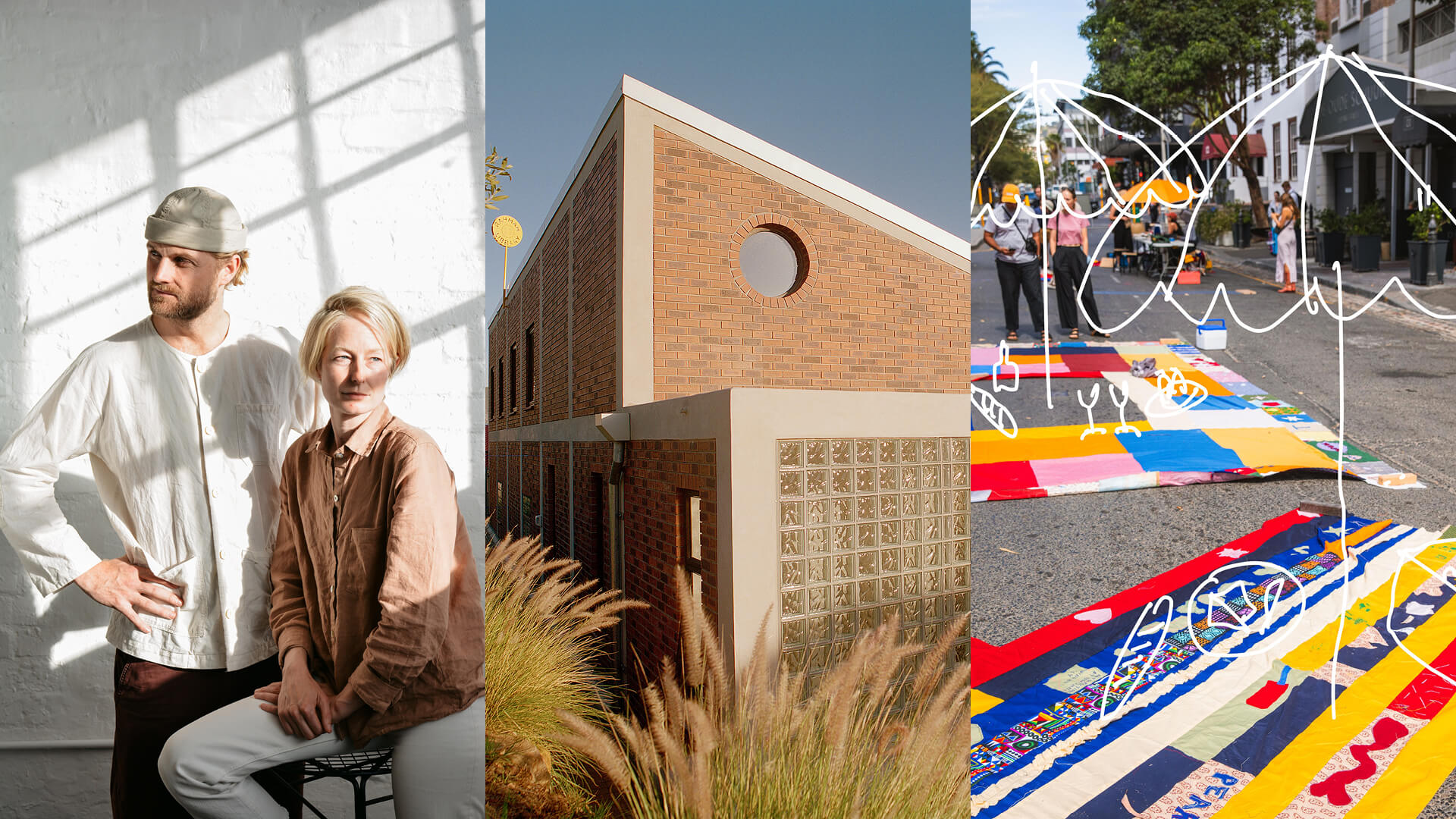
A renewed engagement with people and place, with context and impact, has marked a shift in how architectural discourse—in general and through the lens of media in the field—perceives the discipline’s responsibility towards sustainability. It’s decidedly subtle, but the shift from promoting ostensible ‘starchitecture’ and large-scale developments to an emphasis on what have been considered peripheral ways of practising—temporary interventions, small-scale experimental structures and projects that explicitly interrogate our relationship to space and materiality in the last few years is telling. What the discipline needs more than ever is precisely an attitude of care paid to these situated knowledges, to contextuality and slow processes of making, to practices that are not for or even simply of a place, but those that build with it. After all, that nebulous term, ‘placemaking’, through its very lexicon calls to a condition that is ongoing, that is constantly made and remade. Among emerging voices that define this participatory shift, South Africa-based The MAAK describe their studio’s work as dedicated to ‘social impact architecture’, a pointed statement towards what they believe architecture ought to be.
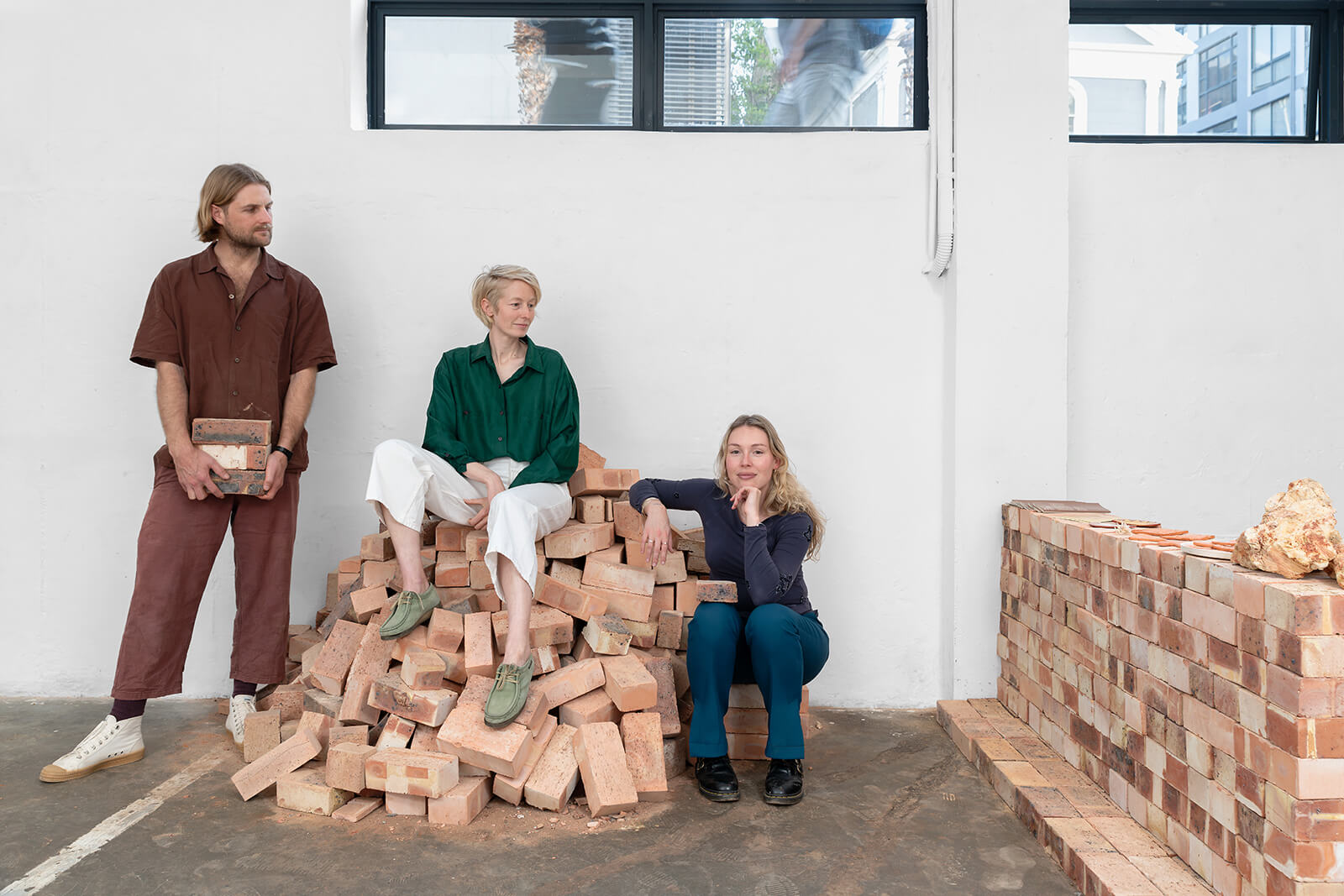
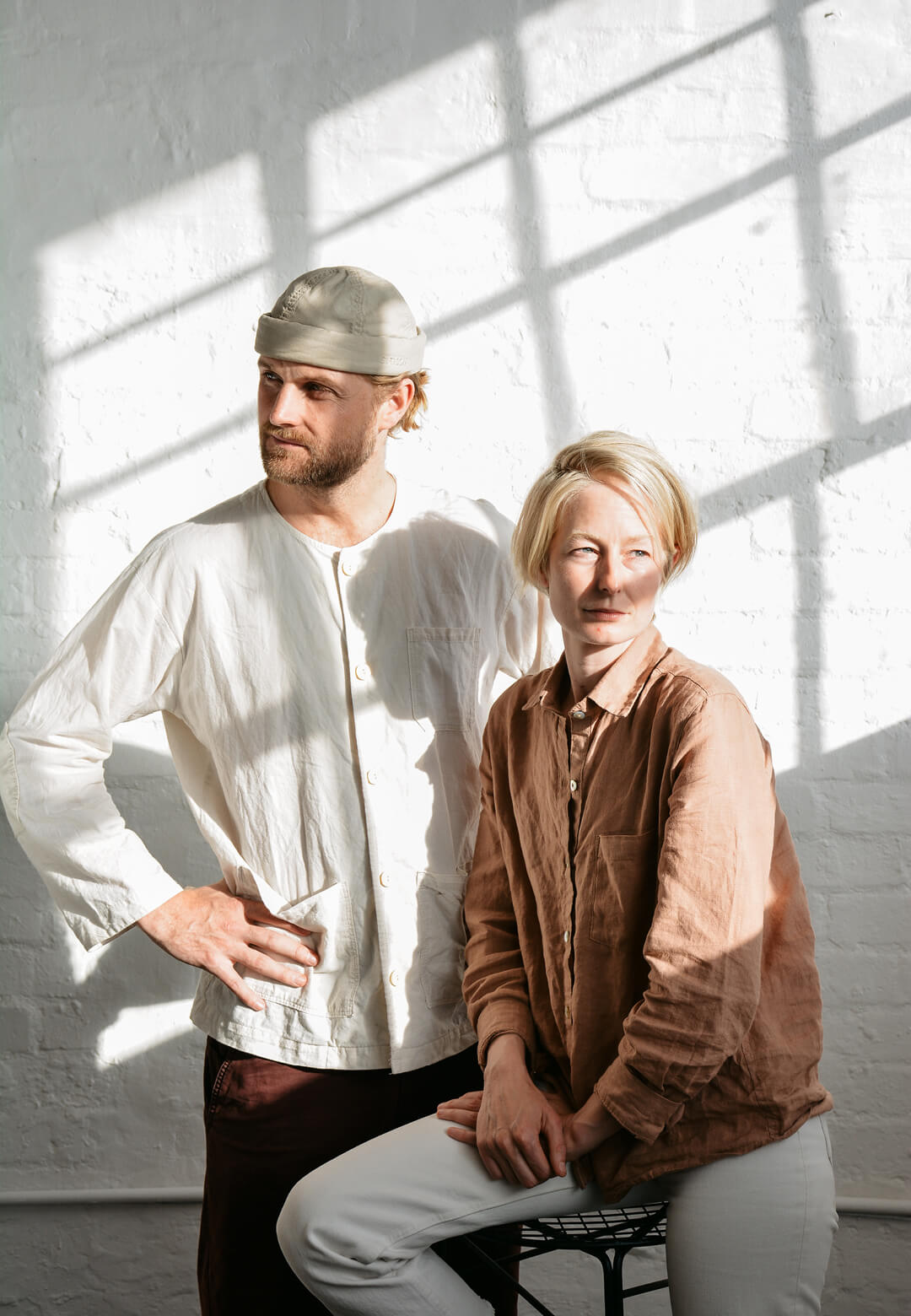
The emphasis on social impact and its implications—for process and outcome alike—on the studio’s work in the region becomes the crux of their discussion with STIR. Max Melvill, co-founder of the studio, notes, “As a studio [our attempt is] to prioritise architecture of excellence for those that need it, not just those that can afford it.” Melvill emphasises how this inclusivity is manifested in the studio’s approach to making and the craft of building with a particular focus on place. It’s through this lens that the studio’s ongoing work becomes interesting to consider.
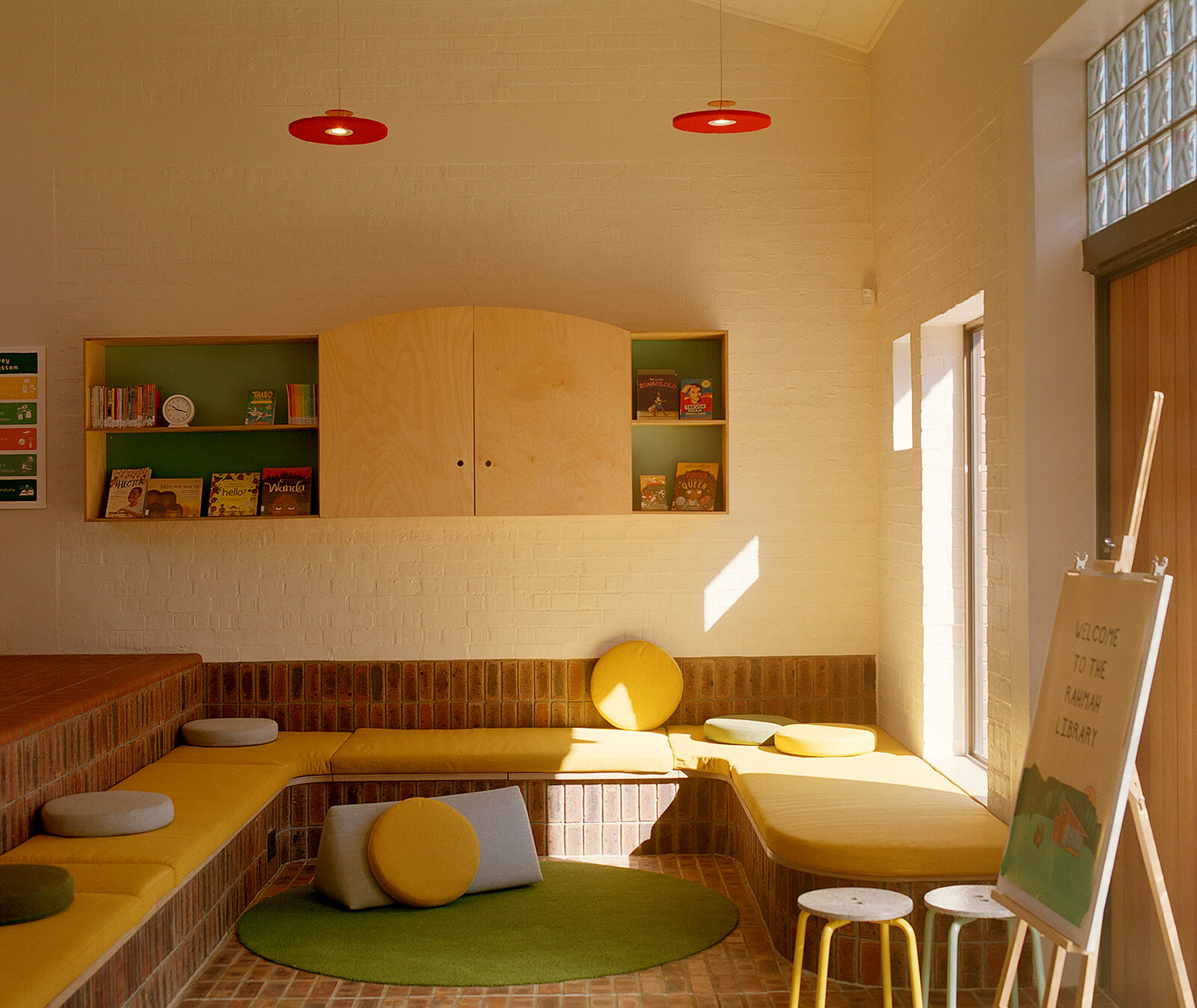
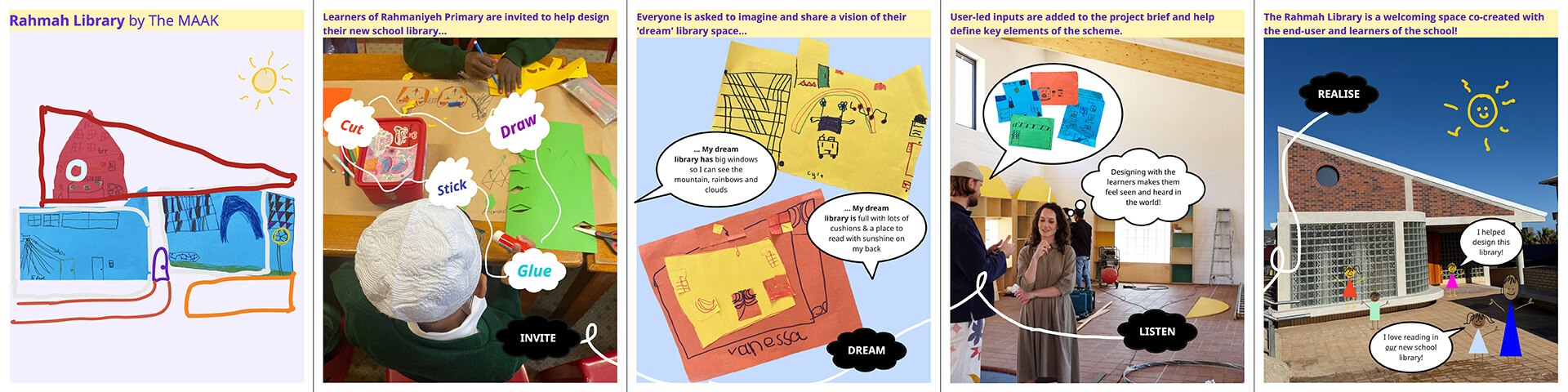
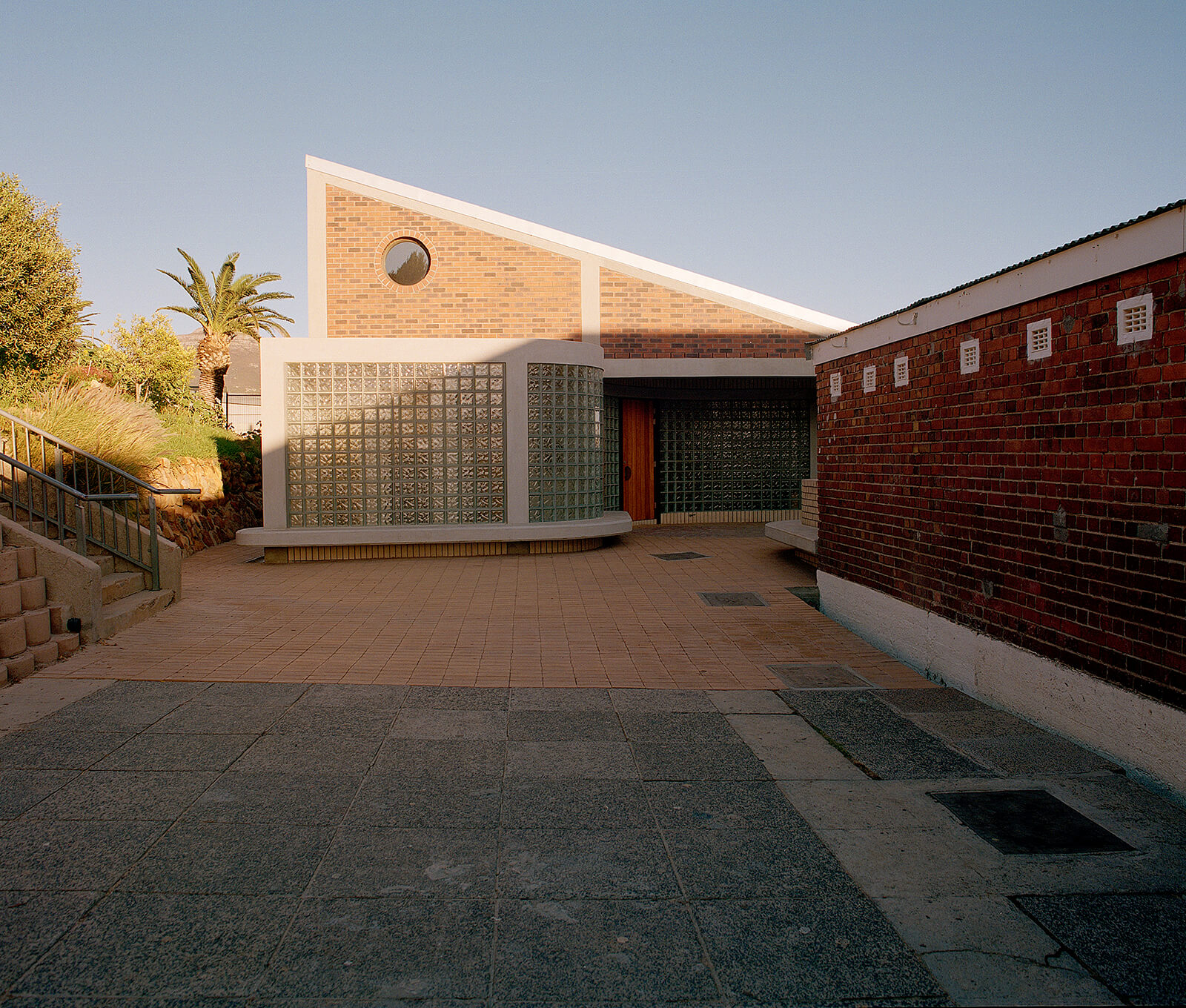
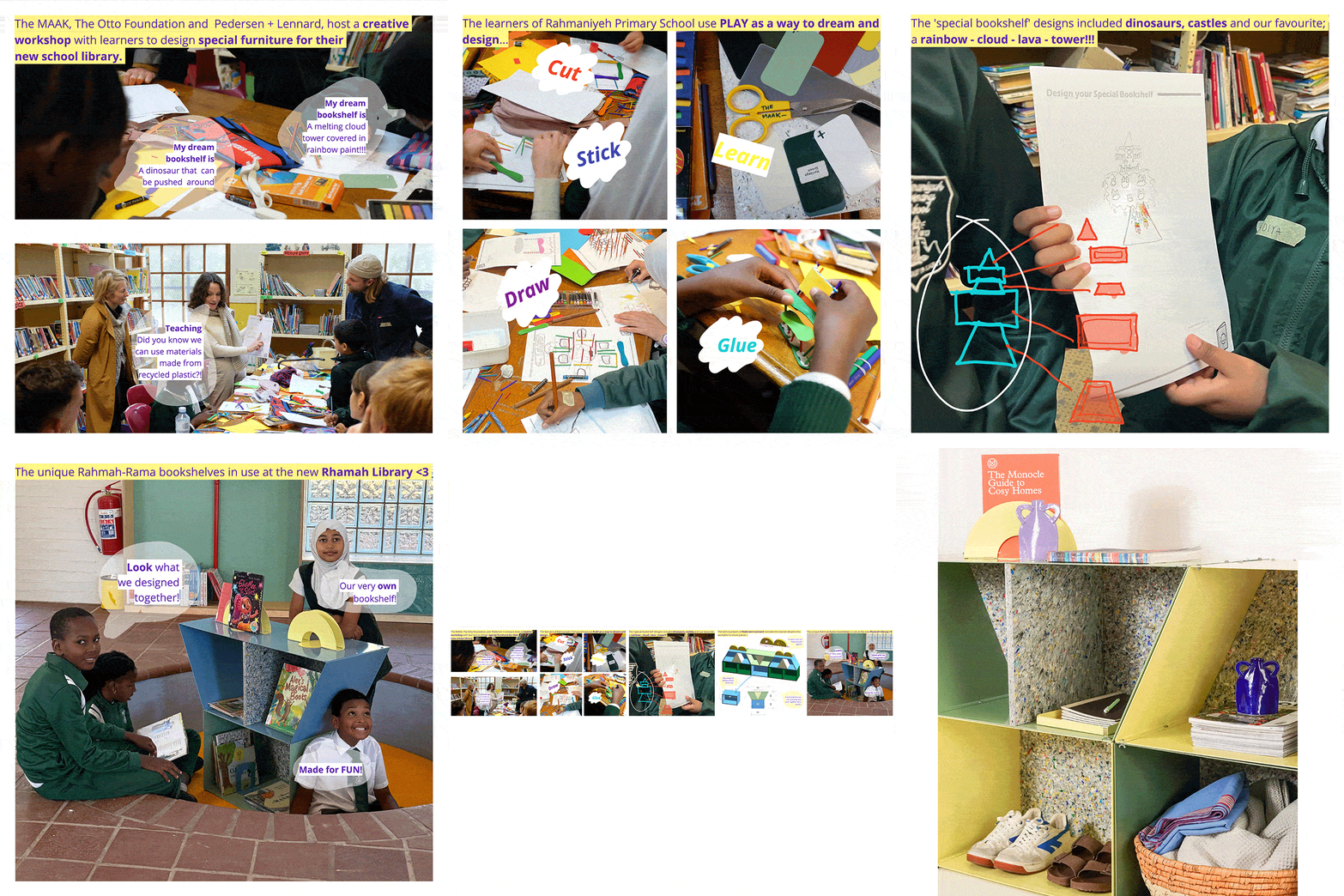
Along with his partner, Ashleigh Killa, the studio recently completed a design for a new library at Rahmaniyeh Primary School, which is especially emblematic of the studio’s design ethics. The result of a partnership between the Rotary Club of Newlands, the Otto Foundation and The MAAK, the design is both joyful and formal, aimed at fostering a sense of belonging among students. A serious-seeming brick facade for the library opens into a vibrant, playful open plan with shared spaces to engage users. Subtle details create a sense of affinity. Nooks for reading—whether students want to sit, lounge, read together or alone—add to a feeling of cosiness in what is essentially designed as a ‘free space’ (in the words of The MAAK). In conversation, Melvill elaborates on the processes of participatory design that informed some of the more playful gestures for the library architecture.
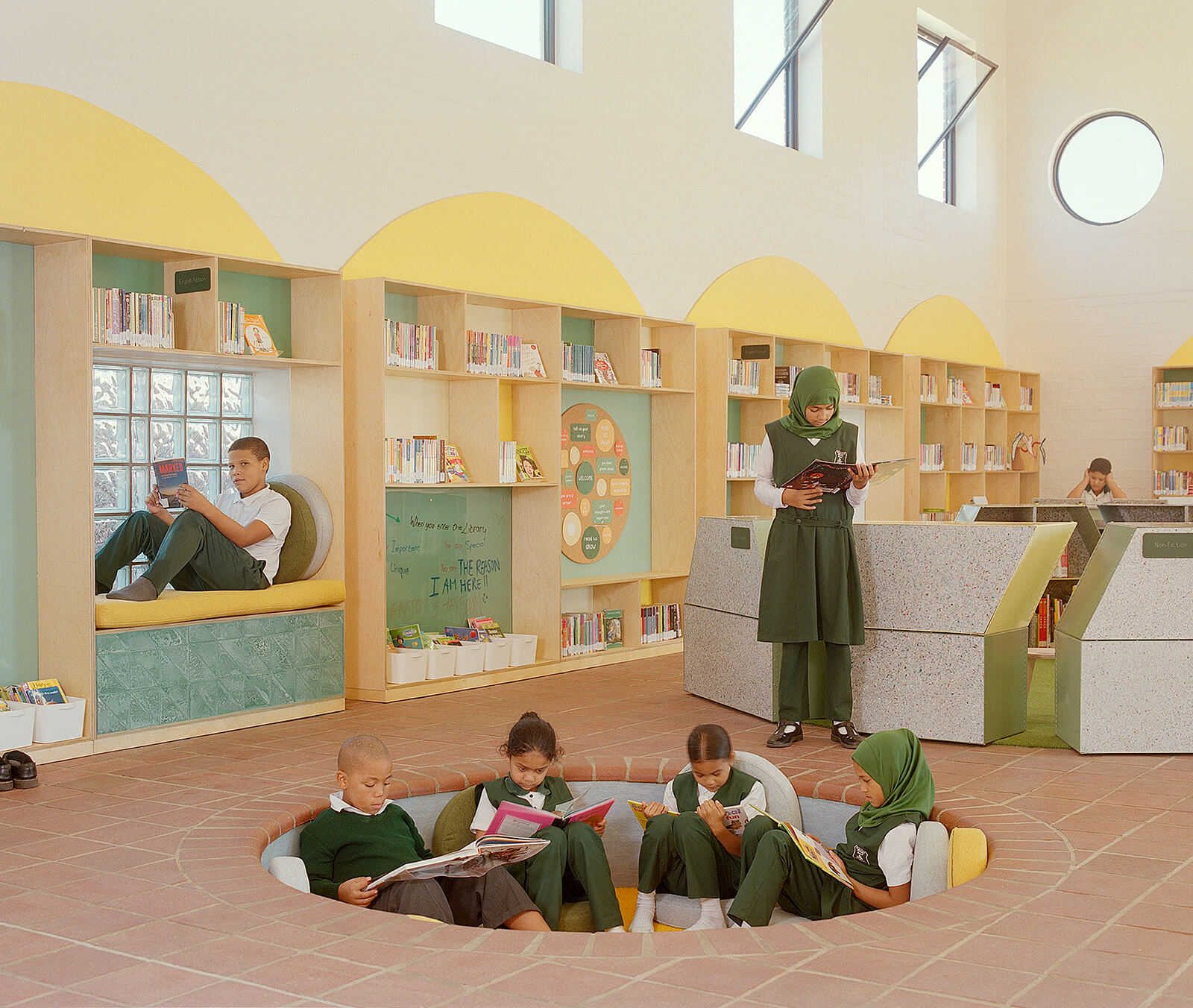
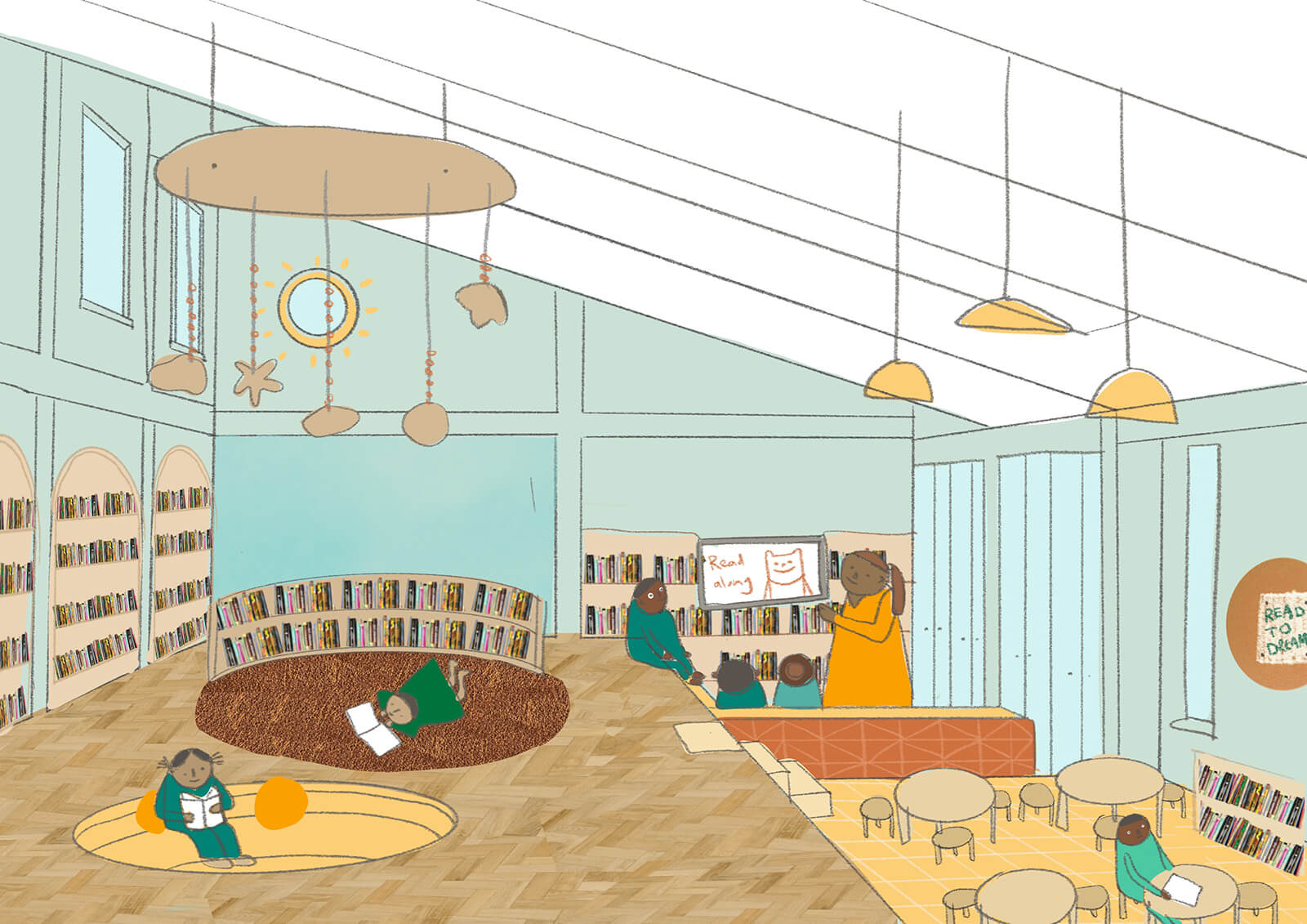
Apart from the emphasis on participation as a tool to foster belonging and underscore the value of contextuality for the project, the choice of material is just as vital. The shell of the library, a rigid brick architecture, is a means not only to underscore a formalism in the architecture, but to subtly imbricate it in the intricate histories of the neighbourhood. The school and library are located in District Six, a locality in Cape Town whose cultural diversity was systematically erased under apartheid. Its residents were forcibly removed, and its buildings flattened in an effort to rewrite the city’s social history and fabric. Recasting this violent history into an act of resistance, the studio collaborated with artist and land researcher Zayaan Khan who used clay from the surrounding neighbourhood (sometimes embedded with the rubble of homes demolished in District Six in the 1960s – 1980s) to develop door pushplates, decorative tiles and custom District Six bricks (laid into the floor of the entrance lobby and in front of an external drinking fountain) for the library building. This gesture is a tangible reminder of the ways in which architecture is grounded within sociopolitical histories and how material can be effectively employed to embed memories into spaces.
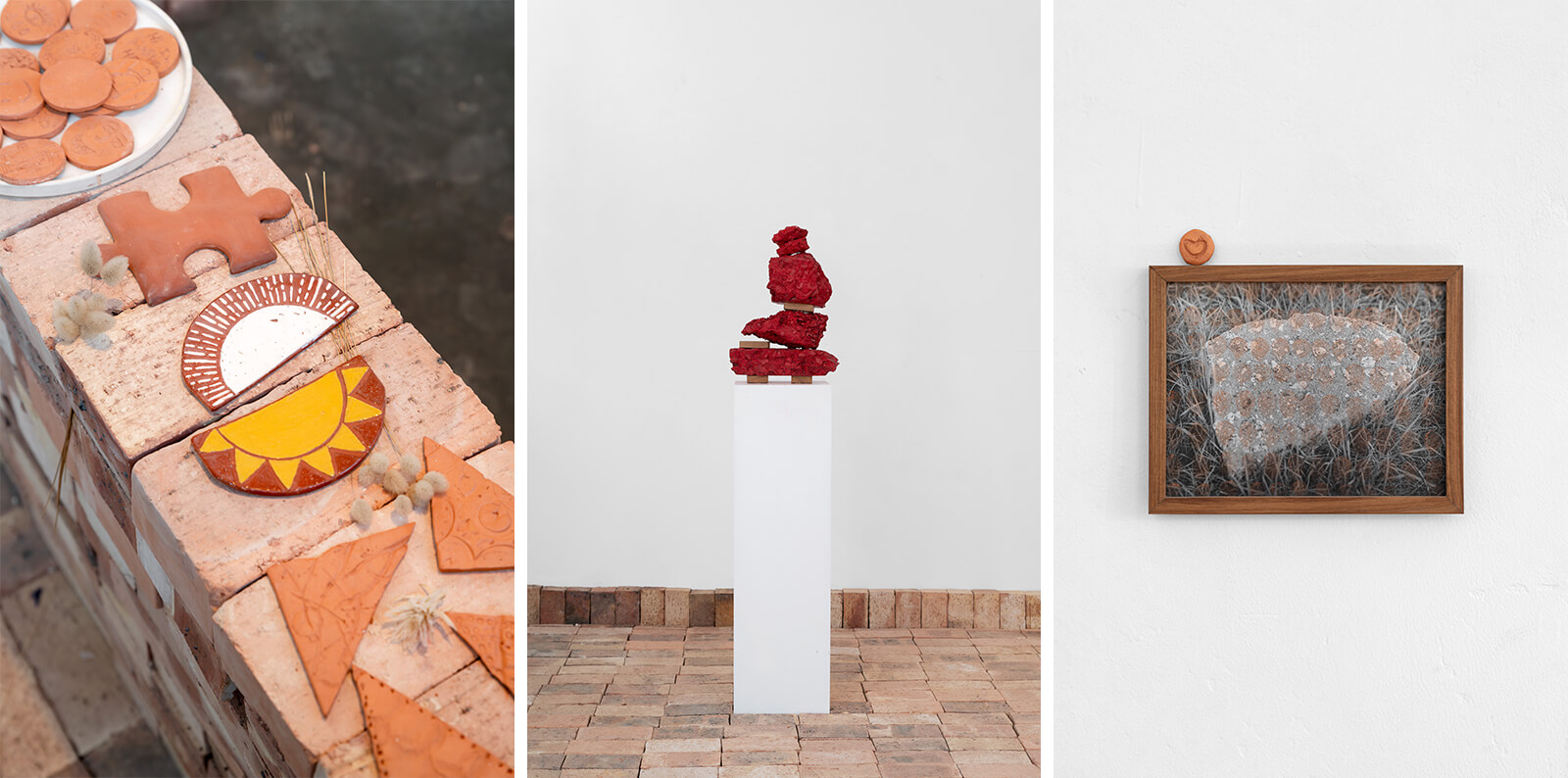
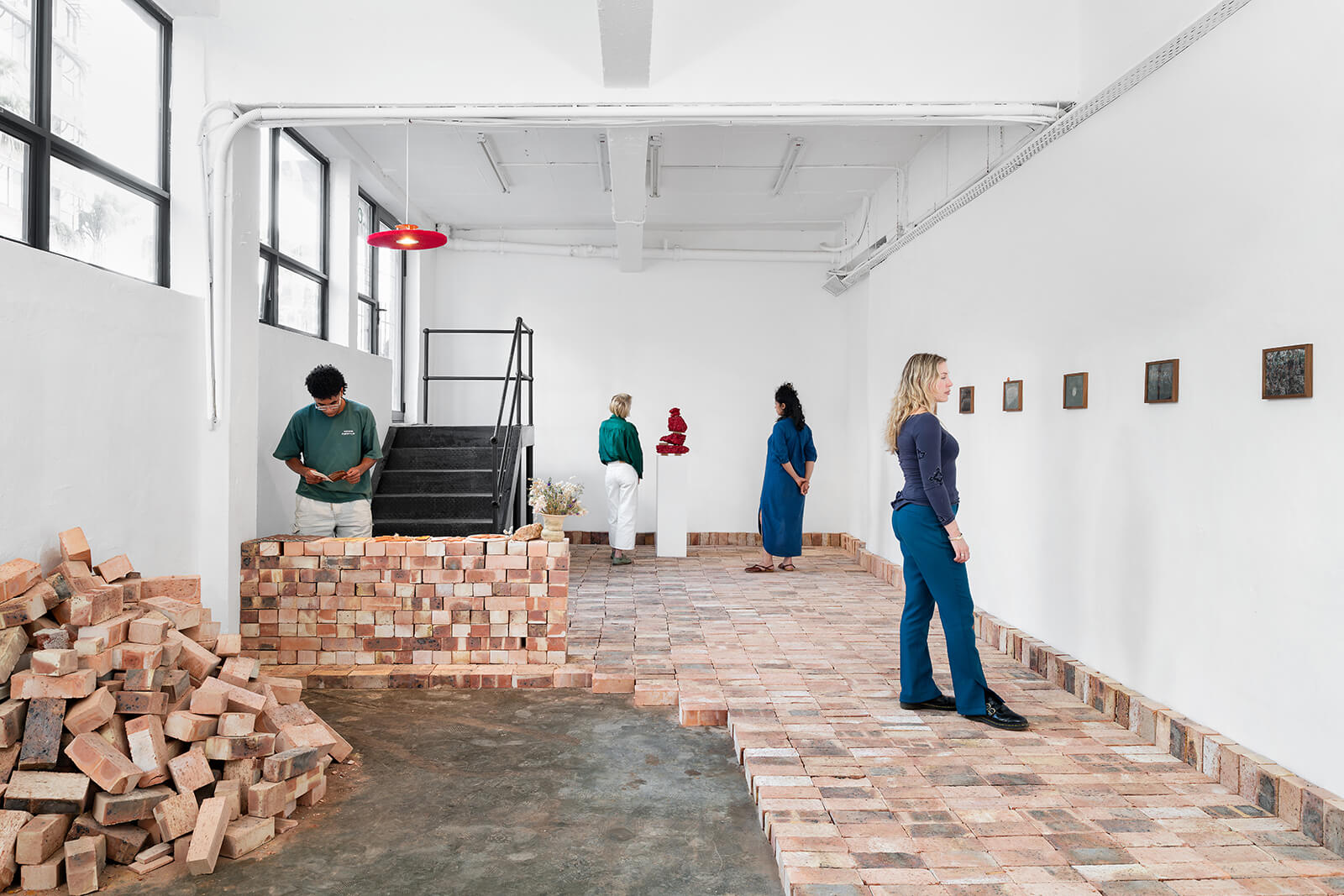
Of the studio’s engagement with material, Melvill notes, “The MAAK in Afrikaans means to make. I think a lot of what our studio stands for or is interested in is this idea of craft and an architecture of making.” This act of making, for the studio, extends to everyone. Design is understood as collaboration—an instinct that ought to be self-evident and often has not been. Care is reciprocal and emerges in dialogue, so making must be collective. This investment in acts of collective making in The MAAK’s oeuvre is most refreshingly evident in their playful approach to engaging with local communities, as demonstrated by their work with the children of District Six.
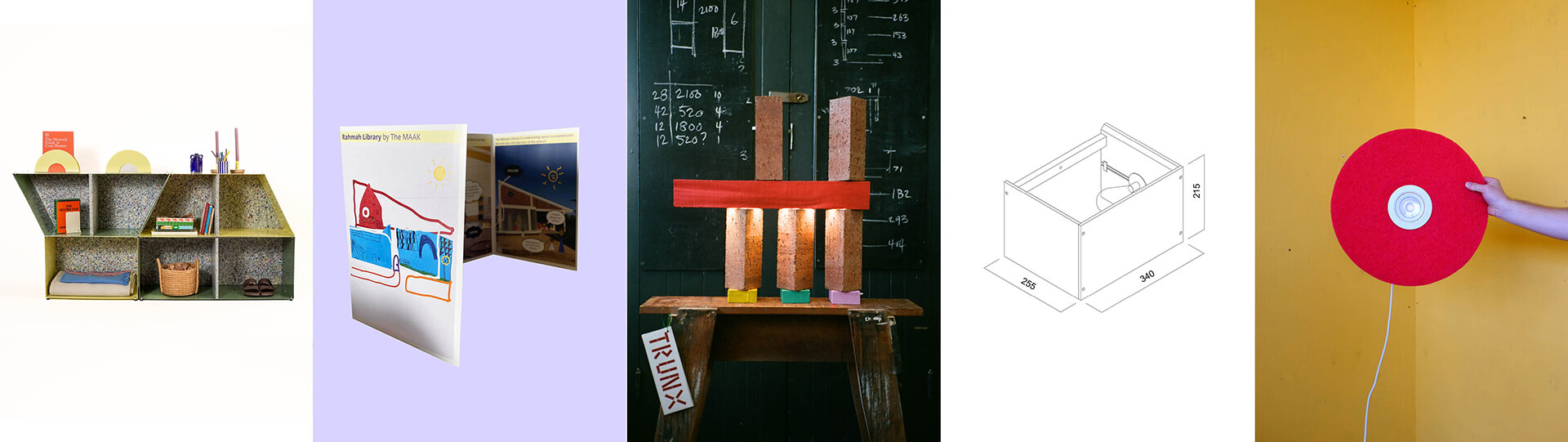
The playful inclusivity the practice insists on is underscored equally by their studio shop, a place where people can invest in The MAAK’s work by owning a little piece of it. Whether that is the shelves the studio made for their library project, or the pushplates, or even manuals detailing how these were constructed, this notion of participation within a grander scheme of things allows The MAAK to foster vital conversations around material and engaging ways of making.
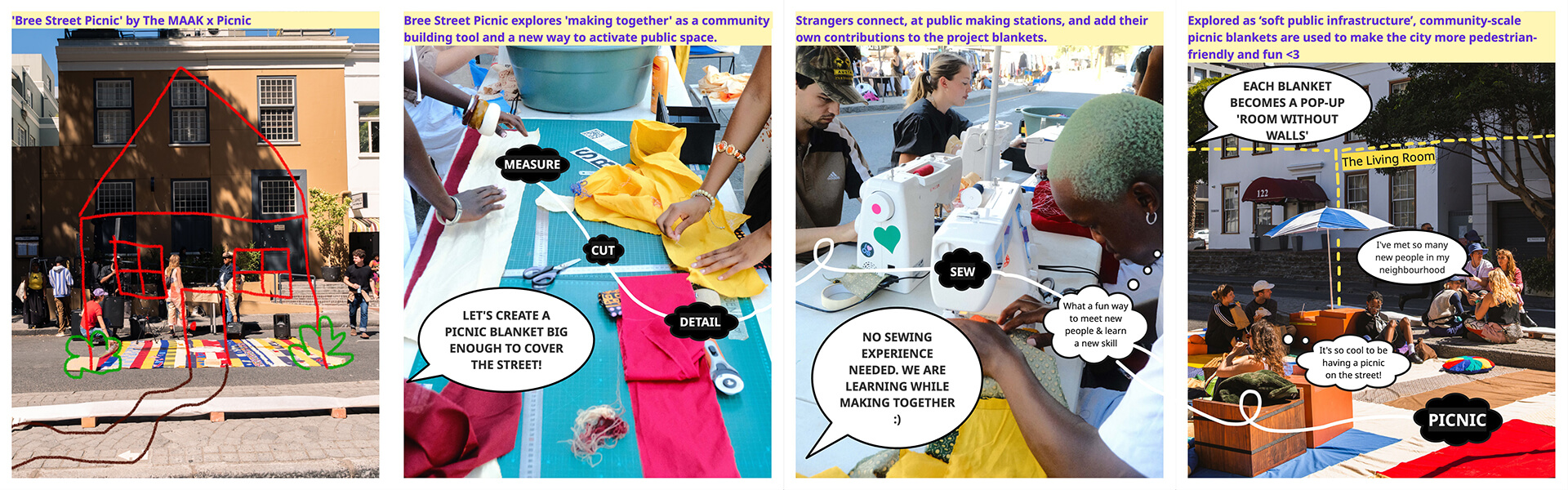
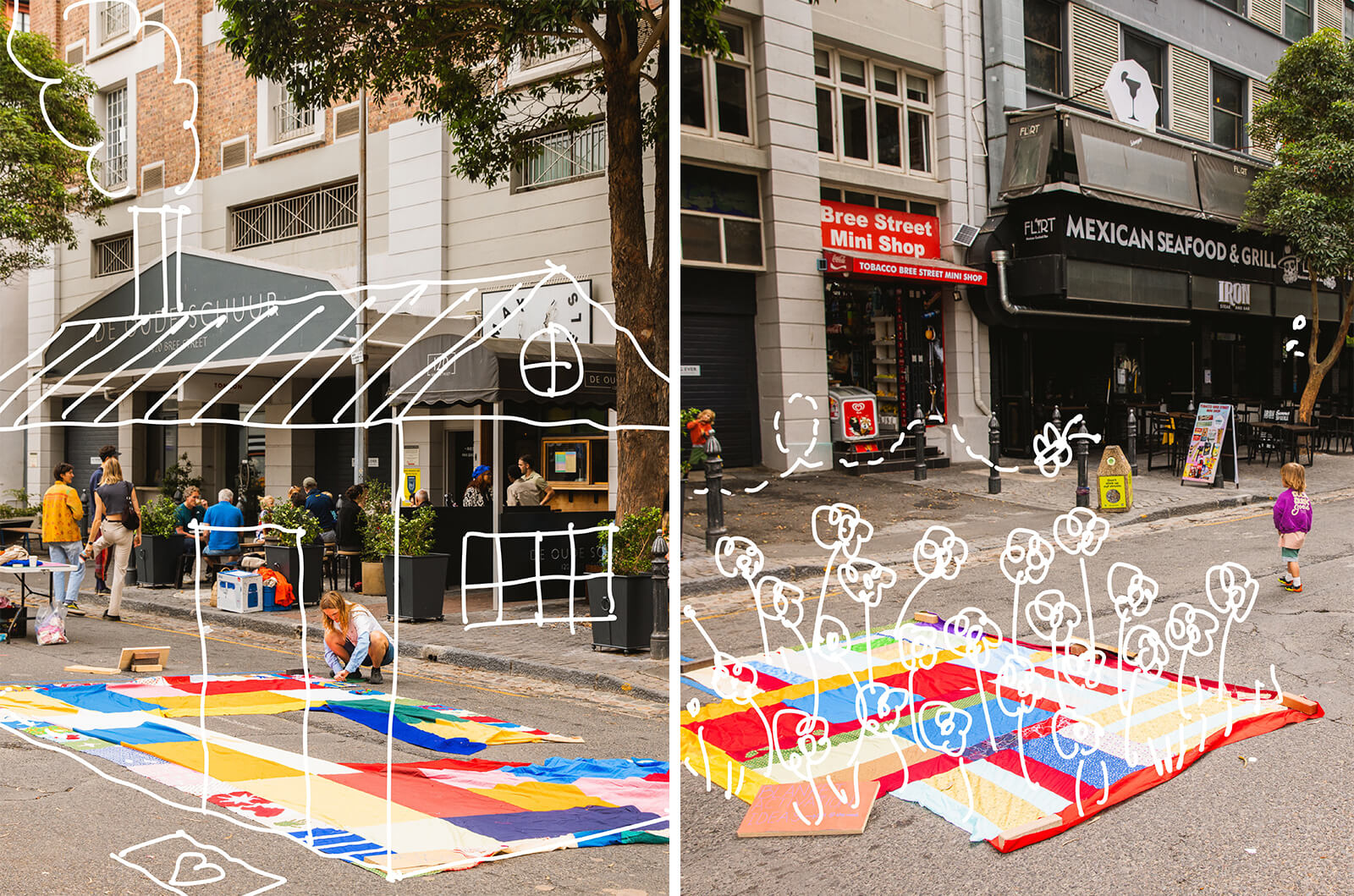
An ongoing research and public art project, Bree Street Picnic, similarly underscores the studio’s fluid and playfully reciprocal approach to craft. Conceived as a way to explore how public spaces in the city can be reactivated, the project proposes soft infrastructures as places to gather. Asking what if softness and play were embraced as valid ways of building a city, it proposes an alternative to car-centric urban landscapes that inevitably treat spaces of gathering as privileged enclaves. Instead, blankets cover pavements and asphalt—created by volunteers in public sewing workshops—encouraging residents to come together and suggest unique urban activities rooted in conventional spatial typologies (kitchen, lounge, garden, etc). Not only does the project become an acknowledgement that architecture is not staid; it highlights the fact that it is fluidity which may be needed for the times we live in.
The interplay and inextricably linked notions of community organising, material exploration and context-led interventions make The MAAK’s work a crucial example for a reconsideration of what practice can look like. Of the rewards they reap, Melvill notes, “Just finding a way through what we do as architects to translate this genuine joy that exists in people into built form is a huge privilege.” What the studio’s various approaches—formal, temporal and material-led—emphasise is that there are no singular answers. Sustainable design here is transformed into particularities. It invokes what is of the site to respond to the issues that are prevalent, thus emphasising an approach that is tailor-made and fluid. Place is process, and the only way to draw a line is one that is a rippling surface, a blanket that envelops all.

by Pranjal Maheshwari Oct 19, 2026
The Mumbai-based architects integrate courtyards, mesh screens and north light trusses to create a dining space that doubles up as a community hub at SR University, Warangal.
by Mrinmayee Bhoot Oct 17, 2026
The Rotterdam-based institute centres the Indian Ocean as a network for exploring material histories and transnational links shaping coastal cultures, positing them as future models.
by Pranjal Maheshwari Oct 16, 2026
At the 2026 Stirling Prize ceremony, Mary Duggan with RUFF Architects, MAKER Architecten and Nakshabid Architects were felicitated for proffering quality housing and social equity.
by Mrinmayee Bhoot Oct 12, 2026
The new Centre for Contemporary Arts, fostering public engagement with art in Uzbekistan, is housed in a tram depot refurbished by the French studio, emulating local craftsmanship.

make your fridays matter with a well-read weekend
Enter your details to sign in
Don’t have an account?
Sign upOr you can sign in with
a single account for all
STIR platforms
All your bookmarks will be available across all your devices.
Stay STIRred
Already have an account?
Sign inOr you can sign up with
Verification link sent to check your inbox or spam folder to complete sign up process
Tap on things that interests you.
Select the Conversation Category you would like to watch
Please enter your details and click submit.
Enter the 6-digit code sent at


South Africa-based The MAAK’s soft approach to social impact architecture
by Mrinmayee Bhoot | Published on : May 08, 2026


 Sign in with Google
 Sign in with email
What do you think?