Art08 mins. read
India Art Fair 2026 and more in Delhi: The STIR list of must-see exhibitions
by Srishti OjhaFeb 04, 2026



by Vandana KalraPublished on : Oct 14, 2026
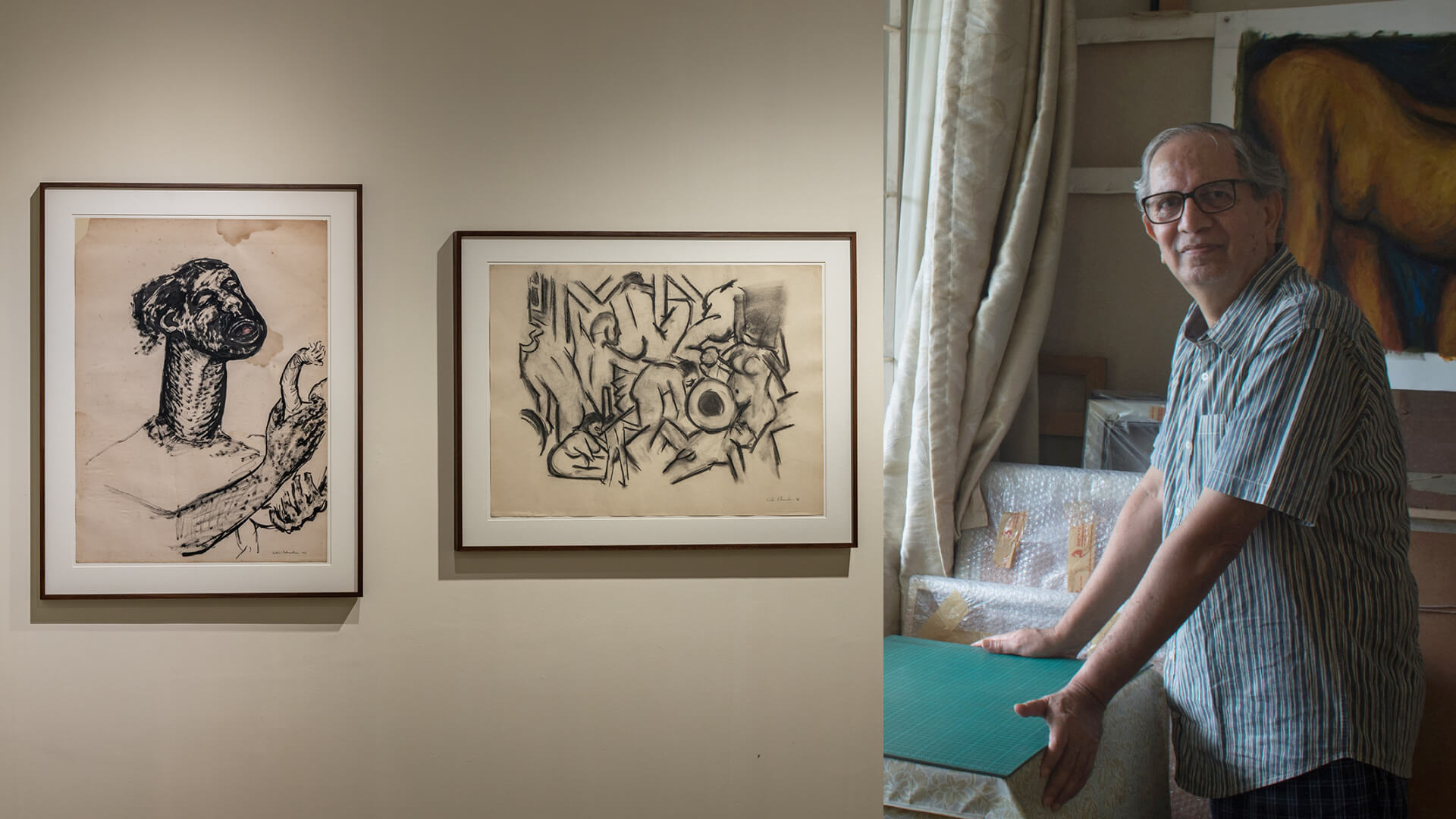
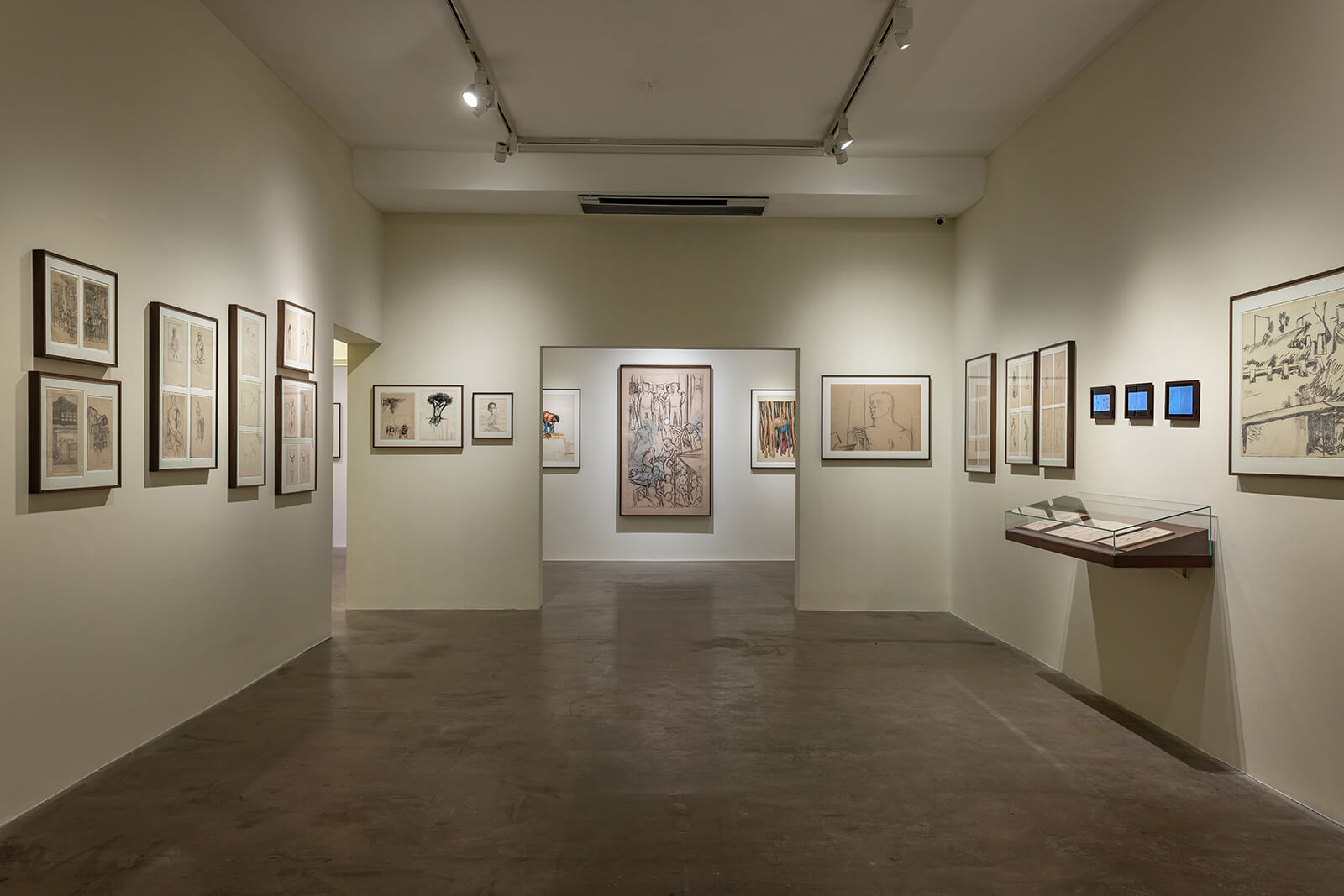
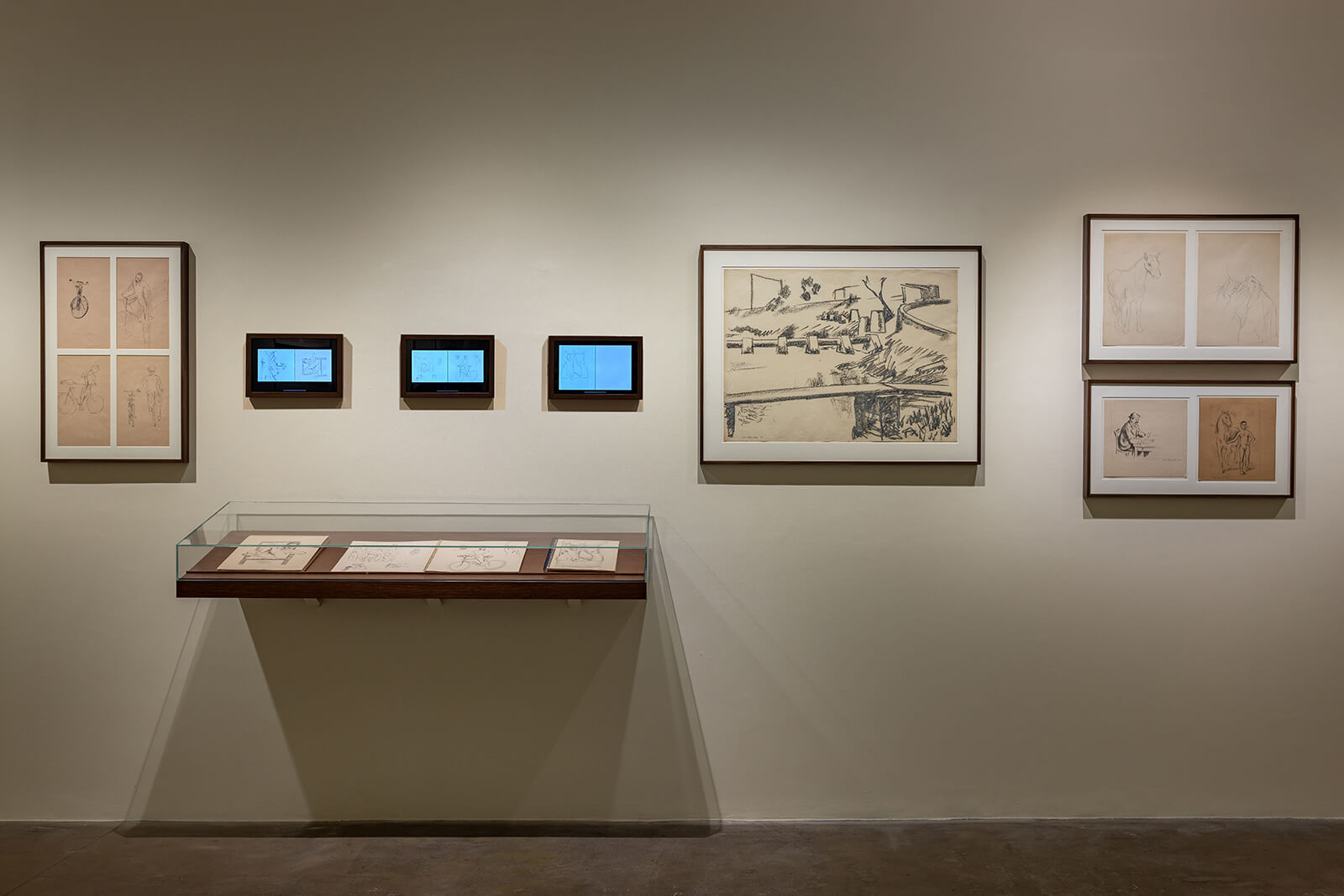
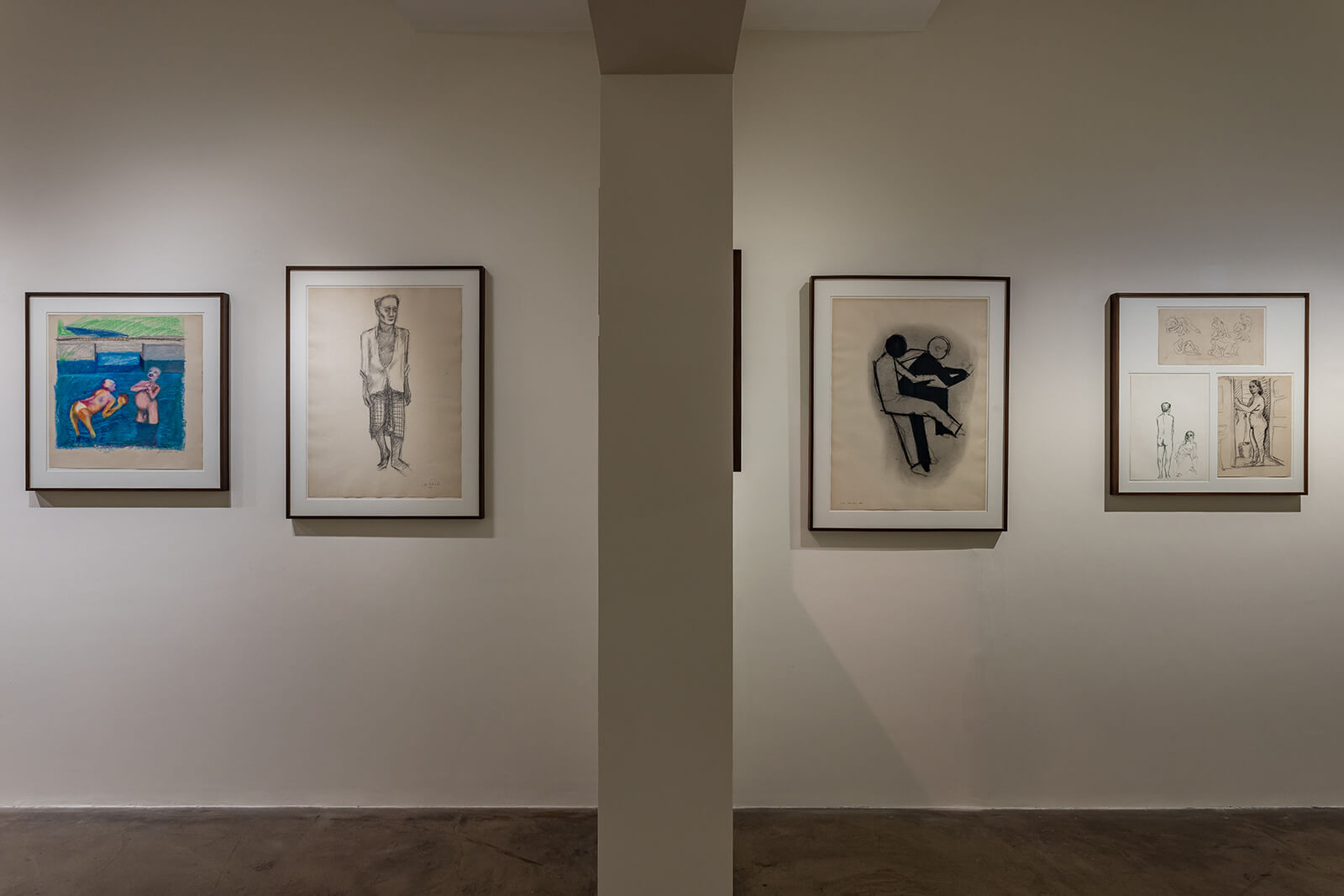
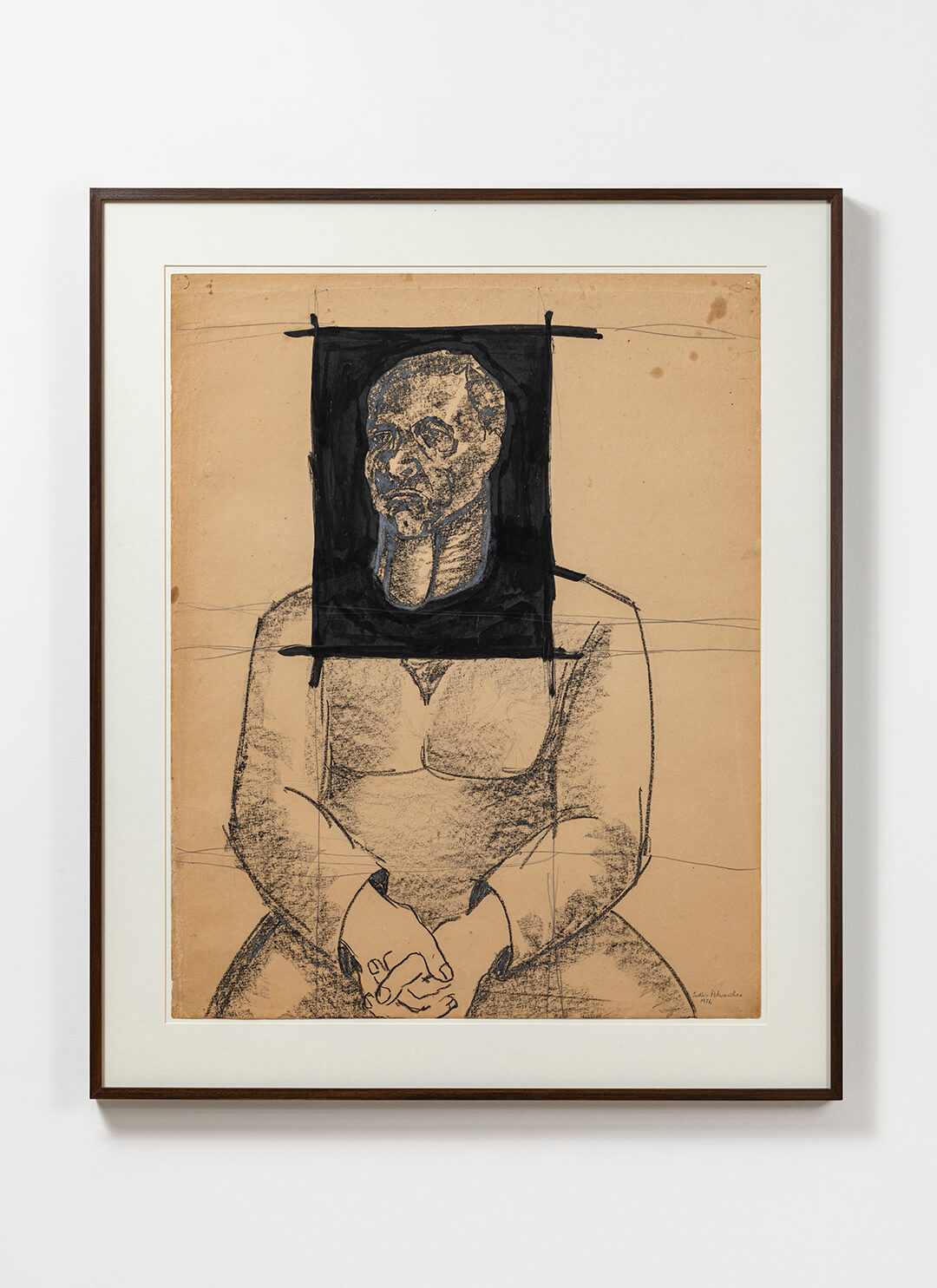
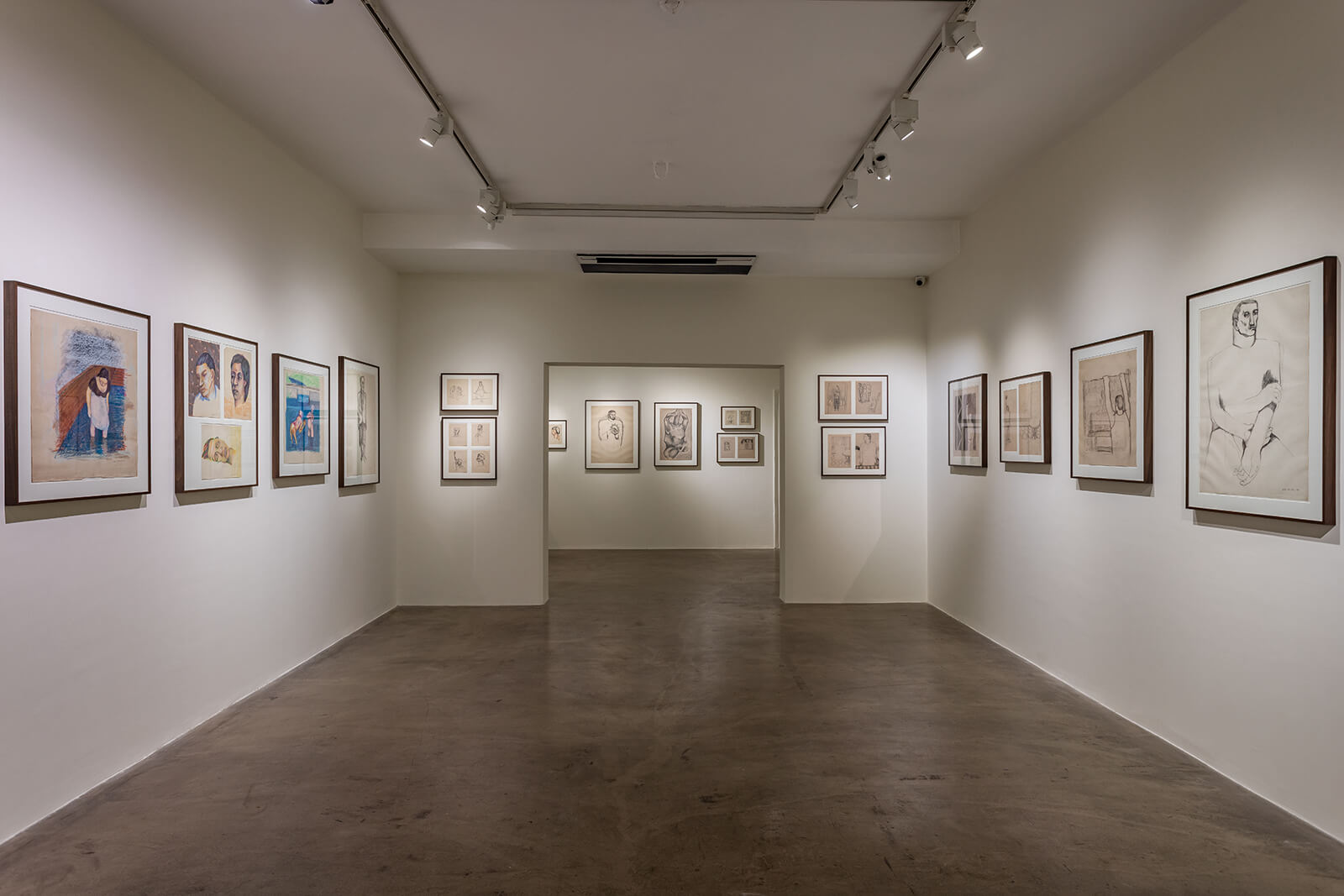
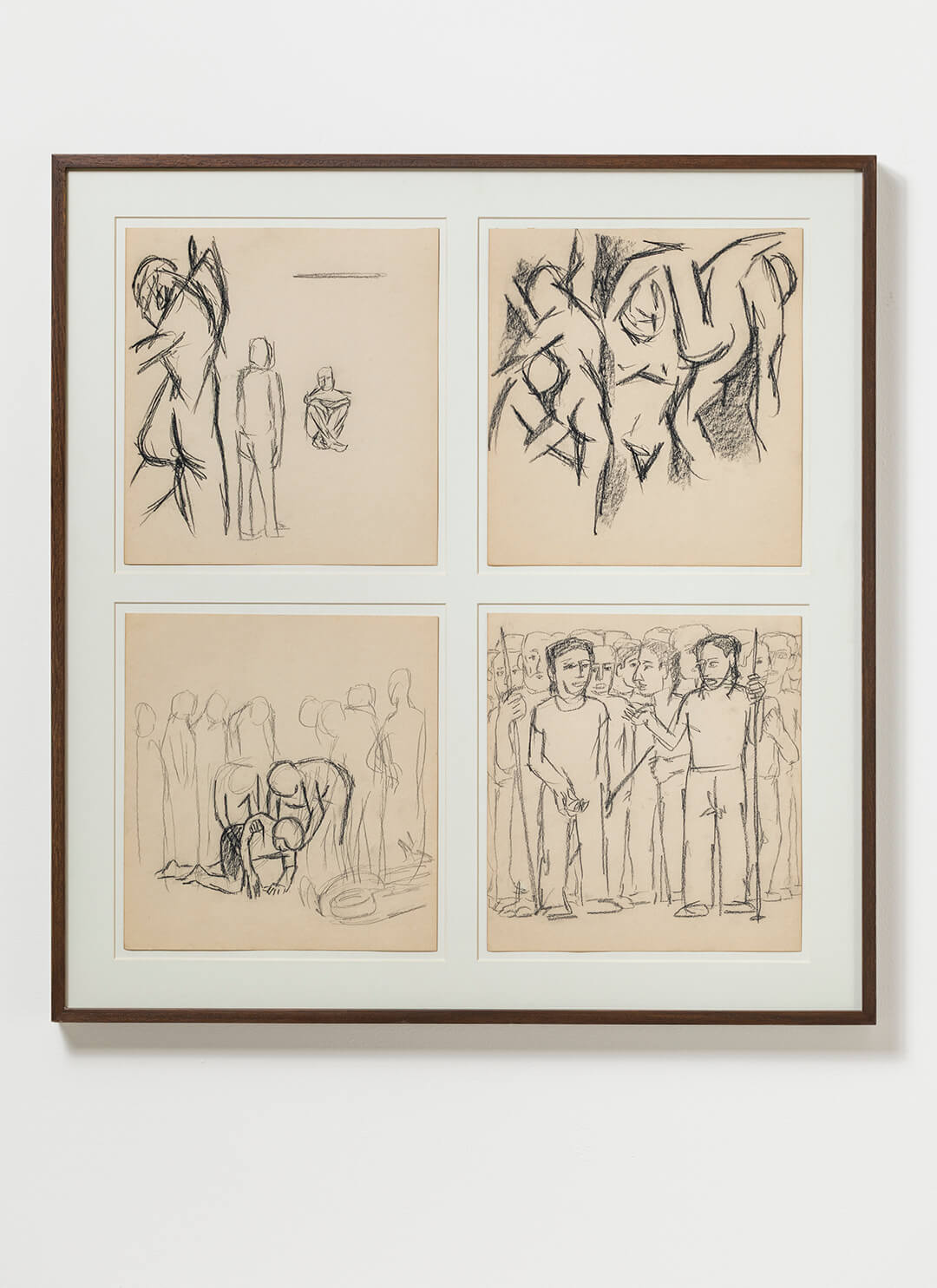
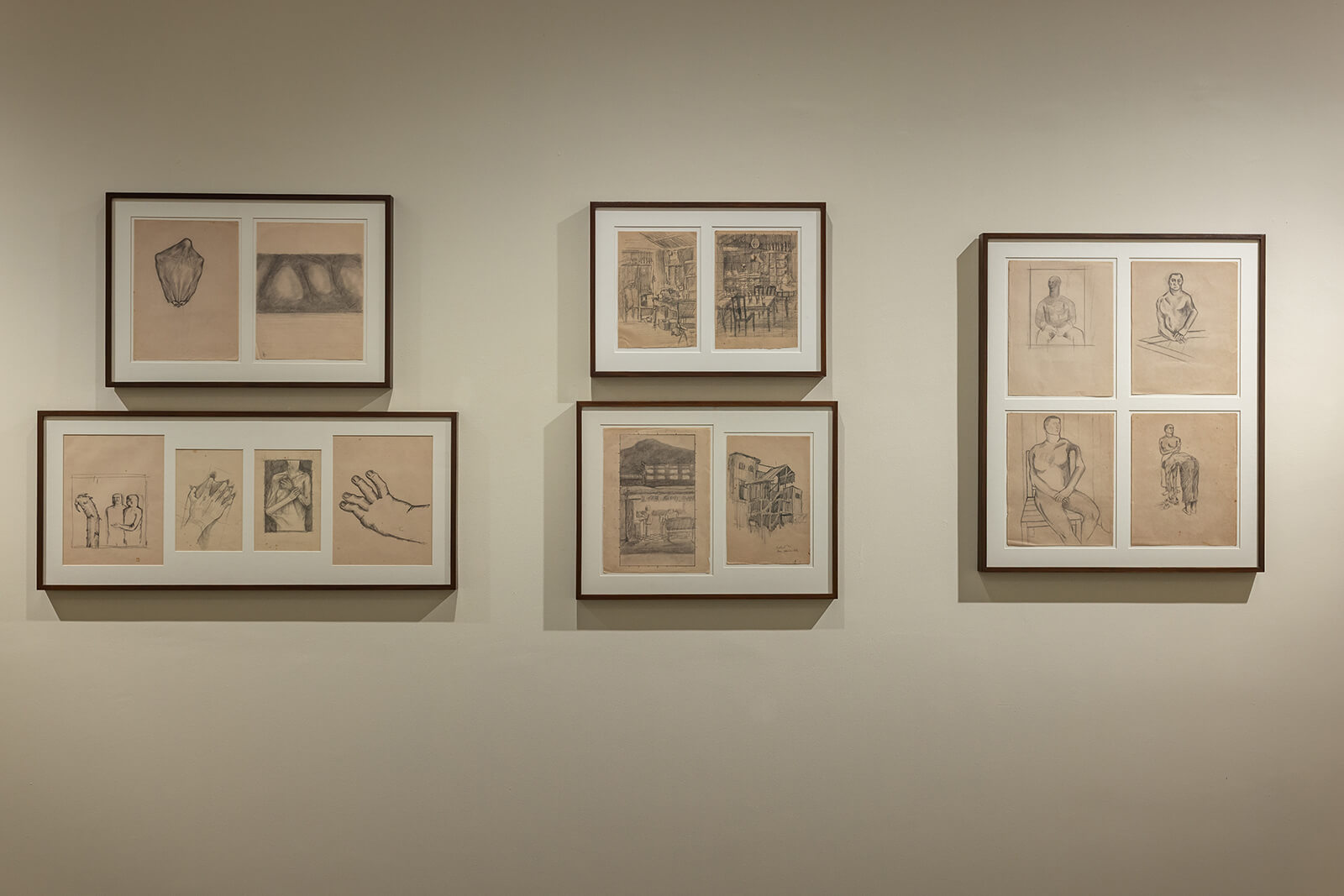
In Sudhir Patwardhan’s work, the city is never just a backdrop but a landscape inhabited by its people, reflecting their struggles and the larger social and economic realities. For more than five decades now, the doctor-artist has been chronicling the city of Mumbai and its people, reflecting on the changing urban fabric, expanding infrastructure and its contradictions. An ongoing exhibition at the Vadehra Art Gallery in New Delhi brings together drawings spanning over three decades, offering an insight into Patwardhan’s practice beyond the considered compositions of his paintings, capturing fleeting encounters, everyday gestures and the vulnerability of the human figure. Curated by Indian art historian and critic R Siva Kumar, the show, In Another Mode: Sudhir Patwardhan’s Drawings 1970 – 2000, features more than 200 drawings, from intimate sketches to independent works, executed in pencil, pen and ink, charcoal and oil pastel. In a conversation with STIR, Patwardhan reflects on the spontaneity of drawing, his enduring engagement with the people and the city of Mumbai and the works that make up the exhibition.
Vandana Kalra: Many artists talk about an intimacy in drawing that is not possible with other media. Would you agree that drawings are more instinctive? This exhibition brings together drawings from several decades. Did you intend to exhibit these when you made them?
Sudhir Patwardha: Yes, drawing is quite different from painting. There is a spontaneity to sketching, which in some ways allows you to put down what comes to mind. Painting takes much longer to evolve, and you deliberate over many more things, including the composition. So there is that kind of rigorous control. There can be spontaneity in painting too, but my way of painting has always been more realistic and worked out.
From what you see in this exhibition, some drawings acted as preparatory works for paintings, while others were sketches that I didn't really intend to exhibit. There are also independent drawings that are much larger in size and were meant to be shown. I do believe that drawings, especially spontaneous ones, can say things that paintings cannot. You are allowing things that perhaps move you emotionally to come onto paper.
Vandana: Your depiction of the changing city of Mumbai is well-known, but you have also often described yourself as a ‘painter of the people’. Could you talk about that description and how it connects with you as a chronicler of the city?
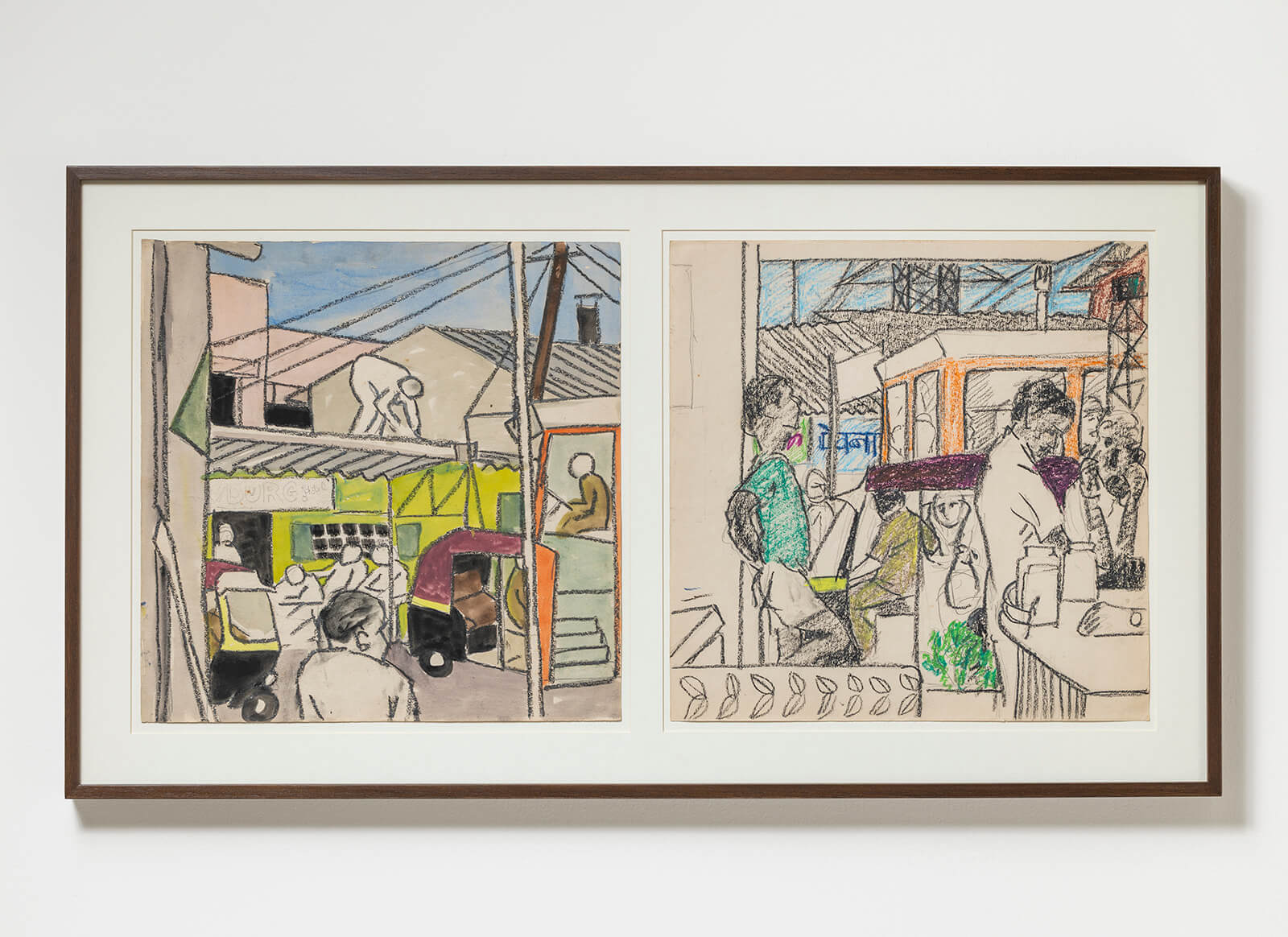
Sudhir: In the early period, I began by painting single figures, which stemmed from my interest in human beings. Soon, though, I realised that when looking at people, you couldn't separate them from their surroundings. There had to be a context, whether it was simply a table or chair or a railway platform, because the background becomes responsive to the figure itself, and the figure too responds to the background.
So the city started to come in, at first as a close-up and then as a more distanced view. As I moved back further, the figures became smaller. But all the architecture, transport and surroundings that you see are essentially in the context of the people.
When you look at a series such as Built and Broken (2024), it comes from a sense of frustration and anger about how the city was developing without keeping ordinary people in mind. We are building infrastructure for private vehicles, but no one is considering public transport or the needs of ordinary people. It was anger at such development in which the values are far removed from the needs of the people. There is a lot of hype around the changing landscape of the city, but one senses an absurdity in the situation. I connected with the Mumbai of the '70s but now can't really identify with how the city has evolved. With all the construction and development happening everywhere, it doesn’t feel like home anymore.
Vandana: Did your commitment to Marxist ideology also affect the way you depict people?
Sudhir: During the initial period, I do feel that the workers I painted came from my ideological standpoint. I saw each worker not as an individual, but as representing the qualities of that class: resilience, strength and the ability to withstand exploitation. In the '80s, after the textile strike, that focus lessened as the working class declined. With time, in fact, the distinction between the working class and the middle class became somewhat diffused.
Vandana: In 2011, in Family Fiction, you took people inside domestic spaces, followed by Spectres, where the gaze turned towards the self. How different is it to paint family or the self?
Sudhir: What I realised is that when one begins to paint family, it becomes tougher to be authentic about what one is feeling. With people you don't know, people you encounter on the streets, you have the liberty to paint the emotions you feel, because they are not around to question you. But with family, it becomes more complicated because your own interaction with them guides the depiction, and at the same time, you also have to respect their autonomy. You are constantly wondering: Is this coming out right? It is difficult to maintain that balance, and you have to be sure of what you want to say.
Vandana: You were a practising doctor who pursued your art alongside medicine. How important was the camaraderie you shared with artists such as Gulam Mohammed Sheikh, Gieve Patel and Vivan Sundaram? In 2007, you also painted an ode to Bhupen Khakhar in Bylanes Saga.
Sudhir: Not coming from an art school myself, these friendships were extremely important in helping me feel that I was part of that fraternity. I learnt a lot from each of them at various levels, and in some ways, these relationships helped me judge my own practice and identify my own errors.
Bhupen, for instance, was a compulsive sketcher, which was very inspiring. From Gulam (Mohammed Sheikh), I learnt so much about art history. Gieve, who was extremely perceptive and critical, knew how to distance himself from the work and often asked whether it depicted his true feelings and what he wanted to express.
These relationships were therefore very helpful in my own evolution. Our generation truly believed in the eclectic, borrowing from different sources, from classical to Western art, modern art and ancient art. I am still learning a lot from the younger generation now.
Vandana: Having practised radiology for several years, did that also influence the way you observe and depict the human figure?
Sudhir: It definitely did. Not in terms of anatomy, but in how to treat people. As a doctor, one tries to be right when treating a patient, and being a painter of people becomes a parallel practice. I could represent people and consciously try to give them autonomy and freedom, rather than paint my view of them. Just as a doctor must understand the needs of their patient, as a painter, too, I wanted to understand my protagonists better and portray their viewpoint.
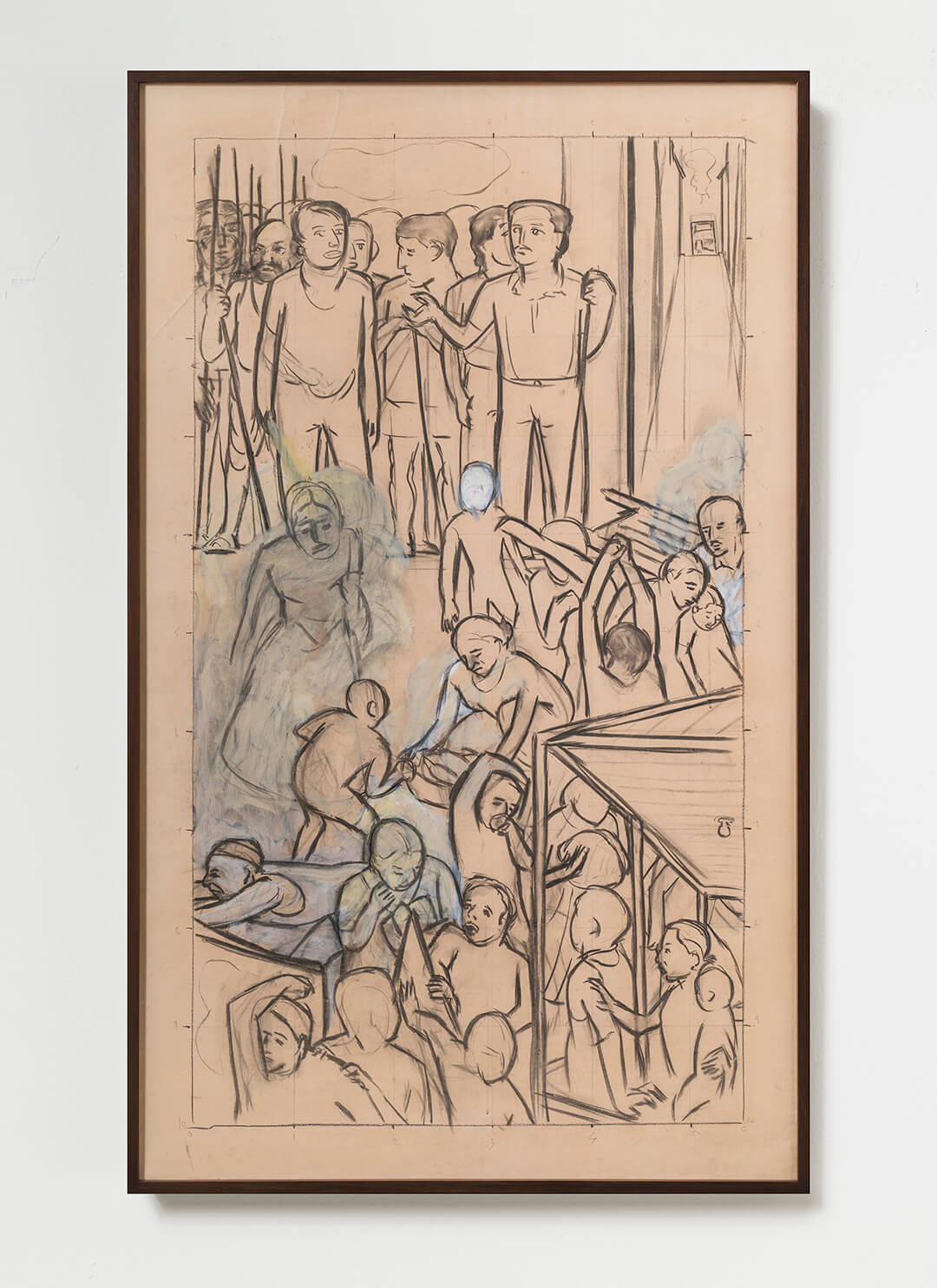
Vandana: What do you see as the responsibility of an artist today? Your work has often engaged with violence, social inequalities and the lives of ordinary people, as depicted in artworks like Riot (1998) and Lynching 1 (2023). During the pandemic, you also responded to that period's anxieties and dislocations.
Sudhir: There was a generation of artists who believed that one's responsibility was only to art, which too was a certain kind of ideology. Today it is accepted that an artist is responsible to society. More importantly, artists must also be responsible to themselves. One may be fully conscious of it or not, but one experiences what is going on in society; the suffering of others, the wrongs and the rights, cannot be disregarded by saying it does not concern me. You should be aware as a citizen, and your work should reflect that sense of responsibility. I'm not saying you need to get down on the streets or be involved in social activism, but you need to be answerable to yourself.
‘In Another Mode: Sudhir Patwardhan’s Drawings 1970 – 2000’ is on view from September 25 – October 23, 2026, at Vadehra Art Gallery, New Delhi.
by Srishti Ojha Oct 14, 2026
The first Dutch publication on the Turkish artist, the eponymous book centres on Refik Anadol: Latent City, his living data sculpture of Bruges, exhibited at BRUSK gallery.
by Srishti Ojha Oct 09, 2026
In his ongoing exhibition, the South African artist creates two post-apocalyptic futures to explore society’s relationship with textiles, patterns and technology.
by Srishti Ojha Oct 07, 2026
The Kolkata-based film festival shone a spotlight on local and international filmmakers and artists who are pushing the boundaries of what a film can encapsulate.
by Samar Jodha Oct 05, 2026
Looking at Ahmed Ali’s photographs of workers and industry within the wider history of industrial photography, from Soviet state imagery and Sunil Janah to Lewis Hine.

make your fridays matter with a well-read weekend
Enter your details to sign in
Don’t have an account?
Sign upOr you can sign in with
a single account for all
STIR platforms
All your bookmarks will be available across all your devices.
Stay STIRred
Already have an account?
Sign inOr you can sign up with
Verification link sent to check your inbox or spam folder to complete sign up process
Tap on things that interests you.
Select the Conversation Category you would like to watch
Please enter your details and click submit.
Enter the 6-digit code sent at


Sudhir Patwardhan on drawing, Mumbai and the artist’s responsibility to society
by Vandana Kalra | Published on : Oct 14, 2026


 Sign in with Google
 Sign in with email
What do you think?