Architecture05 mins. read
Linear play of form and light in Leopold Banchini Architects' Dar El Farina
by Mrinmayee BhootDec 12, 2024



by Mrinmayee BhootPublished on : Jul 03, 2026
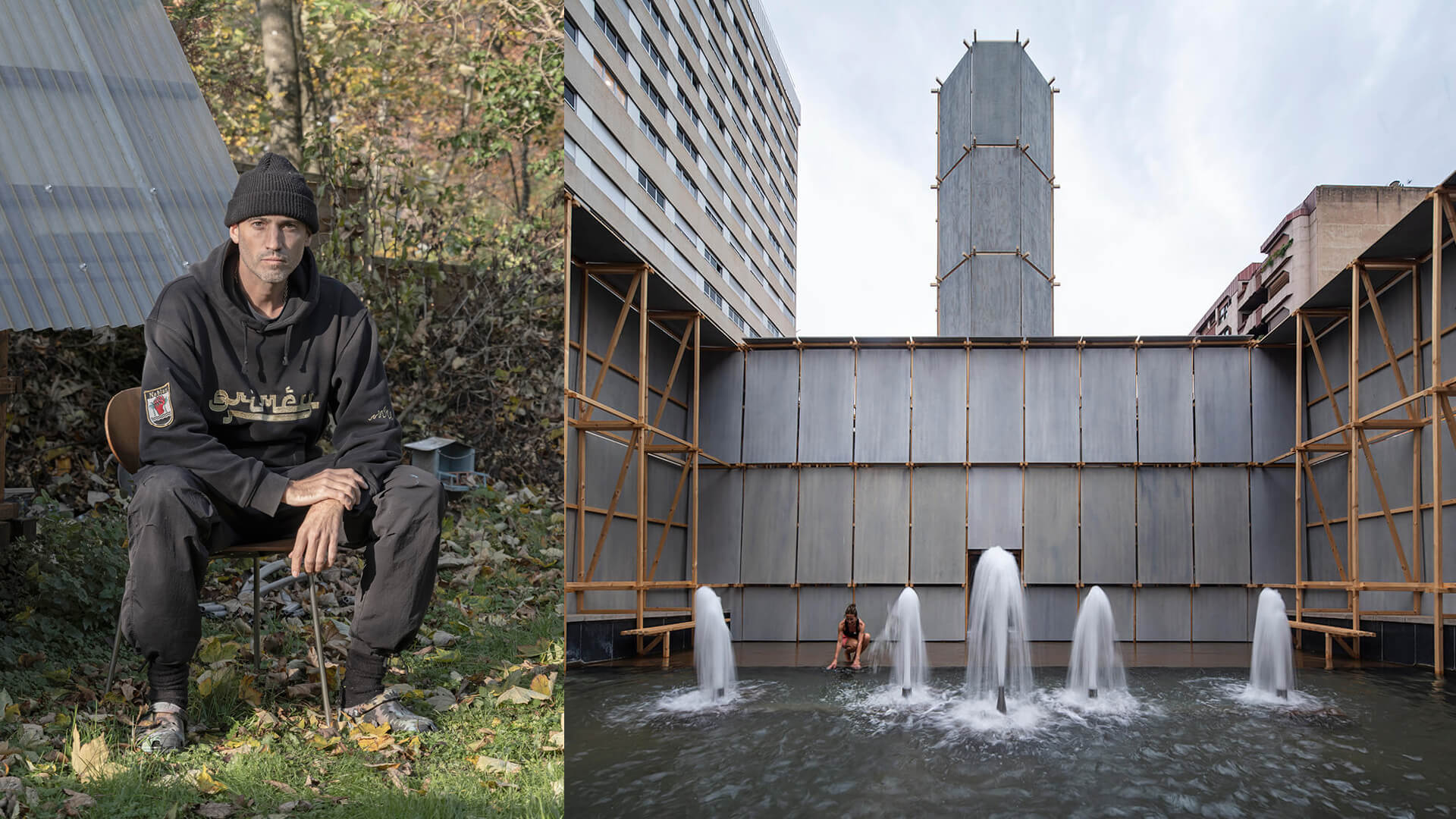
Leopold Banchini’s eponymously named studio based in Geneva is not defined by this geographical limit. Instead, he has chosen to work wherever he happens to be currently situated—whether that’s conceptualising a textile weaving facility in Bahrain, a residential design in Morocco or Australia, or working on temporary structures for various design festivals or other similar events. His particular approach to design mirrors how the Swiss architect has structured his practice—nomadic, fluid and receptive to the opportunities and even constraints of a project and its context. Each project is characterised by a distinct material language that emerges from a close consideration of contextual resource and labour conditions. As Banchini reveals in a conversation with STIR, the most crucial aspect of the design process for him is to learn with and adapt to the site.
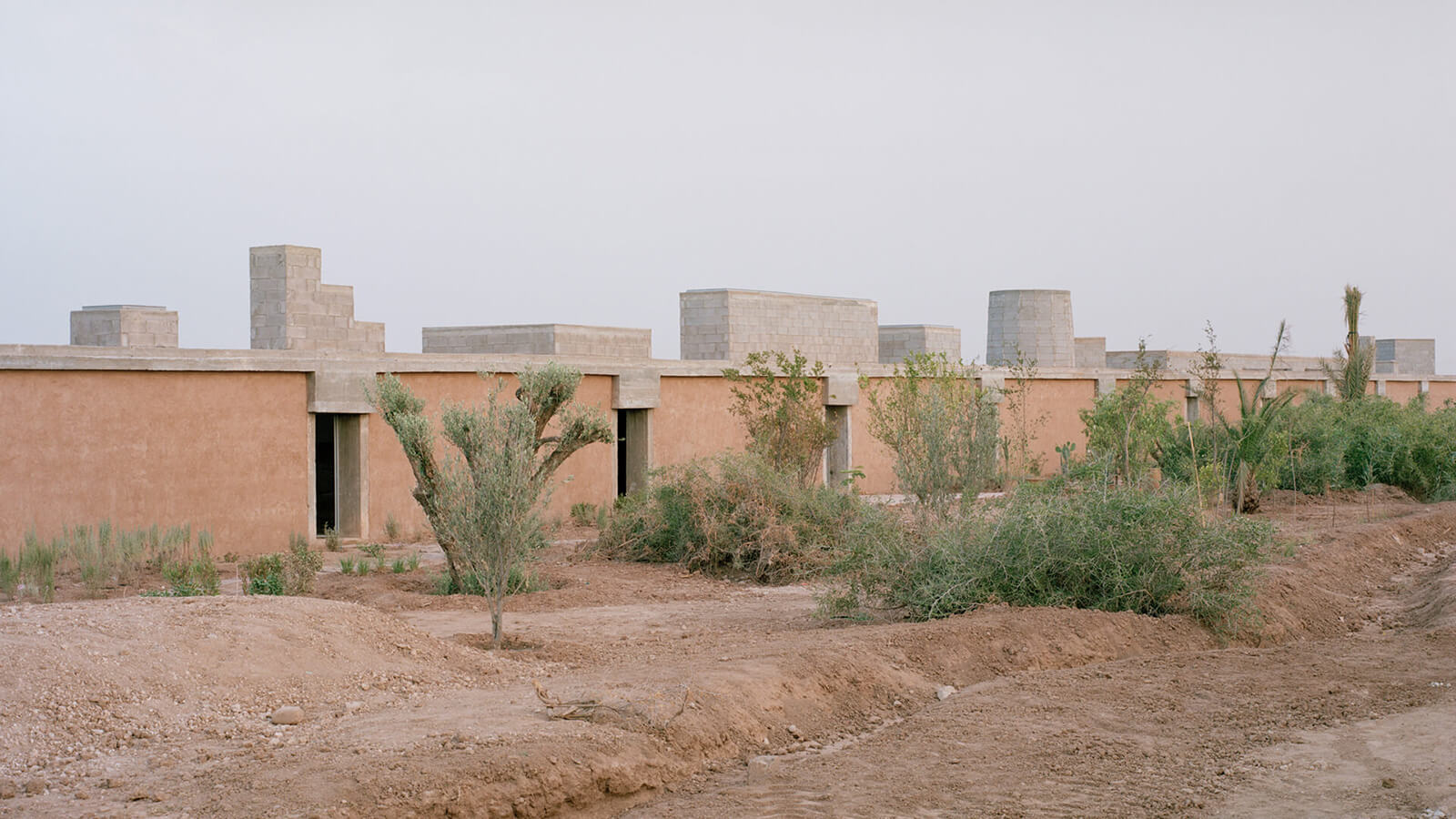
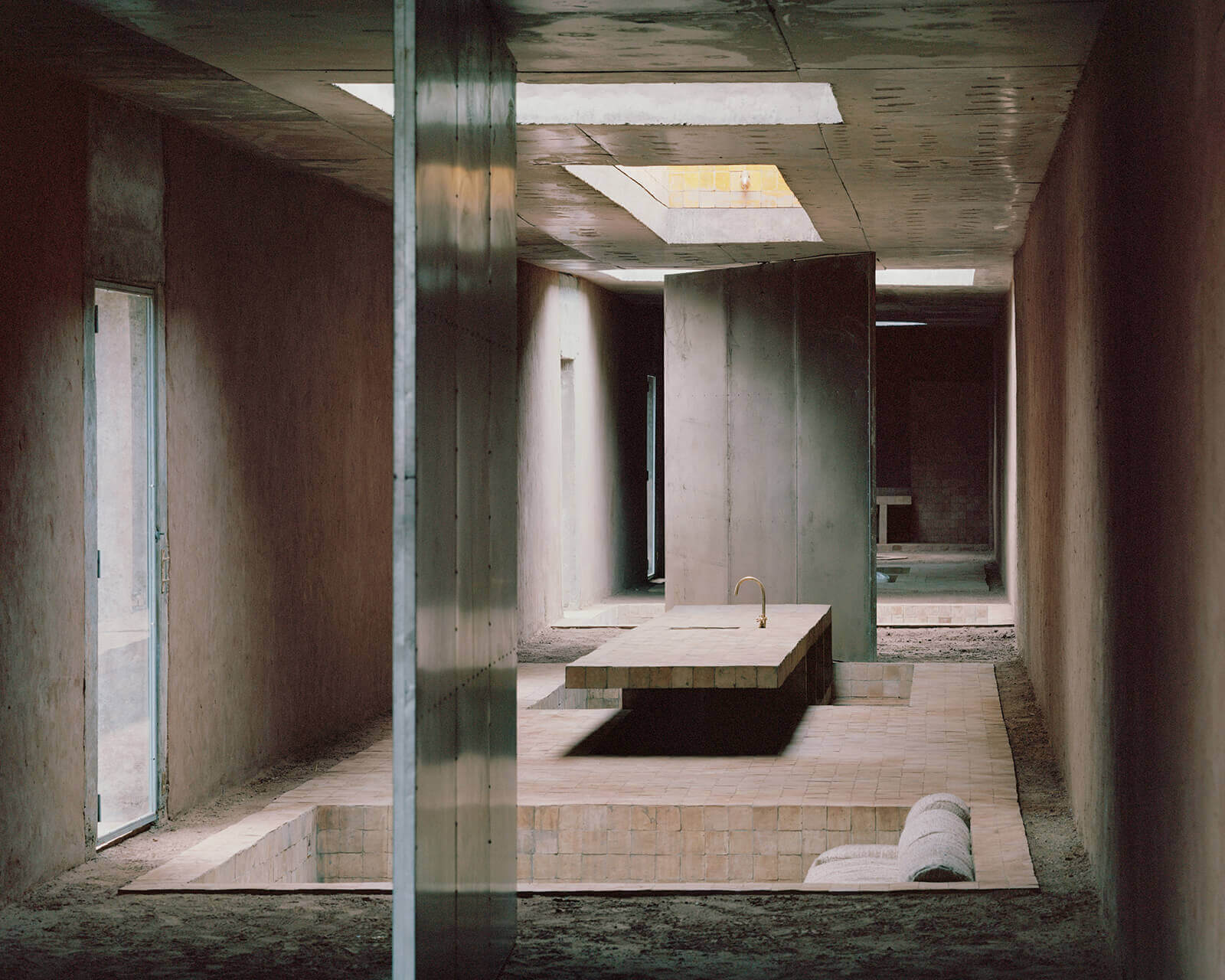
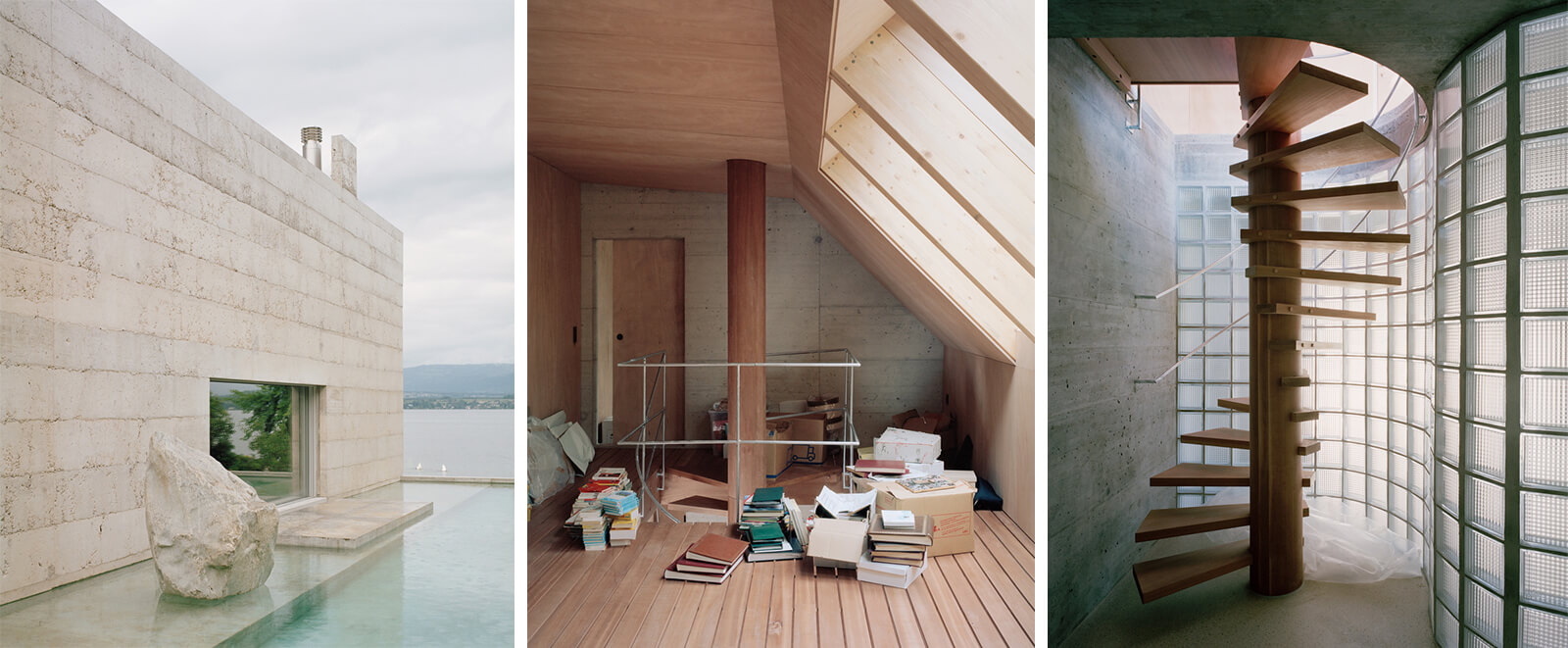
For instance, for the studio’s residential project in Morocco, Dar El Farina, Banchini worked with rammed earth architecture using techniques wholly unique to the context, with the architect wanting to test out the local building culture first. This vernacular approach translated into the overall materiality of the private residence, with foundations made from local river rocks, walls in rammed earth and minimal concrete used for the structure. The result is a building that harnesses situated knowledge with a contemporary sensibility and still feels of its place. Similarly, (or rather, quite conversely) one could consider the studio’s other residential project in Switzerland, Villa M. In terms of visual language, it feels distinct from the almost pastoral character of Dar El Farina but echoes its minimalist ornamentation. Here, the facade is rough-hewn, formed of exposed concrete, with the interiors finished in contrasting, softer wood textures. One could also look at his design for Marramarra Shack in Australia. Pavilion-like in its construction, here, Banchini designed a wooden structure to echo its surroundings. Banchini calls this dialogic approach, in tune with local ways of being, neo-vernacular architecture.
Receptivity to extraneous conditions shaping major design decisions such as material and even form in the studio’s work becomes the thread of the conversation with Banchini. This dialogue, precipitated by an interest in Shelter Cookbook, a recent publication delving into the design philosophies of DIY architect Lloyd Kahn, edited by Banchini along with curator Lukas Feireiss, sees Banchini talk not only about his particular design philosophies, but his aspirations for what the discipline could be. This future state, for Banchini, is defined by collective participation, access to design for all, temporality and perhaps a rehaul of the norms that have made architecture so ‘heavy’. Edited excerpts of a conversation centred on the costs of architecture and its insistence on immobility follow.
Mrinmayee Bhoot: Your studio’s work encompasses a fascinating range–from residential designs to institutes and most interestingly, small-scale and experimental installations. Could you tell us a little about how you approach each project and where the design process for you begins?
Leopold Banchini: I've been practising for almost 20 years now and I've always tried to work with a small office and on every type of project. From the start, my studio has worked on very small, temporary projects, but also on larger projects. We try to work at every scale globally. Another important element for my practice is that I've always tried to keep my office very mobile. I travel a lot because of my architectural practice.
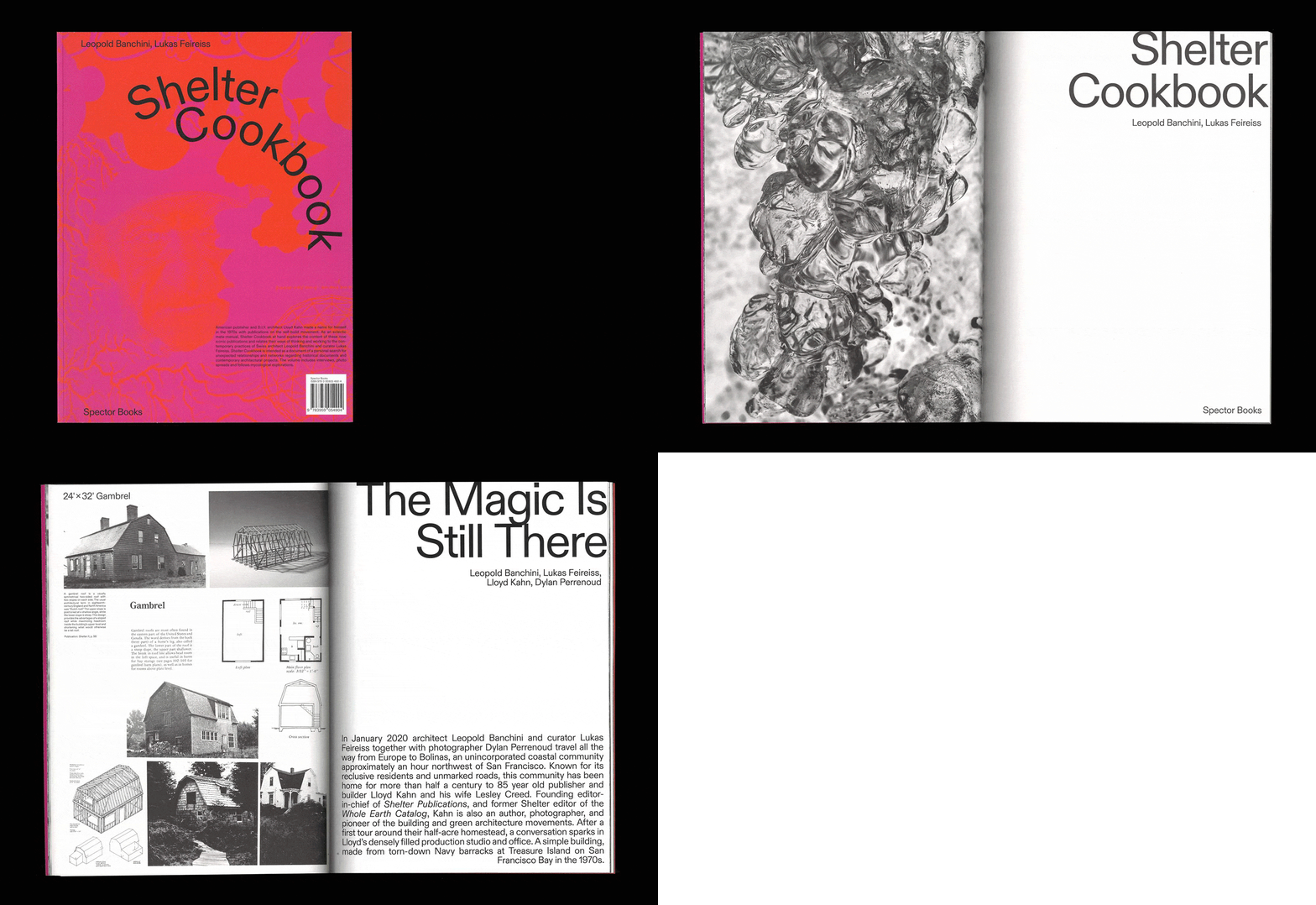
This was a choice from the start: to run an office that is not limited to one specific situation, to one specific type of project or even to one specific location. In general, my studio has been very linked with the idea of building as practise: to the idea of construction and the specific knowledge and craft of a location or a site. As such, every project really starts from an analysis and understanding of a site, its material and the knowledge that is around it, as well as the general politics of construction, which includes ecology, but also the economies of a place.
We have always been very involved in the construction process, and with that comes an interest in DIY culture. But this doesn't mean that we have, or that I claim to have any specific craft to be able to be a builder. I've been focussing on what I like to call the ‘neo-vernacular’, which is this idea of looking at vernacular architecture, not necessarily through a romantic lens as architecture from the past, but rather to look at the production of architecture nowadays—the architecture that is built without architects. I generally find that by understanding a site intently, you can figure out the cheap and available materials in the context. The goal is to understand what people would do if they had limited budgets and limited resources in a specific location. I find it is extremely informative to start from this understanding rather than from bringing preconceived knowledges or material that I am used to working with.
Mrinmayee: That brings me to the idea of DIY culture. You recently published a book, Shelter Cookbook where you juxtapose Lloyd Kahn's self-built architecture with your own. How did you discover Kahn’s work and what inspired you to create a dialogue between his architecture and your own?
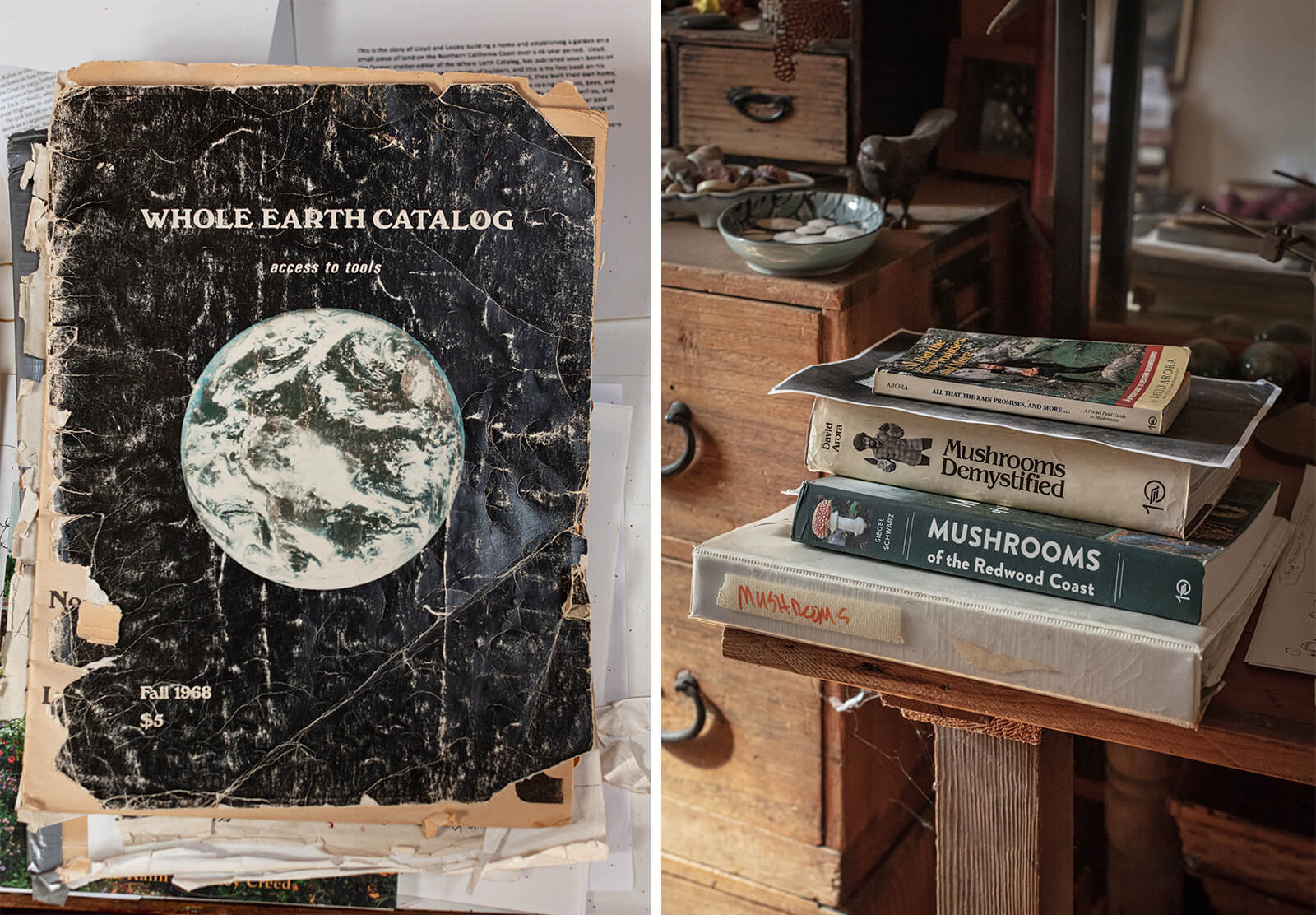
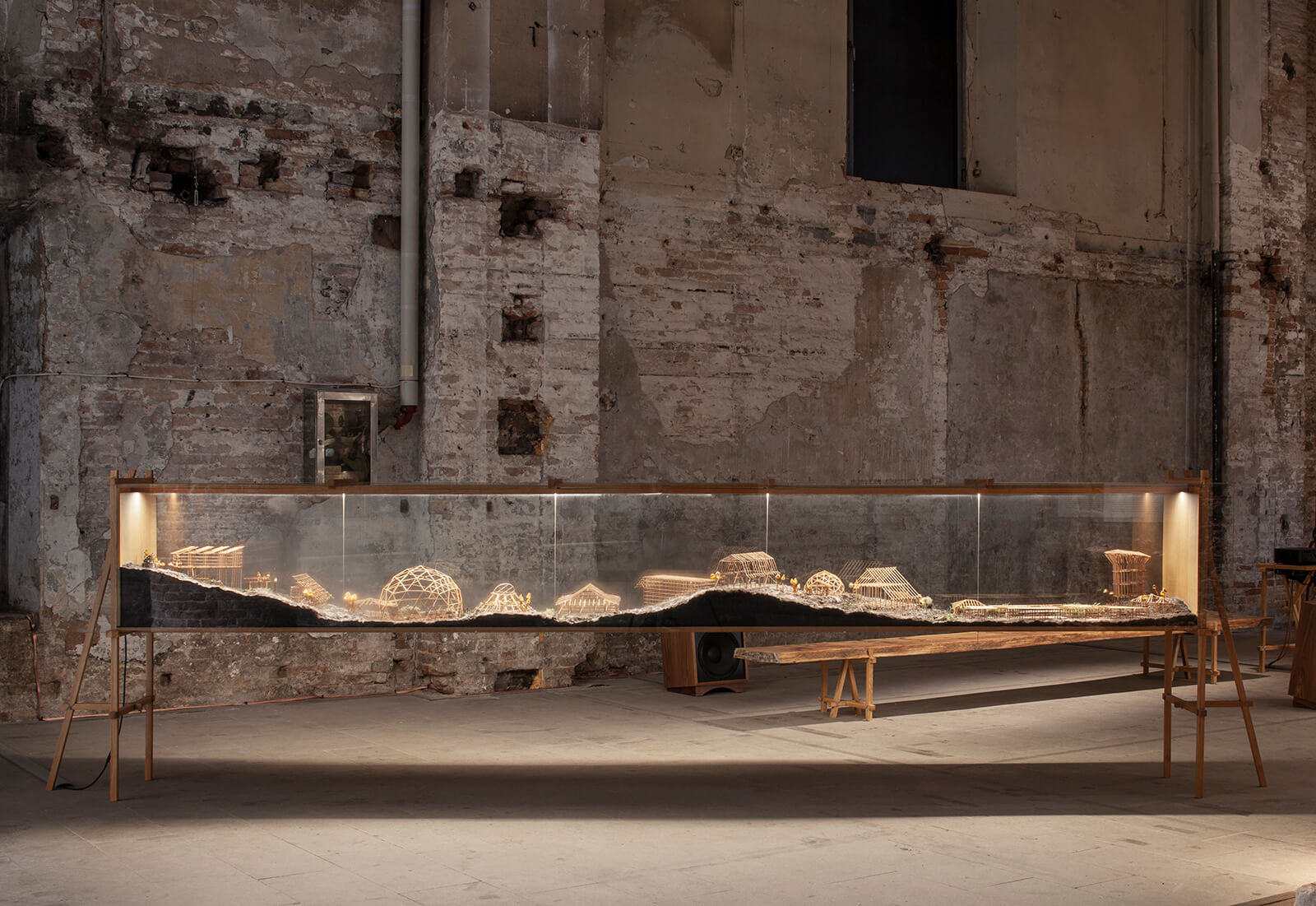
Leopold: The story started with the Venice Biennale in 2021. It was COVID years so it had been postponed. But at the time, the Biennale asked for me to present a few of the projects that I had done. And I was not that interested in presenting projects. I think projects have to be built and then they can be experienced. I'm not interested in representing projects that have already been built. At the time, I had found a book by Lloyd Kahn, Shelter, and I was really fascinated by it. I was finding a lot of commonalities between this book and my work. So I decided to work with his propositions and present his long legacy on architecture.
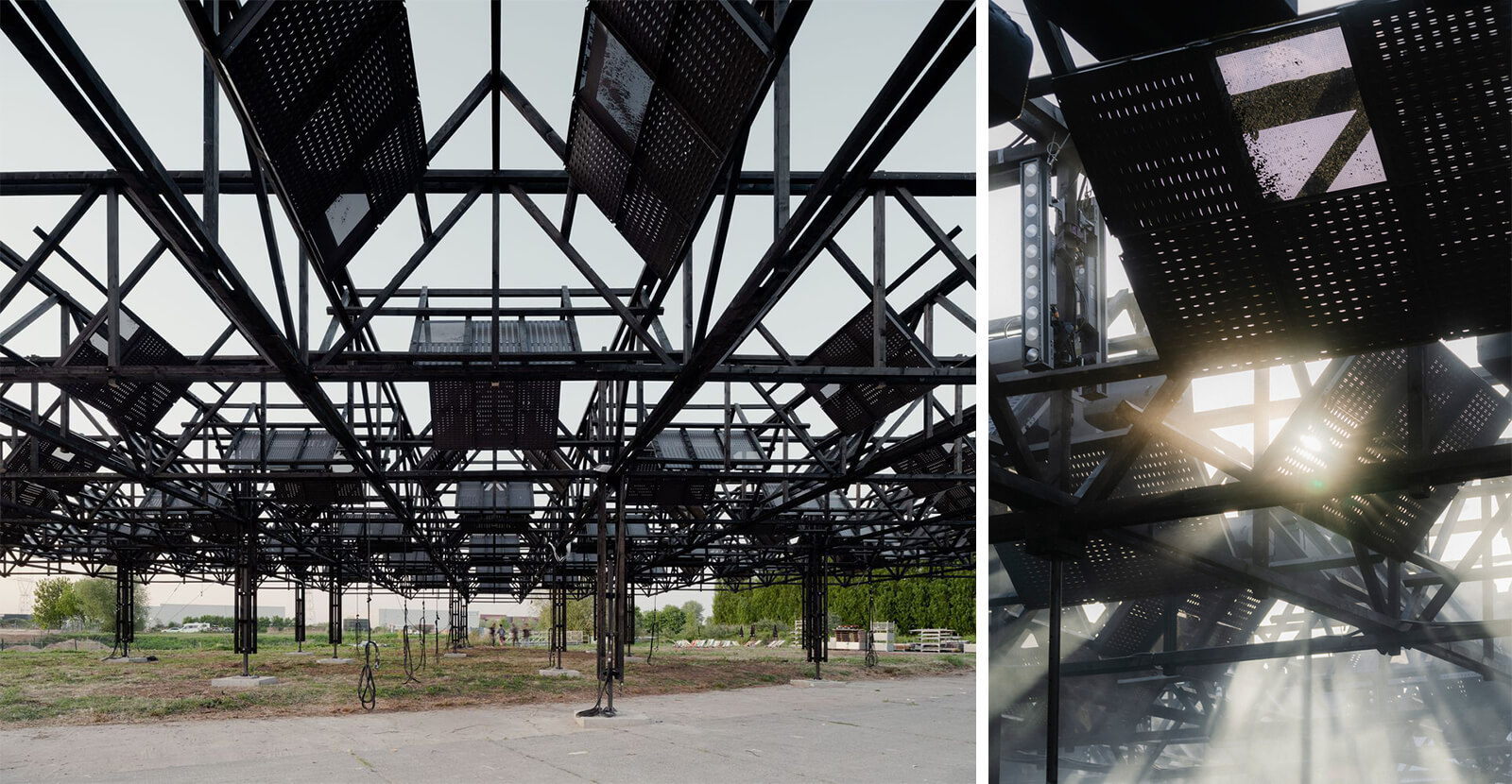
The book, for those who don't know, provides a compendium on DIY culture. It's essentially a guide to help people build. It was published in the seventies, and it's part of the American counterculture which is a long lasting political movement that I believe has completely shaped the world we live in now. There are many elements in Kahn’s book and his life that I find really interesting. Lloyd is not an architect, first and foremost. He's a self-trained builder, who wanted to share his know-how. You could compare it to the Whole Earth catalogue, which was a general guide giving tools on how to live independently from the state. What I love about the book is this utopian perspective. I really believe that architecture has to be utopian, not just on a theoretical level, but that we have to have utopian goals when we design. We cannot just be down to earth. If we believe that a better world can exist, our architecture has to be utopian when it's produced. And that's why, for me, Lloyd’s ideas are very dear to my practice.
Mrinmayee: Building on that, I am very interested in what materiality means to you and how you arrive at what the materiality of a project should be? I’m thinking particularly of your residential project in Morocco, Dar El Farina and how sublimely it employs rammed earth architecture.
Leopold: I think materiality is always a big part of any project, but I really see it rather as a result of choices made during construction. What I'm really interested in is rather the construction. The process starts there and materiality comes through when expressing this construction process, expressing the work of the people who have been building the project. This is again a political view of what architecture is, and it contrasts with modernist ideologies. I think in many ways, modernism was trying to erase the surrounding and create pure spaces within a tabula rasa. That carries through today when we're often erasing the reality of construction.
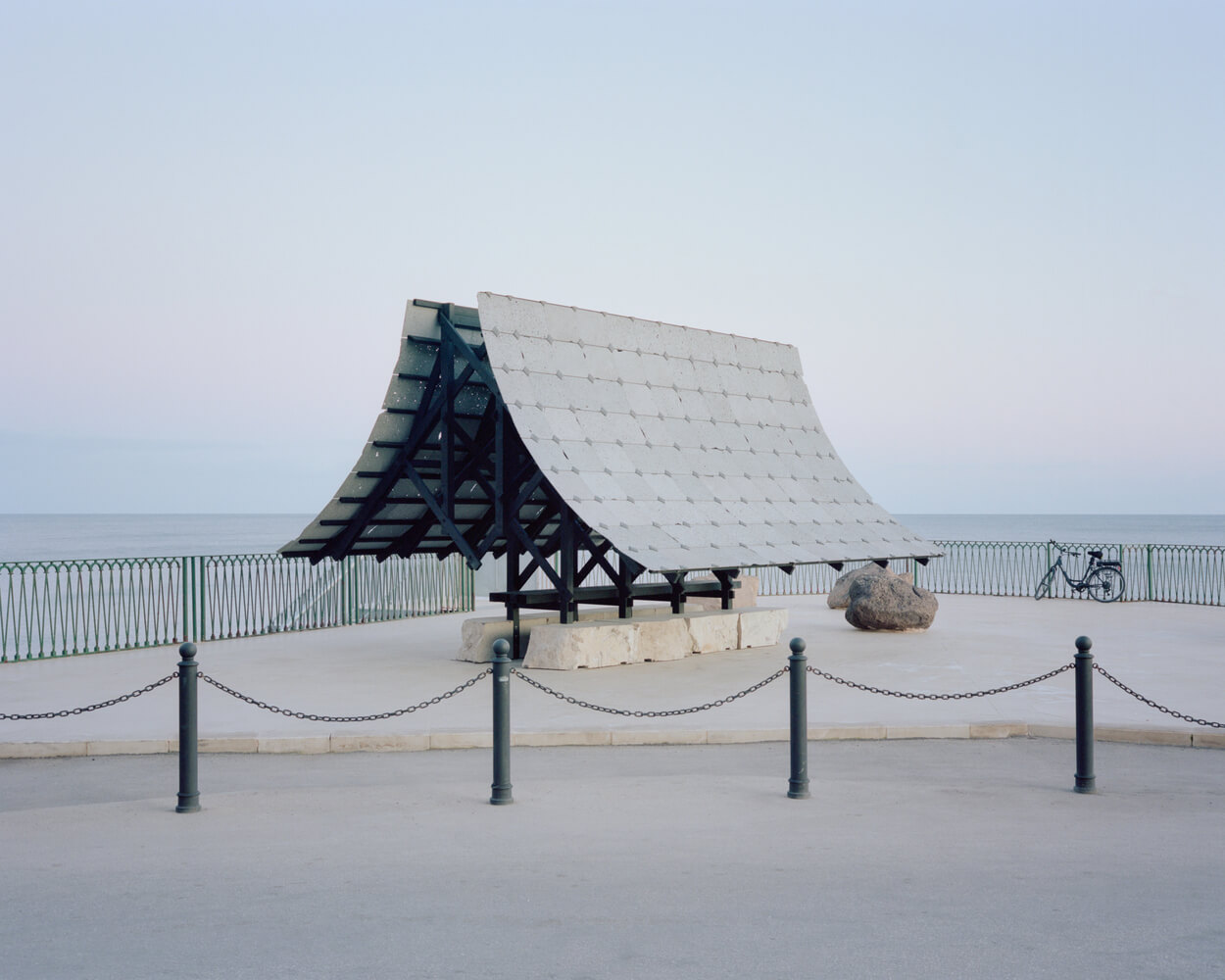
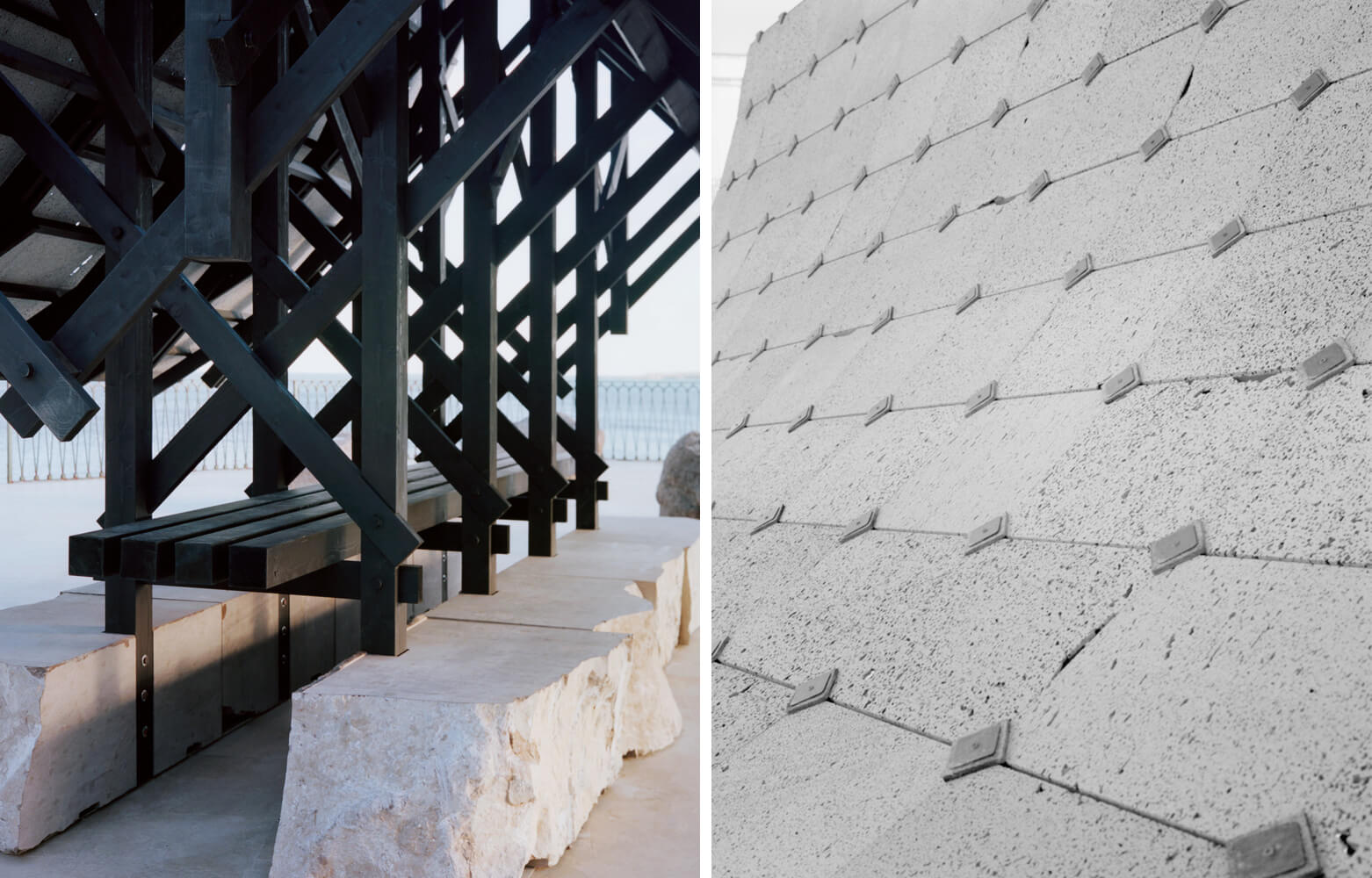
In the case of Morocco, if I take this example, I think the first construction element that one thinks of after spending time there is soil. Historically, communities have employed it as the main material for building, especially through rammed earth. And so, it was germane for us to continue working with that technique and to use these materials. That was the starting point for Dar El Farina. From there, the task became that of negotiating with the tools. The first understanding was that the tools that are traditionally used are made to create straight walls. And if you want to make a curved wall, you have to completely change the tool and the process that is currently used locally.
I would also say that at least in terms of construction details and how things are built, these things evolve through the relationships that you develop with the site, the people–builders, companies, engineers, local architects and with the client of course. I think the role of the architect is certainly to make schematic drawings so that the construction process can be smooth. But at the same time, these drawings should be adaptable: they should get more detailed as one gains better understanding of the concurrent conditions and really understands some of the politics of the site. I know that architects are often scared to speak about politics. But capitalism has a huge influence on the way we think of architecture. And if you want to challenge these ideas of capitalism, you do need to challenge the way you build as well.
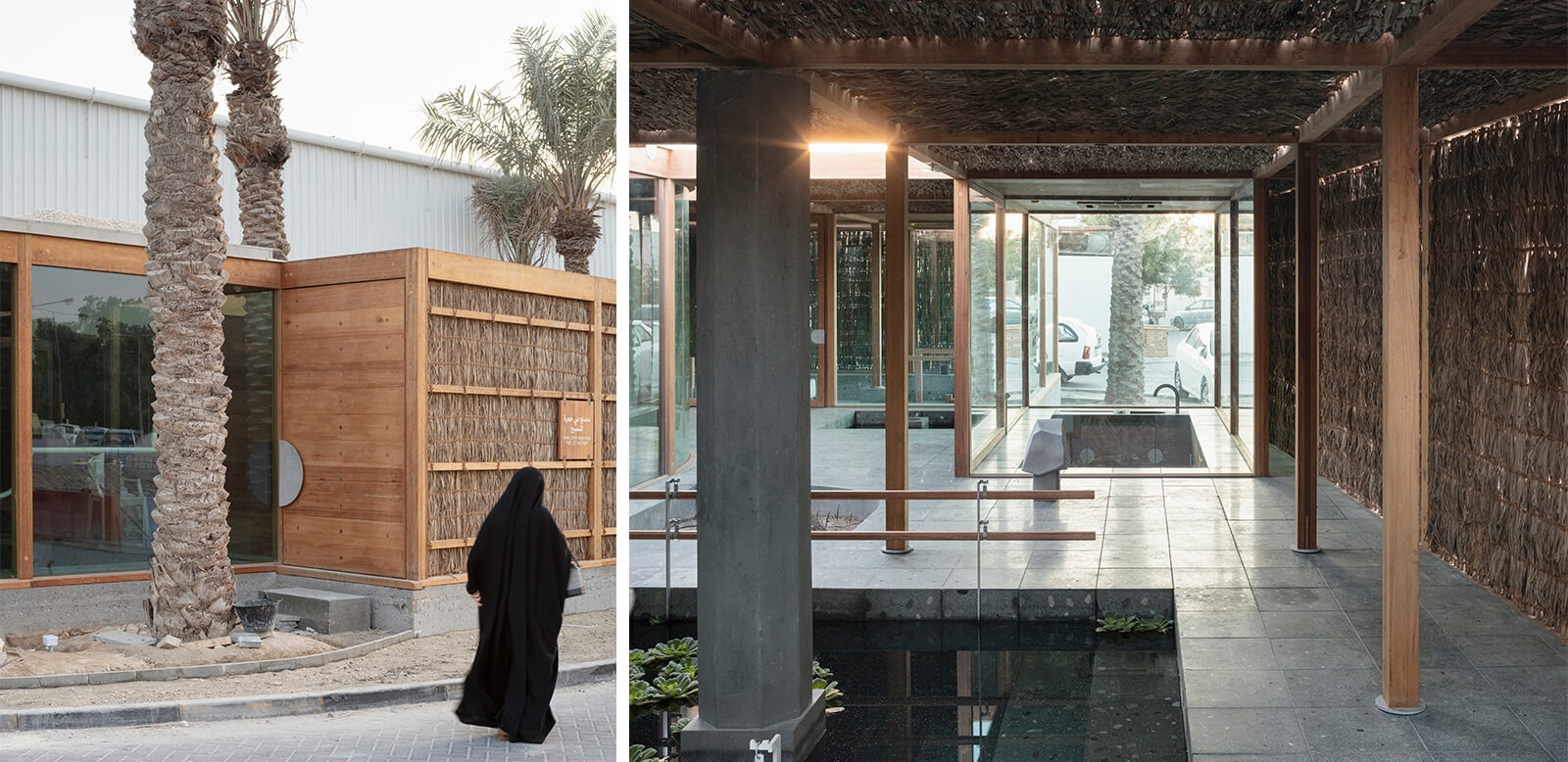
Mrinmayee: Since we’ve touched so much on the construction process, I’m curious to hear you talk more about a very distinct visual language in your temporary installations. They’re almost austere, with detailing that seems quite precise and nimble. Could you tell us a little about how you approach a temporary installation in terms of this idea of construction versus something more permanent?
Leopold: As I said before, temporary installations have always been a crucial part of our practice. And I think that there is a reason or there's many reasons behind it. The first one is that usually, since these projects are meant to last a very short span, they have to be extremely economical and they have to be built in a very simple way. And I love this constraint.
I think the second part is that, because these installations are temporary by definition, there are fewer rules. We can often play with the usual construction norms. If I think of Switzerland, where I'm based now, such regulations are extremely restrictive. While these are important—they are there to ensure that buildings are well insulated, that they are resistant to fire, to earthquakes etc—but as a result, the spaces architects end up designing remain formulaic. We accumulate these rules and at some point, architecture becomes extremely heavy, extremely expensive and risk averse. And as such, directed to a small part of the population. In Switzerland, for example, only a few people can imagine building a house because it has become so expensive.
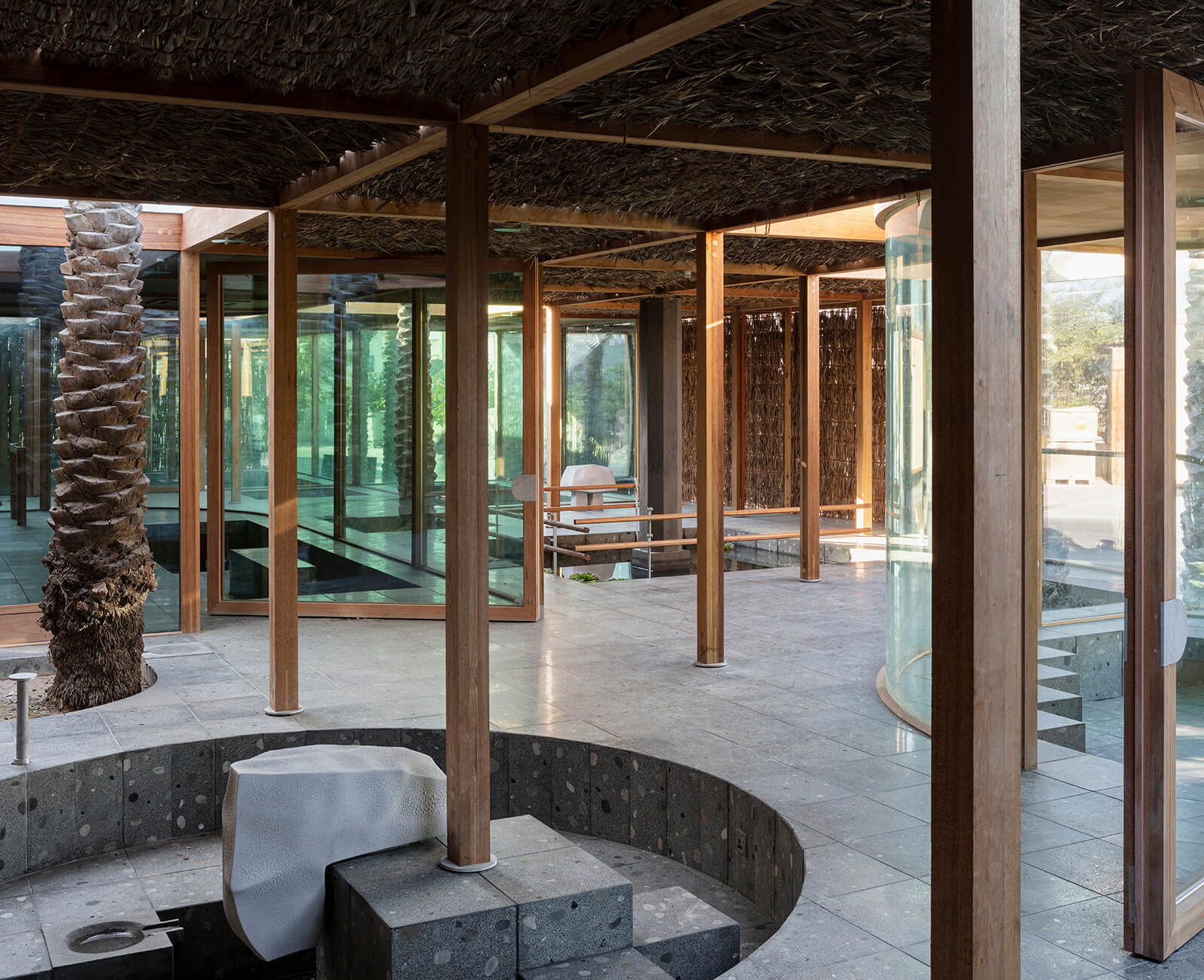
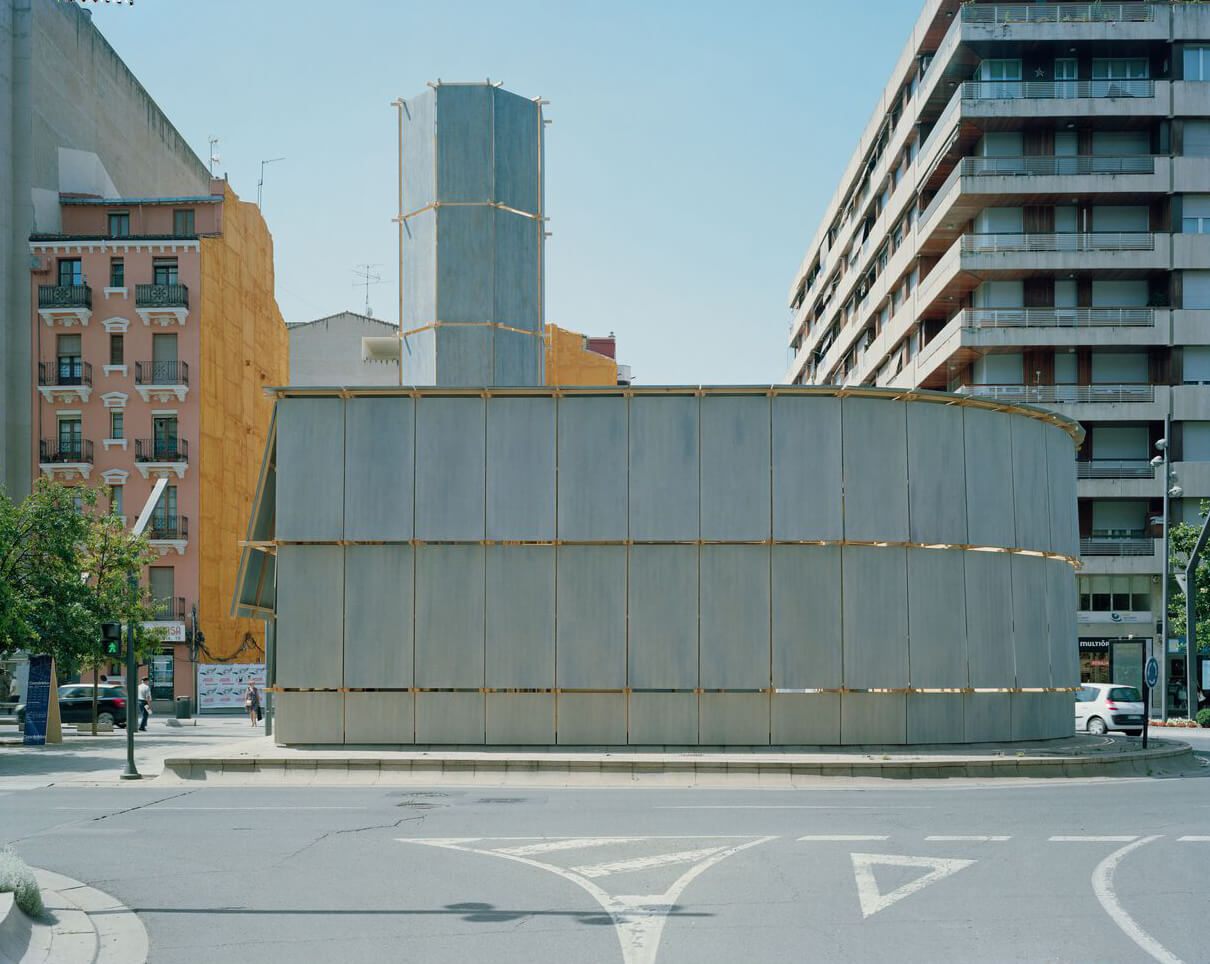
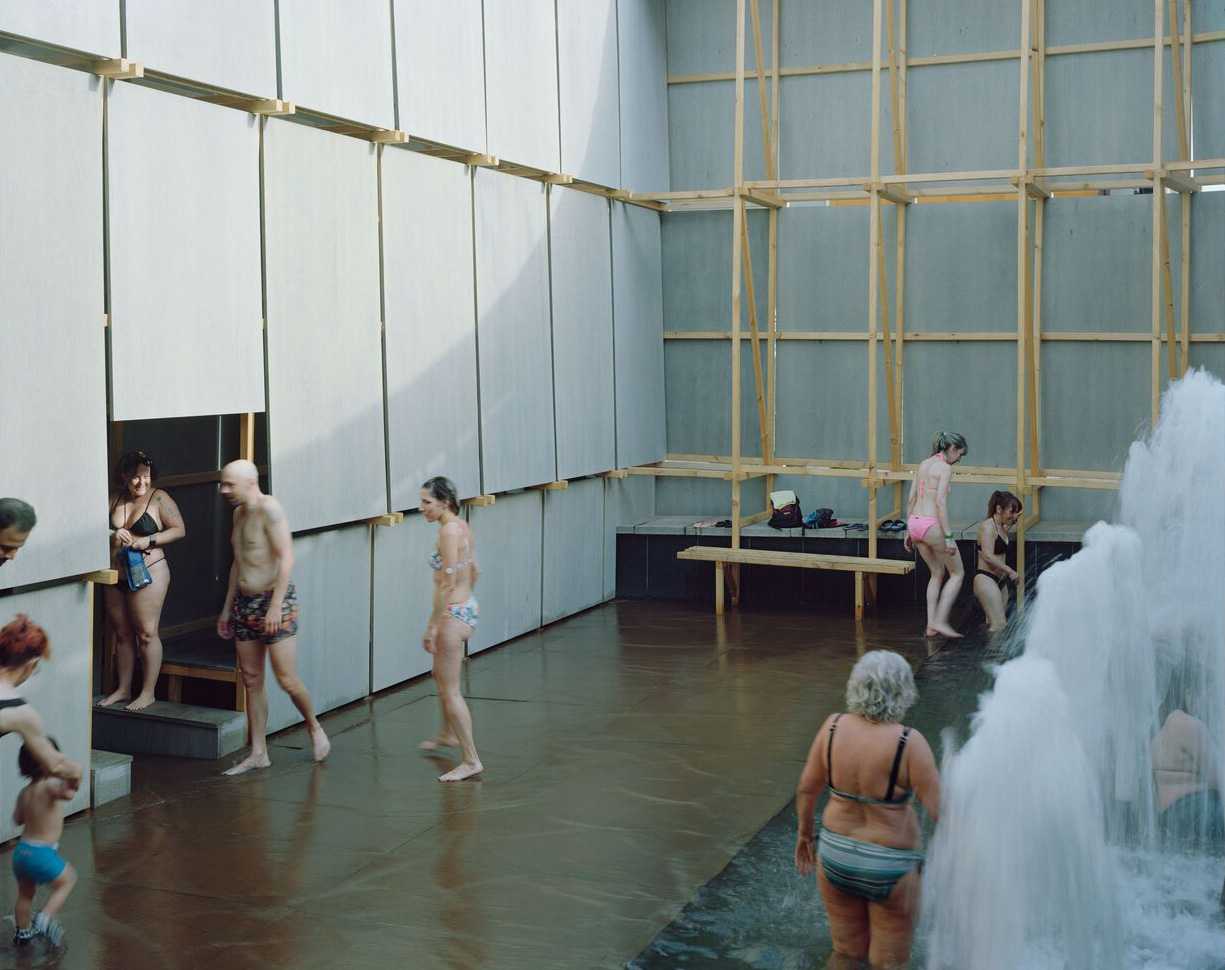
I find installation designs are spaces in which [architects] are allowed to be a bit more creative; they are research grounds. Not only in terms of construction, but they can also be used as experiments for manipulating how people move through space. Sometimes, these installations can engender social situations and spaces that would be very difficult to build in a permanent fashion. Lastly, we often manage to build such projects in a collective manner, which is my dream when it comes to permanent architecture as well, but it's much more difficult to convince a client that you will build a house or a building collectively.
Mrinmayee: What are you most looking forward to working on this year?
Leopold: I just had a third child and my primary goal is to focus on spending time with them and making them discover the world. I think this is definitely my top priority. And it has been for the past few years. But if I think about architecture, I think I am at a point–and I was speaking about my kids, because I think they are part of a shift also in my practice–where I do need to become more sedentary. I now need to redefine this idea of my practice as being site-specific because I'm able to travel less with the project, and I think that’s great.
My most exciting plan for the immediate future is to build a house for myself and my kids in a place where I can only use materials that are available on the land. And I don't know where exactly it's going to be, but it might be in Australia. It might be in Switzerland. But basically, that is my most exciting goal for the year to come.

by Mrinmayee Bhoot Oct 12, 2026
The new Centre for Contemporary Arts, fostering public engagement with art in Uzbekistan, is housed in a tram depot refurbished by the French studio, emulating local craftsmanship.
by Mirra Lynn Oct 10, 2026
The Shanghai-based architecture practice’s intervention in Suzhou transforms three abandoned houses into a bookstore, café, library and homestay.
by Pranjal Maheshwari Oct 09, 2026
The eighth edition of the international architecture and urban design showcase, themed How Much?, explores diverse implications of social, ecological and economic ‘cheapness’.
by Pranjal Maheshwari Oct 06, 2026
With a programme focused on biodiversity, accessibility and safety, the Rotterdam-based architects help the neighbourhood reclaim a barren landscape as an integral social node.

make your fridays matter with a well-read weekend
Enter your details to sign in
Don’t have an account?
Sign upOr you can sign in with
a single account for all
STIR platforms
All your bookmarks will be available across all your devices.
Stay STIRred
Already have an account?
Sign inOr you can sign up with
Verification link sent to check your inbox or spam folder to complete sign up process
Tap on things that interests you.
Select the Conversation Category you would like to watch
Please enter your details and click submit.
Enter the 6-digit code sent at


Swiss architect Leopold Banchini on the agility of neo-vernacular architecture
by Mrinmayee Bhoot | Published on : Jul 03, 2026


 Sign in with Google
 Sign in with email
What do you think?