Architecture16 mins. read
The "essentialist perfection" of Miesian collective housing with Fernando Casqueiro
by Jerry ElengicalMar 27, 2023



by Mrinmayee BhootPublished on : Aug 07, 2026
The innocuous phrase ‘white picket fence’ evokes a distinctly idealistic image. It is symbolic of a certain way of life, one which is content with/in a detached home, a verdant lawn and a garage, far enough from the chaotic city centre to be peaceful, calm and, vitally, safe. It’s the image that has—despite criticisms of its sprawling approach to urban planning and a now-contemporary, newly dawned wariness of the benefits of American liberalism—sustained the ‘American way of life’, spreading to countries vastly different from its context. What, after all, could be more fulfilling than living in a house you own?
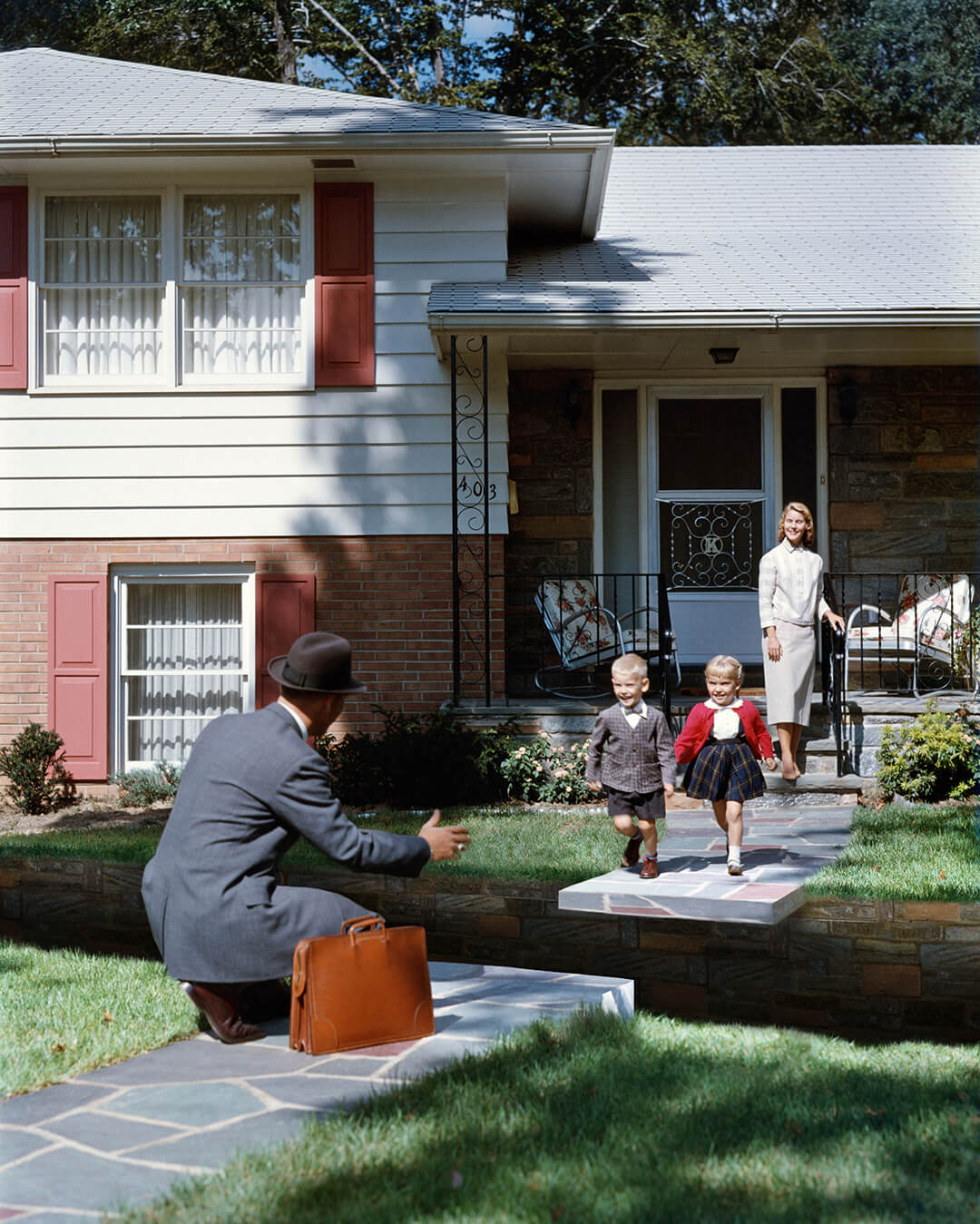
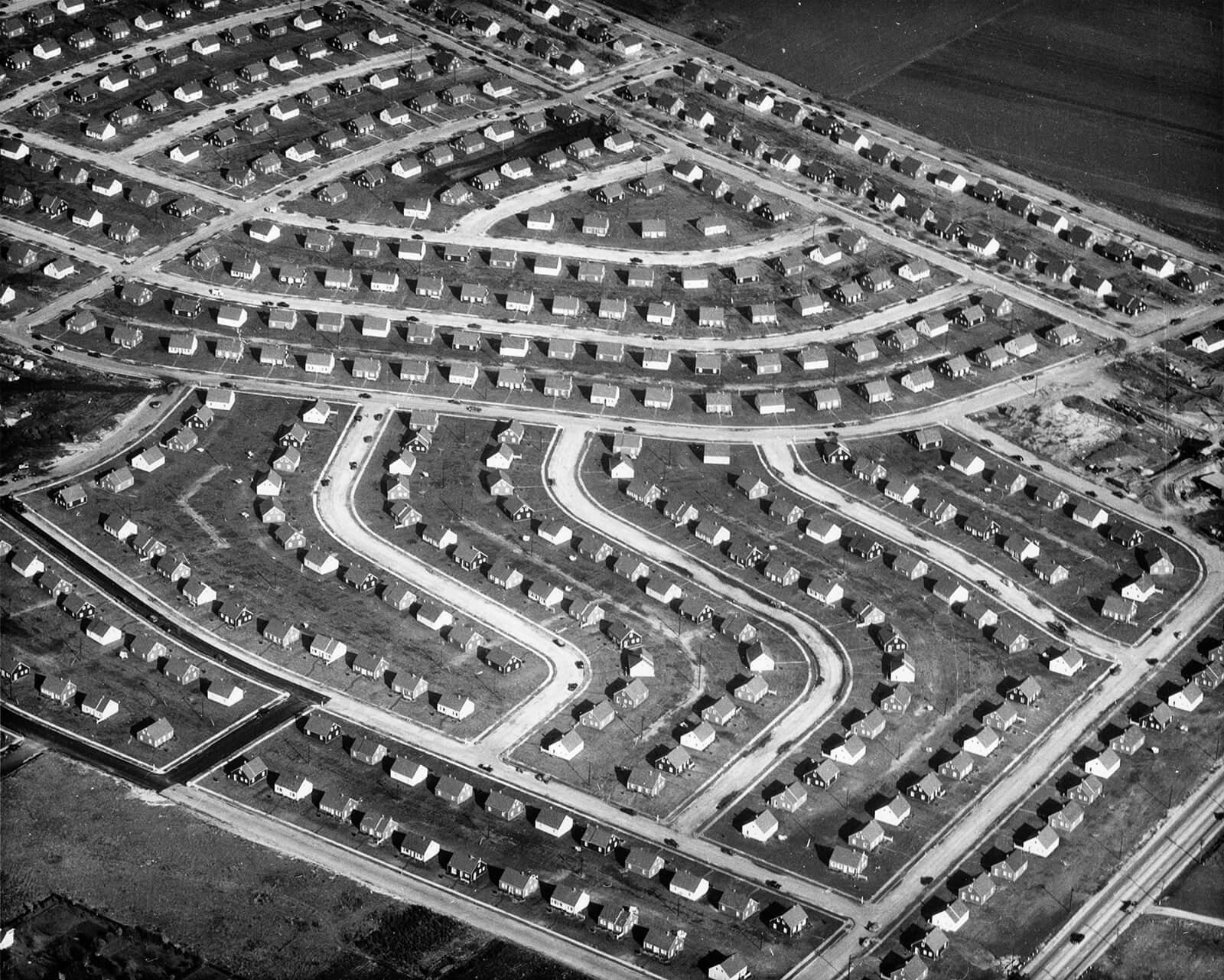
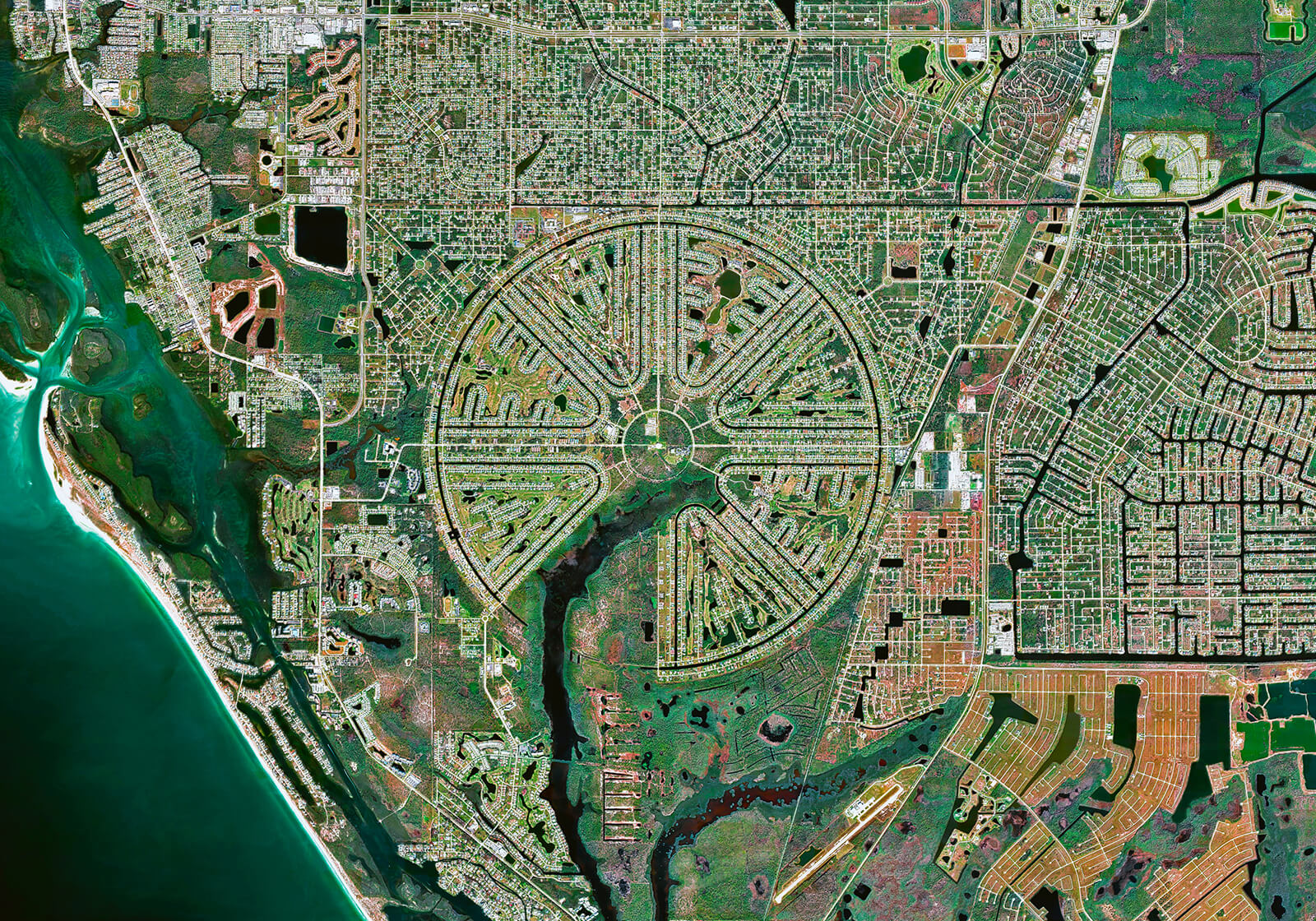
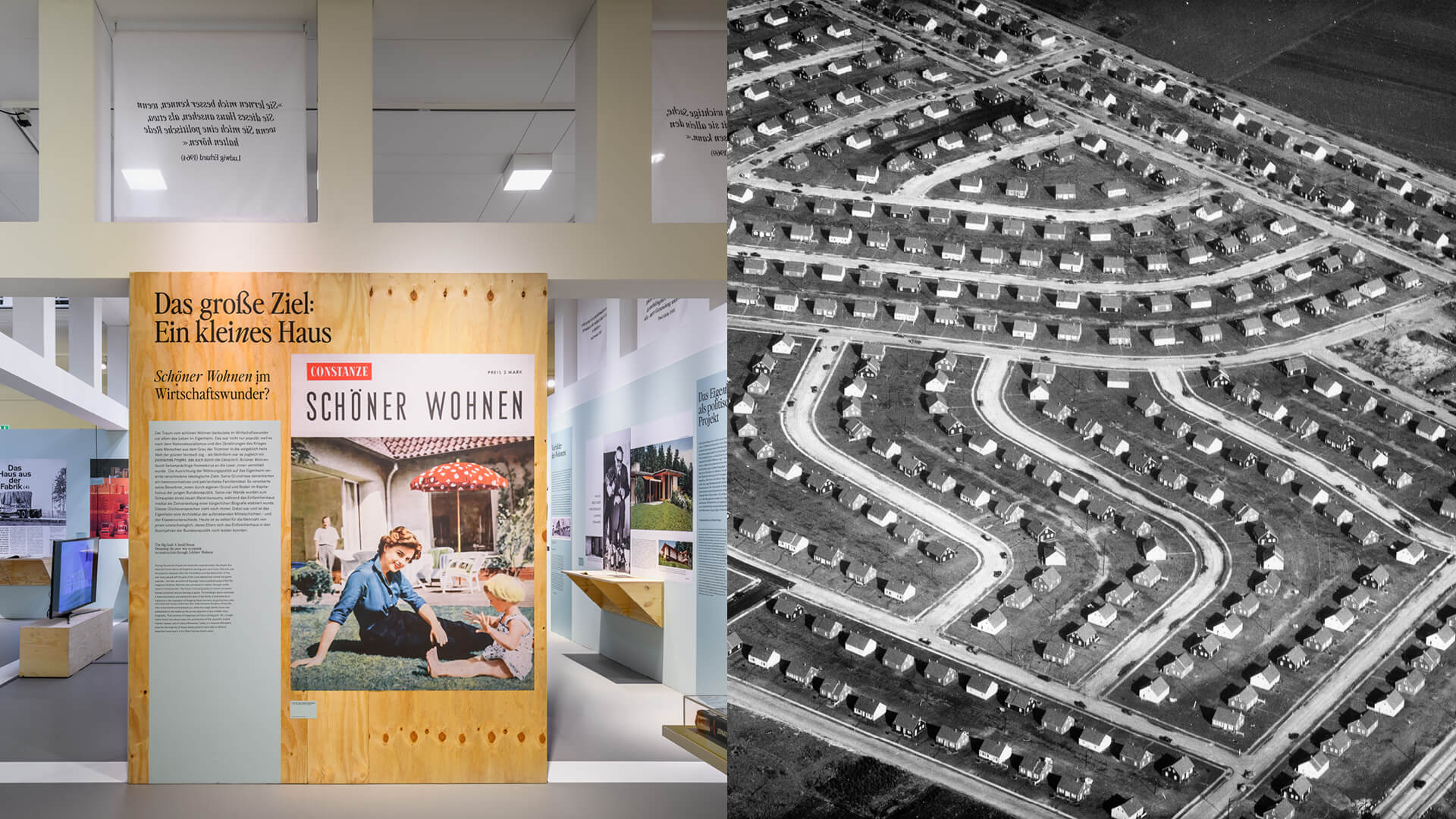
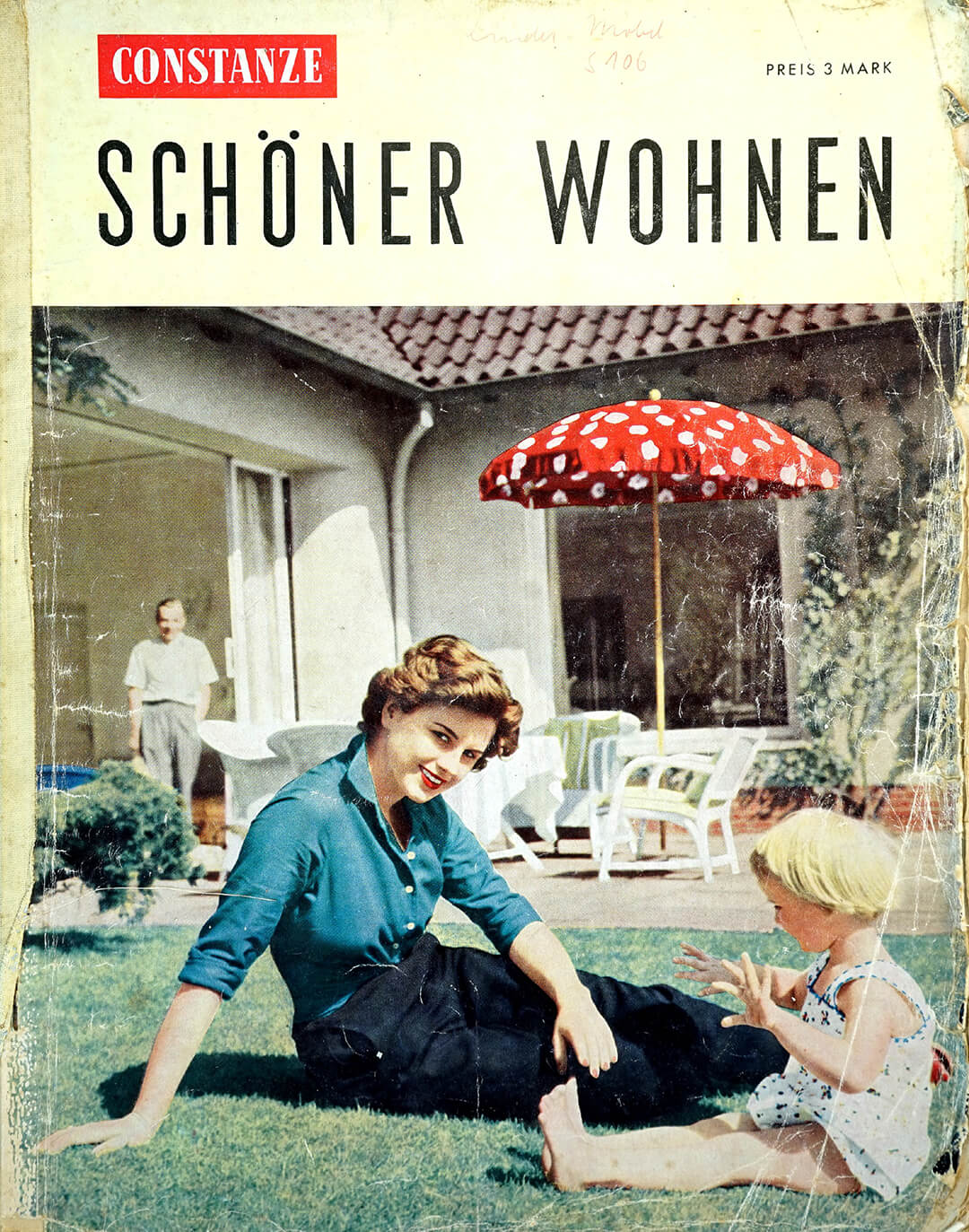
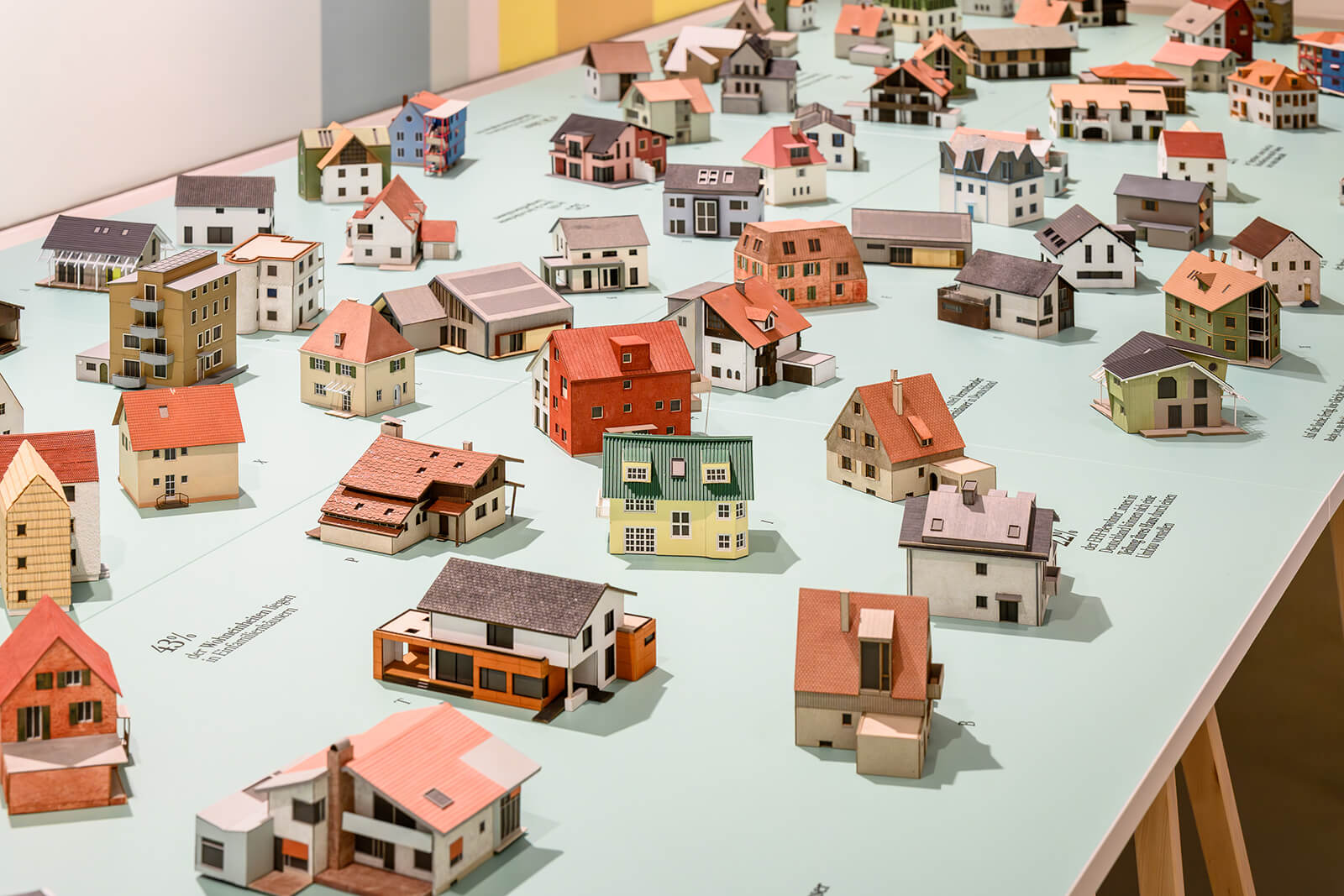
Single-family housing continues to account for the majority of residential developments in the United States, with eight out of ten Americans living in the suburbs. This is despite land and resource shortages, and the gradual move back to urban centres where current generations either cannot afford homes, or there are none to begin with. Tracing the development and relentless cross-contamination of suburbia in post-World War II United States and parallelly in Germany during the same period, an architecture exhibition by the Centre de Cultura Contemporània de Barcelona (CCCB) and Deutsches Architekturmuseum (DAM) in cooperation with TUM Munich examines how mediatic representations by magazines such as Schöner Wohnen (literally translating to Beautiful Living) valorised suburban living as desirable, and by all accounts, aspirational. It highlights how these magazines in turn promoted a certain idea of family tied to residential design and scrutinises such representation today.
On view until October 18, 2026, the exhibition begins by tracing the origins of housing enclaves built away from city centres, thus also establishing transport-oriented urbanism as the most viable model for cities, up to the early 19th-century. While prevalent, suburban expansion would see rapid escalation after the federal government pushed for it in the 20th century following an economic boom in the aftermath of World War II. The need for housing for returning veterans and precipitating a move away from the general scourge that had afflicted city centres during the war further bolstered this push. “A nation of homeowners, of people who own a real share in their own land, is unconquerable,” President Franklin D. Roosevelt would declare in 1942, firmly interlinking the notion of homeownership to nationalism. These combined factors—a sense of national pride, peace and safety, the promise of community and good old American values—defined how suburbs were understood in the 50s and 60s.
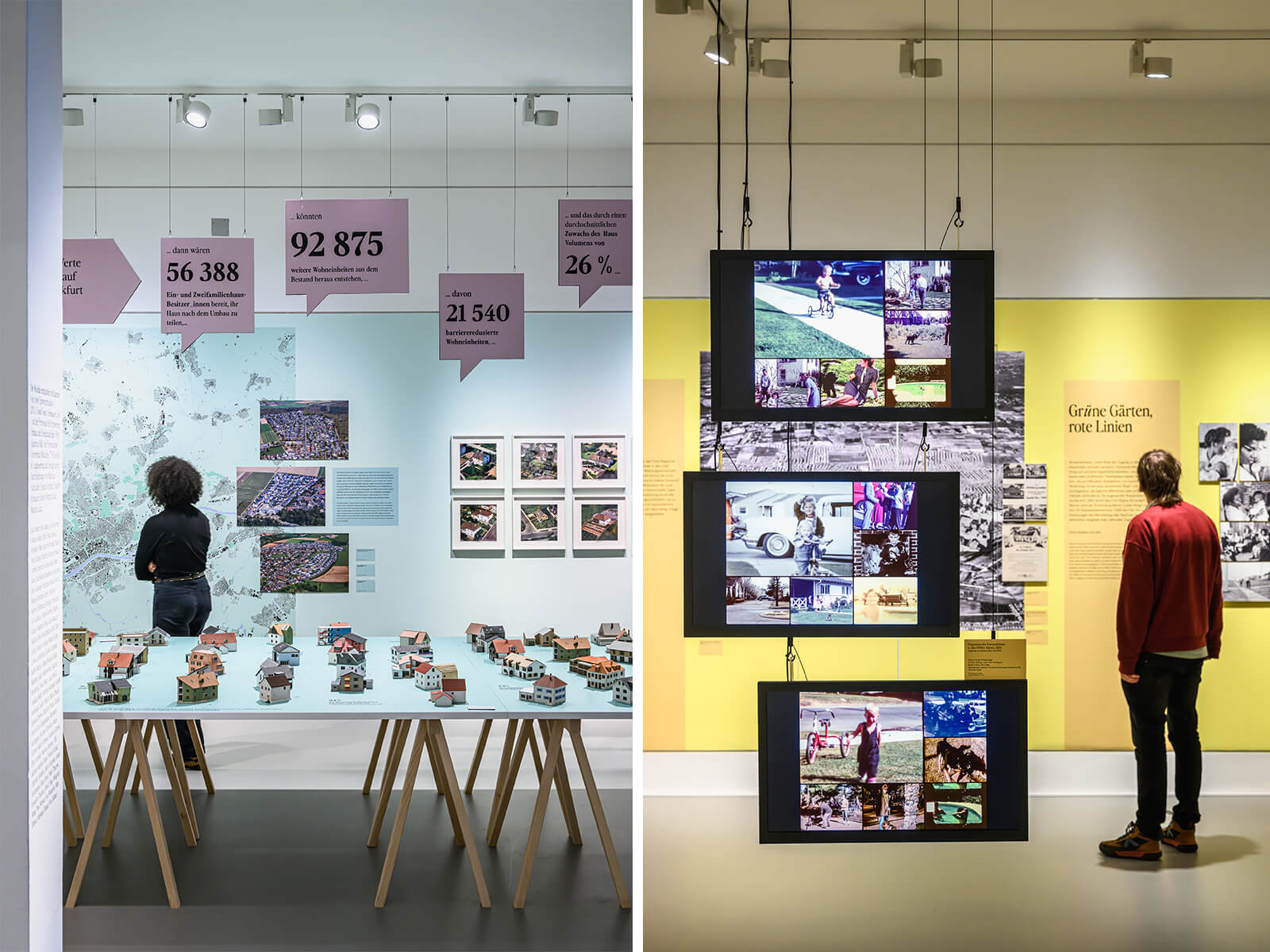
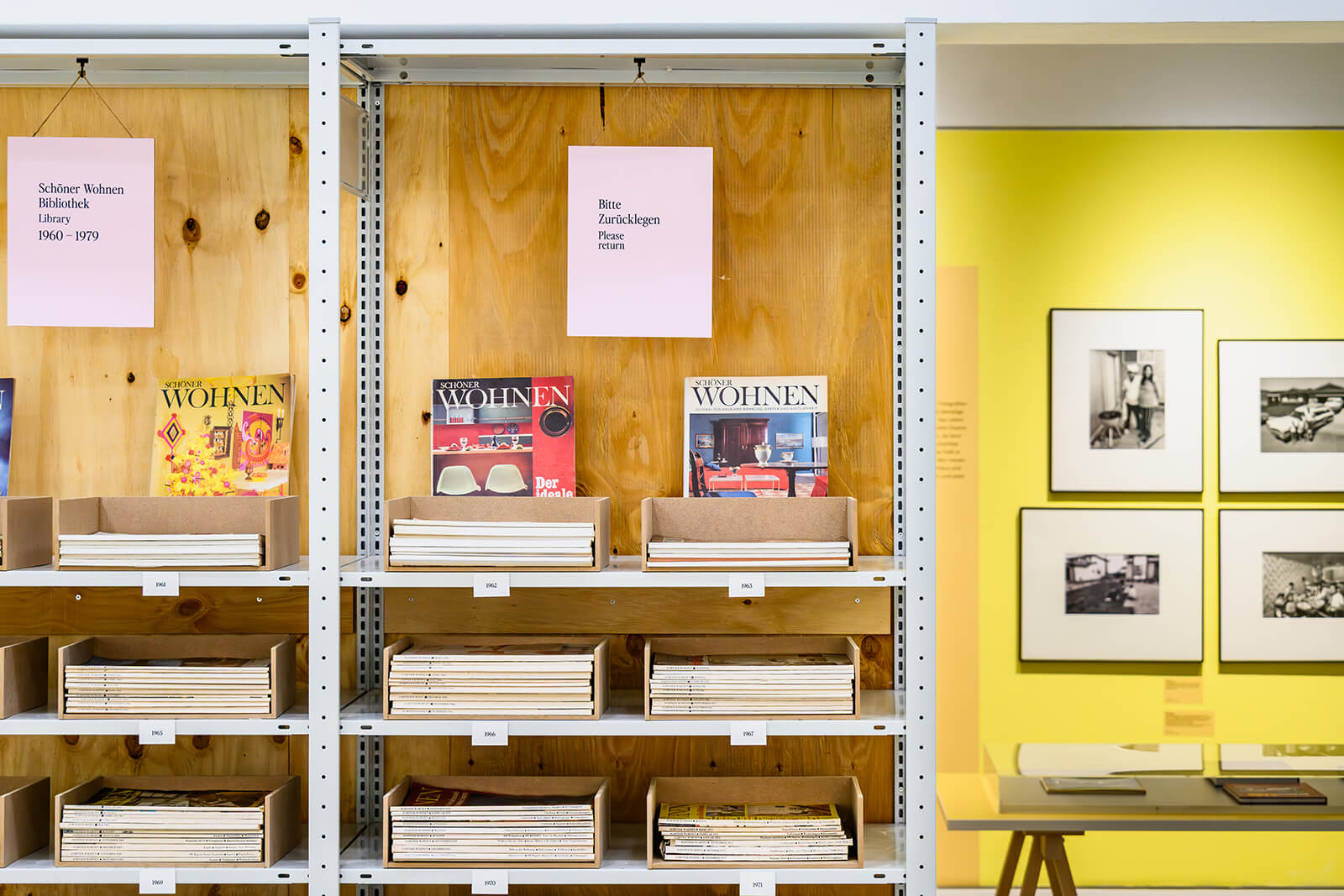
The homes these perfect neighbourhoods (and their perfect residents) encompassed came complete with appliances and televisions, radiant-heated slabs (no basements) and ‘expansion attics’ for growing families—built after a prototype developed by William Levitt for Levittown, whose assembly-line construction technique ensured accelerated proliferation. Moreover, zoning laws and service infrastructure including water, electricity and highways were all designed to prioritise suburban models of urbanism. All of these continue to actively shape the landscape of a post-recession America where most people still cannot afford to buy homes anymore. What is especially worthy of academic inquiry is that this phenomenon doubly affects countries that were never suited to such urban design models in the first place. While the exhibition squarely focuses on Germany, the case could be made for countries like India where the insistence on following American models of development has devastated natural landscapes generally far beyond the reach of cities.
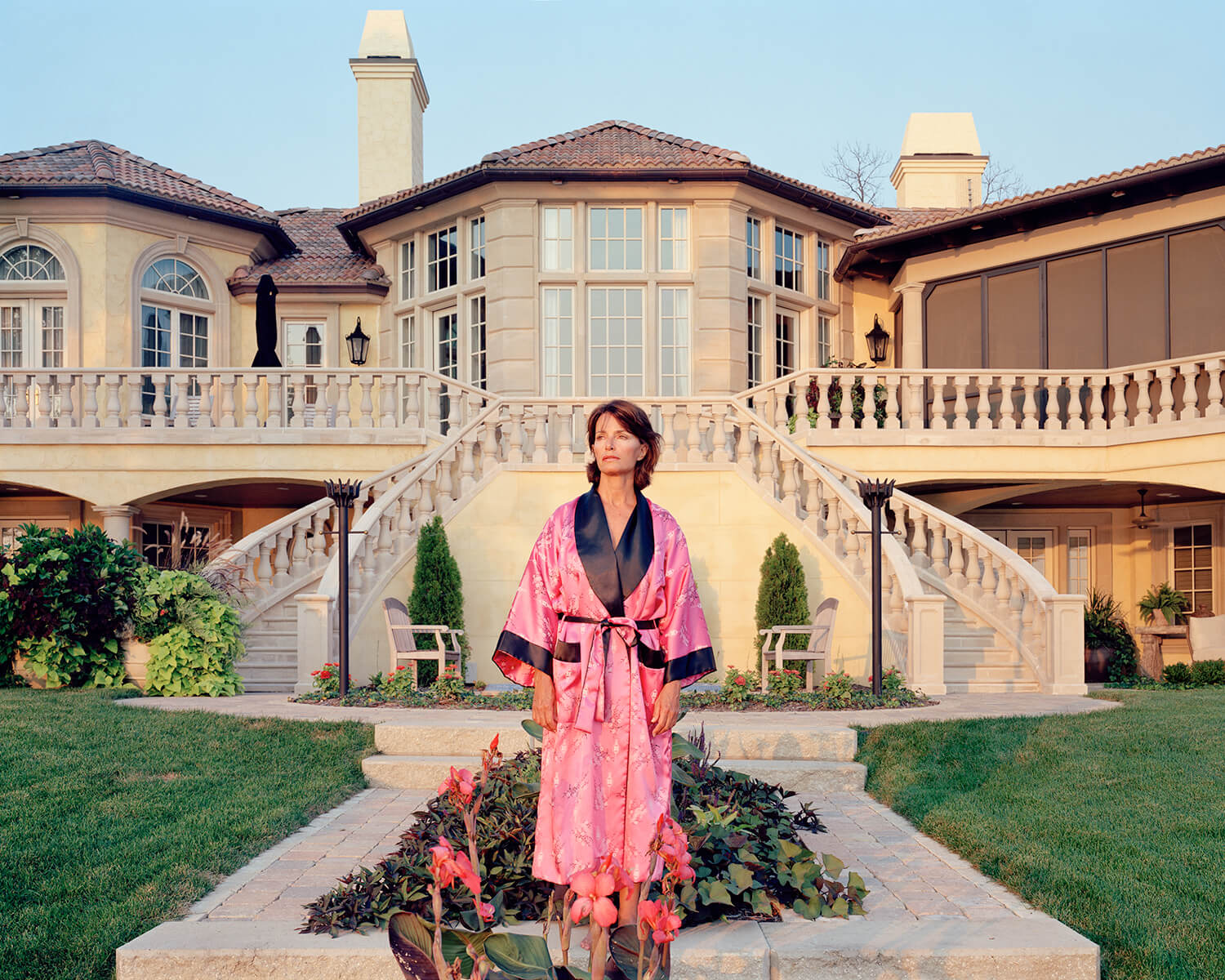
In centring the malaise of an infrastructure that rewards conformity and actively does away with diversity, one that hopes to return to a bucolic past by controlling the natural landscape instead of living in harmony with it, the exhibition brings to the fore how mediatic representations have continued to influence our relationship to these strategically designed built environments. That, as mentioned before, remains one of the core aspects of the exhibition. Shows from the 50s like I Love Lucy, Leave it to Beaver or The Donna Reed Show highlighted the wholesomeness of the setting. They focused on the ‘perfect’ family, where the wife waited at home with the kids, families got together every weekend on their lawns and everything was uniform; any sign of difference was kept out by the guarded fence.
Conversely, the uniformly perfect landscape of suburbia always served as the perfect setting for tales of intrigue, of hidden secrets and hostilities. The Gothic archetype, for instance, transformed to capture anxieties arising from the mass urbanisation engendered by suburbs. While media like Mr. Blandings Builds His Dream House (1948), Stanley Kubrick's Lolita (1962), The 'Burbs (1989), Heavenly Creatures (1994), The Virgin Suicides (2000) or even Desperate Housewives forewent supernatural or sci-fi elements; stories like Carrie (1976), A Nightmare on Elm Street (1984), Edward Scissorhands (1990), Donnie Darko (2001) and more recently Stranger Things (2016-2025) used horror to amplify the sense of uncanny. Critiquing suburbia as a symbol of the idealism of conservative America (heteronormative, patriarchal, white), books and films like The Stepford Wives (1972 and 1975), Safe (1995), The Lovely Bones (2009), Get Out (2017) and I Saw the TV Glow (2024) more overtly highlight heteronormative ideals and racial and social inequalities by means of suburbia. An installation in the exhibition gathers such paraphernalia, media that specifically subverted the image of idealism sold by magazines like Schöner Wohnen.

The exhibition then traces the proliferation of suburbia (and a specifically ideal way of life) in Germany through the discourse about such detached housing models. Already in a Germany particularly affected by war—divided, bombed out and refugee-crowded—private property and state welfare were seen as the basis of social security. In a market affected by these factors, design was seen as a state concern, with design councils and werkbunds organised to foster taste. The desire for home ownership was acknowledged by state-organised postwar interior design exhibitions like How to Dwell? (Stuttgart, 1949). Its literature stated, “A house for the family is the dream of many. Rightfully so! A people that cultivates domestic culture does not give up on itself.” A distinctly postwar sentiment tied to the nation state.
While a large percentage of all new-built housing in the early 50s was public housing funded by the state with subsidies or interest-free loans to alleviate the shortage of capital, the desire for single-family housing could latently be traced through the publication of construction magazines like Mein Eigenheim (My Own Home), published by Wüstenrot Gesellschaft der Freunde (GdF). Suburbs developed in Germany in much the same way as the US—as a reaction to relentless industrialisation and post-WW as a solution to the housing crisis. However, housing construction increased dramatically after the currency reform of 1948. When the Second Housing Act was adopted in 1956, the promotion of owner-occupied dwellings was established alongside social housing. Many single-family homes in these enclaves were self-provided and, to a large extent, even self-built (a fundamental difference to their development in the US), modelled after prototypes in Mein Eigenheim. Even the photography in these magazines turned towards a focus on the amenities and lifestyle activities linked to home ownership, denoting that simply a house wasn’t enough. The lifestyle must follow.
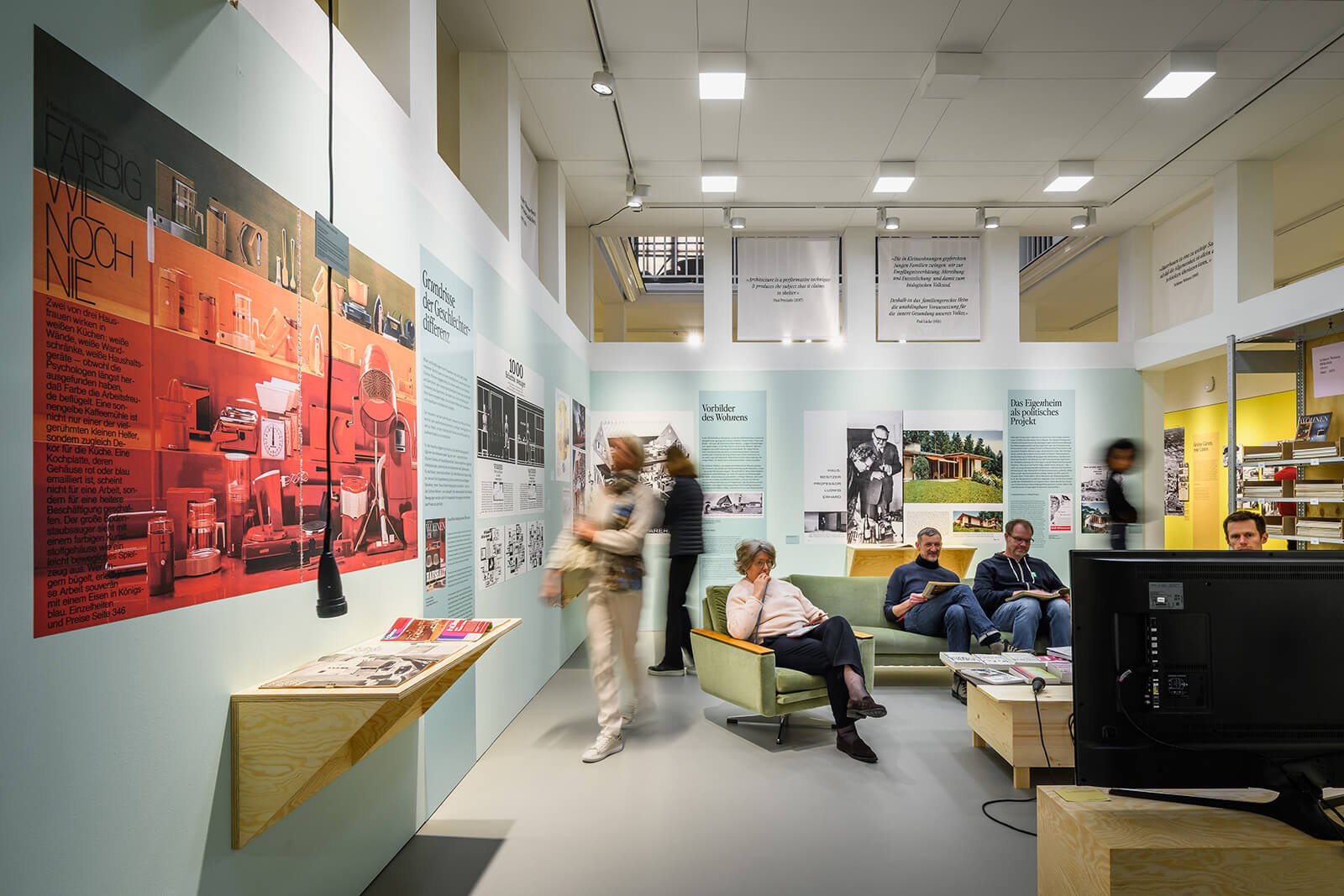
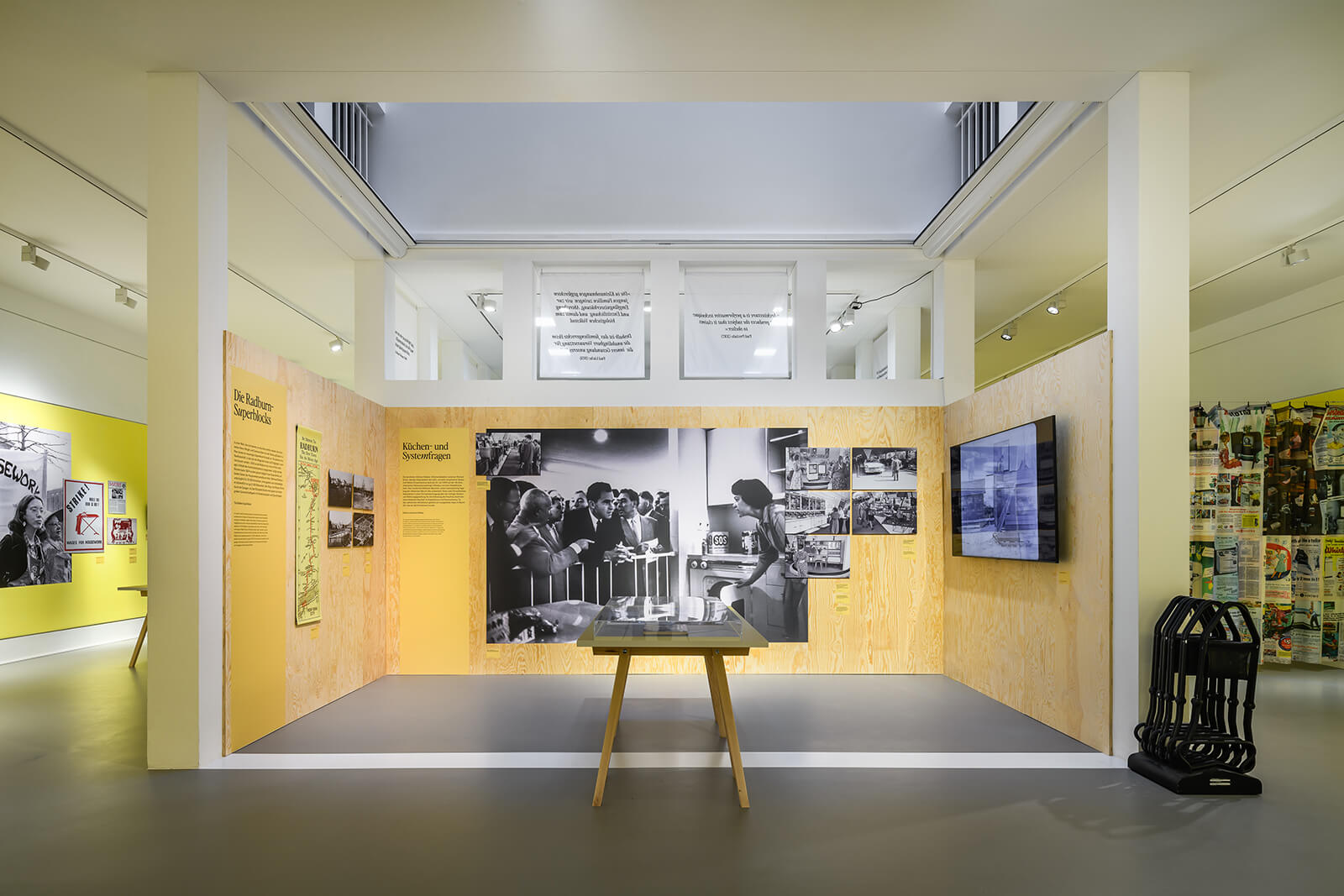
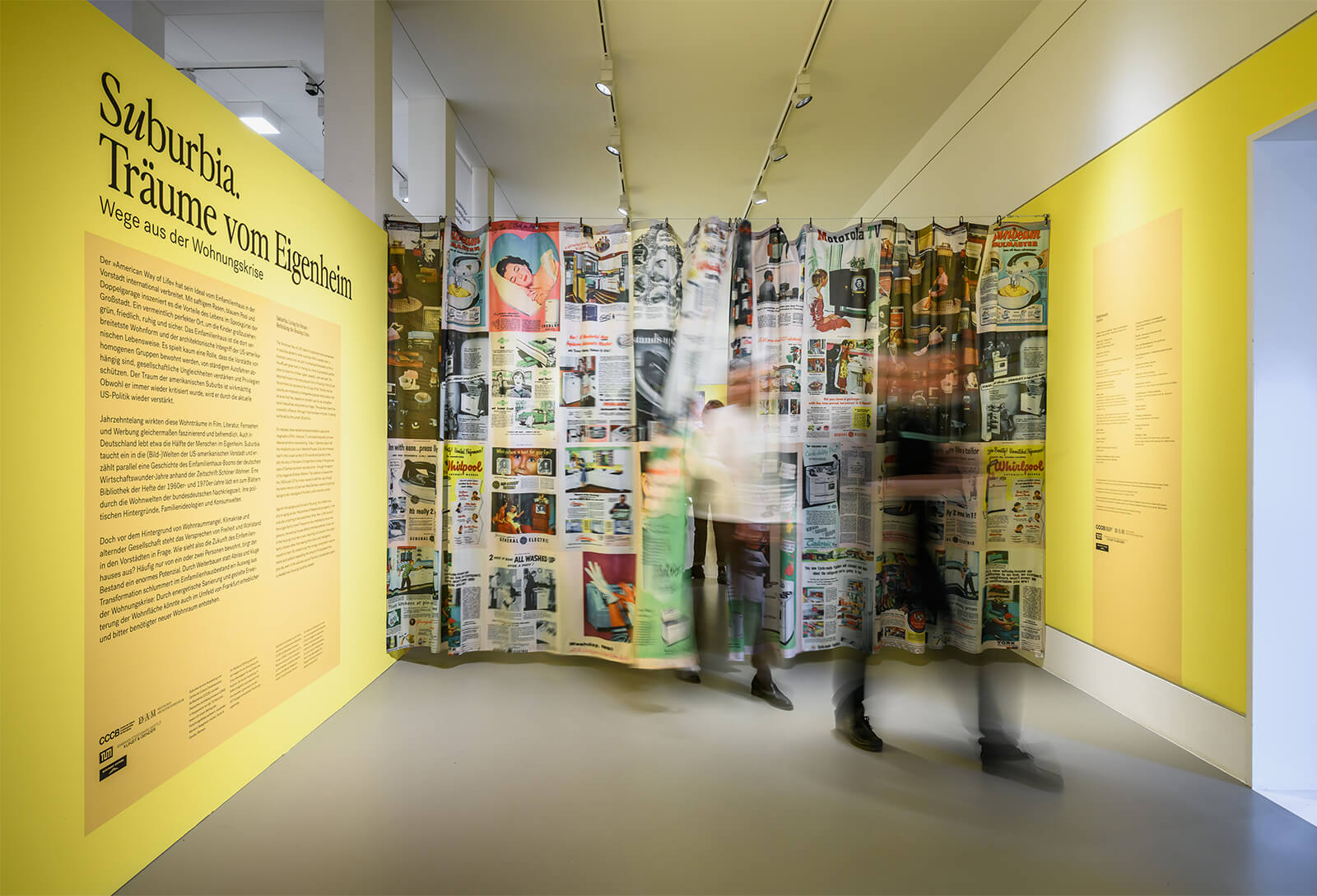
This idea was further bolstered by Schöner Wohnen, the first and most successful publication to exclusively focus on the domestic environment, specifically developed to influence German taste. The ‘Homestories’ published in the popular lifestyle magazine helped establish a particular view of the single-family home, one that was still decidedly heteronormative and patriarchal, much like the lifestyles of people in the US. Schöner Wohnen cemented the notion that the single-family home was the perfect domestic environment. Moreover, with magazines that focused on lifestyle, the very idea of consumerism was inextricably tied to the domestic realm, and subsequently to being a good citizen.
In spotlighting the role Schöner Wohnen played in popularising the idea of single-family homes in post-war Germany, the showcase deftly illuminates how popular media influences the kinds of lifestyles that are seen as desirable, and how these are equated with tangible commodities. If you buy this chair, your home will be perfect. If you buy that table, you will be part of the milieu who appreciate the latest trends, who know the finer qualities of a now in-vogue modernism. It’s an argument that is inherently contemporary, and as the exhibition text underscores, is a political project.
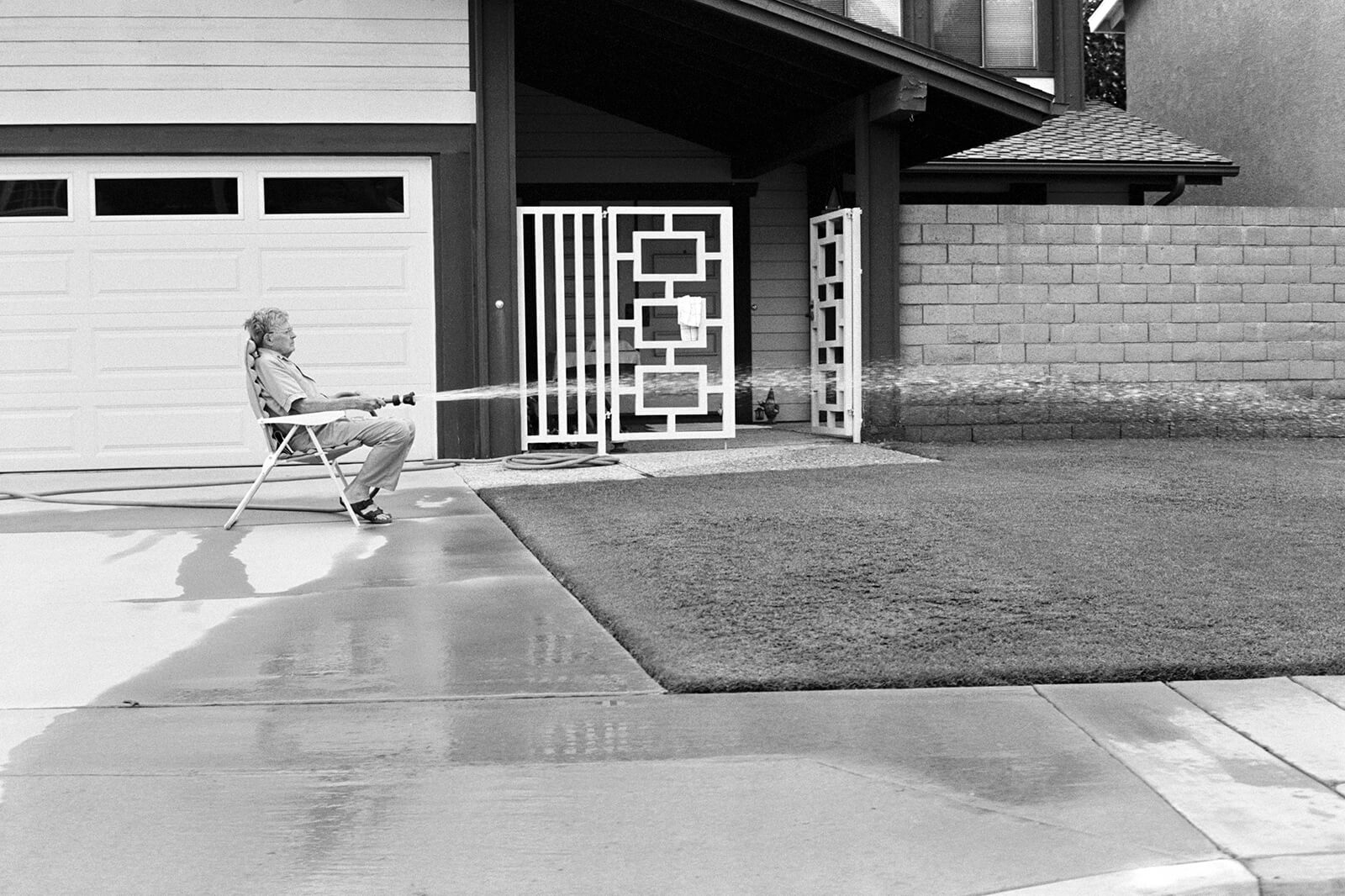
Post the 2009 crash of Wall Street, many suburban enclaves in America stood at the brink of collapse. Millions of houses in the ensuing recession went into foreclosure; many were left to deteriorate or were completely abandoned. Yet, that American Dream of the perfect family has persisted in the desire for a house of one’s own. Sprawl continues to define America’s urban landscape (the push in favour of data centre architectures being a case in point). In Germany, as the exhibition elucidates, about half of the population still live in detached private residences. Most are inefficient in terms of energy consumption, occupy a disproportionate amount of land and are unsuited to changing socioeconomic structures. By tracing how lifestyles and desire were manipulated by the state and popular media, the exhibition’s curators then ask: What is the future of the detached house against the background of a lack of housing, the climate crisis and an ageing society?
In an installation that proposes prototypes, the curators treat the house as a spatial assembly with recurrent characteristics, proportions and organisational principles. Using this set typology, the exhibition shows how surfaces can be used more efficiently, vacant properties activated and new housing units created within that existing stock of houses. Taking the example of the Rhine-Main area, the exhibition showcases simple methods that combine energy-efficient renovation with an expansion of available housing space.
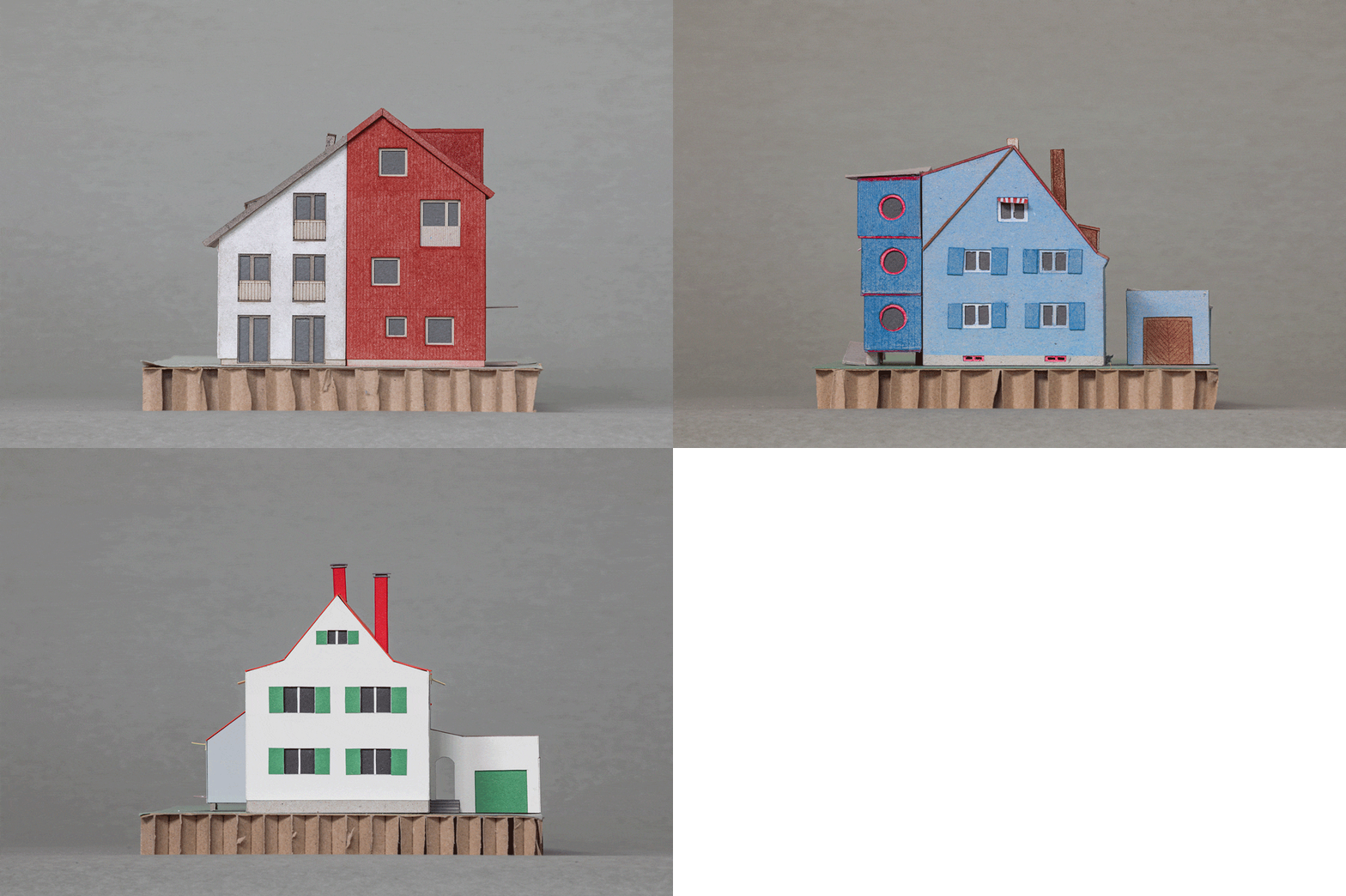
In questioning what the single-family home means today, and how it can continue to be relevant, the exhibition draws our attention to the fundamental fact of belonging on the land where we stand; storm-tossed as it may be. The white picket fence that has often stood as the image of an ideal domestic life operates fundamentally through its divisive nature. It keeps out anything that doesn’t belong and works at controlling everything within its defined boundaries. In a world where populations are more peripatetic than ever, where cities are more diverse than ever, where chasms exist in the socioeconomic conditions of those behind the white picket fence and those outside it, it can no longer act as a symbol of a peaceful, idyllic environment. To belong would involve not only dismantling what we take for granted as the family unit in architecture, it would also mean taking the white picket fence down altogether.
‘SUBURBIA: Living the Dream – Overthinking the Housing Crisis’ is on view from March 21 – October 18, 2026, at Deutsches Architekturmuseum, Germany.
The views and opinions expressed here are those of the author(s) and do not necessarily reflect the official position of STIR or its editors.

by Pranjal Maheshwari Oct 27, 2026
The Brazilian architects shape the residence with cues from its context, nimbly segregating its private and social realms with greens, lattice screens and a form-giving ascent.
by Pranjal Maheshwari Oct 24, 2026
A consortium of Copenhagen’s 3XN, Toronto’s B+H Architects and Shenzhen’s Zhubo Design has designed the museum to mimic the surrounding riverscape, topped with a public park.
by Pranjal Maheshwari Oct 19, 2026
The Mumbai-based architects integrate courtyards, mesh screens and north light trusses to create a dining space that doubles up as a community hub at SR University, Warangal.
by Mrinmayee Bhoot Oct 17, 2026
The Rotterdam-based institute centres the Indian Ocean as a network for exploring material histories and transnational links shaping coastal cultures, positing them as future models.

make your fridays matter with a well-read weekend
Enter your details to sign in
Don’t have an account?
Sign upOr you can sign in with
a single account for all
STIR platforms
All your bookmarks will be available across all your devices.
Stay STIRred
Already have an account?
Sign inOr you can sign up with
Verification link sent to check your inbox or spam folder to complete sign up process
Tap on things that interests you.
Select the Conversation Category you would like to watch
Please enter your details and click submit.
Enter the 6-digit code sent at


The ideal past, relentless present and fitting futures of suburbia in Germany
by Mrinmayee Bhoot | Published on : Aug 07, 2026


 Sign in with Google
 Sign in with email
What do you think?