Architecture15 mins. read
Advocates of change: revisiting creatively charged, STIRring events of 2023
by Jincy IypeDec 31, 2023



by Mrinmayee BhootPublished on : Aug 19, 2026
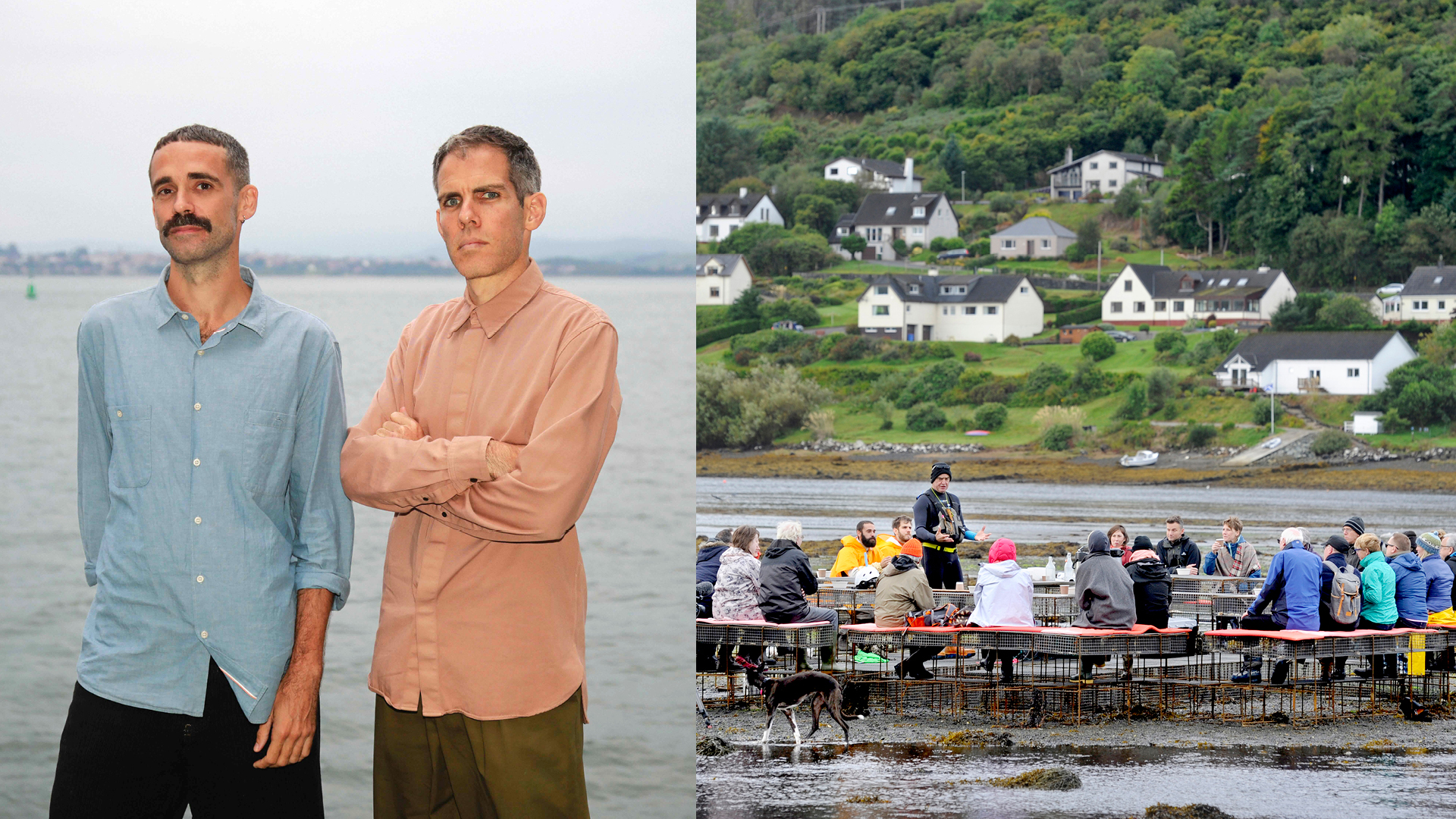
You might be living inside a pig. To be more precise, your house might have some parts that include ingredients produced as the byproducts of a pig processing factory. At least, that’s what Alon Schwabe and Daniel Fernández Pascual of the London-based design and research studio Cooking Sections hope to illuminate. As they describe on the studio’s website, their work centres on investigating the world "through food, tracing the spatial, ecological and political legacies of extractivism.” In this pursuit, the duo treats food as a lens, unpacking how what we eat affects landscapes, and how in turn those landscapes are shaped by (and shape) our built environment and sociopolitical cultures. This negotiation between the micro and the macro makes the studio’s work particularly fascinating, linking our planetary footprints to our direct circumstances. After all, who would have thought choosing a door handle for your residence design might affect pig farm economies in Denmark?
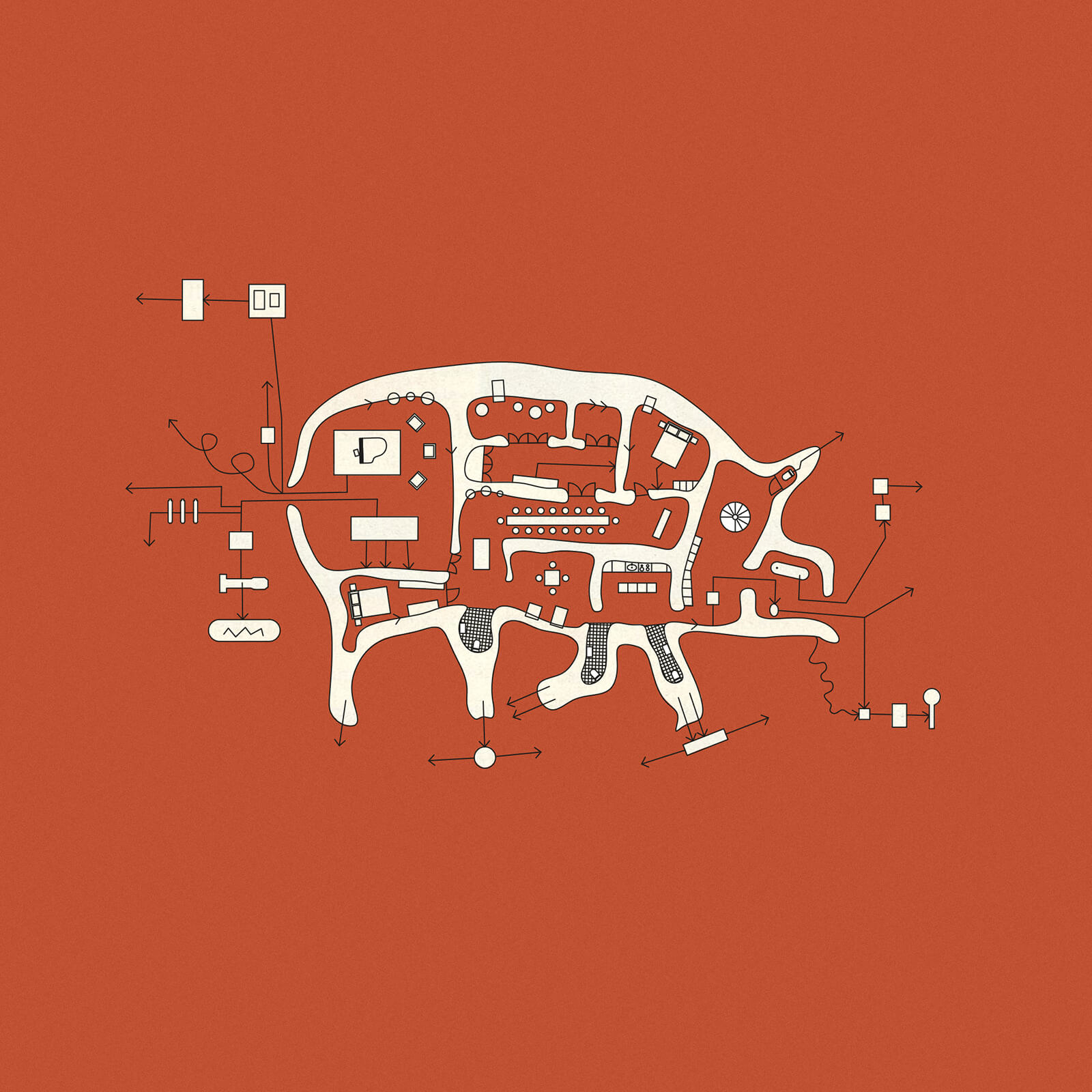
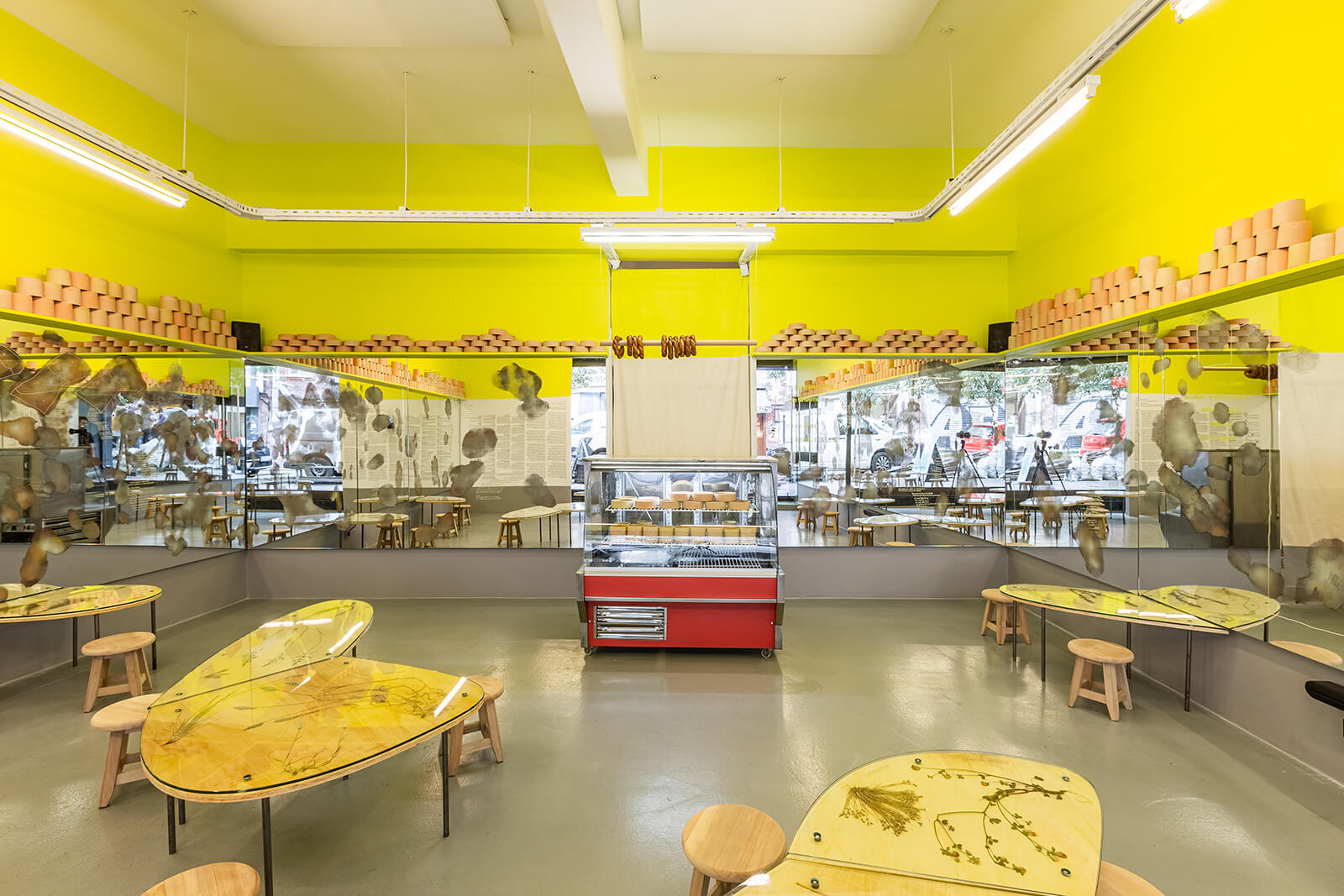
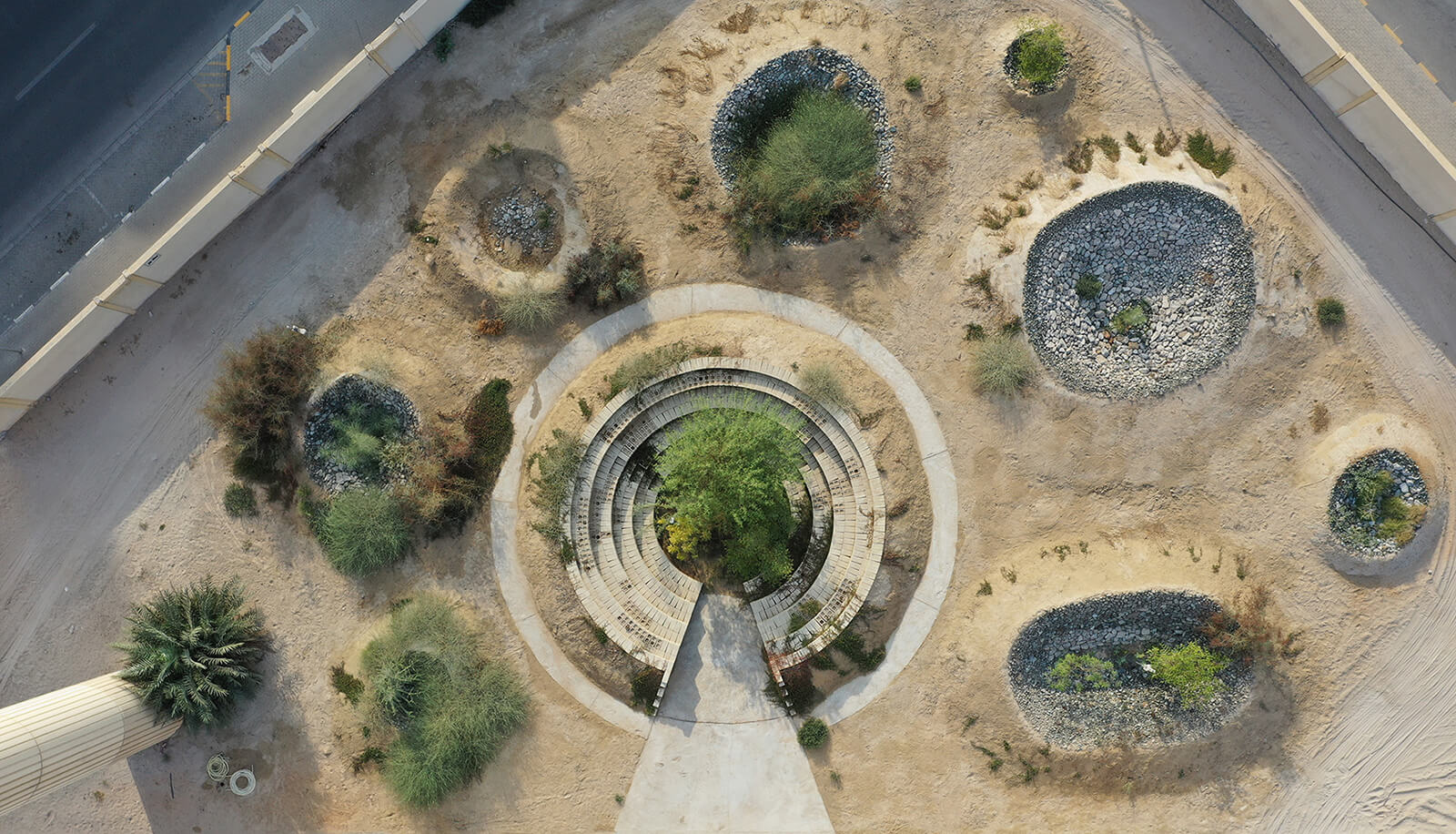
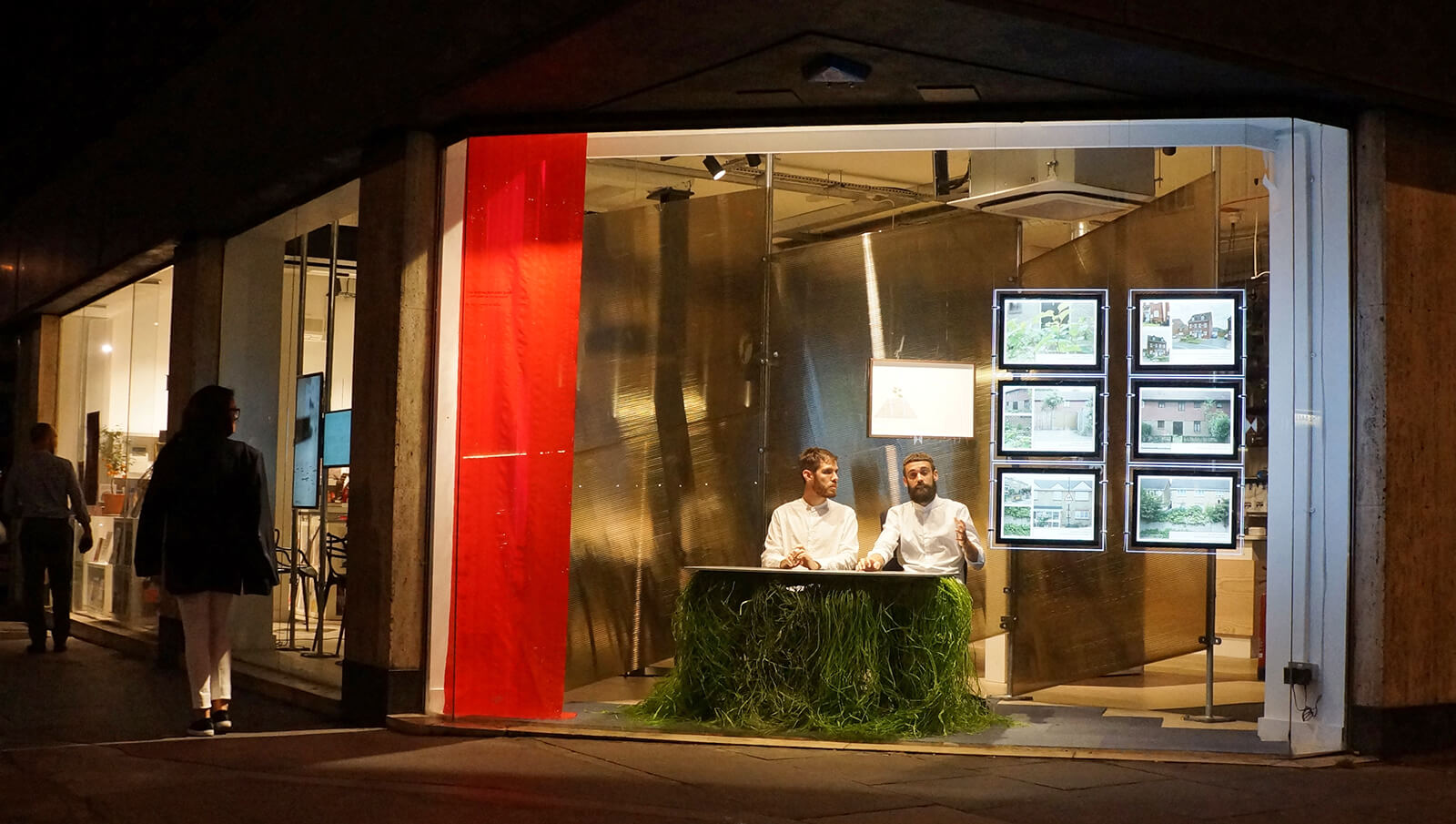
The Turner Prize-nominated studio’s work encompasses site-responsive installations, performances and exhibition formats to illustrate architecture and design as part of a larger network of relationships—one that looks decidedly at the often unconsidered aspects of our construction materials. An ongoing project by the studio, CLIMAVORE illustrates this best. The term itself draws attention to how the climate is intrinsic to our patterns of consumption. The project—spanning geographies as diverse as Istanbul, the Isle of Skye and Italy—begins from an investigation of a local community’s practices of consumption. It opens out these networks to reveal how these practices might have been precipitated by actions that prove to be harmful to the ecology, exacerbating the climate crisis. In doing so, they hope to amplify civic resistance to such extractive systems and foster cultures that are mindful of our more-than-humanness.
Design becomes a tool of communication for the studio, fostering dialogue between locals and illustrating the ways in which they might affect change. For instance, in the past, CLIMAVORE has removed farmed salmon from the menus of over 20 major museums; regranted art funds to farmers trialing agrochemical-free methods in Lake Erie; launched a nationwide baking challenge for breads against soil depletion in Finland; turned a museum's living collections into protocols for peasant seed exchange in Southern Italy; and created a water buffalo festival to protect Istanbul’s urban wetlands from extinction.
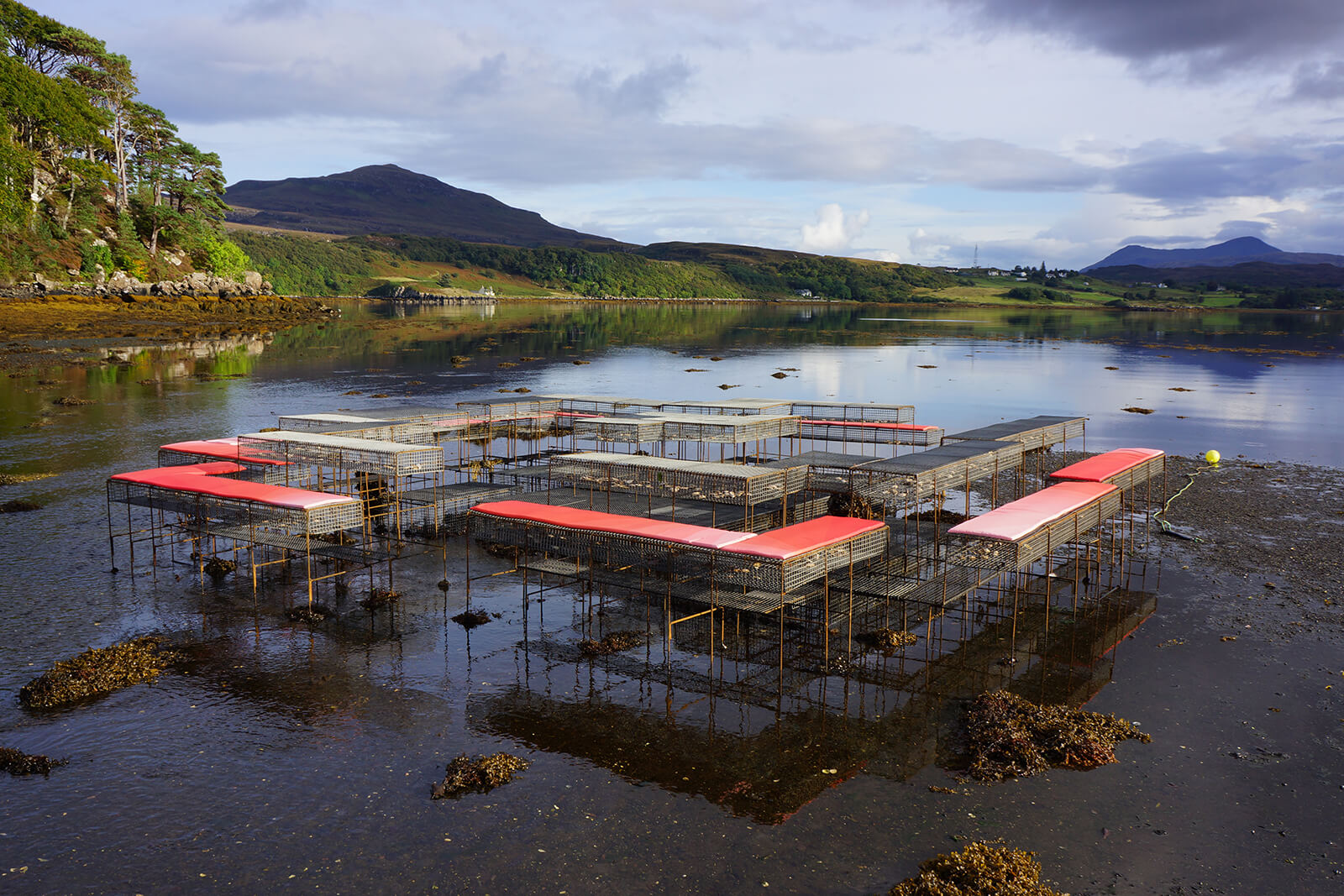
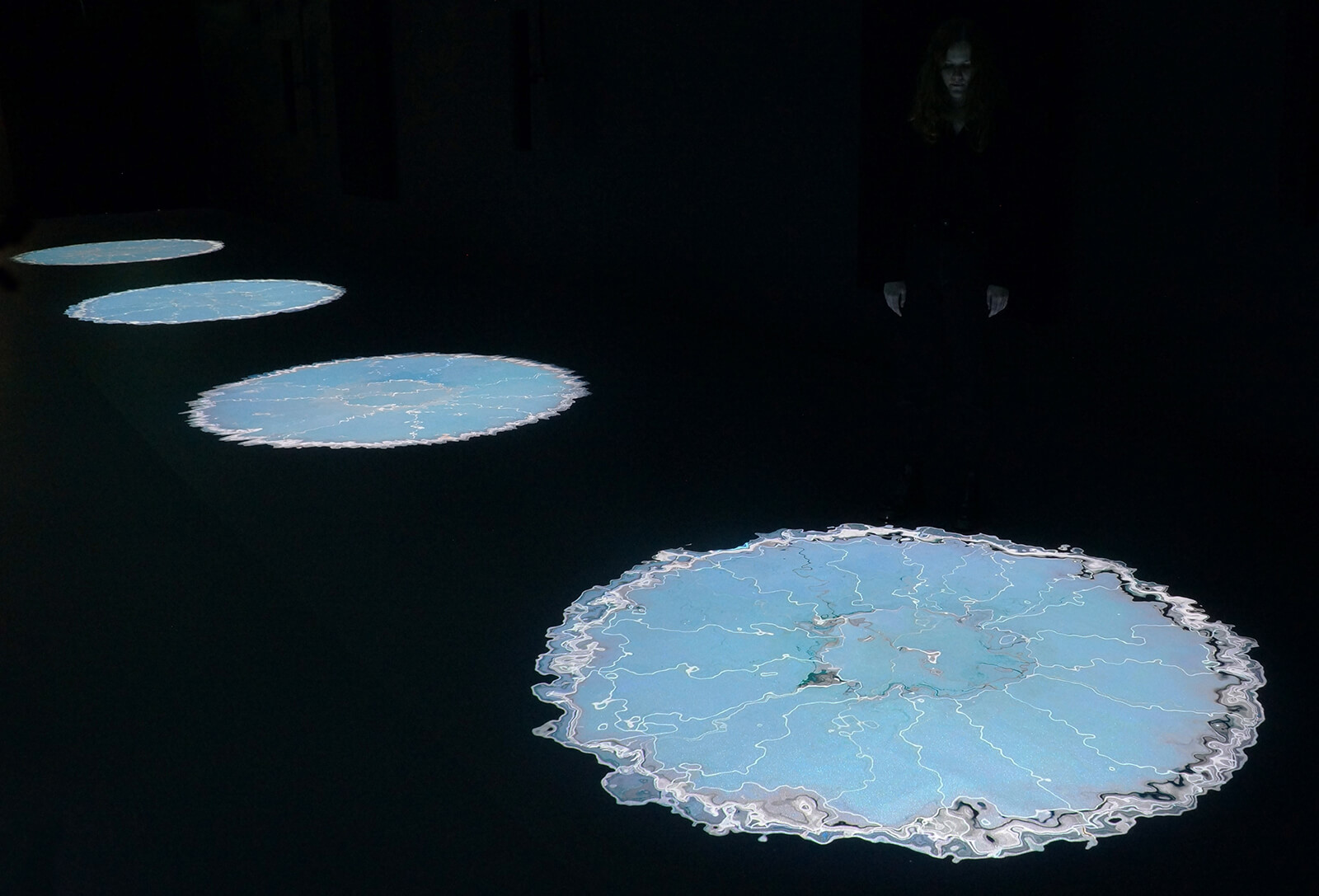
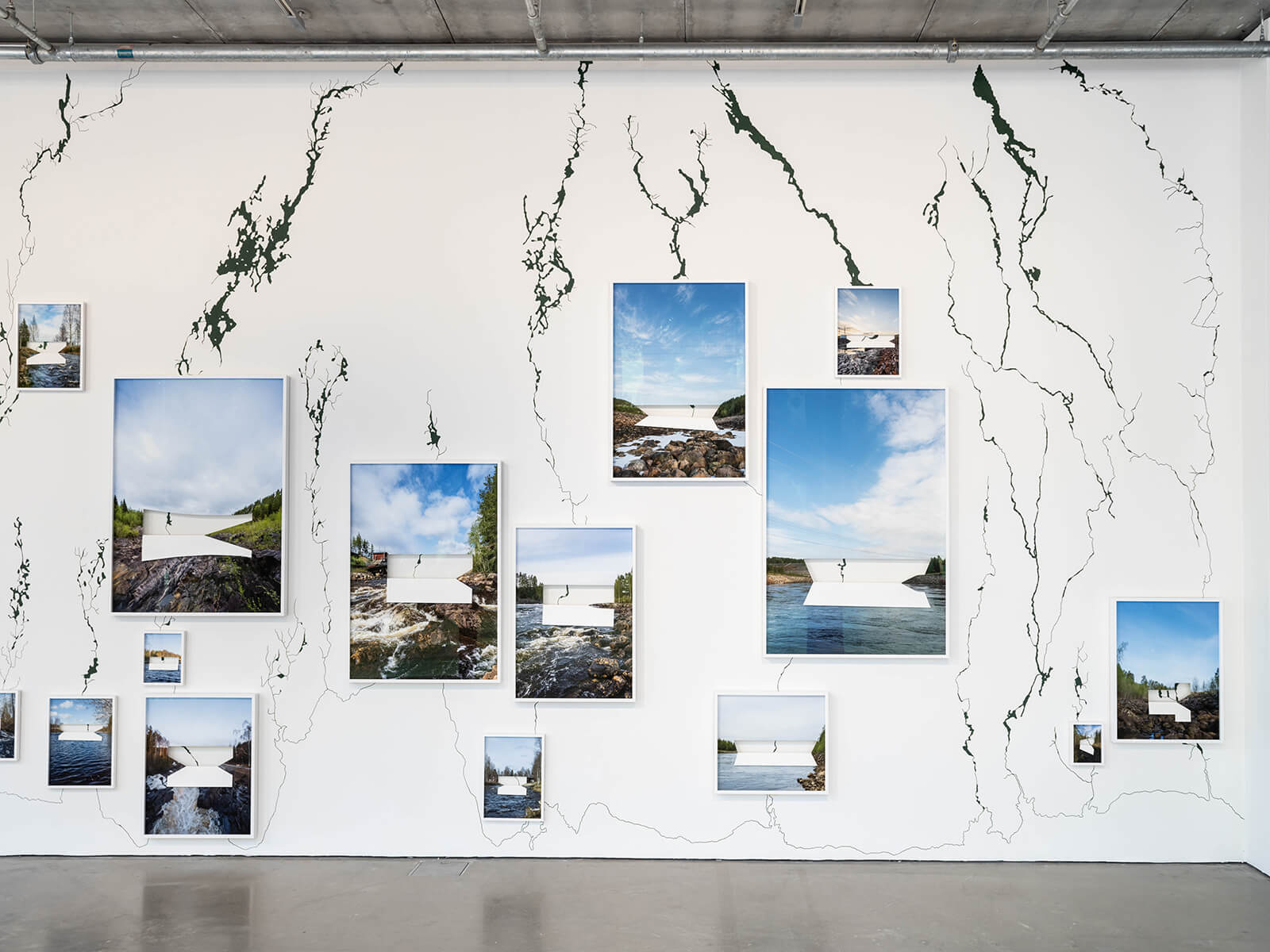
Their recently concluded exhibition, The House That Pigs Built at the MAPS (Museum of Art in Public Spaces) in Denmark, interrogated the provocation presented in the introduction: how pigs are transformed into building materials, and how our structures might affect animal bodies. All of these initiatives build on years of the studio working on illuminating the vitality of urban infrastructures in connecting our individual bodies to our global ‘second bodies’. It is a way of illustrating how directly we affect climate change, even though something like eating a salmon tart in London might seem inconsequential. To feed is to enter a loop in this case, since that salmon was fed with pellets created from soy plantations carved from the deforested Amazon.
In conversation with STIR, Schwabe and Pascual speak about their studio’s recent research around the construction industry and its ties to farming economies, treating metabolism as methodology, and paying closer attention to the infrastructures we are unknowingly a part of as a way of making spaces for collective, community action. Edited excerpts from the conversation follow.
Mrinmayee Bhoot: Could you begin by telling us where the name of the studio comes from? How do you connect food systems to the architectural section and its use as a diagram to study a structure in detail?
Alon Schwabe: Cooking Sections is a practice that looks at or uses food as a tool to understand landscapes in transformation. Over the years, we have been using different spatial methodologies, from site-specific and site-responsive installations to museum exhibitions and different kinds of spatial research investigations, to understand how food can be a lens to understand how the world is shaped.
We named it Cooking Sections because apart from food being a lens, every living organism on the planet is involved in processes of ingestion and digestion. So, this metabolic approach is very much embedded in the name. Also, the fact that a section, as you already alluded, is a certain view of a structure that is essential to understand how things are constructed. It's also a view that can never be actually seen.
Mrinmayee: In your research, looking at the intersection of politics and food with infrastructure—and I use the term infrastructure here in particular because it's quite different from work done around food culture and design that tends to focus on care and labour—could you elaborate on this focus on infrastructures particularly and extractive cultures?
Daniel Fernández Pascual: In the different projects we undertake, we try to think of their long term legacies—whether it's an exhibition or a biennale or other formats. We take stock of what tools the museum or platform might have that can support the project. For instance, for the project we've been doing around seeds in Italy—varieties that are drought resistant—we've been working with 45 farms and cooperatives that practise agroecology.
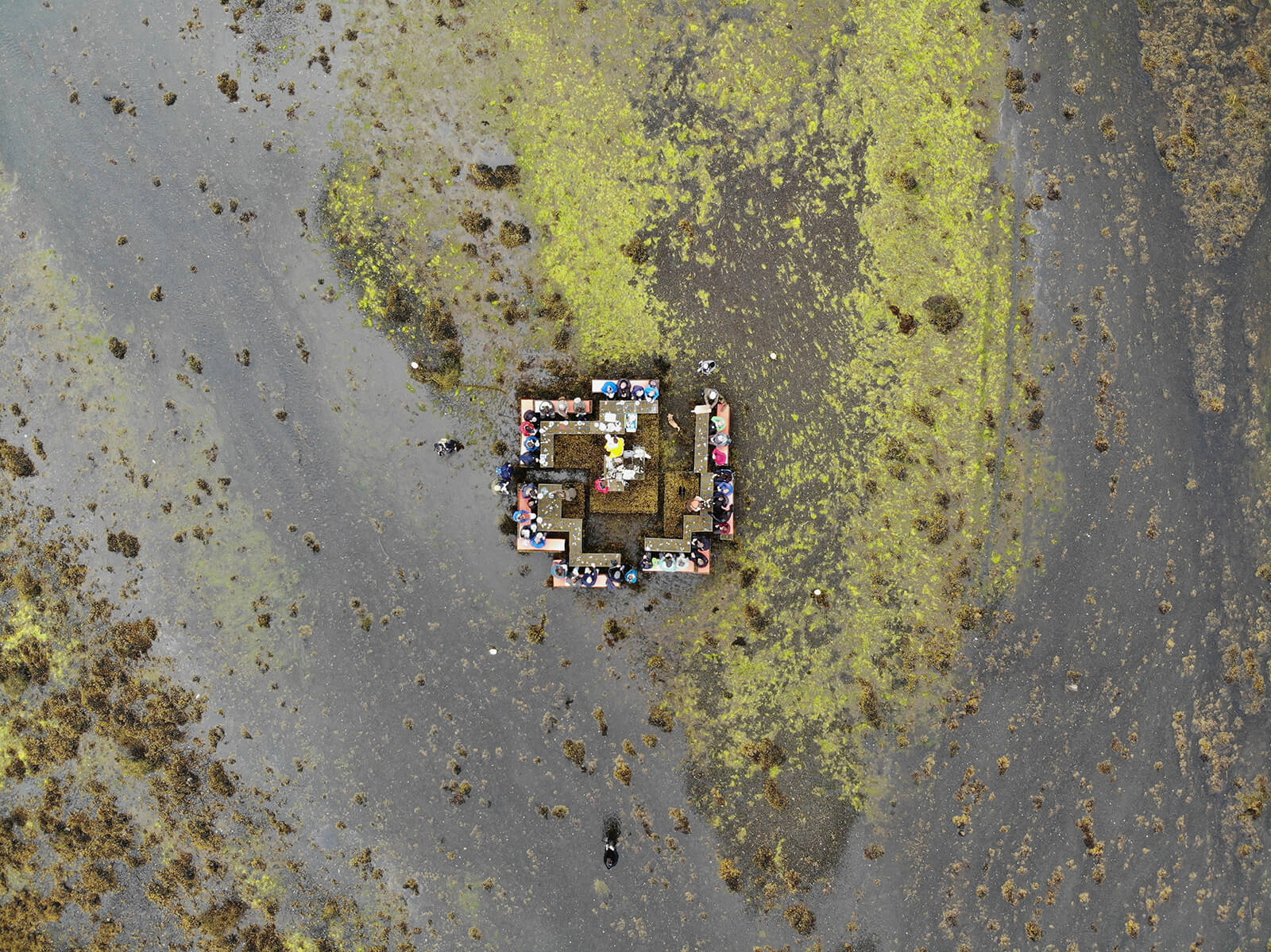
We have managed to identify 125 varieties of these seeds, and are using a museum’s infrastructure to think of how to propagate them for cultural purposes. In that sense, the infrastructure comes from these cultural institutions at the national level in a place like Italy, and how the museum there, the Museum of Civilisations, has helped us make an agreement between the museum and the farmers as a long term infrastructure for those seeds to circulate.
This was a project that we first started as part of a research initiative at the Royal College of Art, which is called CLIMAVORE X Jameel. It's precisely trying to think of these long term legacies of projects and how to combine research with cultural institutions, the agency that they may have, mediatic or otherwise, and how they affect on-ground action.
Mrinmayee: Coming to your initiatives with CLIMAVORE, you spoke about engaging communities and establishing processes. How do you ascertain where and how to intervene? This is especially given that establishing new networks, new systems of consumption are, as you’ve noted previously, processes that take decades to establish.
Alon: The way projects begin is often through an invitation by a cultural institution which opens up the space to start a dialogue with a group of people that already have a set of concerns about ecological, environmental or infrastructural issues. It's through that process and our research, that the possibilities of different modes of intervention emerge.
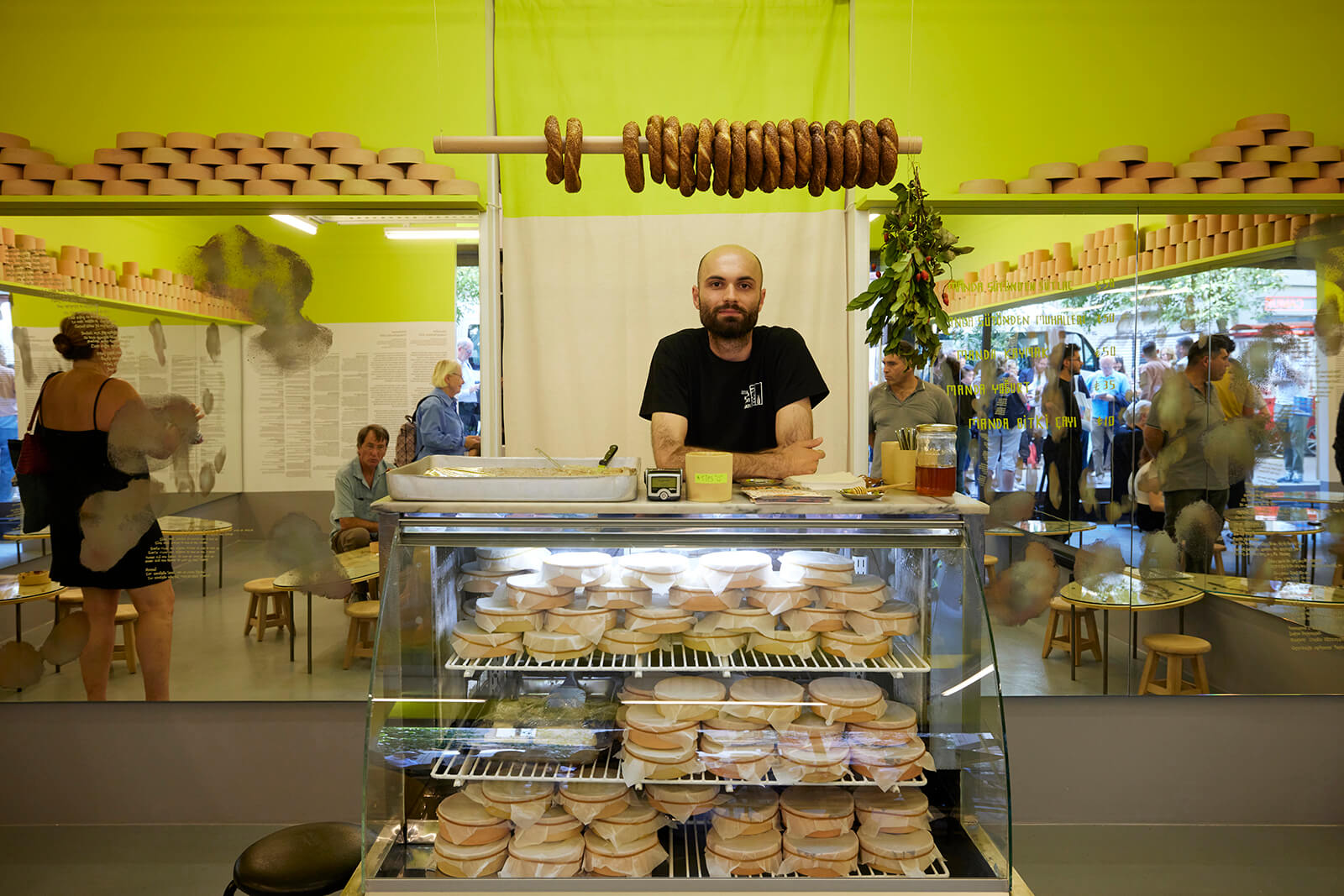
Then we work with those communities to really understand what the stakes and what the challenges are in a certain kind of geography, and how a cultural practice can help shift the dial. This is where CLIMAVORE becomes an important platform; where it is a way to expand those notions and to think of the space of an institution and culture as a space of action.
Mrinmayee: In the CLIMAVORE intervention in Istanbul particularly, I find that your ability to create a festival that highlights the issues you are tackling with the community is quite fascinating. It has me thinking about how infrastructures—ecological, political, social—and especially modern iterations shape human interaction and ritualistic practices. Could you expand on that notion perhaps?
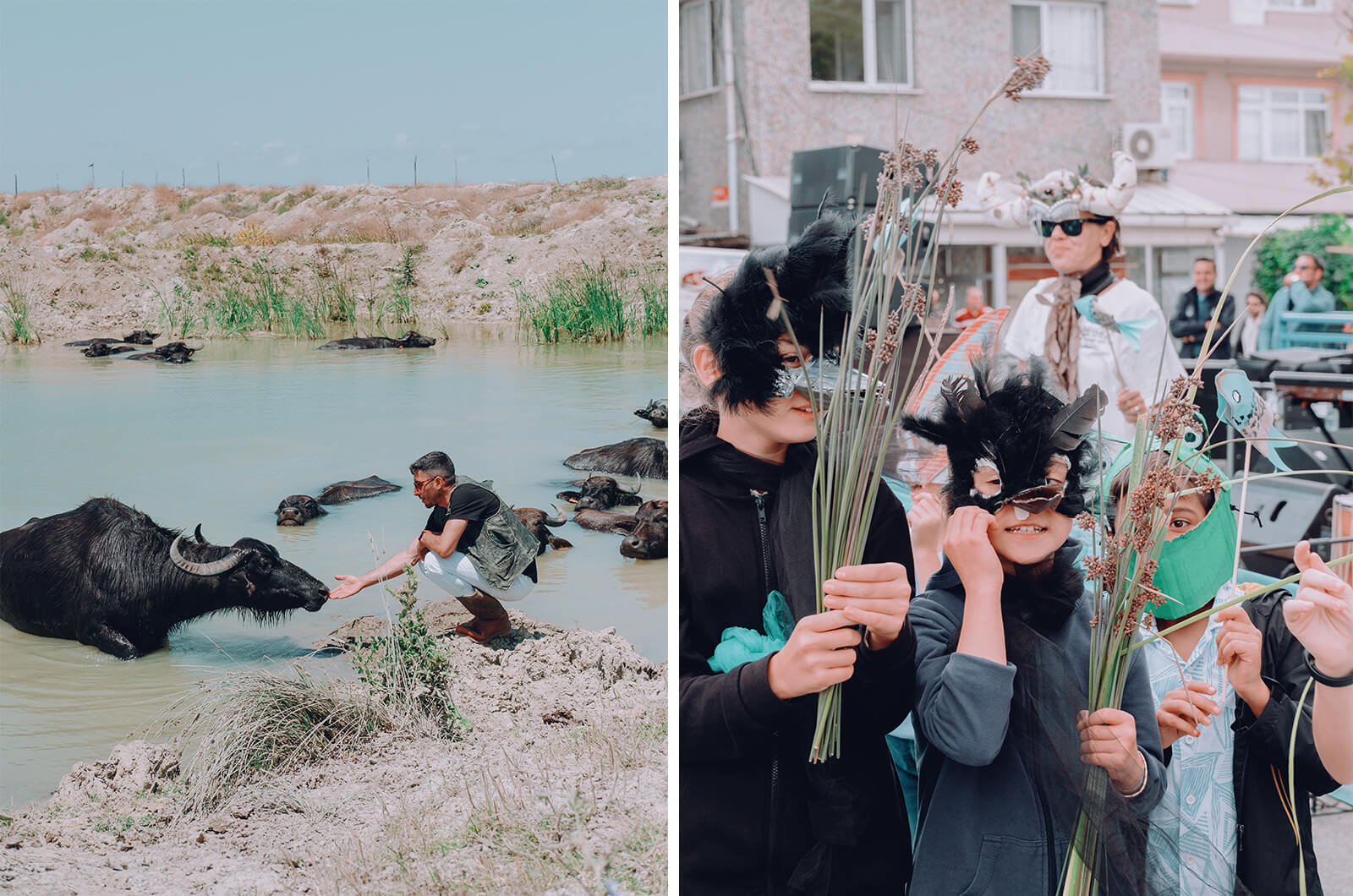
Daniel: That project started with us looking at these wetlands outside the city of Istanbul, which have a particular landscape due to the fact that they were abandoned mines. It's a landscape that was the periphery or semi-periphery of the city. It was a lot of coal, sand and stone structures. Some of the mining is still ongoing.
For us, what was interesting is that these wetlands emerged once these mines were abandoned and then they filled up with rainwater or groundwater. That became a habitat for the water buffalo that had always been in and around the city. It was essentially a post-industrial landscape or post-industrial wetlands. There's still around 4,000 water buffaloes that are residents of the city to a certain extent, even if people don't see them as such, not to mention the herders and their families that have been roaming with them for centuries. But the more the city is growing into these wetlands, the more their space ends up becoming constrained and fragmented.
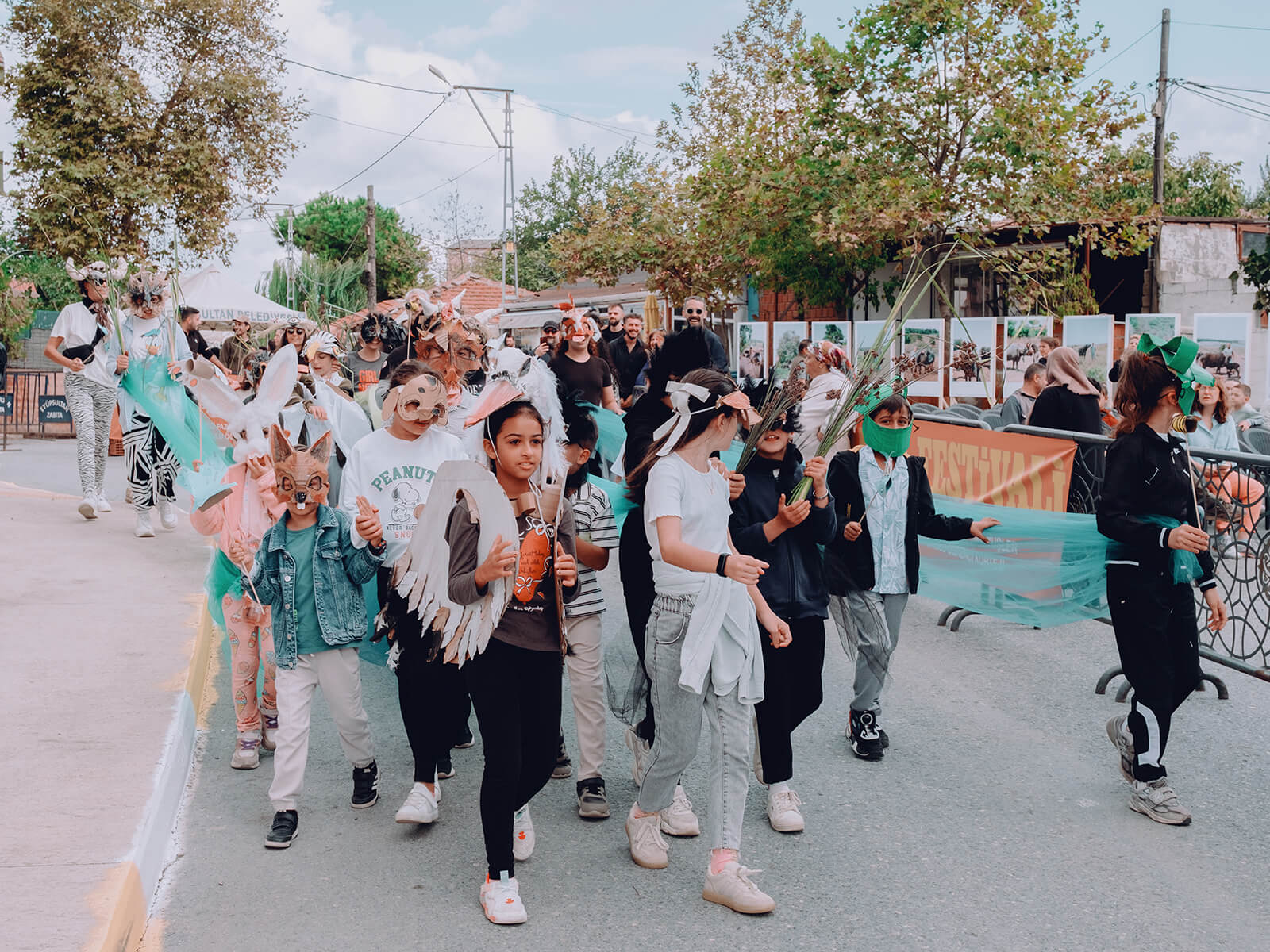
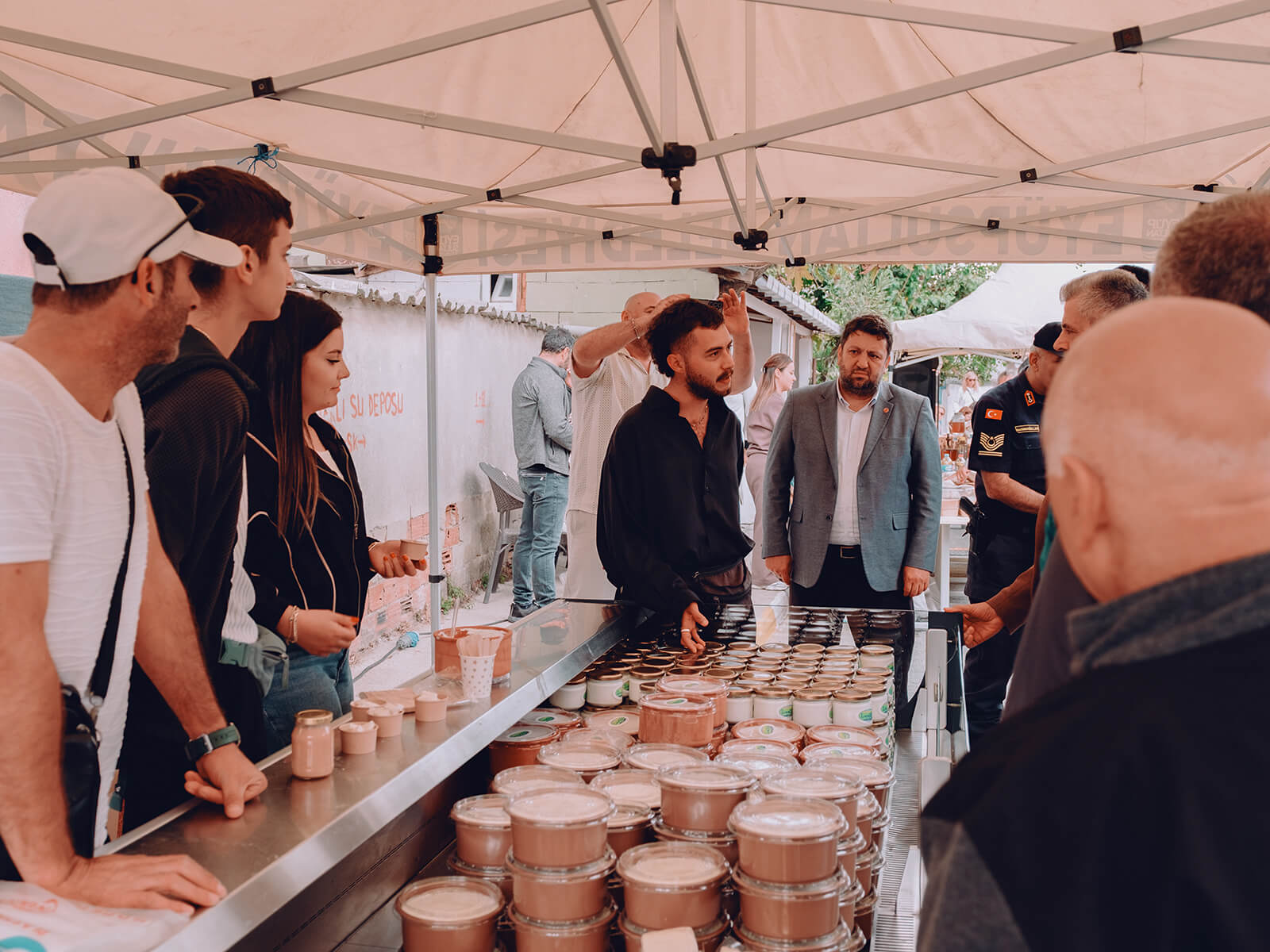
What we've been doing through this project—that started as a commission by SALT in Istanbul, then continued through the Istanbul Art Biennial, and then as an independent initiative—was to look at it as a tool to think of the celebration of the landscape before it disappears. or to try to think of how to protect it from disappearance by celebrating these post-industrial pastoralist practices. This is where the festival was quite key, to think of this celebration and to give visibility to the herders as part of the culture of the city. It was also a way to celebrate these very iconic buffalo milk desserts popular in Turkish cuisine, and connect the two. Now we're working on a sort of declaration of post-industrial pastoralism. What does that mean in contexts other than Turkey? How do we perhaps make this notion resonate with other parts of the world?
Mrinmayee: This idea of food as a lens to understand the landscape and the architecture industry in particular is also vital to your recent exhibition in Denmark. Could you elaborate on that project?
Daniel: Our research around the impact of pig megafarms has been going on now for several years. It's something we've developed with the science historian Hannah Landecker from UCLA where we've been looking into the circulation of the so-called byproducts of the meat industry, and how over centuries, they've generated a very important financial component of the business, to the point that pretty much everything has pig in it, from all kinds of derivatives and compounds that are trying to capitalise on the waste of the industry.
That highly sophisticated technology has now made it into a very large scale business. And then we started looking into how a lot of the building materials and components of our homes are made out of pig, or are made out of technologies that result from these chemical reactions through the body of the pig. Especially in Denmark, which is almost four or five pigs per inhabitant in the country, there's a lot of these megafarms.
The bodies of the pigs too have been engineered to hyper-produce piglets—almost double the amount a sow would be able to produce in so-called natural ways. So, the country is taken over by all these facilities that are also consuming the underground rivers. We started looking into how to narrate these stories where, in a way, all these building materials are part of the pig, but also pigs are themselves engineered to fit those waste economies, even if it's claimed as a very iconic circular economy. What we tried to understand is how that circularity is really tricky. What does it mean that this product is circular and who is left with the impacts not taken into account?
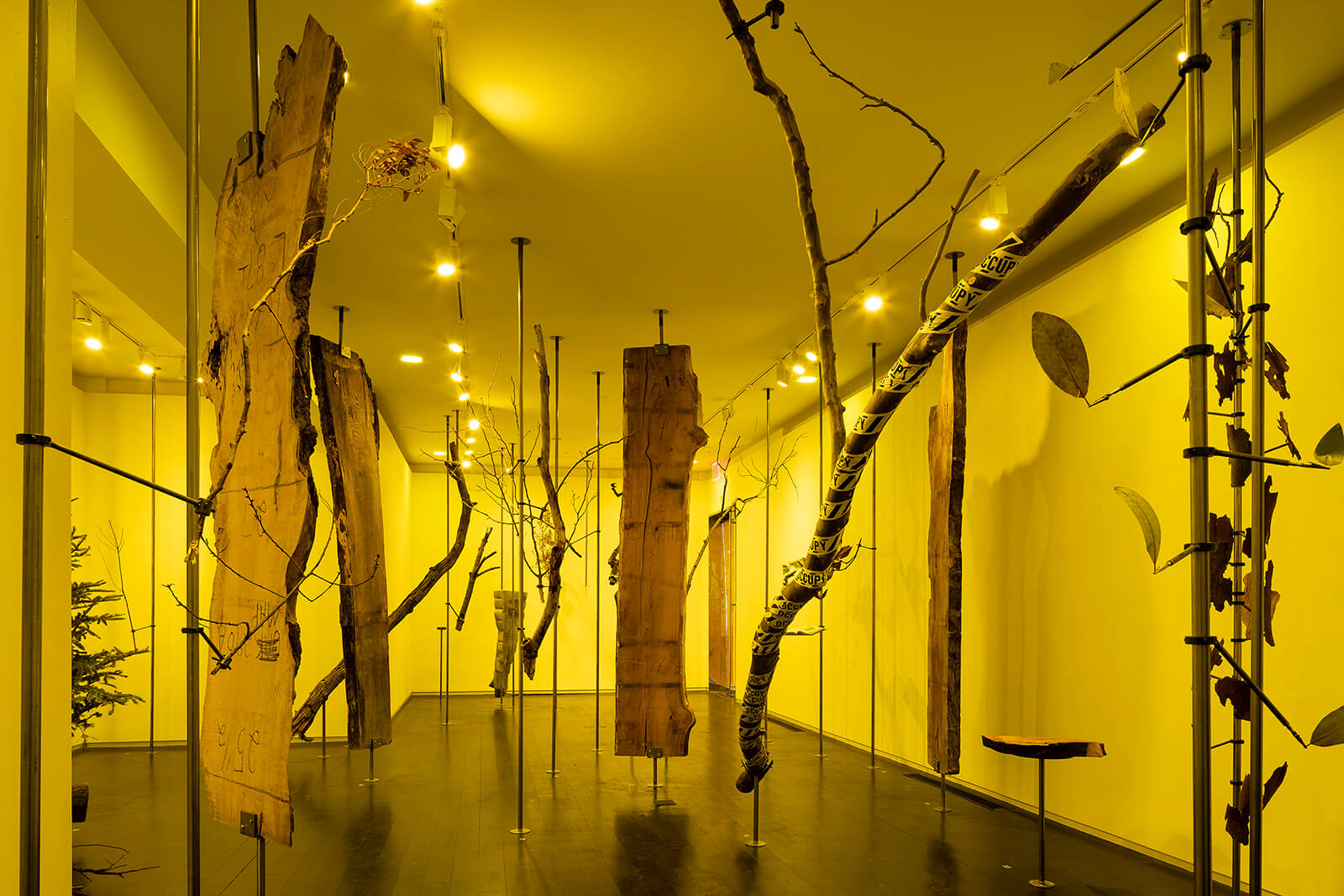
The installation at the MAPS museum consists of house parts: a door, a window, a table, a bed, a chair that tell us how they are pig or how the pig is them and is based on a format that is called a cumulative tape: a never ending chain of animals or things eating one another.
Mrinmayee: What’s fascinating is your insistence through your more recent work (the Ministry of Sewers) on highlighting how formal urban infrastructures have been spaces for collective, community action (and resistance) and not just as privatised services. How do you believe this emphasis on infrastructure and collective action can help us imagine more inclusive ways of being?
Alon: We've been thinking a lot about it, how we expand over the years. Initially, in one of our first projects, we were focusing on salmon and the impact of salmon farms, and that was very direct. But then we realised that there's a lot of layers and side industries that are also part of that circulation of capital or displacement and are involved in different forms of environmental ecological impact. And so, with the pigs, as we were saying before, you realise that a big part of these mega farms is the application into building materials or other technologies, and then you cannot separate the two. If you want to tackle one, you also need to understand the other layers.
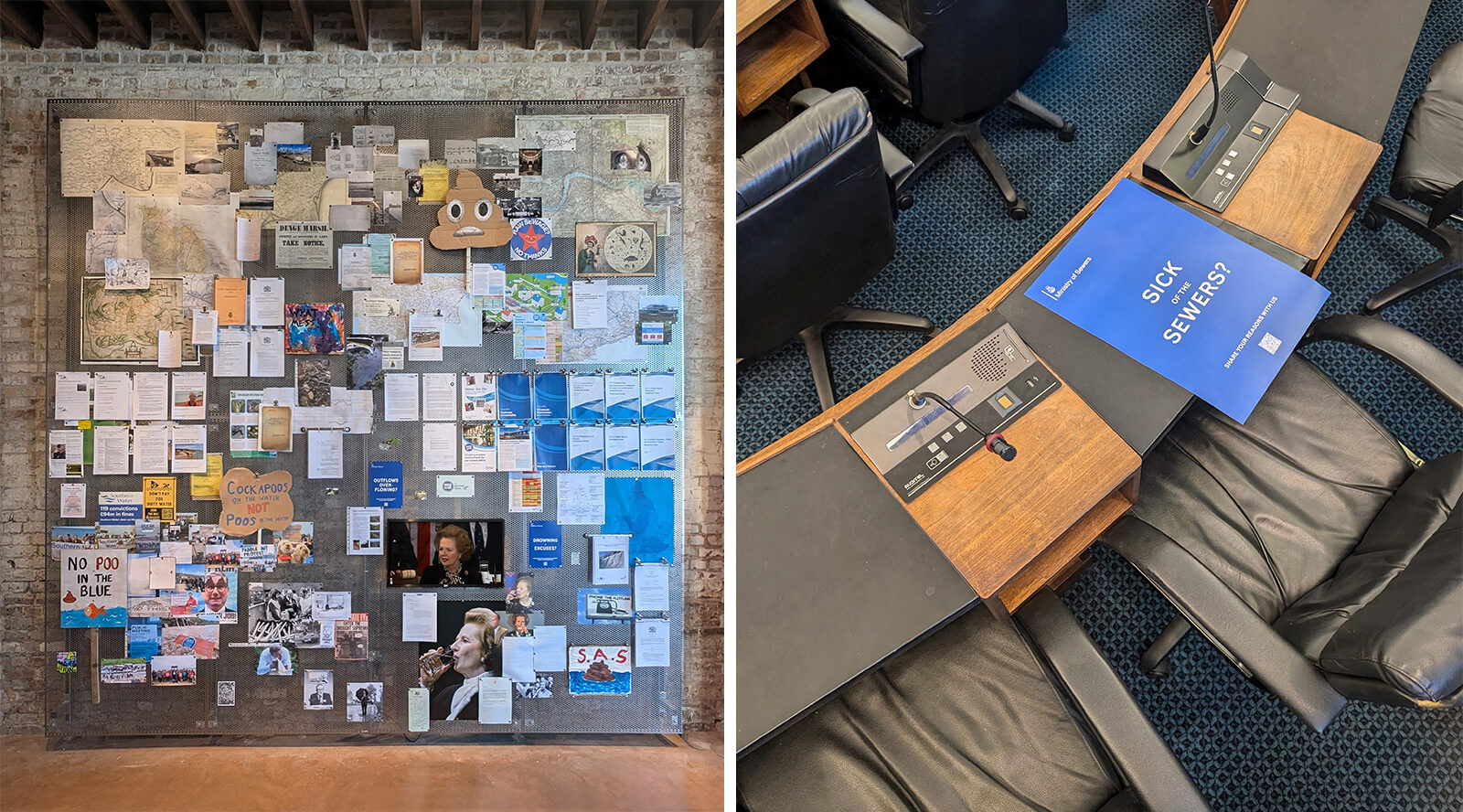
I think that's what we've been trying to do with this new project. If we follow that metabolic exchange all the way, you end up in places that might not necessarily be, or we didn't think would be so connected to food, and yet it's an immense connection between building materials and pig waste. How do we think like that? It's the same with the Ministry of Sewers. We started looking into waterways and all the excrement and all the sewage that ends up in rivers and on the coast to the point that people are not allowed to swim, in some cases in the UK, because of the release of raw sewage. And then you realise that a lot of it is connected to agricultural waste.
But really, the original meaning of the word sewer was a water canal for making land fertile, before it became a waste canal. We liked that dual meaning of the sewer as something that was providing fresh water, and then eventually became something that is actually releasing dirty water. Again, thinking of that within the food system is important. Maybe you start with an ingredient, but you end up talking about all these infrastructures and the side effects of many of these industries.

by Mrinmayee Bhoot Oct 17, 2026
The Rotterdam-based institute centres the Indian Ocean as a network for exploring material histories and transnational links shaping coastal cultures, positing them as future models.
by Pranjal Maheshwari Oct 16, 2026
At the 2026 Stirling Prize ceremony, Mary Duggan with RUFF Architects, MAKER Architecten and Nakshabid Architects were felicitated for proffering quality housing and social equity.
by Mrinmayee Bhoot Oct 12, 2026
The new Centre for Contemporary Arts, fostering public engagement with art in Uzbekistan, is housed in a tram depot refurbished by the French studio, emulating local craftsmanship.
by Mirra Lynn Oct 10, 2026
The Shanghai-based architecture practice’s intervention in Suzhou transforms three abandoned houses into a bookstore, café, library and homestay.

make your fridays matter with a well-read weekend
Enter your details to sign in
Don’t have an account?
Sign upOr you can sign in with
a single account for all
STIR platforms
All your bookmarks will be available across all your devices.
Stay STIRred
Already have an account?
Sign inOr you can sign up with
Verification link sent to check your inbox or spam folder to complete sign up process
Tap on things that interests you.
Select the Conversation Category you would like to watch
Please enter your details and click submit.
Enter the 6-digit code sent at


Tracing the spatial and ecological impact of our food systems with Cooking Sections
by Mrinmayee Bhoot | Published on : Aug 19, 2026


 Sign in with Google
 Sign in with email
What do you think?