Architecture10 mins. read
On retrospectives and canons: When does Denise Scott Brown get room at the top?
by Mrinmayee BhootMay 15, 2026



by Mrinmayee BhootPublished on : Nov 06, 2026
The very foundation of what we think of as architecture—a discipline that purports to provide shelter and foster community—is built on the legacy of colonialism. There is perhaps no simple way to say this, and the time to say it obliquely seems to have passed.
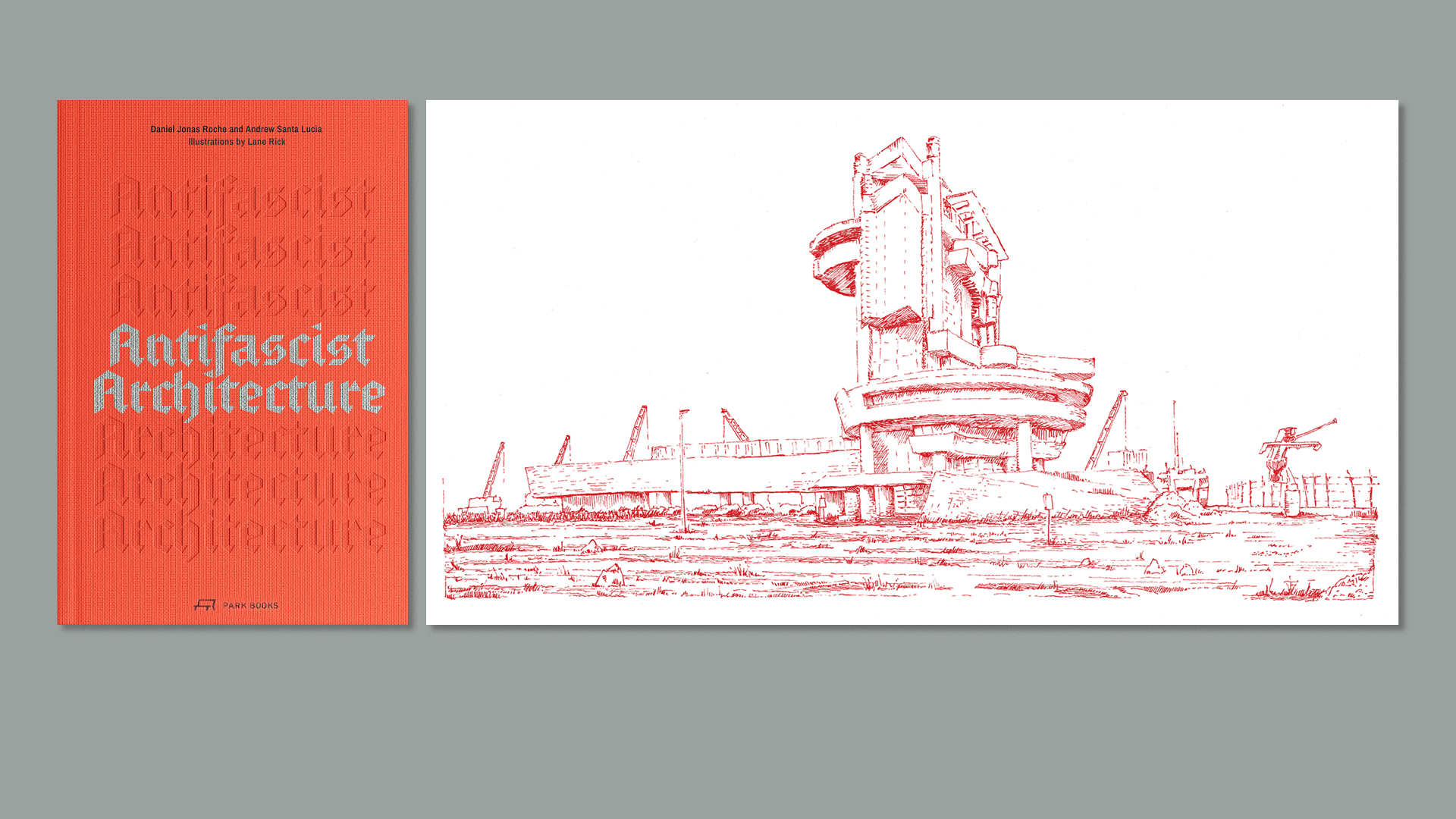
The history of architecture, as Peggy Deamer notes, is the history of capital. This ties it to the histories of extraction, dominion and the manipulation of society and its behaviours. The project of Architecture, then, is resolutely, irredeemably political. It’s this strand of thought that the authors of Antifascist Architecture, Andrew Santa Lucia and Daniel Jonas Roche, expand on in their recently published book. To them, to practice at all is political. However, it’s a truth universally ignored.
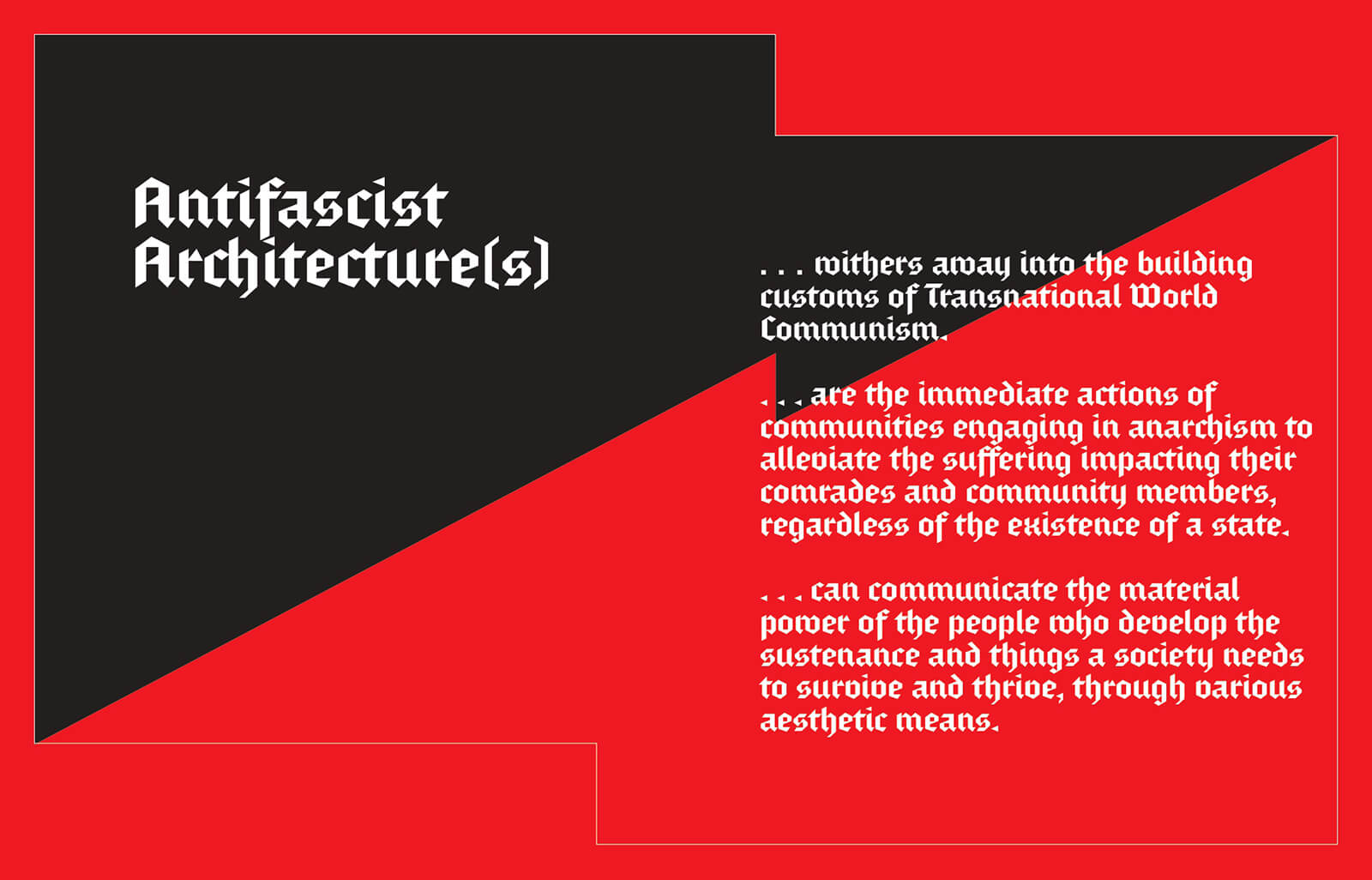
Written for and by ‘informed dilettantes’, the book offers “a genealogy of antifascist architects, antifascist buildings, and antifascist history and theory, coupled with antifascist utopian futures”, as both a primer for radical thought and as a critique of contemporary architectural practice and its complacently held notions of grandeur.
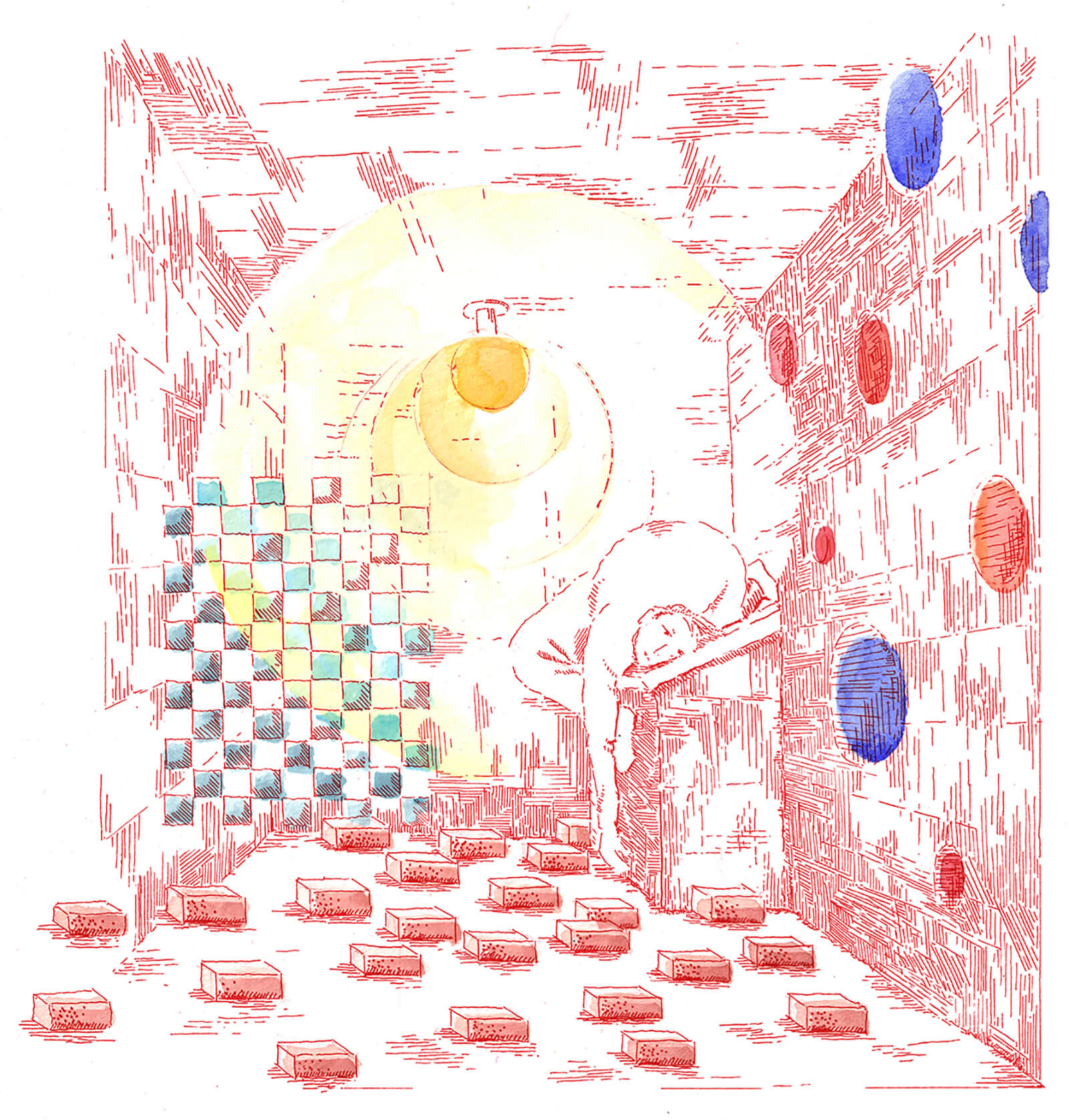
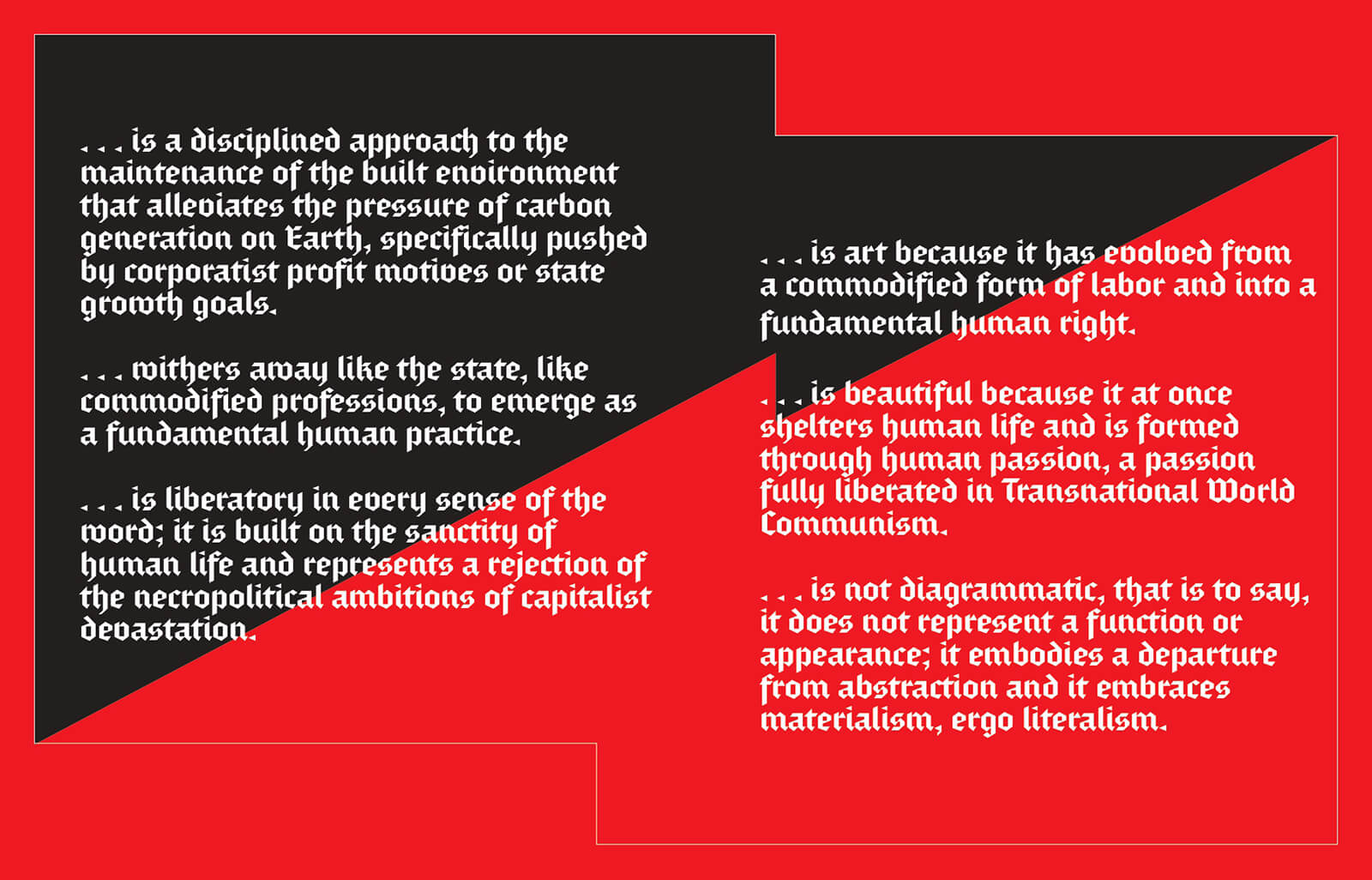
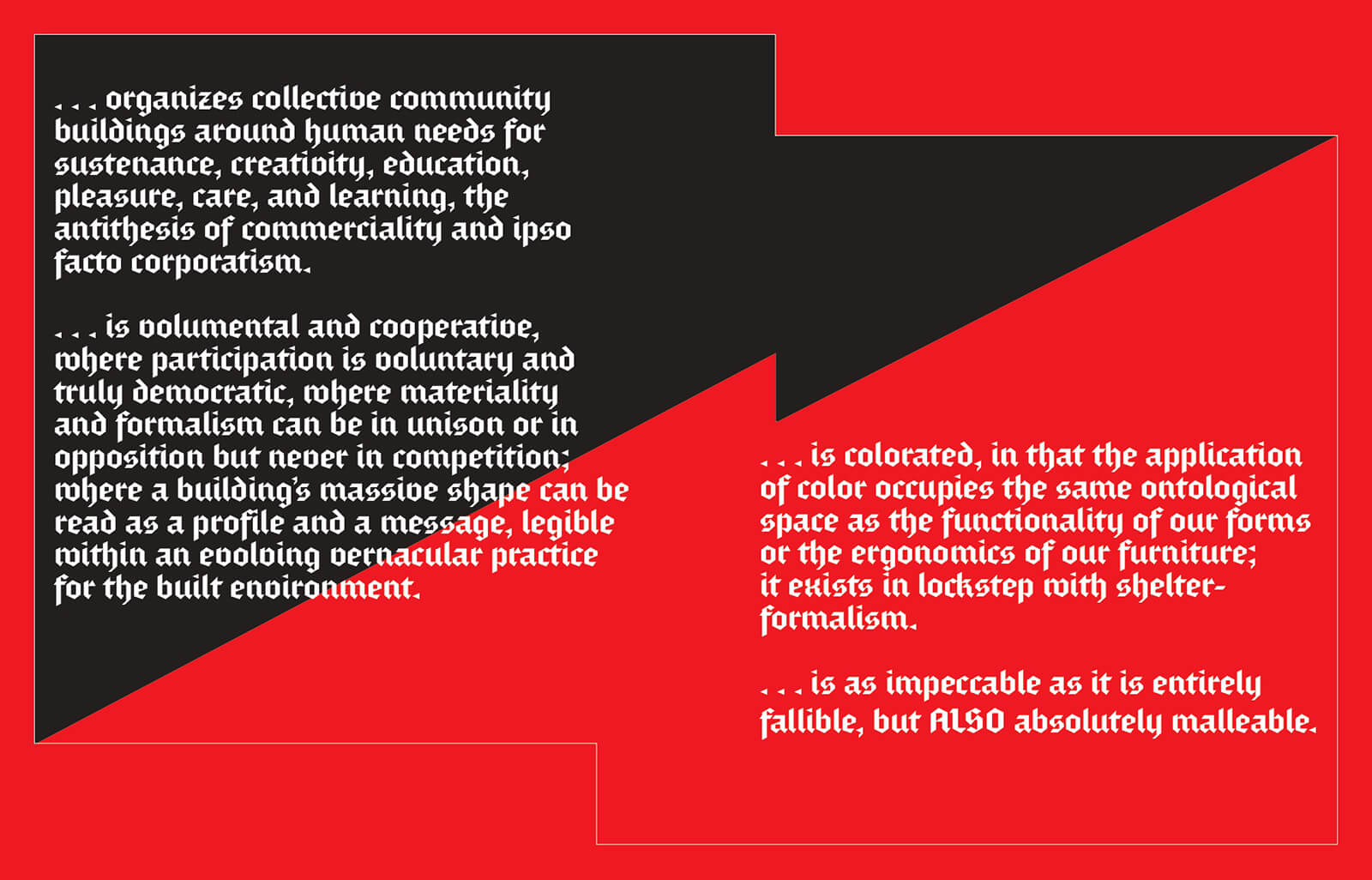
The book is divided into three parts. The first lays the foundation for such a study; the second sets out the framework with historical examples of architects and buildings that the authors believe fit into their definition; while the last part provides the building blocks with which to (re)imagine the discipline and work toward the conception of a liberated future based on utopian ideals. It’s worth noting here that the book’s design underscores its rhetoric through the use of the bright red (à la a certain red book, though the shade feels more orange) and the use of Gothic font. The use of the Gothic typeface is particularly relevant, an implicit nod to ornament, understood here as a counter to the sterility of minimalism, and to craftsmanship.
The book began with Cuban American designer, educator and critic Santa Lucia and design journalist Roche’s proposal for Washington’s Bellevue Arts Museum, ALANAR: An Altar to Antifascist Architecture—with the pair asking what an antifascist architecture might constitute. Building on this, in the first part, Santa Lucia and Roche elaborate on ‘the fetishisation of fascist architecture’ in architectural histories and media. The duo note the efforts taken by historians, architects and cultural magnates like Philip Johnson (notable for his sympathies with Nazi sentiments) and architectural historian Colin Rowe to rehabilitate the work done by the likes of German architect Albert Speer—the architect of Nazi Germany—defanging it from the context within which it was designed. Drawing on the authors’ lived experiences in US-based architectural schools, where, they write, “You’ll likely find a professor who tells you how good [Giuseppe] Terragni is, and maybe even Speer and Brasini as well, depending on their relationship to postmodernism. Most students can name at least a few fascist architects thanks to people like this.”
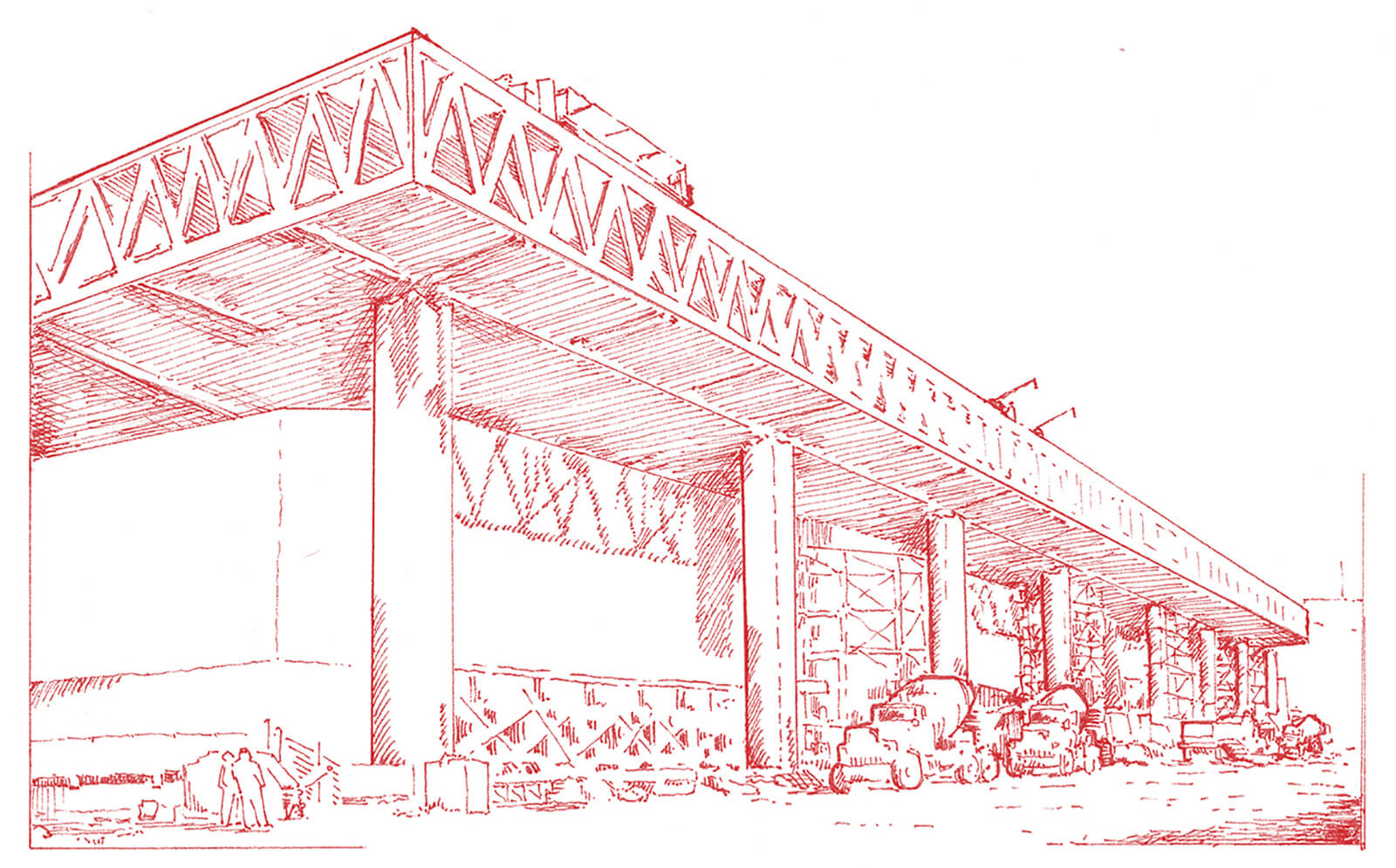
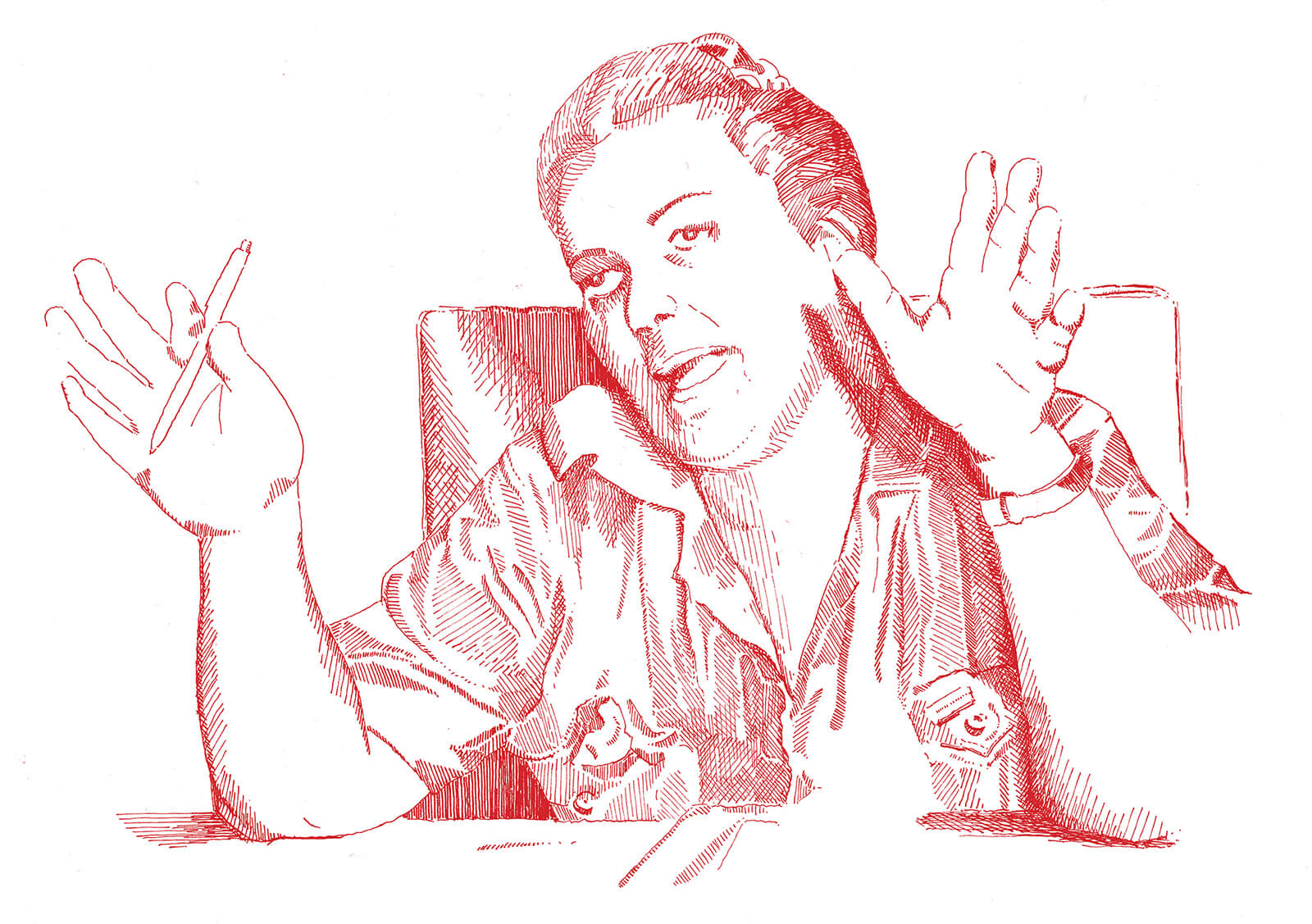
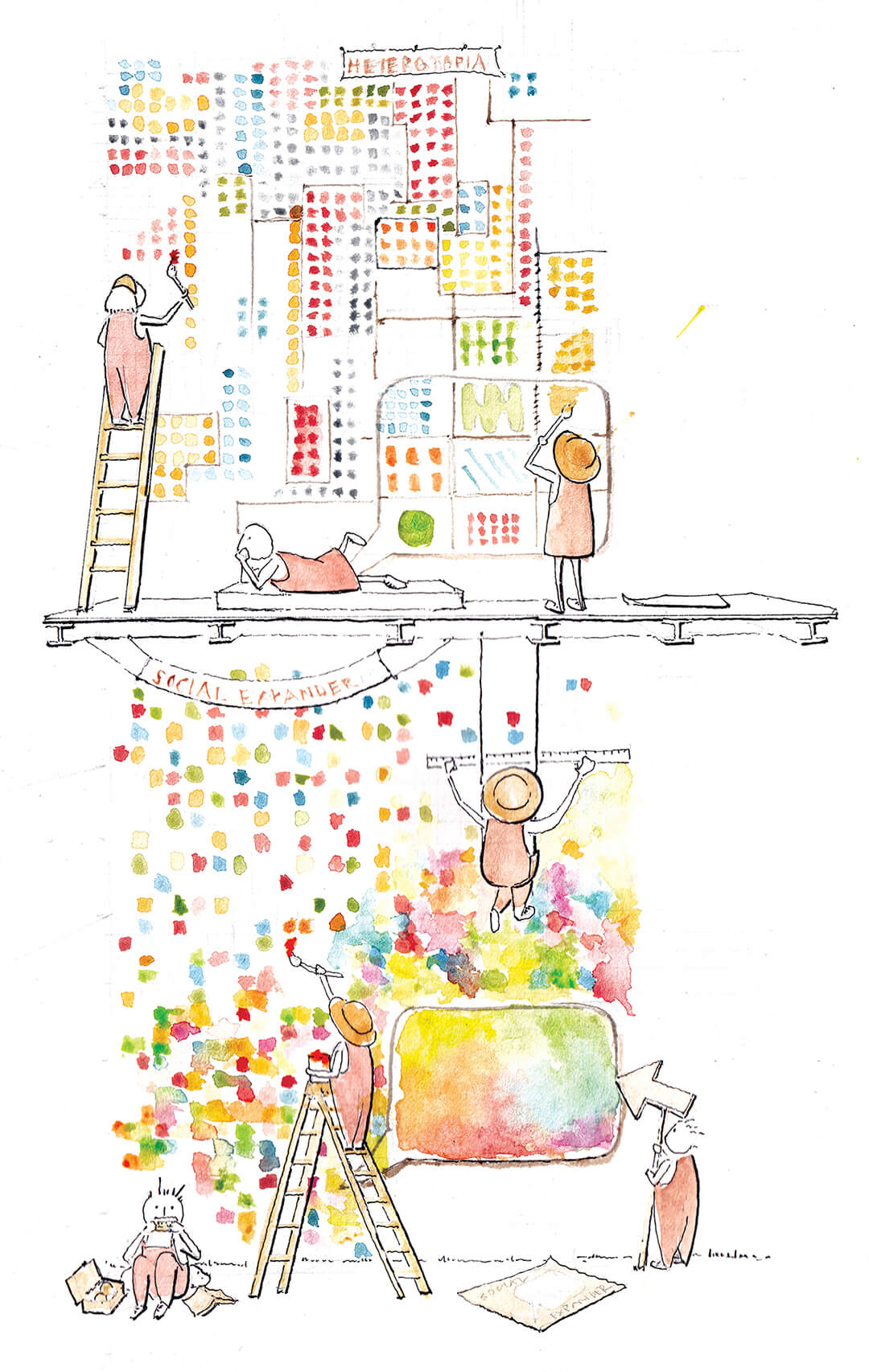
By extension, the authors also argue against the entrenchment of Heideggerian and Foucauldian (specifically the concept of heterotopias) thought in architectural thinking. Phenomenology and the heterotopia have indeed, as they underscore, shaped how architecture is theorised today—most often eliding Martin Heidegger's Nazi associations—ensuring that architectural thinking tends to reinforce distance from material conditions, atomise experience and, in turn, treat any liberatory potential of design as a problem of the individual. In their analysis, this has prompted current understandings of practice: one that is obsessed with branding and style, that is depoliticised and its products fetishised as a commodity.
It’s worth noting here that in expanding the scope of what they consider the fascistic tendencies of the discipline—developed through a heroic perspective of architectures actually built for fascist states and by fascists—the core argument for the book becomes bloated and almost unfathomable. If the very industry is fascist, everything must be condemned. That’s not to say that conventional architecture (of the kind that people understand) is not culpable, but to deplore the whole endeavour under what is already a tenuous term such as antifascism is to ignore complexity. That said, the language and rhetoric espoused by the authors become another barrier to their project’s goals of inclusivity. Most of the language tends towards archispeak and jargon that people without training in architectural history and theory (or critical studies), let alone an architect in the general field, can apprehend.
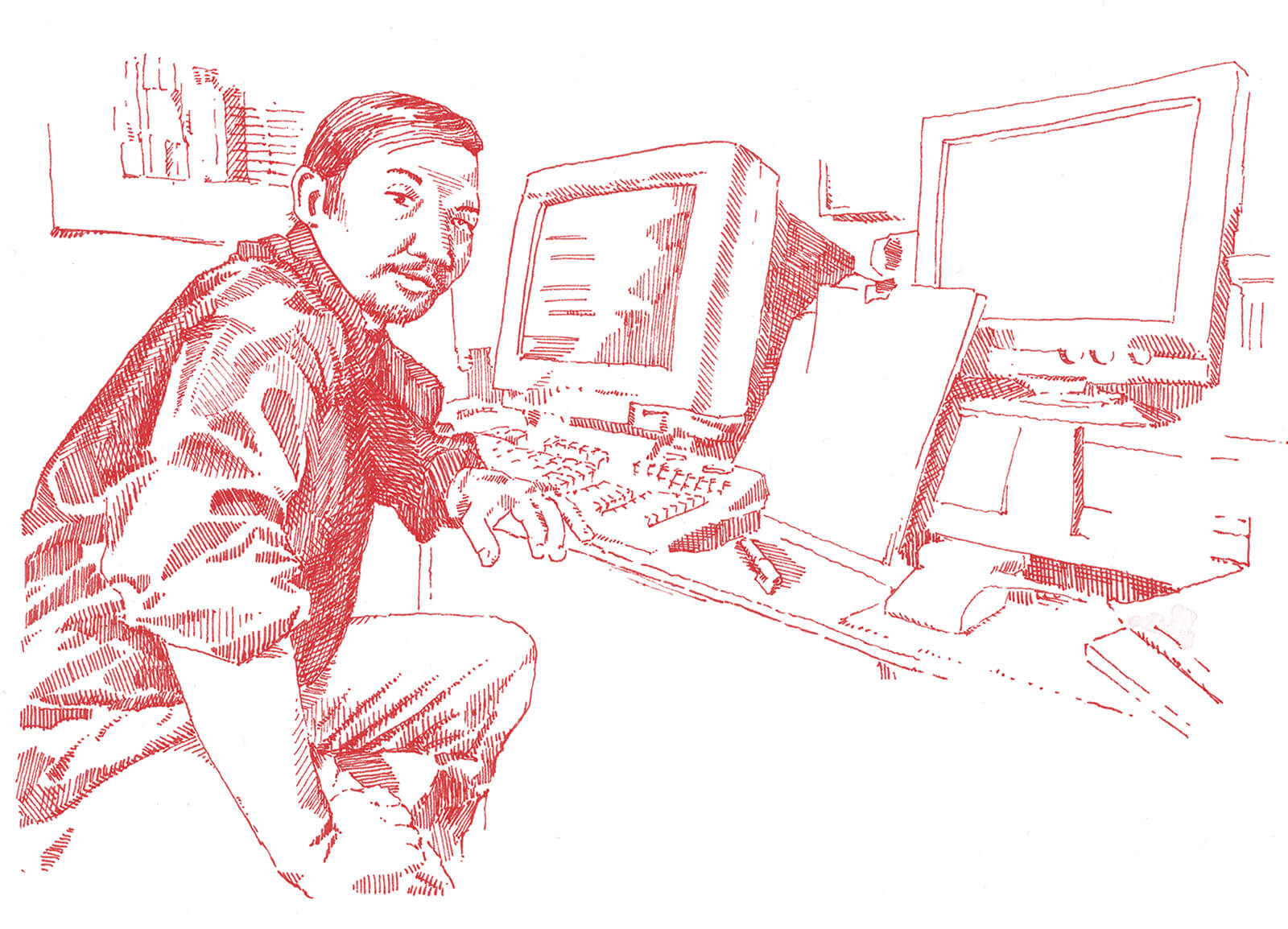
If the core aim of the book could be considered “a re-evaluation of what is understood as beautiful”, critiquing the tendency to cleave formal expression from ethical duty, the pair argue, “For a work of art or architecture to be magnificent, it can never be fascist.” That correlation of beauty with ethics is crucial—especially for the counter canon the authors propose (a non-exhaustive list). Their opposing history of radicals, utopian thinkers and anarchists who “sets a tone, a cadence for revolution and collective liberation” for architecture-ing is certainly a hopeful transgression of the modernist architectures that continue to influence designers today; especially in the beliefs and architectural thought process presented, though the methods of practice and design language might be less distinguishable.
It comes as no surprise that many of the designers mentioned hail from Global South geographies (for instance, Pastorita Núñez González, Abderrahman Bouchama, Friedrich Silaban and Laila Shawa, to name a few) or identified with marginalised groups (such as Kiyoshi Kuromiya). Through these examples—of architects, artists and buildings (many of which have been abandoned to decay)—the authors build on their central argument: the liberation of architecture from capitalist logic. To them, this potential lies in socialism. “Within socialism and anarchism architecture is liberated, so that it becomes not just an extension or embodiment of humanity, but also a weapon and version of humanity itself, with all of its evolving needs,” they write.
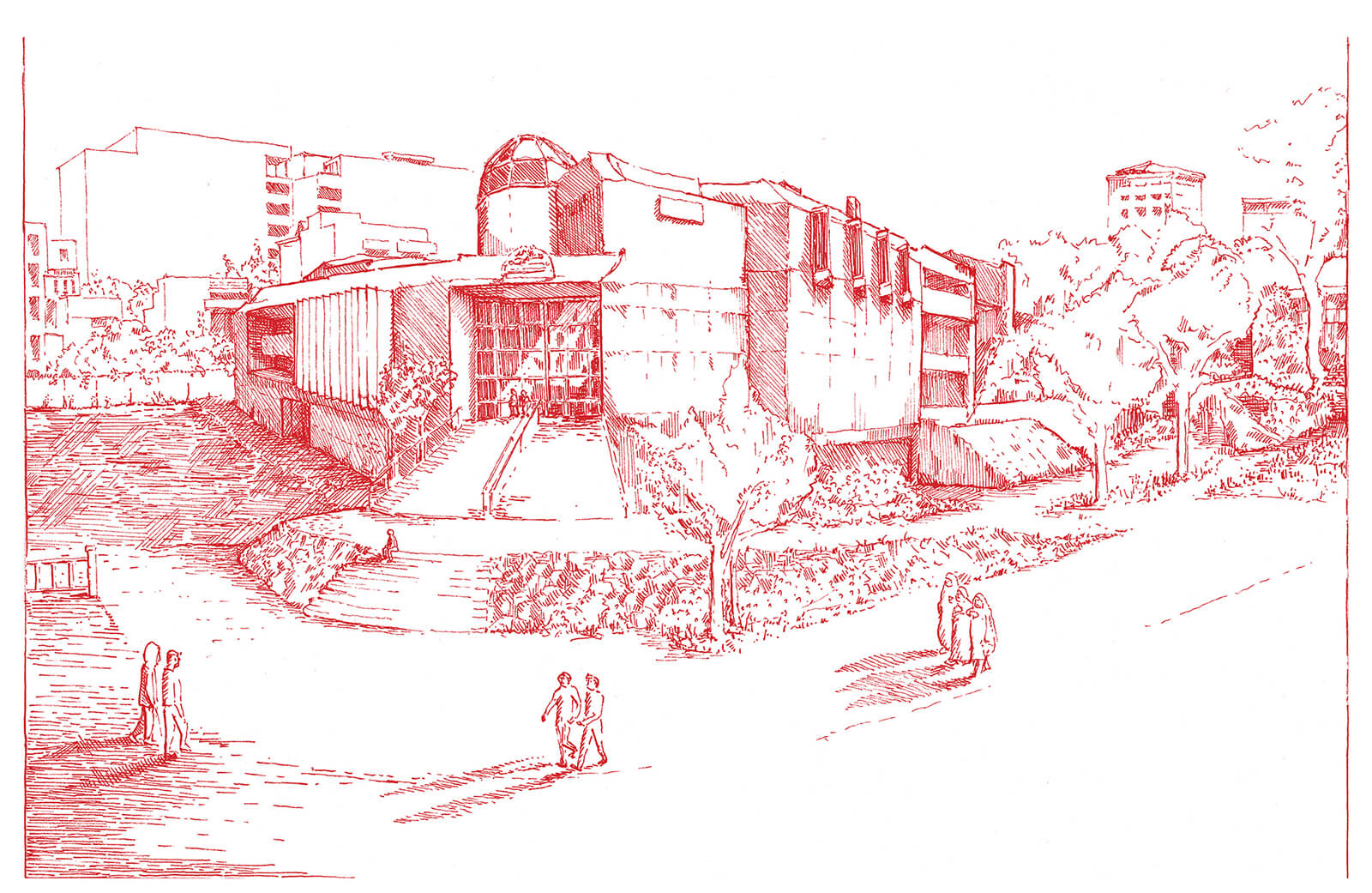
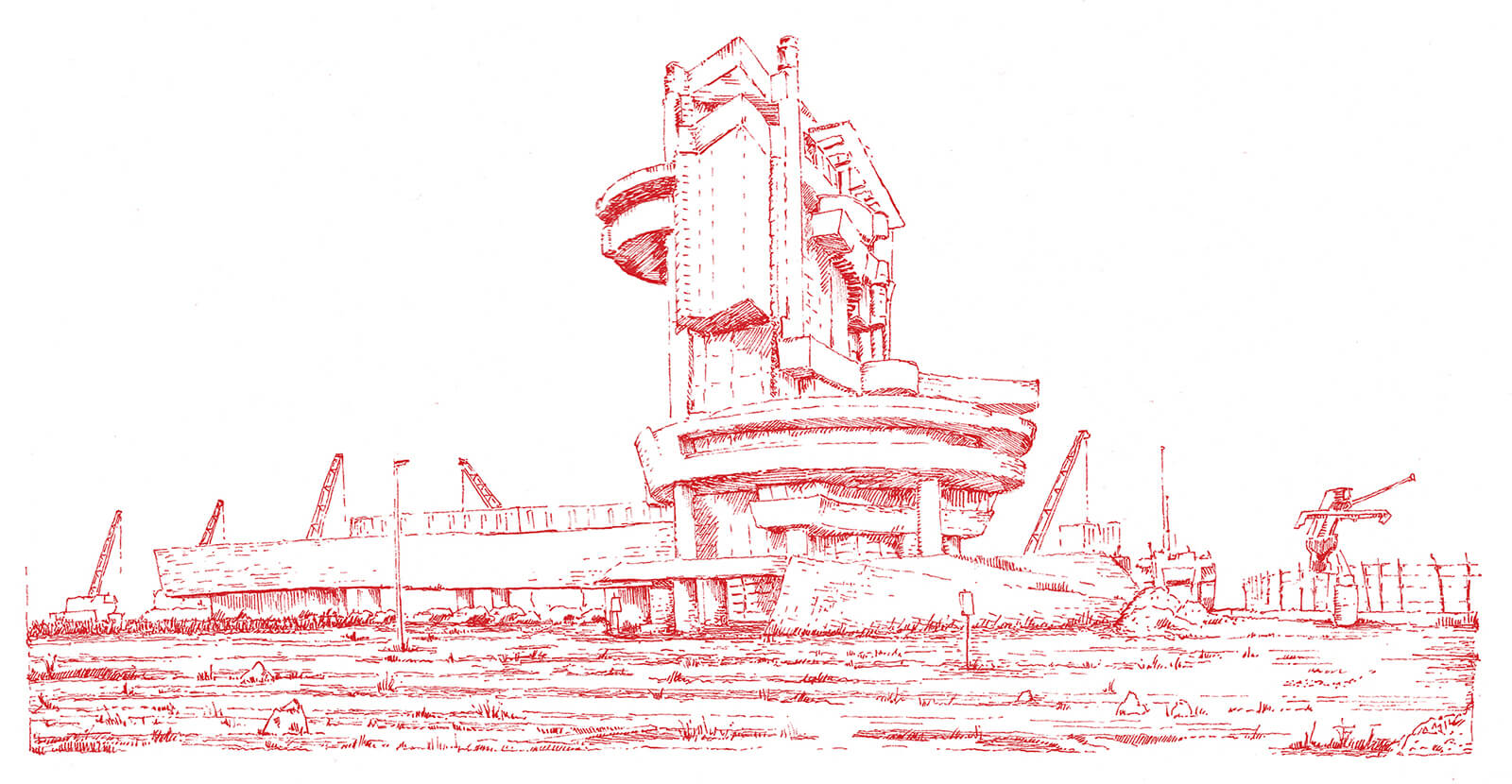
Through this lens, the third part of the book turns towards the future of Architecture as a practice, espousing the tools and methods architects could wield to stage a coup, as it were. These range from an industry-wide call to unionise to practices such as adaptive reuse and moratoriums on new construction. As mentioned before, in considering an entire rehaul of the discipline, the notion of antifascism that they charge a collective future for architecture feels untenable. All these ideas, while more relevant than ever, have been individually discussed exhaustively by other scholars; for instance, their materialist critique of design draws significantly from Sergio Ferro. But, in the book, they feel more like a bulleted list of every way an architect should practice, but can never do so individually.
Still, what most captures the imagination in this last part is their formulation of ‘architecture as an act of solidarity’, linking it to the ‘epistemology of survival’ and ‘shelter forms’. It recalls the kind of processes those practising in the Global South have had to adopt in the face of the climate crisis. In the book, these contextual, material realities are for the most part obfuscated. If anything, practices responding to austerity resist recording; they are, by their very nature, ephemeral. In trying to provide a framework and a genealogy for radicalism in architecture, the authors reengage the formulation of the discipline according to Enlightenment notions—a system that they hope to critique. I think here, then, of Palestine, as somewhat of a paradigm of (antifascist) architectural ideology.
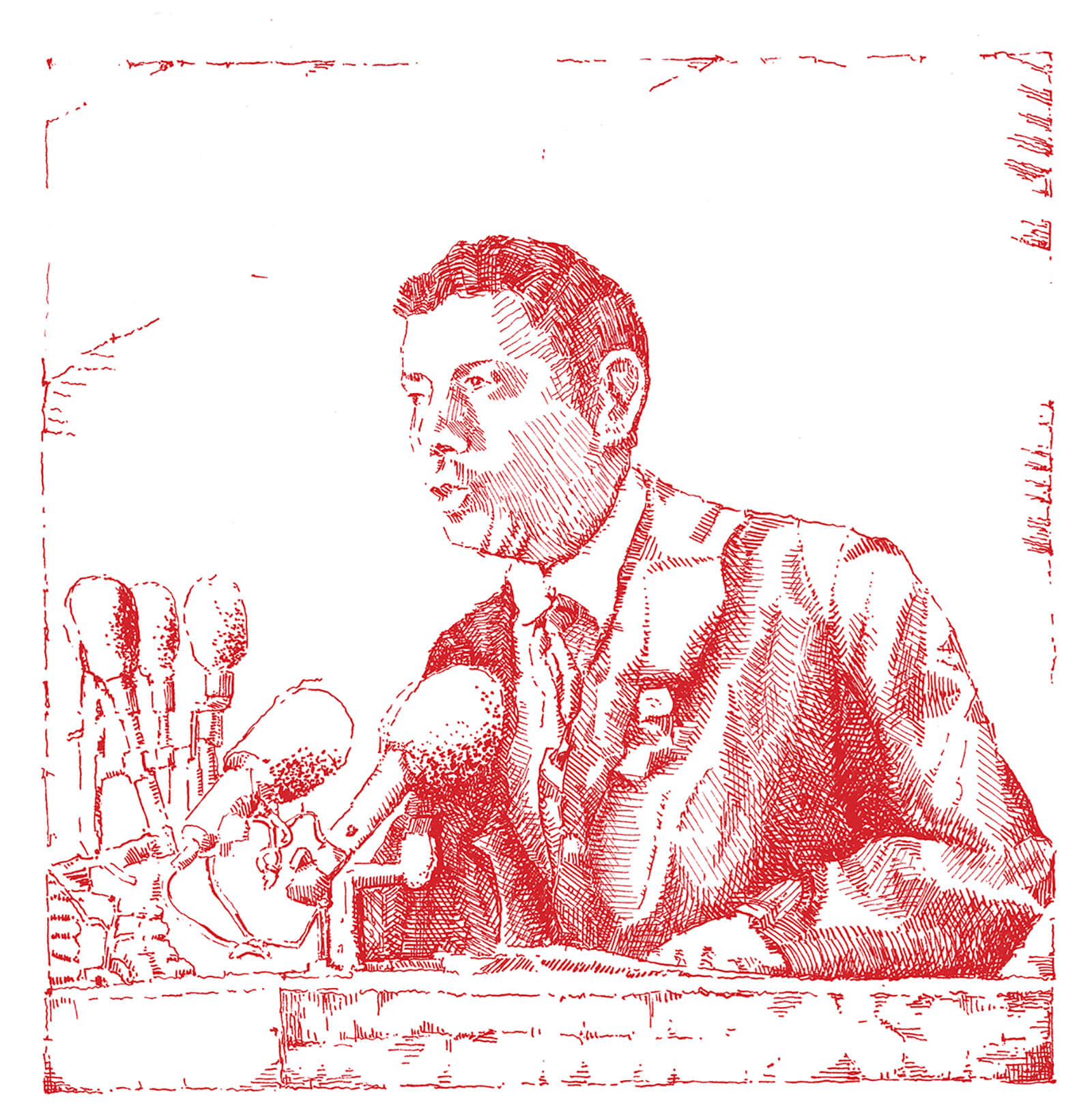
There is no practice today more relevant, and more resistant to formalisation, than the kind of repair work ongoing in Palestine in response to state-sponsored genocide. The very conditions of the terrain refute any standardisation. If the reconceptualisation of the discipline rests on the question of repair, it is most potent in Gaza, where to repair “is not to rebuild what was, but to reimagine the grounds of life itself—to craft, from ruin, the possibility of belonging”, as Emilio Distretti writes in Palestinian Repairs. Palestine reminds us, again and again, and again, that alternative ways of building and belonging inherently resist canonisation. These are practices that go against conventional historiographies and are often devised in response to them. The evidence is writ instead onto the terrain and the body; onto our collective memories. It is scattered amidst the rubble.
While thus far unacknowledged, I must also draw attention to the authors’ use of the term antifascism to describe their hopes for the discipline (in lieu of radicalism, socialism or anarchism). In positioning their vision against fascismas an ideology, they implicate current architectural practice as an indispensable tool for its proliferation. In End Times Fascism (2026), Naomi Klein and Astra Taylor observe, “Fascism is capitalism with bared teeth.” Capitalism’s disguised desire for the breakdown of individualism, the aestheticisation of politics, concern with stringent order and purity and the dismantling of the threshold between public and private spheres make this parallel obvious.
This has never been clearer than in the protests that erupted in Albania over claims of corruption in Edi Rama’s government. Implicating just about every starchitect that you can name (from Mr BIG himself to Kengo Kuma), citizens discovered the hundreds of projects sanctioned by the Rama government without their knowledge from a book documenting these proposals, The Albanian Files. The book, of course, hoped to spotlight these works as indicative of Rama’s own progressive, liberal politics. The protestors first gathered to object to the greenlighting of a luxury resort backed by Jared Kushner and Ivanka Trump, and they are still protesting. Not only the merging of government with speculative development (in the name of progress, of course), but also high living costs, poor public services and limited opportunities. With distinct inflexion points, protests are raging across Europe, echoing these very demands.
They rage in Paris, from high school students demanding better facilities; they rage in Spain from citizens demanding lower rents and more housing. Protests have also shaken Argentina and India. Every struggle connected through space and time. And everywhere, Palestine—a question that problematises distinctions of history and memory, justice and rights, and asks what we make of liberation, imagined and lived.
Another world is possible—that is the hope the book aims to foster—and I believe this must be true. It might begin with how we think of architecture. Corbusier quipped that ‘revolution can be avoided’ if a new architecture were able to create a perfect society. If anything, Antifascist Architecture shows, revolution can no longer—and must not—be avoided. In A Radical Alternative, the late Michael Sorkin writes that “the search of the radical architect is not for a way of designing but for a place to begin to design. S/he is preoccupied with a process not a product”. That might yet be the most precise response to what the book hopes to show us. If the old world is dying, the collective struggle for new worlds must be the threshold for collective liberation.

by Mirra Lynn Nov 02, 2026
Pivoting timber shutters, dual courtyards stretching into the subterranean and narrow wall openings organise the spatial experience of the five-sided House of Thirds.
by Jincy Iype Oct 31, 2026
The second session in the public event series brought Elsie Owusu, Torange Khonsari, JJ Cliff and Rhael ‘LionHeart’ Cape to unpack who cities are built for and who they leave out.
by Mrinmayee Bhoot Oct 30, 2026
At the William Morris Gallery in Walthamstow, Earthly Paradise: Radical Living in the UK traces how creatives and communities have shaped alternative domiciles and ways of living.
by STIRworld Oct 30, 2026
With the Indian museum ranking ninth among the world’s 100 best museums, STIR reviews its design by Maki and Associates with _Opolis as a measured urban response to Patna.

make your fridays matter with a well-read weekend
Enter your details to sign in
Don’t have an account?
Sign upOr you can sign in with
a single account for all
STIR platforms
All your bookmarks will be available across all your devices.
Stay STIRred
Already have an account?
Sign inOr you can sign up with
Verification link sent to check your inbox or spam folder to complete sign up process
Tap on things that interests you.
Select the Conversation Category you would like to watch
Please enter your details and click submit.
Enter the 6-digit code sent at


Can Antifascist Architecture make another world possible?
by Mrinmayee Bhoot | Published on : Nov 06, 2026



 Sign in with Google
 Sign in with email
What do you think?