Design06 mins. read
2026 London Design Medal winners inspire design beyond boundaries
by Pia BhatiaSep 10, 2026



by Mirra LynnPublished on : Oct 22, 2026
In 2003, Susan Sontag published Regarding the Pain of Others, reconsidering what she had argued about photography a quarter-century earlier, when she suggested images numb us. After her time in besieged Sarajevo, she was less certain. Narratives can make us understand, she wrote; photographs haunt. We now live inside the haunting, but also a numbing: a live stream of ruin, endlessly refreshed, where looking has become a way of keeping clean. Sympathy, she warned, “proclaims our innocence as well as our impotence”. So what does it mean to think of Palestine metonymically and to think of ourselves in relation to it? What are we doing when our witnessing becomes a saturation of looking, a form of abetting, a scroll to get away?
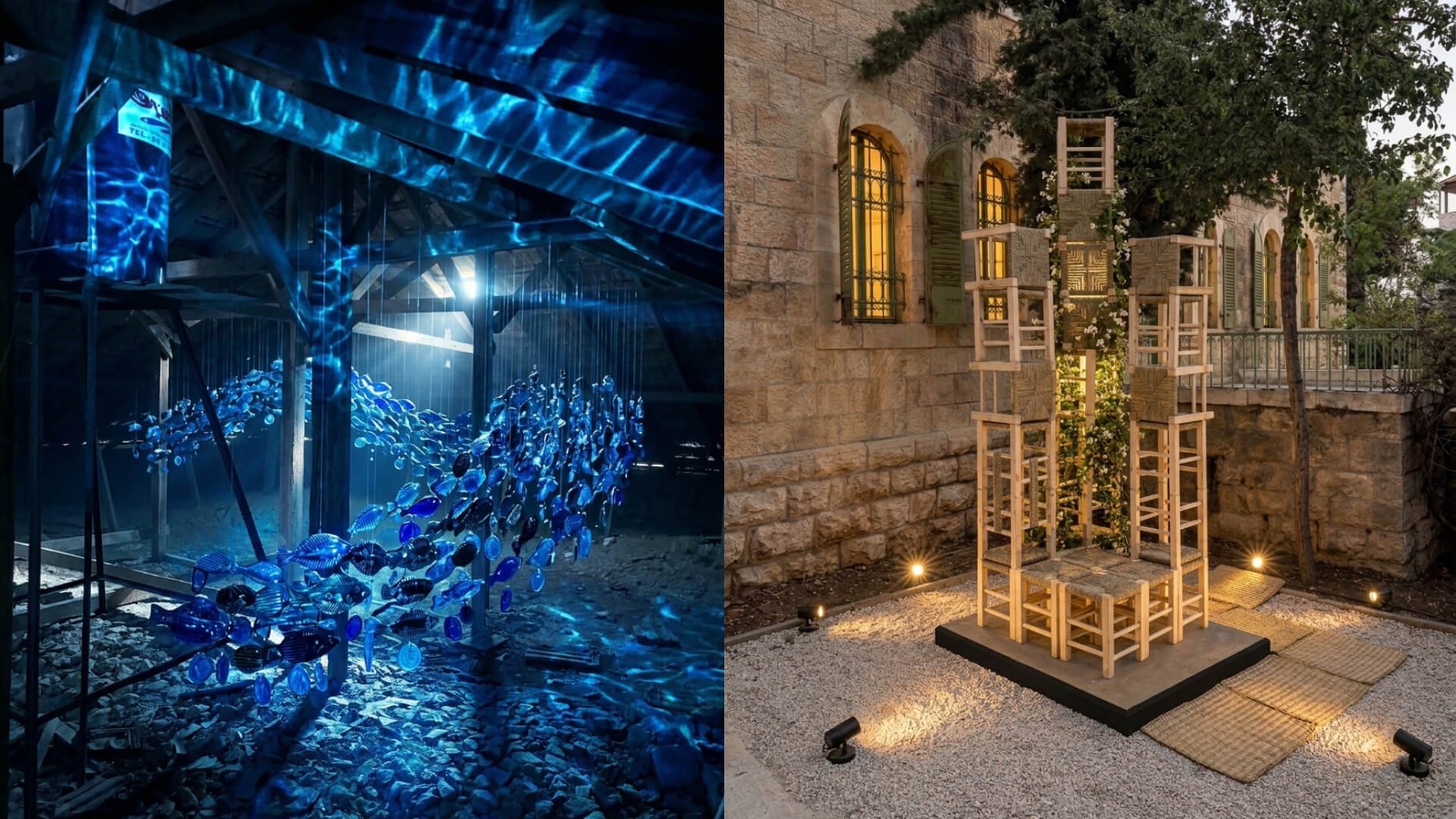
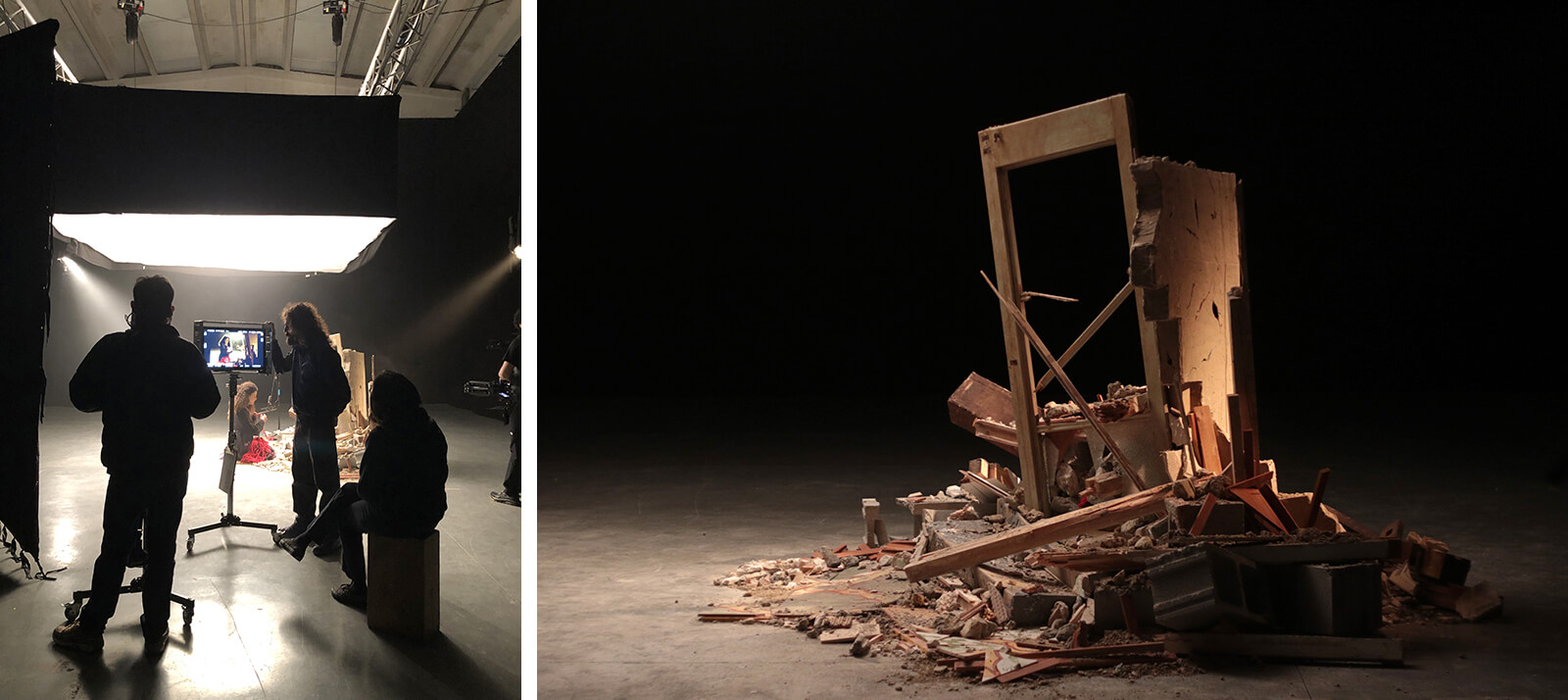
Vessels, by Yahya Alsholy and Ambient Gaza, an experimental film that projects re-imaginings of landmarks in Gaza onto buildings, part of Palestine Design Week 2026
Image: Courtesy of Palestine Design WeekArabic holds watching and witnessing in one etymological root: shahid, witness; mushahida, watching. In Renewing Solidarity, an essay in the anthology Their Borders, Our World, Mahdi Sabbagh argues that witnessing on its own is futile; it must become a practice of solidarity to realise change. What is seen in the landscape and the built environment should prompt us to question furiously, the essay says: “How do people experience injustice? How was it funded? Who designed this injustice?”
Palestine Design Week turned these questions on design itself. Its theme, Without Permission, asked whom the discipline serves, what it prioritises and whom it has historically refused to name. It did not treat Palestine’s conditions as a neutral backdrop; it also examined how they shaped what can be made. Gaza was in the programme as work: prototypes for demountable homes, testimony collected from destroyed cultural sites, stories recorded on battery-powered equipment. If injustice is something designed, these were the designs that answered or responded to it, made by those who have witnessed it.
The organisers relay how this first edition "recognises a design practice that is living and worth serious examination. It is held in craft, material and memory; but exercised daily in the circumvention of imposed conditions." To further understand what it means to design under these conditions, we spoke to the four curators of the design week about how it came together, the thinking behind its theme and the choices that shaped its curation.
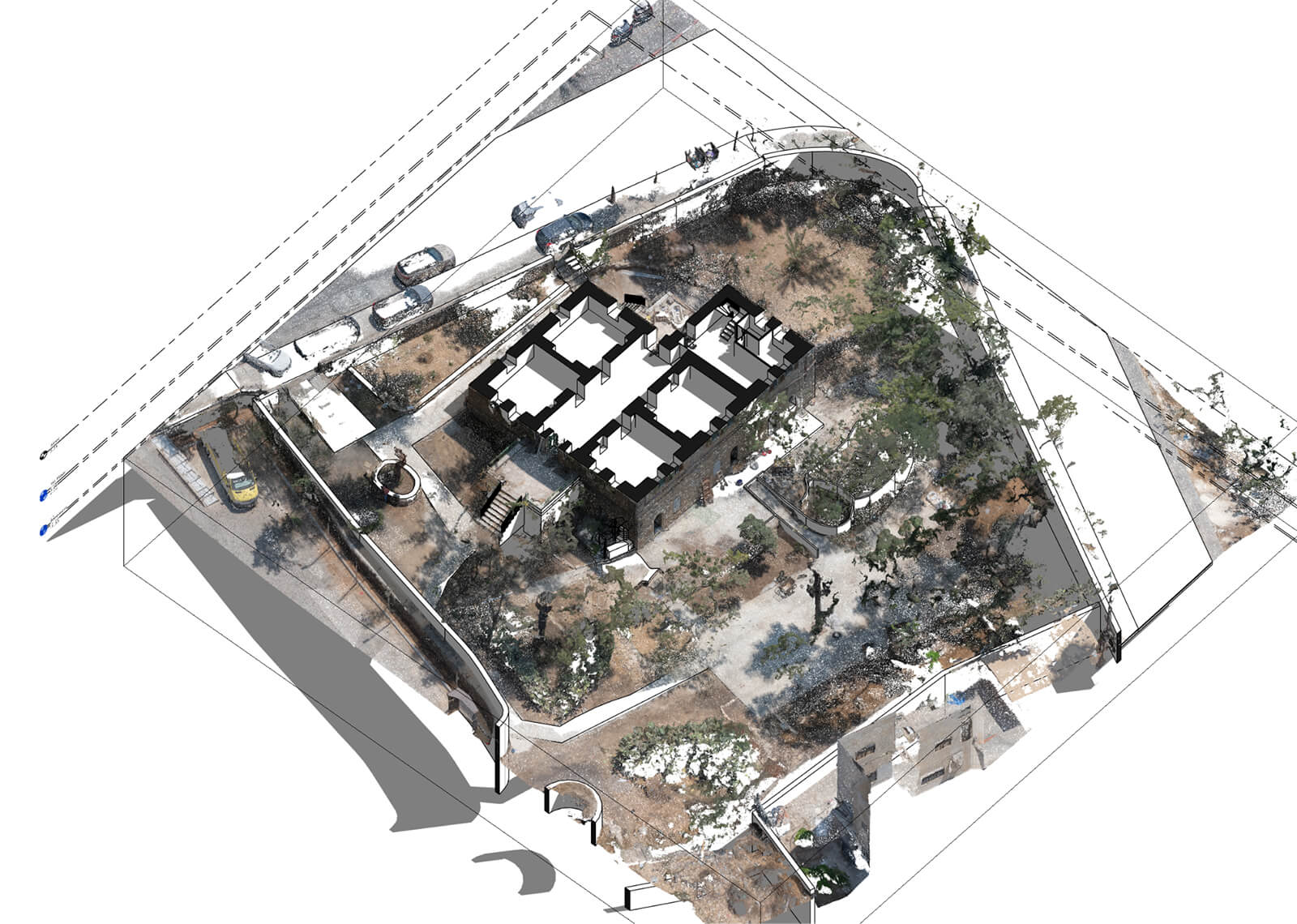
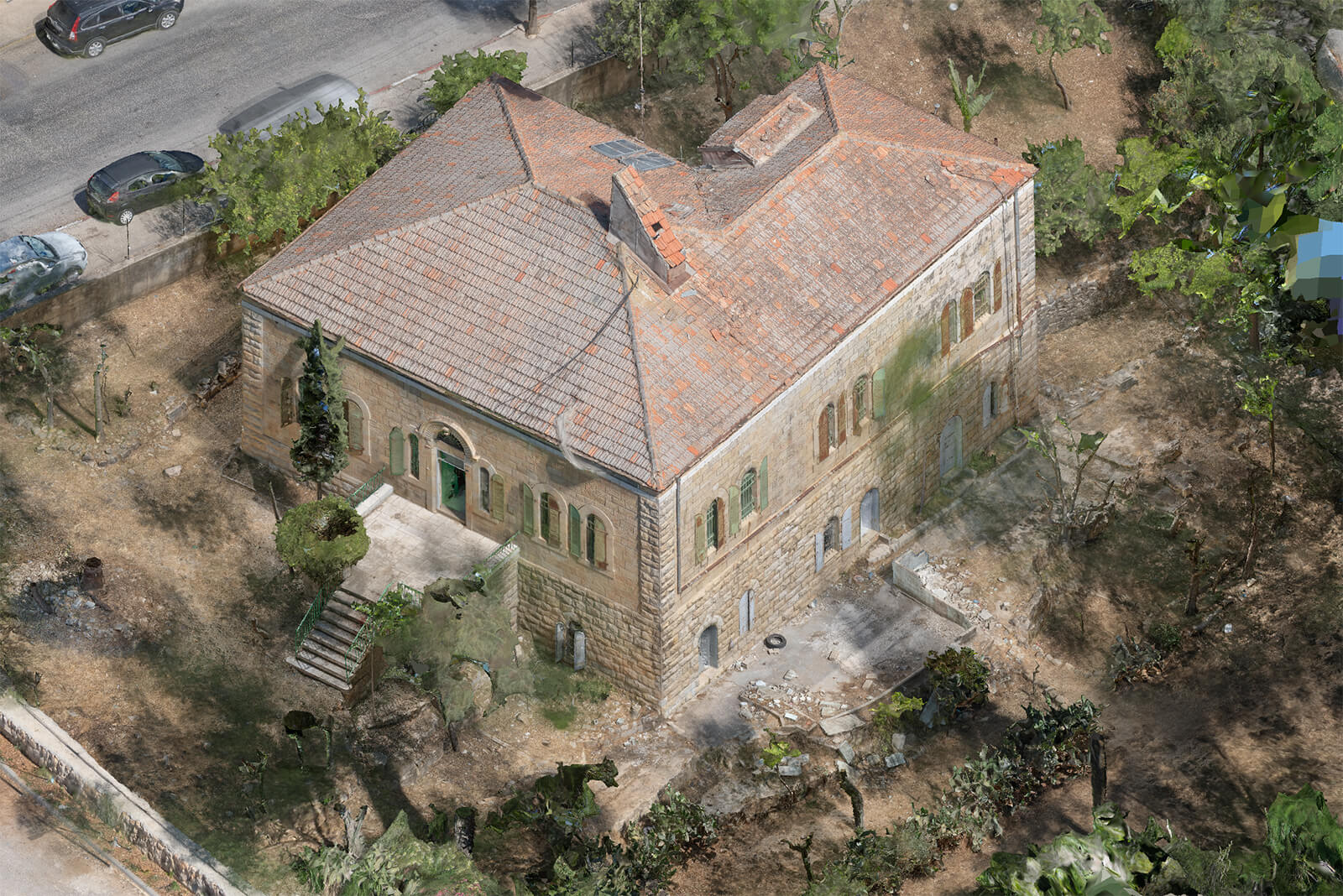
The inaugural Palestine Design Week, 'a curated biennial dedicated to design as a critical cultural and spatial practice', was held in Ramallah from September 15 – 24, 2026, in a house more than a century old, abandoned and then restored for the exhibition. For exhibition designer Ahmad Jubran, the choice of building was integral to the Design Week’s meaning. In a place where home, land and belonging carry such weight, he explained, caring for an existing house connects its history of place with its future possibilities and giving it renewed purpose becomes a powerful act of continuity. Jubran hoped for it to be recognised as a place of gathering, making and questioning, although its future adaptive reuse remains under discussion.
Izz Al-Jabari, one of the four exhibition curators, described the curation as revolving around the house itself. Its architecture was left intact, and works were tested against the scale, light and character of its rooms over a long period. Those requiring darkness were placed in the basement; those requiring air and soil, in the garden. “We built this dialogue deliberately, seeking a harmony in which the works and the house share one spirit. In our understanding, this relationship between object, place and use is the essence of design itself,” he shared with STIR.
Theme curator Doreen Toutikian shared that early on, the curators agreed the week would show how things are made as well as what is made, a decision that shaped the selection, display and public programme. Her reasoning was partly local; in Palestine, a finished object conceals most of its own story: the shortages and workarounds behind a ceramic piece are where the design thinking happens. A design exhibition of finished objects alone would have seemed merely decorative, especially given the context. It would say nothing of the clay that could not be sourced, the kiln that lost power halfway through, the delivery that never reached the workshop and the techniques rebuilt around available materials.

The decision also commented on a design field that rewards what can be published and sold, often sidelining repair, the transmission of knowledge and handing-on as craft. Asma’ Mozayen, public programme curator, also told STIR that the programme sought to question and dismantle assumptions about design and craft practices, while moving away from the tendency to turn tools, objects and heritage into museum pieces detached from the contexts in which they are produced and used.
Toutikian pointed to a soapmaking method refined over centuries by people whose names were never recorded. By moving beyond the designed object and the individual designer, Palestine Design Week strove to treat authorship much as (un)finished objects. Makers were named and credited, yet they worked within lineages of knowledge that cannot be traced to a single person. Toutikian described the position as “closer to inheritance and custodianship than to invention”. She saw a political stake in it as well: where makers remain unnamed, appropriation comes easily. Crediting collective knowledge is one way of resisting that.
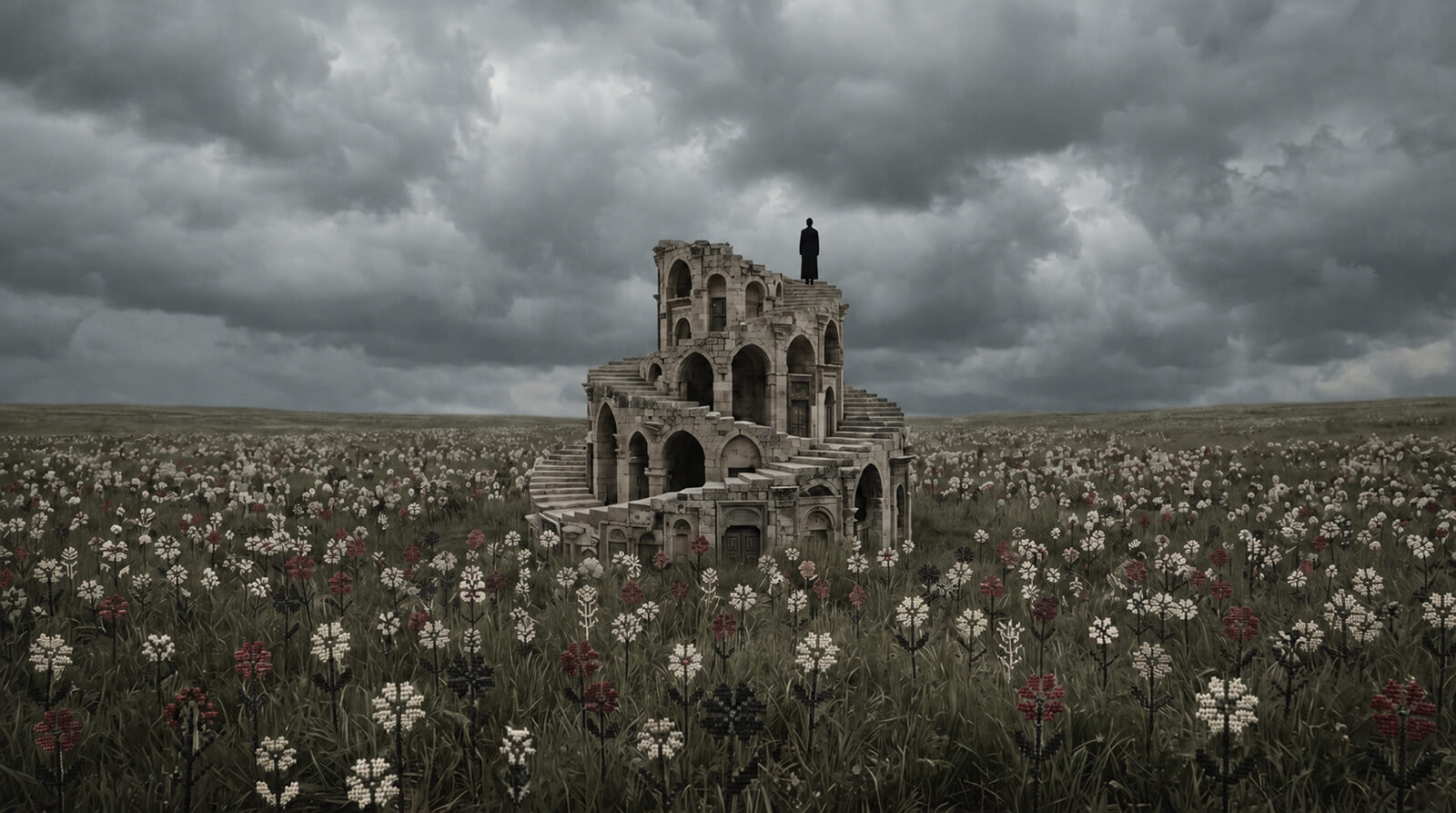
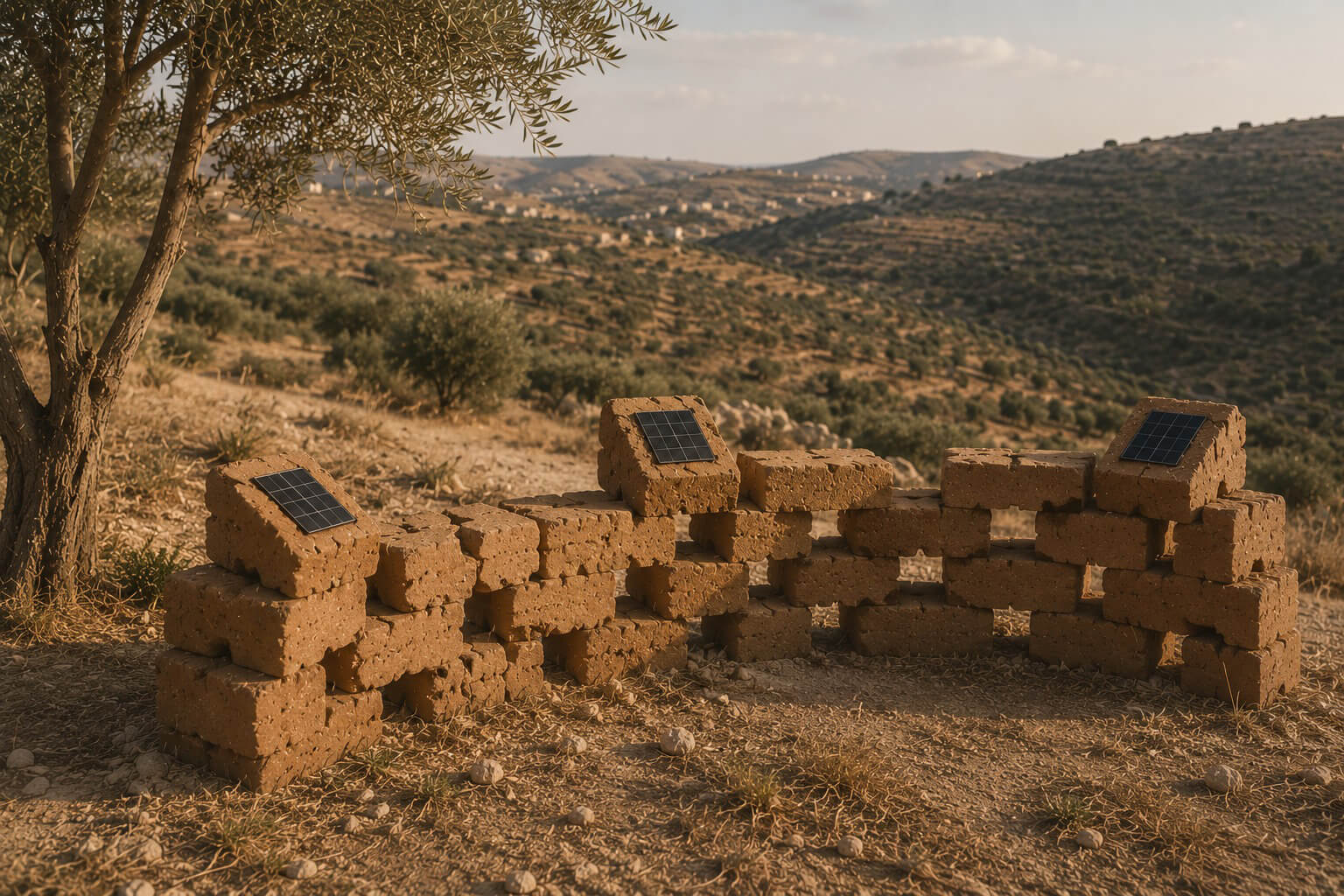
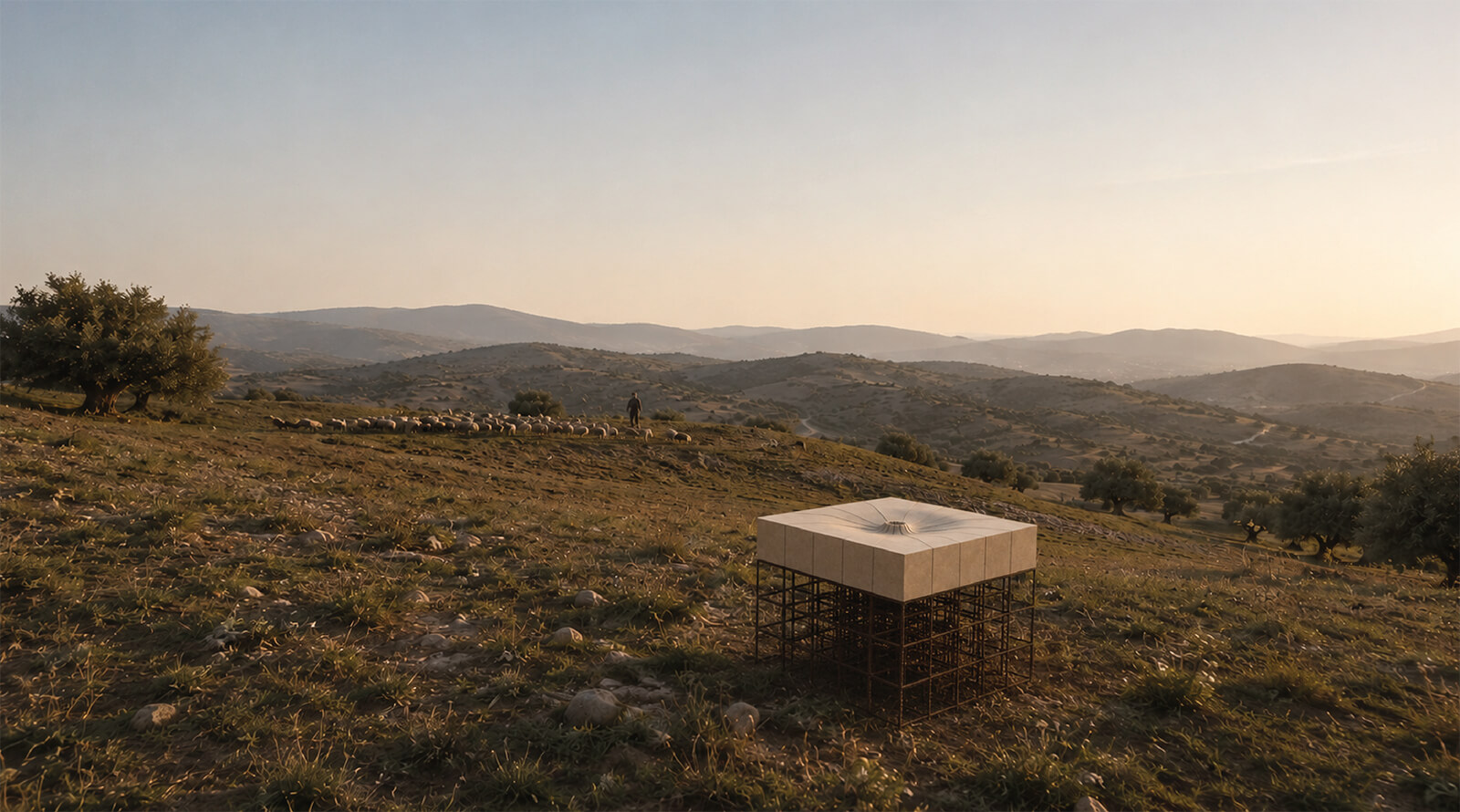
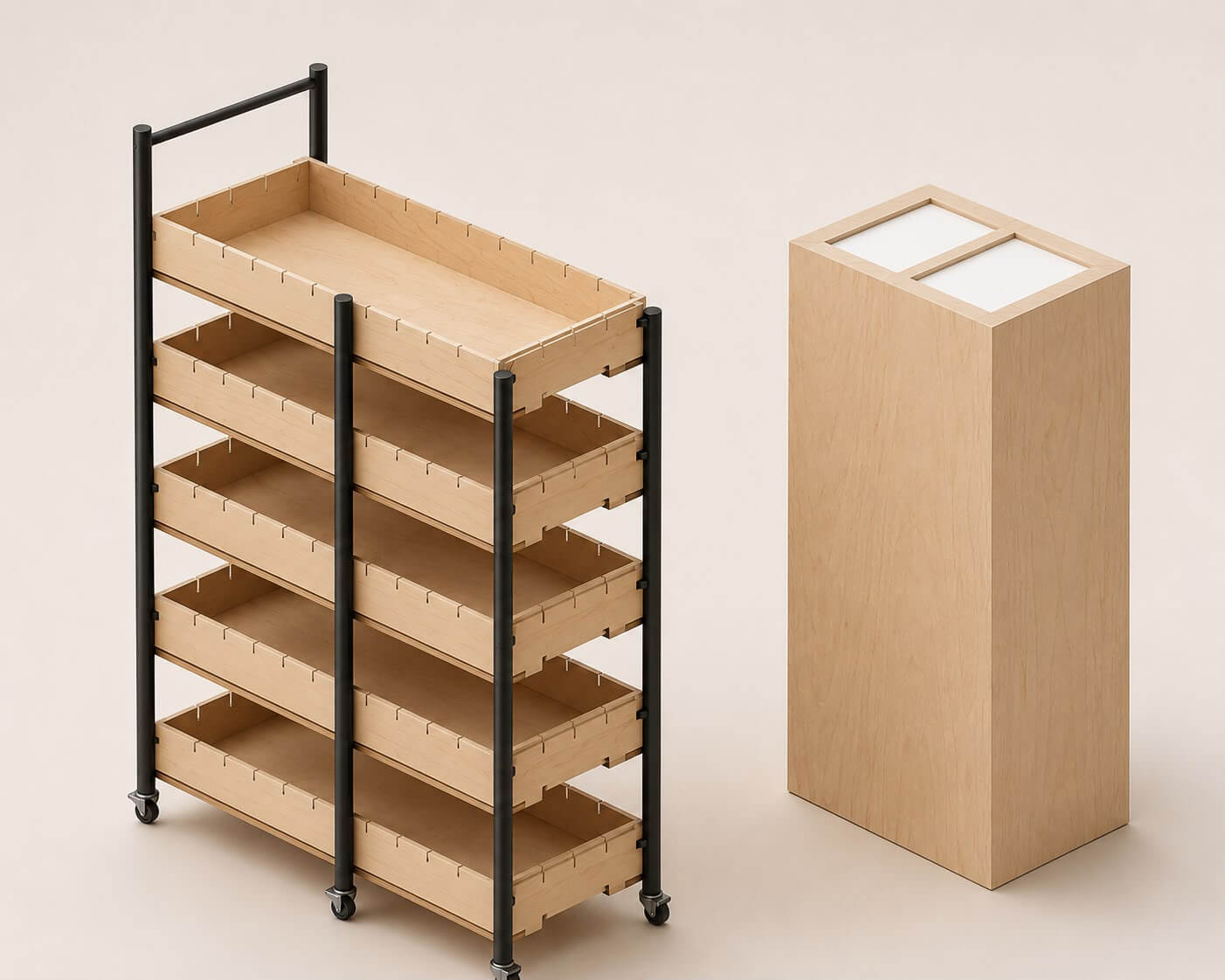
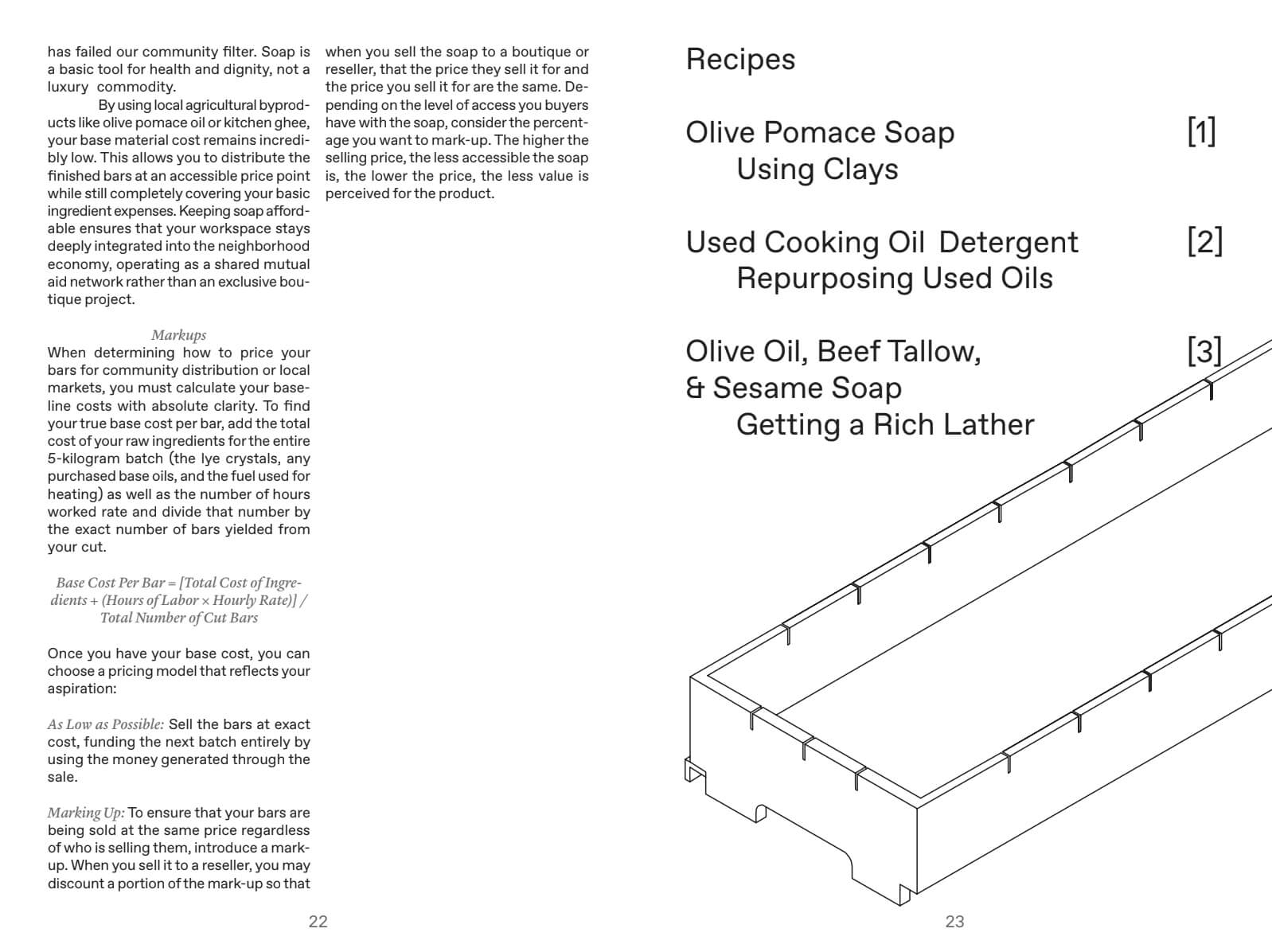
History, as the world likes to receive it, arrives as an object: a jar, a thobe, an embroidered piece of cloth, lit from above, displayed under glass and labelled in a language the maker may not have chosen. The projects in Palestine Design Week 2026 kept reaching beyond the glass. Rukn took regional soapmaking, once practised in specialised, well-equipped workshops, as its starting point. Shortages and displacements forced many makers out of these spaces. Azim Al Ghussein, Dina Al Khatib and Rouba Shaath shrank the workshop until it could travel: a steel frame, five wooden moulds and notches along the edge to guide the knife. Gaza Demountable Houses by Yusef Audeh were modular homes of prefabricated beams, trusses and walls, drawing on self-taught French architect Jean Prouvé’s designs. Raised a metre off the ground to guard against winter flooding, the frames extended beyond their walls, creating space to hang clothes and for children to play outdoors.
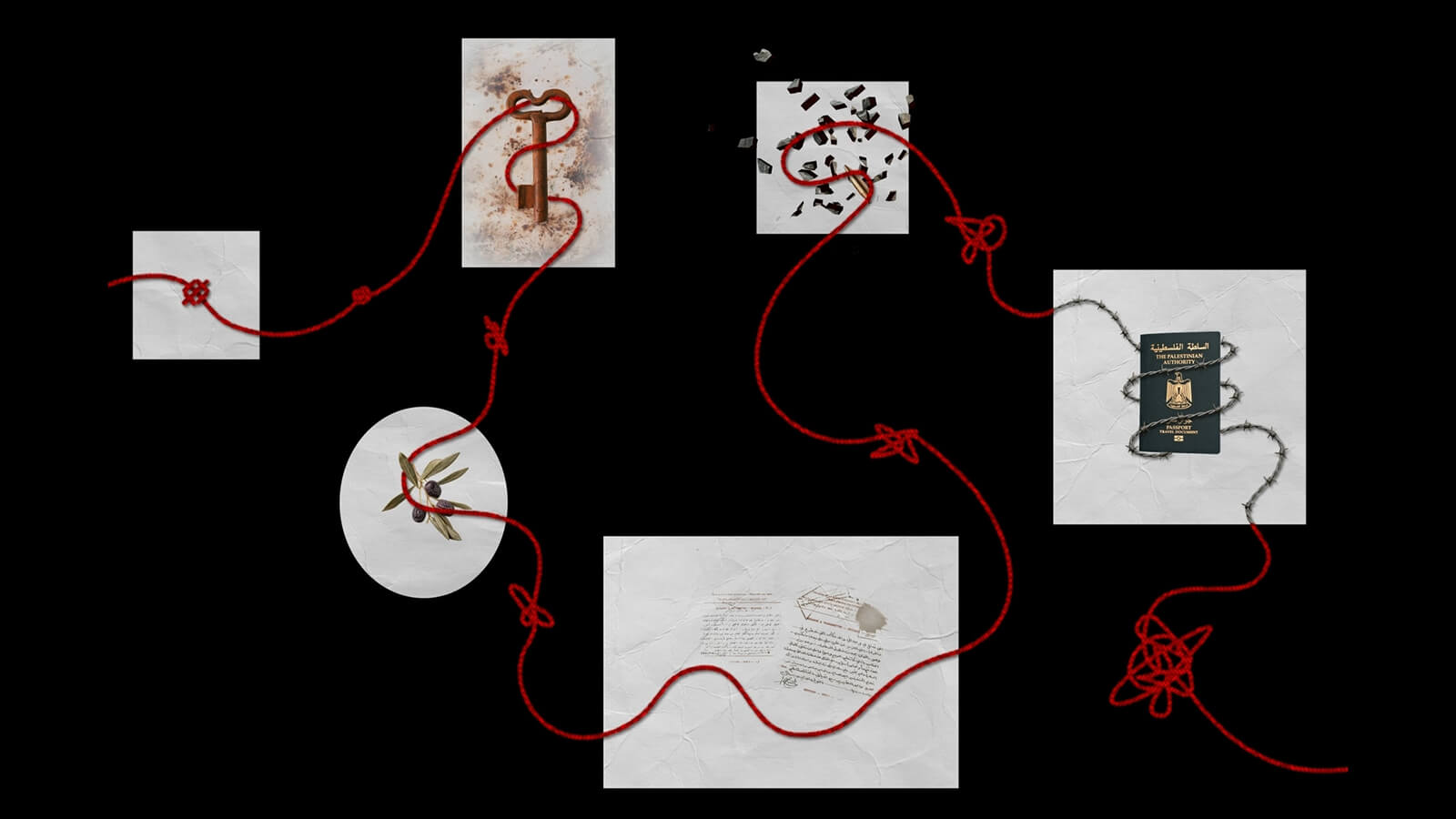
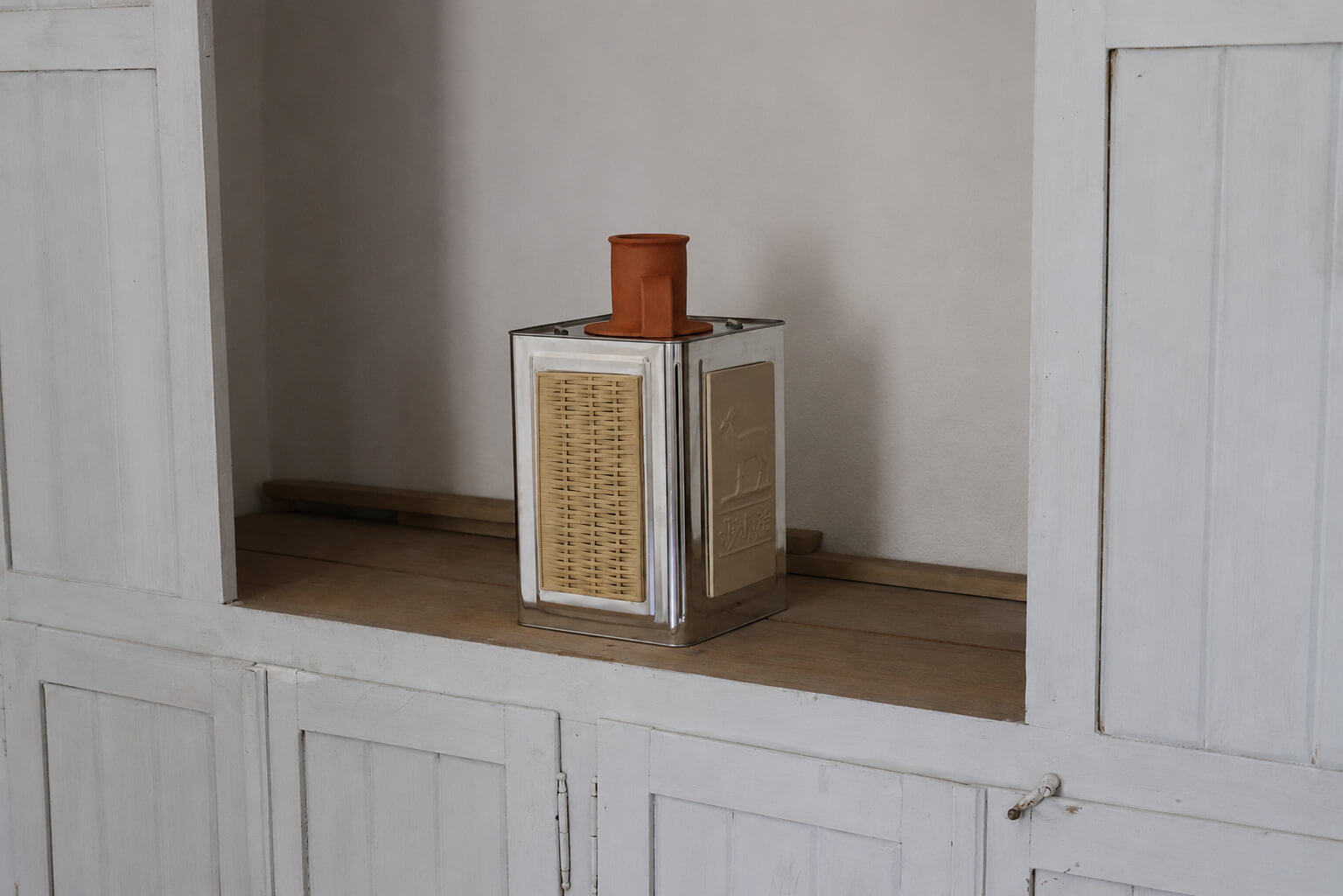
Perhaps one of the most poignant projects at the design event was Jessica Azizeh’s A Woman and a Hundred Times. Ursula K. Le Guin’s carrier bag theory comes to mind: the idea that the first tool was something that holds, long before we thought of a thing that kills. In Palestinian archives, the image of a woman carrying something recurs: a water jar on her head, a basket, a tin, on her way to a market, a river or home. Azizeh turned to the tin, setting it apart from the clay jar and the woven basket, and reworked it to carry traces of both. The contemporary design asked one to engage with it as a vessel of embodied knowledge, one that can only be completed with a body in tow. Carrying, she proposed, is a collective practice repeated across generations, retaining its power to transform. What is lost when we keep the object but no longer have the bodies that know how to carry it?
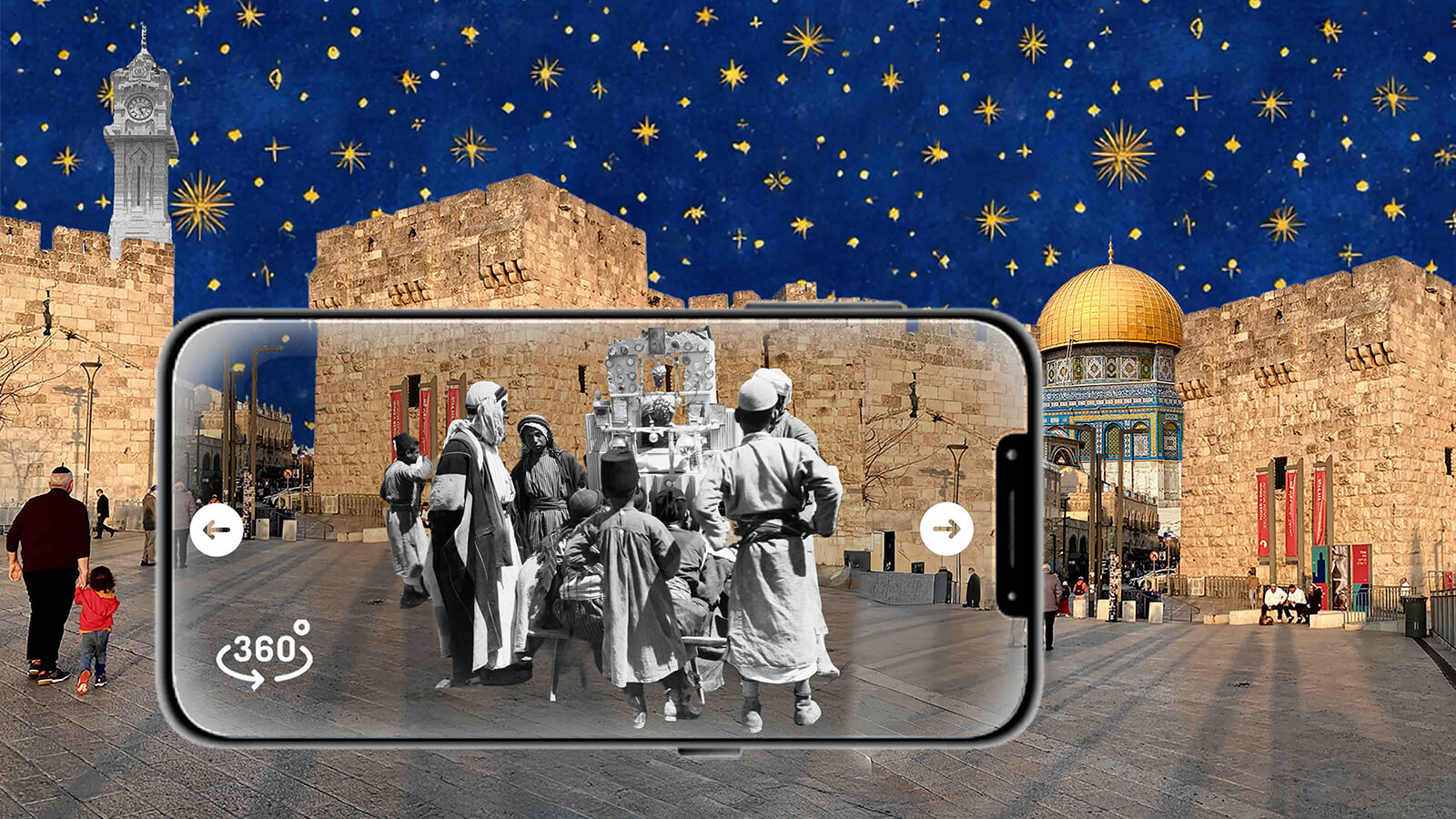
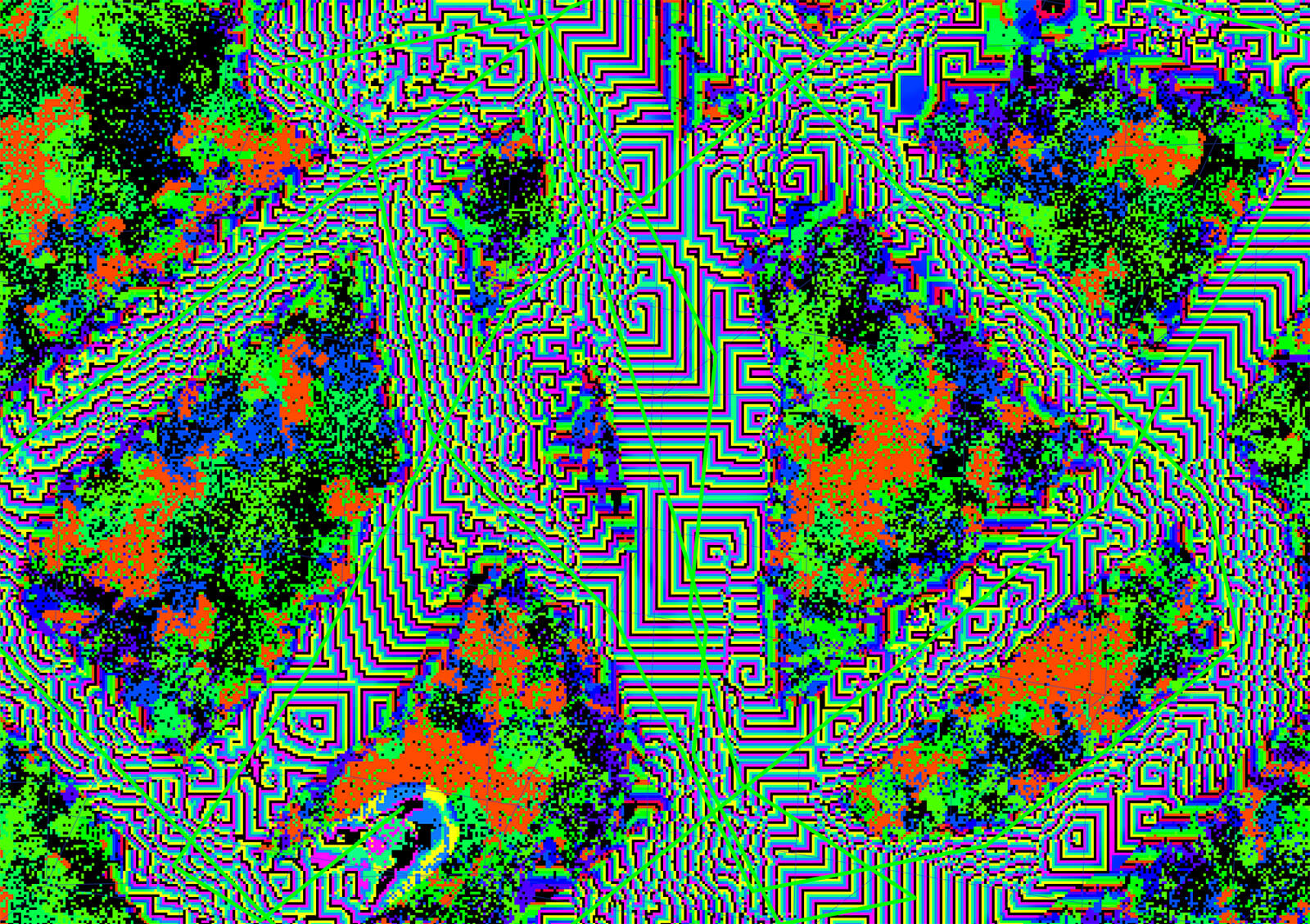
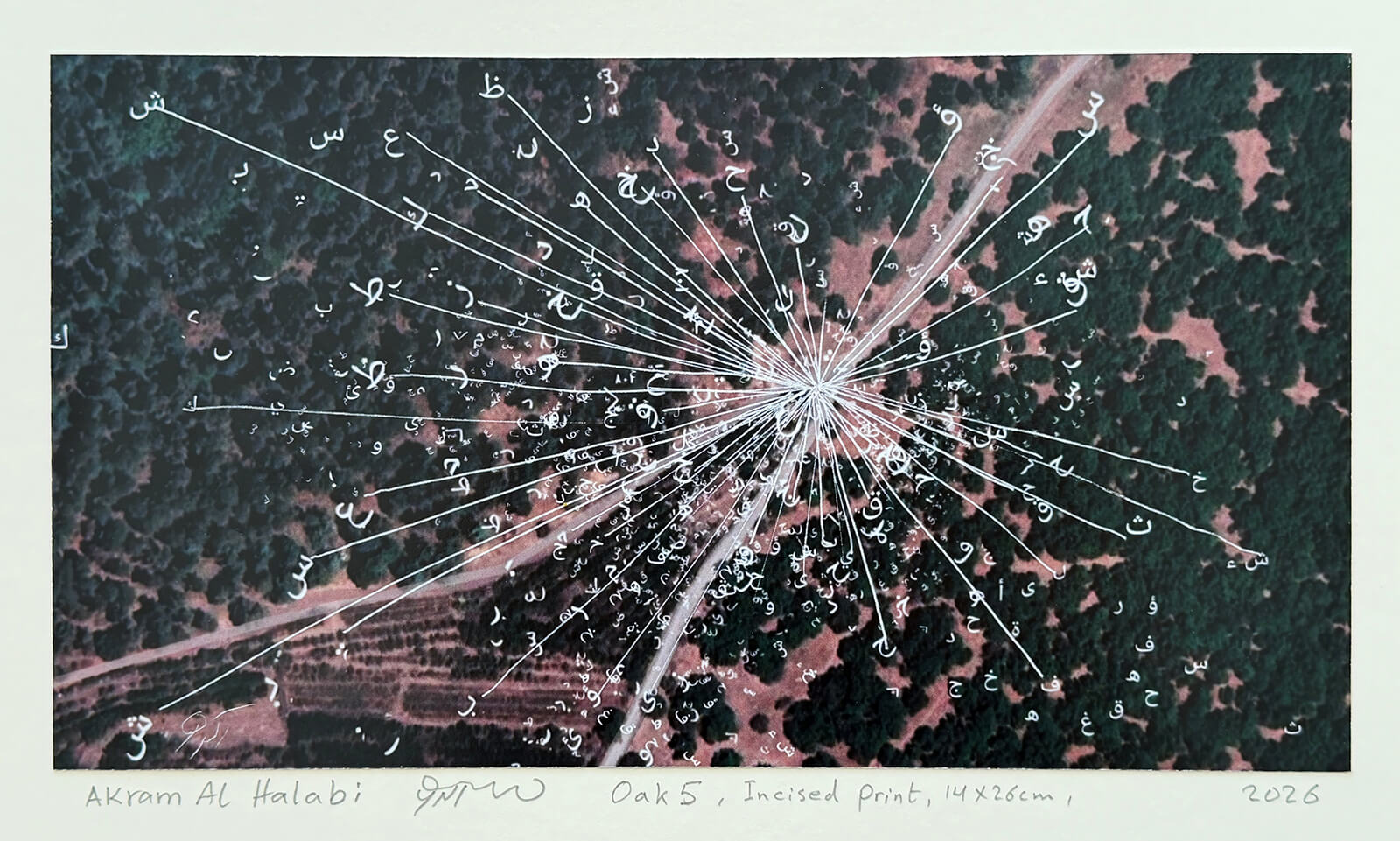
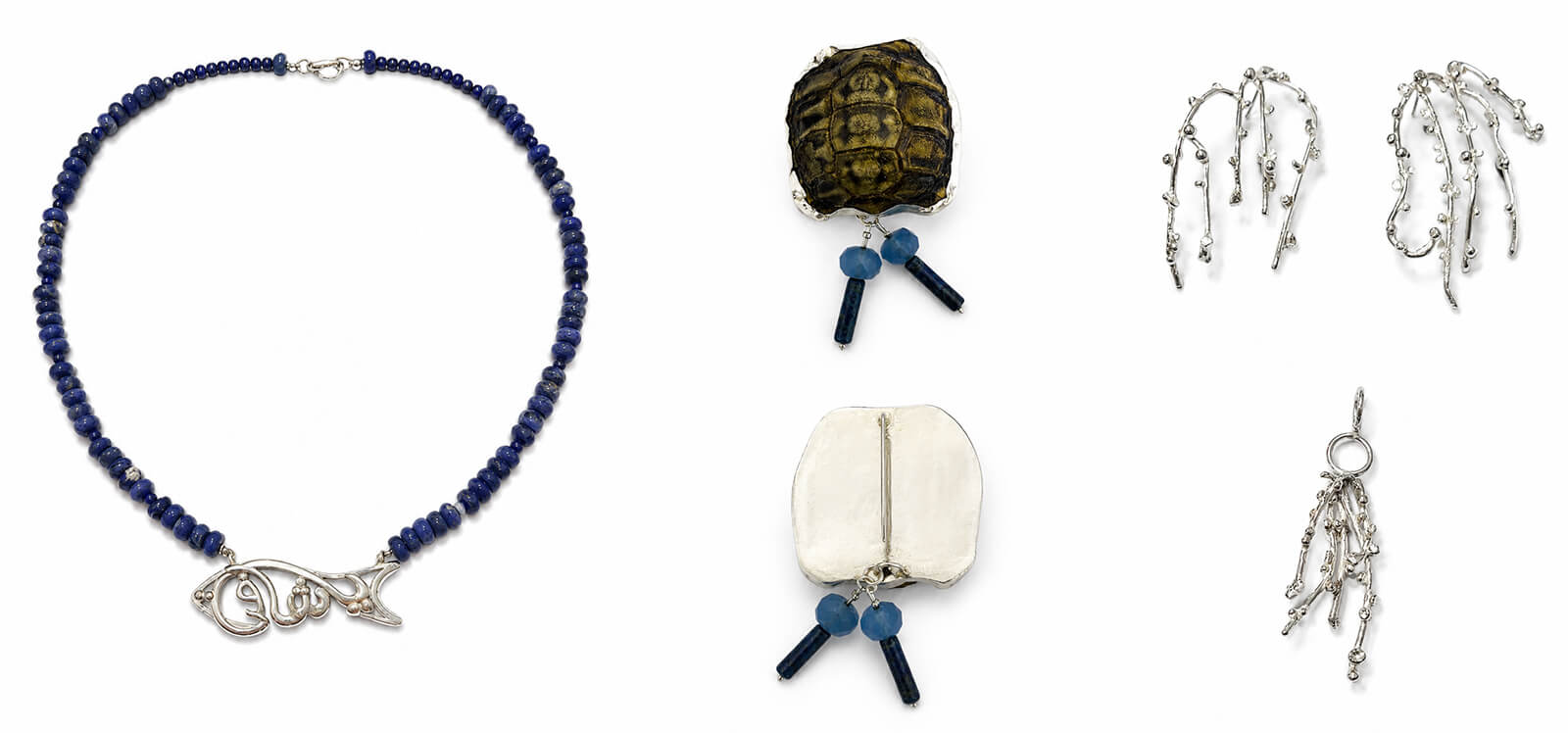
The Oaks Manuscript by Akram Al Halabi traced the trees that once marked the geometric boundaries of farms in the Golan Heights, leaving their crisscrossing lines as a record of what remains. There Are Living Eyes, by Fragments Theatre, built from the fact that most Palestinians have never seen their sea yet know it anyway. Through voices, notebooks and moving images, the work meditated on “a sea that is beloved and haunting, longed for and feared”. Rawan Bazbazat’s Kaf Maryam set the shells, stones and plants once worn as protective amulets in silver, to be worn again. Regrowth wove a Palestinian symbol in wool on a traditional loom, proclaiming resilience as the ability to remake—as long as knowledge is passed down through generations, it cannot be erased. NEXUS by Robert Lisek ran traditional Palestinian geometry through machine learning and quantum field theory, until the fixed pattern became dense, ever-shifting and multidimensional City Sarha by Mado Kelleyan and Sary Zananiri took visitors through Jaffa Gate into the Jerusalem of the 1920s and ’30s, reconstructed from archival photographs: a picture you must walk into, rather than scroll past.
Jubran shared that the children’s kit by The School Bag Project affected him most personally. “We often associate children’s objects with colour, play and discovery. Encountering something that felt closer to a survival kit made me reflect on what childhood is being asked to accommodate in Palestine. It revealed how circumstances that become part of everyday life remain profoundly abnormal,” he shares with STIR. It is reminiscent of Edward Said’s haunting lines in After the Last Sky: “Across our children's lives, in the open fields in which they play, lie the ruins of war [...] for where no straight line leads from home to birthplace to school to maturity, all events are accidents, all progress is a digression, all residence is exile.”
Elsewhere in After the Last Sky, writing about a photograph of a tourist shop in in the Old City of Jerusalem (in 1984), Said observes, “[We, Palestinians, produce] ourselves much as the masabih, lamps, tapestries, baskets, embroideries, mother-of-pearl trinkets are produced. We turn ourselves into objects not for sale, but for scrutiny.” Palestine Design Week aimed to subvert this by asking Palestinians to face their own design history, made by them and for them. As Jubran explains, the week creates space for Palestinians to encounter their own creativity, knowledge and aspirations together. It makes more room, creates visibility to the fullness of Palestinian life: the ability to think, make, disagree, dream and shape possibilities for the future.
In Standing on the Rubble, Isabella Hammad turns to Badr Shakir al-Sayyab’s Rain Song, where rain carries the longing for fertility alongside the weight of loss:
And I almost hear the palm trees drink the rain,
and I hear the villages groaning, and the refugees
struggling with oars and sails,
storms of the Gulf and the thunder, singing:
rain…
rain…
rain…
Al-Jabari, too, turned to poetry when considering what it means to design in Palestine. Drawing on Mahmoud Darwish’s words, “Trust the water, O dwellers of my song,” he spoke of water’s capacity to wear through stone, to remember its source and to find a way forward. In Palestine, he sees design as an expression of this same tenacity.
In Al-Sayyab’s rain, as in Darwish’s water, the possibility of life persists alongside with grief. Al-Jabari’s invocation of Darwish turns us towards what might endure, and what might yet be made. To understand Palestinian design through water, then, is to see making not only as an act of survival, but as affirmation of what remains possible: the continuation of knowledge, the reimagining of belonging, the creation of beauty and the insistence that a future can still take shape, that a future will exist. We must trust the water.
by Chahna Tank Oct 22, 2026
STIR speaks with the Mumbai-based type designer about her practice, type walks and why she wants more people to have stronger opinions about Indian-script fonts.
by Jincy Iype Oct 15, 2026
STIR explores craft, material intelligence and people shaping Indian design through dialogues with Design Democracy’s co-founders and the curators of its special exhibitions.
by Pranjal Maheshwari Oct 13, 2026
Through furniture, art and films, the showcase at the Ian Potter Centre in Melbourne advocates for biophilic material cultures as an antidote to planetary degradation.
by Pranjal Maheshwari Oct 12, 2026
The exhibition reimagines the 20th-century Scottsville residence of the American sculptor and his partner, ceramicist Nancy Jurs, curated by their daughter Alison Castle.

make your fridays matter with a well-read weekend
Enter your details to sign in
Don’t have an account?
Sign upOr you can sign in with
a single account for all
STIR platforms
All your bookmarks will be available across all your devices.
Stay STIRred
Already have an account?
Sign inOr you can sign up with
Verification link sent to check your inbox or spam folder to complete sign up process
Tap on things that interests you.
Select the Conversation Category you would like to watch
Please enter your details and click submit.
Enter the 6-digit code sent at


Trust the water and bear witness: Looking beyond the glass at Palestine Design Week
by Mirra Lynn | Published on : Oct 22, 2026


 Sign in with Google
 Sign in with email
What do you think?