Design06 mins. read
Alice Gavalet transposes tartan patterns onto vibrant ceramics in Pattern Play
by Chahna TankDec 16, 2025



by Sunena V MajuPublished on : May 22, 2026
In the 1970s, the design of mannequins moved from conventional, rigid, recognisable celebrity-style figures to more abstract, artistic and form-heavy designs. Though high-fashion window design peaked in the 1930s, with stores commissioning avant-garde artists like Salvador Dalí, the second half of the 20th century was quite interesting to the mannequin world. A couple from New York entered this world operating out of their basement in Mount Vernon, repairing mannequins. When their young son joined the family business almost two decades later, he ventured from mannequin repairs to mannequin making. This was the beginning for industry-defying creative Ralph Pucci. His breakthrough came in 1985 with the Olympian Goddess mannequin, created in collaboration with French designer Andrée Putman for the opening of Barneys' downtown women's store. The mannequin challenged every convention of mannequin design known until then. In contrast to the traditional mould of slender, model-esque figures, Pucci's Olympian Goddess had broad shoulders, a metallic finish and a statuesque appearance. That mannequin marked more than a design breakthrough, signalling the beginning of Pucci's evolution from mannequin maker to a gallerist. RALPH PUCCI International now represents artists and designers whose work, like his mannequins, treats function as inseparable from art.
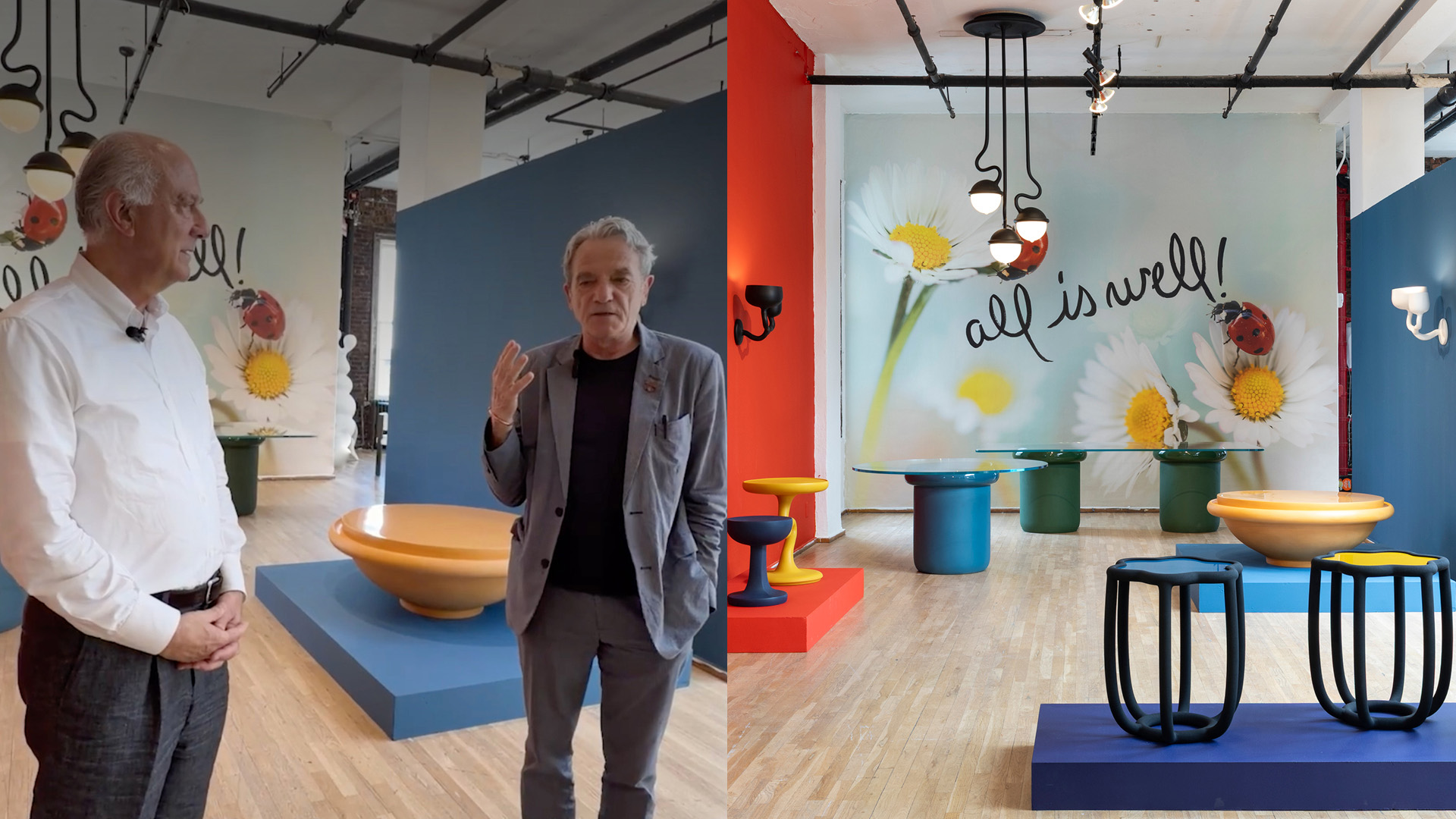
When we walked into the gallery of RALPH PUCCI International, Pucci stood smiling in the sun-filled space, eager to walk us through the design universe he had built in the middle of Manhattan.
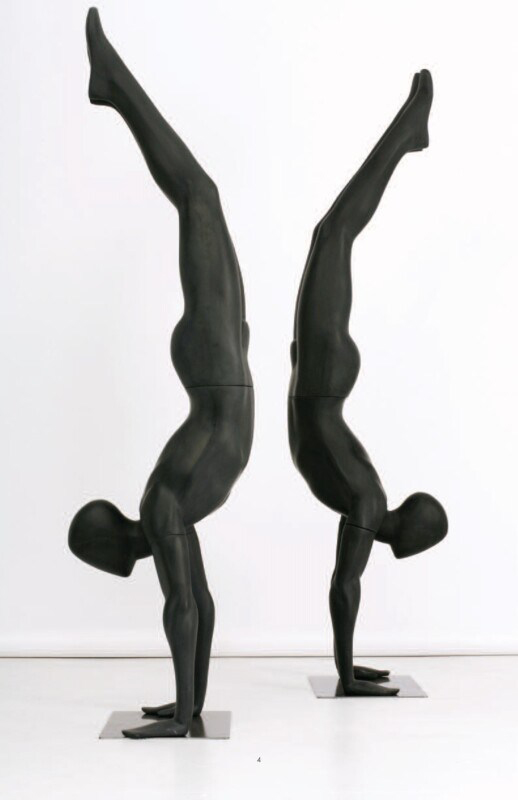
"When I was in the mannequin business, I thought of the mannequins as sculptural and as art," he said while introducing the business and his passion to STIR. We visited the gallery to look at French designer Eric Schmitt’s new design exhibition, All is Well. I was joined by Amit Gupta, editor-in-chief, and Jigyasa Sharma, head of marketing and communication, STIR.
"We've been together for, I think, 20 years," Pucci said, reflecting on his long-term collaboration with Schmitt—a Paris-based artist working at the intersection of sculpture, architecture and design. Schmitt’s practice carries the Art Deco tradition forward through contemporary fluid forms in bronze, alabaster, marble and glass. He believes an object's greatest quality is its ability to transcend its own time, speaking quietly but persistently across eras. Schmitt joined the gallery’s artist roster in 2006 after being introduced to Pucci by French architect and designer Patrick Naggar. “He is really an original thinker. He does not get caught up in trends at all. If you look at Eric's work, if you study the history of his work, there's always a little bit of whimsy to it. There's a little bit of quirkiness, and there's an incredible amount of sophistication. So you blend sophistication with a little touch of quirkiness, and you come up with originality. That's what attracts me to Eric. He always surprises me, which is what I want,” Pucci shared.
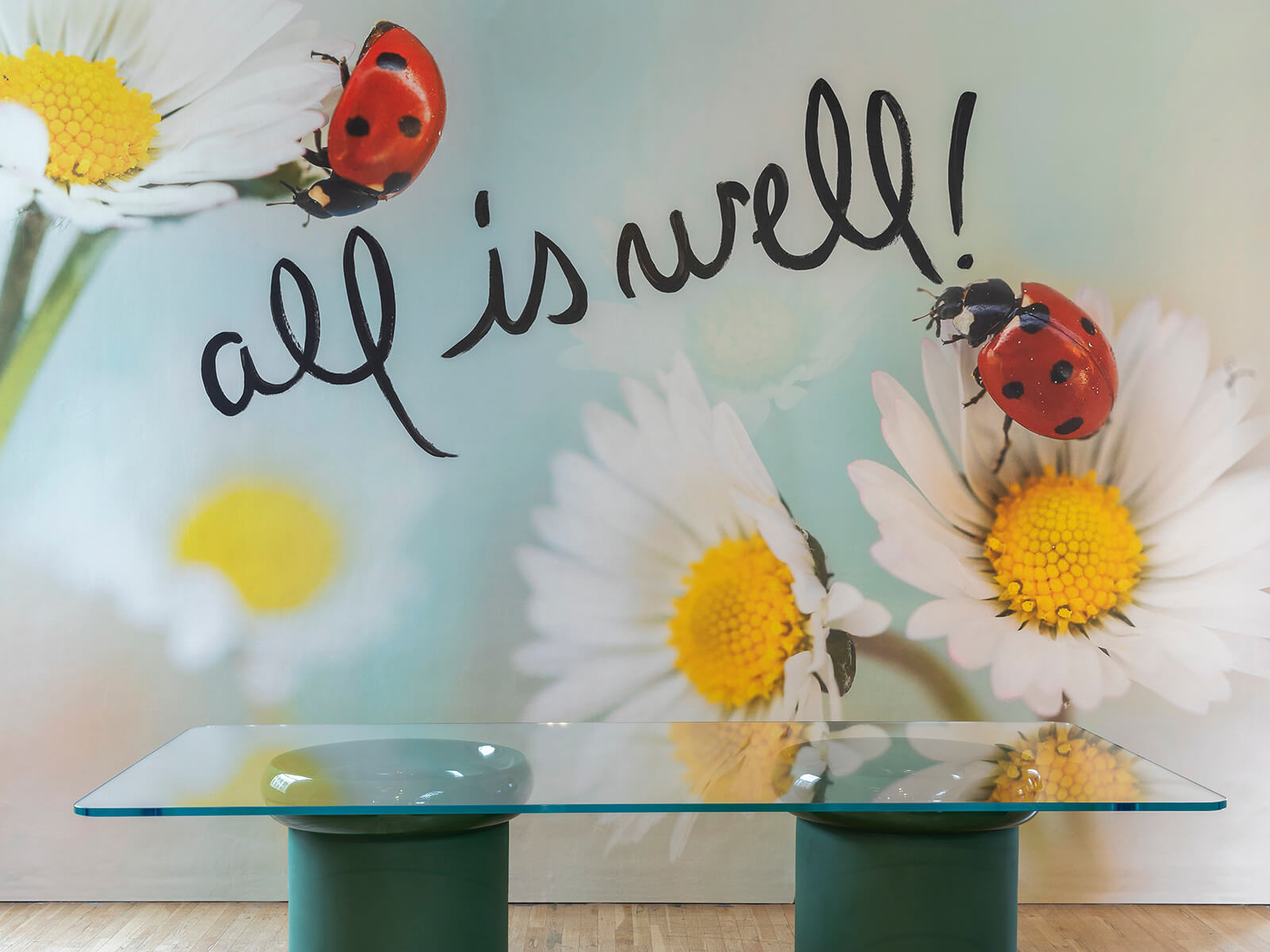
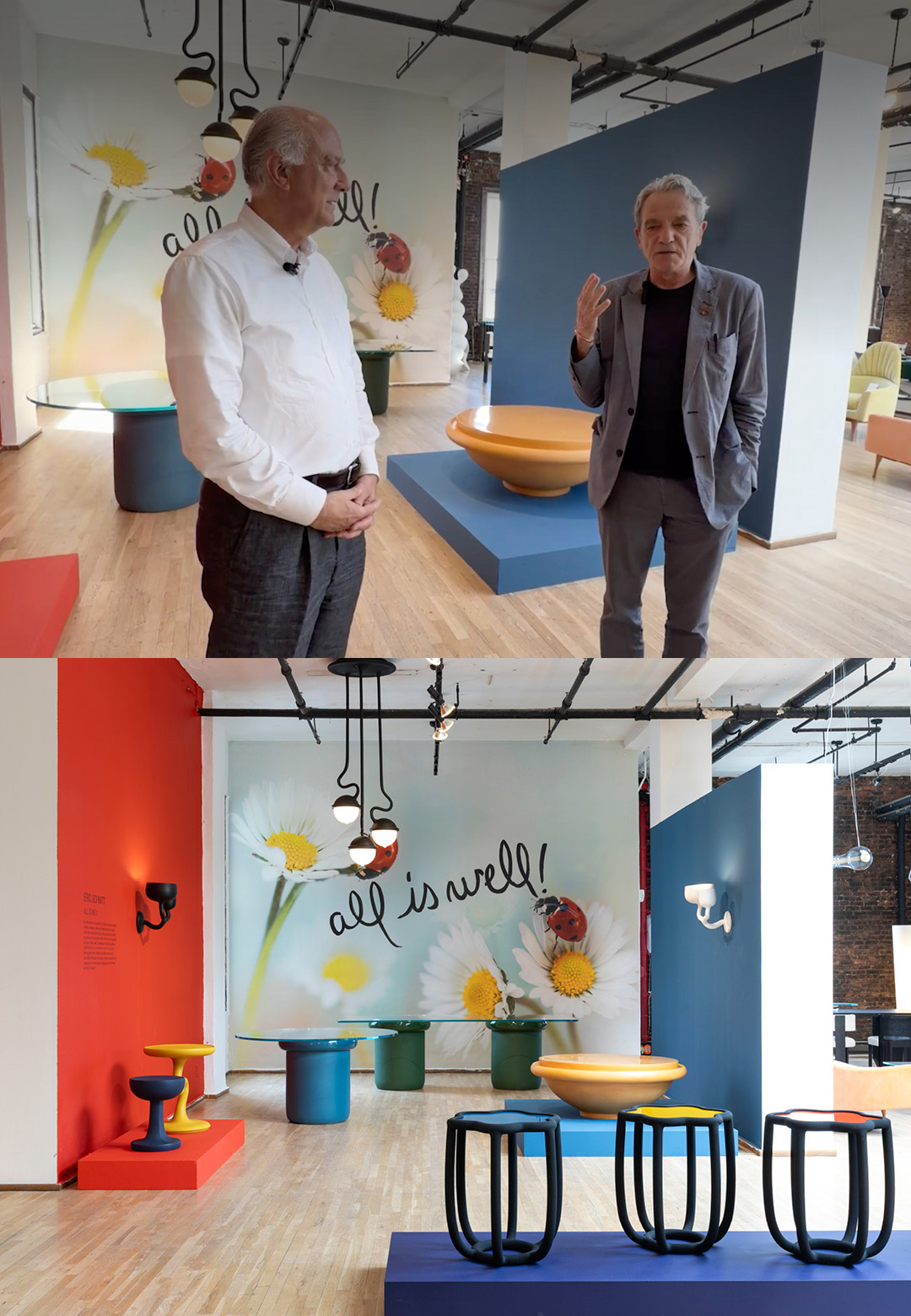
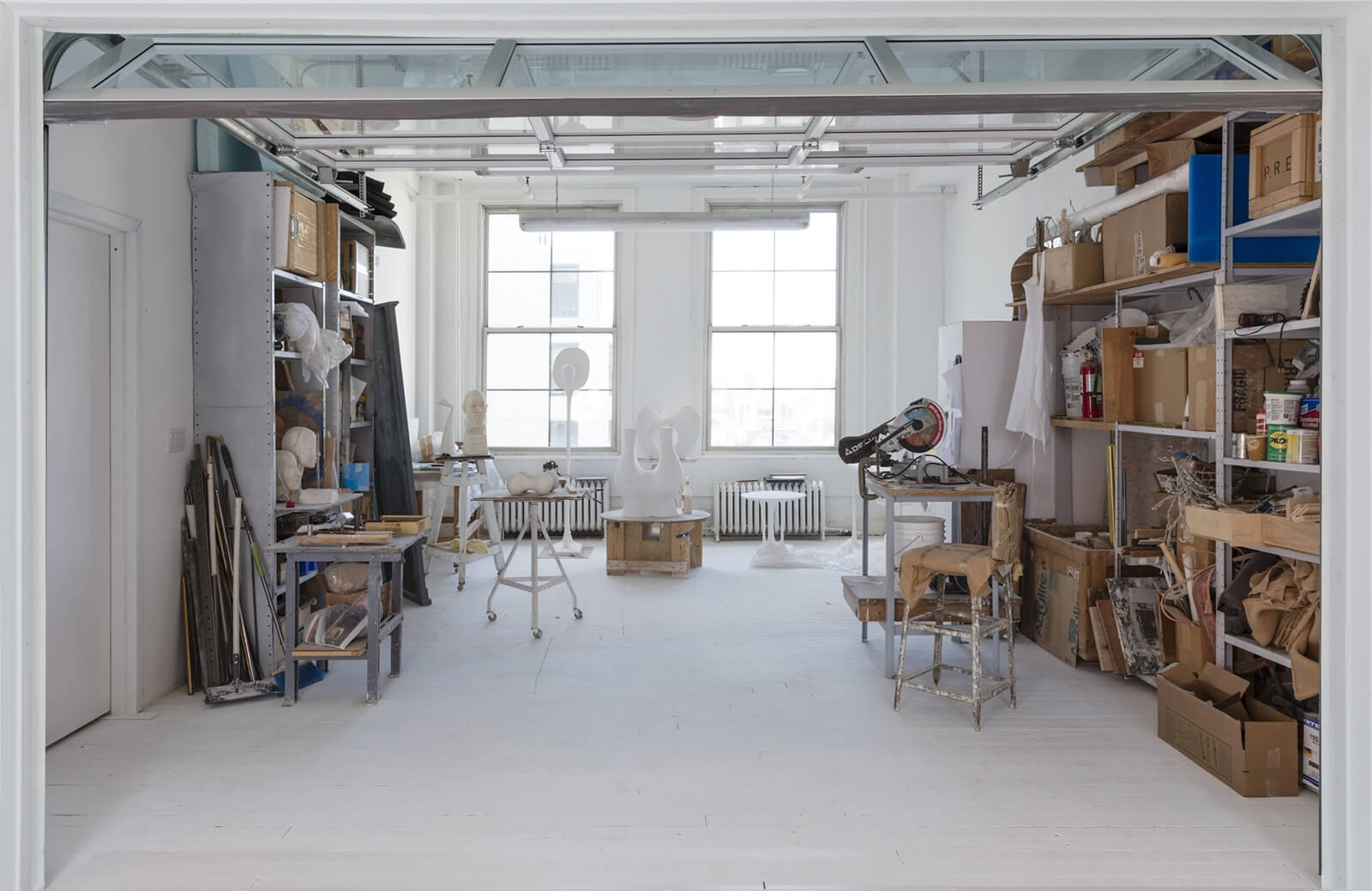
All is Well unveils a collection of Plasterglass works defined by vibrant colours and a renewed sense of scale, all fabricated in Pucci's New York sculpture studio. Central to the collection is the Well dining table, whose form draws on the depth and circularity of a well, becoming both a formal and conceptual anchor for the exhibition. "The title is very cynical. Initially, I had designed the dining table to evoke a well and its depth, which is why I named it the Well table. Then the play on words turned out to be particularly fitting in light of the current situation. Colour and good humour seem to me to be a welcome antidote," Schmitt told STIR, shaping the well form with his hands and pointing to a large wall bearing a flowers-and-ladybug image, above which sit the words ‘all is well!’
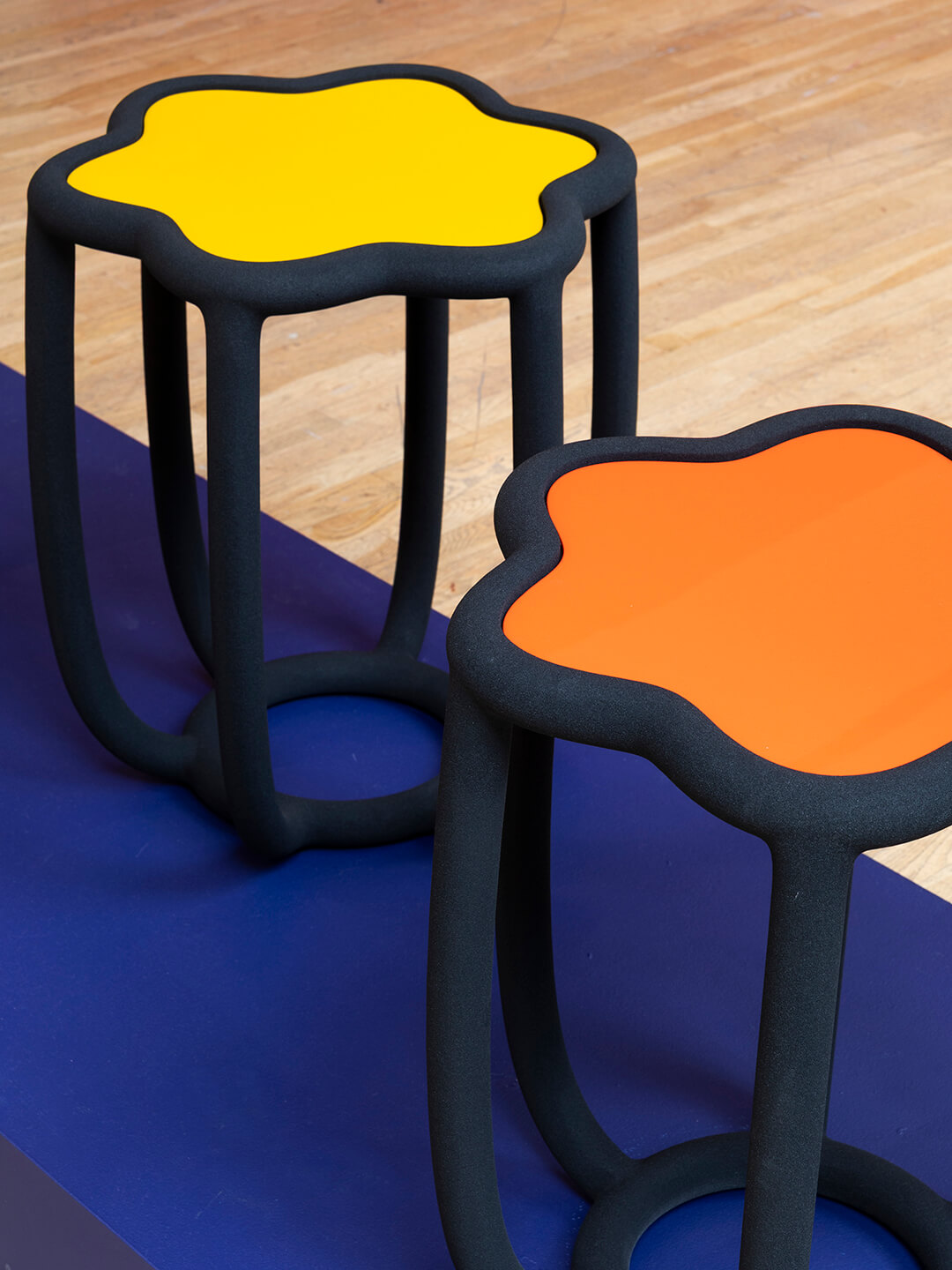
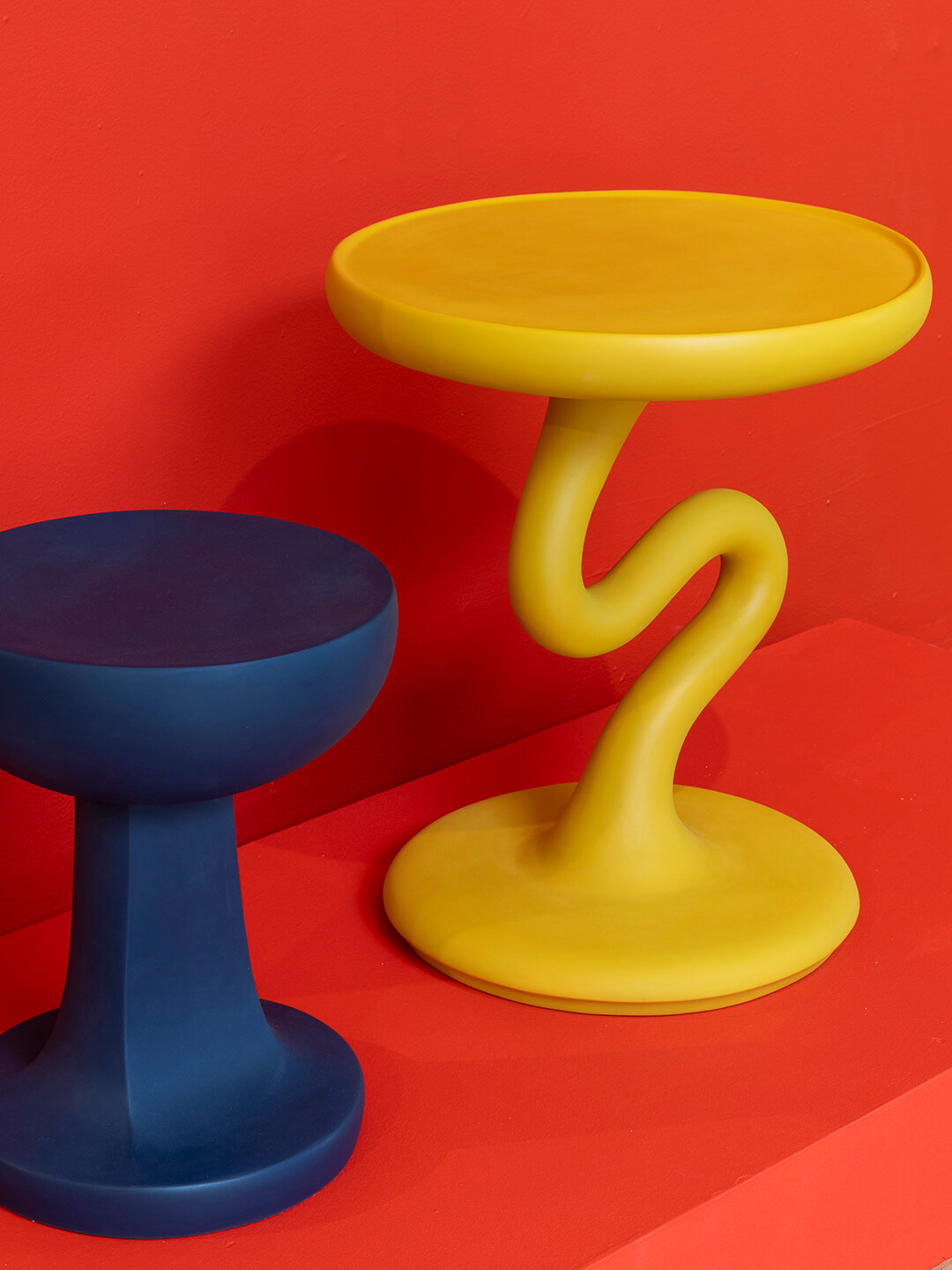
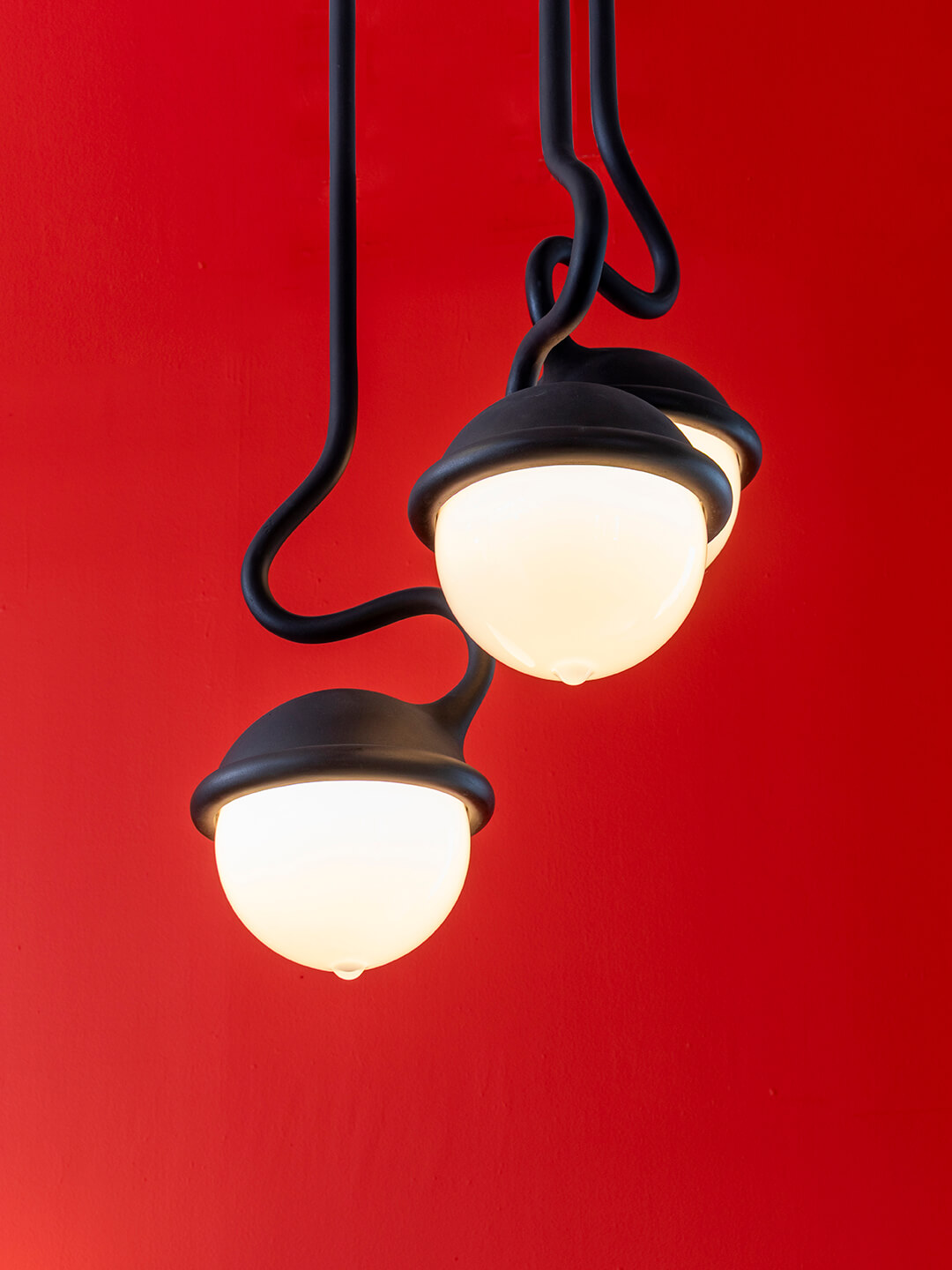
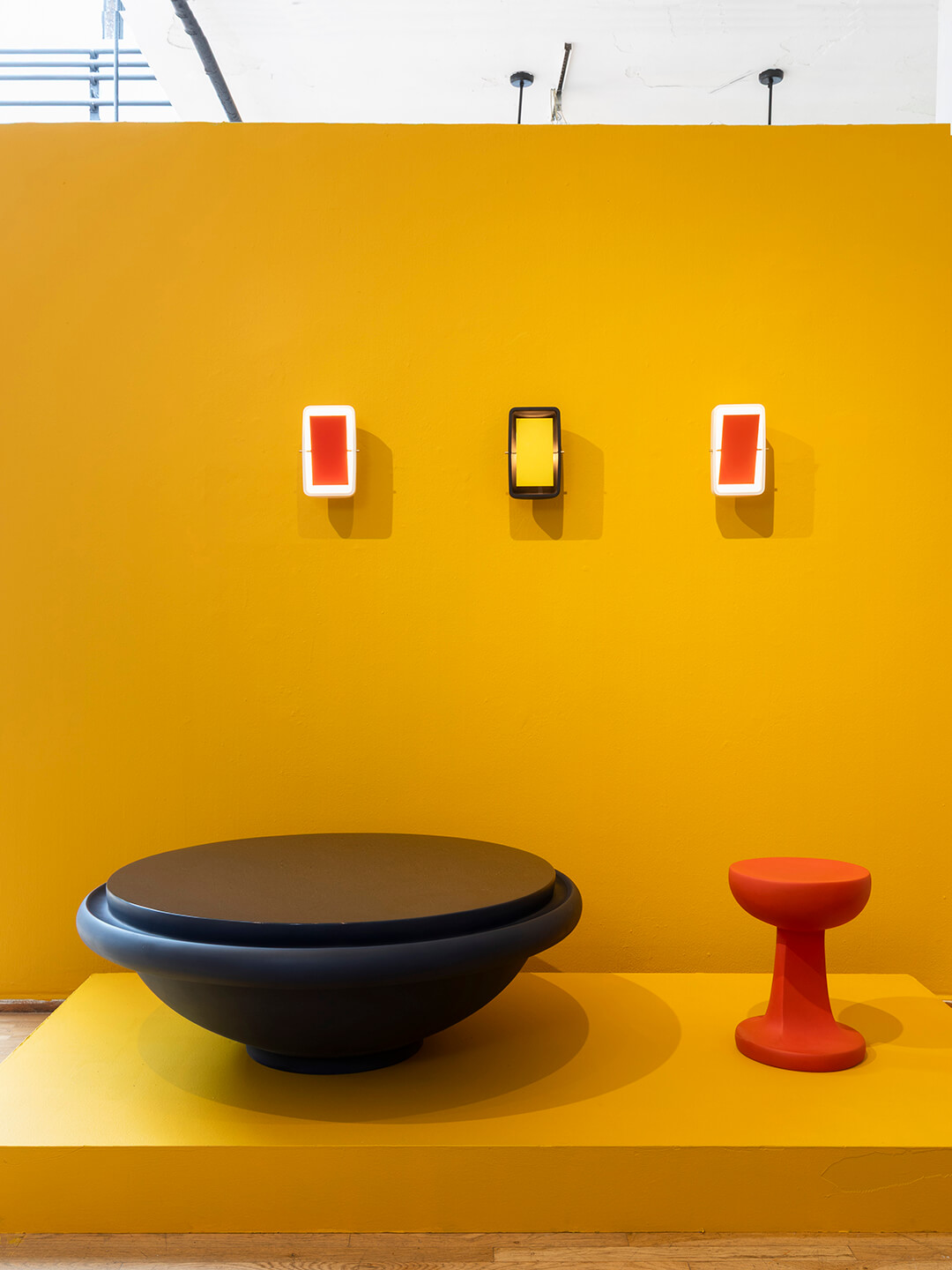
This latest body of work introduces dining and low tables anchored by the evocative motif of wells—forms that feel both grounded and open. Conceived as modular compositions, these ‘wells’ are structured through one or multiple bases, topped with glass surfaces that invite a view into the depth below. Alongside these, side tables bring a quieter, more intimate presence to the showcase, while wall sconces and a hanging lamp extend the collection vertically. Together, the pieces engage space with clarity and restraint, balancing sculptural presence with function. "Whether it is sculpture or furniture, both are elements that help us live. They should allow the mind to wander according to the emotion emanating from the work. I believe it is actually more difficult to create sculptural furniture because one must respect the object's function while simultaneously making the viewer forget it," added Schmitt.
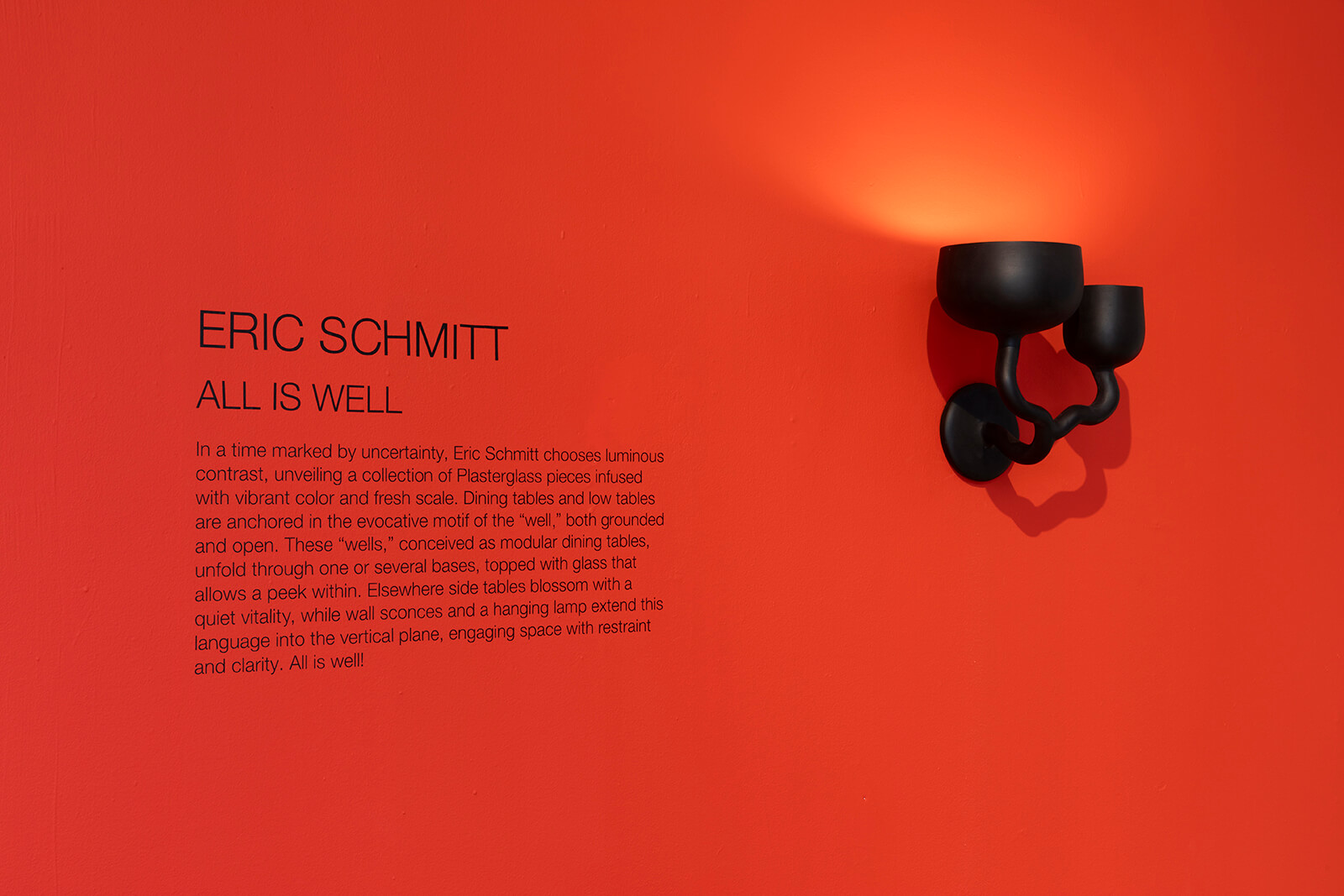
Long known for his work in bronze and stone, materials that demand precision and technical rigour, Schmitt approaches Plasterglass as a point of release. From material-centric, the focus here shifts entirely to form. He entrusts the technical execution to RALPH PUCCI International, where the in-house sculpture studio, led by a master sculptor, oversees the making. "We went a little further than we typically do. Eric came up with these colours that are very deep. The big difference was to mix the finishes; the high super glossy mixed with the earthy black. That was a challenge, and it was an exciting challenge," shared Pucci.
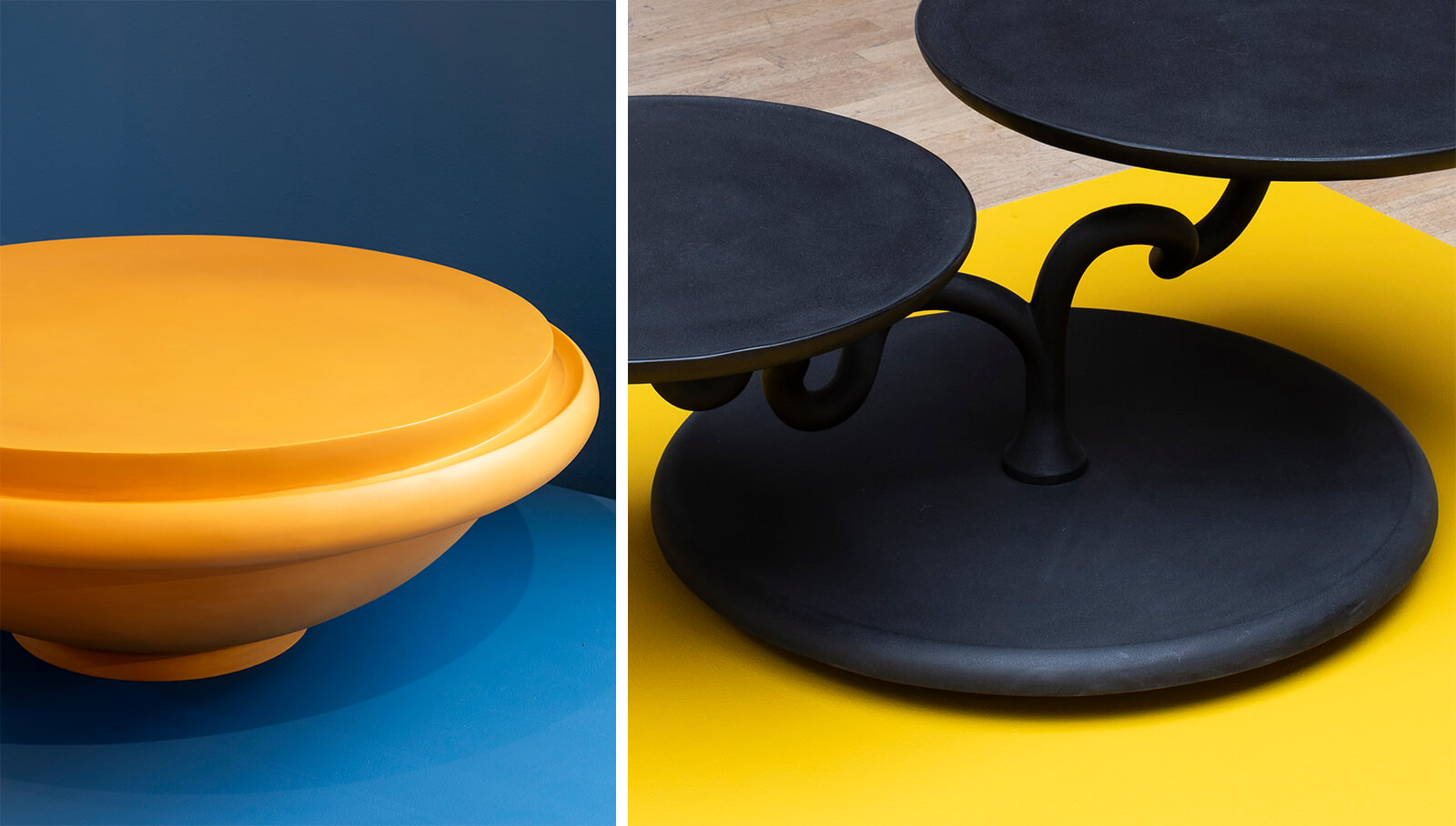
“You want people like Eric Schmitt and Patrick Naggar—they want to be true to their visual language too. They want their work to be as pure and as authentic as possible, because if you start watering it down, it really becomes a commodity. You could take something here and really water it down to—wow, you know, not so good. So we're always working to maintain the highest level of integrity for the pieces,” concluded Pucci. As we said our goodbyes, Pucci reminded us that it all comes down to one thing: a love for the creative world, a coming together of art, design, music and performance.
‘All is well’ runs from May 2026 at RALPH PUCCI International, New York, United States.

by Jincy Iype Oct 15, 2026
STIR explores craft, material intelligence and people shaping Indian design through dialogues with Design Democracy’s co-founders and the curators of its special exhibitions.
by Pranjal Maheshwari Oct 13, 2026
Through furniture, art and films, the showcase at the Ian Potter Centre in Melbourne advocates for biophilic material cultures as an antidote to planetary degradation.
by Pranjal Maheshwari Oct 12, 2026
The exhibition reimagines the 20th-century Scottsville residence of the American sculptor and his partner, ceramicist Nancy Jurs, curated by their daughter Alison Castle.
by Chahna Tank Oct 08, 2026
Javier Guzman Cervantes and Ulises Morin Arzola tell STIR about their ‘open code’ approach to design, working through a process of stockpiling and the idea of ‘queering’ materials.

make your fridays matter with a well-read weekend
Enter your details to sign in
Don’t have an account?
Sign upOr you can sign in with
a single account for all
STIR platforms
All your bookmarks will be available across all your devices.
Stay STIRred
Already have an account?
Sign inOr you can sign up with
Verification link sent to check your inbox or spam folder to complete sign up process
Tap on things that interests you.
Select the Conversation Category you would like to watch
Please enter your details and click submit.
Enter the 6-digit code sent at


On wells, depth and colour: All is Well at RALPH PUCCI International, New York
by Sunena V Maju | Published on : May 22, 2026


 Sign in with Google
 Sign in with email
What do you think?