Architecture11 mins. read
A cabinet of curiosities, laid bare: V&A East Storehouse rethinks the museum archetype
by Jincy IypeJun 13, 2025



by Anmol AhujaPublished on : Feb 03, 2026
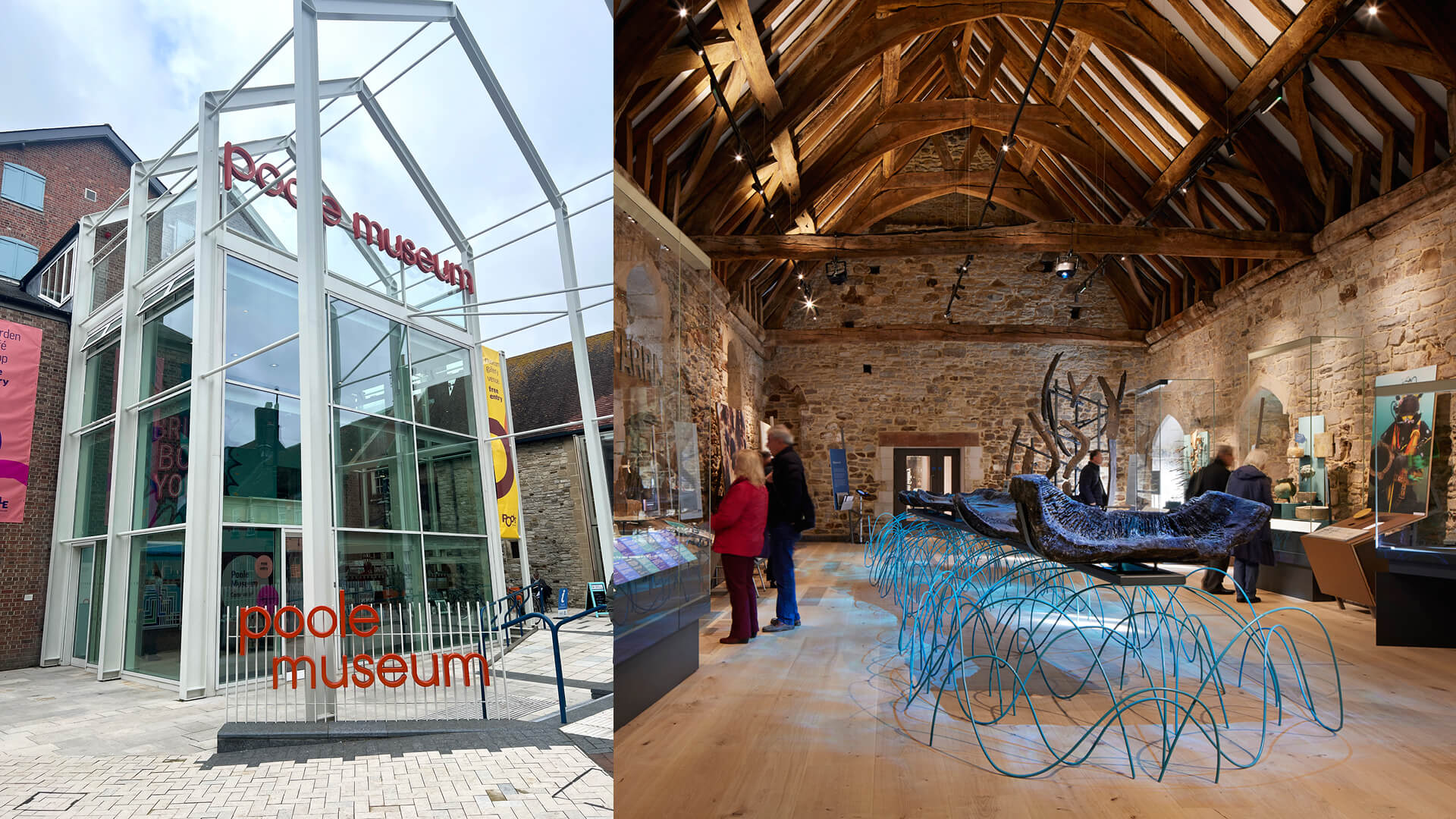
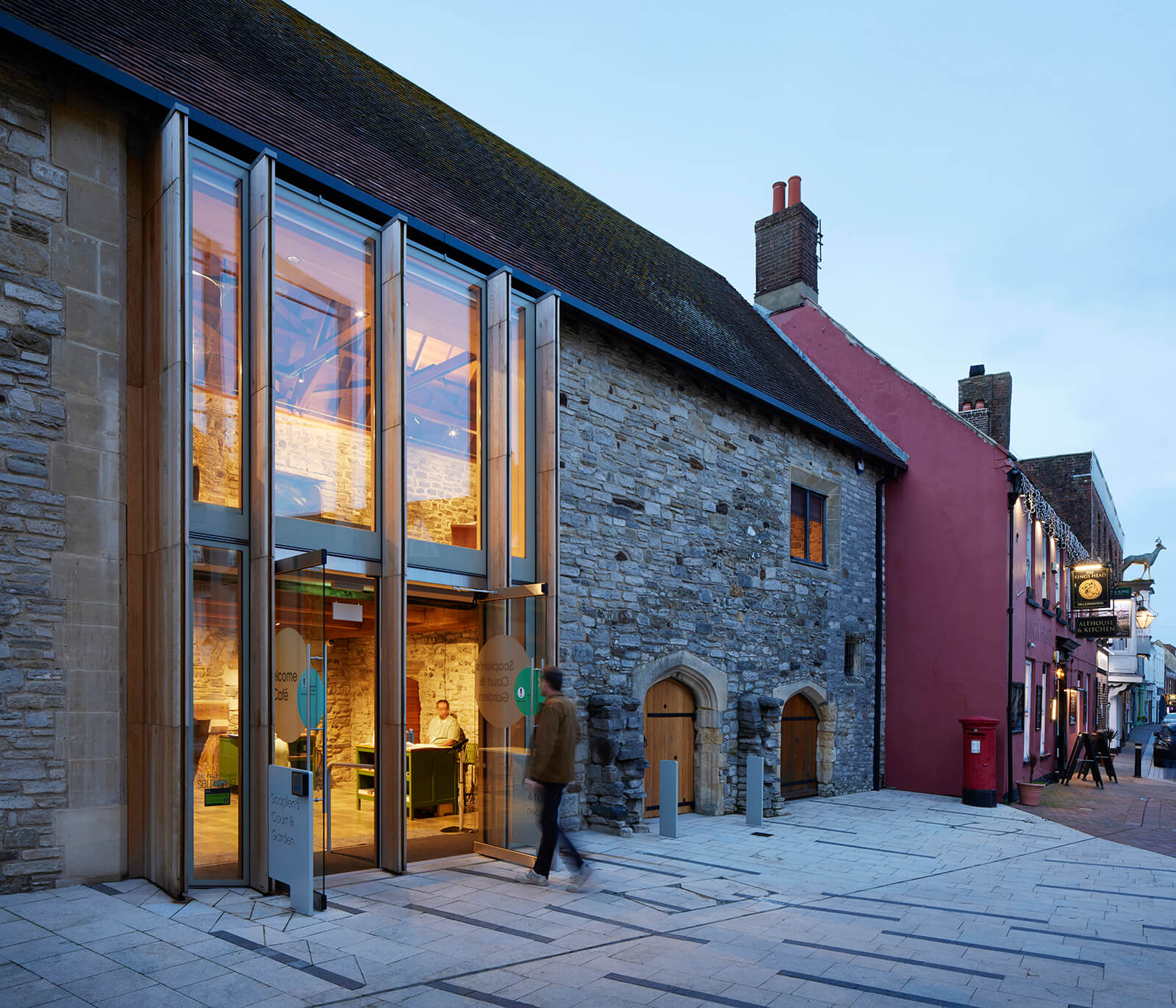
The most striking aspect of the newly opened Poole Museum in Dorset, UK—on first approach—is the way it melds thresholds. Between the tastefully redone museum building and the adjacent Grade I merchant’s house, Scaplen’s Court, a difference in levels from the thoroughfare is hardly discerning. A brisk walk from the train station, the museum’s location opens it up to two equally interesting approaches—through the high street and along the quay side. Both seem to be rather ordained culminations, with the museum and court reflecting as well as drawing from the city’s urban and maritime history. Through its collections, yes, but also in its architecture. The melding, then, isn’t entirely limited to its fluid yet defined thresholds. It also extends to what are easily perceivable as distinctive architecture languages.
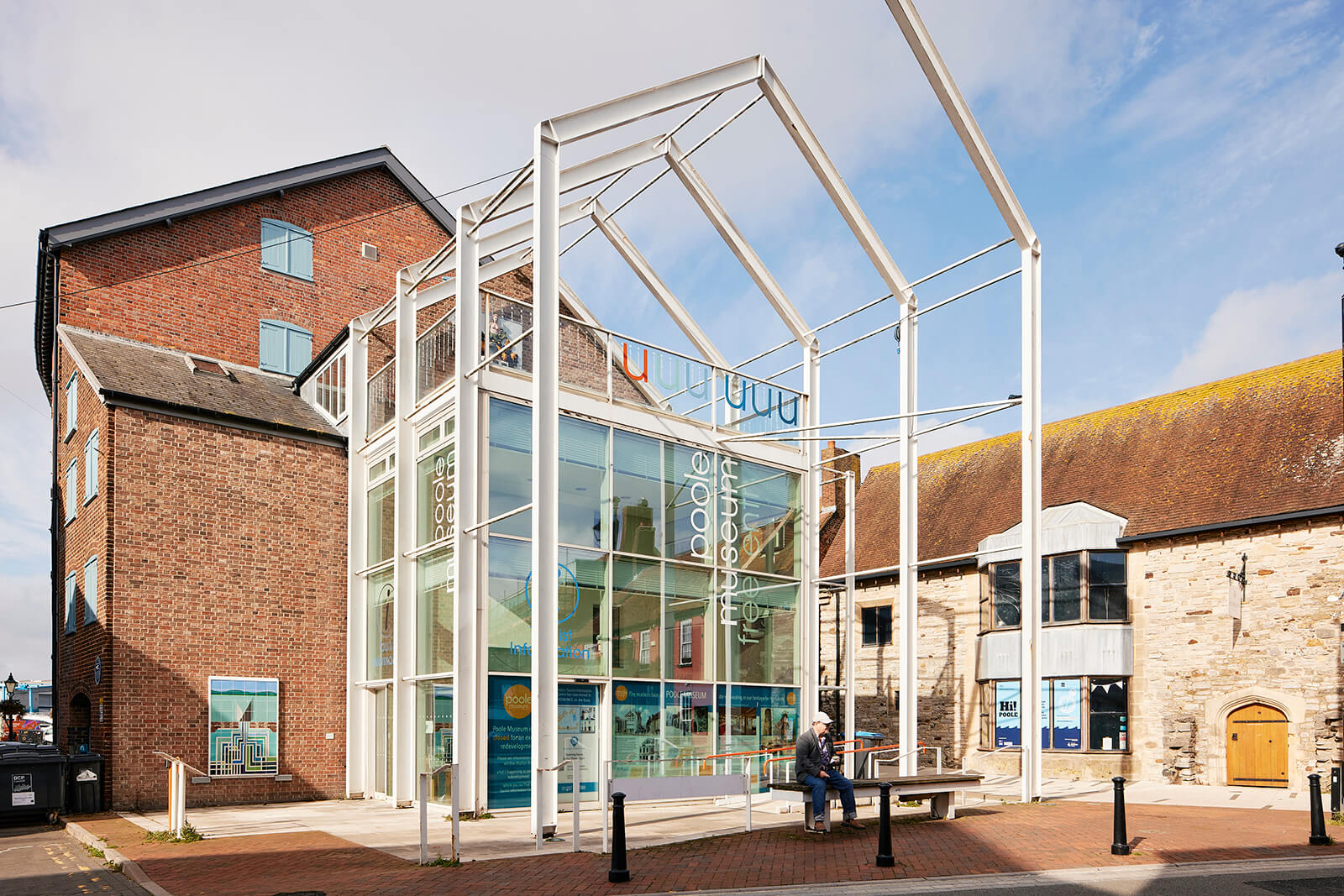
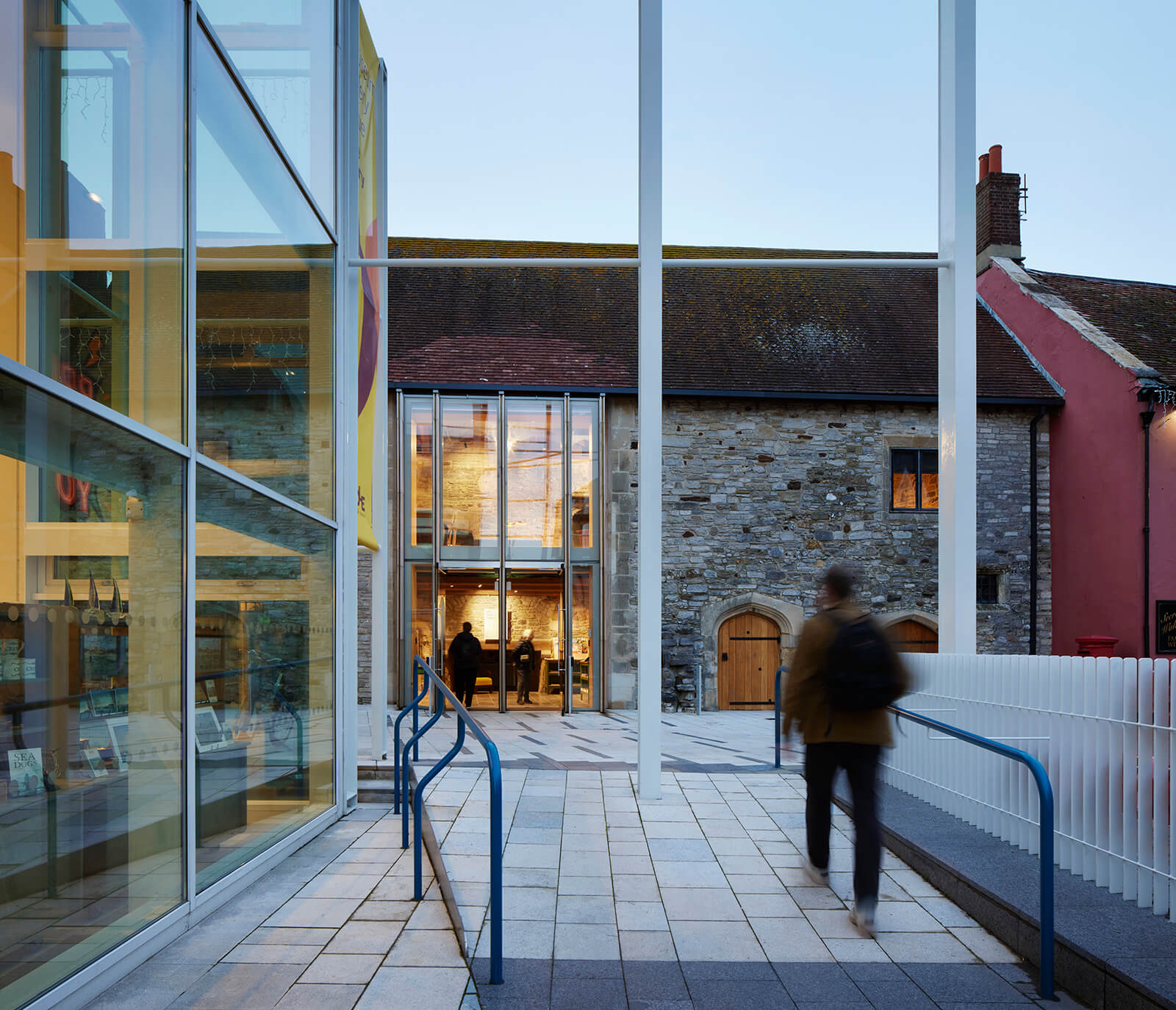
London-based ZMMA’s thoughtful restoration and redesign of this regional landmark is bannered with accessibility and cohesion at the forefront, from being designed for step-free traversal across its now expanded arsenal of over six floors in the museum building, to a more deliberate, softer interaction with the quiet streetscape. This is also marked by subtle shifts in the paving between the museum’s extended entrance and the forecourt, now doubling up as outdoor seating for a cafe inside—a rather necessary addition in line with the functioning vocabulary of museums and cultural venues. Care has also been placed to ensure both legibility and the museum’s now reduced rigidity are part of the visitor experience from the outset, with tawny-coloured letters prescribing the museum’s signage at both the street level and the top. Looking up, a series of freestanding steel frames encase the restored museum’s foyer, leading to the welcome desk and the museum shop.
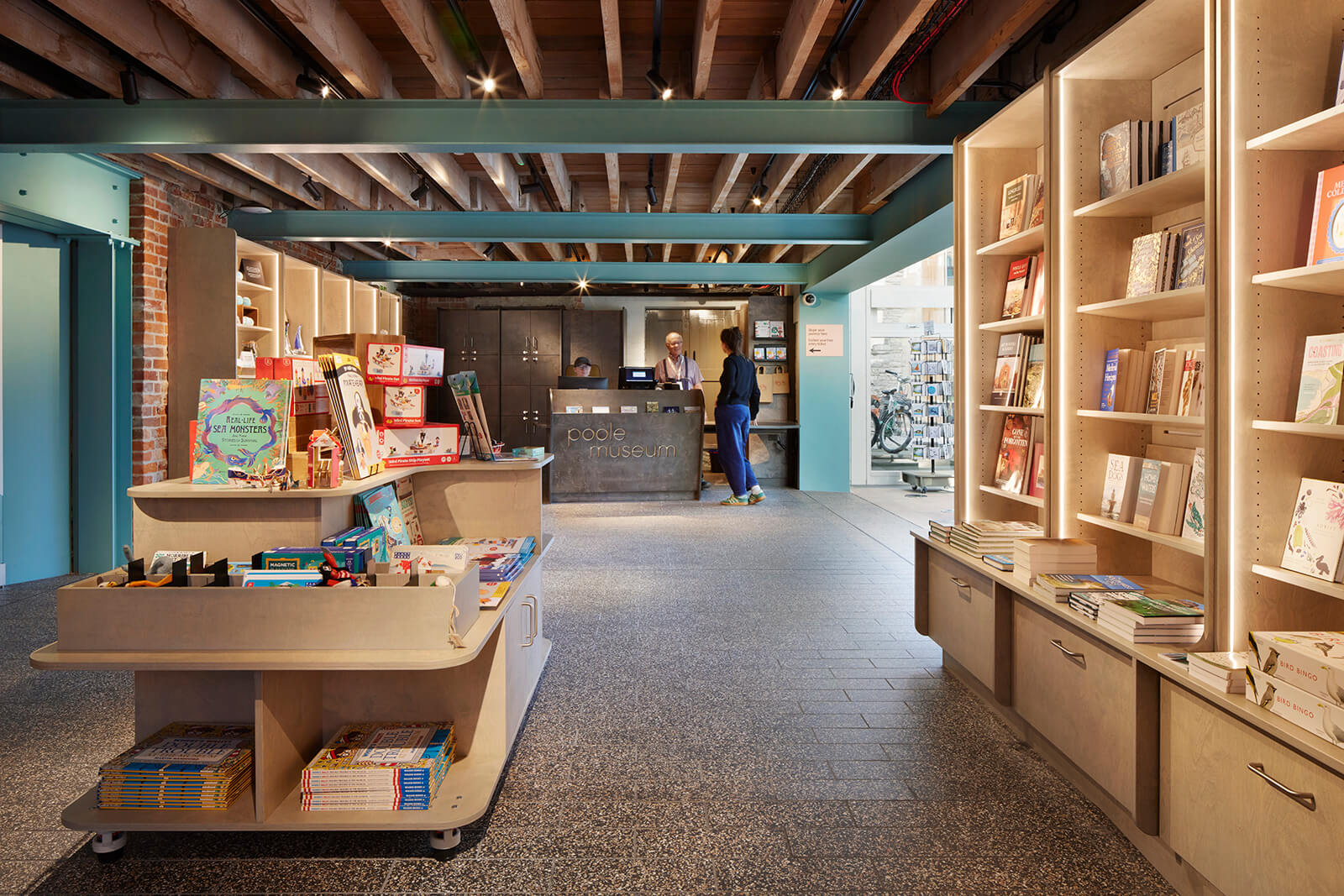
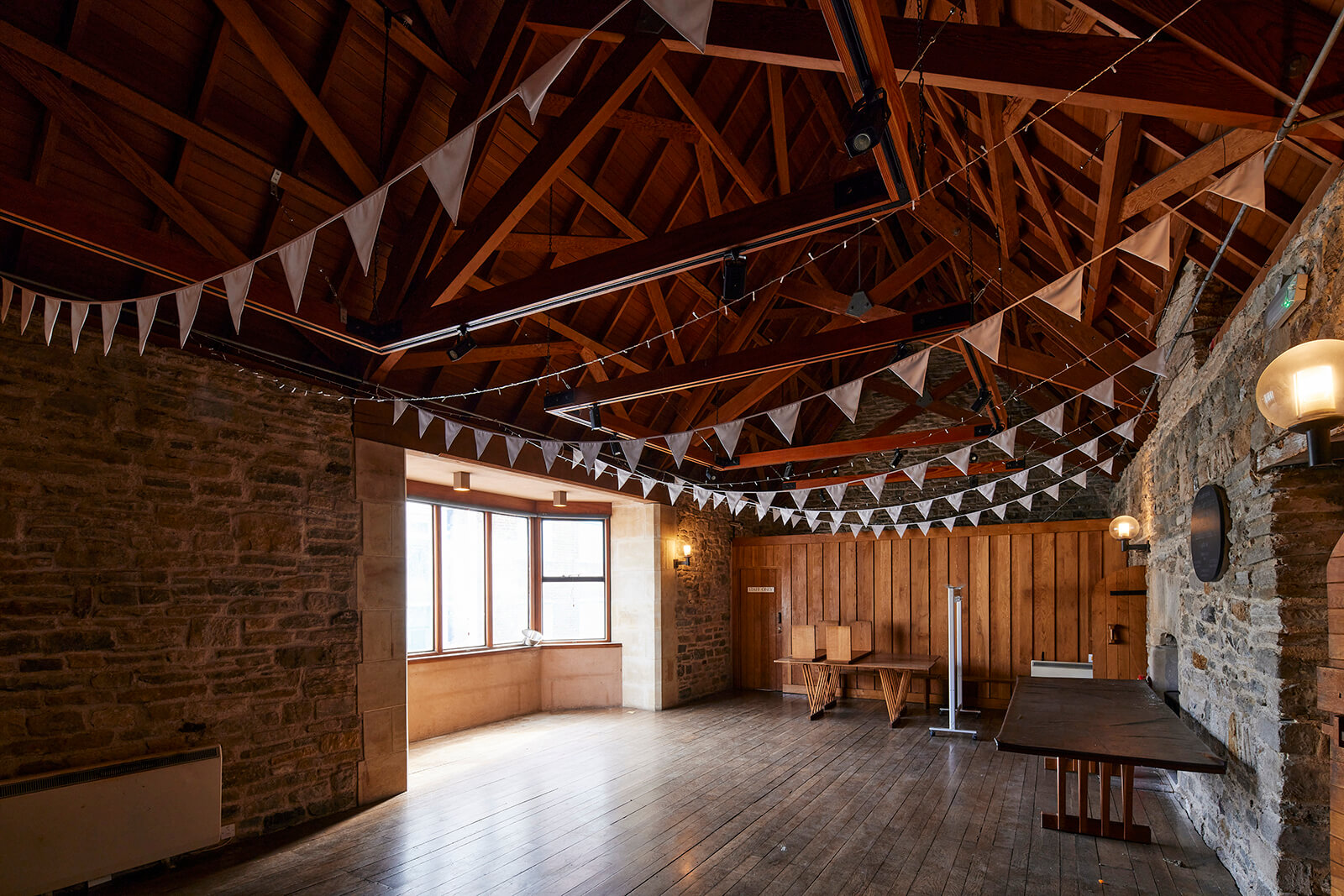
The British architects’ approach to reimaging ‘a regional museum into a class-leading cultural destination’ then actively switches between conservation and measured intervention, often surfacing in little flourishes. The scope of work here is bound to garner a sense of appreciation, especially when considering the negotiations between at least four distinct centuries and styles of architecture, including Medieval, in addition to layers of repair work and other minor interventions. This is especially evident when moving between the industrial-aligned aesthetic of the museum’s entrance and the sanctum of the museum experience—the central gallery—drawn out primarily in masonry and timber. This shift is notably warmer in texture and tone, anchored by precisely that negotiation between conservation and intervention, along with an abundance of artefacts relaying the city’s maritime archaeological heritage in digestible, inclusive ways.
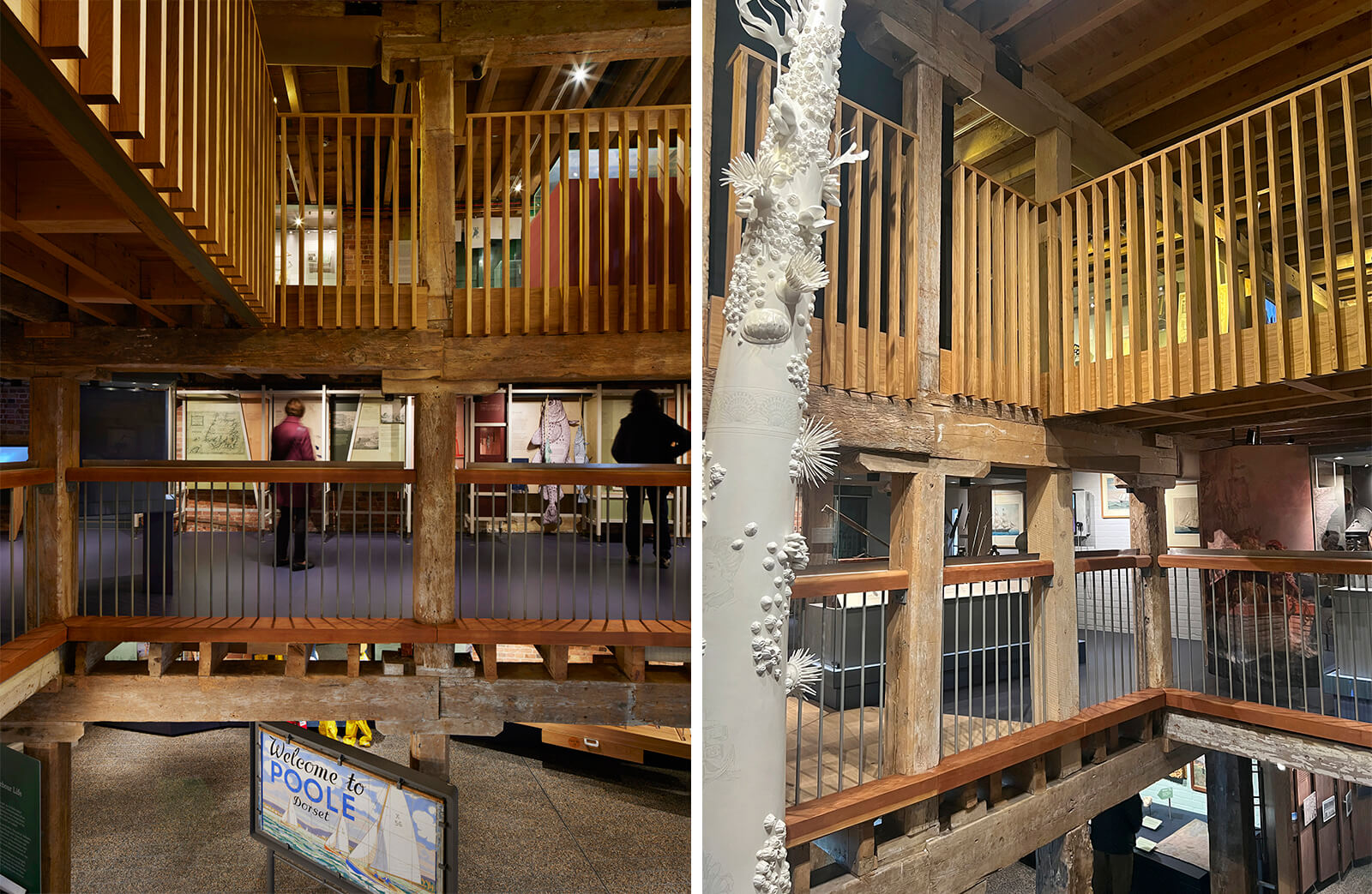
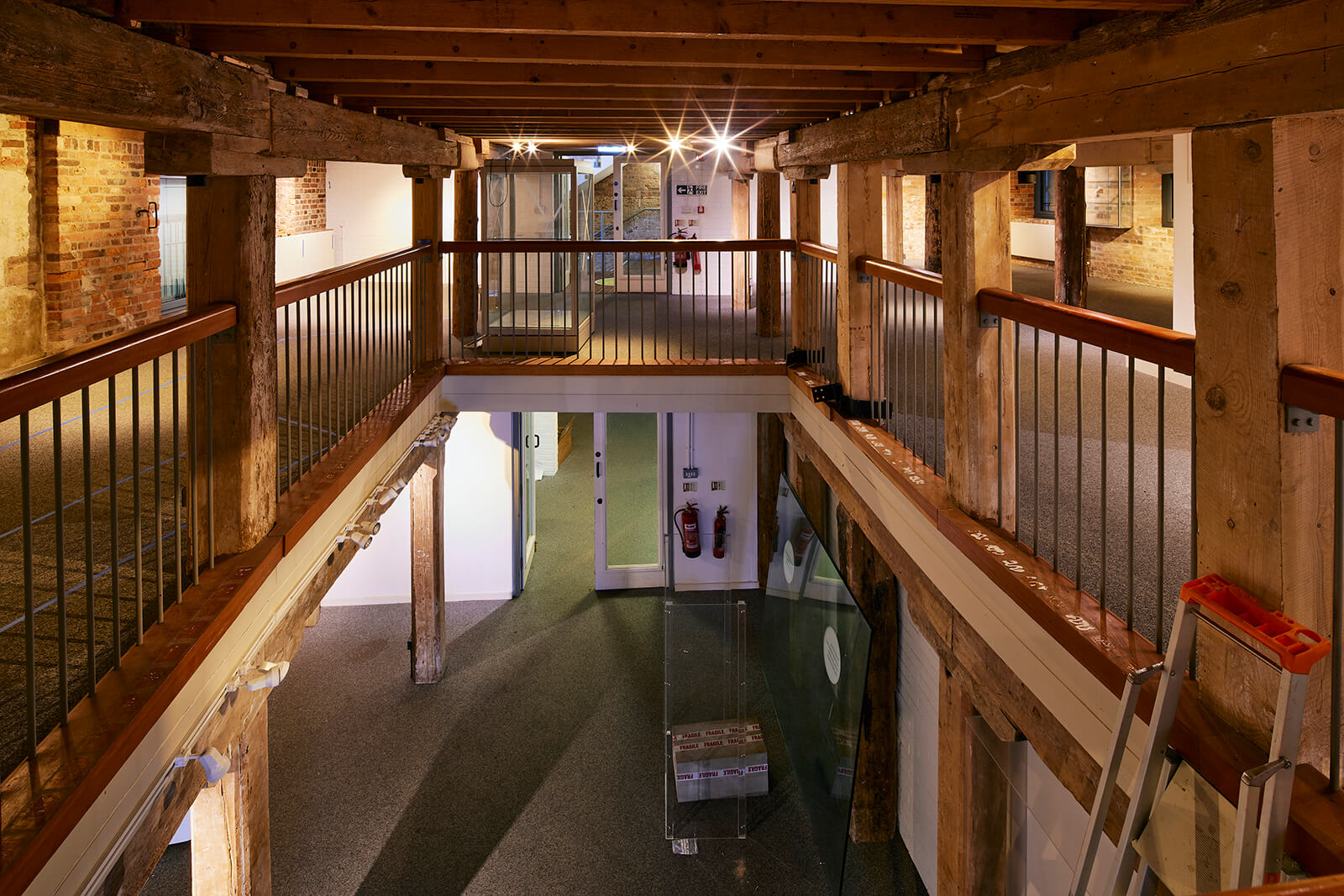
This central gallery space is distinctively representative of ZMMA’s transformation of the Poole Museum. The erstwhile grain warehouse, now Grade II listed, makes way for a three-storey-high void in the middle, making the experience of going around remarkably more open, while at the same time quite intimate, without a sense of overcrowding guided by the circumambulation around this hollowed-out space. Even with the added verticality, a sizeable part of the original timber framework has been retained after careful restoration, bringing to life ‘the warehouse’s evocative ship-like timber framework’. With the age of the timber columns and many of the structural details visible, the vertical expansion is pronounced, making the architecture intuitively a part of the museum’s historic displays.
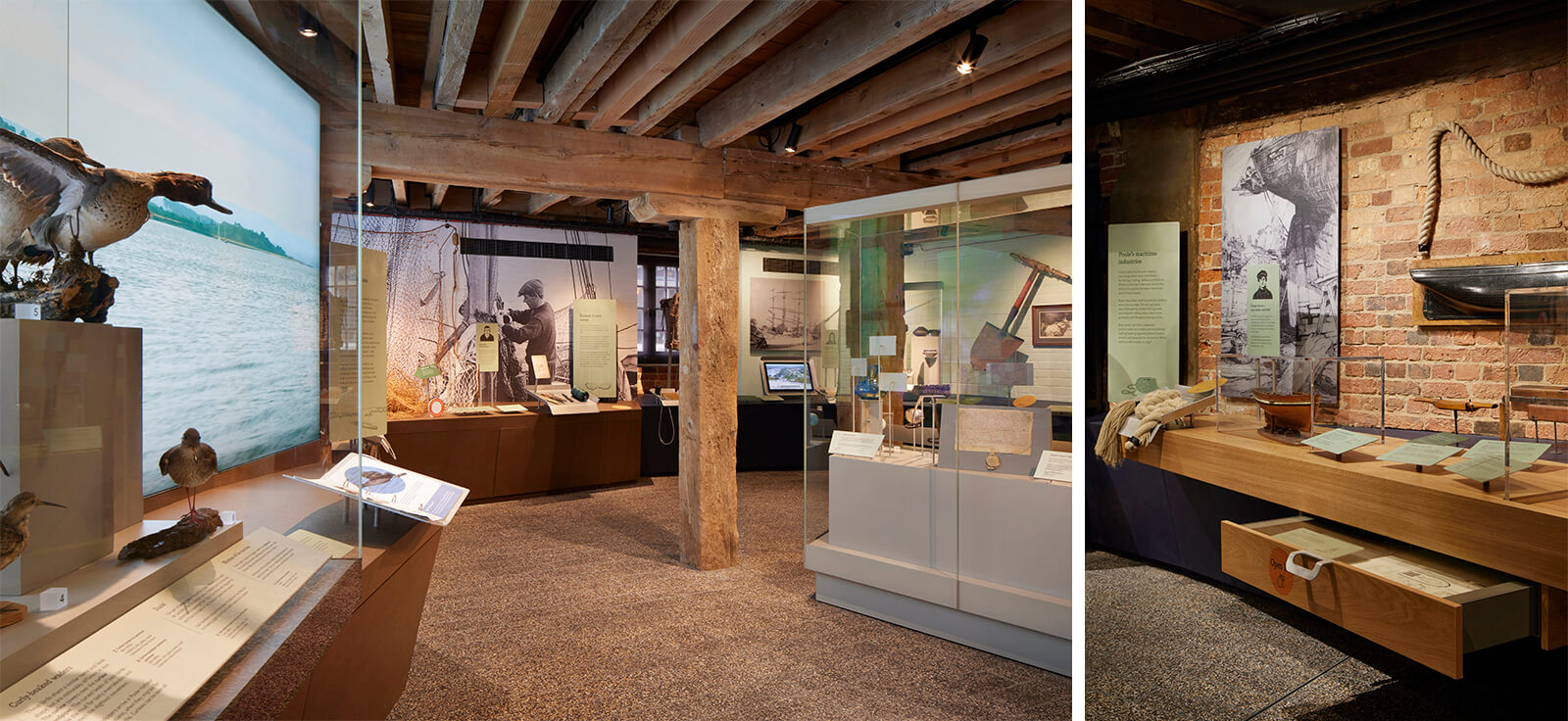
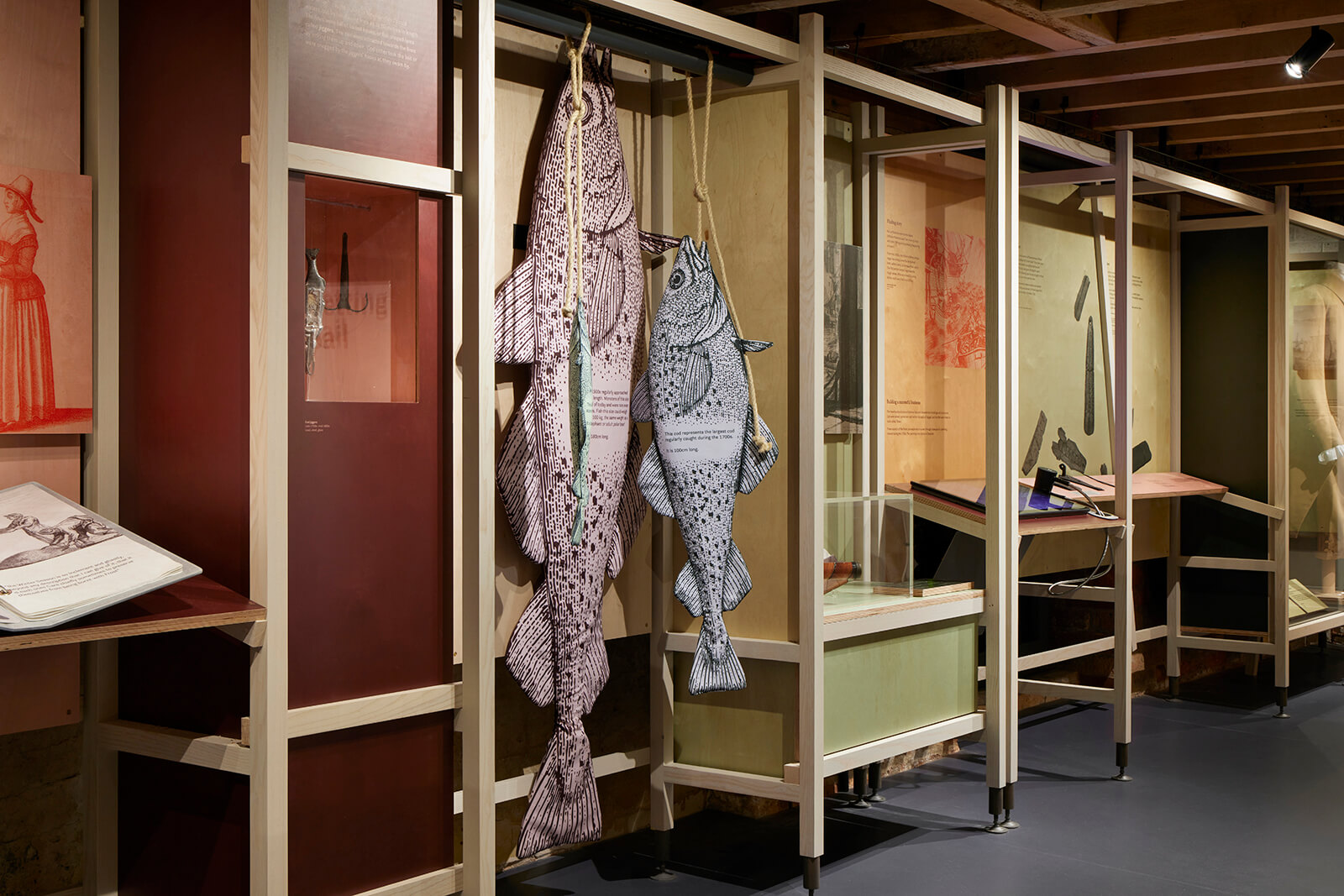
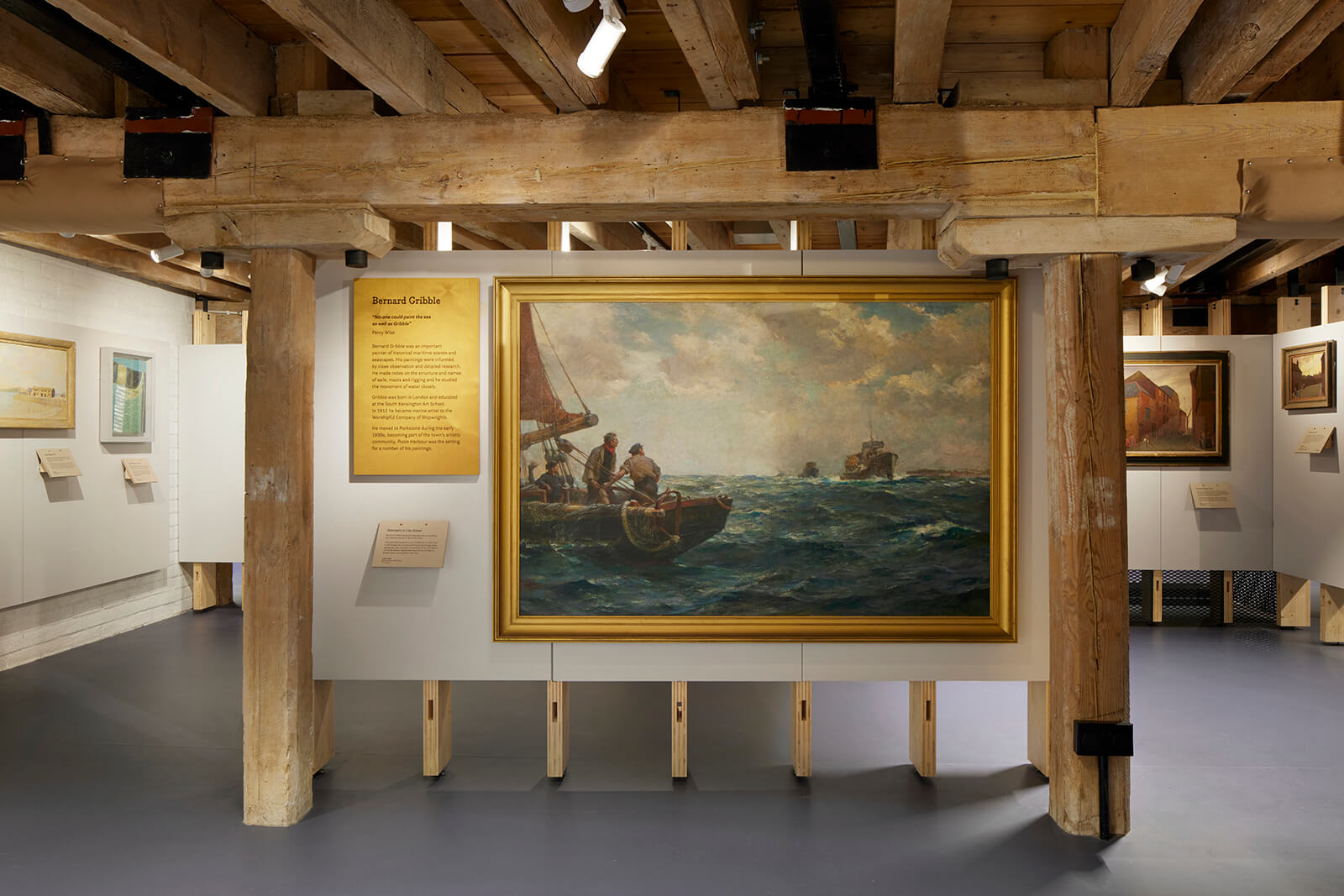
ZMMA’s dual role as architectural as well as exhibition designers especially allows for this wilful blurring of boundaries, for its architecture to double up as an artefact in its own right. “We have been able to unify architecture, exhibition, graphics, lighting and interactives into an atmospheric, layered visitor experience. Every aspect, from the campus masterplan and architectural interventions, right down to object display details, supports accessibility, intellectual and emotional resonance and a joined-up, elevated experience,” states Adam Zombory-Moldovan, director, ZMMA Architects, supporting the holistic approach.
Through a series of permanent exhibits including salvaged ship parts from both Dutch and English merchant and navy vessels, interactive screens recounting the town’s unrelenting relationship with the seas and ceramics and paintings that are part of the town’s history and vocabulary as a trading port, among others, ZMMA’s staging of the exhibits—co-curated with the local community and a host of other experts, as the architects claim—foregrounds the museum’s architecture in interesting, interactive ways. This adaptive reuse and restoration couldn’t stray further away from the ‘white cube’ notion often associated with galleries—another way the museum, by design, hopes to include the local community fully involved and interested. With Harbour Life occupying this light-filled gallery, Shipwreck!, set in the Grade I listed Wool Hall—the oldest structure of the lot—stages a rare, preserved Iron Age log boat as the star of the show, along with archival video records of the naval excavation and discovery odysseys. The restored timber roof profile here is especially dramatic, pronounced by the lighting, both constantly in dialogue with the exhibits. Above the three-storey voided galleries, the museum is topped by unrestricted floors housing other permanent exhibits, along with spaces for reading, learning and other creative activities, and a Government Indemnity Standard temporary exhibition gallery enabling flexible programming to attract national touring exhibitions.
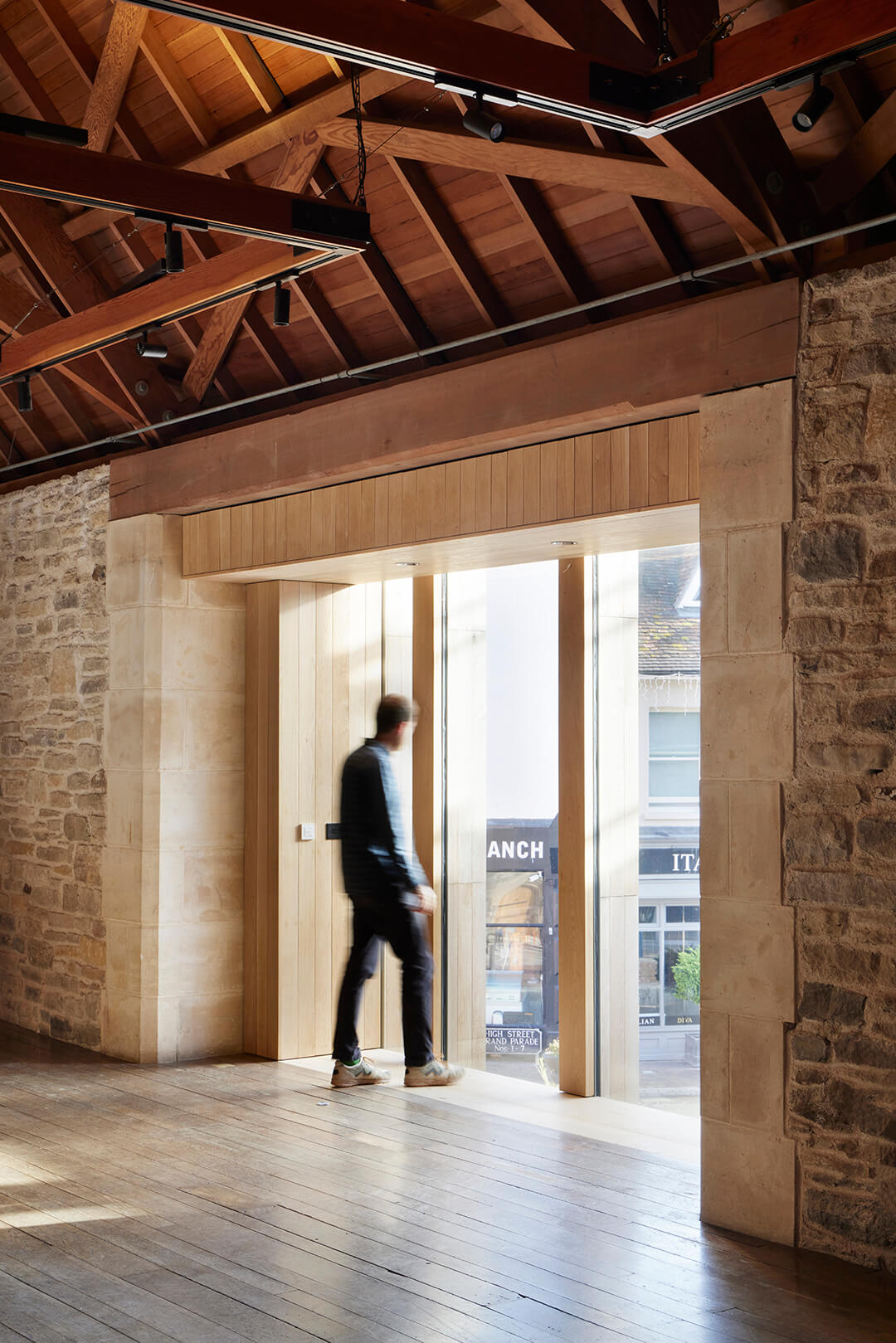
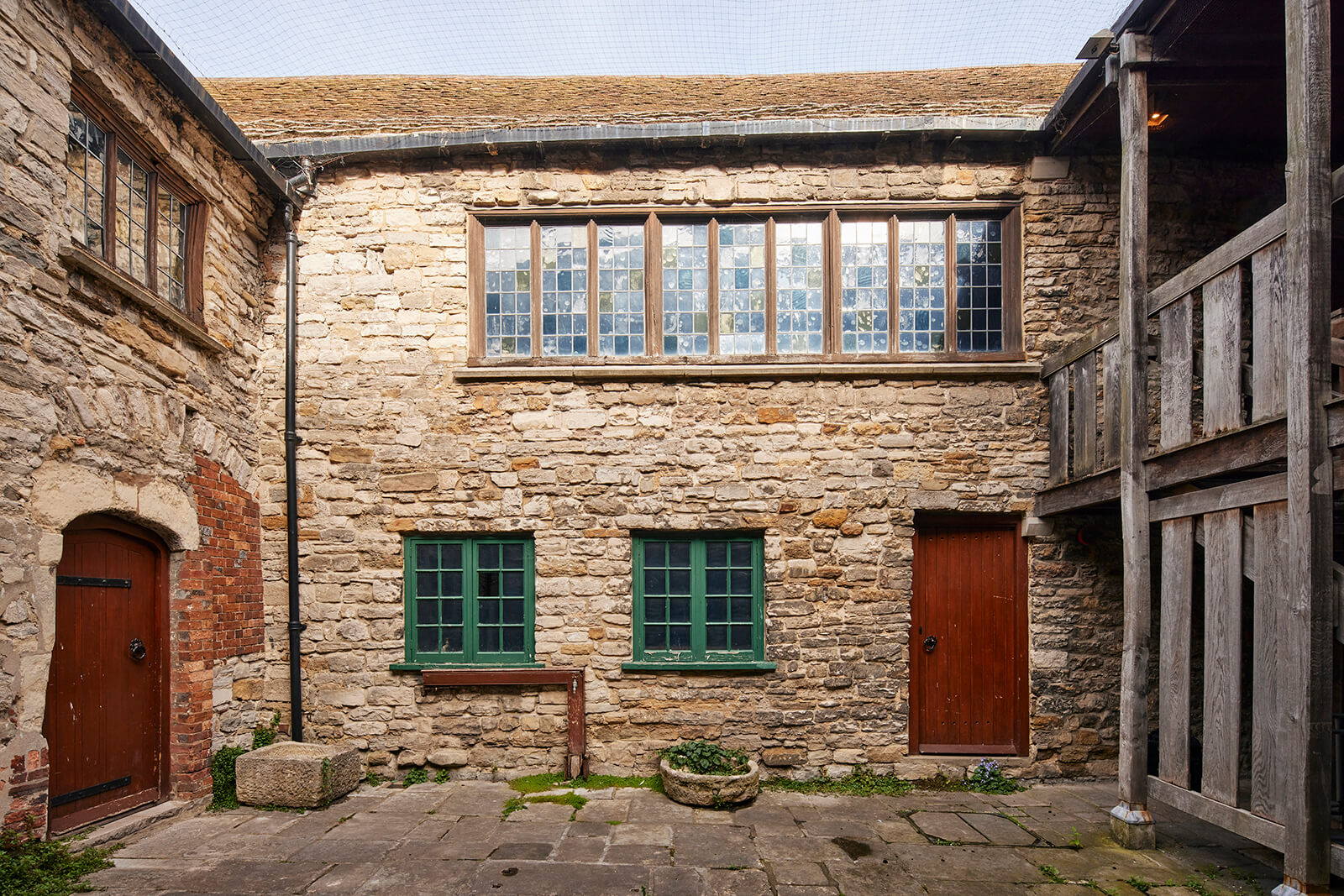
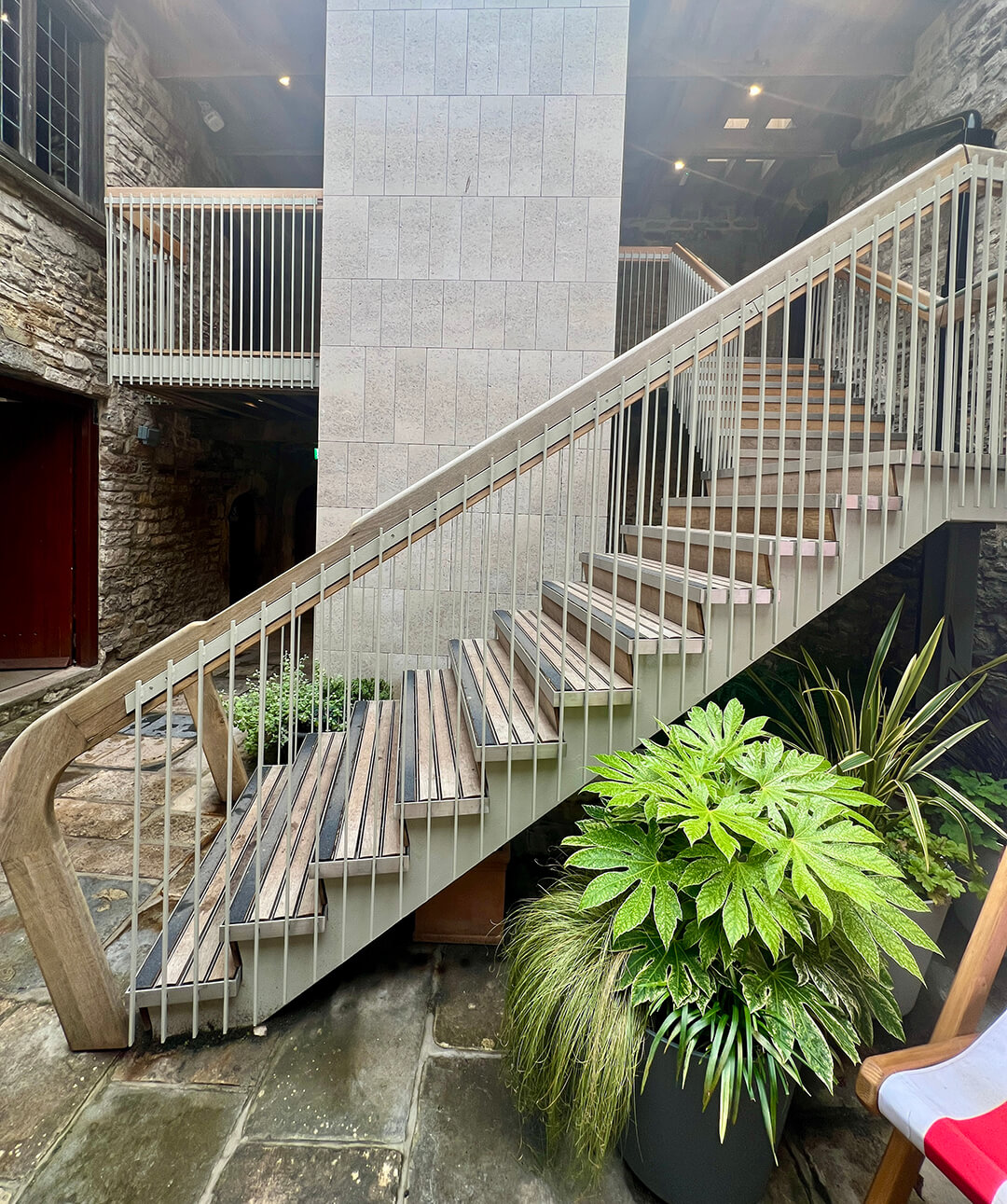
Alongside the museum building, the restored Scaplen’s Court houses the complex’s new catering facilities, collections management facilities and new staff areas with a cafe and other non-exhibit spaces that offer repose. A handsome new external staircase now adorns its light-filled courtyard—an additional facilitation for easier access to the upper floors. Between the chief structures and a now reactivated public realm, ZMMA’s reconfiguration has been able to double the amount of publicly available space within the museum, reinforcing its primary mission to especially position the museum as a vital cultural ornament for the town. While all restorative exercises—especially in the case of listed architectures—require a sensitive hand, ZMMA’s interventions at the Poole Museum come with a sustainability retrofit. Extensive decarbonisation was carried out across the buildings, using only environmentally friendly materials for restoration, along with new windows, solar panels and wood-fibre insulation. Even the exhibition design uses recycled and upcycled materials, mostly locally sourced, affronted by a ‘timber first’ approach.
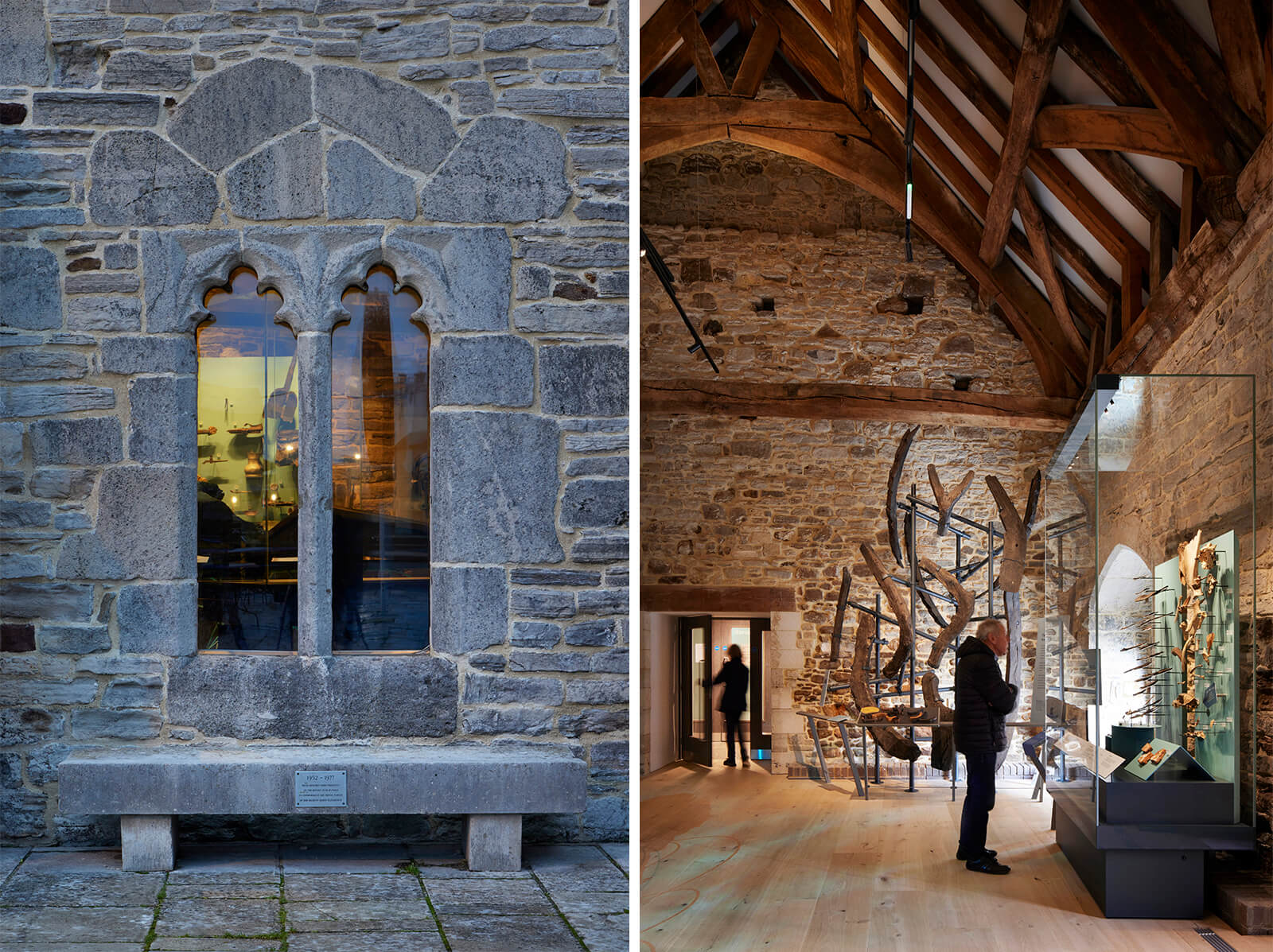
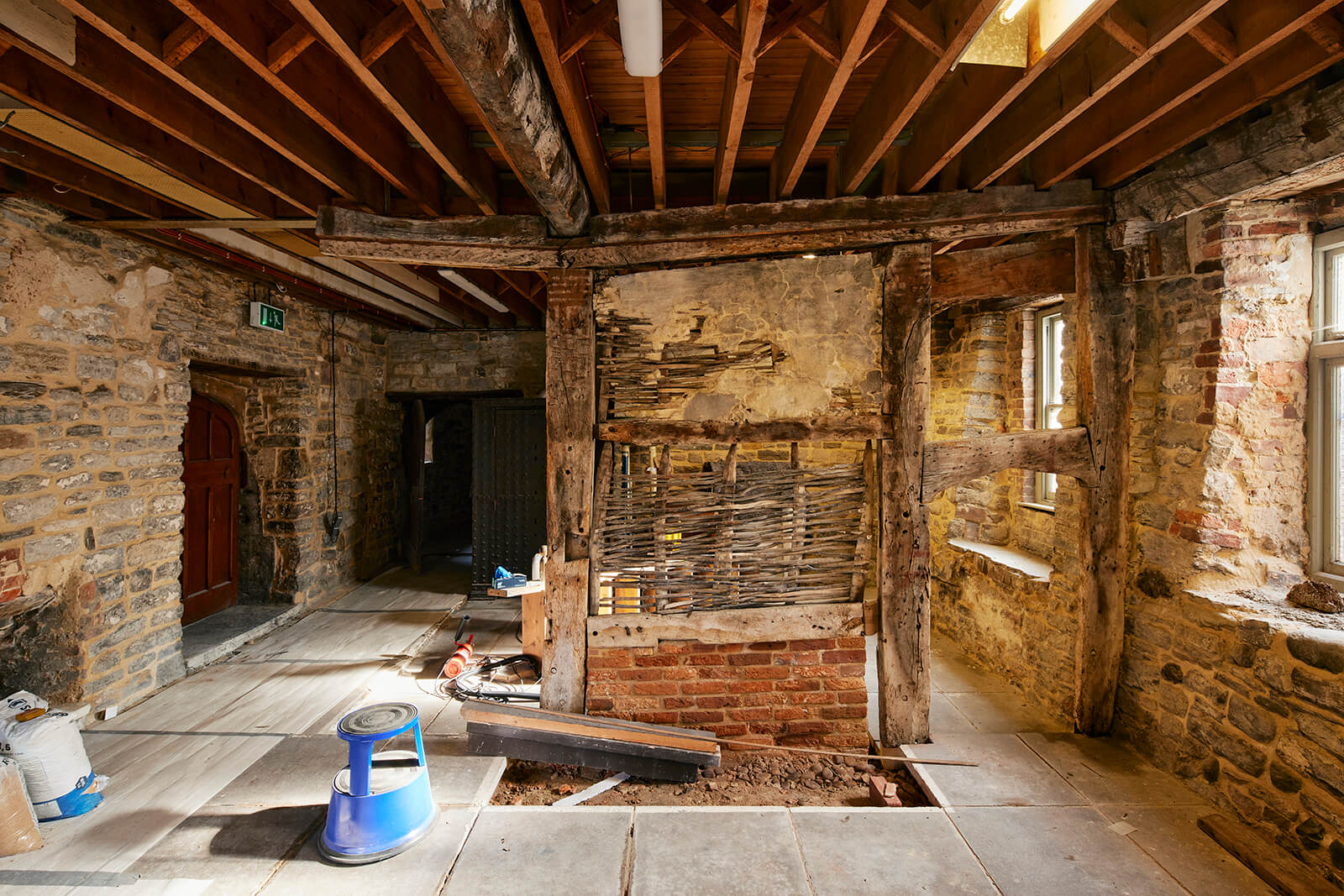
A particularly interesting exchange—a provocation, almost—with Zombory-Moldovan and Angus Goodwin, associate director at ZMMA, who led the visit to the museum, stands in to frame the experience and the new museum’s architecture. A number of artefacts on display at the museum were recovered not too far from the site of the museum, in varying states of decay, of course. The state of the museum’s structure before the renovation, repurposed from a grain warehouse, a residence in Scaplen’s Court and other smaller utilities, wasn’t entirely different. While ‘objects’ and ‘artefacts’ acquire patinas, architecture functions slightly differently by virtue of age—through structural deficiencies and spatial redundancy. In that, a state of ‘arrested decay’—as the architects stated during the visit—which the objects and the restored architecture find themselves in at the museum, is not only a technical measure in ensuring their longevity for display, but also a critical perspective on the agency of architecture in preserving architecture. While itself a conduit, a vessel for arresting decay of the objects and non-objects it houses to begin with, what agents must perform the same role when it comes to preserving and restoring architecture?

by Pranjal Maheshwari Oct 19, 2026
The Mumbai-based architects integrate courtyards, mesh screens and north light trusses to create a dining space that doubles up as a community hub at SR University, Warangal.
by Mrinmayee Bhoot Oct 17, 2026
The Rotterdam-based institute centres the Indian Ocean as a network for exploring material histories and transnational links shaping coastal cultures, positing them as future models.
by Pranjal Maheshwari Oct 16, 2026
At the 2026 Stirling Prize ceremony, Mary Duggan with RUFF Architects, MAKER Architecten and Nakshabid Architects were felicitated for proffering quality housing and social equity.
by Mrinmayee Bhoot Oct 12, 2026
The new Centre for Contemporary Arts, fostering public engagement with art in Uzbekistan, is housed in a tram depot refurbished by the French studio, emulating local craftsmanship.

make your fridays matter with a well-read weekend
Enter your details to sign in
Don’t have an account?
Sign upOr you can sign in with
a single account for all
STIR platforms
All your bookmarks will be available across all your devices.
Stay STIRred
Already have an account?
Sign inOr you can sign up with
Verification link sent to check your inbox or spam folder to complete sign up process
Tap on things that interests you.
Select the Conversation Category you would like to watch
Please enter your details and click submit.
Enter the 6-digit code sent at


ZMMA leads a contextually reflective transformation for the Poole Museum
by Anmol Ahuja | Published on : Feb 03, 2026


 Sign in with Google
 Sign in with email
What do you think?