Design07 mins. read
We Must Imagine It by Unfold Projects advocates for regenerative art and design
by Pranjal MaheshwariJul 14, 2026




by Chahna TankPublished on : Feb 16, 2026
There is something poetic about candlelight: flames flickering in a dark room, shadows shifting along the walls, things revealing themselves by degrees. In candlelight, perception slows as edges soften and a kind of beauty emerges—one that depends on shadow to exist at all. It is precisely this sensibility that the Japanese writer Jun’ichirō Tanizaki (1886 – 1965) gives language to In Praise of Shadows (1933), a meditation on beauty found not in brightness but in shadow. “The quality that we call beauty”, Tanizaki writes, “must always grow from the realities of life, and our ancestors, forced to live in dark rooms, presently came to discover beauty in shadows.”
Sculptor JB Blunk (1926 – 2002) drew inspiration from Tanizaki’s writing to shape both his approach to creation and the spaces he built around his work. Nowhere is this more evident than in the Blunk House—the hand-built home and studio he constructed between 1959 and 1962 in California, which draws heavily from the traditional Japanese houses he lived in while apprenticing in Bizen, Japan. Today, the private residence underpins the ethos of Blunk Space, the contemporary art and design gallery founded by the JB Blunk Estate, where exhibitions extend Blunk’s material sensibility and philosophical commitments. It is from this ground that 100 Candleholders, the recent showcase at the Blunk Space, emerges.
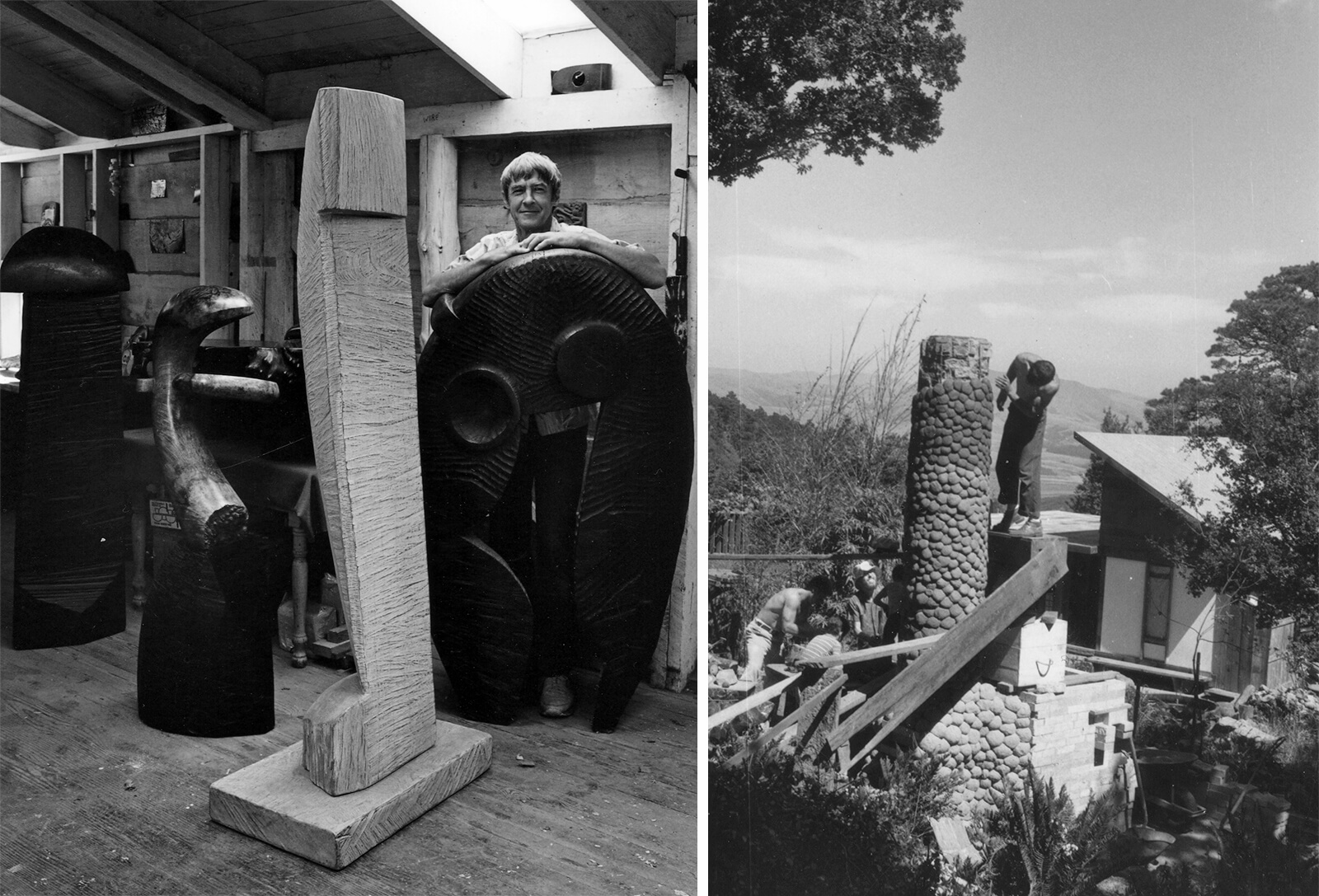
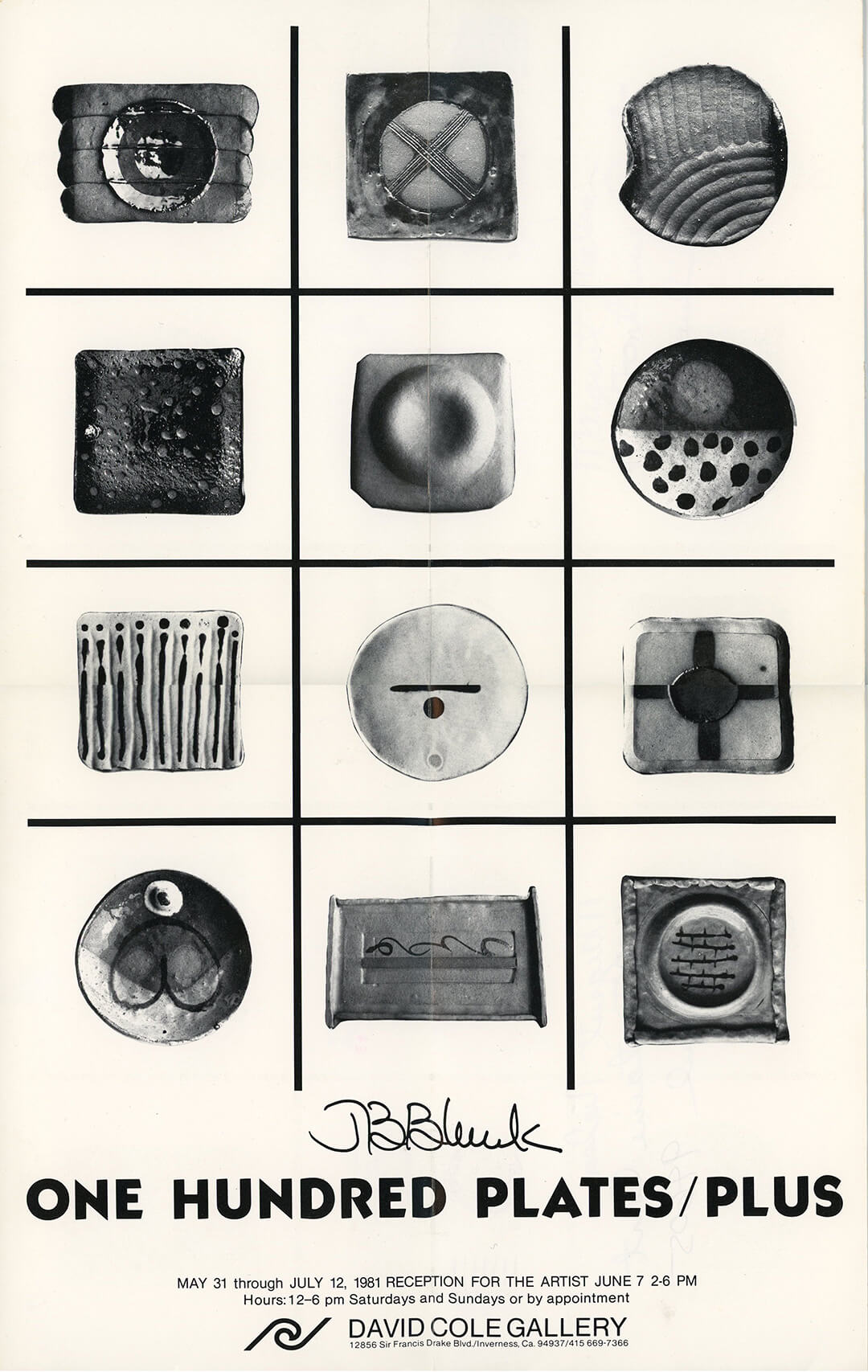
On view from January 17 – March 28, 2026, the design exhibition is the second iteration of Blunk Space’s 100 series, inspired by Blunk’s 1981 exhibition 100 Plates Plus, where his repeated engagement with a single utilitarian form—the plate—became a site for sculptural experimentation. “Though he often made plates in a strictly utilitarian way, for my family’s daily use in our home, his constant iteration on the form became a springboard for creating sculptures,” said Mariah Nielson, director of the JB Blunk Estate and Blunk Space.
As with 100 Hooks, the first in the series, 100 Candleholders works on a similar premise. 100 contemporary designers respond to the same prompt: to create a candleholder of any material inspired by Blunk, his work or the Blunk House—producing 100 distinct interpretations of a single object. The series is more than just a survey of contemporary design; it also honours the candleholder as a sculptural device, one that continues to be explored long after candlelight itself has been eclipsed by technology.
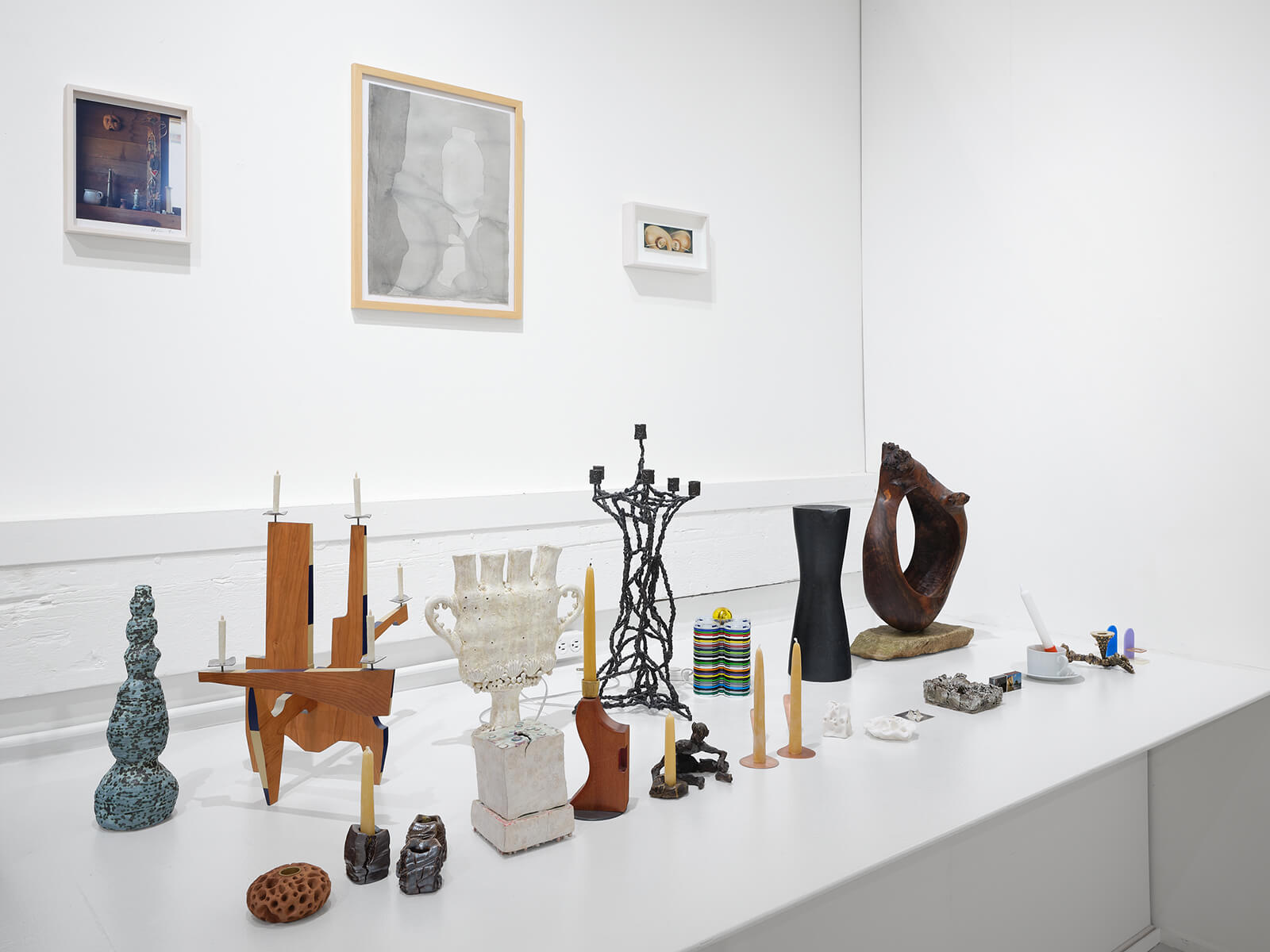
Candleholders may today be prized as decorative objects, but at their core, they are utilitarian—they contain flame, protect surfaces, raise light into space, hang it or allow it to be carried from room to room. Blunk returned to the form throughout his life, drawn to its sculptural potential as well as its bodily—often overtly phallic—presence. At Blunk Space, two opening receptions were lit entirely by candlelight. While prompted by frequent power outages in the area, the circumstance underscored the enduring poetry of the form and its connection to Blunk’s artistic ethos and enduring fascination with light and shadow.
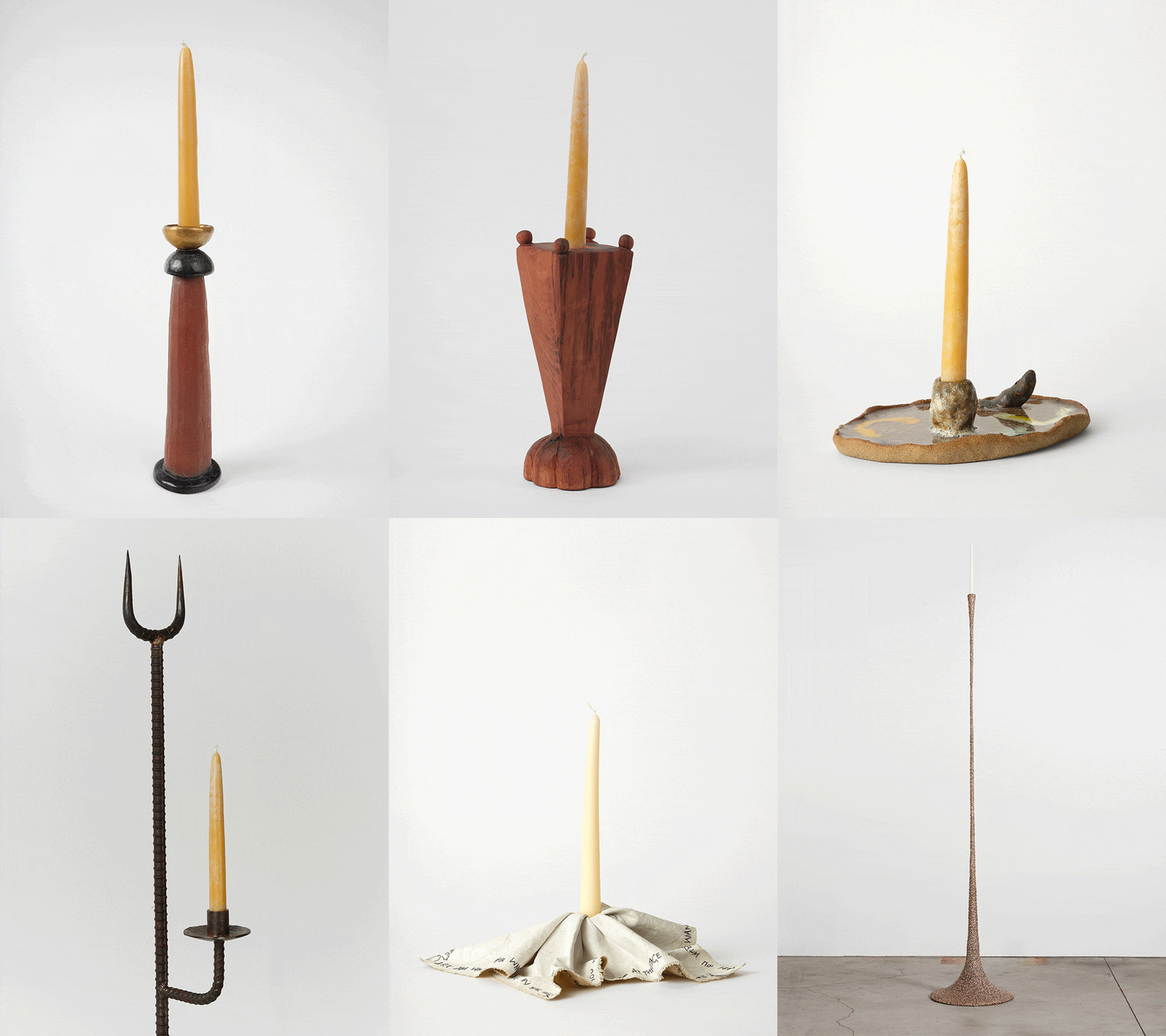
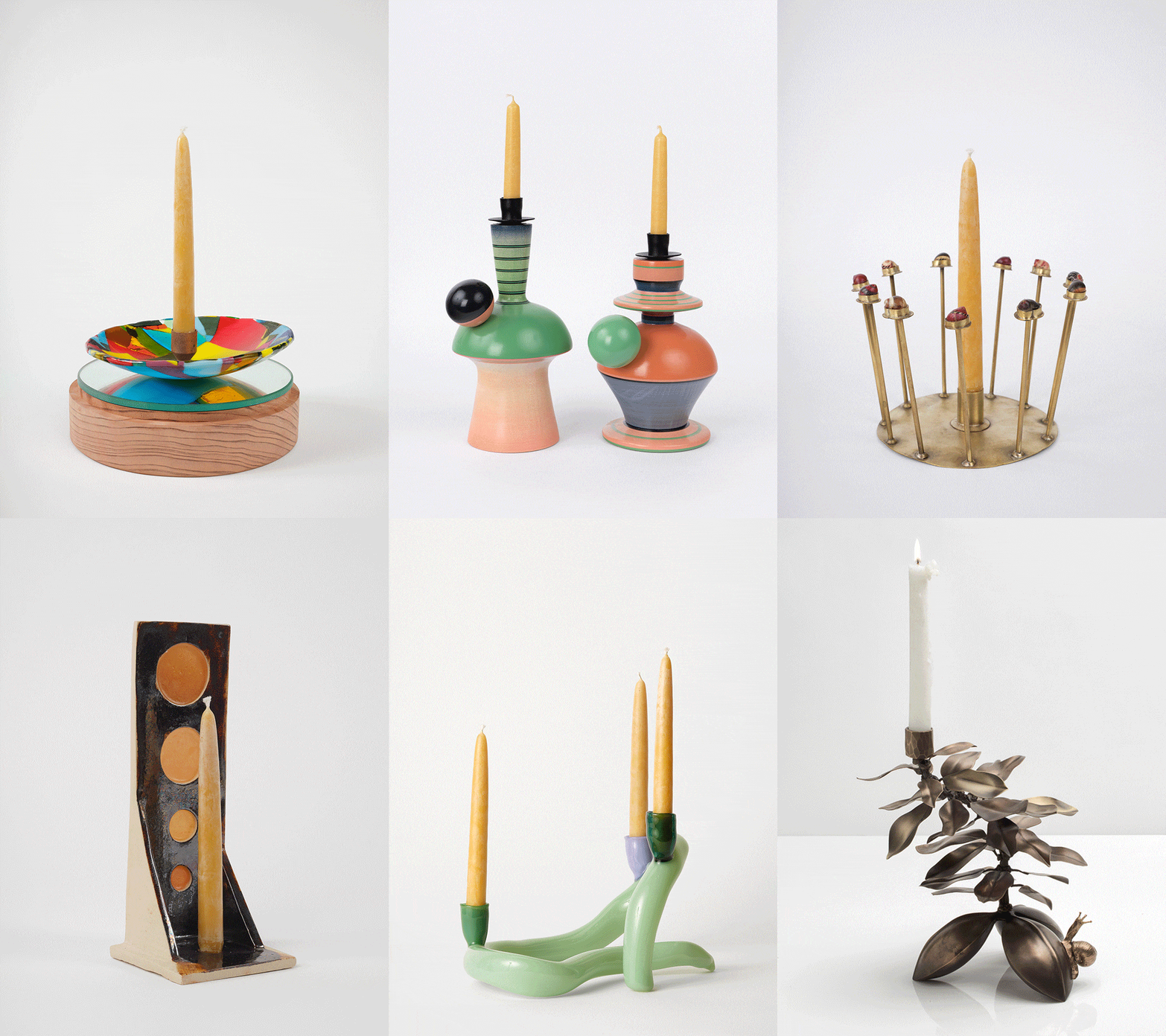
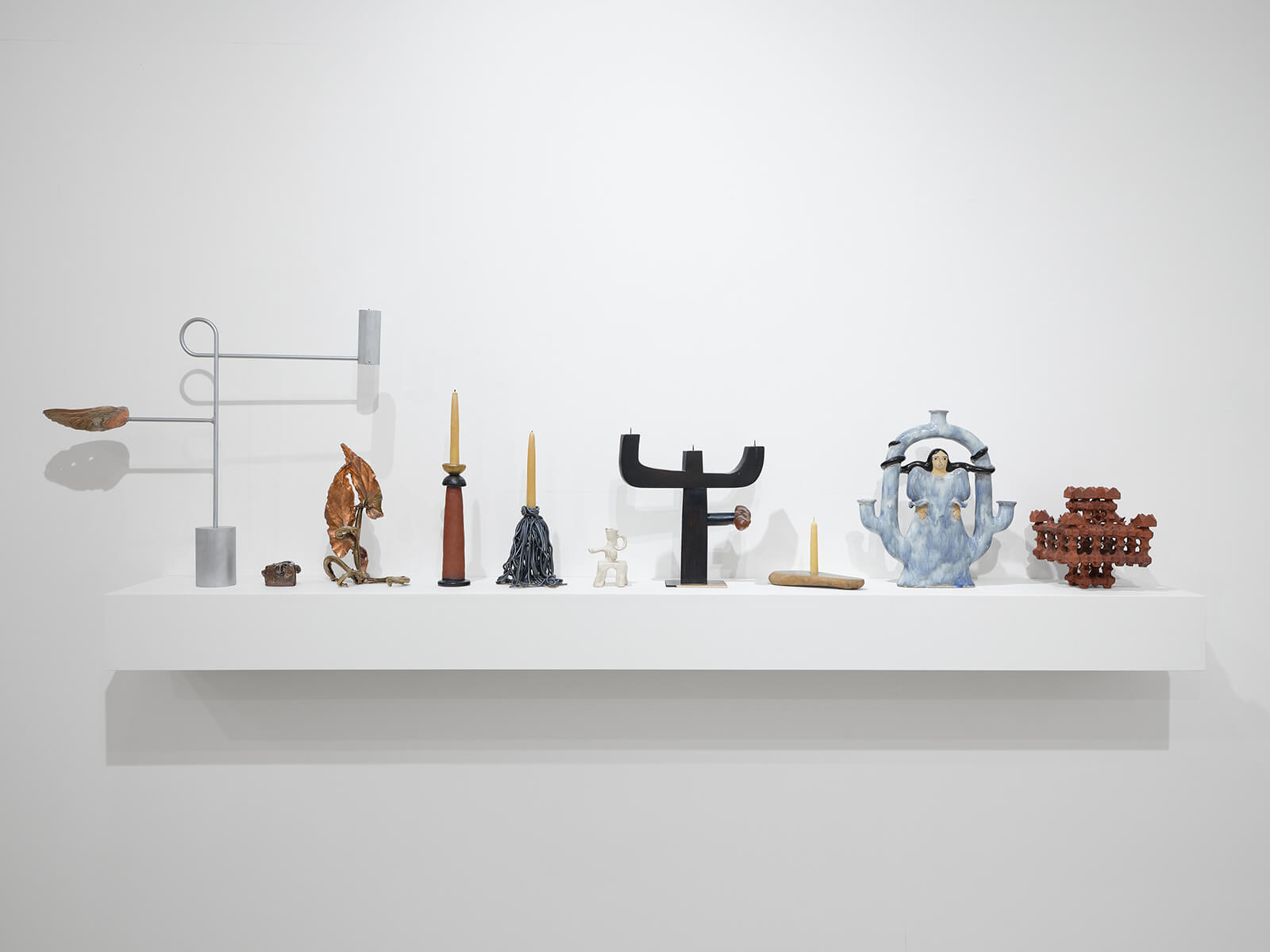
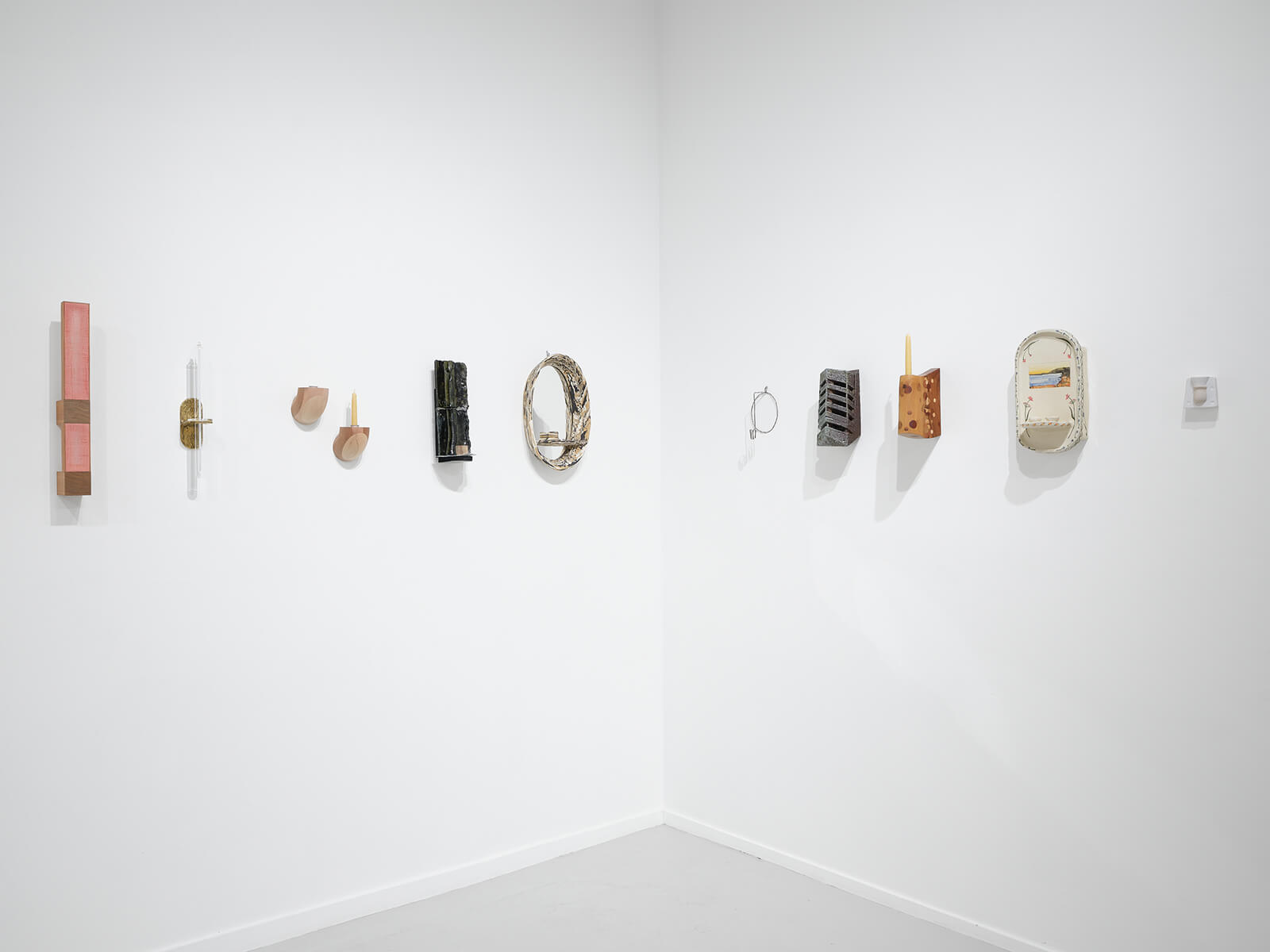
The exhibition unfolds as an array of sculptural responses to light—torchères, candelabras, chandeliers, tabletop and wall-mounted forms—appearing alongside holders for delicate votives, elegant tapers, massive pillars and even tiny handmade candles. Different materials and techniques shape each candleholder—bright aluminium marked by machine scrapes, dark glossy ceramics preserving impressions of every fingerprint and hand-applied bubbly colours contrasting with the natural variegation of wood and stone. The exhibition also includes unexpected materials, ranging from flammable fabric to white gold palladium wire. Scale becomes another axis of experimentation—pieces range from a single candleholder taller than an NBA player to minuscule matchbox-sized ones. In addition to three-dimensional works, artists contribute paintings, photographs and prints, further expanding the forms and interpretations of this simple, enduring object.
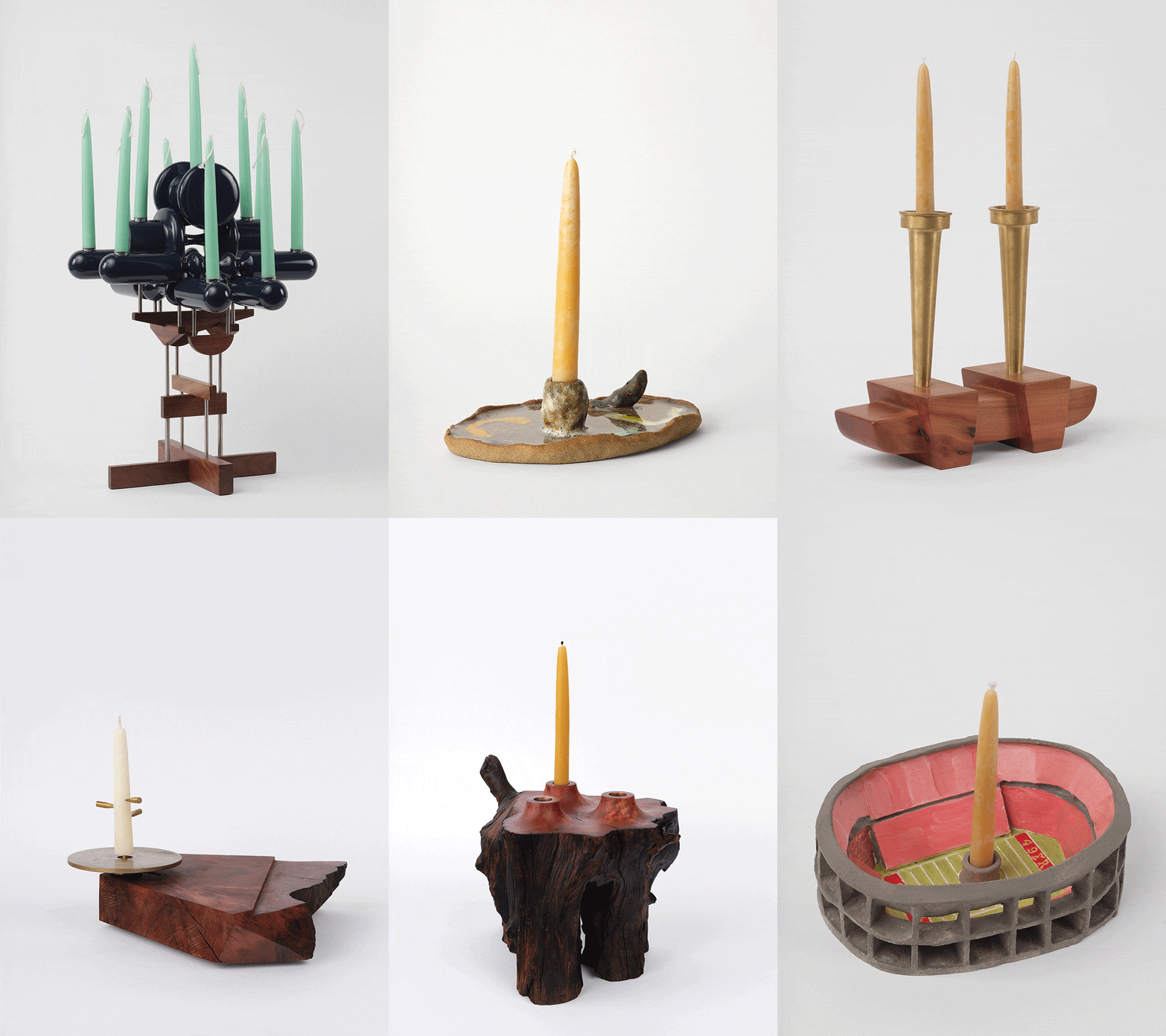
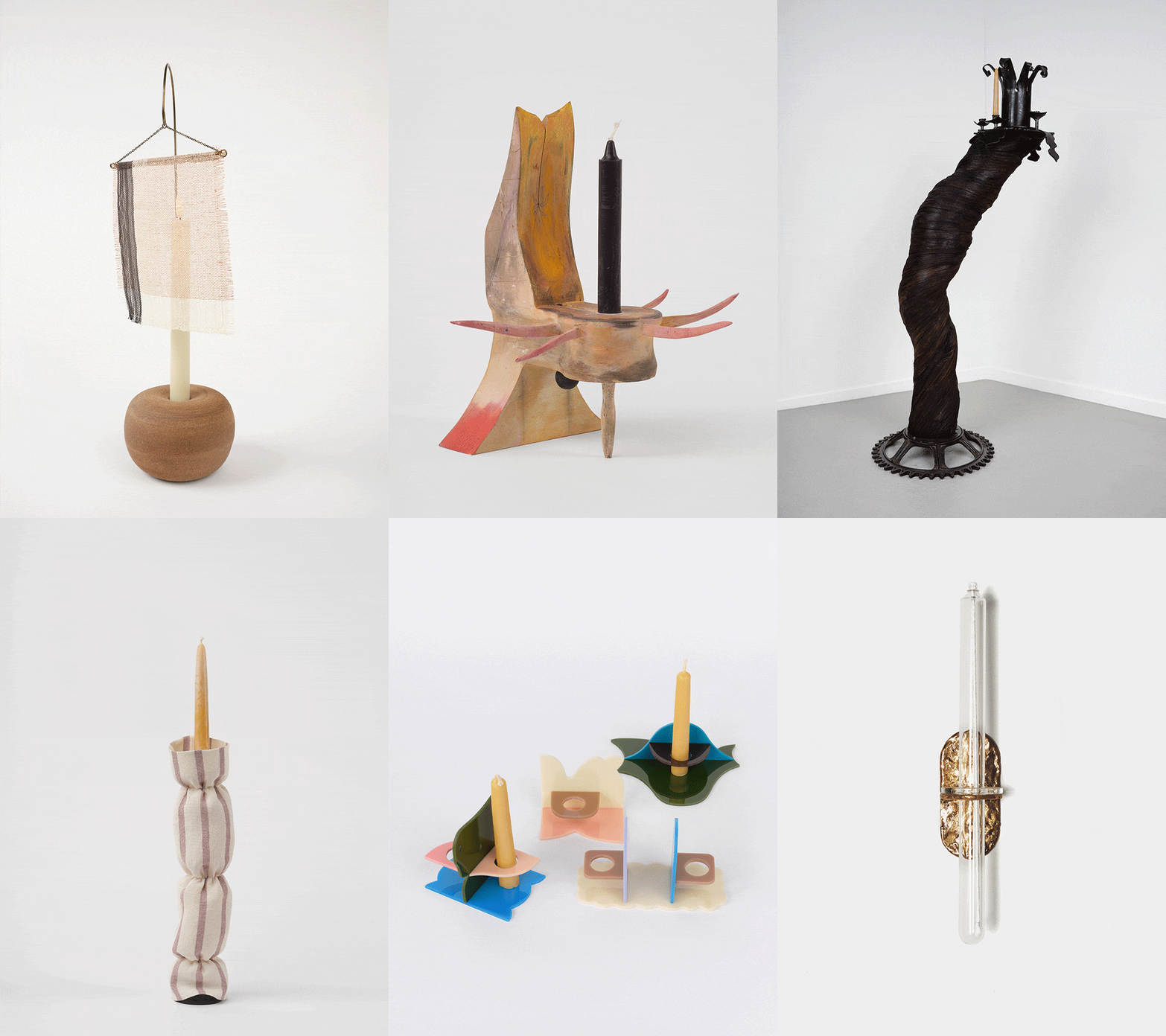
Within this range of material and approaches, several works foreground the candleholder as both a functional object and a sculptural study. The exhibition includes JB Blunk’s Untitled ceramic candleholder made for his home in Oaxaca, Mexico, characteristic of a group of works he produced in similar phallic proportions. Others include Bethan Laura Wood’s Candelabra Shrine, which uses graphic forms and crisscrossed wooden elements that reference portable altars and Japanese interlocking construction. Rio Kobayashi’s On the Edge Candleholder is a composition structured around balance and tension, positioning the candle at the edge of the form.
Other works shift attention away from form and toward the candle itself. Conceived as a portrait of a candle, Henry Kim’s Mongi Mirror Candelabra takes the form of a framed mirror designed to hold a single candle. The design extends Kim’s recent investigations into ceramic-framed mirrors, translating the format into a wall-mounted candleholder. On the other hand, John Gnorski’s Portrait of a Candle: Young, Old, depicts a candle at two moments in its life: first with a bright, active flame, and then reduced to smoke. Ian Collings’ Stone Object – Light Feeder takes the form of a shallow stone tray—an invitation to feed the flame.
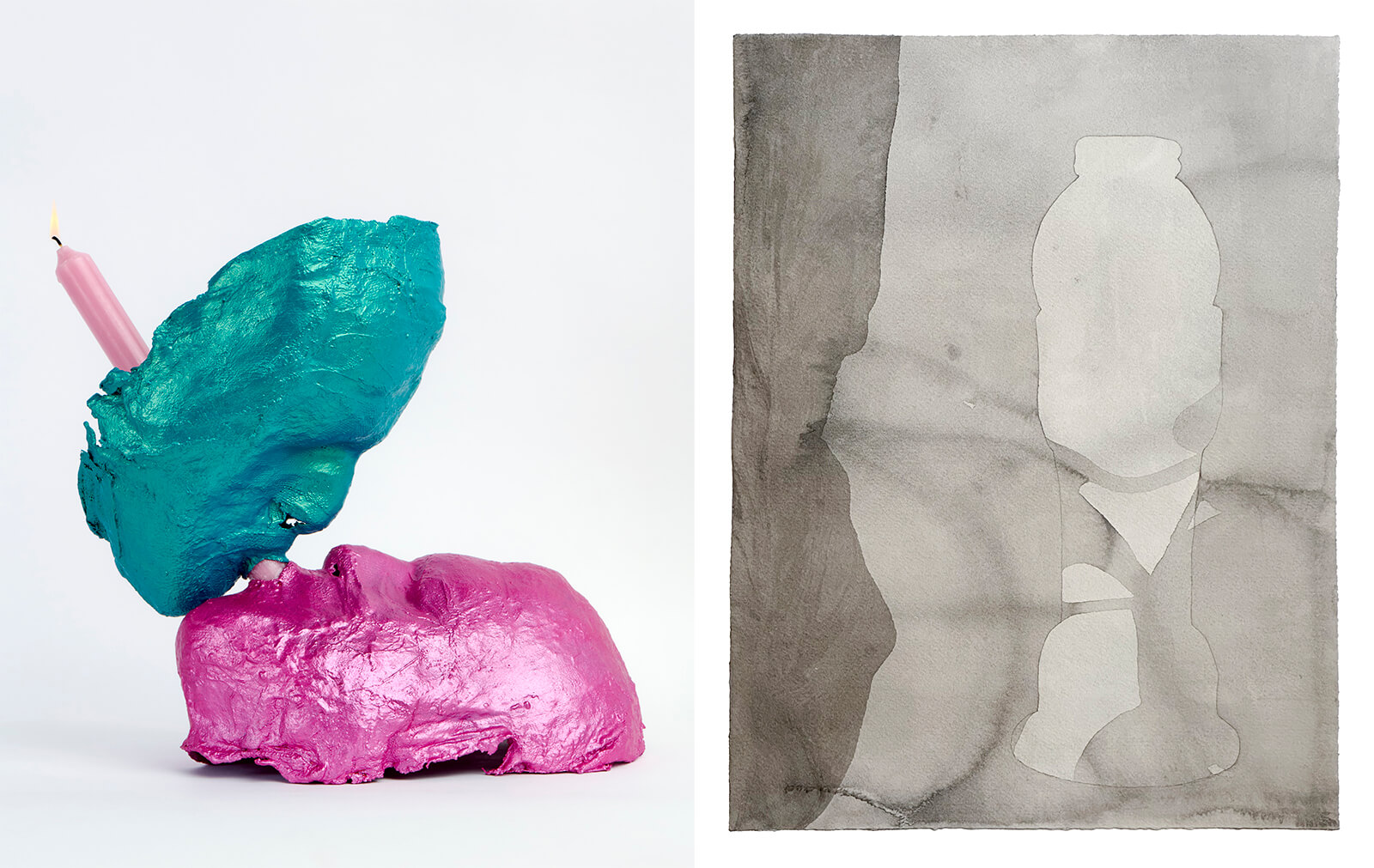
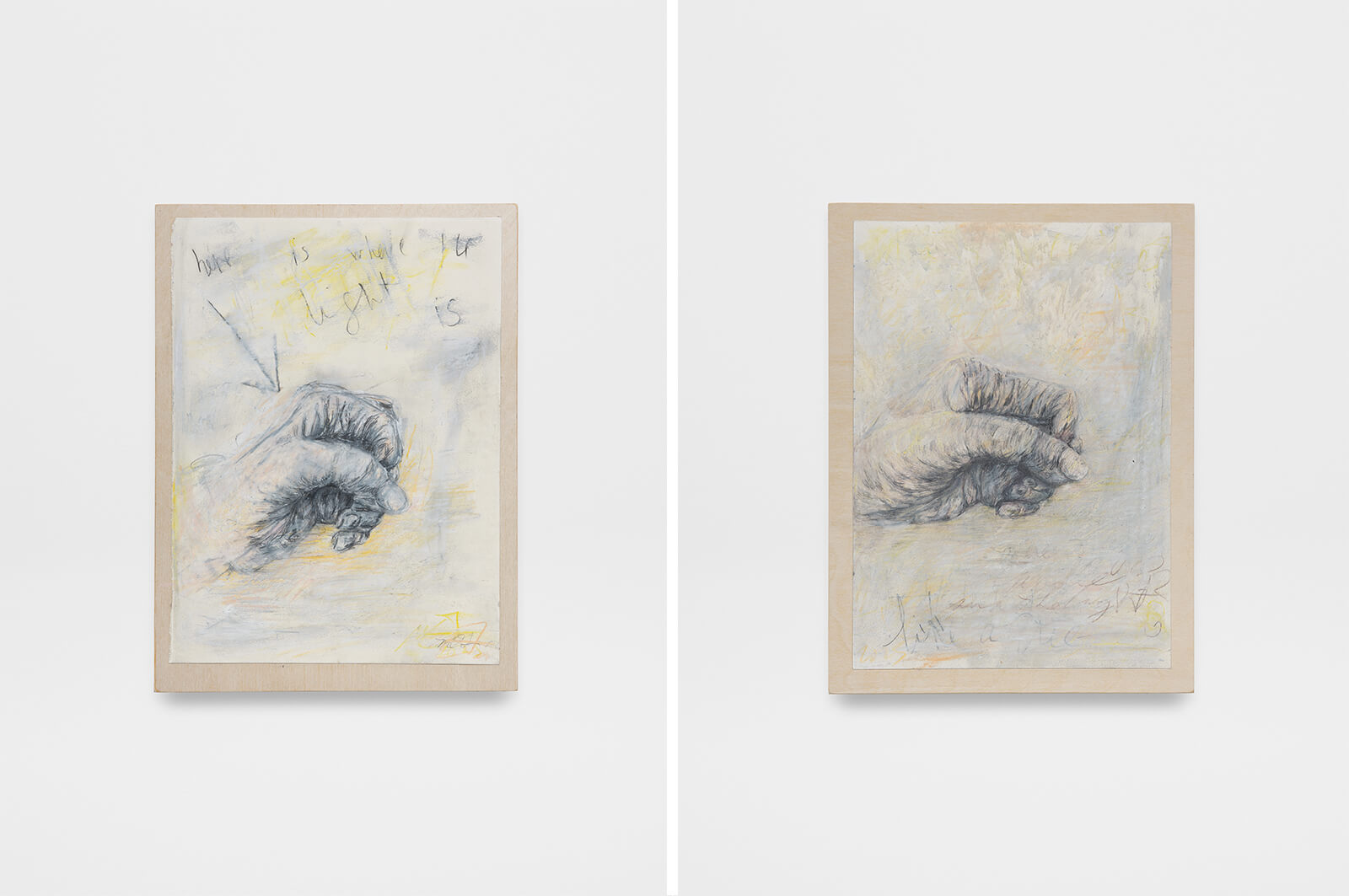
Candleholders also appear through image and representation in the exhibition. Jamil Hellu’s Candleholders, an archival pigment print, reimagines the candleholder as a queer reliquary—an intimate vessel for illumination, desire and defiance, where temporality becomes a metaphor for endurance and queer resilience. In Leslie Williamson’s Kitchen Candles, Blunk House, candlelight is encountered as a lived ritual: a photograph of candles and personal objects arranged beside the kitchen sink in JB Blunk’s home. Madeleine Fitzpatrick’s Here Is Where the Light Is depicts the most ancient candleholder of all—hand.
Other designers featured in 100 Candleholders include A History of Frogs, Dan John Anderson, Erica Toogood, Gemma Holt, Ido Yoshimoto, James Naish, Jochen Holz, Jordan McDonald, Martino Gamper, Max Lamb, Minjae Kim, Studio AHEAD and Vince Skelly, each contributing a distinct approach to material, construction and use within the shared constraints of the candleholder form.
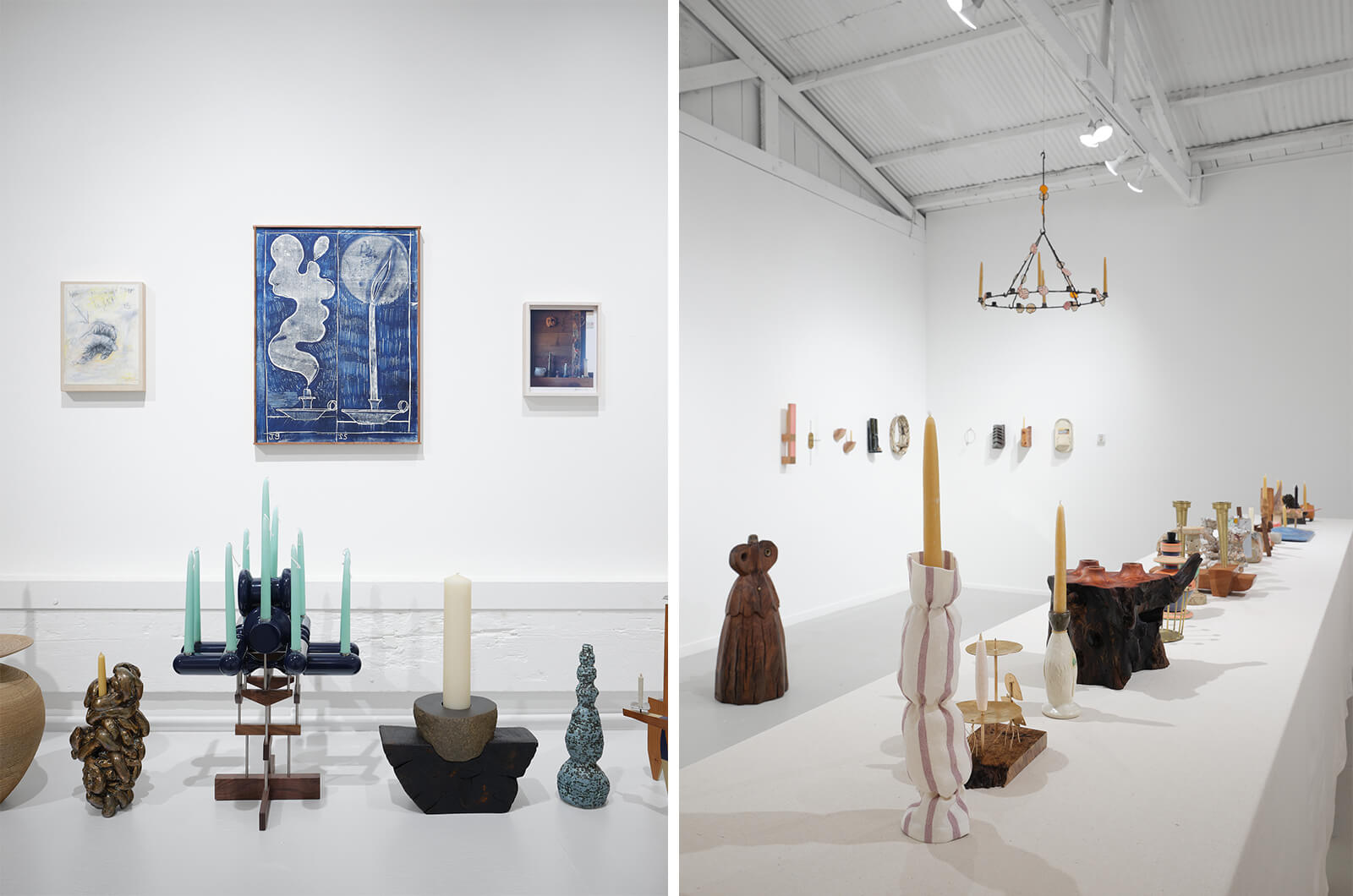
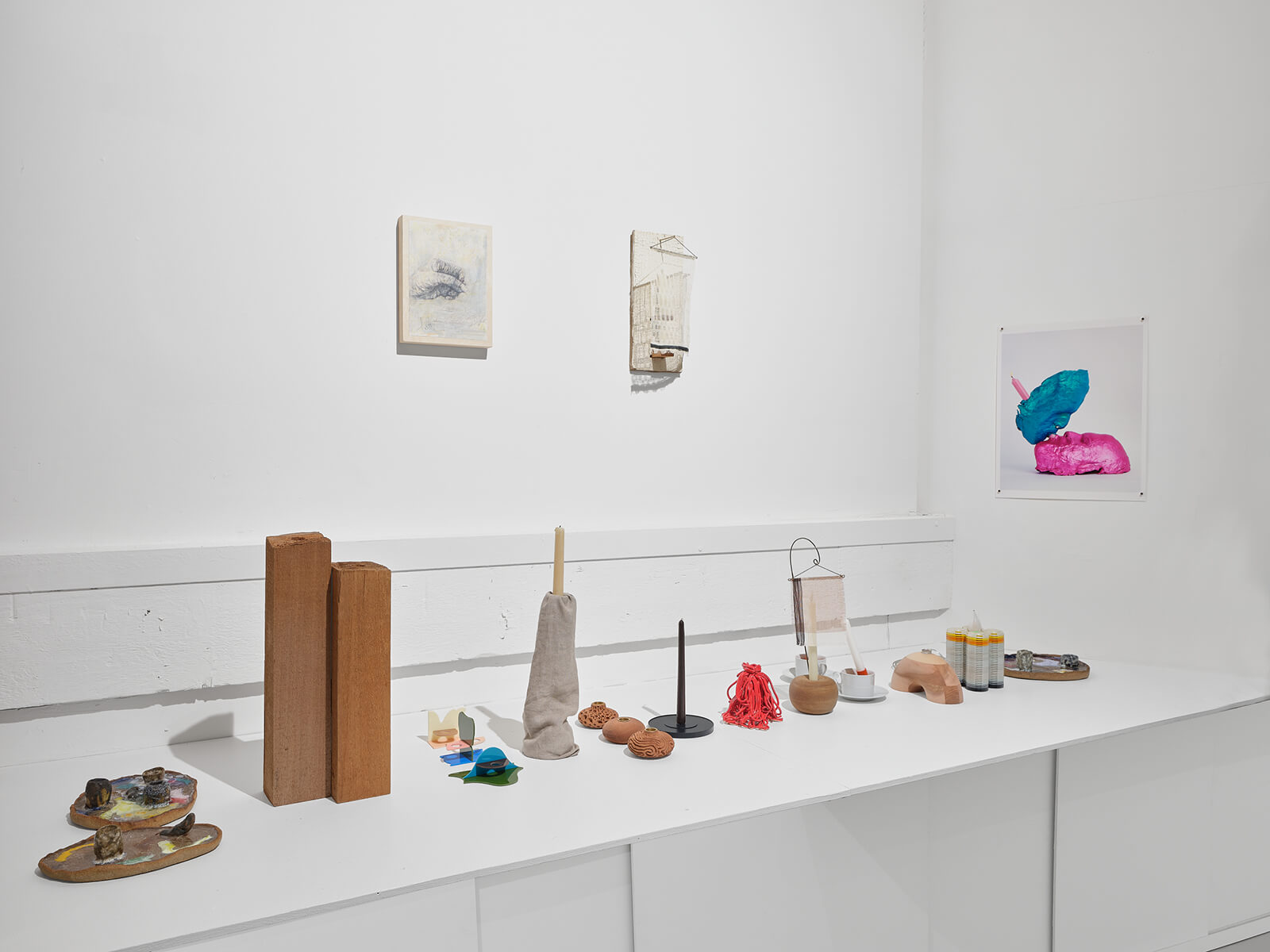
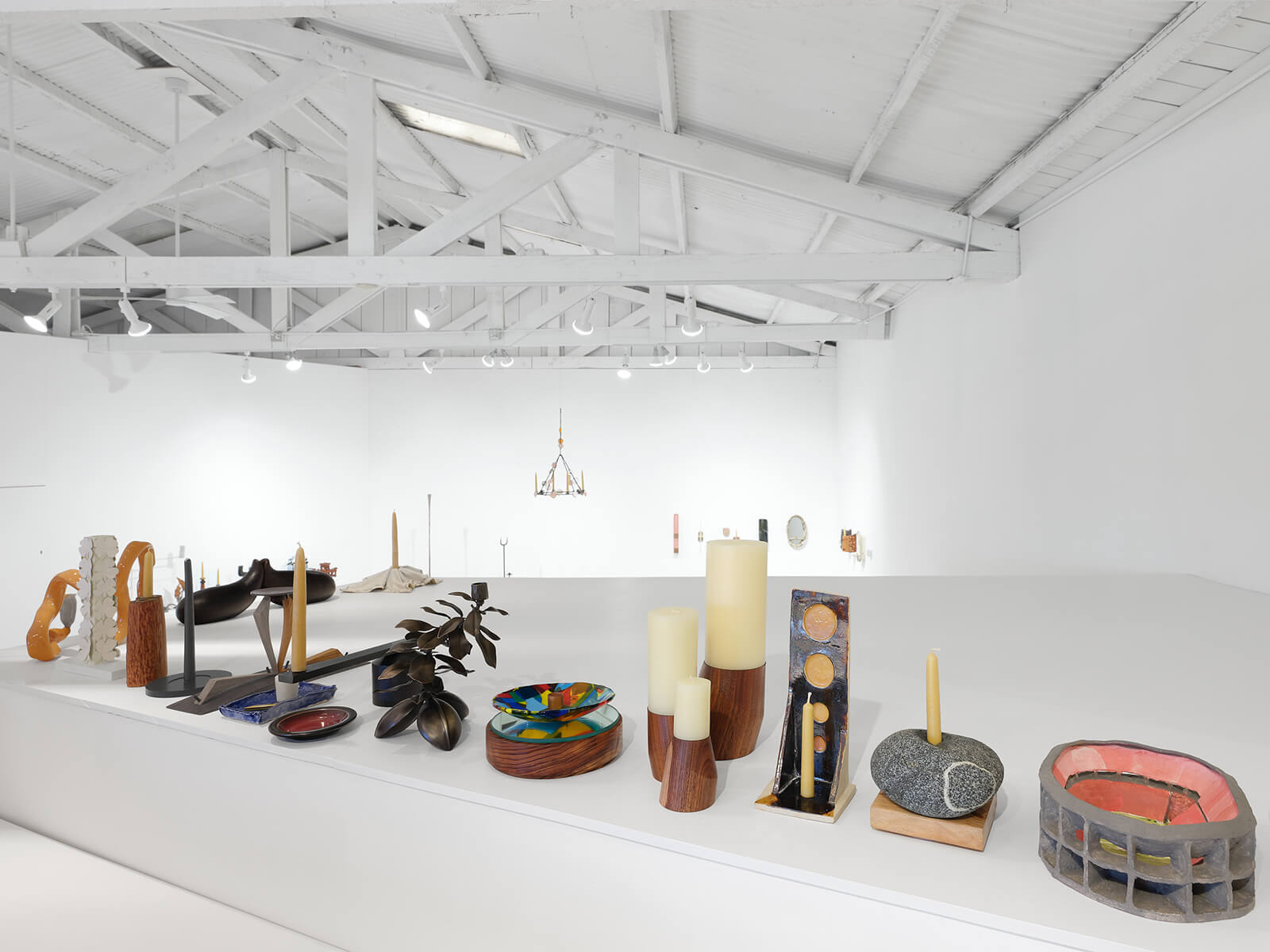
100 Candleholders demonstrates how sustained attention to a single utilitarian object can generate breadth rather than redundancy. Each artist approaches the candleholder through their own materials, forms and processes, negotiating their own balance between aesthetics and function. In revisiting a form whose practical necessity has largely been eclipsed by electricity, the exhibition shifts attention away from the constant glare of LEDs or screens, toward a different temporality—one that unfolds through light held in objects that invite shadows and encourage the discovery of beauty.
Towards the end of In Praise of Shadows, Tanizaki longs for a metaphorical mansion of literature or the arts, where “we can turn off the electric lights and see what it is like without them”. 100 Candleholders seems to reflect this ethos, offering engagement with flame as a source of light within the home—an approach aligned with the experimental openness and respect for materials that characterised Blunk’s practice, while remaining firmly situated in the present. Together, the showcased works demonstrate what it means to build objects that allow shadow to speak, and in doing so suggest that illumination need not be constant to be meaningful—and that, in an age of relentless brightness, dimness may itself be a form of resistance.

by Pranjal Maheshwari Oct 23, 2026
Co-authored by Jareh Das, Chairman traces the British designer’s fixation on chairs as symbols of power and identity and as mediums of expression and community building.
by Mirra Lynn Oct 22, 2026
The curators behind Palestine Design Week 2026 reflect on its intent, considering how design holds memory, makes space for loss and imagines a future in Palestine.
by Chahna Tank Oct 22, 2026
STIR speaks with the Mumbai-based type designer about her practice, type walks and why she wants more people to have stronger opinions about Indian-script fonts.
by Jincy Iype Oct 15, 2026
STIR explores craft, material intelligence and people shaping Indian design through dialogues with Design Democracy’s co-founders and the curators of its special exhibitions.

make your fridays matter with a well-read weekend
Enter your details to sign in
Don’t have an account?
Sign upOr you can sign in with
a single account for all
STIR platforms
All your bookmarks will be available across all your devices.
Stay STIRred
Already have an account?
Sign inOr you can sign up with
Verification link sent to check your inbox or spam folder to complete sign up process
Tap on things that interests you.
Select the Conversation Category you would like to watch
Please enter your details and click submit.
Enter the 6-digit code sent at


100 Candleholders at Blunk Space is a meditation on design beyond utility
by Chahna Tank | Published on : Feb 16, 2026


 Sign in with Google
 Sign in with email
What do you think?