Art10 mins. read
Lubaina Himid’s British Pavilion on creating home against the odds
by Srishti OjhaJun 16, 2026



by Pranjal MaheshwariPublished on : May 04, 2026
The striking, black skeletal framework emerging from the rustic walls of the Central Pavilion at the Giardini in Venice—home to several national pavilions and one of the two main venues for the famed Venice Biennale—announces its reopening following an extensive renovation ahead of this year’s edition, politically charged for more reasons than one. The renovation marks a special milestone in the history of La Biennale di Venezia, being the most complex phase of the Ministry of Culture’s ‘Great Cultural Heritage Attractors’ programme, which set out to upgrade prominent sites of the Biennale to cater to the evolving functional requirements and increased footfall over the years, and to match global sustainability standards.
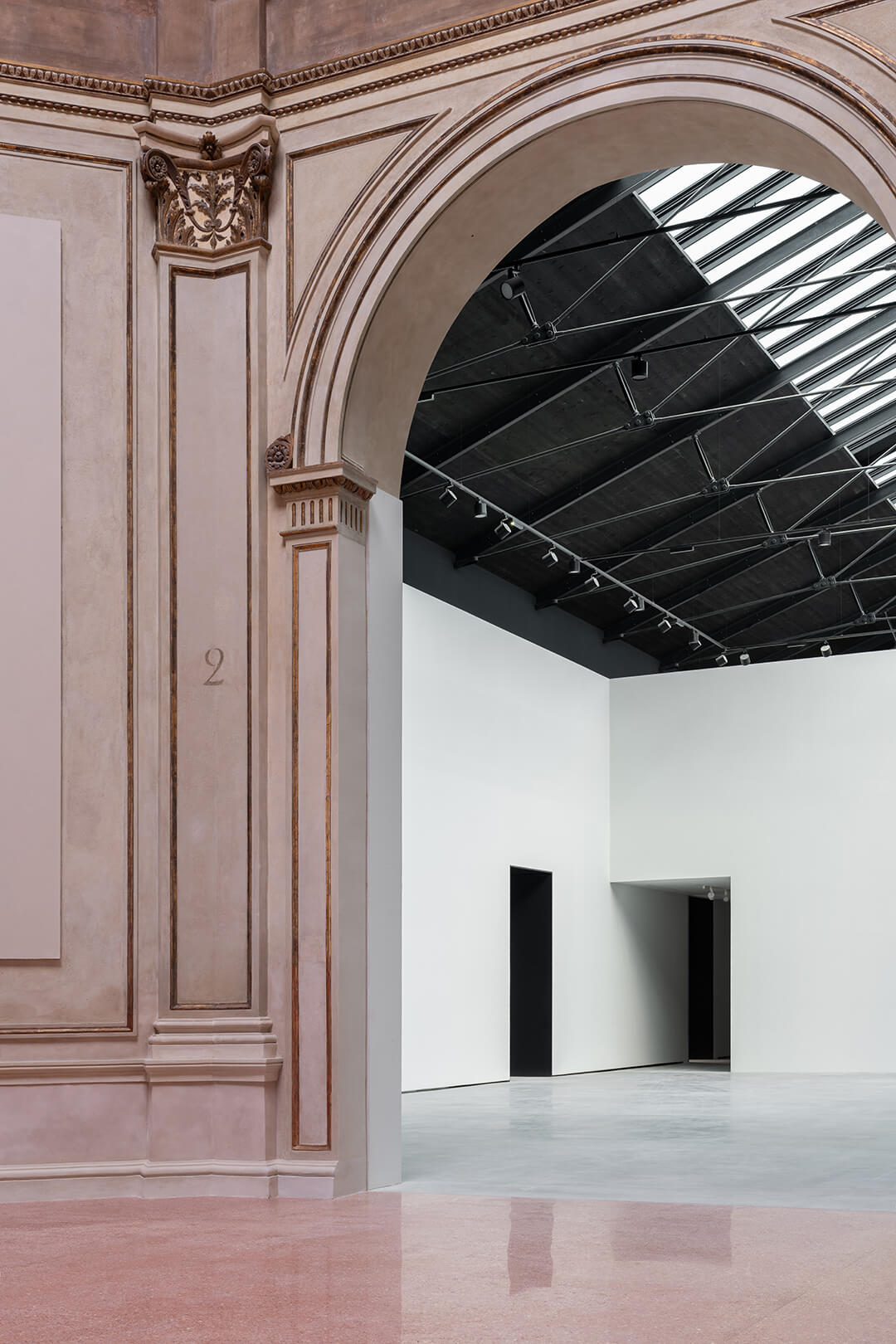
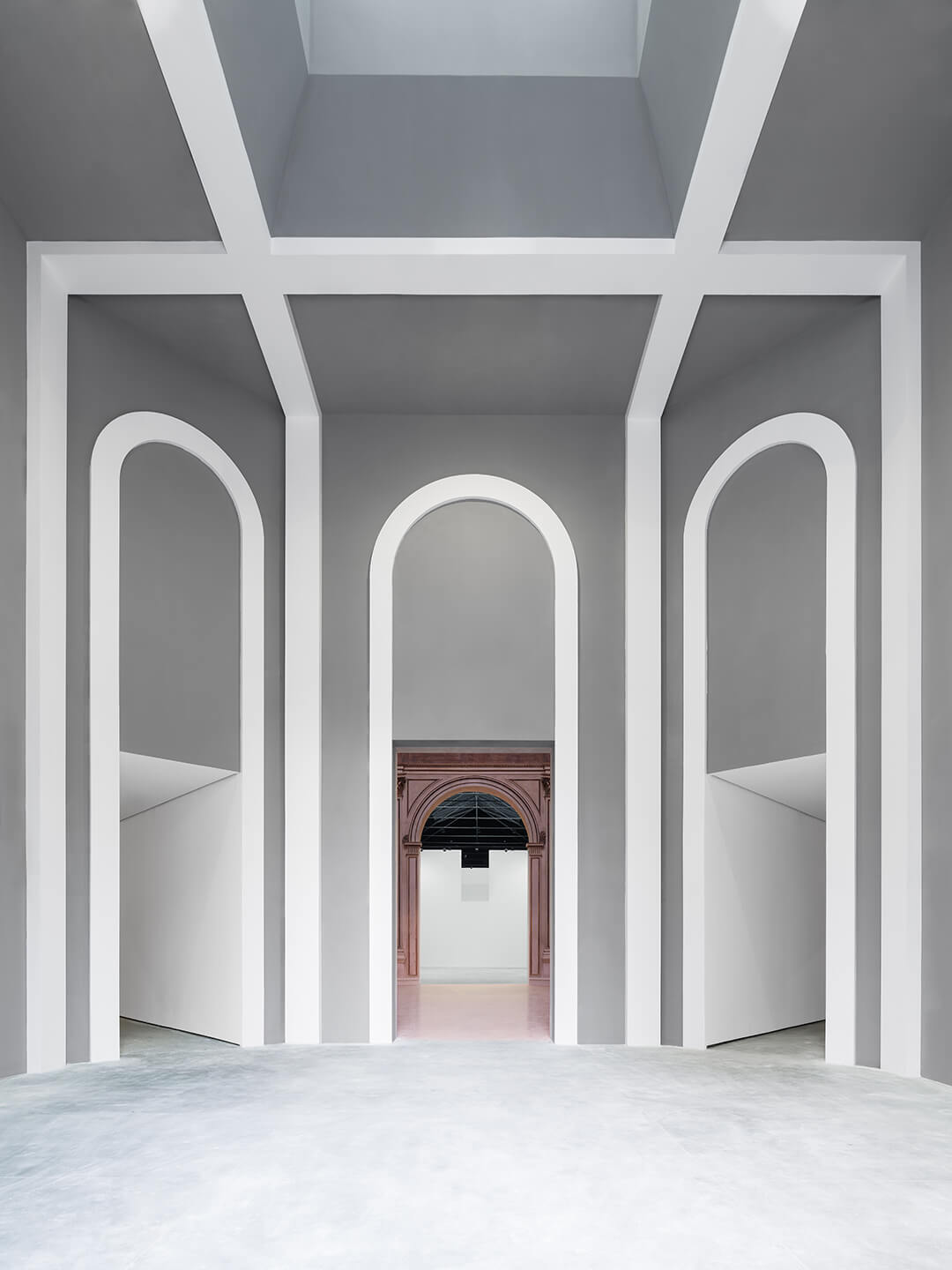
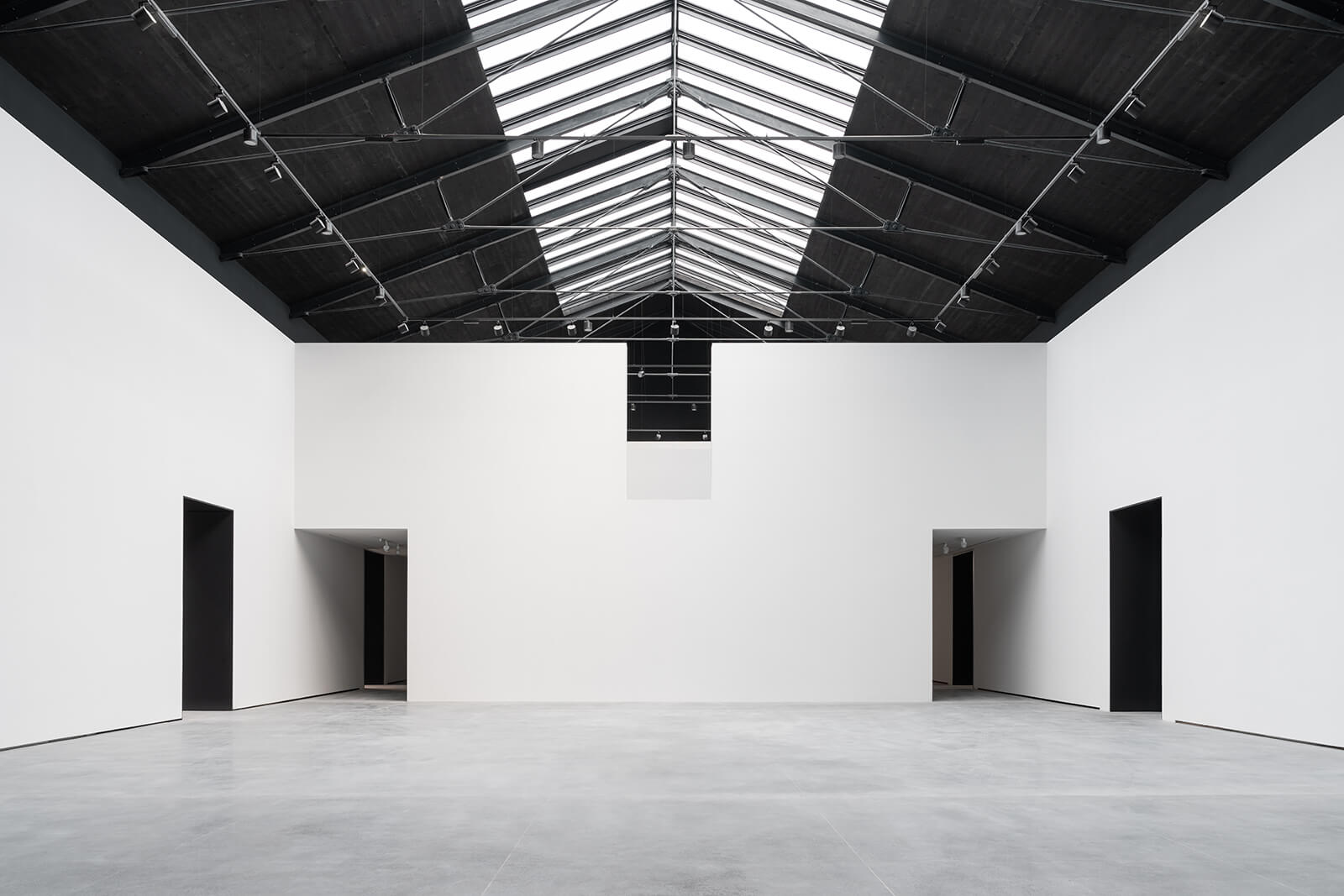
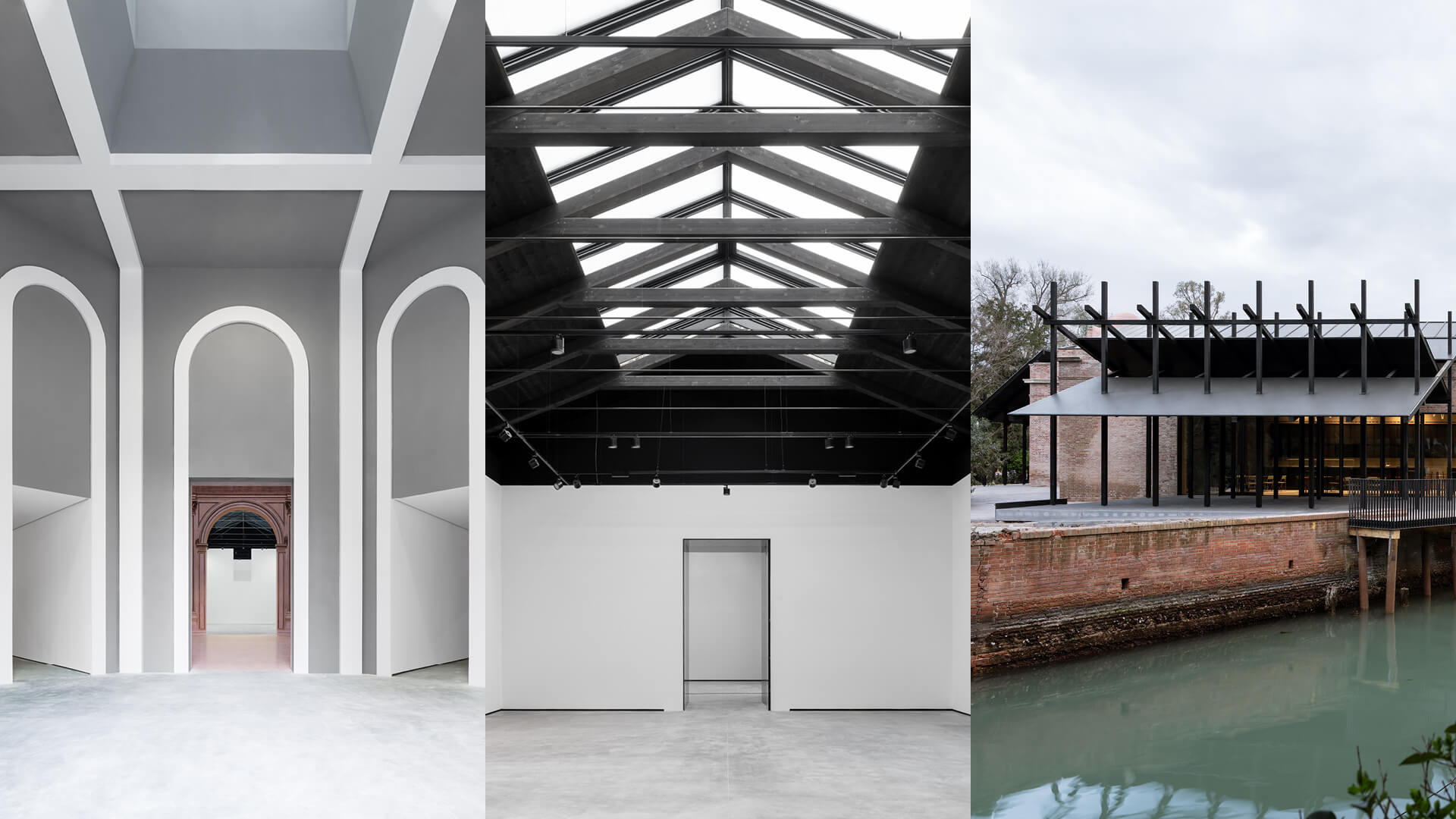
The idea of renewal is not new to the pavilion; in fact, given the site's historical progression, it is probably a living tradition. The structure has undergone several changes over the past century—across different eras, styles, demands of the times, as well as makers’ egos—for it to eventually appear as a bricolage of distinct, sometimes even seemingly unrelated structural blocks and architectural styles. What distinguishes this renovation project, conceived by a collaborative of Rome-based architecture practices Labics and Fabio Fumagalli, along with Milan-based engineering group Buromilan, is perhaps the attempt to streamline decades of incremental updates into a comprehensive and cohesive exhibition space, befitting the anchor of Venice’s premier art festival.
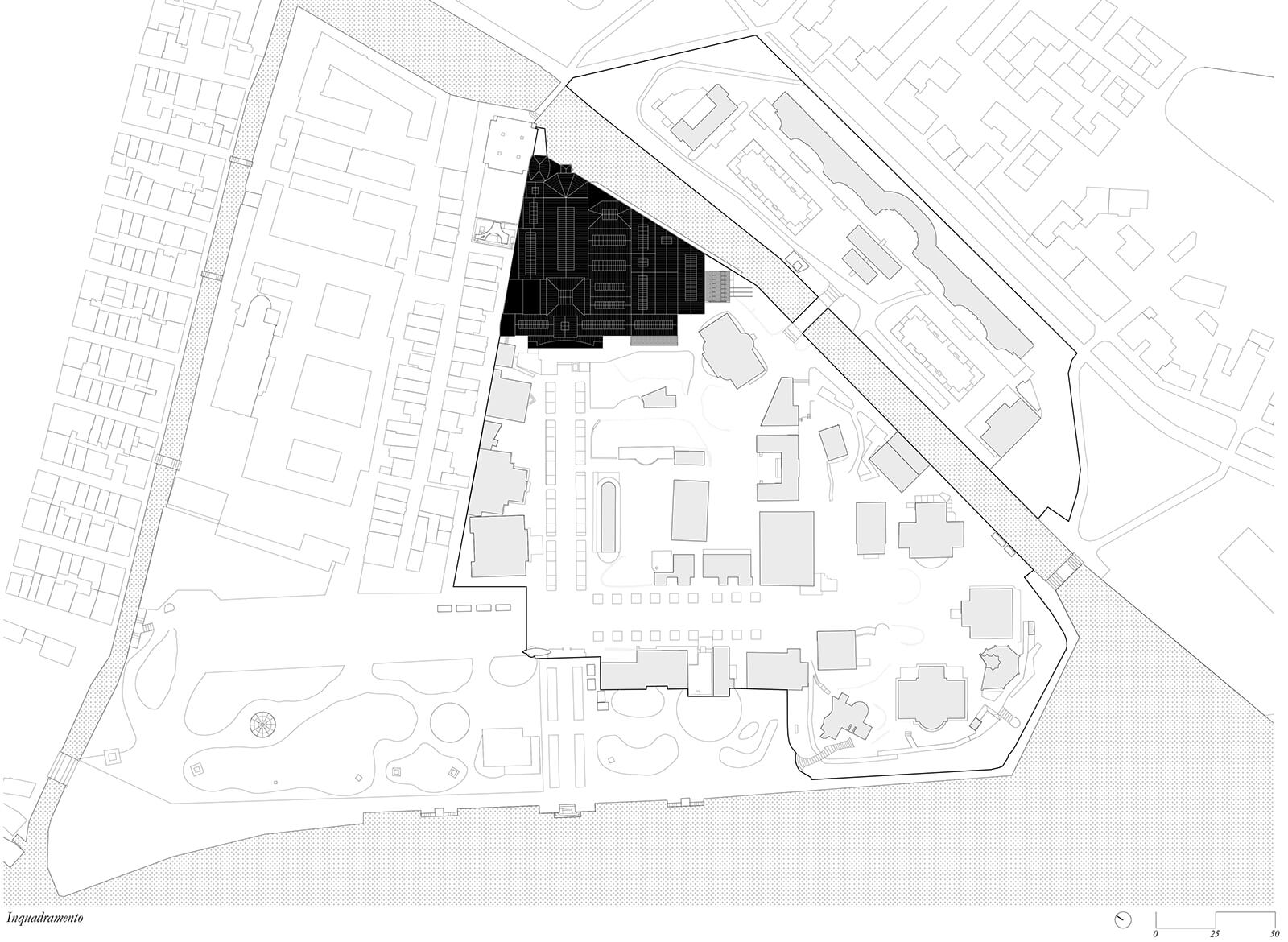
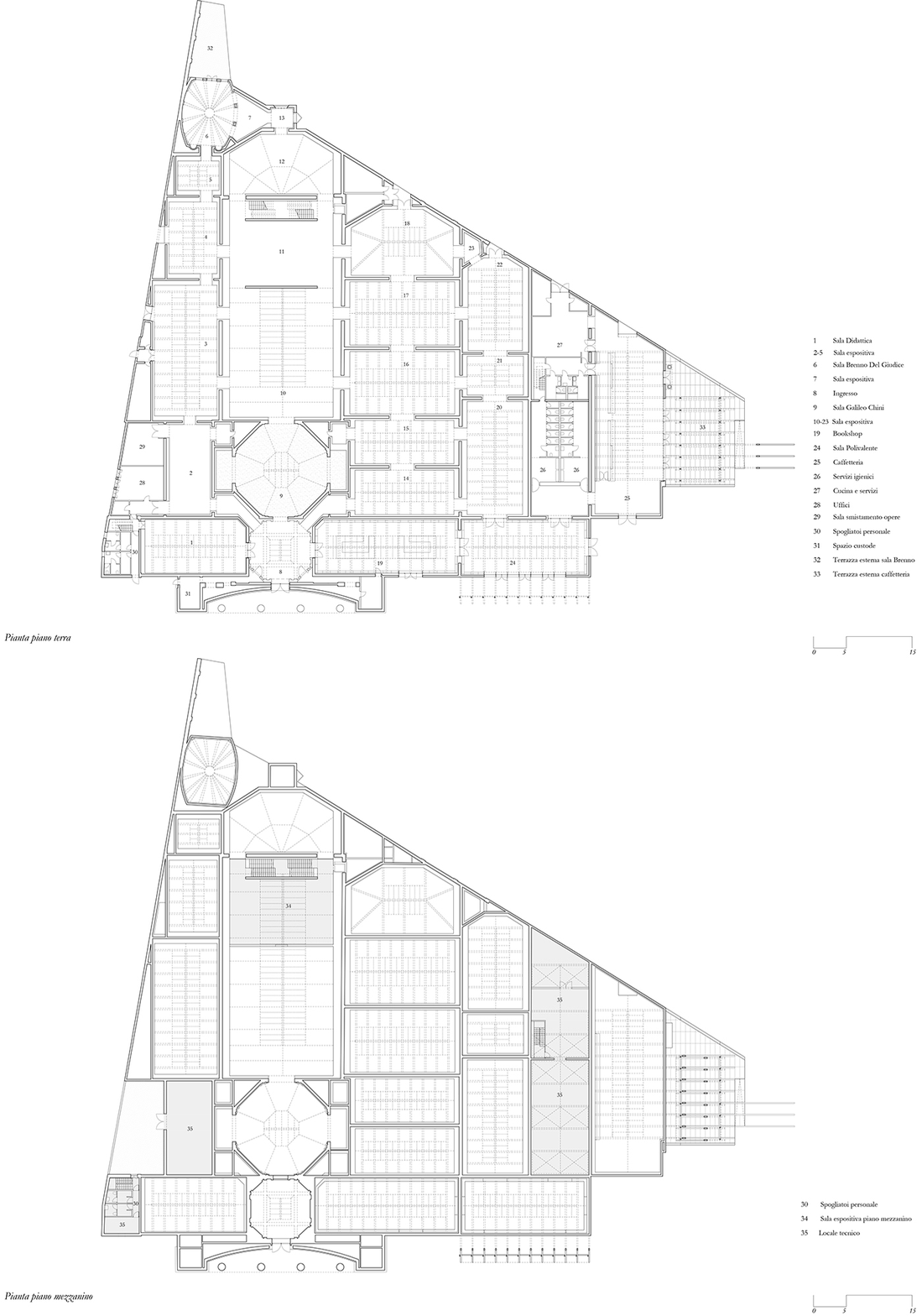
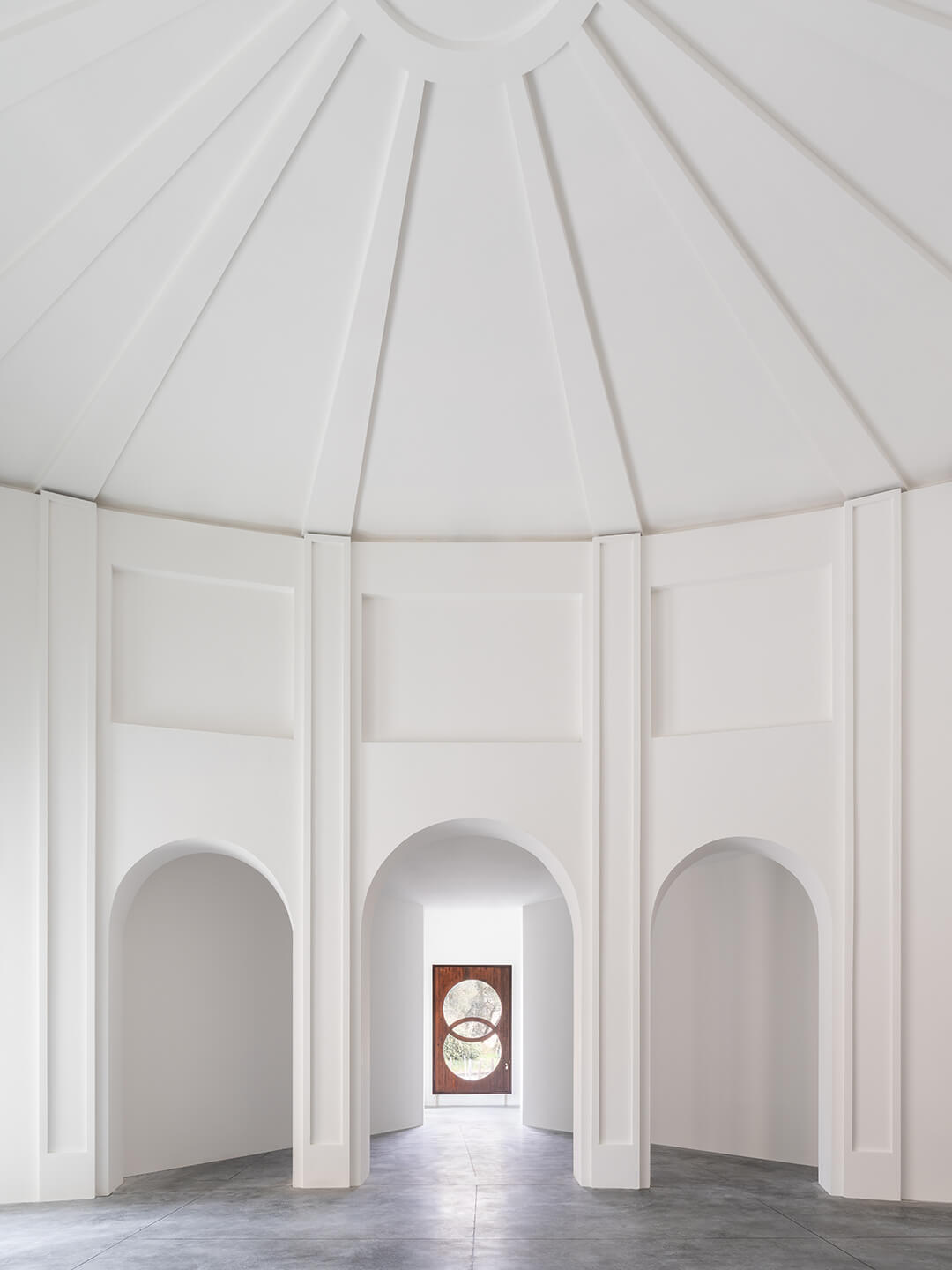
Designed and executed in multiple layers, the project planning first addressed the spatial configuration of the site. The layout was simplified by bifurcating into the central core, containing a series of exhibition halls with the main access from Sala Chini—named so since Italian painter Galileo Chini painted the fresco on the octagonal dome in 1909—and the ancillary service areas, including a bookstore, cafe, educational room, technical spaces and La Biennale’s historical archive. Both these zones followed a distinct design approach.
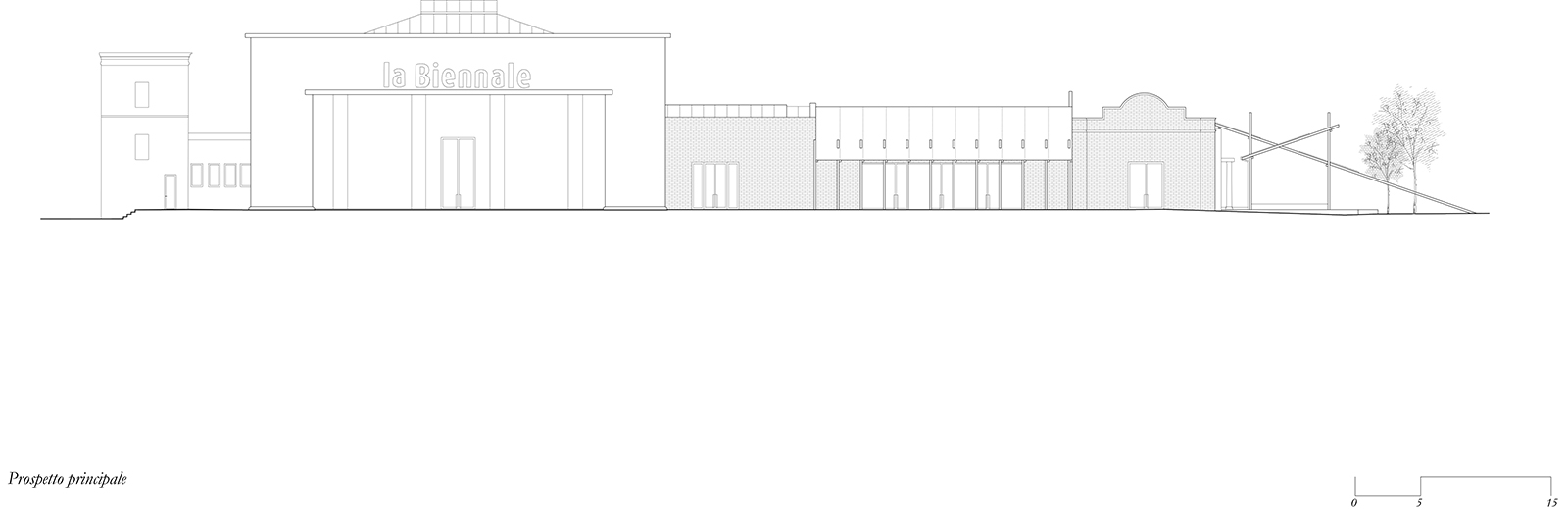
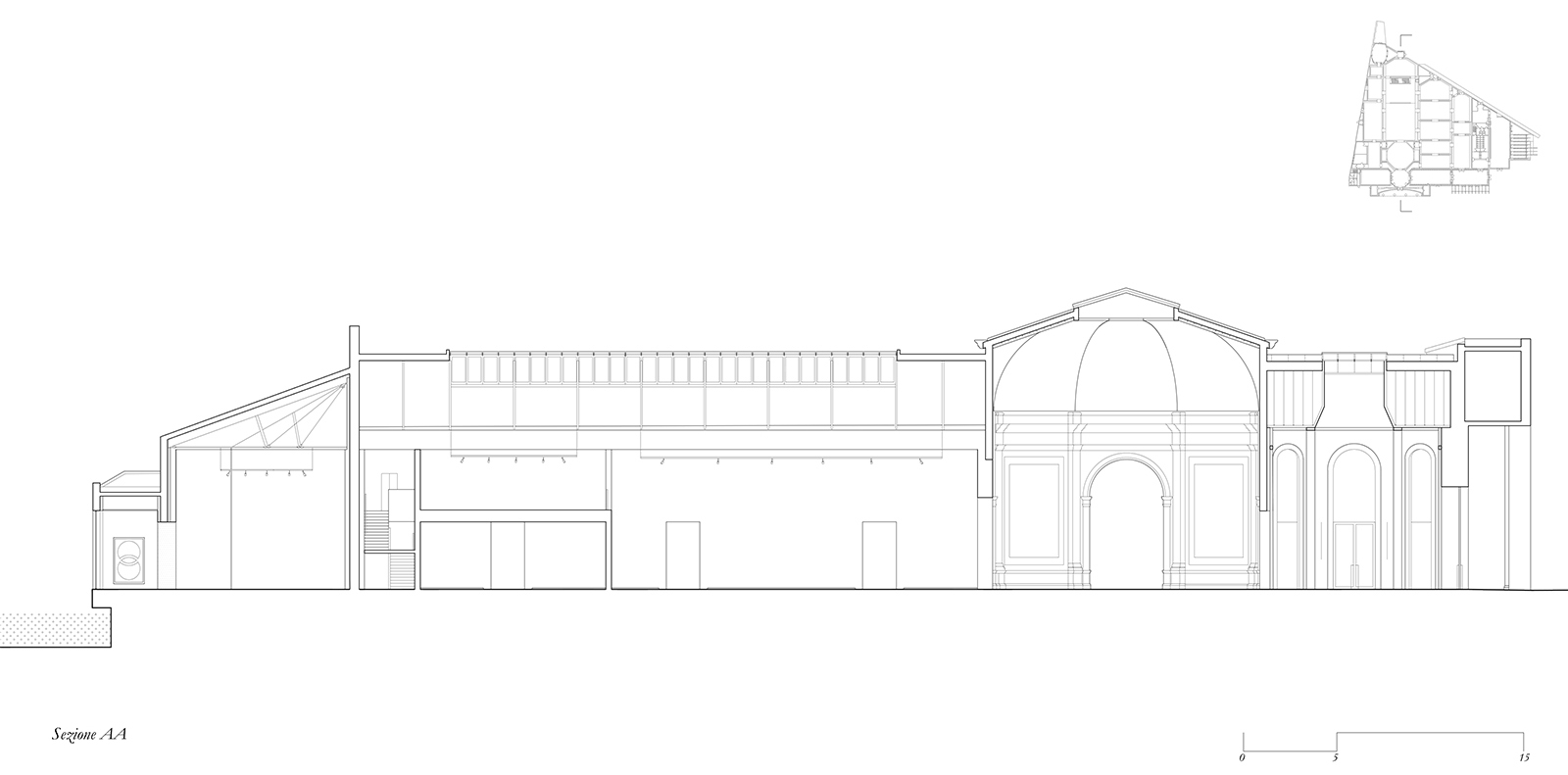
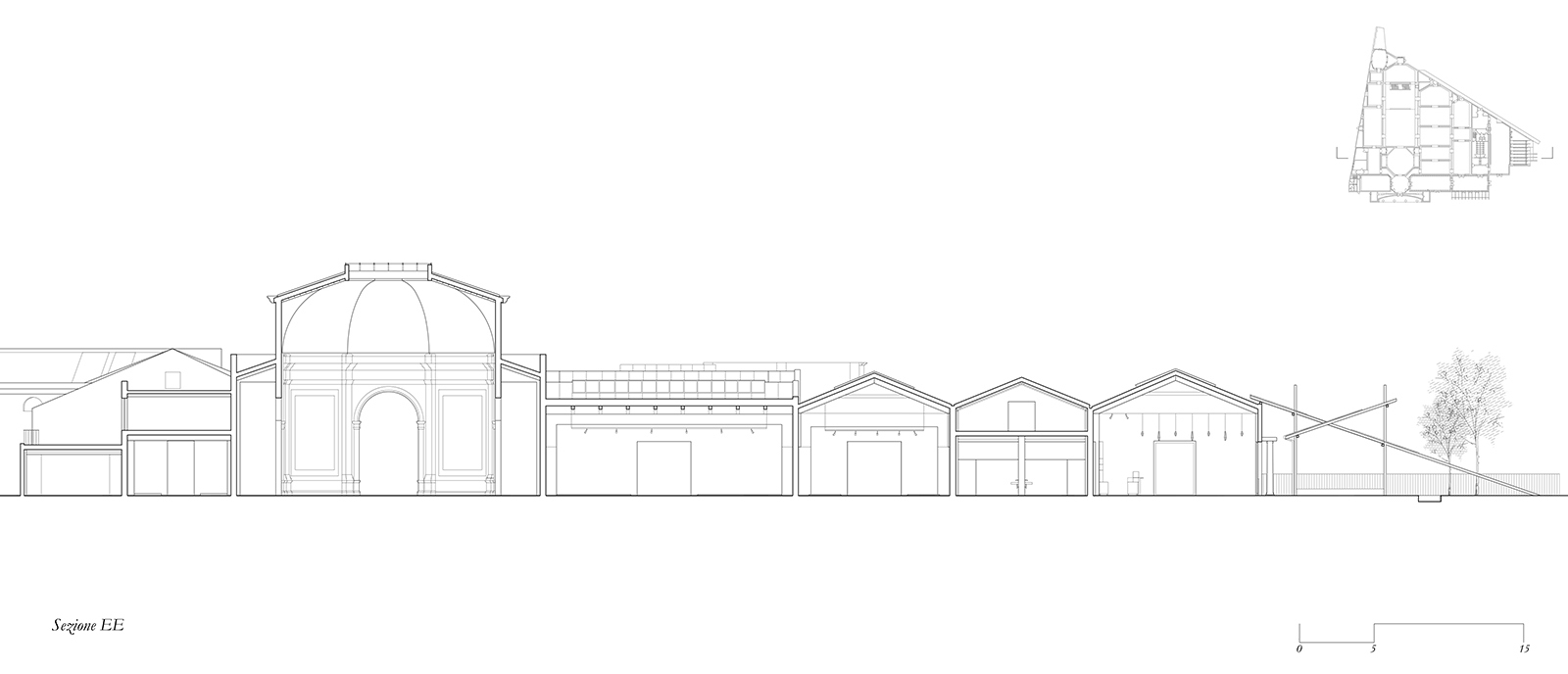
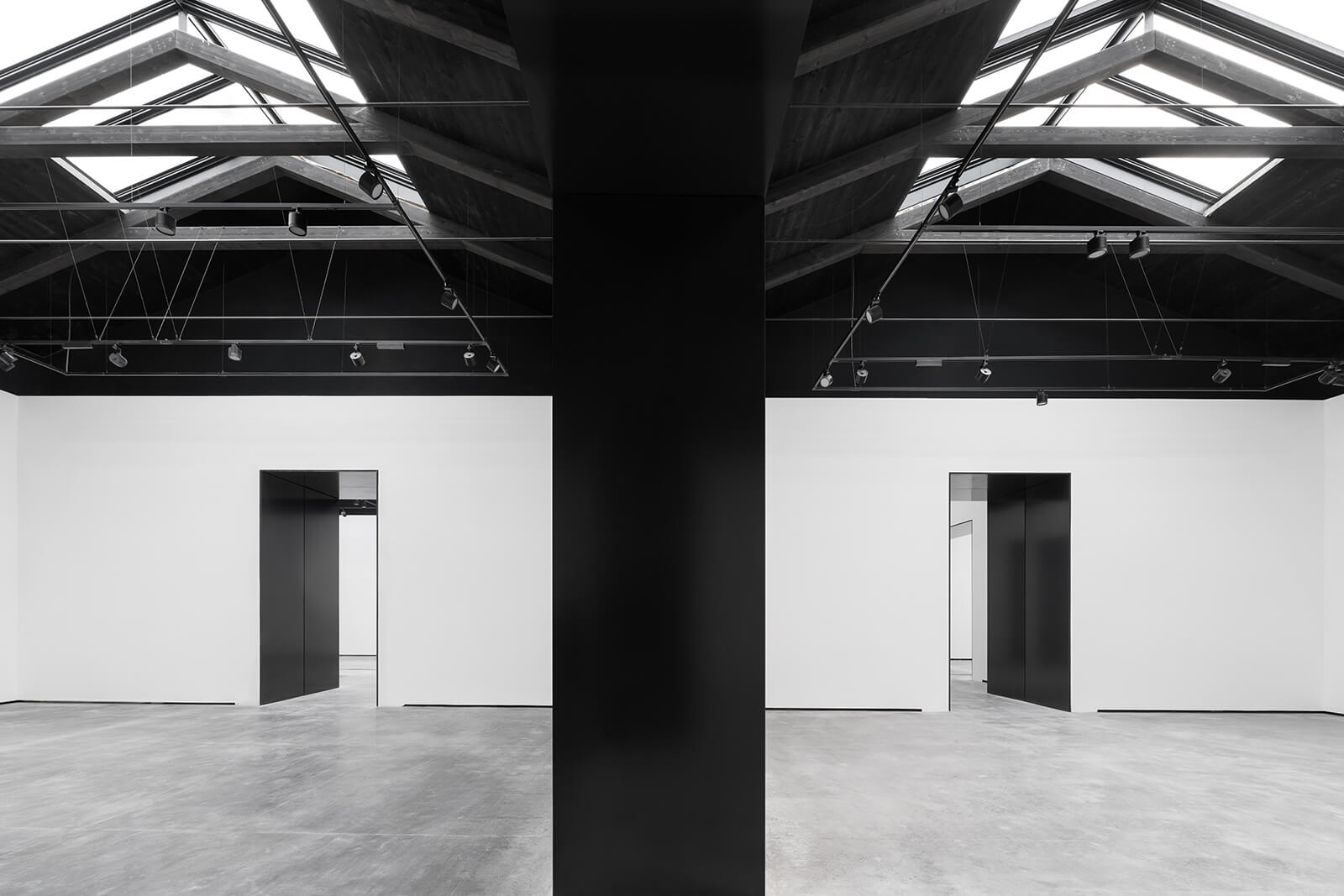
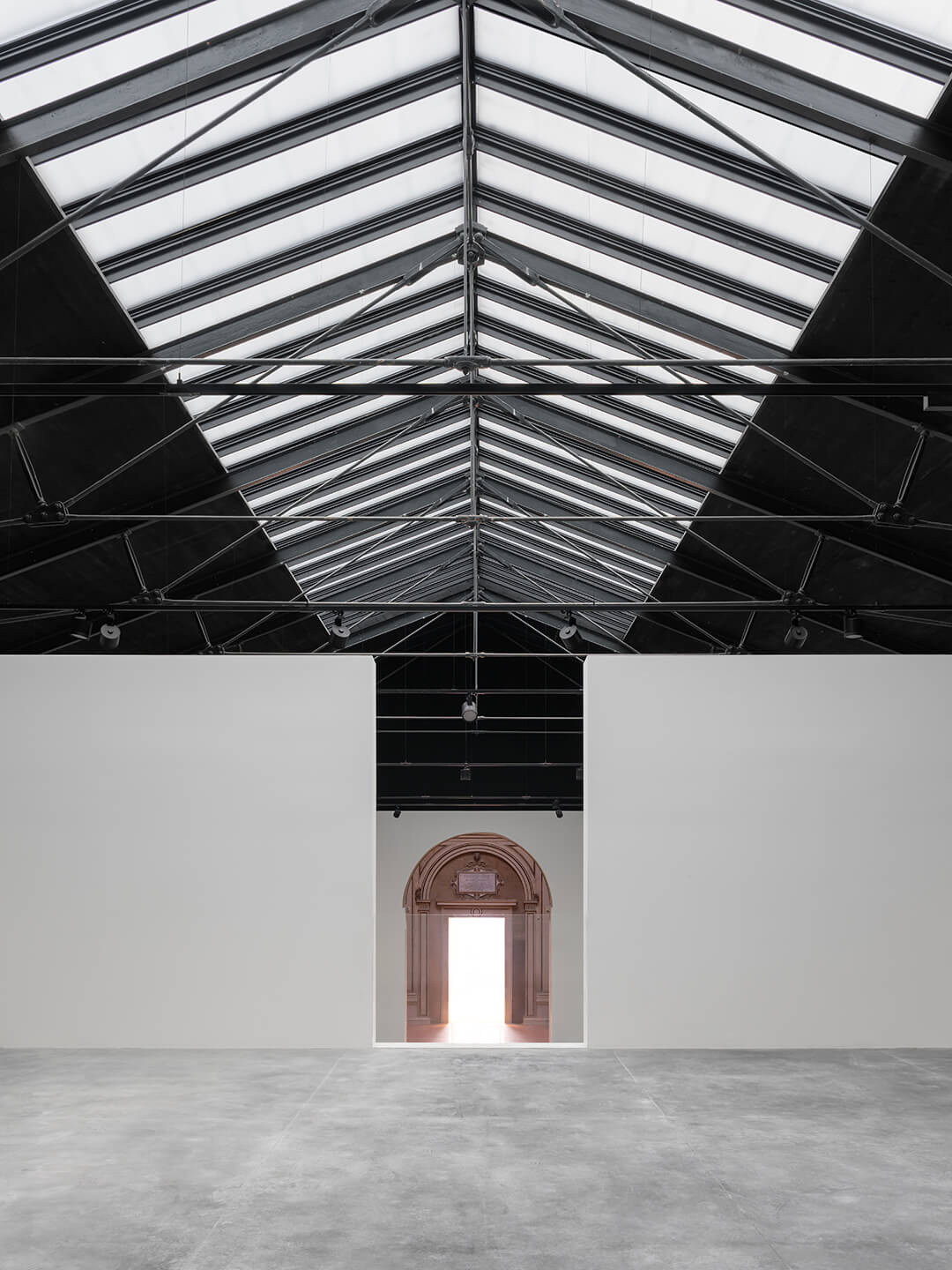
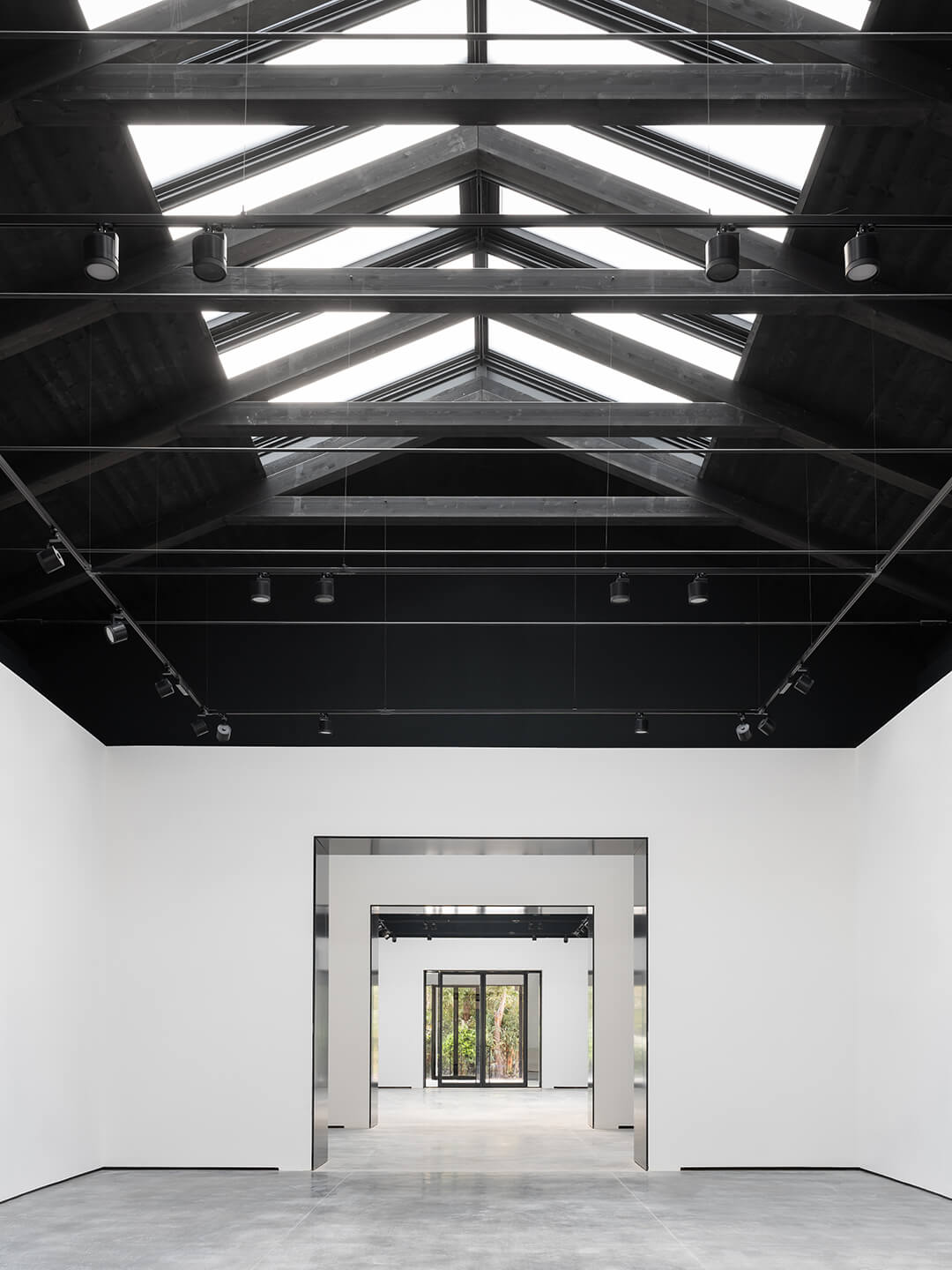
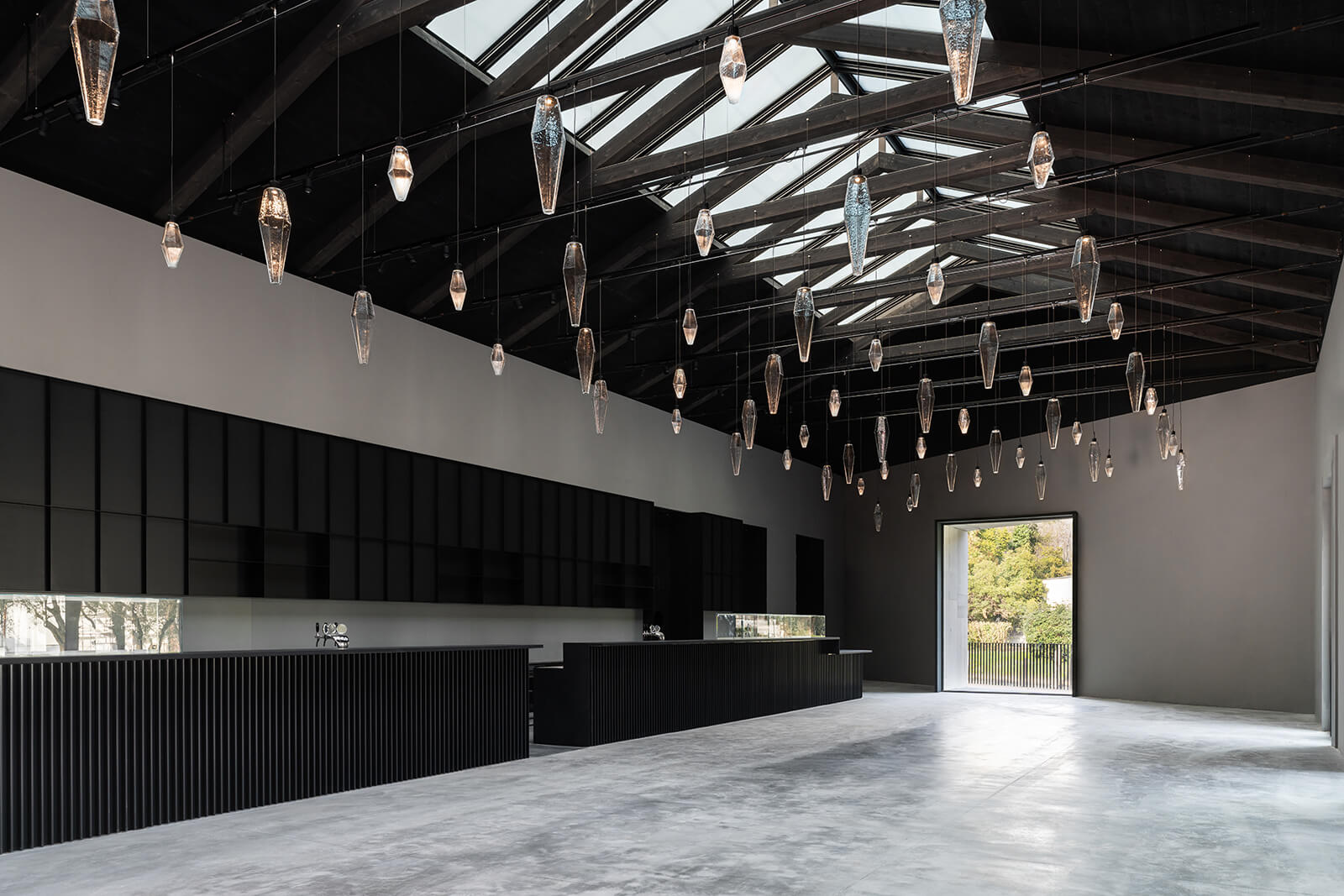
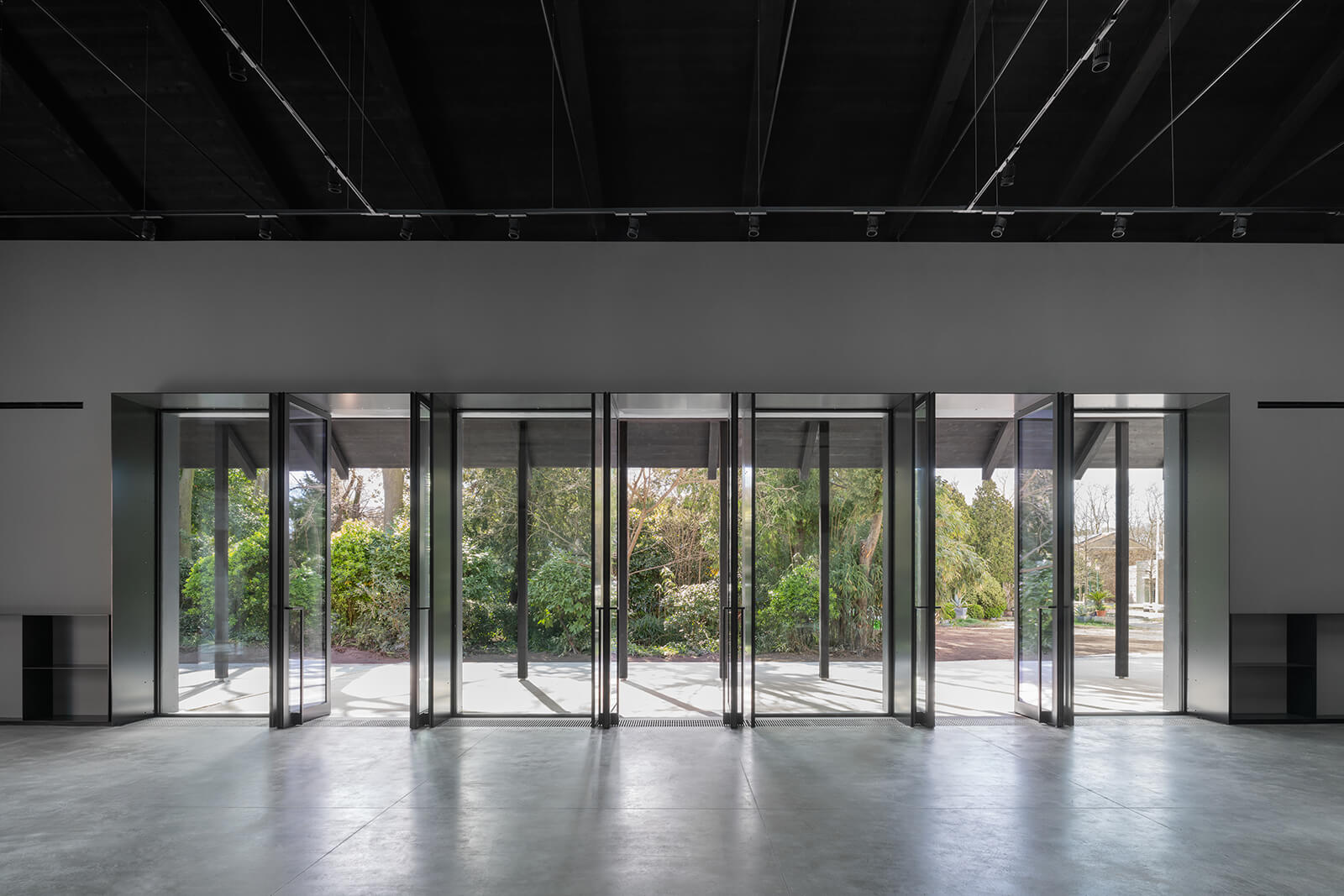
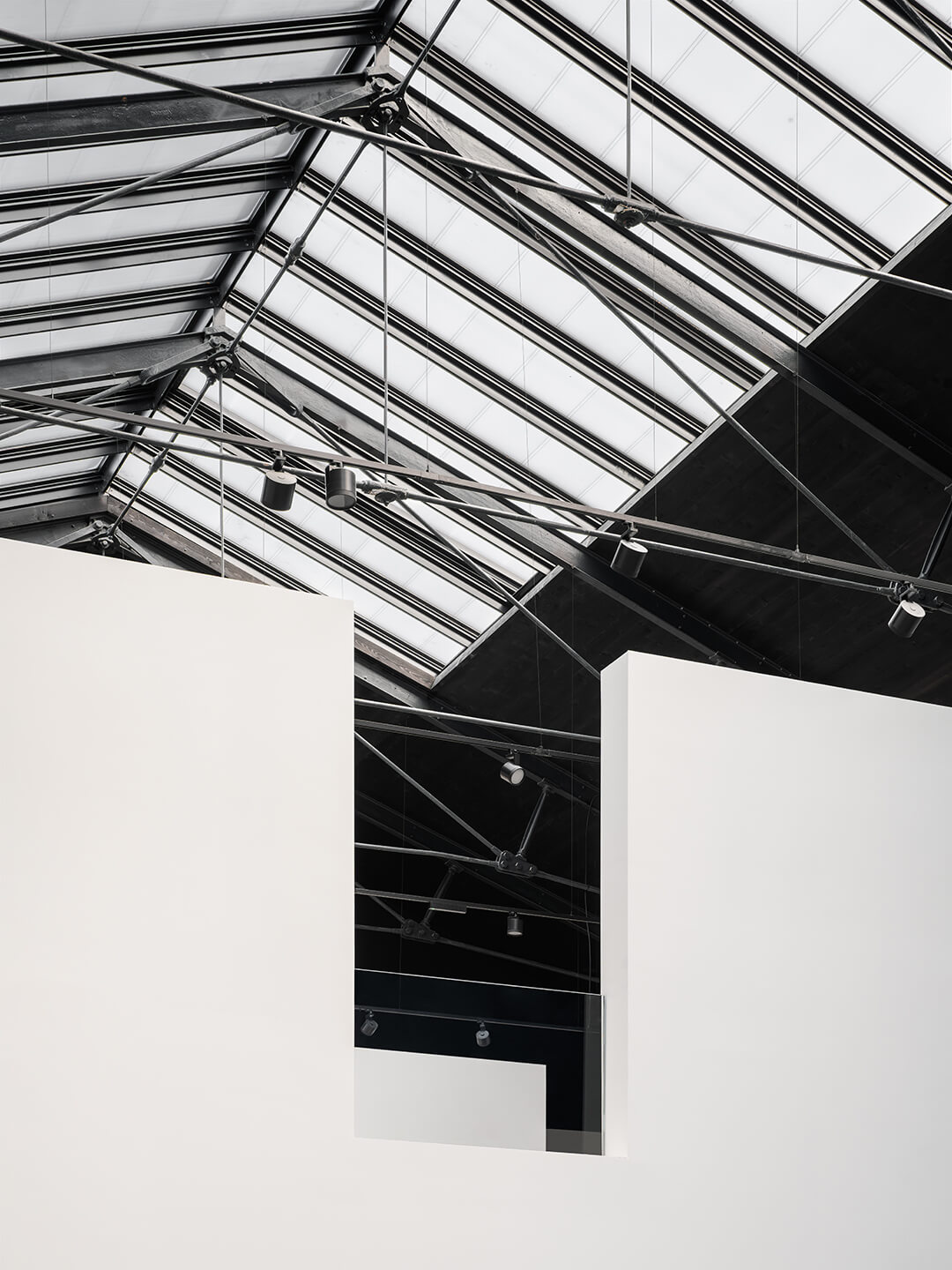
The exhibition spaces have been rendered as close as possible to a tabula rasa for display, manifesting as plain, vacant halls, but not bare—consciously and carefully sanitised of all technical systems and other distractions to their functional efficiency—serving as neutral backdrops for the multitude of activities and exhibits to be hosted here. All the technical services are concealed behind the new, polished shelves, wall panels and flooring. Ventilation is regulated through operable modules, while the influx of natural light is optimised by a combination of diffusing and photovoltaic glass, doubling up as an energy source, set behind motorised shades that can be used to create dark environments if required. Select discernible remnants from the site’s architectural history have been preserved and restored, including Carlo Scarpa’s window fixtures, along with the original spatial forms of Sala Brenno del Guidice and its openings to the terrace along the canal.
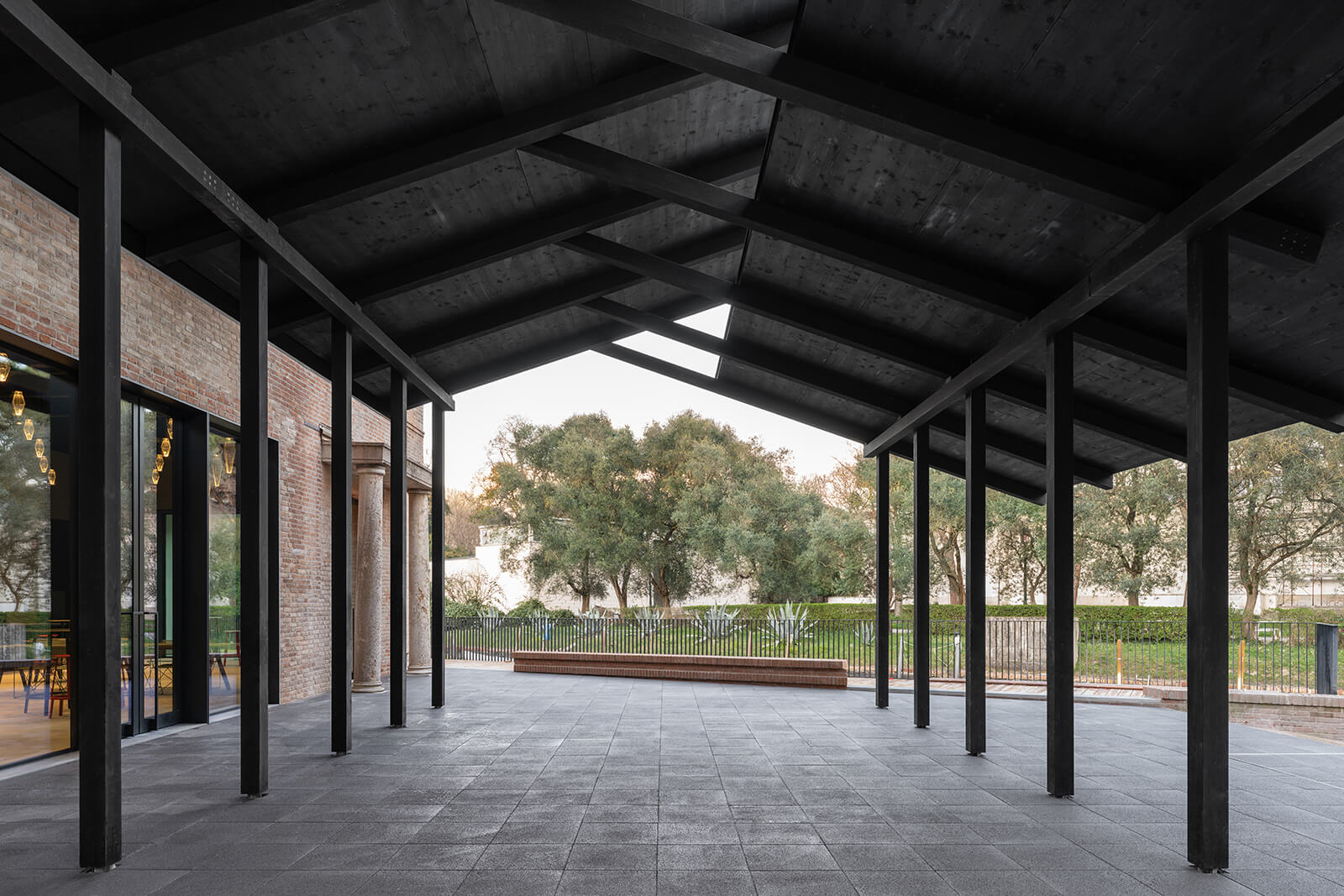
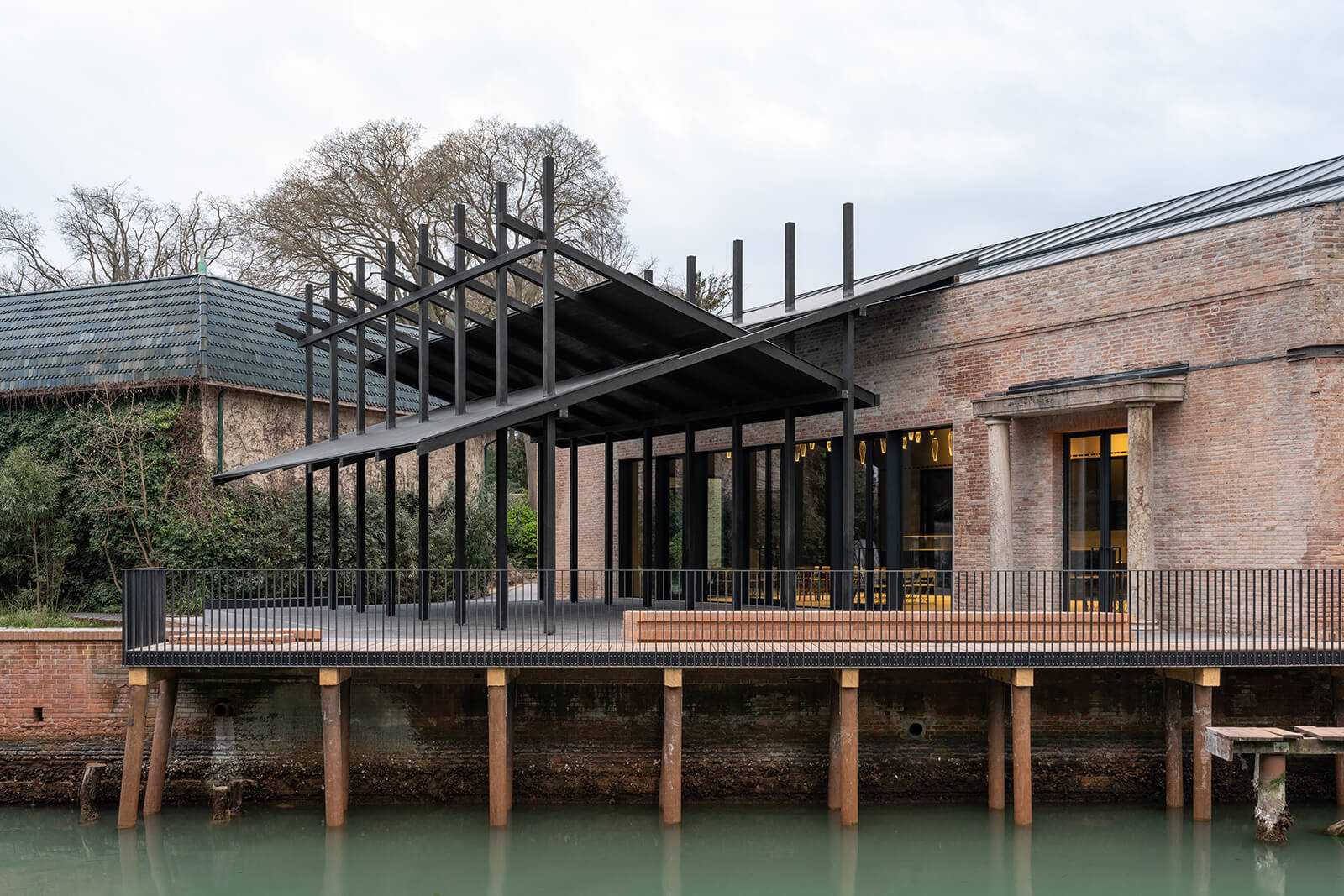
The service areas in the Central Pavilion are required to cater to the massive public for the entire Giardini, in addition to the pavilion itself. Accordingly, the cafe and multi-purpose hall have been extended beyond their defined boundaries into the landscape of the Giardini through new outdoor structures. These dark, wooden projections are formed of X-Lam panels fixed on a frame of charred laminated wooden rafters and slender timber posts, maintaining the visual connection from the interiors to the surrounding gardens and riverfront. Referencing the Altane—traditional Venetian roof terraces—they perhaps form the most recognisable intervention in the project as they offset the solid mass of the pavilion building, framing its external identity in visually distinctive ways.
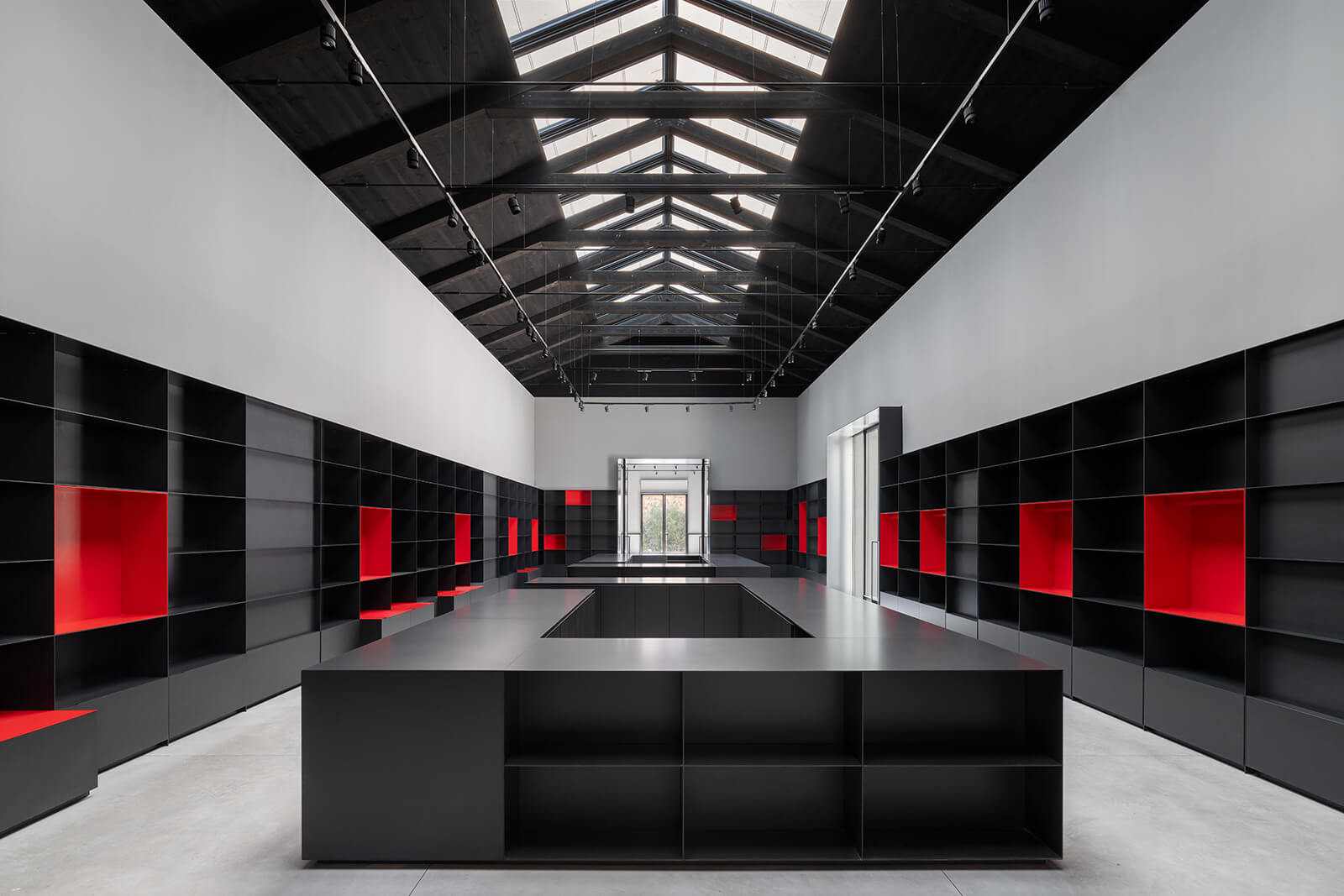
Beyond the functional and spatial enhancements, the design scheme also accounted for LEED’s parameters for ‘integrated sustainability’: consideration of site and context, energy efficiency and optimal water usage, responsible use of materials and resources, reduced carbon emissions and improved quality of indoor environments, in its bid to match global sustainability standards, eventually fetching the LEED Gold Certification for the structure's considered renovation.
Throughout the 20th century, the site has been subjected to multiple architectural and artistic interventions—either in thought or execution—by the likes of renowned contemporaries such as Ernesto Basile, Daniele Donghi, Carlo Scarpa, Giò Ponti, Louis Kahn and Francesco Cellini, before the city ultimately decided to focus on periodic renovation plans to equip the site with relevant developments. Despite its consistent functional and spatial evolution, the Central Pavilion has anchored global conversations around art and eventually architecture to the city of Venice since its debut as Palazzo Pro Arte at the first International Art Exhibition in 1895. The pavilion, although renovated, still stands against the same (and yet infinitely more complex) urban fabric and event-scape. Through the process of renewal, it still carries its history, but not as an archive to feed into the nostalgia of its visitors. It is, rather, better described as an heir to its own legacy and history as home to perhaps the most talked-about art exhibition of the year.
Name: Central Pavilion
Location: Giardini della Biennale
Architect: Labics, Fabio Fumagalli (architectural design + art direction
Collaborators: Buromilan (team lead, structural design, sustainability and general contract administration, coordination of safety), ia2 Studio (MEP Design, Fire Prevention and Technical Systems Operations Management), Stefano Olivari (Landscape Design), Setten Genesio S.p.A (Building Construction Contractor)
Area: 5,450 sq. m.
Year of Completion:2026
The 61st International Art Exhibition of La Biennale di Venezia, 'In Minor Keys’, curated by Koyo Kouoh, runs from May 09 – November 22, 2026, at the Giardini and the Arsenale venues, as well as various other locations around Venice. To read STIR’s exclusive coverage, conversations and highlights from the biennale, click here.

by Mrinmayee Bhoot Oct 12, 2026
The new Centre for Contemporary Arts, fostering public engagement with art in Uzbekistan, is housed in a tram depot refurbished by the French studio, emulating local craftsmanship.
by Mirra Lynn Oct 10, 2026
The Shanghai-based architecture practice’s intervention in Suzhou transforms three abandoned houses into a bookstore, café, library and homestay.
by Pranjal Maheshwari Oct 09, 2026
The eighth edition of the international architecture and urban design showcase, themed How Much?, explores diverse implications of social, ecological and economic ‘cheapness’.
by Pranjal Maheshwari Oct 06, 2026
With a programme focused on biodiversity, accessibility and safety, the Rotterdam-based architects help the neighbourhood reclaim a barren landscape as an integral social node.

make your fridays matter with a well-read weekend
Enter your details to sign in
Don’t have an account?
Sign upOr you can sign in with
a single account for all
STIR platforms
All your bookmarks will be available across all your devices.
Stay STIRred
Already have an account?
Sign inOr you can sign up with
Verification link sent to check your inbox or spam folder to complete sign up process
Tap on things that interests you.
Select the Conversation Category you would like to watch
Please enter your details and click submit.
Enter the 6-digit code sent at


Ahead of Venice Biennale 2026, the Central Pavilion mediates renewal and retention
by Pranjal Maheshwari | Published on : May 04, 2026


 Sign in with Google
 Sign in with email
What do you think?