Art08 mins. read
A diverse and inclusive art world in the making
by Vatsala SethiDec 26, 2022




by Srishti OjhaPublished on : Nov 10, 2025
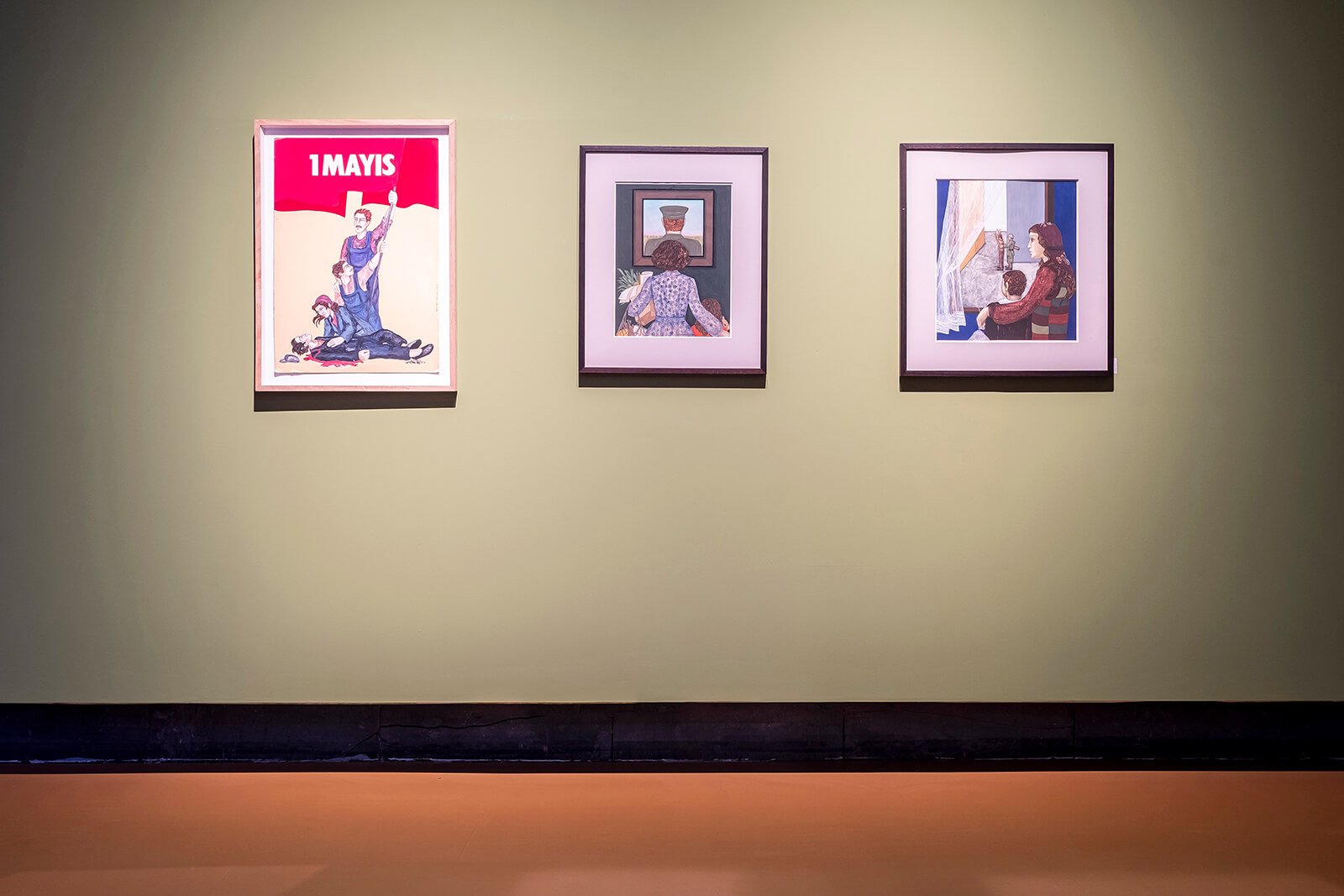
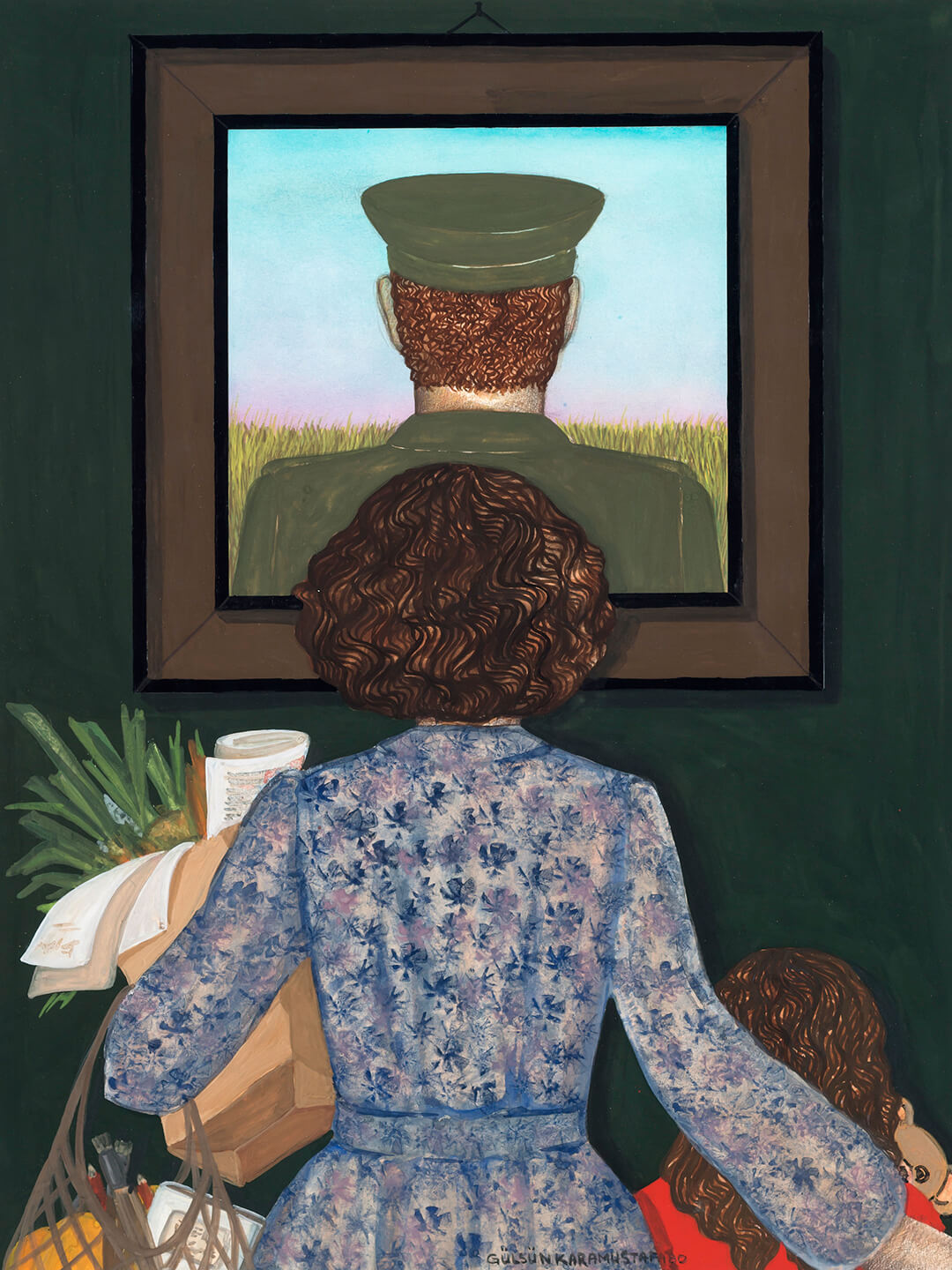
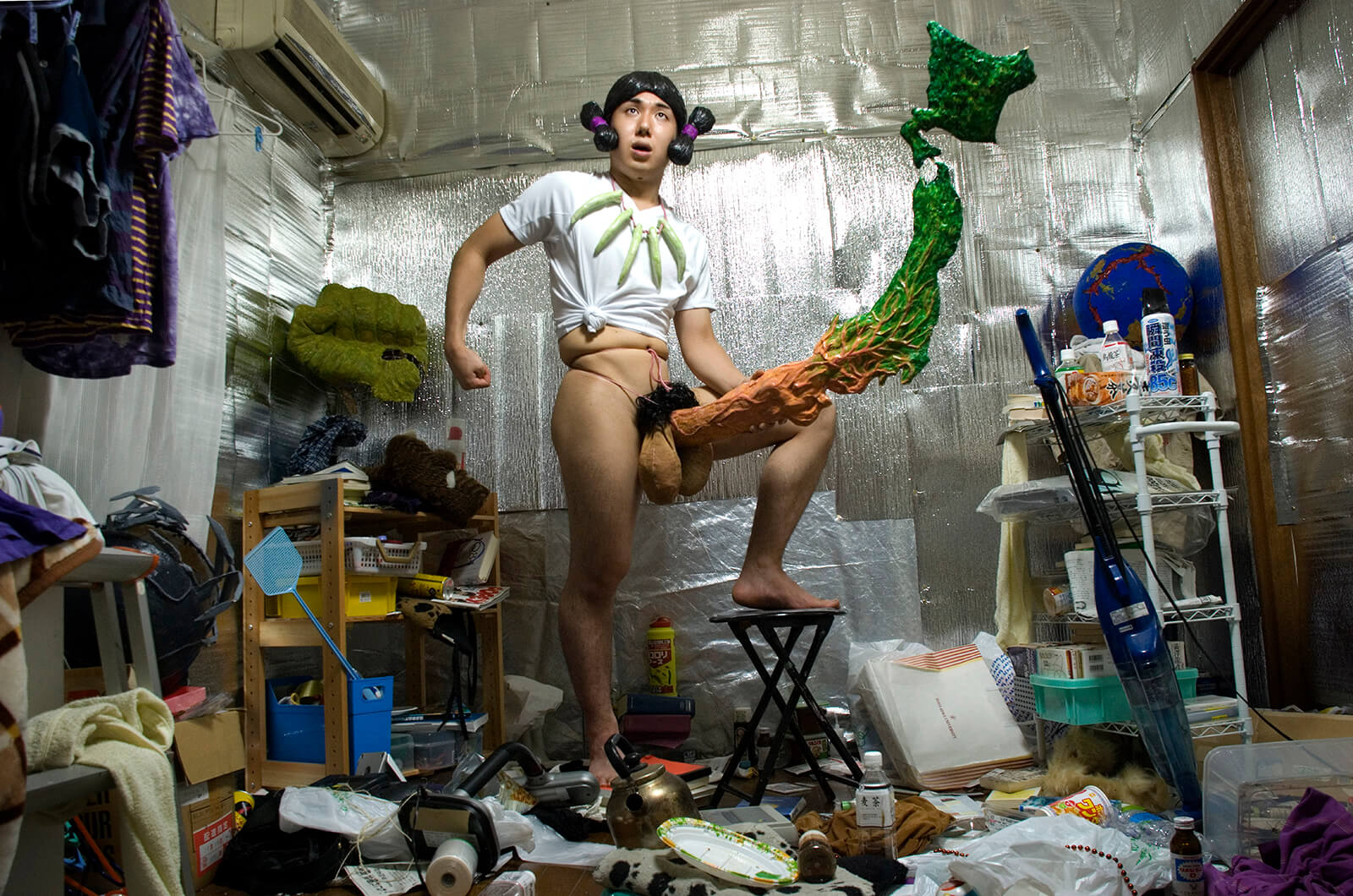
“This show was initially supposed to take place, under the same name and co-curated with Inti Guerrero, at an institution in Brazil in 2015. That project was cancelled, in one of the first iterations of the kind of cancel culture and pervasive censorship that the right-wing wave has been bringing around the world, with Germany now as a prime example of that,” said Cosmin Costinaş, curator of the group exhibition Global Fascisms at the Haus der Kulturen der Welt in Berlin, Germany, in a conversation with STIR. It is easy to see why this exhibition would have been particularly threatening, or, as Costinaş says, provocative. Global Fascisms features works that are outspoken in their critiques of dominant societal forces and the powers that be—works like Stage (1998) by Turkish artist Gülsün Karamustafa, based on a photograph of her and her husband being tried at military court for participating in student protests after a 1971 military coup in Turkey; the scathingly comedic video JAPAN ERECTION (2010) by Japanese artist Fuyuhiko Takata that has become emblematic of the rise of male supremacist and nationalist ideals in the nation; and historical works that were banned in their time, like the works of Dada artist Hannah Höch, censored by the Nazi party as ‘degenerate art’. The exhibition is a comprehensive study and critique of the many manifestations of fascism globally and the rise of right-wing ideology, hypernationalism, persecution and propaganda that this implies.
Global Fascisms particularly zeroes in on the role of media and new media—social media, artificial intelligence, image and video doctoring tools—in allowing, and in some cases aiding, the proliferation of ‘the second wave of fascism’ that has defined the 2010s and 2020s in the same way the first wave came to define the 1920s and 1930s. “Ten years ago, it would have been perhaps enough for an exhibition with this premise to bring together and describe disparate phenomena and events that were occurring at the time and which were rarely discussed together: the rise of violent extremism from a Theravada Buddhist perspective in Myanmar, a country that had just started to open politically and to make these ideas widely circulated; the 2014 Israeli attack on Gaza following what were already at the time many decades of brutal occupation; the election of Modi in India in the same year; the rise of the far right in Europe that was already in full swing. …But this kind of global enumeration would certainly not be enough now, given how our global reality…has shifted in this past decade. So it was crucial to look, through the eyes of artists who are thinking more deeply about the many causes and manifestations of fascism, at how to counter this phenomenon and how to work towards a different kind of future than the one fascism is threatening us with,” said Costinaş.
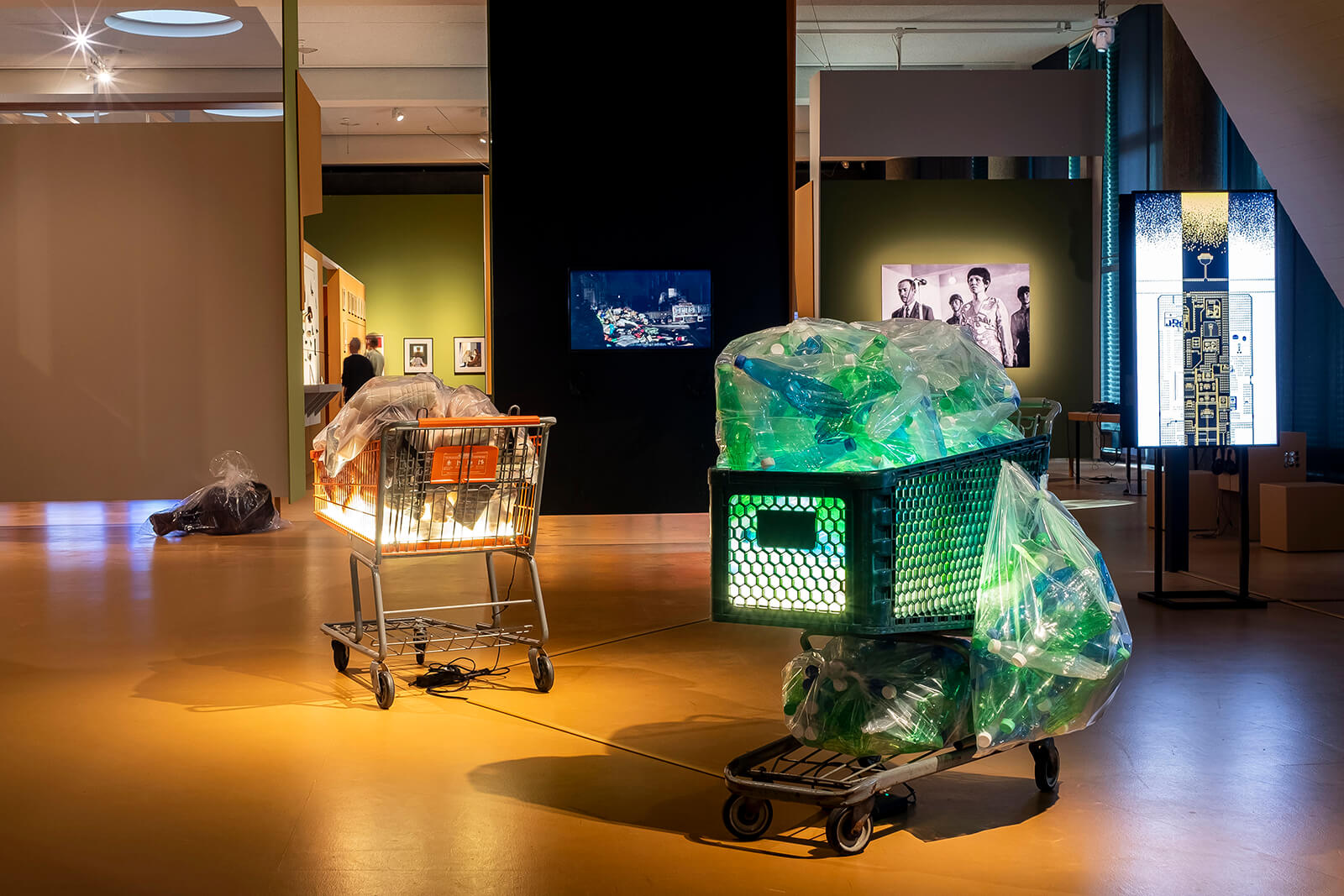
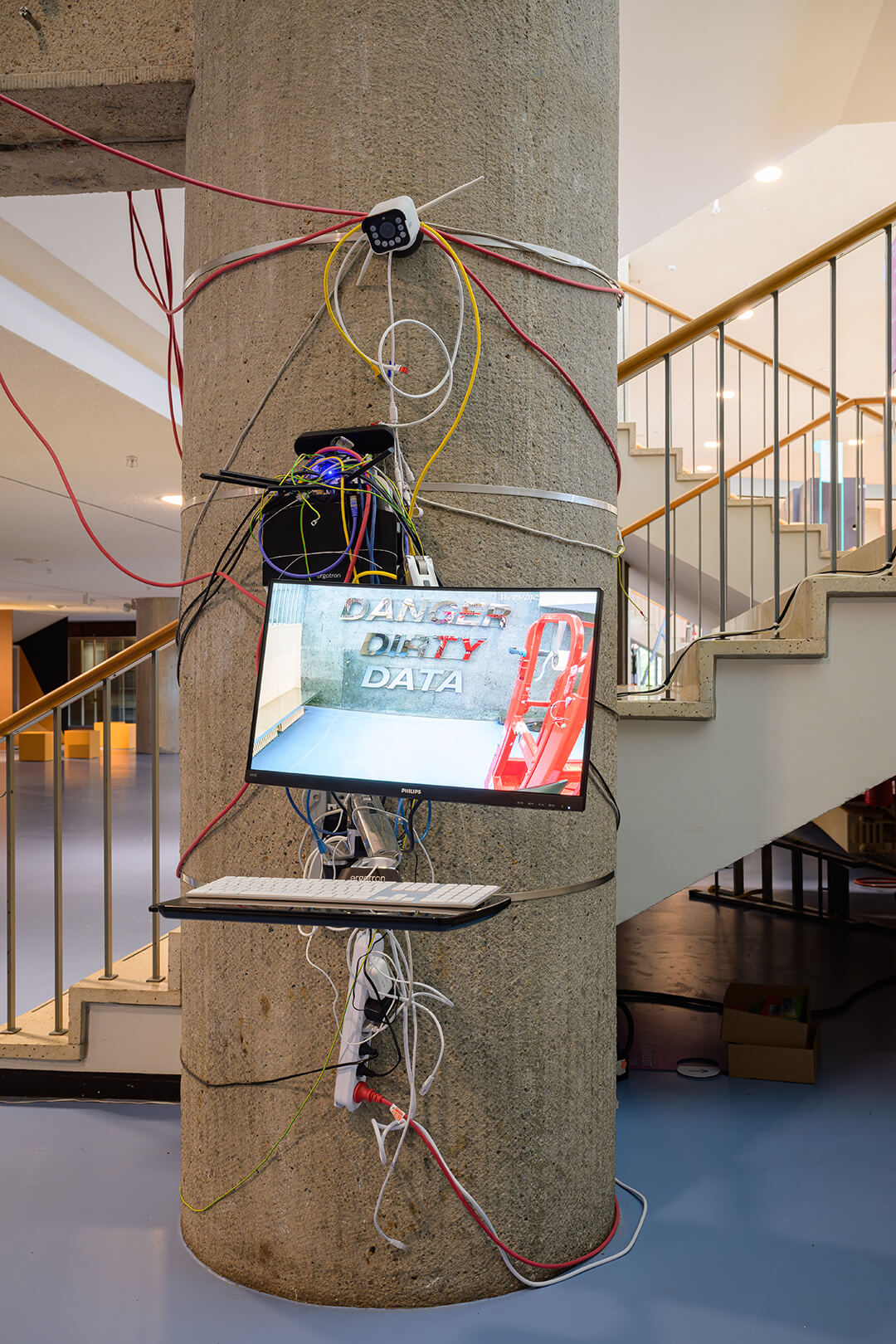
Works from American artist Josh Kline’s 2016 installation, Unemployment, for example, depict the impact of AI and automation on workers and the middle class and imagine a world with Universal Basic Income (UBI) as a solution. Unemployed Journalist (Dave) (2018) is a photorealistic 3D-printed sculpture of an American journalist laid off following an effort to unionise. The figure is shown curled up, packaged into a recycling bag, ready for roadside pickup, critiquing the transformation of humans into disposable capital. American artist Julia Scher projects a more terrifying future in Danger Dirty Data (2025), a reimagining of her 1991 installation of the same name. Surveillance cameras, mirrors, monitors, cages and barriers come together in a room where no visitor can escape being seen and surveilled, in a critique of vanishing freedoms under a culture of fear and the promise of protection. Viewers are even invited to volunteer data in the interactive exhibition, modelling the seduction of watching and being watched.
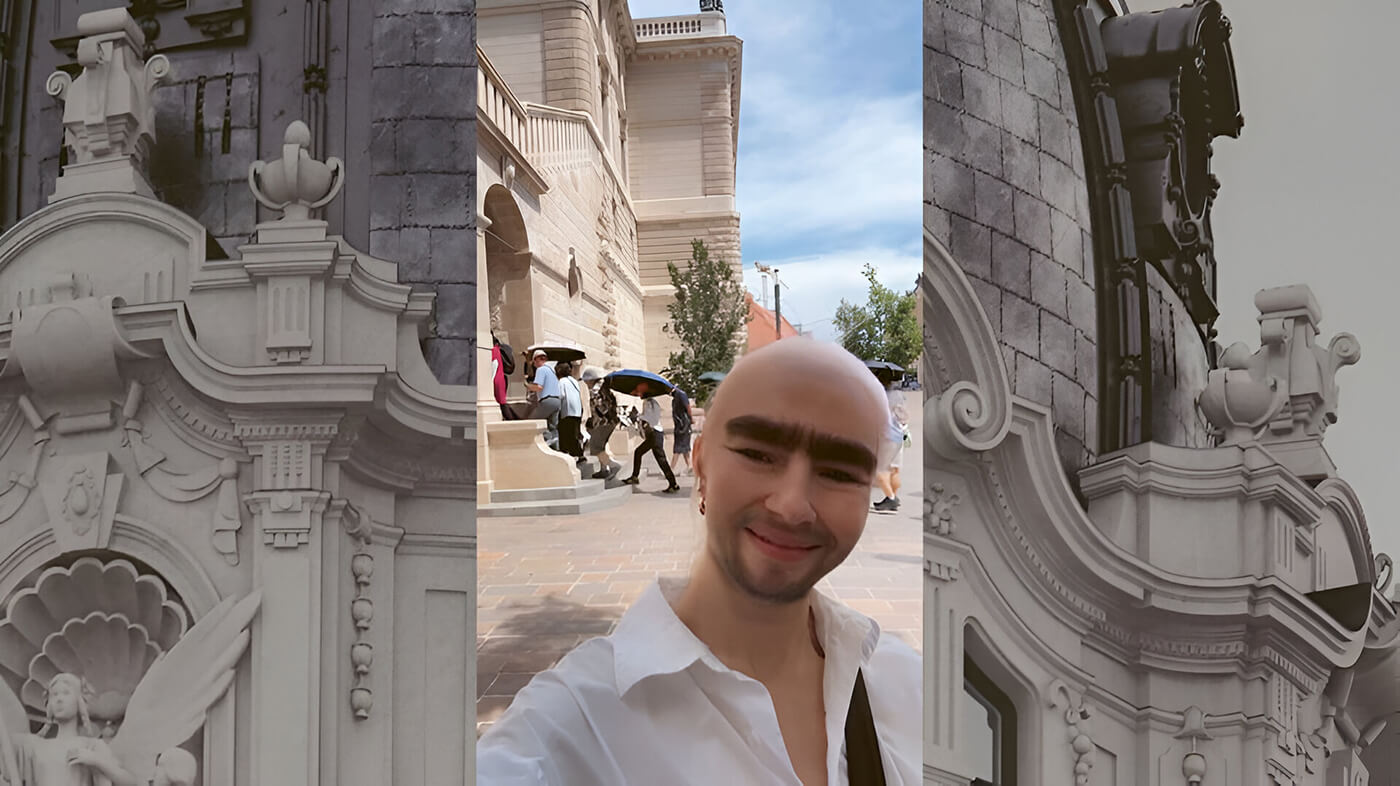
This culture of fear is something that greatly concerns Costinaş, who says, “[The] politics of doom and apocalyptic thinking are paralysing forces that can stop us from imagining ways out of this predicament. They are, in fact, conscious strategies used by fascists. An impending apocalypse makes everything possible and creates the perfect setting to unravel society and to think, say, and do the previously unthinkable.” Romanian artist duo Mona Vǎtǎmanu and Florin Tudor explore elements of these paralysing forces and their effect in textile works riffing on political slogans like Long Live and Thrive Capitalism (2009) (a parody of the Soviet revolutionary slogan ‘Long Live and Thrive Socialism!’) and the ubiquitous email opener (especially post-COVID), We Hope This Message Finds You Well (2025). Both of these, though they sound positive, ring hollow and speak to a hopelessness toward the possibility of revolution or, in the latter case, true solidarity. They investigate and critique modern pessimism also through ‘Bobitza’—a satirical alter ego that connects phenomena and figures like the Andrew Tate manosphere (Tate is a social media personality who built his platform around male supremacy and misogyny), Romanian dictator Nicolae Ceaușescu, MAGA, Romanian fascism and the space-bound fantasies of billionaire Elon Musk. Played by Ilinca Manolache, Bobitza visits sites beloved by Hungarian nationalists in the duo’s 2025 film Ornament is Crime to critique the fascist obsession with the aesthetic trappings of empire through a critical architectural lens.
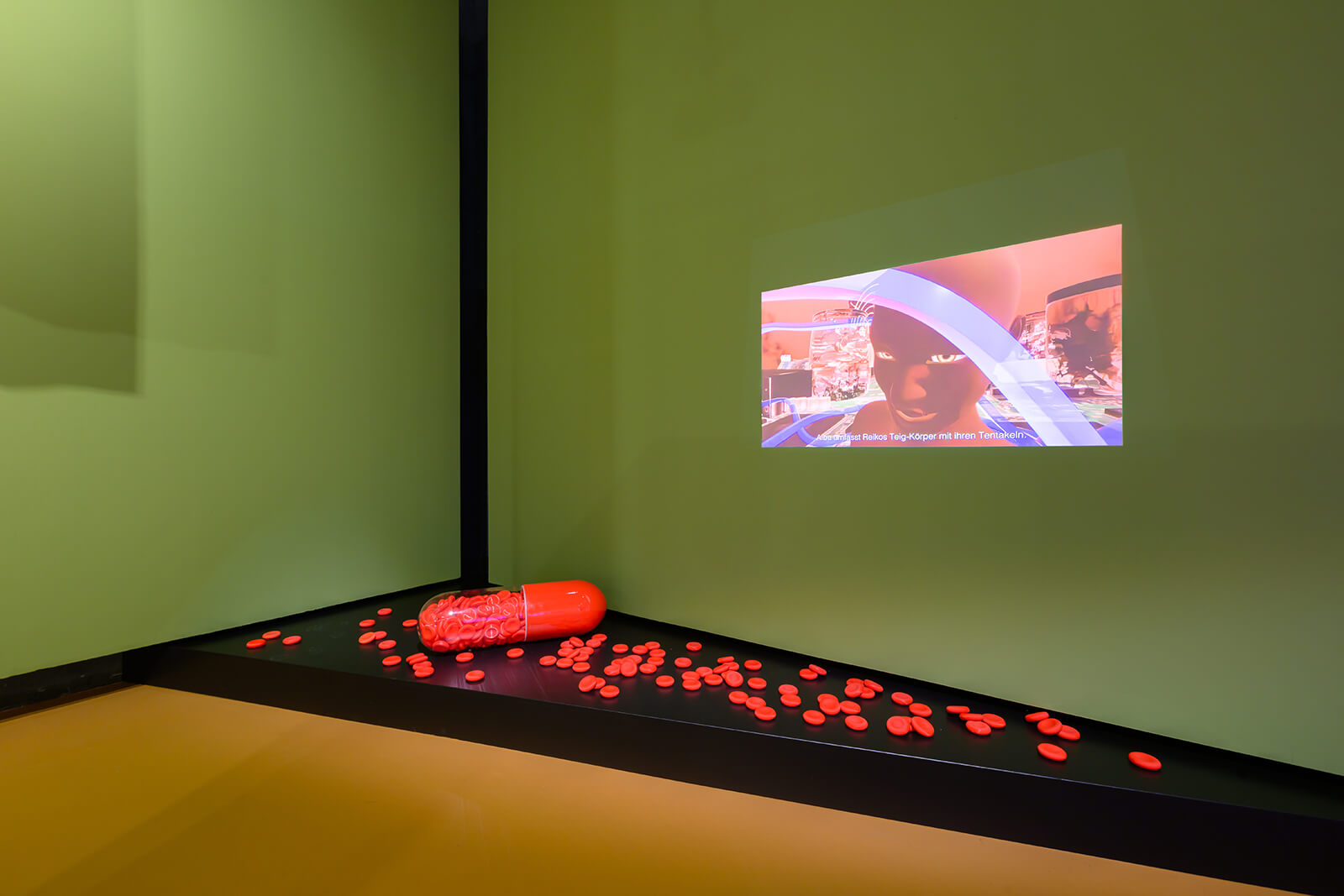
Chinese artist and programmer aaajiao (an online pseudonym for Xu Wenkai) critiques the violence and flattening of reality in modern image culture through his film Minority Algorithm (2023 – 24). Clips of real-world drone attacks are juxtaposed with video game explosions, footage from protests, surveillance footage with object recognition. He highlights the amnesia and aphasia that this digital culture fosters, embodying them as Japanese anime characters. Costinaş speaks about what the advances in image technology and algorithms mean for political reality, saying, “Something that social media did was to eliminate the common ground on which truth was established, breaking social bonds and a shared sense of trust, which is an important premise for fascism. This is now further happening with AI, especially given its ability to create extremely realistic videos. All of a sudden, the power of the moving image to convey truth and a shared common understanding of what is real and what is not has been lost.”
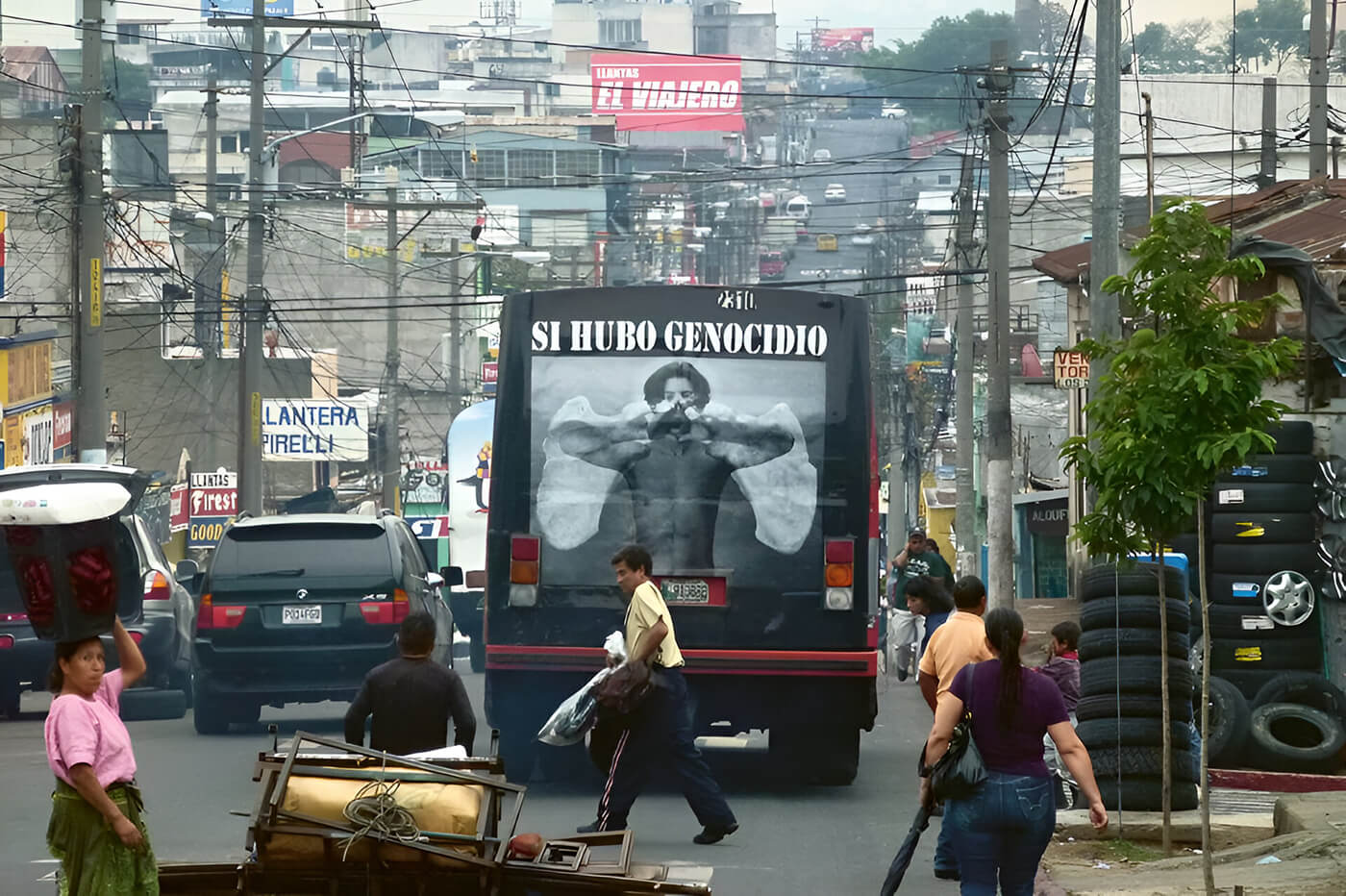
Costinaş continues, “Alongside clear antifascist politics and a new confidence in a reformulated left, we need to think about how we can reestablish around us a shared common ground and a sense of mutual trust…And we need to think about how art could help in these new social and technological realities to find ways of proving truths and affirming trust.” Alongside the many new media artists answering this question in this exhibition is Guatemalan photojournalist Daniel Hernández-Salazar, who documented the events of one of the bloodiest times in the nation’s history following Efraín Ríos Montt’s (a Guatemalan army general and eventual dictator) rise to power following a coup in 1982. The Traveler (2013) depicts an angel whose wings are created from digitally manipulated images of the shoulder blades of unidentified victims of the country’s civil war. During Montt’s 2013 trial for genocide and crimes against humanity, the artist displayed the images on the back of public buses in the country’s capital with the caption, si hubo genocidio (there was a genocide). Hernández-Salazar employs the power of public art to create an artwork that is a grave reminder, a tribute to the victims and a promise to hold those in power accountable.
The exhibition is accompanied by an extensive programme of lectures, workshops and panels for all ages, bringing a critique of modern fascism into public discourse. Costinaş explained the effort, saying, “If we believe that what we do has an impact beyond aesthetics and art history, if we believe that institutions have a role in the public sphere, if we choose to speak about these subjects, it means we have a political responsibility to take the conversation as far as possible, something that seems increasingly difficult, particularly in a country like Germany.”
With the global rise of the far right and its movements, Global Fascisms evinces courage, solidarity and a commitment to shared truth. Now, even more than its first edition in 2014, it becomes essential viewing to imagine effective modes of resistance for a future that is in danger of succumbing to the technocratic and authoritarian.
by Srishti Ojha Oct 21, 2026
Increasingly, artists, filmmakers and activists are turning to VR to create more personal, tangible accounts of the climate emergency and its impact on vulnerable communities.
by Mirra Lynn Oct 20, 2026
The Indian artist paints the old wadas of central Pune, capturing the traces of everyday life that cling to these structures, battered by time but unbowed.
by Anmol Ahuja Oct 15, 2026
How do heaps of souvenirs and relics with racist Aboriginal motifs and features become art? MCA Sydney’s winter showcase—the artist’s largest to date—beckons a possibility.
by Vandana Kalra Oct 14, 2026
With his latest exhibition as a point of departure, the modernist discusses his decades-long practice, the spontaneity of drawing and the social responsibility of artists.

make your fridays matter with a well-read weekend
Enter your details to sign in
Don’t have an account?
Sign upOr you can sign in with
a single account for all
STIR platforms
All your bookmarks will be available across all your devices.
Stay STIRred
Already have an account?
Sign inOr you can sign up with
Verification link sent to check your inbox or spam folder to complete sign up process
Tap on things that interests you.
Select the Conversation Category you would like to watch
Please enter your details and click submit.
Enter the 6-digit code sent at


Art against authoritarianism: HKW’s Global Fascisms presents an urgent challenge
by Srishti Ojha | Published on : Nov 10, 2025


 Sign in with Google
 Sign in with email
What do you think?