Design04 mins. read
Not just a chair: Urs Fischer elevates the banal through absurdity in Shucks & Aww
by Bansari PaghdarJan 31, 2026




by Sunena V MajuPublished on : Nov 27, 2025
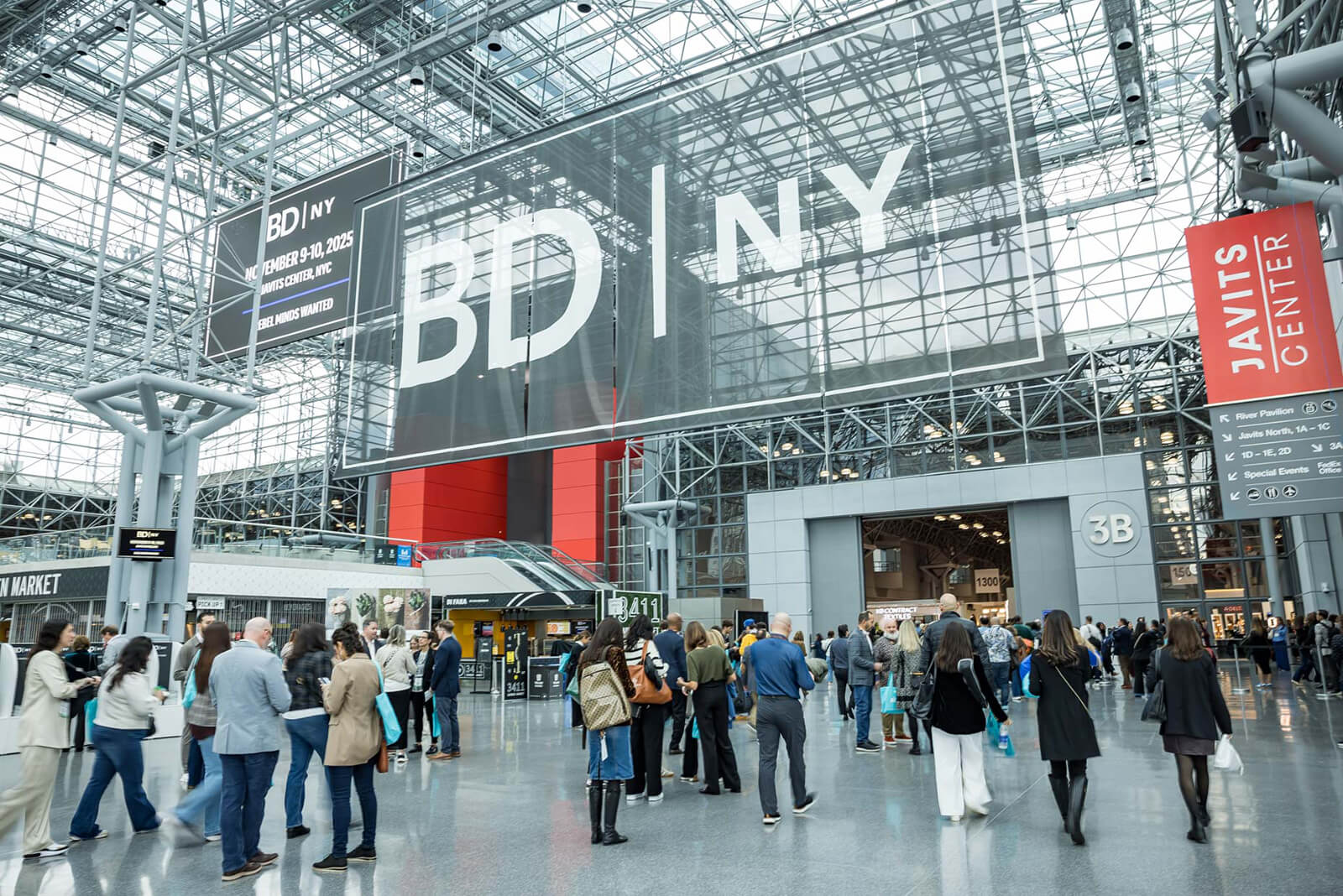
This year’s Boutique Design New York (BDNY) was less a trade fair than a study in how design, commerce and desire continuously fold into each other. Inside the vastness of the Javits Center in New York, the hospitality industry staged a polished reflection of itself, as an ecosystem of surfaces and stories, where design spoke the language of aspiration and the economy of experience revealed its most intriguing form. BDNY 2025 confirmed that hospitality design today is not simply a visual culture but an infrastructure of influence—one that shapes how people feel, move and spend. “BDNY 2025 captured the creativity, curiosity and momentum driving hospitality design forward,” said Tim Fearney, show director, BDNY. “With more than 11,000 qualified attendees—up six per cent over 2024—representing over 50 countries and nearly 200 new exhibitors joining us, the event reflected a global community that is eager to experiment, collaborate and build what comes next.”
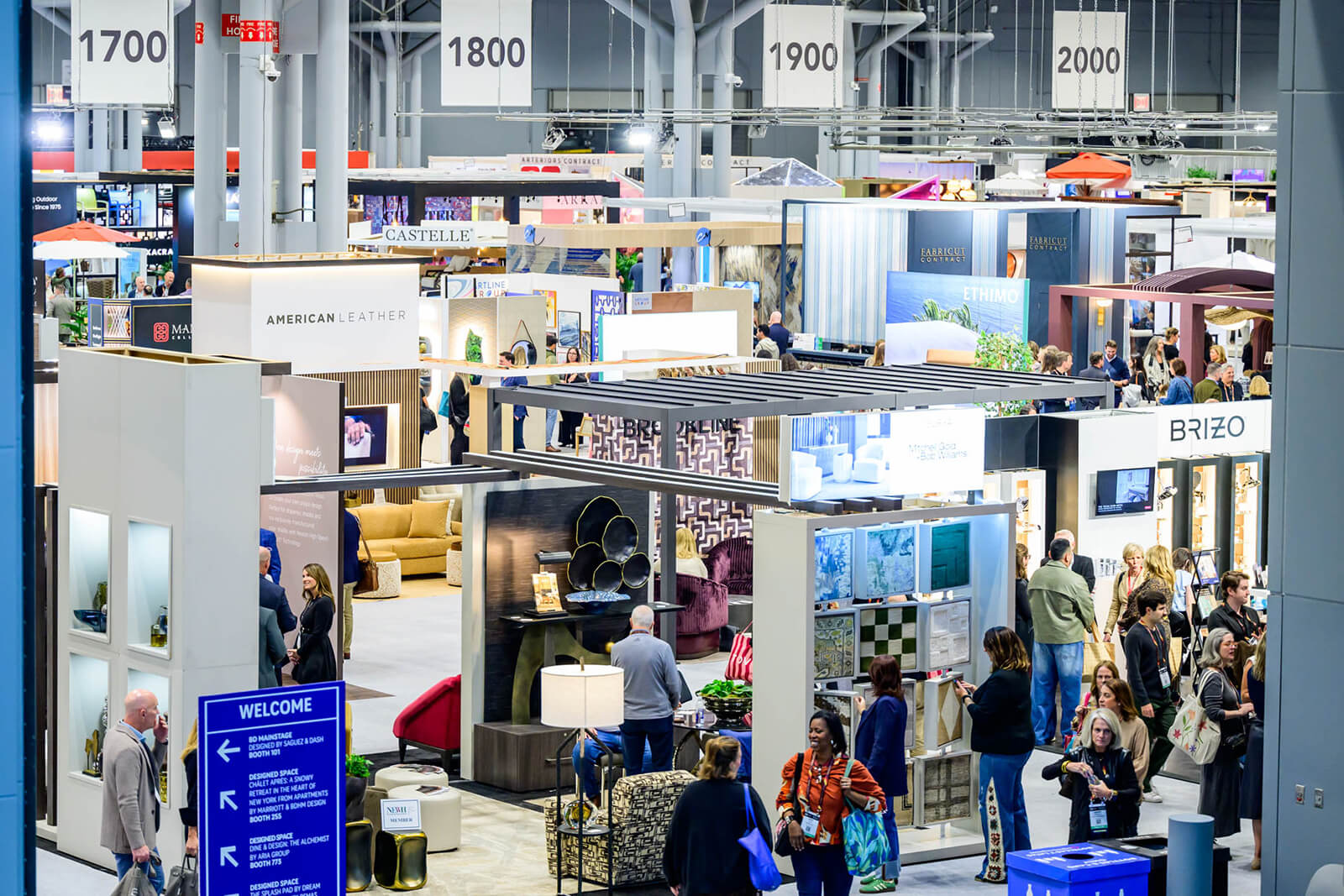
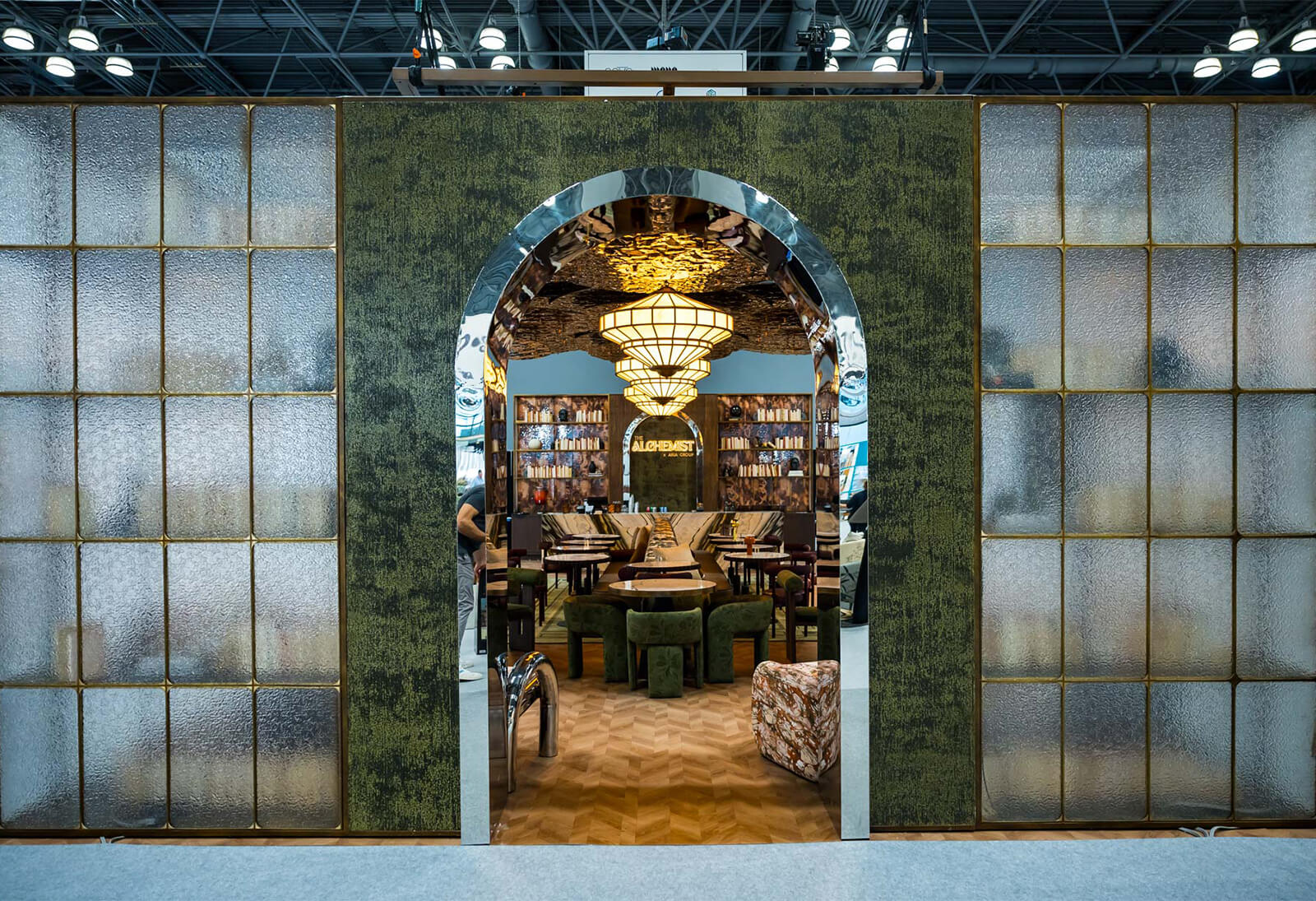
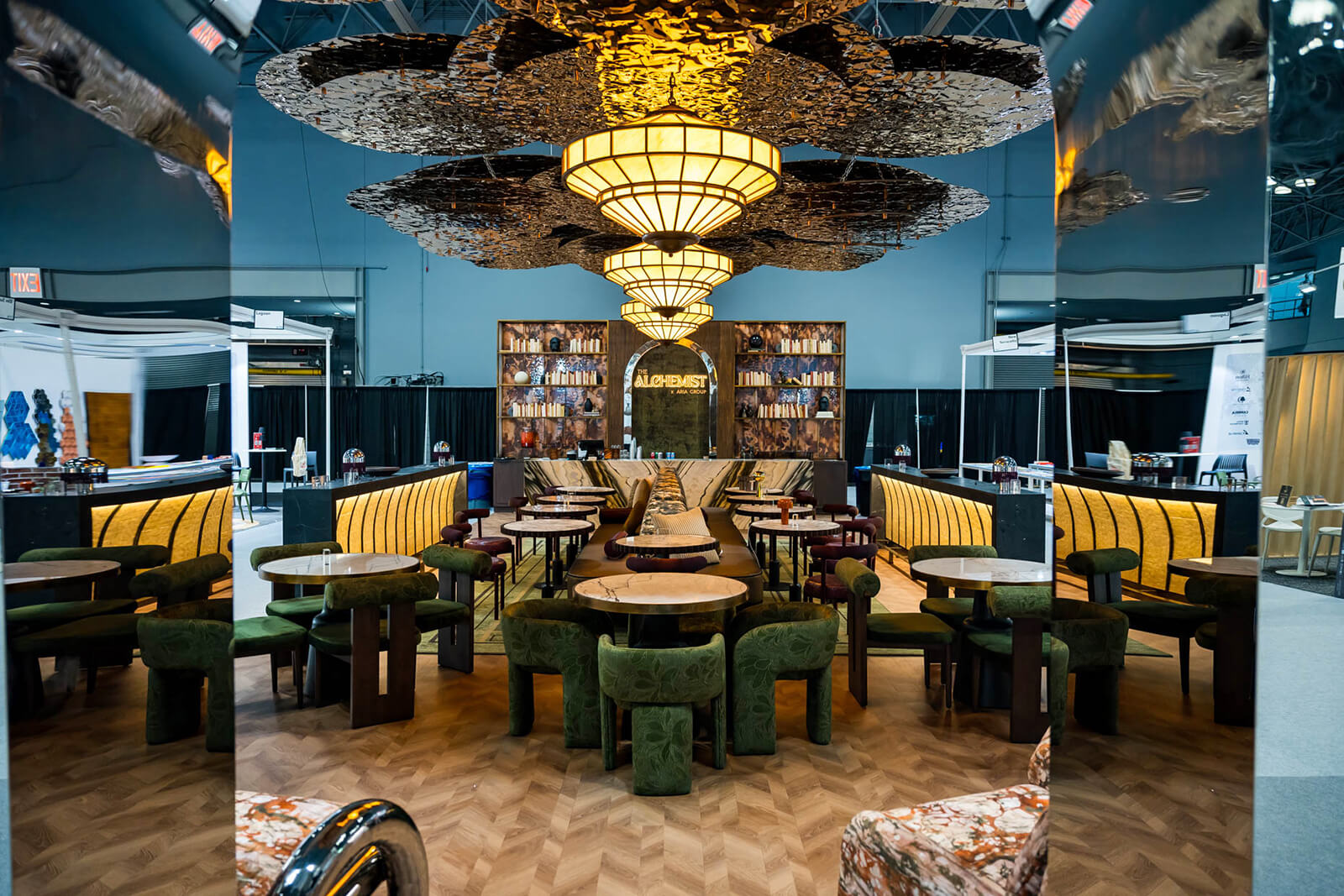
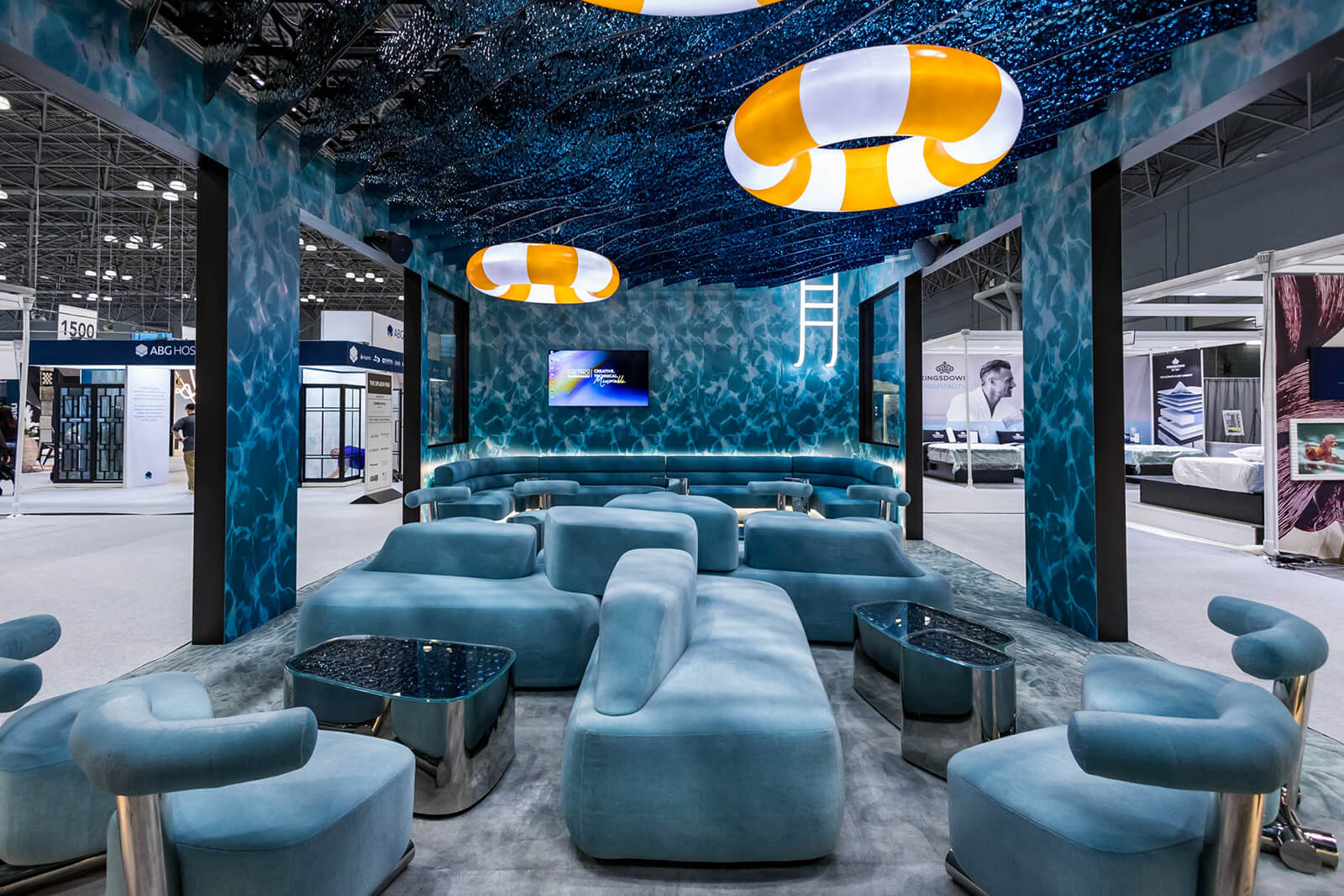
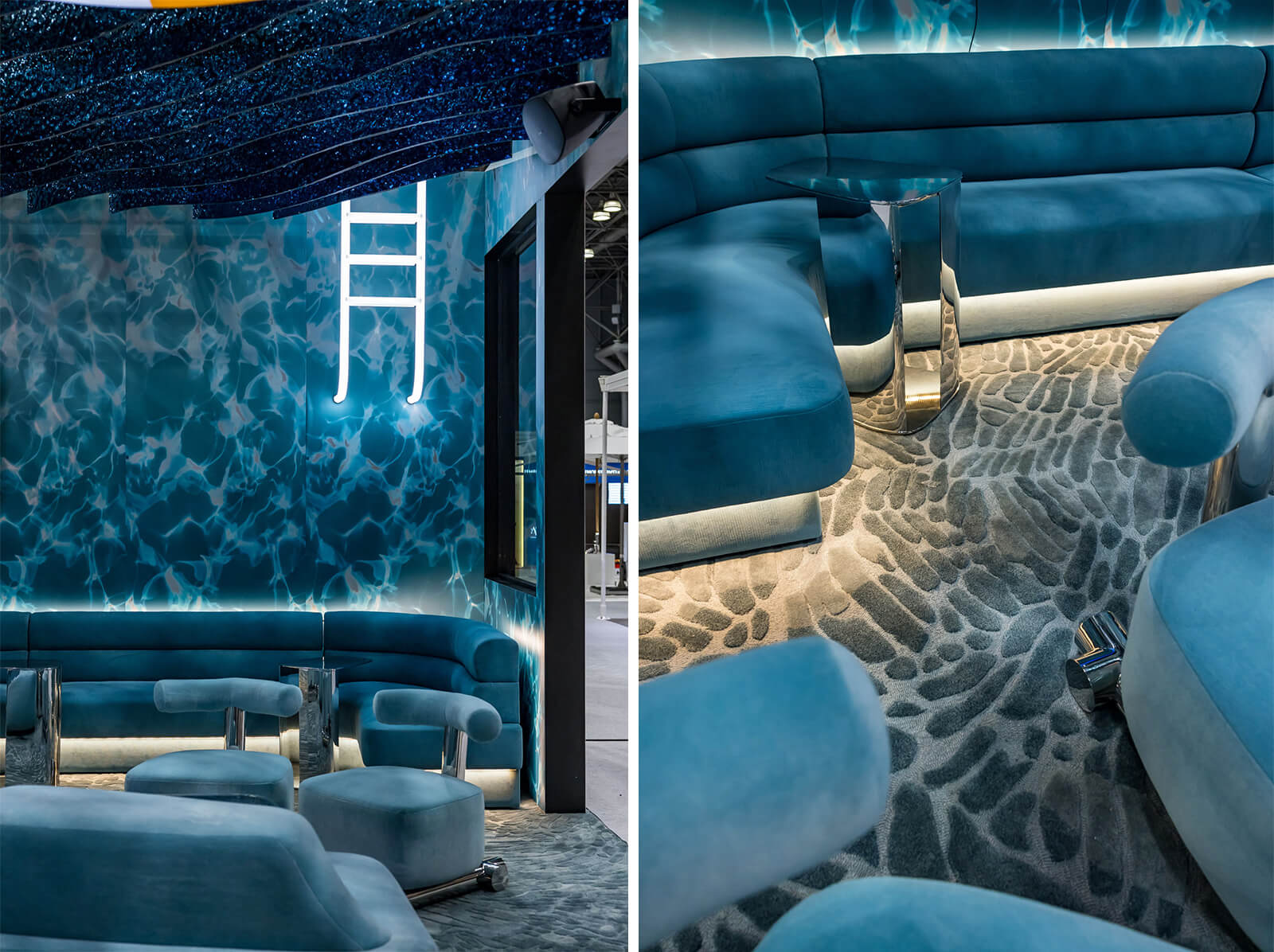
The design fair’s curated section, the Designed Spaces, embodied that entanglement of aesthetics and ambition. The Alchemist, a fully operational café space designed by Aria Group, was more than a showcase of materials and more an exercise in transformation—an environment where lighting, metals and textures turned the ordinary ritual of dining into spectacle. Chalet Après, designed by Mazzarini & Co for Apartments by Marriott Bonvoy, brought the comfort of the alpine retreat into a New York context, translating the intimacy of après-ski culture into a new vocabulary of branded domesticity. Every detail—from layered fabrics and clean lines to curated warmth—spoke of a design language that converts emotion into value. The Splash Pad by DREAM Hotels and Nivek Remas was the fair’s loudest statement with its mirrored, glossy and unapologetically performative space. Midnight Garden by DesignAgency, created with Studio DA, looked like The Splash Pad’s counterpoint: cinematic, introspective and atmospheric. Together, these installations demonstrated design’s expanding power to choreograph experience, not just to house it. They also revealed how hospitality design has become one of the most efficient mirrors of contemporary capitalism: everything must be immersive, emotional and monetisable.
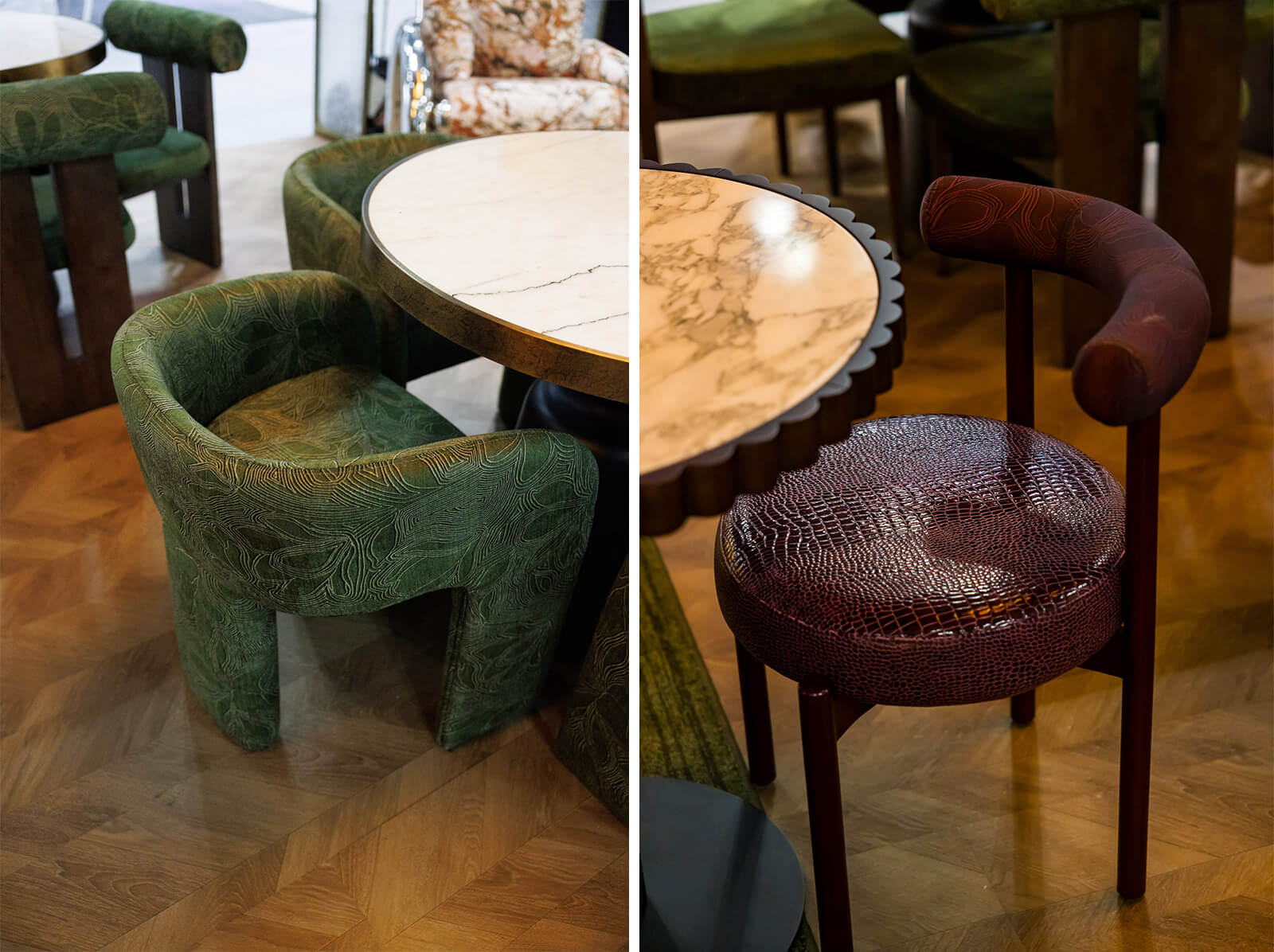
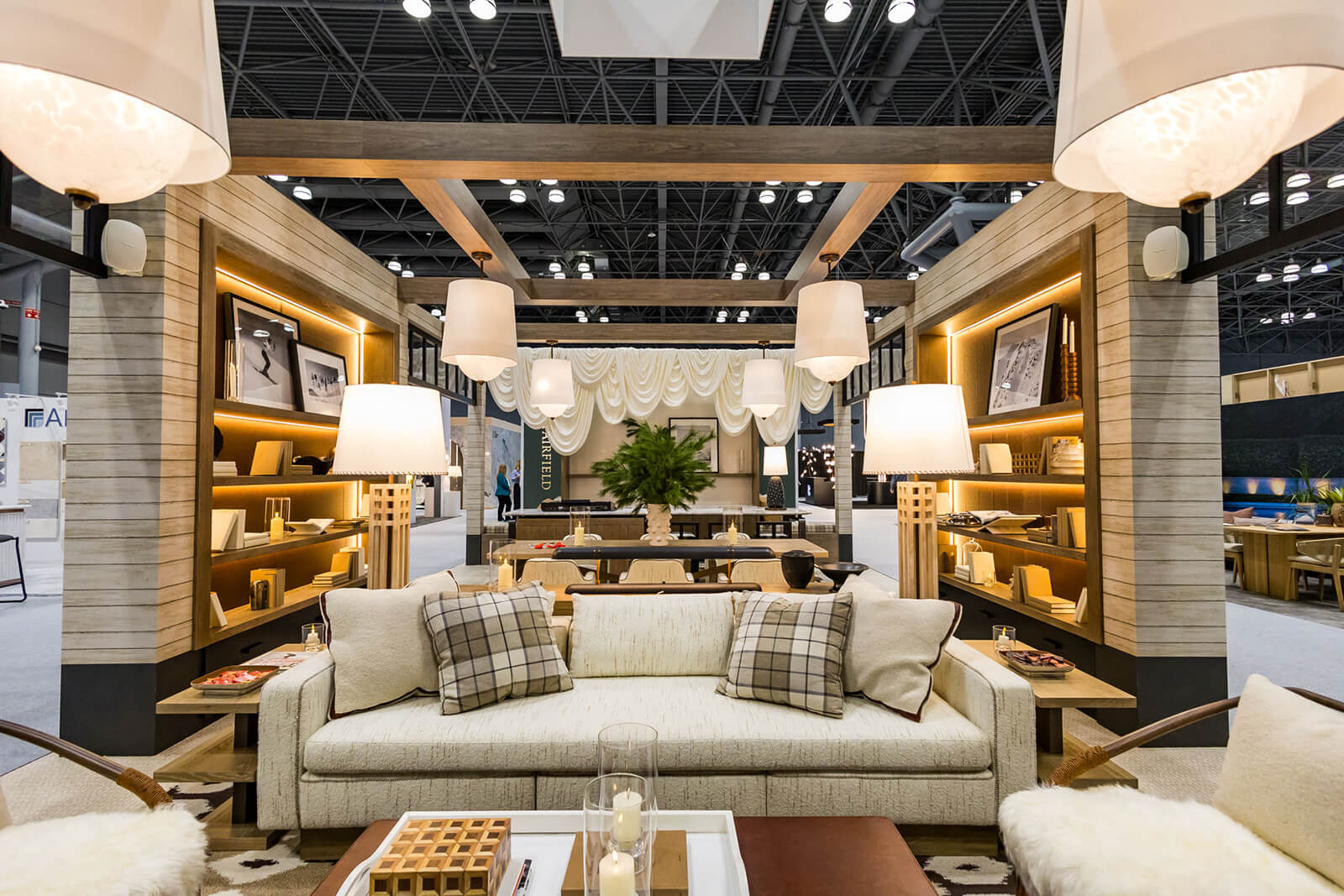
Beyond the spectacle, materiality remained central. HBF | HBF Textiles and Juniper debuted Co/Create, emphasising local manufacturing and the tactile intelligence of materials, suggesting a quieter form of resistance within an industry dominated by global supply chains. Momentum Textiles & Wallcovering created the immersive Wonderland to present their ‘Idyllwild’ pattern, surrounding visitors in a landscape of colour and nature while tapping into key market trends such as maximalism, biophilic motifs and practices. Ceramics of Italy carried the aura of heritage and longevity, asserting craftsmanship as both an economic and cultural export. American outdoor furniture company Polywood, working with recycled plastics, positioned sustainability as a form of aspiration. Virginia Sin’s Brooklyn-based studio appeared like a reminder for an emerging generation of independent brands that use small-scale production and narrative authenticity as their form of luxury. Each of these showcases spoke, in its own way, to design’s ability to reconcile industry with ideology.
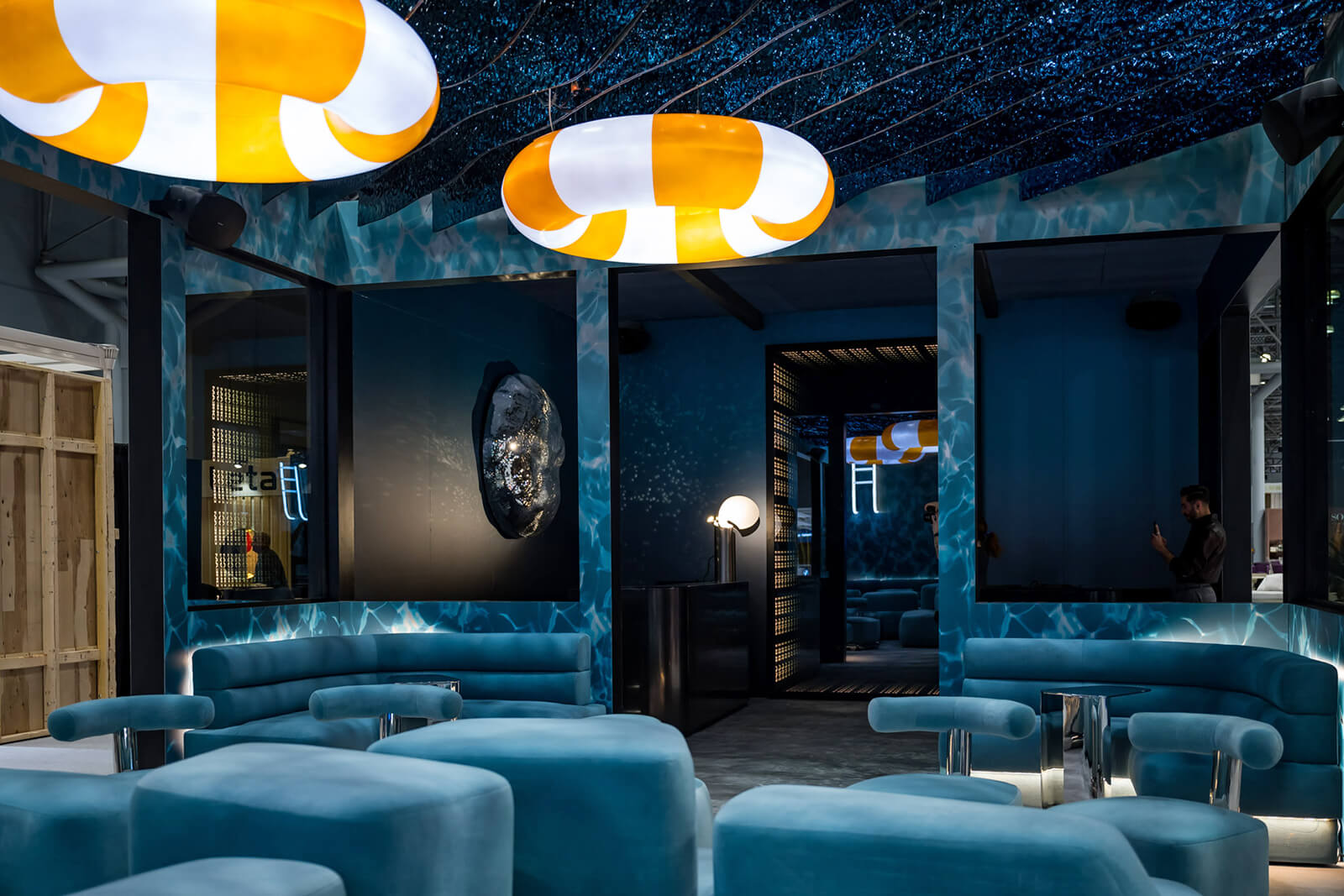
This year’s edition also highlighted the industry’s most compelling contributions through BDNY’s annual awards program, which spotlight innovation not just in products but in the craft of exhibition-making itself. In the Best Exhibit Competition, Design Spec, ICG Italia and Berman Falk were recognised across the small, medium and large booth categories, respectively, with Cava Surfaces taking home Best in Show. Meanwhile, the Best of BDNY Product Design Competition underscored the breadth of the field, honouring advancements across thirteen categories—from materials and lighting to seating, textiles, wellness and outdoor design. The jury emphasised ingenuity, performance, sustainability and thoughtful making, ultimately naming two Best in Show honourees: Illuminated Ribbon, Weave and Juniper Cylinder from Juniper’s Multiverse System , and Fireclay’s Foundry Collection.
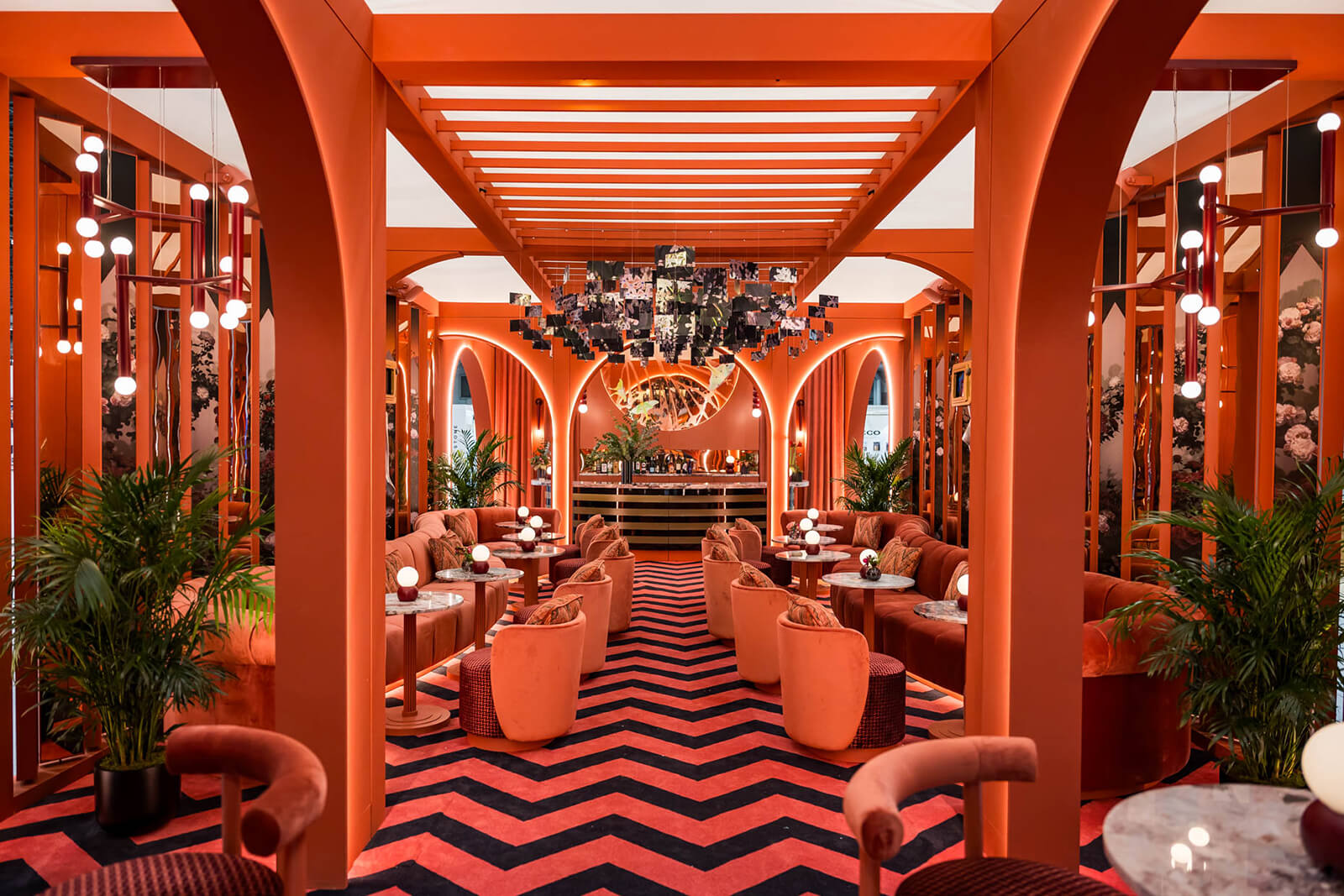
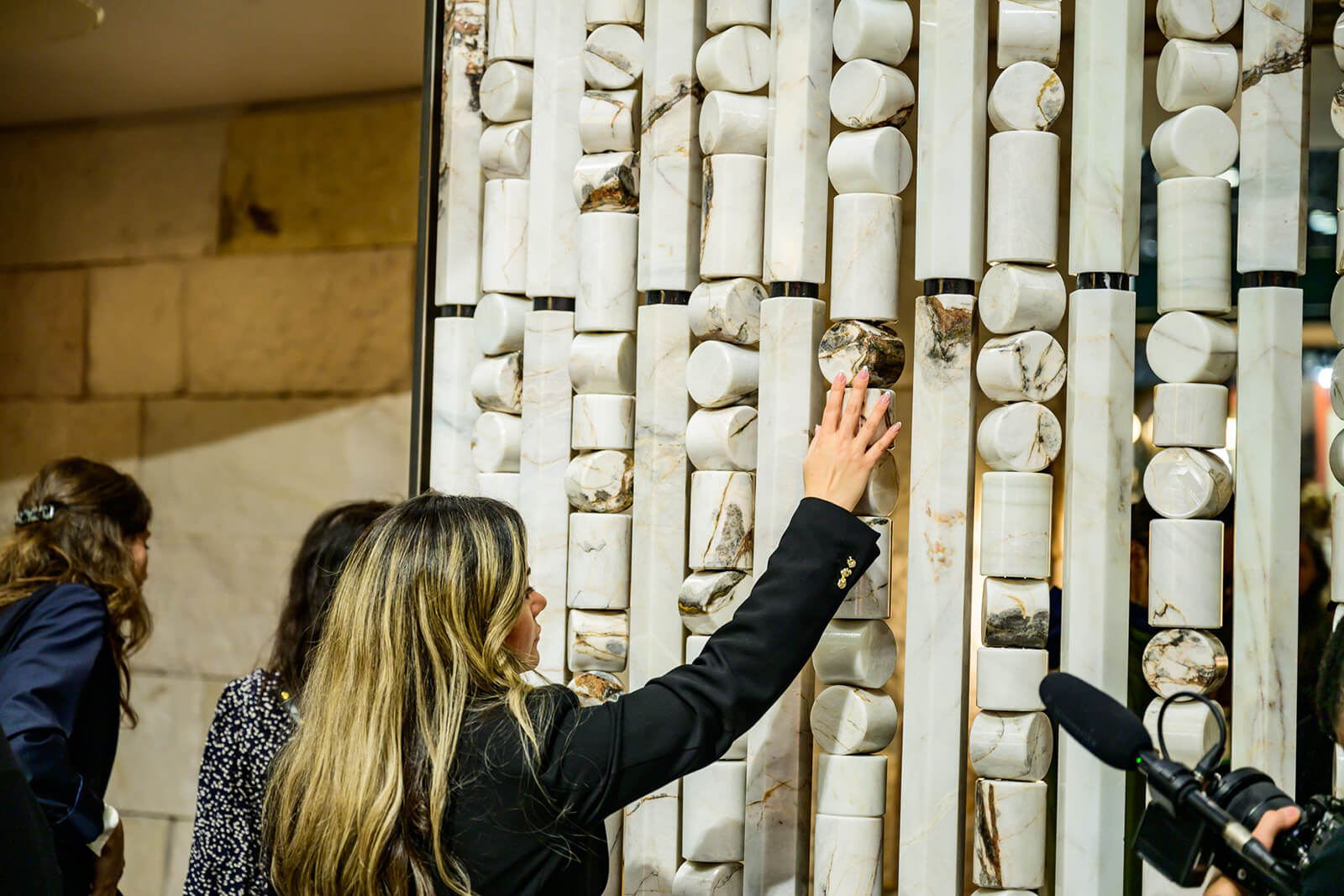
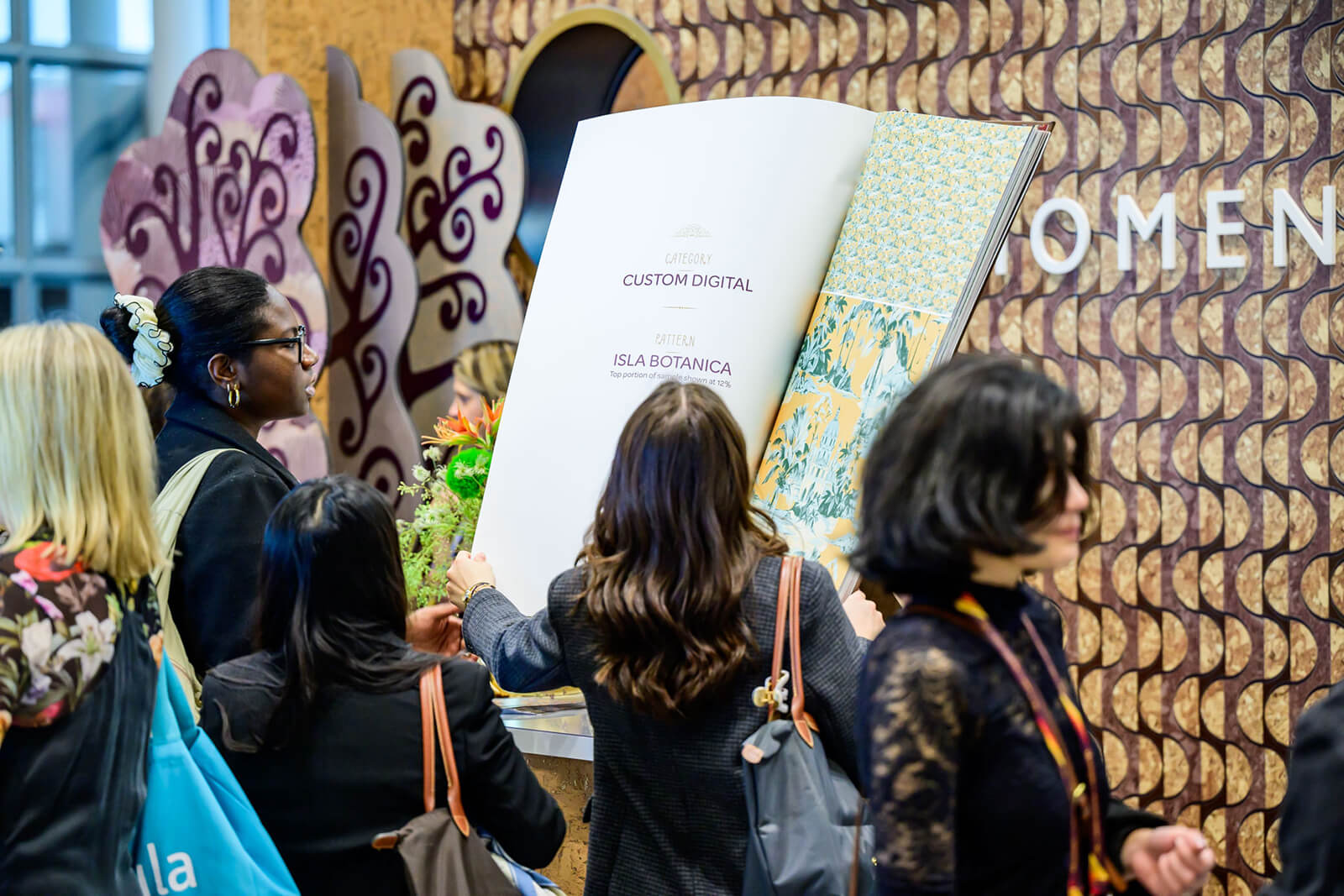
However, what lingered most at BDNY was not any single product design or booth but the tone of the entire event, an alignment of design with economic optimism. The hospitality sector, still rebounding from years of instability, has found in design a way to project continuity and power. Many booths were designed to mimic the ambience of interiors, with an entire setup instead of just a product on display. This approach to selling a lifestyle instead of a product is not new to American soil. In postwar America, companies did not market a product or brand; they started marketing the suburban lifestyle. In this marketing tactic, the product was subtly placed in a ‘perfectly’ curated life, painting a picture of ‘what your life would look like if you owned this product.’ Here, the lifestyle sold was of luxury, some silent, some loud, some materialistic and some metaphoric. In recent years, we have seen a rise in brands, designers and companies returning to this approach. So, design here is not incidental to the economy; it is the face the economy wears when it wants to look human.
To walk through BDNY 2025 was to witness how aesthetics organise politics without ever declaring it. It was just another trade fair—one of the better ones, to be fair. But, in the current times, you don’t see just the fair: you see the trade regulations, tariff wars, crafts having more freedom to roam the world than the craftsmen who made them, sustainability that flies in on private jets and, even on smiling faces, you see the uncertainty of the economy and politics, courage and fear. BDNY 2025 succeeded in reminding its audience that design is no longer a soft power. It is infrastructure, branding and diplomacy rolled into one.

by Pranjal Maheshwari Oct 23, 2026
Co-authored by Jareh Das, Chairman traces the British designer’s fixation on chairs as symbols of power and identity and as mediums of expression and community building.
by Mirra Lynn Oct 22, 2026
The curators behind Palestine Design Week 2026 reflect on its intent, considering how design holds memory, makes space for loss and imagines a future in Palestine.
by Chahna Tank Oct 22, 2026
STIR speaks with the Mumbai-based type designer about her practice, type walks and why she wants more people to have stronger opinions about Indian-script fonts.
by Jincy Iype Oct 15, 2026
STIR explores craft, material intelligence and people shaping Indian design through dialogues with Design Democracy’s co-founders and the curators of its special exhibitions.

make your fridays matter with a well-read weekend
Enter your details to sign in
Don’t have an account?
Sign upOr you can sign in with
a single account for all
STIR platforms
All your bookmarks will be available across all your devices.
Stay STIRred
Already have an account?
Sign inOr you can sign up with
Verification link sent to check your inbox or spam folder to complete sign up process
Tap on things that interests you.
Select the Conversation Category you would like to watch
Please enter your details and click submit.
Enter the 6-digit code sent at


At BDNY 2025, design becomes a lens on influence, immersion and industry
by Sunena V Maju | Published on : Nov 27, 2025


 Sign in with Google
 Sign in with email
What do you think?