Design04 mins. read
Mayfair Design District 2026 turns its focus to What Matters Now
by Pia BhatiaSep 09, 2026




by Bansari PaghdarPublished on : Oct 17, 2025
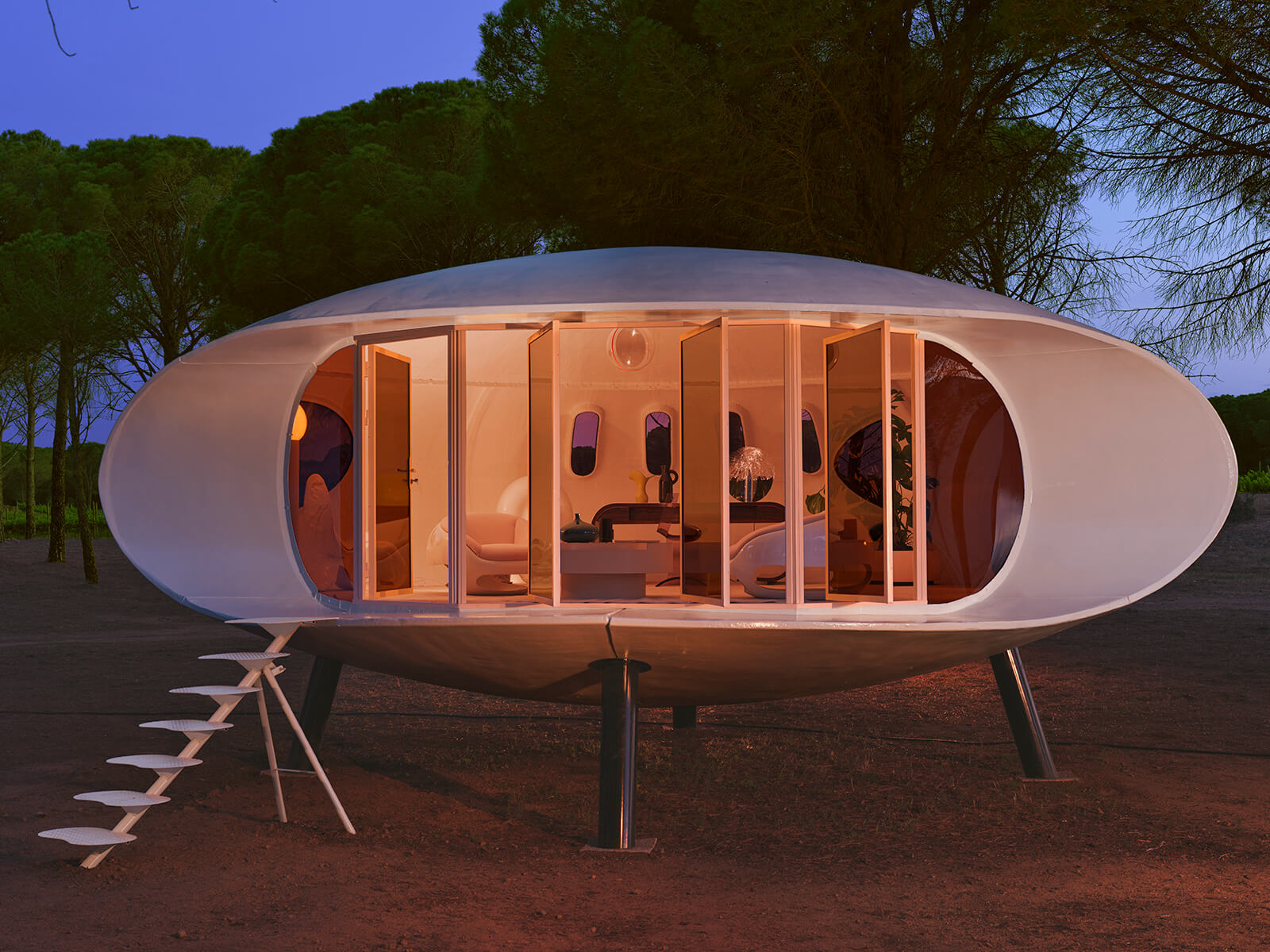
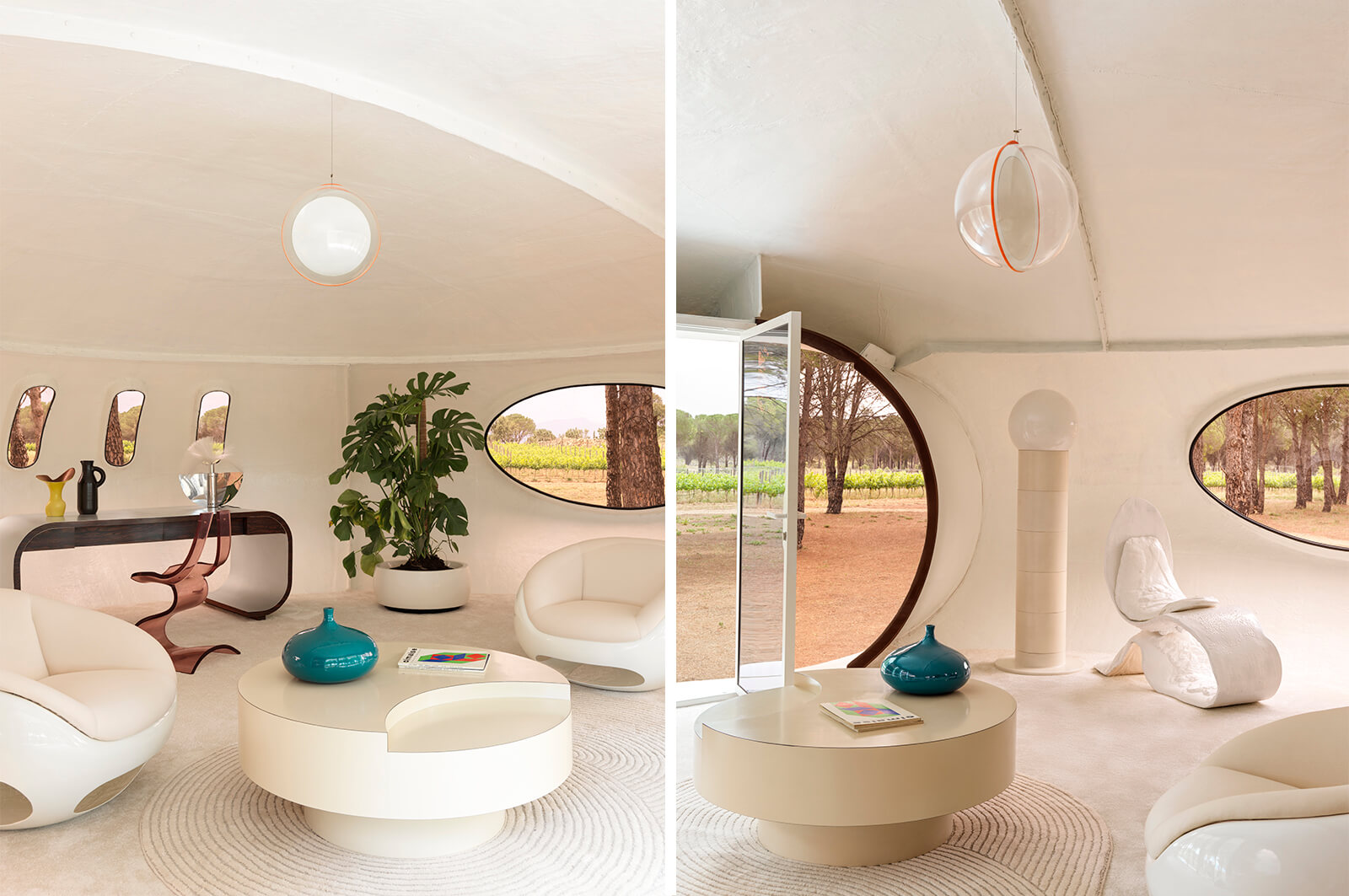
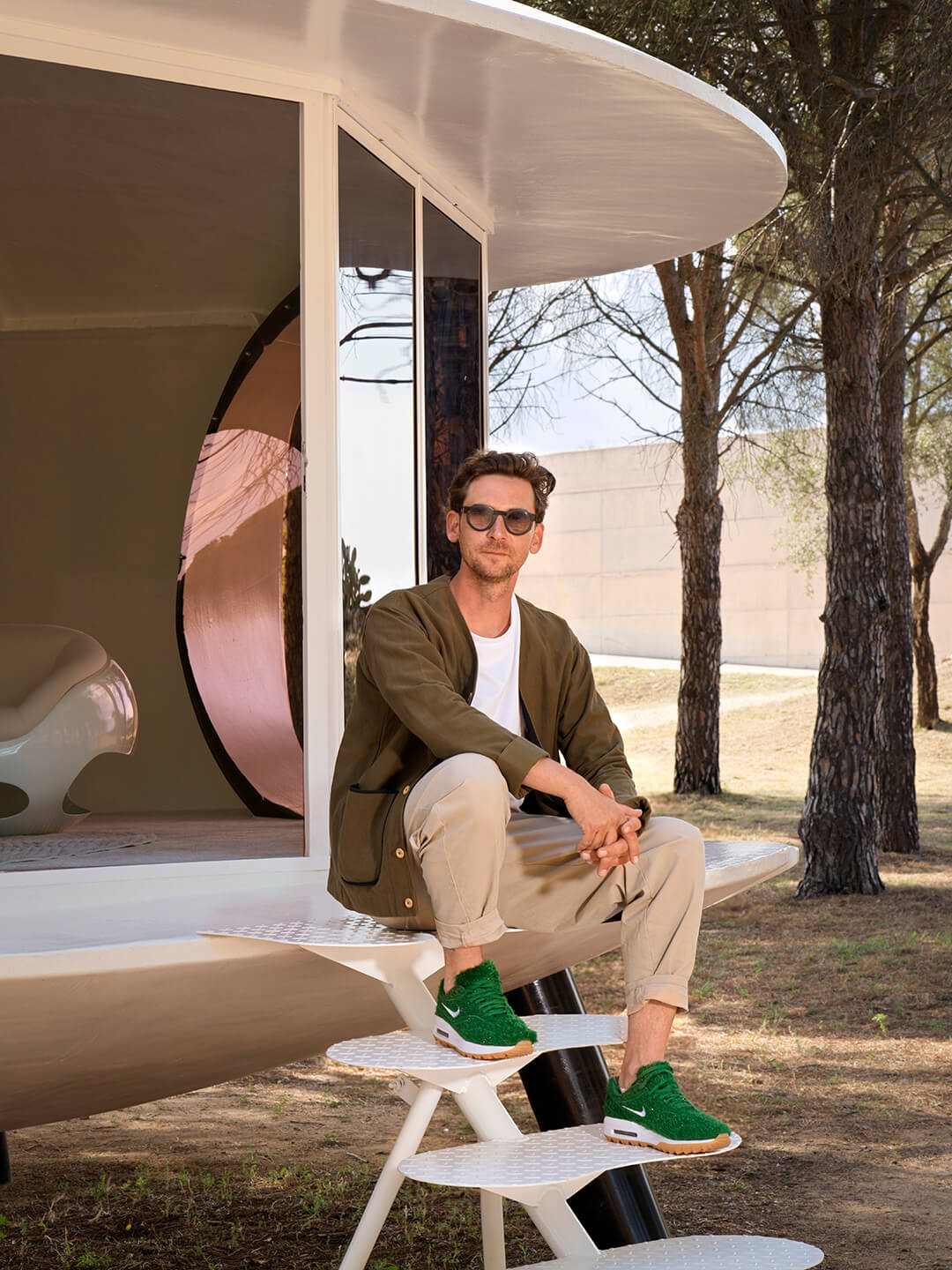
Curator and French design collector Clément Cividino has, since 2016, steered an annual project in which he brings to life a 20th century prefabricated architecture at the Terra Remota vineyard in the Catalonian province of Girona, Spain. This year, his presentation—titled Tropical Pavilion—involves the refurbishment of French engineer Ferdinand Fillod’s famed prototype that was originally presented in 1947 in Paris at the International Exhibition of Urbanism and Housing. Cividino’s past offerings at the Spanish vineyard include the transformation of a former Total gas station by Jean Prouvé, a futuristic home designed in 1969 by Greek architect Nikolaos Xasteros, and a Hexacube by Georges Candilis—each design unlayering a distinct history, language and exhibits.
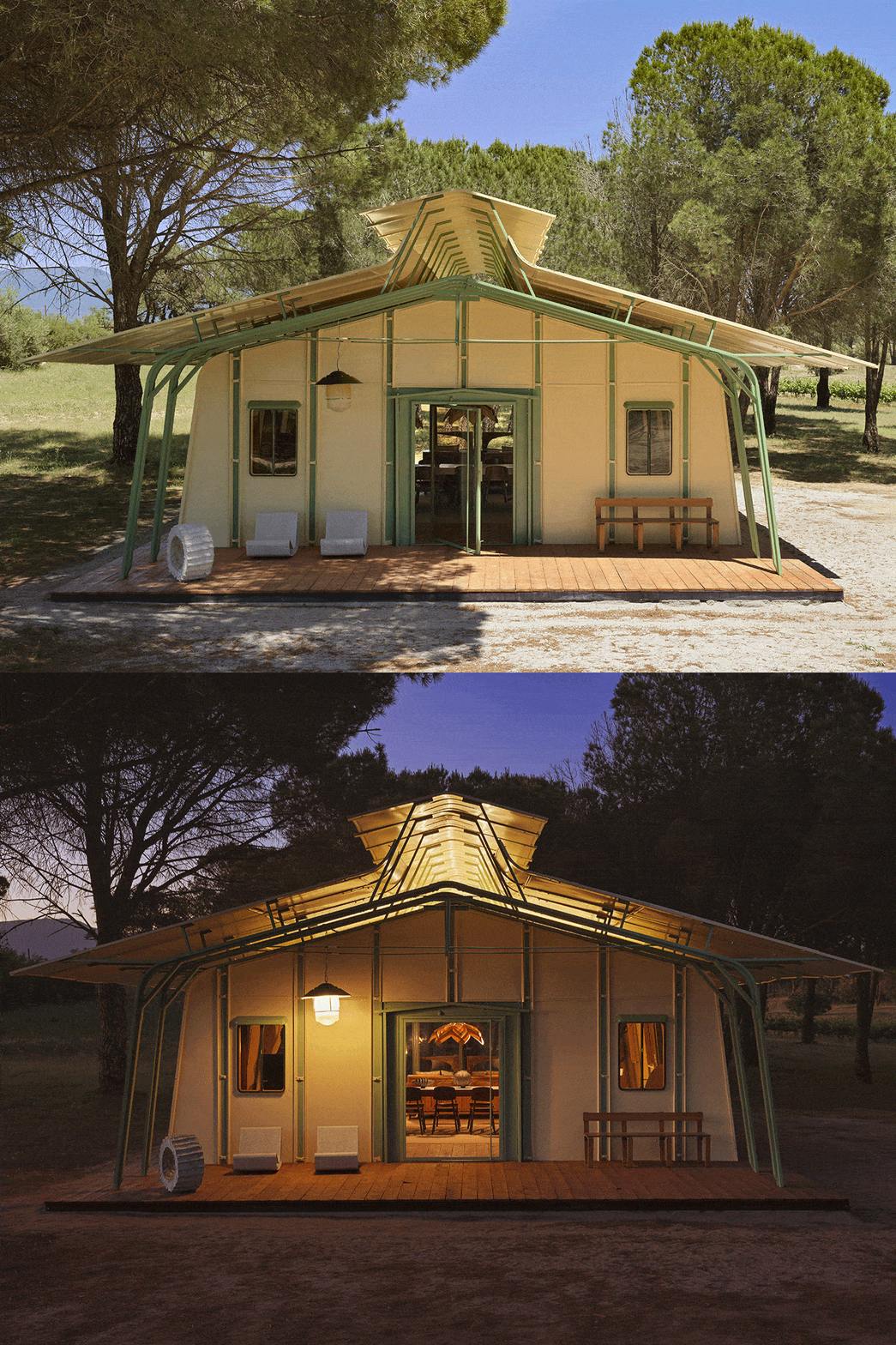
Born in France's Jura region, Ferdinand Fillod set up his first company in 1922. Drawing on his background as a coppersmith, he began producing galvanised metal equipment for agricultural use, including animal feed vessels, slurry tankers and drinking troughs. After obtaining a patent for his prefabricated steel structures in 1929, he founded the company Constructions métalliques Fillod, through which he began shipping his products worldwide. The housing structures—which Cividino calls “Ikea before its time”—were manufactured entirely in Fillod’s factory and delivered to users in kits with instructions for assembly. Out of the nine prototypes that still exist today, Cividino restored the one found near Marseille, France, as the Tropical Pavilion.
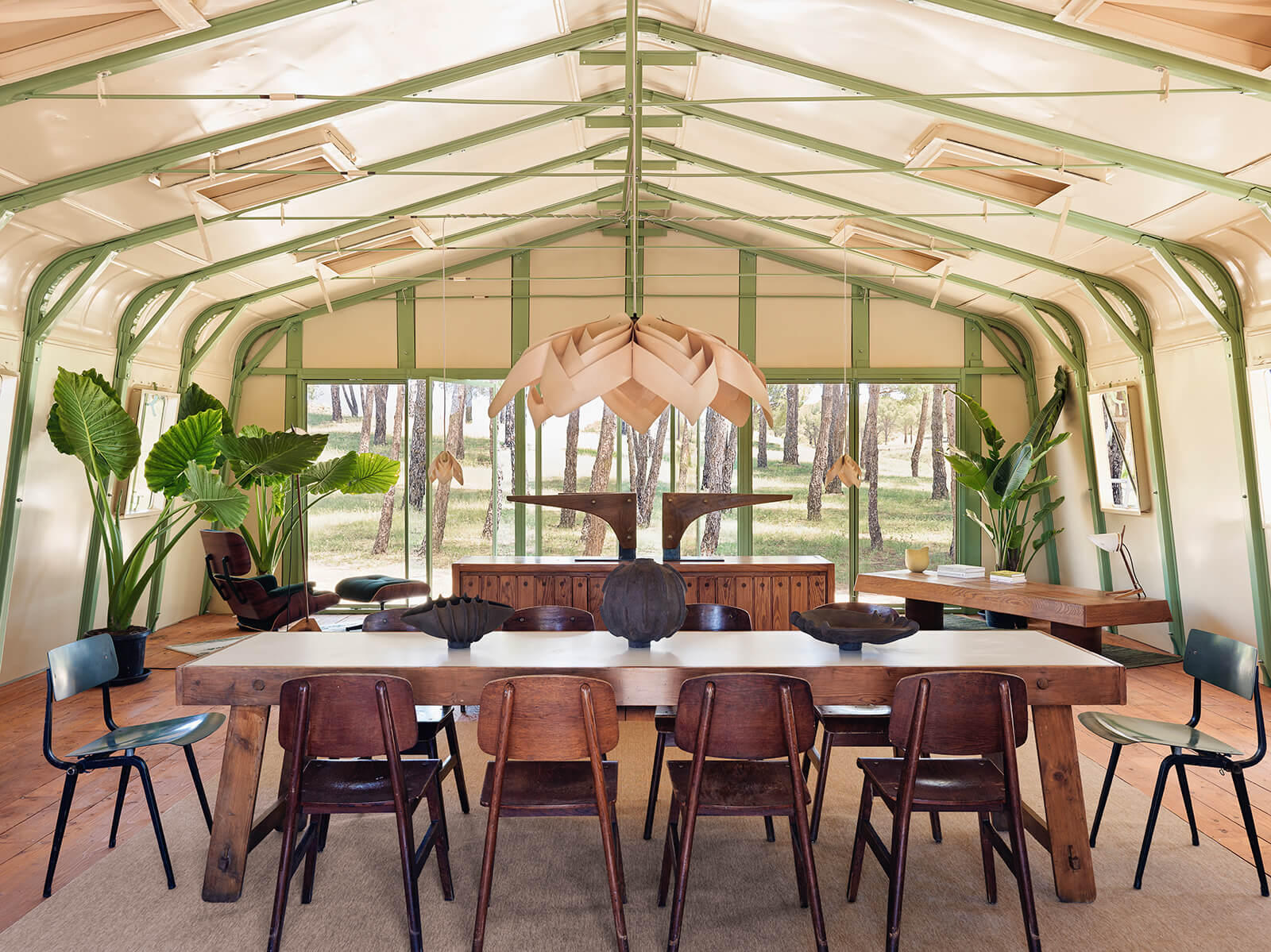
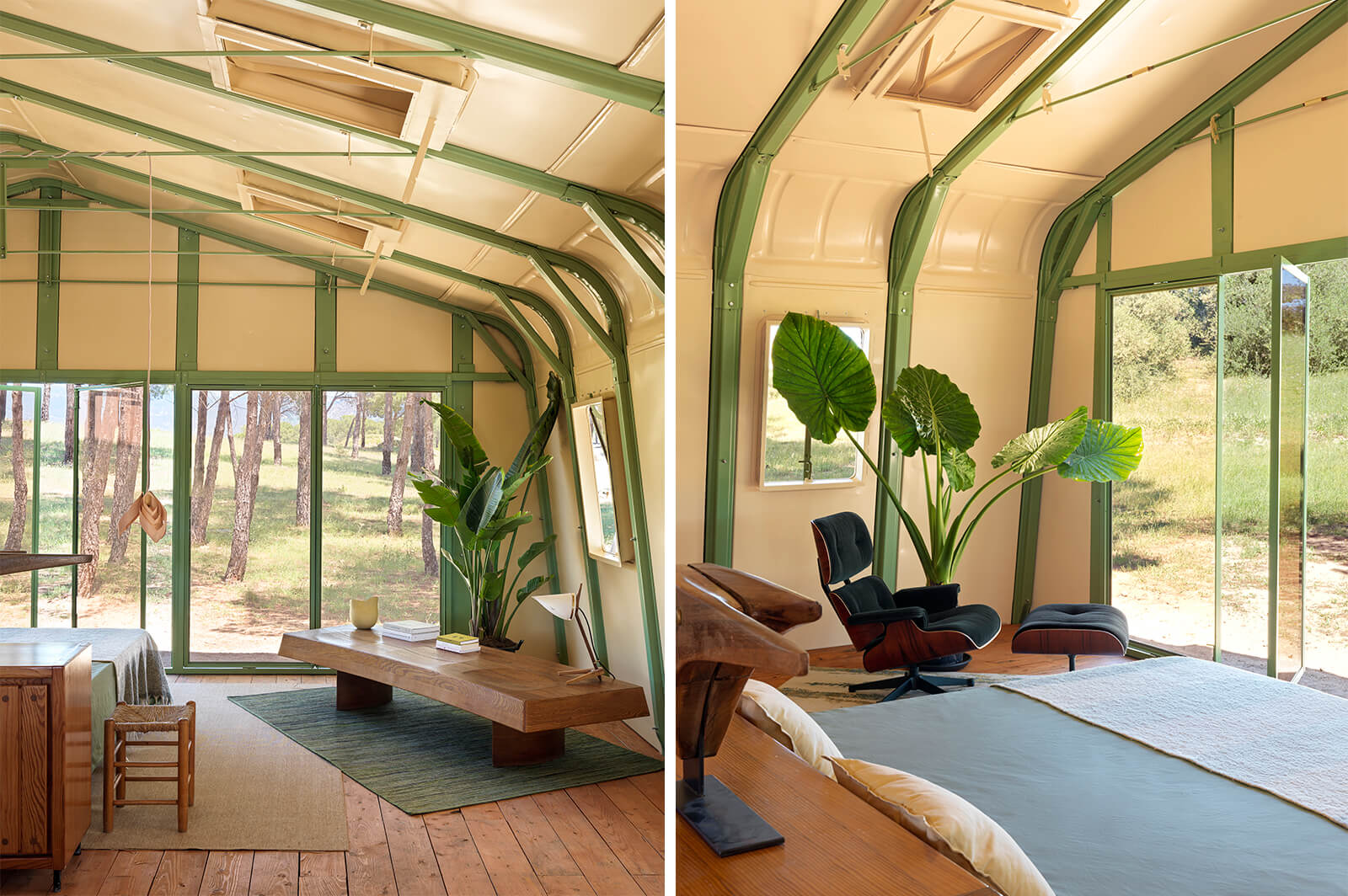
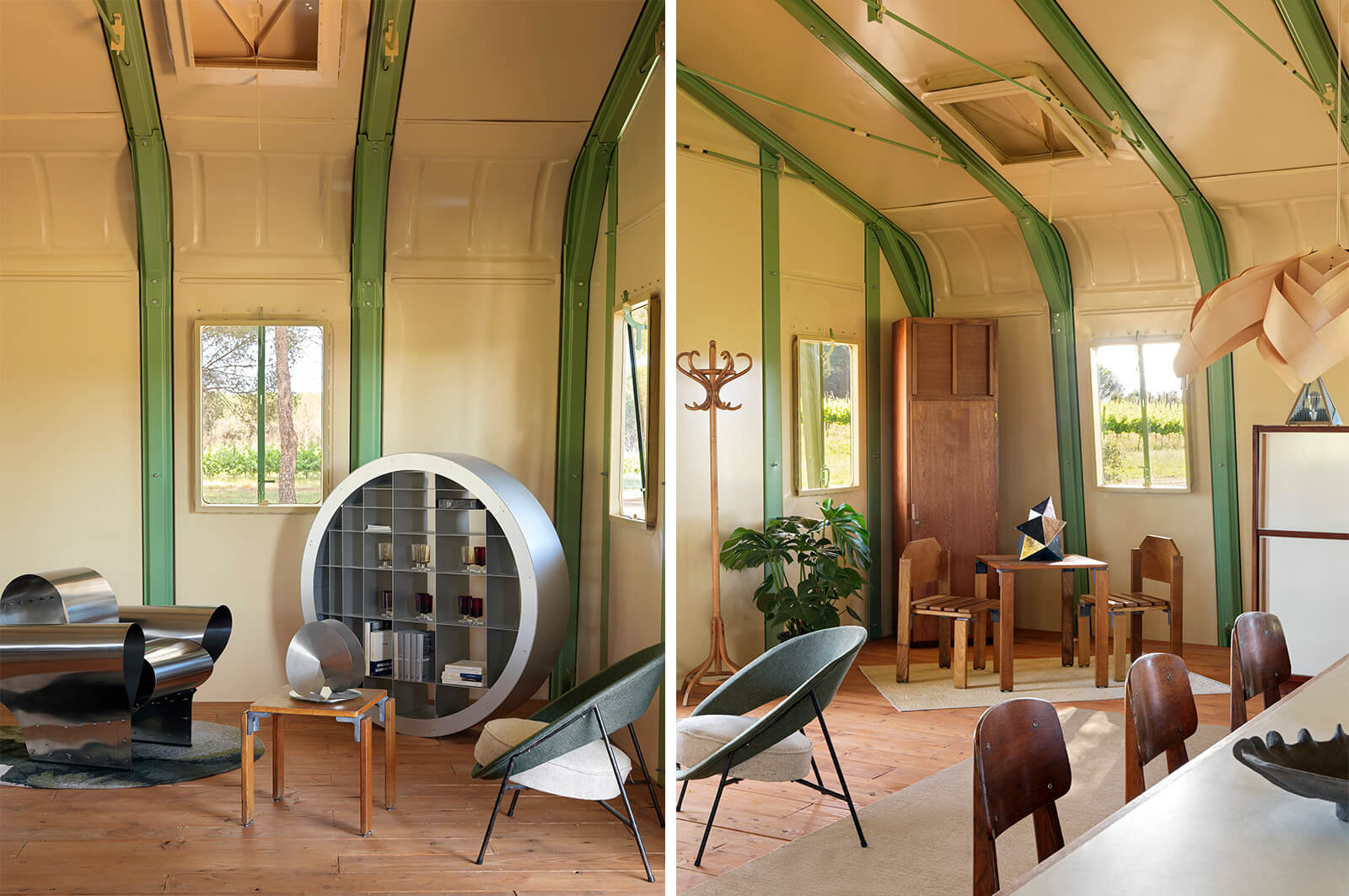
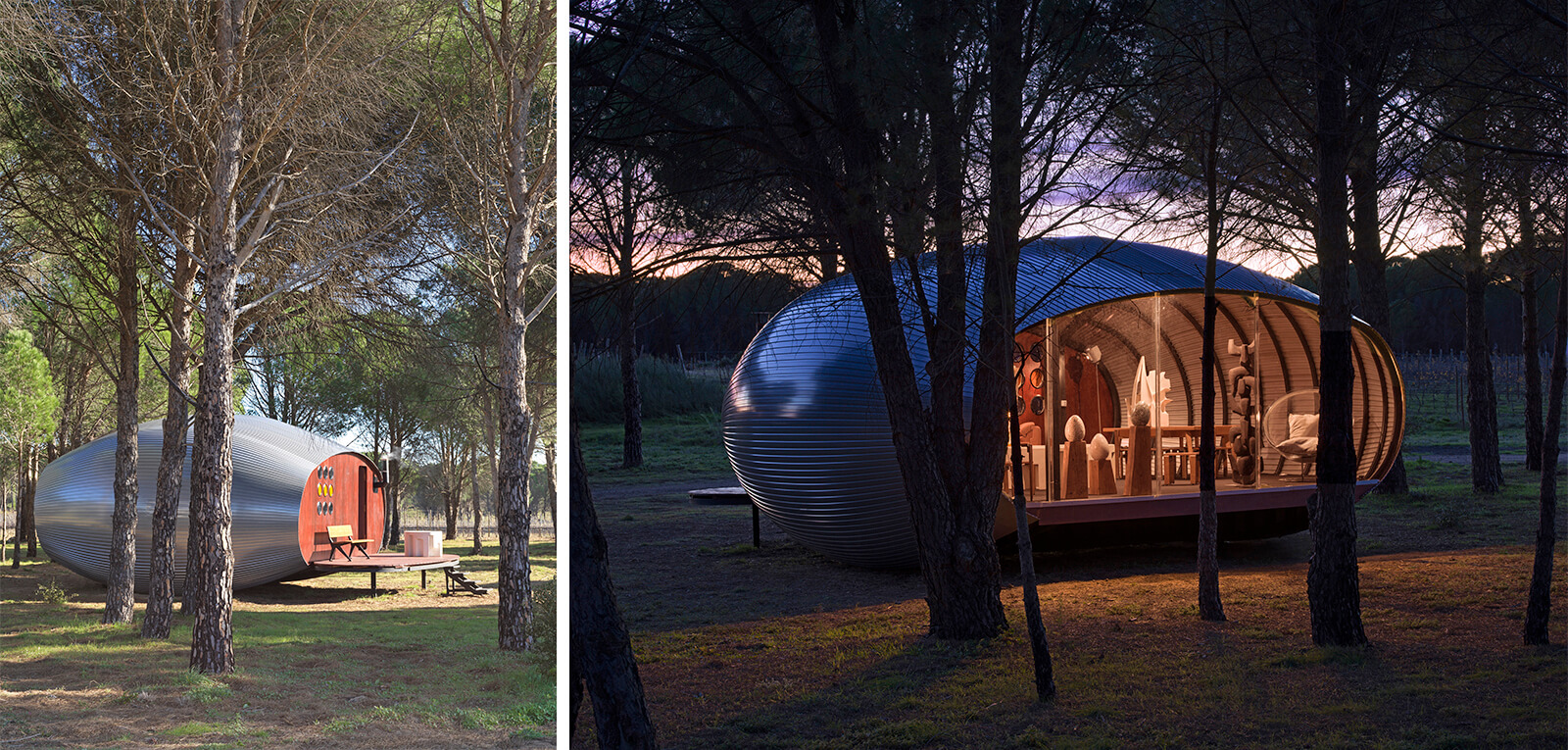
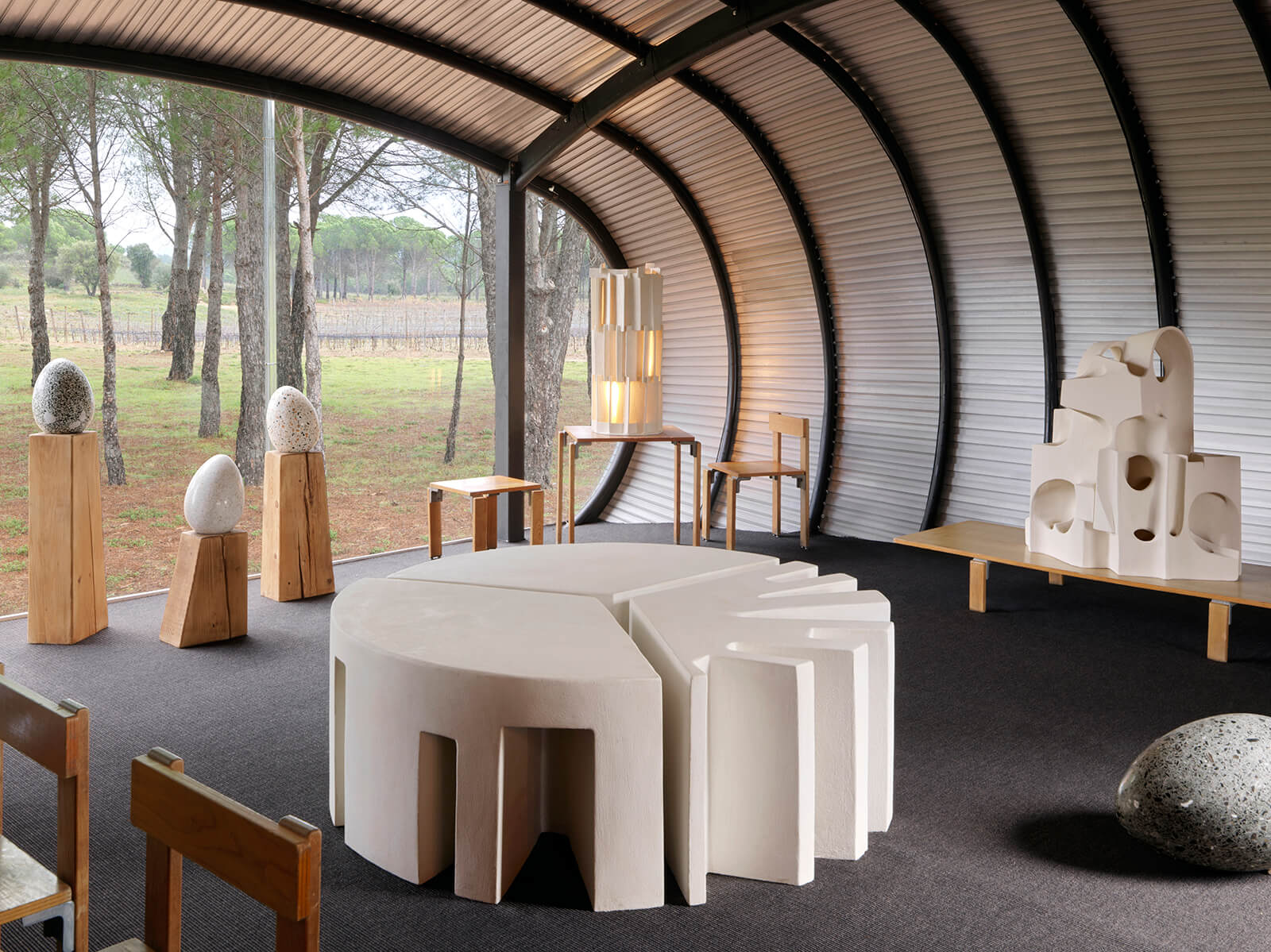
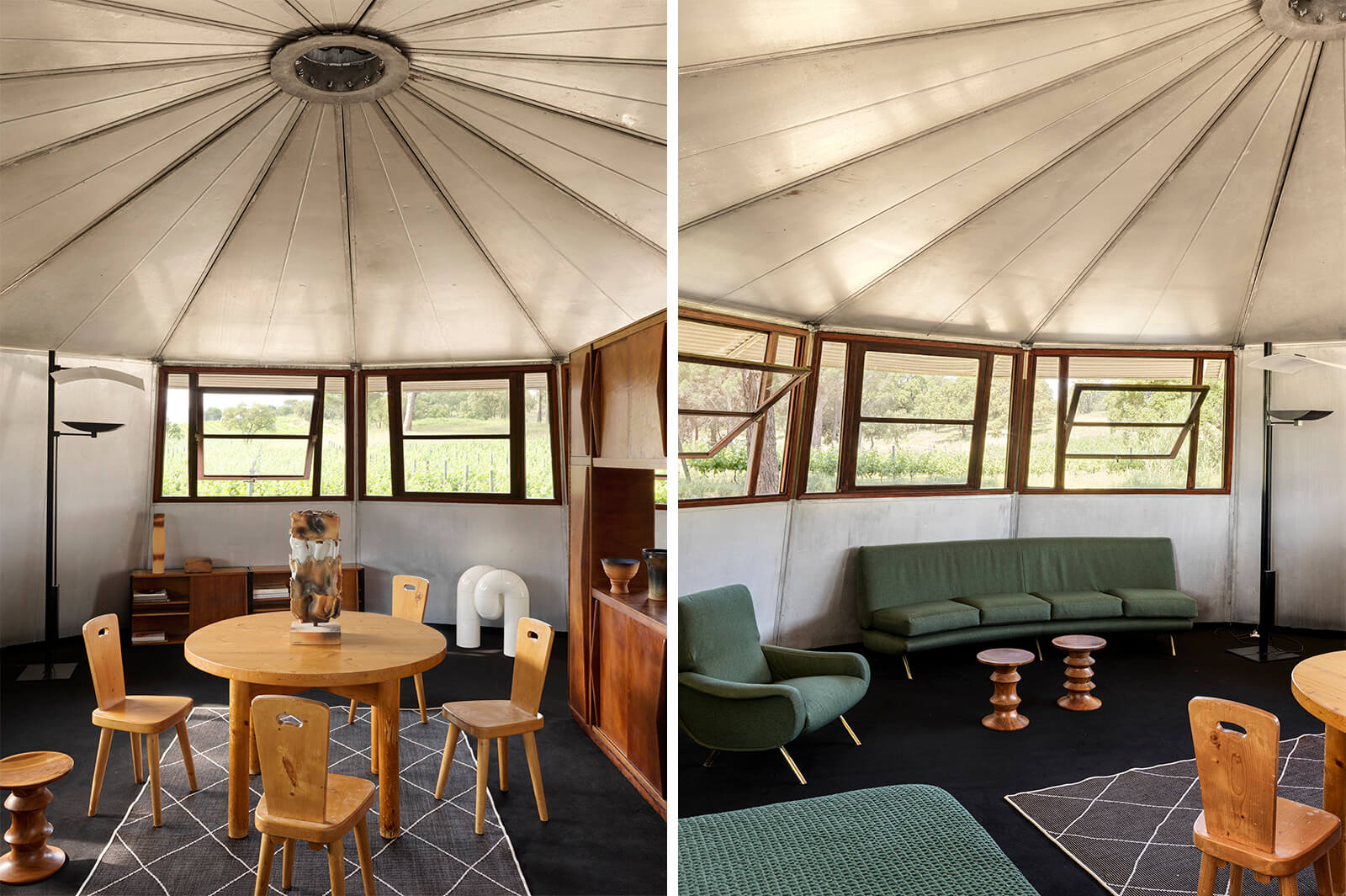
The Tropical Pavilion features a 30 sq m terrace and a 90 sq m interior, shaded by a series of steel arches with clipped and bolted panels, and a double roof to allow ample natural ventilation. The rehabilitation project turned exhibition space features several notable 20th century-designs, such as a serving hatch by Le Corbusier, originally created for his housing development in Firminy, France. The porch features a pair of Willy Guhl Loop chairs and a 2014 concrete sculpture by visual artist Mischa Sanders and sculptor Philipp Putzer, along with a bench by Greek-French architect Georges Candilis. The interiors also feature Candilis’ designs, a table and two chairs, placed in front of a storage unit by architect André Wogenscky and sculptor Marta Pan. Together, these pieces transform the restored structure into a lived-in space, inviting curiosity for exploration and speculation.
An origami ceramic sculpture by French artist Jacotte Capron and a coat stand by European brand Thonet add layers to the curated assembly. In one of the corners, a one-off oak bench by French architect Jean Prouvé’s brother Henri Prouvé—made for the Saint Francis of Assisi church in Vandoeuvre-lès-Nancy, France—displays a Zelie Rouby vase and a Joe Armitage lamp. The centrepiece is a pinewood dining table created for the 1968 Grenoble Winter Olympics, decorated with three ceramic designs by contemporary artist Lou Roussel. The table is arranged with a set of wooden chairs by Ateliers Vauconsant and attributed to Jean Prouvé, along with visual artist Friso Kramer’s 1959 Theatre chairs at either end.
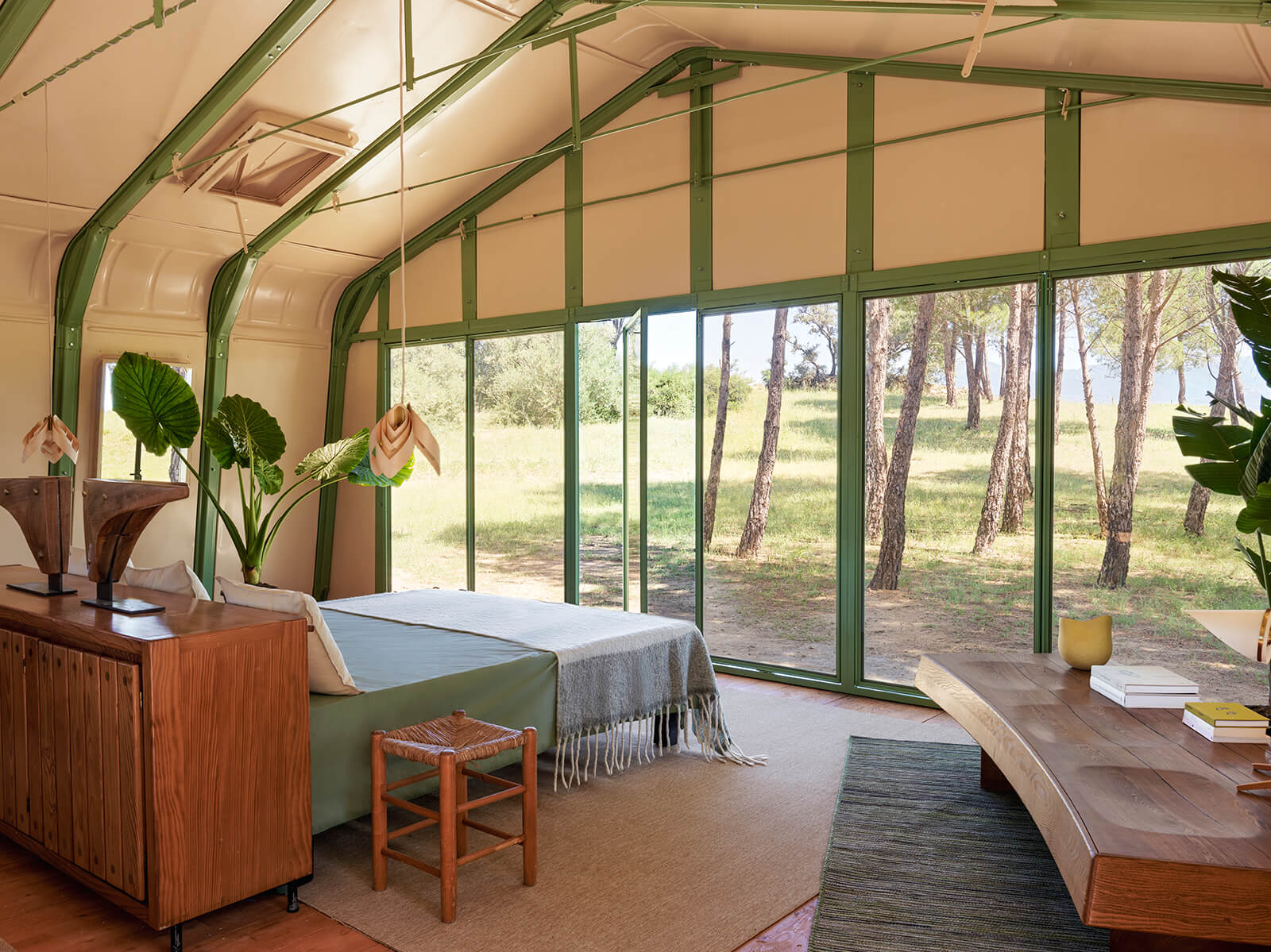
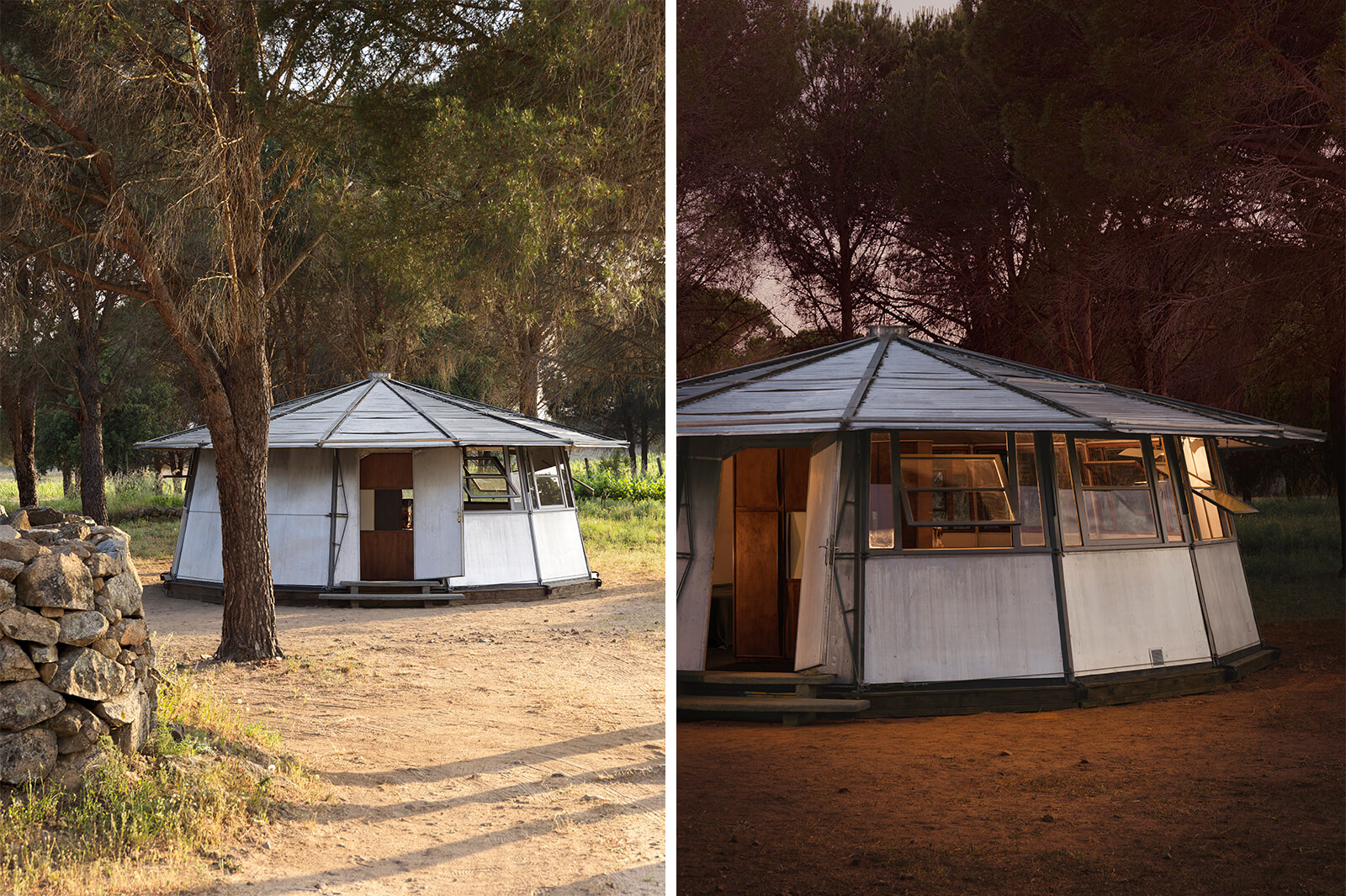
Cividino has gone to great lengths to procure and restore these structures very close to their original state, staying true to his vision of unraveling layers of architectural history and cultivating material cultures. For example, the 2021 edition of the exhibition, Chalet Nova, was manufactured in 1972 by the brand Rochel, and was proposed with several size variations, ranging from 26 – 50 sq m. The 13-sided Marabout House (2022) was originally designed by mobile housing expert Raymond Camus in 1958 and built in the Prouvé workshop. Further, the futuristic Xasteros House (2023), designed by Greek architect Nikolaos Xasteros, was created in 1969 for the Alta company using plastic.
The works are not illustrations. They are interlocutors that allow hypotheses to be tested. – Clément Cividino
In a conversation with STIR, Cividino discusses the conceptual, ethical and technical frameworks that underpin the Terra Remota installations and explains why he likes to embed the restorations with his own curatorial interventions. The following are edited excerpts from the interview.
Bansari Paghdar: How has the practice of restoring and exhibiting pavilions first come about at the Terra Remota, and how has it evolved?
Clément Cividino: It was born from a double observation: on the one hand, the existence of a ‘lightweight’ heritage—pavilions, prototypes, demountable architectures—were often neglected because they were conceived as mobile and temporary; on the other, the possibility of a site like Terra Remota to offer an open-air testing ground, where these objects can be activated without being frozen. At the beginning, I worked opportunistically—scouting, last-minute rescues and minimal repairs to make them visible—but over time, the method became more structured. Documentary and technical research were conducted in advance, in addition to performing reversible conservation protocols, understated scenographies that converse with the landscape and a public program (tours, workshops, publications) that turns the exhibition into a shared research tool.
Bansari: What conceptual framework pivots the selection of structures for a pavilion, and how are the themes determined?
Clément: I rely on three axes: technical genealogies, object biographies and site ecologies. The technical genealogies include prefabrication systems, materials innovative in their time, and the logics of assembly and logistics, while the object biography considerations examine successive uses, displacements, repairs and local appropriations. In other words, the ‘life’ of the pavilion. Site ecologies comprise climate, terrain, vegetation and visitor pathways. The theme of an exhibition emerges from the encounter between these three axes.
Bansari: In your opinion, how does the Tropical Pavilion’s lifetime trajectory reflect broader socio-political narratives about modern architecture’s mobility, adaptation and afterlives?
Clément: Its itinerancy tells a broader story—one of modernity conceived as logistics—standardisation, demountable kits, circulation of know-how, but also one marked by frictions—tropical climates, supply chains, local appropriations. Each displacement—Réunion, Marseille and beyond—condenses questions of post-coloniality, maintenance and reuse, questioning, Who maintains it?, With which resources?, and For what uses? To restore the Tropical Pavilion is to render these layers of history visible, not just its first modernist image.
The curatorial approach involved interpretation that accompanies the object without overloading it—archives, testimonies, original parts displayed alongside replaced ones, and a narrative that clearly distinguishes the ‘as found’ from the ‘as restored. – Clément Cividino
Bansari: What were some of the significant ethical and technical considerations in restoring the structures while recontextualising it? Could you take us behind the process—from procuring to assembly and curation?
Clément: Ethical considerations include traceability and legality of transfers, respect for contexts of origin and transparency about what is restored, replaced or interpreted. I privilege reversibility, ‘material honesty’ (not disguising scars), and open documentation. The technical considerations overlook diagnostics (corrosion, fatigue of joints, lead-based paints, possible asbestos), surveys (photogrammetry, indexing of parts) and dry-run test assemblies. Strengthening and securing the structure—through anti-corrosion treatment, reconstitution of seals, consolidation of stress points, discreet improvement of water runoff and ventilation—comes before making it beautiful.
Regarding logistics & assembly, we ensured numbered inventory, custom-designed crates, lifting plans, tolerances and shims planned for assembly without additional drilling. On-site placement takes into account wind, runoff and visitor circulation.Bansari: In keeping the formative language of a historic piece of architecture, how do you balance it with your own voice? Do you attune the utilitarian side of the built forms to meet contemporary needs?
Clément: My rule is—keep the grammar, shift the syntax. I do not modify proportions, the rhythm of grids or visible materiality; my voice is expressed in staging, placement, the relation to the ground and to uses. Contemporary adaptations (safety, comfort, accessibility) are discrete, reversible and recorded in the documentation rather than visible in the form—UV protection inside rather than tinted exterior filters, structural reinforcements hidden in shaded areas, non-invasive autonomous lighting and removable shading devices.
Bansari: Considering the Tropical Pavilion’s presence in diverse geographies, from La Réunion to Marseille, how do you position Fillod's work within a global dialogue on prefabricated architecture, especially in the context of the 20th century?
Clément: Fillod’s prefabricated systems belong to a key moment when French industry was experimenting with lightweight prefabrication: thin steel, bolted elements, standard panels and rapid assembly. They converse with parallel trajectories—Prouvé, ATBAT and other European industrialists—while also revealing a frequently under-documented aspect: export to distant climates and administrative contexts, where the promise of standardisation ran up against local realities. Recontextualising a Fillod pavilion in places such as Réunion or Marseille opens up a current debate: how can we design truly adaptable architectures—capable of being maintained, repaired, transmitted—without erasing the specificities of places and material cultures?
Tropical Pavilion was on view till September 20, 2025, at the vineyard Terra Remota in Girona, Spain.

by Pranjal Maheshwari Oct 19, 2026
The Mumbai-based architects integrate courtyards, mesh screens and north light trusses to create a dining space that doubles up as a community hub at SR University, Warangal.
by Mrinmayee Bhoot Oct 17, 2026
The Rotterdam-based institute centres the Indian Ocean as a network for exploring material histories and transnational links shaping coastal cultures, positing them as future models.
by Pranjal Maheshwari Oct 16, 2026
At the 2026 Stirling Prize ceremony, Mary Duggan with RUFF Architects, MAKER Architecten and Nakshabid Architects were felicitated for proffering quality housing and social equity.
by Mrinmayee Bhoot Oct 12, 2026
The new Centre for Contemporary Arts, fostering public engagement with art in Uzbekistan, is housed in a tram depot refurbished by the French studio, emulating local craftsmanship.

make your fridays matter with a well-read weekend
Enter your details to sign in
Don’t have an account?
Sign upOr you can sign in with
a single account for all
STIR platforms
All your bookmarks will be available across all your devices.
Stay STIRred
Already have an account?
Sign inOr you can sign up with
Verification link sent to check your inbox or spam folder to complete sign up process
Tap on things that interests you.
Select the Conversation Category you would like to watch
Please enter your details and click submit.
Enter the 6-digit code sent at


Clément Cividino makes layers of history visible with Tropical Pavilion at Terra Remota
by Bansari Paghdar | Published on : Oct 17, 2025


 Sign in with Google
 Sign in with email
What do you think?