Architecture05 mins. read
Brutalist Italy captures the emancipation of concrete in Italian architecture
by Zohra KhanJul 11, 2025



by Bansari PaghdarPublished on : May 07, 2026
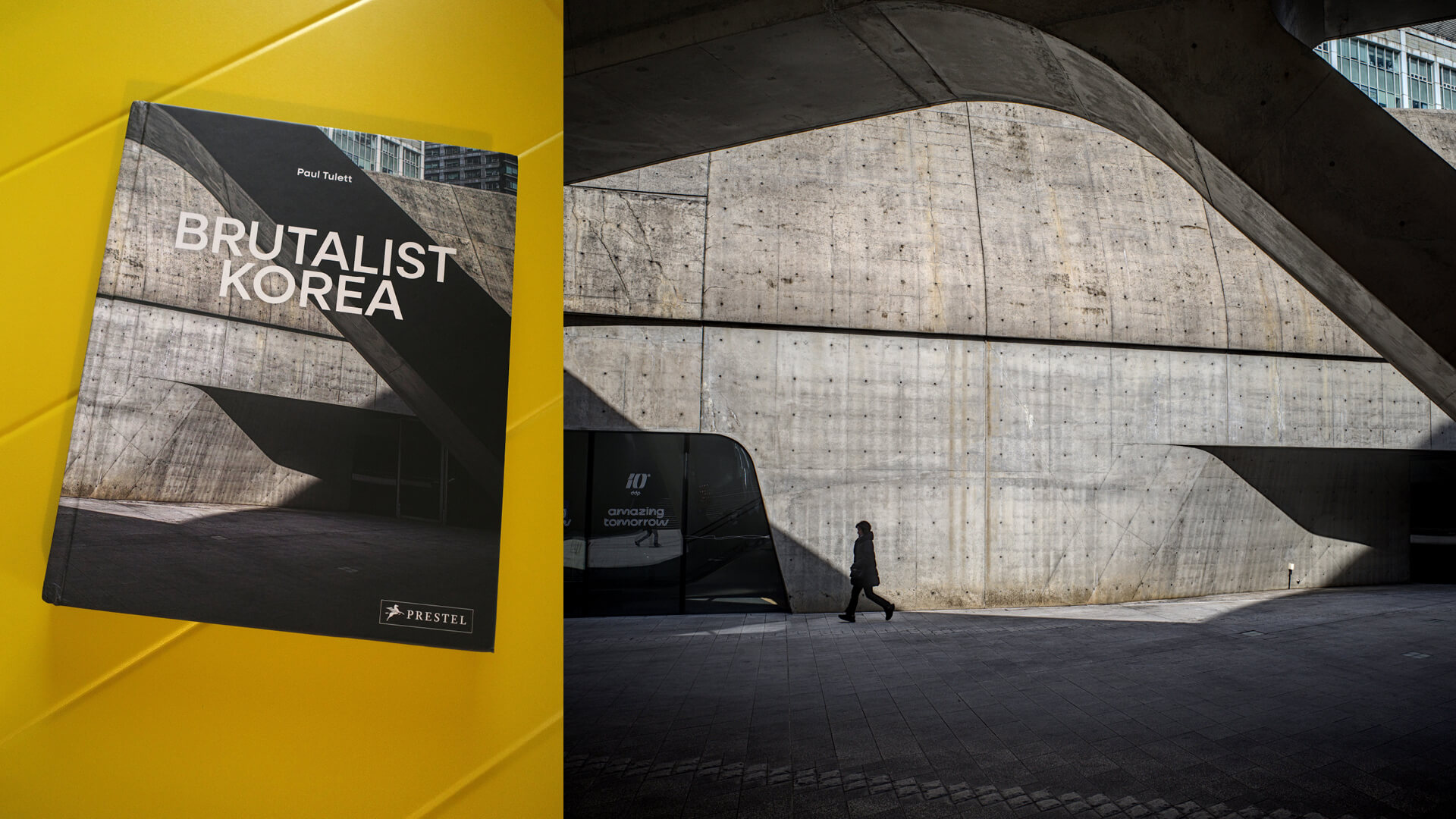
In contemporary architectural discourse, Brutalism across the globe has been exhaustively seen, discussed and dissected. It often circulates with a certain visual and ideological predictability—marked by repeated narratives of raw, exposed concrete, monumentality and a rhetoric of honest materiality—and is often presented through the lens of its perceived socio-political ramifications and urban collapse. Another article, film or book on the subject must contend with how thoroughly its terms have already been established and explored. The latest book by Okinawa-based architectural photographer and author Paul Tullett, Brutalist Korea (2026), enters this discourse, refusing to present South Korea's brutalist architecture under the umbrella of Euro-American canons. These structures were never conceived as part of a movement or follow a particular design language, as Tulett states in the book, yet they now coalesce as one through his documentation.
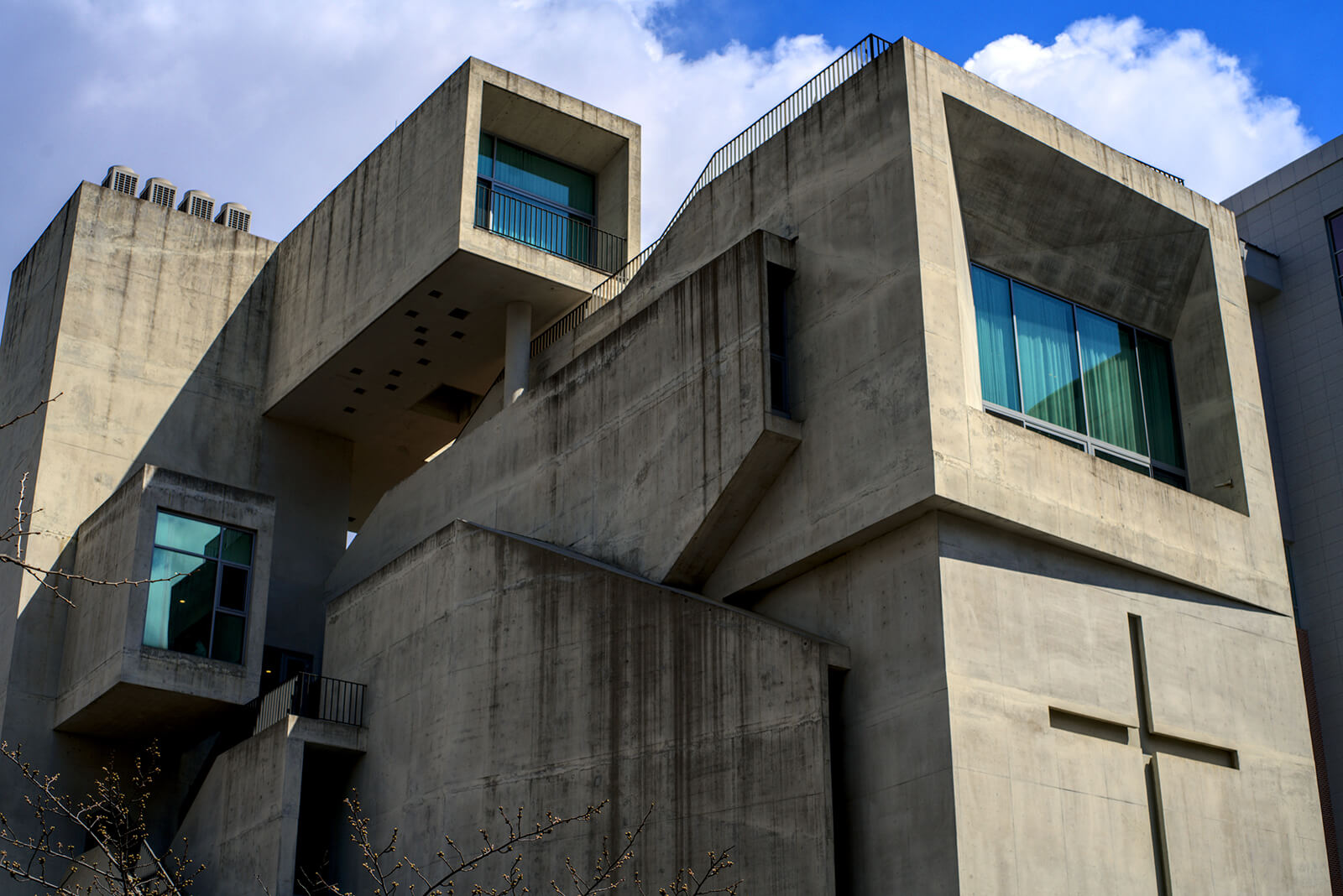
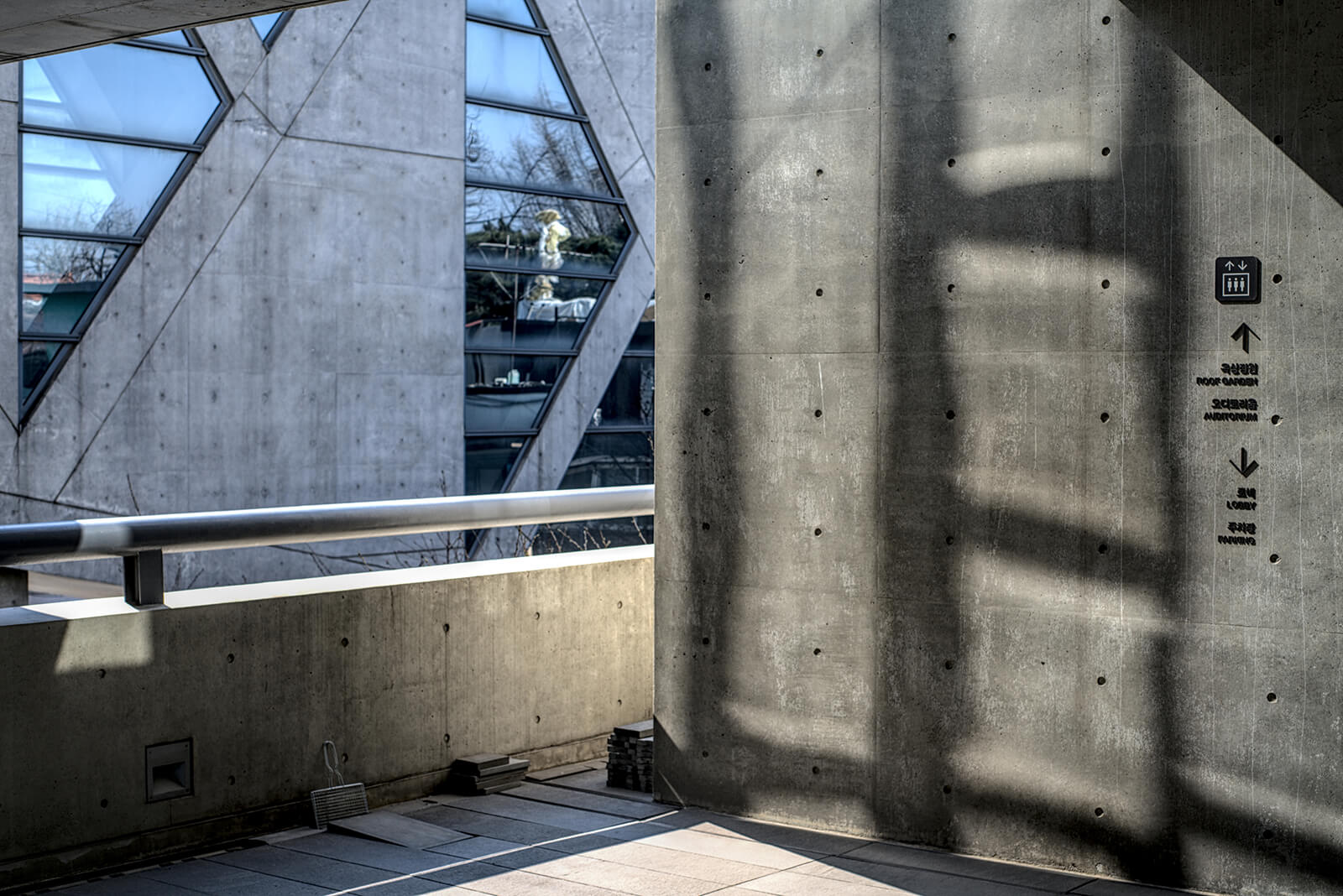
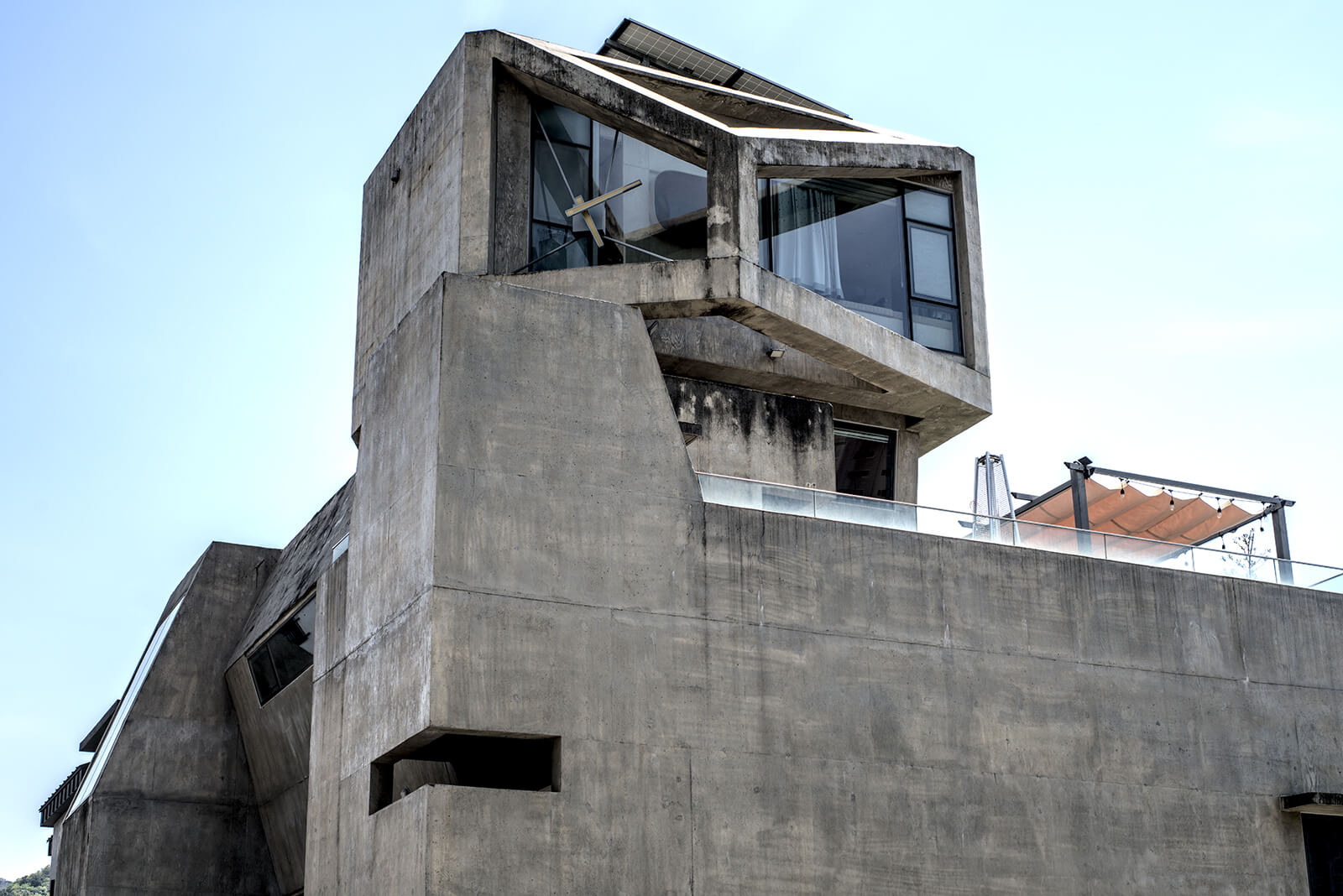
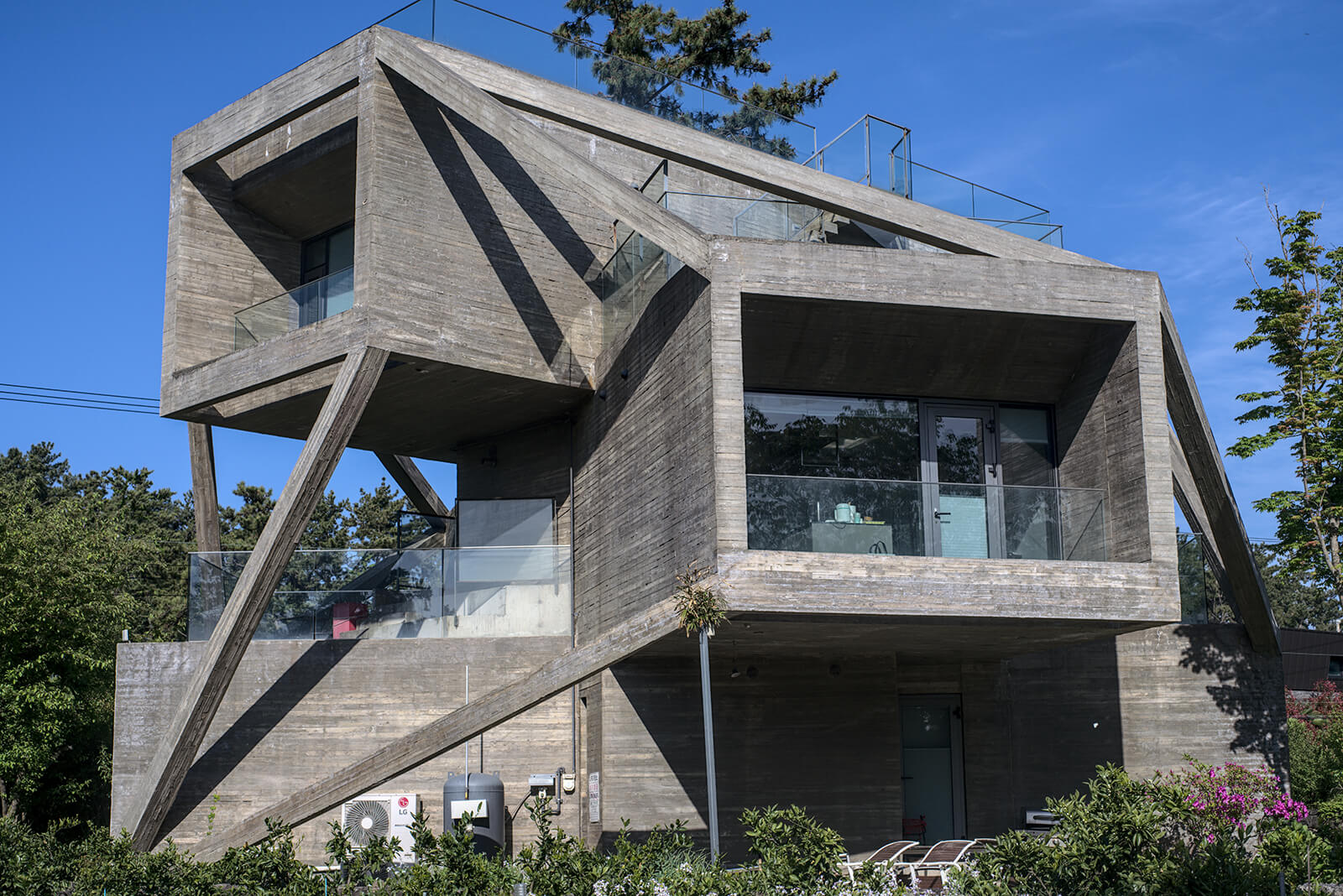
Before arriving at the buildings themselves, Tulett situates this volume in relation to his earlier work, Brutalist Japan (2024), also published by Prestel (Penguin Random House). “If Japan’s béton nécessaire spoke of refinement through adversity, Korea’s concrete is a more impatient beast: raw, upright, hungry,” writes Tulett. By extension, if Japan’s concrete was formally resolved, the Korean condition he encounters is unresolved and undefined, shaped by urgency, adaptation and a very different set of socio-political circumstances. In this sense, Korea’s foray into brutalist architecture is almost a parallel condition rather than an extension of a global movement that emerges as a consequence.
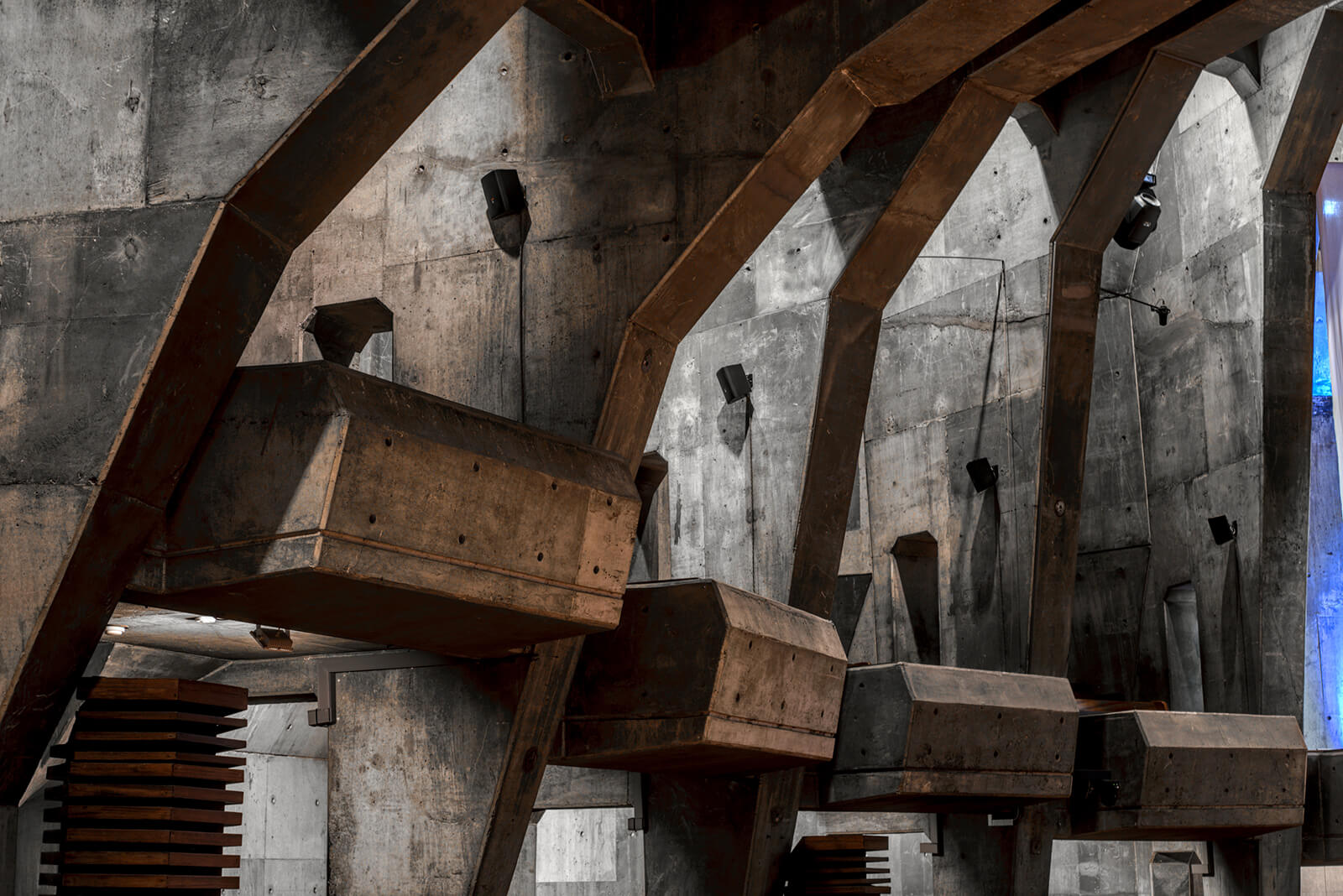
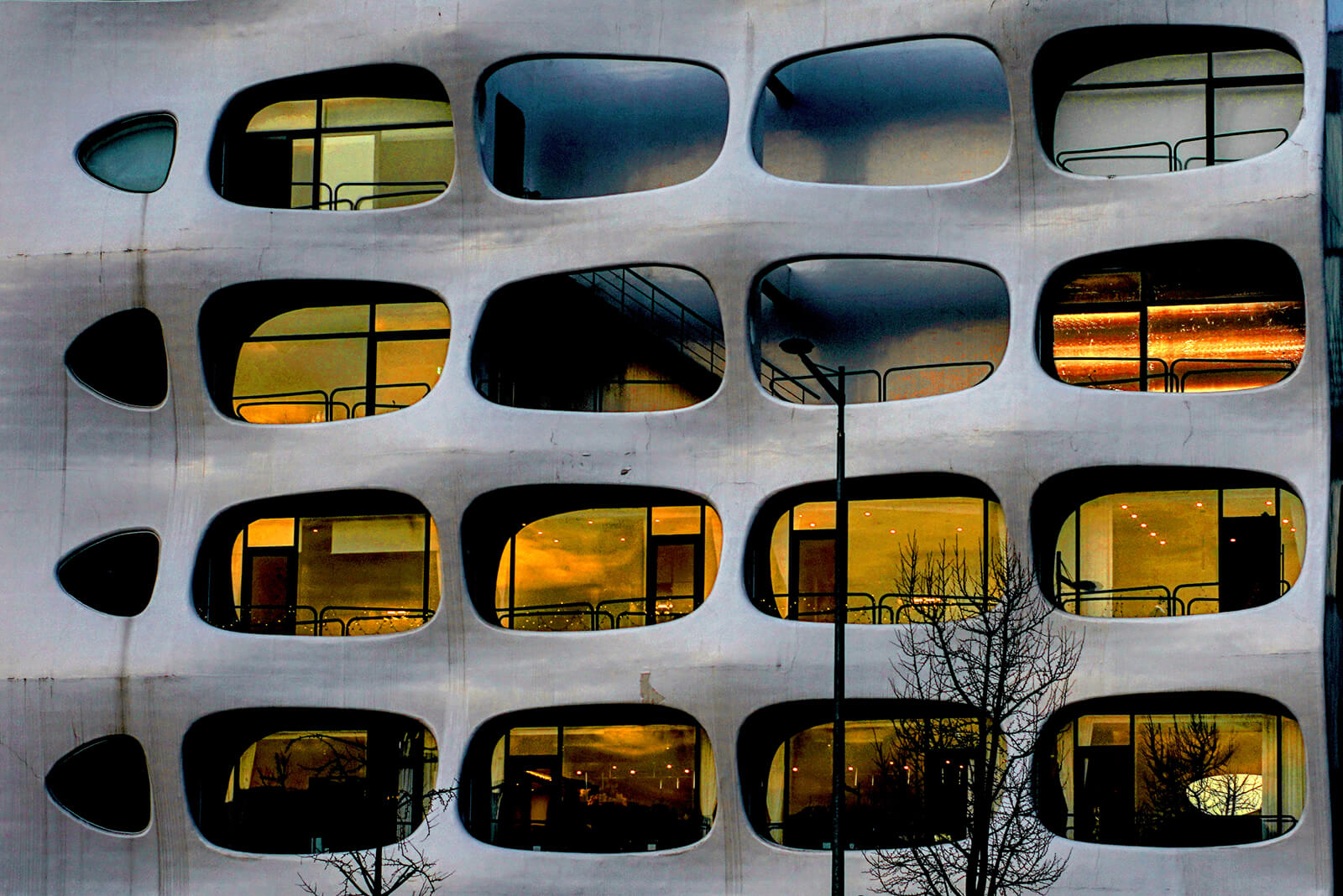
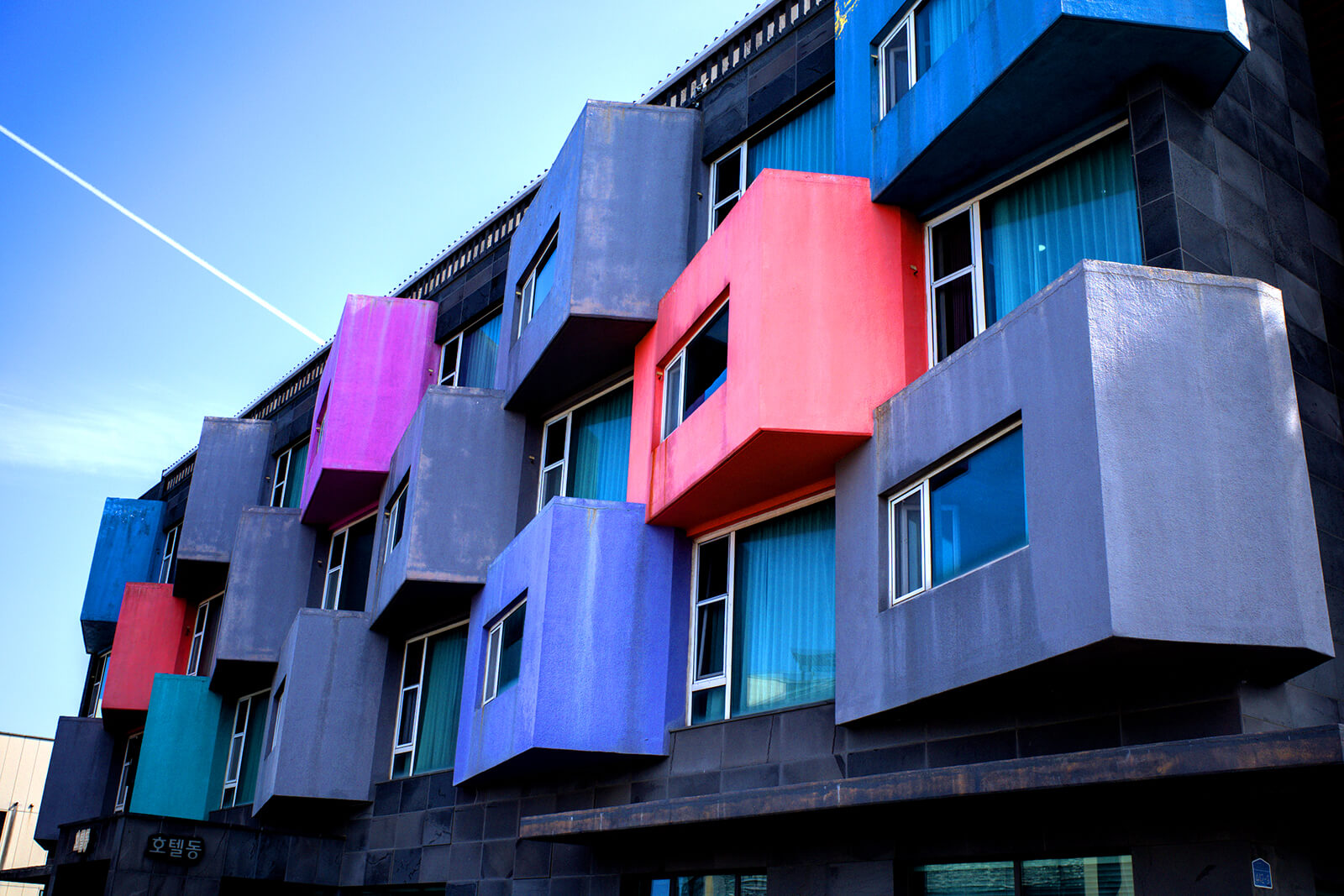
This parallel positioning extends to the structure of the book itself, as each documented building is accompanied by a text that oscillates between history, current context and Tulett’s observations. Rather than emphasising on the architects or how the buildings may fit the canonical definitions of brutalism, Tulett focuses on their relative contextual and operational positioning. Along with grounding the projects in historical and institutional relevance, these texts also present subjective readings of the buildings at times, examining their architectural language and spatial character. In this sense, the book is as much about the photographer’s encounters with these buildings as it is about the documentation, offering a layered understanding of the individual icons and their collective position within Korea’s concrete landscape.
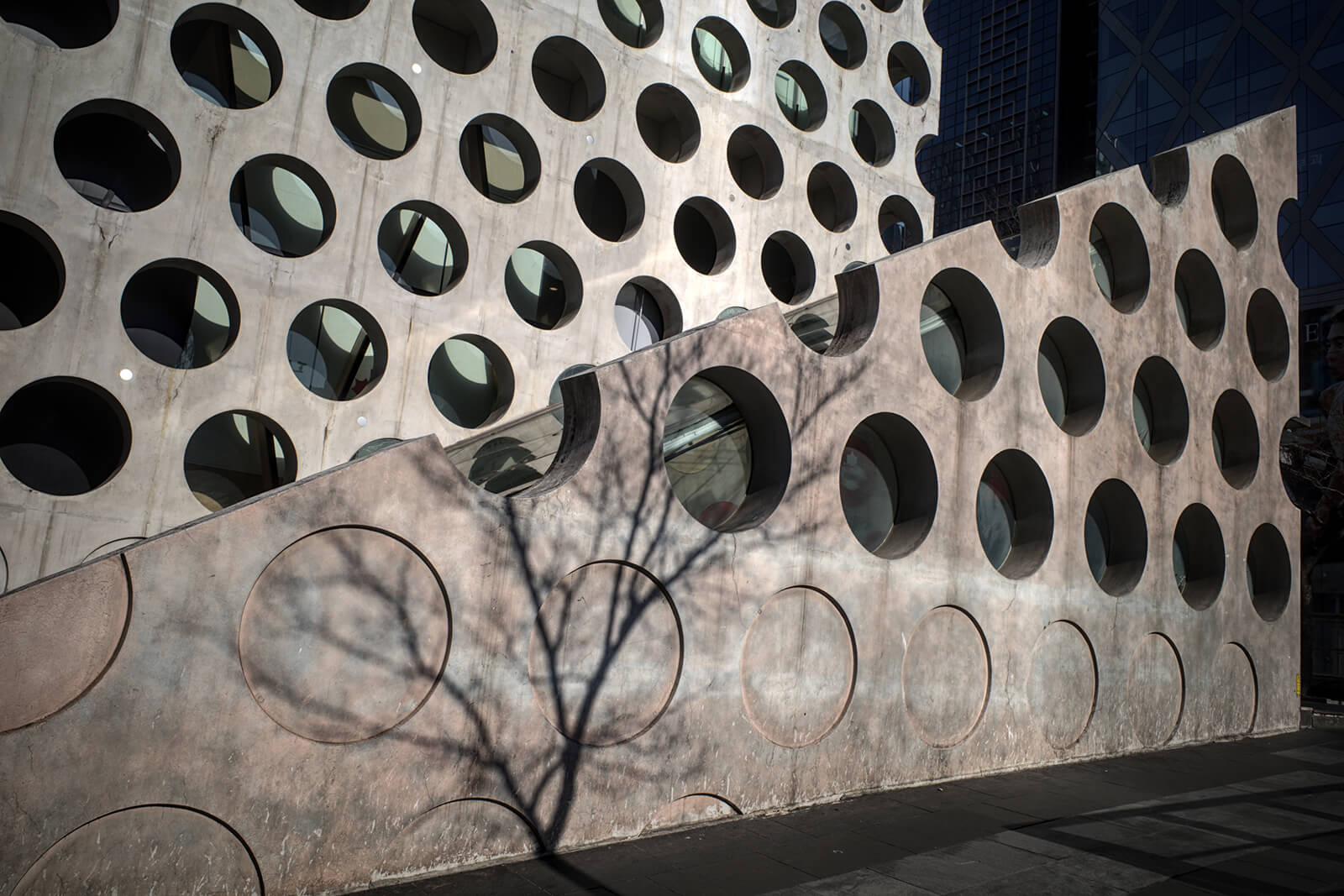
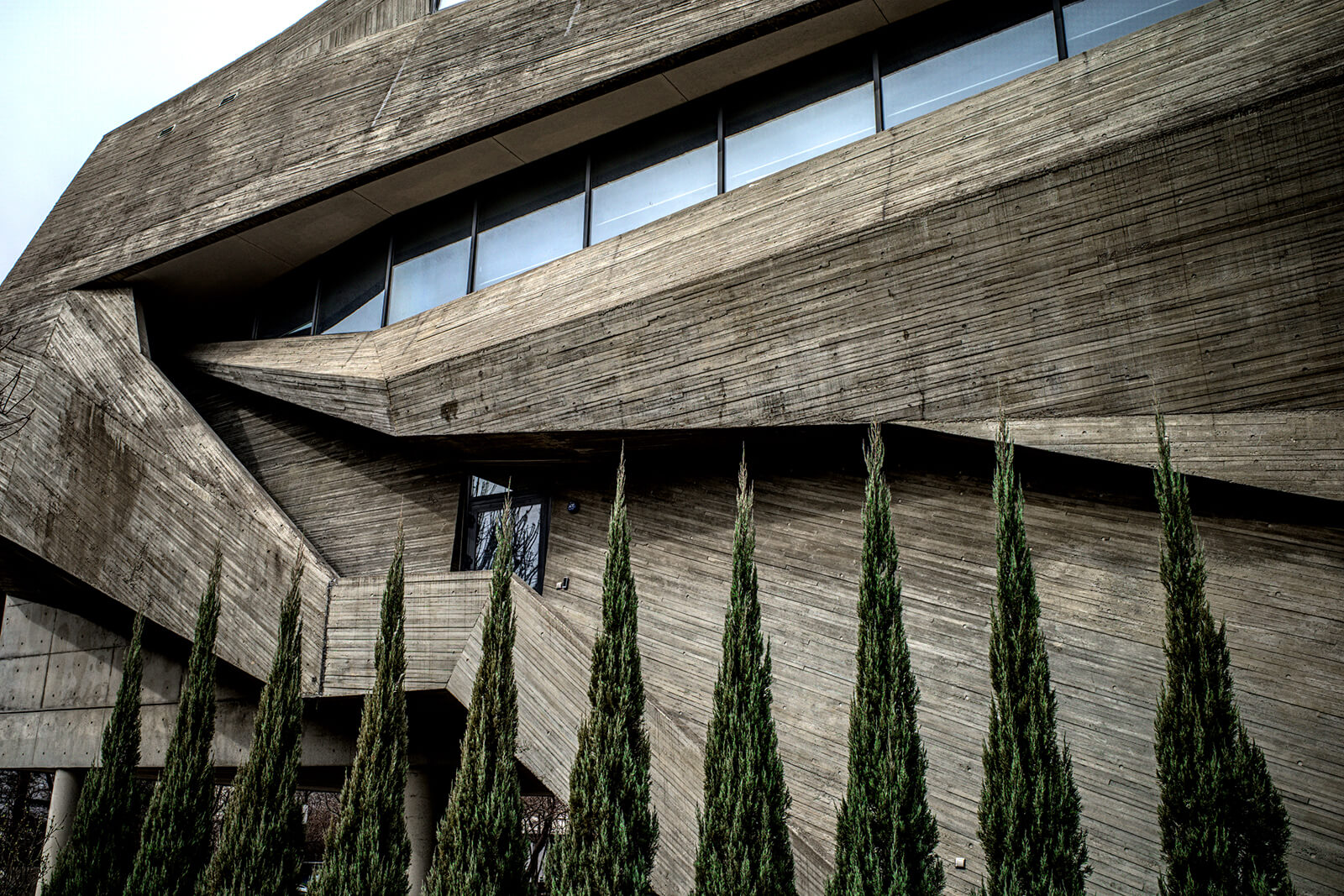
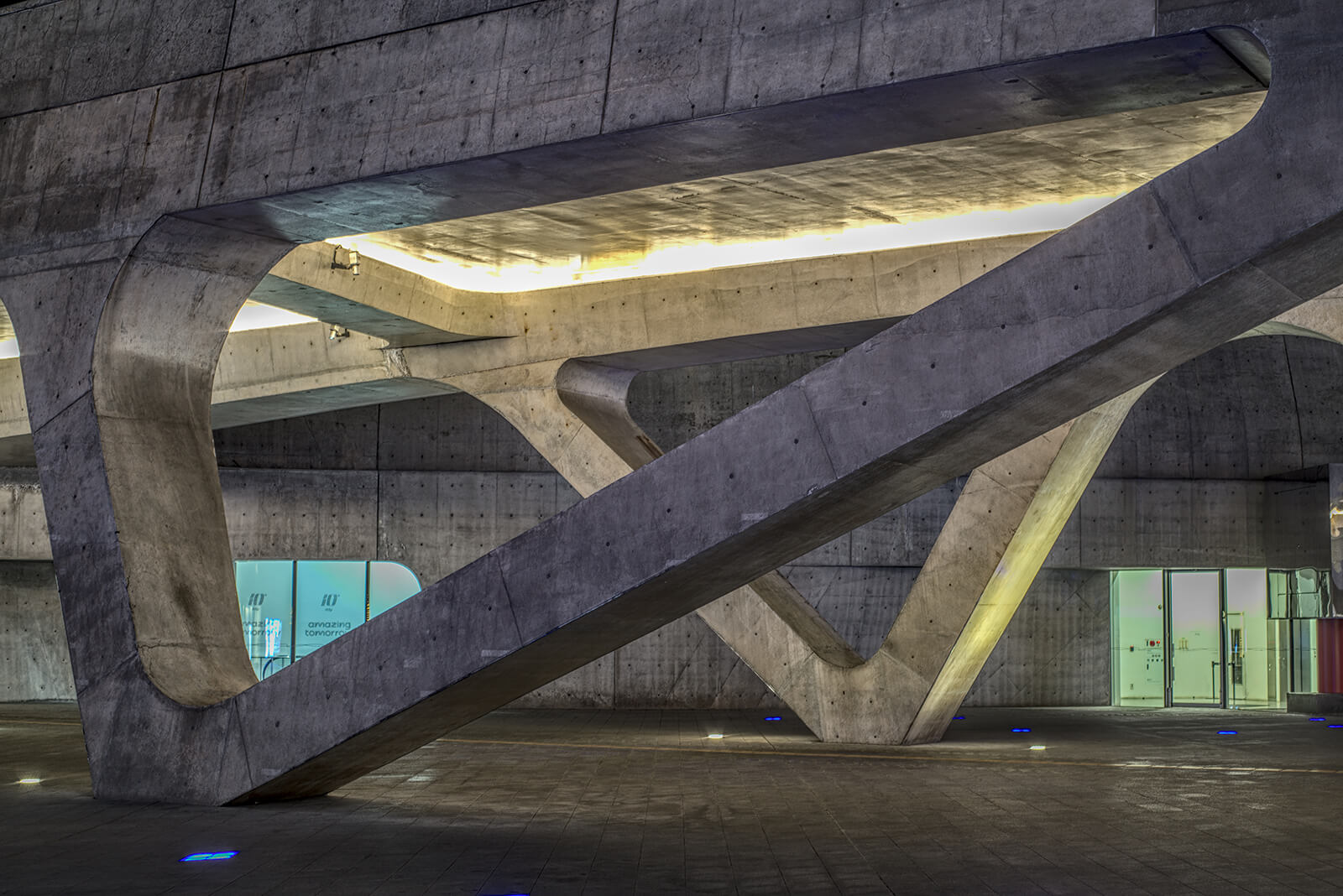
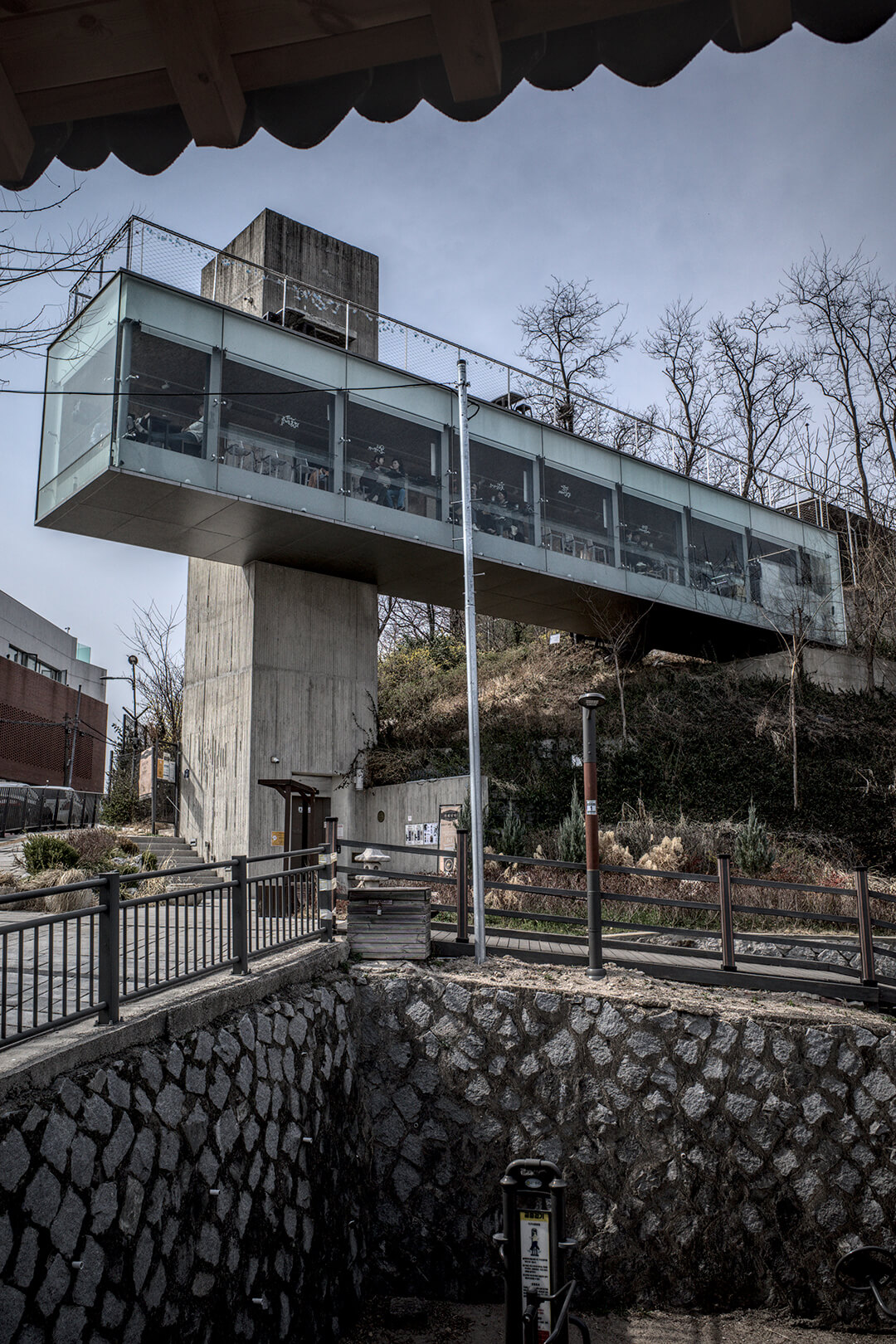
In projects such as Urban Hive (2008) and Songeun Art and Cultural Foundation (2021), concrete produces atmosphere, identity and experience through restraint in forms and spatial language. On the other hand, recent architectures from the Paju Book City—including interventions such as White Cube Matrix (2014), Cheonglim Publishing Building (2006) and Asia Publishing Culture and Information Centre (2004)—collectively form a cultural ecosystem that is removed from the urgencies that shaped this brutalism from earlier decades.
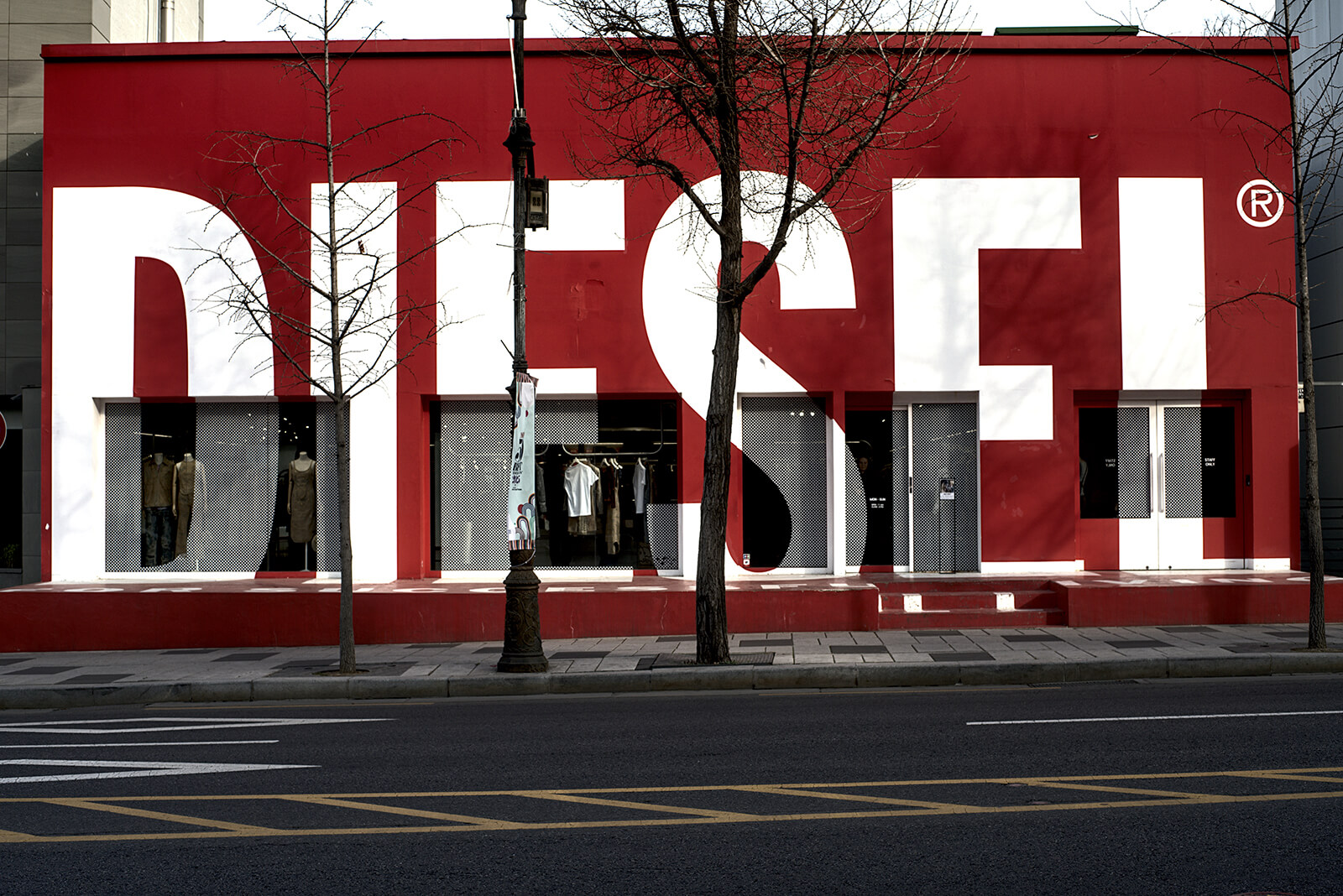
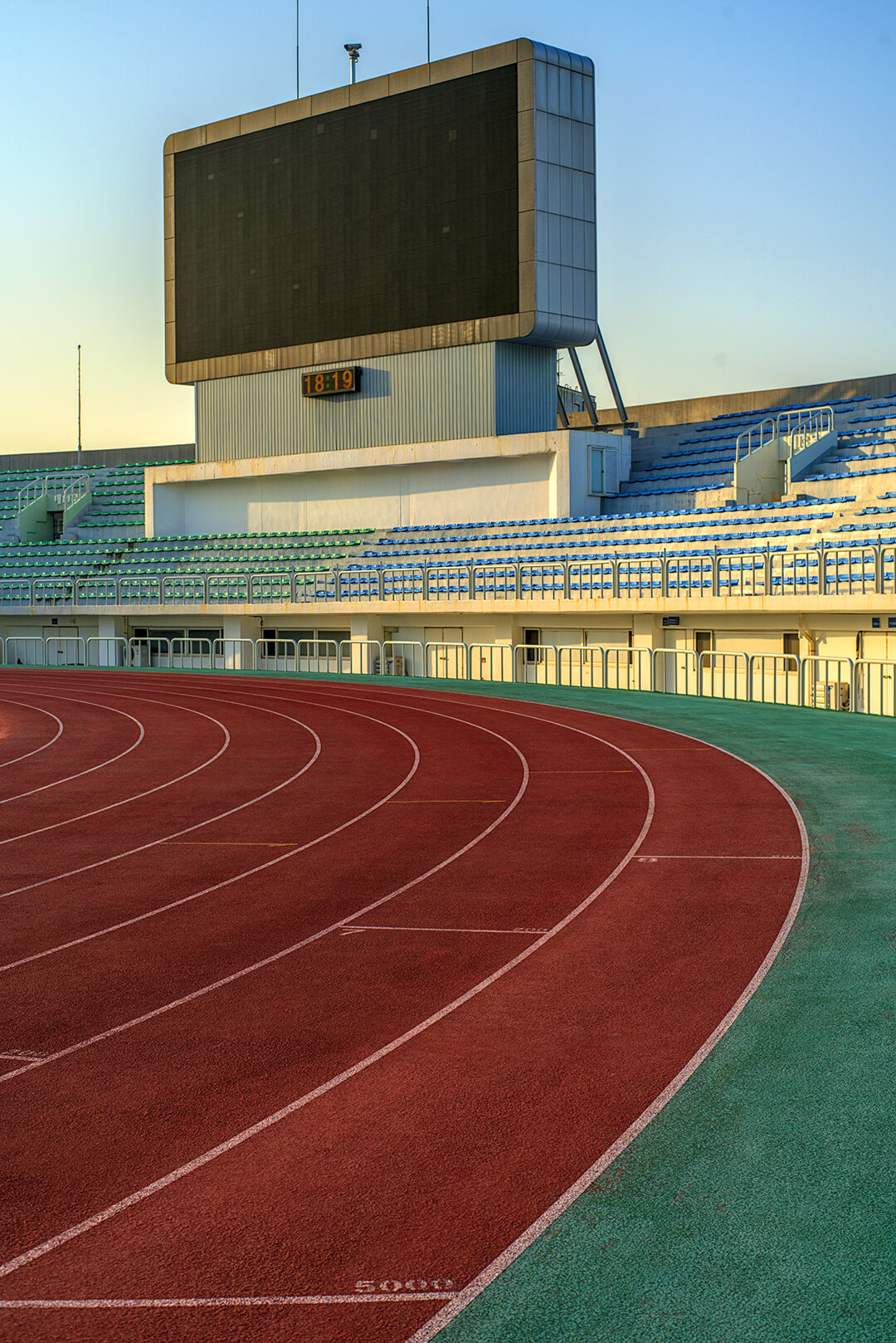
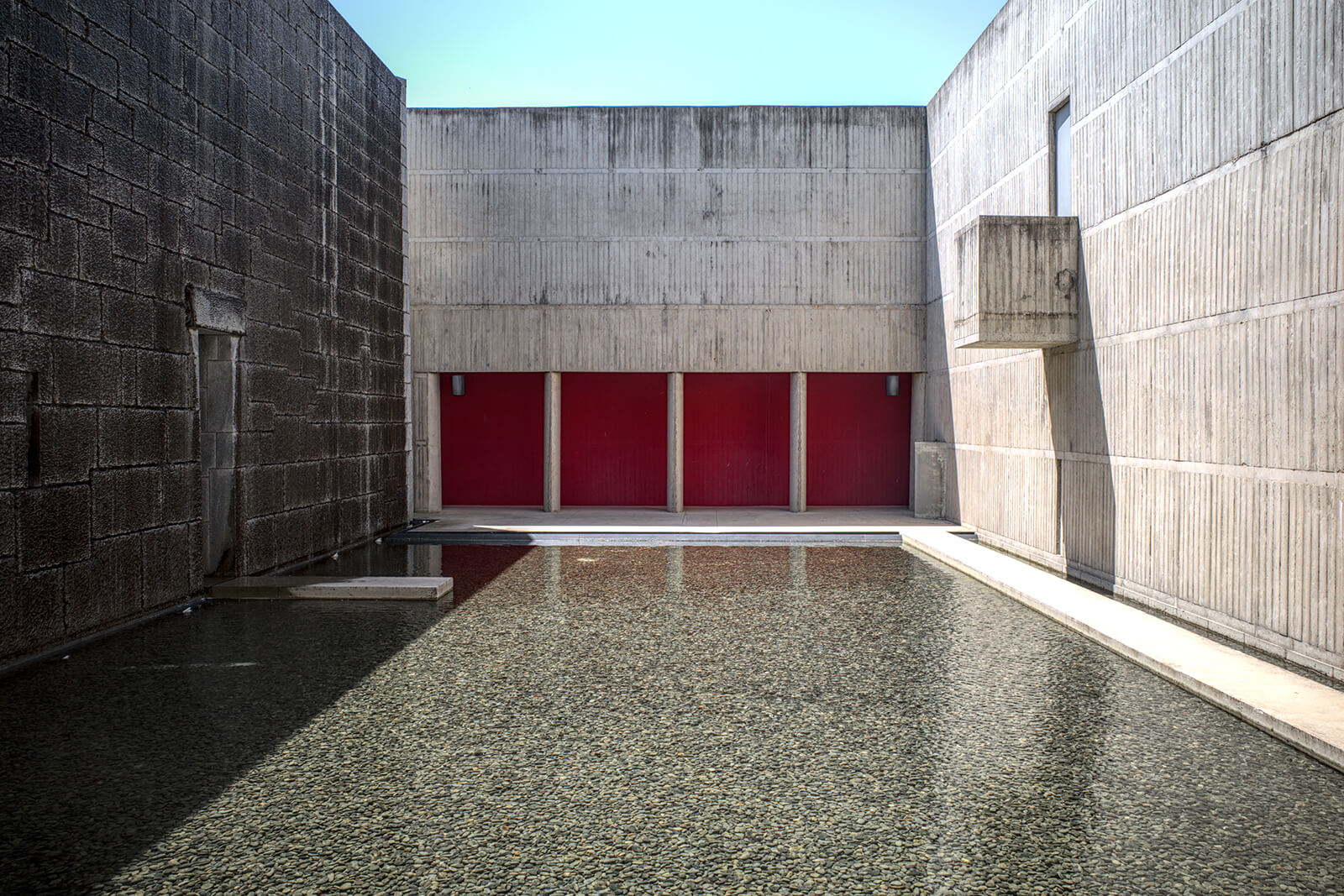
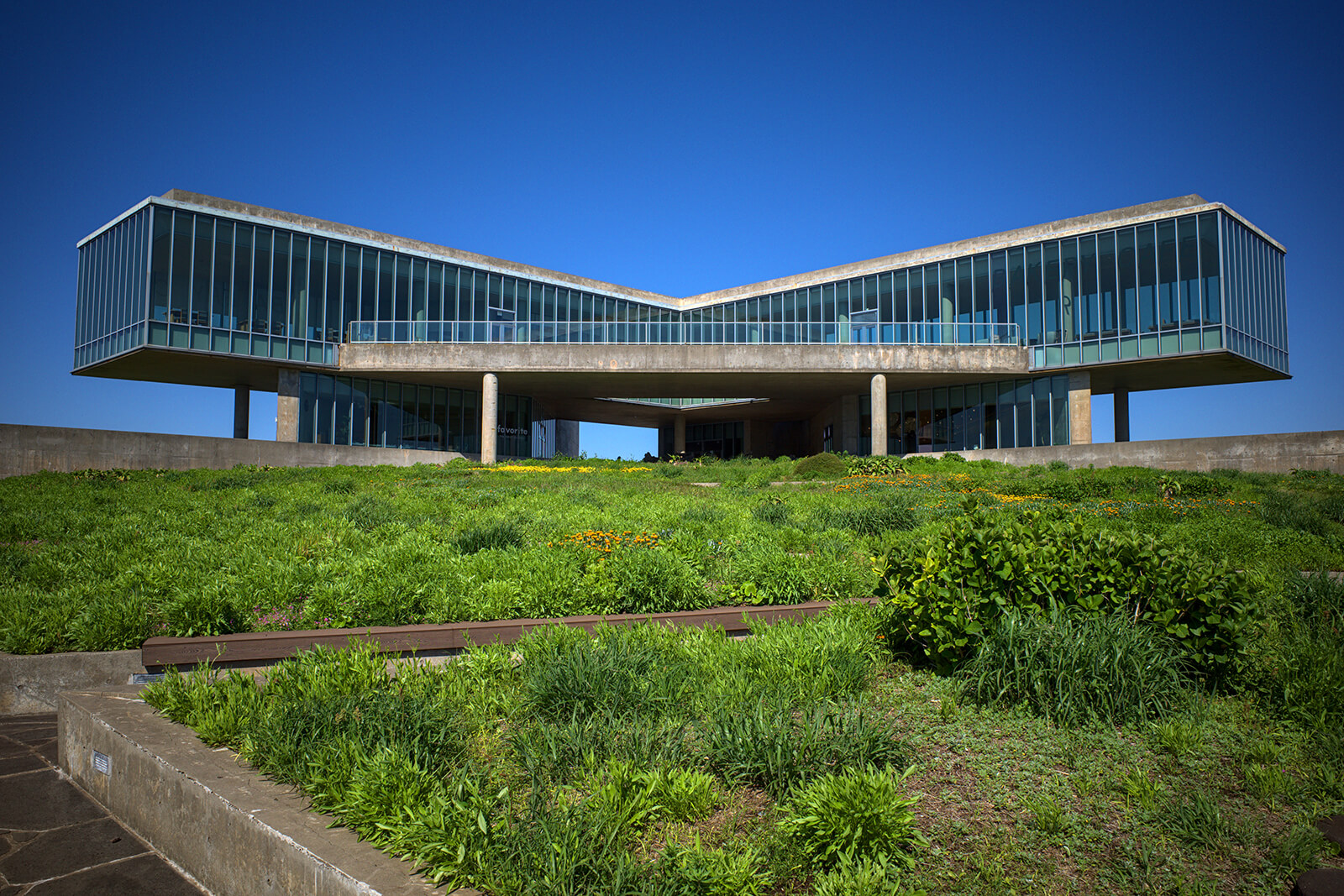
In contrast, older projects such as Bosan Clinic (1976) in Dongducheon sit uneasily within this continuum. Established under the guise of providing healthcare for soldiers, the facility functioned as an instrument of punitive control over sex workers, exercising discipline, control and erasure. Its presence within the book introduces a dissonance, serving as a disturbing reminder of pre-independence governance, even as the material residues complicate the reading of Korea’s concrete architecture today.
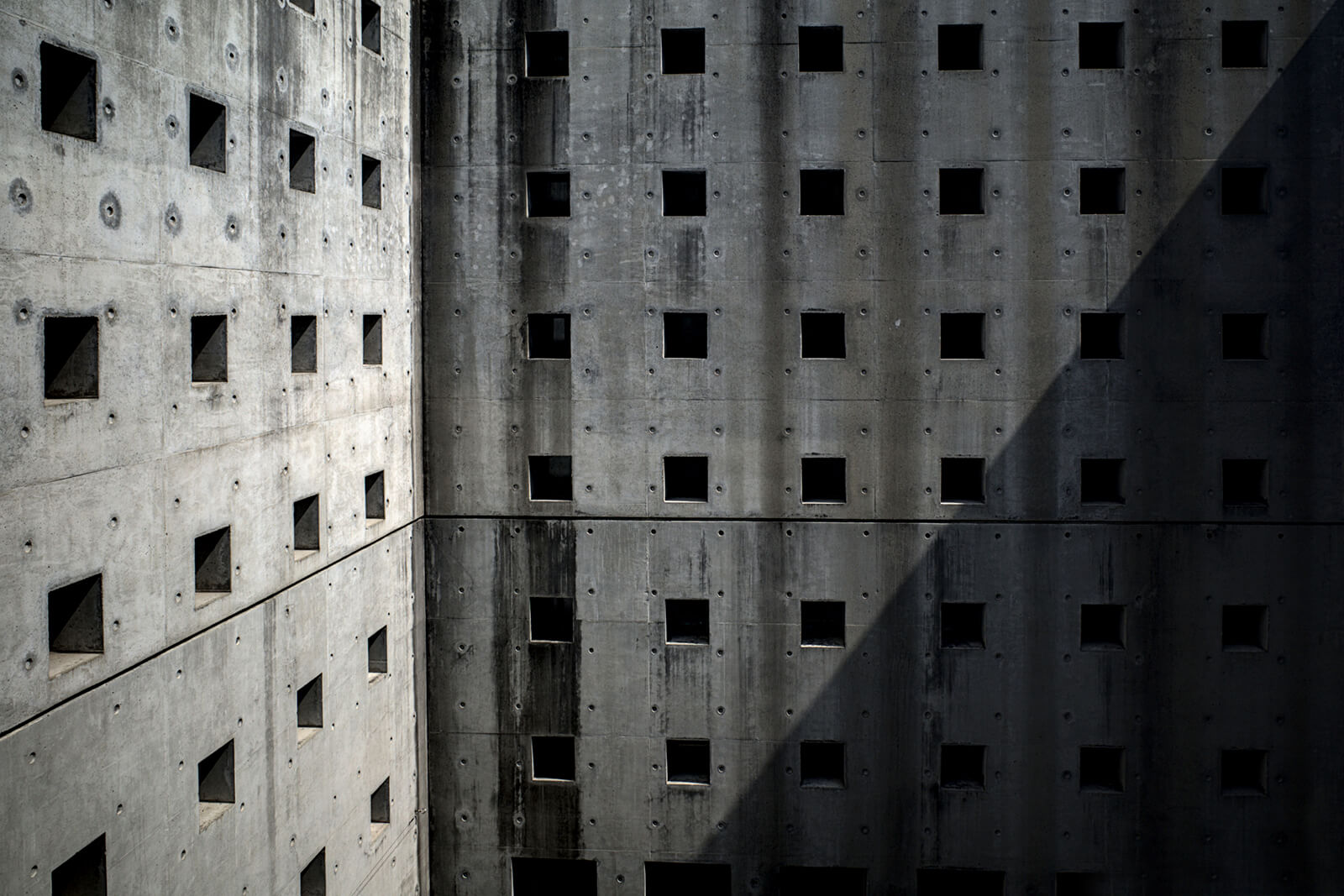
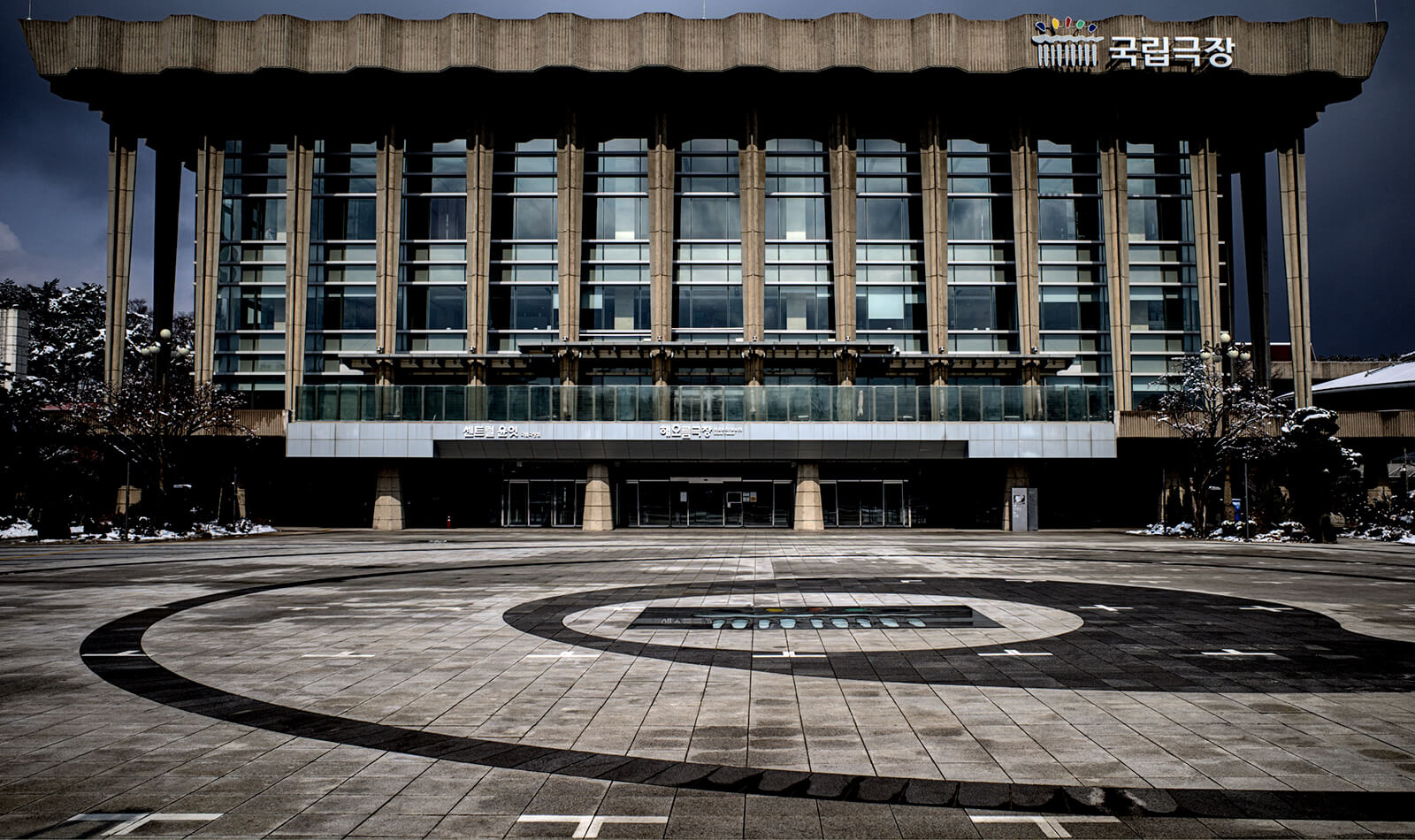
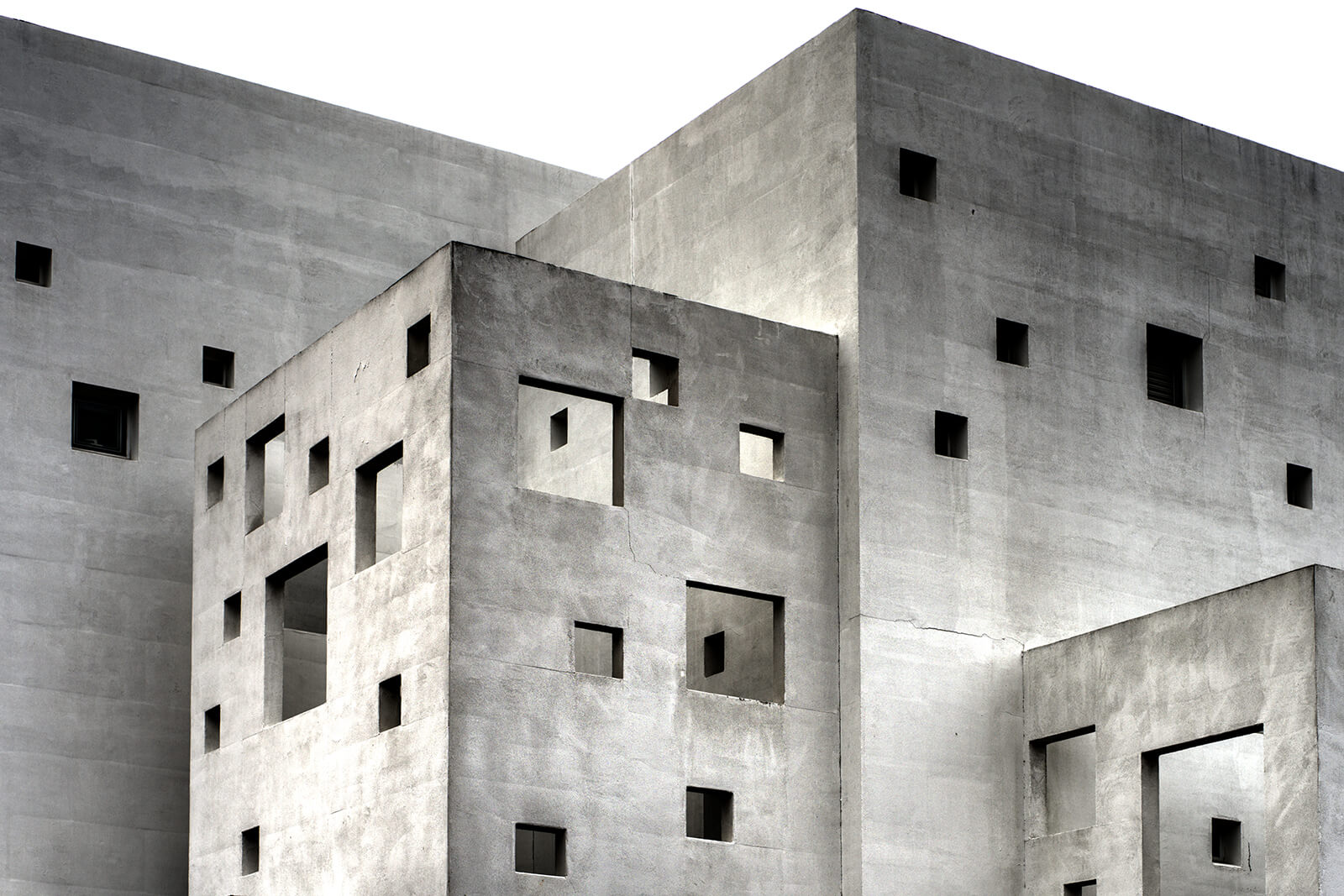
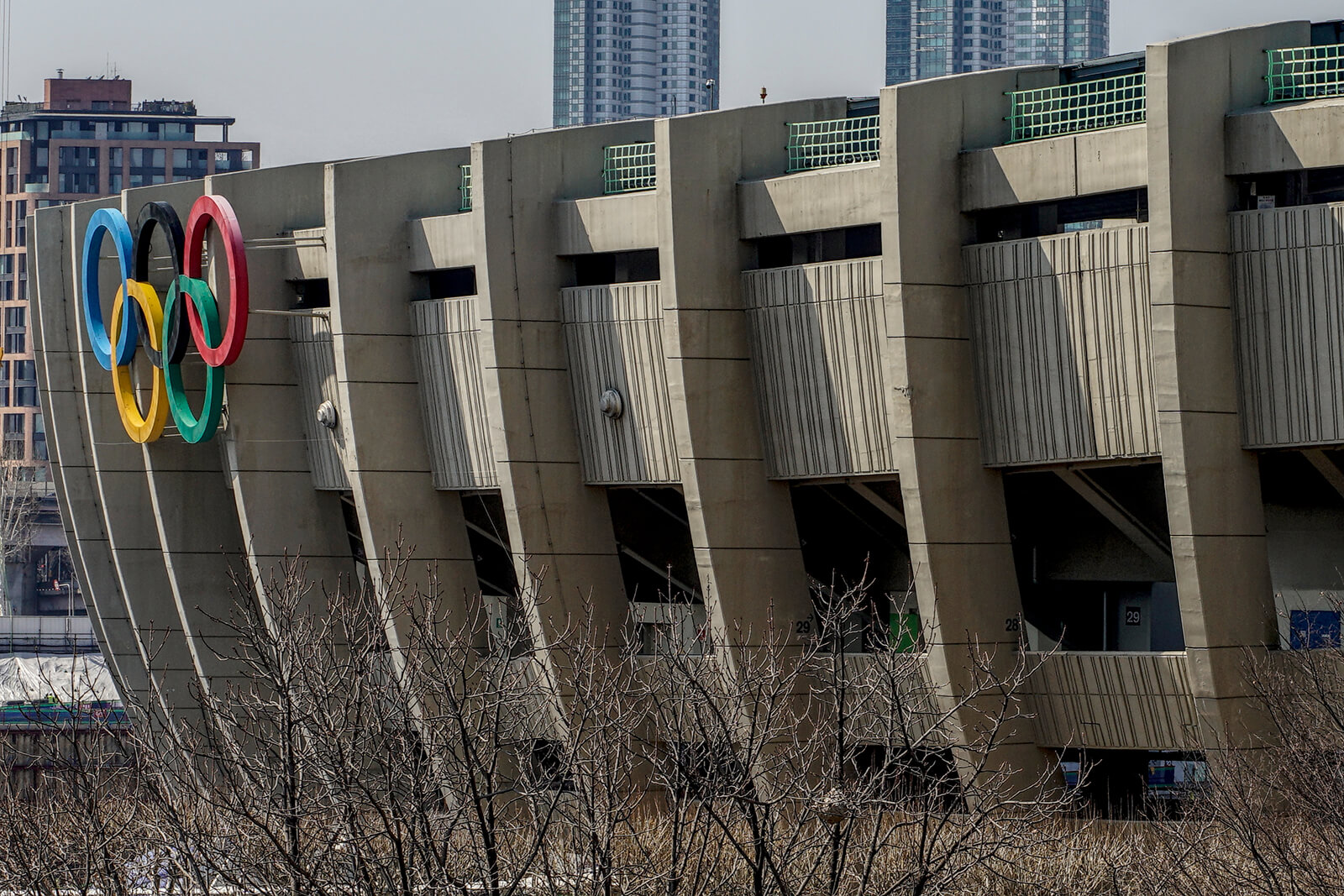
Despite these conflicting narratives, the book frames these architectures under the same visual register. Across these buildings, their histories and purposes, béton brut—or the Korean interpretation of it—becomes a shared language with which they are made to coexist and be seen as part of a vocabulary that supersedes purpose, the very tension that defines brutalism in many ways. As a consequence, the distinctions of these architectures—shaped by control, infrastructure, culture and consumption—begin to blur through the coherence of their documentation. But Brutalist Korea does not simply surrender to this flattening; it operates in the friction between the pull of a globally recognised label and the insistence of local conditions. If brutalism has now become a language we think we readily understand, the book expands on and even complicates those notions by holding its subjects with the same tension in which they were established.

by Pranjal Maheshwari Oct 19, 2026
The Mumbai-based architects integrate courtyards, mesh screens and north light trusses to create a dining space that doubles up as a community hub at SR University, Warangal.
by Mrinmayee Bhoot Oct 17, 2026
The Rotterdam-based institute centres the Indian Ocean as a network for exploring material histories and transnational links shaping coastal cultures, positing them as future models.
by Pranjal Maheshwari Oct 16, 2026
At the 2026 Stirling Prize ceremony, Mary Duggan with RUFF Architects, MAKER Architecten and Nakshabid Architects were felicitated for proffering quality housing and social equity.
by Mrinmayee Bhoot Oct 12, 2026
The new Centre for Contemporary Arts, fostering public engagement with art in Uzbekistan, is housed in a tram depot refurbished by the French studio, emulating local craftsmanship.

make your fridays matter with a well-read weekend
Enter your details to sign in
Don’t have an account?
Sign upOr you can sign in with
a single account for all
STIR platforms
All your bookmarks will be available across all your devices.
Stay STIRred
Already have an account?
Sign inOr you can sign up with
Verification link sent to check your inbox or spam folder to complete sign up process
Tap on things that interests you.
Select the Conversation Category you would like to watch
Please enter your details and click submit.
Enter the 6-digit code sent at


Brutalist Korea revels in the tensions between image, history and material truth
by Bansari Paghdar | Published on : May 07, 2026


 Sign in with Google
 Sign in with email
What do you think?