Design09 mins. read
Design Democracy 2026 puts regional design at the heart of Made in India
by Jincy IypeOct 15, 2026



by Jincy IypePublished on : Oct 30, 2025
Some rooms exist only in memory and feeling. Rooms lit by women’s laughter and the faint perfume of ritual—the smell of jasmine in freshly washed hair, the hiss of a pressure cooker, traces of vermillion on the floor. Trays clinking against granite countertops, kurtis softly rustling like leaves brushing against glass windows, joining the jingling of anklets and sunlight warming gold-clad wrists. These are rooms built and made beautiful with care, passed down through gestures rather than deeds, through women who made space by simply existing in them. Virginia Woolf's words are then a cognisant reminder of how "a woman must have money and a room of her own if she is to write fiction.” What she meant was not simply a physical room, but autonomy, the absolute right to solitude, to imagination untethered—a sanctum where a woman’s life, her desires, her ambitions, her lamentations and joys, her beauty and her ugliness unfold and just be, without permission or judgement.
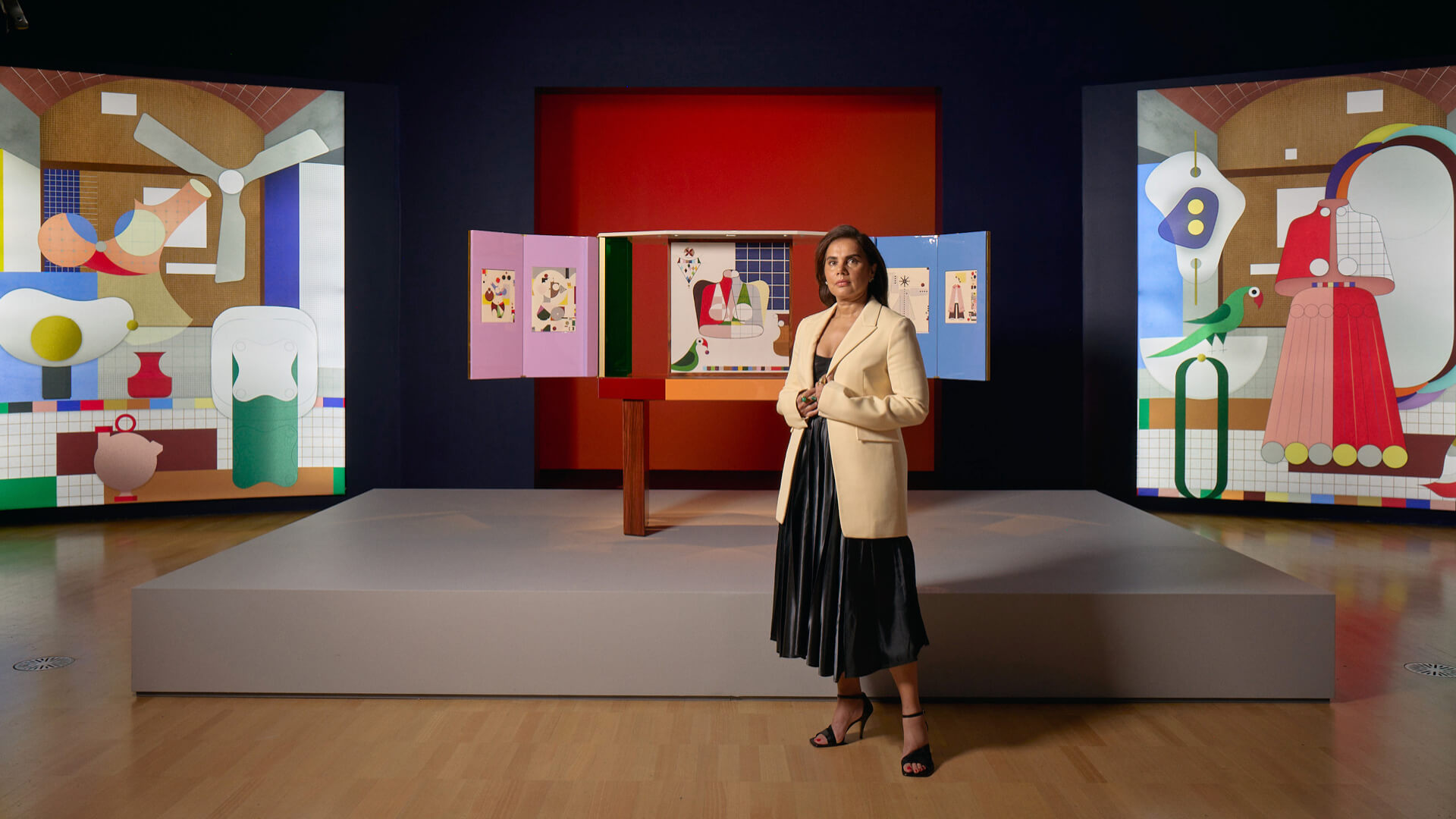
That room has existed in fragments: in the corners of shared kitchens, in the quiet after everyone sleeps, in objects arranged just so and in the storied lives of our mothers and aunts who have kept so many pieces of themselves stifled inside cupboards. For London-based designer Nipa Doshi MBE, that longing for beauty and space—physical, psychic, sacred—and the creating and safeguarding of it, takes shape as A Room of My Own, a handcrafted, ‘multidimensional’ cabinet created for the 2025 MECCA x NGV Women in Design Commission. On view at NGV International in Melbourne, Australia, from September 25, 2025 – April 1, 2026, the bespoke piece is ‘both a shrine and a dressing table,’ an object that opens unto space, expanding from conceptual furniture into philosophy. Commissioned by the National Gallery of Victoria in partnership with MECCA’s M-POWER initiative, the annual series celebrates internationally renowned women designers and architects.
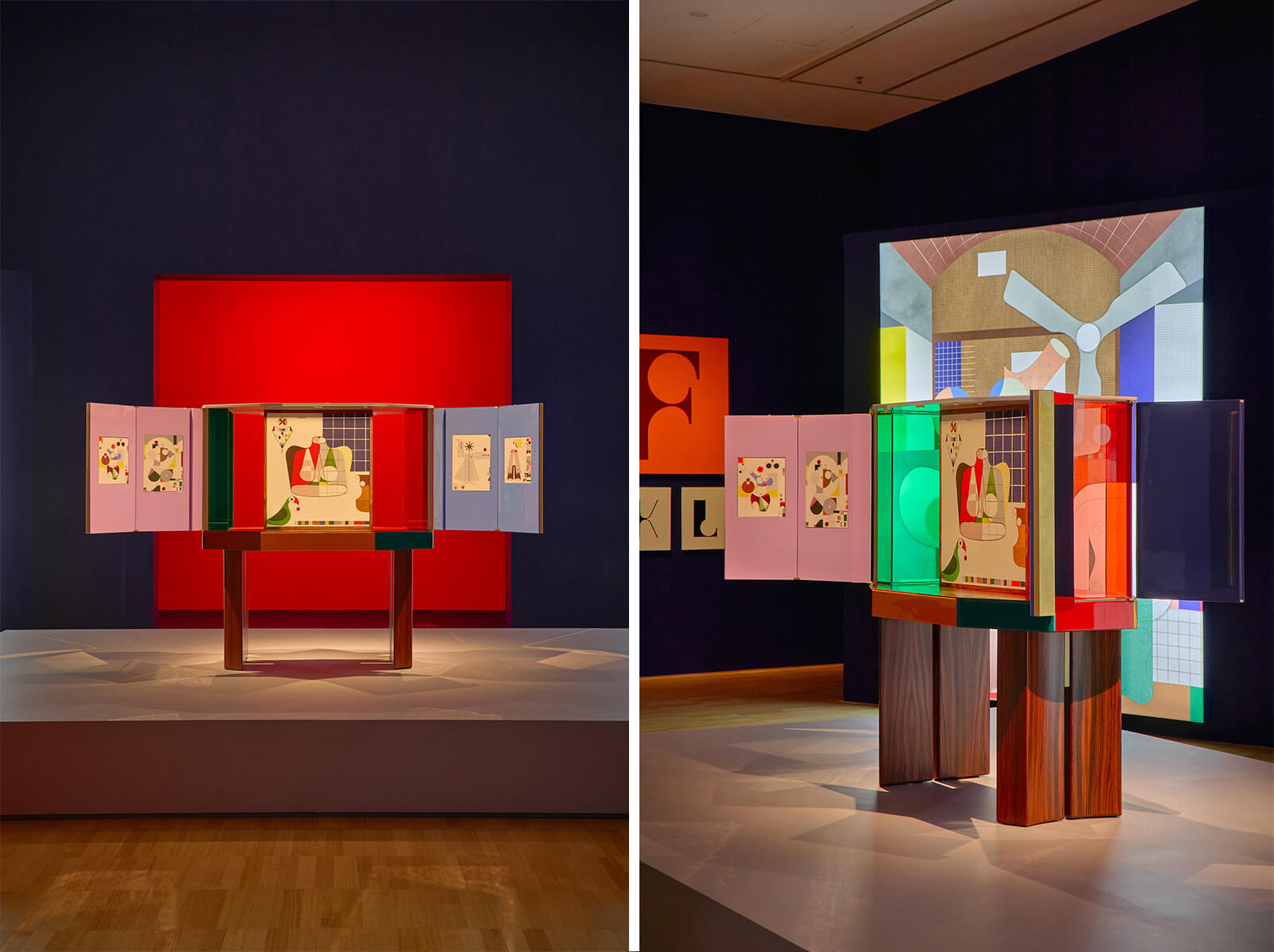
Doshi, the Mumbai-born designer and one half of Doshi Levien Studio, understood the commission as an invitation to self-expression—“A deeply personal reflection on how memories, rituals and relationships can enrich human experience,” as the project’s press release describes. “I wanted this project to be very personal and to really tell a story about all the qualities that are important to me in design,” she tells STIR during an exclusive studio tour in London this month. “Although A Room of My Own is a space for me, it is also inhabited by all these incredible women who have influenced my life.” Inspired by the Kaavad, a portable Indian shrine that opens to become a worship site, the multipurpose cabinet embodies both concealment and revelation—a microcosm that, when opened, becomes an intimate room in itself.
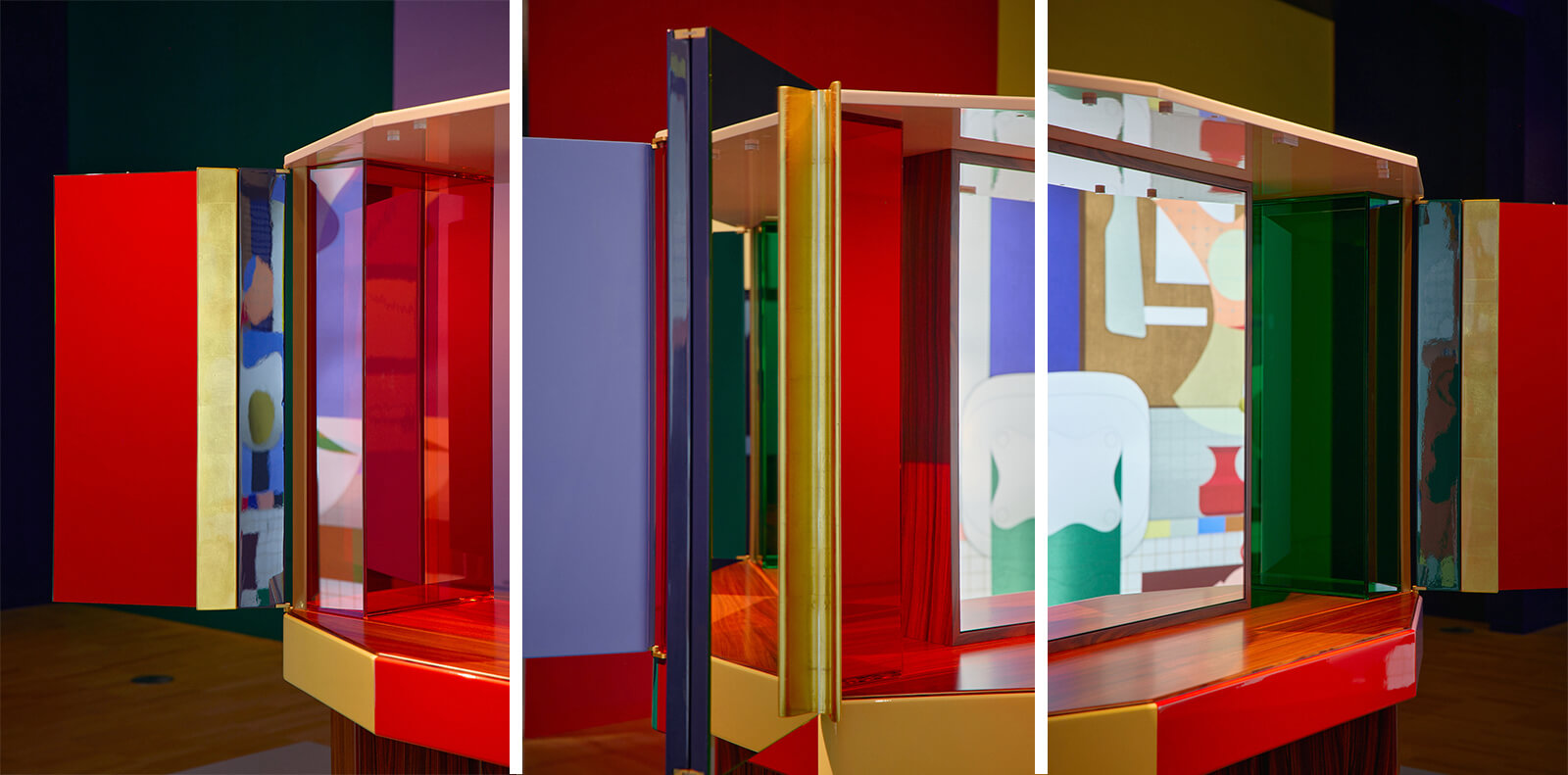
“Combining solid and void, colour and geometry, the materials and structure of the cabinet create an architectural composition that recalls the buildings that inspire the designer,” mentions NGV.
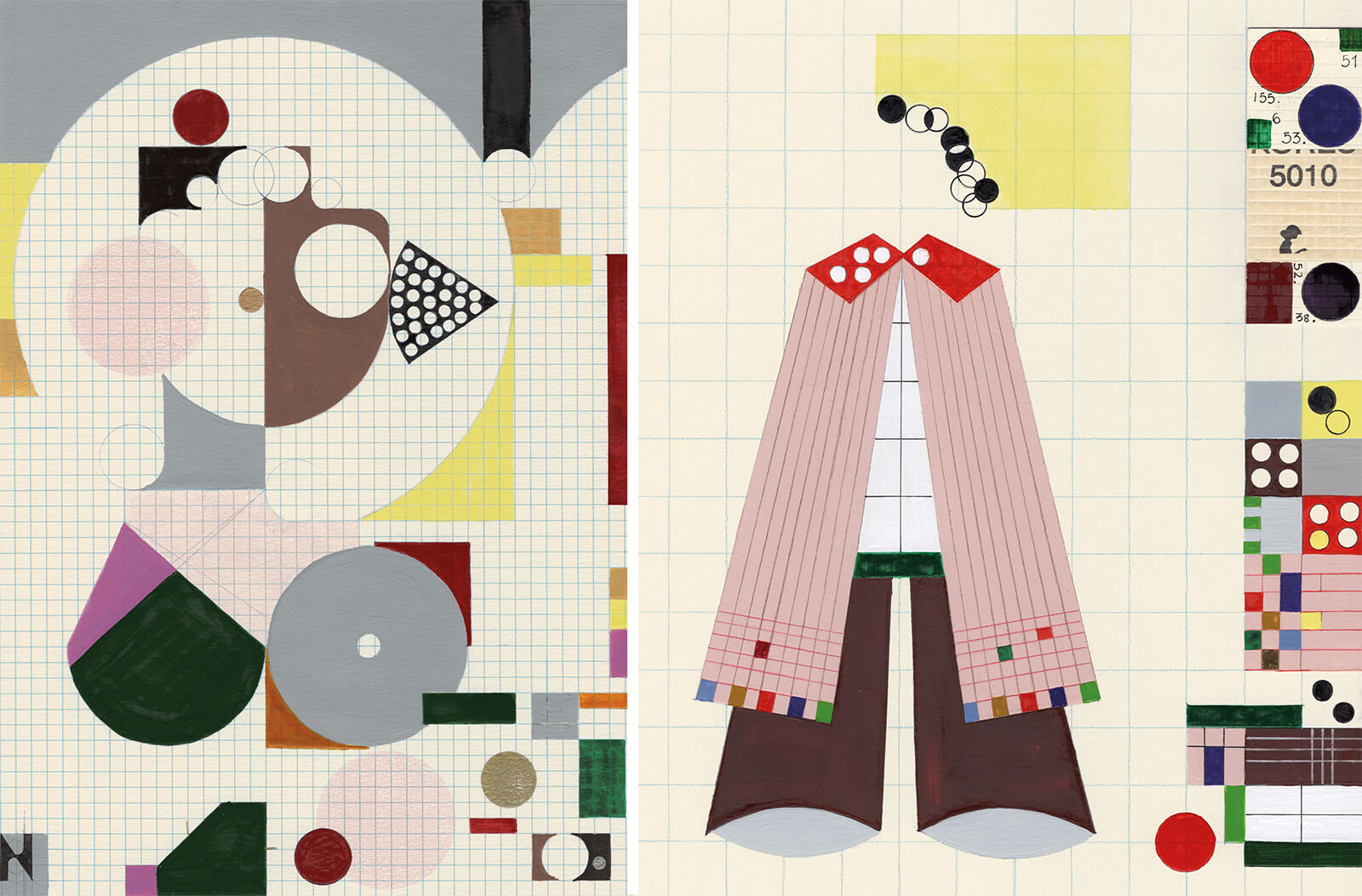
Inside, one finds a constellation of portraits: women Doshi has known in real life, admired on screen or absorbed through memory, abstracted, freed and immortalised. Her grandmother’s gold enamel earring; avant-garde 1970s Indian actress Zeenat Aman, with her garland of flowers from the song Dum Maaro Dum (1971) and her palpable femineity from the film Satyam Shivam Sundaram (1978); her aunt Maya, whose head takes the form of Gandhi’s charkha; voluptuous ‘loud ladies’ who gossip and laugh unabashedly over tea; and her architect-friend Nina, rendered as an intersection of circles. “What I’m trying to embody is that these women were generous. They were kind, they were fearless, they were glamorous,” Doshi exclaims. “I wanted to communicate their qualities, not their likeness.” The central portrait is a quiet self-reflection, mirrored—a woman observing herself within her own myth.
Representation is important, to be seen is important. – Nipa Doshi, co-founder, Doshi Levien Studio
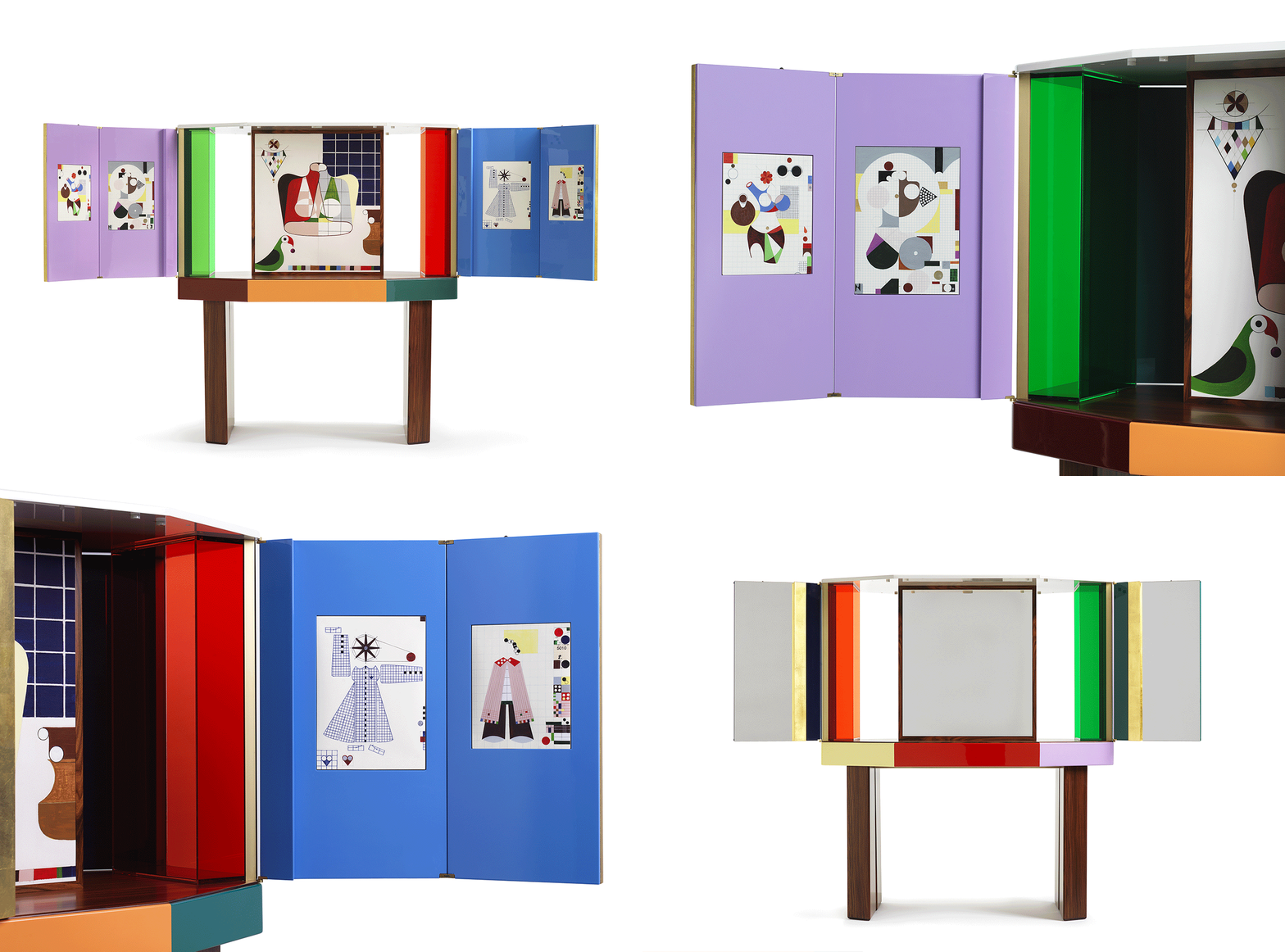
There is a choreography in the cabinet’s unveiling. “Accessible from two sides, the cabinet also includes a vanity and a writing desk, components that support contemplation and self-expression,” as NGV states, and fuses modernist architecture and miniature painting, Bollywood technicolour and temple ornamentation, personal memory and collective myth. If one looks at its closed surface, its horizontal striations invite touch and tempt one to find the cabinet’s opening. Its glass light boxes filter illumination into its recesses; mirrors refract fragments of the room back at the viewer. One encounters a form and an atmosphere, a spatial composition in which product design becomes meditation, even a statement of solidarity, once you converse with it. “The moment you open it, you are enveloped. You are inside a room of your own,” the industrial designer explains.
Behind this measured sensuality and beauty also lies a reckoning with erasure. “Often, if there’s an essay about women in design, I’m not included because I work with a man,” she notes during the conversation. “I thanked NGV for thinking of me also as an independent woman designer—because you’re often written off if you work as a woman with a man.” In its polished wood and mirrored faces, the cabinet becomes not just an artwork but an argument—a quiet refutation of the long-held notion that women’s work is an accessory to someone else’s vision.
A Room of My Own is not only a place to nourish your body, but your mind and your soul. It could also be your writing desk, and a space where you have all the people you love surrounding you, supporting you.

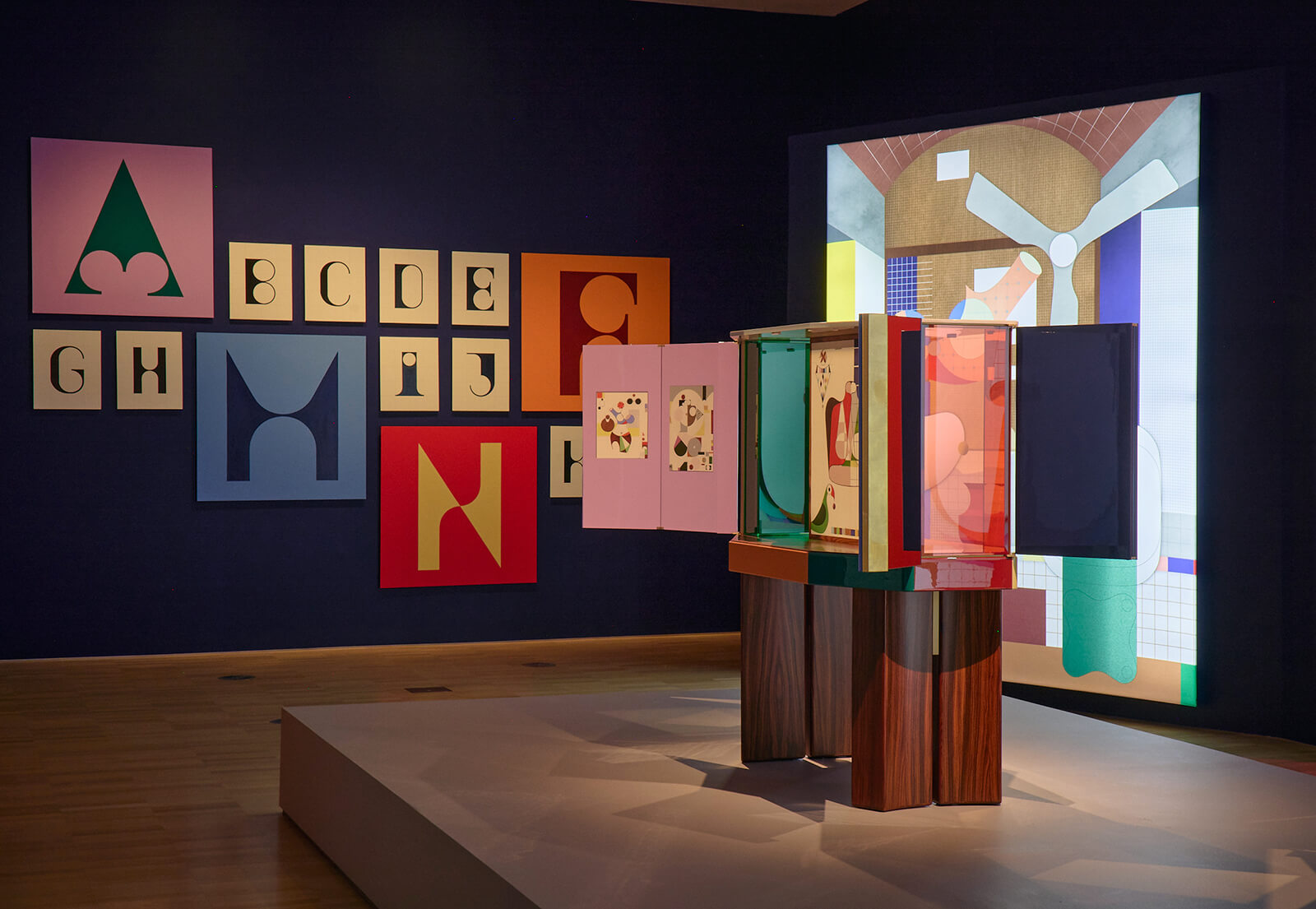
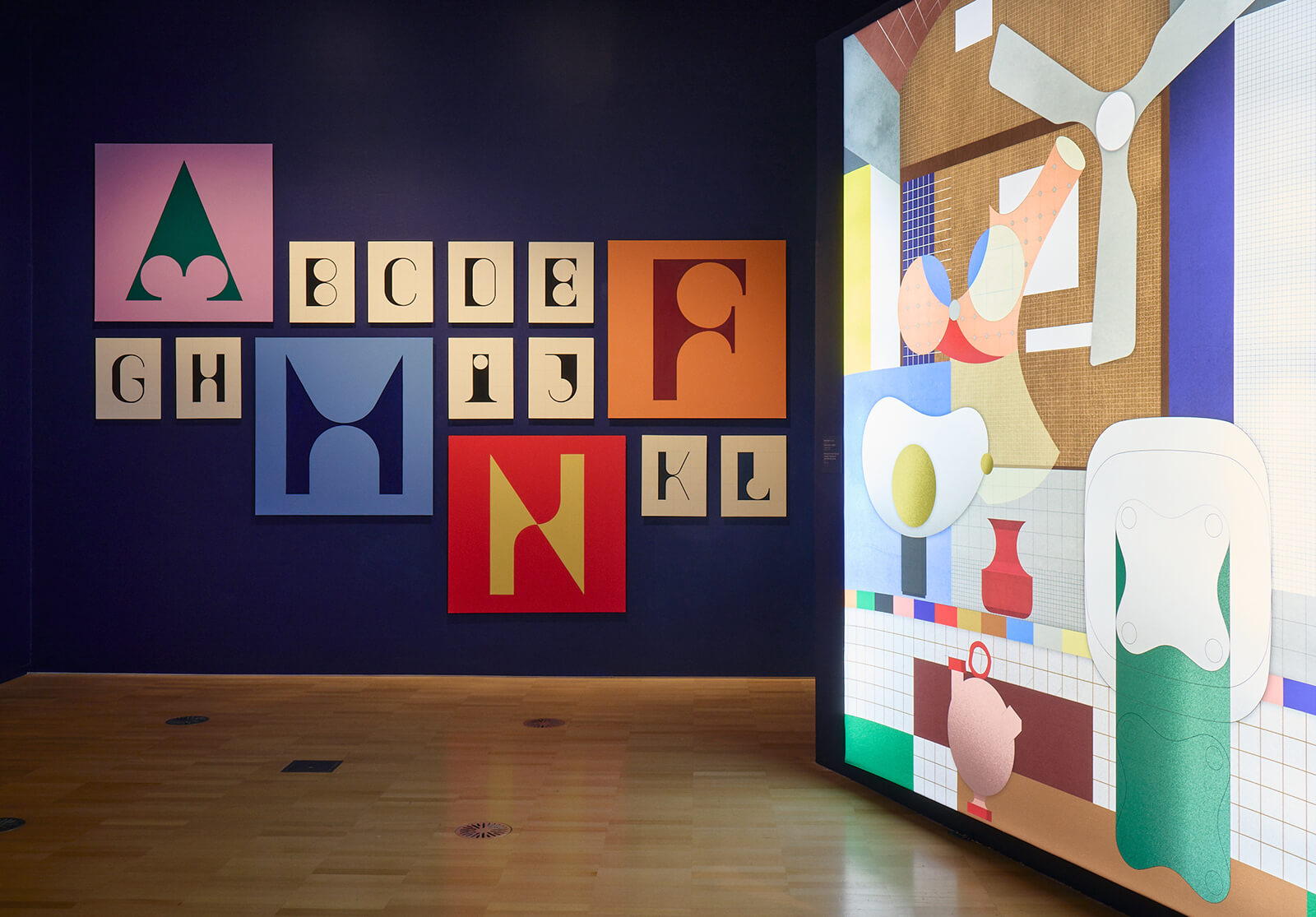
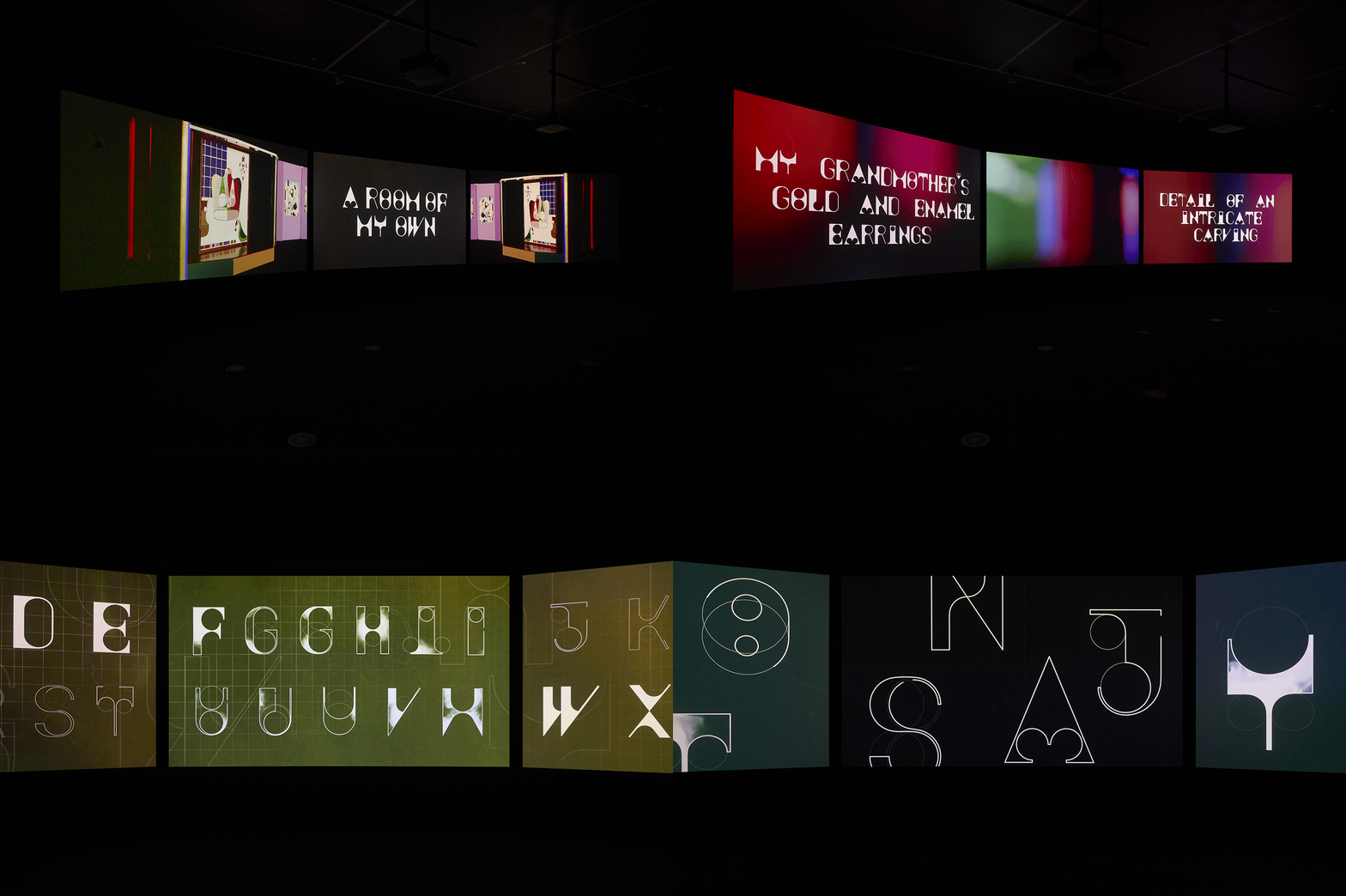
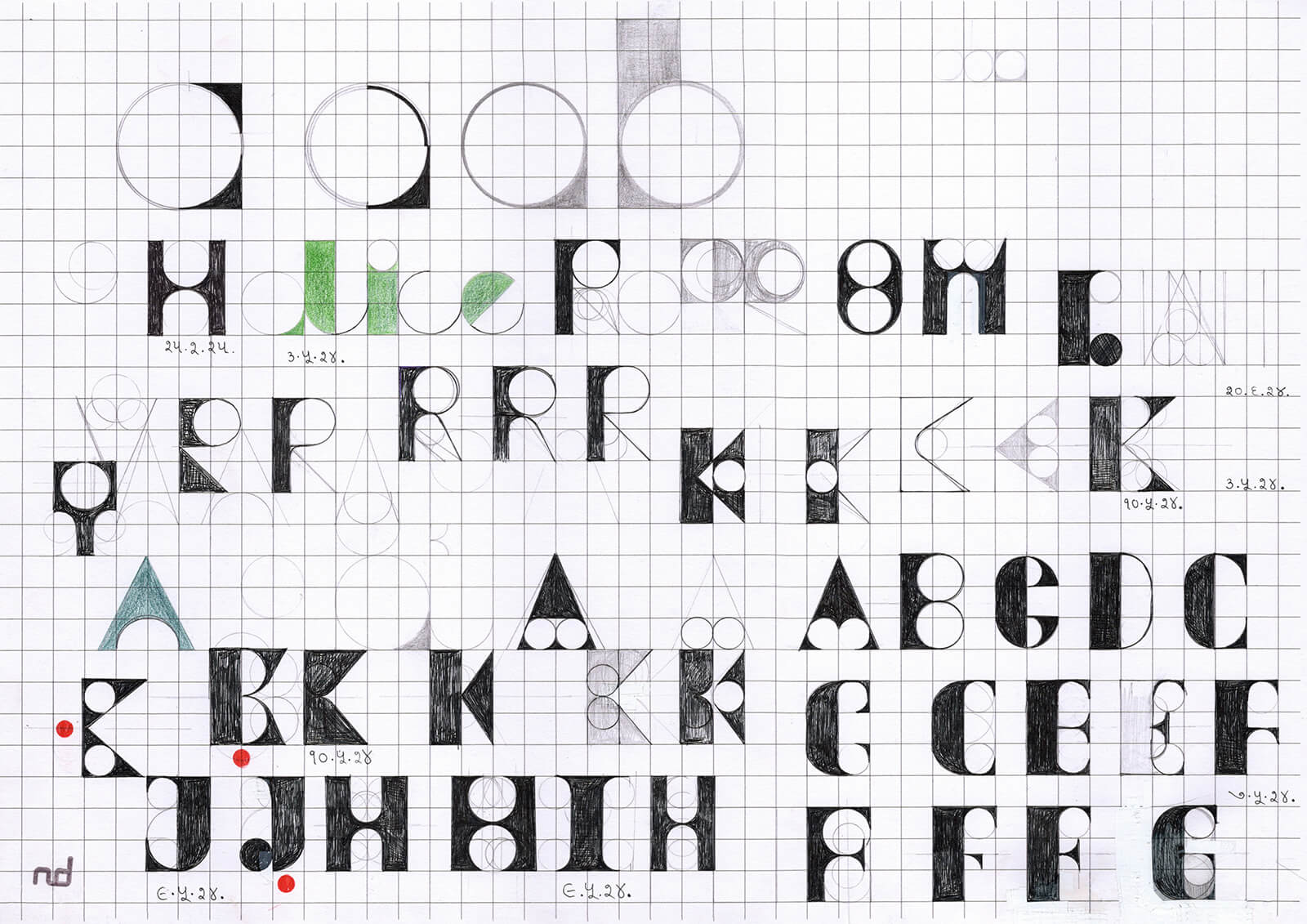
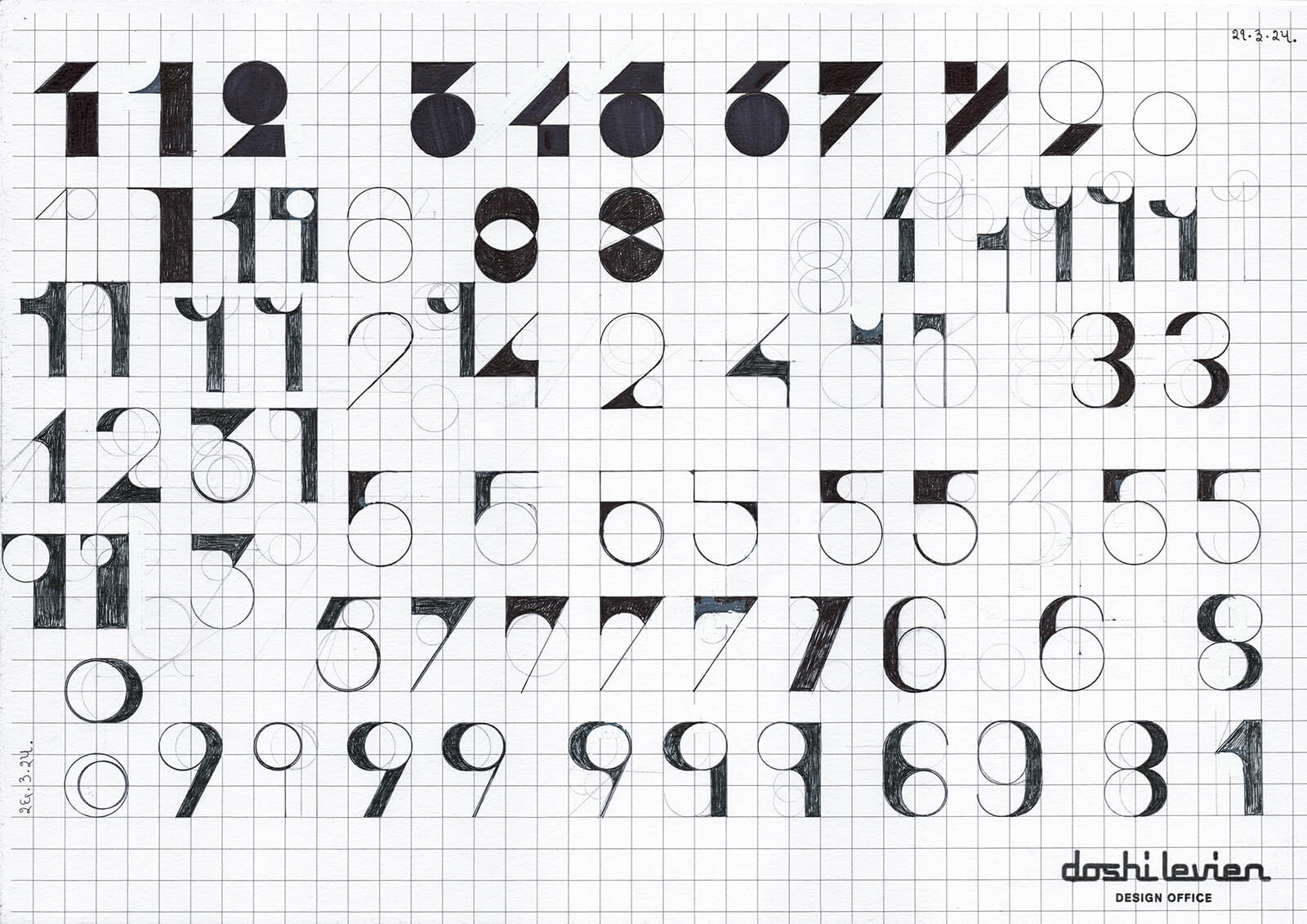
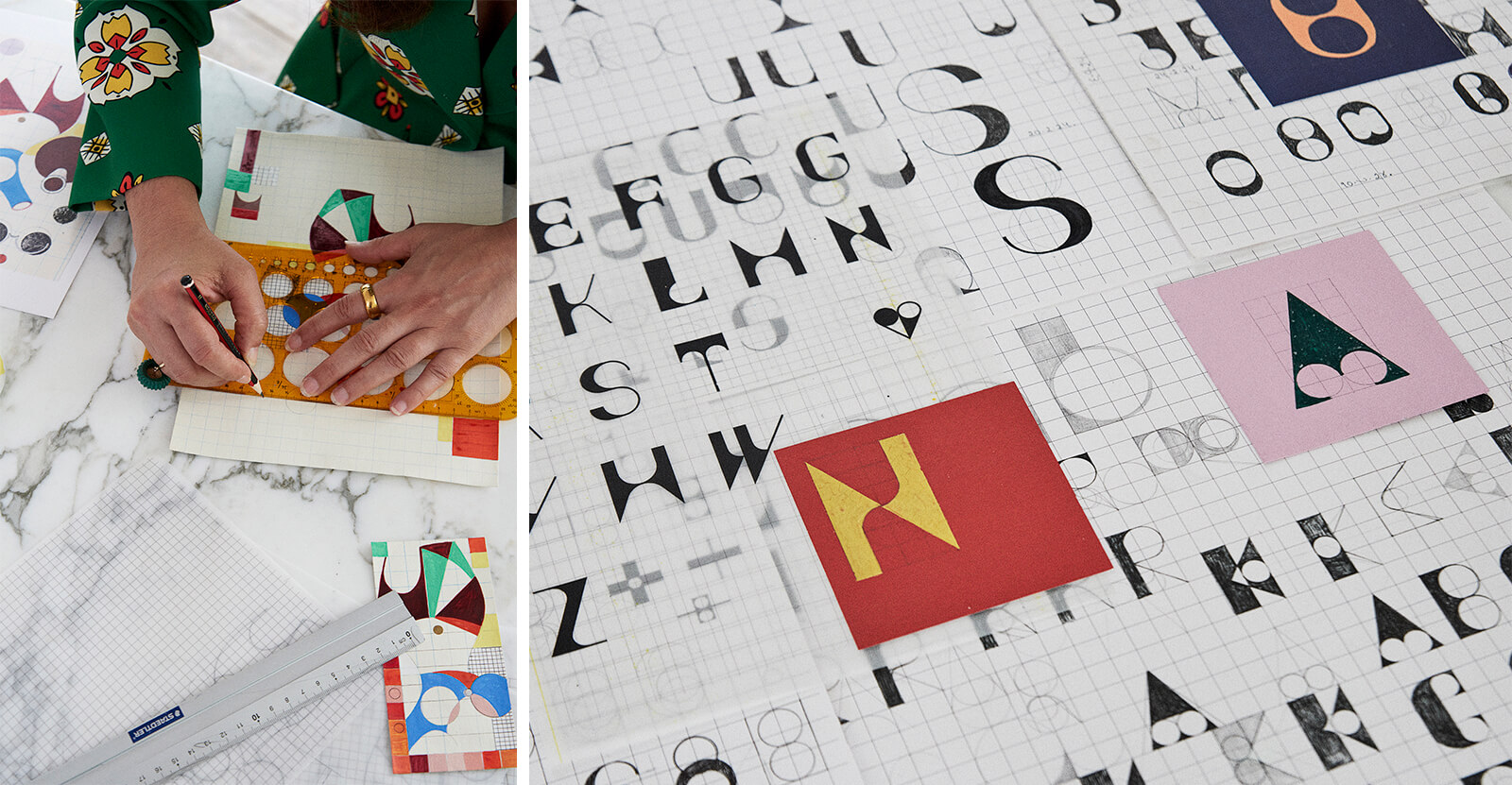
Alongside the cabinet, Doshi presents her first custom typeface, originally drafted by hand and later refined digitally; a sculptural alphabet of ‘jewel-like’ forms, part ornament, part architecture. The NGV describes it as “bold and ornamental”, where each letter feels like a found object, meticulously milled. Together with the drawings (Doshi’s first to be exhibited independently), the typeface extends the cabinet’s universe into language itself. As NGV states, “Together, these elements represent a kind of manifesto for Doshi’s practice – complex, layered and deeply rooted in cultural narratives, celebrating design as a living practice of care and creativity.”
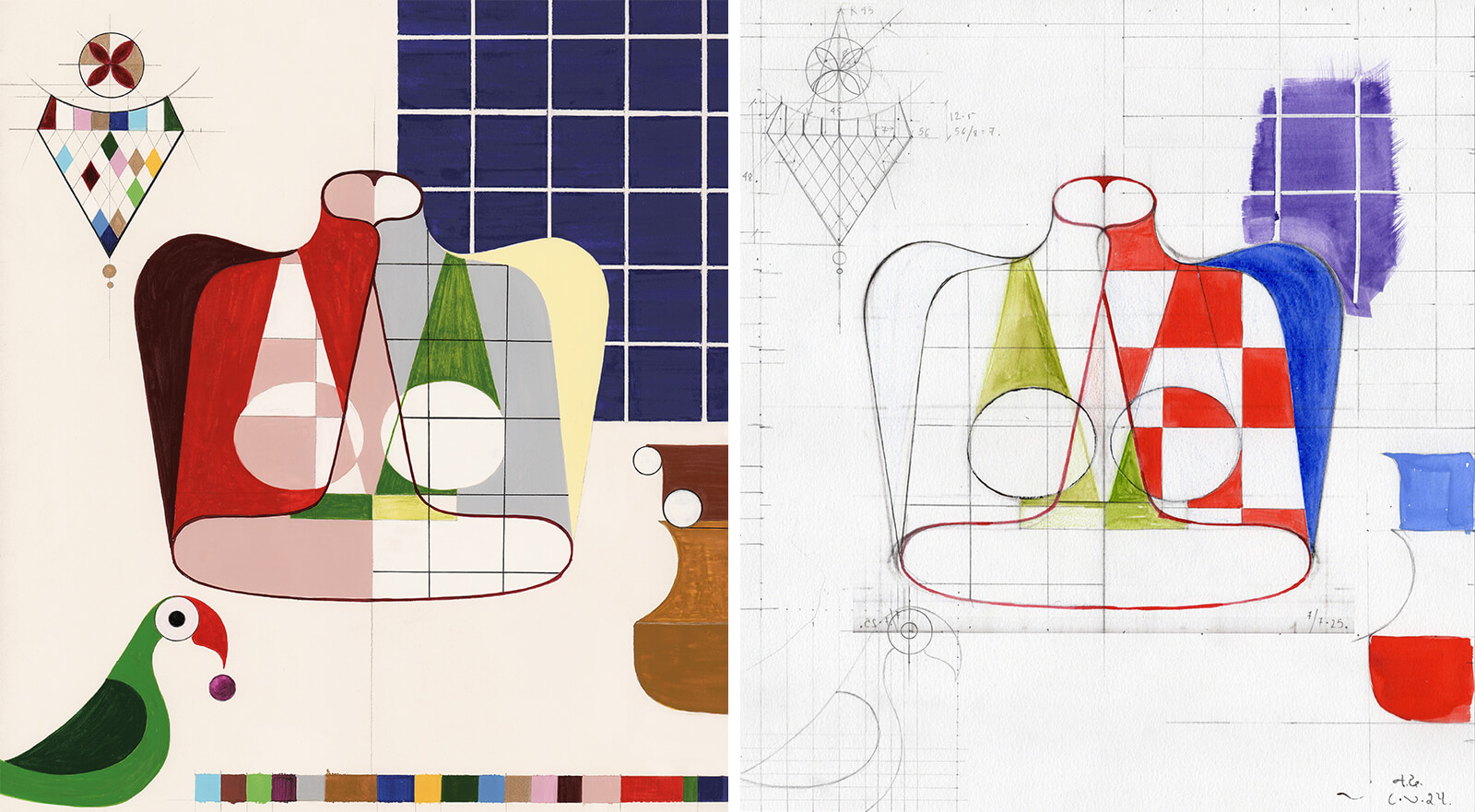
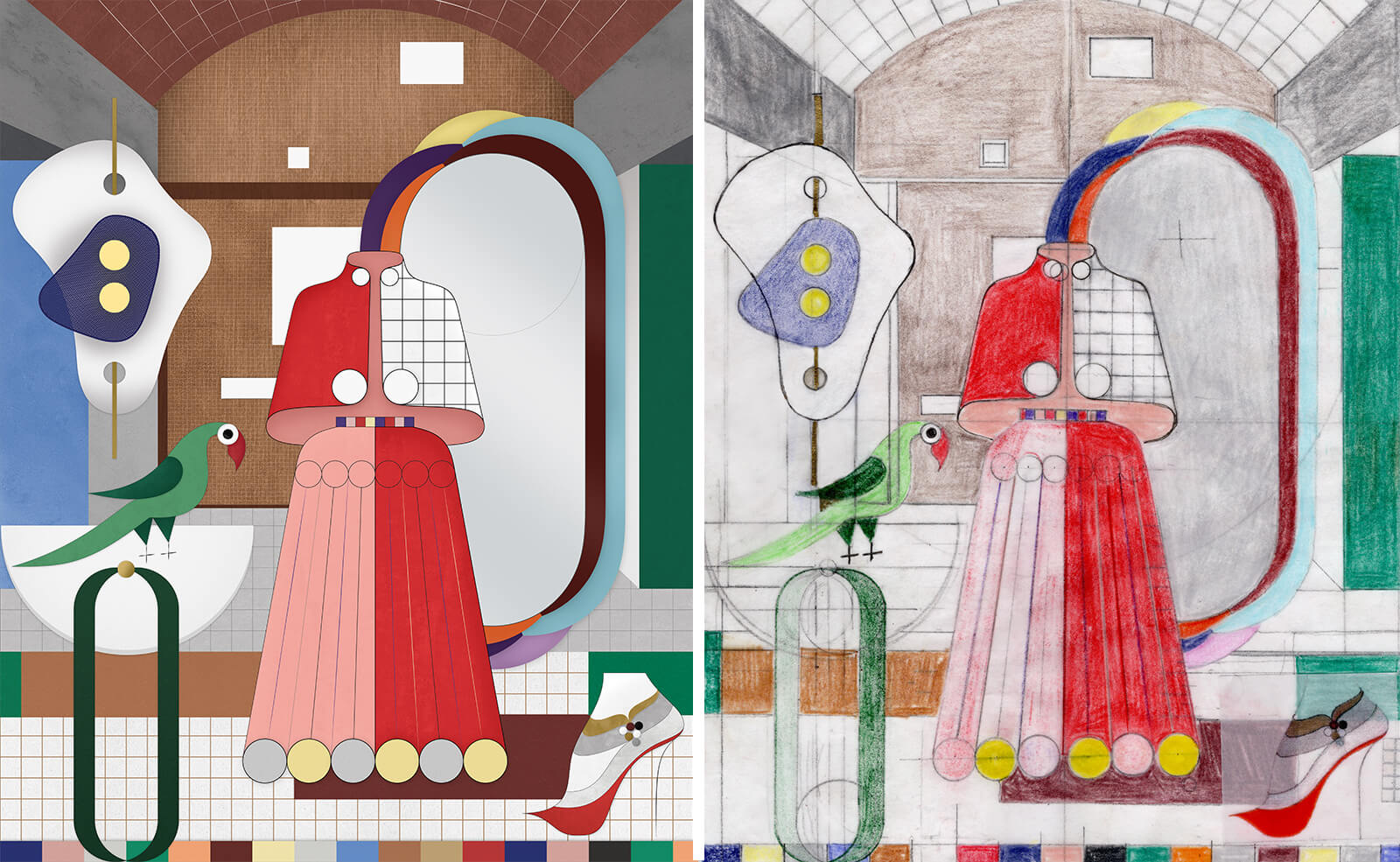

Doshi’s visual language is rooted in India but never trapped by it. “India is not my aesthetic—it is me,” she clarifies. “I’m not using my culture; I am my culture.” The resulting design hums with the chromatic excess of 70s Hindi cinema and the discipline of the Indian designer’s craft. “It’s a celebration of beauty and joy and community,” she continues.
For the NGV, the Women in Design Commission is part of a broader attempt to write women back into the canon. For Doshi, it is an offering, a shrine that folds her rituals of drawing, care and memory into a permanent form. She confesses to being liberated by this. “It’s a personal space for contemplation, for self-realisation, for thinking,” she says softly. “It nourishes the mind and the soul.” On the work joining NGV’s permanent collection, Doshi reflects: “I love that my cabinet is not going to be alone. It’s going to be surrounded by all these beautiful artworks. It’s going to be in good company, and it’s going to outlive me.”

I love this idea that objects create space.
But to stand before A Room of My Own is also to recognise how few such rooms exist for us. How often women’s spaces might be inherited but not fully owned; how their rituals are often dismissed as decorative, even as they sustain and hold the world. Doshi’s cabinet insists that the gestures of women—arranging, adorning, remembering, safekeeping—are acts of authorship, worship and resistance in themselves.
Woolf asked what women might create if they were truly free. Doshi responds with an object whose purpose is not mere utility—a demonstration of how design is purposeful, cathartic, emotional and poetic. A cabinet that holds both inheritance and craftsmanship, care and beauty and critique. Within its lacquered folds, Doshi holds the echo of Woolf’s conviction—that creation requires freedom, and freedom requires a room. A cabinet that contains multitudes. A room within a room—quiet, glorious, defiant and entirely its own—speaking to every woman who has ever built a world inside a small space and called it her own.

by Pranjal Maheshwari Oct 23, 2026
Co-authored by Jareh Das, Chairman traces the British designer’s fixation on chairs as symbols of power and identity and as mediums of expression and community building.
by Mirra Lynn Oct 22, 2026
The curators behind Palestine Design Week 2026 reflect on its intent, considering how design holds memory, makes space for loss and imagines a future in Palestine.
by Chahna Tank Oct 22, 2026
STIR speaks with the Mumbai-based type designer about her practice, type walks and why she wants more people to have stronger opinions about Indian-script fonts.
by Jincy Iype Oct 15, 2026
STIR explores craft, material intelligence and people shaping Indian design through dialogues with Design Democracy’s co-founders and the curators of its special exhibitions.

make your fridays matter with a well-read weekend
Enter your details to sign in
Don’t have an account?
Sign upOr you can sign in with
a single account for all
STIR platforms
All your bookmarks will be available across all your devices.
Stay STIRred
Already have an account?
Sign inOr you can sign up with
Verification link sent to check your inbox or spam folder to complete sign up process
Tap on things that interests you.
Select the Conversation Category you would like to watch
Please enter your details and click submit.
Enter the 6-digit code sent at


Construing A Room of My Own with Nipa Doshi's cabinet of beauty, ritual and freedom
by Jincy Iype | Published on : Oct 30, 2025


 Sign in with Google
 Sign in with email
What do you think?