Art13 mins. read
Apichatpong Weerasethakul on unveiling installations at the Thailand Biennale
by Rémy JarryMar 14, 2024



by Vandana KalraPublished on : Sep 18, 2026
A film doesn't just tell a story; it brings onto the screen an entire landscape. At times turning a simple drawing into an animation or presenting a calm river as a witness to memories of displacement. It could slow time down, rekindle memories or even make the familiar seem strange. More than just an encounter between the viewer and those moments of engagement, every sequence is meant to be an experience. It is this immersive idea of cinema that forms the premise of the Emami Art Experimental Film Festival (EAEFF), to be presented at the Emami Art, Kolkata Centre for Creativity in Kolkata, India. The six-day event, now in its fifth edition, will bring together screenings, exhibitions, workshops, conversations and masterclasses with artists, filmmakers, curators and researchers from India and overseas.
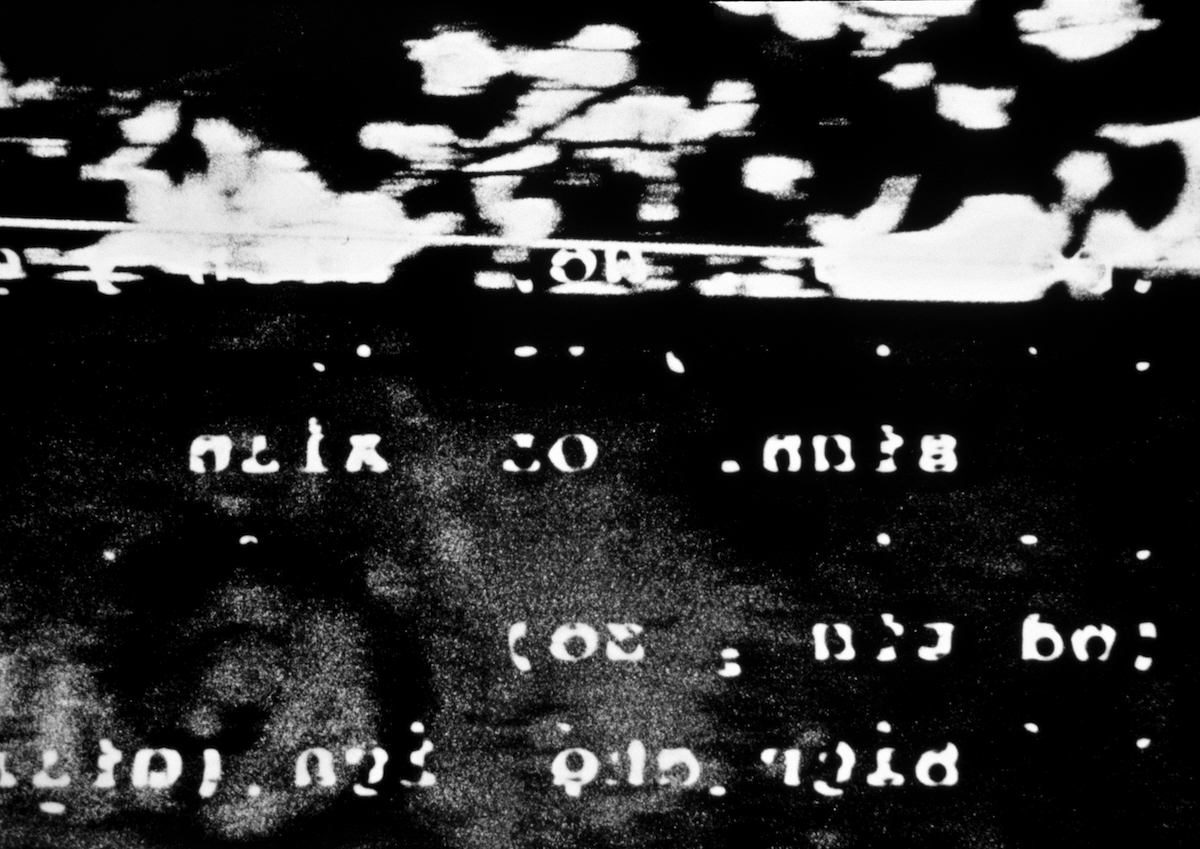
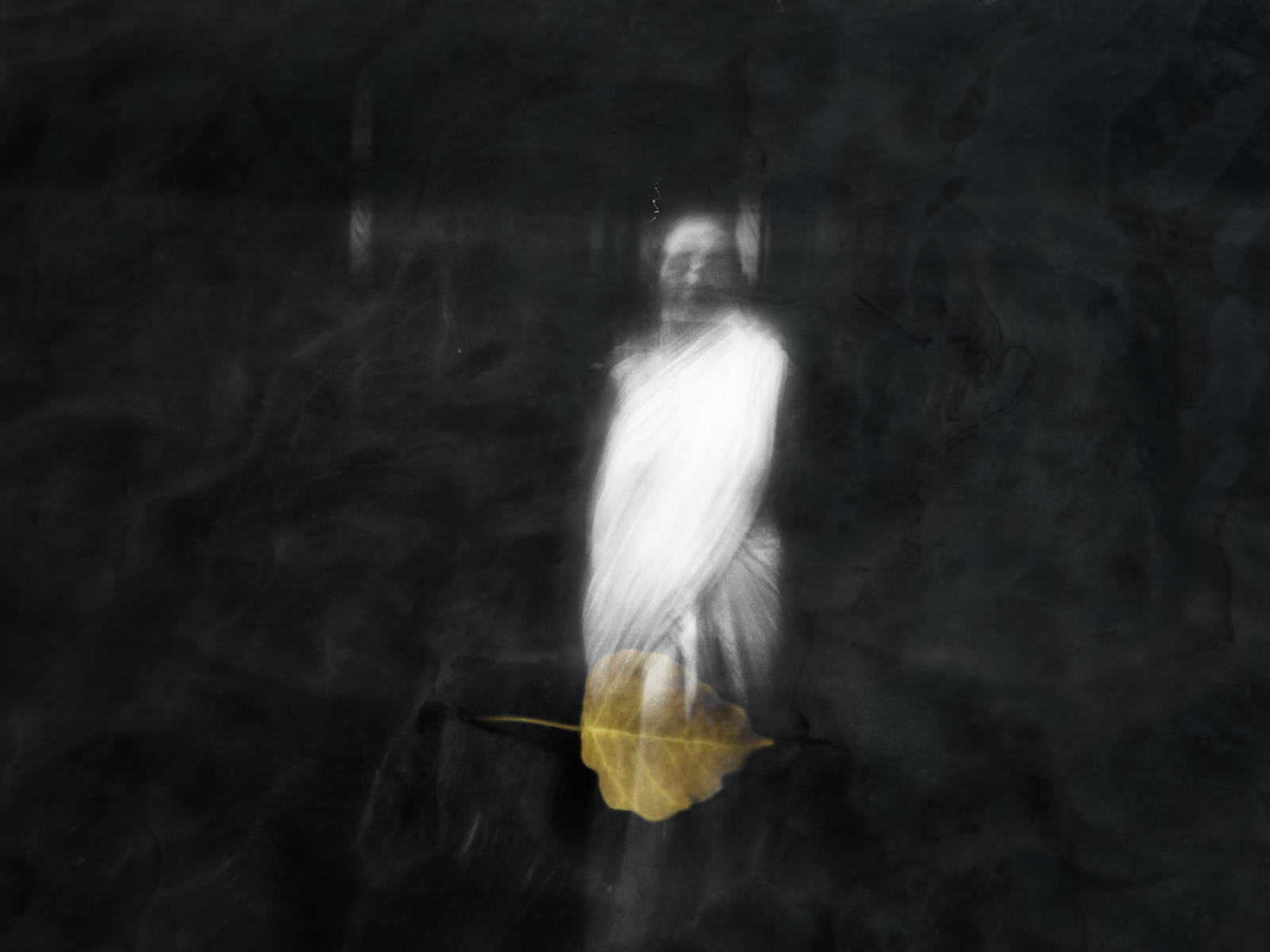
The word ‘film’ thus will not be contained within the conventional boundaries of what we describe as cinema. In a first for the festival, six contemporary artists will present a cinema exhibition of Moving Image works. If Canadian filmmakers Solomon Nagler and Alexandre Larose will present the sculptural cinema installation Wedding Songs, Assam-based Pankaj Sarma will present an immersive multimedia installation on the changing river landscape of the Brahmaputra Valley and the consequential displacement in the region. Two-time National Film Award winner Nilanjan Bhattacharya will be showing Quiet Flows the Stream, a two-channel video that follows two traditional healers, Kunjira Mulya from Karnataka and Thendup Lachungpa from Sikkim. The section will also include works by Kolkata-based artist Ushnish Mukhopadhyay and Santiniketan-based Arpita Akhanda, who also won the Sovereign Asian Art Prize 2025.
Richa Agarwal, chairperson of Kolkata Centre for Creativity and CEO of Emami Art, states, "What began as an initiative around experimental film has, over five editions, developed into an international platform connecting artists, filmmakers, institutions and audiences through the moving image. This year’s expansion into an exhibition is an important step for us. It reflects our belief that experimental practices need not remain confined to specialist film spaces—they can enter the gallery, meet new audiences and become part of a broader conversation around contemporary art.”
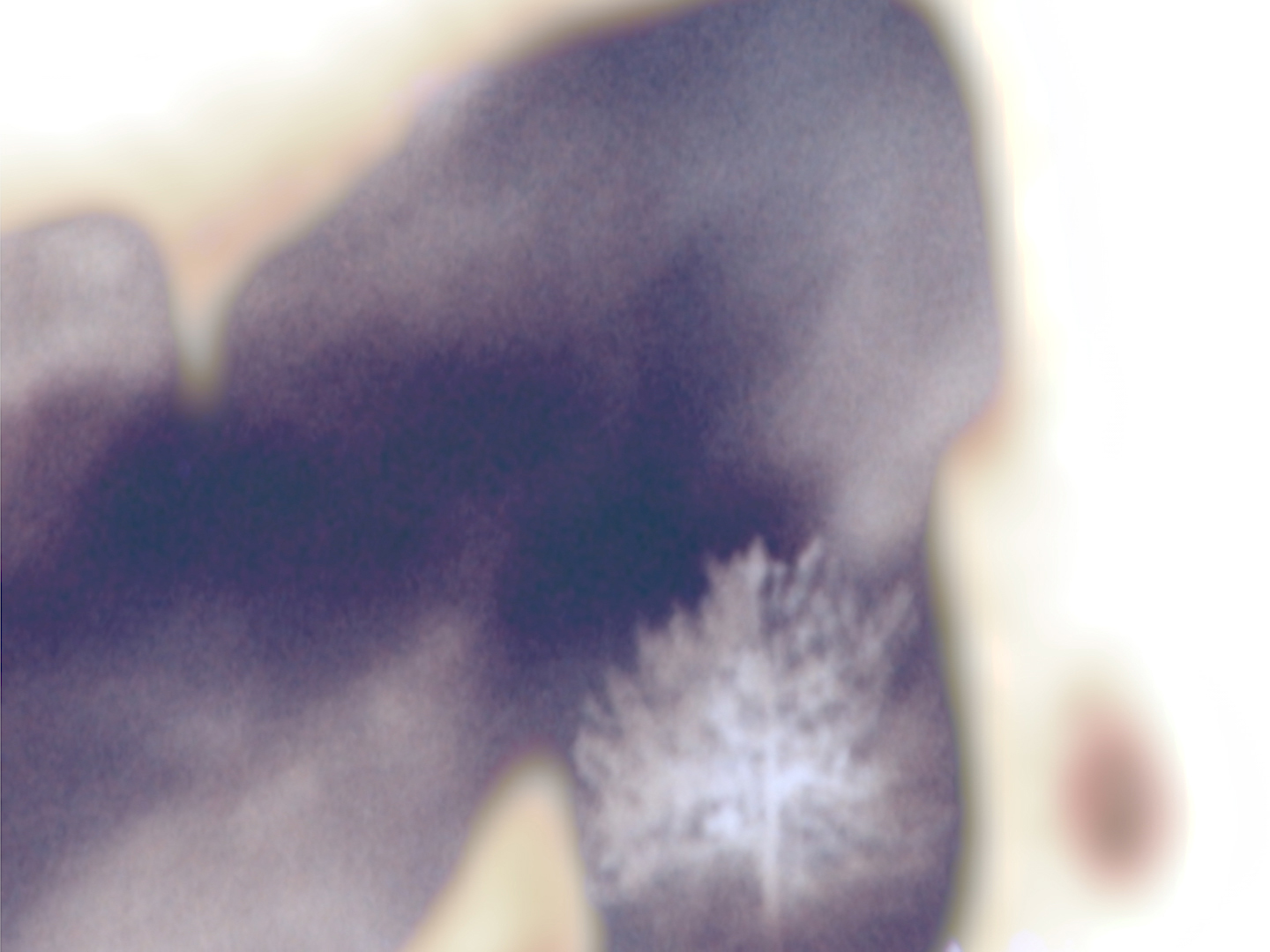
Coming to the big screen, among the international highlights is the section The Secret Forms of the Emulsion, featuring eight films by French filmmaker Emmanuel Lefrant— from Le Pays dévasté (2015), which presents landscape as something shaped by human activity, to the darker Per una selva oscura that renders a world on the edge of catastrophe. Lefrant will also be in Kolkata to present a masterclass on the practice and circulation of experimental cinema. Film critic Srikanth Srinivasan will also be taking a masterclass on festival programming.
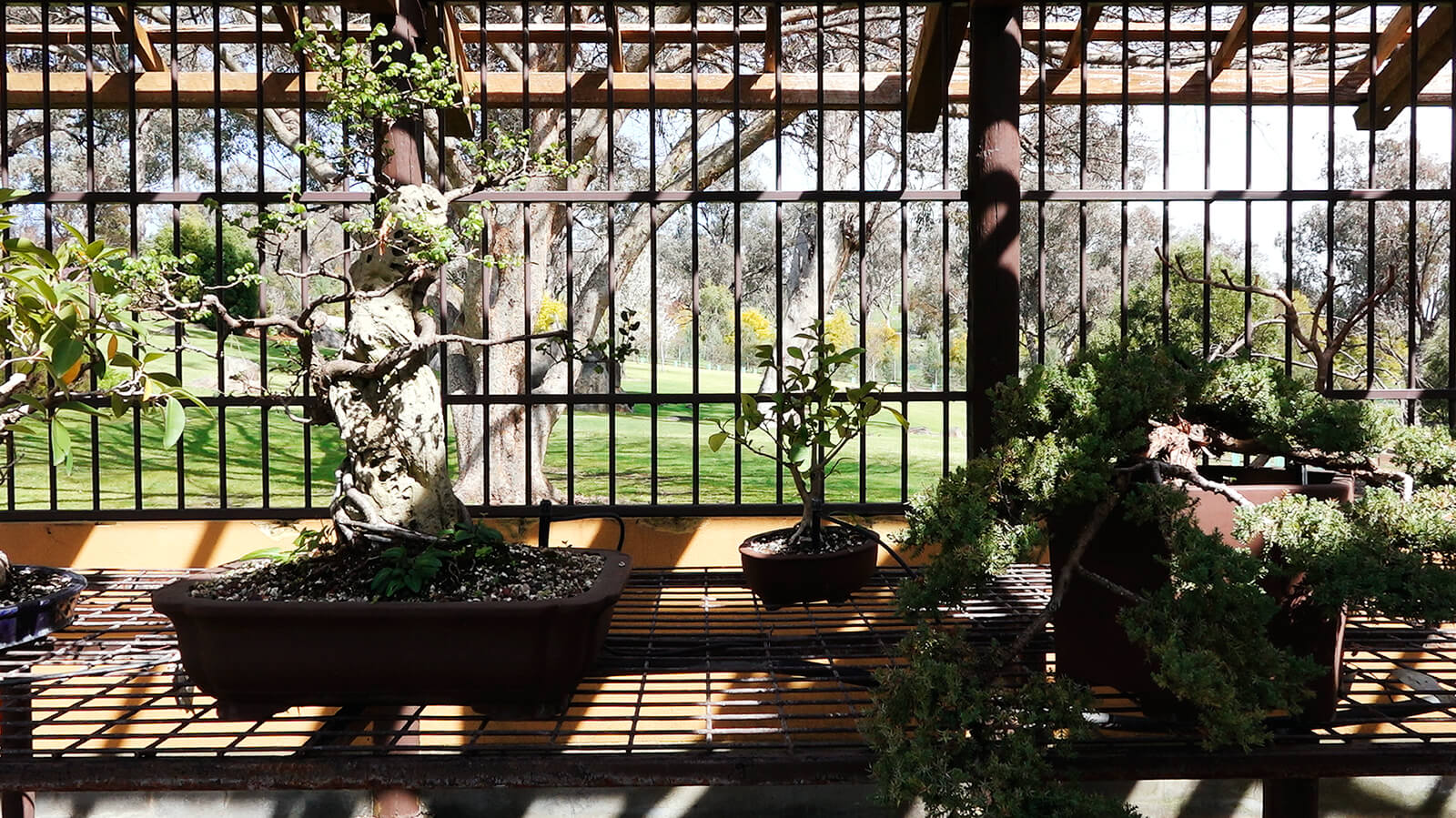
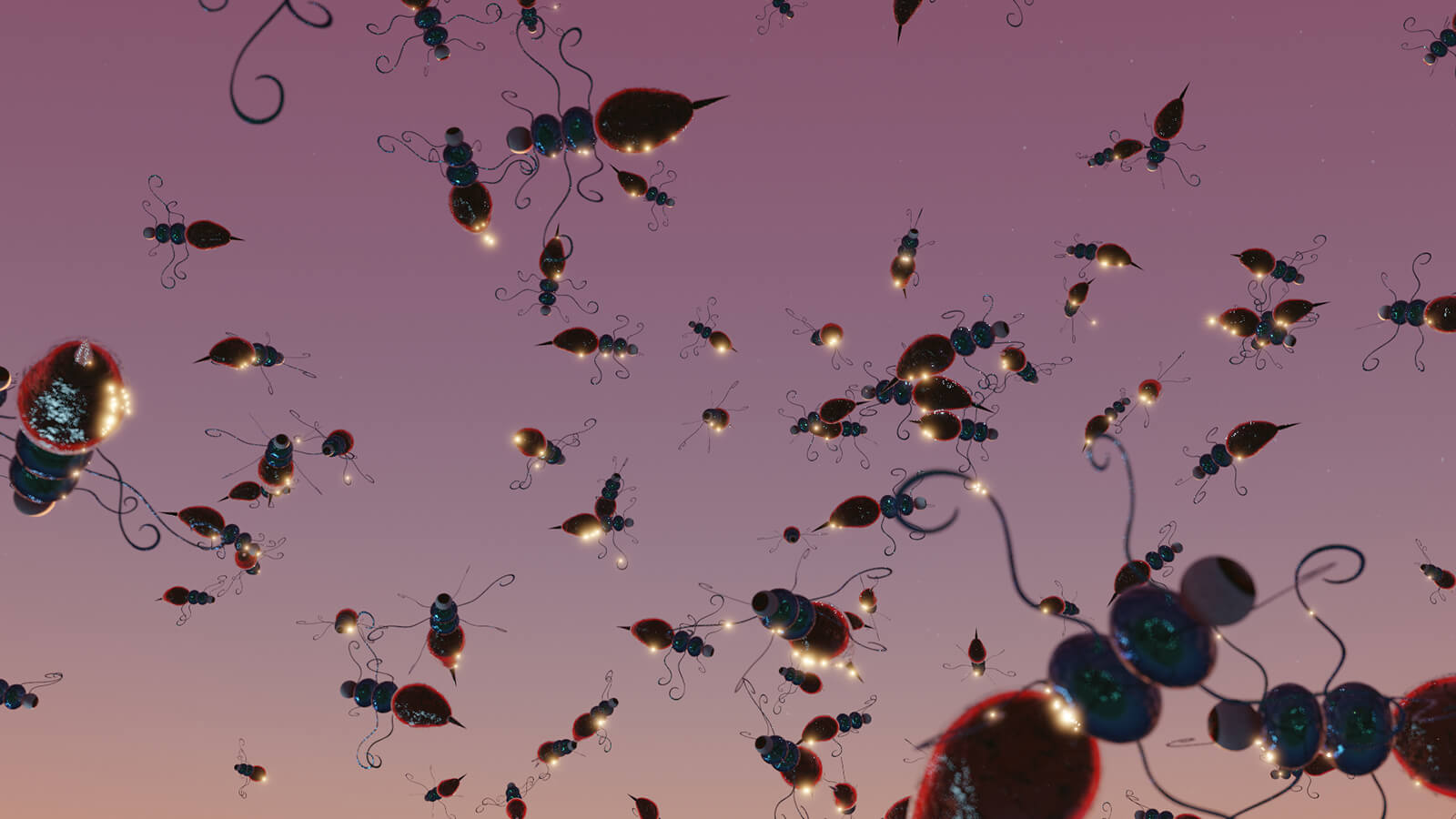
Also as part of the curated international invited programme, Paris-based non-profit association Light Cone will present a selection of six experimental films, while multidisciplinary artist Tony Balko, teaching assistant professor in Film and Media Studies at the University of Pittsburgh, has curated a selection of experimental films from Pittsburgh. Another section, CIRCUIT Moving Image, New Zealand, will be curated by filmmaker-critic-curator Anuj Malhotra.
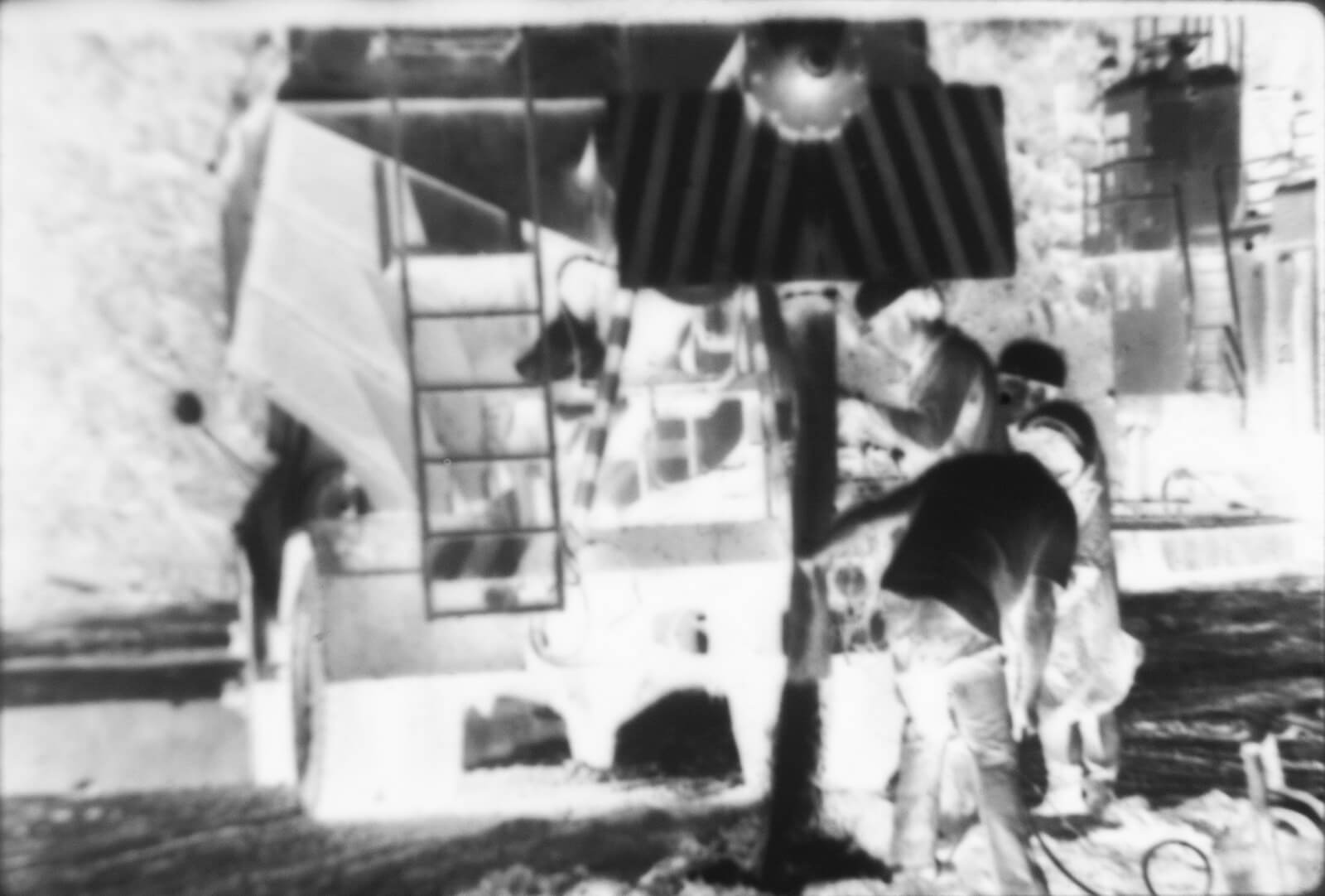
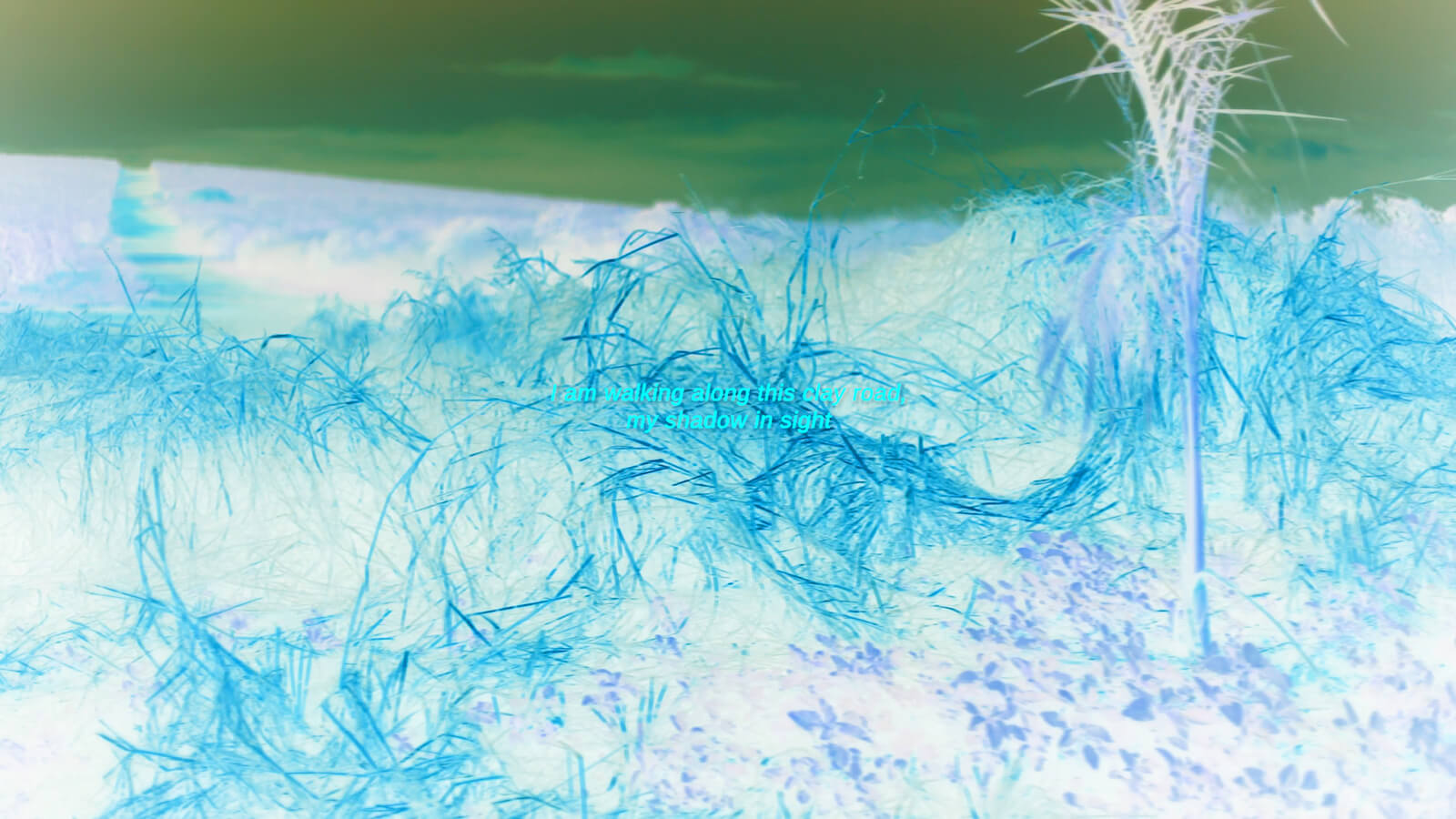
To be screened from September 25 – 27, 2026, 20 international films have been chosen from 1,657 submissions from 102 countries. Among these is Shen Xin's bearing fruit of fondness, Grounds of Coherence #2, a meditative 16mm work filmed on Scotland’s Isle of Skye, hand-processed with cotoneaster, a non-native plant introduced to Britain from East Asia. Award-winning filmmaker Johannes Gierlinger's Every Epoch Dreams the Next brings together a dream sequence from a 1974 Albanian film with 3D-generated imagery of contemporary Tirana, pondering how architecture and urban spaces are shaped by several factors. Japanese multidisciplinary artist Tetsuya Maruyama, on the other hand, examines landscapes transformed by extraction in Third Mountain by using 35mm slides originally supplied by a Brazilian mining company.
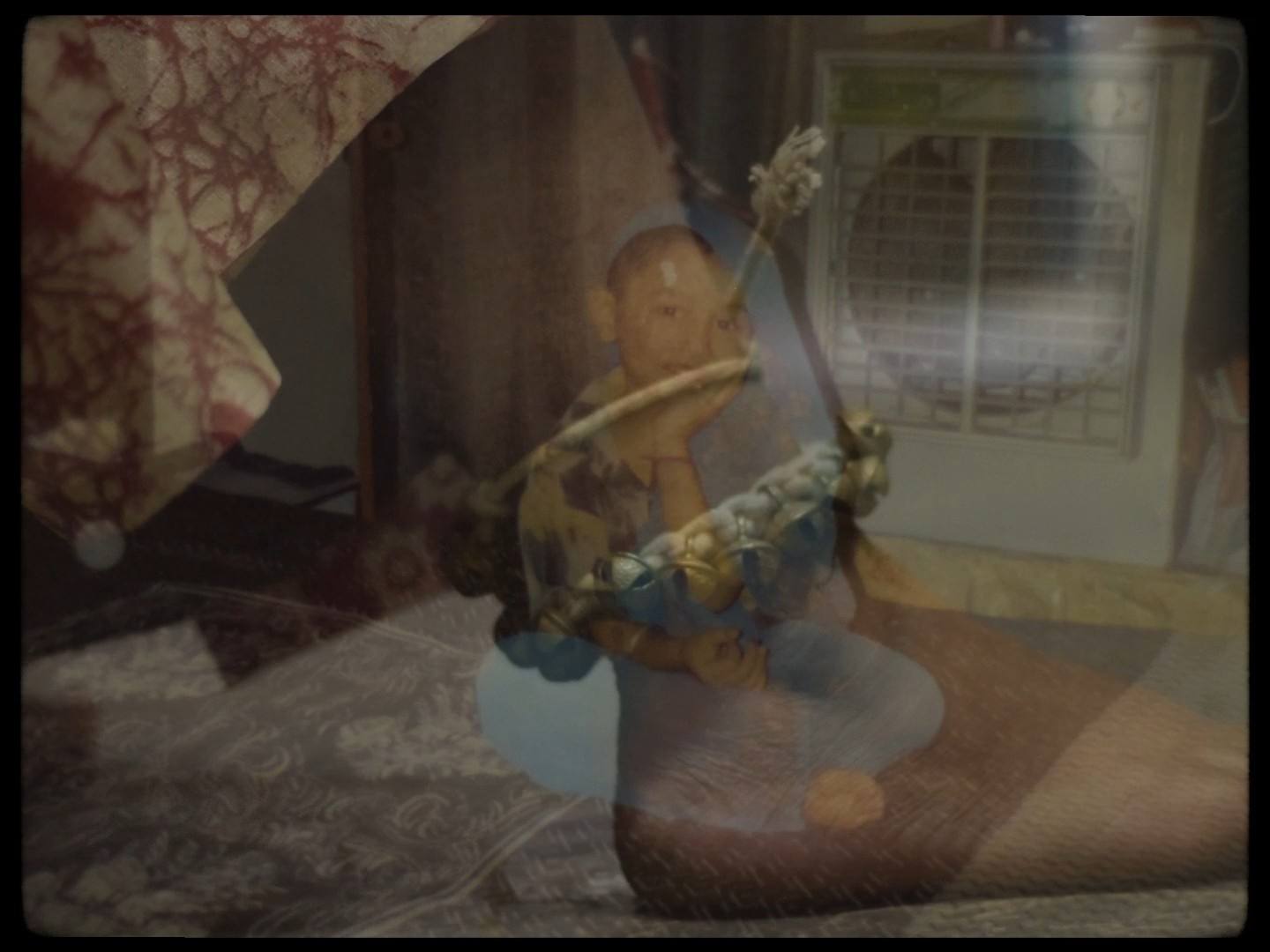
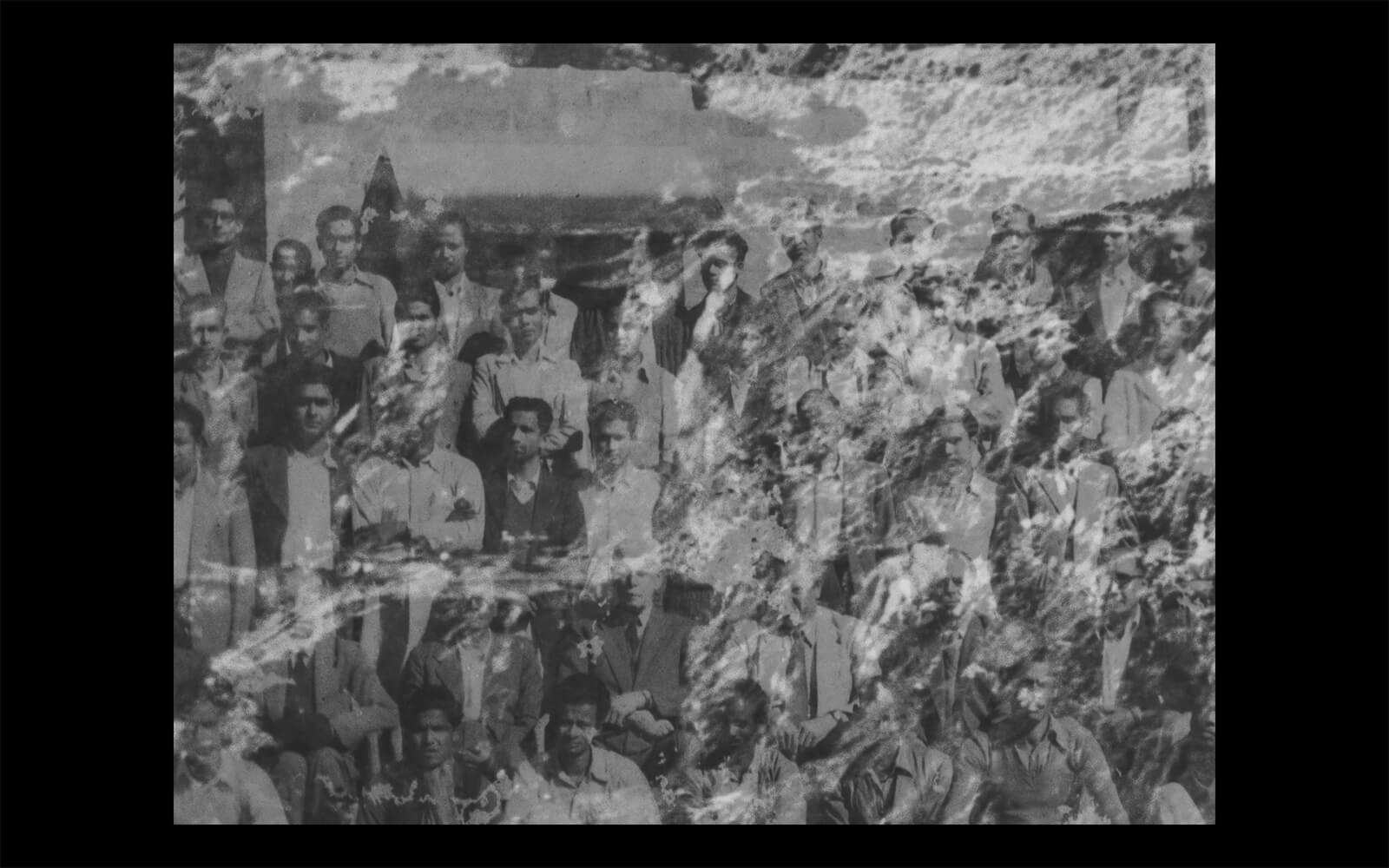
The official selections from India include two long-duration films: Maya NK's Boudinet's Curtain, which draws inspiration from Roland Barthes' reflections on photography from La Chambre Claire to bring together interviews with queer individuals alongside their childhood photographs, and Devadeep Gupta's Margherita, which explores the history of a town in Assam of the same name.
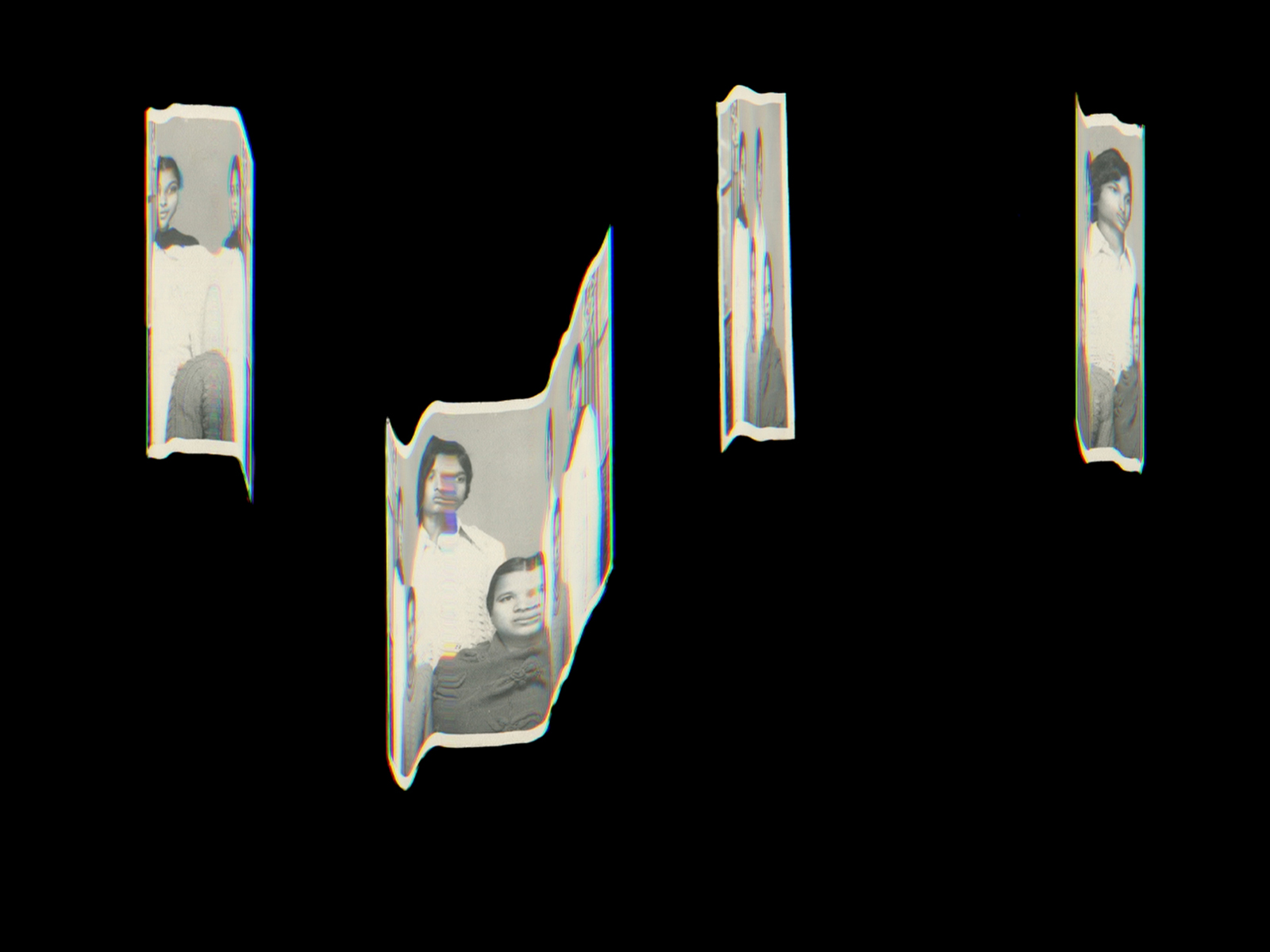
![Still from ‘Saccharine Wonderland & Forces That Make Me Shiver [Abhilash:Ishq]’, 2025, Tushar Gidwani | Emami Art Experimental Film Festival 2026 | STIRworld](images/see/7348_EAEFF2026_11.jpg)
Ten mid-short duration films from India will also be competing against each other. These include, among others, A Circle as the Center of the Whole by Utkarsh, which uses archaeology as a metaphor to present Delhi as a city under excavation by history and memory, and Vanij Choksi's Goodnight, My Dear, a meditation on memory and thought. In Tushar Gidwani's Saccharine Wonderland & Forces That Make Me Shiver [Abhilash:Ishq], the Indian producer and filmmaker reflects on identity, desire and belonging.
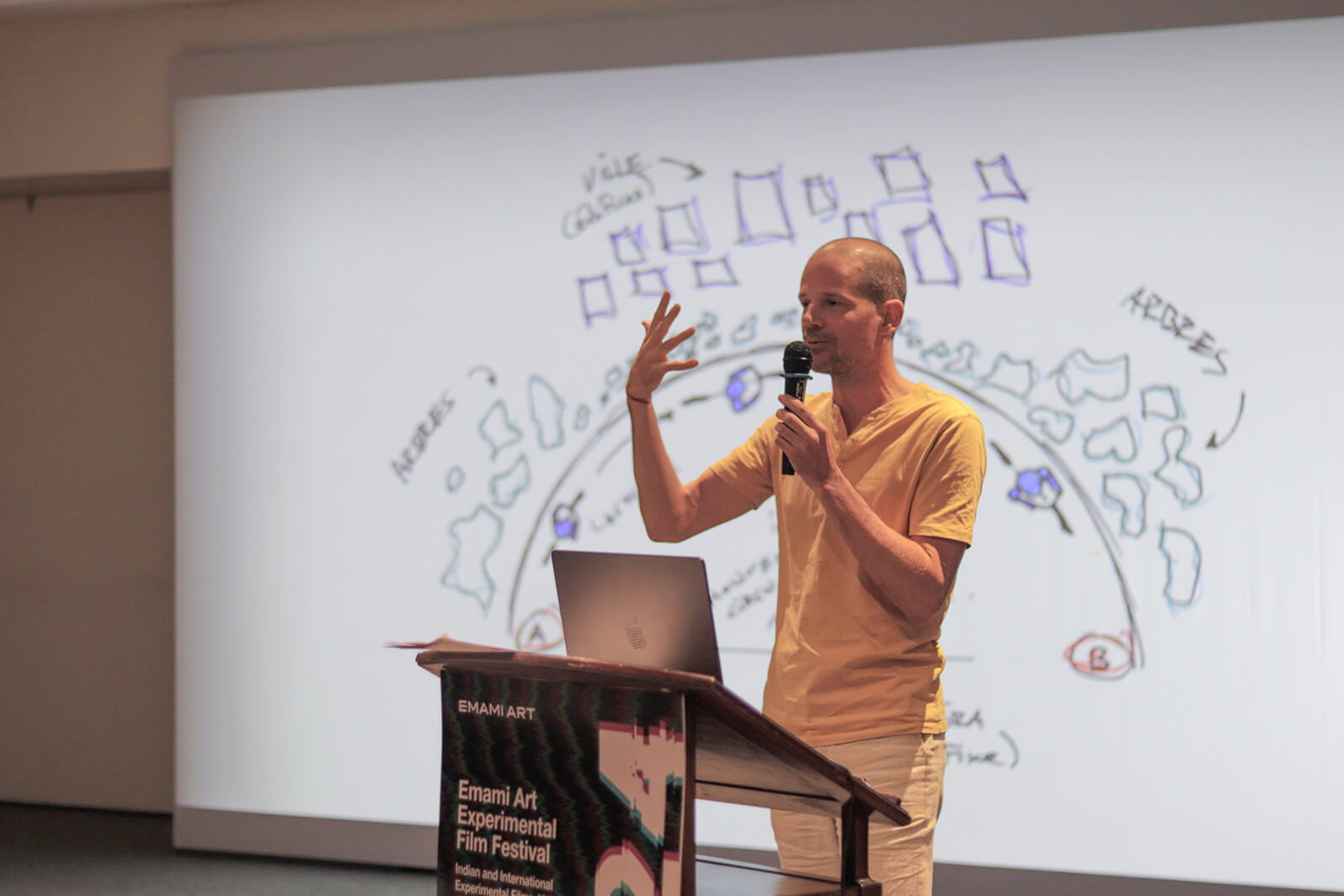
Ushmita Sahu, director and head curator at Emami Art and festival director of EAEFF, notes, "Experimental cinema asks us to look differently. If it can be named as a category at all, it makes visible what conventional images often pass over—texture, duration, movement, silence, accident, glitch, slips. The remarkable response to this year’s open call is a reminder of the breadth and vitality of moving-image practices being explored today, and of the need for spaces where this work can be encountered, discussed and taken seriously. Over four editions, EAEFF has grown into such a space. The fifth edition takes that conversation further by bringing the moving image into the gallery as well as the screening room. For us, the gallery can do more than provide a place to show work: it can create contexts, bring different practices into dialogue, and allow audiences to encounter moving images not simply as something to watch, but as material, language and a way of thinking.”
At a time when few pause to reflect on the details, the festival will encourage audiences not just to propose the different possibilities of what cinema can be, but also to encourage the desire to keep looking.
‘The Emami Art Experimental Film Festival’ will be held from September 22 – 27, 2026, at Emami Art, Kolkata Centre for Creativity, Kolkata.
by Srishti Ojha Oct 09, 2026
In his ongoing exhibition, the South African artist creates two post-apocalyptic futures to explore society’s relationship with textiles, patterns and technology.
by Srishti Ojha Oct 07, 2026
The Kolkata-based film festival shone a spotlight on local and international filmmakers and artists who are pushing the boundaries of what a film can encapsulate.
by Samar Jodha Oct 05, 2026
Looking at Ahmed Ali’s photographs of workers and industry within the wider history of industrial photography, from Soviet state imagery and Sunil Janah to Lewis Hine.
by Srishti Ojha Oct 02, 2026
The Indian artist’s exhibition at the Bruce Museum in the US thinks through fundamental questions of humanity by focusing on the Sun and the cosmological timescale.

make your fridays matter with a well-read weekend
Enter your details to sign in
Don’t have an account?
Sign upOr you can sign in with
a single account for all
STIR platforms
All your bookmarks will be available across all your devices.
Stay STIRred
Already have an account?
Sign inOr you can sign up with
Verification link sent to check your inbox or spam folder to complete sign up process
Tap on things that interests you.
Select the Conversation Category you would like to watch
Please enter your details and click submit.
Enter the 6-digit code sent at


EAEFF 2026: Experimental cinema moves beyond the screen in Kolkata
by Vandana Kalra | Published on : Sep 18, 2026


 Sign in with Google
 Sign in with email
What do you think?