Design08 mins. read
Looking for hope and legacy at NYCxDESIGN in New York
by Sunena V MajuMay 30, 2026



by Mrinmayee BhootPublished on : Nov 17, 2025
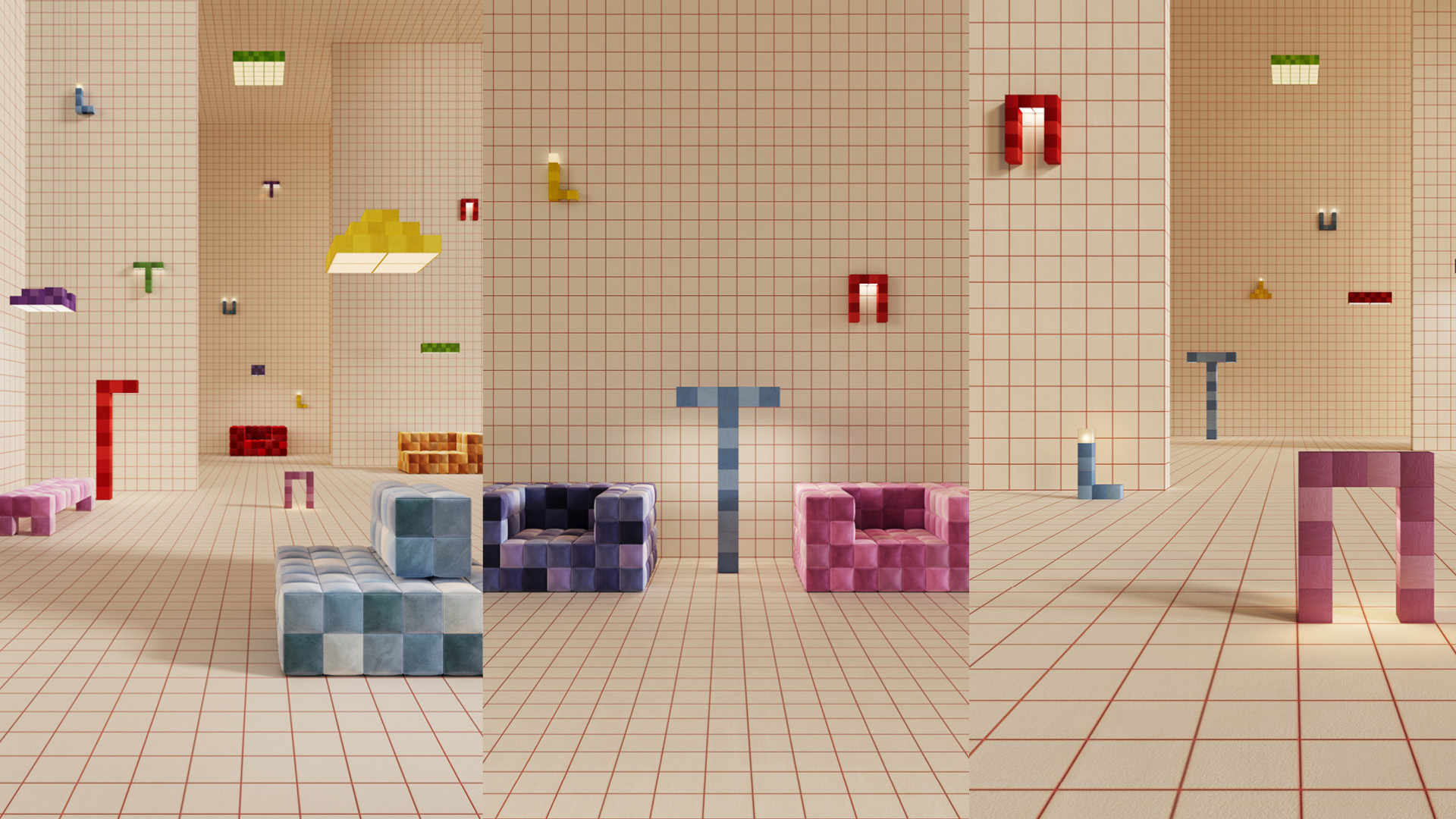
It starts with a dot, or actually, a pixel. A tiny thing against the blank white expanse of a screen. Whether it's blinking at you, like the accursed cursor on a document, or it’s the fragmented red, green, blue and white static on a TV screen, it all begins with that most basic part of an image; the genesis of our digital age visual. Endlessly repeating but never the same, one can do anything their heart desires, starting with the pixel. Think of the popular video game Minecraft, where pixels are the building blocks of the structures you can create, which define the world itself. It’s exactly with this sense of experimentation and understanding that spatial designer EXIT Ceren created her first series of modular furniture, aptly titled Pixel Theory.
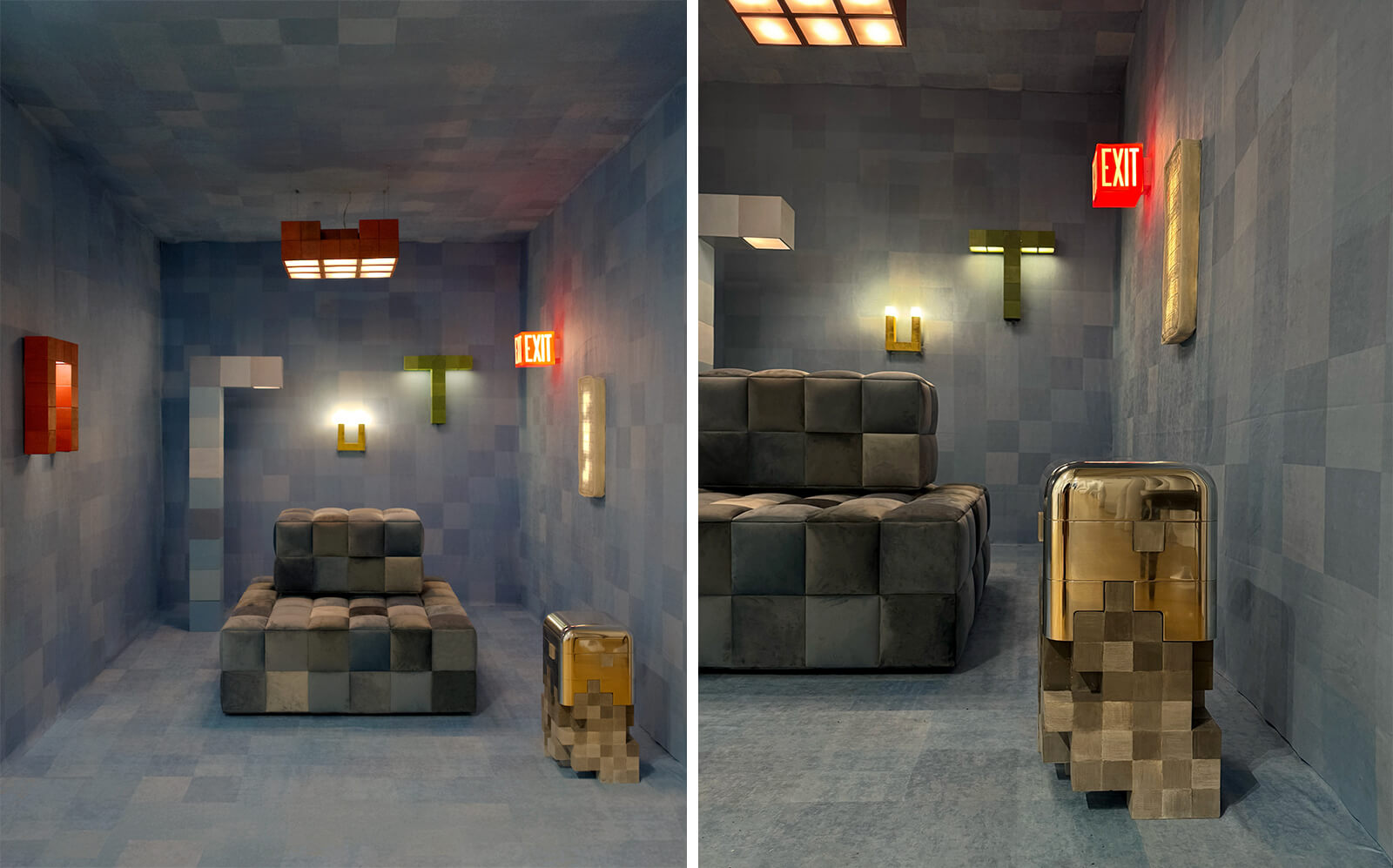
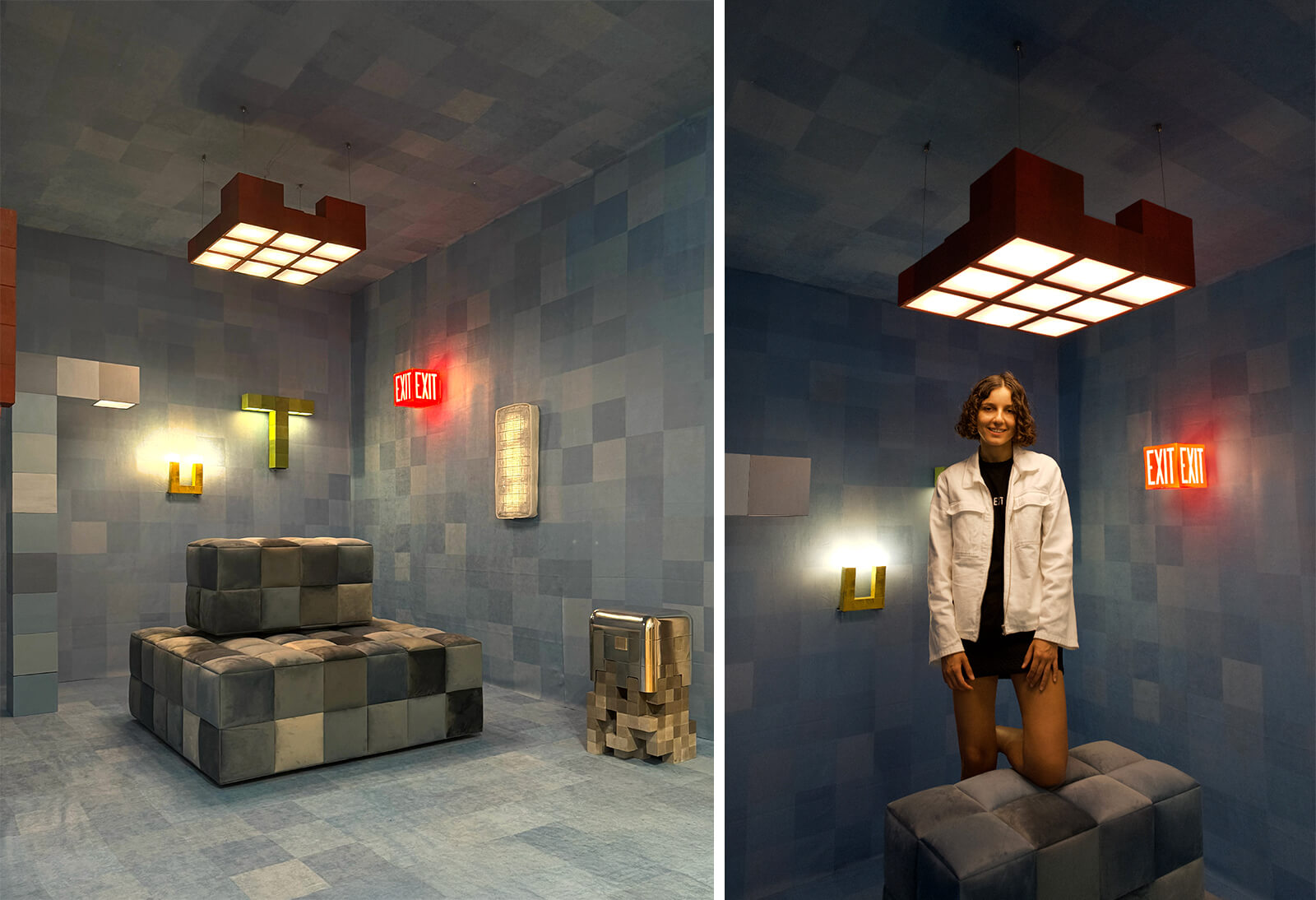
Simple, playful, expandable—to Ceren Arslan, the Turkish creative who goes by EXIT Ceren—the pixel was the perfect medium to translate the digital realm into physical reality. As the contemporary designer tells STIR, “Pixel Theory began as an extension of the worlds I’ve been building within EXIT. After spending quite a bit of time designing in digital software, I became curious about how that language could shift into the physical realm.” With that in mind, the pixel was brought into three dimensions through her furniture designs, which debuted at an installation, EXIT Room 003: Pixel Theory, launched on September 5, 2025, in collaboration with IRL Gallery in New York. Colourful, blocky and extremely jocular, the collection includes chair designs, lighting, side tables and essentially anything one might create using that very basic module. As the gallery puts it, “Shifting from the perfection of high-resolution imagery to its fundamental building blocks, she reimagines the pixel as the origin of a modular design system.”
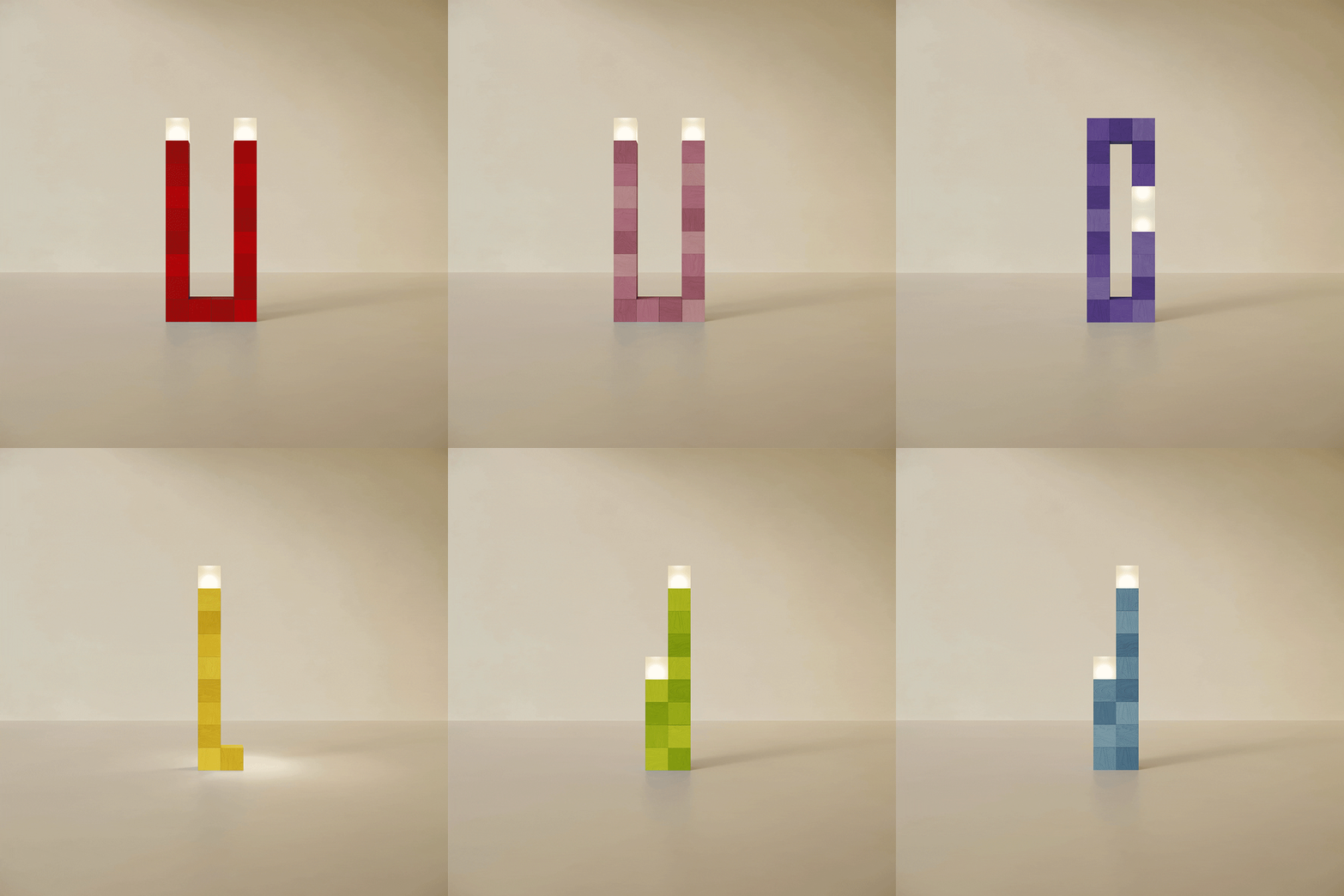
The video game aesthetics of the product designs, much like the game of Tetris (especially in their blocky form), are particularly delightful. It was also this that the design exhibition and many of Arslan's concept drawings emphasise—a not-two-dimensionality that looks almost two-dimensional. The collectible designs were, in part, also inspired by Arslan's time collaborating with architect and designer Pietro Franceschini, as he launched his Tetris collection. As the digital artist relates to STIR, “I was imagining a two-dimensional space we all know, the Tetris game, suddenly existing in three dimensions. That sparked the thought: what if the pixel could break out of the screen and inhabit physical space?” This led to her conceptualising the modular designs that make up the series, evoking a sense of joy and nostalgia for the retro game.
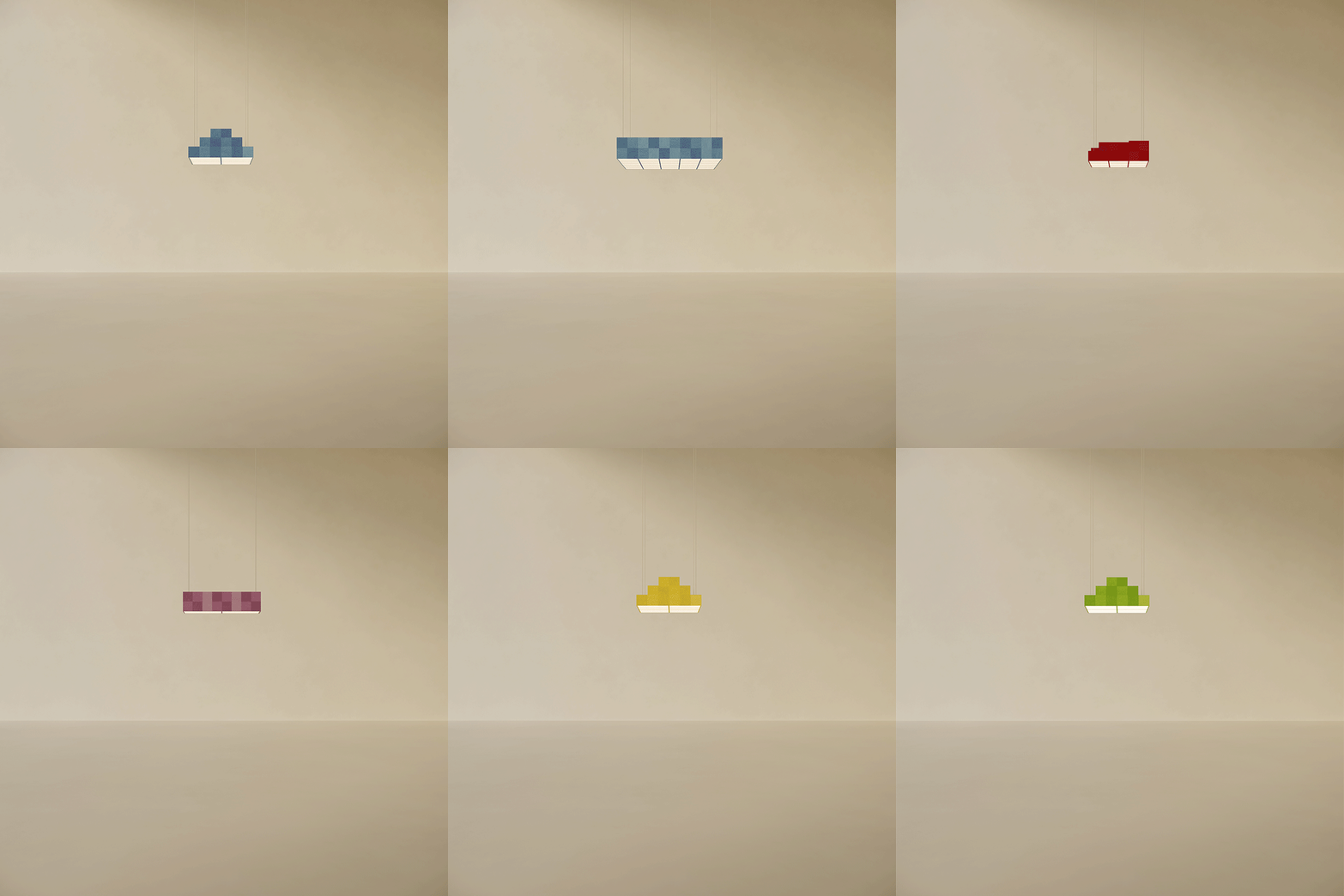
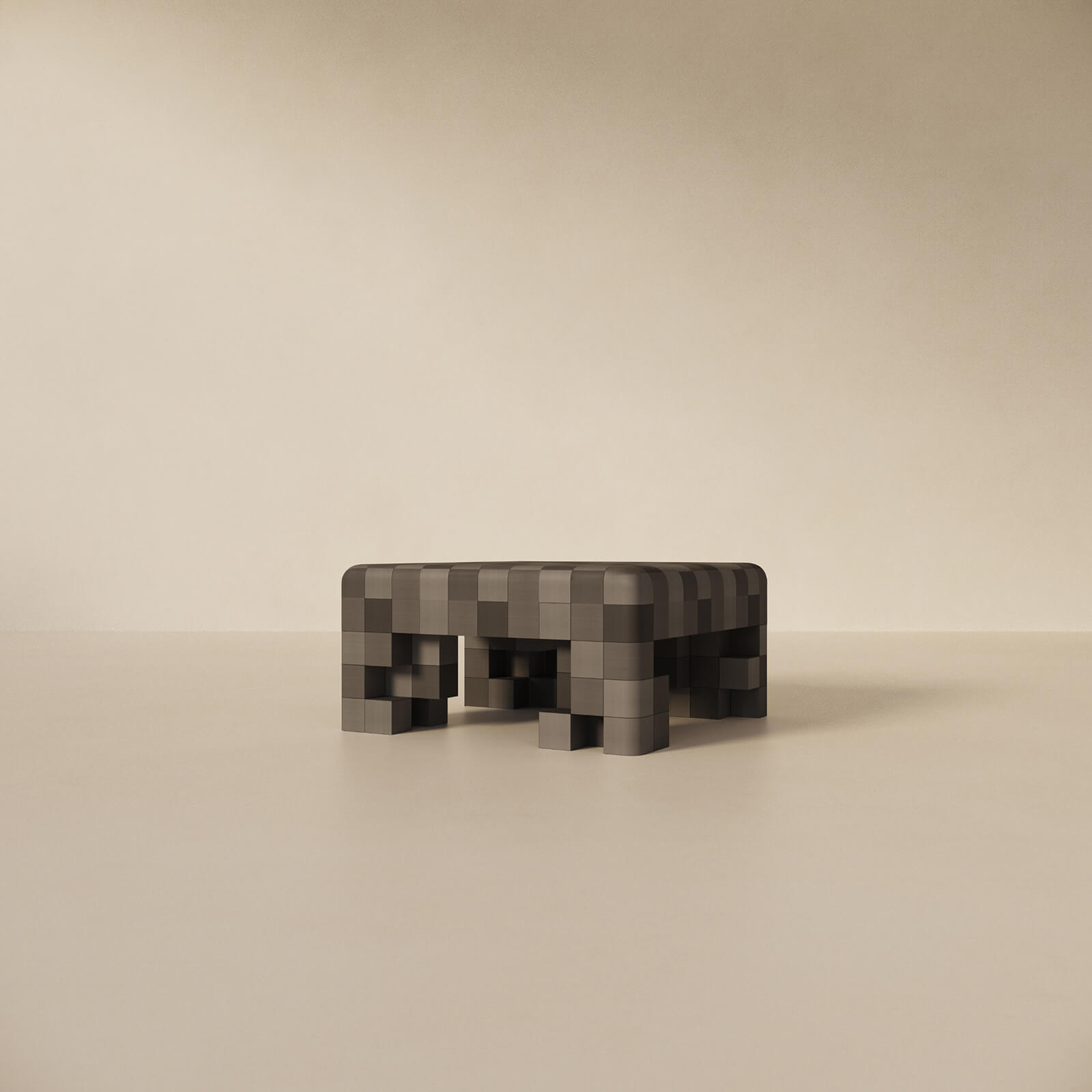
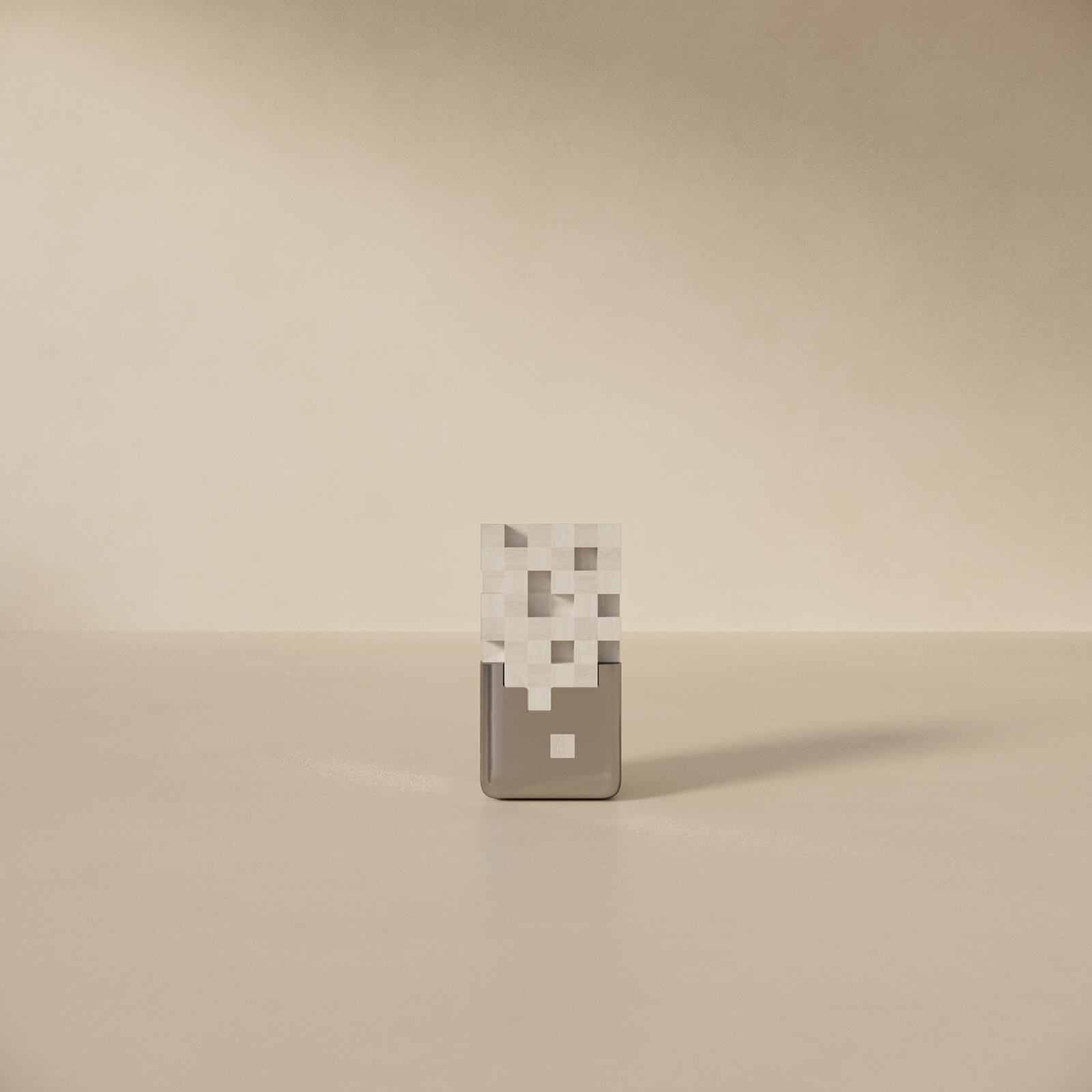
This was also emphasised by Arslan's choice of colour for the forms and the visual language she employs for the renders. That nostalgia is ‘the soul of the collection’ for Arslan. While the installation at the design gallery showcased a few pieces from the furniture designer, many of the products in the catalogue have not been realised. This, as Arslan notes, was a deliberate choice. “For now, the future pieces will be produced on demand, made to order and brought to life in response to genuine interest and context. This approach reflects the next chapter of collectible design culture. Instead of building inventory to store, the work evolves through desire and dialogue, which is a way of making that is intentional, resource-conscious and aligned with the future,” she explains.
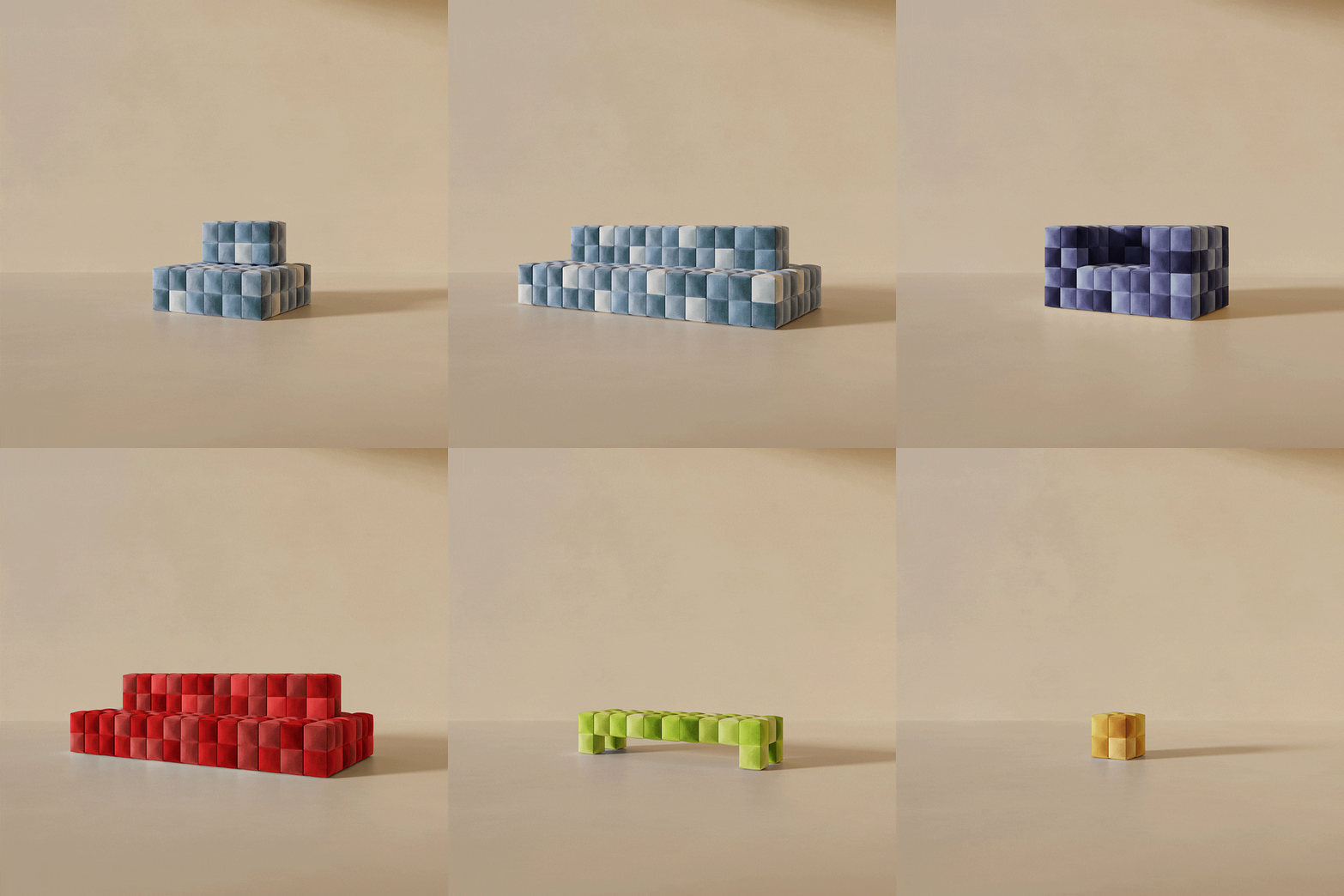
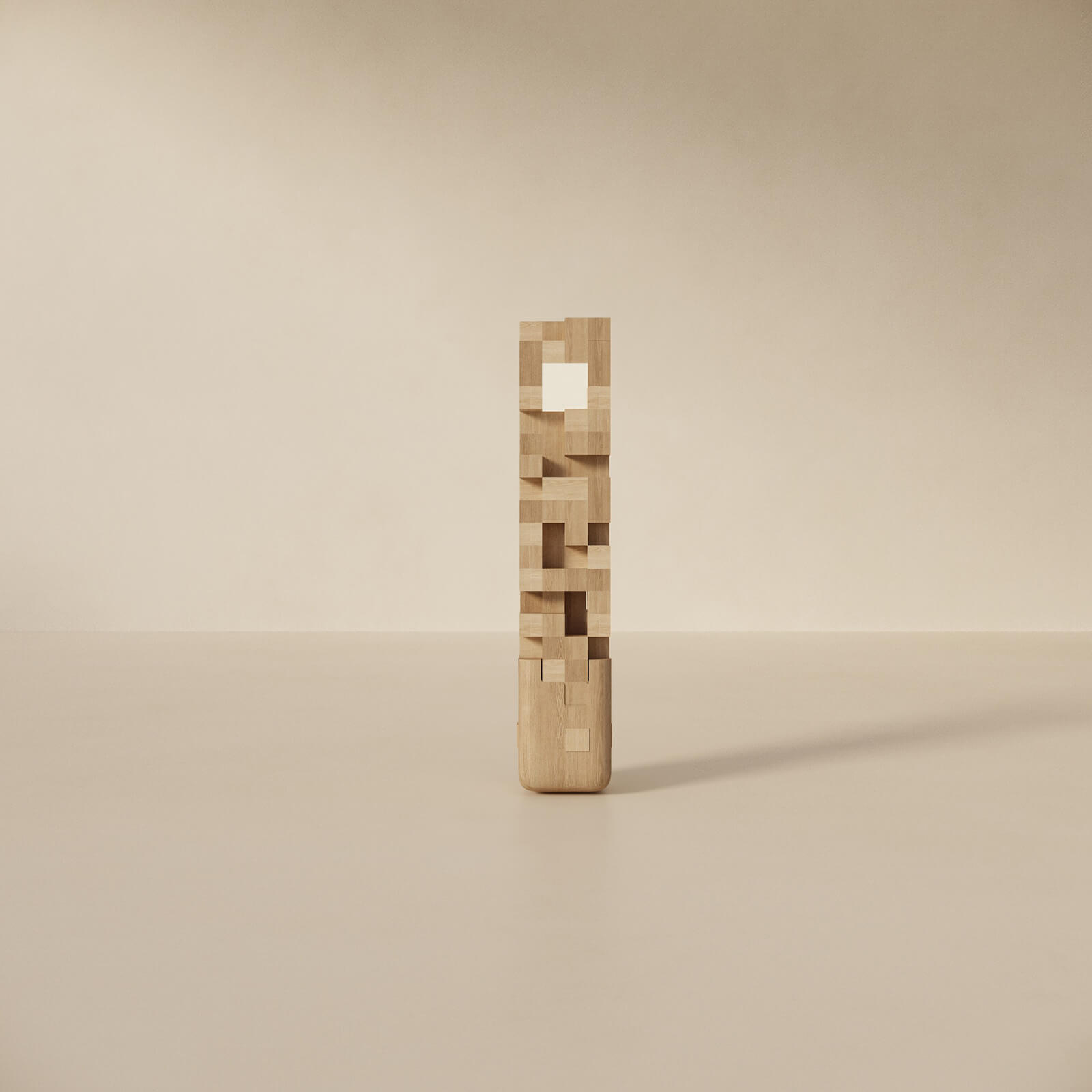
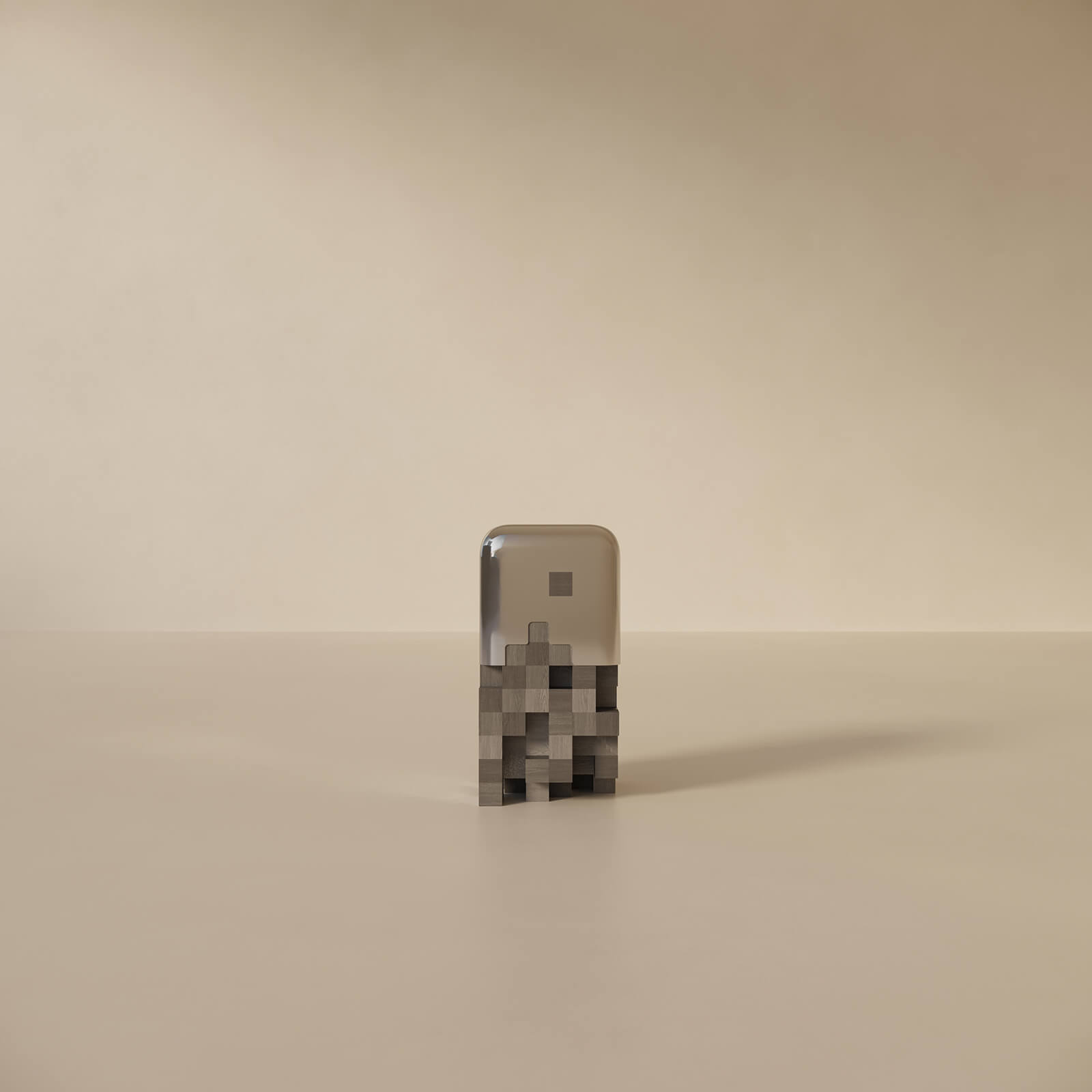
And while it is definitely the more sustainable choice, it would be interesting to see how the collection develops in the future. As Arslan notes, “Eight pieces have already been fabricated and are available for acquisition, and the remaining works in the series will continue to materialise over time.” Many of the lamp designs and tables that she designed for the installation are almost flawless, exactly like the morphing, changeable units of a Tetris game; but for the sofas, one needs to suspend disbelief. Perhaps the aesthetic of the pixel is best expressed digitally.
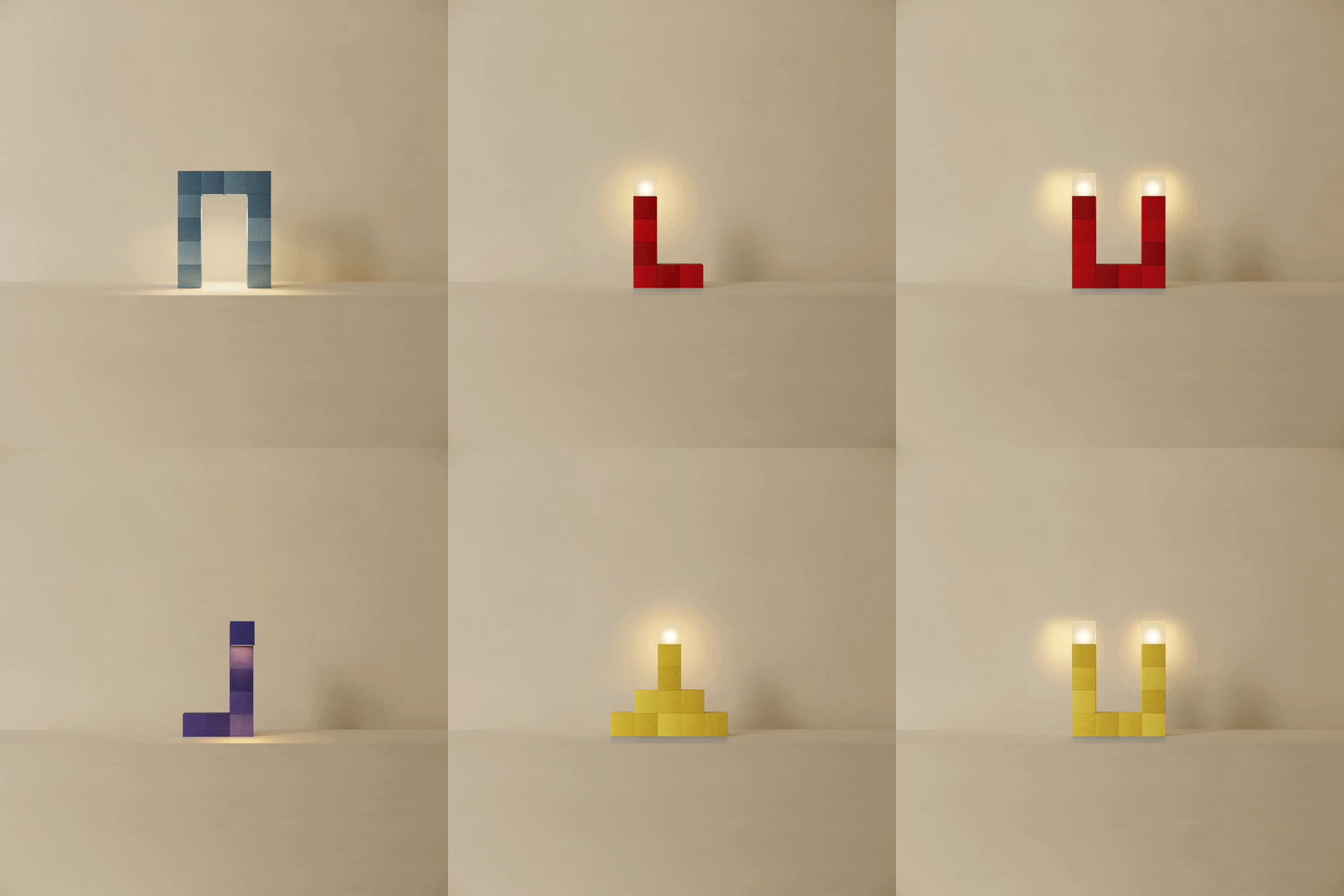
As she emphasises, Arslan's process always begins with digital renders, “My process always starts in the digital space where I develop spatial concepts and test scale and logic. But the ambition is physical. These digital forms are meant to become objects, spaces and environments you can inhabit…EXIT functions as my catalogue of architectural thoughts; it’s an archive of spatial ideas. It’s a framework I use to move between digital experimentation and built reality. In my day-to-day practice in interior and set design, I constantly build environments; EXIT gives those environments conceptual grounding. The vision is to eventually create full EXIT spaces where the furniture lives inside,” she notes. Whether physical or not, there’s a sense of joy to see the pieces in photos, like walking into and experiencing a real game of Tetris. But be careful. A sofa might disappear just as you go to sit on it.

by Pranjal Maheshwari Oct 23, 2026
Co-authored by Jareh Das, Chairman traces the British designer’s fixation on chairs as symbols of power and identity and as mediums of expression and community building.
by Chahna Tank Oct 22, 2026
STIR speaks with the Mumbai-based type designer about her practice, type walks and why she wants more people to have stronger opinions about Indian-script fonts.
by Mirra Lynn Oct 22, 2026
The curators behind Palestine Design Week 2026 reflect on its intent, considering how design holds memory, makes space for loss and imagines a future in Palestine.
by Jincy Iype Oct 15, 2026
STIR explores craft, material intelligence and people shaping Indian design through dialogues with Design Democracy’s co-founders and the curators of its special exhibitions.

make your fridays matter with a well-read weekend
Enter your details to sign in
Don’t have an account?
Sign upOr you can sign in with
a single account for all
STIR platforms
All your bookmarks will be available across all your devices.
Stay STIRred
Already have an account?
Sign inOr you can sign up with
Verification link sent to check your inbox or spam folder to complete sign up process
Tap on things that interests you.
Select the Conversation Category you would like to watch
Please enter your details and click submit.
Enter the 6-digit code sent at


EXIT Ceren’s debut furniture series enacts Tetris with the joyful Pixel Theory
by Mrinmayee Bhoot | Published on : Nov 17, 2025


 Sign in with Google
 Sign in with email
What do you think?