Design07 mins. read
Many hands, many voices: Revising Geoffrey Bawa’s furniture at 'Design in the Moment'
by Dhwani ShanghviApr 05, 2025



by Mrinmayee BhootPublished on : Nov 10, 2025
The now-celebrated modernist Geoffrey Bawa, often touted as a proponent of tropical modernism, had a peculiar approach to design. As he often insisted to clients, collaborators and other stakeholders alike, context was key. His work highlights the fact that the act of building is as much an act of listening, a sense of being in tune with the landscape on which architects dare to infringe. The smell of the earth before a storm, the spiced scent of raat ki rani (lady of the night) as the air turns chilly, the sight of the bright red palaash flower (flame of the forest) on tarmac that shimmers in the heat, the sounds of sparrows on a spring morning—these are part of the constellation of what architects have dumbly termed ‘building site’, proposed as blank white boxes on snow-white paper. As if there could ever be a terra nullius for human activity.
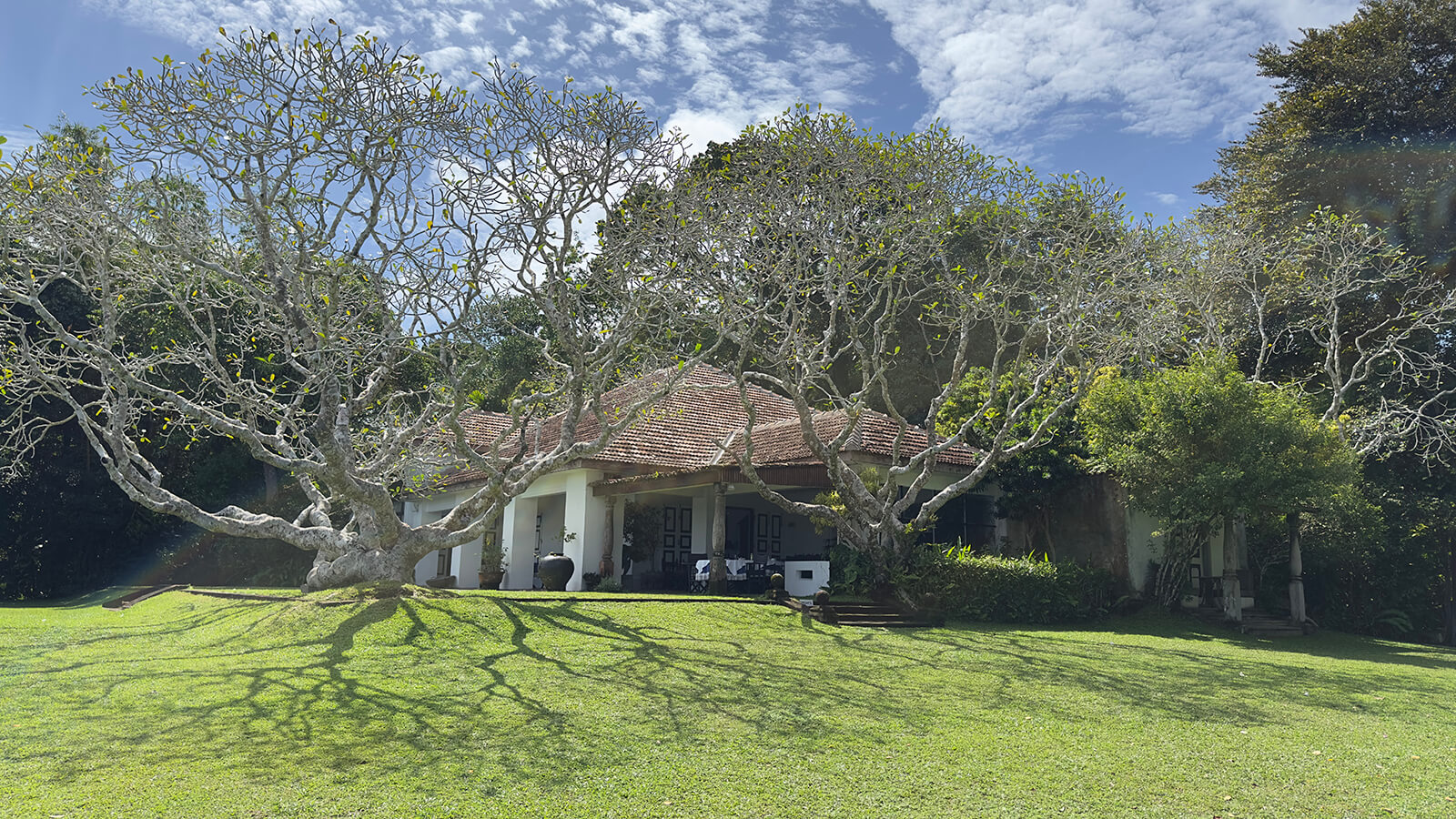
Bawa’s philosophy for making a mark on the ground is best encapsulated in a quote from an interview with his mentee Channa Daswatte, Sri Lankan architect and now chairperson of the Geoffrey Bawa Trust, "The site gives the most powerful push to a design along with the brief. Without seeing the site, I cannot work. It is essential to be there." This adherence to the essential presence of the site—highlighted in the 2022 exhibition It is Essential to Be There—reveals how deeply the architect valued all that precedes construction. It is a principle evident in the revered modernist’s buildings, which seem almost indiscernible from their terrain. Reframing Bawa's vital concern for the fertile wisdoms of the land, an ongoing exhibition at the Geoffrey Bawa Trust explores our bodily engagements with our surroundings and the embedded knowledge systems that govern how we interact with nature. Ways of Knowing, on view till February 28, 2026 at The Bawa Space in Colombo, was conceptualised by the curatorial team of the cultural institute as a critical reassessment of what knowledge, especially in the realm of architecture and design, and especially prescient for the world we live in, is and should be located in.
Not submitting to the Enlightenment ideal of knowledge as empirical or based on the dichotomy of mind and body, the show instead exercises a more expansive notion of how we intuit things, and how we are imbricated in the world. It offers ways of connecting to our planetary residue, our second body (as Daisy Hildyard understands it in her book of the same name), by calling on the instincts of our first—animal—body’s senses. The installations displayed for the exhibition—ranging from virtual reality installations, film, textiles, oral traditions, maps, and seeds—focus on Bawa’s garden, Lunuganga, and the different ways we understand it. Apart from artefacts from the Geoffrey Bawa collection, such as architectural drawings and photographs, the curators invited three guest artists, including the late Barbara Sansoni (previously a longtime collaborator of Bawa), and filmmakers Clara Kraft Isono and Ruvin de Silva for the showcase. In formulating an alternative epistemology that does not operate from a presumed dichotomy, the show thus centres other ways of being. As the exhibition text highlights, the various contributions attempt to map systems and entities that are essentially ephemeral, the garden or its changing seasons; and through these discern sensory reactions to place, listening to the more than human.
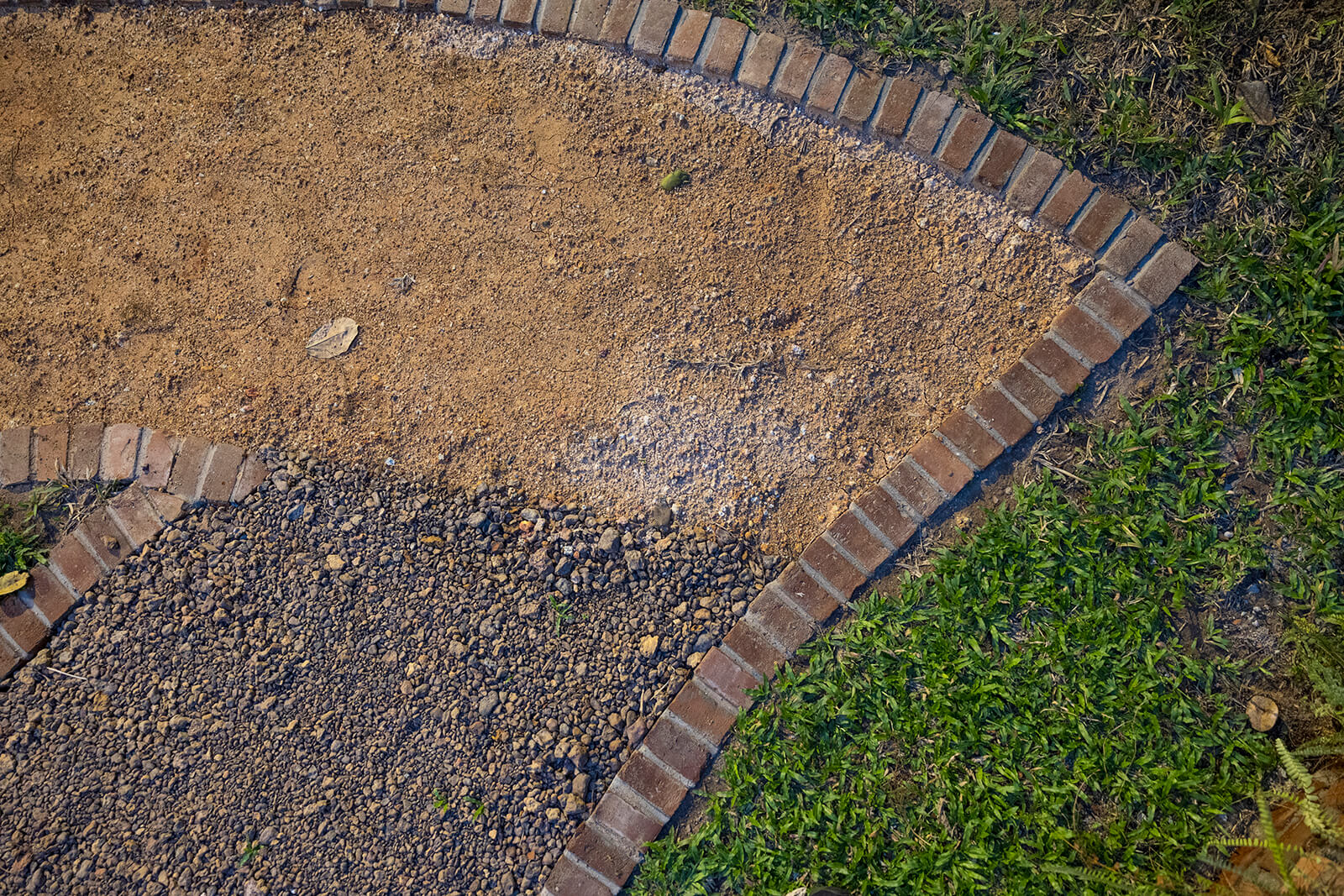
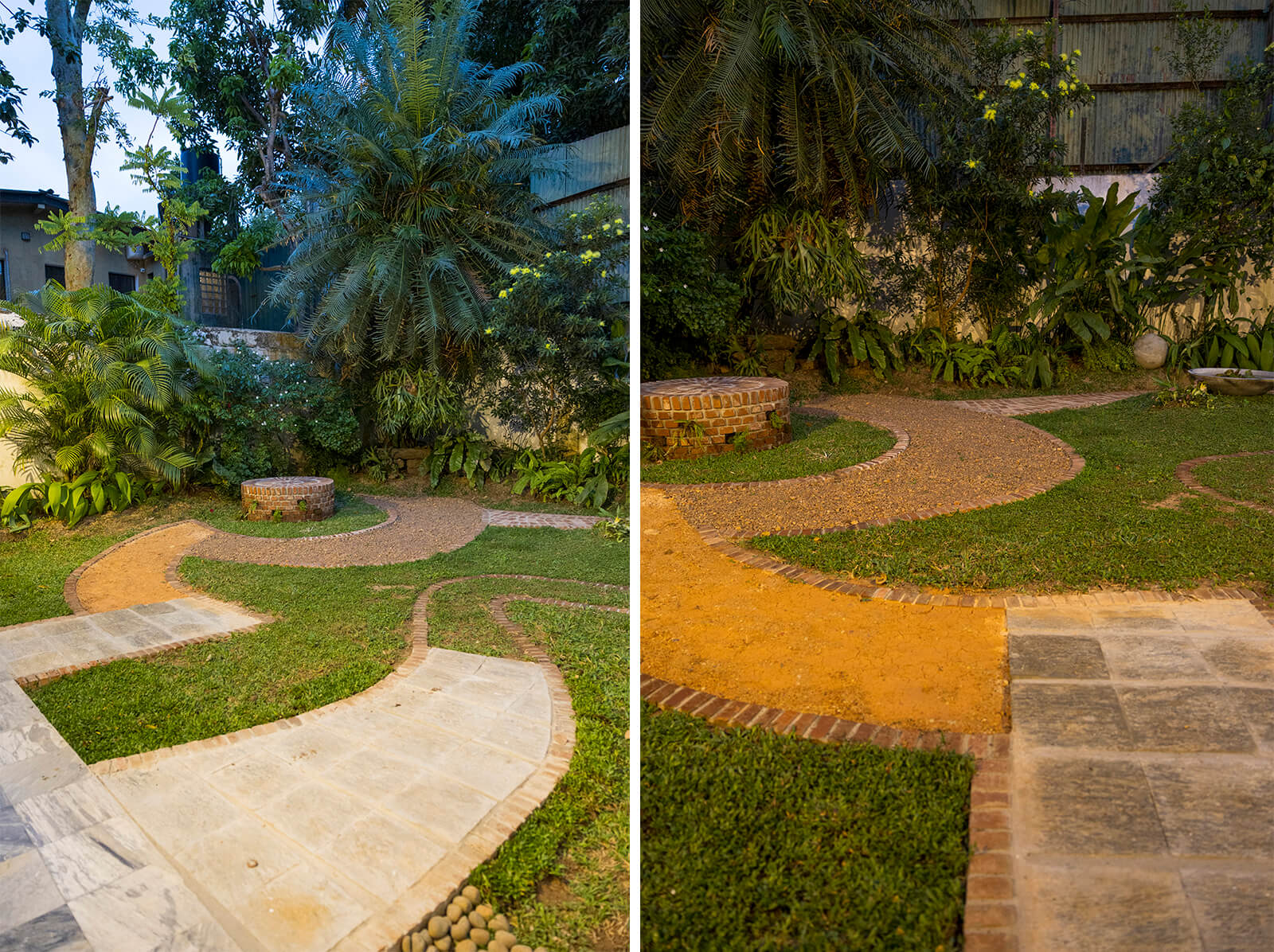
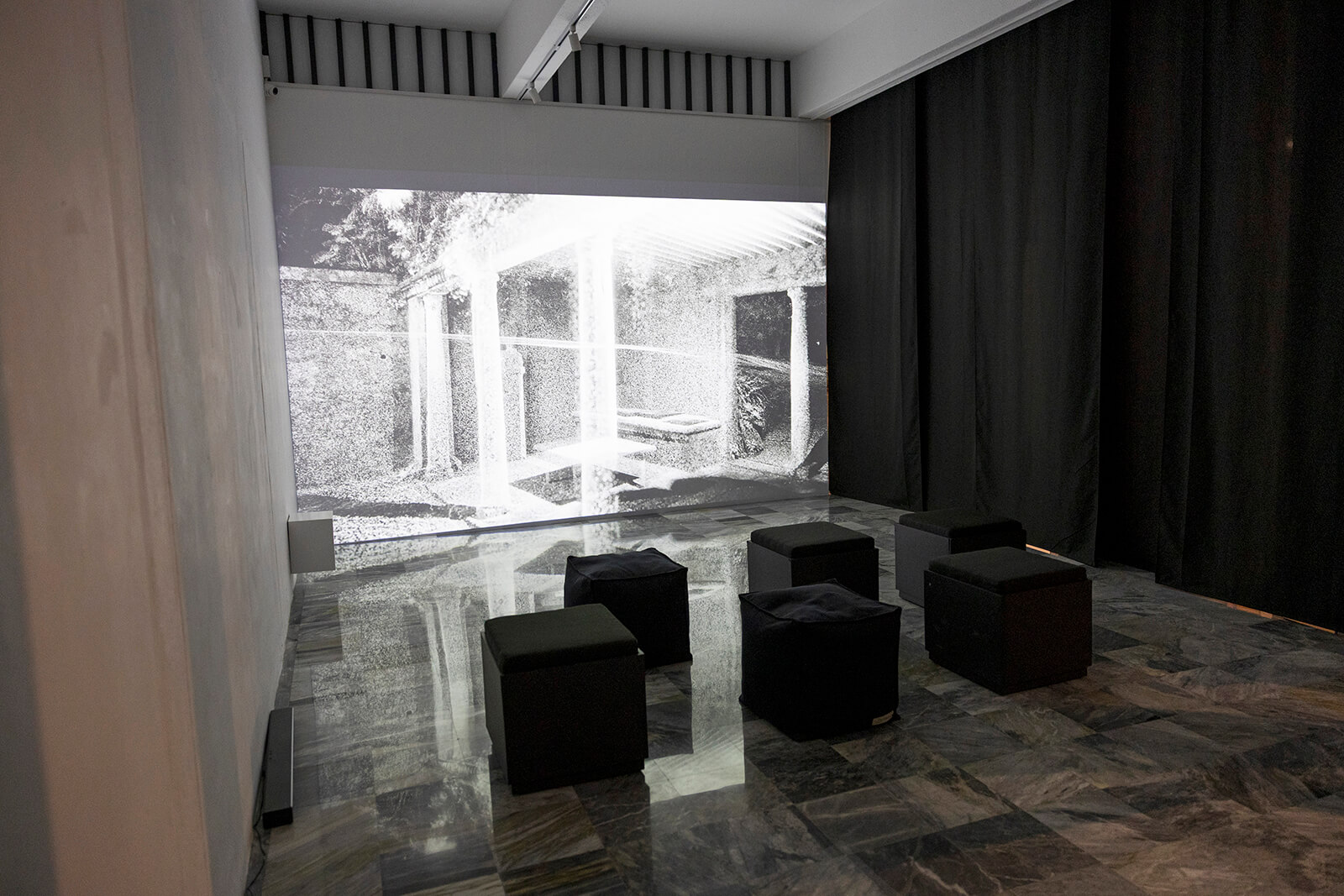
In Garden as a Cloud, Isono (who also directed Bawa's Garden about the Lunuganga estate) offers a 360-degree immersive experience of the fabled garden using 300 high-resolution 3D scans captured on-site that present it as a living breathing landscape, shifting with each change in season. The film is otherworldly—black and white blurred images of the garden emerging as a result of a dynamic spatial archive—presenting the notion that architecture itself is mutable. Building on the idea of temporality with a more corporeal engagement with the garden—a sensory path meant to engage visitors beyond the sense of sight—is presented in the work, Garden within a Garden. Through five ground coverings found at Lunuganga, the project explores how the physicality of the world, in particular, influences how we know (or think we know) our surroundings.
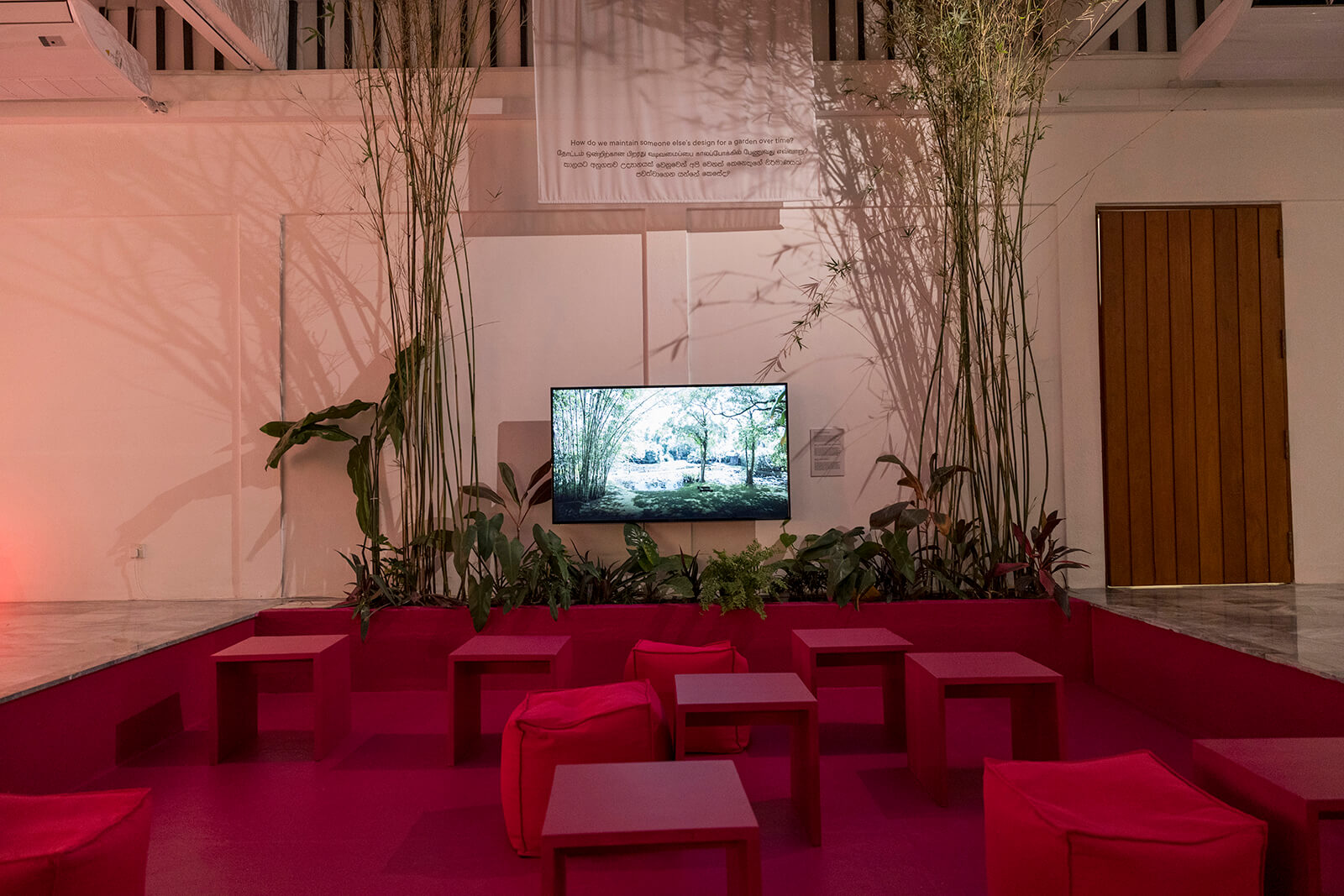
The idea that gardens are sensorial places is self-evident, inviting visitors to pause, to stop and smell the roses. The wild nature of gardens, as opposed to the more stringently ordered logic of landscape architecture, is proof of an aliveness of the terrain. Still, there are hands (often invisible) that tend to these spaces, that weed and seed them, maintaining some semblance of structure. De Silva's The Keepers of his Garden brings exactly these stories of the gardeners of Lunuganga to the fore. The stories of these alchemists, working only with the wisdom and expertise gained by working with their hands, underscore the unseen labour it takes to maintain paradise, and how it demands an attentiveness to the world.
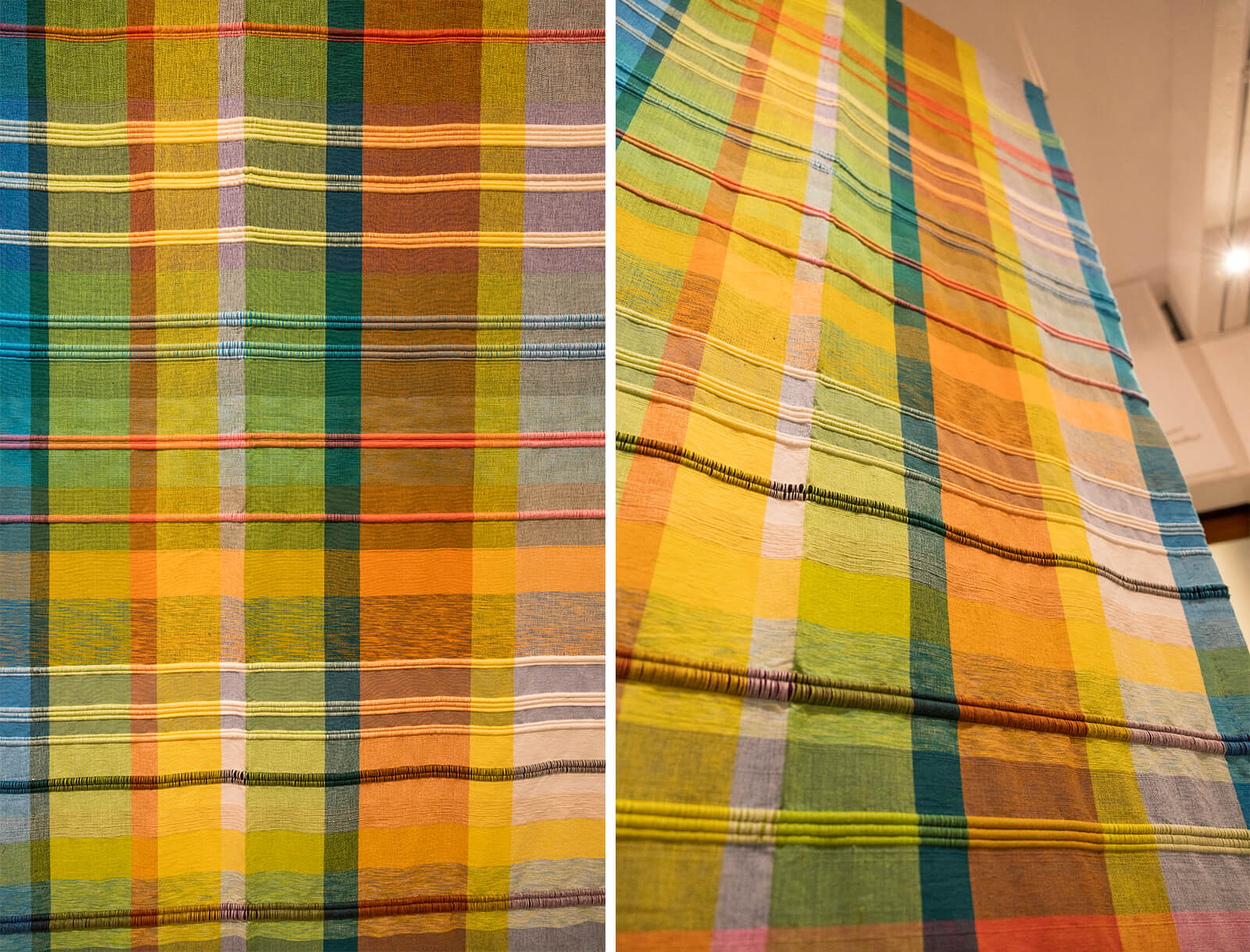
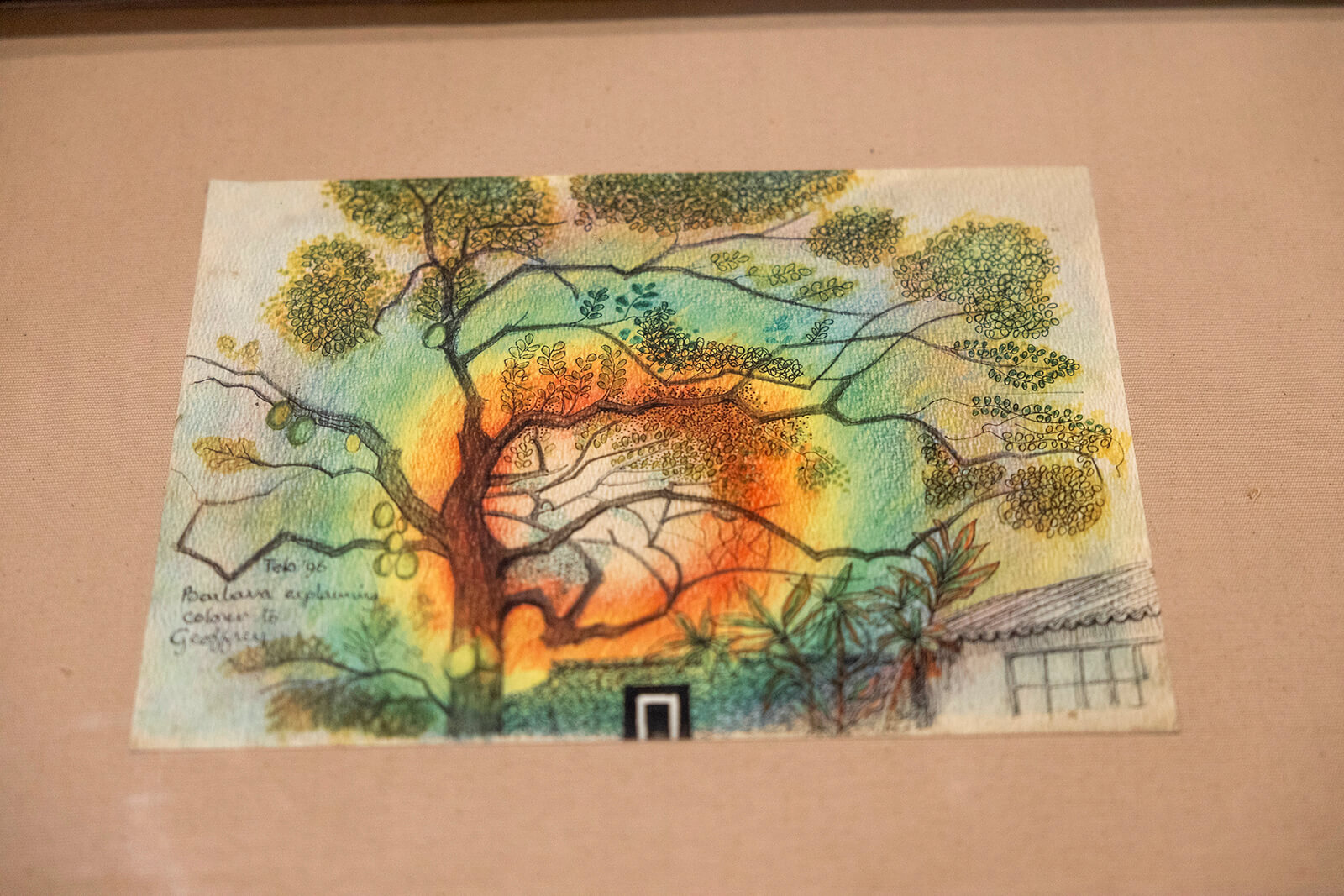
This attentiveness to the landscape is otherwise translated into the ‘Reddha’ textiles of Sansoni’s company Barefoot (Pvt) Ltd, on view in the exhibition. Araliya and Sky transforms the ancient frangipani tree (Araliya) at Lunuganga into a series of wefts and warps, distilling the transcendent essence of the garden into a vibrant textile installation. The use of textile here, also echoed in the exhibition design, is significant in bringing to the fore the fleeting quality of our contexts but also the knotty entanglements of our bodies with the world. In this sense, the dialogue with Bawa's own residential design and its landscaping is similarly crucial. By reframing his philosophy towards site in interactive formats, the show asks larger questions of our own interactions with our natural landscapes, their open-ended framework inviting further questioning.
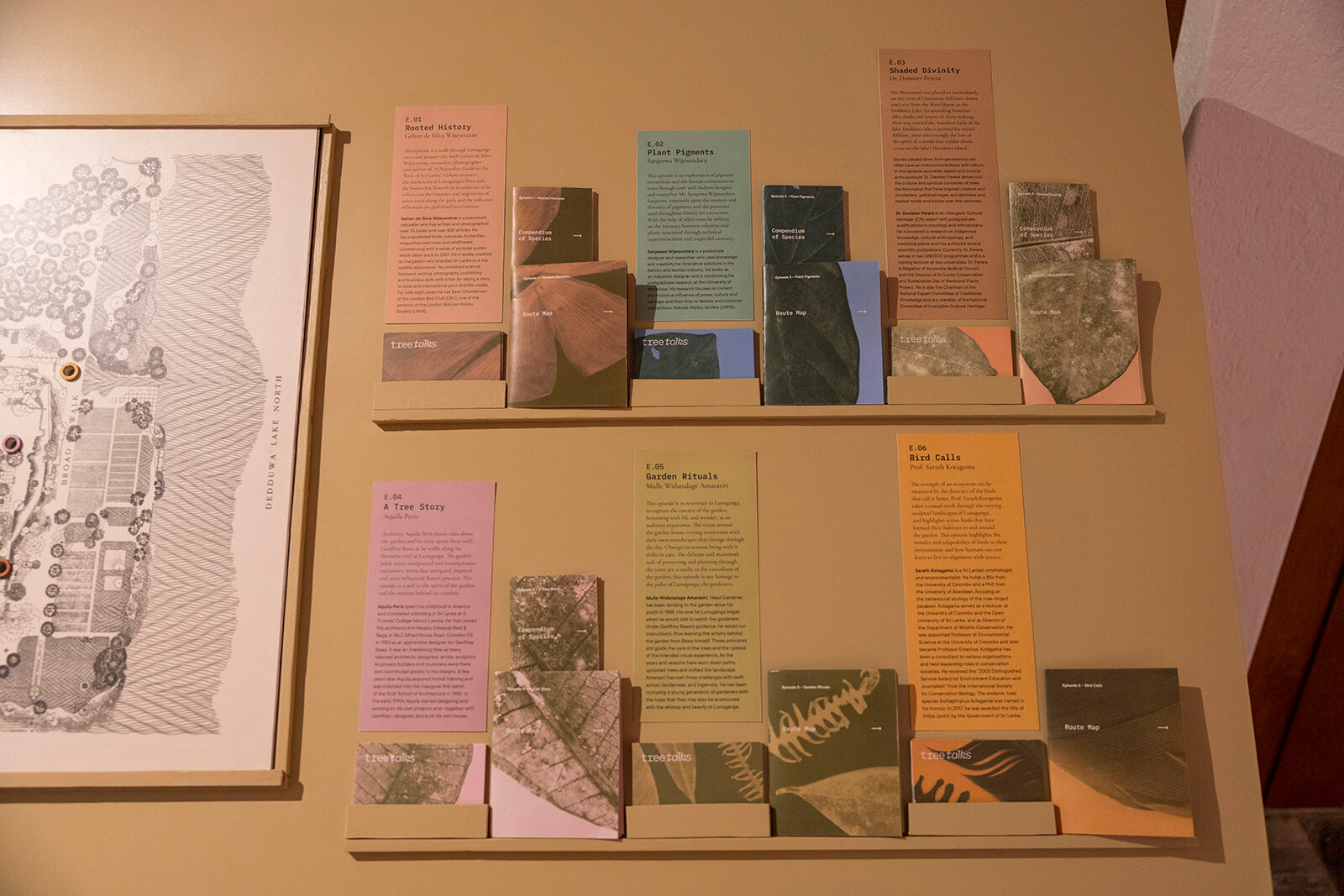
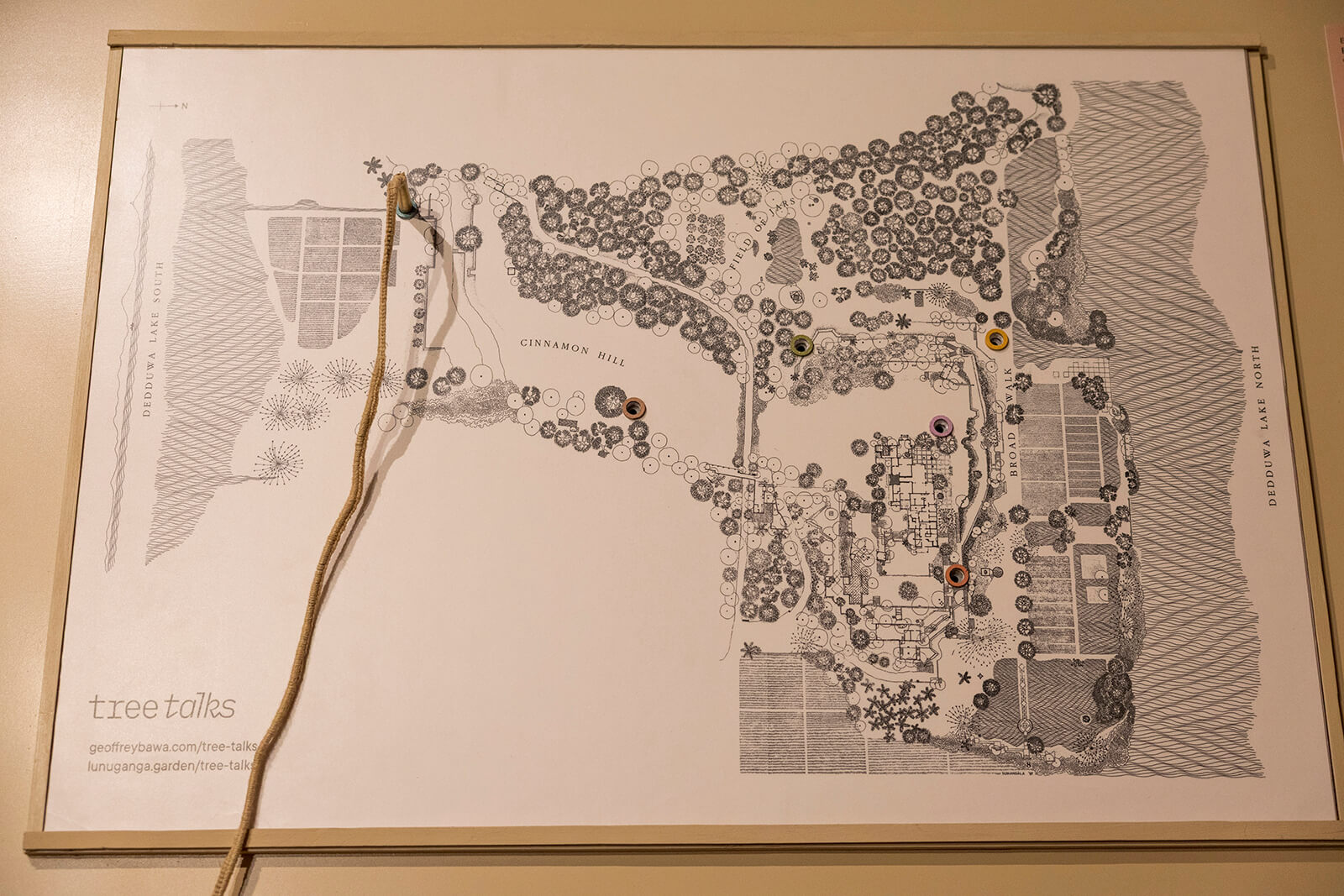
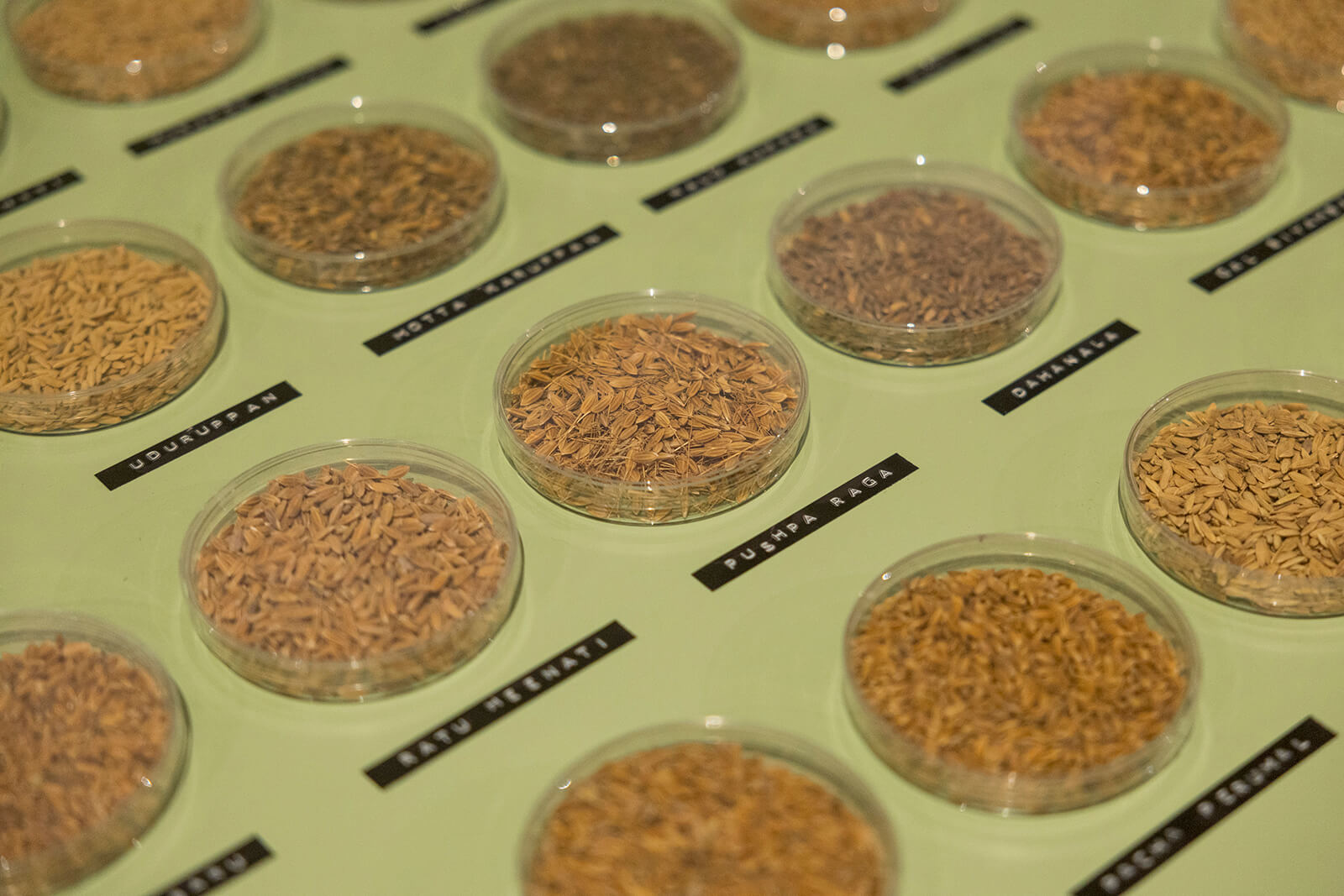
For instance, the interactive installation Tree Talks by nature writer Gehan de Silva Wijeyeratne, designer and researcher Sanjeewa Wijesundara, academic Danister Perera, architect Aquila Peris, gardener Mulle Widanalage Amarasiri, and ornithologist Sarath Kotagama brings up conversations with trees, foregrounding oral traditions as valuable agents in transferring and sharing the stories of the earth, sustained by gardens. The stories we tell about our trees are just as much a part of us—to kill them is to kill us. In this vein, arguing that sustainability is a practice that concerns more than just eco-friendly packaging, conservationist Kapila Udayasiri highlights the indigenous varieties of rice found and cultivated in Sri Lanka, which are slowly but steadily going extinct, replaced with industrial hybrids, which produce higher yields but also reduce cultural and ecological diversity.
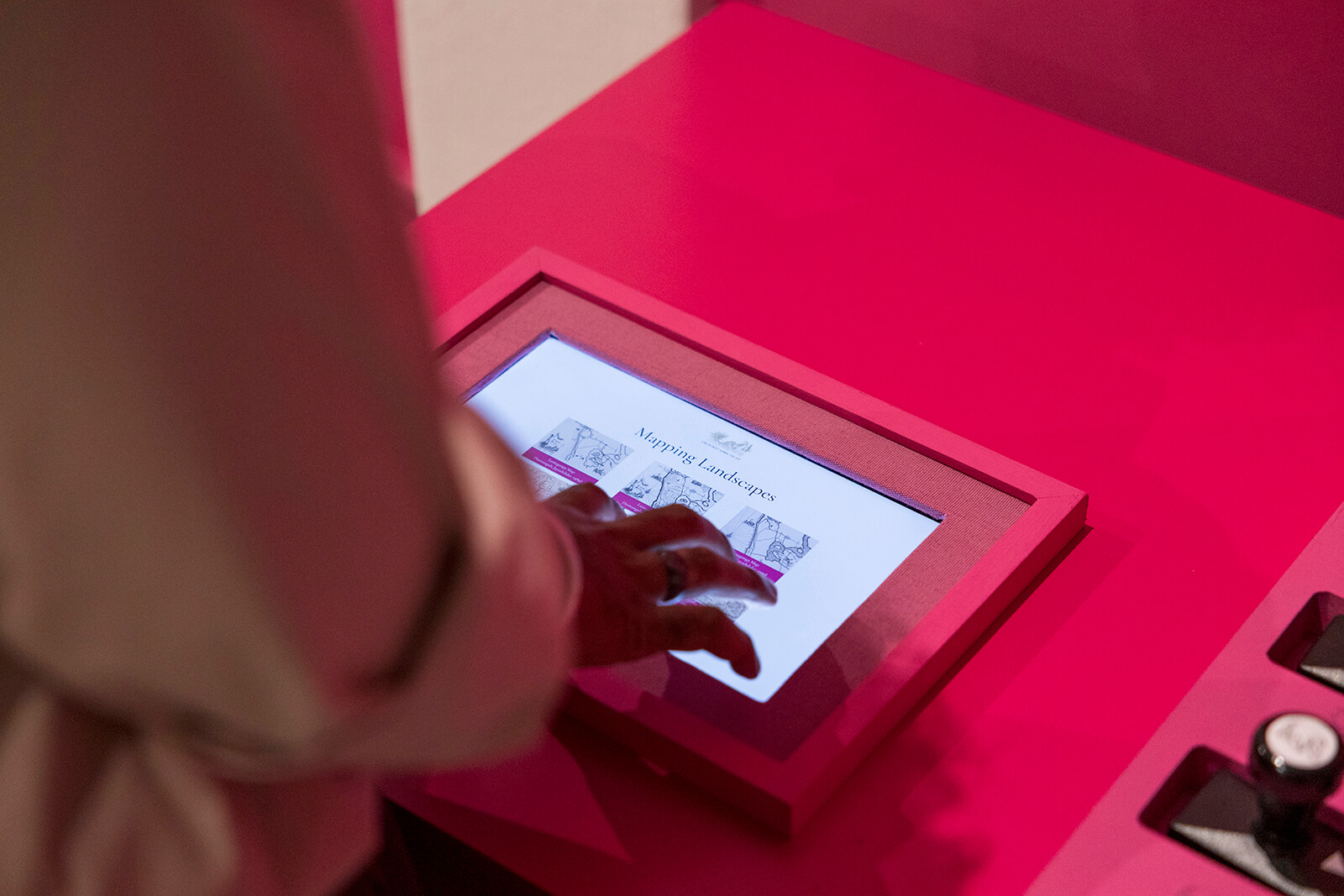
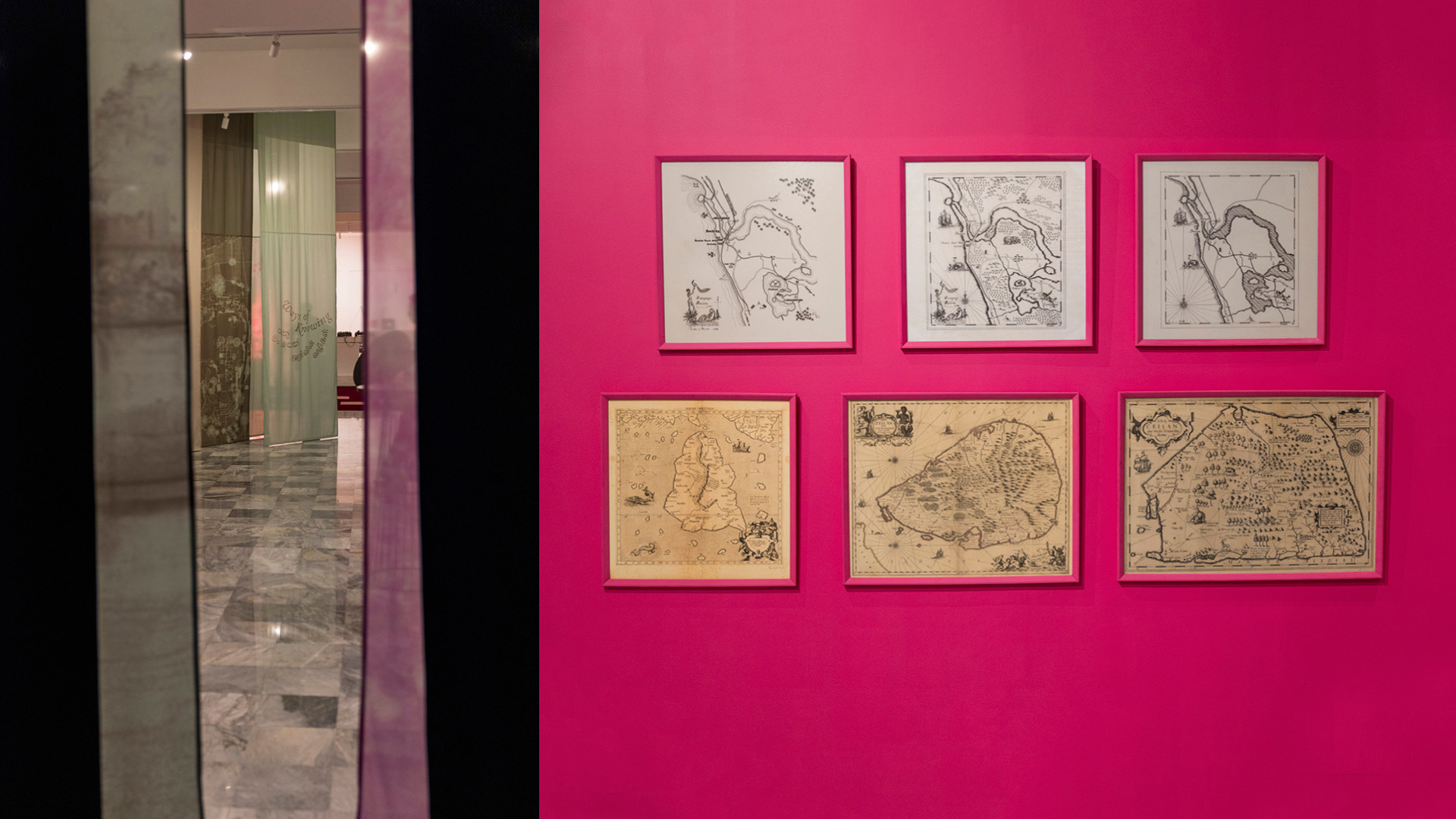
The show, then, can perhaps be encapsulated by its installation Mapping Landscapes by architect Sumangala Jayatillaka that features antique maps by colonial cartographers. The work shows three maps of Lunuganga—each a journey in itself and not just a record of what there is—describing the many ways to get to the garden, and the events that might be encountered along the way, that bring the place alive and encourage visitors to create their own. In relying on stories, oral traditions, errant sounds and alluring smells from the garden, the showcase emphasises that landscape is always shifting. Knowledge, then, can only be understood as unfixed, as something liminal. As Bawa rightly understood it, placeness in architecture could only result from dialogue, from letting a tree be a tree, from asking what a site dreams of, from ways of knowing that might not otherwise feel evident.
'Ways of Knowing’ is on view from August 02, 2025 – February 28, 2026, at The Bawa Space, Colombo.

by Pranjal Maheshwari Oct 19, 2026
The Mumbai-based architects integrate courtyards, mesh screens and north light trusses to create a dining space that doubles up as a community hub at SR University, Warangal.
by Mrinmayee Bhoot Oct 17, 2026
The Rotterdam-based institute centres the Indian Ocean as a network for exploring material histories and transnational links shaping coastal cultures, positing them as future models.
by Pranjal Maheshwari Oct 16, 2026
At the 2026 Stirling Prize ceremony, Mary Duggan with RUFF Architects, MAKER Architecten and Nakshabid Architects were felicitated for proffering quality housing and social equity.
by Mrinmayee Bhoot Oct 12, 2026
The new Centre for Contemporary Arts, fostering public engagement with art in Uzbekistan, is housed in a tram depot refurbished by the French studio, emulating local craftsmanship.

make your fridays matter with a well-read weekend
Enter your details to sign in
Don’t have an account?
Sign upOr you can sign in with
a single account for all
STIR platforms
All your bookmarks will be available across all your devices.
Stay STIRred
Already have an account?
Sign inOr you can sign up with
Verification link sent to check your inbox or spam folder to complete sign up process
Tap on things that interests you.
Select the Conversation Category you would like to watch
Please enter your details and click submit.
Enter the 6-digit code sent at


Geoffrey Bawa Trust’s exhibition engages in more active Ways of Knowing Lunuganga
by Mrinmayee Bhoot | Published on : Nov 10, 2025


 Sign in with Google
 Sign in with email
What do you think?