Architecture07 mins. read
The RIBA Asia Pacific Awards champion designing for people, place and planet
by Bansari PaghdarDec 23, 2025




by Bansari PaghdarPublished on : Feb 28, 2026
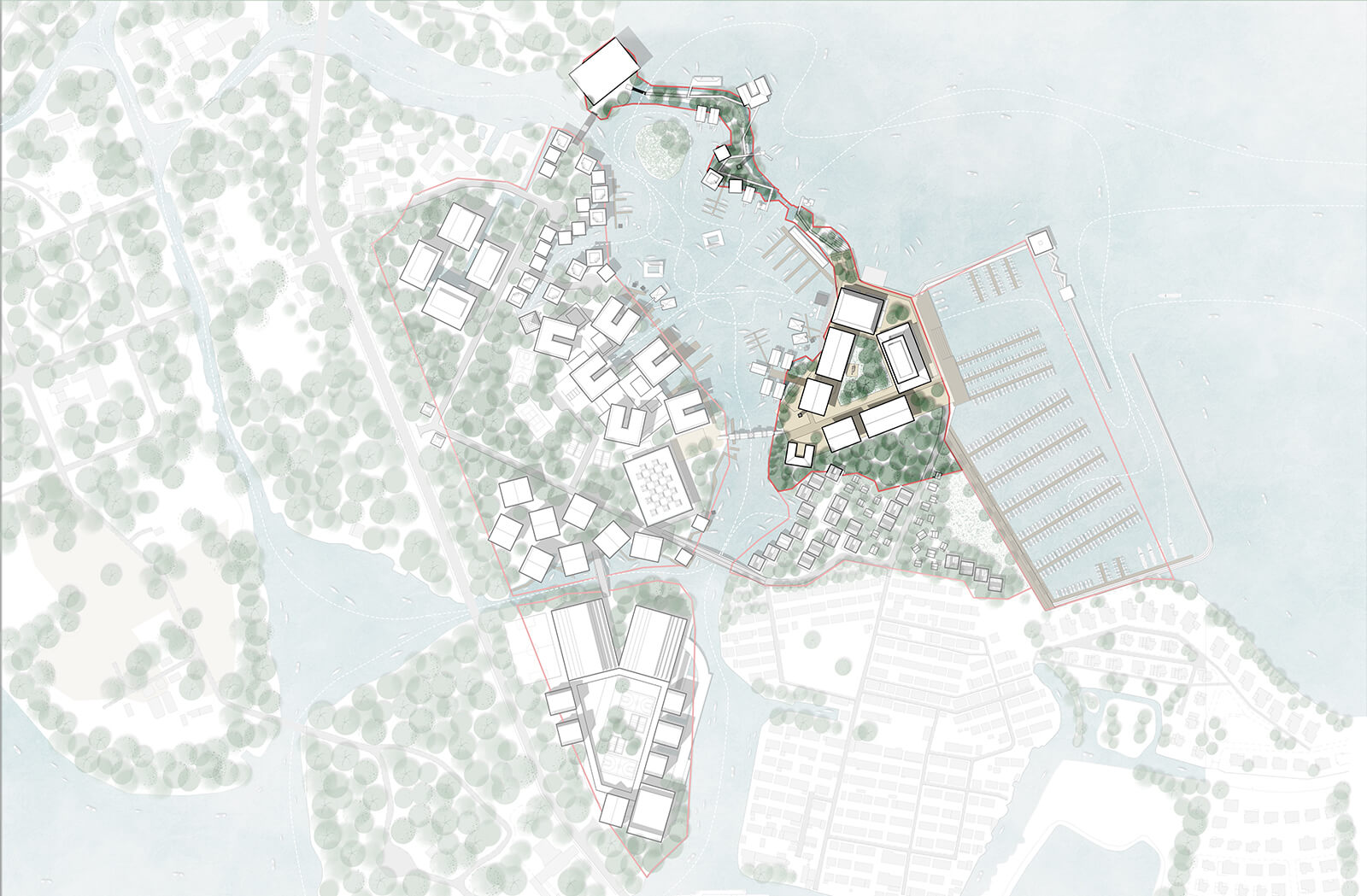
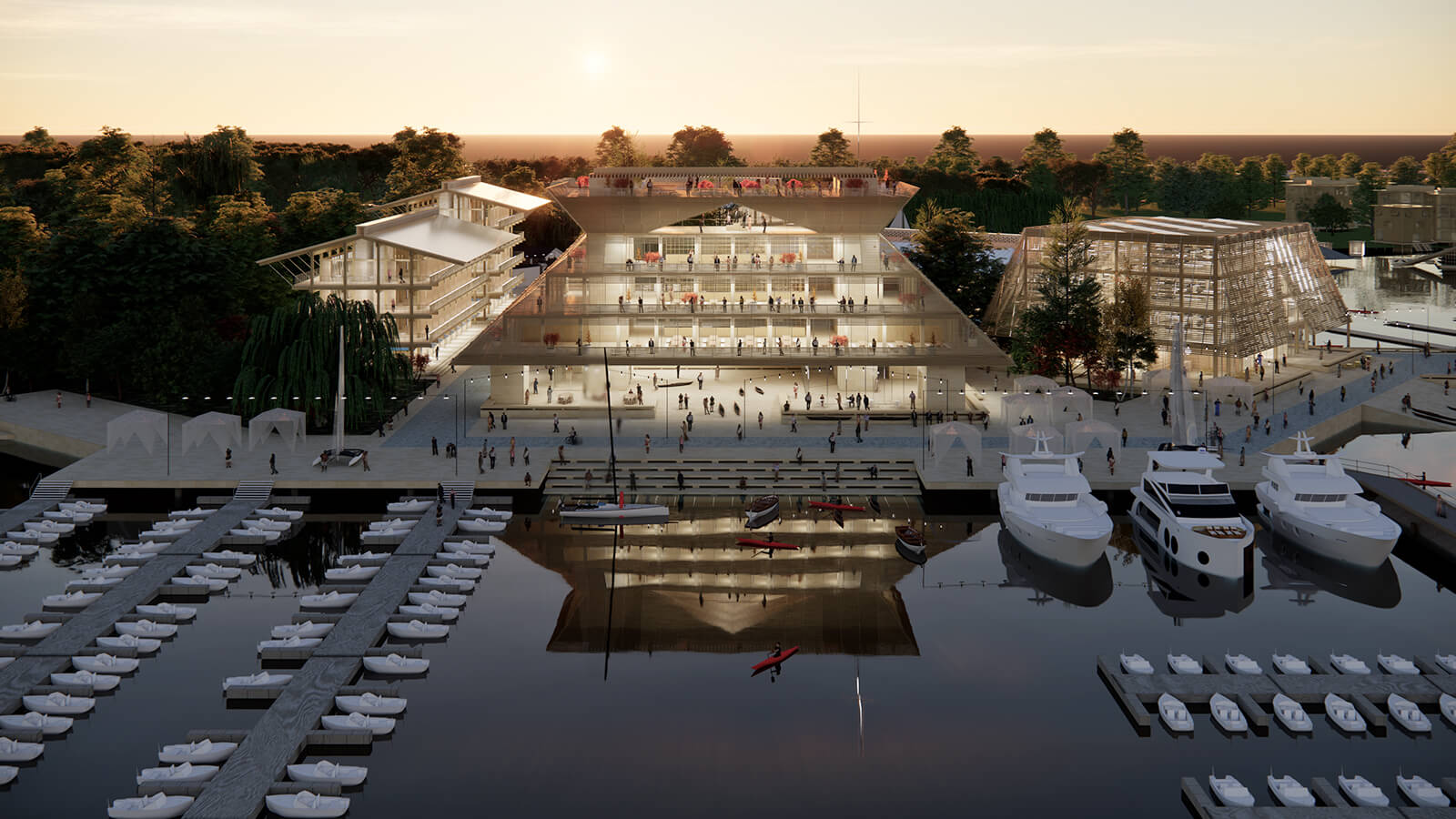
On the edge of Dianshan Lake, the largest freshwater lake in Shanghai, a major riverfront development is shaping up. The area, known for its picturesque scenery, has established itself as a hub for competitive sailing and water sports on a global scale. The Yangtze River Delta International Sailing Hub aims to set new standards for China’s waterfront recreational experiences, while actively promoting a vibrant sailing culture. The larger masterplan is led by global design practice Broadway Malyan on behalf of the Shanghai Yacht Club and the TUI Group, with its work scheduled to begin in the latter half of 2026. At the centre of the entire plan is the Shanghai Yacht Club Pavilion, a landscape-focused landmark commissioned to Haptic Architects.
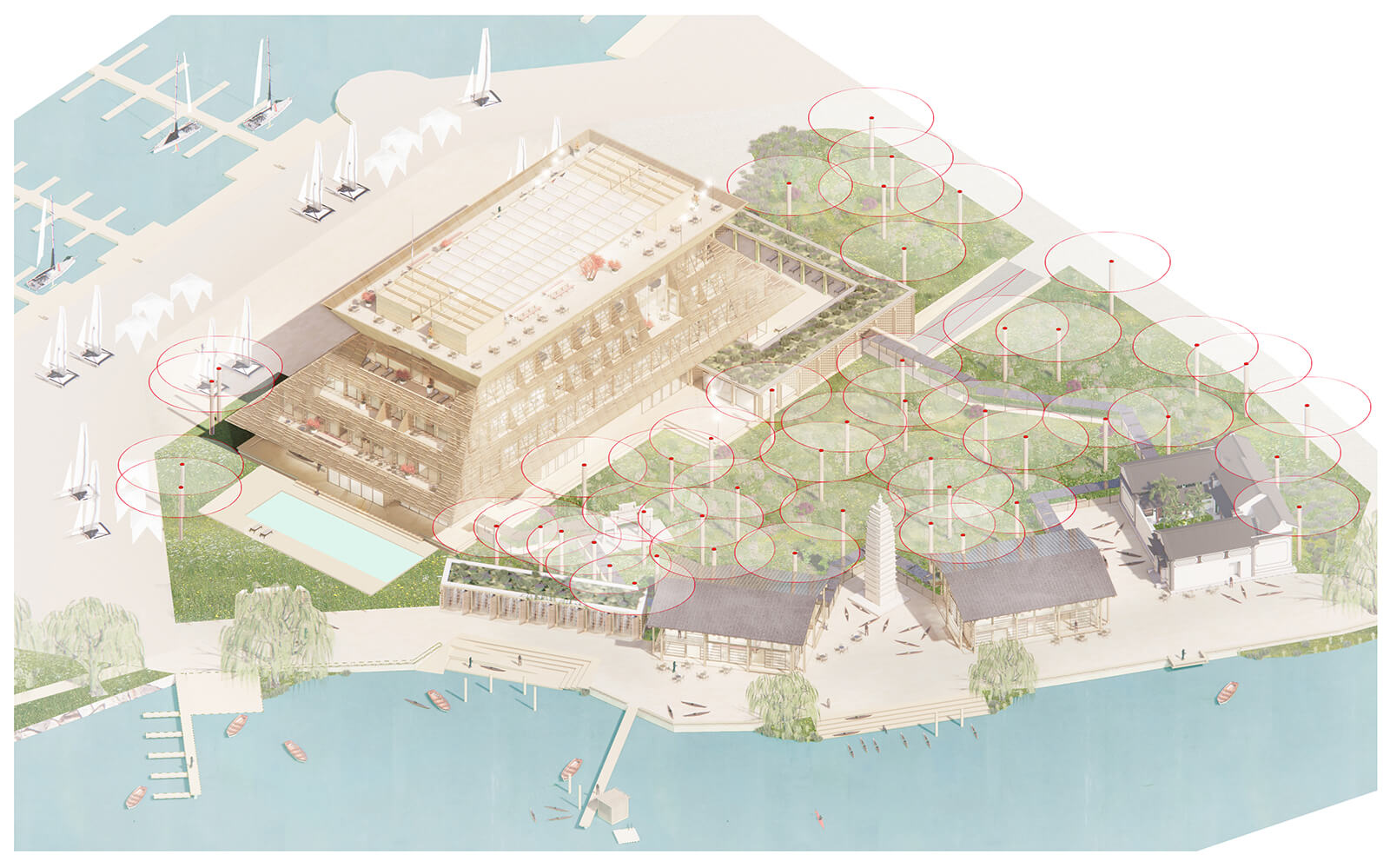
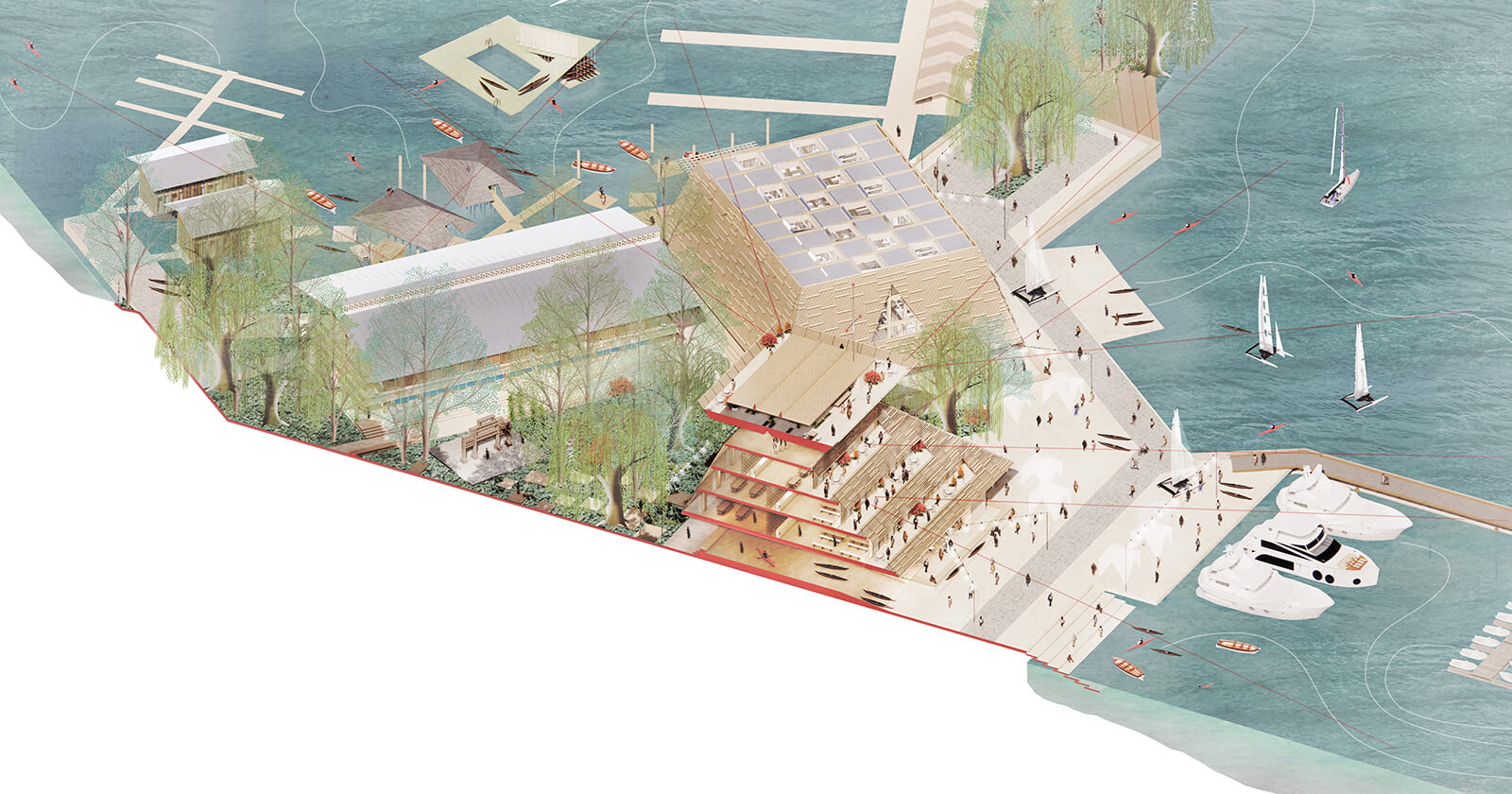
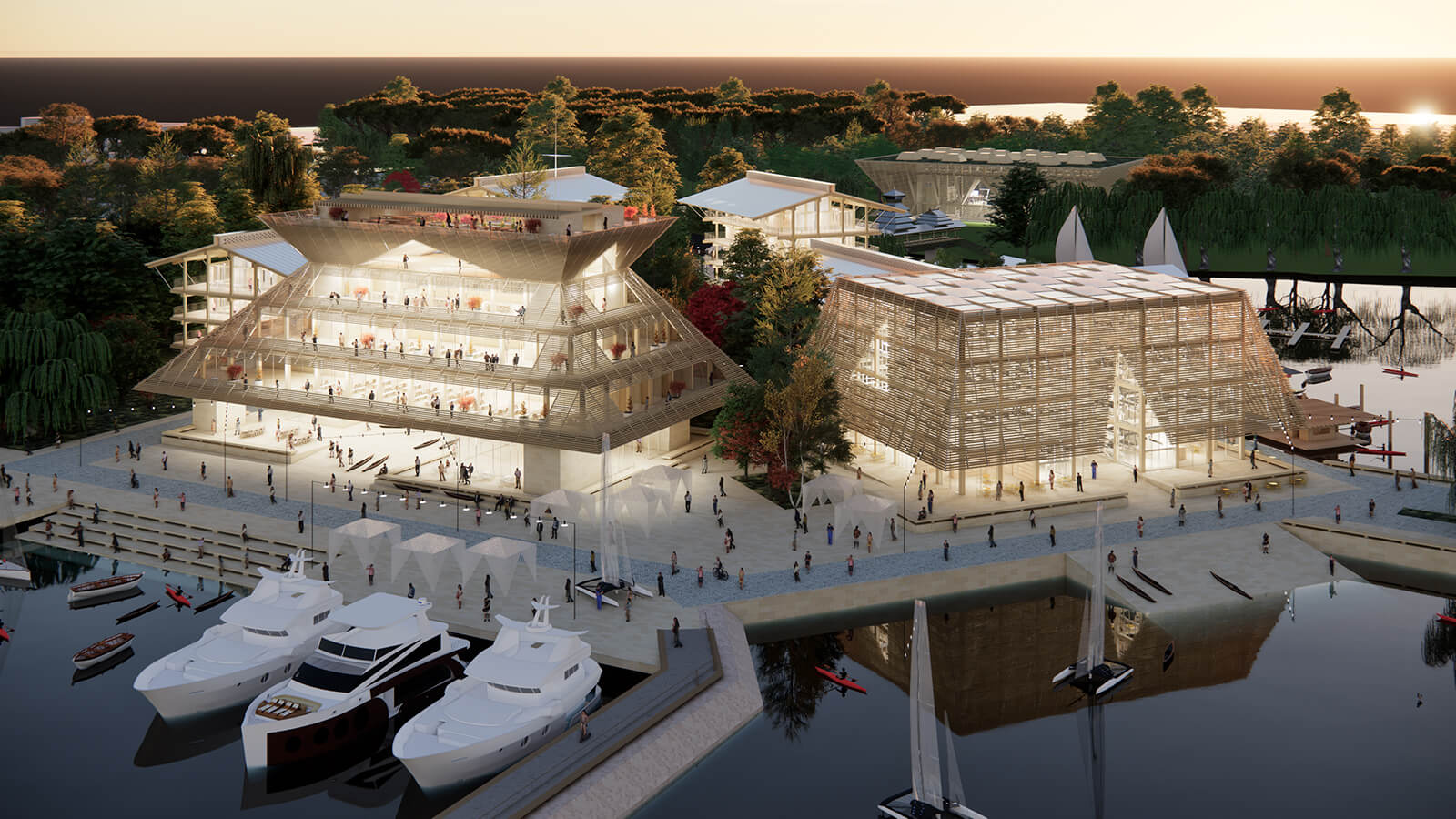
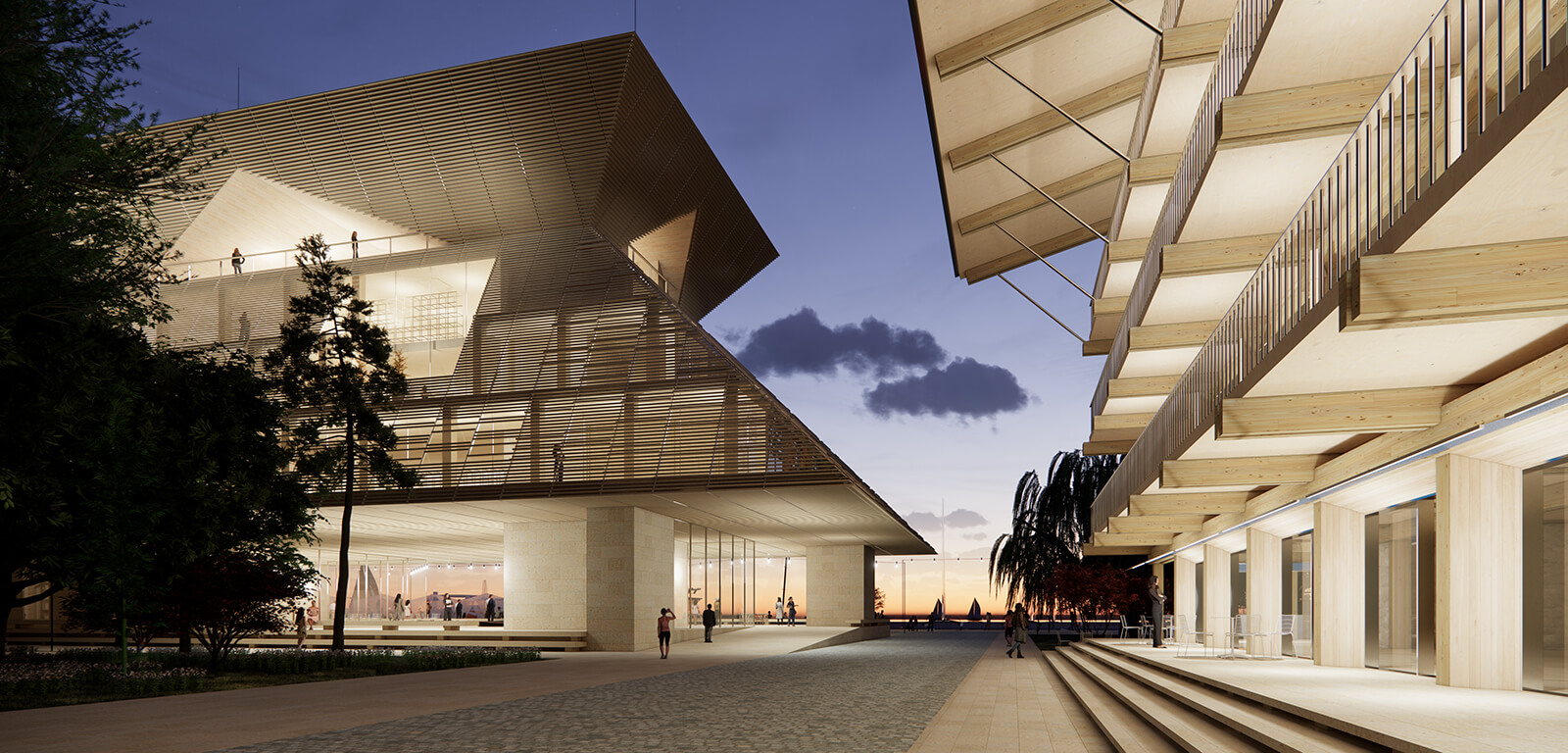
Based in London, Oslo and Bilbao, Haptic Architects is a global practice with Scandinavian roots that pays attention to tactile and material interventions. The practice has also completed several projects in China, including the new Royal Norwegian Embassy in Beijing. For the waterfront project, especially the pavilion, the architects draw strong reference from elements of traditional Chinese architecture and the distinct Bai style of surrounding temples and pagodas, often characterised by roofs with curved edges and carving details. Considering the racing hydrofoils it is set to serve, the whole pavilion is elevated above the surrounding mangroves on four piers, reducing its footprint without disrupting the forest floor. The pavilion design features a skin of ceramic batons, creating pockets of shaded outdoor spaces during the day, while at night the whole building lights up as a beacon to attract visitors.
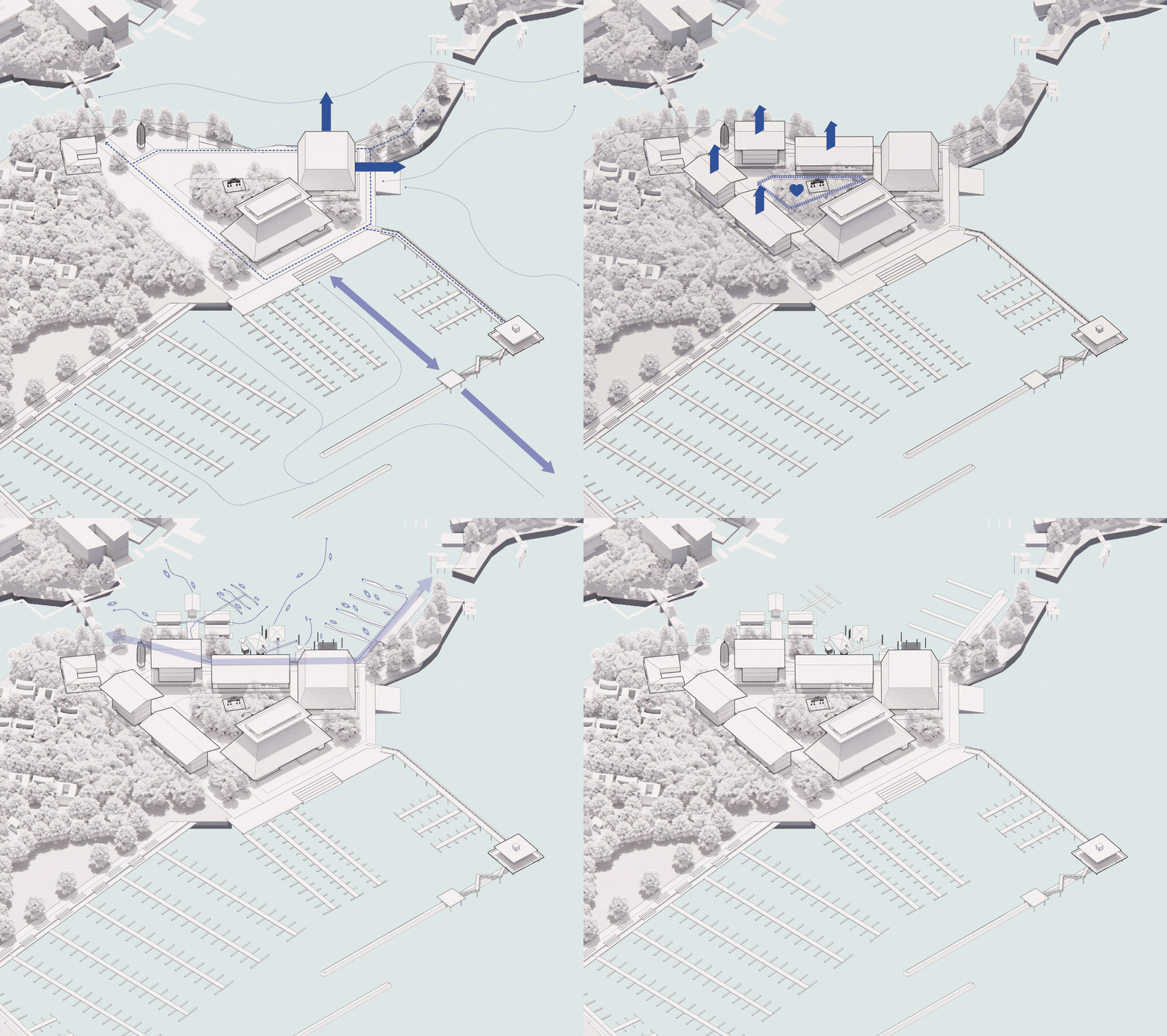
A cluster of buildings and landscape architecture constitutes the project’s masterplan, placed on a series of small islands by the lake. Designed as the primary attraction, the pavilion architecture will combine hospitality, administrative and commercial spaces, in addition to a meeting centre, an observation tower and spaces that offer panoramic views of the natural and urban landscape. A ceremonial space will be carved out to host regatta prize-givings, media events and a members’ lounge and a museum to honour Shanghai’s maritime heritage and culture.
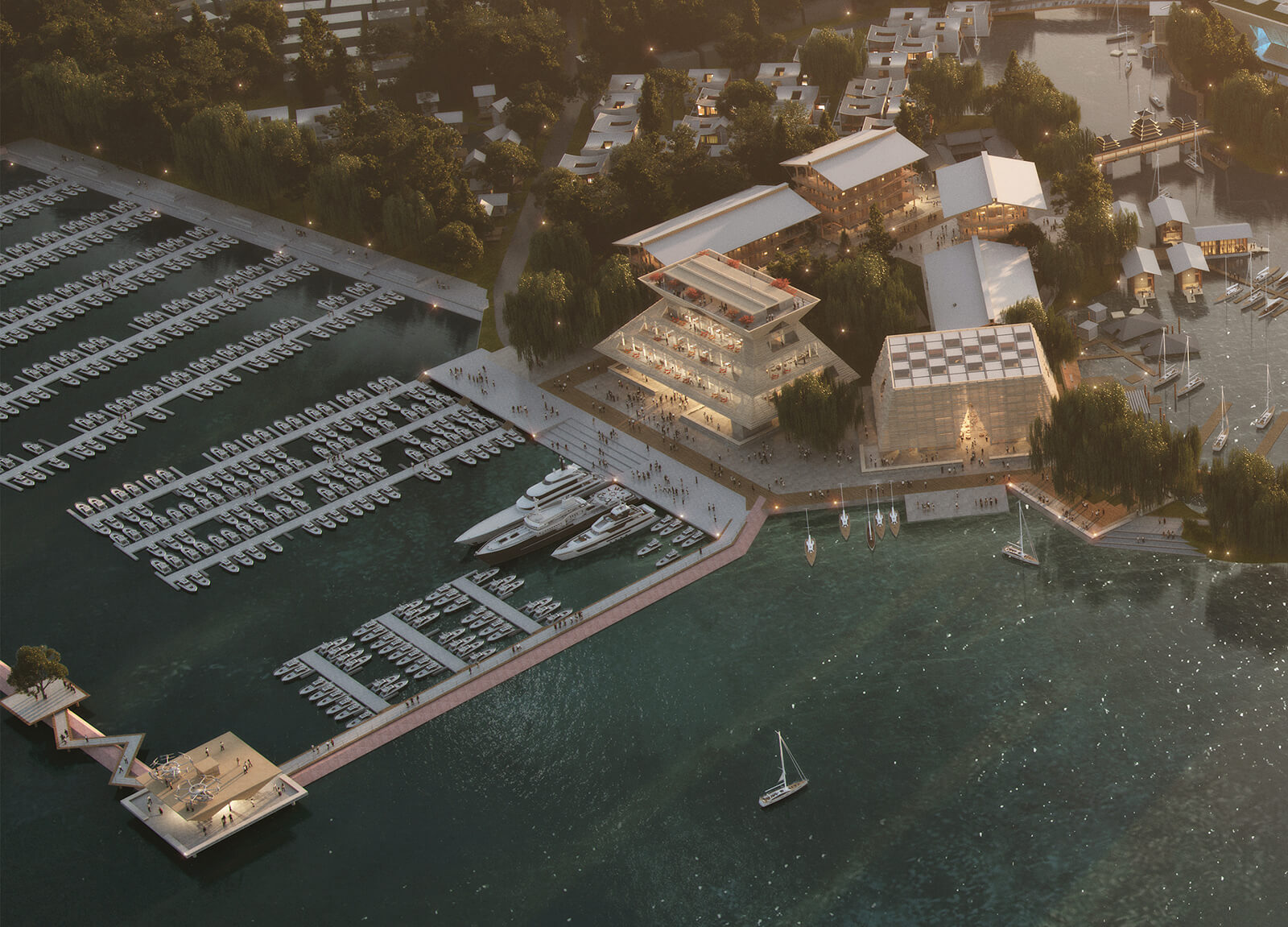
In a conversation with STIR, Scott Doig, design director at Haptic Architects, opens up about the building’s cultural references, environmental and regulatory constraints and material logic.
Bansari Paghdar: The building draws from traditional Chinese roof typologies while also evoking the hydrofoils it is designed to serve. How did you negotiate between cultural reference and technological metaphor without one becoming merely decorative or symbolic?
Scott Doig: The form and placement of the building are adapted to the climate of Dianshan, which is very hot and humid for most of the year. The building’s form, particularly the outstretched roof, is an adaptation to that climatic condition, creating shade from the sun and cover from the rain at ground level, whilst cooling the structure from within. This is the purpose of the roof form in much of traditional Chinese architecture, so our use of this local design heritage is not really a visual one, but an environmental one. The visual reference to sailing craft is also not a purely aesthetic choice. The lightness of the building is coming from its veil—a functional response to the sun’s conditions. In this way, these metaphors of sailing and cultural context are derived from the pragmatic needs of the building in this climate, avoiding a design that leans too heavily on traditional expression or symbols.
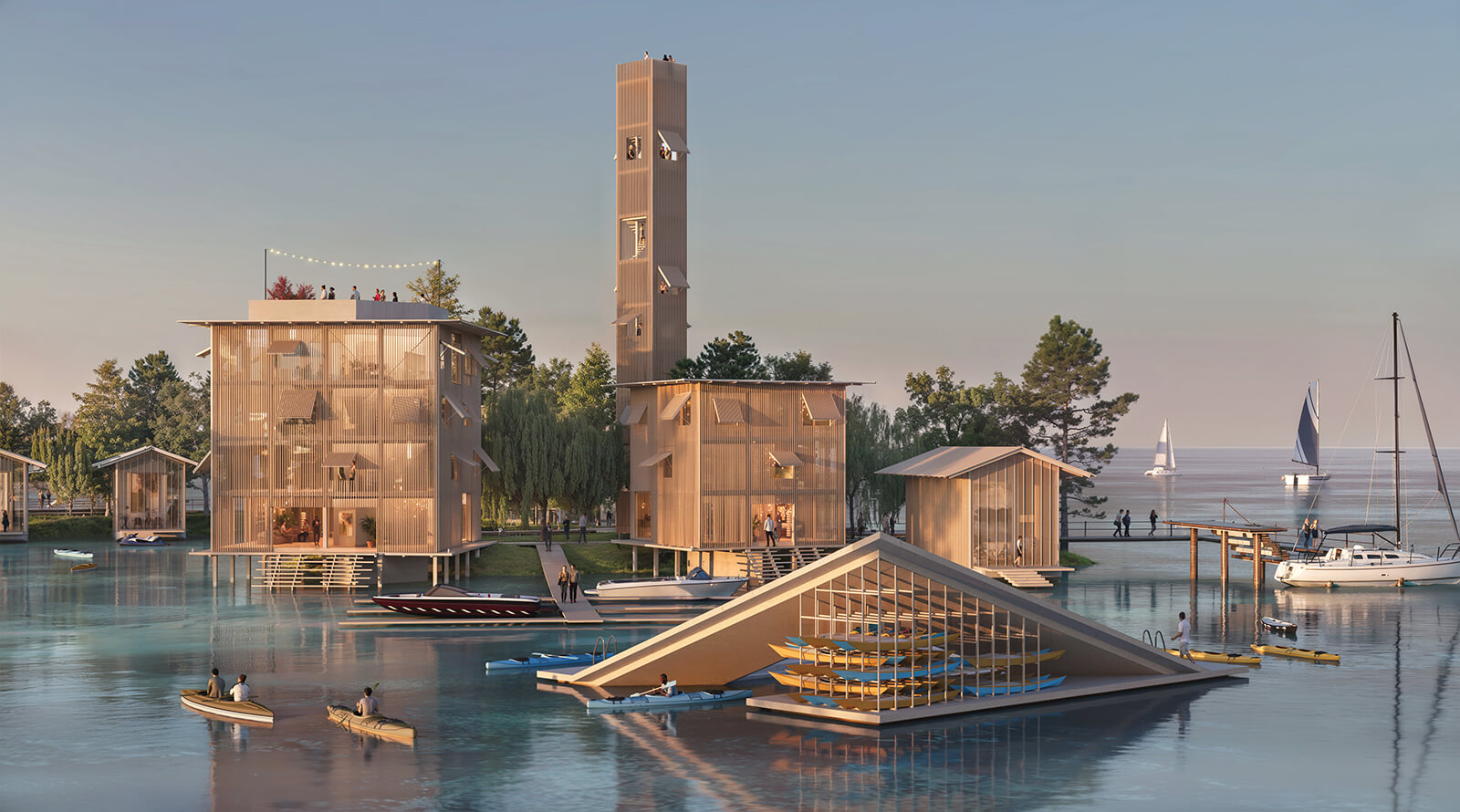
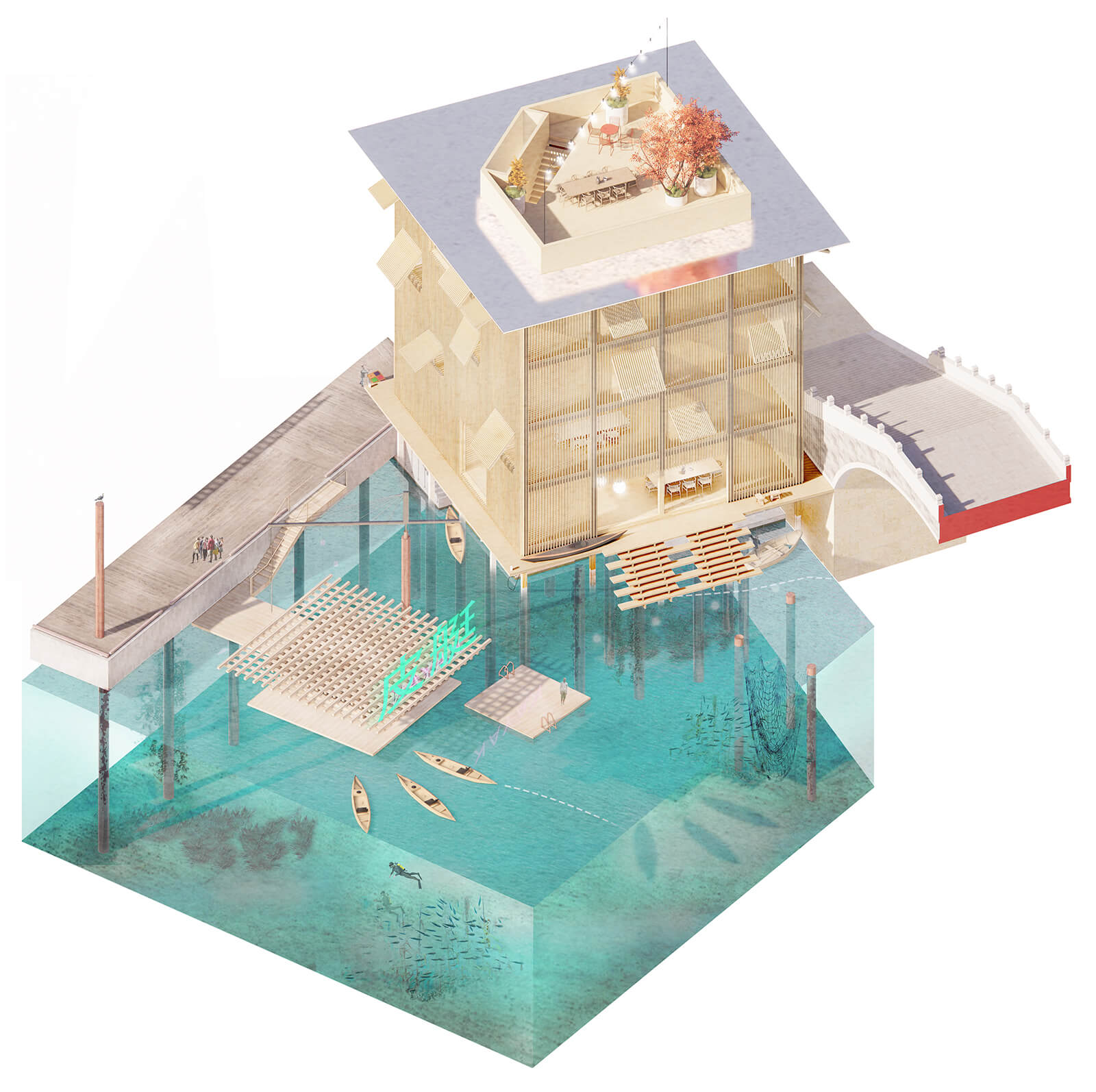
Bansari: Elevating the building on piers is framed as a ‘light touch’ on the mangrove landscape. What kinds of environmental, structural or regulatory constraints most directly shaped this decision and how did they influence the spatial experience of the building?
Scott: In truth, there was little in the way of regulatory constraints on this site, and there was no requirement to preserve any of the forest there. That was a kind of self-imposed constraint between ourselves as designers and the client. I think there was a shared appreciation that the forest is what makes the site special, and the first decision on how to develop the yacht club here was how we could make the best use of the natural conditions. The idea of elevating the building off the forest floor was a result of questioning how we could make the best sailing spectator experience. We really wanted to get the social and recreational spaces as high up as possible, so they have the best views over the lake and of the sport. The consequence of this is that the ground floor is freed up, and together with the client, we developed an idea that this could be a large, flexible open space that could play host to a wide variety of events.
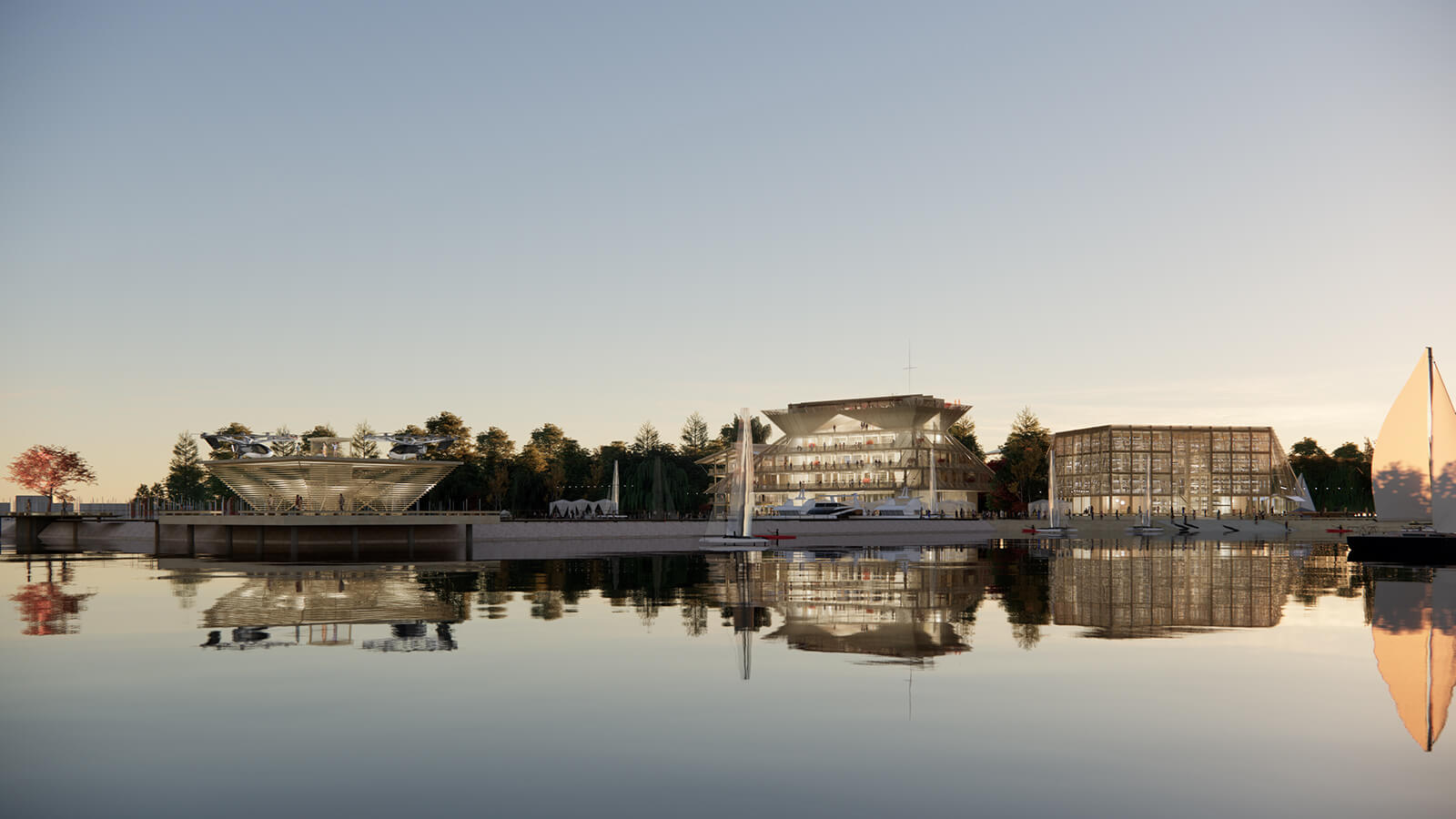
Bansari: Can you elaborate on the material logic of the ceramic baton veil? How is it envisioned to perform in terms of shading, maintenance and ageing, particularly within Dianshan Lake’s humid environment?
Scott: The veil was iterated several times, even at the early design phase, to prove that it could work. The tension with it is that the building’s sole purpose is about uninterrupted views out to the sport, but we need it to be sufficiently screened off to create meaningful shading. The solution was to accept that on the facades facing the water, we would pull back the veil and have open terraces at eye level to maximise views out, limiting the batons to a higher portion that only partially shade the glazing in those areas. Maintenance and durability were early concerns with this kind of double-skin facade. All of it is served by decking for ease of maintenance and cleaning, so it becomes a relatively simple building to operate. We did discover that the use of a ceramic baton on another project nearby quickly degraded with the humidity. Again, that was looking back to find a solution, where ceramic on traditional roofs is glazed to avoid being impregnated by the damp air. The added benefit is that the glaze also picks up a kind of shimmer and motion on a waterside site like this.
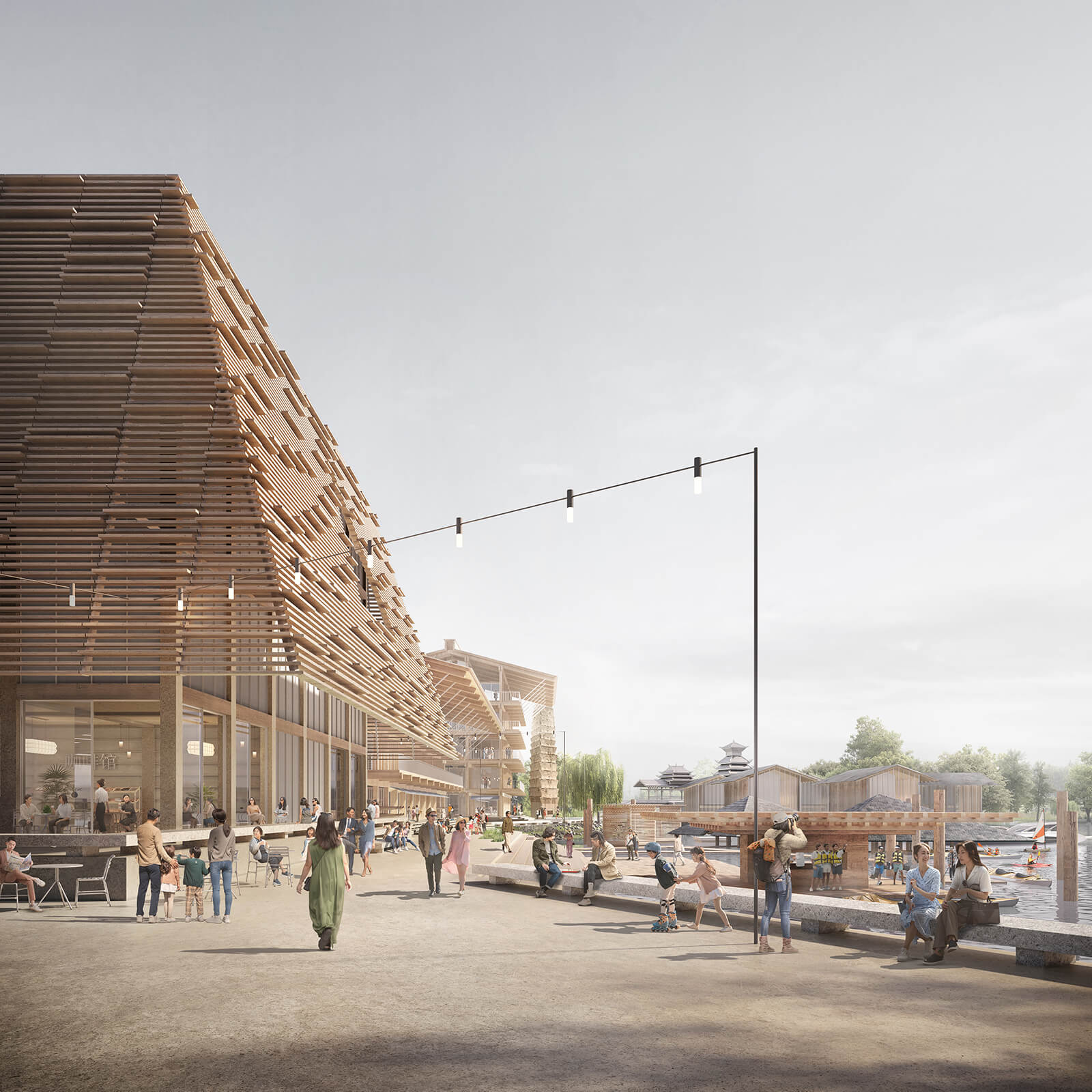
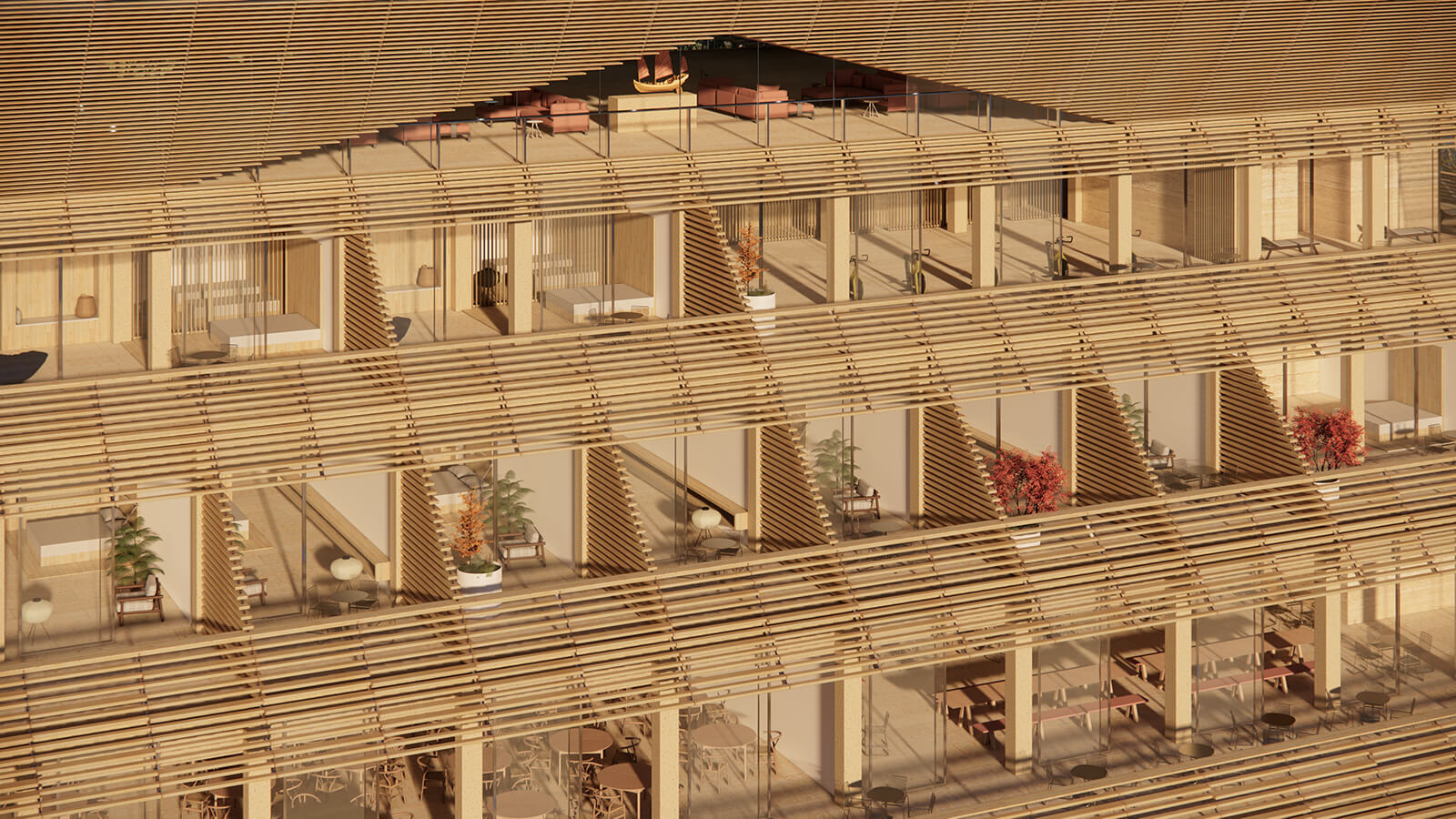
The architects create a contextual architecture and a climate-responsive design, not out of a brief but because of self-imposed constraints informed by social and environmental responsibility. Everything from the form to the materiality of the project is a sensitive response to these concerns, foregrounding sustainability. Emphasis on the public realm is apparent, with the project’s wide promenades and shaded pockets that allow visitors to slow down and enjoy the activities around, compelling them to participate.

by Pranjal Maheshwari Oct 19, 2026
The Mumbai-based architects integrate courtyards, mesh screens and north light trusses to create a dining space that doubles up as a community hub at SR University, Warangal.
by Mrinmayee Bhoot Oct 17, 2026
The Rotterdam-based institute centres the Indian Ocean as a network for exploring material histories and transnational links shaping coastal cultures, positing them as future models.
by Pranjal Maheshwari Oct 16, 2026
At the 2026 Stirling Prize ceremony, Mary Duggan with RUFF Architects, MAKER Architecten and Nakshabid Architects were felicitated for proffering quality housing and social equity.
by Mrinmayee Bhoot Oct 12, 2026
The new Centre for Contemporary Arts, fostering public engagement with art in Uzbekistan, is housed in a tram depot refurbished by the French studio, emulating local craftsmanship.

make your fridays matter with a well-read weekend
Enter your details to sign in
Don’t have an account?
Sign upOr you can sign in with
a single account for all
STIR platforms
All your bookmarks will be available across all your devices.
Stay STIRred
Already have an account?
Sign inOr you can sign up with
Verification link sent to check your inbox or spam folder to complete sign up process
Tap on things that interests you.
Select the Conversation Category you would like to watch
Please enter your details and click submit.
Enter the 6-digit code sent at


Haptic Architects to clad the Shanghai Yacht Club Pavilion in a skin of ceramic batons
by Bansari Paghdar | Published on : Feb 28, 2026


 Sign in with Google
 Sign in with email
What do you think?