Art15 mins. read
Visual vignettes of creativity and humanity: the best of photography in 2023
by Jincy IypeDec 18, 2023




by Srishti OjhaPublished on : Oct 27, 2025
Maritea Dæhlin’s solo exhibition, –A-FI-SA. But it might not be tomorrow, began as a journey taken with her daughter, moving between Longyearbyen in Svalbard and San Cristóbal de las Casas in Chiapas, Mexico. Dæhlin, an interdisciplinary artist who calls both Norway and Mexico her home and is a second-generation Cameroonian, explores the complex entanglement of identity, memory, nationality and landscape in the three-channel video that is at the centre of the exhibition. The exhibition is commissioned by the Nordnorsk Kunstmuseum, Norway, and is on view from September 27, 2025, to April 25, 2026. The video installation shows Dæhlin and her daughter moving through the landscapes of these two distant places, navigating differing climates, cultures and landscapes. –A-FI-SA visually interrupts the self-containment of these settings and raises questions about the ever-changing nature of identity and culture and their interdependence on one another, complicating ideas of belonging, heritage and migration.
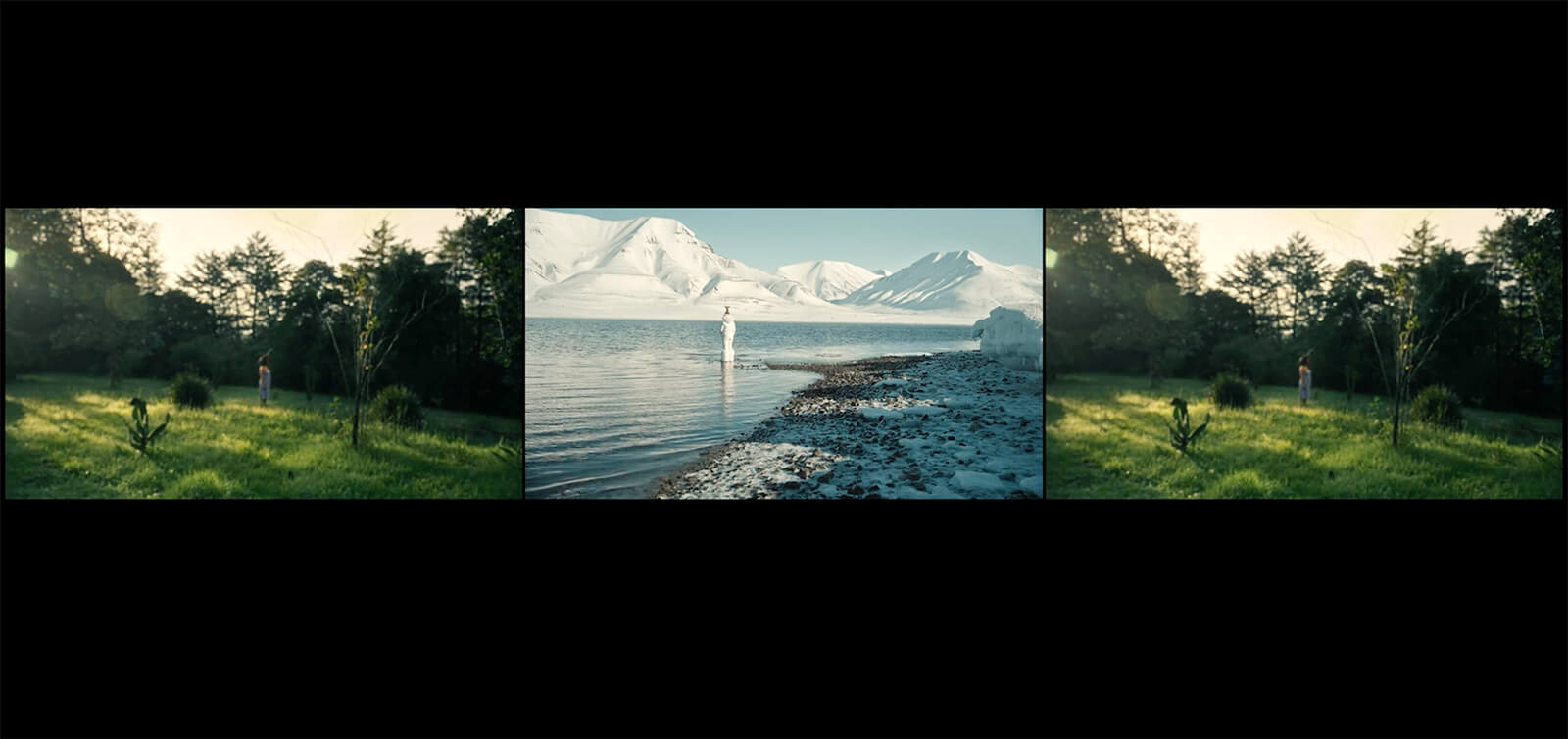
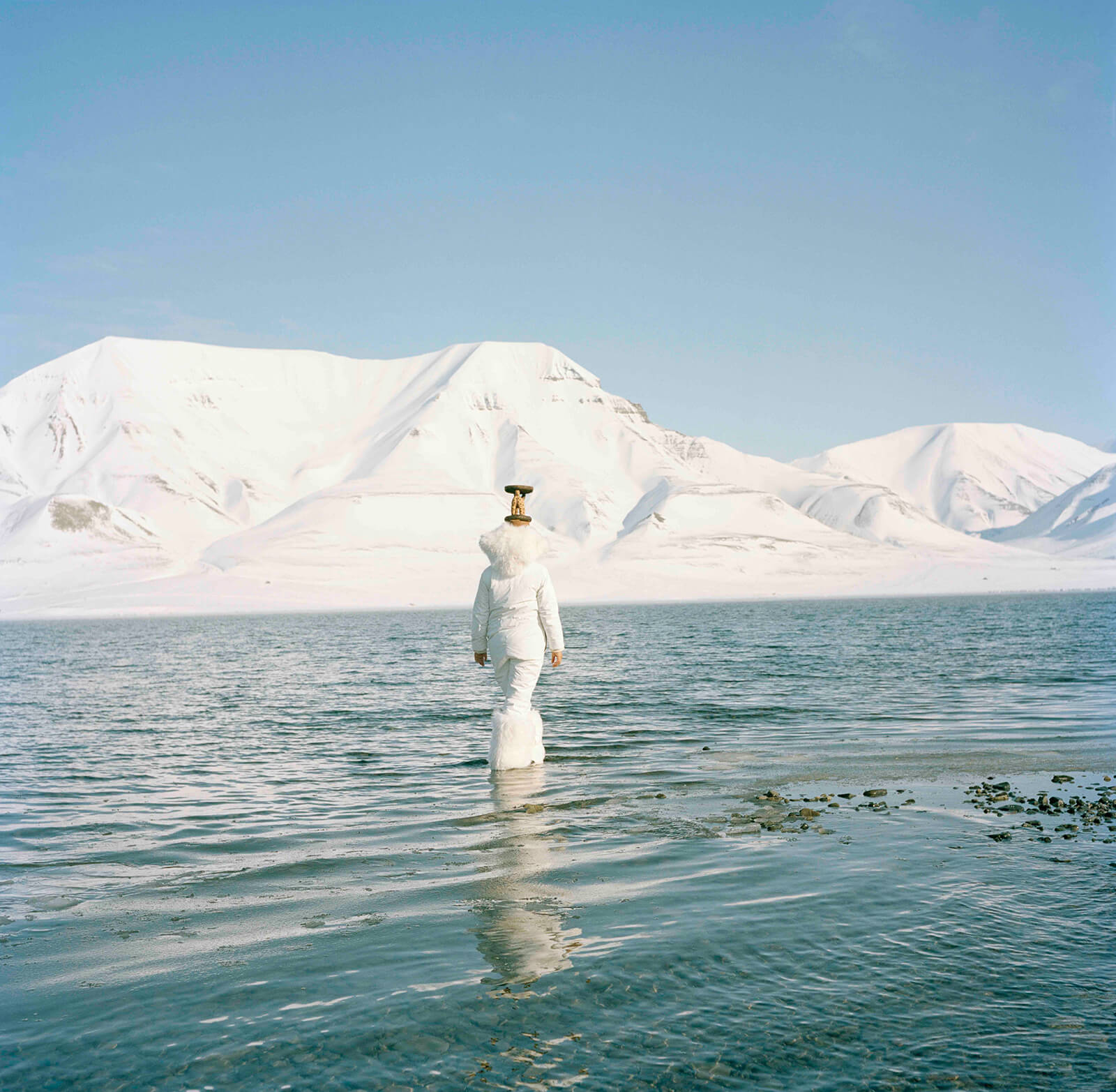
–A-FI-SA was inspired in part by Dæhlin’s 2023 residency at Artica Svalbard, for which she was nominated by the Nordnorsk Kunstmuseum. The Svalbard Treaty of 1920 established Norwegian sovereignty over the area, including Longyearbyen, under a set of special conditions. This allowed citizens of signatory countries to live and work in the town freely, leading to its uniquely diverse demographics and culture; the town is now home to researchers, students, residents and visitors from over 40 countries. Dæhlin’s connections and experiences during the residency are distilled into the video installation, which recasts the Arctic in a new, global light and places it in continuity with Mexico and her Latin American heritage. Curator Liv Brissach said in a conversation with STIR, “–A-FI-SA is a work that explores what it means to be a body that occupies these spaces – a garden in San Cristóbal de las Casas, Chiapas, Mexico, and a beach in Longyearbyen, Svalbard. Simply by doing so, they speak to the variety of experiences across the African diaspora and challenge a previous Arctic visual culture which has emphasised, for example, white male explorers’ conquering of lands and seas.”
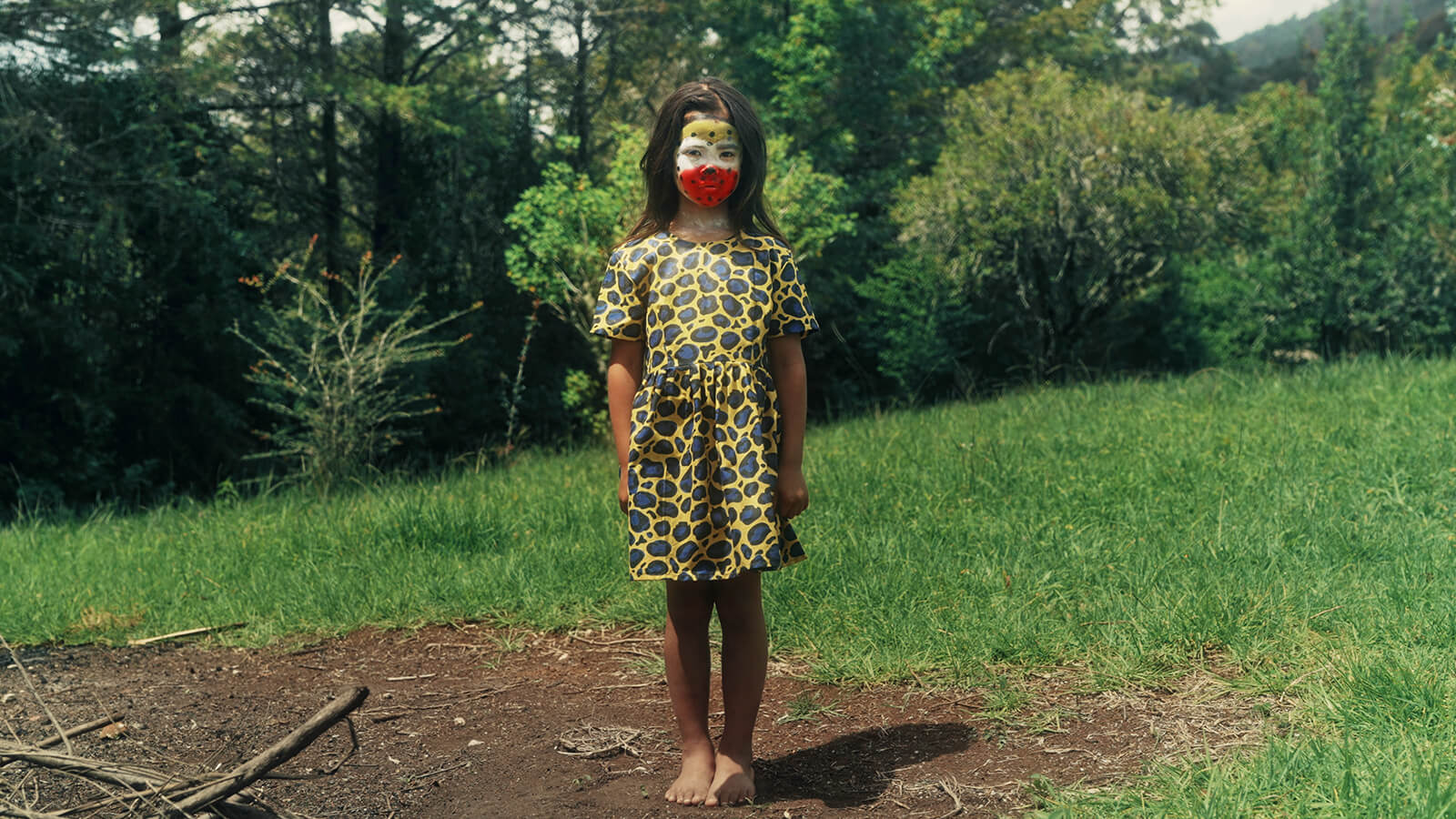
The project is multigenerational—from the inclusion of Nina, Dæhlin’s 7-year-old daughter, at some of the most pivotal moments of the film, to the title, which is inspired by the Cameroonian heritage of her great-grandmother. The word ‘Afisa’ comes from Dæhlin’s attempts to recall Medumba, a Bamiléké language of Cameroon, spoken by her family but that she never learned. Its role in the work is clouded by the uncertainty of the word's correctness, or even its existence. “That’s why the title –A-FI-SA is written that way, to emphasise that it isn’t an actual word. It is an exploration of the knowledge and memories our bodies and souls might carry, as well as a statement about trying to access them, even if I might fail,” said Dæhlin. In the film’s final scene, the voice of Dæhlin’s great-grandmother speaks through her, saying, “I will be the one finding you, but it might not be tomorrow, and it might not be the day after tomorrow, but you have to trust that I will be the one finding you.”
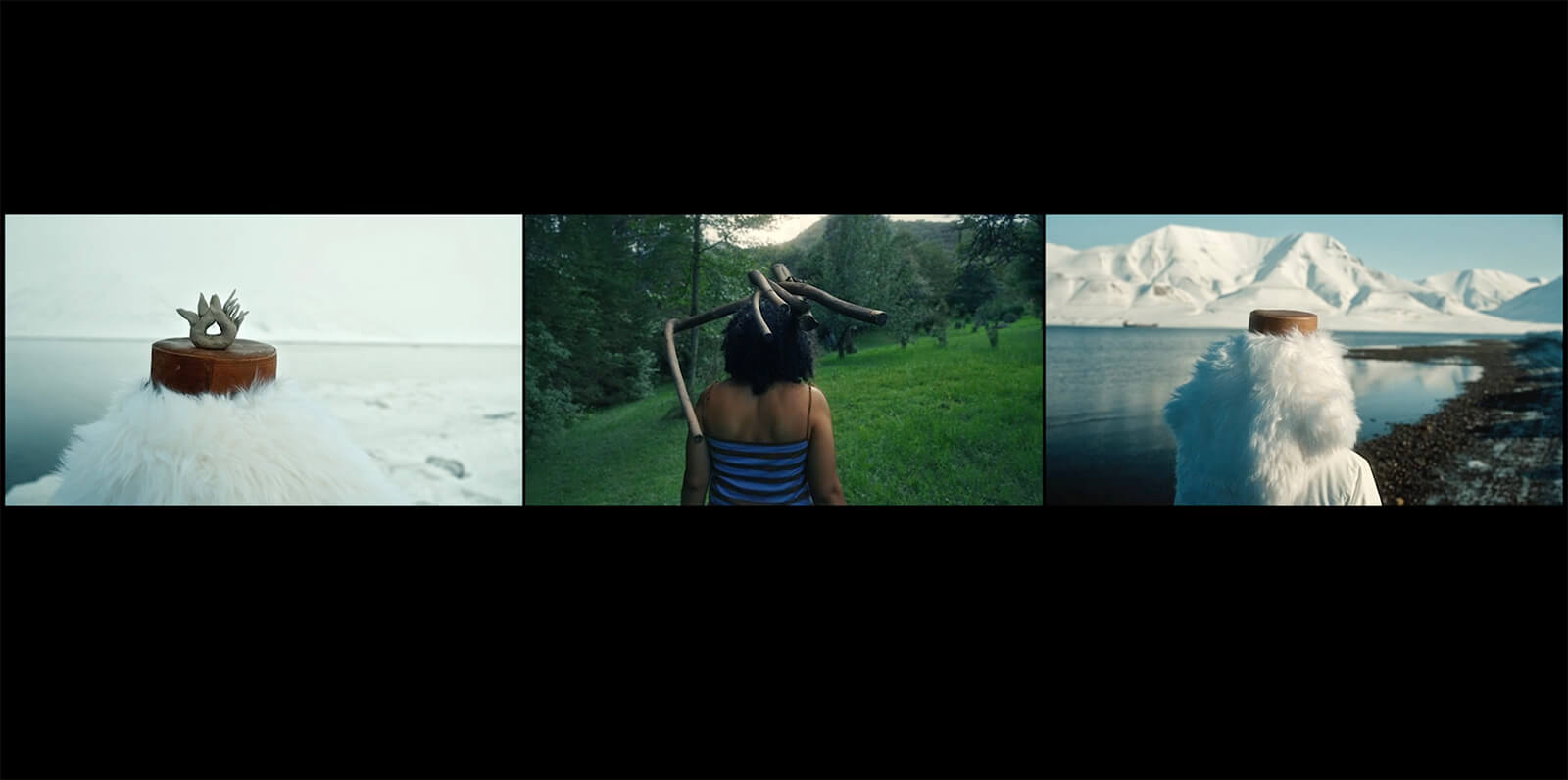
–A-FI-SA is also informed by Dæhlin’s multidisciplinary practice, drawing on her experiences in theatre, performance, visual art, photography and writing, making the form of the piece as fluid and multifaceted as its understanding of identity. Mexican director of photography Pablo Rojo and the rest of the team Dæhlin has collaborated with, have been a crucial part in the creation of A-FI-SA, which has a narrative Dæhlin identifies as being “closer to poetry than to documentary”. She goes on to say, “The landscapes and the costumes change, as we are, in a sense, in opposite places, in terms of weather, colours and flora. The visual language and actions, such as walking, balancing something on the head, standing still, are what tie the work together.”

One of the central visual motifs of the film and the accompanying photographs is the covering of the subjects' faces using face paint or holding a mirror to reflect the landscape itself. Brissach said, “In this exhibition, the mirroring of the landscape where the face would otherwise be found on the one hand insists on the interweaving of land, body, identity and history, in ways that hold complexities such as black diasporic experiences and which challenge a dominant visual culture ascribed to images of the Arctic. On the other hand, it acts as a shield that redirects the viewer's gaze...There is also an element of play which is especially pertinent in the contributions from Nina, whose self-painted face has different connotations and there is something liberating in the unburdened play face-painting might represent from the perspective of the child.”

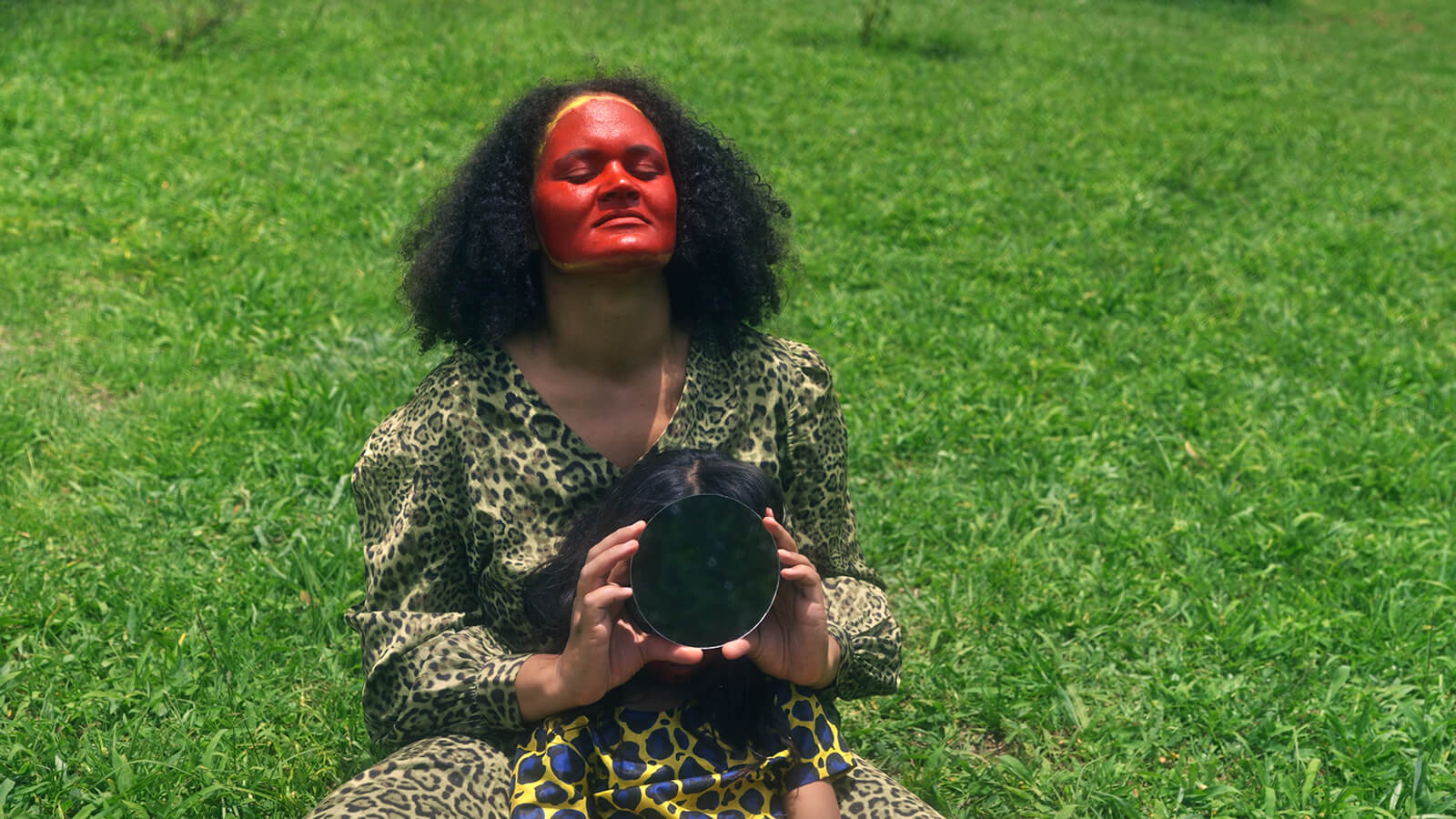
–A-FI-SA posits that the face, the most visible signifier of personal, racial and cultural identity, cannot be read in isolation. In an abstract, poetic manner, Dæhlin opposes racialised geographical boundaries and the nationalist desire for uncomplicated national and individual identities that match each other one for one. Dæhlin’s multicultural, multilingual, multidisciplinary presence in each landscape defies the dominant visual culture’s expectations, while Nina’s playful presence allows the viewer to imagine a future without the arbitrary rules that govern who is allowed to exist where and how. As the show’s title proclaims, although multicultural identities are often incomplete and marked by loss, their richness can be preserved and reformed through healing, learning, experiencing and remembering. –A-FI-SA imagines a future where multiculturalism does not interrupt and where assimilation or estrangement are not the only options, even though it might not be tomorrow.
‘–A-FI-SA. But it might not be tomorrow’ is on view from September 27, 2025, to April 25, 2026, at the Nordnorsk Kunstmuseum.

by Mirra Lynn Oct 20, 2026
The Indian artist paints the old wadas of central Pune, capturing the traces of everyday life that cling to these structures, battered by time but unbowed.
by Anmol Ahuja Oct 15, 2026
How do heaps of souvenirs and relics with racist Aboriginal motifs and features become art? MCA Sydney’s winter showcase—the artist’s largest to date—beckons a possibility.
by Vandana Kalra Oct 14, 2026
With his latest exhibition as a point of departure, the modernist discusses his decades-long practice, the spontaneity of drawing and the social responsibility of artists.
by Srishti Ojha Oct 14, 2026
The first Dutch publication on the Turkish artist, the eponymous book centres on Refik Anadol: Latent City, his living data sculpture of Bruges, exhibited at BRUSK gallery.

make your fridays matter with a well-read weekend
Enter your details to sign in
Don’t have an account?
Sign upOr you can sign in with
a single account for all
STIR platforms
All your bookmarks will be available across all your devices.
Stay STIRred
Already have an account?
Sign inOr you can sign up with
Verification link sent to check your inbox or spam folder to complete sign up process
Tap on things that interests you.
Select the Conversation Category you would like to watch
Please enter your details and click submit.
Enter the 6-digit code sent at


Maritea Dæhlin’s –A-FI-SA is a multicultural journey from Mexico to Svalbard
by Srishti Ojha | Published on : Oct 27, 2025


 Sign in with Google
 Sign in with email
What do you think?