Design13 mins. read
Words, spaces & discourses: a look at the best design and architecture books of 2024
by Jincy IypeDec 20, 2024



by Bansari PaghdarPublished on : Jun 02, 2026
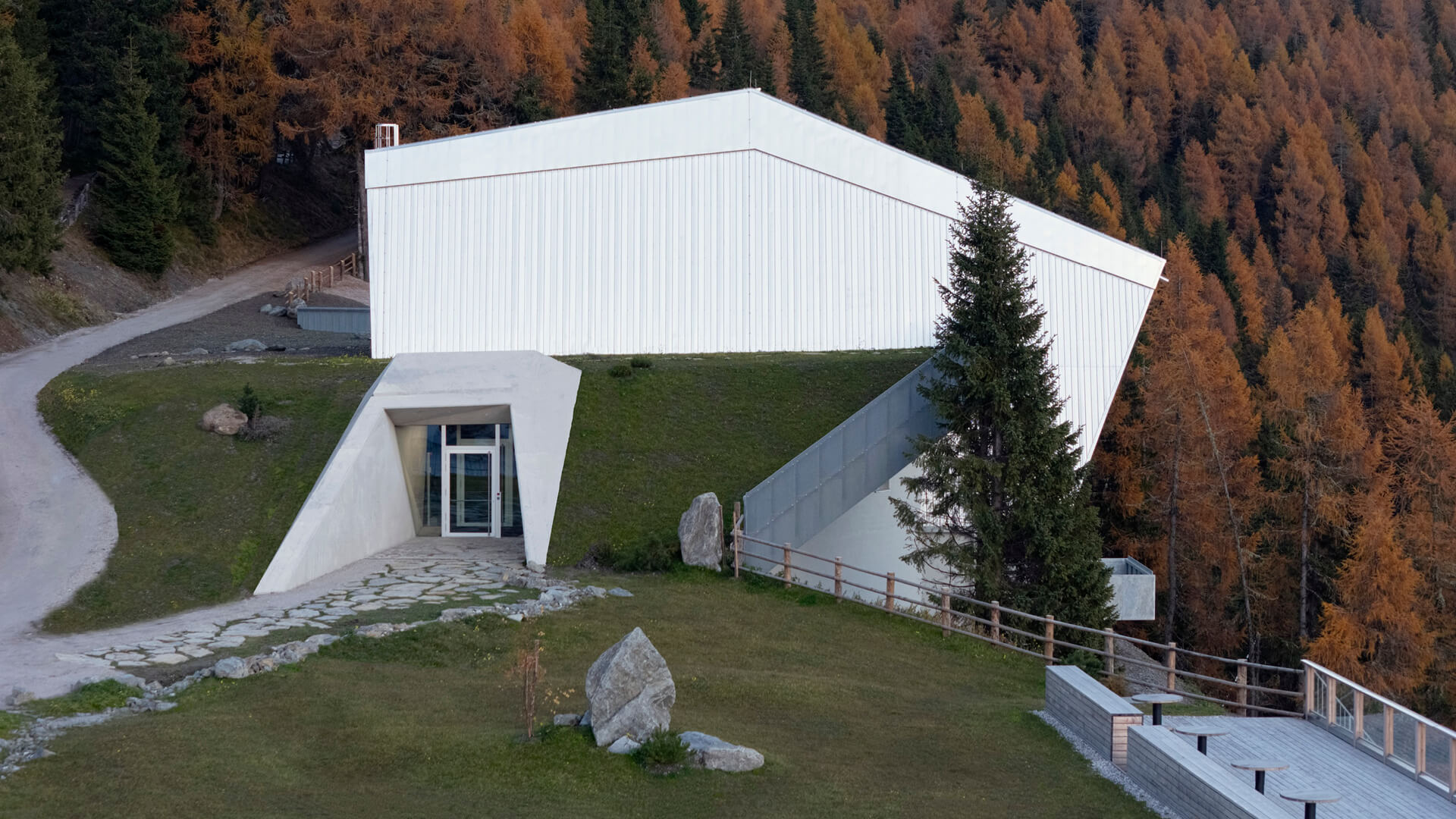
Reinhold Messner, a globally renowned mountain climber and polar trekker, was raised in the Dolomites region in northern Italy. To honour Messner’s spirit and vision of life in the mountains, a ski resort in Sesto, 3 Zinnen Spa, commissioned the transformation of a former cable car station on Mount Elmo, which connects to Sesto (Bolzano) in the Tre Cime di Lavaredo region. The intervention sought to balance human presence with the natural, the latter being formidable in the case of the Dolomites. Emerging as a structure dedicated to and reflective of the mountains, the Reinhold Messner Haus, designed by international practice Plasma Studio, now operates as a centre for promoting ecology, local culture, the spirit of mountaineering and a slow-paced life through a permanent exhibition.
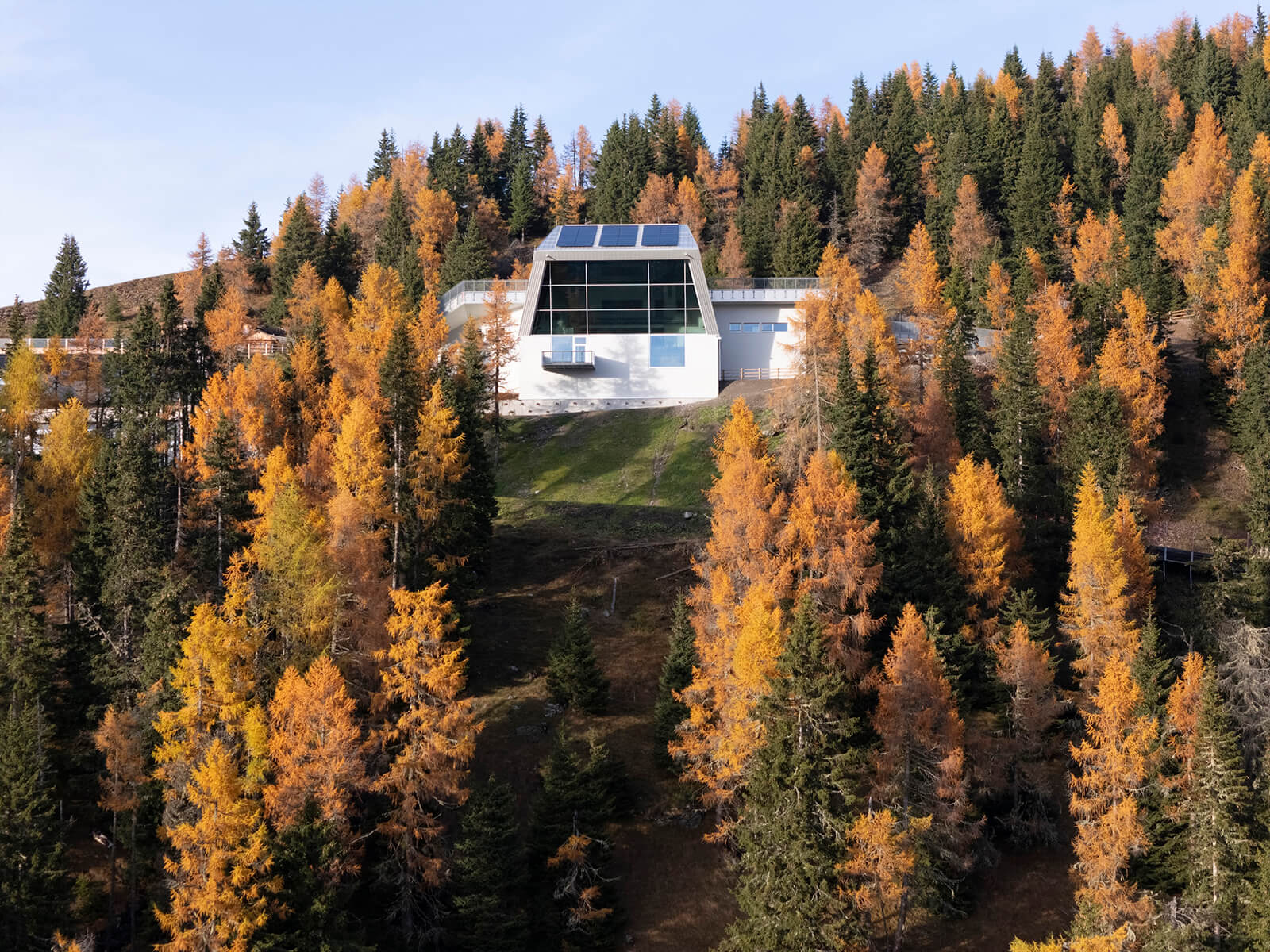
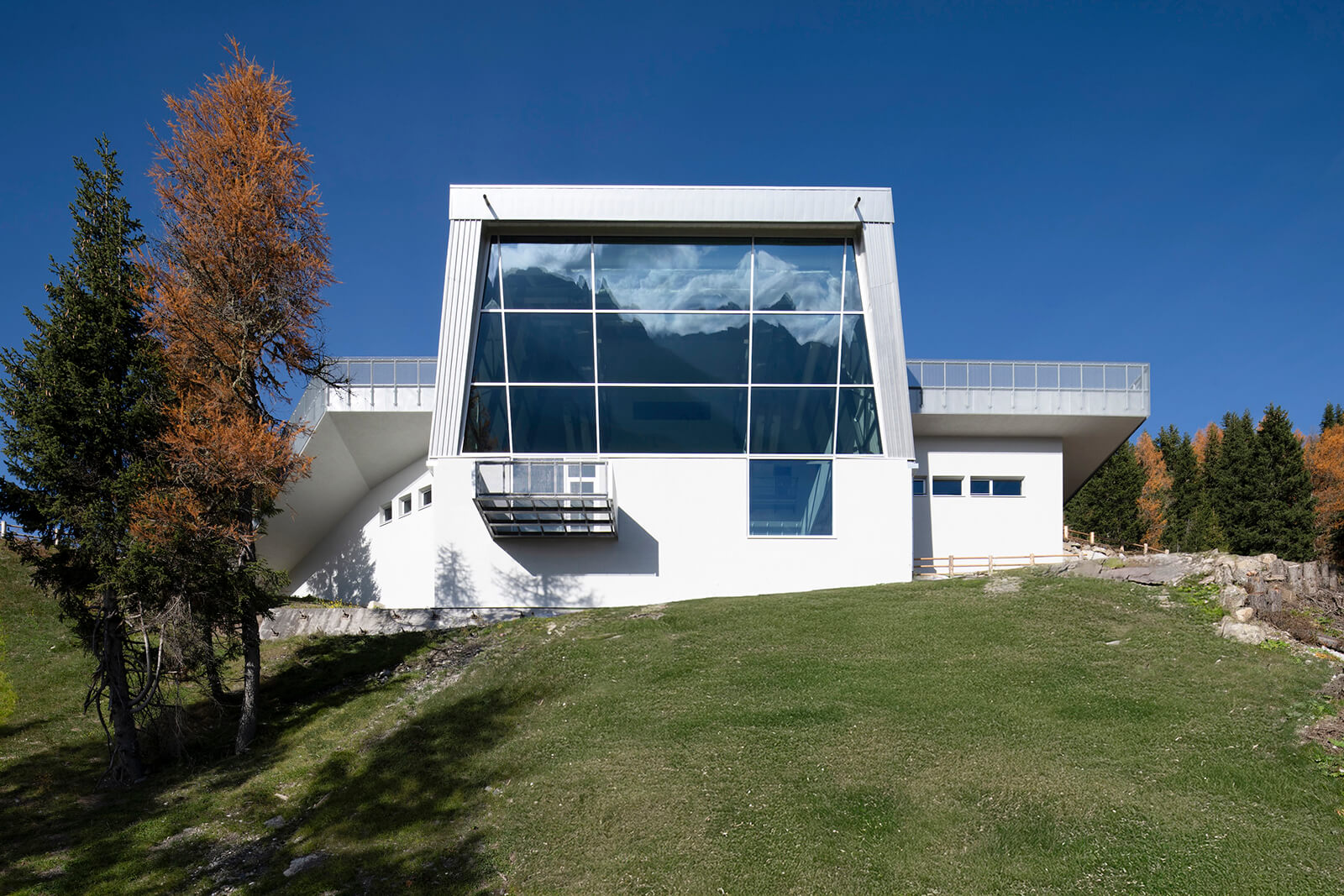
Supported and further developed by Diane Messner, his wife, the mountain architecture extends the life of the existing site while preserving the essence of the place. Much of the project’s development is undertaken as an extensive exercise in upcycled design—bricks and concrete from the demolition were reused to form the terrain surrounding the lower level, while the original sheet metal was reused as the soffit for the new structure. The facility preserves a historical and material memory of the place in this way, harmoniously integrating the architectural intervention with the natural landscape.
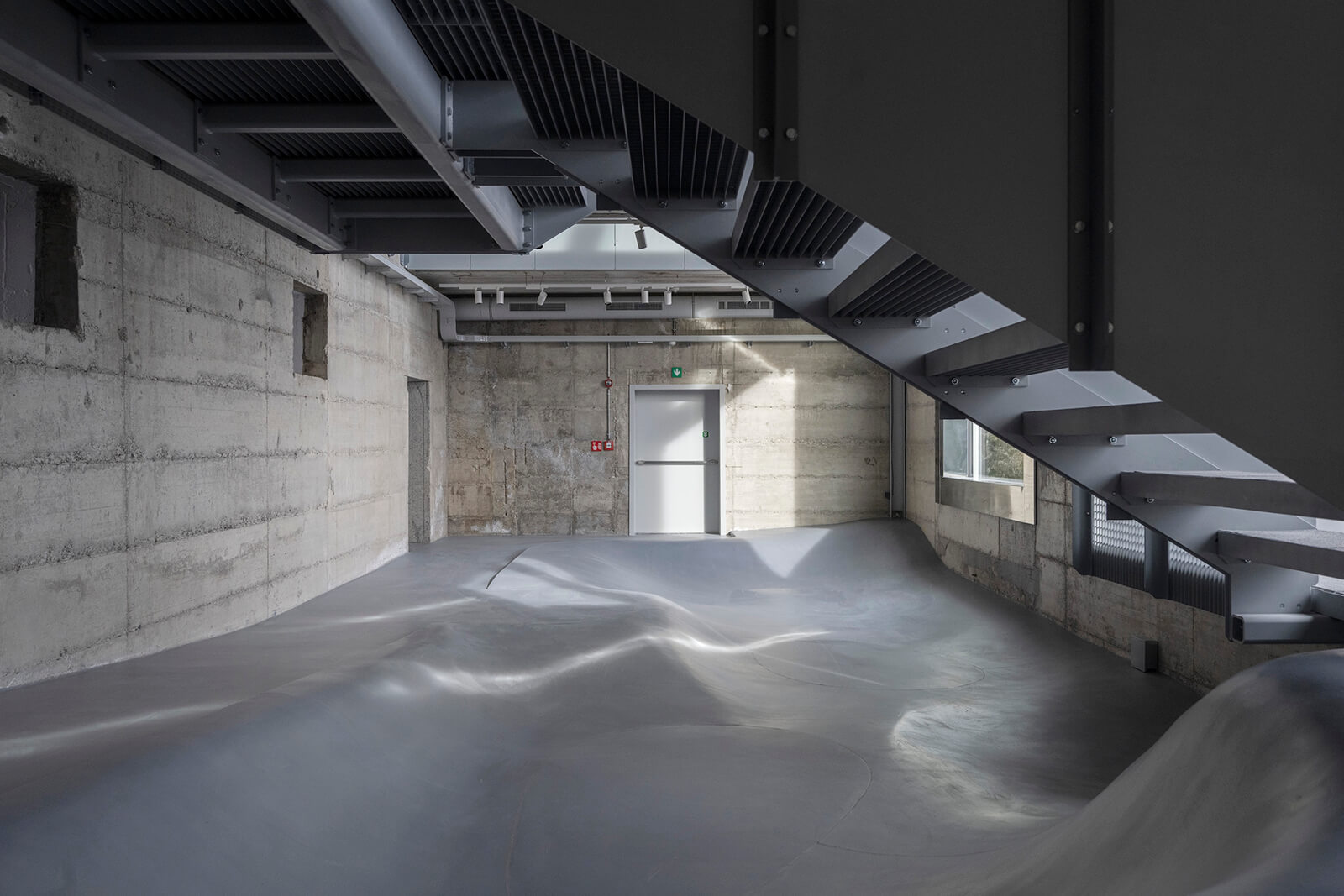
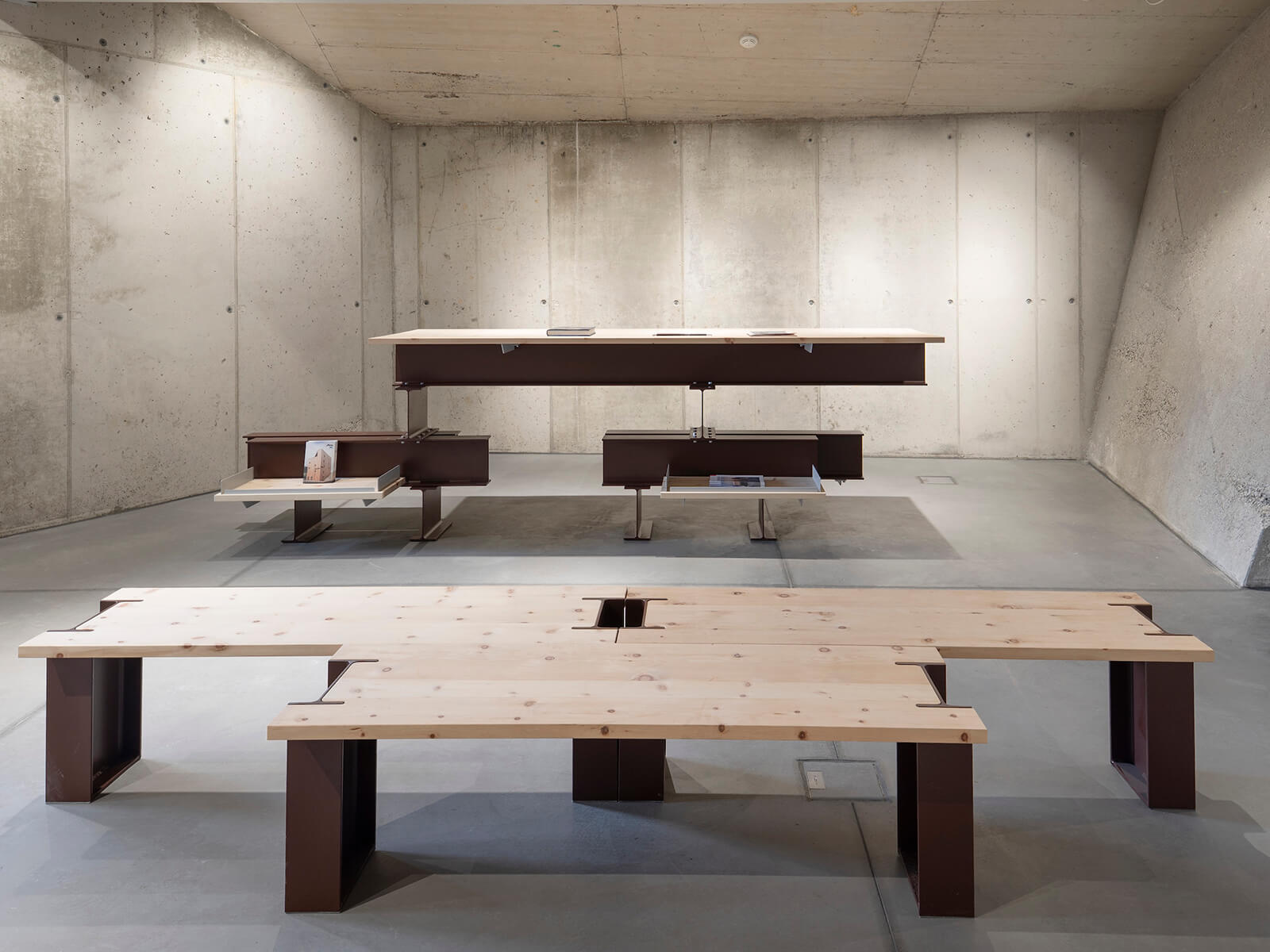
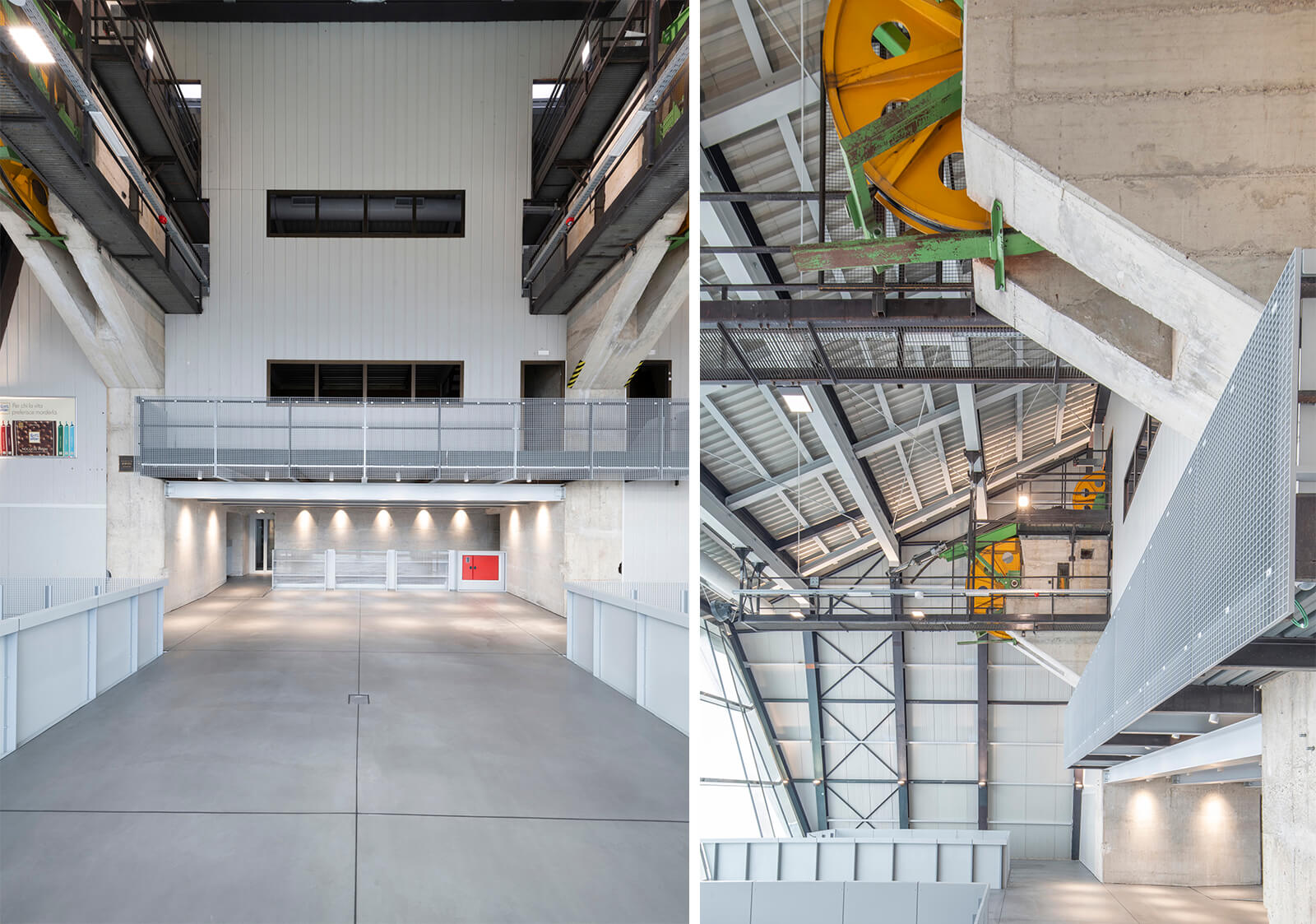
The contemporary architecture exhibits a definitive balance between orthogonal and angular geometry, complementing the forms of the alpine peaks without any visual harshness. The architects believed in building only what was essential while enhancing the existing building, resulting in a design that acknowledges its historical and infrastructural significance and is considerate of its context and future. The main entrance to the building seems to be carved into the mountain using concrete, fronting a foyer that leads to a 17-metre-high counterweight shaft, repurposed as a circulation core comprising a lift and a stairwell. The original building’s primary mass, stripped of accretions, opens up to add more volume to the spaces. The industrial interiors aren’t constricted to their aesthetic value, but are thoughtfully restored and repurposed as a sign of the integration of modern technology and design language with the building’s past.
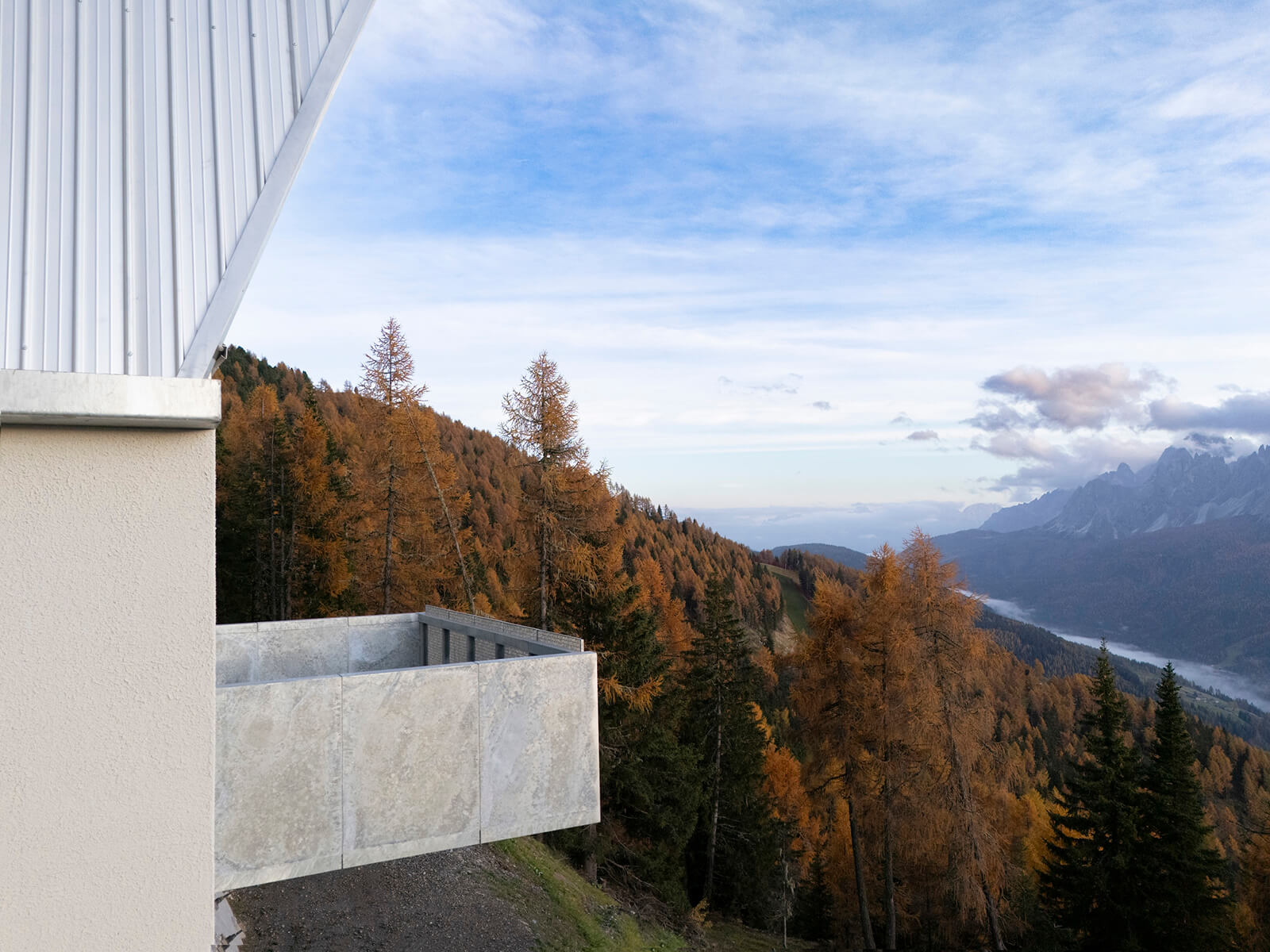
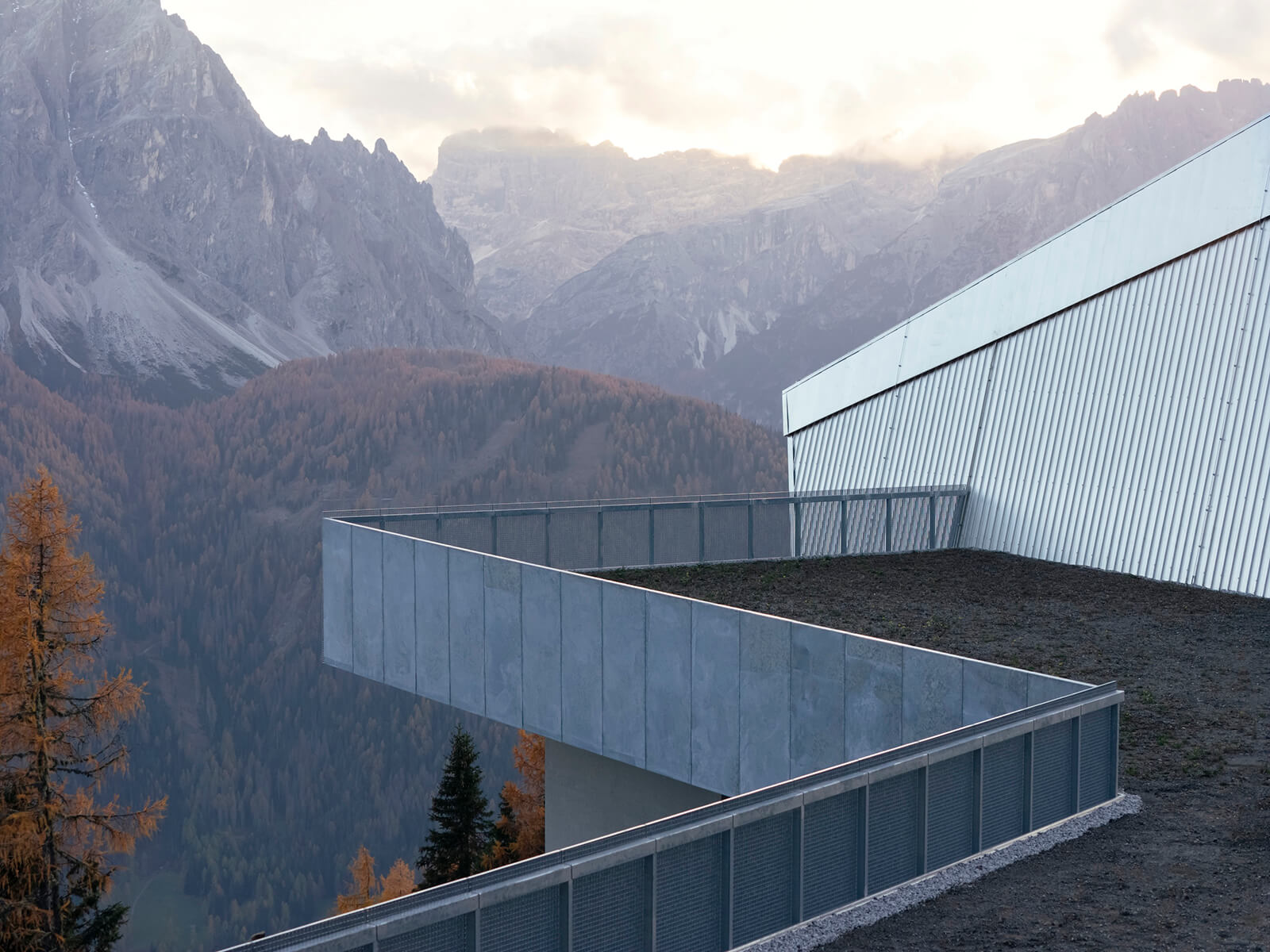
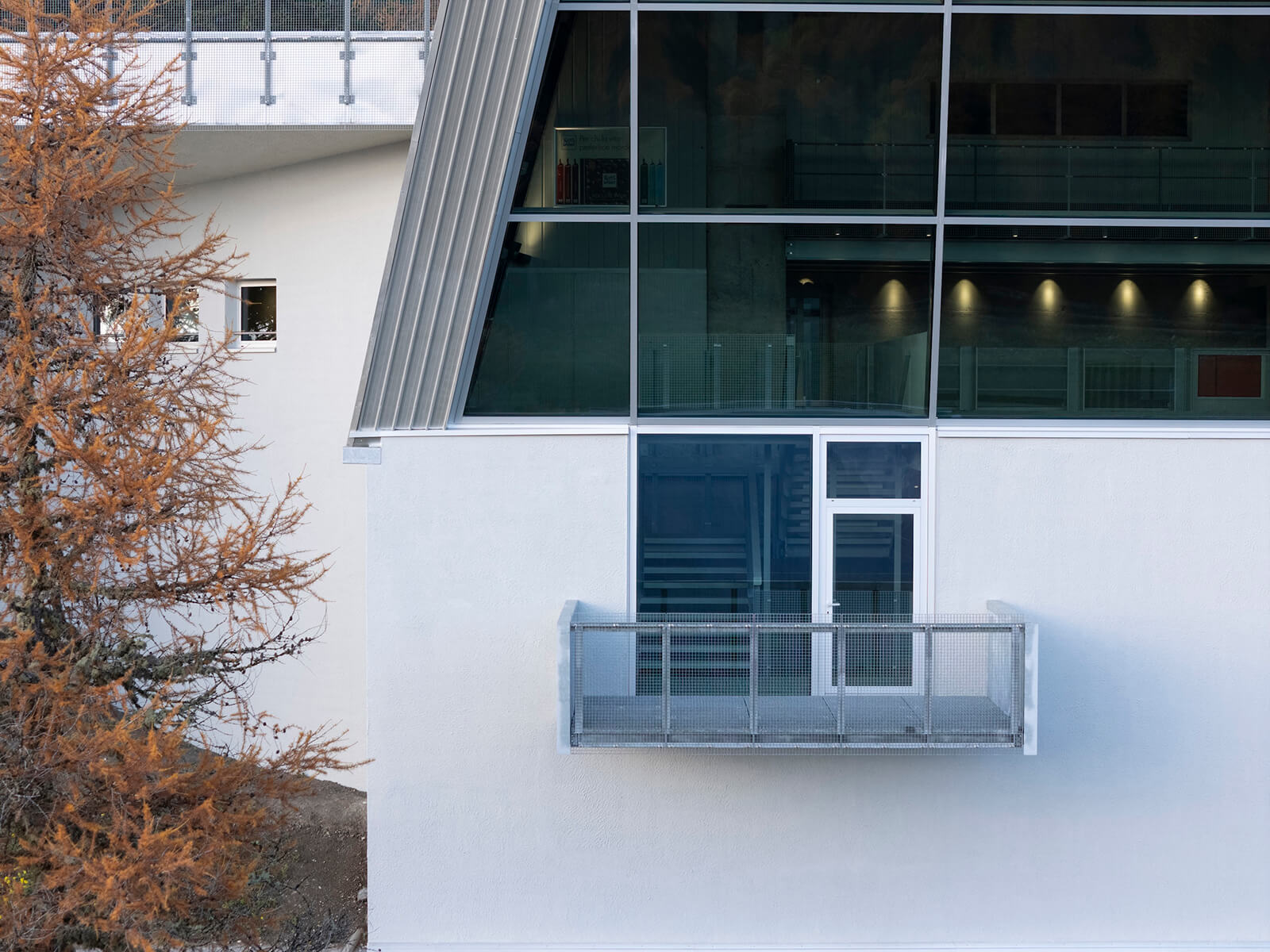
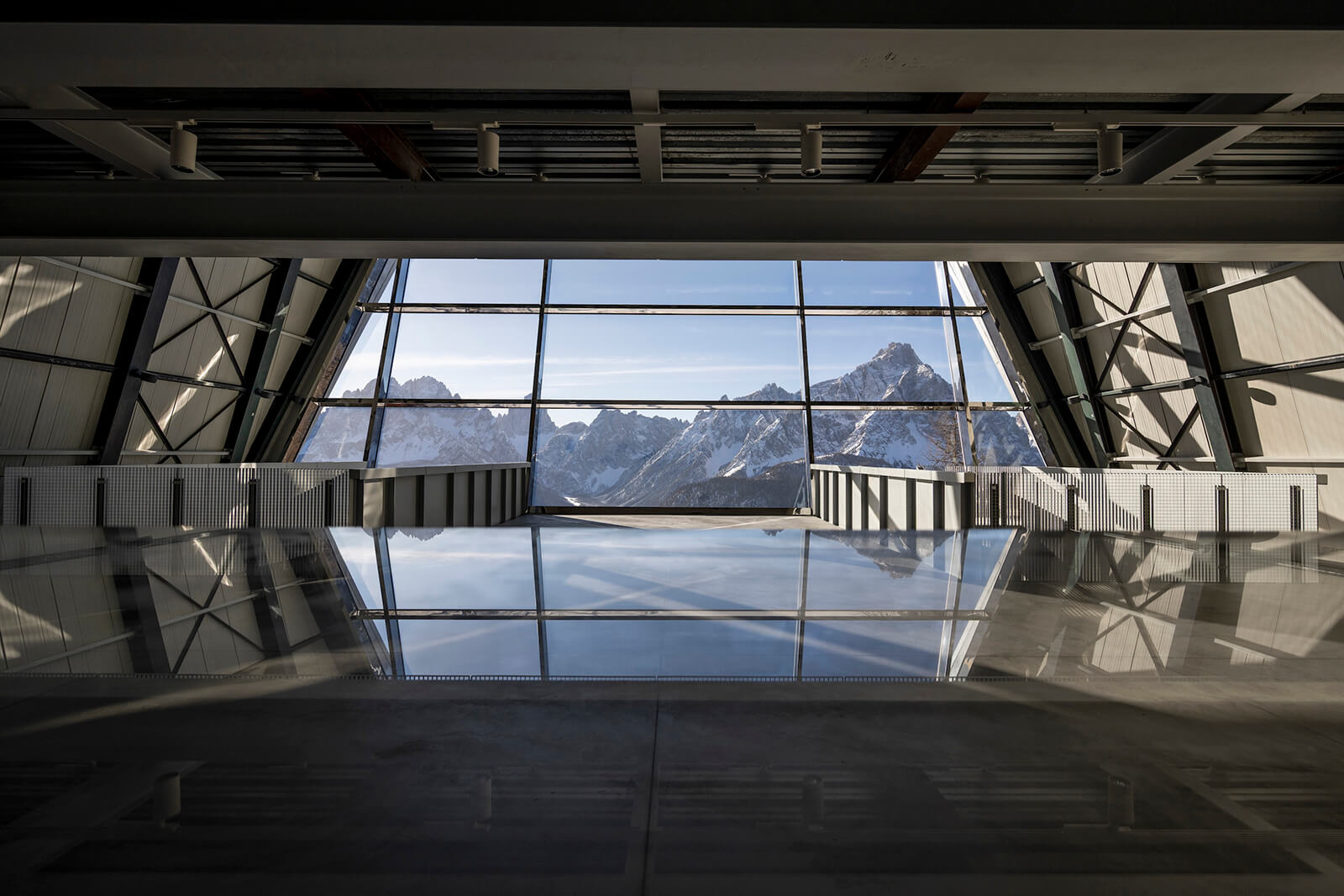
After the visitors navigate through the old storage areas, they arrive at the top level of the building with abundant natural light. The spaces within the building flow organically despite being placed within a shell defined by its angular geometry. The key to achieving this lies in the way they are arranged, alternating between vertical and horizontal positioning, almost like a bricolage of volumes, forming or severing connections for operational efficiency. Through elements such as terraces, balconies and expansive windows, the building stages encounters with the mountains in a surprisingly intimate manner, despite the scale.
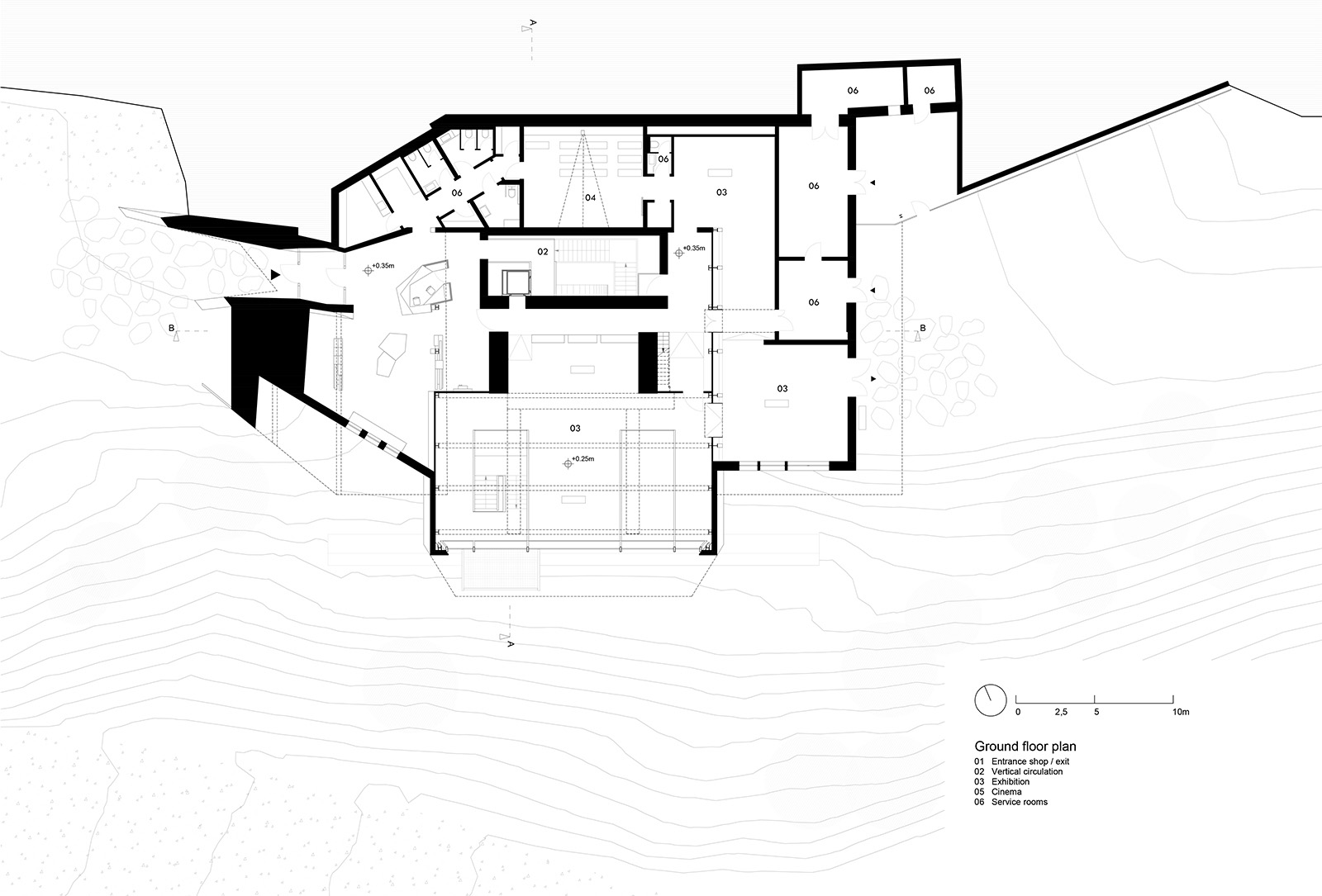
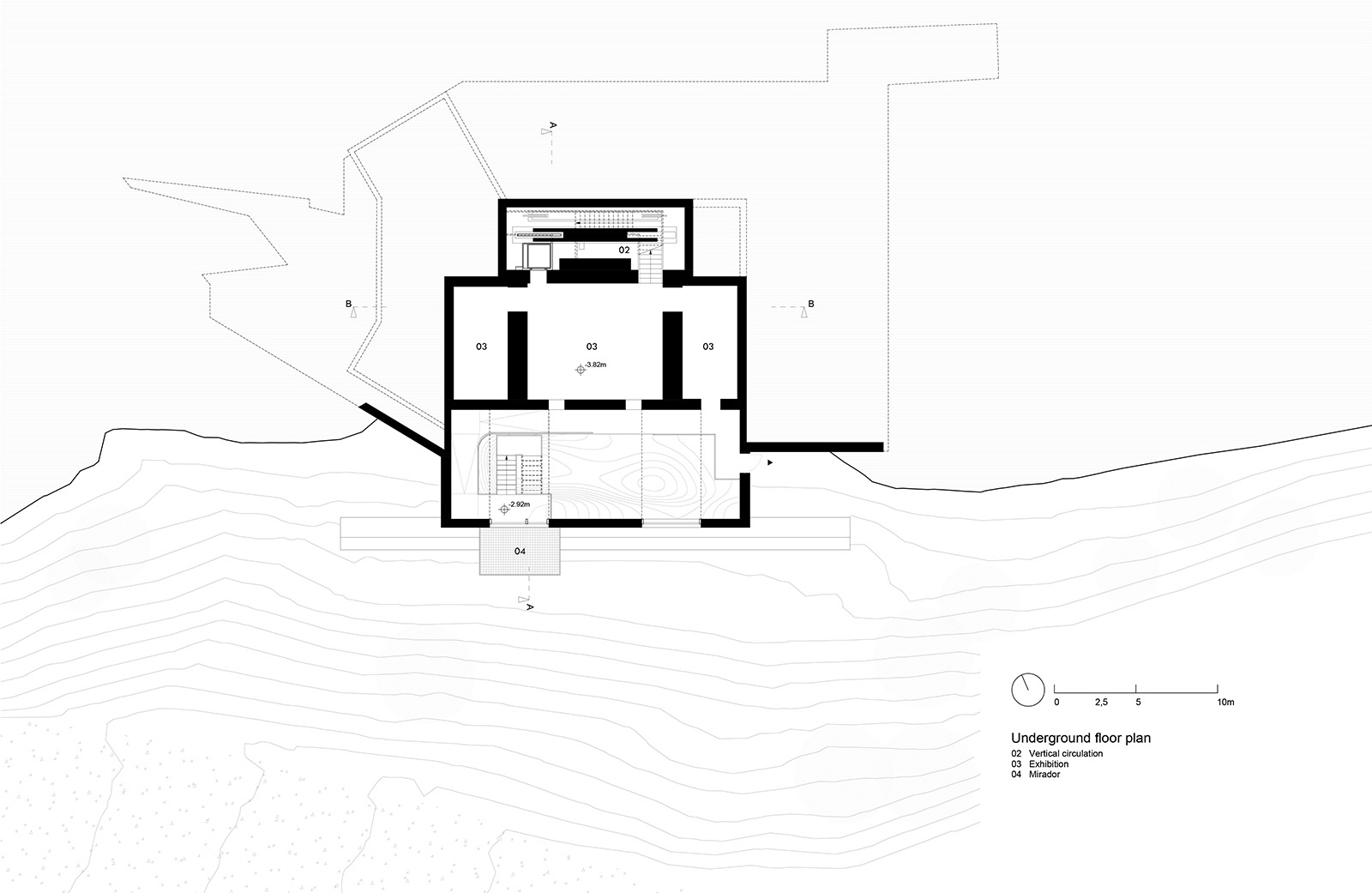
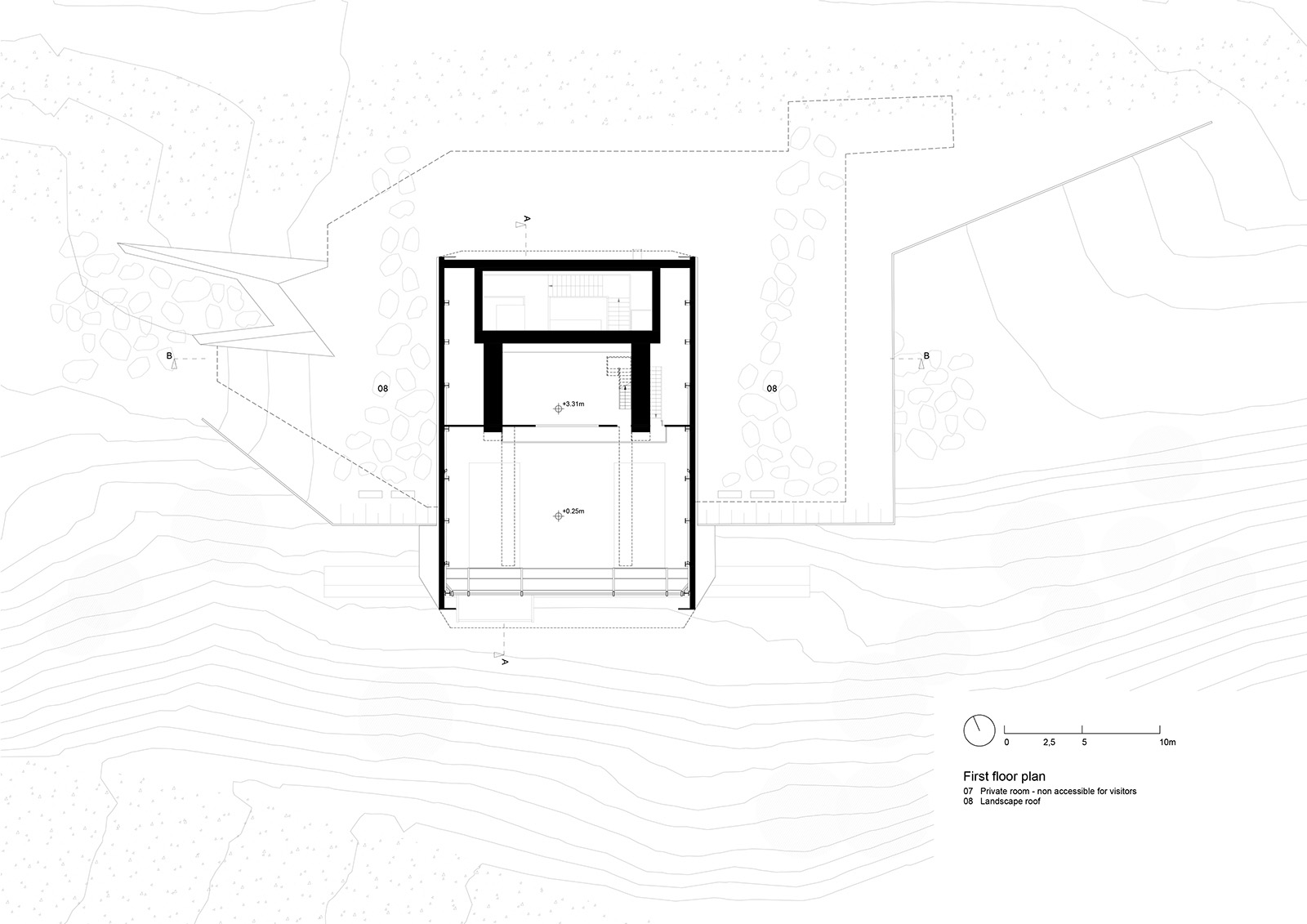
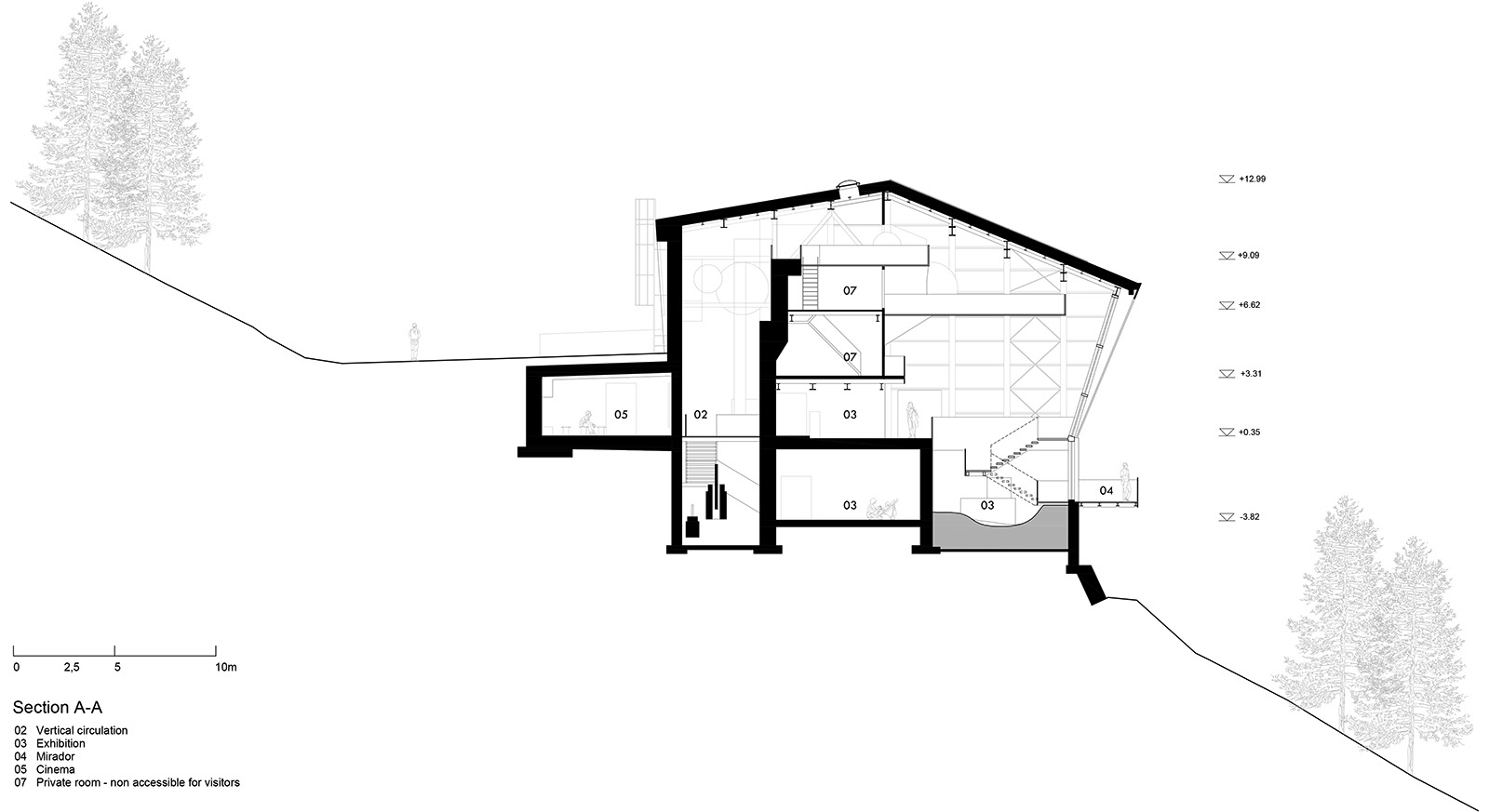
The building’s most noteworthy quality is that it attempts to embody Messner’s views on life in the mountains, designing the spaces and the surrounding landscape with human activity at the centre. Together, the spaces oscillate between ascent and pause, qualities intrinsic to mountaineering. Rather than conquering—a spirit often relegated to the expeditionary—the building focuses on presence that navigates through the difficulty of inhabiting such extreme terrains to create a built environment that responds to both natural and human contexts. Instead of being a spectacle of Alpine architecture, the building anchors continuity. It reflects the discipline, humility, persistence and attentiveness required for a mountainous life with immense clarity, embodying the oft-occurring feeling of being small in the grand scheme of things—a minuscule but not indifferent existence—and finding peace, not despite, but because of it.
Name: Reinhold Messner Haus
Location: Mount Elmo, Sesto (Bolzano), Italy
Client: 3 Zinnen Spa
Architects: Plasma Studio
Built-up area: 1,035 sq m
Gross area: 1,550 sq m
Year of Completion: 2025

by Pranjal Maheshwari Oct 19, 2026
The Mumbai-based architects integrate courtyards, mesh screens and north light trusses to create a dining space that doubles up as a community hub at SR University, Warangal.
by Mrinmayee Bhoot Oct 17, 2026
The Rotterdam-based institute centres the Indian Ocean as a network for exploring material histories and transnational links shaping coastal cultures, positing them as future models.
by Pranjal Maheshwari Oct 16, 2026
At the 2026 Stirling Prize ceremony, Mary Duggan with RUFF Architects, MAKER Architecten and Nakshabid Architects were felicitated for proffering quality housing and social equity.
by Mrinmayee Bhoot Oct 12, 2026
The new Centre for Contemporary Arts, fostering public engagement with art in Uzbekistan, is housed in a tram depot refurbished by the French studio, emulating local craftsmanship.

make your fridays matter with a well-read weekend
Enter your details to sign in
Don’t have an account?
Sign upOr you can sign in with
a single account for all
STIR platforms
All your bookmarks will be available across all your devices.
Stay STIRred
Already have an account?
Sign inOr you can sign up with
Verification link sent to check your inbox or spam folder to complete sign up process
Tap on things that interests you.
Select the Conversation Category you would like to watch
Please enter your details and click submit.
Enter the 6-digit code sent at


Reinhold Messner Haus is a former cable car station turned alpine monument
by Bansari Paghdar | Published on : Jun 02, 2026


 Sign in with Google
 Sign in with email
What do you think?