Architecture08 mins. read
The Balearic Social Housing Model and its systems’ hacks win the OBEL Award 2026
by Mrinmayee BhootSep 01, 2026



by Mrinmayee BhootPublished on : Jul 28, 2026
The Pritzker Prize, unofficially referred to as the Nobel Prize for architecture (and built on a similar model), remains one of the awards most people unacquainted with the discipline can easily recognise. In many ways, its reputation has lent itself to bolstering the star system within the profession and the personality celebre of the architect. Many, then, think of the prize when trying to decipher what ‘excellence’ in architecture looks like. However, when it comes to the people and communities a particular built environment is intended to serve, this notion demands a fair bit of scrutiny. It raises questions about what we actually associate with the ambit of excellence in architecture: what issues we speak about, what values and which voices we champion, and if these indeed are a reflection of ‘good’ architecture—whatever that may be in a rapidly changing world. Paramount to this discussion is also the question of who gets to decide on these matters.
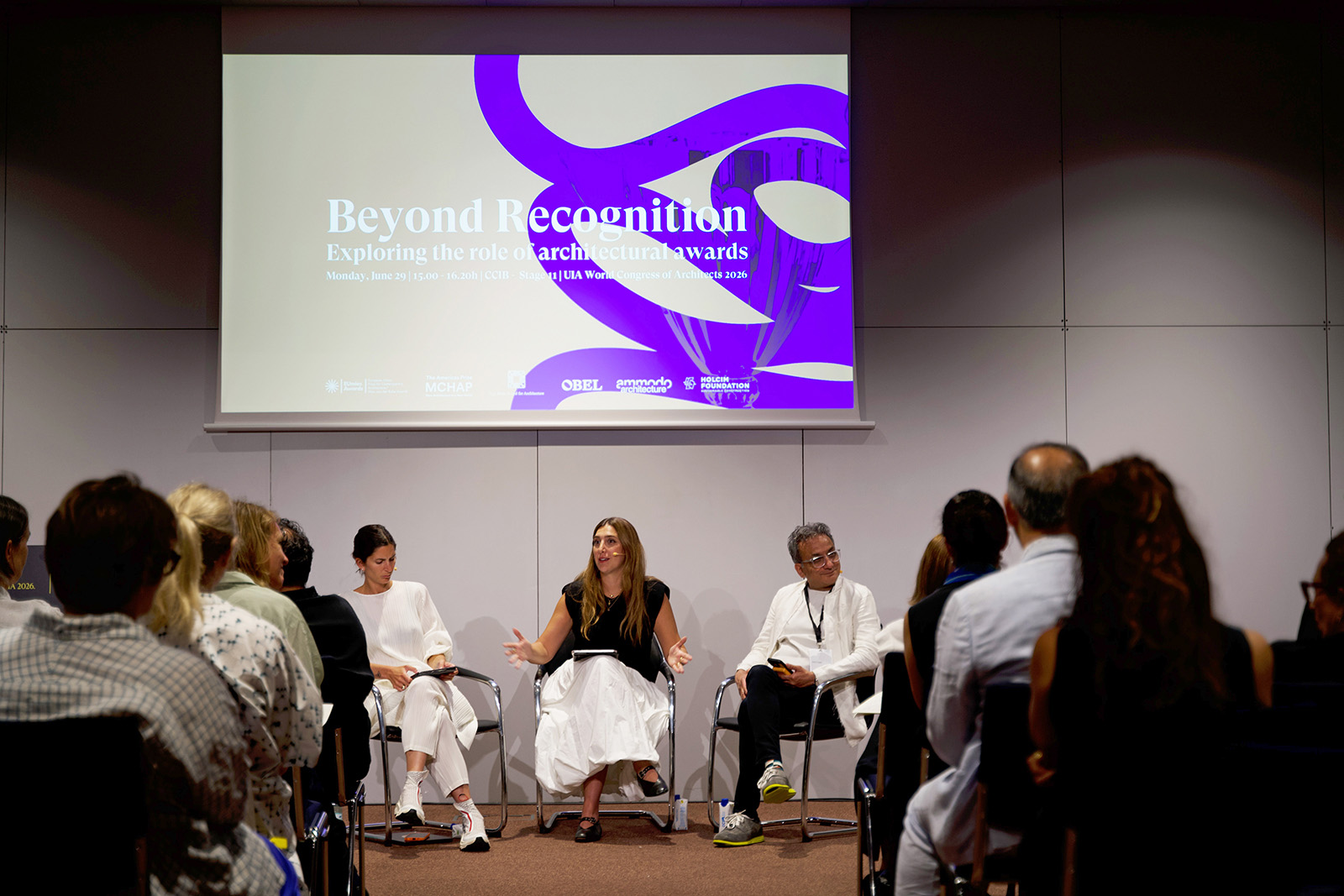
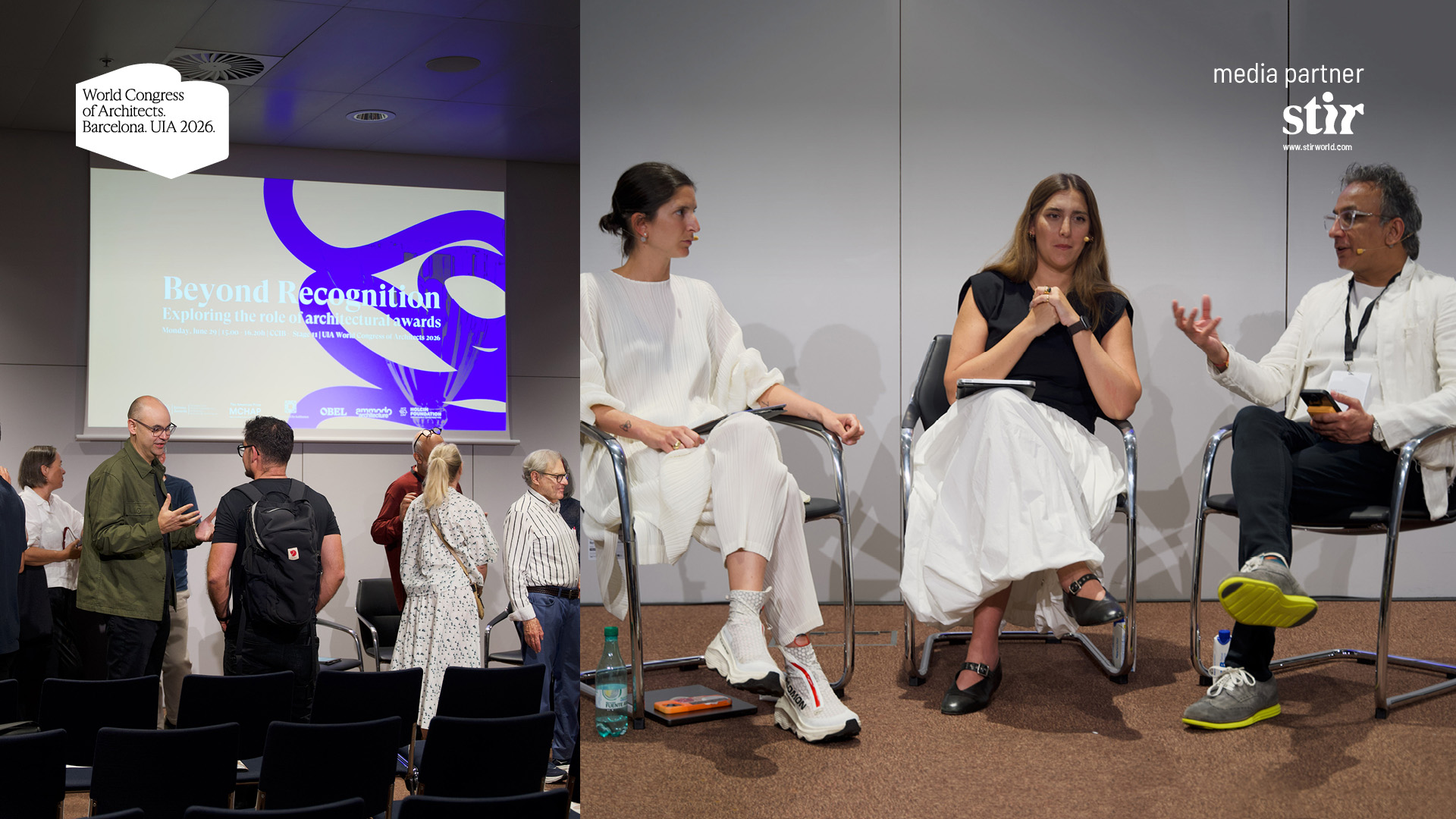
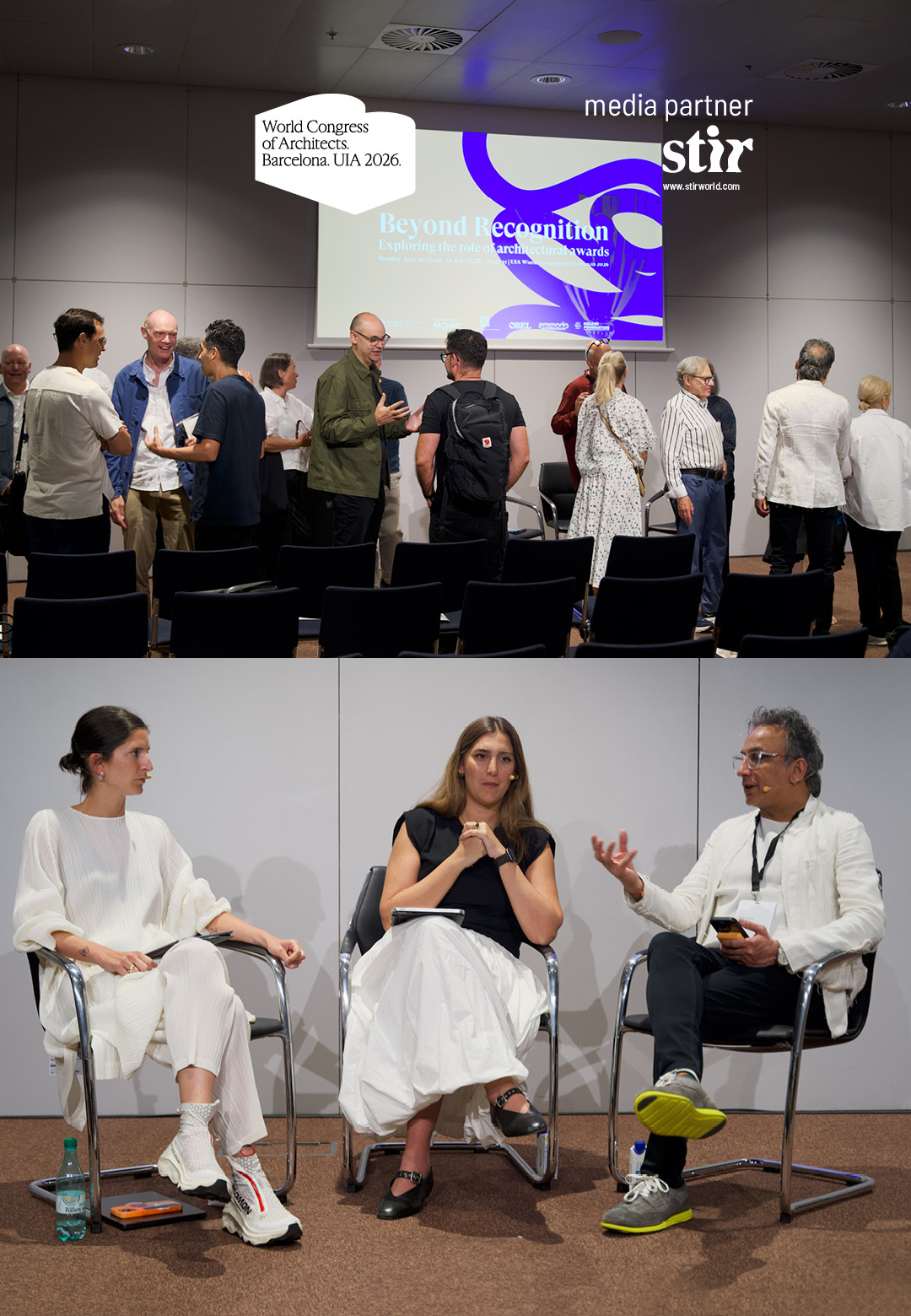
That responsibility of acknowledgement for architects and those who champion it—a distinct charge for a discipline faced with the crises of the world—was the focus of a panel at the recently concluded UIA World Congress of Architects 2026. Organised by a consortium of international architecture awards, including Ammodo Architecture Award, Aga Khan Award for Architecture, EUmies Awards, Holcim Foundation Awards, Mies Crown Hall Americas Prize and The OBEL Awards by the eponymous foundation, Beyond Recognition took place on the first day of the symposium in Barcelona. Three architecture critics—Federica Zambeletti, founder and managing director of KoozArch; Christele Harrouk, editor-in-chief of Archdaily; and Amit Gupta, founder and editor-in-chief of STIR—guided a conversation between 'front-row peers' including architects, directors of awards organisations and scholars that built on a panel discussion initiated at the Venice Architecture Biennale 2025. Through the panel, the six awards organisations represented came together to address pressing questions of our understanding of architecture, both as discourse and practice, and the role awards can play beyond bringing visibility to certain buildings or studios.
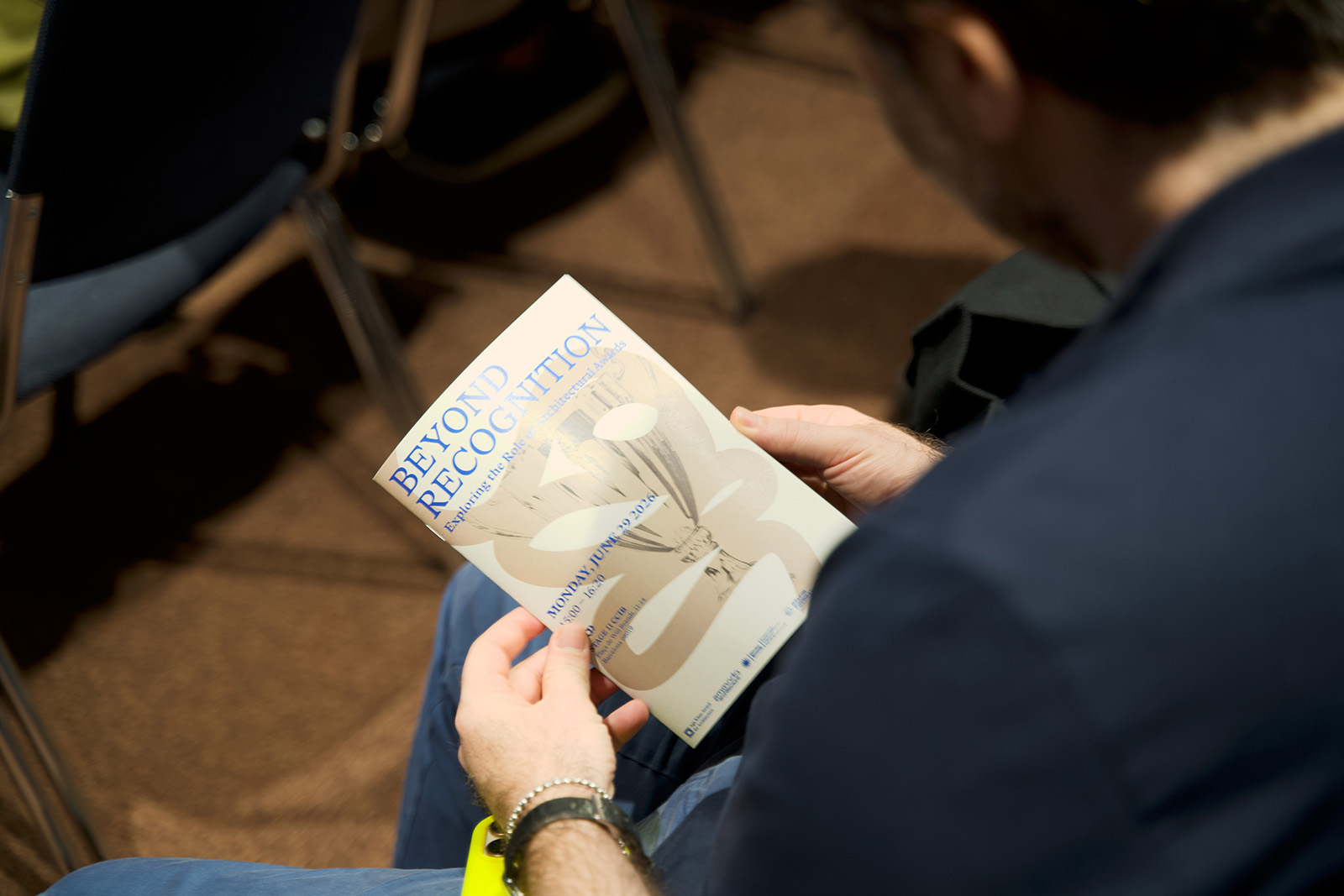
Rather than singular instances, the discussion prompted a shift to the broader landscape of architecture, and what design ‘excellence’ can look like at a global scale. This is set against the context of the number of awards dedicated to architecture and design having grown exponentially since the 80s, bringing to the fore the following questions: Who is the audience to the recognition that is accorded—professional or amateur? What does that recognition entail? What lies beyond being given a trophy? Does the award still matter, and if so, what metrics should it develop with?
Starting the discussion with the question of value, Zambeletti expanded on the idea of awards as sites of inquiry, questioning how architecture can coalesce and reflect a plurality of values in a world that is defined by diversity. That question gets to the heart of what it means to produce architecture in the first place, since architecture shapes, after all, society as a collective. It also brings attention to the myriad conditions architects must address: ecological deterioration, resource depletion, socioeconomic disparities. How can architecture embody values that speak to the divergent chasms of the world?
As one of the front row peers, Mauricio Pezo, co-founder of Chile-based Pezo von Ellrichshausen, pointed out, responding to broader sociopolitical issues while still producing meaning was a quality produced inherently through the act of design. “In our view, architecture is a mirror of human values. If we accept that notion, then values like integrity or generosity are not only embedded into the building, but also into the relationship of that building with its occupants and the environment,” he said.
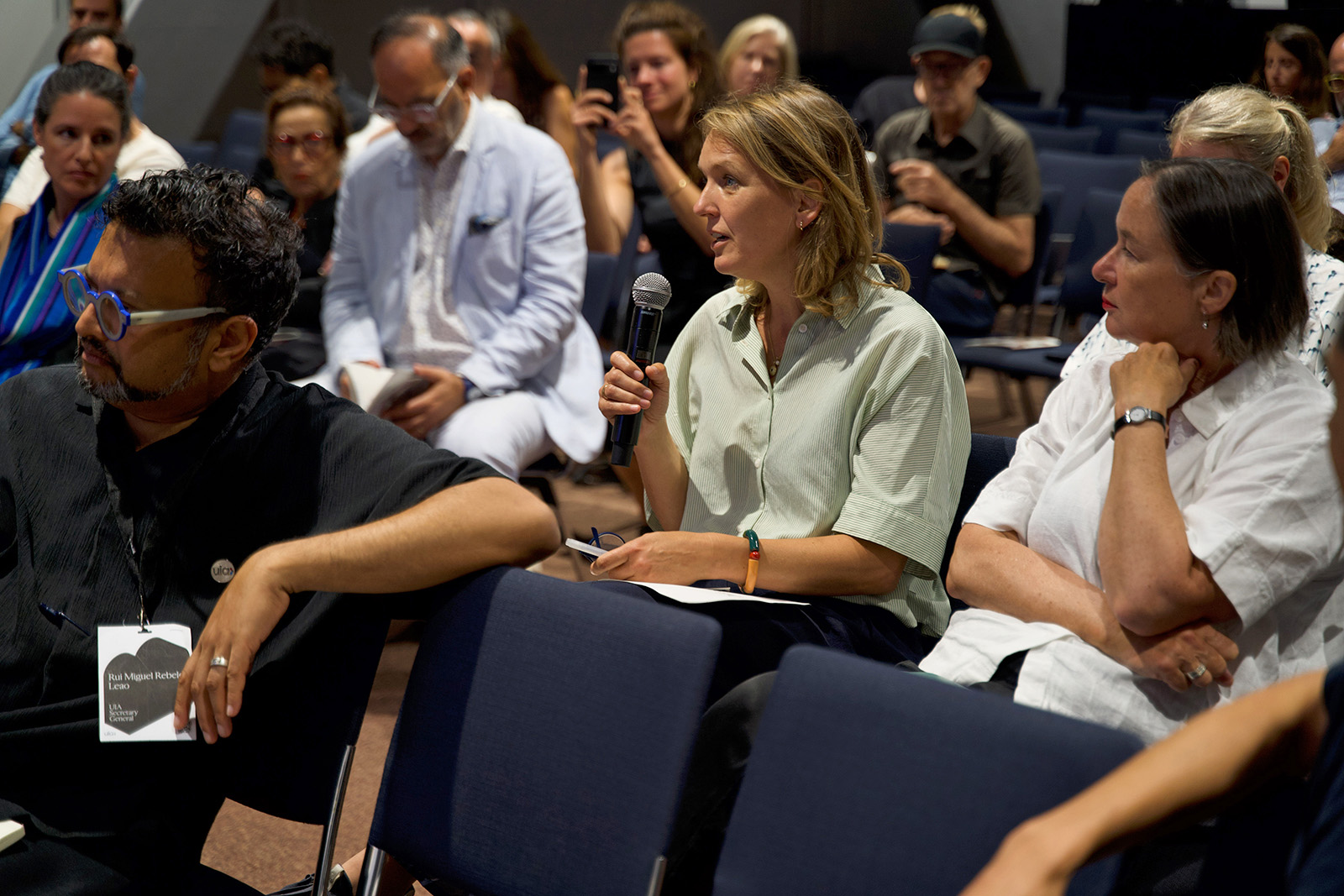
If architecture is a mirror of societal values, the panel also hoped to examine if awards could function as guiding compasses for these—a distinction between ideology and worldview.
While the embodied values of a structure might reflect the designers’ ideology, worldviews are more expansive, leaking into processes of making. These processes are often not at the forefront of how we deem the elusive idea of architectural excellence, but are essential to OBEL’s criteria for awarding an architect. Kate Orff emphasised this with her project that was felicitated by the OBEL foundation being only the physical manifestation of years of work around New York Harbour: of reintegrating nature, advocating for policy changes and mobilising communities. Value in this case cannot be judged solely on the product of building. Instead, it must be accumulated.
Ultimately, it deserves mention, as Pezo highlighted, that architecture is part of a broader network. And how it operates within that shifting network of relations is how it manages to produce value. The first act ended with a broader contention: How do we ascribe value when the limits that define architecture are unknowable? This is a question that is ultimately unanswerable in a substantial way, for recognising those voices who might not be prevalent within the mediatic landscape remains a vital conundrum. It rests on how we practice, and how practice portrays itself.
The idea of practice, and how awards shape what concerns we deal with, was the focus of the second act led by Harrouk. The central inquiry—does the award cycle guide broader architectural concerns for the rest of the world—is a vital interjection to understanding why awards continue to be relevant, and how they might expand the criteria for recognition. “We can get better at articulating the problems [...] but besides recognising the object, awards should be able to celebrate more models of practice; models of being able to engage with the world,” Rahul Mehrotra observed on the widening disjuncture between the discipline’s spheres of concern and its spheres of influence.
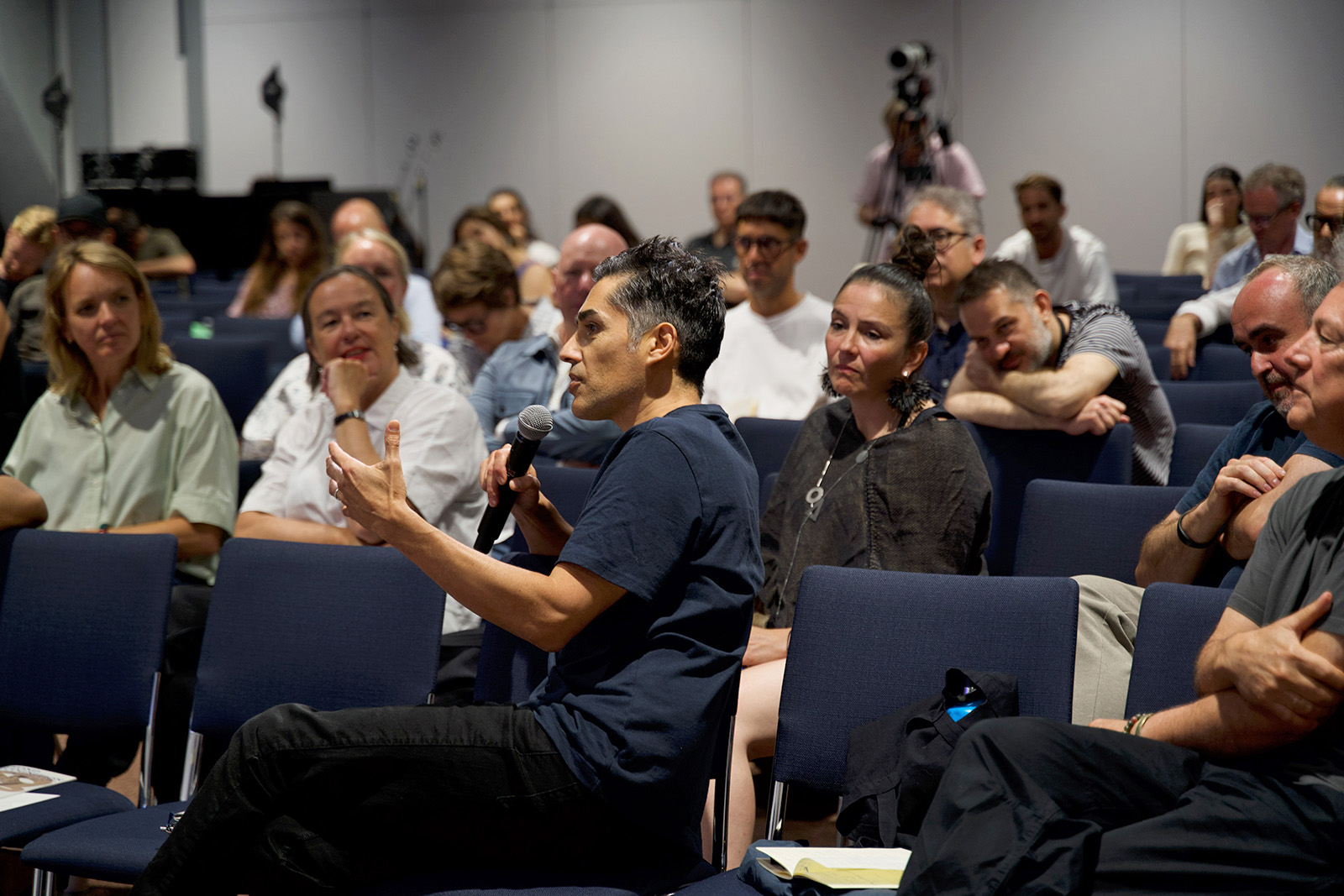
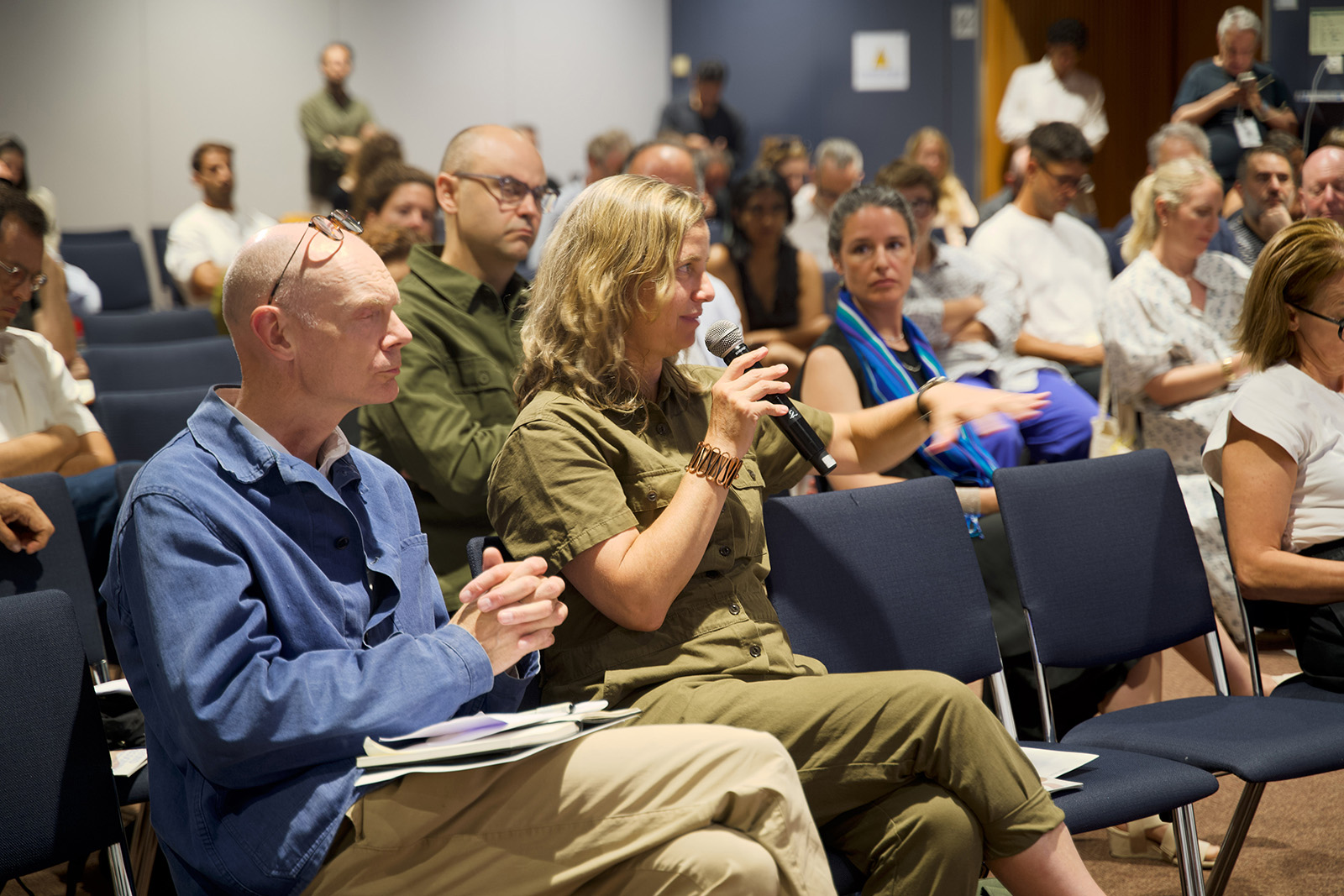
Considered in this vein, the words we use when thinking through architecture, when defining what significance is when it comes to architecture’s role in an evolving society, take on a different meaning. Adding to this notion of the misplaced perception of architecture as a singular object, and how award organisations might contribute in precipitating a shift towards an understanding of practice as collaborative and expansive, Mexican architect Gabriela Carrillo lamented the orthodox view that has plagued architecture since Alberti's treatise—that of singular authorship. Carrillo urged that the shift from object to process needs to be comprehensive and can only start with shifting our spheres of influence, and hence, of who gets to exercise agency in the design process.
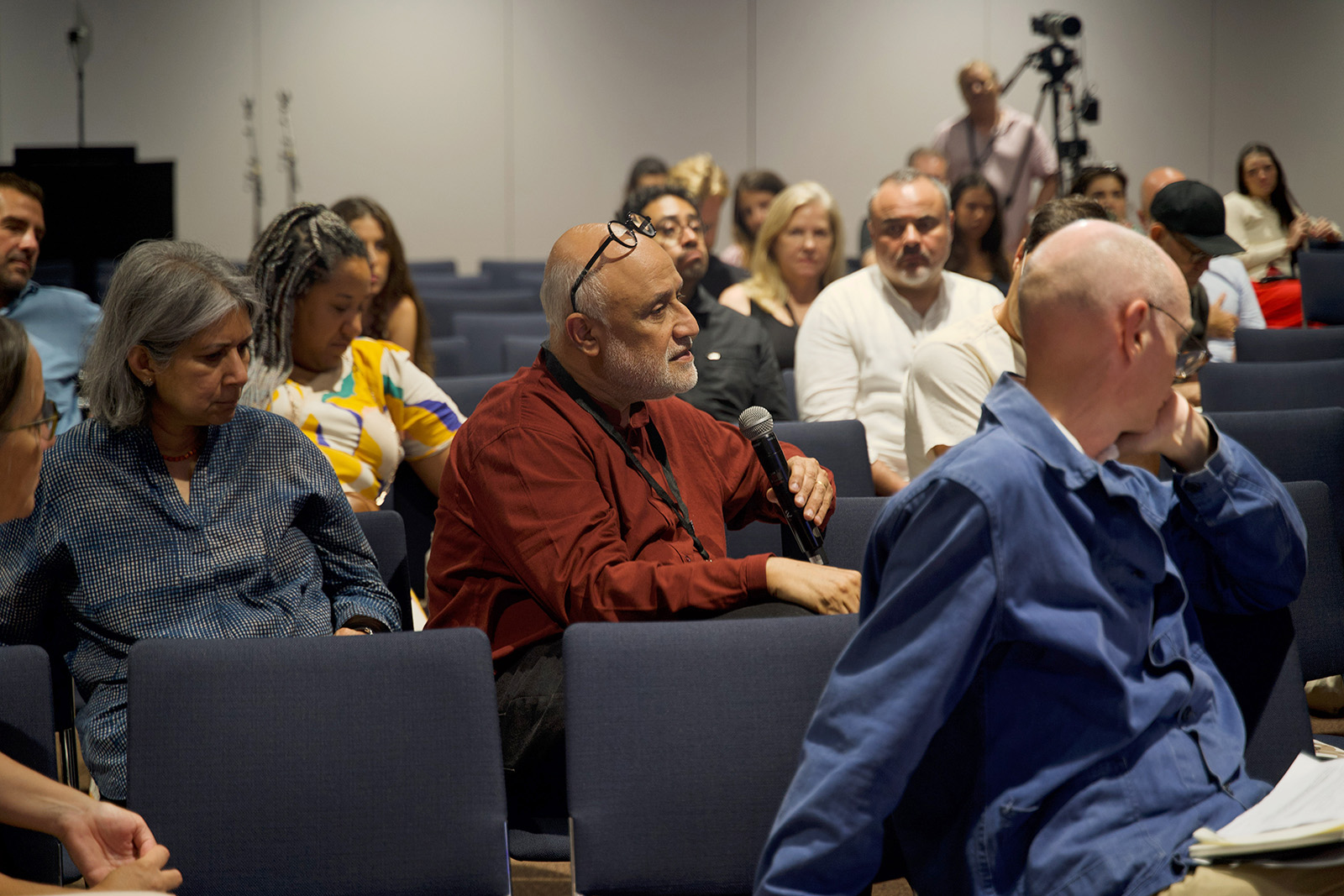
That question, of who is afforded agency, who actually shapes architecture and which stakeholders get recognised, is crucial in broadening the scope of what practice means, and how within a complex system of operation, awards can continue delineating and reshaping ‘excellence’. Dirk Denison, director of the MCHAP, shared the process of nomination for the Americas-focused prize and the tedious deliberation it takes to decide which buildings are worth shortlisting, noting that the organisation recently made a platform which recognises the contribution of architectural patrons. Denison stressed the mutuality of the process, commenting on how more organisations ought to expand what and who they look at, while more practices shift away from a model of authorship that has never been compatible with the complexities of the world, substituting recognition for impact.
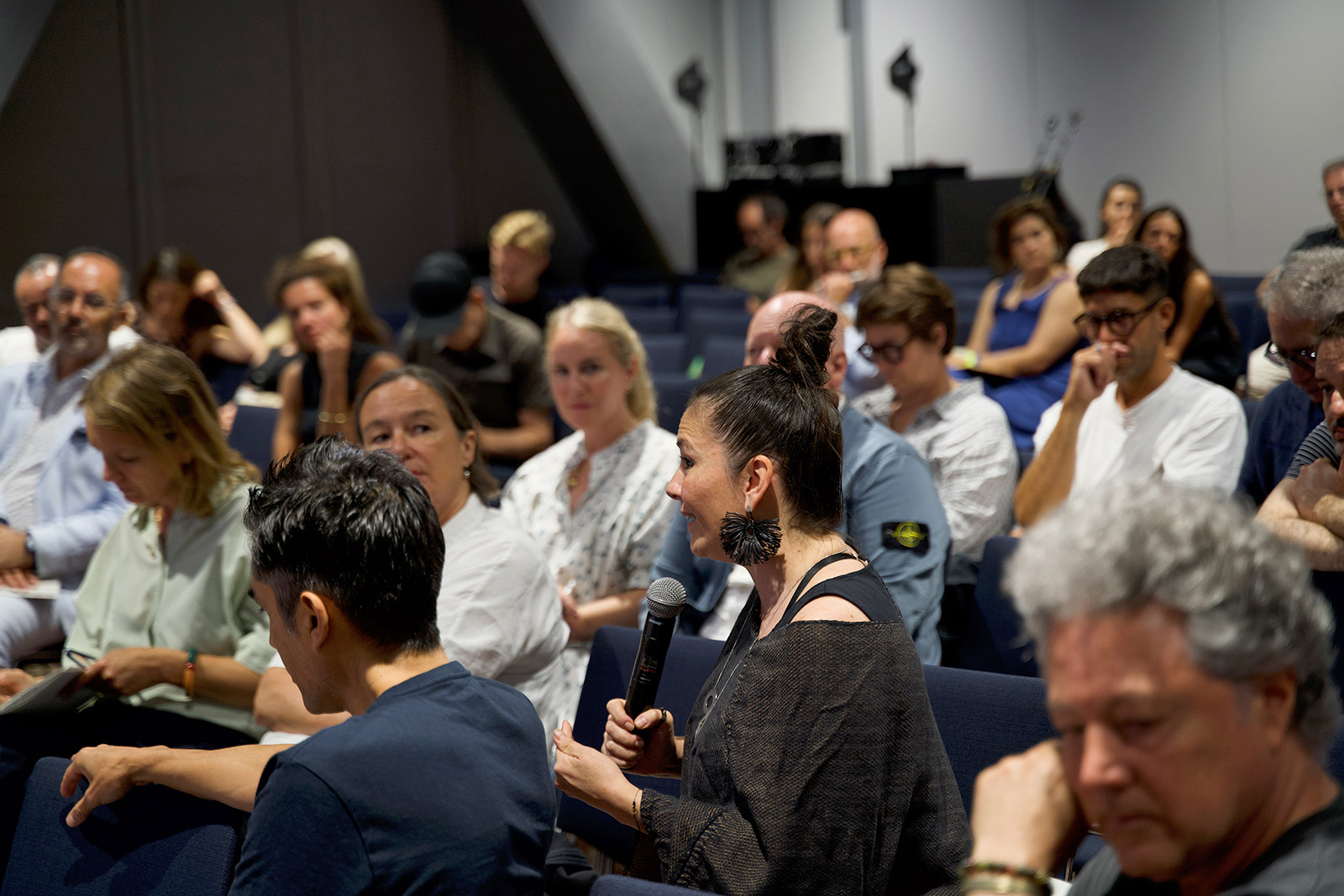
The award has to be both an avenue for seeing but also one for understanding why something is worth looking at. – Dirk Denison, director, Mies Crown Hall Americas Prize
Bringing the various threads together, Gupta posed the question of what futures we shape and how awards influence these nebulous positions. With an emphasis on those voices conventionally excluded from Western canons, Gupta probed who gets to do the seeing, how that impacts which architectures are visible today and how that translates into architectural inquiry.
A chief provocation emerging from this final act became: Could we begin to address the planetary crisis differently if practices not represented otherwise are given an adequate platform? And when given the platform, are they suitably accepted in the fold of what 'excellence' or appropriate in architecture embodies? Responding to this idea, Farrokh Derakhshani, director of the Aga Khan Awards, pointed towards how communication and understanding are paramount to fostering ‘excellence’, shifting from the idea of relevance as recognition to one that is more generative—visibility afforded as pedagogy for another context.
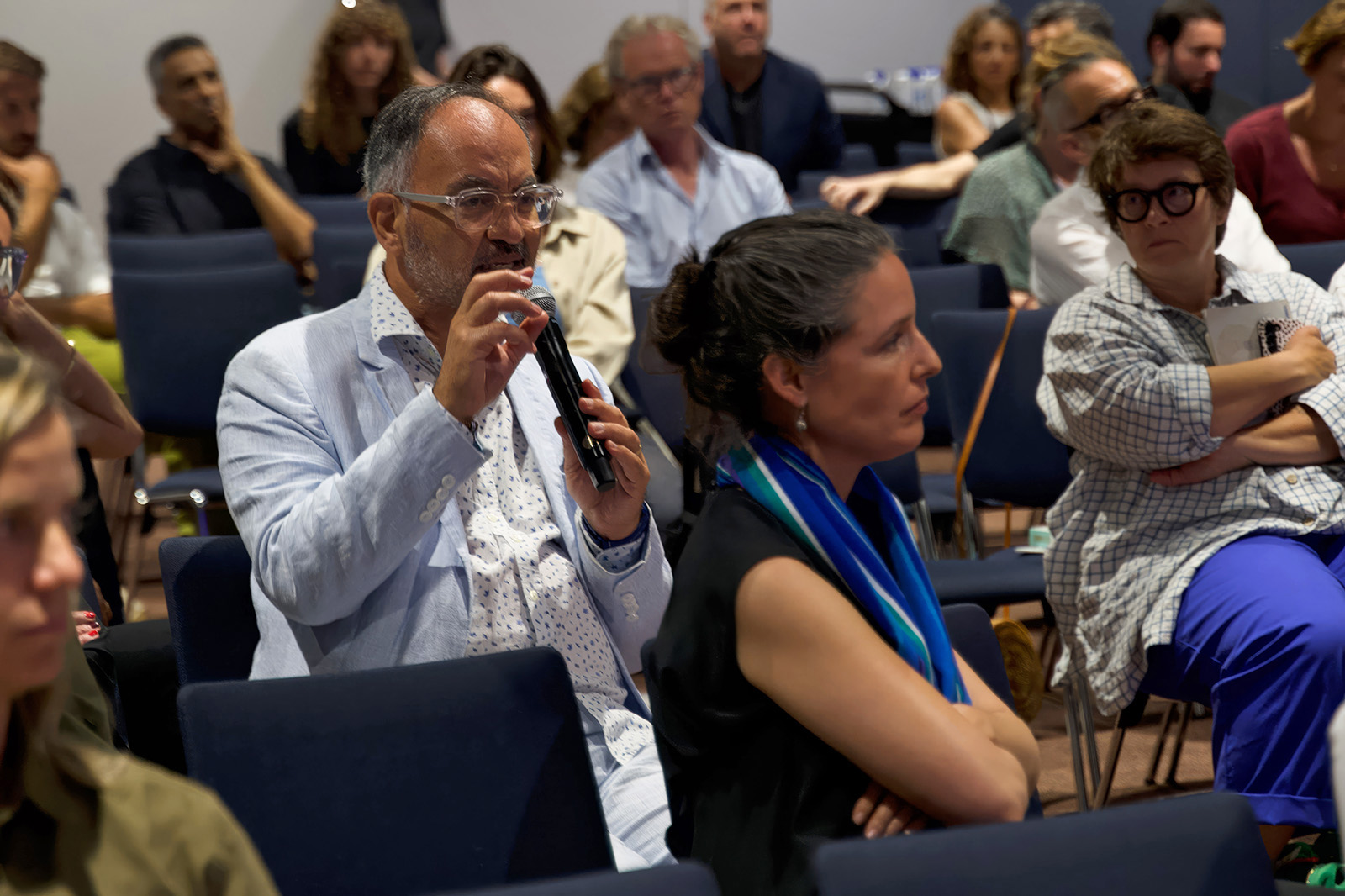
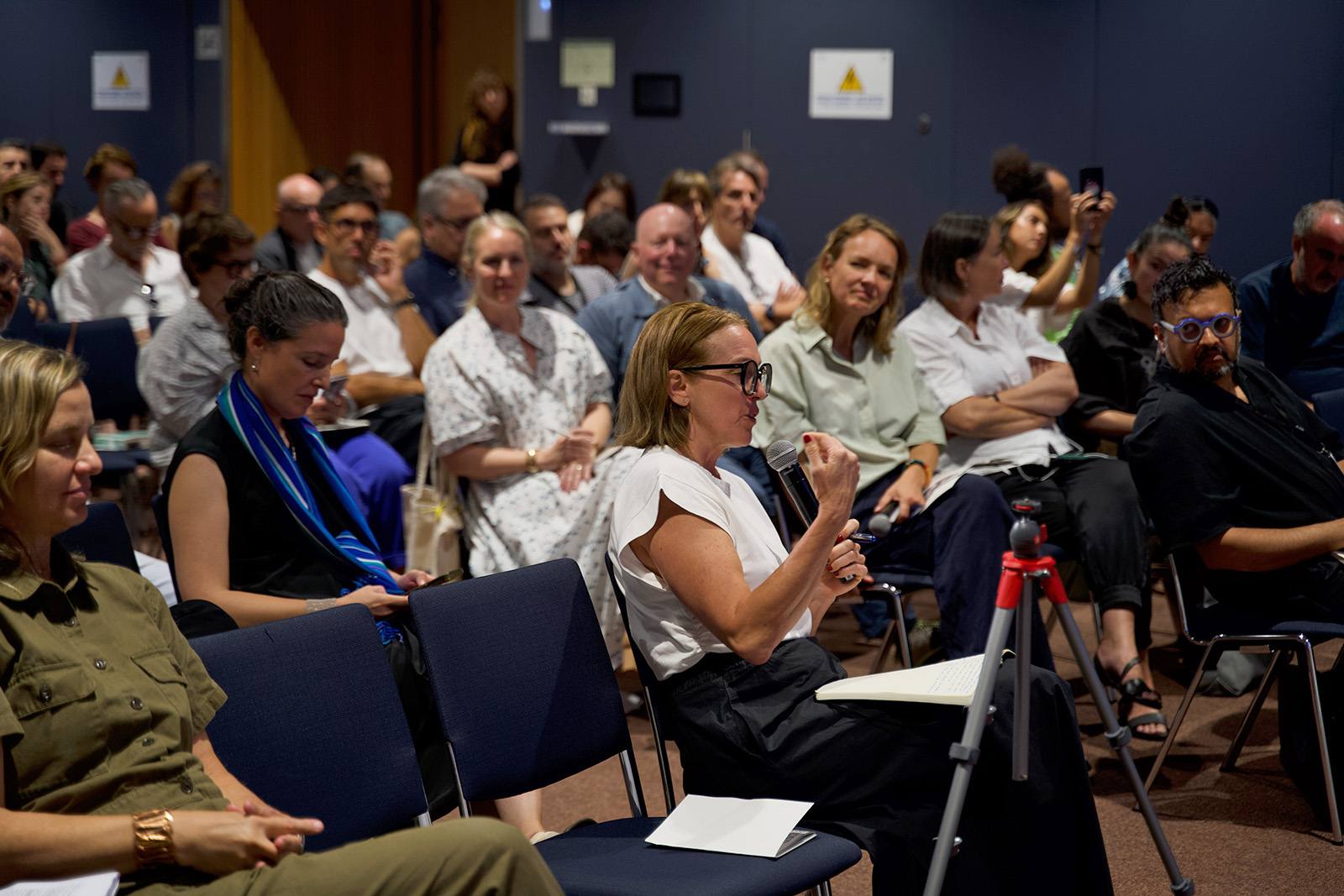
The larger question of visibility, in the end, is one of consequence and hence, accountability. Once visible, how an architecture could positively shape the future and continue to do so was a question Gupta continued to probe through his moderation. "Architecture is an optimistic practice because we are always practising the future,” Tatiana Bilbao elucidated in response. She ended by probing a shift in the gaze of visibility once again to those who use buildings, and how their perspectives could add valuable insights into award nomination processes.
There are those buildings that are able to be projective, that are able to hold the ideas of the future. There are those that are emblematic of our history, and there are those buildings that hold the present. While there are awards that recognise buildings that have not been built, and ones that recognise the building and how it works in the present. There is an opportunity for an award that should be recognising a building in its performance for the future. – Tatiana Bilbao, founder, Tatiana Bilbao Studio
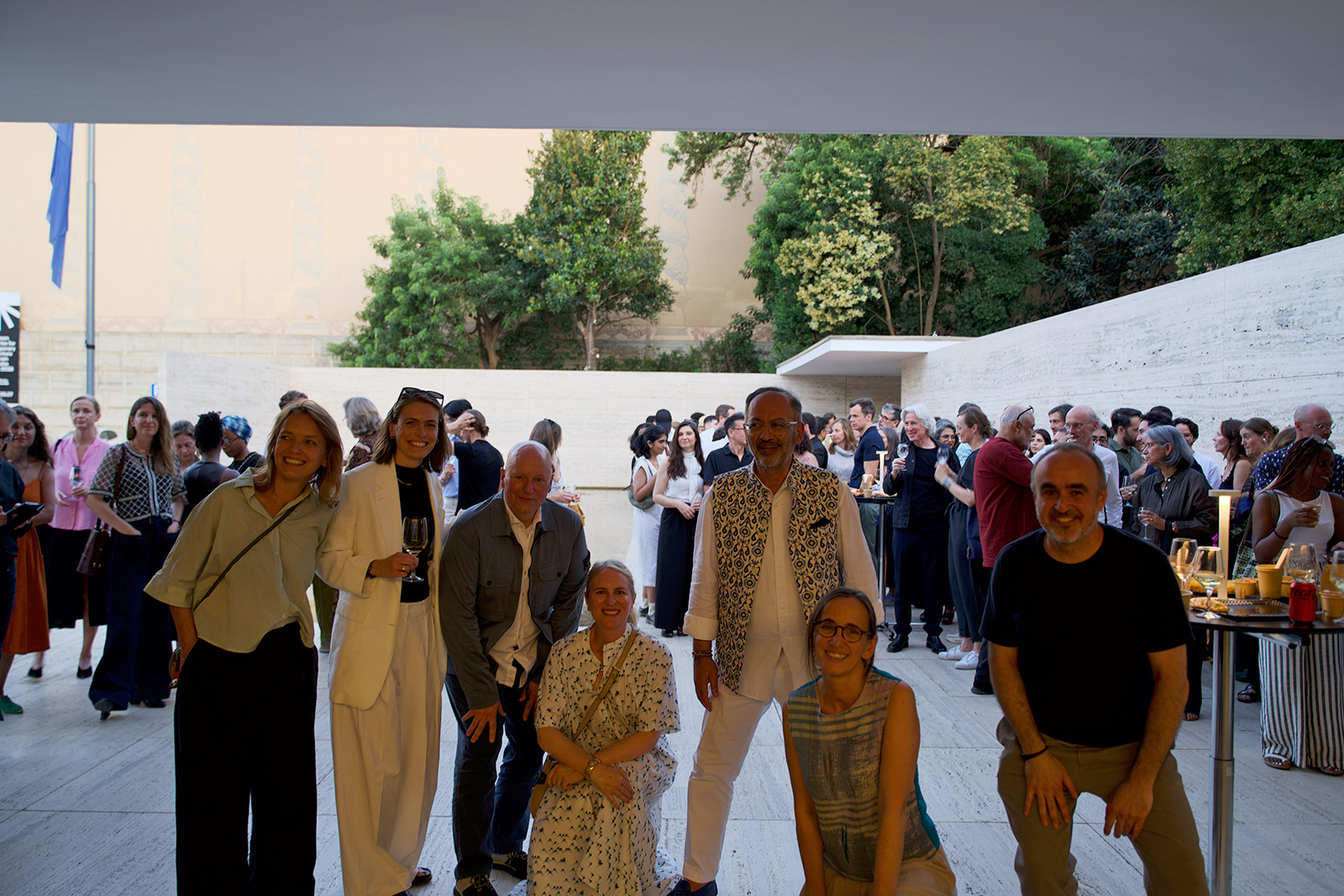
Perhaps one of the shortcomings that the awards represented were trying to overcome—who do we speak to when we speak about excellence in design—is well represented here. This charge is one that is particularly potent, considering the larger theme for the UIA this year probed Becoming and how architecture responds to planetary crises. The persisting questions—how to recognise labour, how to award process and collaboration, who to champion and what languages we use to think architecture in—are ones that deserve continuous reflection beyond the symposium.
If architecture awards matter still, they must contend with a rapidly changing world and an architecture that must respond to it slowly. The dissonance itself is fertile ground for excellence. The ‘best’ architecture is then indubitably rooted in universal values: on generosity, on inclusion, on reciprocity, while still responding to the specifics of place and belonging. What lies beyond recognition—the fact of inhabitation and the desire for co-existence—is the imminent dilemma good architecture tackles.
Click on the cover video to view the full conversation.

by Pranjal Maheshwari Oct 16, 2026
At the 2026 Stirling Prize ceremony, Mary Duggan with RUFF Architects, MAKER Architecten and Nakshabid Architects were felicitated for proffering quality housing and social equity.
by Mrinmayee Bhoot Oct 12, 2026
The new Centre for Contemporary Arts, fostering public engagement with art in Uzbekistan, is housed in a tram depot refurbished by the French studio, emulating local craftsmanship.
by Mirra Lynn Oct 10, 2026
The Shanghai-based architecture practice’s intervention in Suzhou transforms three abandoned houses into a bookstore, café, library and homestay.
by Pranjal Maheshwari Oct 09, 2026
The eighth edition of the international architecture and urban design showcase, themed How Much?, explores diverse implications of social, ecological and economic ‘cheapness’.

make your fridays matter with a well-read weekend
Enter your details to sign in
Don’t have an account?
Sign upOr you can sign in with
a single account for all
STIR platforms
All your bookmarks will be available across all your devices.
Stay STIRred
Already have an account?
Sign inOr you can sign up with
Verification link sent to check your inbox or spam folder to complete sign up process
Tap on things that interests you.
Select the Conversation Category you would like to watch
Please enter your details and click submit.
Enter the 6-digit code sent at


Tracing the influence of architecture awards with Beyond Recognition at UIA 2026
by Mrinmayee Bhoot | Published on : Jul 28, 2026


 Sign in with Google
 Sign in with email
What do you think?