Architecture12 mins. read
Building future for a billion voices: the best of Indian architecture in 2022
by Jerry ElengicalDec 30, 2022




by Bansari PaghdarPublished on : Jun 10, 2026
Since its founding in 2020 in New York City, the non-profit organisation The World Around has been working towards its vision of an ‘equitable and regenerative world’ by examining how architecture can contribute to it. Its programmes and public initiatives, such as the annual summit and the Young Climate Prize, often position architecture within wider conversations of climate crisis, technology and culture. For its seventh edition, The World Around Summit once again gathered several professionals from around the world to share their innovative work and engage in deep discourse, discussing our shared future.
Organised in collaboration with the Museum of Modern Art’s (MoMA) Department of Architecture & Design, the summit took place on May 9, 2026, at the Roy and Niuta Titus Theater, MoMA, New York. Having expanded and evolved over the years, the programme this year was shaped around a shared framework that identifies and addresses challenges through a temporal lens, classifying them into three sessions: Seeding Time, Keeping Time and High Time. While these sessions helped investigate landscape architecture, heritage and affordable housing individually, they also staged an interconnected programme for visitors to understand the issues collectively, almost acting as a mirror to the current global landscape. As a media partner, STIR highlights the projects and ideas discussed at the summit, attempting to shape a collective vision for sustainable architectures.
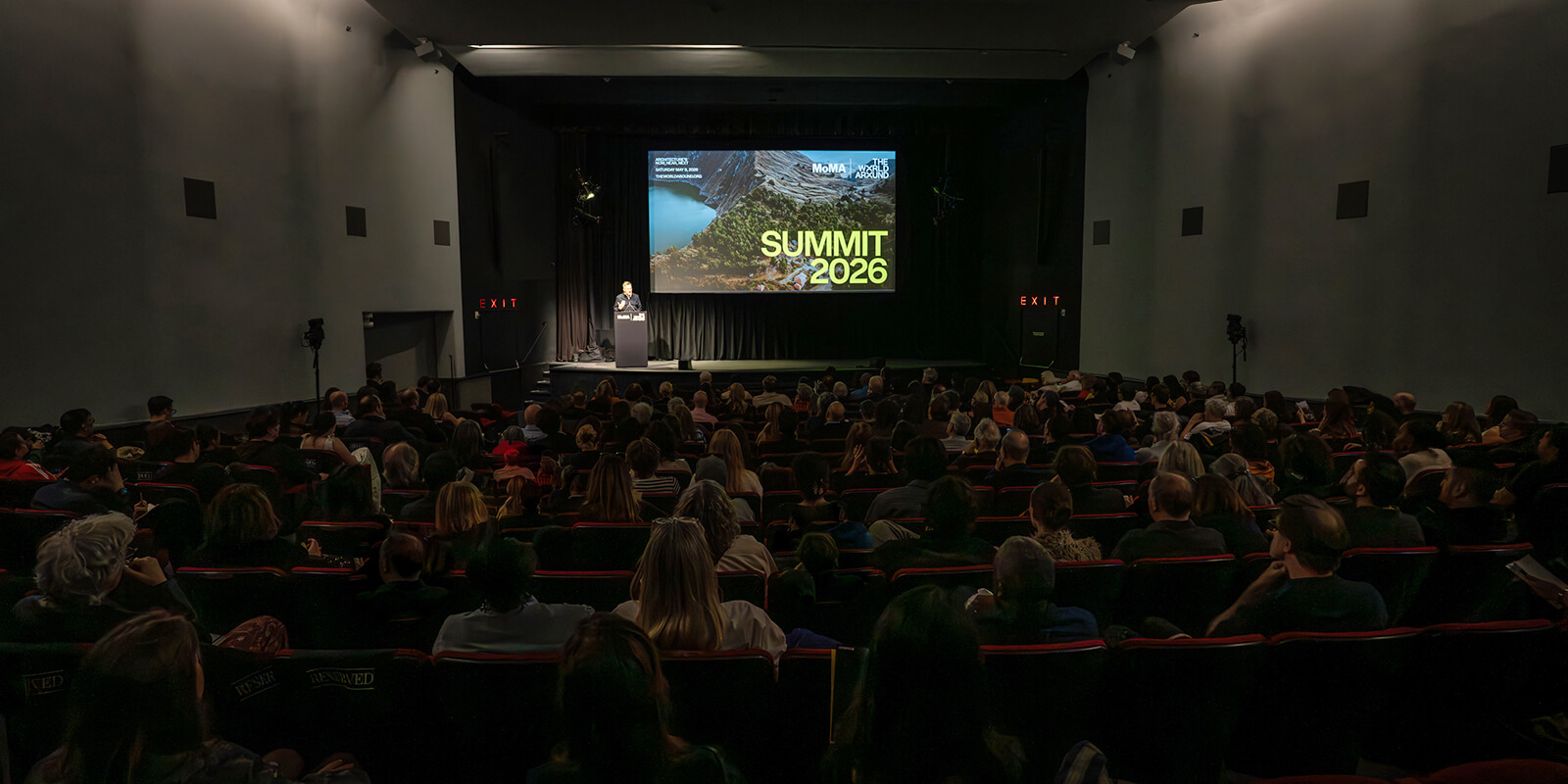
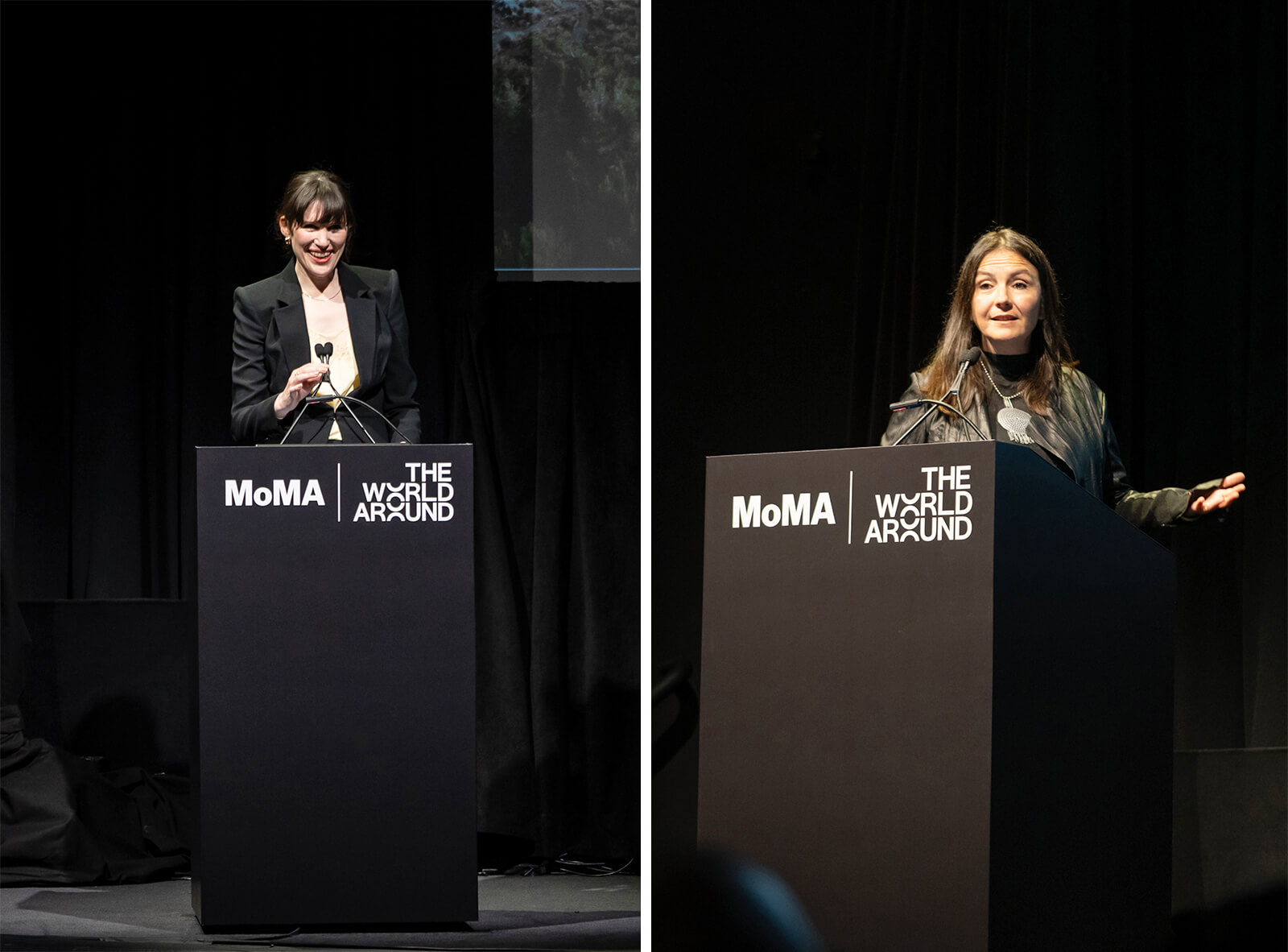
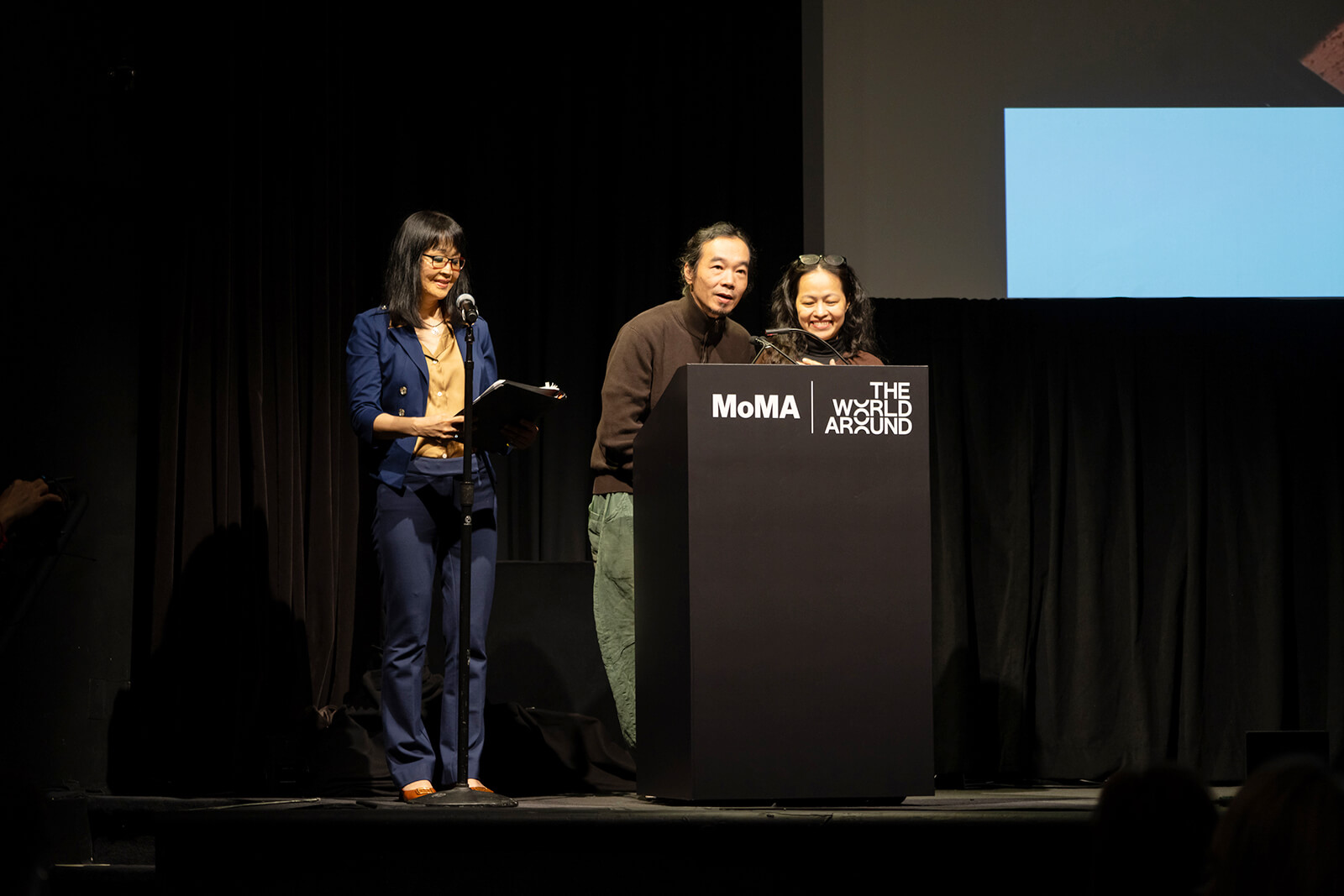
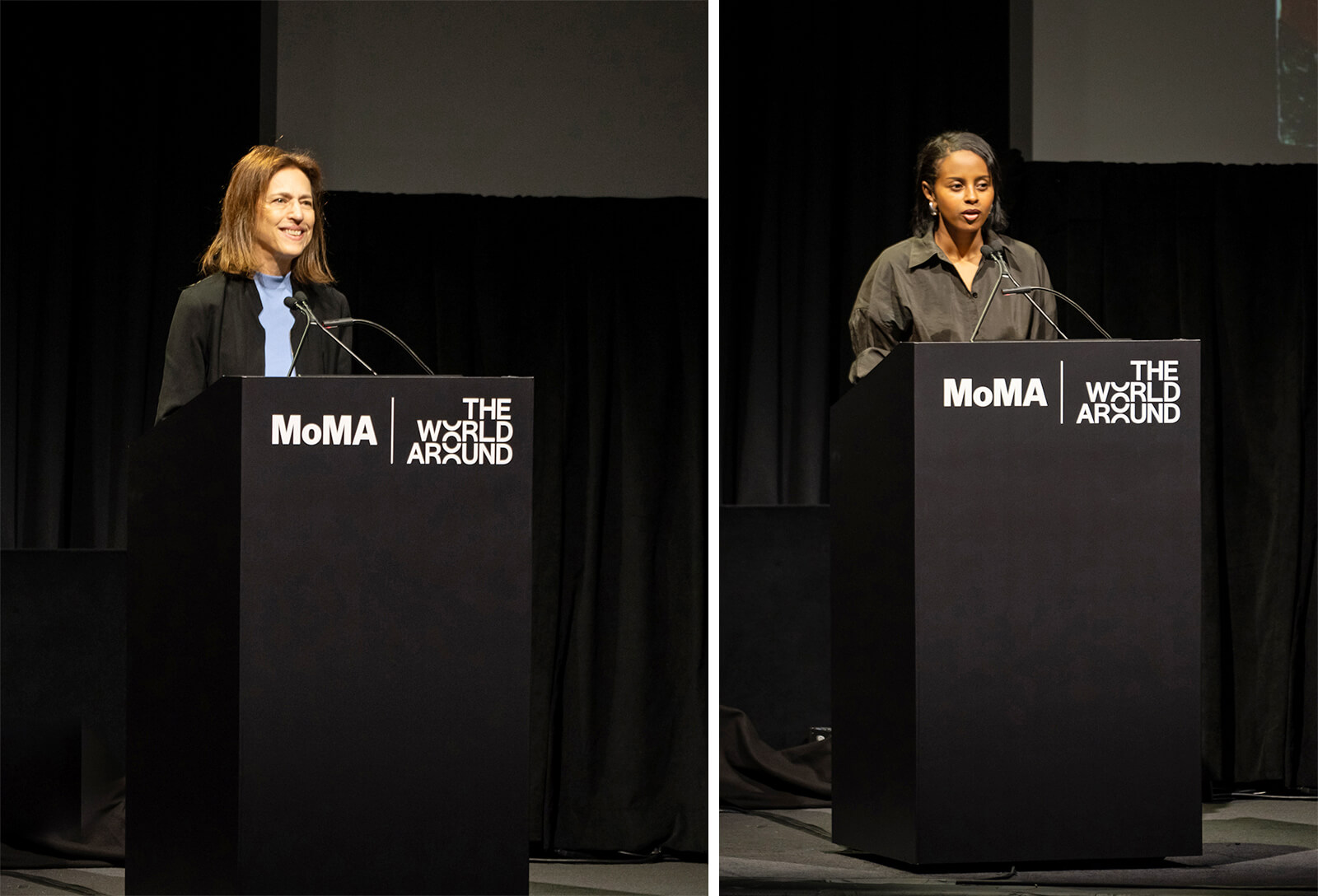
The summit began with a keynote address by The World Around’s founder and executive director, Beatrice Galilee, welcoming the 17 invited speakers from 11 countries. The first session featured presentations by practices that operate at the fragile balance between natural and built environments. Mexican architect Gabriella Carrillo of Mexico City-based Colectivo C733 talked about the project Bacalar Eco-park, entailing the introduction of five distinct infrastructures that improve the condition of the mangroves, the nearby lagoon, and the community itself. An exclusive interview with Piet Oudolf, filmed in his home in Hummelo, Netherlands, was screened, followed by Vietnamese practice Tropical Space’s presentation on the Terra Cotta Workshop. American artist Peggy Weil—known in the field of digital media for her animations and virtual and augmented reality explorations—expanded on her recent exhibition, Core Memory, at MoMA. The two digital exhibits, 88 Cores (Greenland Ice Sheet) and 18 Cores (Salton Sea), act as ‘extended landscapes’ in Weil’s words, channelling the distinct environmental vulnerabilities that increase over time. Later, landscape design practice Studio Zewde expanded on Dia Beacon, a project guided by the historical and geographical memory of its site. Ultimately, these showcases, in their intent, approach and execution, revealed how architecture can be physically and temporally recontextualised to accommodate any uncertainties in the future.
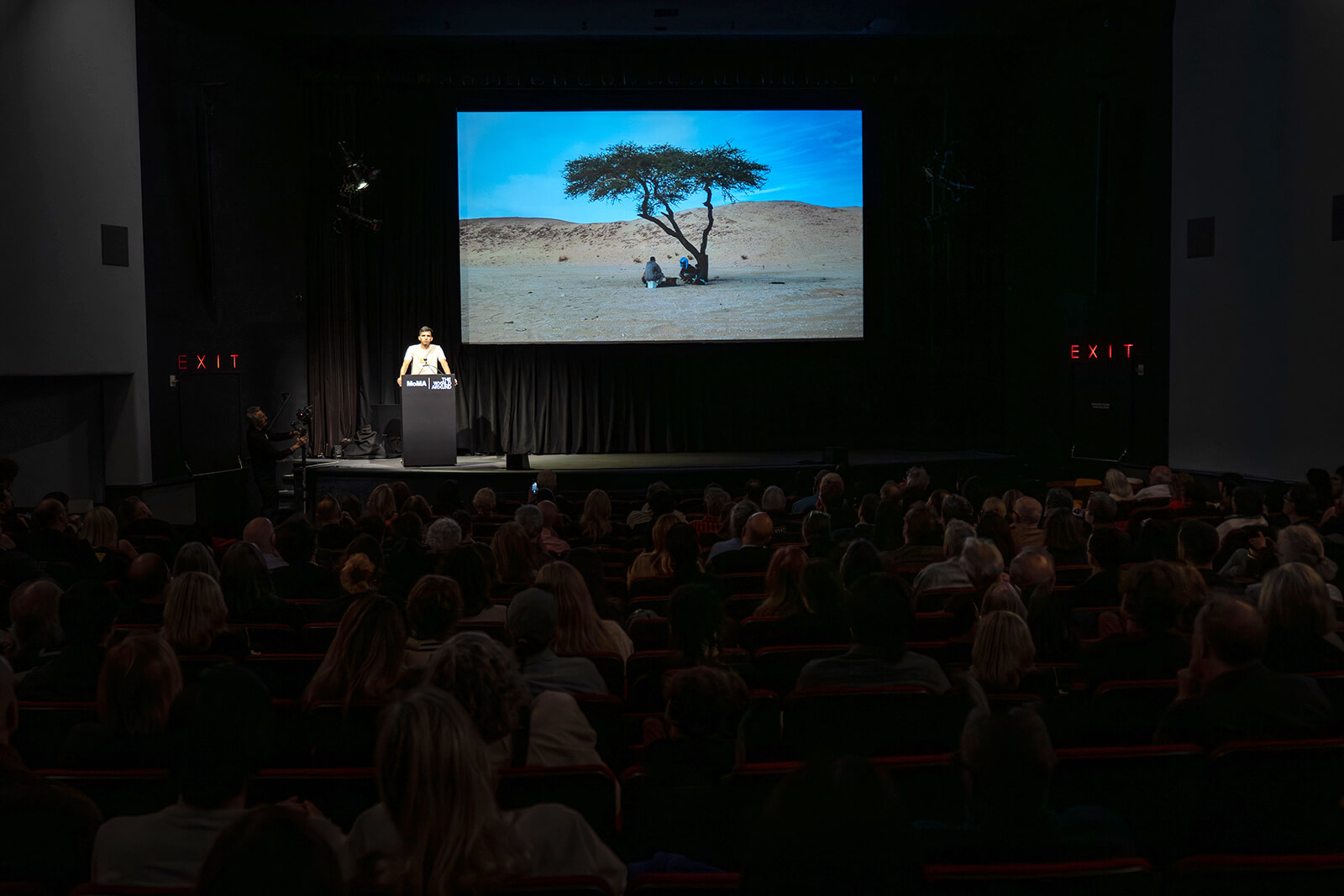
Young Climate Prize Cycle 02 winner Mohamed Salem Mohamed Ali, a Sahrawi farmer and artist—introduced by his mentor, Brendan McGetrick—took the stage to present his Nomad Garden project along with the screening of A Garden in the Desert, a documentary episode of Young Climate Stories. Nomad Garden captured how Ali and the community explored methods for growing organic food in Sahrawi refugee camps in Algeria, amidst poor soil, extreme heat and a shortage of water. The session Seeding Time concluded with a brief discussion among some of these speakers about what communities and the world as a whole carry across time and land.
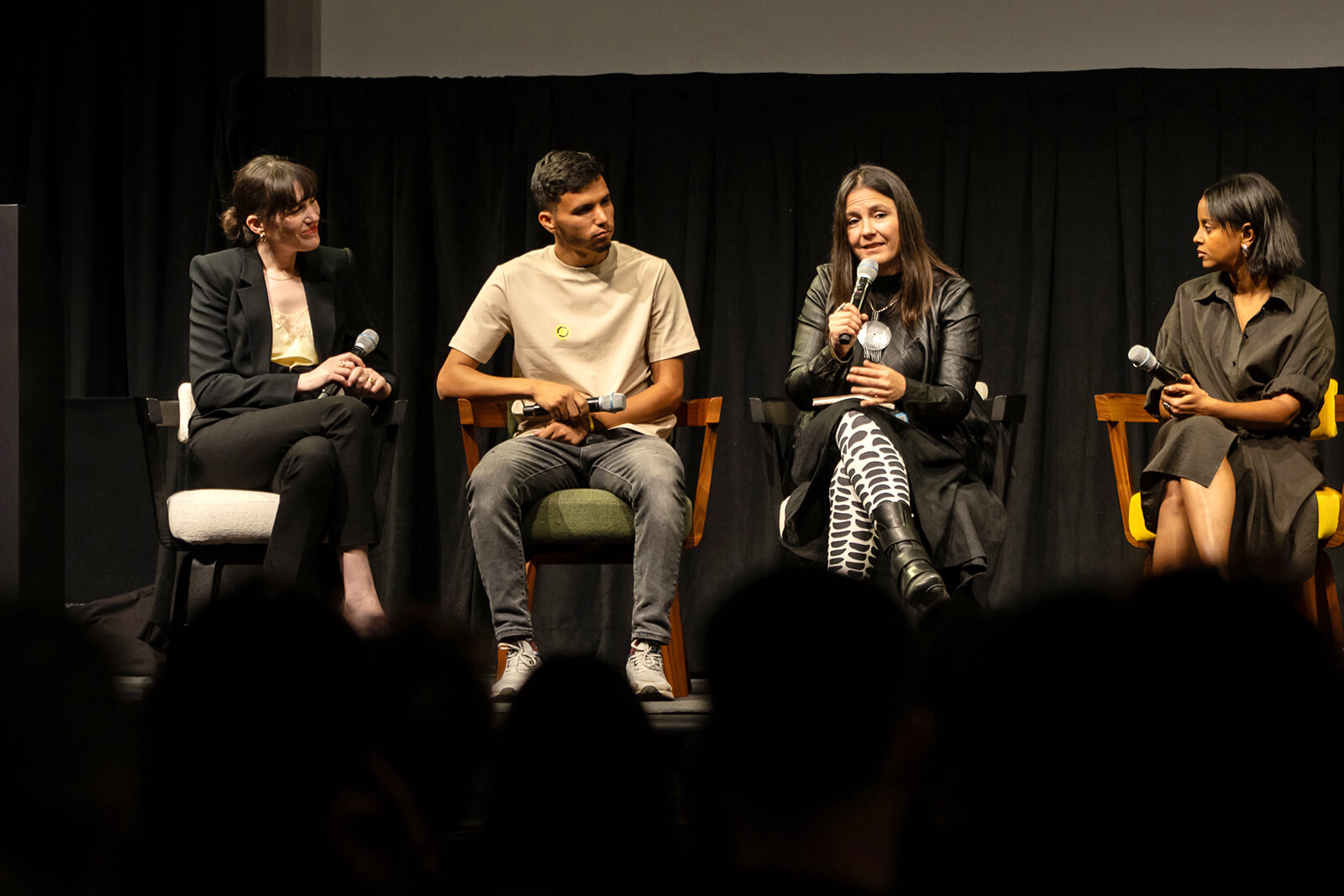
It is worth noting that the Young Climate Prize is one of the key initiatives by The World Around that amplifies the voices of upcoming climate leaders through a mentorship and award programme. It is a growing global network driven by climate-responsive design, in which 25 changemakers under 25 are selected every two years through an international open call, each paired with a mentor and trained over time, eventually presenting their work at summits. Ali’s work this year revealed how active community participation and innovative systems together ensured food security, climate resilience and community growth in the harsh environment. Beyond its ambitions for synergy, the project addressed several questions raised throughout the summit, from the preservation of local knowledge to communal adaptation. As one witnessed innovative design systems emerging from necessity, the project and the prize itself acted as extensions to the summit’s broader discourse.
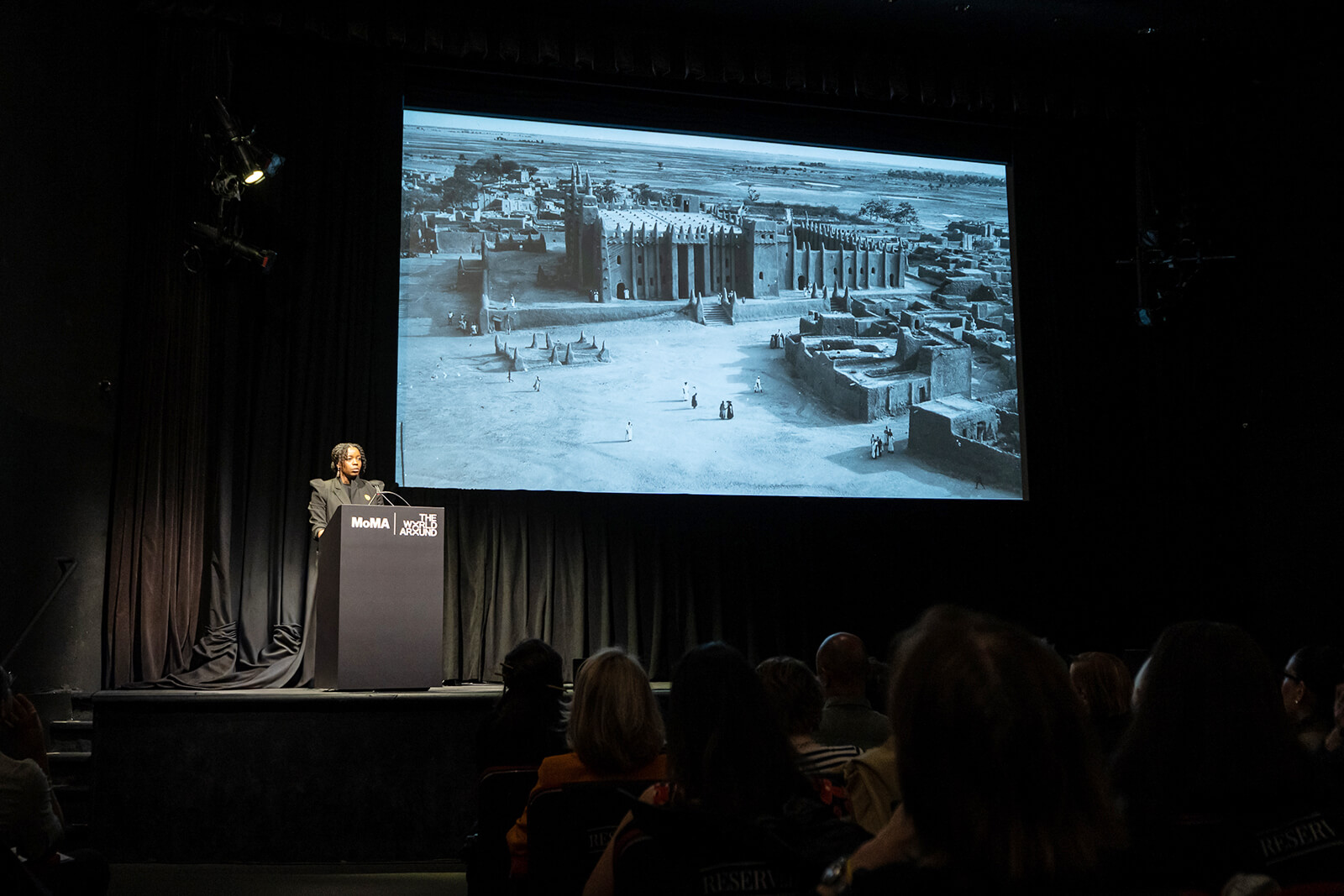
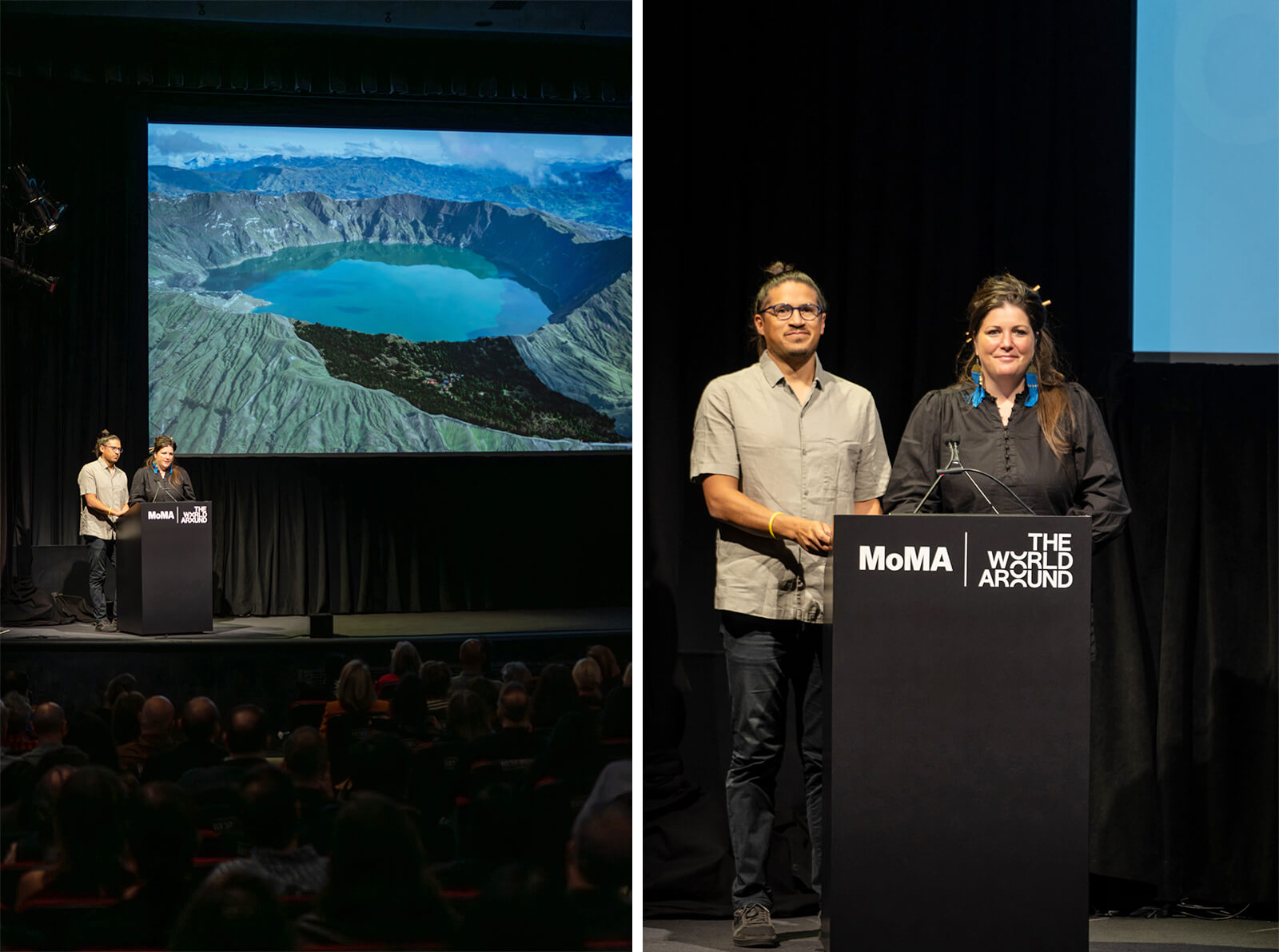
The second session, Keeping Time, began with Nigerien architect Mariam Issoufou’s presentation on their practice and specifically project Bët-bi—a museum termed ‘architecture of repair’ by Issoufou, situated in Senegal’s Tambakounda region—placed at the tail-end of a series of 3000 ancient stone megaliths. Responding to its context, the museum architecture features galleries sunk below ground, accessible via a ramp without disrupting the geography and history of the renowned site. Ecuador-based research and architecture practice La Cabina de la Curiosidad took the stage to tell a story of their Chaki Wasi Handicrafts Centre, located 13,000 ft above sea level, as part of a sustainable tourism initiative, surrounded by camping areas, a restaurant, a tourist centre, viewing points and lodging units. It is built with familiar silhouettes and materials to honour the ancestral architecture of the local Chalala community, ultimately symbolising the Andean worldview of living in harmony in rural and mountainous regions in resistance to climate change.
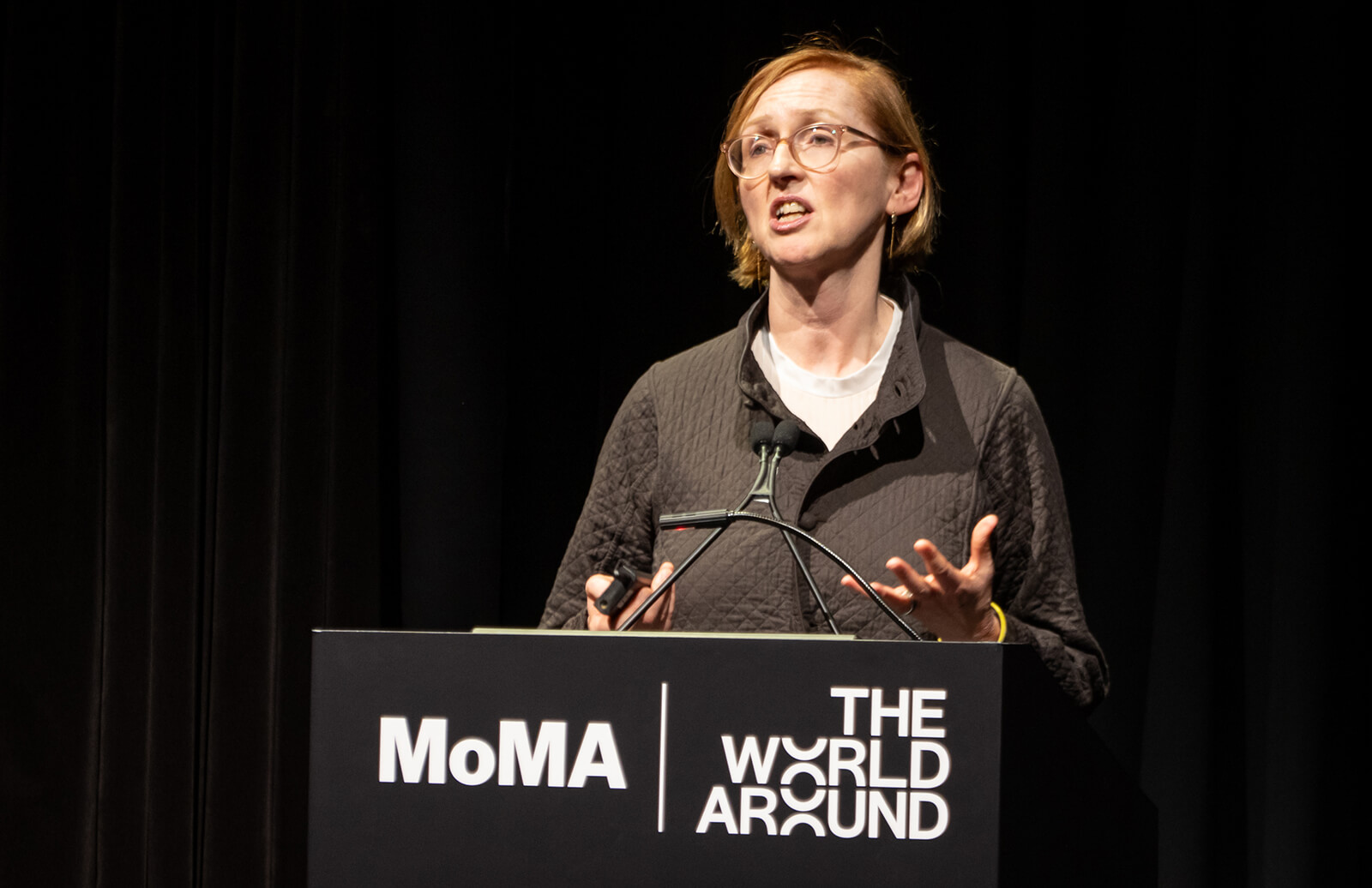
In an exclusive interview screening, Pihlmann Architects, based in Copenhagen, Denmark, went over Thoravej 29, a former factory building. The architecture is now a flexible space housing workshops, offices, studies, exhibition spaces and more to cater to a community of professionals working in art, social innovation, sustainability, politics and digital innovation. Later, Dublin- and Berlin-based architecture, landscape, and urban design practice Heneghan Peng Architects delved deeply into their project, the Grand Egyptian Museum in Giza, Egypt. Addressing massive level differences on the site, the museum opens up towards the pyramids to allow uninterrupted views of the context from within the building as visitors go through the exhibits.
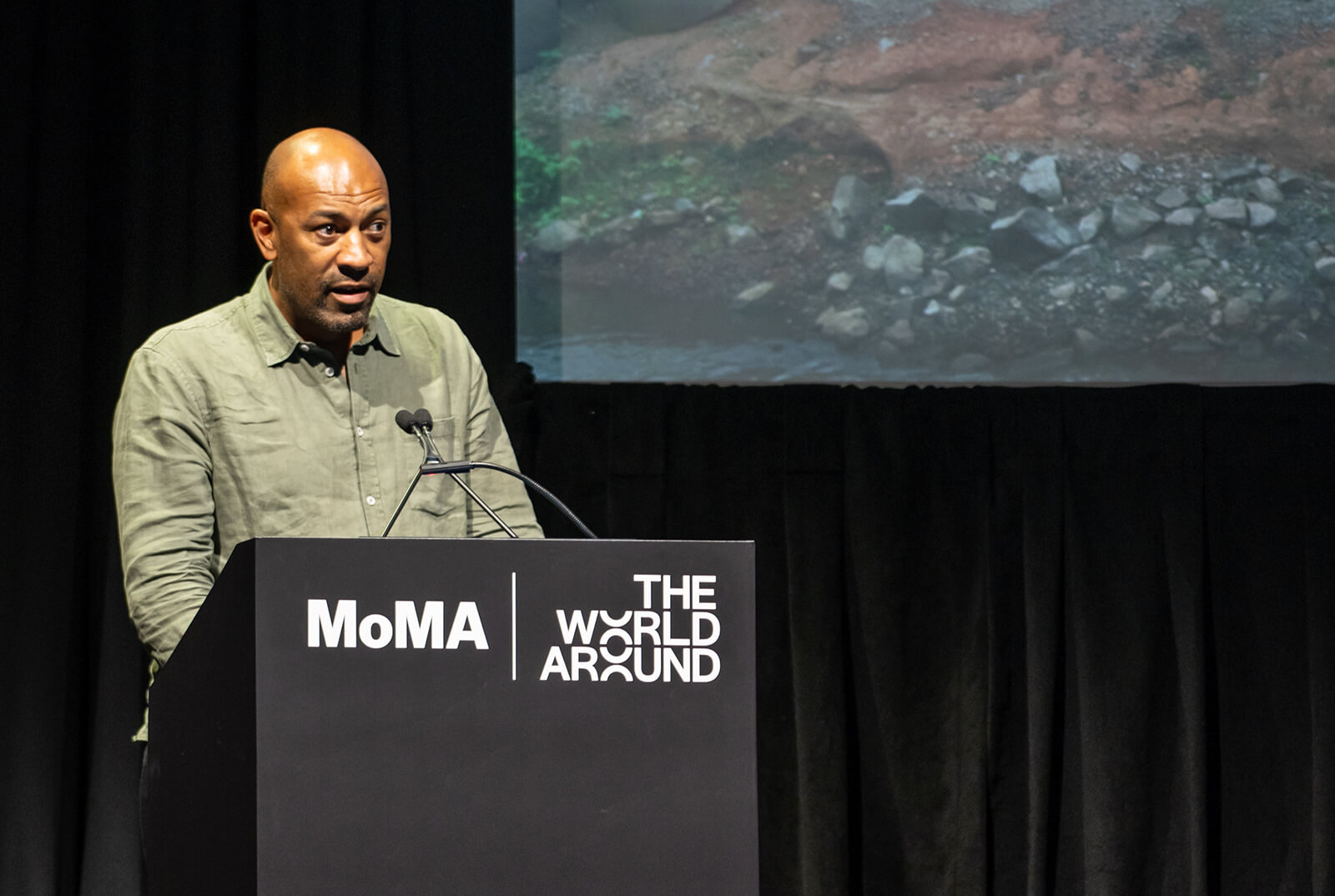
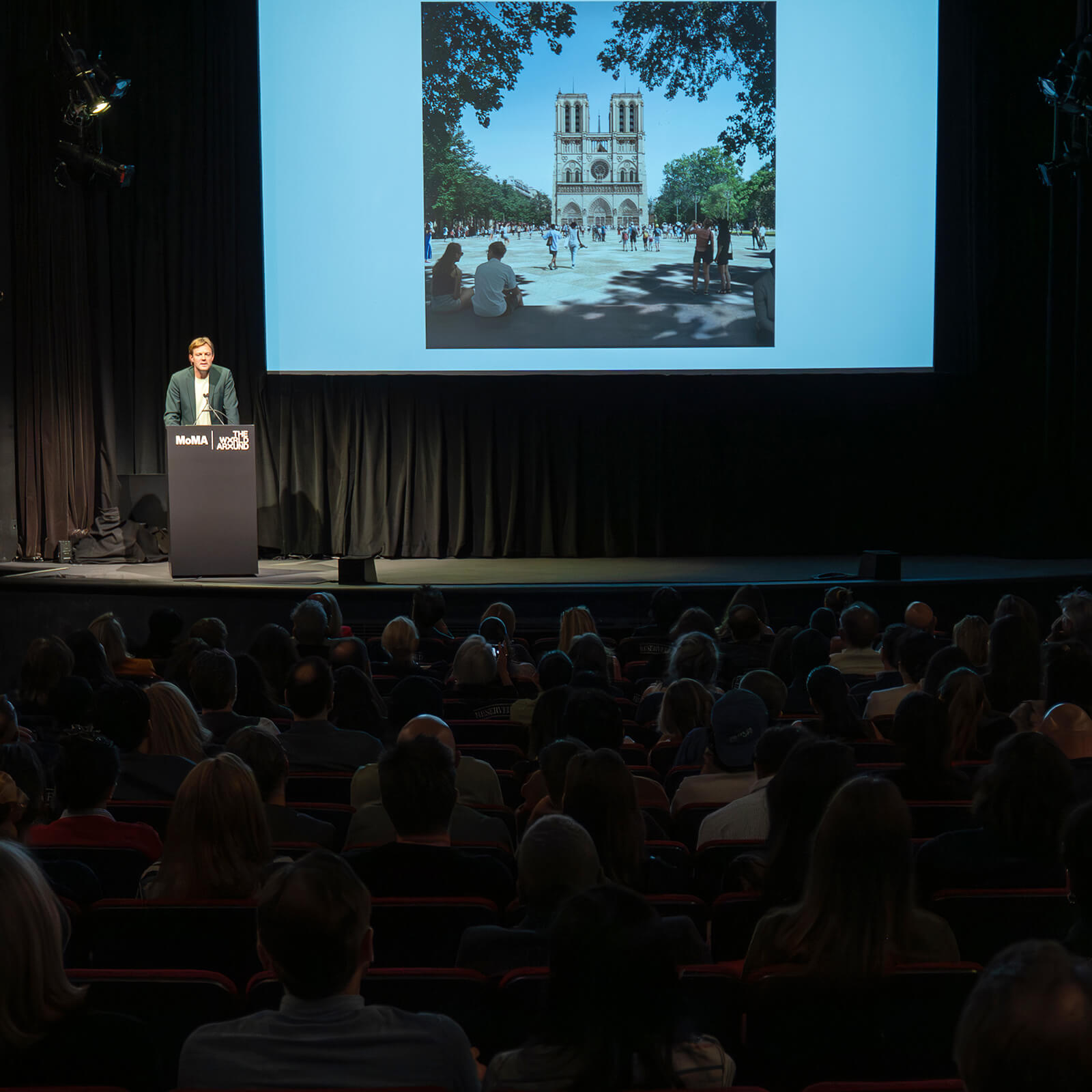
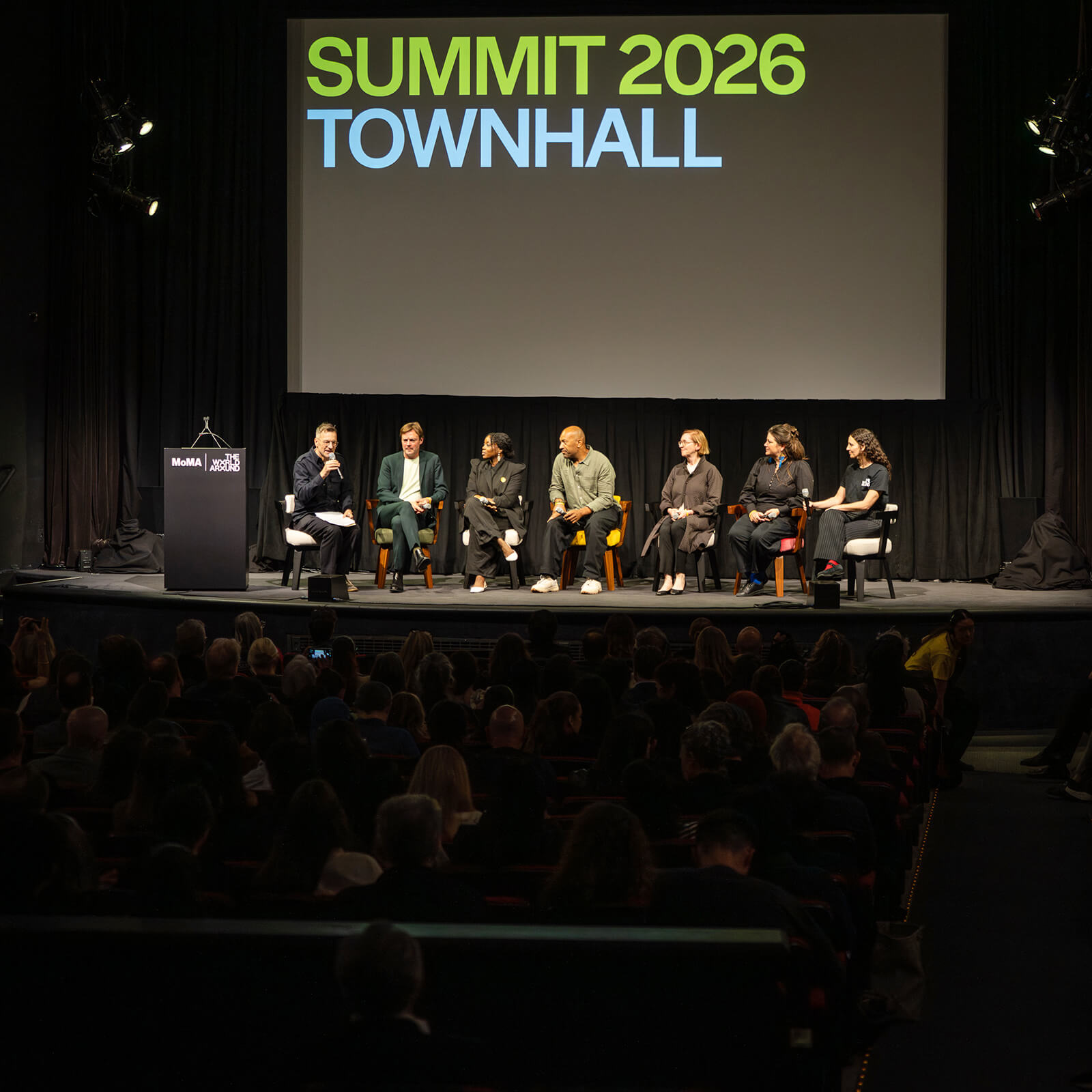
Born in France, photographer François-Xavier Gbré spoke about his work in West Africa over two decades, spotlighting the use of earth in traditional architectures and how the continent saw concrete, steel and brick architecture emerging in the last century. Documenting several functional and abandoned buildings and infrastructures, along with contemporary architectures, he spoke of this deep sense of belonging and urgency resonating in his architectural photography. Brussels-based practice Bureau Bas Smets shared their work on shaping the surrounding landscape of the Notre-Dame as a ‘sequence of climatic atmospheres.’ The session ended with a group discussion among some of these speakers, shedding light on public reception and the possibilities of the presented projects and all they hold within.
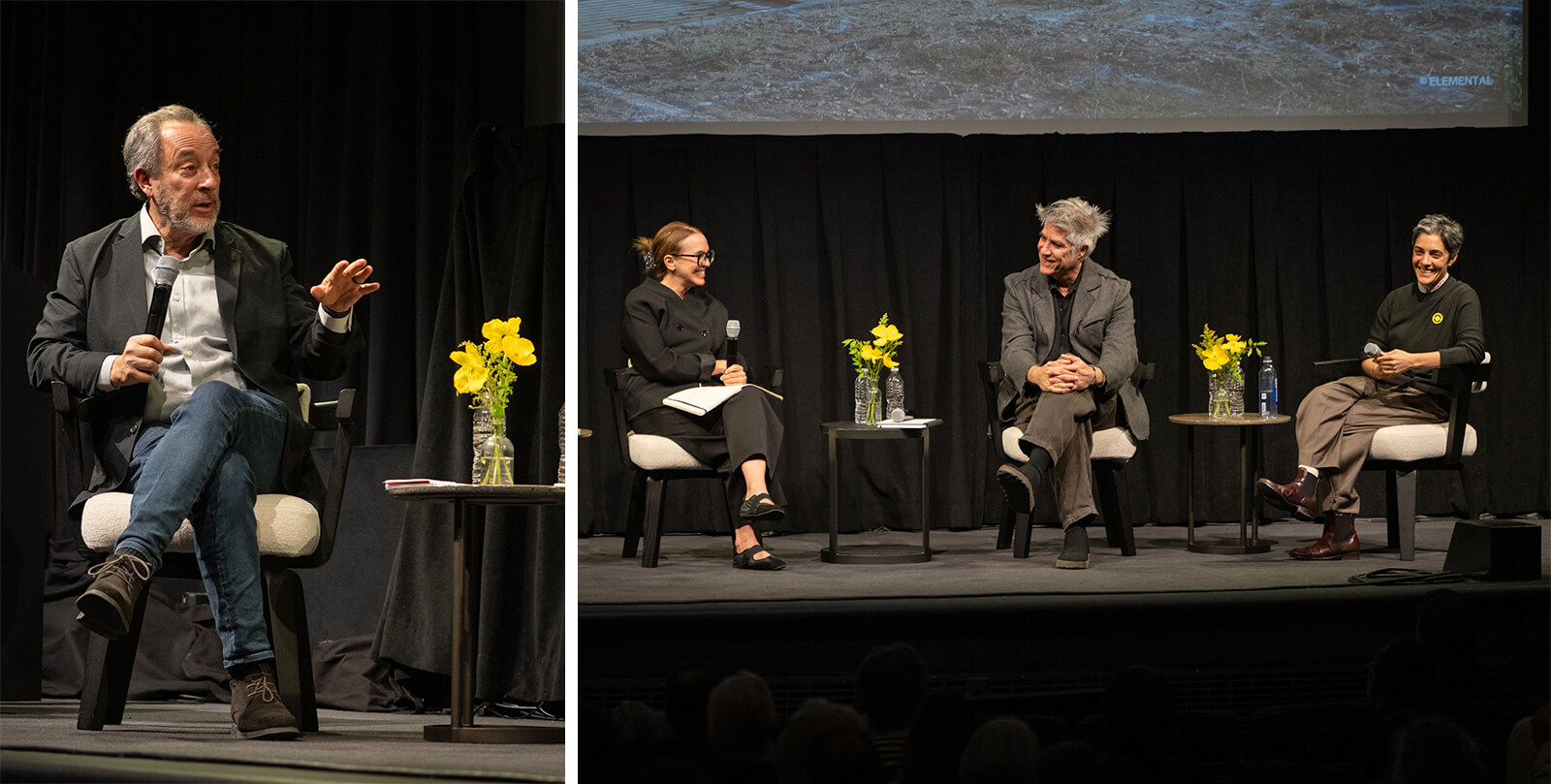
The final session of the summit, High Time, centred a conversation among Chilean architect Alejandro Aravena, Mexican architect Tatiana Bilbao and New York City’s deputy mayor for Housing and Planning, Leila Bozorg, moderated by The New York Times architecture critic Michael Kimmelman. The panel discussed housing across Chile, Mexico and New York affected by affordability, zoning laws, constitutional rights and definitions of a house itself. Bozorg especially went through the city's current housing landscape under the administration of Mayor Zohran Mamdani, breaking down the rising housing demand, the imbalance of power between landlords and tenants, housing quality, policy issues and the lengthy processes behind the approval of project proposals that often delay urban development.
Through Seeding Time and Keeping Time, the summit explored diverse landscapes and conditions that shape tropical, desert and mountain architecture, engaging communities on an intimate level with natural landscape and built environments. Old systems collided with new in these solutions, showing a deep respect for nature and native settlements. High Time, on the other hand, underlined the urgency of ecological and housing crises, suggesting that contemporary architectural practice extends beyond simply producing buildings for inhabitation.
Much of innovation occurs outside institutional bounds, and such unique formats bring to light the many ways in which young aspirants and communities contribute as much to shaping the future as the architects that design them. As this expanding archive of talks, interviews, presentations and ideas from some of the world’s most remarkable practitioners unfolded, the summit’s larger contribution was perhaps in framing these globally scattered and inherently distinct interventions as interconnected responses, hinting at a shared front to overcome global challenges.

by Mrinmayee Bhoot Oct 12, 2026
The new Centre for Contemporary Arts, fostering public engagement with art in Uzbekistan, is housed in a tram depot refurbished by the French studio, emulating local craftsmanship.
by Mirra Lynn Oct 10, 2026
The Shanghai-based architecture practice’s intervention in Suzhou transforms three abandoned houses into a bookstore, café, library and homestay.
by Pranjal Maheshwari Oct 09, 2026
The eighth edition of the international architecture and urban design showcase, themed How Much?, explores diverse implications of social, ecological and economic ‘cheapness’.
by Pranjal Maheshwari Oct 06, 2026
With a programme focused on biodiversity, accessibility and safety, the Rotterdam-based architects help the neighbourhood reclaim a barren landscape as an integral social node.

make your fridays matter with a well-read weekend
Enter your details to sign in
Don’t have an account?
Sign upOr you can sign in with
a single account for all
STIR platforms
All your bookmarks will be available across all your devices.
Stay STIRred
Already have an account?
Sign inOr you can sign up with
Verification link sent to check your inbox or spam folder to complete sign up process
Tap on things that interests you.
Select the Conversation Category you would like to watch
Please enter your details and click submit.
Enter the 6-digit code sent at


The World Around Summit 2026 champions architectural and ecological stewardship
by Bansari Paghdar | Published on : Jun 10, 2026


 Sign in with Google
 Sign in with email
What do you think?