Art09 mins. read
Rohini Devasher seeks out the visual aesthetic of the inner and outer worlds
by Shraddha NairDec 22, 2021



by Srishti OjhaPublished on : Oct 02, 2026
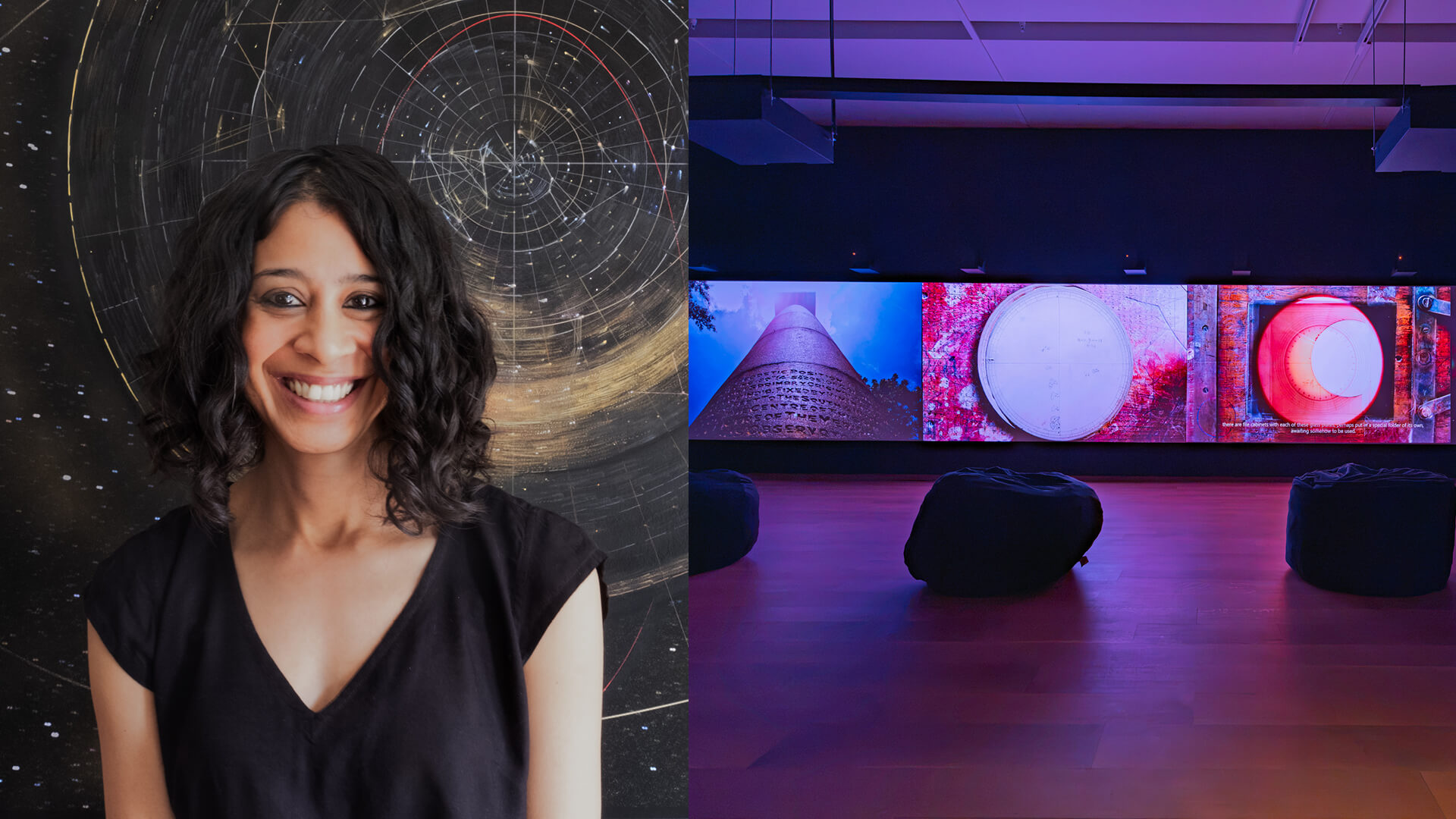
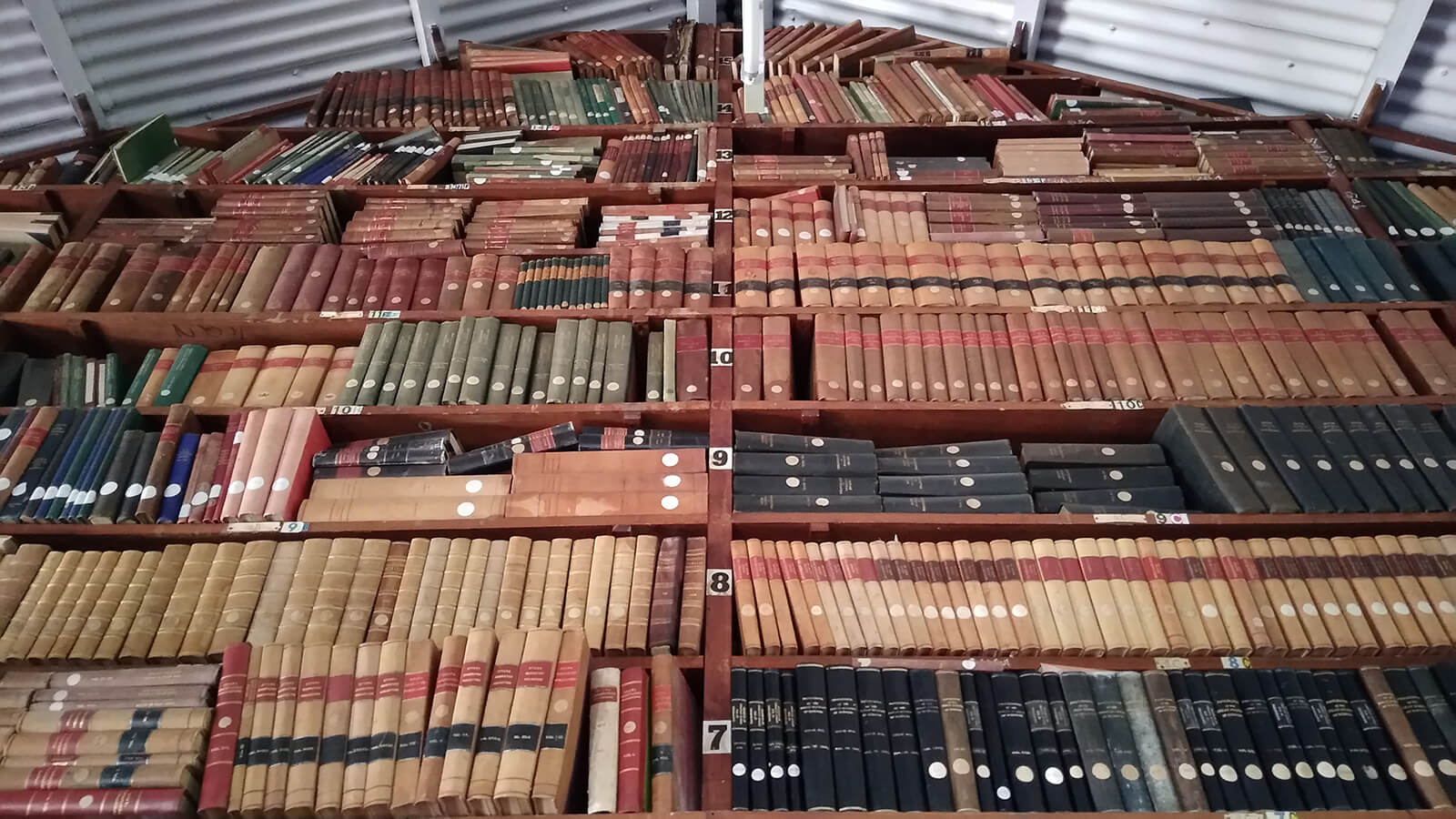
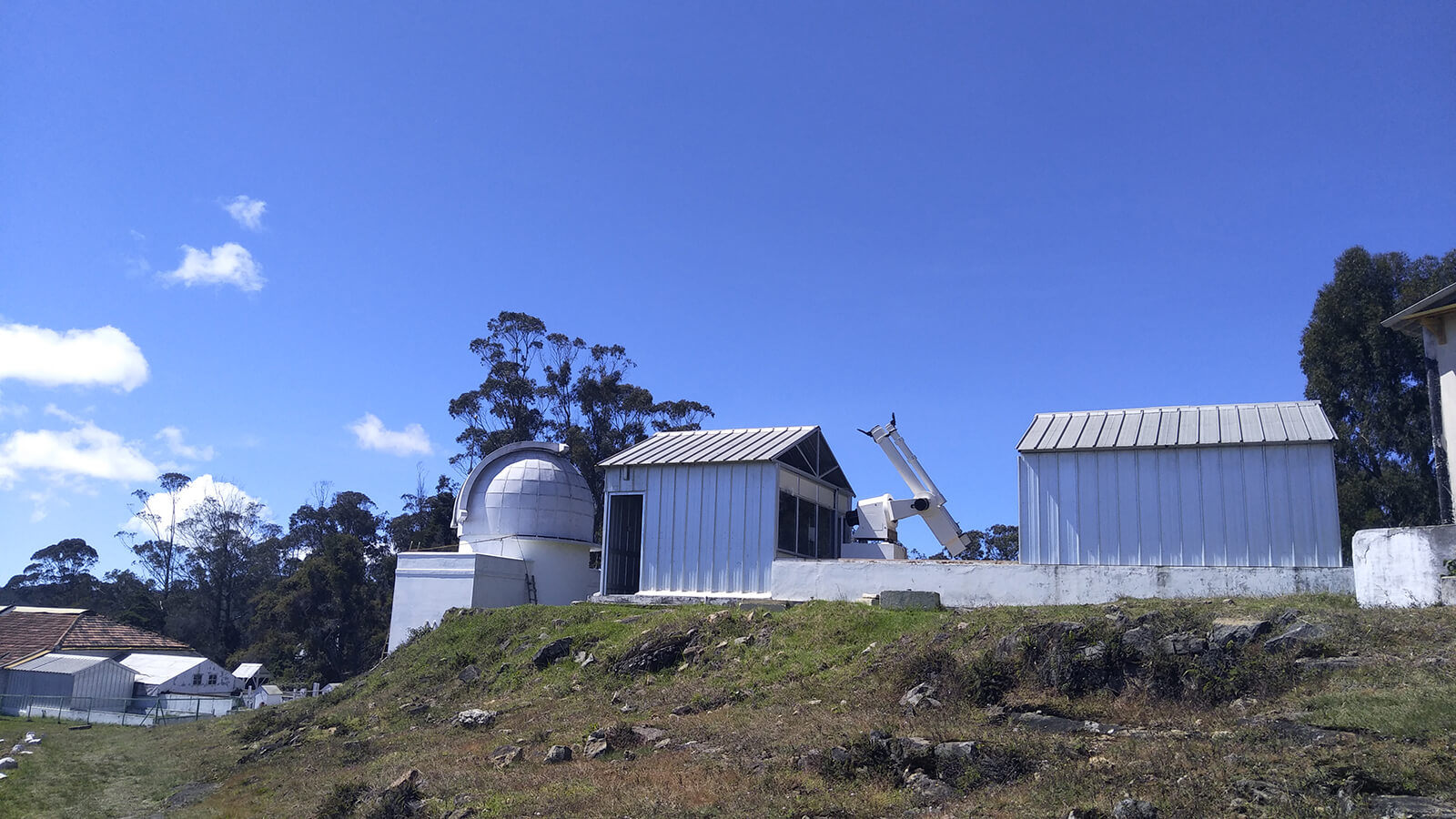
The Kodaikanal Solar Observatory (KSO) in Tamil Nadu, India, has quietly and diligently been recording the sun every single day for the past 125 years, weather permitting. Their records are older than the nation itself, covering 11 solar cycles in 1,57,000 images. This archive also serves as an important chart of technological progress, shifting from hand-drawn diagrams of sunspots to glass photographic plates and now to modern scientific data gathered by powerful telescopes and sensors. This is the work of generations—with up to four generations of the same family devoting their lives to the mission at KSO. Although human effort at this scale is not unique to astronomy or astrophysics, the yawning timescale the cosmos operates on—millennia, light-years, infinities—inspires a kind of devotion and ambition that shocks humanity out of its usual quarterly, seasonal or annual outlook. This devotion, along with the beauty of the cosmos and its human record, is what Indian artist Rohini Devasher has tried to capture in her career as a contemporary artist, as well as in her loving pursuit of amateur astronomy. Now, Devasher’s exploration of our sun and its relationship with our civilisation comes together in the exhibition, Solar Poetics, on view at the Bruce Museum in Connecticut, USA. The museum’s vision—an education and creative harnessing of art and science—to drive curiosity—aligns seamlessly with the artist’s, culminating in an exhibition that celebrates the connections between the two fields and humanity and the cosmos.
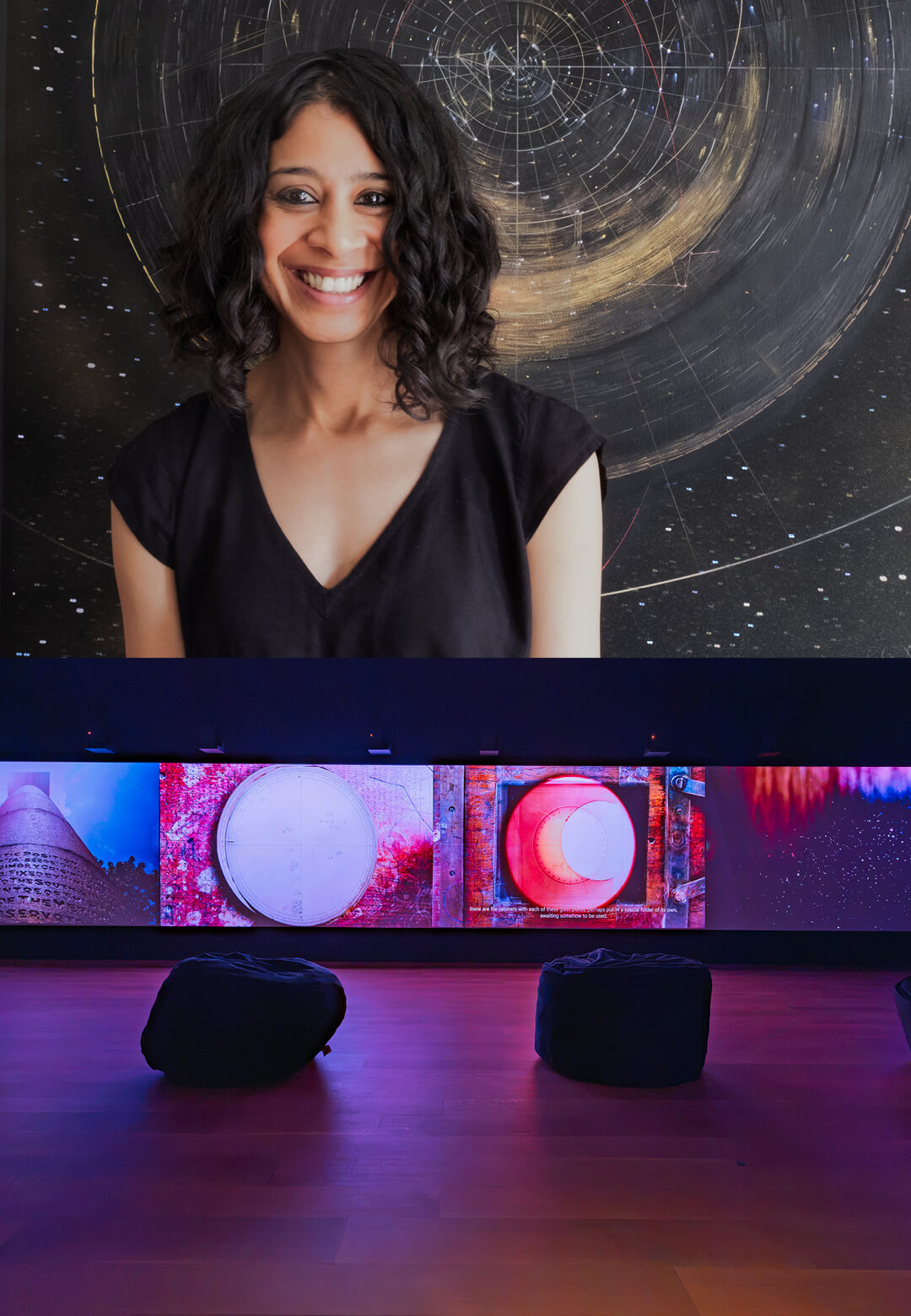
The work at the heart of the exhibition is Devasher’s 2023 four-channel video, One Hundred Thousand Suns, which blends KSO’s records with Devasher’s own research and data collection, spanning eclipse chases, photographs, drawings, experimental copper works, interviews with amateur enthusiasts and scientific experts and public data from organisations like KSO, NASA and CERN. In a conversation with STIR, Devasher speaks about the themes that Solar Poetics centres on, saying, “All the people I have spoken to are conduits for the fundamental questions—what is my position? How do I make sense of where I am in the world? How do we make sense of the histories and technologies of observation while keeping perspective of our own positionality?”
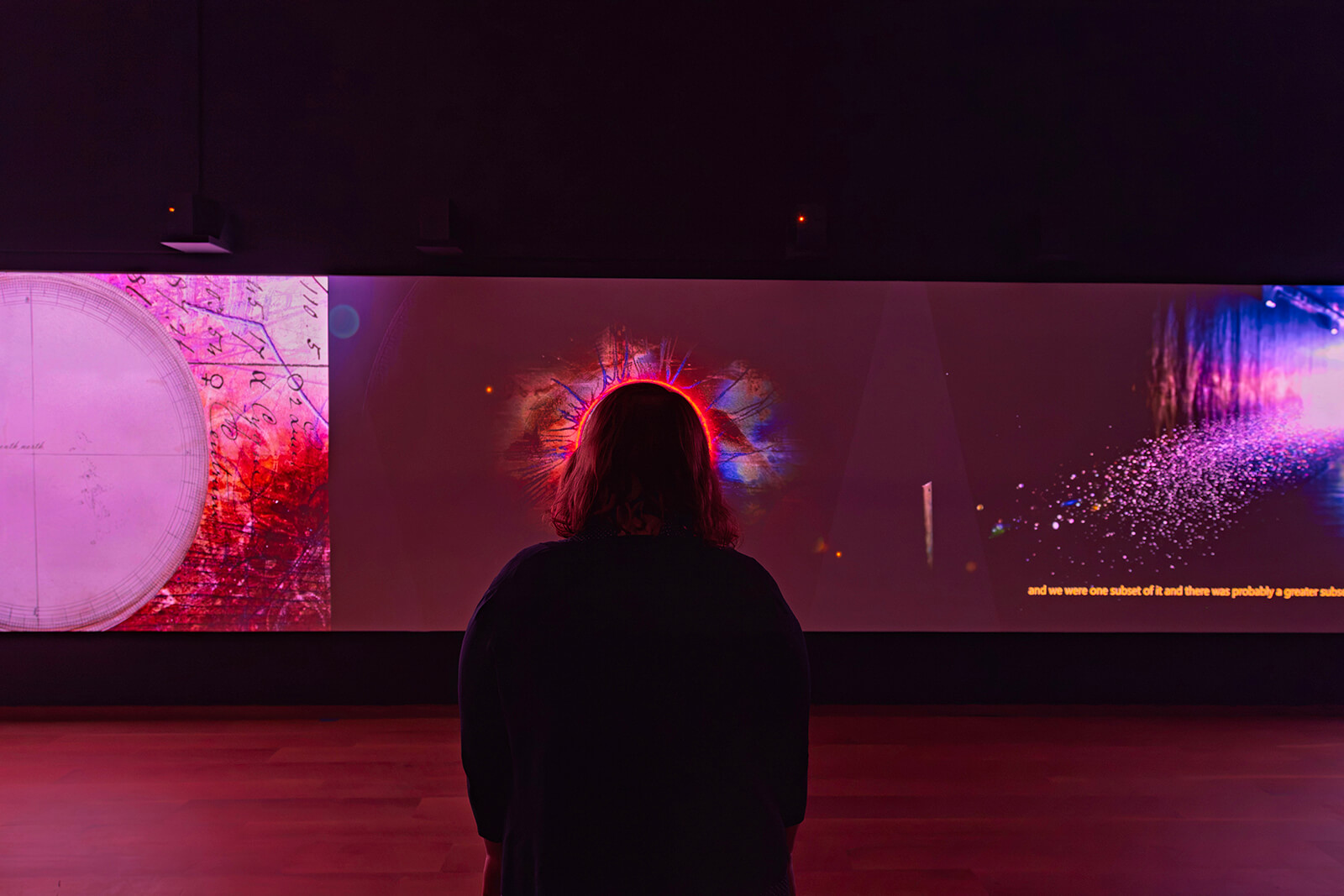
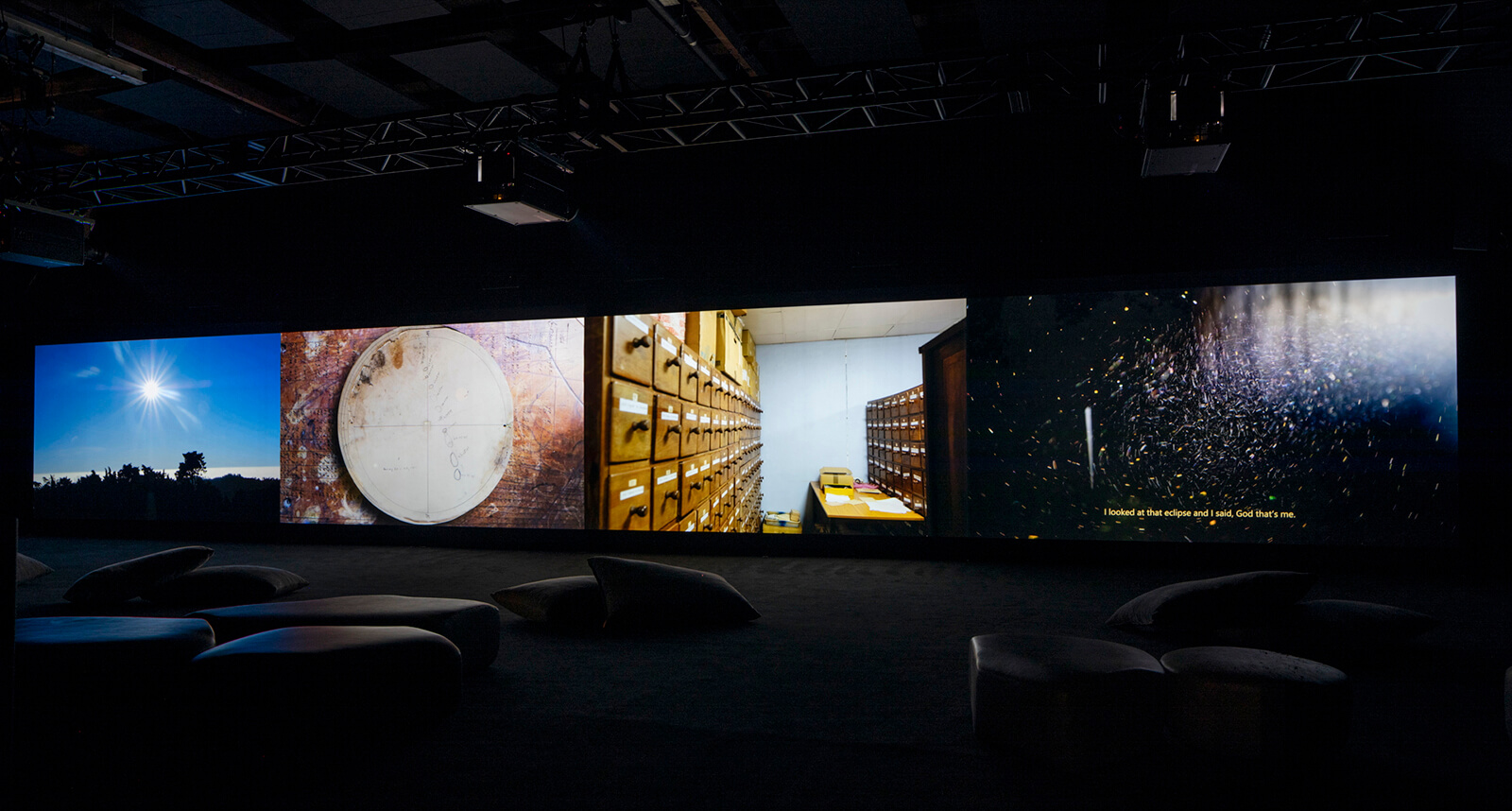
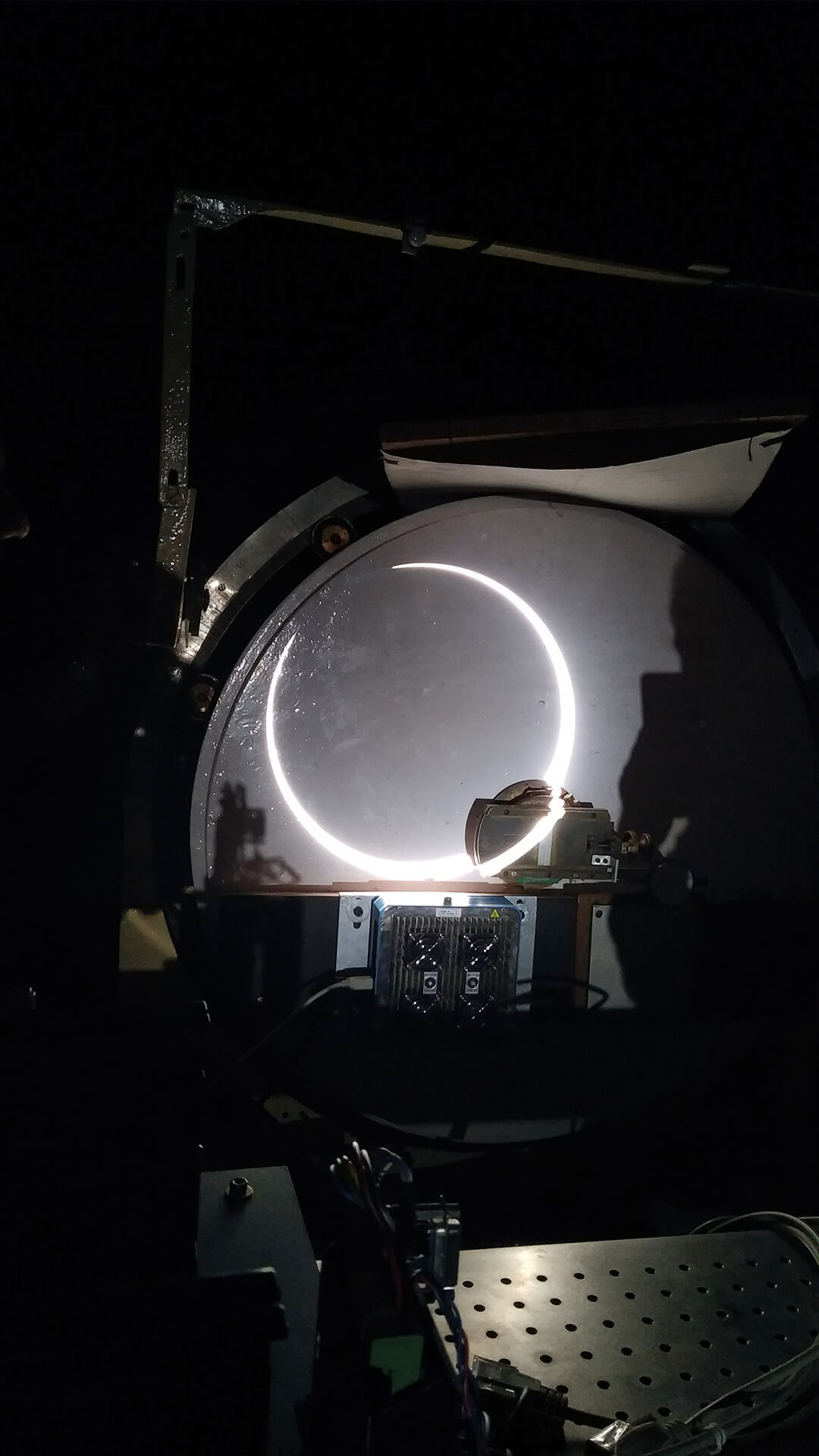
One Hundred Thousand Suns grapples with these questions in four paradigms—Site explores the Kodaikanal Solar Observatory, its instruments, its people, rituals and history. Drawing the Sun shows hand-drawn naked-eye observations made at KSO from 1902 – 1904, thinking through the human hand as a scientific instrument and the dilation of time contained in a single piece of paper, where the same sunspot is recorded repeatedly for over a month. Twin Suns incorporates glass-plate astrophotography, framing the star as both knowable and unknowable, imagining what it might be like to live in a stellar rather than human understanding of time. Meanwhile, Eclipse shows footage of the 2019 solar eclipse that brought Devasher to KSO, showing images captured from the observatory’s six-metre-long tunnel telescope in a meditation on metaphysics, memory and what it means to be human.
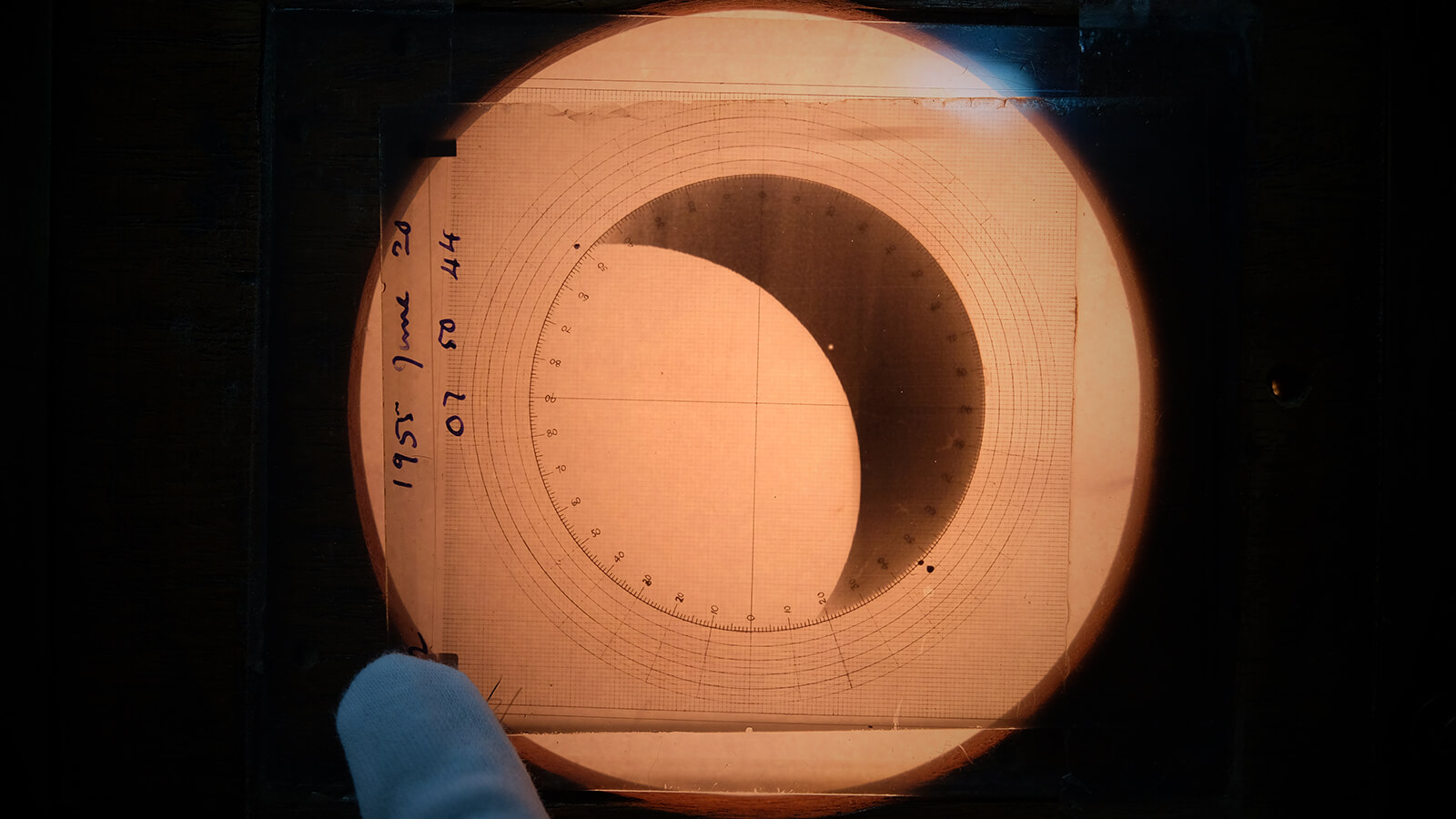
Devasher tells the story of how she began merging her artistic practice with her passion for astronomy at the College of Art at the University of Delhi in 1988, when she joined the astronomy club, saying, “In 2009, one of the longest total solar eclipses of the century passed over Patna in Bihar, which was when things really shifted. There was an energy that [took over everyone] there; it felt almost tangible, and I felt that could be channelled. I started interviewing amateur astronomers to understand what drew them to the sky, and that’s how the project began. The work is really bookended by two solar eclipses with 10 years in the middle.”
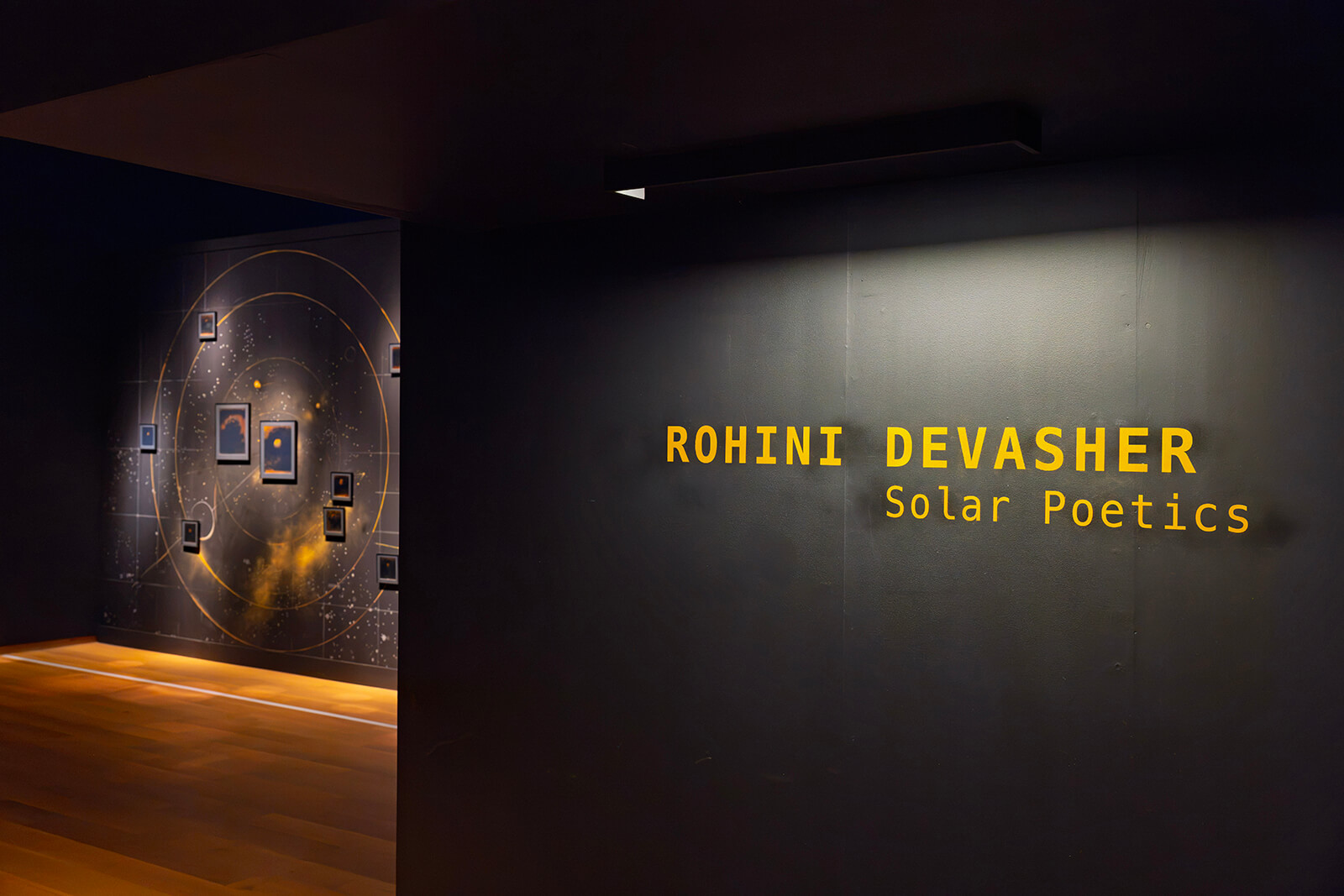
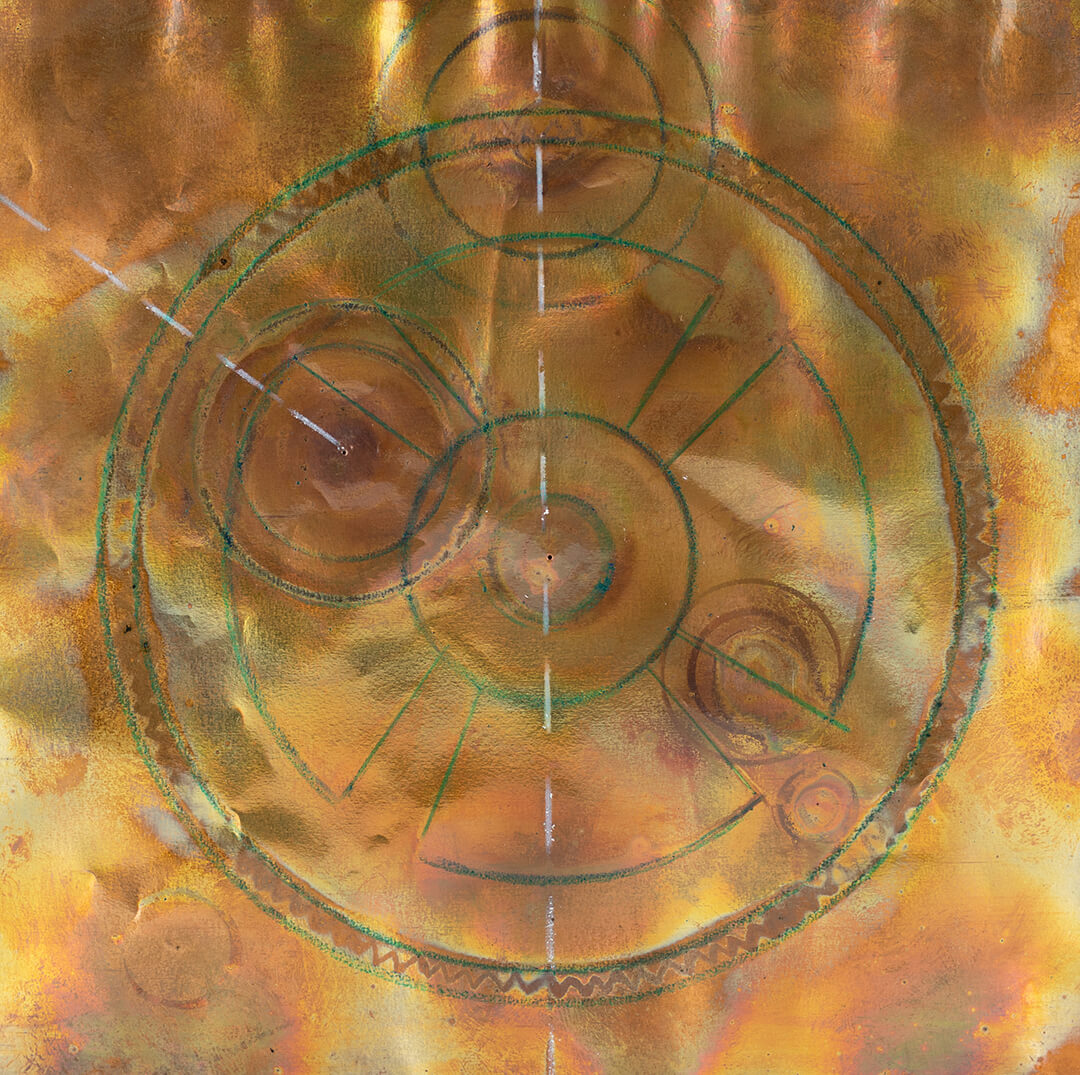
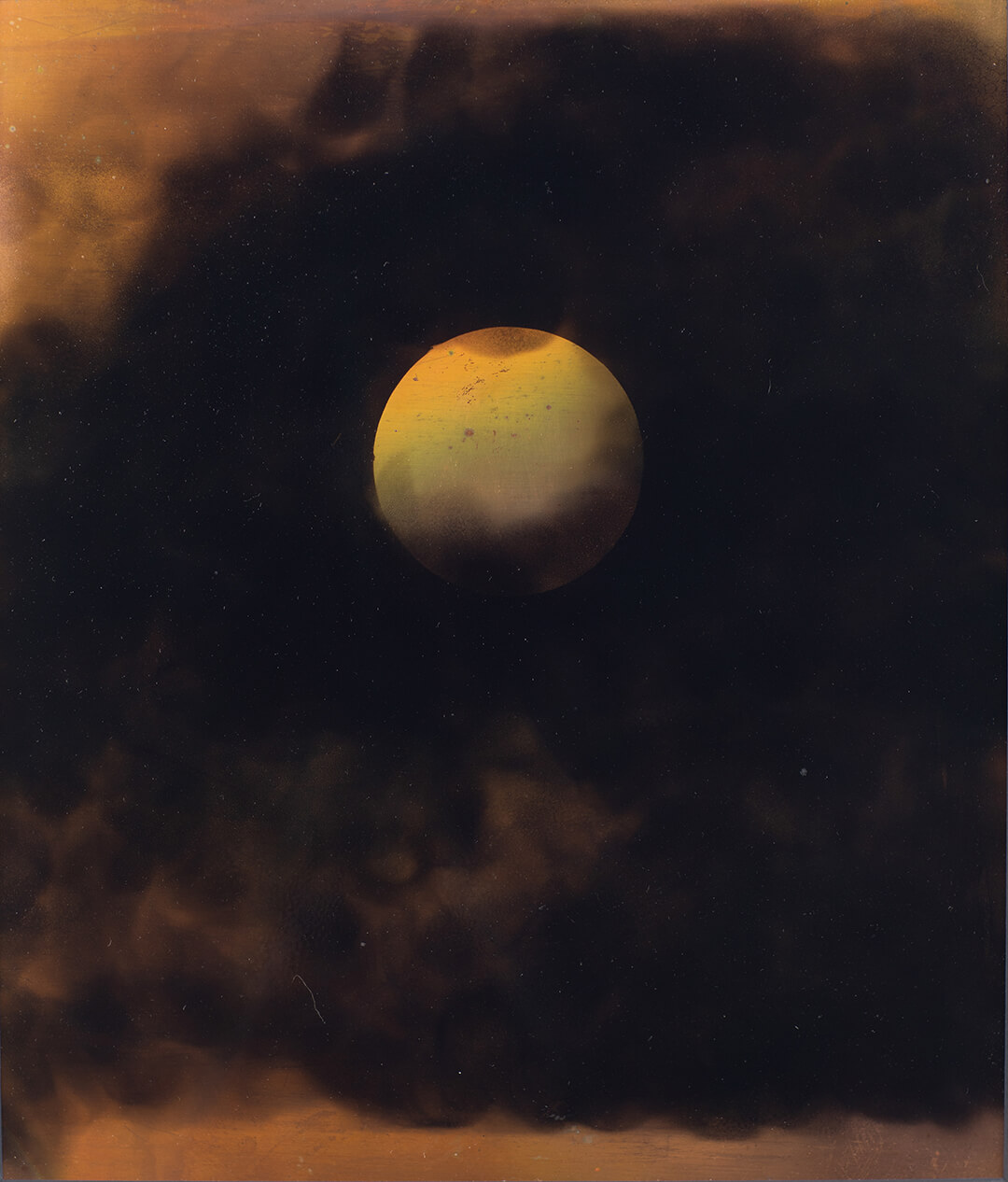
Solar Poetics also features two other series of works by the multimedia artist, each centred on the sun—Shadow Portraits (2023) and Sol Drawings (2023). Both series are made using copper and almost alchemical techniques, with the former being artistic representations of speculative eclipses and the latter inspired by solar phenomena more broadly. “The copper works actually began the video,” Rohini explained. “In 2018, I did the Owner’s Cabin residency on board a cargo container, spending 26 days on board a ship. I worked in the engine room, and they had these pieces of copper. I used a flamethrower and literally burned these little suns onto the copper. There is an incredible mirroring of copper and sun—it is a heavy metal, so it was born in the heart of stars, but its surface also mimics the sun. I worked with copper leaf and plates, embossing them with acid and using my kitchen gas to make the patina burst. I also worked with candle smoke in a surrealist technique called fumage.” This oscillation between the intimate and the grand exists throughout the show—from the artist’s studio shifting from her kitchen to CERN’s dark room in Switzerland, to the stories of individual astronomers and scientists contrasted against the unimaginably ancient story of the stars that make up our universe.
The importance of projects that span art and science to tell human stories across a cosmological timescale cannot be understated. Devasher quotes science historian Lorraine Daston (featured in the third paradigm of the video work) to explain this significance, saying, “We don’t have any institutional framework for projects with transgenerational duration. This is a challenge when we think about climate change—we don’t have anything that would commit our children, or our children’s children to these projects. But astronomy is a deep time science. You are building an archive for many, many generations in the future. It’s a very different imaginary of time.”
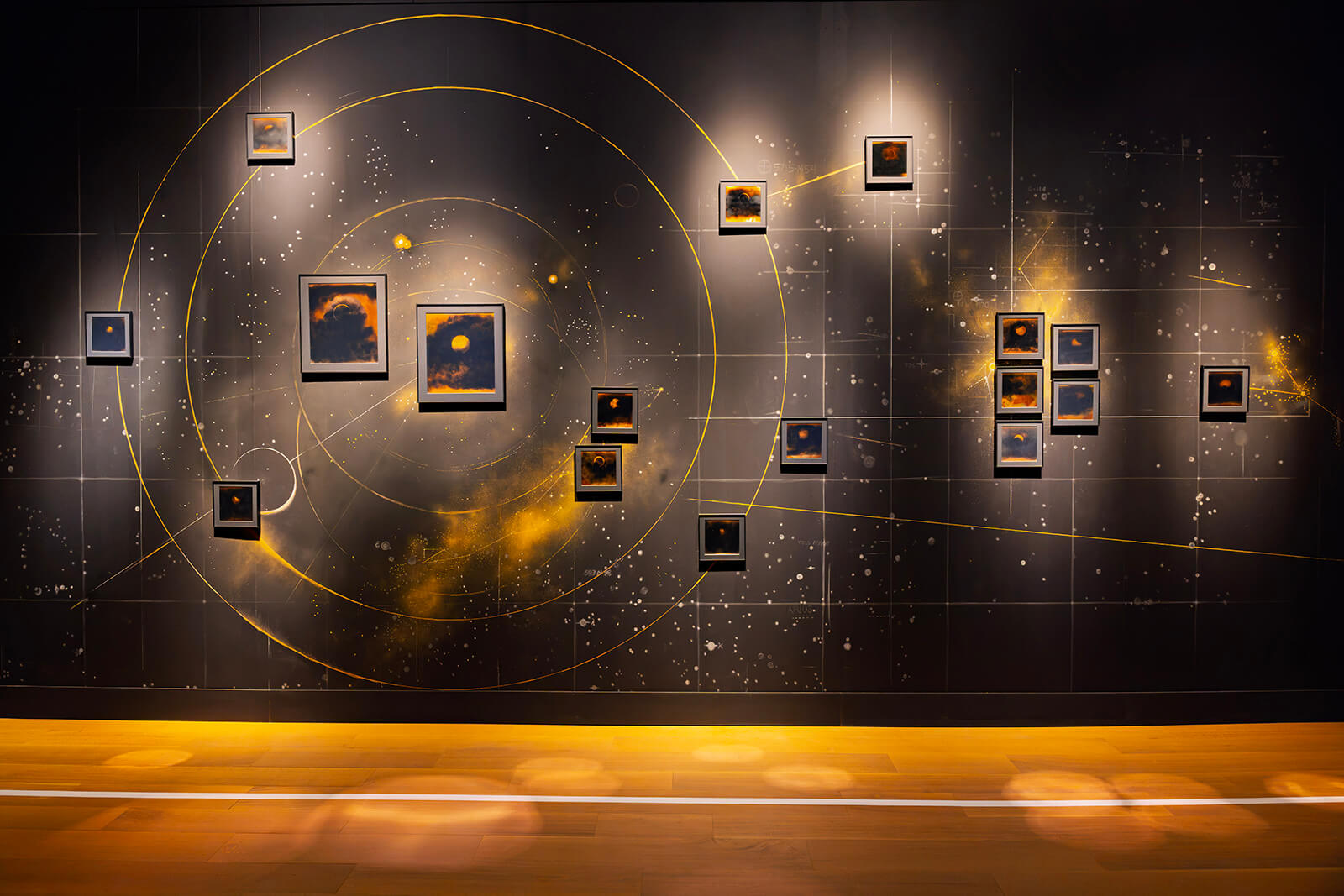
Our conversation rounds out as Devasher outlines her hopes for Solar Poetics and art-science collaborations at large, saying, “I hope that it makes a case for wonder. In this very traumatised and fractured world you have to actively fight for wonder. You have to make space for it because wonder is a bulwark against despair, against disenchantment. It makes a case for the future. It makes a case for positive change.” Certainly, the overwhelming scale and breadth of the four-channel video One Hundred Thousand Suns, resounding in a dark room, accompanied by the intimate copper portraits of the star, come together to immerse viewers in an understanding of time, space and their own existence that is far removed from the dry, practical, short-term of daily life. Solar Poetics, like Devasher and the Bruce Museum’s other projects, is an argument for collaboration, connection and imagining a future together, as a species.
‘Solar Poetics’ will be on view from August 22 – November 29, 2026, at the Bruce Museum in Connecticut, USA.

by Srishti Ojha Oct 21, 2026
Increasingly, artists, filmmakers and activists are turning to VR to create more personal, tangible accounts of the climate emergency and its impact on vulnerable communities.
by Mirra Lynn Oct 20, 2026
The Indian artist paints the old wadas of central Pune, capturing the traces of everyday life that cling to these structures, battered by time but unbowed.
by Anmol Ahuja Oct 15, 2026
How do heaps of souvenirs and relics with racist Aboriginal motifs and features become art? MCA Sydney’s winter showcase—the artist’s largest to date—beckons a possibility.
by Vandana Kalra Oct 14, 2026
With his latest exhibition as a point of departure, the modernist discusses his decades-long practice, the spontaneity of drawing and the social responsibility of artists.

make your fridays matter with a well-read weekend
Enter your details to sign in
Don’t have an account?
Sign upOr you can sign in with
a single account for all
STIR platforms
All your bookmarks will be available across all your devices.
Stay STIRred
Already have an account?
Sign inOr you can sign up with
Verification link sent to check your inbox or spam folder to complete sign up process
Tap on things that interests you.
Select the Conversation Category you would like to watch
Please enter your details and click submit.
Enter the 6-digit code sent at


Rohini Devasher’s Solar Poetics makes a case for wonder
by Srishti Ojha | Published on : Oct 02, 2026


 Sign in with Google
 Sign in with email
What do you think?