Art09 mins. read
Inhabiting the uncanny and liminal at Pierre Huyghe’s Swiss exhibition
by Srishti OjhaAug 31, 2026




by Mrinmayee BhootPublished on : Jan 15, 2026
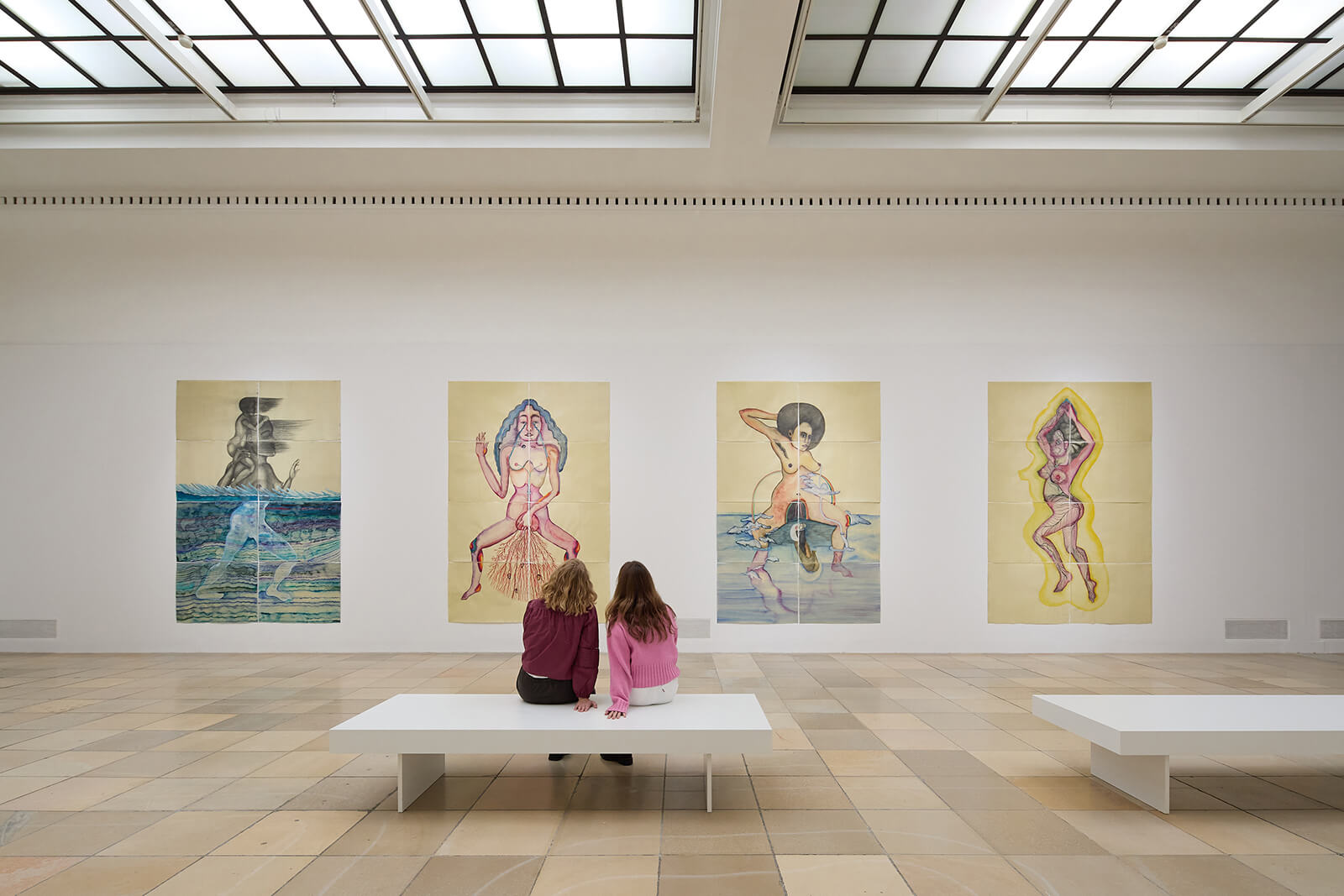
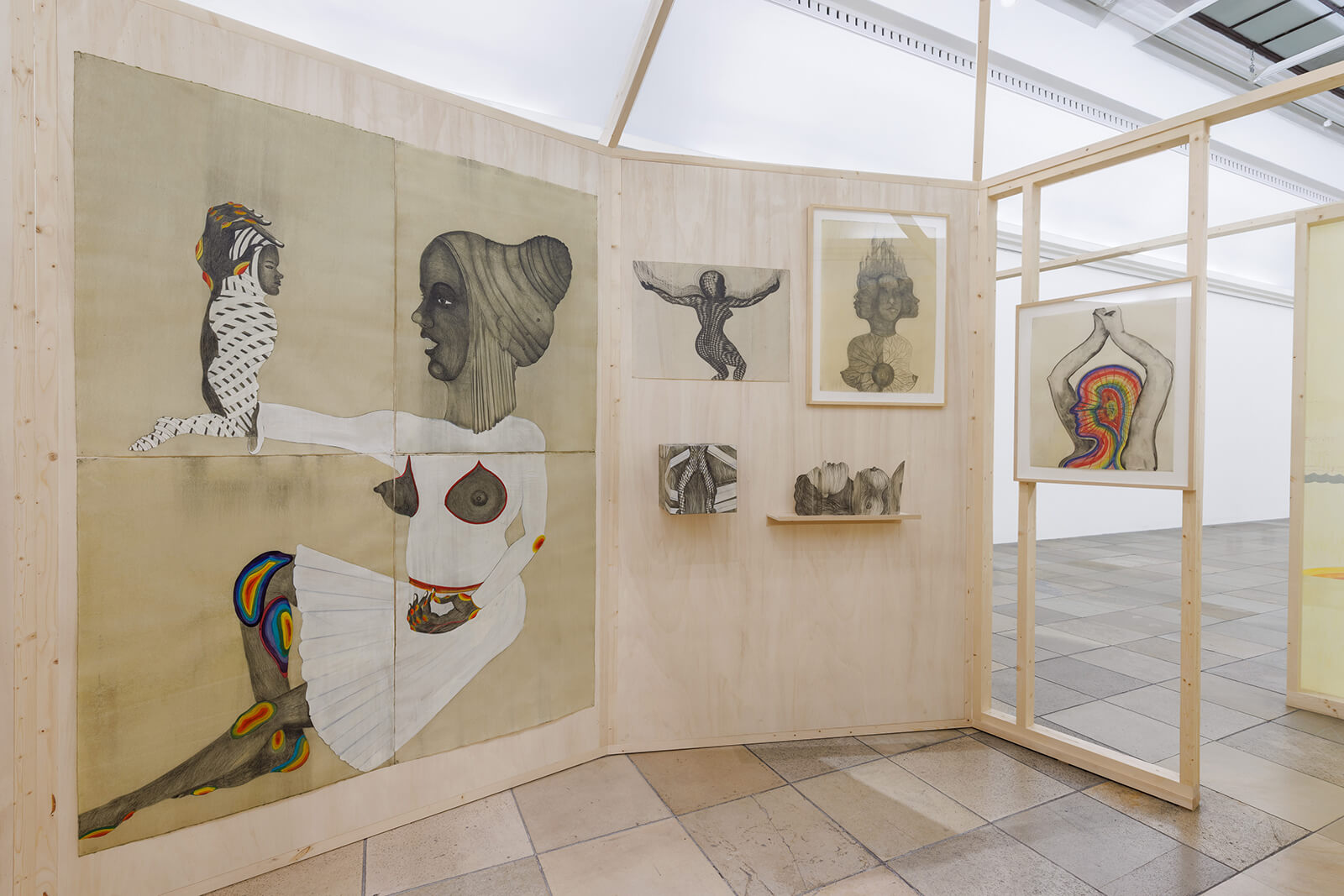
The body seems to take precedence in Chilean artist Sandra Vásquez de la Horra’s works. Not simply as a corporeal presence, but transformed by its associations with the natural world. In de la Horra’s fantastical paintings and drawings, bodies—usually female or female-presenting—are layered over natural elements; they possess multitudes, they thrum with an inner energy depicted with pulsating lines in rainbow colours. Contorted, almost otherworldly figures, reclining or lying down, form large-scale installations that intensely feel like the means to understand the contemporary artist’s thought process and its iterative gestures. De la Horra’s experimental practice, spanning drawings, paintings, performances and film, which serve as explorations of Indigenous stories, beliefs and rituals woven into a personal narrative, is currently on view at Haus der Kunst in Munich till May 17, 2026.
The sheer breadth of the artist’s oeuvre, while in itself fascinating, becomes more urgent when considering how she was influenced by personal experiences of being a witness to Pinochet’s dictatorial regime in Chile and time spent living as an expat in Berlin. Her drawings speak to these global entanglements, shaped by a personal history and collective memory. Of this transcultural theme, especially pertinent in her interest in indigeneity, de la Horra notes in conversation with STIR, “I come from a country with a lot of migration. I believe that more than 95 per cent of the population no longer has ‘purely Indigenous’ origins. But the inspiration that the Indigenous pueblos bring with their stories is one of open dialogue. As a medium, with a kind of antenna that receives and translates information, I grew up in dialogue – especially with the Picunches from the central valley and the north, where there are also Aymara communities. Listening to all these stories, stories that used to be a bit forbidden, that were not official for a long time and that were not taught in school, creates a folk imagination that can only be collected and passed on orally.”
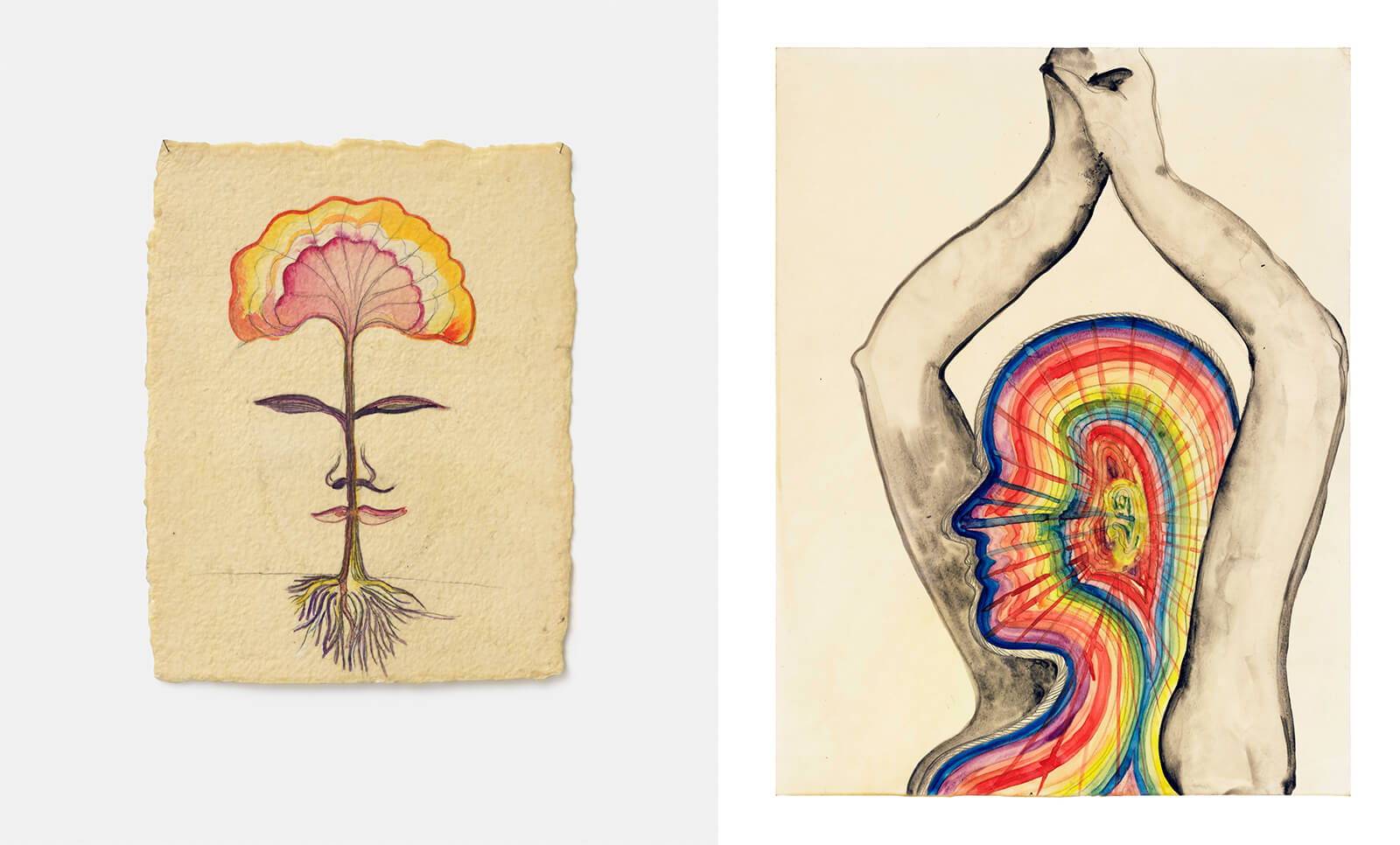
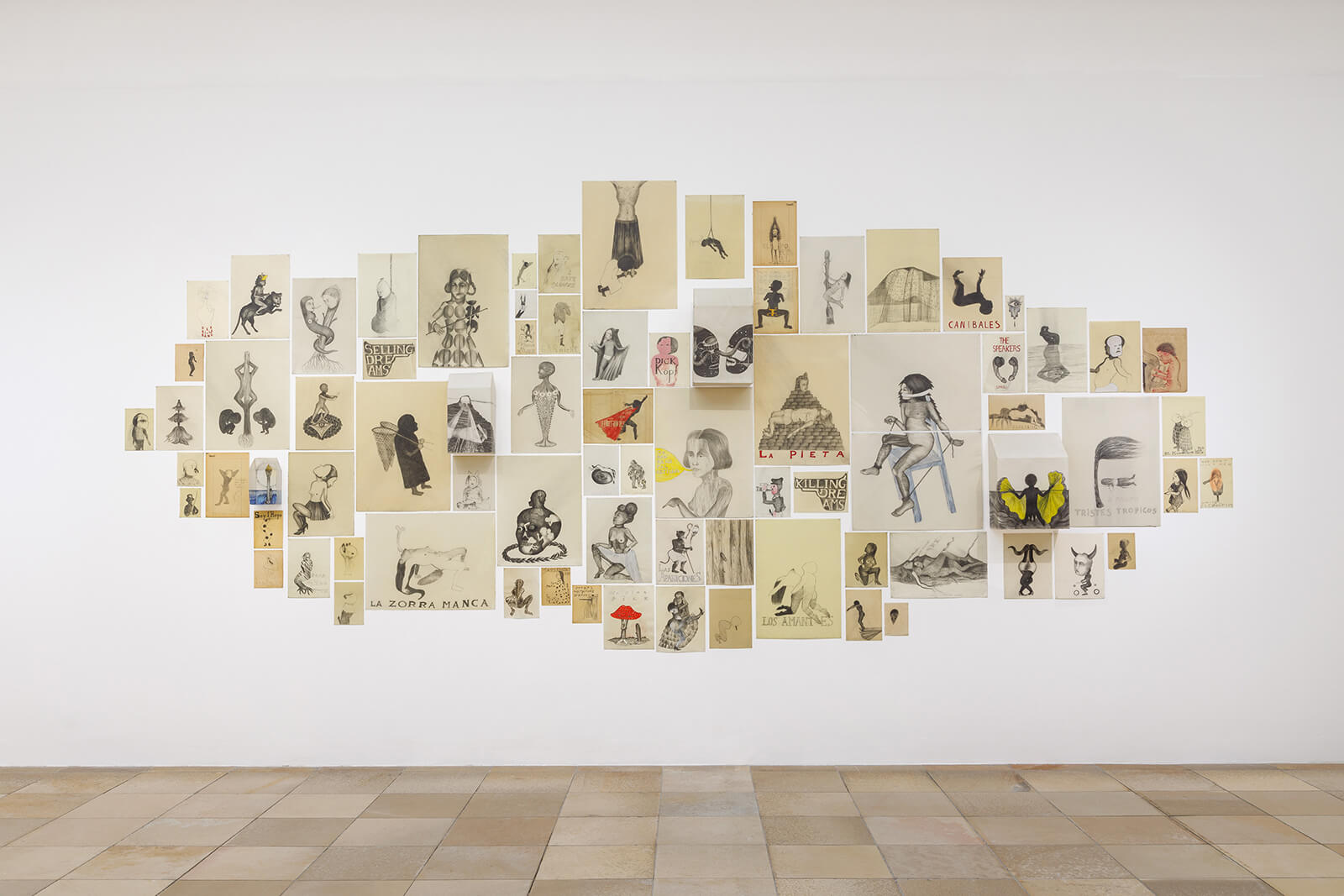
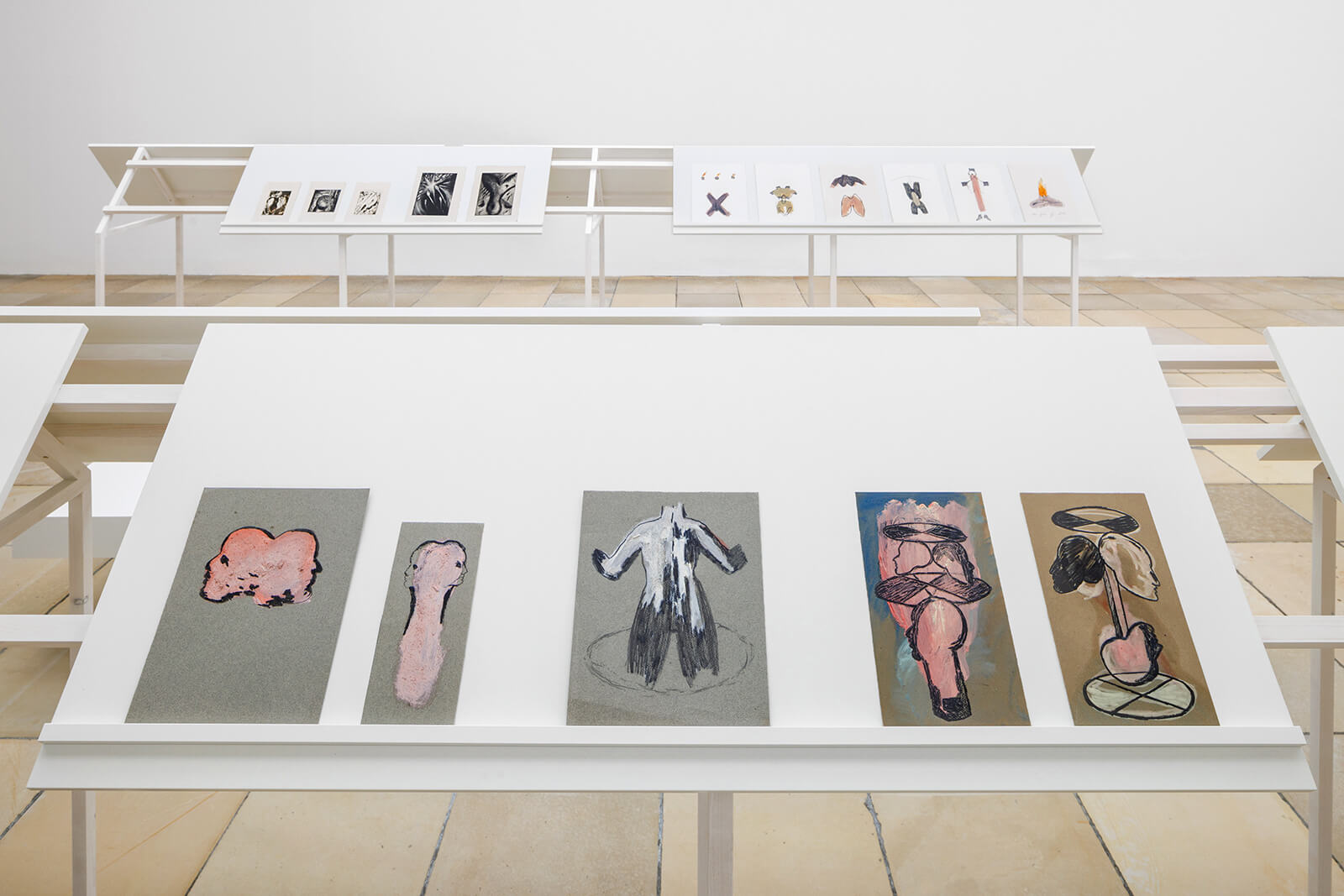
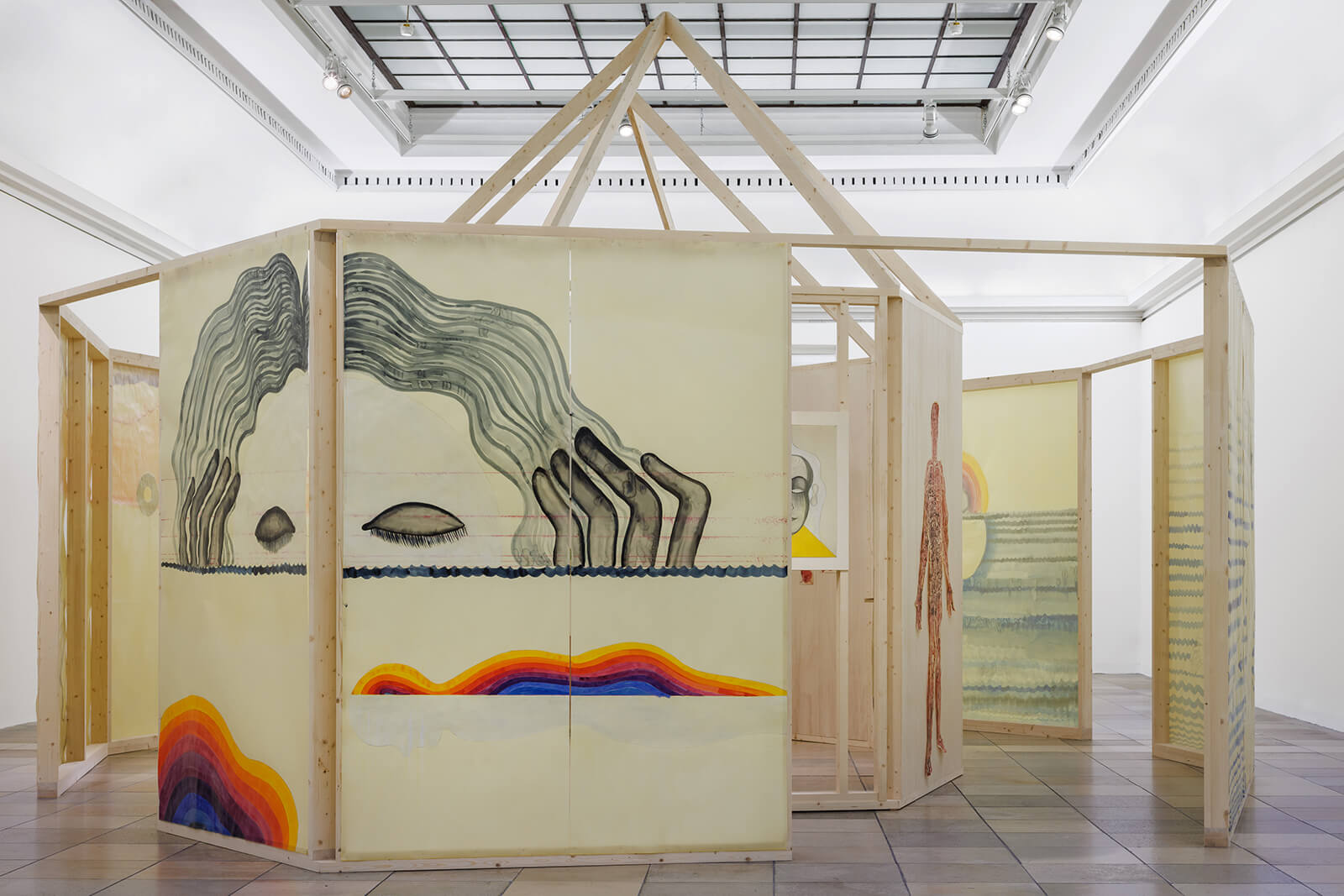
This sense of dialogue pervades her work, at once fantastical yet sombre, collective as much as individual. This is perhaps best reflected in the show’s title, Soy Energia, or ‘I Am Energy’, a view of oneself that rejects singular representation or even a distinct separation between mind and body. One cannot help but think of Agnes Varda’s maxim, “If we opened people up, we’d find landscapes,” even on a cursory viewing of de la Horra’s rich drawings. On view for the solo exhibition are works from the last few decades, where the visual artist created multiversal beings (possessing both foliage-like elements and human features), weaving them into multi-perspectival stories and spatial installations and works created specially for the showcase. For instance, Niño de polen (Pollen Child), El florecer (The Blossoming), Mapa de una anatomia (Map of an Anatomy) and Aymara (all 2025) were created for the show, in line with de la Horra’s desire to develop her own exhibition practice—one that is based on working with organic materials, and deliberately adopts spatial, scenographic approaches.
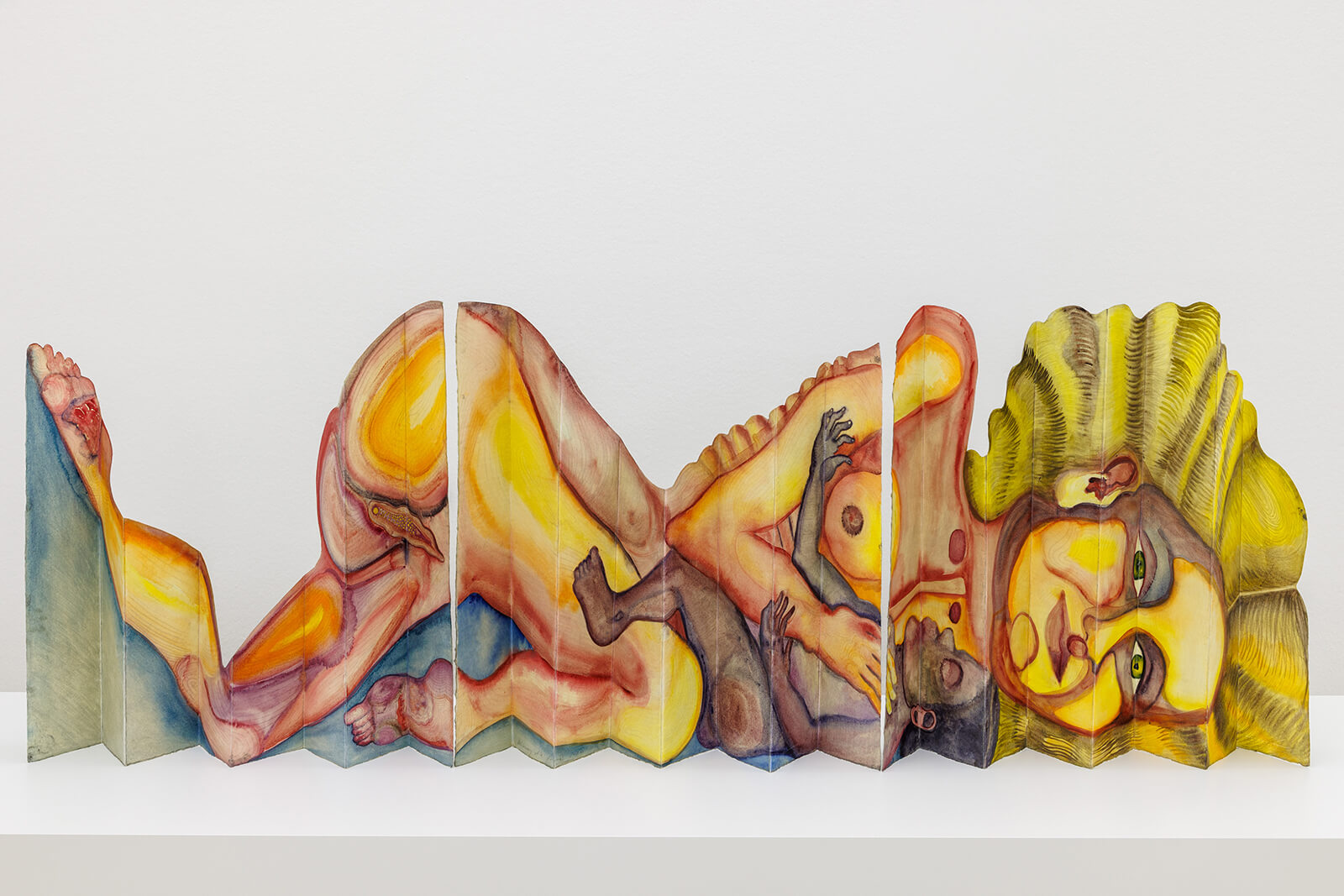
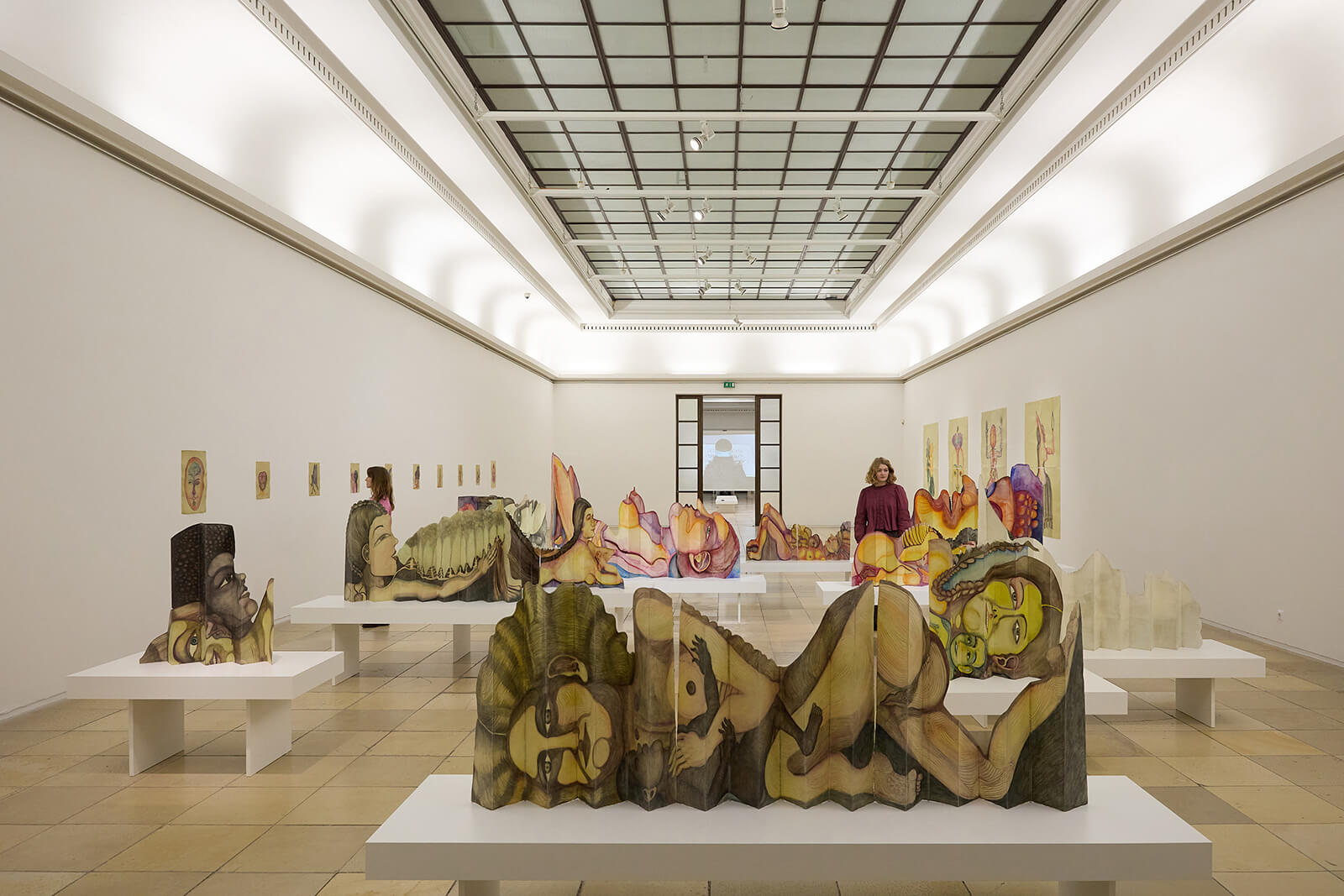
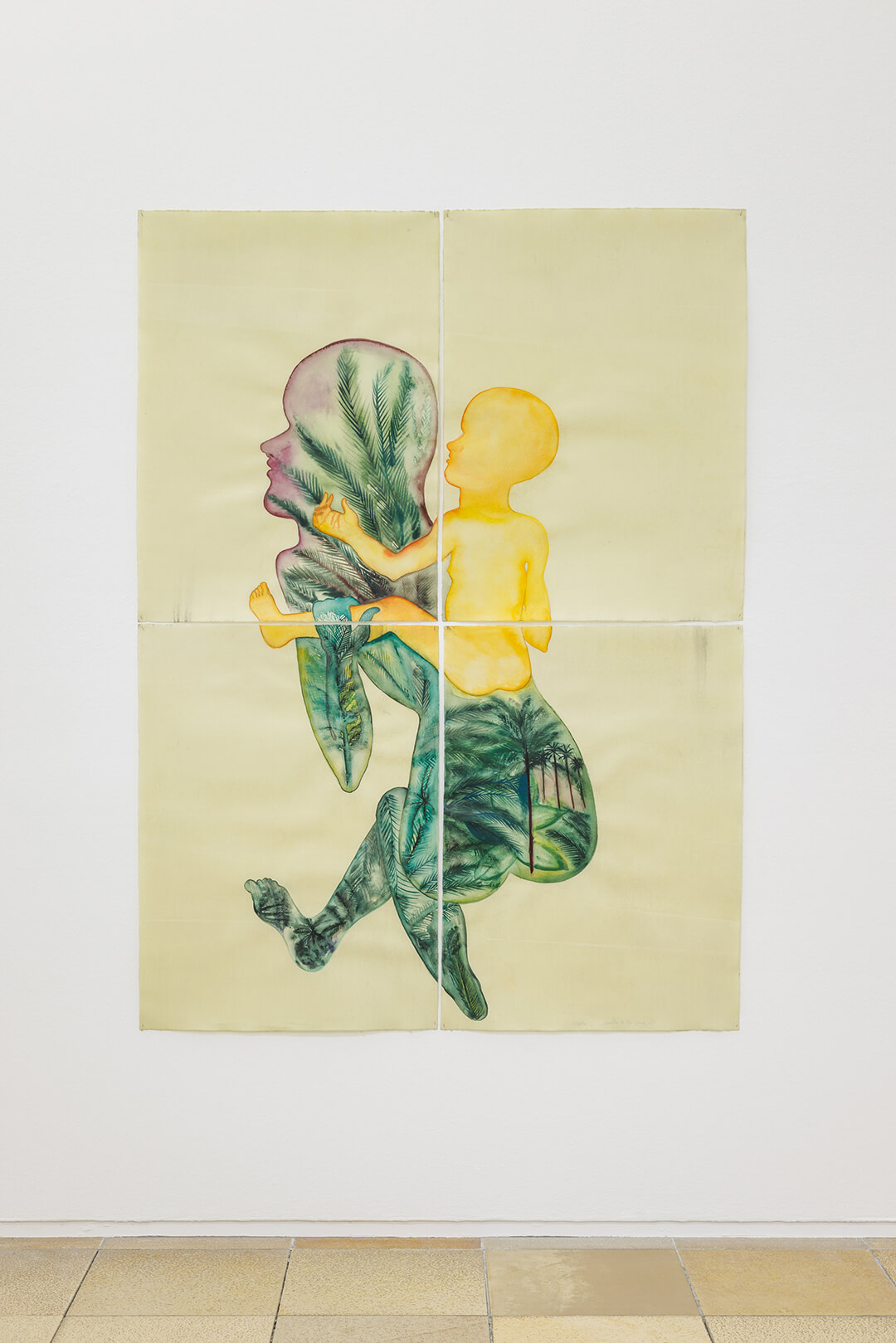
For the new artworks, de la Horra has created large-format, four-part, vibrantly coloured paintings that follow her interest of blending the human and natural. In Niño de polen, a mother’s body, criss-crossed by plants instead of veins, balances her child, with the monochrome and abstract colours suggesting that these figures are beings of pure energy. It feels like the artist is establishing a means to mine our innermost emotions in ways that underscore how dependent we are on our natural landscapes. As she notes, “This way of establishing an inner dialogue is therefore quite complex: many cultures mix, many bridges are built, and in the process you discover parallels or realise that things you thought came from one culture actually come from a completely different one. The African influence that I carry within me came later. But yes, spiritualism was practised in my parents' house, and I was still very young. I remember many events that had to do with the spirits of the people who were summoned at that time.”
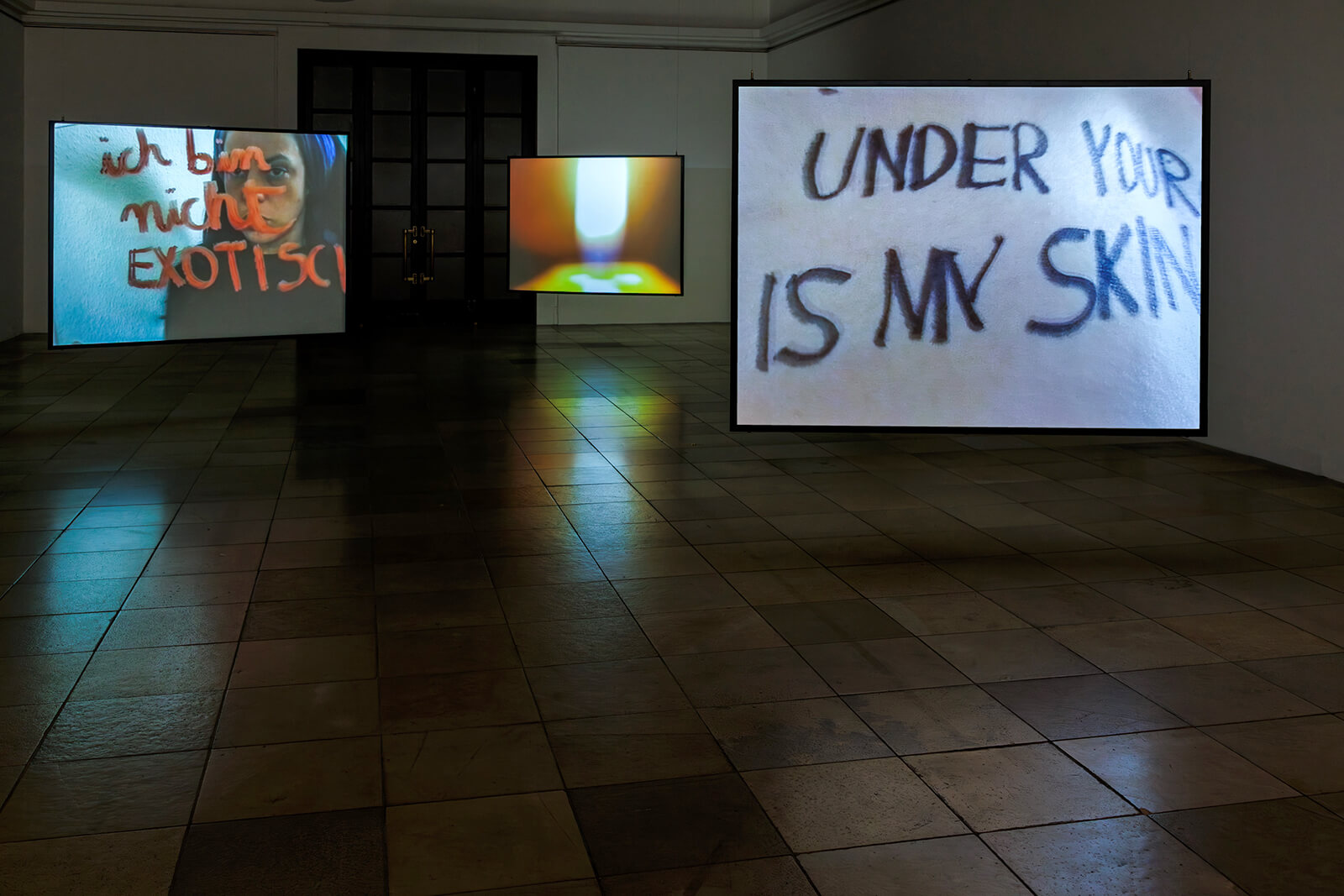
Also on view at the Munich-based art museum are video works by the artist, recovered from tapes and digitised for the first time. Speaking about these films, created when she first immigrated from Chile to Germany, and which intimately explore the experiences of being an immigrant, “[This] is a therapeutic moment in my work. When I started doing these performances, I wanted to free myself from the ‘karma’ of being a foreigner and a migrant. At that time, I had to make important decisions: whether to study, whether to stay in Germany. I ended up staying here for seven years without returning to Chile because I believed so strongly in my work. I wanted to show my inner struggle, my wound, my invisibility and my vulnerability.” ‘I am not exotic,’ she writes in red lipstick on a mirror in one film, made during her time at art school in Düsseldorf. “The videos I made back then were not intended for an audience. I made them to heal myself. I wanted to understand and heal my family tree and the history of my origins. I had to learn to be part of my family, but from a distance. This distance helped me to realise that I was healing an old trauma: the trauma of leaving one's own country because one's roots want to move on. Nomadism, exile and migration are part of my DNA. This is nothing new – the world is changing and constantly in motion,” she continues.
This theme of transformation, of an actively propelling inertia, that connects our bodies to the universe beyond us, and hence to every other human, every insect and every blade of grass, threads through all her works. For de la Horra, it seems that this is what is most representative of what it means to make art. As she states, “In the end, however, there is only one origin: water. We all come from water. That is why we cannot separate ourselves from plants, animals or the earth. Everything is connected. We are not separate from nature – we are part of it.” The exhibition, too, brings this to the fore, with de la Horra stating that she intended for it to be understood as different stages in one’s life, ultimately ending with death. Perhaps, she hopes to remind the viewer that we are constantly affected by and affect everything around us. So we must keep searching for that energy that ties us to the world and the world to us.

by Srishti Ojha Oct 21, 2026
Increasingly, artists, filmmakers and activists are turning to VR to create more personal, tangible accounts of the climate emergency and its impact on vulnerable communities.
by Mirra Lynn Oct 20, 2026
The Indian artist paints the old wadas of central Pune, capturing the traces of everyday life that cling to these structures, battered by time but unbowed.
by Anmol Ahuja Oct 15, 2026
How do heaps of souvenirs and relics with racist Aboriginal motifs and features become art? MCA Sydney’s winter showcase—the artist’s largest to date—beckons a possibility.
by Vandana Kalra Oct 14, 2026
With his latest exhibition as a point of departure, the modernist discusses his decades-long practice, the spontaneity of drawing and the social responsibility of artists.

make your fridays matter with a well-read weekend
Enter your details to sign in
Don’t have an account?
Sign upOr you can sign in with
a single account for all
STIR platforms
All your bookmarks will be available across all your devices.
Stay STIRred
Already have an account?
Sign inOr you can sign up with
Verification link sent to check your inbox or spam folder to complete sign up process
Tap on things that interests you.
Select the Conversation Category you would like to watch
Please enter your details and click submit.
Enter the 6-digit code sent at


Sandra Vasquez de la Horra: Soy Energia links our bodies with our natural contexts
by Mrinmayee Bhoot | Published on : Jan 15, 2026


 Sign in with Google
 Sign in with email
What do you think?