Architecture04 mins. read
The National Museum of Uzbekistan sees Tadao Ando probe "the origins of thought”
by Bansari PaghdarSep 06, 2025



by Bansari PaghdarPublished on : Mar 11, 2026
Often, places of education and training are designed merely as rigid, one-dimensional institutes of learning, shaped as practical spaces that simply cater to a standard set of requirements. But in some projects, such as the Heartfulness International School in Hyderabad, India, a deeper conceptual thread runs from an institution’s core ethos to its physical environment. Made of exposed concrete and glass and conceived as a living ecosystem, it raises a question: one of the contrasts between its material and conceptual integration. Can a forest take root in such materials? If so, can it still manage to breathe?
“In our view, a forest can absolutely take root in concrete and glass—if architecture is designed to respect natural rhythms rather than replace them. When light, ventilation, landscape and materiality are thoughtfully integrated, built spaces can still ‘breathe’ and foster a living connection with nature. The role of architecture today is not to separate people from the environment, but to reinterpret nature within contemporary contexts—creating spaces that remain mindful, sustainable and emotionally grounding,” the Indian architecture practice Pentaspace Design Studio, tells STIR.
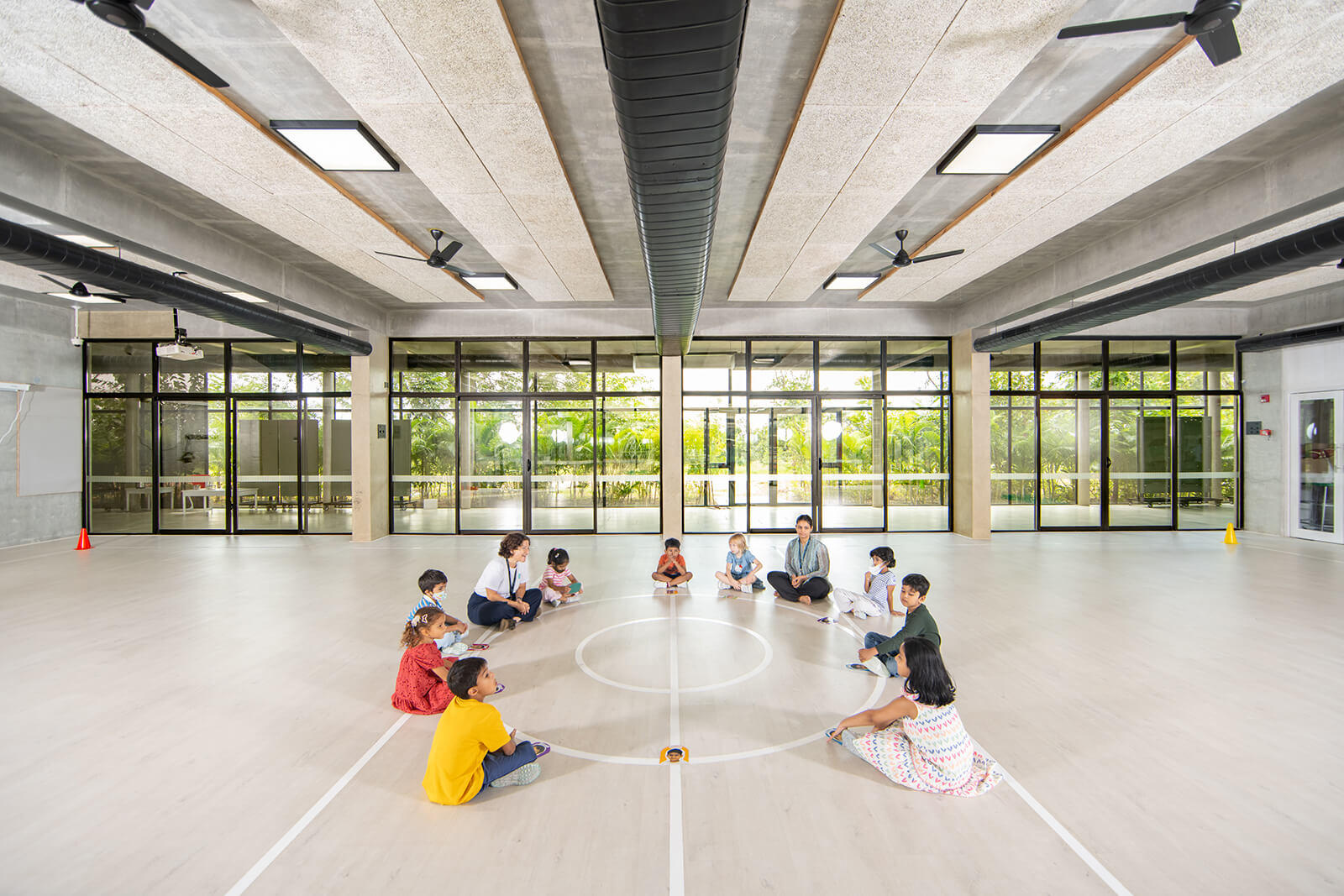
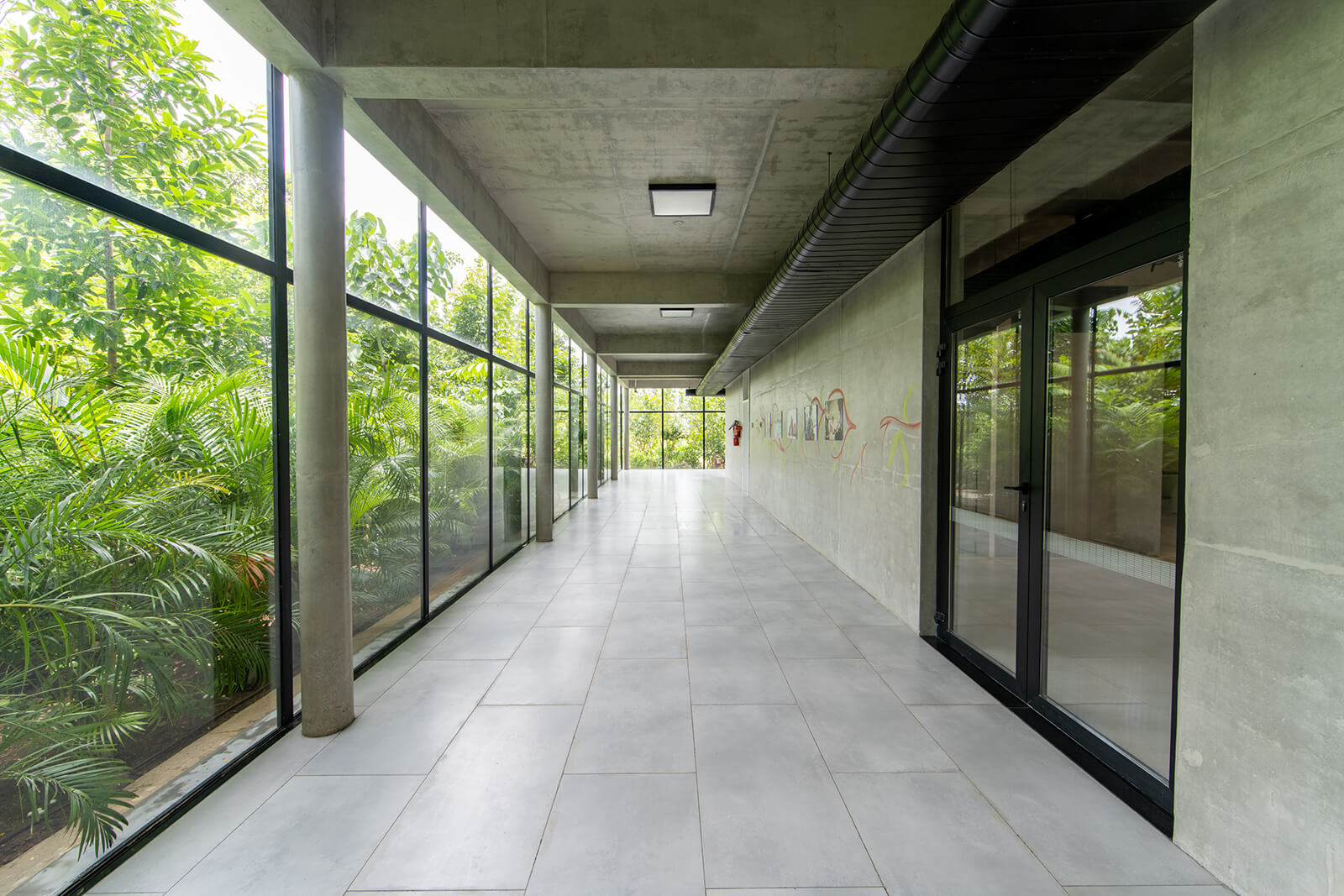
Established in 2007, Mumbai-based Pentaspace Design Studio advocates the principles of ‘architectural synergy’ as a response to space, nature and natural light. Their emphasis is on meaningful architectural research that takes into account the changing needs of the community alongside devising new strategies for contemporary design, materiality and technology to create sustainable design solutions. For the Heartfulness International School, the Indian architects approach institutional architecture as a pedagogical instrument, attempting to employ the built environment to shape children’s holistic growth and development. “The planning integrates natural light, open courtyards and seamless indoor–outdoor connections to encourage calmness, curiosity and interaction with nature. Spaces are scaled to feel warm and non-intimidating, allowing the built environment itself to nurture mindfulness, creativity and balanced learning beyond the classroom,” the studio adds.
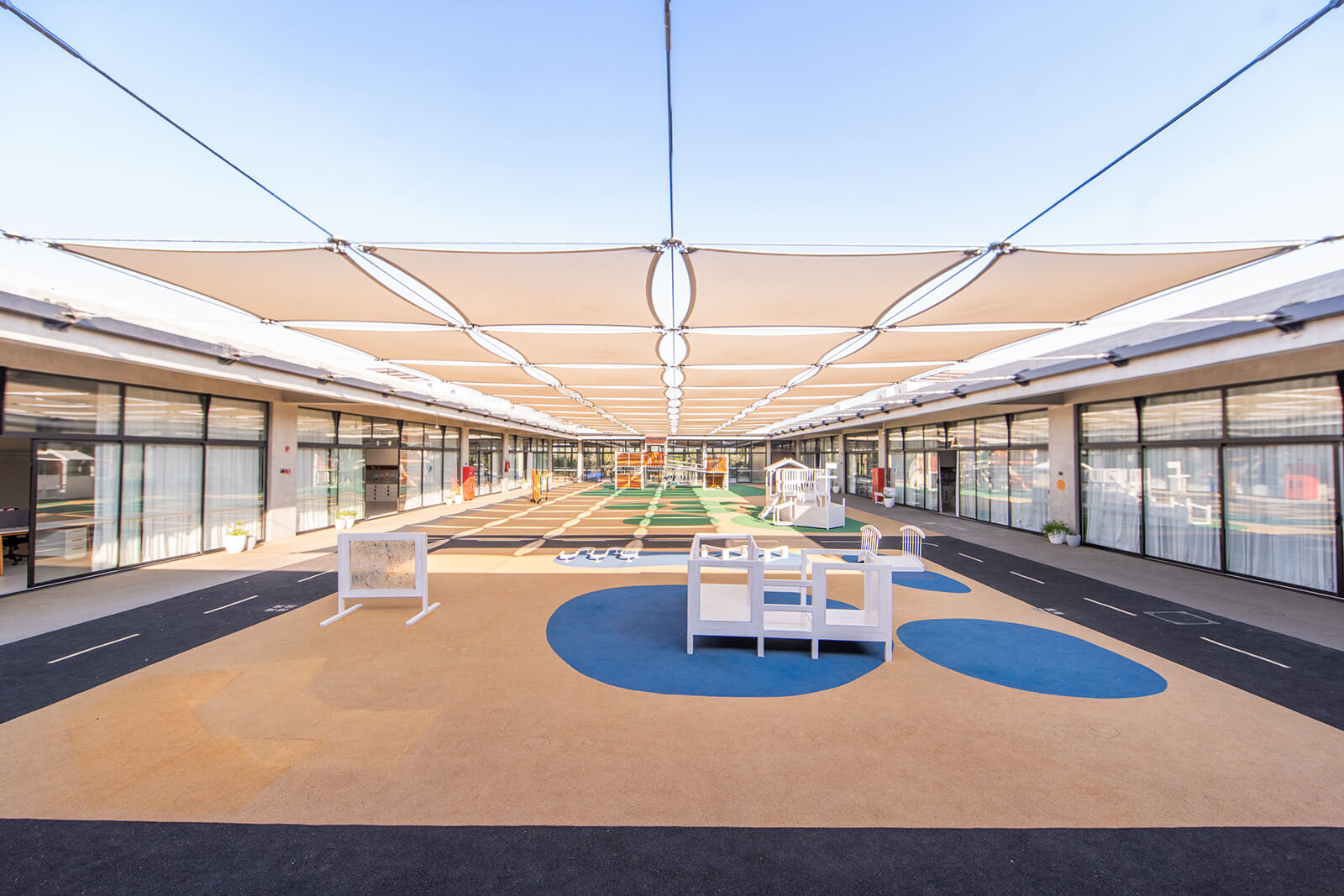
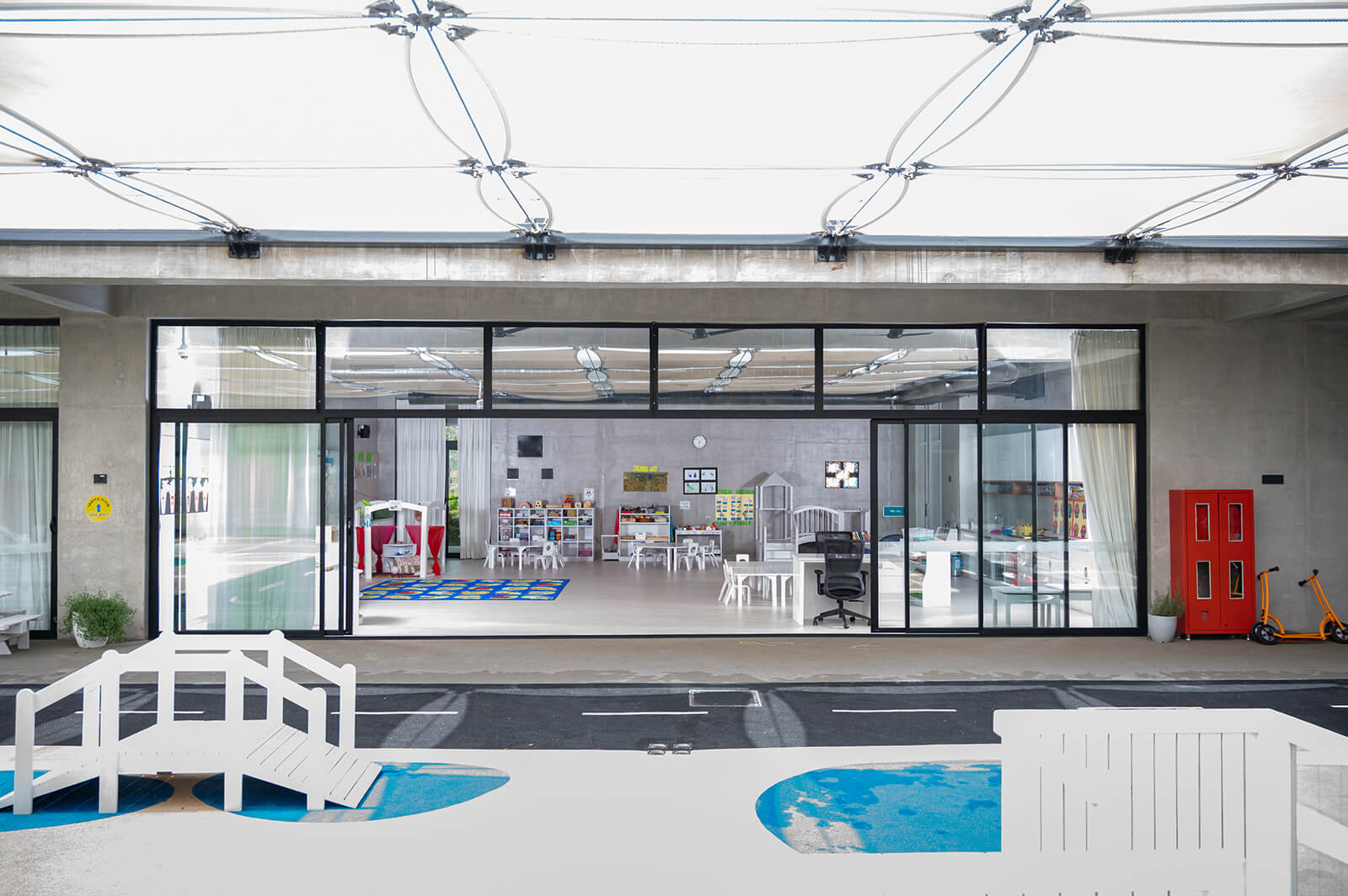
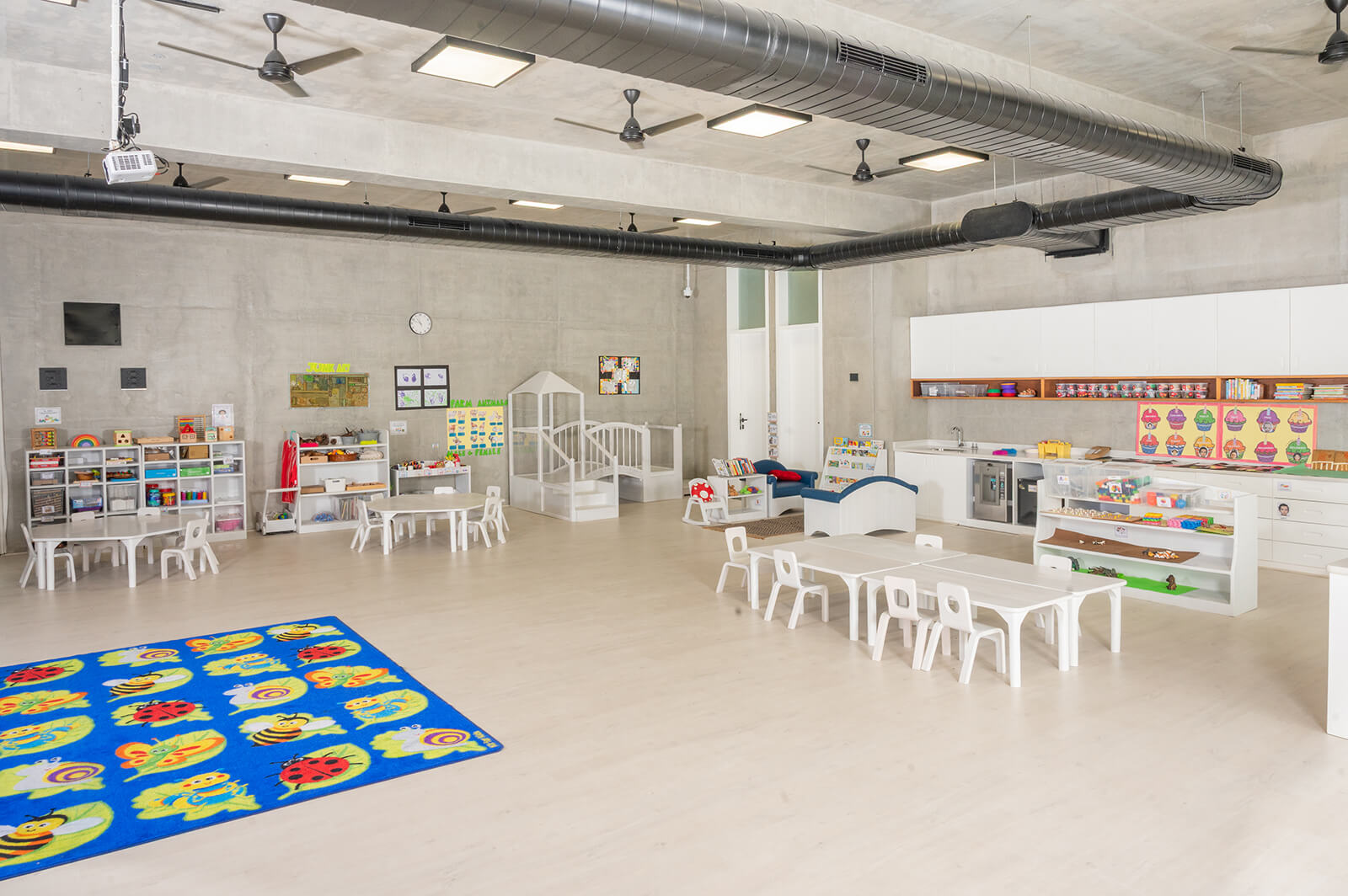
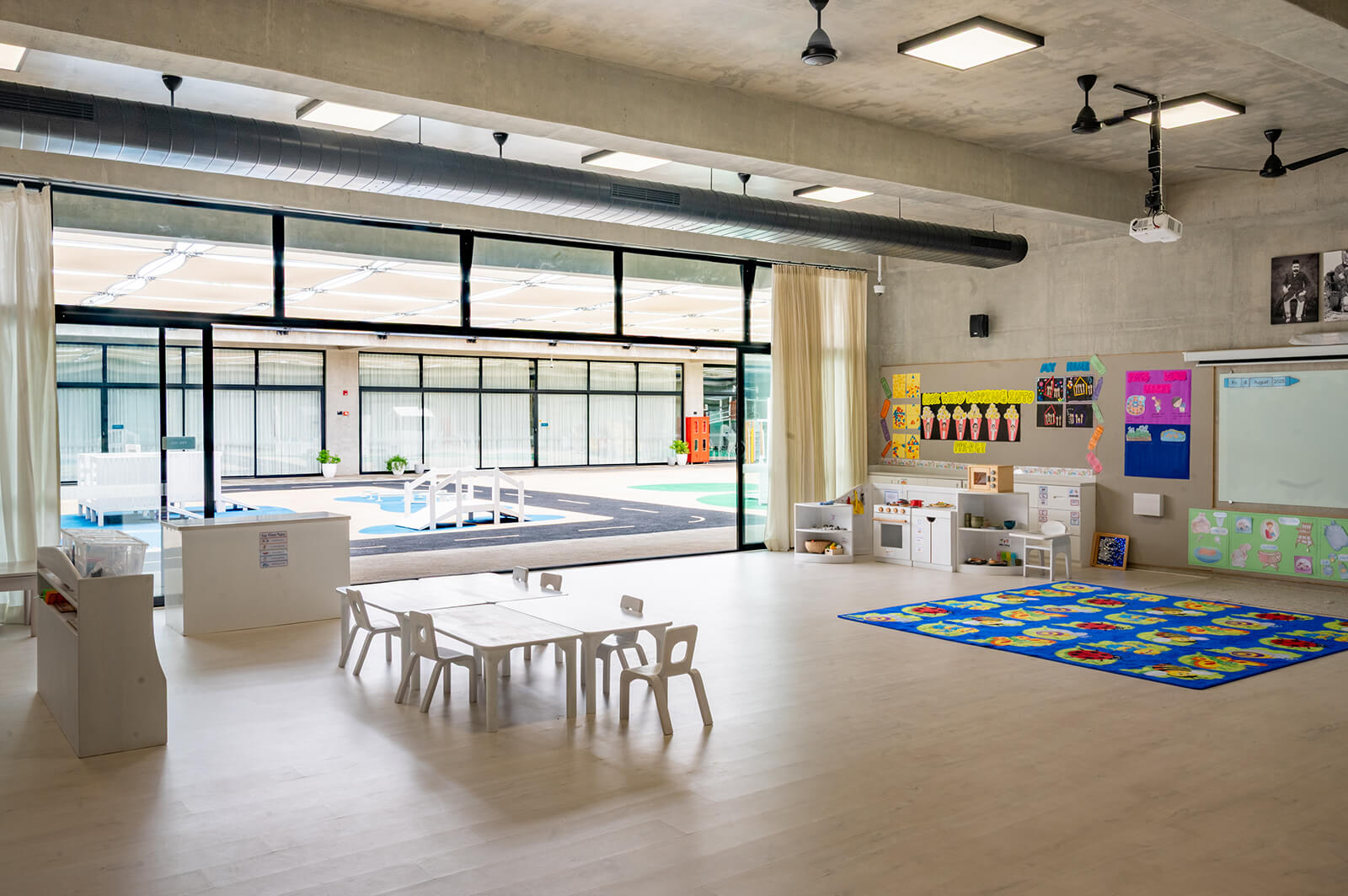
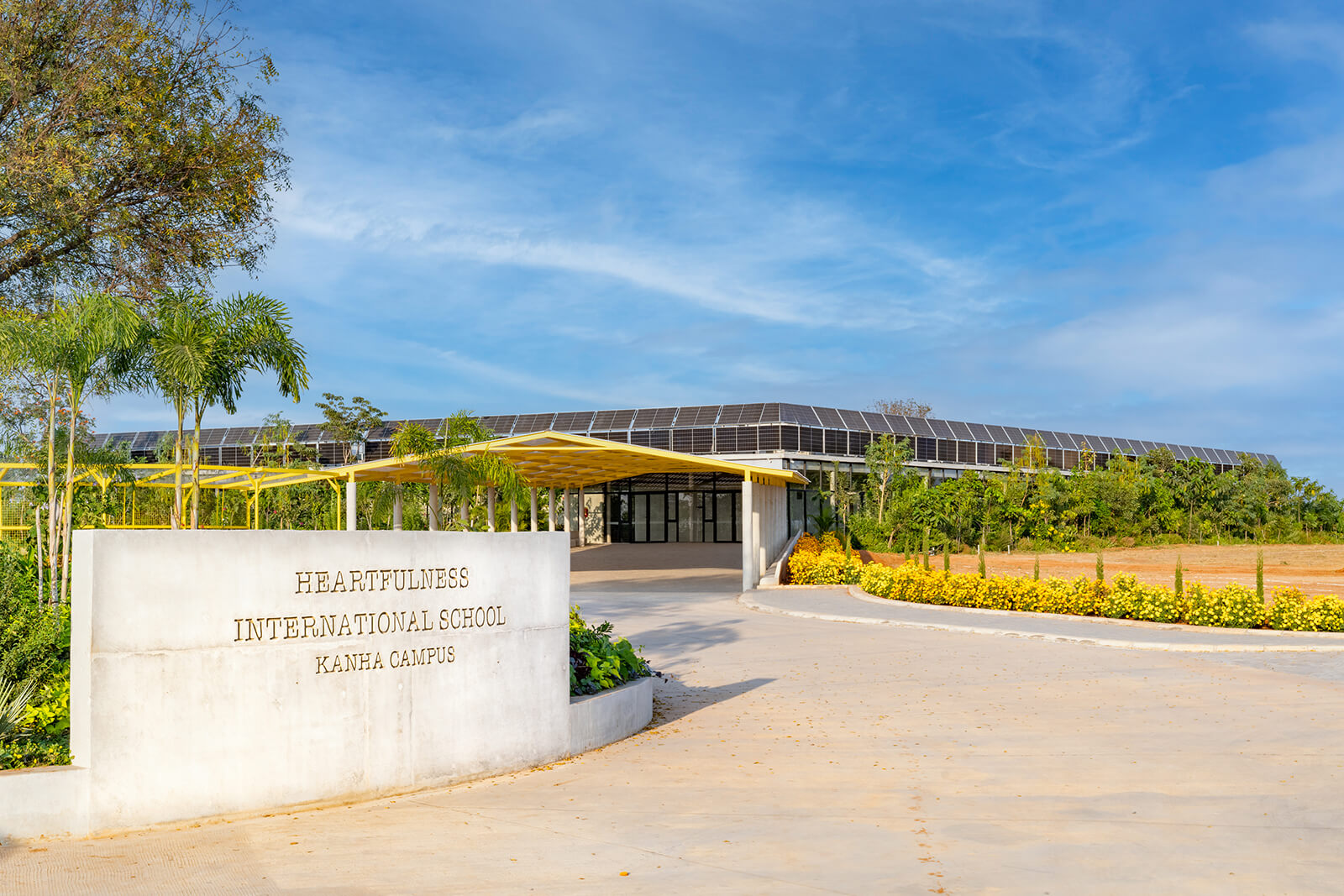
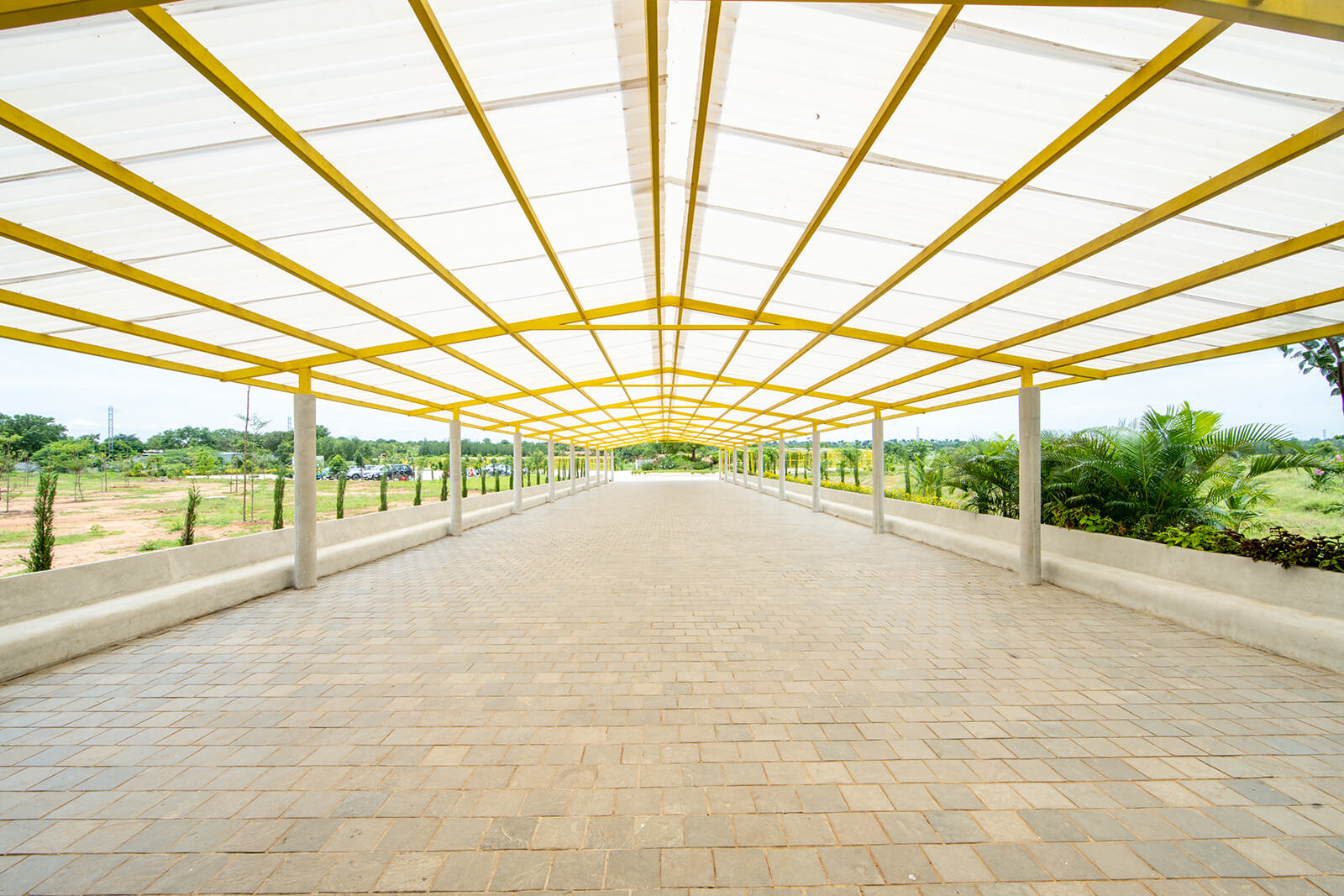
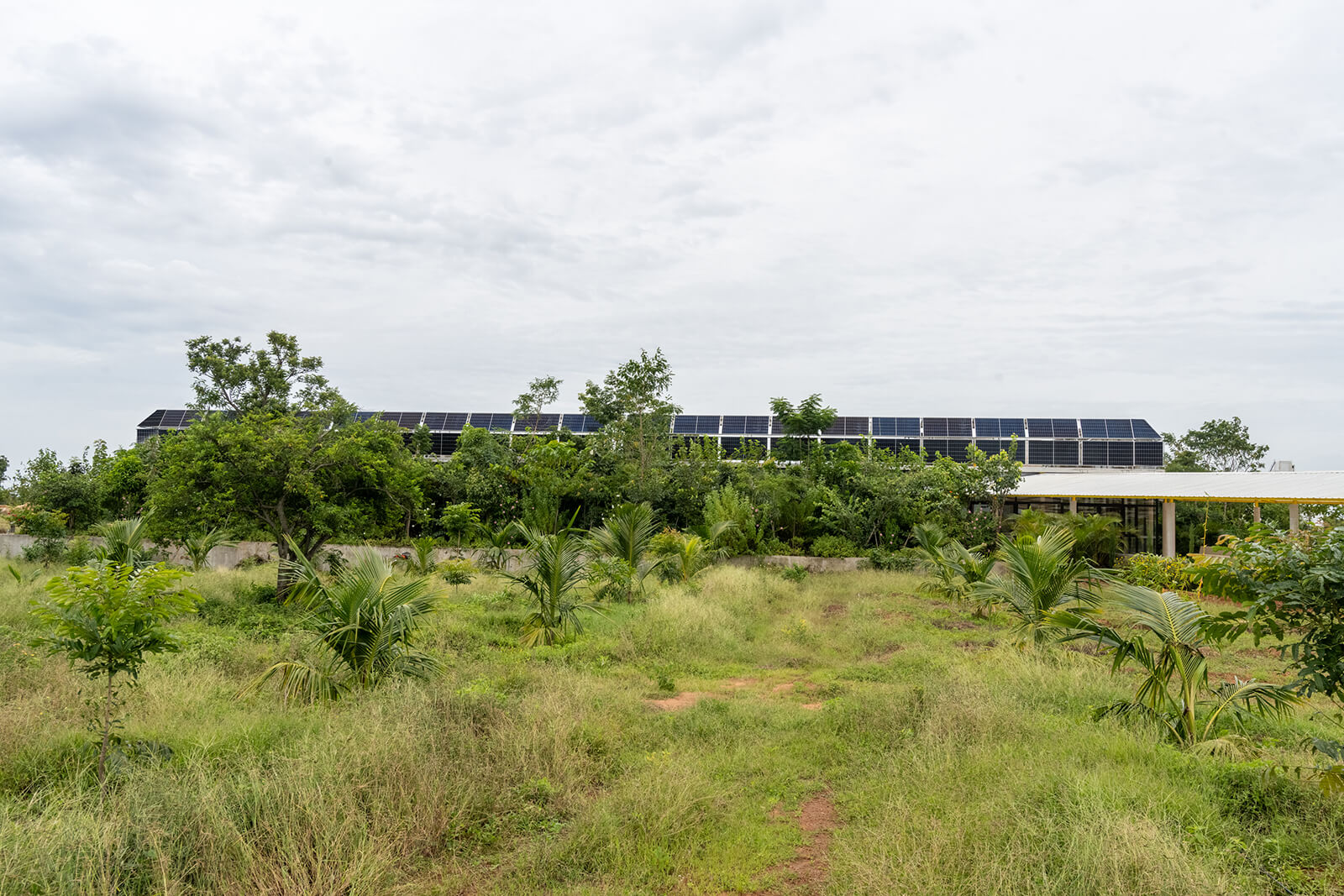
The contemporary architecture is informed by its structure, resisting ornamentation and decorative elements that do not serve the building. In doing so, an understated cuboidal envelope of glass is seen from a distance, screened by vegetation. As one approaches the building along a long, shaded, wide pathway, it becomes clear that the environment extends the idea of nature beyond vegetation.
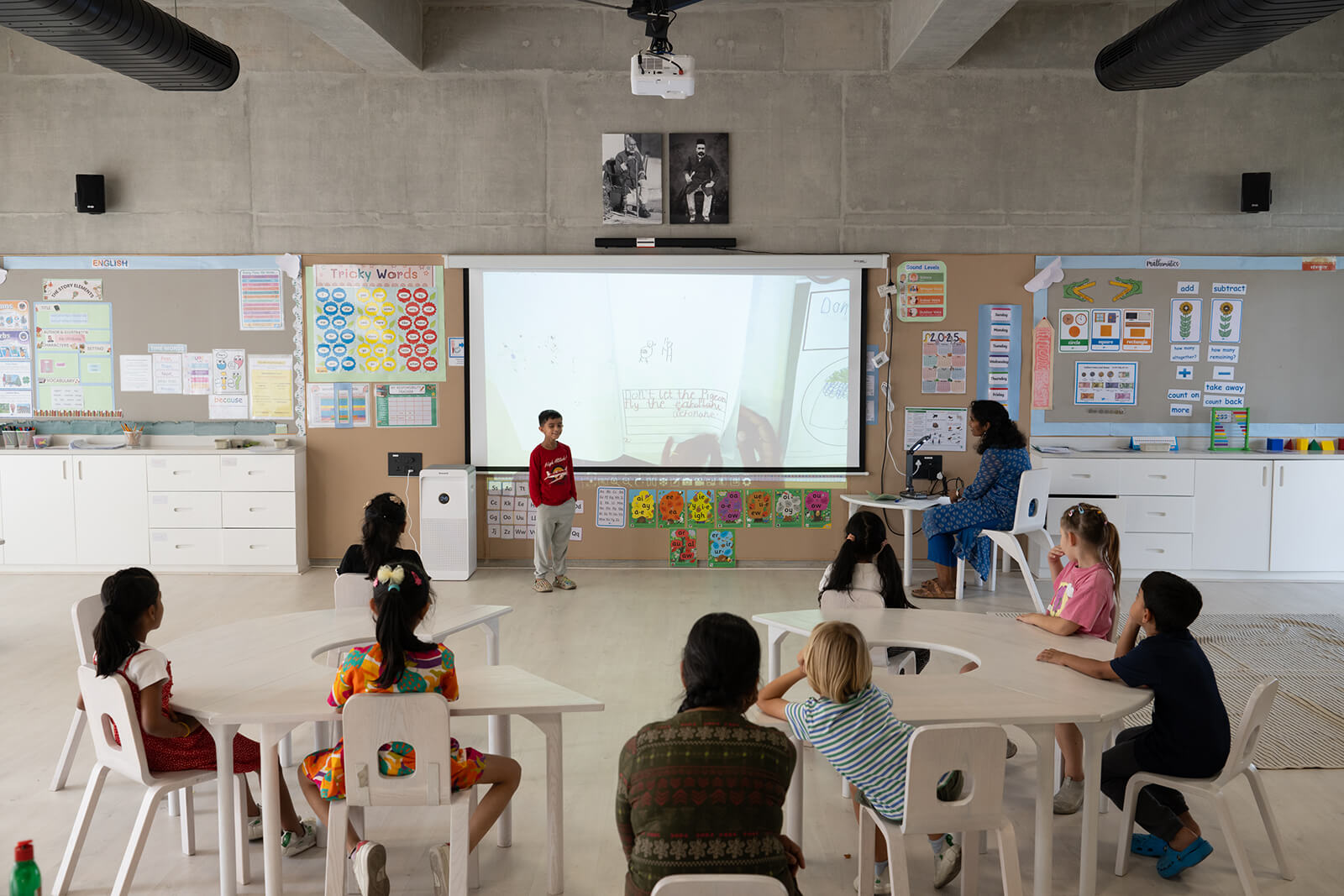
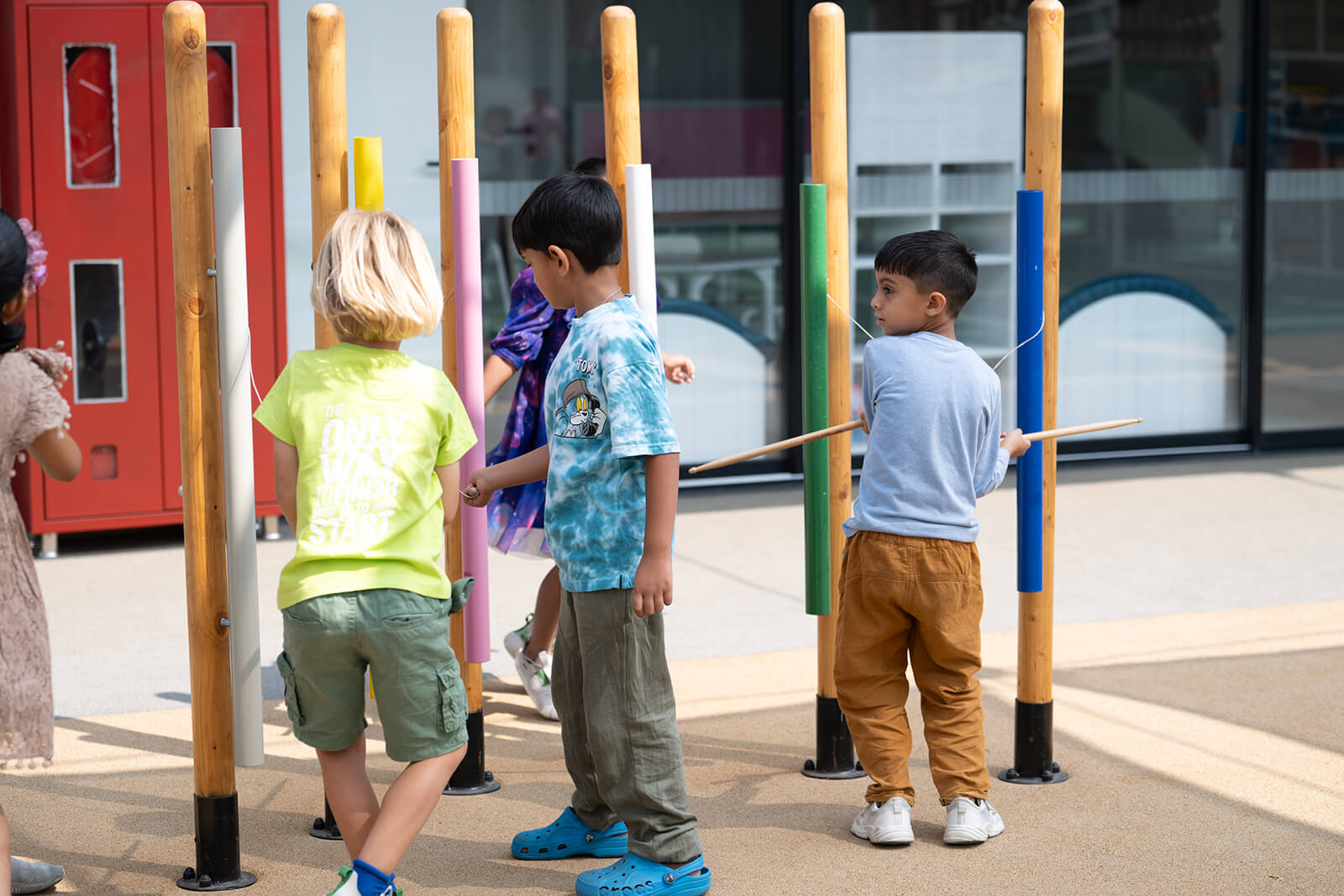
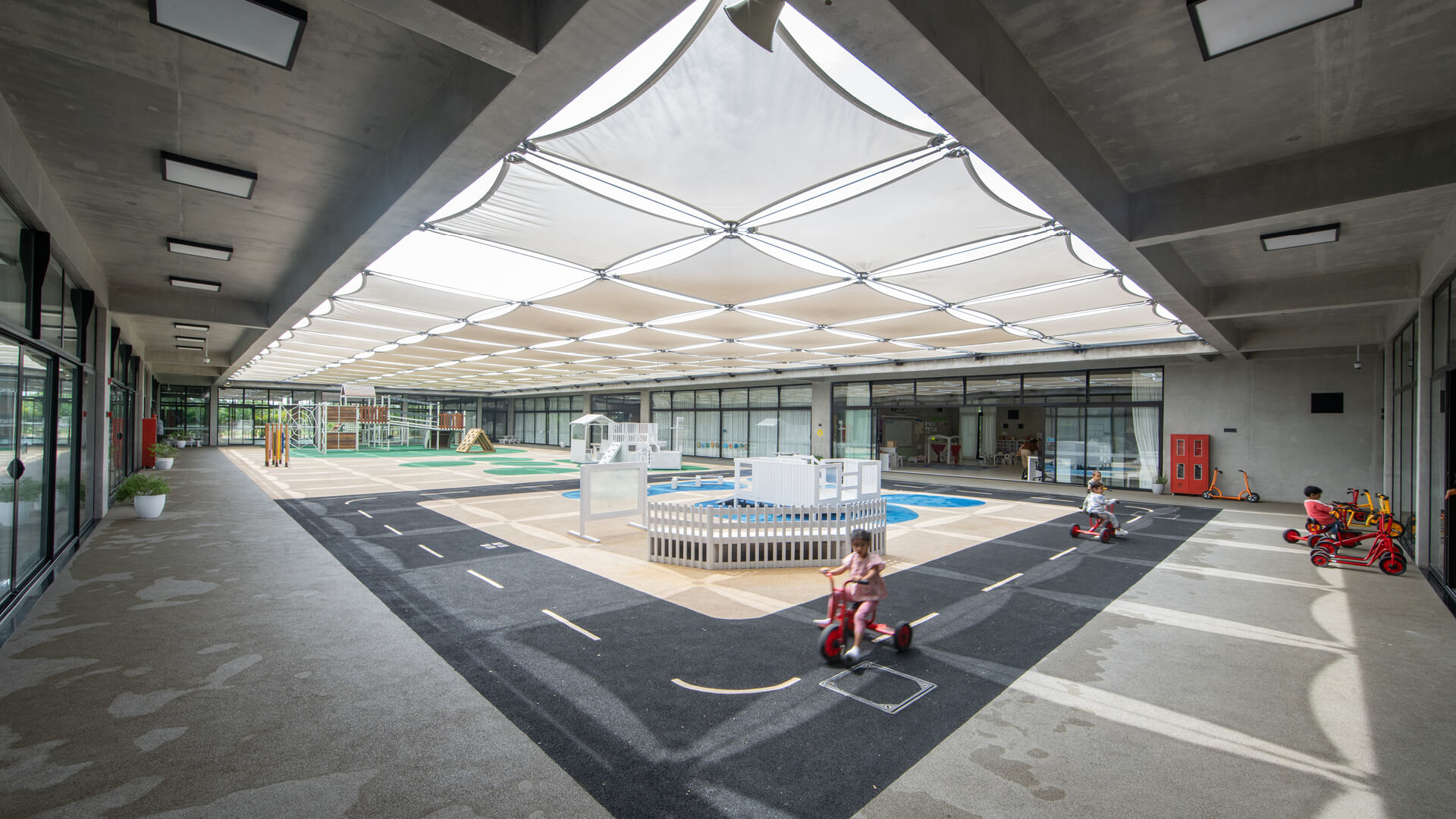
A large courtyard design is at the heart of the project, guiding the layout and circulation within the school design. The building layout is quite simple and easy to navigate: rectangular, with two corridors on the side, one leading to the forest and the other to a play area. The circulation is facilitated through active transitional spaces that encourage informal learning and spaces of pause and reflection. “Special consideration was given to clear zoning, short walking distances and safe movement patterns for different age groups, as this phase was for younger primary age group students. Natural ventilation, daylight and covered corridors help maintain comfort throughout the day. The entire school is also powered by electricity generated through solar panels, reinforcing the project’s commitment to sustainability and environmental awareness for students. These decisions align with the larger conceptual approach of creating a calm, nature-integrated learning environment, where movement through the campus becomes part of the educational experience rather than just a functional requirement,” the architects tell STIR.
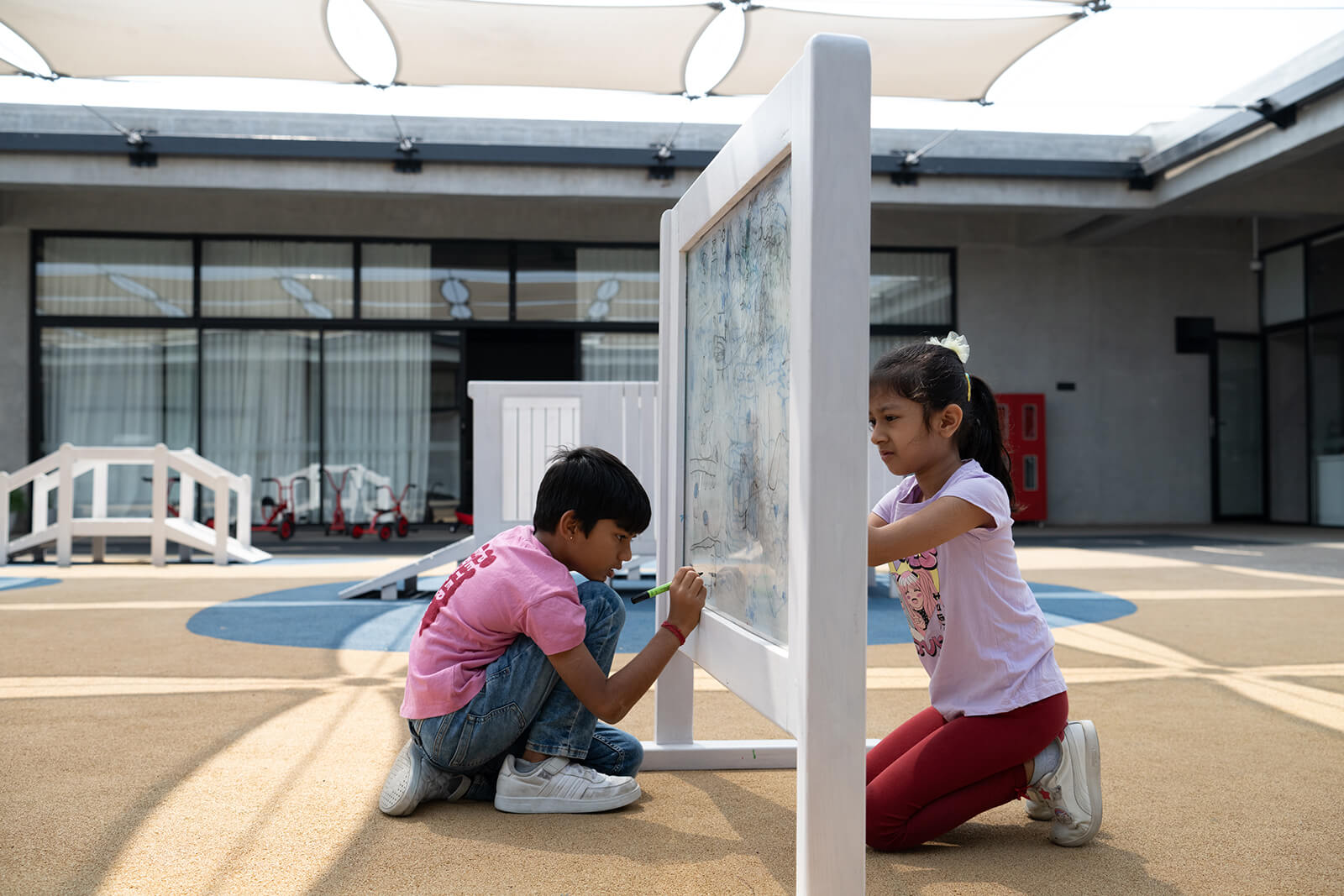
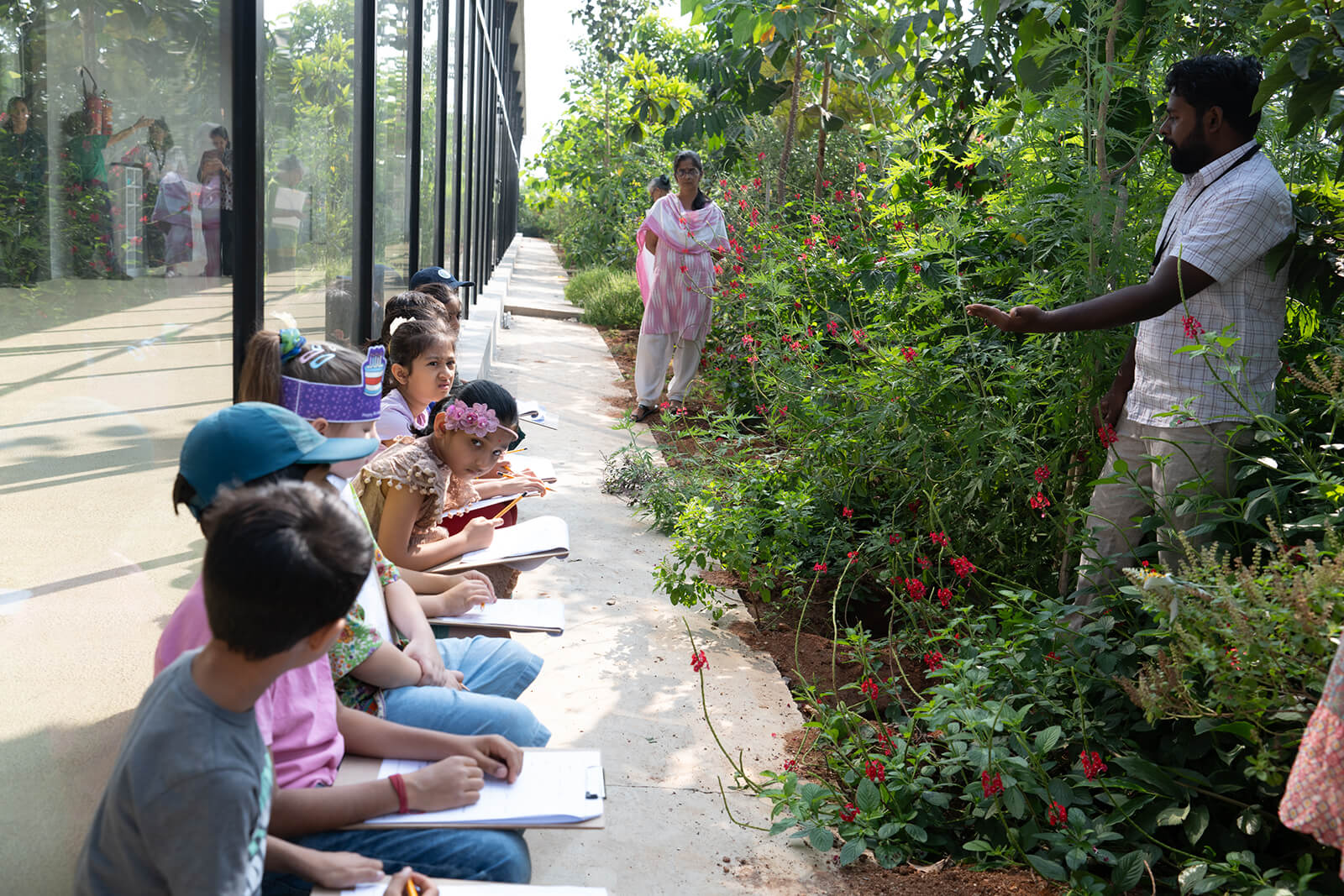
Surrounded by academic blocks, the courtyard offers sensory experiences through props, interactive objects and activities such as yoga and farming, maintaining a strong connection to nature and encouraging health and well-being. While spaces for children often use bright colours, the school architecture takes a different approach by using exposed concrete and white paint to let the students’ artwork shine on the walls. Allowing the space to adapt over time with its users, the school design shifts the focus from the built environment to the creativity it nurtures.
Name: Heartfulness International School
Location: Hyderabad, India
Architects: Pentaspace Design Studio
Year of Completion: 2025

by Pranjal Maheshwari Oct 19, 2026
The Mumbai-based architects integrate courtyards, mesh screens and north light trusses to create a dining space that doubles up as a community hub at SR University, Warangal.
by Mrinmayee Bhoot Oct 17, 2026
The Rotterdam-based institute centres the Indian Ocean as a network for exploring material histories and transnational links shaping coastal cultures, positing them as future models.
by Pranjal Maheshwari Oct 16, 2026
At the 2026 Stirling Prize ceremony, Mary Duggan with RUFF Architects, MAKER Architecten and Nakshabid Architects were felicitated for proffering quality housing and social equity.
by Mrinmayee Bhoot Oct 12, 2026
The new Centre for Contemporary Arts, fostering public engagement with art in Uzbekistan, is housed in a tram depot refurbished by the French studio, emulating local craftsmanship.

make your fridays matter with a well-read weekend
Enter your details to sign in
Don’t have an account?
Sign upOr you can sign in with
a single account for all
STIR platforms
All your bookmarks will be available across all your devices.
Stay STIRred
Already have an account?
Sign inOr you can sign up with
Verification link sent to check your inbox or spam folder to complete sign up process
Tap on things that interests you.
Select the Conversation Category you would like to watch
Please enter your details and click submit.
Enter the 6-digit code sent at


This Hyderabad school employs the built environment as a pedagogical instrument
by Bansari Paghdar | Published on : Mar 11, 2026


 Sign in with Google
 Sign in with email
What do you think?