Design08 mins. read
Masculinity, memory and myth find a Hero’s Wreck by Colin Knight at Superhouse Gallery
by Bansari PaghdarOct 14, 2025



by Pranjal MaheshwariPublished on : Jul 14, 2026
Nature is cyclical; what appears as ‘waste’ to one often becomes a resource to another, sustaining interconnected ecosystems. This idea of regenerative cycles informs We Must Imagine It, an art and design exhibition by Unfold Projects, on view at the Institute of Contemporary Art (ICA) San Diego / North in California, from May 30 – August 2, 2026. The showcase examines registers of regenerative approaches to making through ecological stewardship and collaboration. Conceived in response to ICA's 2026 – 27 seasonal theme, The Hours Have Lost Their Clocks: Nostalgia and Speculative Futurism, Unfold Projects' inaugural group exhibition borrows its title from American poet Wendell Berry's 2012 lecture, It All Turns on Affection, a call to imagine deeper connection and affection between humans, non-humans and the natural world.
As Mel Meagher, founder and creative director of Unfold Projects, tells STIR, the show is “an opportunity to create an energy field of intrigue and learning around regenerative potential”. The platform approaches design and restoration as acts of long-term stewardship, bringing artists and designers together to pursue place-based creative practices that work towards a future that is ‘inclusive, collaborative, regenerative [and] caring’. As Meagher explains, regenerative design is about “finding ways we can add to this earth, rather than extract from it”.
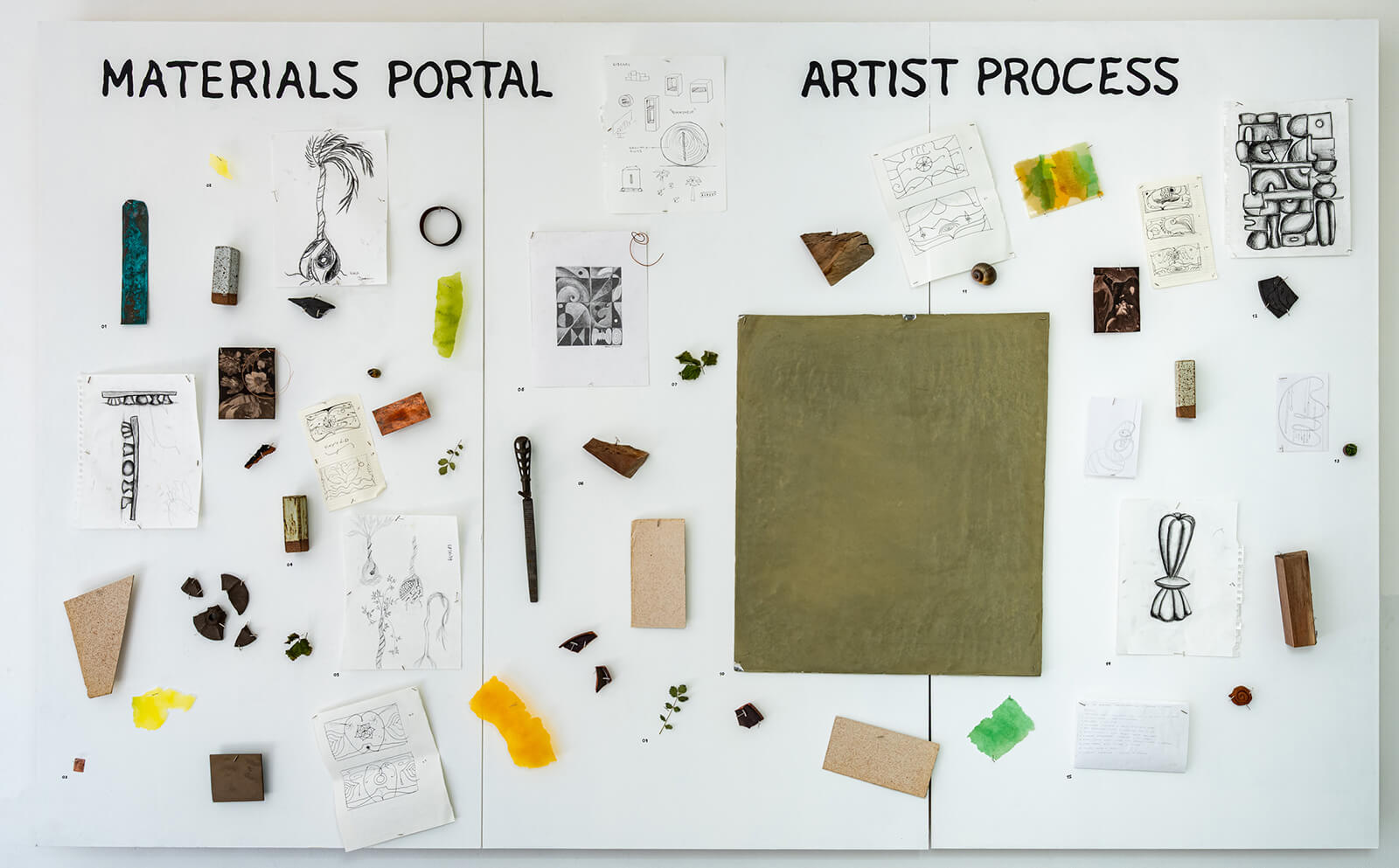
Curated by Meagher and the regenerative design platform’s director of art, Stacy Kelley, the exhibition assembles 20 regionally based artists and designers, showcasing furniture, products, artworks and sculptures made from reclaimed and regenerative materials such as salvaged wood, clay, scrap metal, recycled glass or plant-derived pigments. To this end, the show seeks to imagine a future in which salvaged and natural materials form the centre of contextually rooted and socially relevant design, inviting a broader reflection on regenerative modes of making. As Kelley tells STIR, We Must Imagine It draws from natural ecosystems, "where all entities are in relationship with one another".
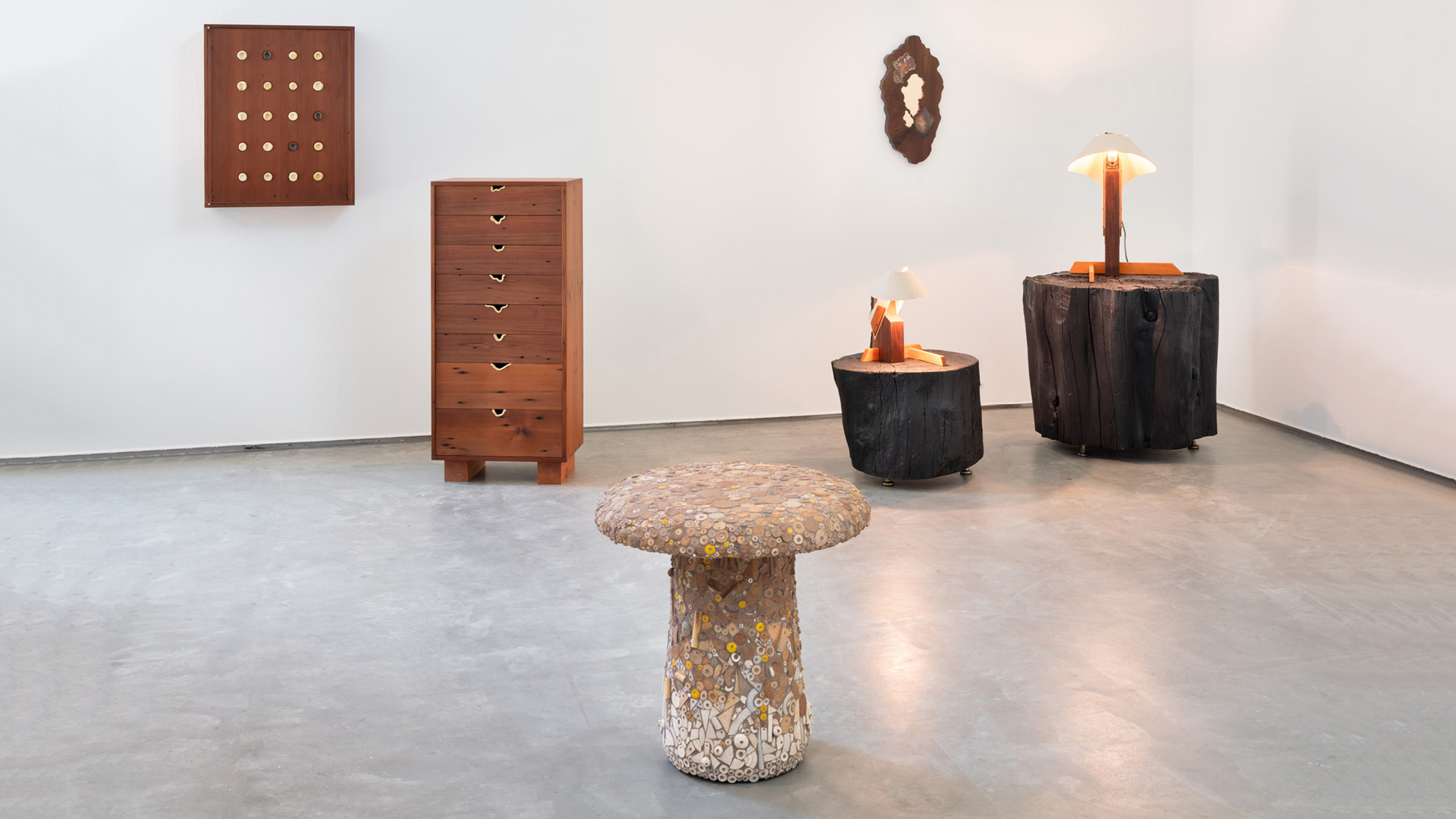
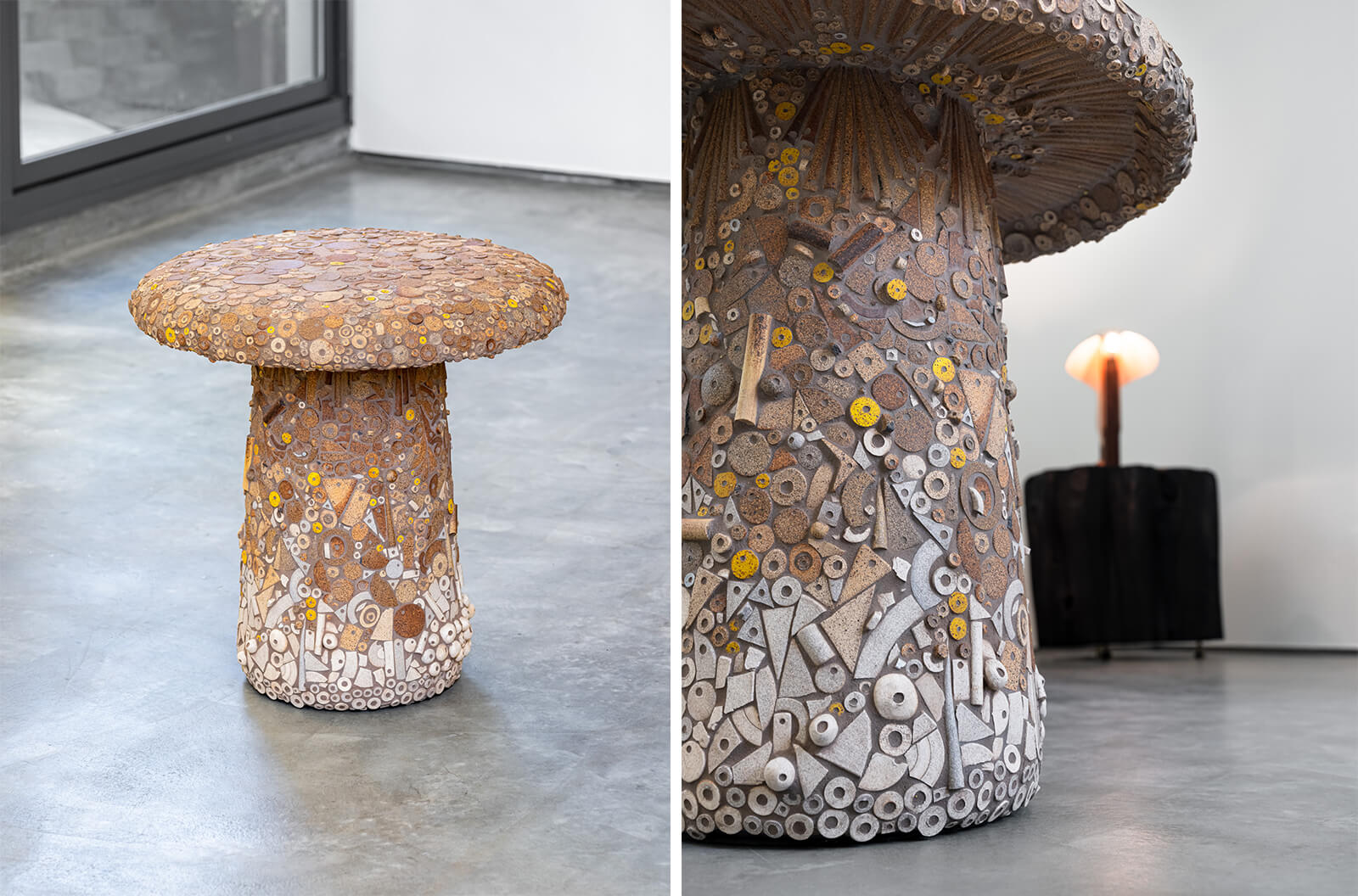
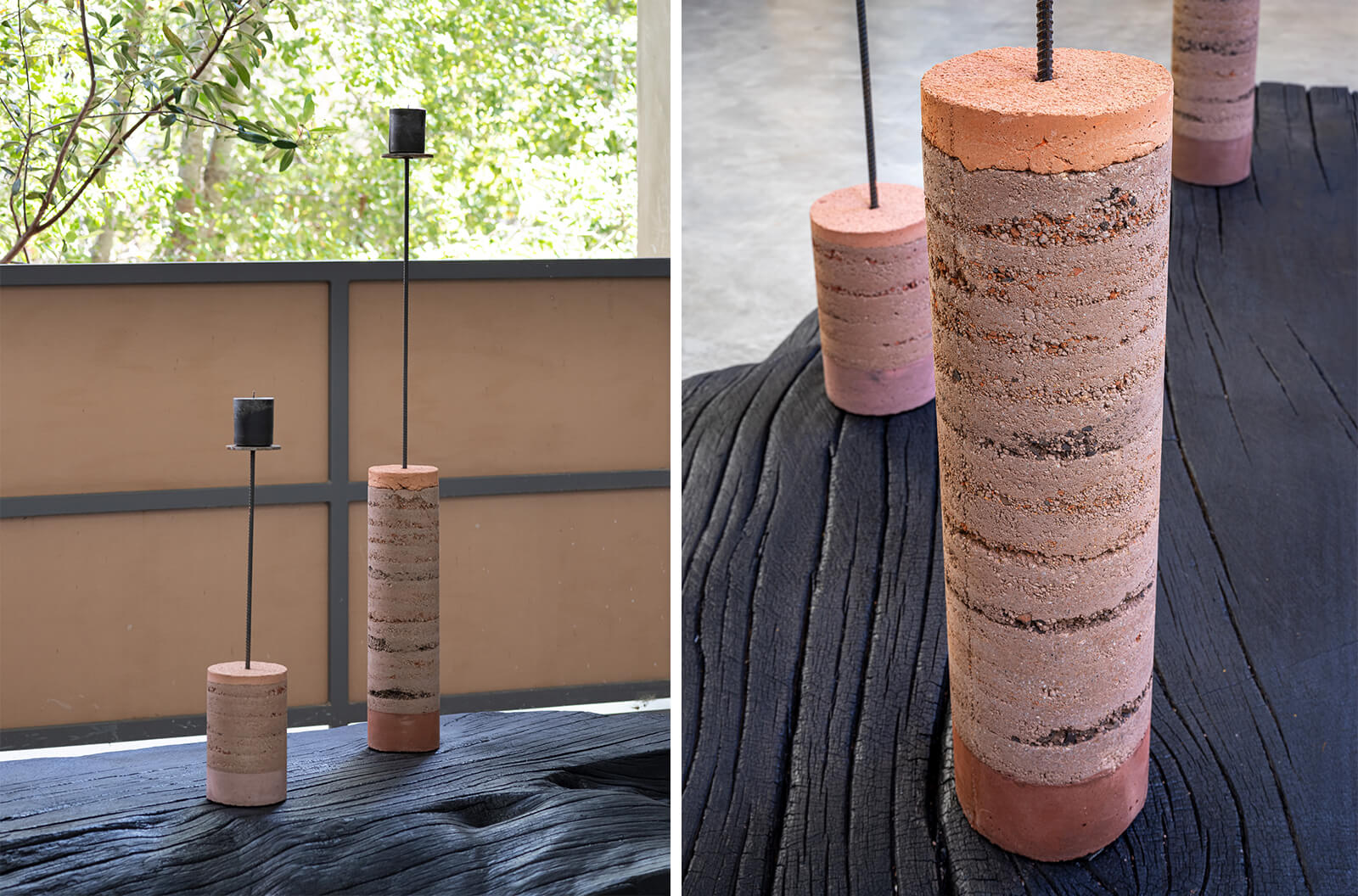
For instance, Mexico-based multidisciplinary artist and industrial designer Laura Huerta, founder of Matiz Estudio, has created Sostenida por el suelo (Held by the ground)—a series of candleholders anchored in cylindrical blocks of rammed earth. These are crafted from earth sourced from the Cerro Azul hills, mixed with clay from the region and ceramic fragments from broken and recycled pieces from her studio. Meanwhile, LA-based ceramic artist Heather Levine taps into the strength and malleability of clay with her Stoneware Ceramic Mushroom Table, a biomimetic piece congregating ceramic mosaic remnants with a wooden base.
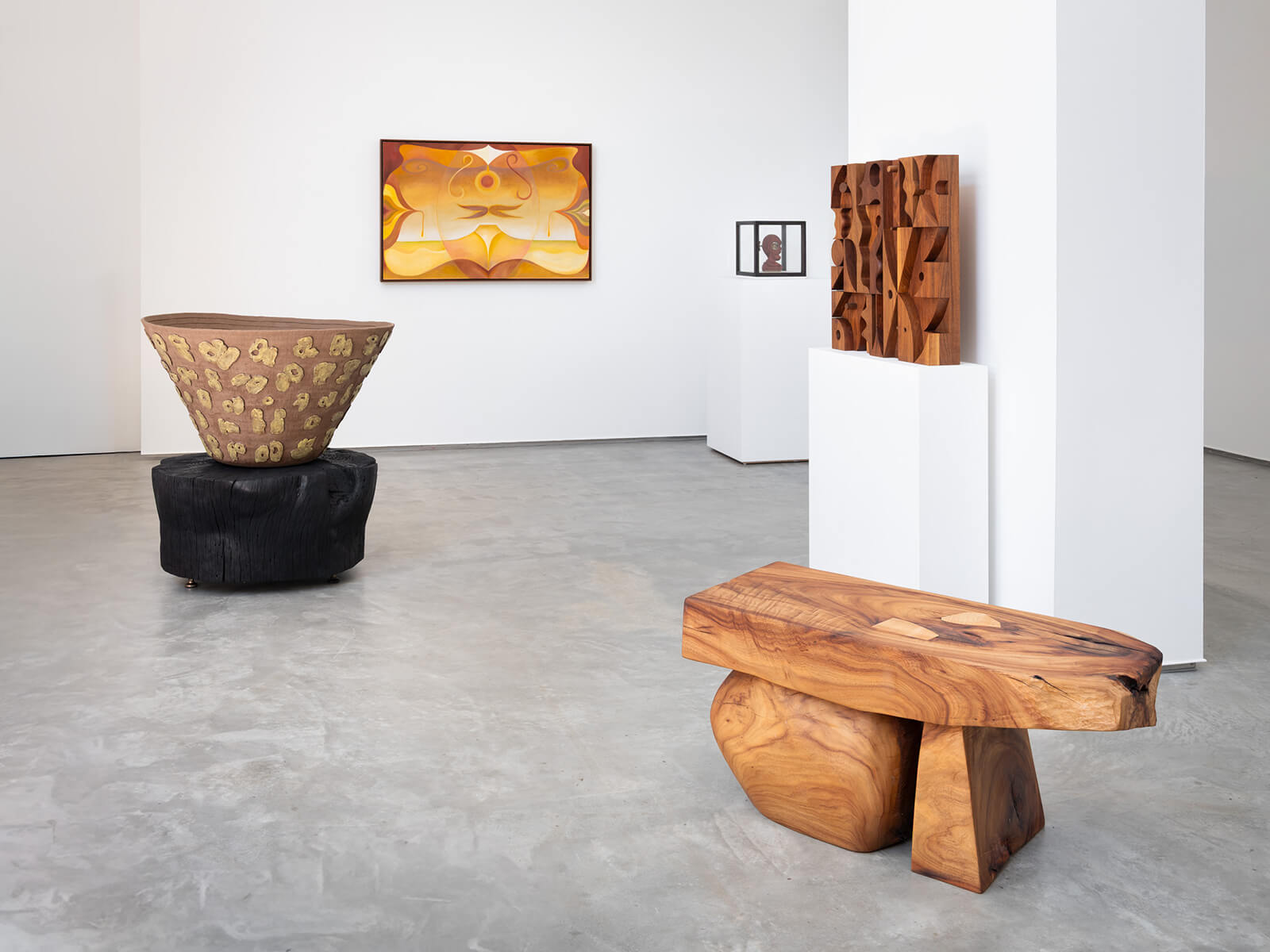
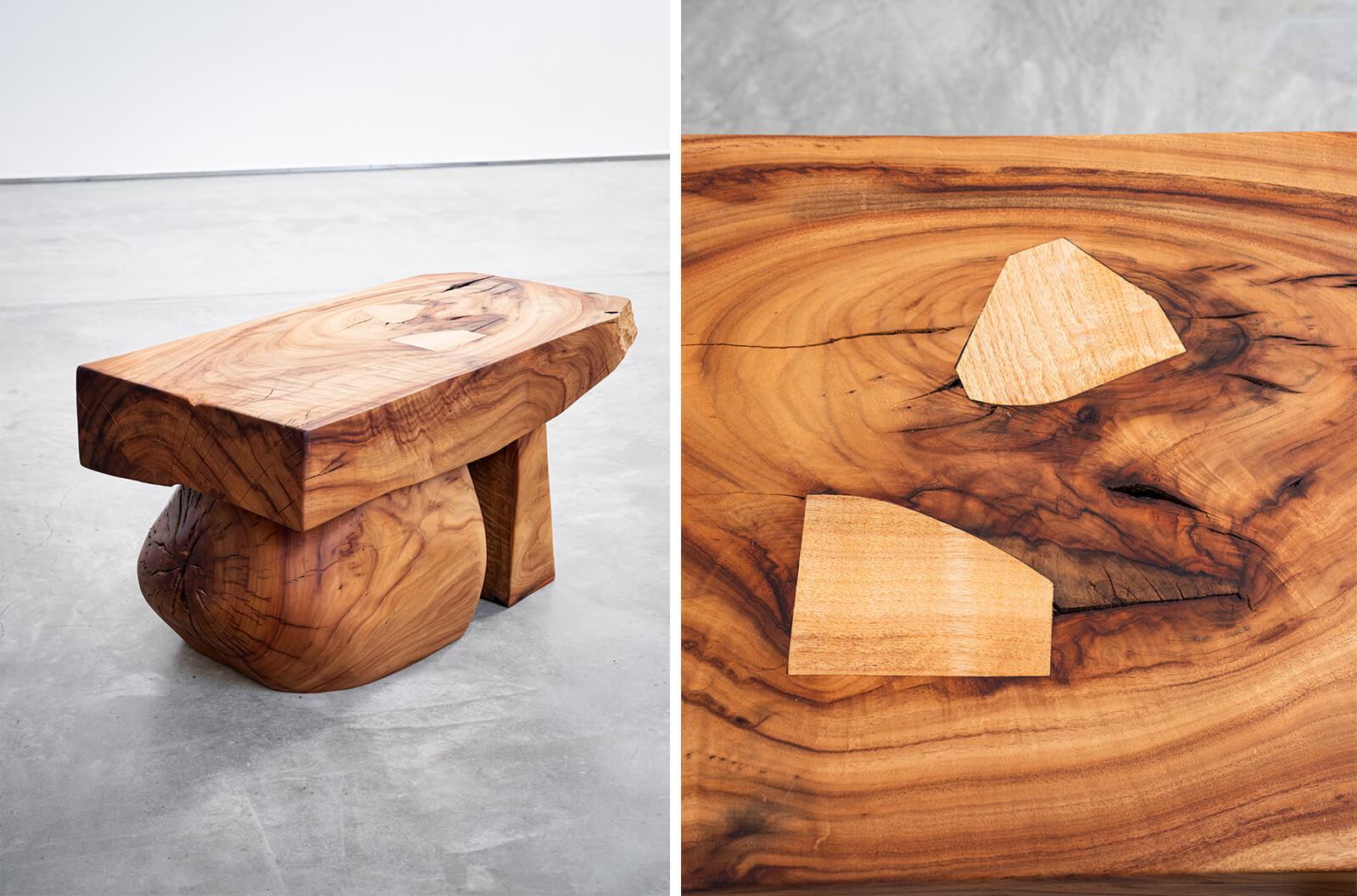
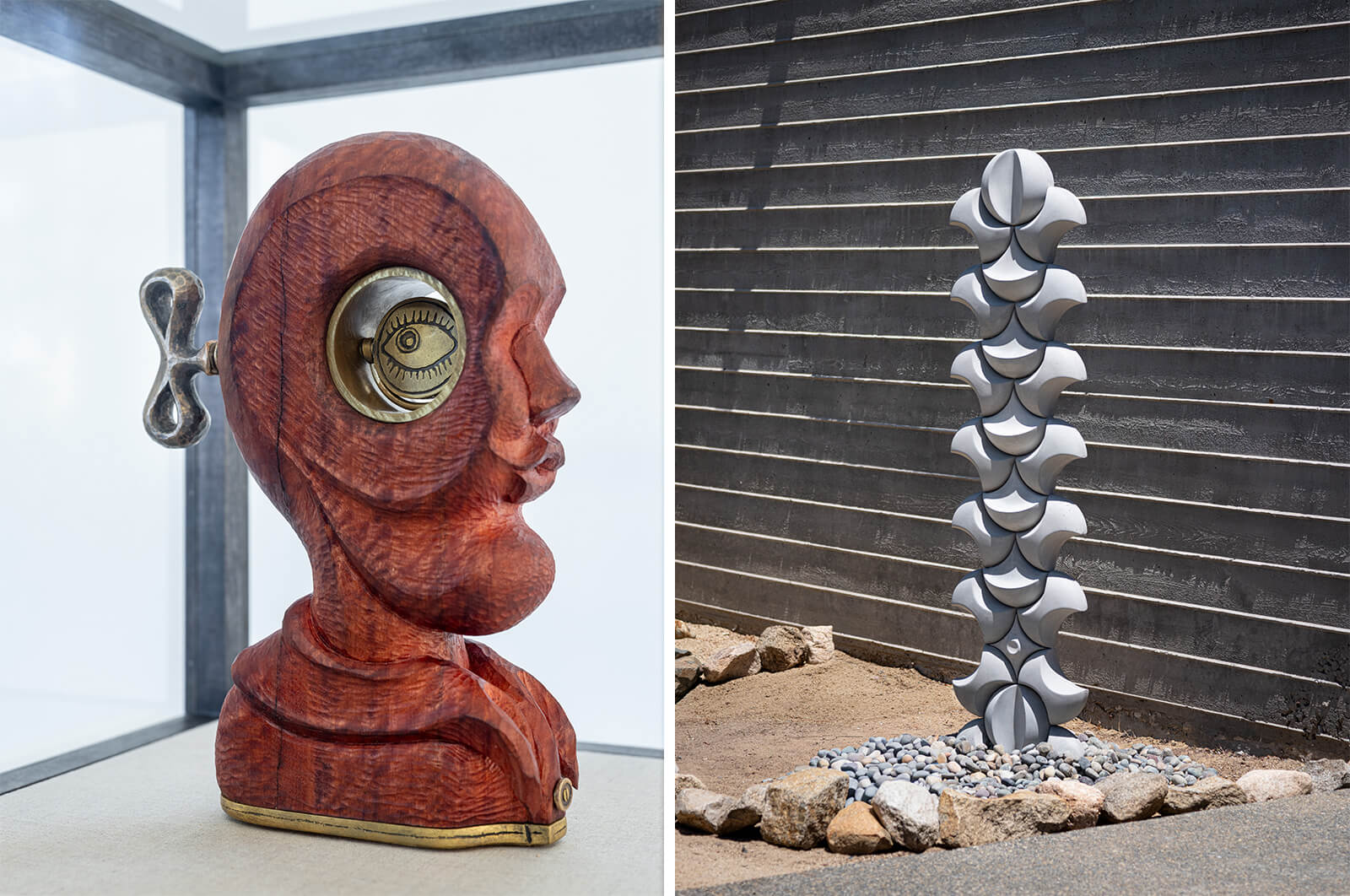
We Must Imagine It also includes numerous furniture designs and artworks in wood. For Tropoinfinitas , furniture maker and sculptor Brillan De La Cedra, founder of Studio Ojalá, transcribes multidisciplinary artist Aaron Glasson’s geometric compositions in California Walnut. Vince Skelly’s Camphor Dolmen table, sculpted from camphor wood sustainably sourced from the Street Tree Revival programme, continues the American designer’s exploration of objects that dwell between sculpture and function. Artist Nik Gelormino’s Whistler (Uncertainty Figure) uses salvaged eucalyptus wood, recycled brass and found objects.
Sculptor, designer, craftsman and principal of JXL Studio, Jason Lane, proffers Obelisk #1, a geometric sculpture made of leftover cast concrete tiles, sand, rock and steel. On the various scales and materials articulating the exhibition, Kelley comments, “We invited a collective imagining of our respective roles in reciprocity with the Earth and with each other, encouraging conversation across disciplines to envision a future rooted in ecological care, mutual support and collaboration.”
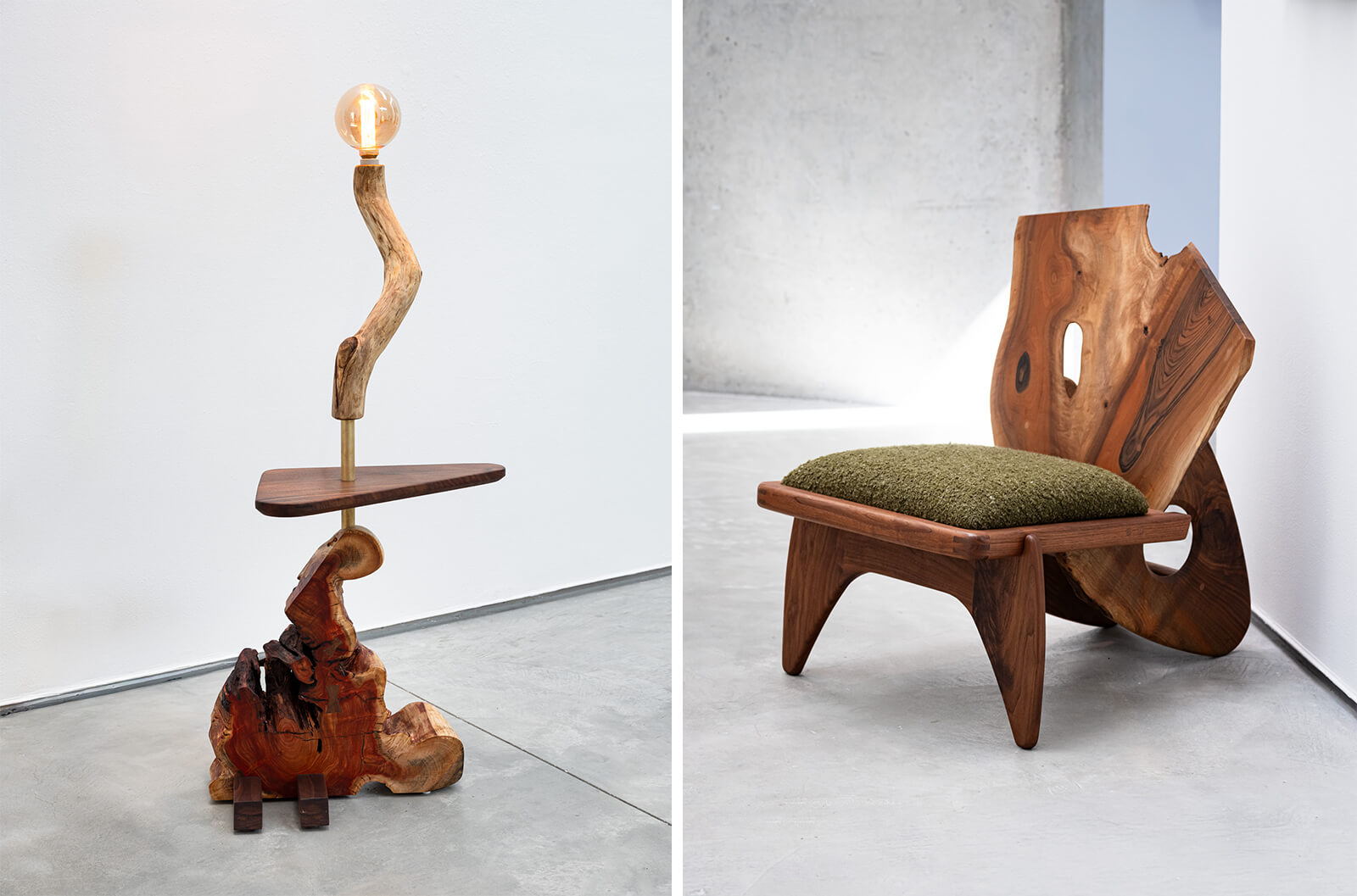
Artist and furniture maker Lauren Verdugo, known for creating functional objects from locally sourced wood and found objects, presents Carob Canyon, a sculptural lighting installation crafted from a salvaged carob cookie, walnut scraps from Southern California lumberyards, brass and a found tree branch. They also showcase Juglans Californica, a chair design carved from native black walnut wood and remnant fabric for upholstery provided by Hobbs Modern.
Together, designers Miki Iwasaki and Christine Lee exhibit a pair of lamp designs, Fiber Lux 1 & 2, fashioned from remnant hardwoods, recycled lamp parts and Naturally Bonded Wooden boards. The boards are developed by Lee from sawdust and recycled fibres and do not use formaldehyde in their production, making them non-toxic, biodegradable and recyclable.
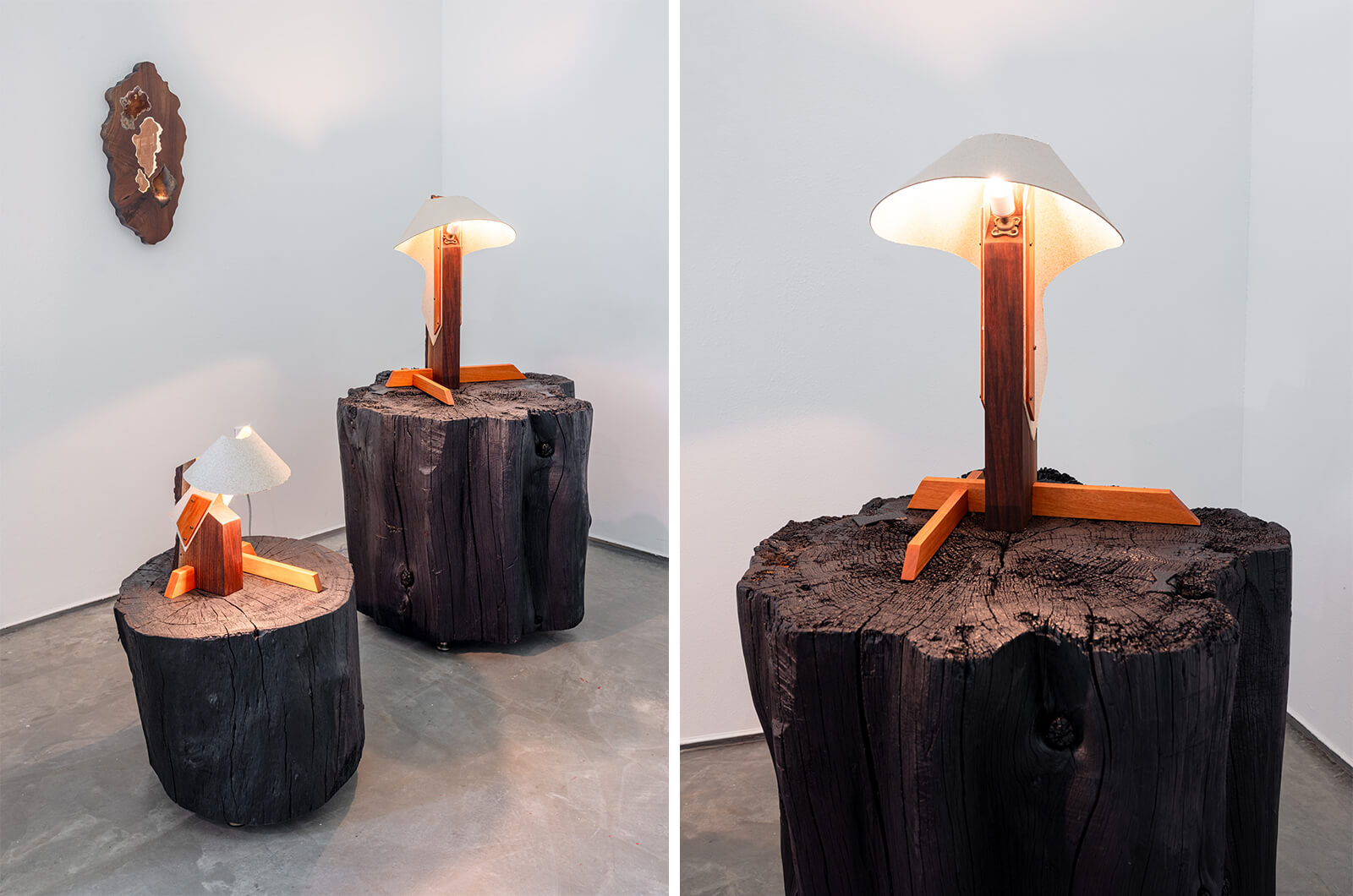
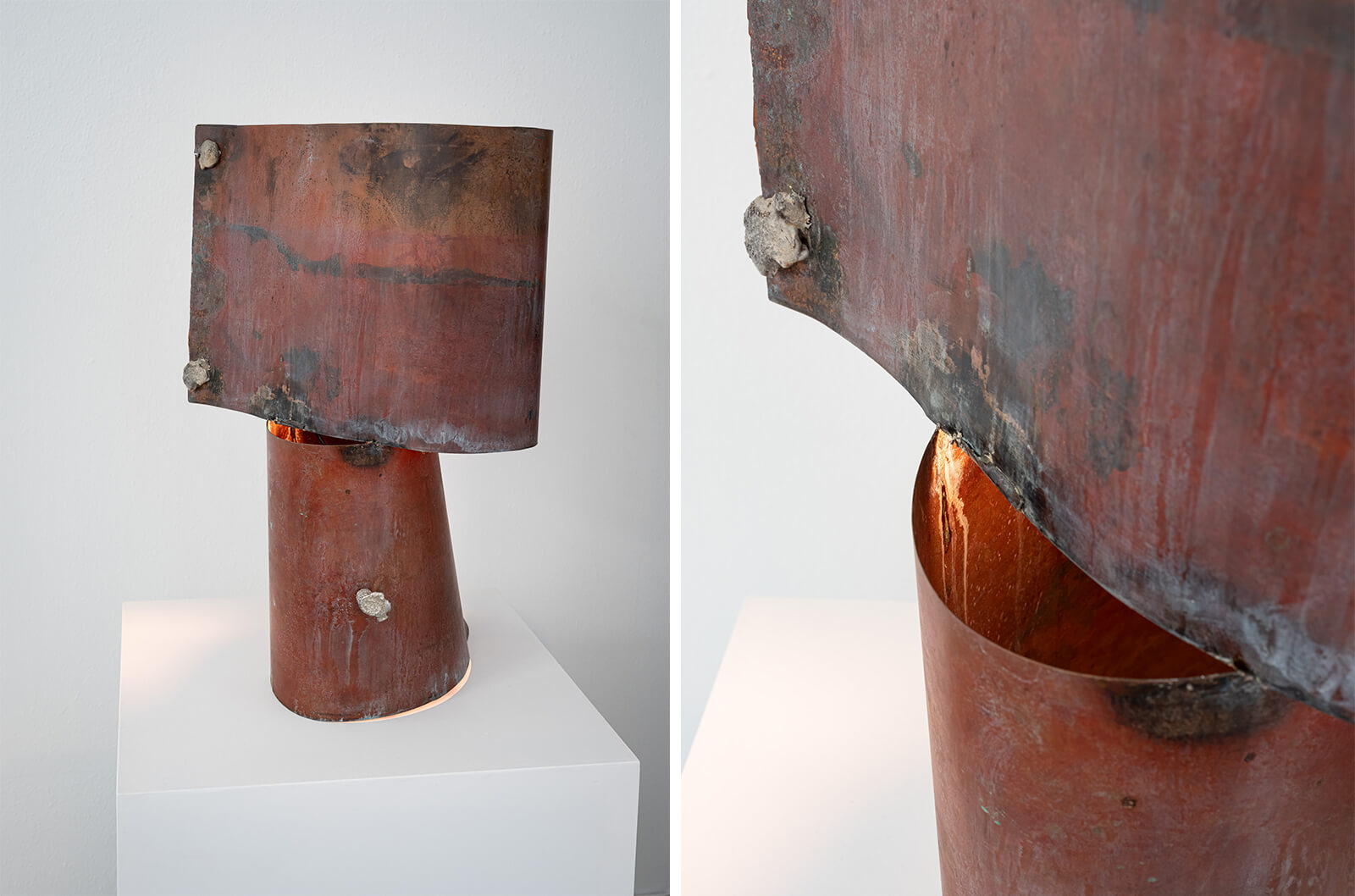
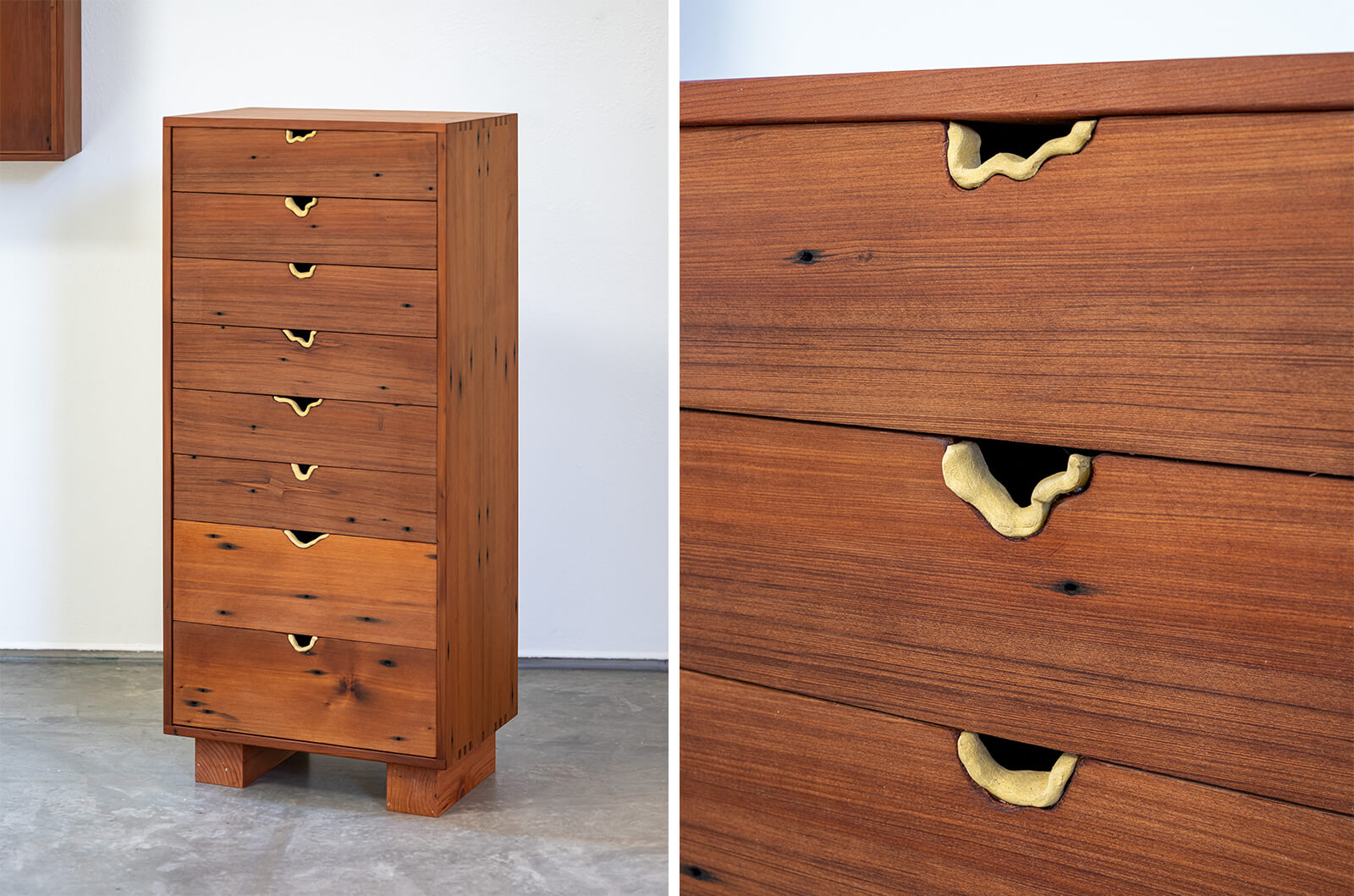
Alongside the two curators, the exhibition team also features furniture and lighting designer Nicholas Pourfard. Among his displayed works in the show are Freeform Lamp 01, which uses pewter and copper remnants, bent and secured with cast-in-place rivets, and the Kish Island Dresser 01, whose redwood is adorned with marks from its previous life as the firewall of an aeroplane hangar in Los Angeles. The dresser (which also features Iranian earth), paired with a wall cabinet from the same series, borrows its name and clay embellishments from Kish Island in Iran.
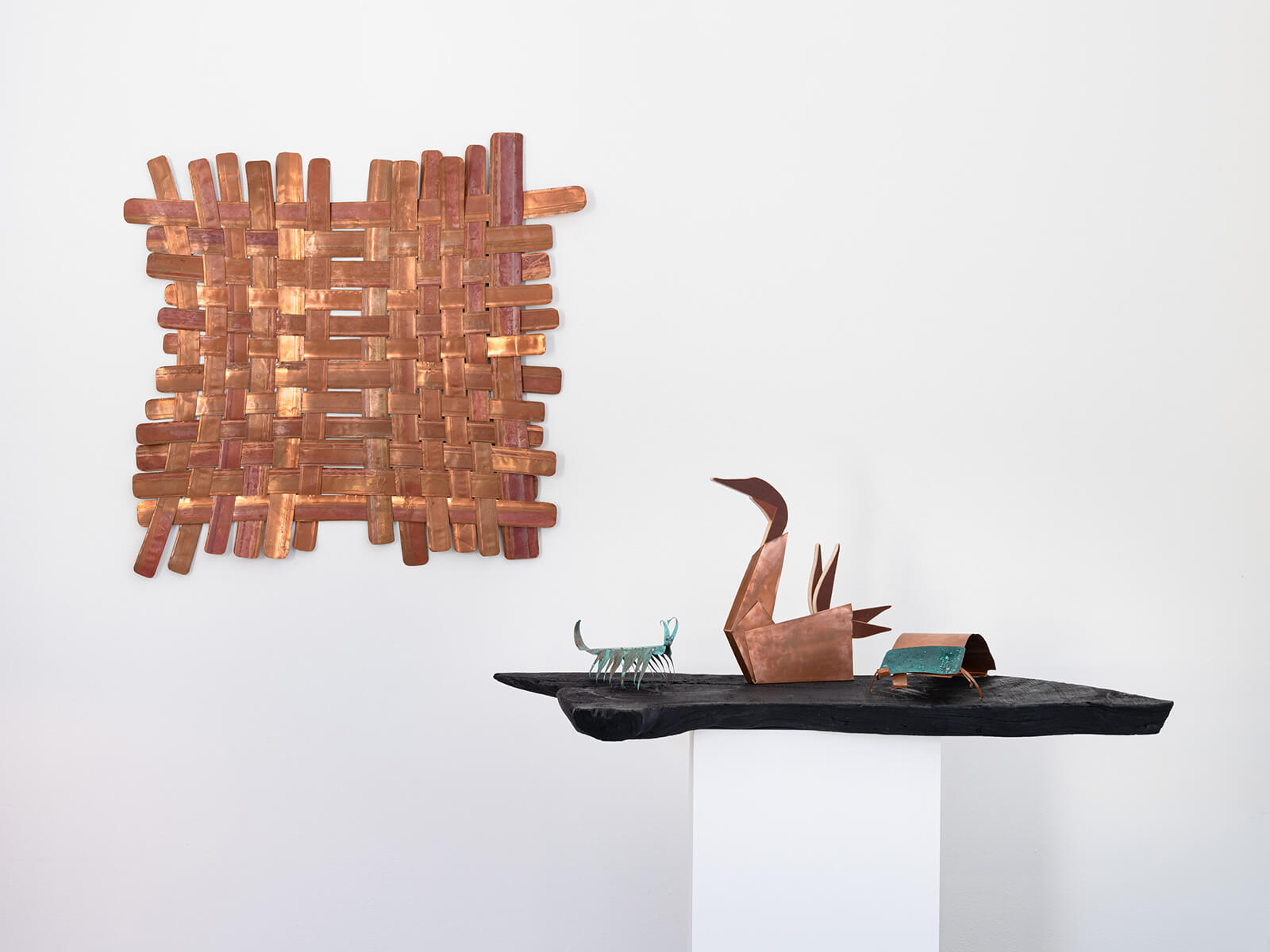
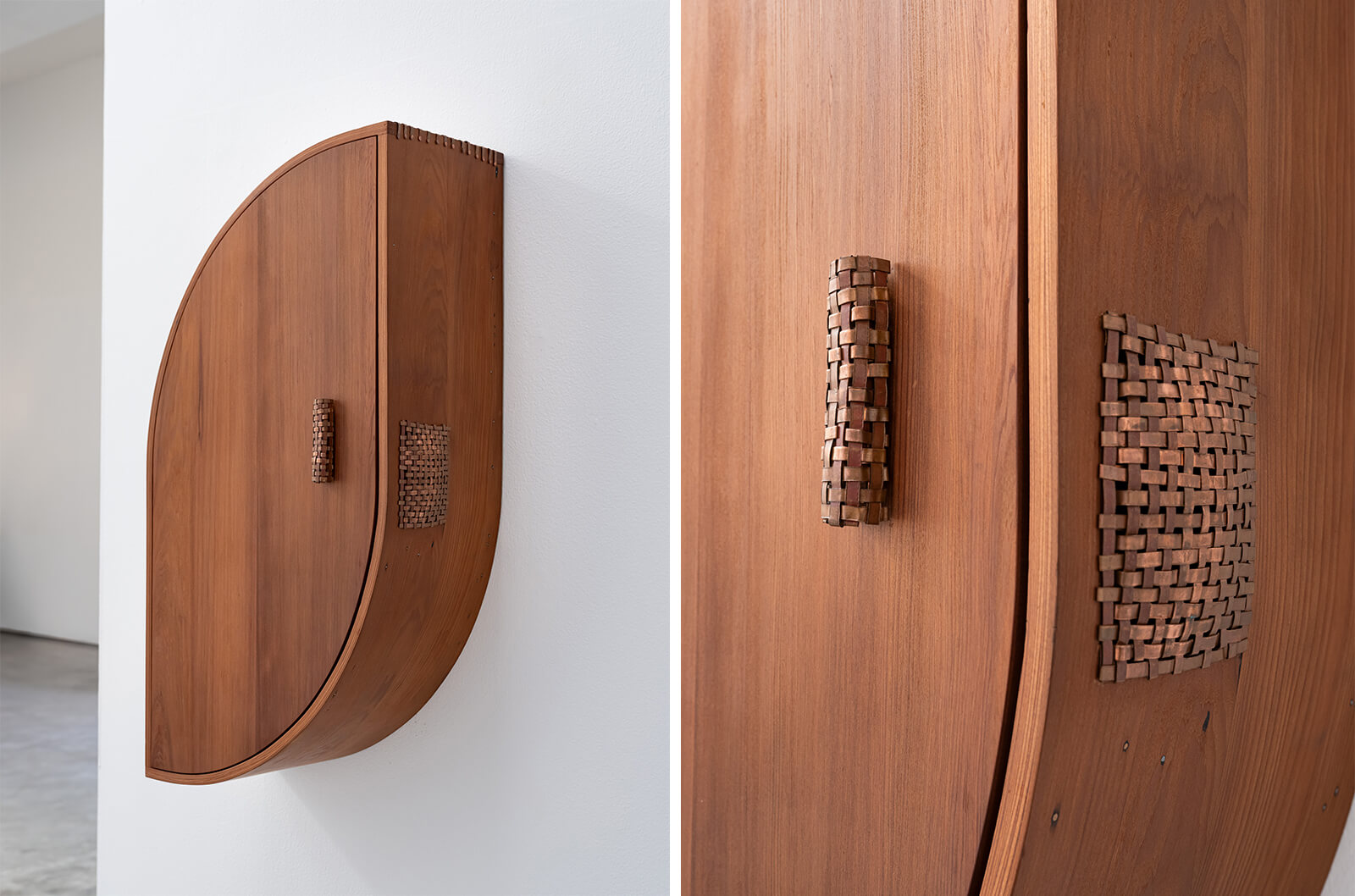
Another cabinet in the showcase utilises old-growth redwood, patched with interwoven copper works by multidisciplinary artist and designer Stephen Hartzog. Hartzog’s individual displays include Woven Gesture #2, crafted from repurposed copper and brass nails and a trio of animistic sculptures, Reincarnation—Crawler, Duck and Creeper, made by further repurposing the leftovers from the artist guild for its first edition at UNFOLD Encinitas.
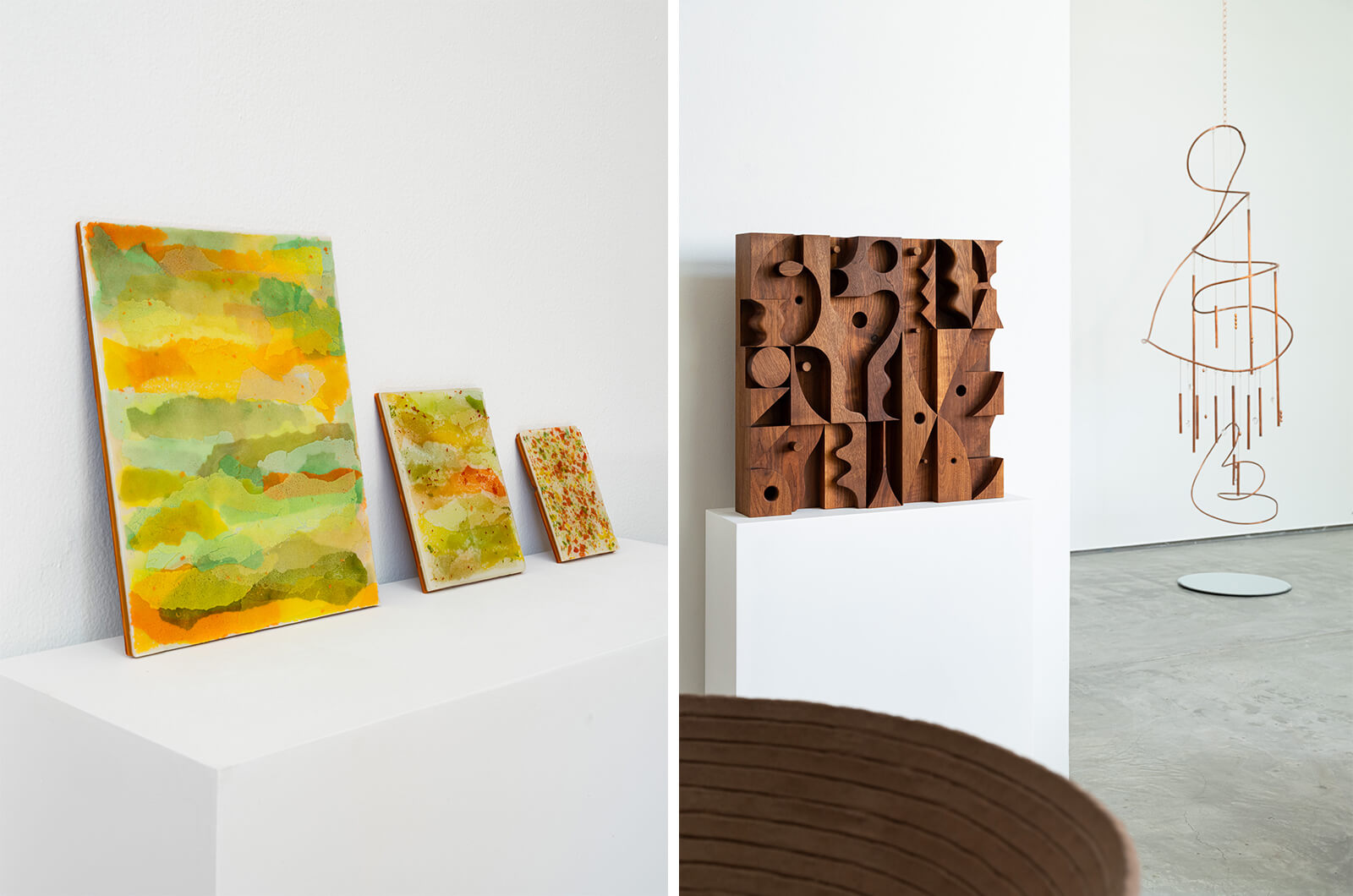
The exhibition extends its exploration of regenerative making through a range of artistic practices: highlights include Chrysalis by Margaret R Thompson, which uses oil paint, natural pigments and collected earth to narrate the ‘unfolding’ of landscapes and layers of time; Littoral Talisman by Annalise Neil in watercolour, cyanotype and plant-based dyes; Act of radiant transformation by Lani Trock made from reclaimed copper, stone and porcelain; Ren Von Hasseln’s Loosely Knit, a hand-built stoneware with ‘zero waste’; and more. Moreover, the exhibition design accommodates a large window, allowing the experience to remain in dialogue with its immediate natural surroundings.
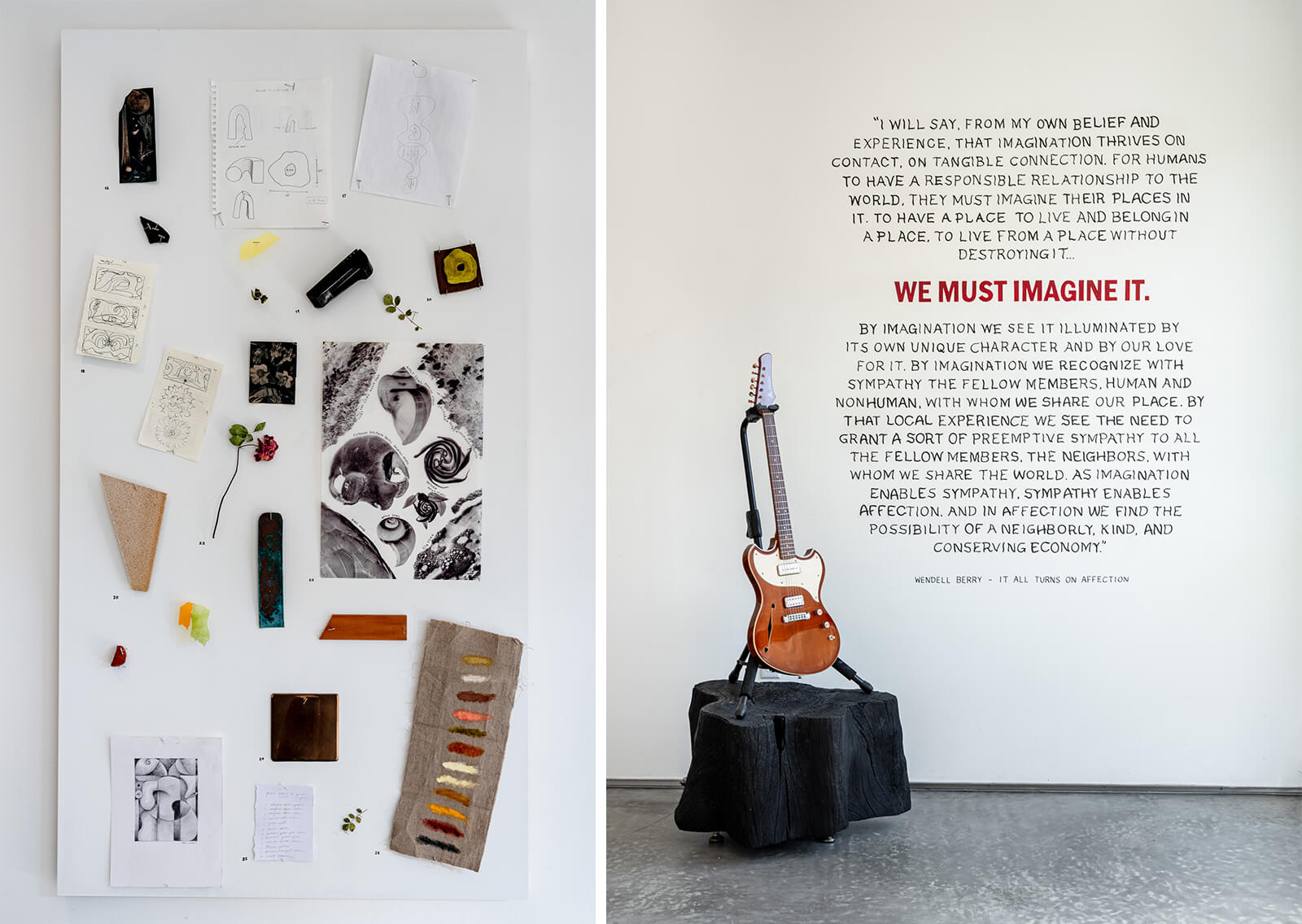
Beyond presenting products and artworks made through regenerative methods or materials, the show prompts a reconsideration of the responsibilities of artists and designers in a world wrought by ecological and socio-political uncertainty. Through the works on display, We Must Imagine It encourages conversations across disciplines that, as Kelley describes to STIR, "envision a future rooted in ecological care, mutual support and collaboration". And as Berry writes, “[I]magination thrives on contact, on tangible connection. For humans to have a responsible relationship to the world, they must imagine their places in it. To have a place, to live and belong in a place, to live from a place without destroying it.”
‘We Must Imagine It’ is on view from May 30 – August 02, 2026, at the Institute of Contemporary Art, San Diego / North, California, US.

by Pranjal Maheshwari Oct 23, 2026
Co-authored by Jareh Das, Chairman traces the British designer’s fixation on chairs as symbols of power and identity and as mediums of expression and community building.
by Mirra Lynn Oct 22, 2026
The curators behind Palestine Design Week 2026 reflect on its intent, considering how design holds memory, makes space for loss and imagines a future in Palestine.
by Chahna Tank Oct 22, 2026
STIR speaks with the Mumbai-based type designer about her practice, type walks and why she wants more people to have stronger opinions about Indian-script fonts.
by Jincy Iype Oct 15, 2026
STIR explores craft, material intelligence and people shaping Indian design through dialogues with Design Democracy’s co-founders and the curators of its special exhibitions.

make your fridays matter with a well-read weekend
Enter your details to sign in
Don’t have an account?
Sign upOr you can sign in with
a single account for all
STIR platforms
All your bookmarks will be available across all your devices.
Stay STIRred
Already have an account?
Sign inOr you can sign up with
Verification link sent to check your inbox or spam folder to complete sign up process
Tap on things that interests you.
Select the Conversation Category you would like to watch
Please enter your details and click submit.
Enter the 6-digit code sent at


We Must Imagine It by Unfold Projects advocates for regenerative art and design
by Pranjal Maheshwari | Published on : Jul 14, 2026


 Sign in with Google
 Sign in with email
What do you think?