Art09 mins. read
Skin of Dreams sees Shezad Dawood at his multimedia, multipassionate best
by Srishti OjhaSep 15, 2026



by Ranjana DavePublished on : Apr 02, 2026
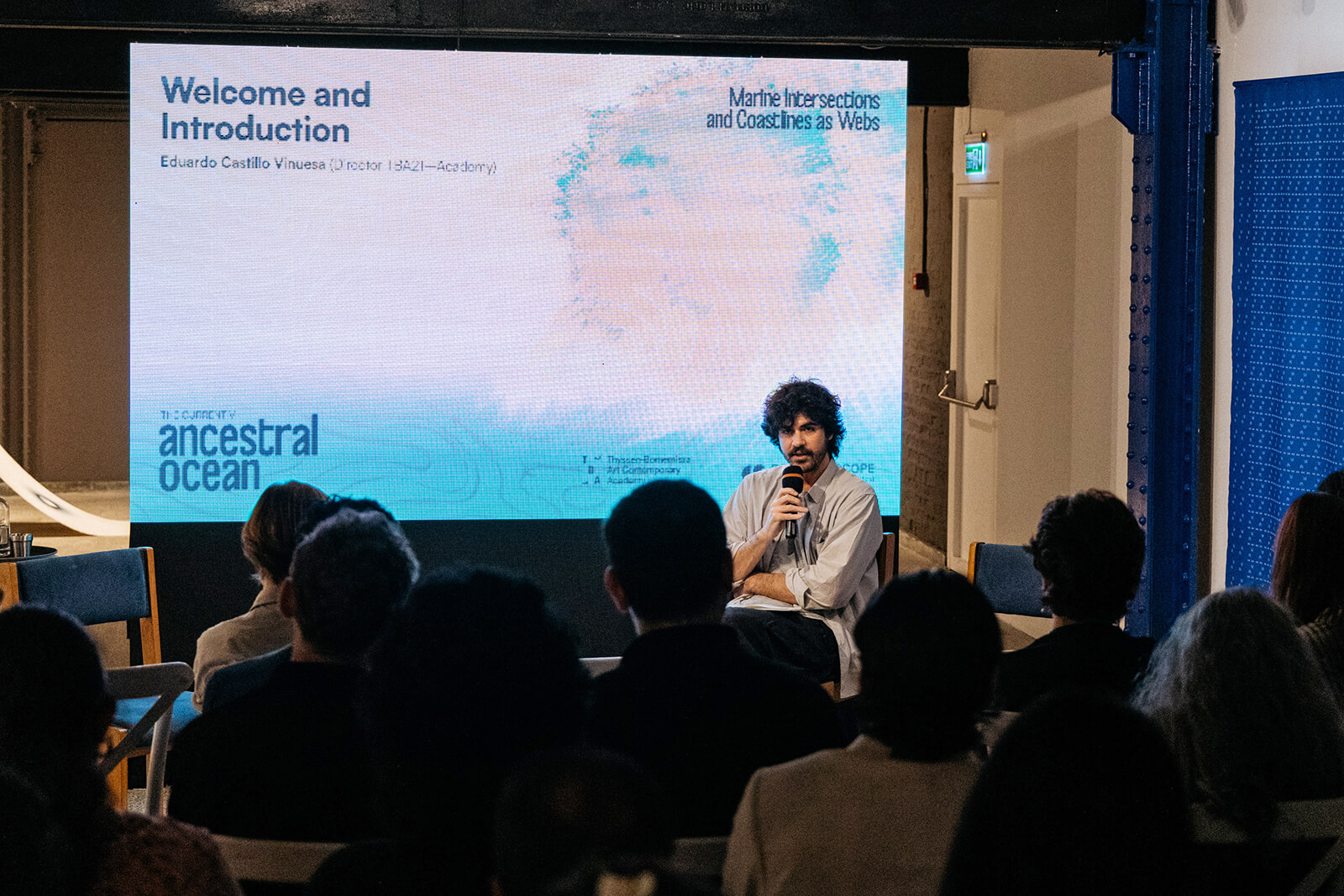
What does the sea tell us about kinship? At the inaugural convening of TBA21 – Academy’s fellowship programme, The Current V: Ancestral Ocean, conceived and led by Natasha Ginwala, the ocean was both container and current—holding in its depths, and thus in its histories, the possibility of more equitable futures. Titled Marine Intersections and Coastlines as Webs, the convening, from January 25 – 27, 2026, was held as part of Colomboscope's ninth edition, Rhythm Alliances, gathering artists, scholars, conservationists and thinkers from across the Indian Ocean world. The first day of the convening was organised as a series of conversations, and what threaded through them, sometimes explicit, sometimes fugitive, was the question of forgetting (and re-membering): who gets to produce historical knowledge about the sea, whose presence is archived and modes of ‘rememory’ that surface in artistic practice.
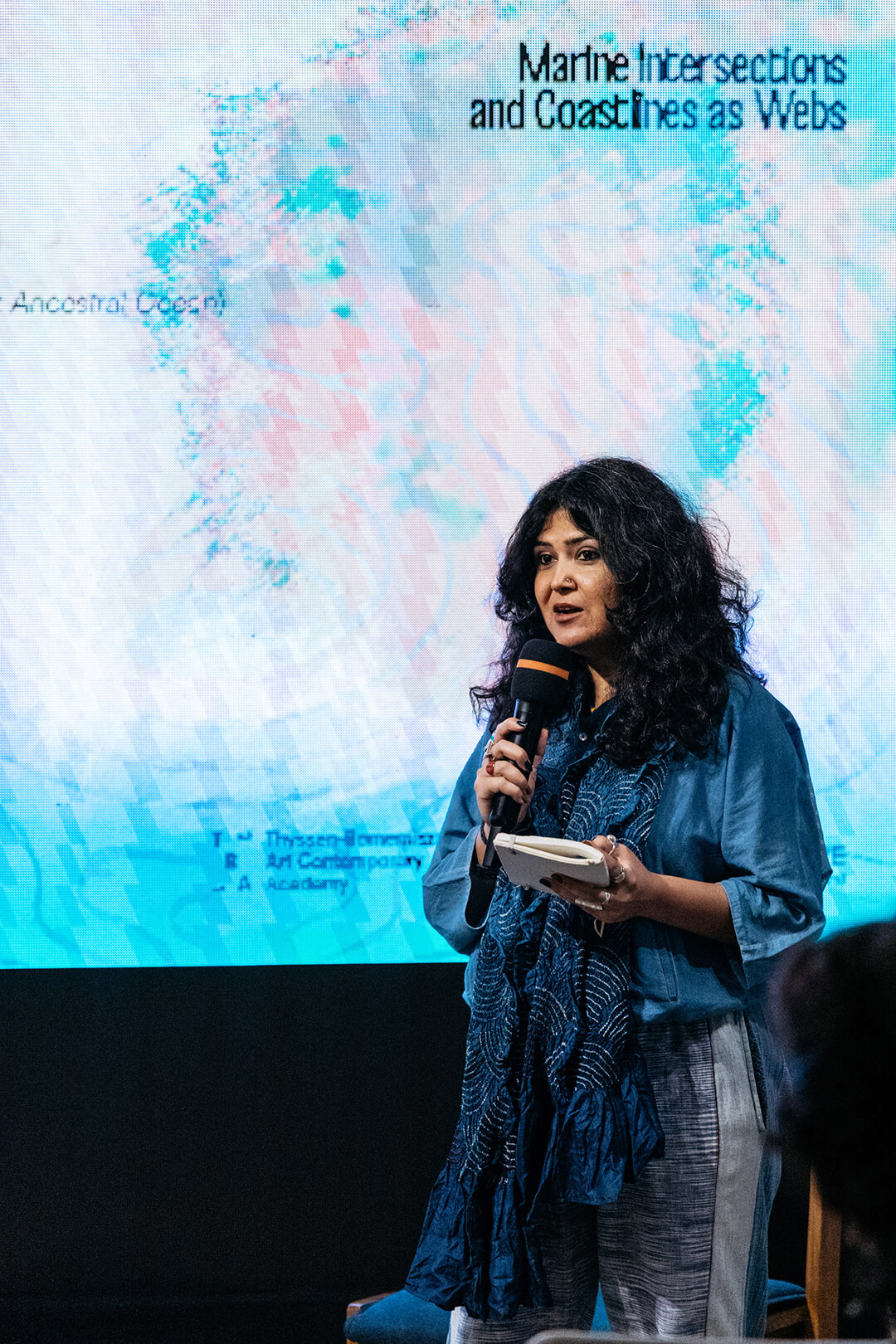
Ginwala spoke of the ocean as a ‘wet archive’, a fluid mass that spans affective and economic geographies, its complexity often illegible to official archives and hegemonic knowledge systems. She moderated the opening conversation, Vessel as Memory. Return as Method, which brought together Wiradjuri and Ngunnawal artist and curator Brook Garru Andrew and art historian Anna Arabindan-Kesson. Andrew framed water through the lens of First Nations thinking—rivers, wetlands and coastlines, then, were not merely borders but systems of memory, sovereignty, and even seasonal obligation. Colonial violence often sought to weaponise the intangibility of these systems through incremental acts of destruction. He foregrounded longstanding coastal exchanges, like the economic and cultural interactions between Makassar sailors from Sulawesi in Indonesia and the Yolngu people in Australia’s Northern Territory, starting in the 18th century.
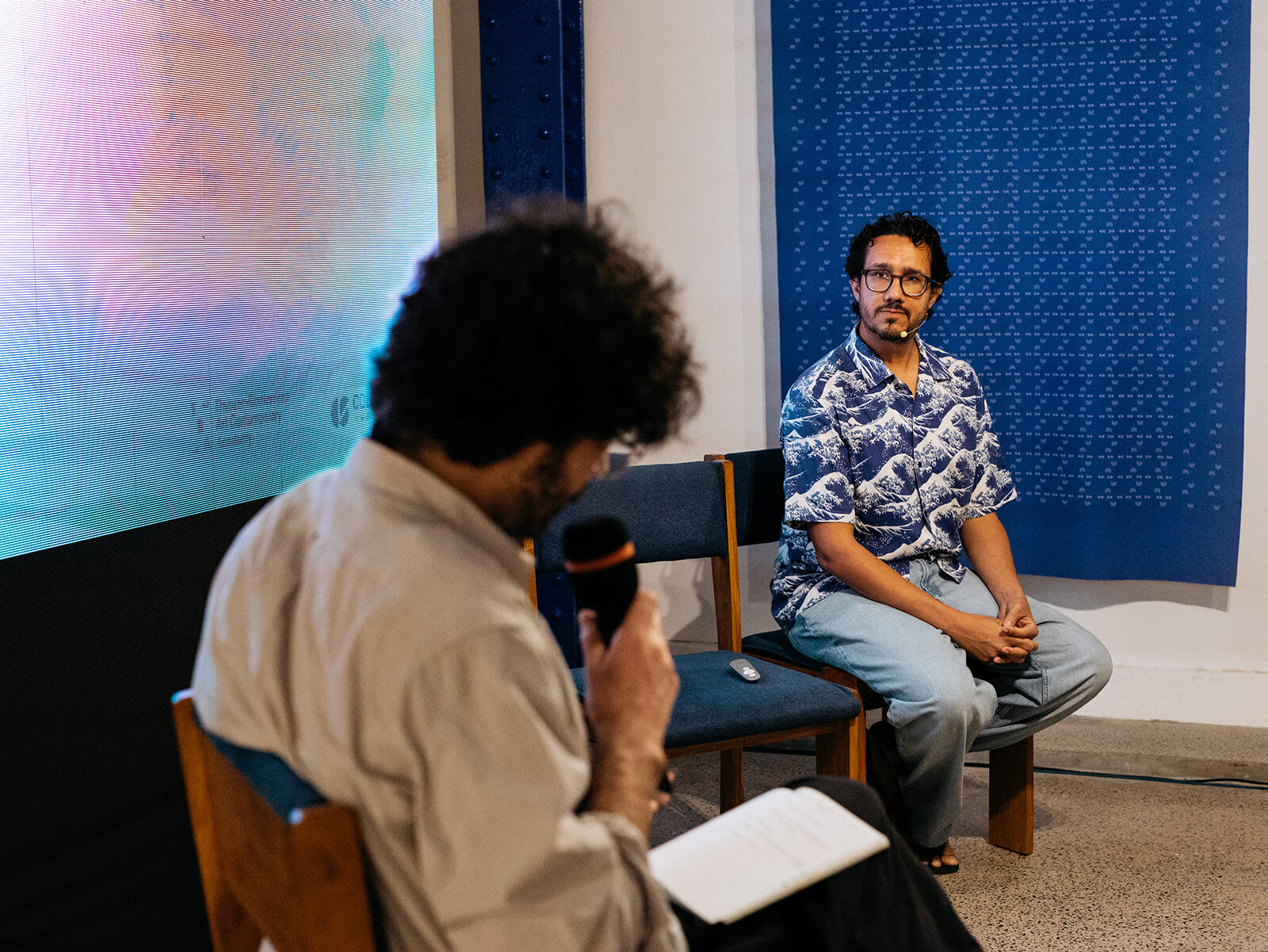
Arabindan-Kesson, speaking on video, approached the same problem from a different angle: the object, and the art-historical gaze trained on it. Drawing on the French theorist Françoise Vergès's notion of ‘colonial forgetfulness’, she reflected on how art history produced a kind of deliberate ‘amnesia’, obscuring the material entanglements that objects carry and the circuits of exchange through which they moved. Her work reaches back into paintings as sites of counter-reading: for instance, how does a linen market scene from 1780s Dominica speak to oceanic currents and plantation economies? How does one define ‘things’ and ‘currency’ in a time when the movement of textiles also meant the movement of bodies—through slavery and indentured labour? Textiles, she argued, were “sites for the re-signifying of colonial inheritances”, if one were willing to look.
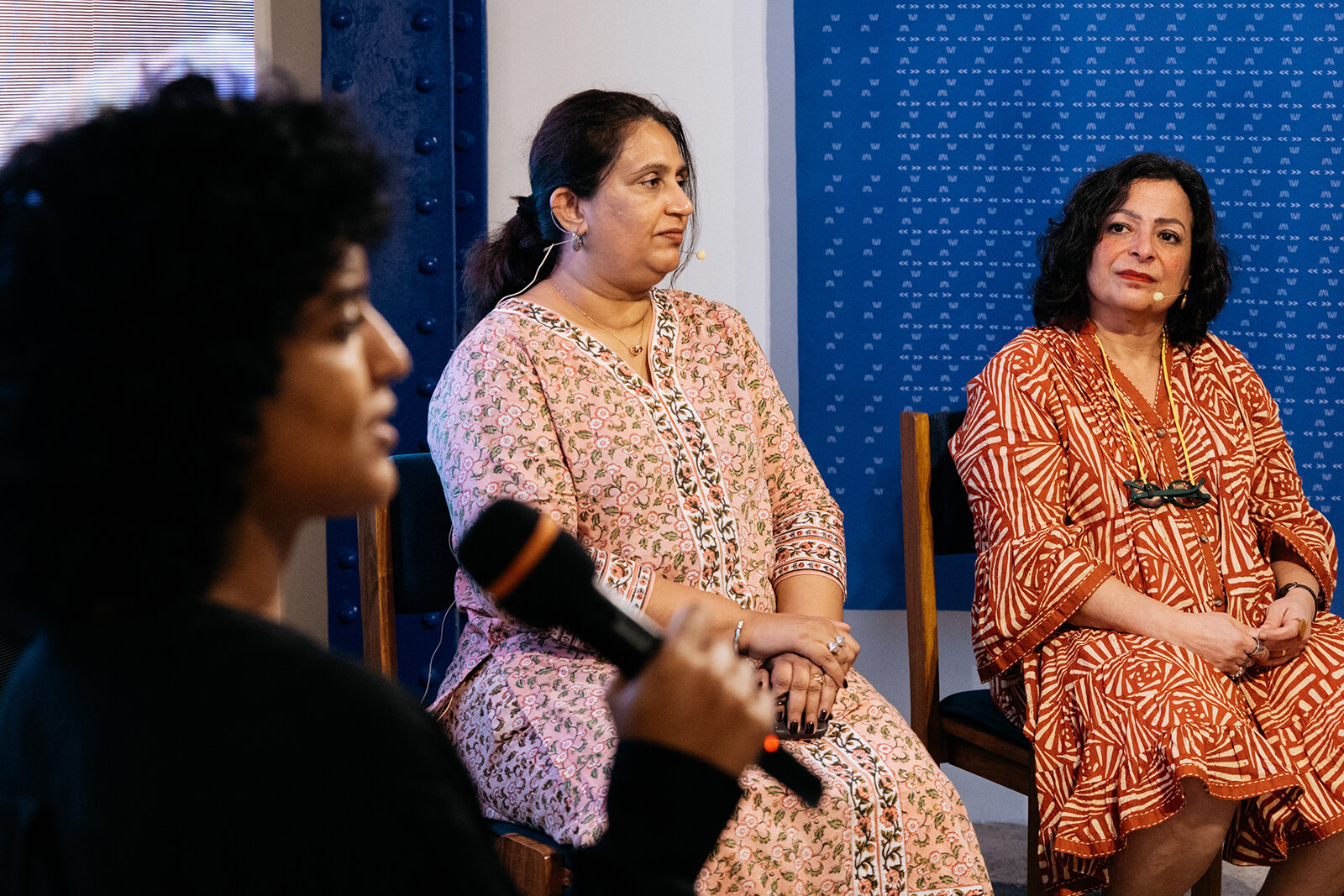
In On Ports as Portals, Coasts as Companions, scholars Laleh Khalili and Neelima Jeychandran invoked the ocean as a space of infrastructure, labour, trade and erasure, in a conversation moderated by architect and curator Setareh Noorani. Jeychandran spoke of the Kappiri, enslaved African labourers brought to the Malabar coast by the Portuguese, framing the Indian Ocean as a ‘connective space’ for the long histories of trade, migration and thought that it enabled—now given fresh visibility through exhibitions and scholarship. Khalili spoke endearingly of seafaring and maritime economies, time-travelling between her own experiences and Safineh Sulaymani, the 17th-century travel diary of an Iranian ambassador to East Asia. She also spoke of piracy as a structural response: a form of ‘taxing the north’, and one that itself reproduced hierarchies—making the ship a microcosm of the world.
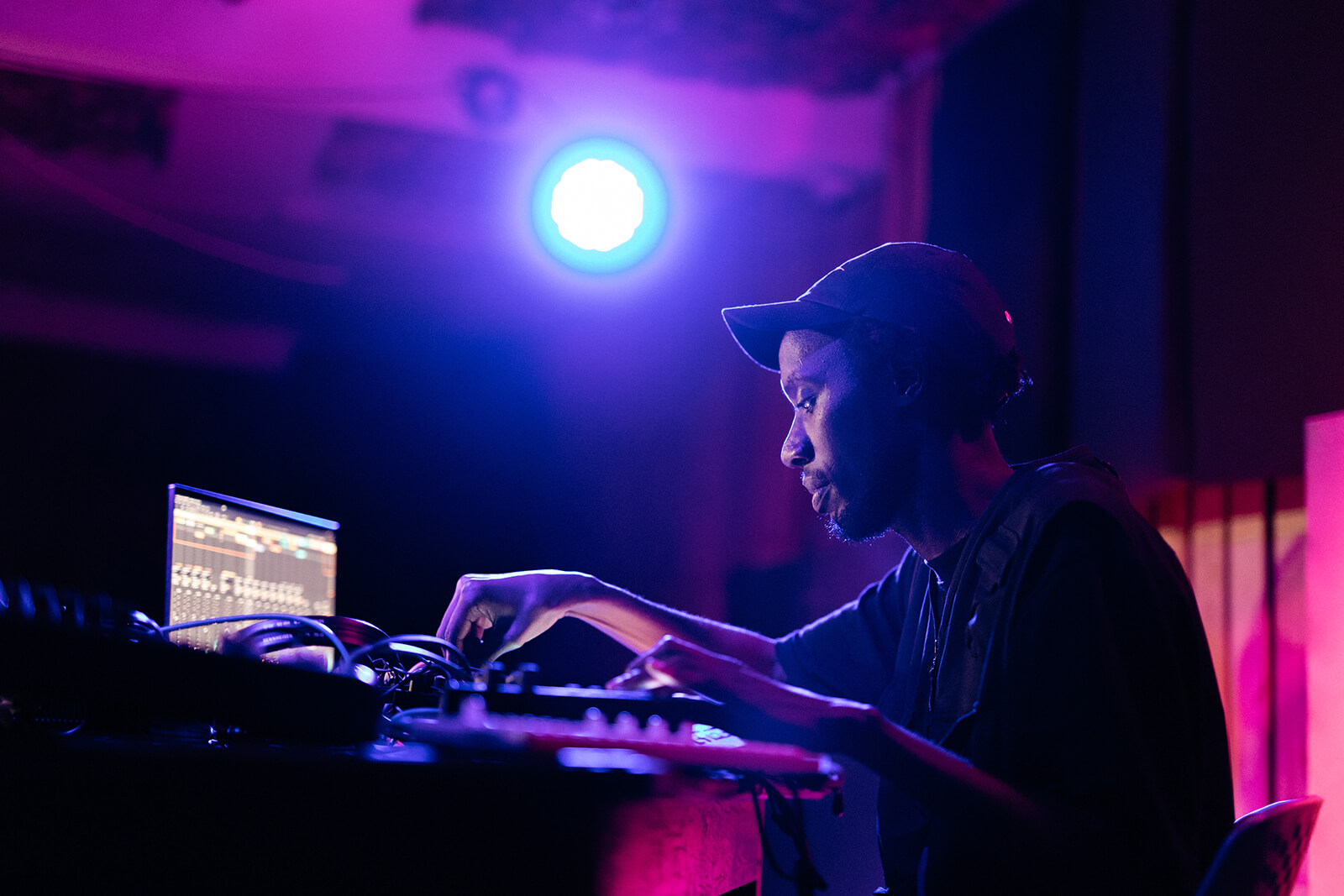
The day closed with Artist Encounters Across Coastal Spheres, a dialogue between Charwei Tsai and Naiza Khan, moderated by Hajra Haider Karrar, guest curator at Colomboscope 2026. Khan's film Sticky Rice and Other Stories is part of Manora Field Notes, her decade-long engagement with Manora Island off the coast of Karachi. She traces the island's maritime connections with Africa and South Asia, finding starting points in a weather report titled Hundreds of Birds Killed, enacting, as she puts it, how the ocean body is narrativised through data and shipwrecks. Tsai's work moves between the cosmic and the intimate, with attention to Indigenous craft traditions and ecological thought as she films Tao women doing a ritual hair dance by the seaside, mimicking the ocean’s waves to summon the community’s men back to shore safely.
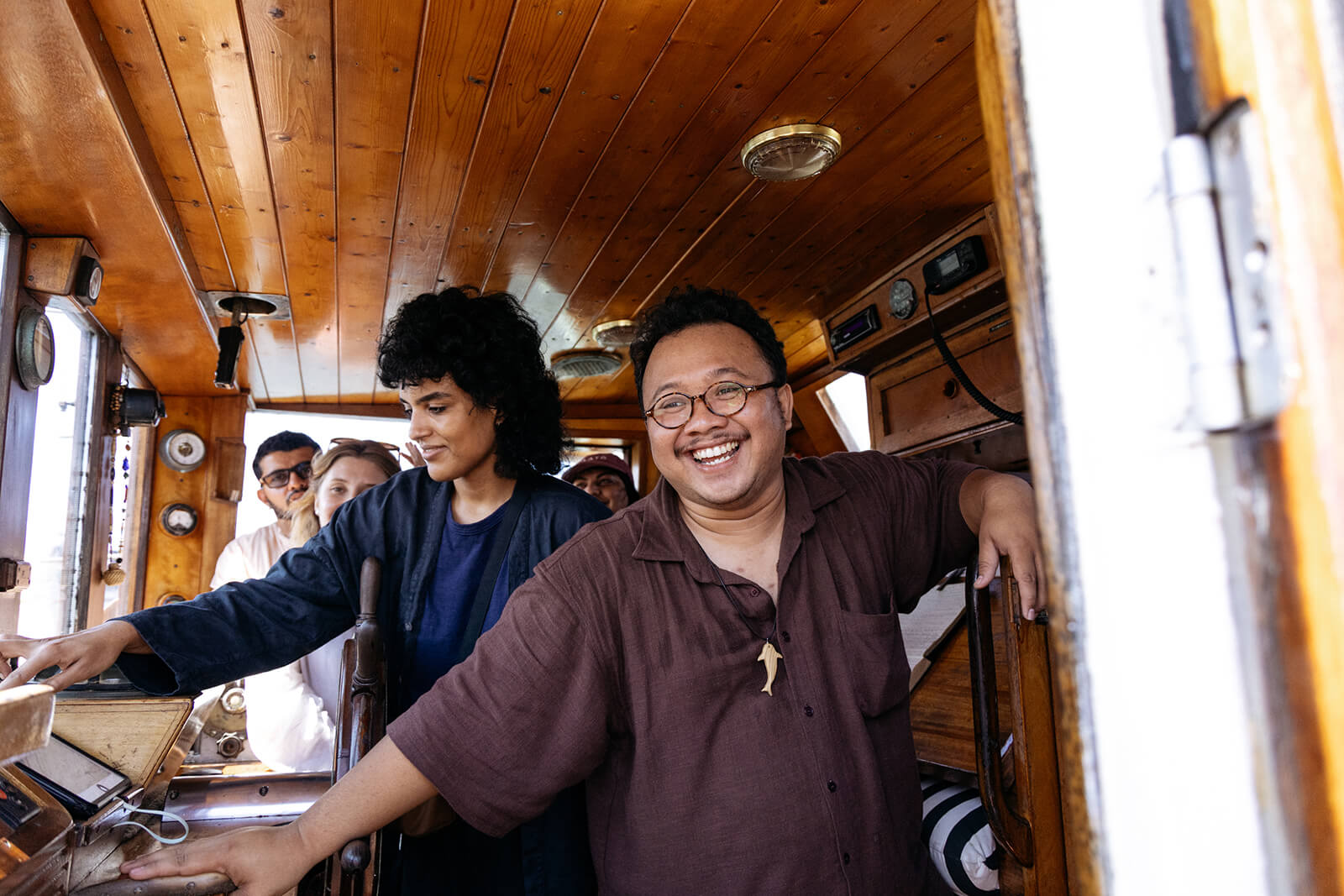
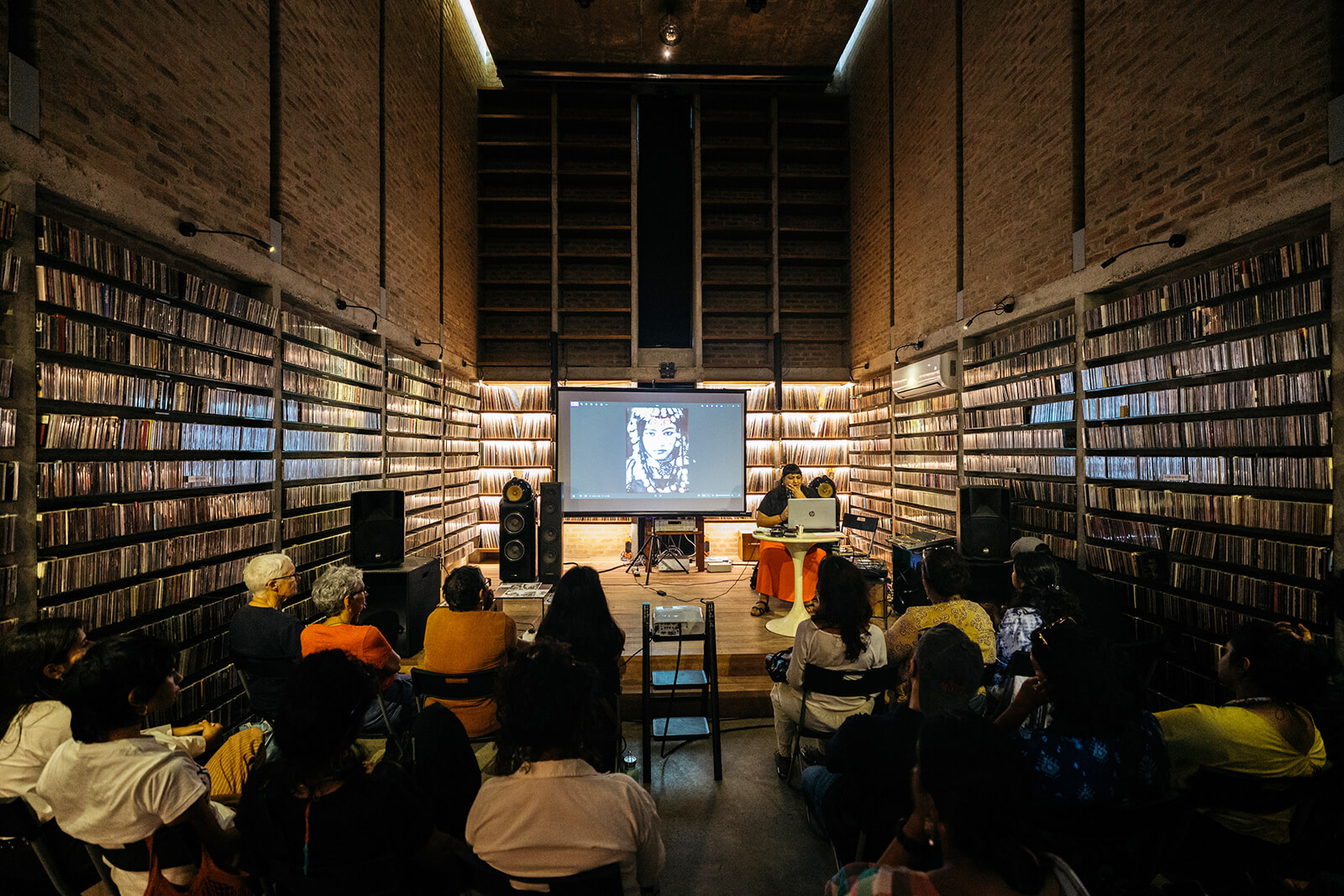
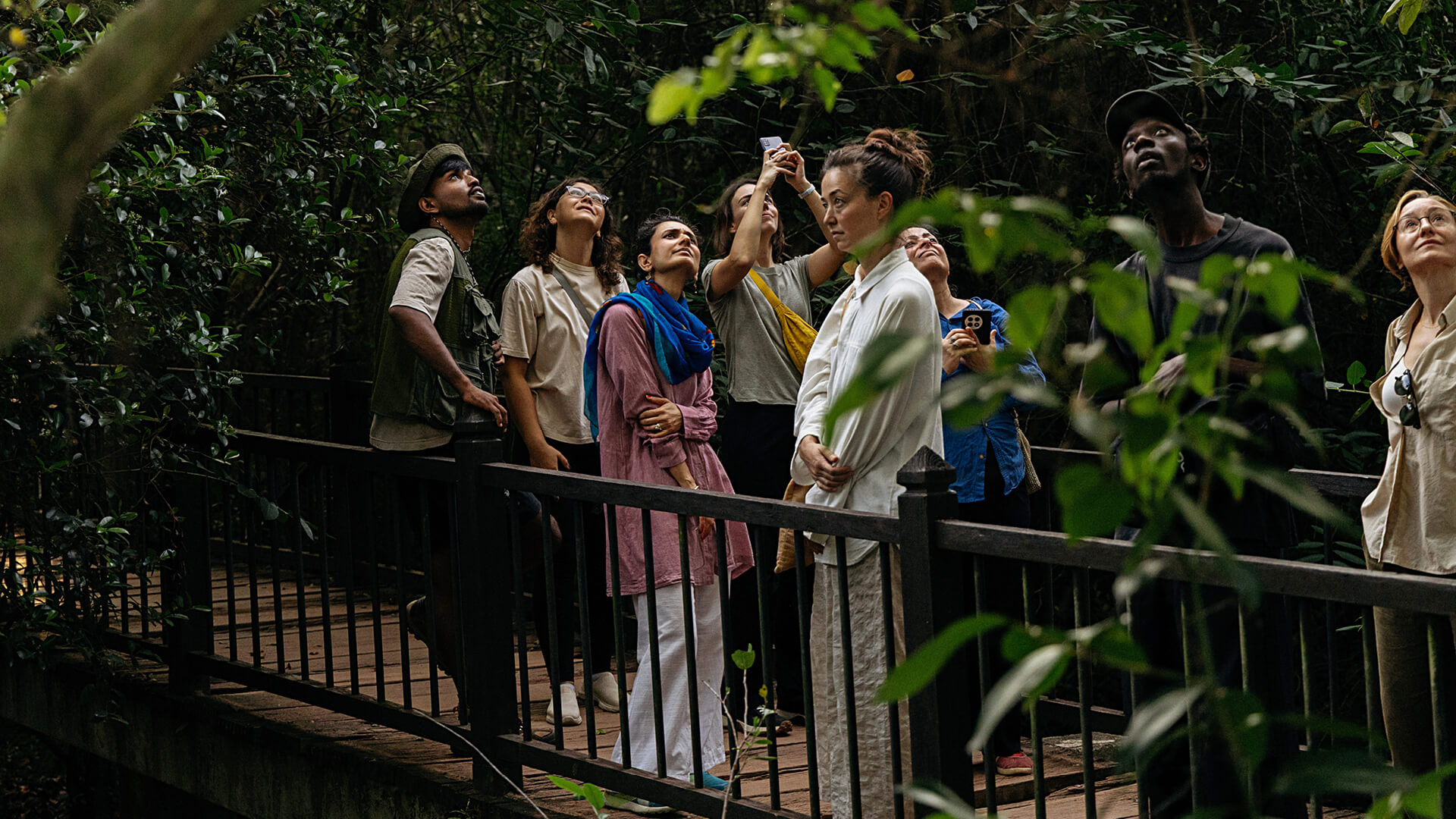
The second day took participants across the city, first to Arka Kinari, a sailing vessel that doubles up as a cultural project, where the ship’s current residents took visitors through functional and intimate spaces, sometimes venturing deep into the bowels of the ship. Being at sea, in close proximity to the same people for weeks or months, necessitates easy interpersonal relationships with disagreements being eased out in communal spaces. The ship’s log is both a technical record of its journeys and an emotional barometer, with entries about the generator dying, “fireflies flying around, flashing green”, and other whimsical notes, like the whaling reference in “we feel fast like a Nantucket sleigh ride”, perhaps hinting at a wild ride on turbulent seas. Meanwhile, at Soul Studio, Atiyyah Khan's workshop Rotations of Bismillah traced how Sufi and traditional musical forms travelled across the African world and through diasporic Indian Ocean networks.
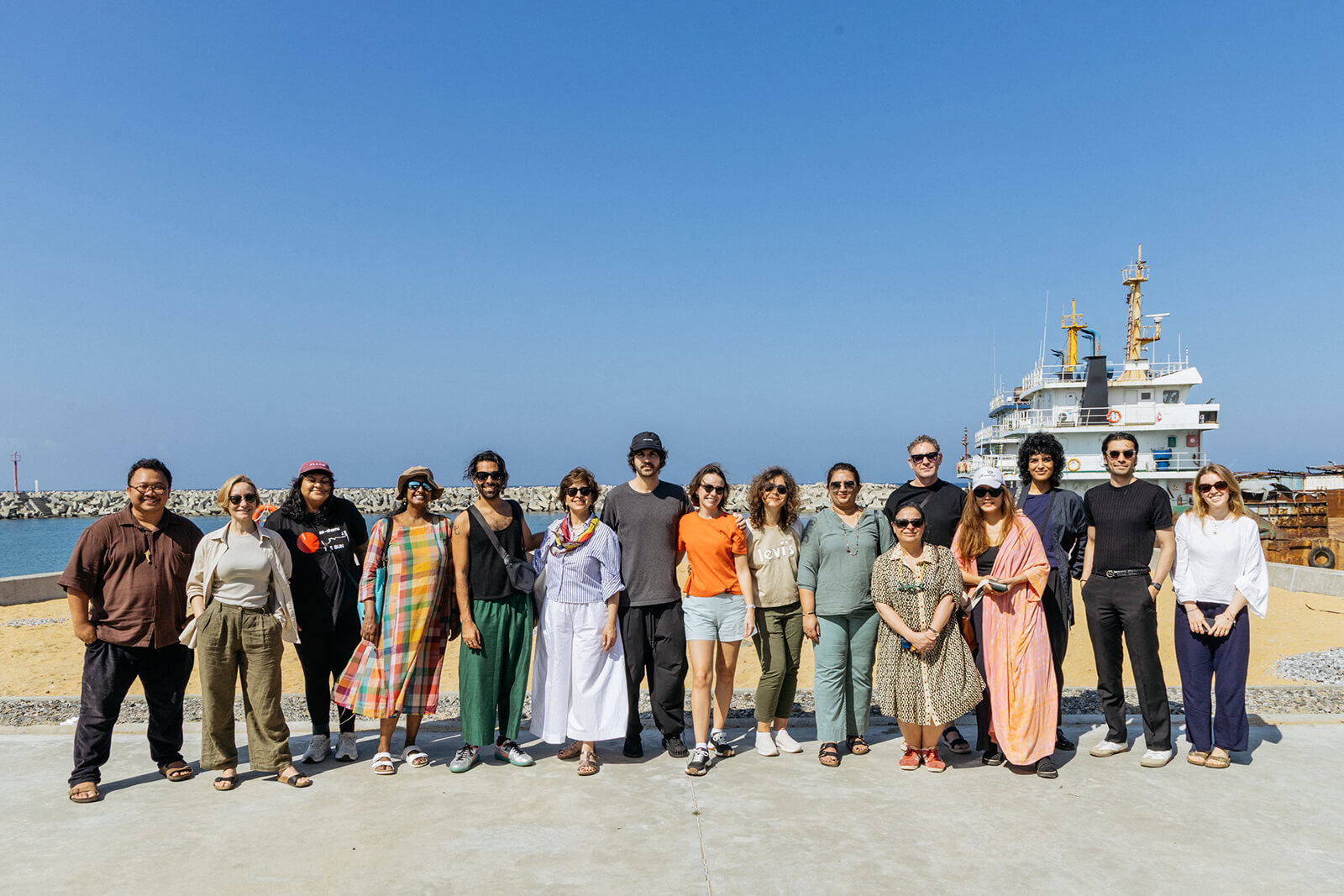
What happens to knowledge when its custodians are not legible to the archive? What does it mean to do historiography, whether this is through artistic practice or research, when the records one bases this work on might themselves be shaped by the violence of the moment that produced them? Taken together, the symposium's conversations kept returning to such questions—to be unpacked further over the fellowship’s three-year duration.
by Srishti Ojha Oct 21, 2026
Increasingly, artists, filmmakers and activists are turning to VR to create more personal, tangible accounts of the climate emergency and its impact on vulnerable communities.
by Mirra Lynn Oct 20, 2026
The Indian artist paints the old wadas of central Pune, capturing the traces of everyday life that cling to these structures, battered by time but unbowed.
by Anmol Ahuja Oct 15, 2026
How do heaps of souvenirs and relics with racist Aboriginal motifs and features become art? MCA Sydney’s winter showcase—the artist’s largest to date—beckons a possibility.
by Vandana Kalra Oct 14, 2026
With his latest exhibition as a point of departure, the modernist discusses his decades-long practice, the spontaneity of drawing and the social responsibility of artists.

make your fridays matter with a well-read weekend
Enter your details to sign in
Don’t have an account?
Sign upOr you can sign in with
a single account for all
STIR platforms
All your bookmarks will be available across all your devices.
Stay STIRred
Already have an account?
Sign inOr you can sign up with
Verification link sent to check your inbox or spam folder to complete sign up process
Tap on things that interests you.
Select the Conversation Category you would like to watch
Please enter your details and click submit.
Enter the 6-digit code sent at


Wet archives: Marine Intersections and Coastlines as Webs in Colombo
by Ranjana Dave | Published on : Apr 02, 2026


 Sign in with Google
 Sign in with email
What do you think?