Art09 mins. read
Manisha Gera Baswani presents a multidisciplinary show at Gallery Espace
by Rahul KumarJul 09, 2022



by Vandana KalraPublished on : Aug 06, 2026
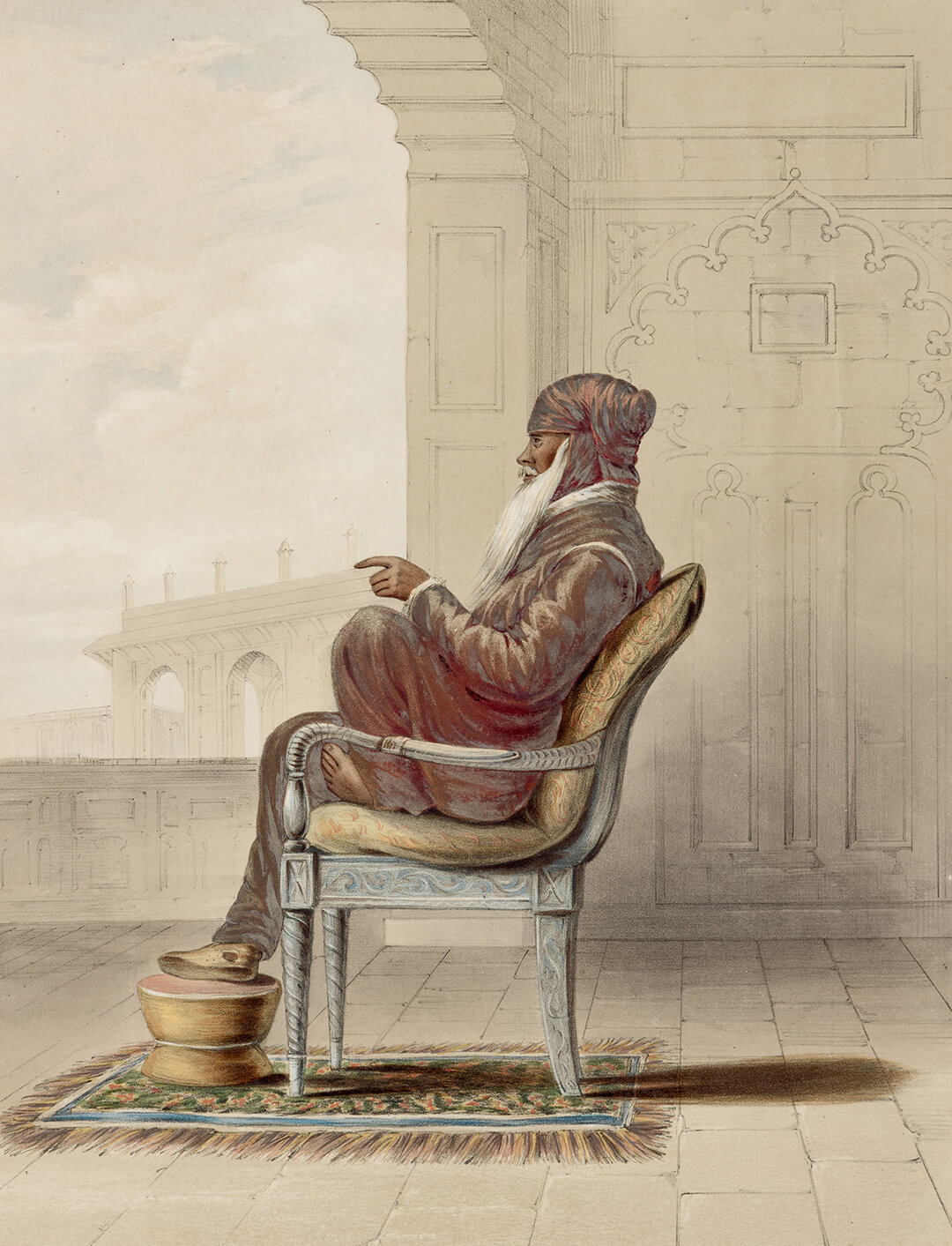
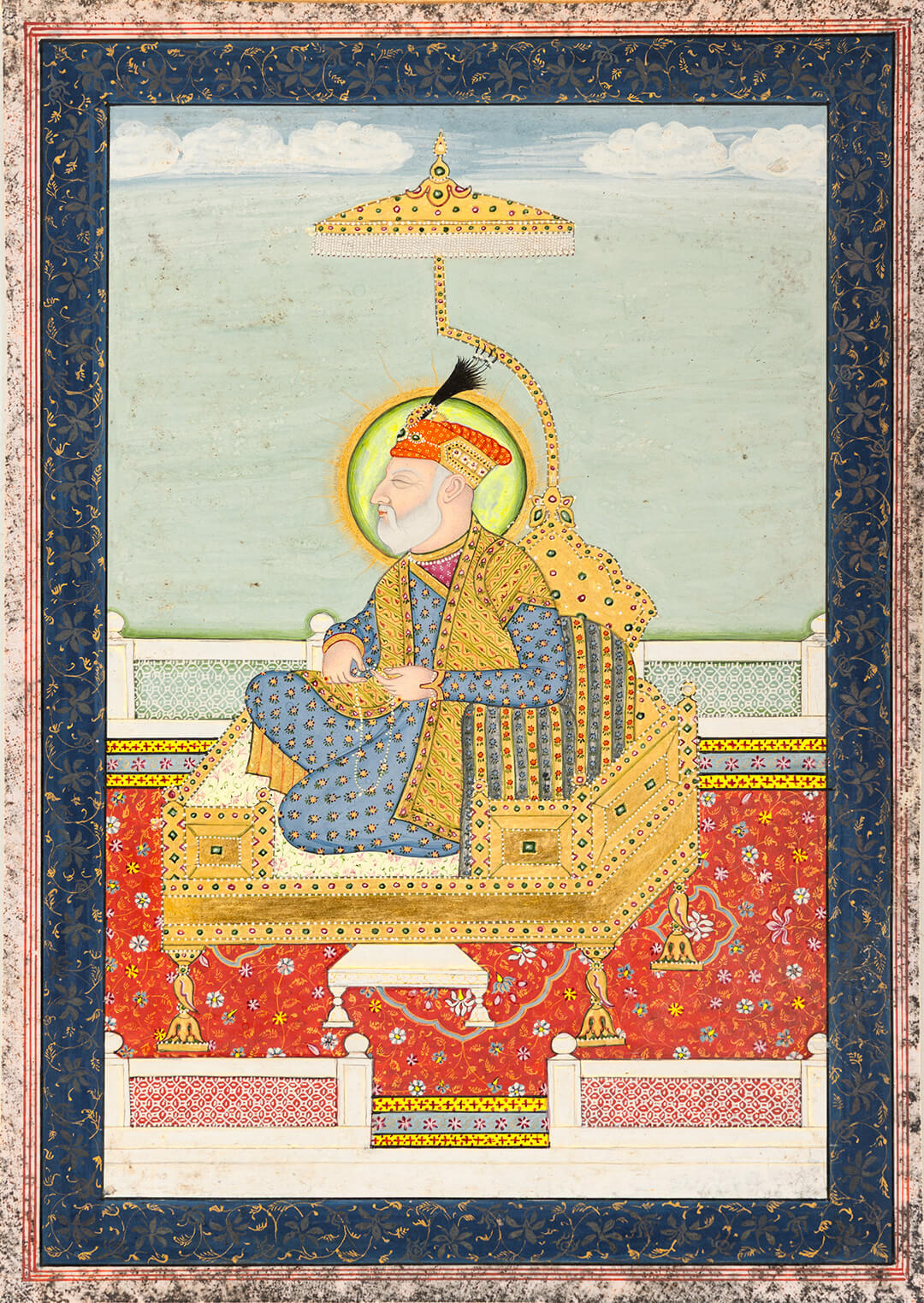
The most evocative portrait in Princes & People of India: Portraits by Emily Eden is not one that attracts attention due to its splendour and grandeur but an image that makes readers stop and appreciate its elegance and understatement. The depiction of Maharaja Runjeet Singh by British novelist and artist Emily Eden (1797 – 1869) has the ruler seated in solace in a simple red robe and turban, with one leg folded and the other resting on a stool. Even though his silver beard and mannerisms are telling of the celebrated chieftain's age and failing health, there is an authority in his posture and gaze. "A simple composition and a single gesture showcase Emily’s skill in capturing not just the physical likeness of her subject (‘like an old mouse’) but also the dignity and authority of the Maharaja, whom many had once feared," writes art curator and author Mary Ann Prior in the opening essay titled From Private Pastime to Public Property: The Impact of India on Emily Eden's Oeuvre.
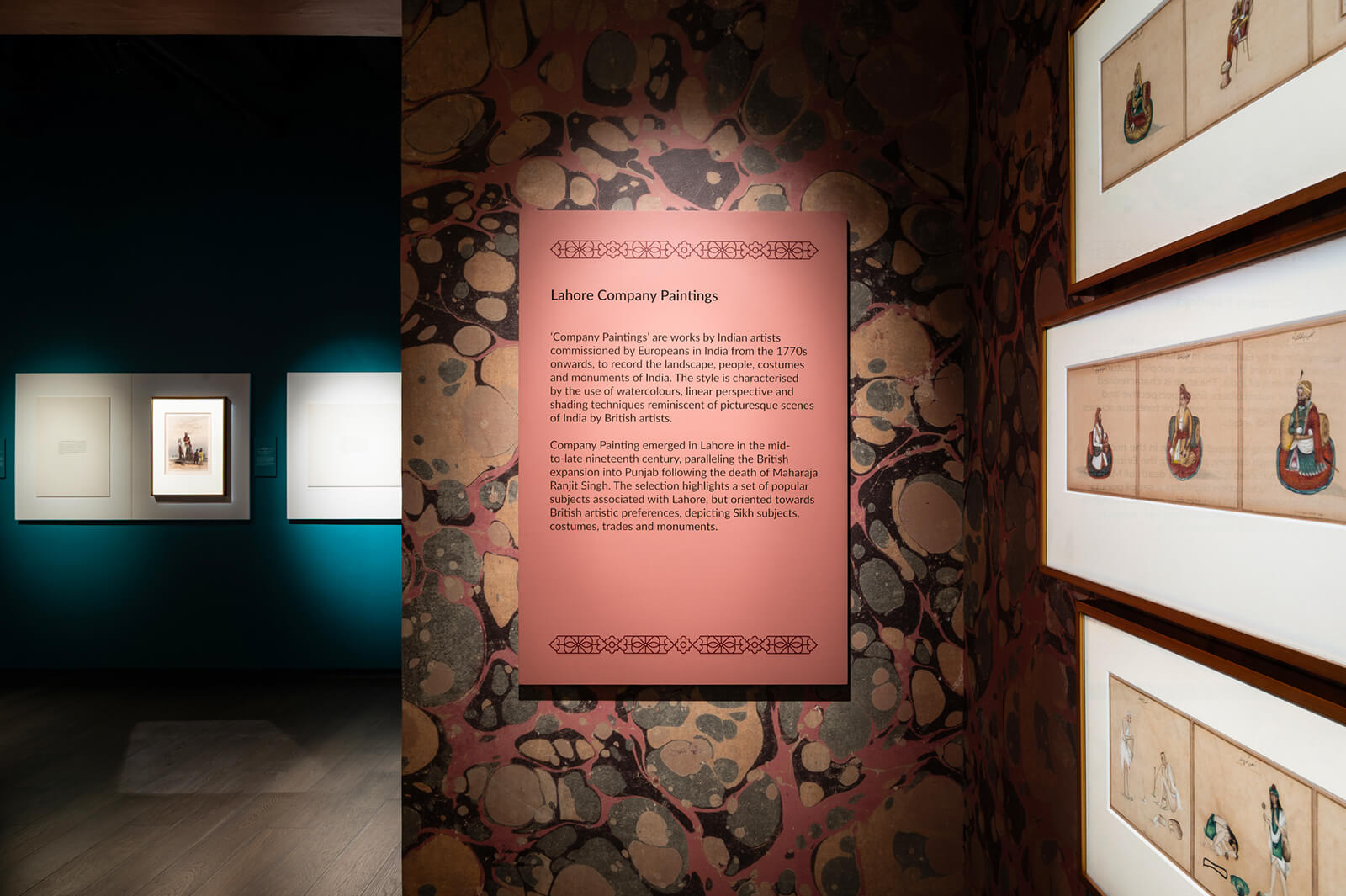
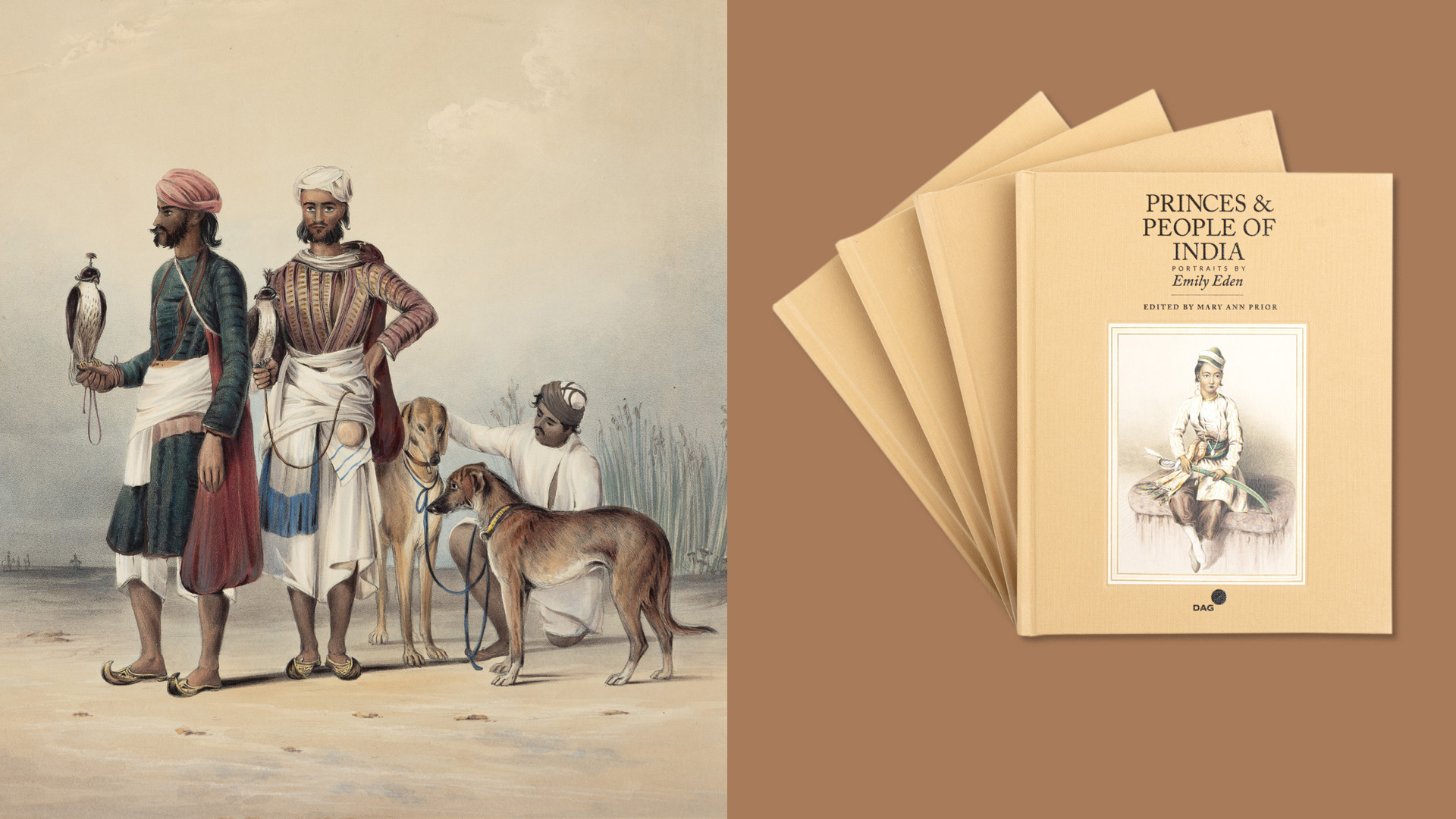
In several respects, this understated portrait is an apt entry point into the publication itself, which presents Eden not as the sister of Governor-General Lord Auckland (1836 – 42) who happened to sketch but as an artist whose paintings, letters and lithographs shaped 19th-century Britain's understanding of India. Bringing together four essays, the complete series of lithographs from Portraits of the Princes and People of India (1844), material from the Eden family archives and a selection of Lahore Company paintings from the DAG collection, the publication is as much about the making of these images that also feature in an accompanying exhibition at the gallery in Delhi.
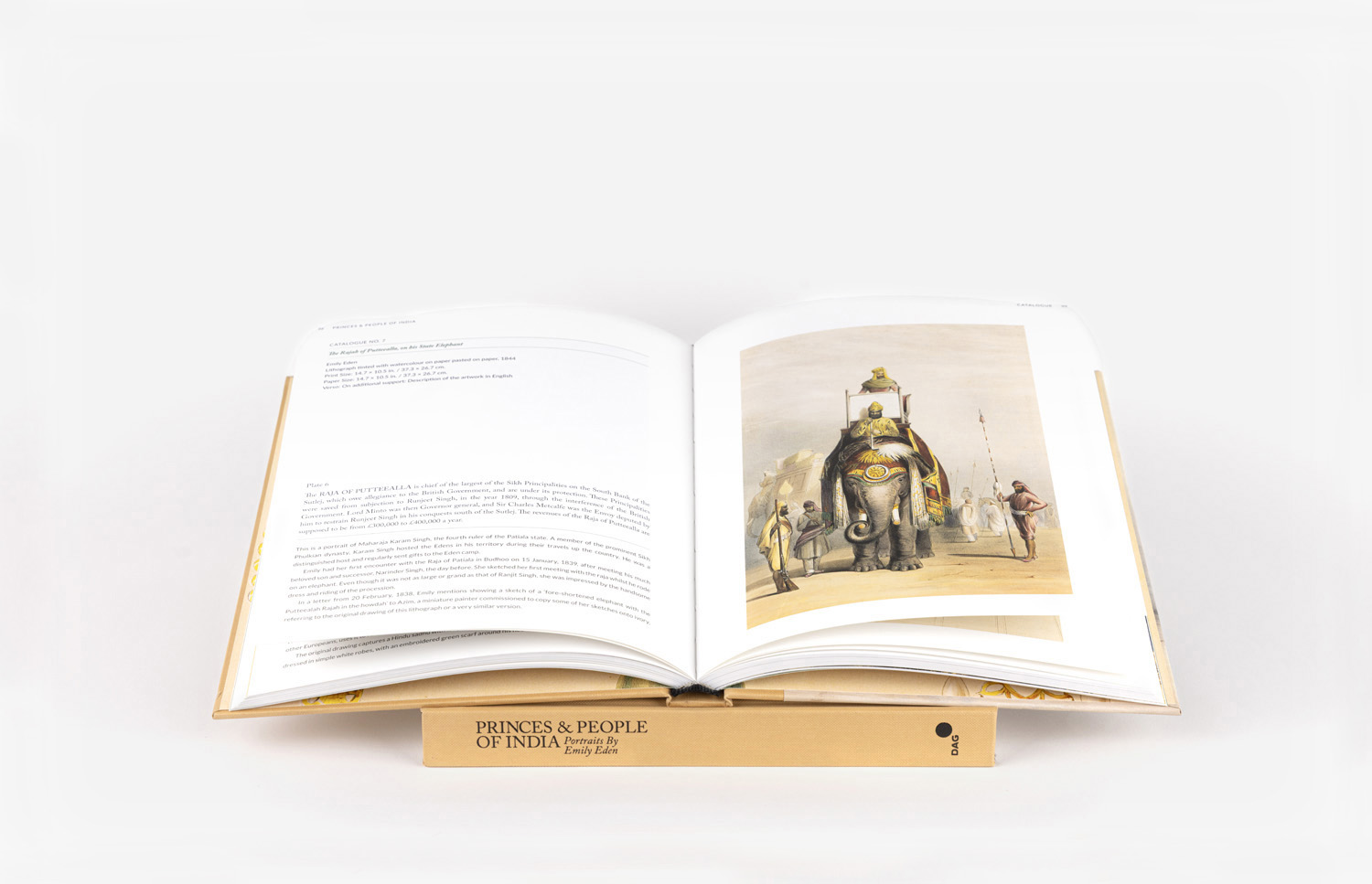
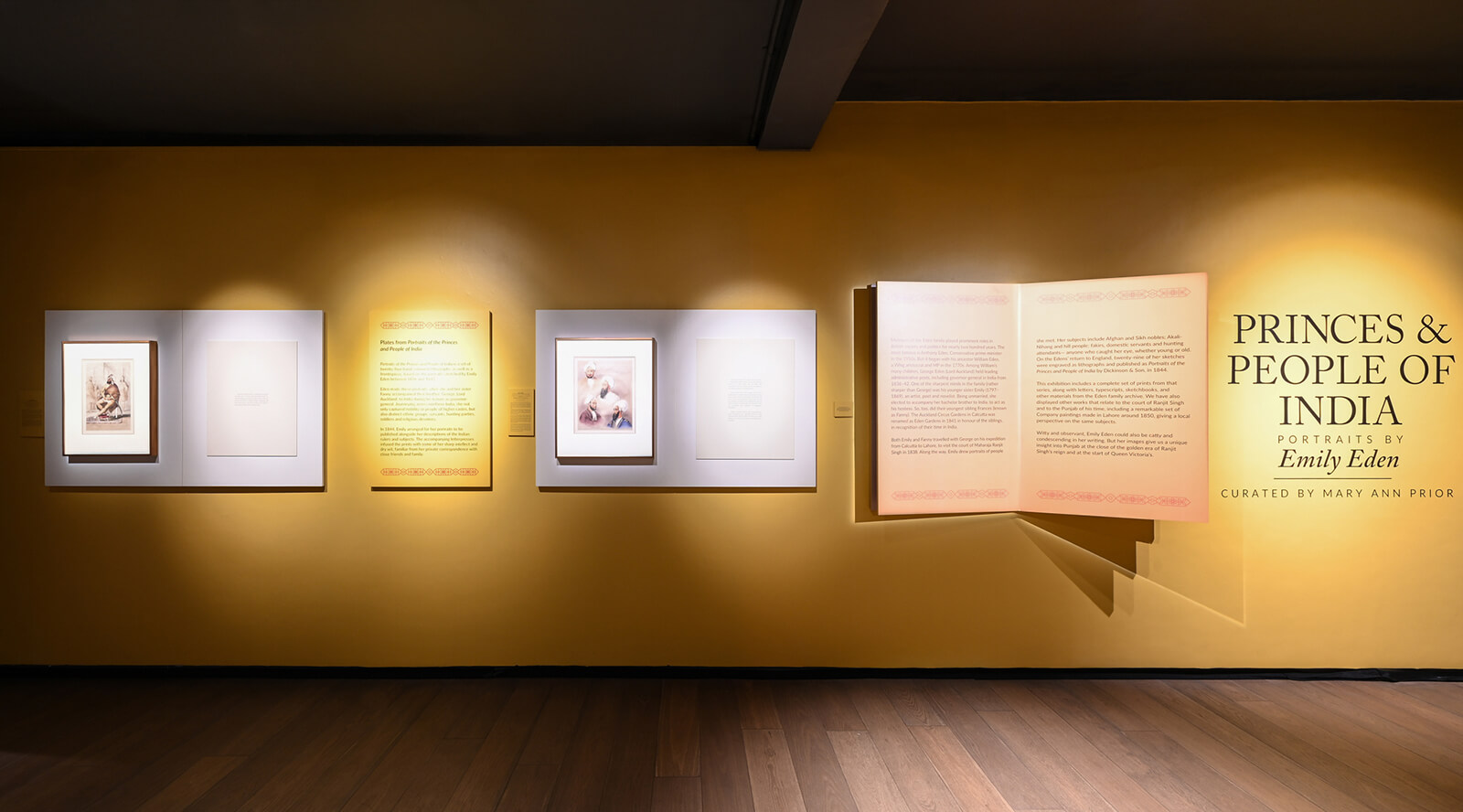
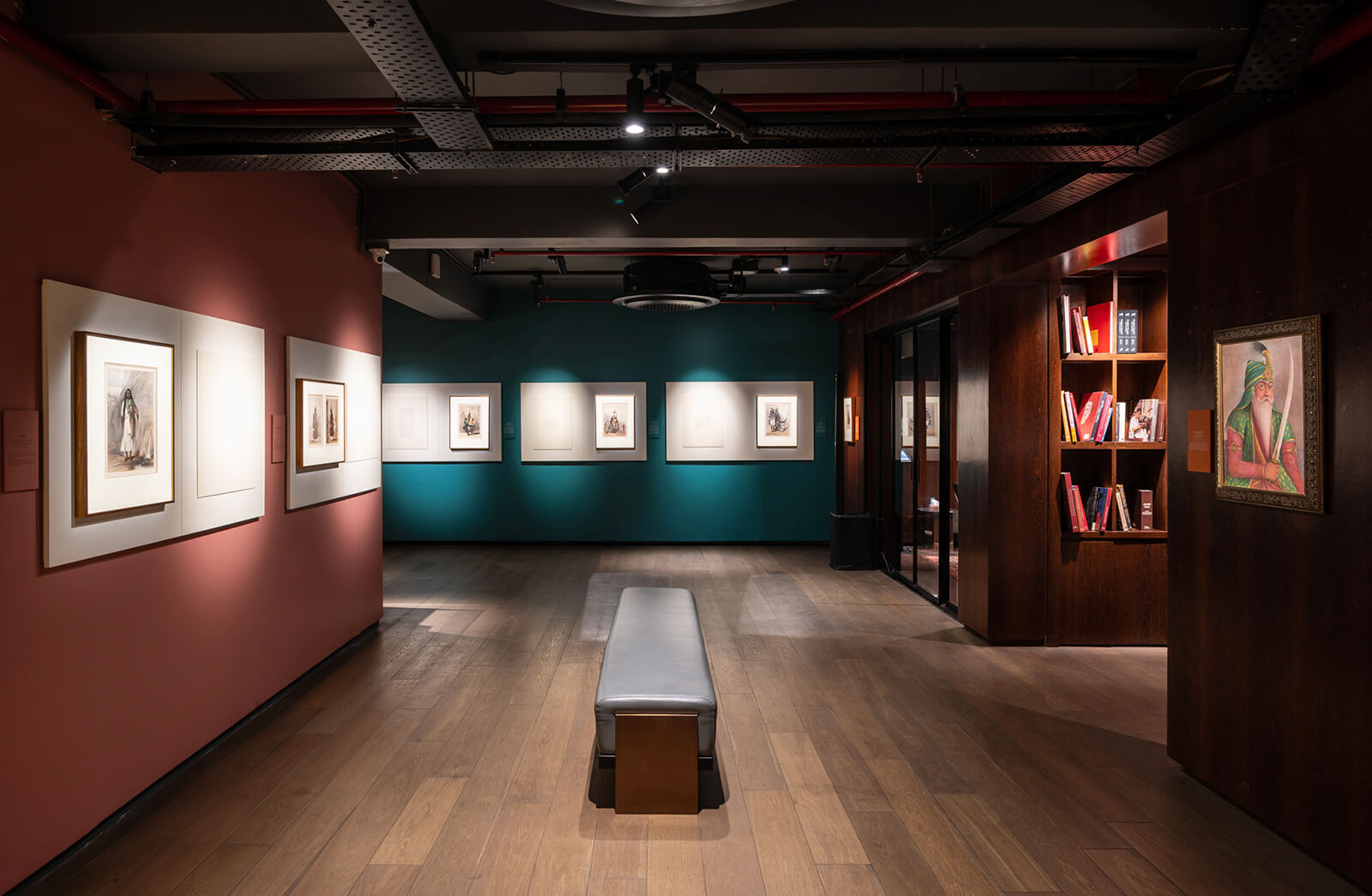
Portraiture, travel and diplomacy come together to present how visual culture played a significant role in the expansion of the British Empire, and readers are encouraged to notice the details that might otherwise have escaped attention—from the weave of a Kashmiri shawl to the folds of a turban. Archival photographs, diary extracts and correspondence form part of the essays, giving the volume the feel of a carefully curated exhibition rather than an academic publication. As Prior puts emphasis on moving between image and text, she introduces Eden as ‘a compulsive communicator’, noting how her years in India represented "the zenith of the creative output upon which her reputation rests", further tracing how private sketches evolved into becoming public images as watercolours by Eden were later translated into lithographs by Lowes Cato Dickinson, extending their reach far beyond what Eden originally intended.
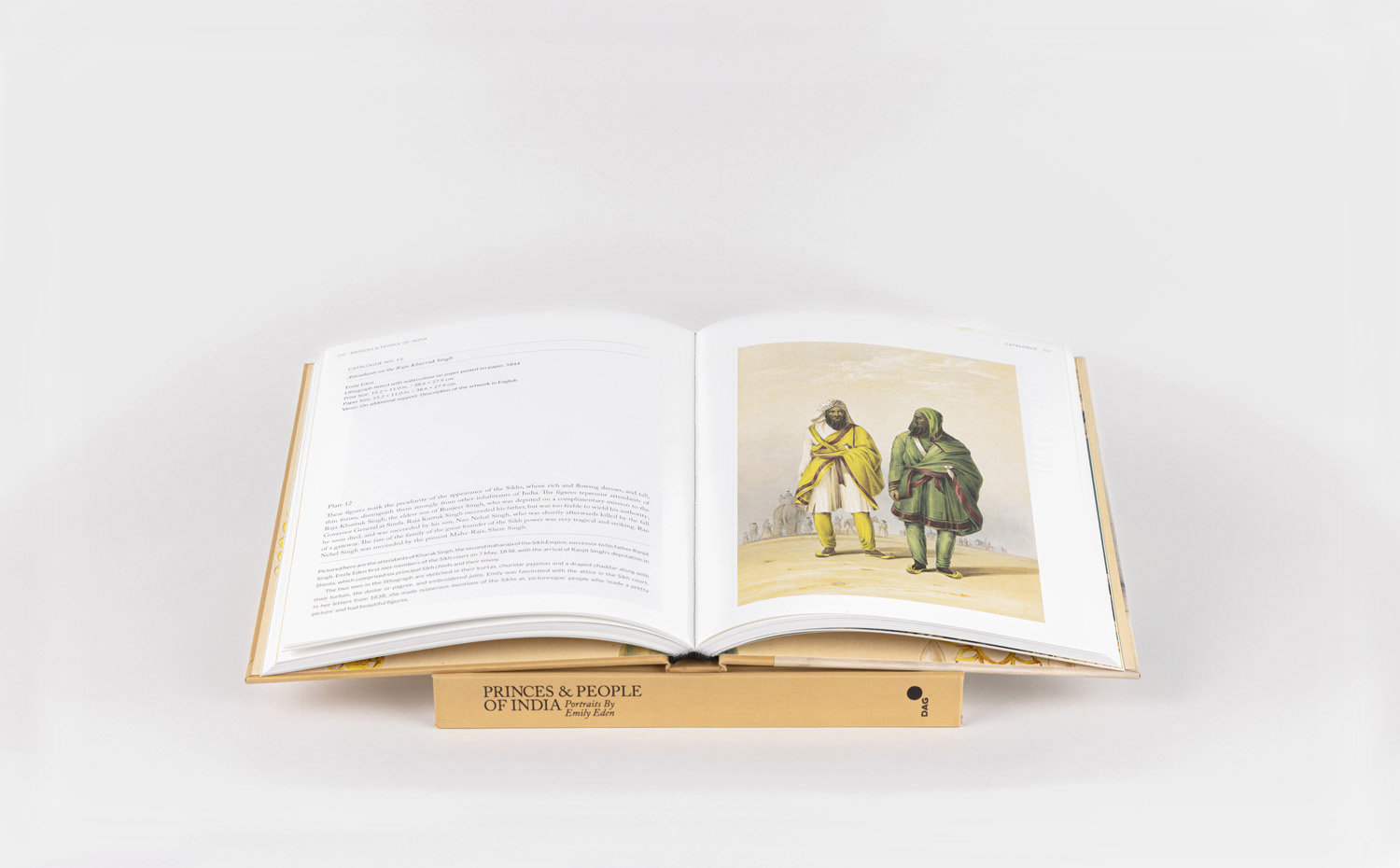
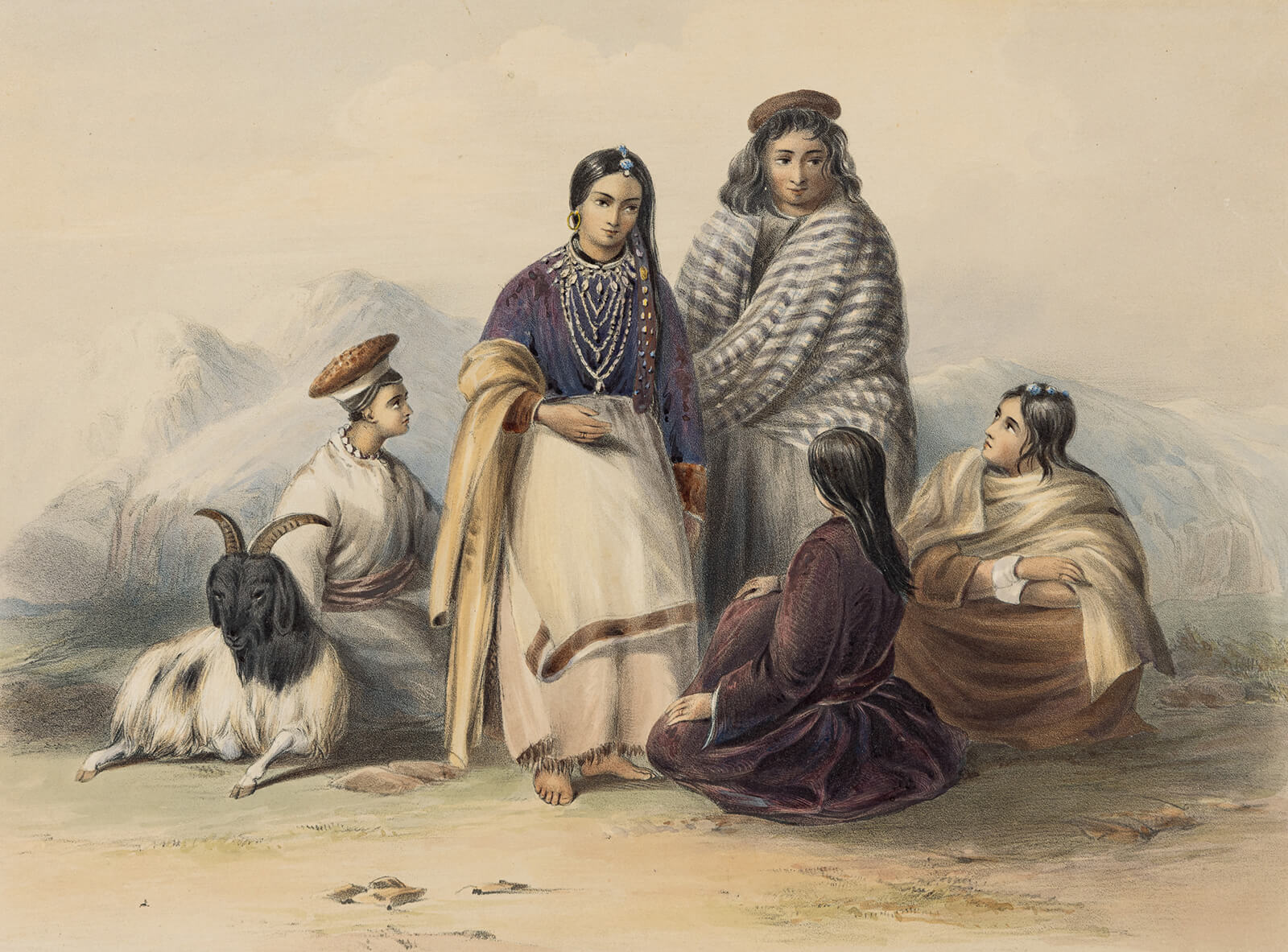
Born into a prominent political family and having nurtured her artistic talent through private lessons, Eden’s early sketchbooks might have been dominated by family portraits and the English countryside, but Prior shares how India was to transform Eden’s artistic vocabulary and inclinations. Creating her first watercolour portrait in India in 1836—of a young student from the Hindu College (now the Presidency College)— right before she was to accompany her brother on a 1,700-mile journey from Calcutta to Lahore, she had upfront declared: "once in camp, I mean to commence an interminable course of sketching". She was to visit several cities, from Lahore to Banares (Varanasi), Patna, Delhi, Gwalior, Lucknow and Shimla, and as India became her extended studio, she created portraits of the rulers and the ruled, from attendants to traders, craftsmen, soldiers, falconers, servants, wood carriers, traders and camel riders. If in A Young Hill Raja a ruler of one of the small states from the mountain provinces is seen in a white choga and red trousers, Two Attendants of Raja Khurruck Singh has the tall figures making an impression in turbans and embroidered juttis. Attentive to material culture, including details of textiles, jewellery and ceremonial display, also featured is a drawing of the famous Koh-i-Noor diamond, then in the collection of Maharaja Ranjit Singh, and one that Eden found to be "very large, but not very bright".
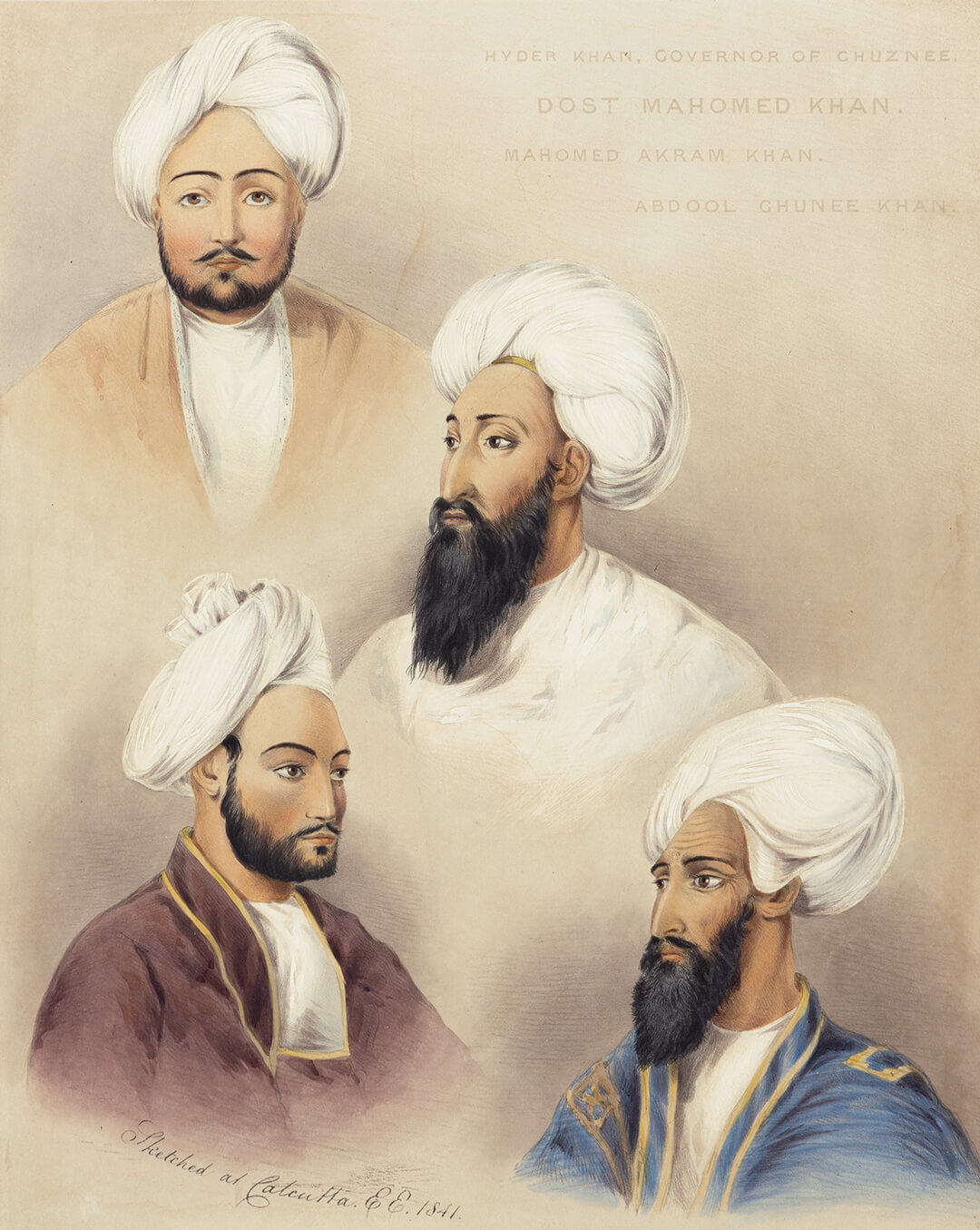
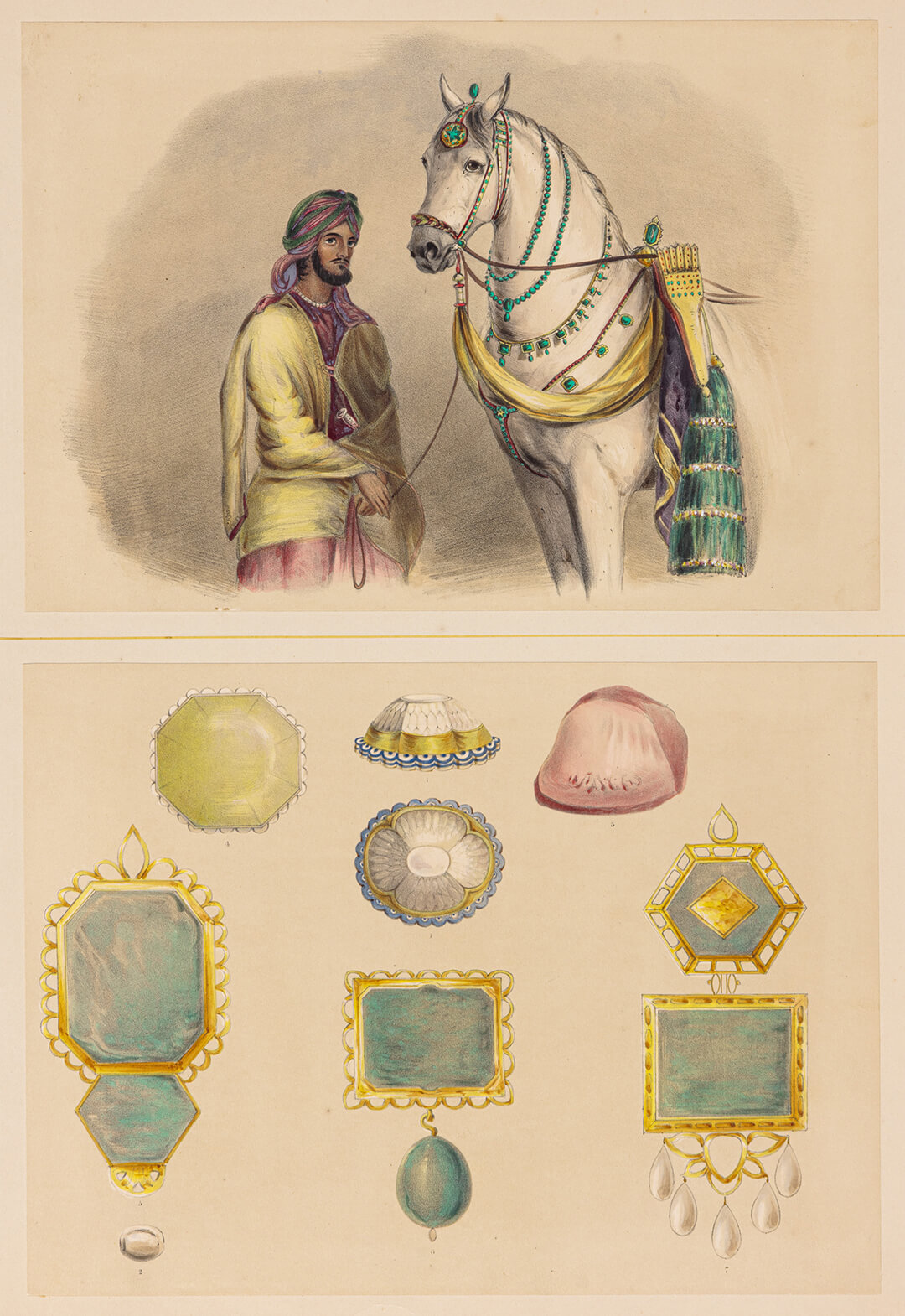
Every reading of the artworks draws extensively from Eden's journals and letters, illuminating the circumstances in which the portraits were made and also demonstrating how Eden was not simply documenting appearances but also recording conversations and people. Prior observes how Eden's "vivid written descriptions matched with their visual counterparts", enriching our understanding of both ordinary and extraordinary aspects of Lord Auckland's progress "up country". The notations that add much value also encourage an intimacy with the portraits, especially with images of rulers such as Maharaja Ranjit Singh, Sher Singh, Dost Mohammad Khan and his sons and the Raja of Patiala, with anecdotes preventing them from becoming distant historical icons. Having patiently sat for his portrait, a young Partap Singh, for instance, later played games with Eden, made efforts to learn English, and the two continued to correspond through letters after Eden had left the Lahore court. Widely known as the 'Lion of the Punjab', Ranjit Singh, on the other hand, appears not only as the formidable ruler of the Sikh Empire but as someone with wit and curiosity and who Eden describes as someone who asked several questions.
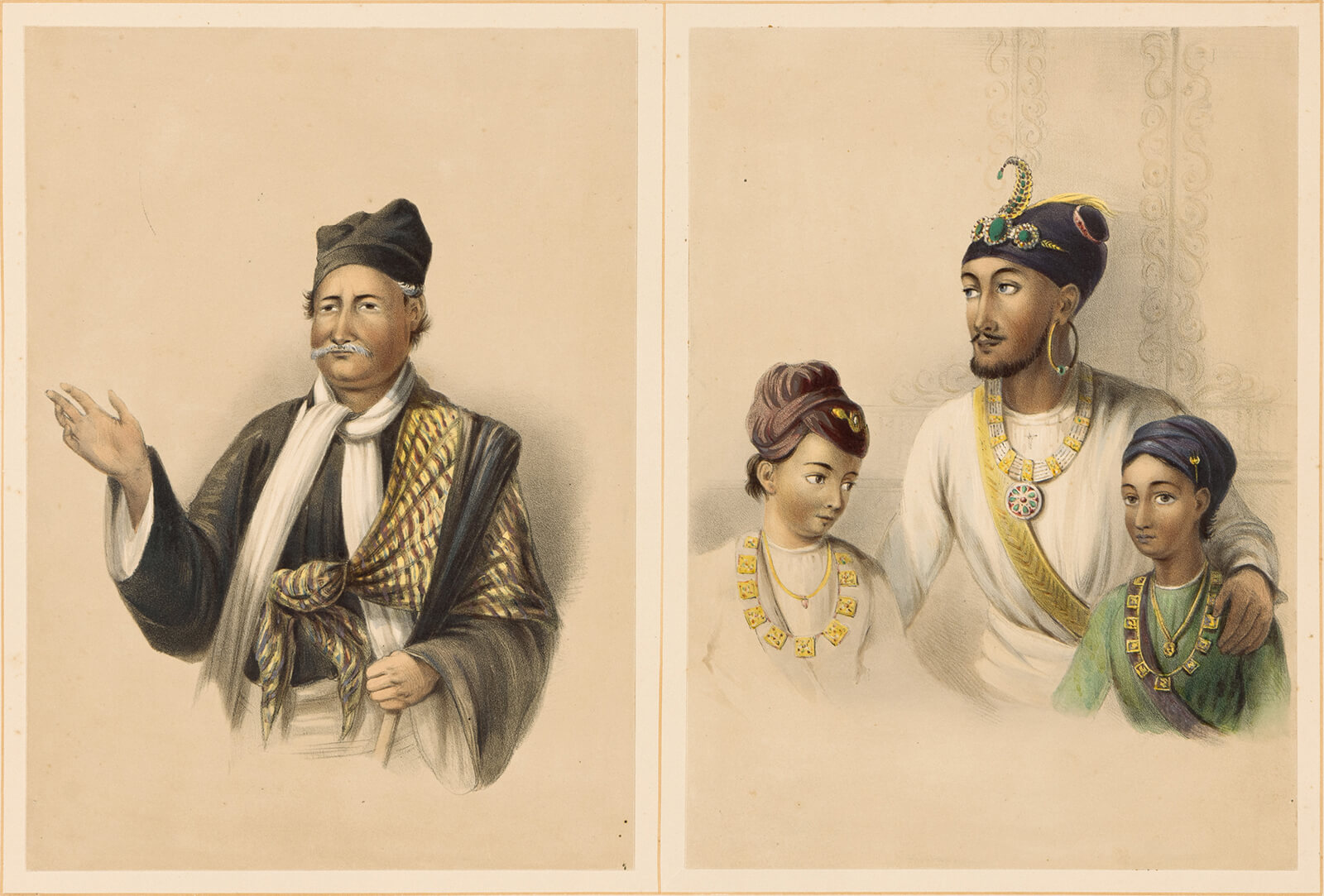
By the time readers reach the remaining essays, Princes & People of India has already established Eden as a figure who finds a place in the larger conversations around art-making during this period. The later writings take this understanding forward, revealing how the travelling images found meaning and ultimately shaped historical memory. Brigid Allen's The Edens in Politics and Power, for instance, reconstructs the political world into which Eden was born and also narrates Lord Auckland's progress from Calcutta to Lahore with an entourage that was so vast that it resembled a moving city, complete with soldiers, elephants, camels, tents, servants and baggage trains. Through Allen's writing, Eden's sketches also find a new immediacy. They were not the product of studio sittings but of an artist working on the move, responding to constantly shifting landscapes, encounters and audiences. Writing about the Shootr-Suwars (camel riders) in a letter, for instance, she records that she and her sister Fanny attempted to sketch "two very picturesque camels and camel-drivers", declaring how though she feels that camels would make excellent pets, while Fanny complained that they were almost impossible to draw.
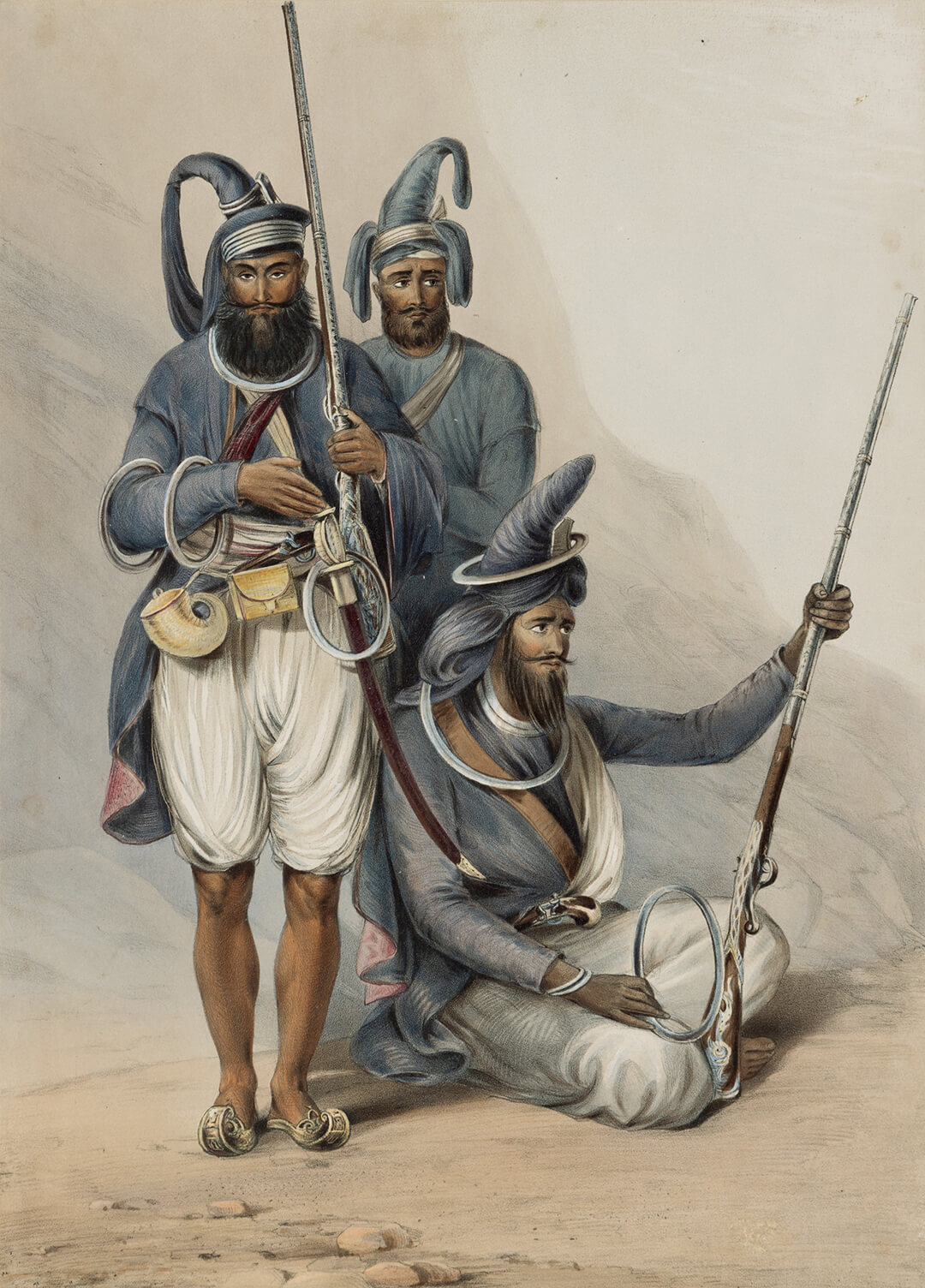
The exploration of portraiture as diplomacy, meanwhile, finds sharper focus in British scholar and educator Eleanor Nesbitt's essay on the Sikh court. Her account of the exchanges between the Edens and Maharaja Ranjit Singh reveals how diplomacy was not simply about treaties and statecraft but also gifts, conversations and images. While making a portrait of Queen Victoria from drawings and prints sent from England for Maharaja Ranjit Singh as a diplomatic gift, she remarked that "the Sikhs are not likely to know if it is an exact likeness as far as [her] face goes." The comment, which is characteristic of understated humour, also reflects how portraits travelled as political objects long before photography in the 19th century.
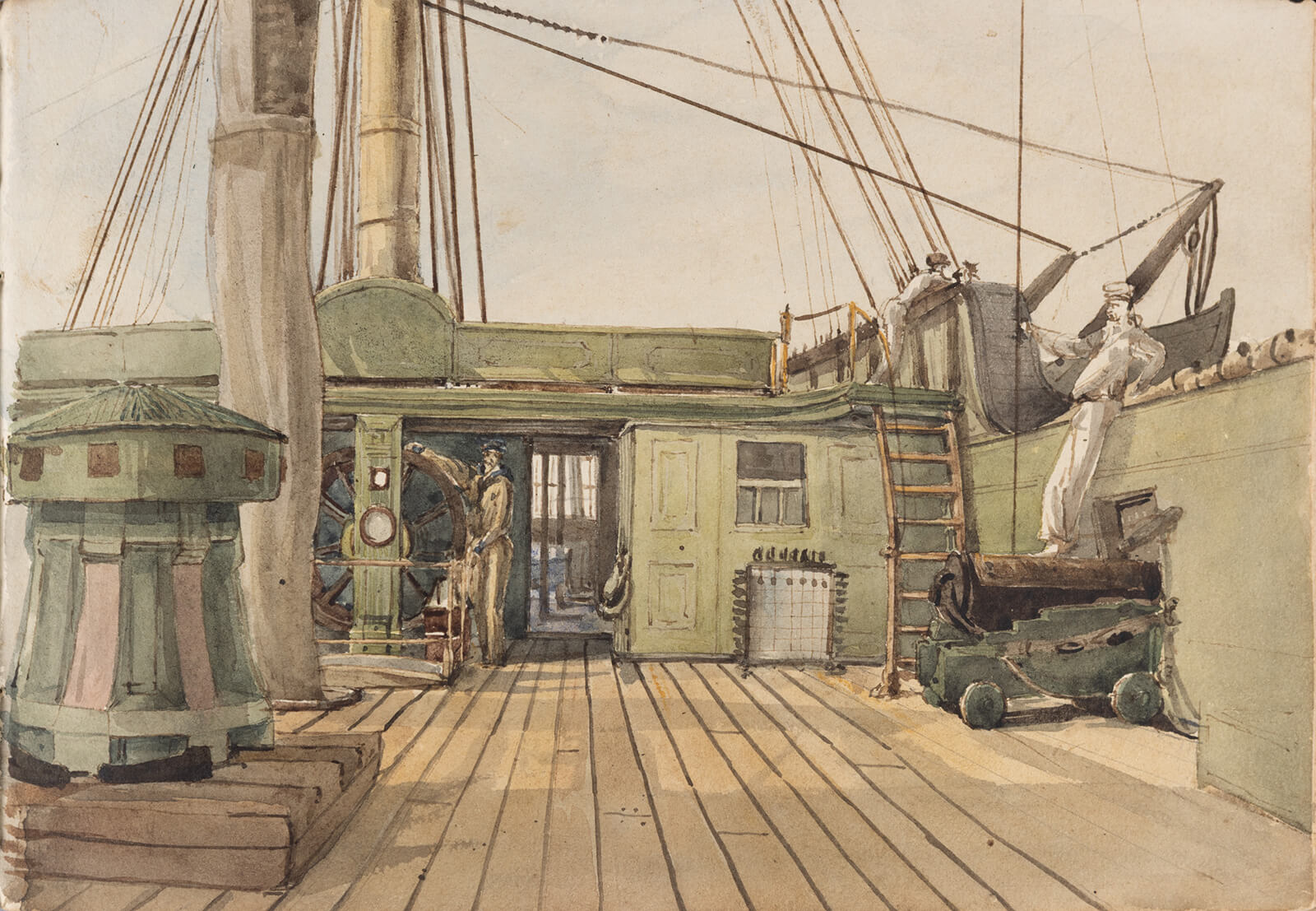
The engagements of the publication broaden with historian FS Aijazuddin's essay Punjabi Scenes and Portraits, which also references Lahore Company paintings from the DAG collection. It begins with an anecdote where, upon being shown a map of British possessions marked in red, Singh made a prophecy: Ek roz sab laal ho jayega (One day, all this will become red) to indicate the expansion of the Empire that was still to come, but Aijazuddin also places it within a broader visual culture shaped by artistic exchange. Seen alongside Eden's lithographs, the Lahore paintings caution against any singular readings of 19th-century India, noting how British artists were not the only chroniclers of the period; that several Indian painters also adapted Mughal conventions, Sikh court traditions and European techniques in works that presented different ways of seeing. One of the publication's strengths is that it allows these artistic traditions to coexist, even inviting a comparison of the different visual languages.
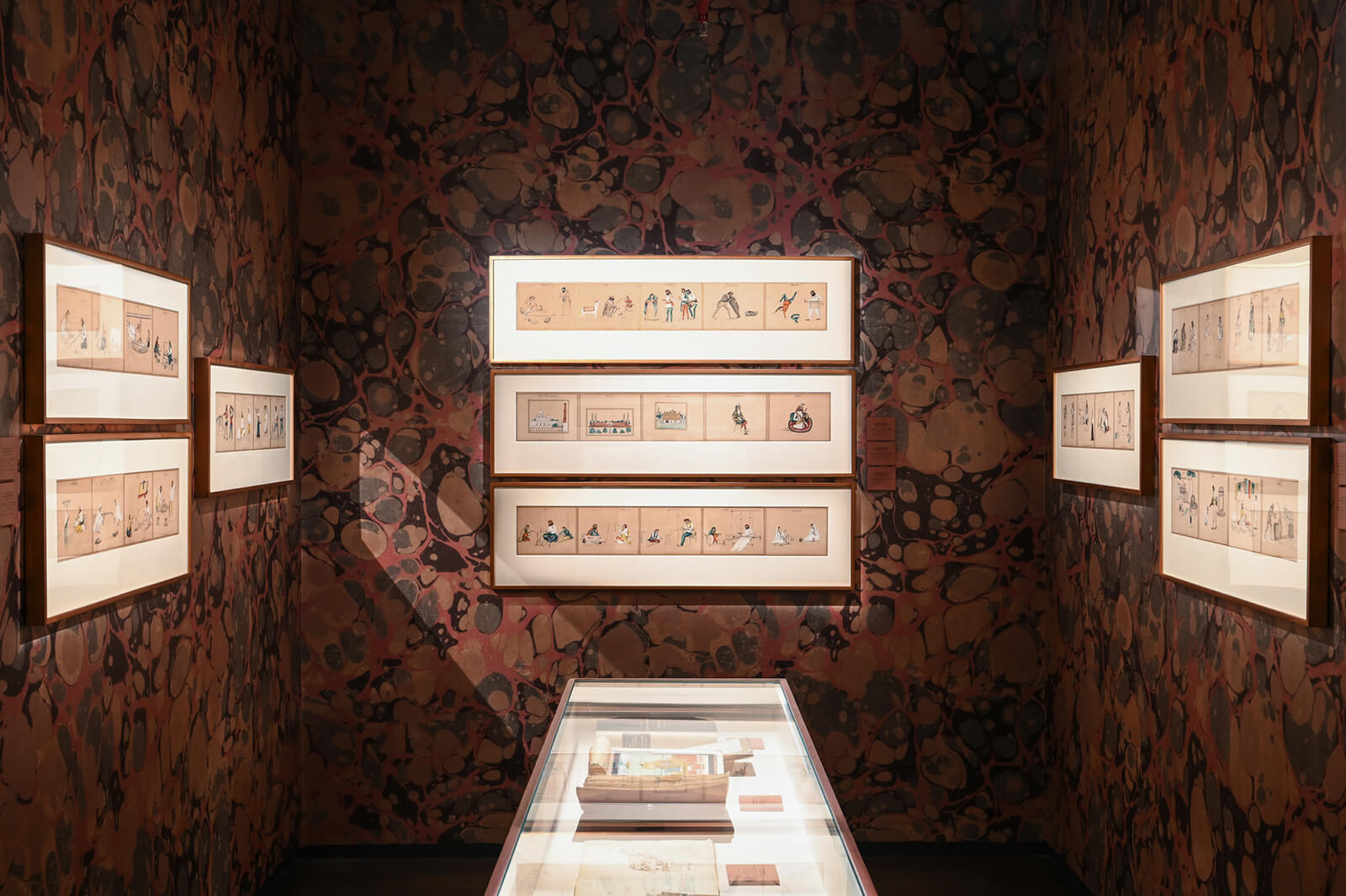
While the thoughtful sequencing of archival letters, reproductions and historical essays gives the publication a life beyond the exhibition, the only aspect that it perhaps leaves relatively open is how these images might speak to contemporary debates on colonial collections. To its credit, though, it does create conditions for those conversations by equipping readers with the required visual and historical material. History is rarely contained within a single viewpoint, and there is acknowledgement that the images that once might have served imperial ambitions have now become invaluable records of the times, from clothing to craftsmanship, architecture, diplomacy and everyday life. Ultimately, this was the world Eden chose to document, and it was her private sketches that became public images. The purpose is not to seek definitive answers, but to discover the multiple histories that reside within these artworks to better understand the past.
by Srishti Ojha Oct 26, 2026
The Taiwan-based artist shares his opinion on exhibition rituals, protests and his search for ‘fragmented beauty’.
by Srishti Ojha Oct 21, 2026
Increasingly, artists, filmmakers and activists are turning to VR to create more personal, tangible accounts of the climate emergency and its impact on vulnerable communities.
by Mirra Lynn Oct 20, 2026
The Indian artist paints the old wadas of central Pune, capturing the traces of everyday life that cling to these structures, battered by time but unbowed.
by Anmol Ahuja Oct 15, 2026
How do heaps of souvenirs and relics with racist Aboriginal motifs and features become art? MCA Sydney’s winter showcase—the artist’s largest to date—beckons a possibility.

make your fridays matter with a well-read weekend
Enter your details to sign in
Don’t have an account?
Sign upOr you can sign in with
a single account for all
STIR platforms
All your bookmarks will be available across all your devices.
Stay STIRred
Already have an account?
Sign inOr you can sign up with
Verification link sent to check your inbox or spam folder to complete sign up process
Tap on things that interests you.
Select the Conversation Category you would like to watch
Please enter your details and click submit.
Enter the 6-digit code sent at


Private sketches to public memory: Reading Emily Eden's Princes & People of India
by Vandana Kalra | Published on : Aug 06, 2026


 Sign in with Google
 Sign in with email
What do you think?